10 Ways to Get More Wear Out of Your Clothes & 10 Bad Habits That Instantly Ruin Them
10 Ways to Get More Wear Out of Your Clothes & 10 Bad Habits That Instantly Ruin Them
Get the Most Out of Your Wardrobe
Your clothes go through a lot more wear and tear than you probably realize, from harsh washing machine cycles to careless storage habits that speed up fabric breakdown. For example, if you stuff all your clothes into one drawer instead of spacing them out, it's pretty much guaranteed that your outfits aren't going to look quite as nice the next time you wear them. The same goes for drying wet garments on wire hangers or leaving your clothes out in the open sun. If you want to extend your closet's lifespan, here's what works and what doesn't.
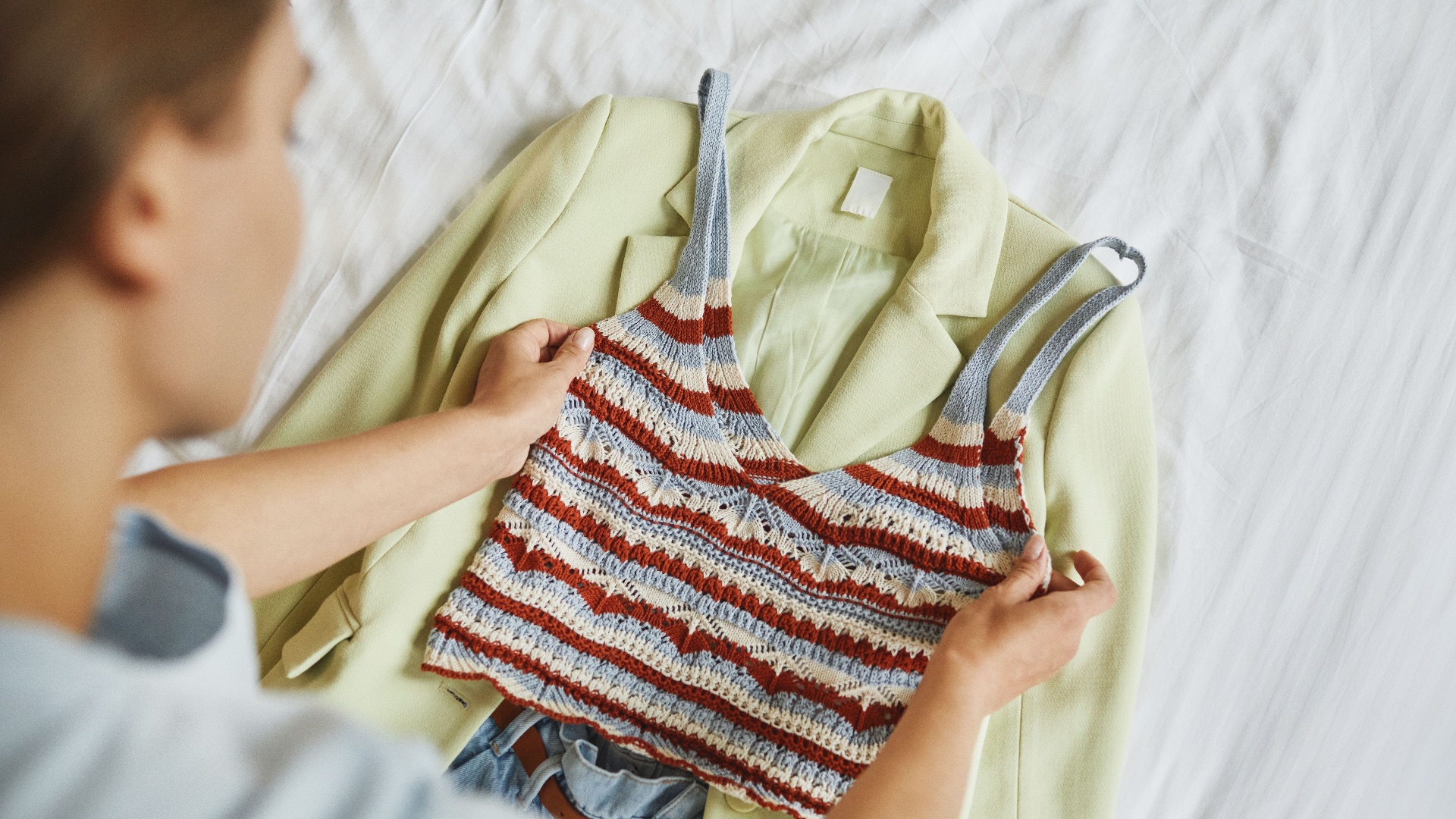
1. Wash Clothes Inside Out
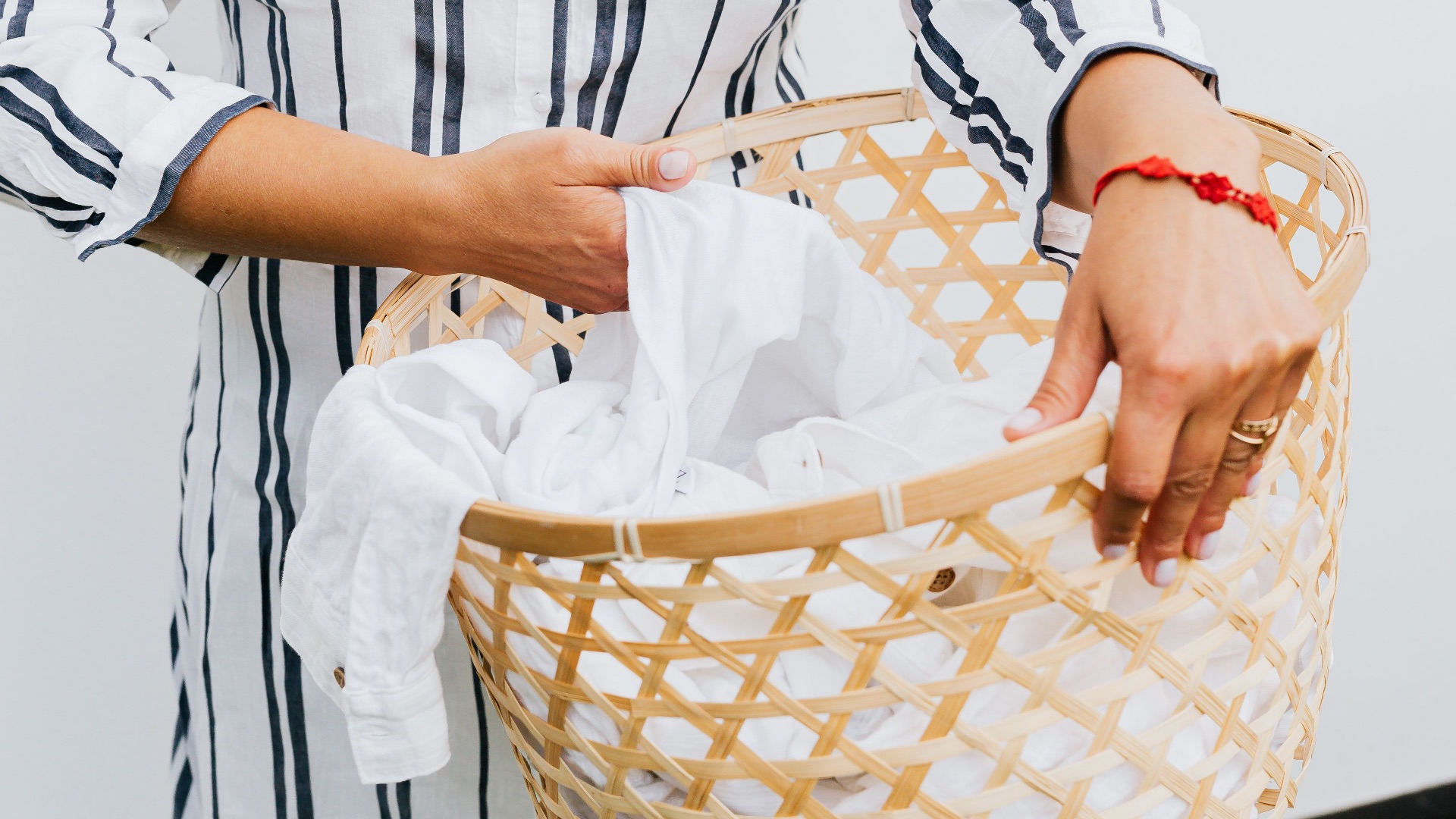
Turning your clothes inside out before tossing them in the wash protects the outer surface from friction, fading, and pilling. This is especially important for dark colors, printed graphics, and denim, all of which tend to lose their vibrancy faster when exposed directly to the agitation of a wash cycle. It only takes a few extra seconds per garment, but it makes a noticeable difference over time.
 https://kaboompics.com/ on Pexels
2. Use Cold Water Whenever Possible
Hot water might feel like it cleans better, but it actually breaks down fibers faster and causes shrinkage in many fabrics. Cold water is gentler on elastic, prevents colors from bleeding, and still does an effective job removing dirt and odor for most everyday laundry. Switching to cold water also happens to save energy, so your wallet benefits as much as your clothes do.
3. Air-Dry Delicate Items
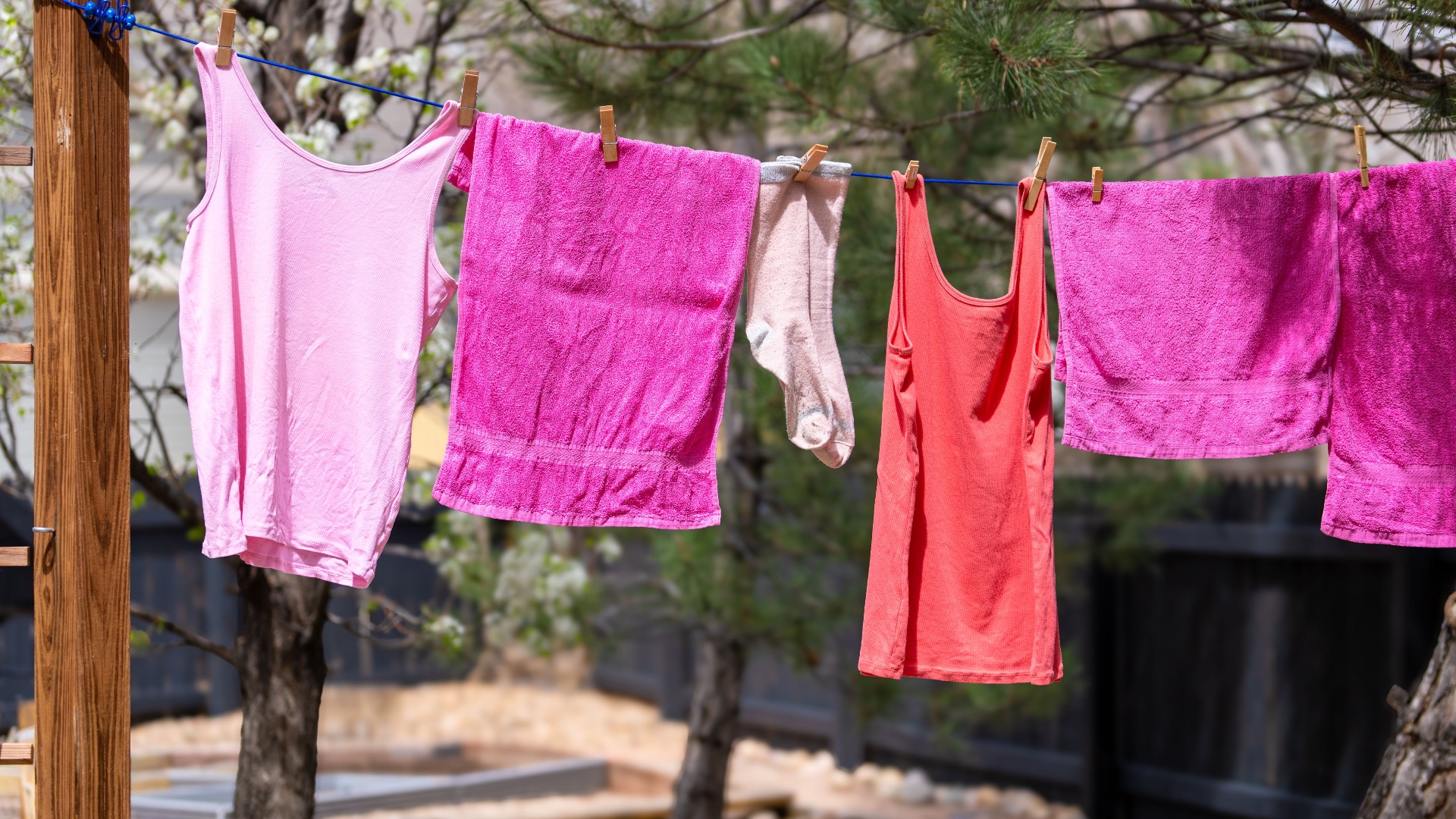
Tossing everything into the dryer might be convenient, but high heat is one of the fastest ways to weaken fibers and shrink garments. Delicate items like sweaters, activewear, and anything with elastane hold their shape much better when they're laid flat or hung to dry naturally. It takes a bit more patience, but your clothes will thank you with a longer life.
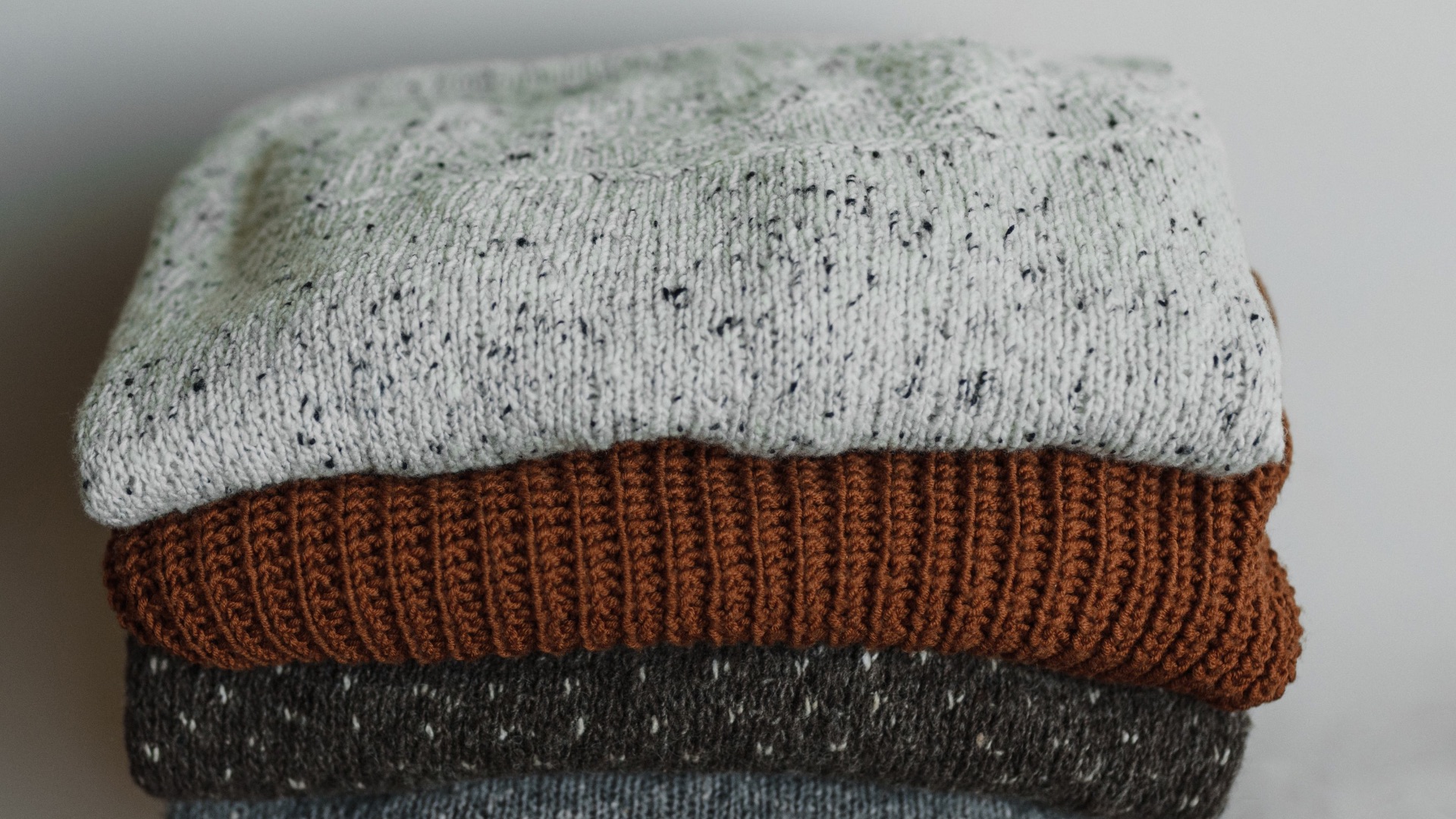
4. Fold Knitwear Instead of Hanging It
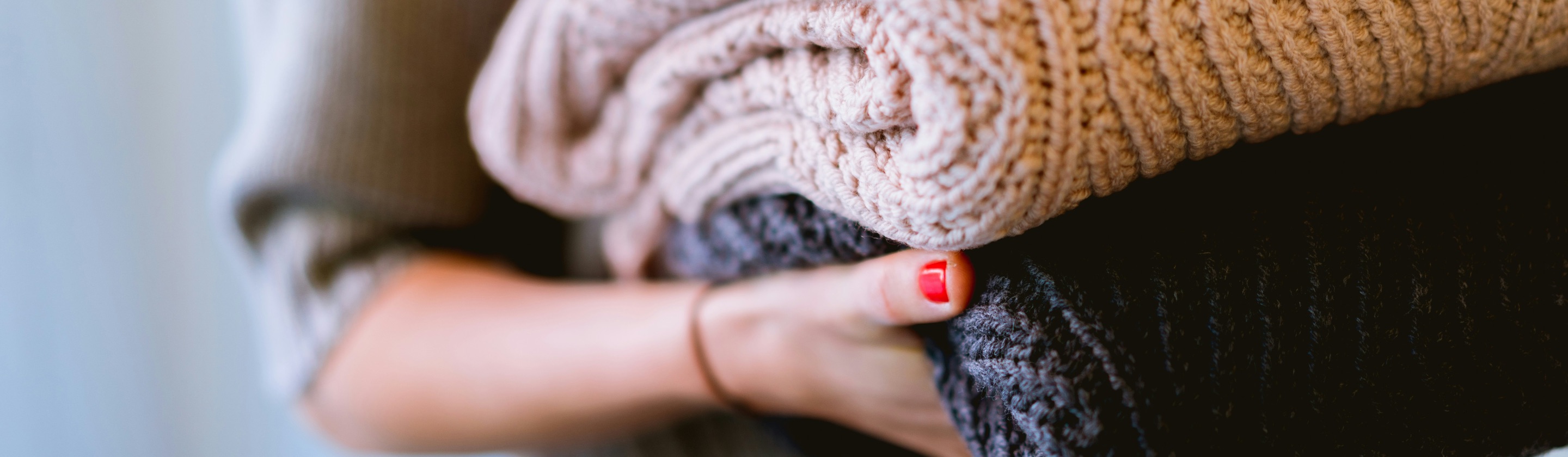
Hanging sweaters and other knit items causes them to stretch out of shape, especially around the shoulders where the hanger creates pressure points. Folding these pieces and storing them in a drawer or on a shelf keeps their structure intact for much longer. This small habit prevents that awkward, stretched-out look that makes a sweater feel past its prime.
5. Rotate Your Footwear and Accessories
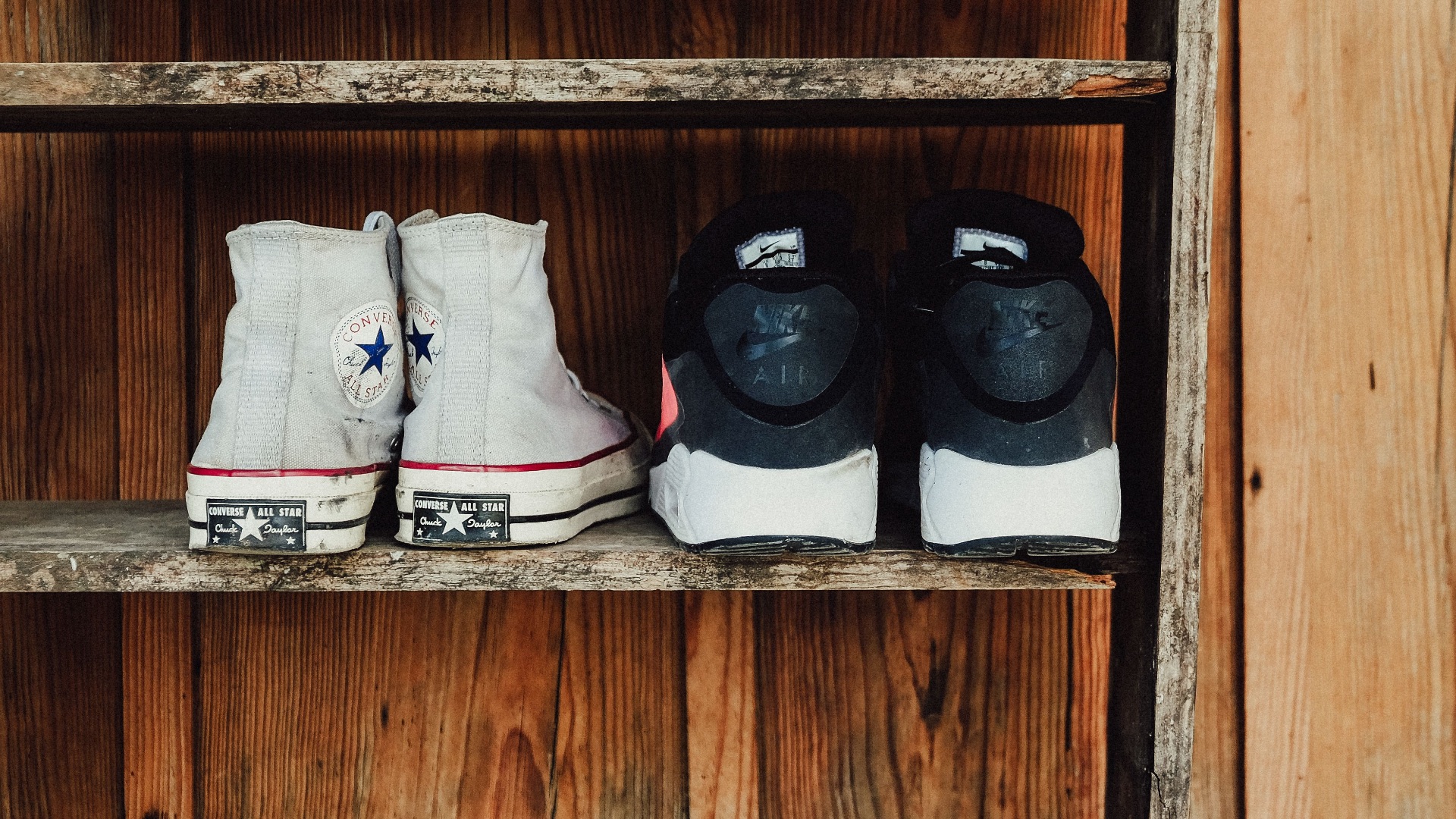
Wearing the same shoes or belt every single day doesn't give the materials time to recover between uses, which speeds up wear on soles, seams, and leather. Giving items a day or two of rest allows them to reshape and air out, extending their overall lifespan significantly. This habit applies to bags and jewelry too, since constant use puts steady strain on clasps, straps, and finishes.
6. Treat Stains Immediately
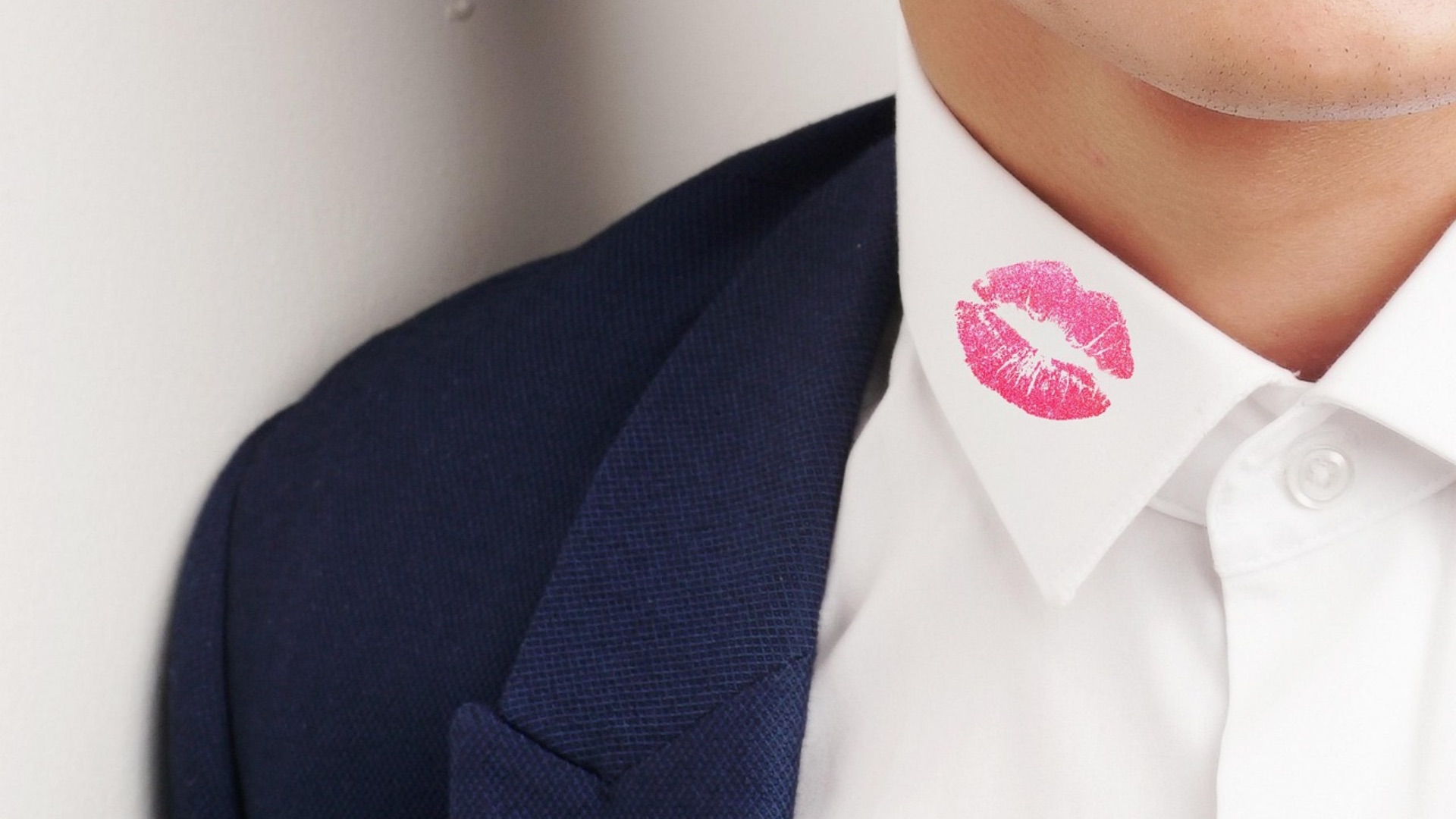
The longer a stain sits, the more likely it is to set permanently into the fabric, making it nearly impossible to remove later. Blotting spills right away and using a stain treatment before washing gives you a much better shot at keeping the garment looking new. Keeping a stain stick or spray on hand makes this habit easy to maintain even when you're out and about.
7. Store Clothes in a Cool, Dry Place
Humidity and heat both accelerate fabric deterioration, which is why closets in damp basements or hot attics aren't ideal for long-term clothing storage. A cool, dry space helps prevent mildew, fading, and the breakdown of fibers over time. If you're storing seasonal items, adding a moisture absorber to the space can offer extra protection.
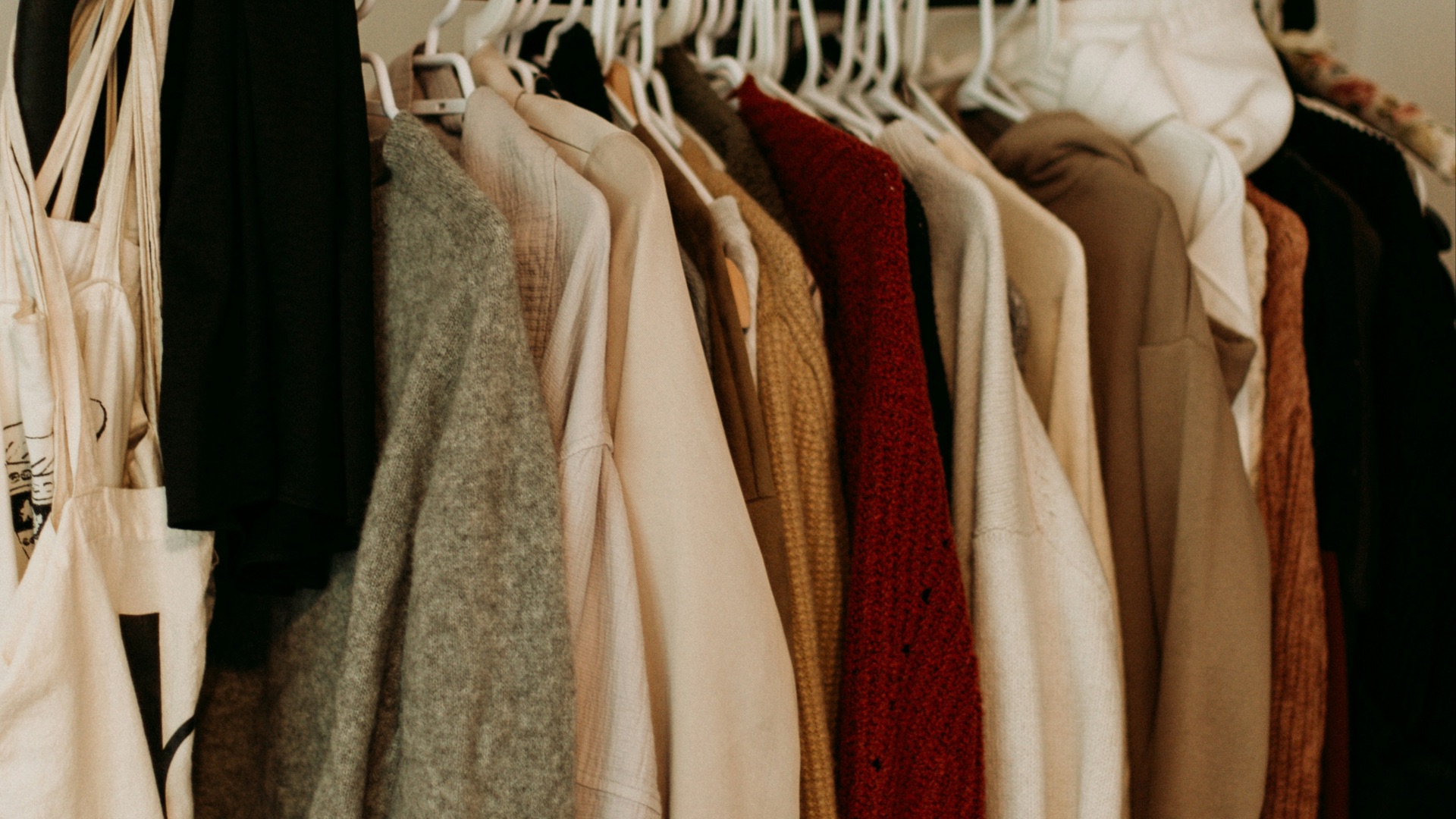
8. Give Your Clothes Enough Room in the Closet
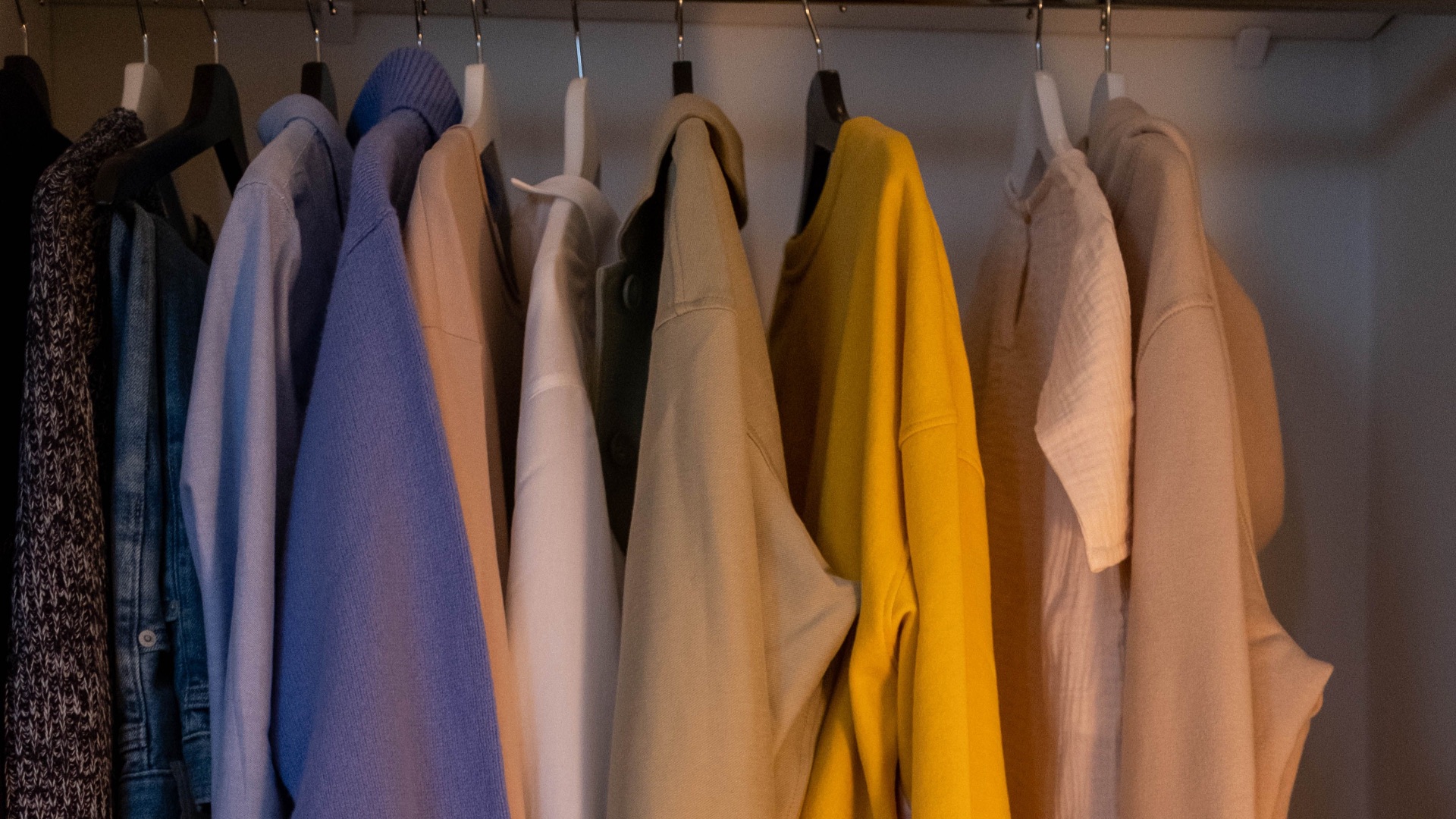
Stuffing a closet or drawer until garments are compressed against one another can leave clothes wrinkled, misshapen, and harder to store properly. Jackets and structured pieces benefit from having enough space to hang naturally, while sweaters are often better folded so they aren't pulled out of shape by gravity. A little breathing room also makes it easier to see what you own and rotate through it more regularly.
 Priscilla Du Preez 🇨🇦 on Unsplash
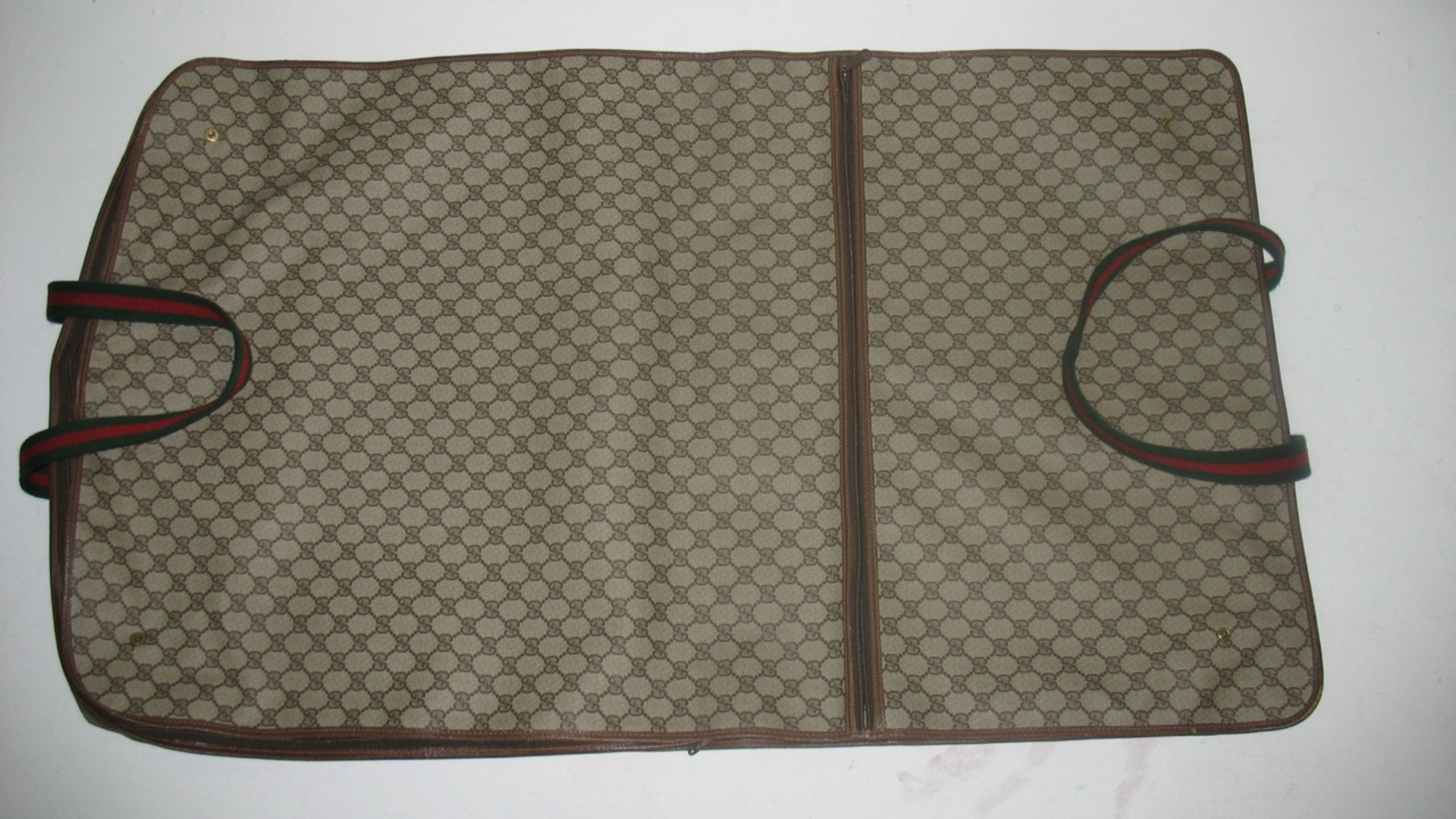
9. Use a Garment Bag for Travel
Packing clothes loosely in a suitcase leads to wrinkles, friction damage, and stretched-out fabric by the time you reach your destination. A garment bag keeps items protected and organized, reducing the wear that comes from clothes rubbing against zippers, shoes, and other packed items. This is particularly useful for structured pieces like blazers and dresses that lose their shape easily.
 Housing Works Thrift Shops from New York, NY, USA on Wikimedia
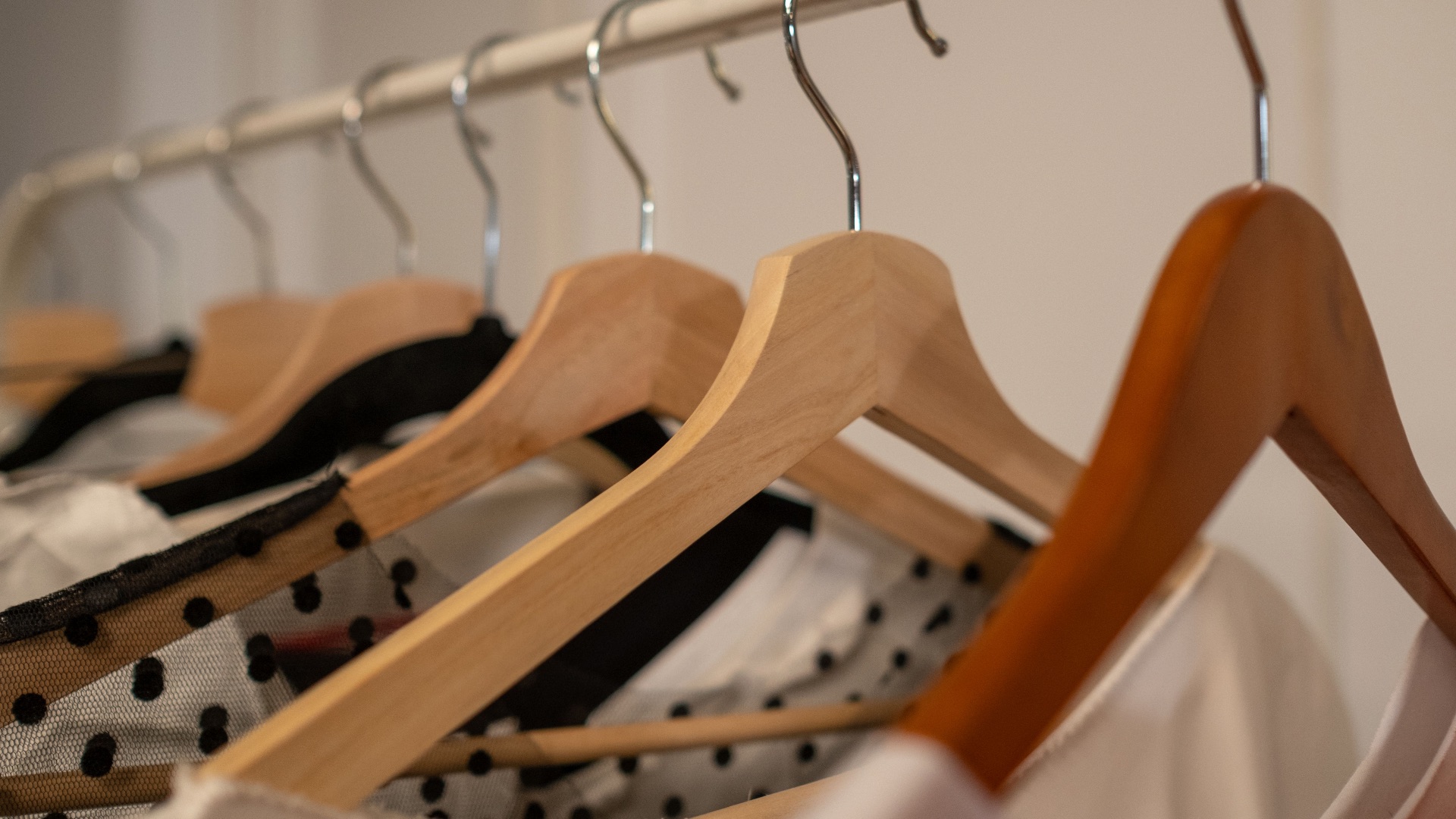
10. Invest in Quality Hangers
Wire hangers might be free, but they often leave marks, stretch out shoulders, and fail to properly support heavier garments. Switching to sturdy wooden or padded hangers helps clothes maintain their original shape and reduces unnecessary strain on the fabric. It's a small upgrade that pays off in the long run, especially for coats, blazers, and structured shirts.
Now that you know how to help your clothes last, it's worth looking at the other side of the coin. These next 10 habits are surprisingly common, and they might be undoing all your hard work without you even realizing it.
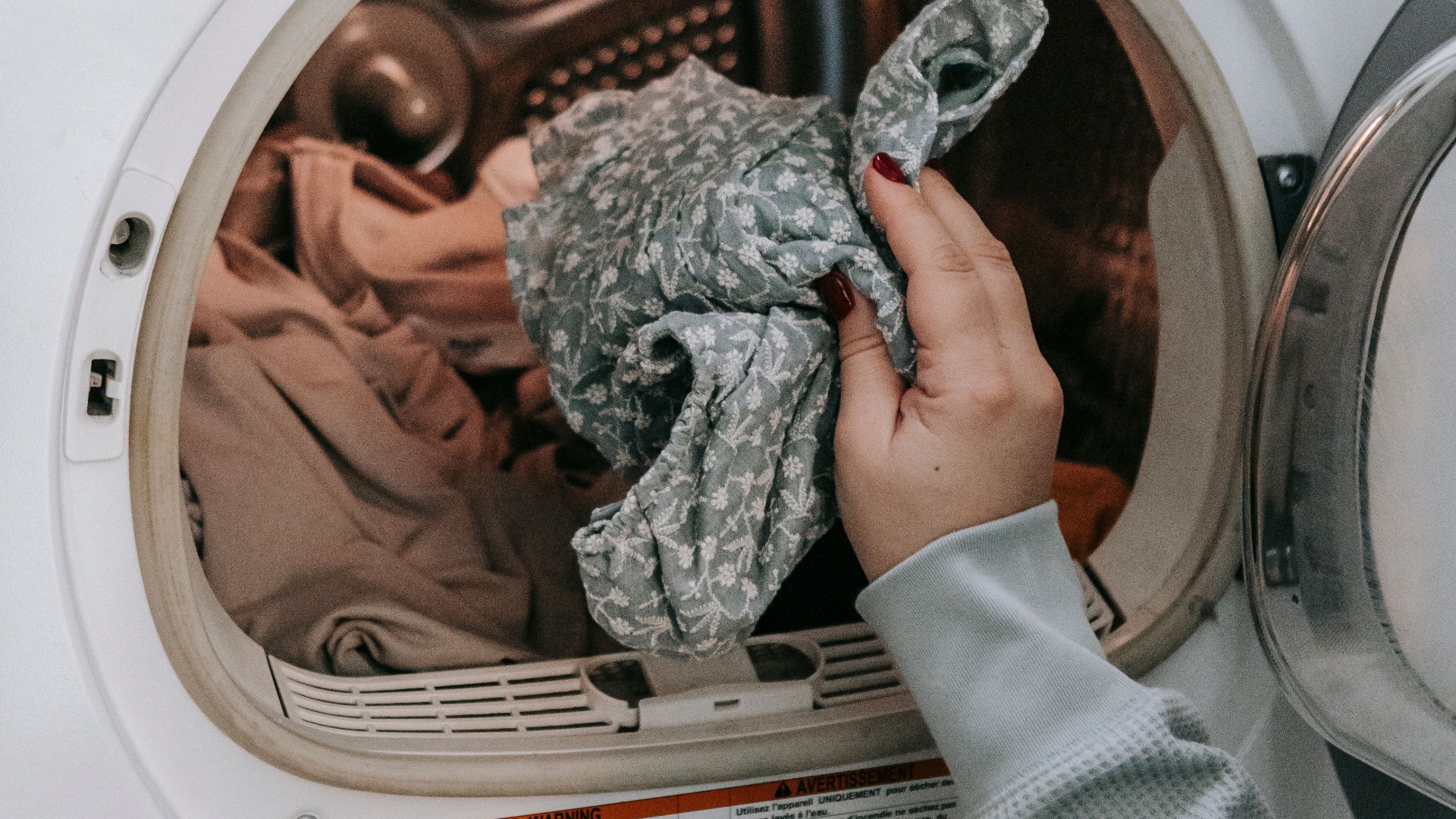
1. Overloading the Washing Machine
Cramming too many clothes into one load prevents proper cleaning and forces fabrics to rub against each other with excessive friction. This leads to pilling, stretching, and uneven wear that shortens the life of your garments considerably. Washing smaller loads might mean running the machine more often, but it protects your clothes in the process.
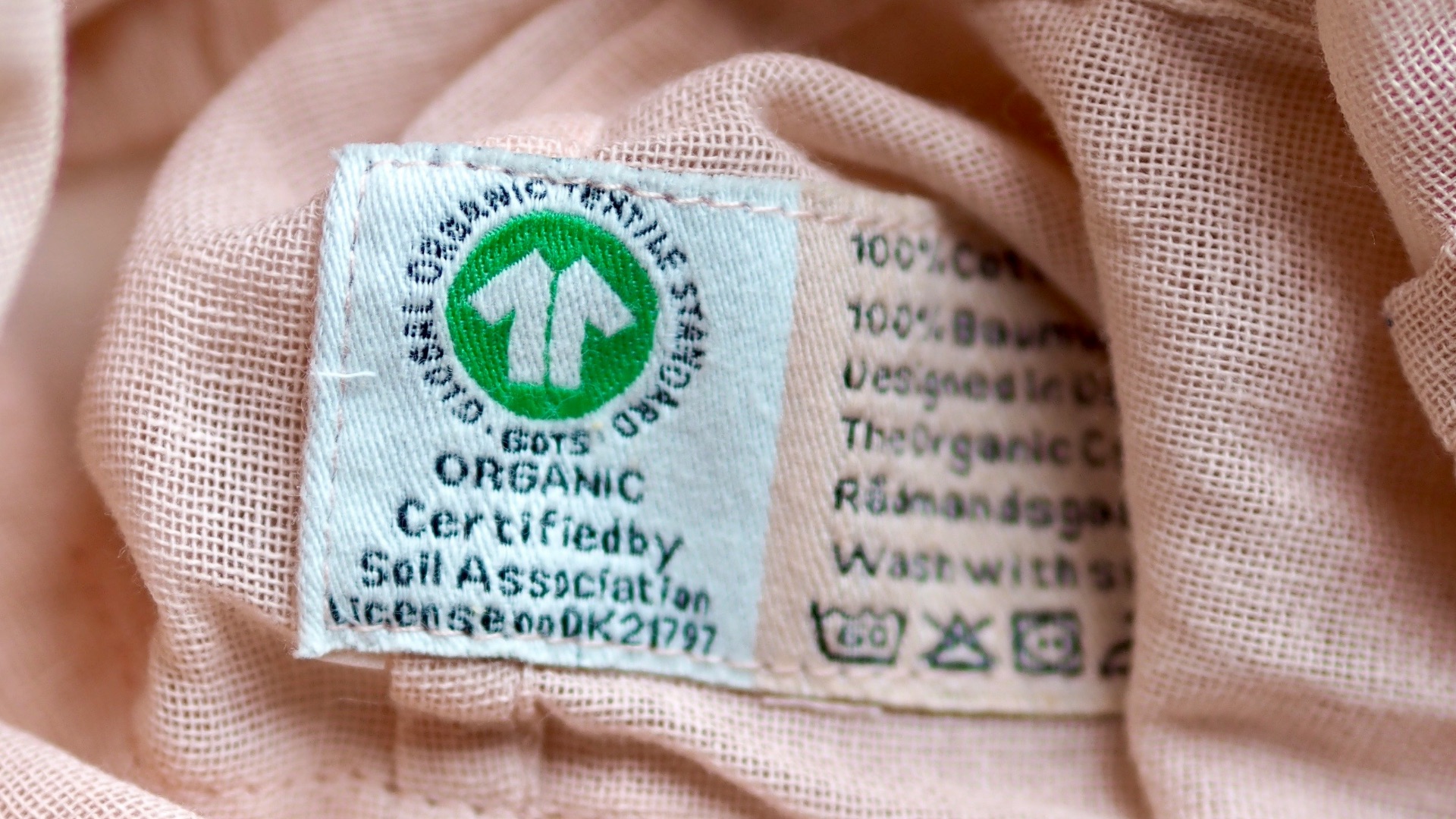
2. Skipping the Care Label
Every care label exists for a reason, yet it's easy to toss a garment in the wash without checking whether it needs special handling. Ignoring these instructions can lead to shrinkage, color bleeding, or fabric damage that's often impossible to reverse. Taking ten seconds to glance at the label before washing can save you from ruining an expensive piece.
3. Using Too Much Detergent
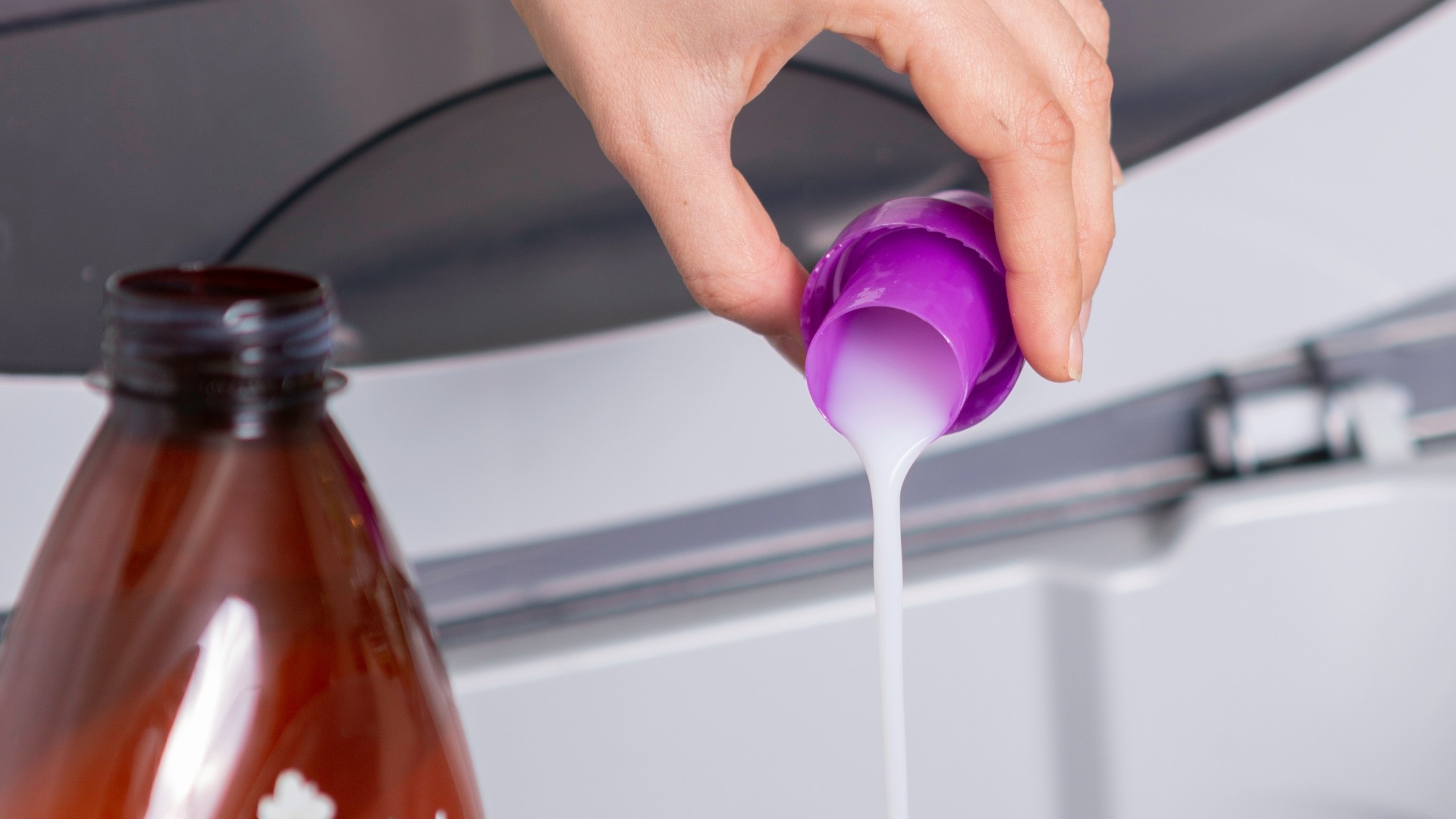
Contrary to what you might think, more detergent doesn't mean cleaner clothes. In fact, it actually leaves behind residue that stiffens fabric and traps dirt over time. This buildup can also irritate skin and cause fabrics to look dull even after washing. Sticking to the recommended amount keeps both your clothes and your machine functioning properly.
4. Drying Clothes on High Heat
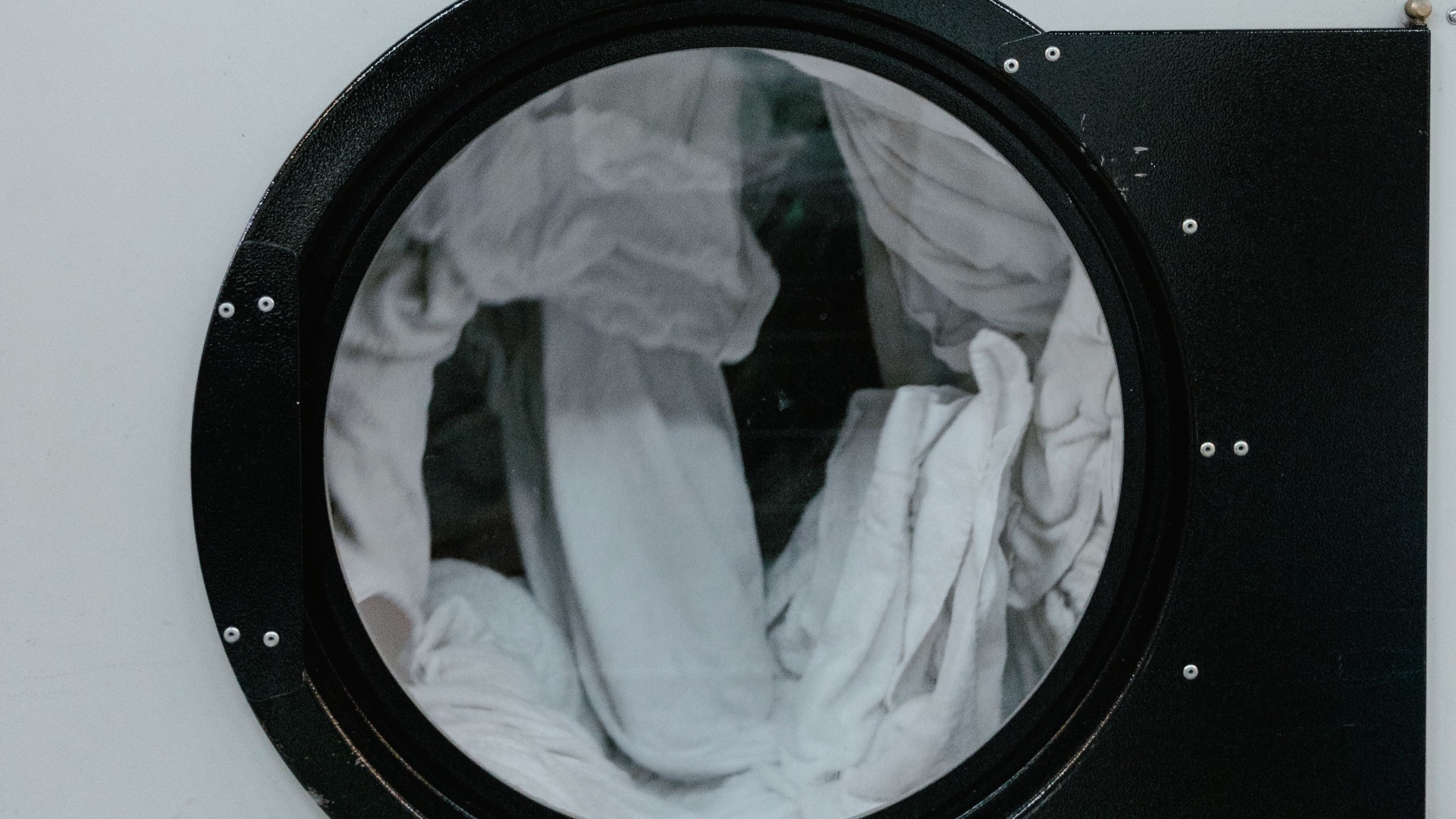
High heat settings might dry your laundry faster, but they also cause significant shrinkage and weaken fibers with every single cycle. Over time, this habit leads to clothes that feel thin, look faded, and lose their original fit. Choosing a lower heat setting takes a bit longer, but it makes a real difference in how long your clothes stay wearable.
5. Hanging Wet Clothes on Wire Hangers
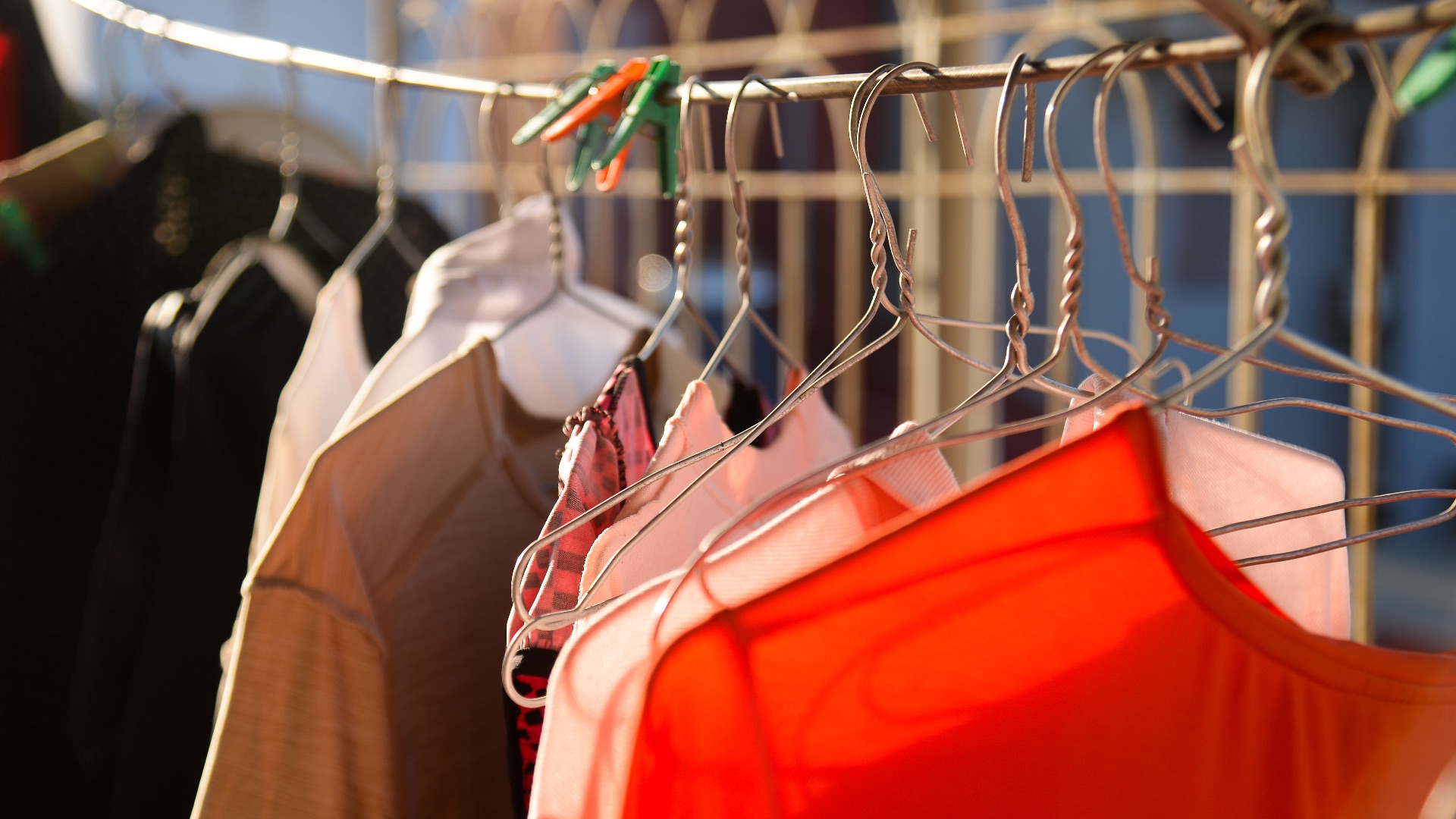
Wet fabric is heavier and more prone to stretching, so hanging damp clothes on flimsy wire hangers can distort their shape almost immediately. This is especially damaging for knits and lightweight fabrics that lose their structure easily when wet. Letting items dry flat before hanging them prevents this kind of avoidable damage.
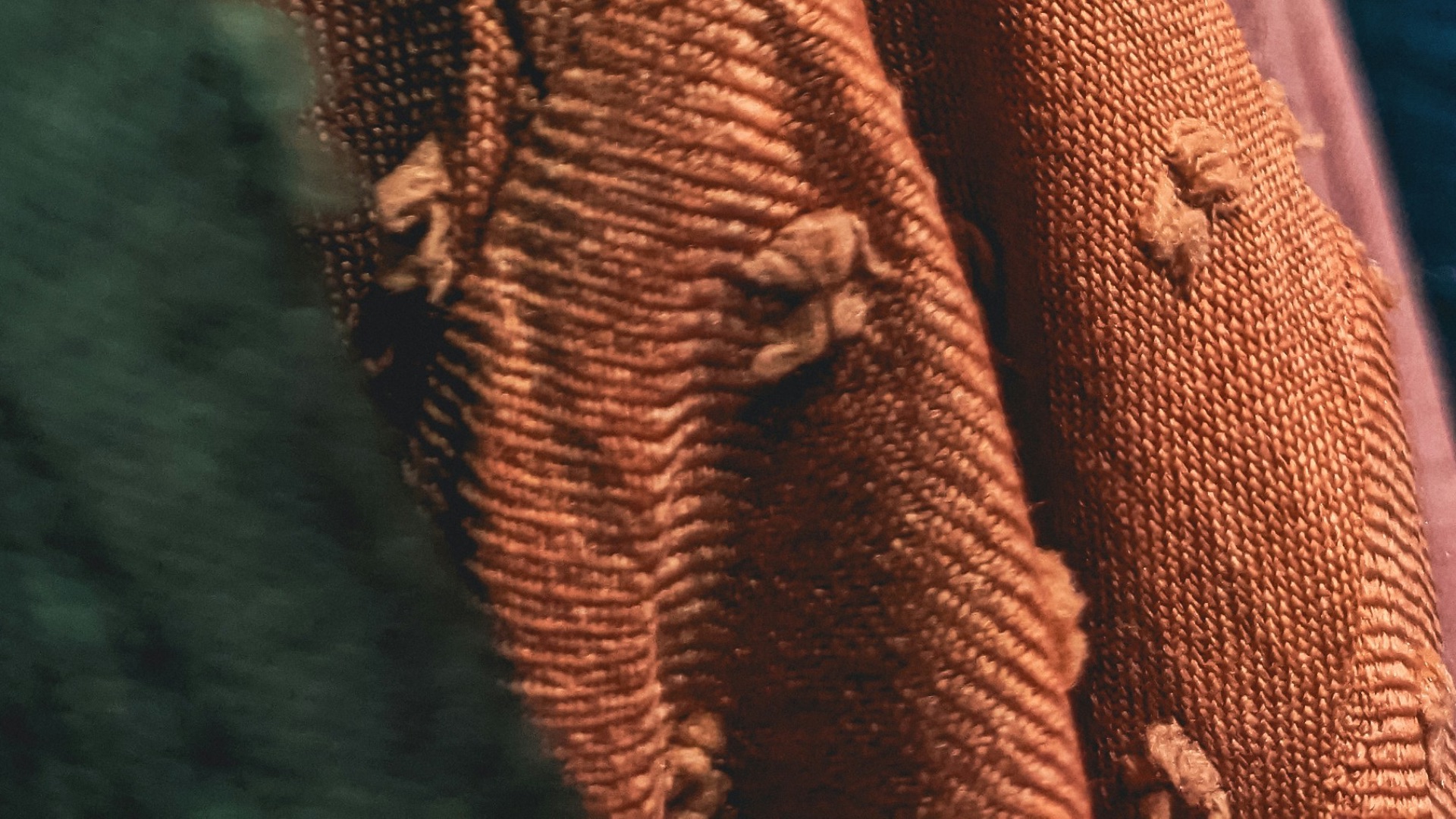
6. Ignoring Pilling and Snags
A small snag might not seem like a big deal at first, but pulling on loose threads or ignoring pilling allows the damage to spread across the fabric. Left unchecked, this can unravel seams or create holes that are far more difficult to repair. Addressing these issues early, or using a fabric shaver for pilling, keeps garments looking polished.
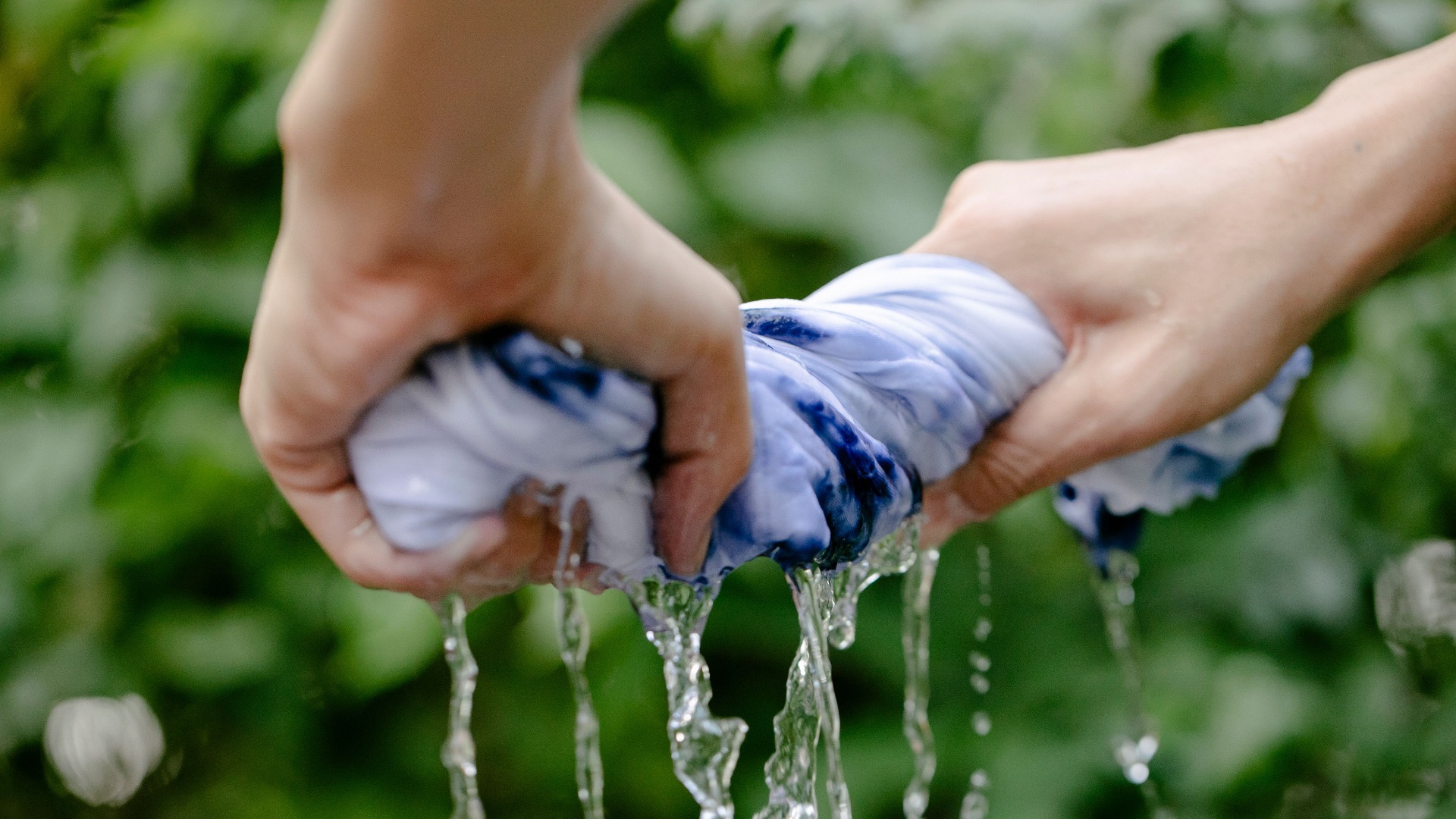
7. Wringing Wet Clothes
Hand-washing your clothes might be the way to go, but you still want to be careful how you get excess water out. Tight twisting to remove water can stretch fibers, distort seams, and leave garments looking uneven once they dry, which will be especially noticeable in delicate fabrics and anything with structure that depends on its original shape. Instead of wringing, you can gently press out excess water or roll the item in a clean towel to absorb moisture. Taking a softer approach helps your hand-washed clothes dry in better condition and keeps wrinkles to a minimum.
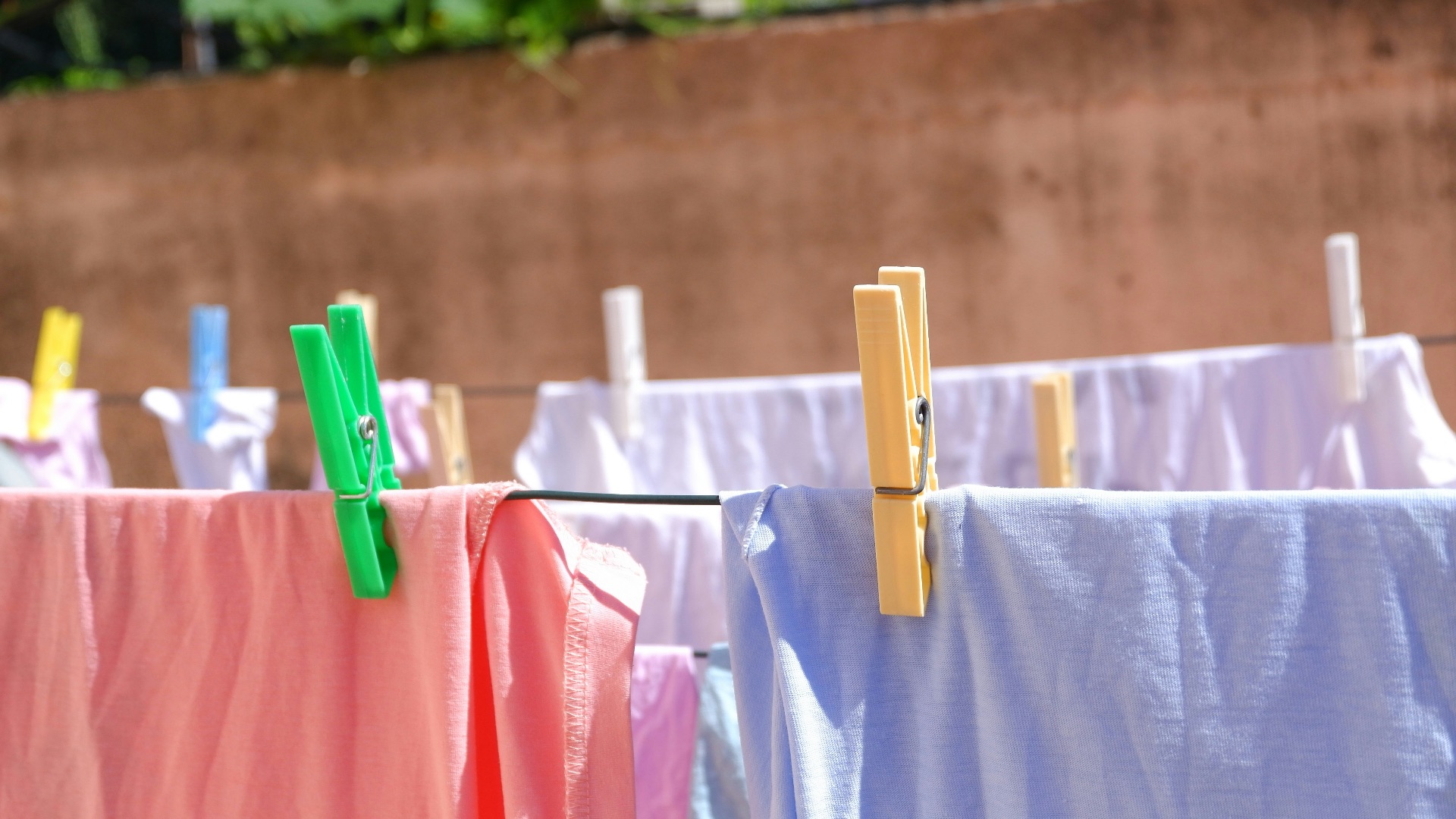
8. Leaving Clothes in Direct Sunlight
Sunlight might seem like a natural way to freshen up clothes, but prolonged exposure fades colors and weakens fibers over time. This applies both to drying clothes outside and to storing them near a sunny window for extended periods. Choosing a shaded spot for drying and storage helps preserve both color and fabric strength.
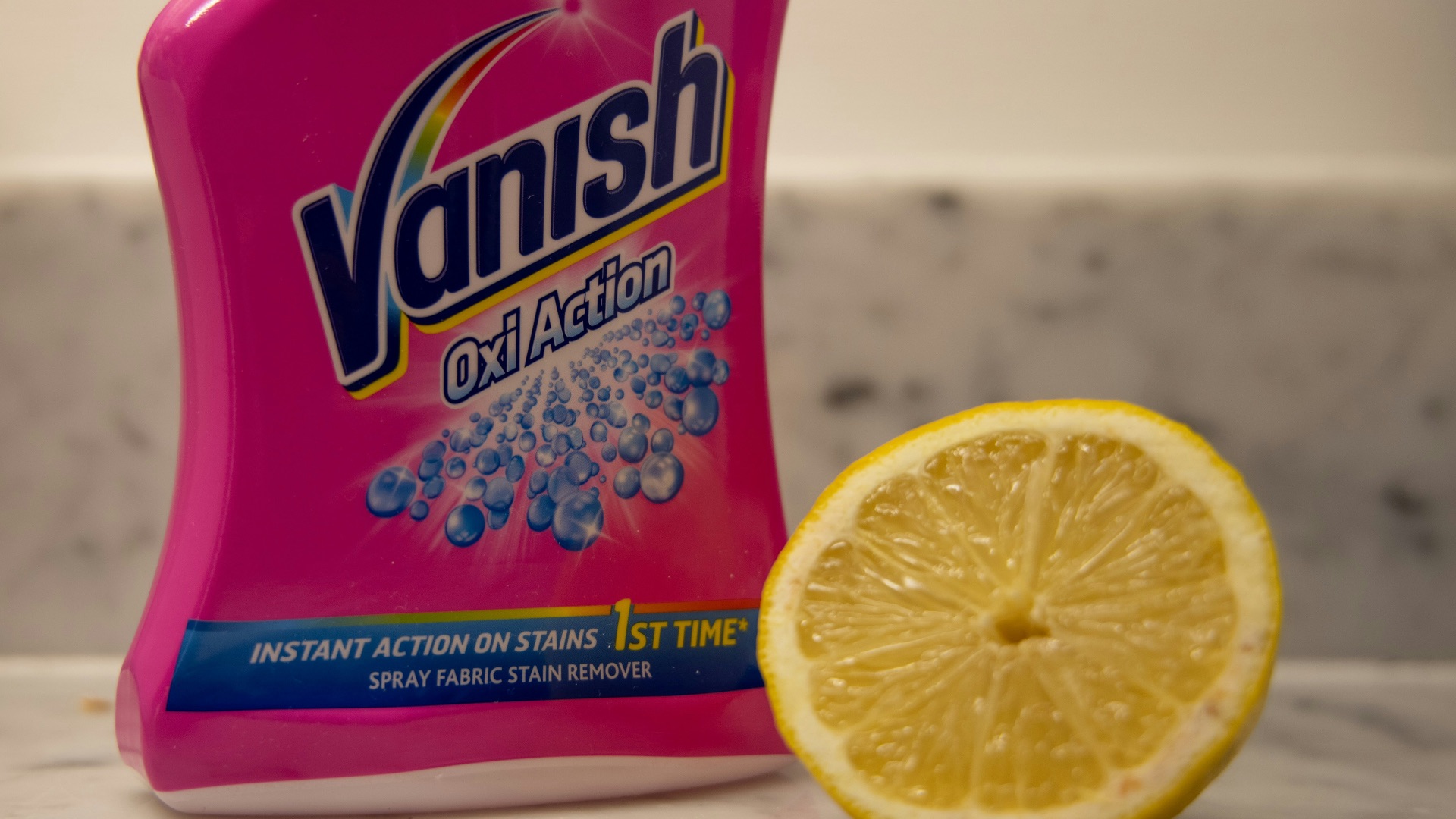
9. Using Harsh Stain Removers Without Testing
Grabbing the strongest stain remover you can find might seem like the fastest solution, but it can bleach or damage fabric if it's not suited to the material. Testing a small, hidden area first helps you avoid an unpleasant surprise on a garment you actually care about. This extra step takes seconds but can prevent permanent damage.
10. Wearing the Same Outfit Repeatedly Without Washing
Wearing an item multiple times before washing might feel practical, but it allows body oils, sweat, and bacteria to break down fibers gradually. This is especially true for activewear and anything worn directly against the skin, where buildup accelerates fabric degradation. Giving clothes a proper wash after a few wears keeps them fresher and helps them hold up structurally for much longer.