Two Countries, Two Very Different Bathroom Cabinets
Beauty culture says a lot about a country's priorities, and few places make that clearer than France and the United States. French beauty leans on pharmacy staples, restraint, and decades-old formulas that barely change from one generation to the next. American beauty leans into trends and tools, willing to try anything that promises results overnight. Neither approach is right or wrong, just shaped by different traditions. Here's 10 routines the French built their reputation on, and 10 that could only have come out of the American bathroom cabinet.
 https://kaboompics.com/ on Pexels
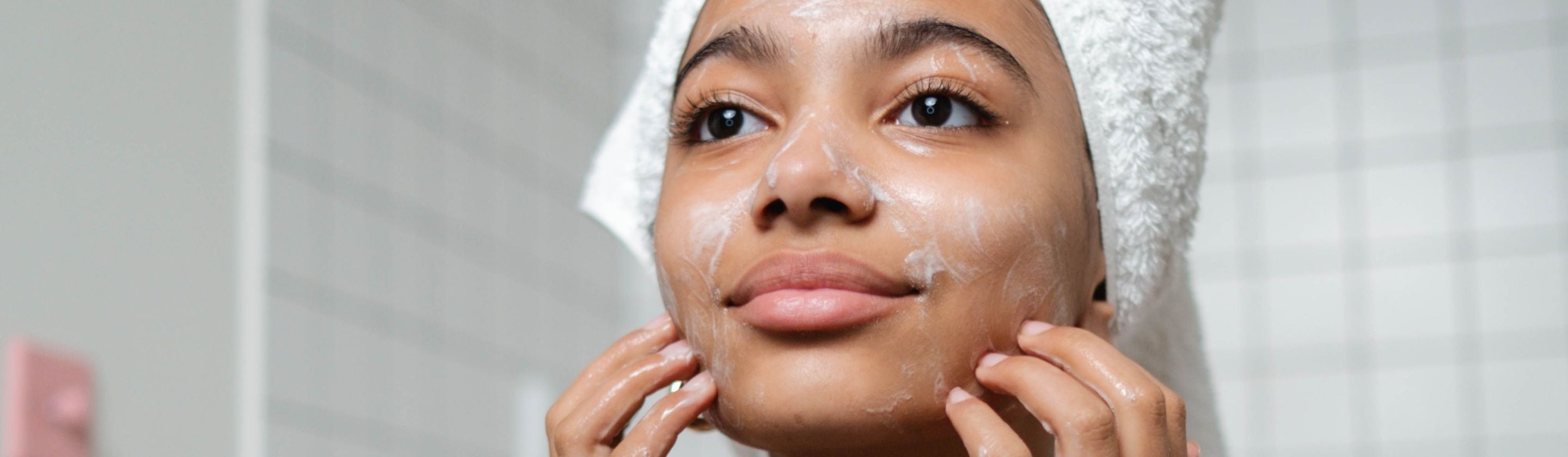
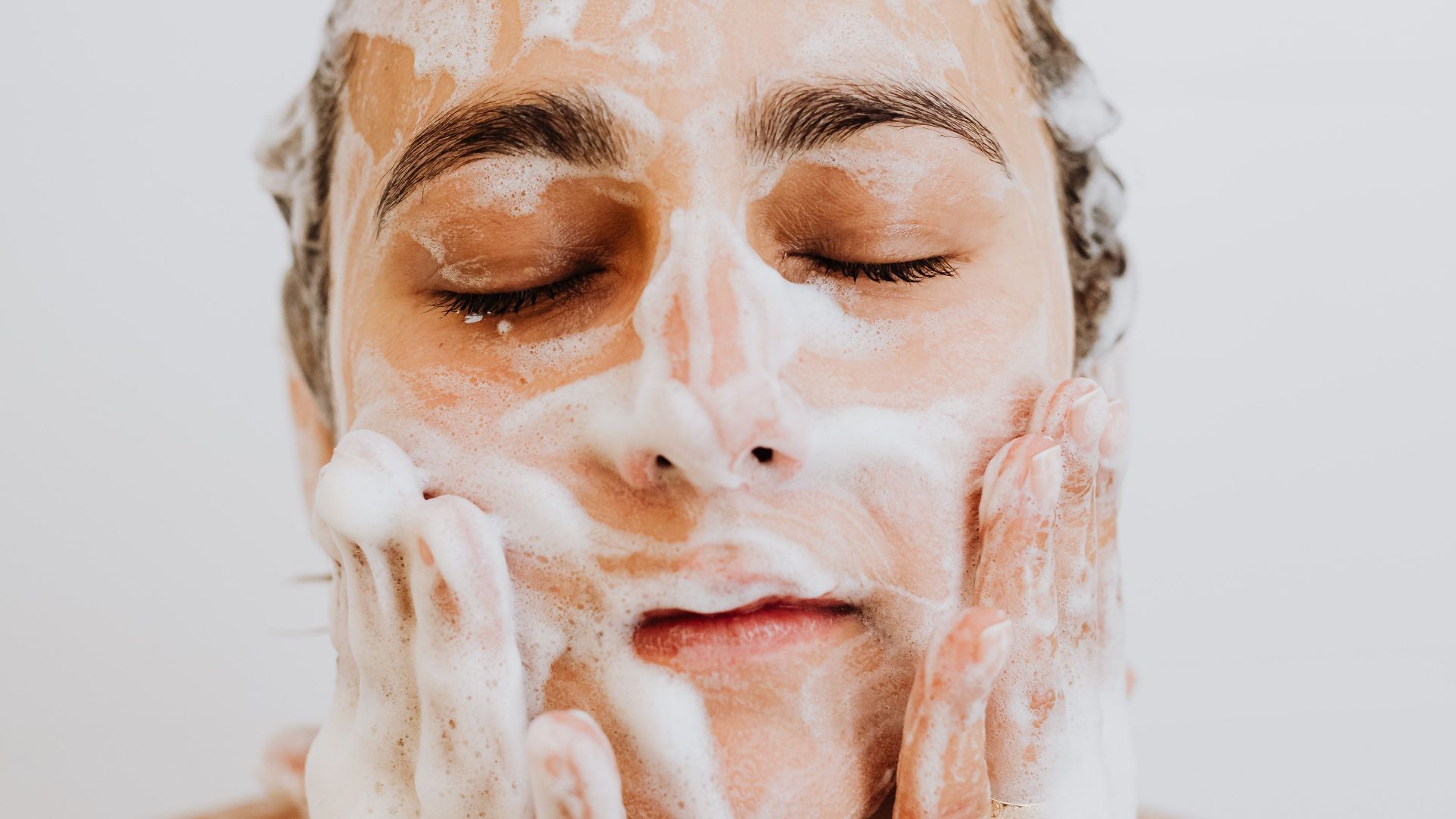
1. Micellar Water Over Face Wash
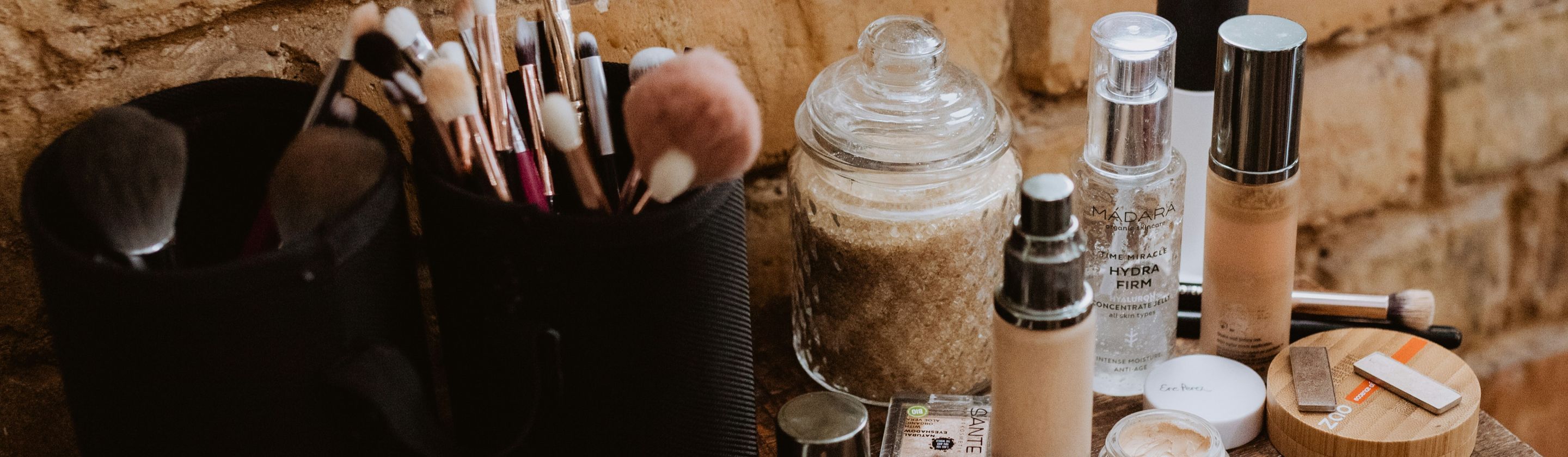
Bioderma's Sensibio H2O launched in France in the mid-1990s and turned into a genuine cultural export, the kind of product visitors stuff into their suitcase by the bottle. Swiping it on with a cotton pad instead of rinsing with soap and water became the default first step for a huge swath of French skincare routines. It's gentle enough for sensitive skin, which describes a lot of people who grew up distrusting harsh cleansers.
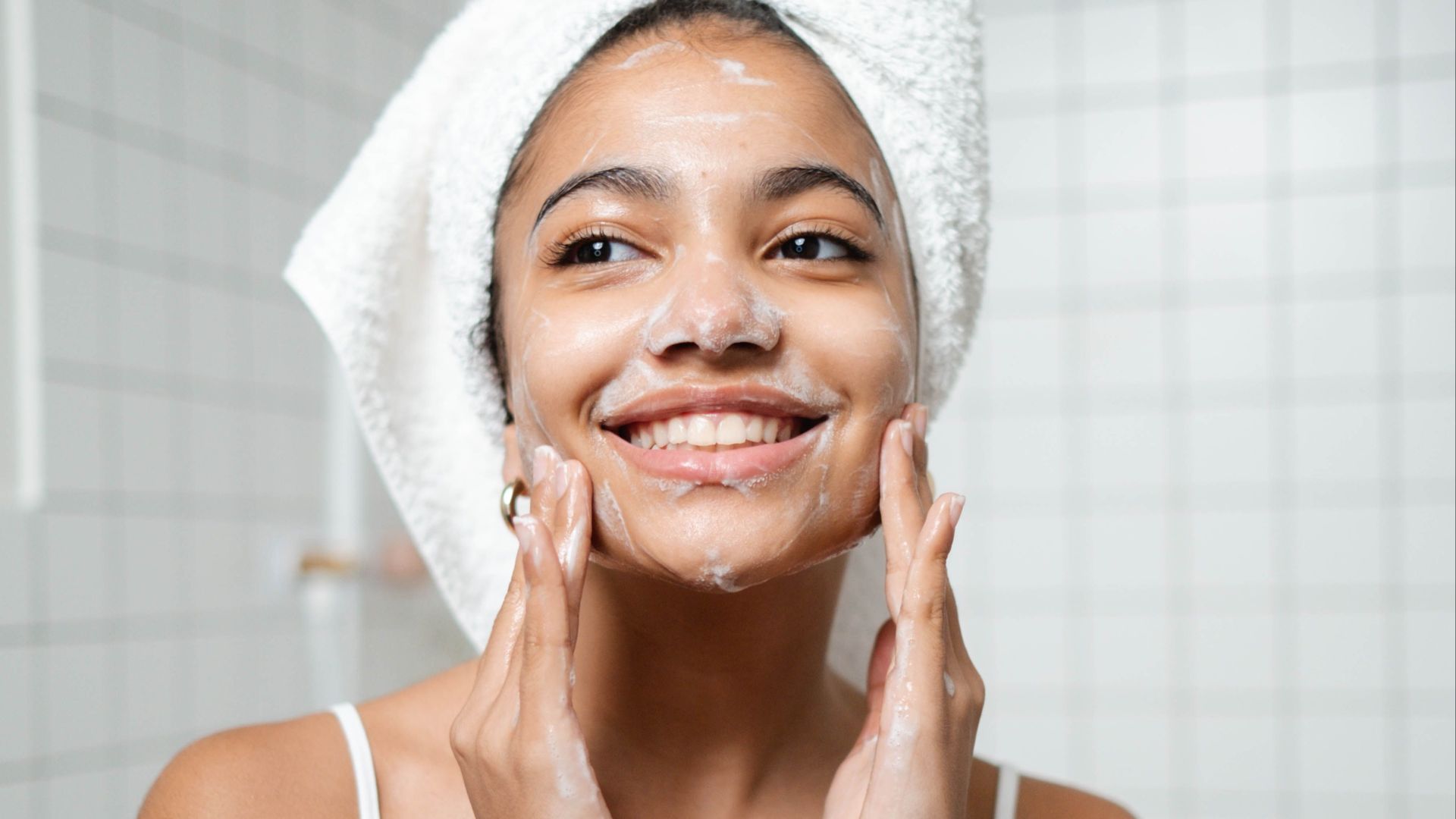
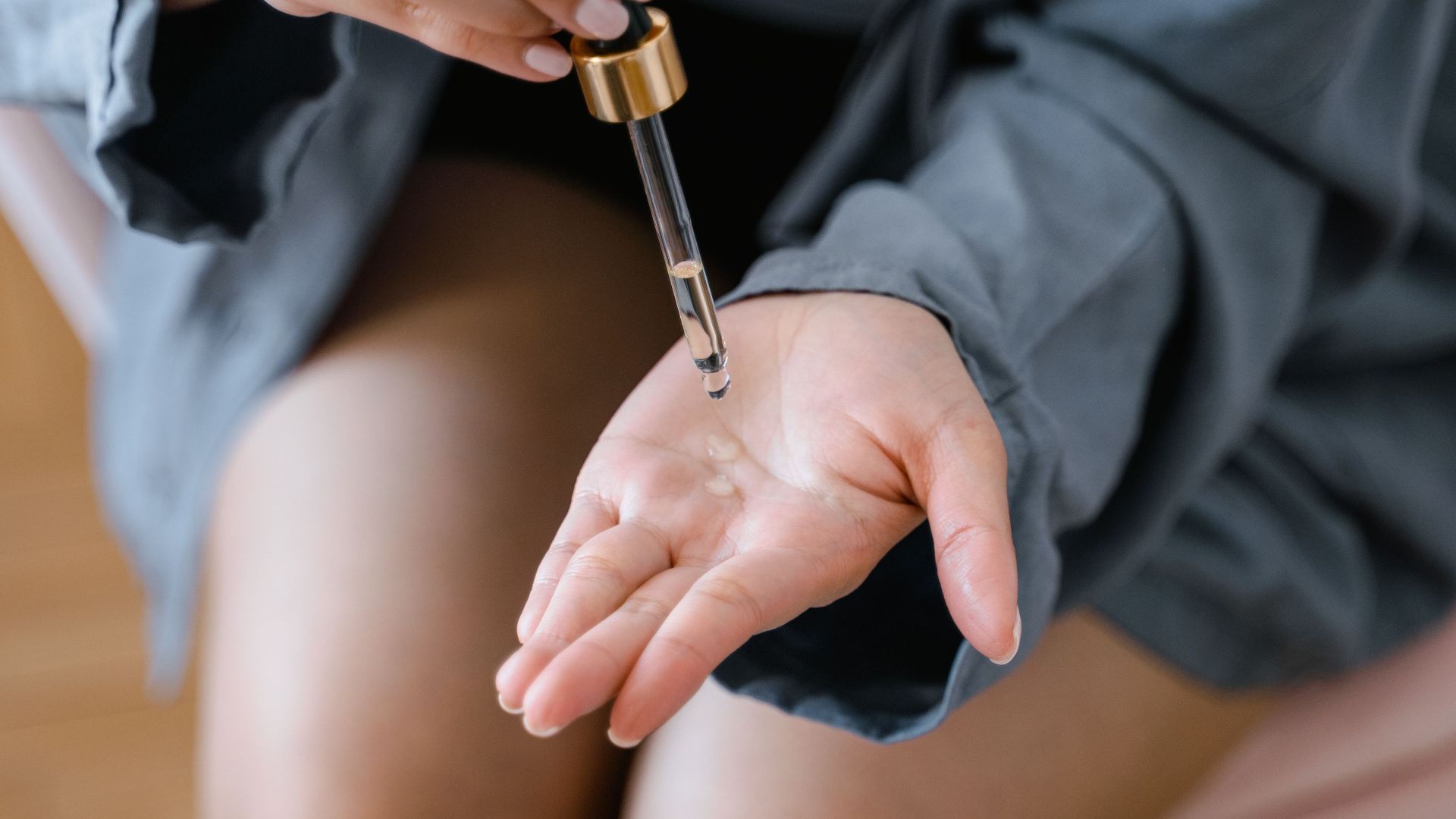
2. Facial Oil Instead of Heavy Cream
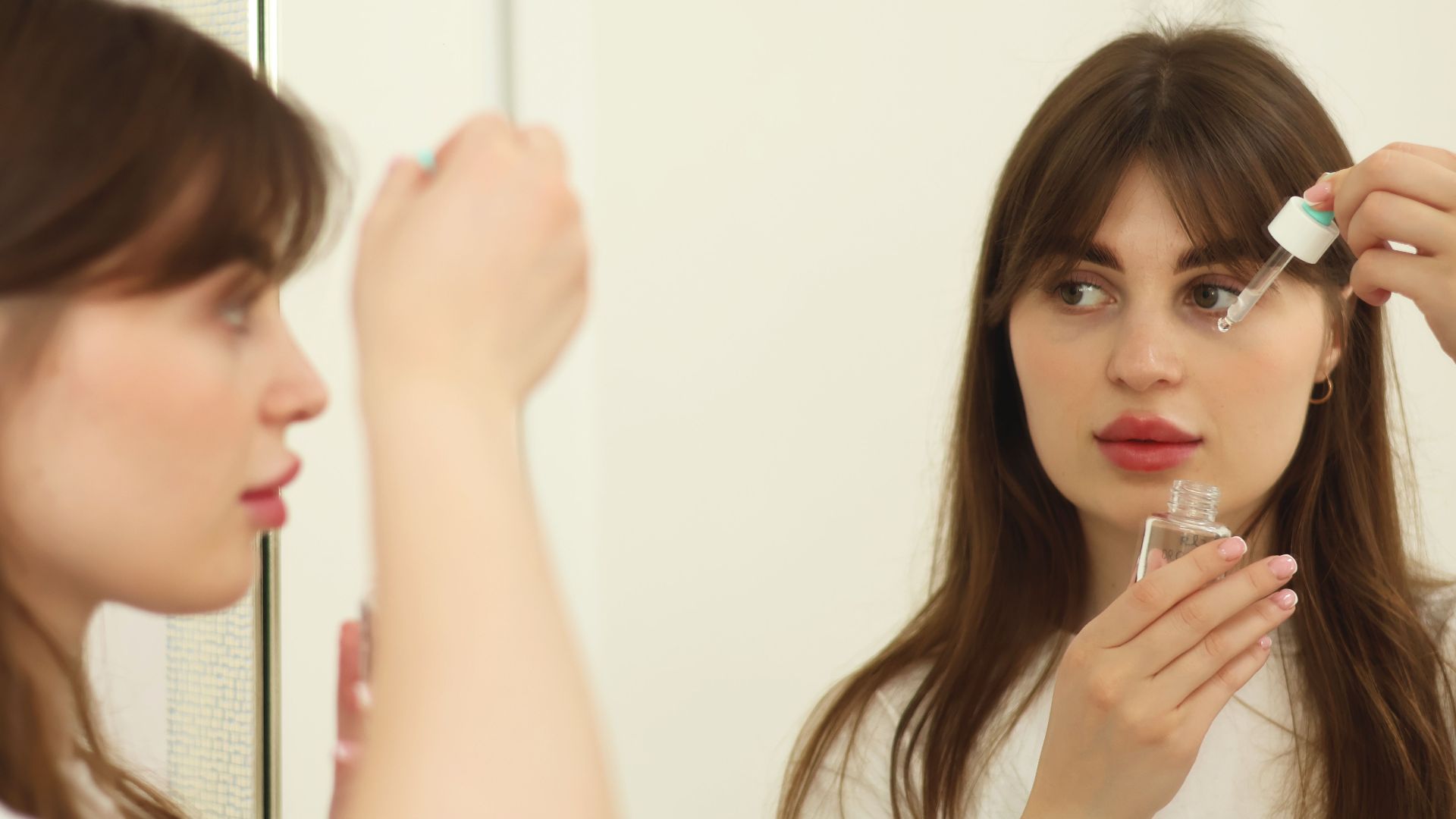
Where a lot of skincare markets push thick, occlusive moisturizers, French routines have long favored a few drops of facial oil worked into slightly damp skin. Brands like Nuxe built entire product lines around this idea decades before "face oil" became a buzzword elsewhere. The logic is simple: nourish without smothering.
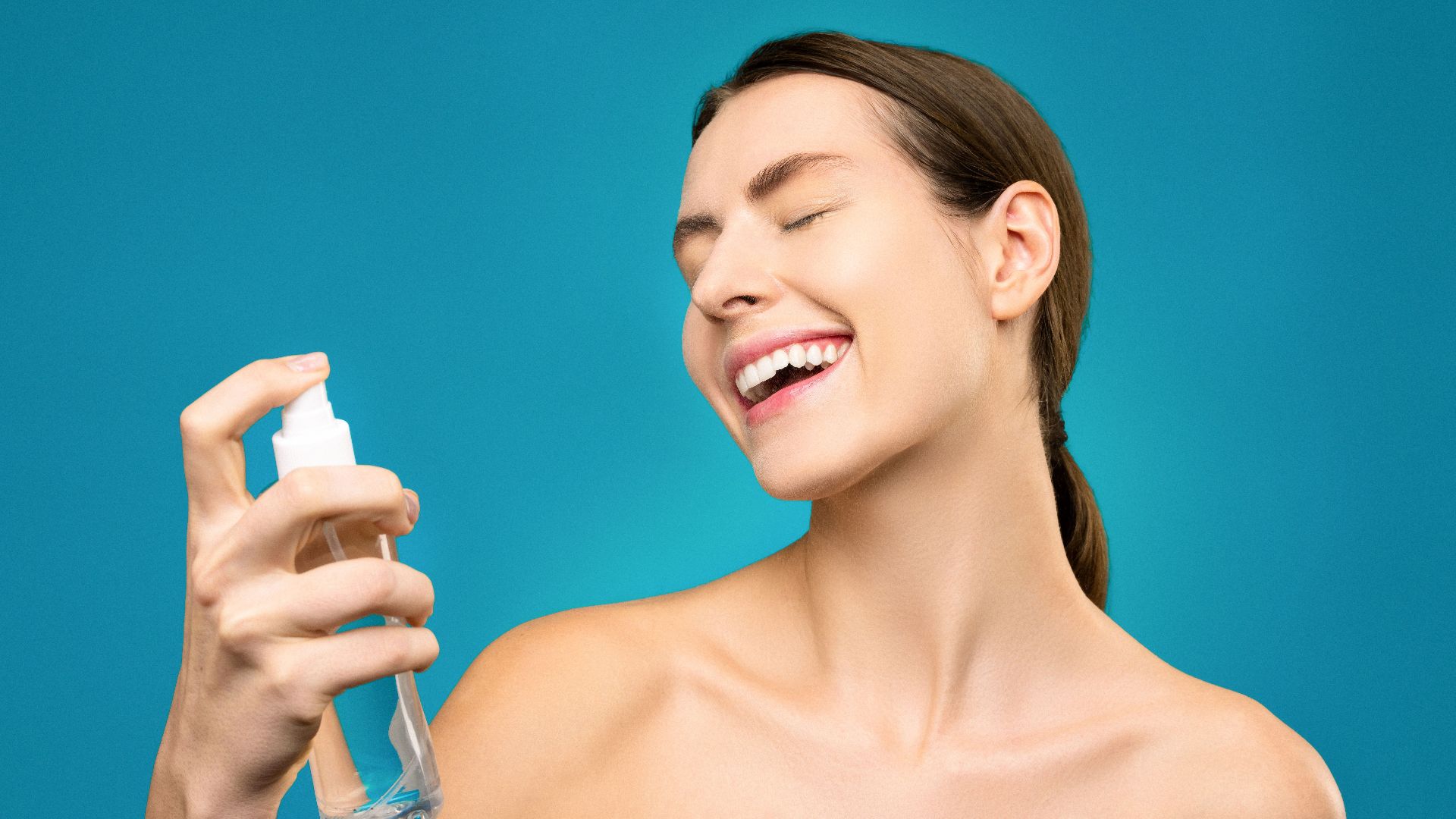
3. Thermal Spring Water Sprays
Walk into a French pharmacy and you'll find shelves of pressurized cans filled with mineral-rich spring water from named sources, meant to be misted directly onto the face. Brands like Avène and Vichy built their identities around this one product category. It sounds too simple to matter, but the ritual of a quick spritz between skincare steps starts young.
4. Treating Sunscreen as Non-Negotiable
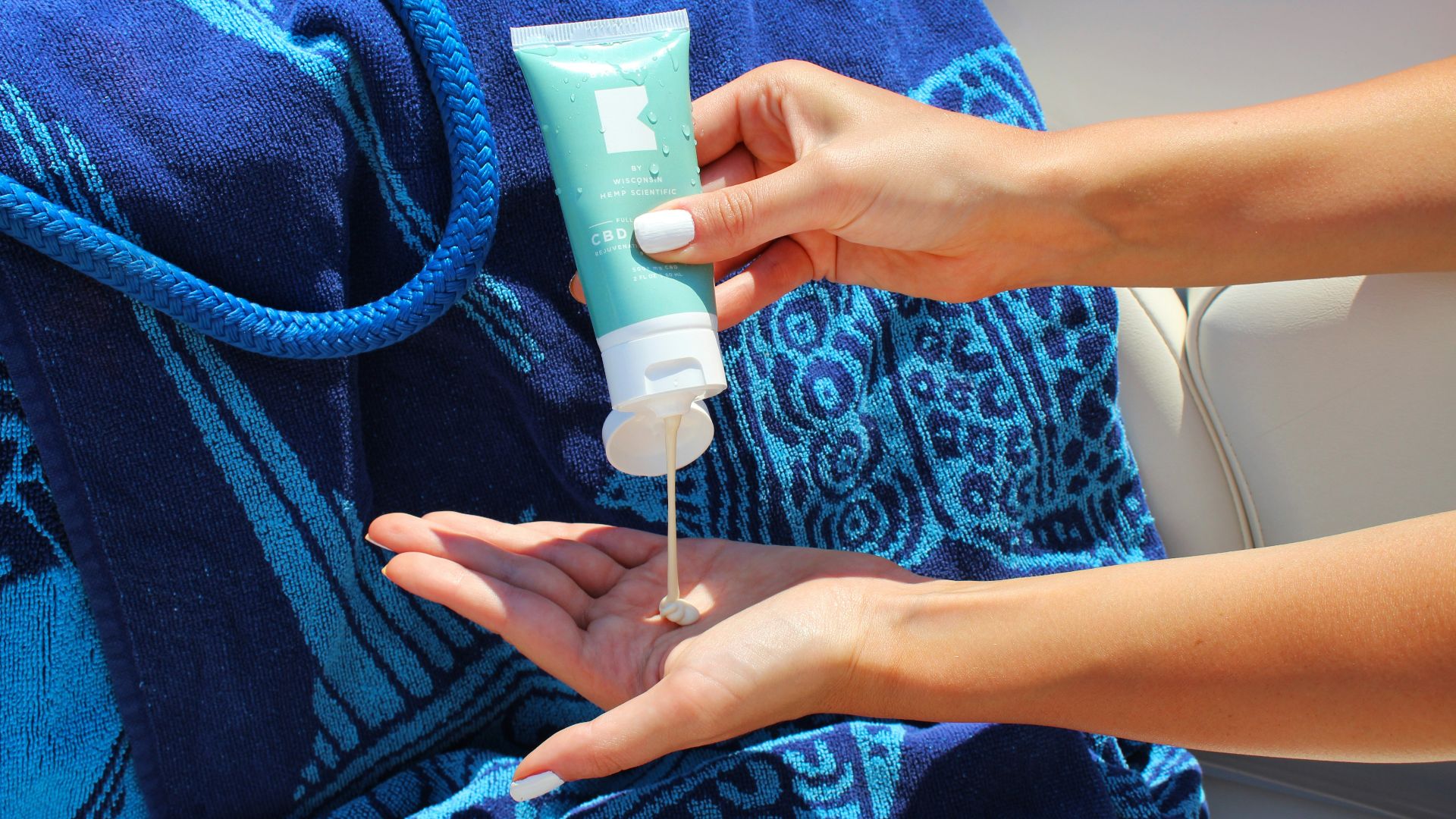
French dermatology culture treats daily SPF less like an optional extra and more like brushing your teeth, something you do regardless of season or weather. Pharmacists routinely steer customers toward sunscreen before anything else on the shelf. That emphasis shows up in how aggressively French skincare brands market broad-spectrum protection.
 BATCH by Wisconsin Hemp Scientific on Unsplash
5. Tinted Balm Over Full Lipstick
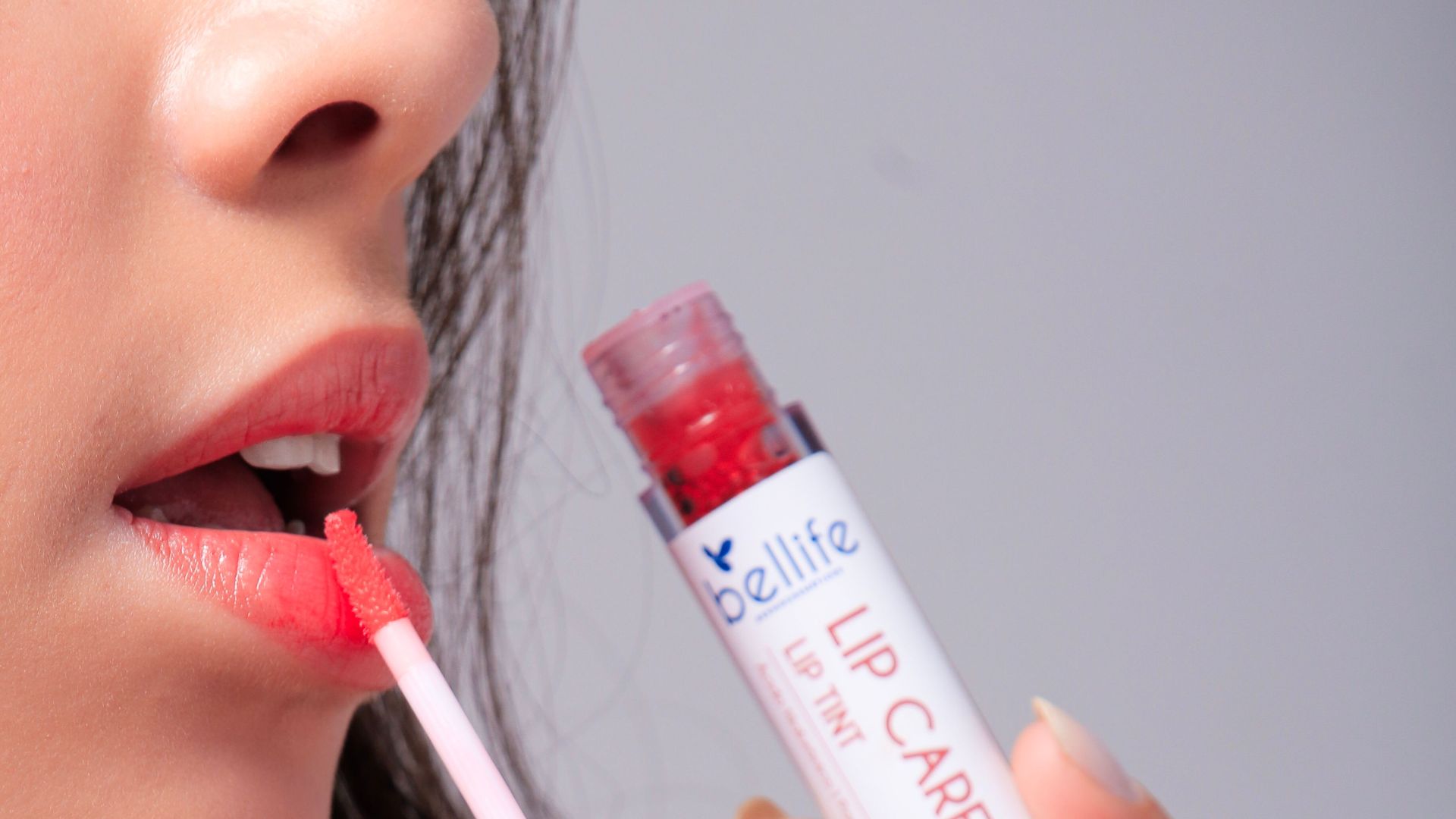
For daily wear, a lot of French beauty routines lean on a tinted lip balm over a fully opaque lipstick, prioritizing texture and a natural flush over precise color. The goal is looking like your lips, just better. Full lipstick gets saved for occasions that actually call for it.
6. Starting Retinoids Earlier
French dermatologists have a reputation for recommending retinoid use starting in a person's twenties rather than waiting for visible signs of aging to show up. The philosophy treats it as prevention rather than correction, and it surprises visitors used to thinking of retinol as something for later in life.
7. Skipping the Extra Skincare Steps
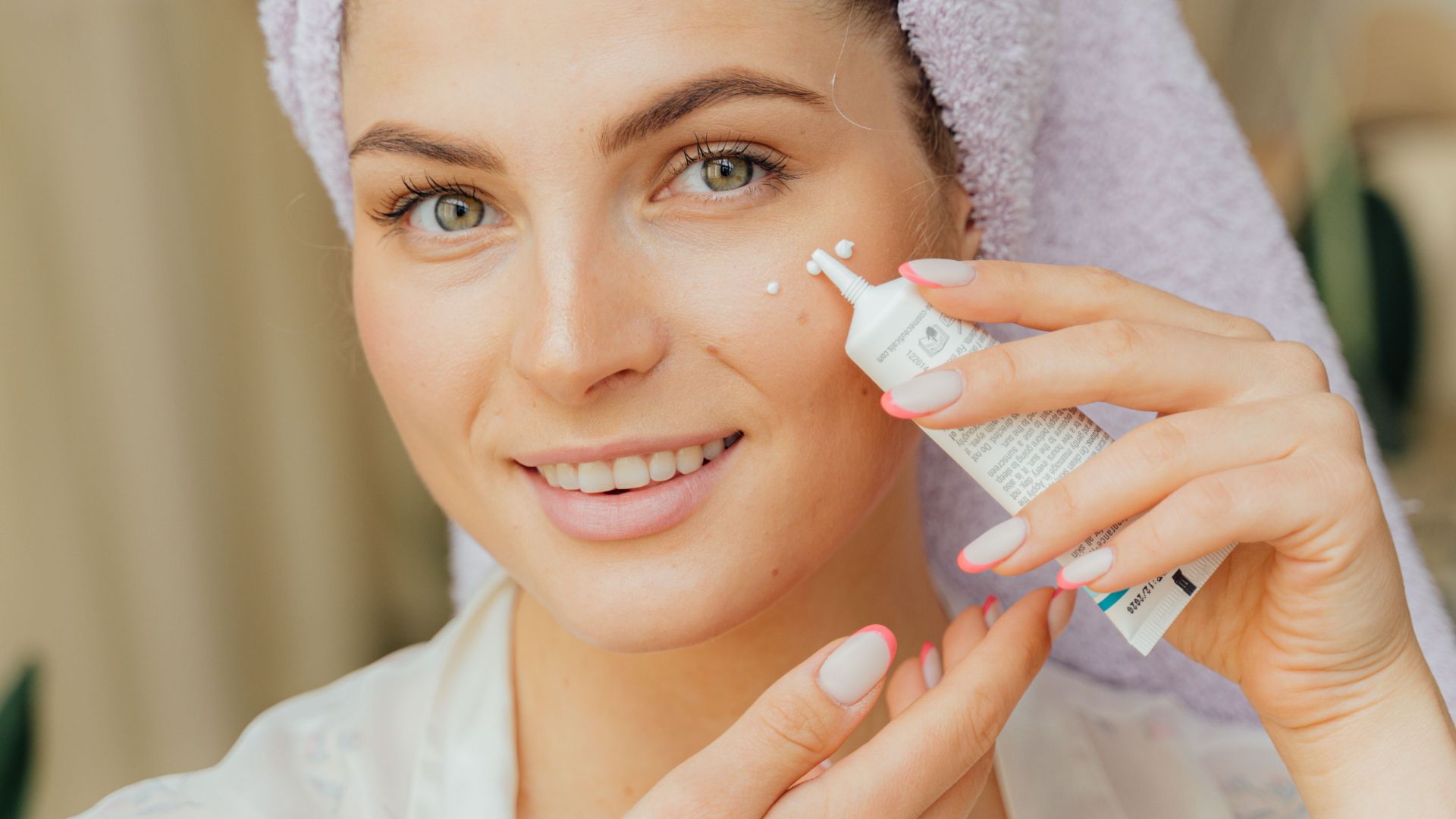
Where multi-step routines dominate elsewhere, a lot of French skincare philosophy runs the opposite direction, built around a handful of well-chosen products used consistently rather than a rotating stack of serums. The idea is that skin responds better to fewer, higher-quality steps done daily than a dozen used inconsistently. It's less minimalism as aesthetic and more about not overcomplicating something that works.
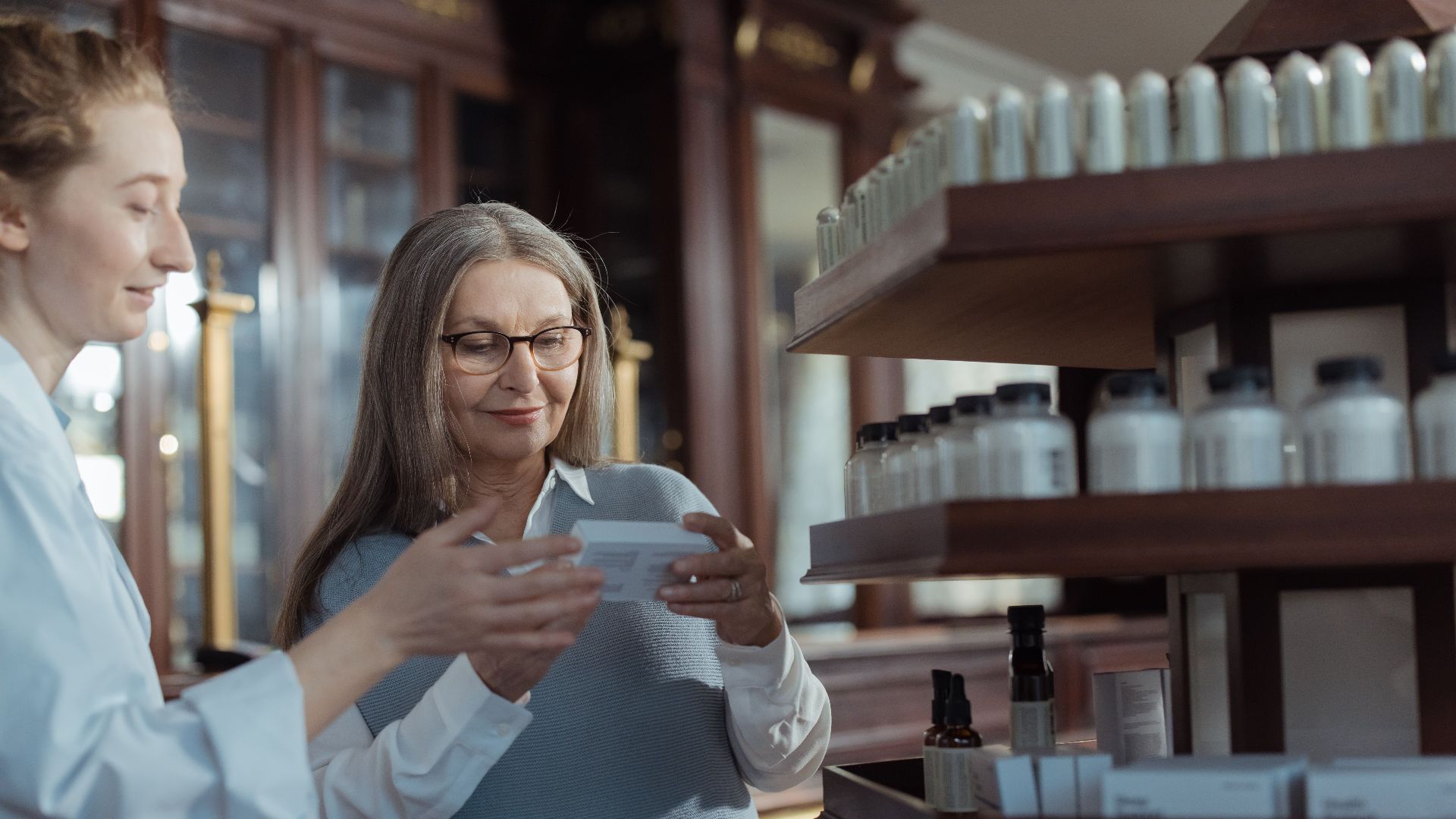
8. Getting Skincare Advice From a Pharmacist
French pharmacies function as a genuine first stop for skin concerns, with trained pharmacists doling out real product recommendations rather than pointing customers toward whatever's on sale. That relationship shapes an entire industry of pharmacy-brand skincare that barely exists elsewhere in the same way.
9. Letting Gray Hair Show
A lot of French women let gray hair grow in visibly rather than dyeing it away as soon as the first strands appear, treating it as a natural transition rather than something to hide. That attitude has slowly gained traction elsewhere, but it's been a fixture of French beauty culture for far longer.

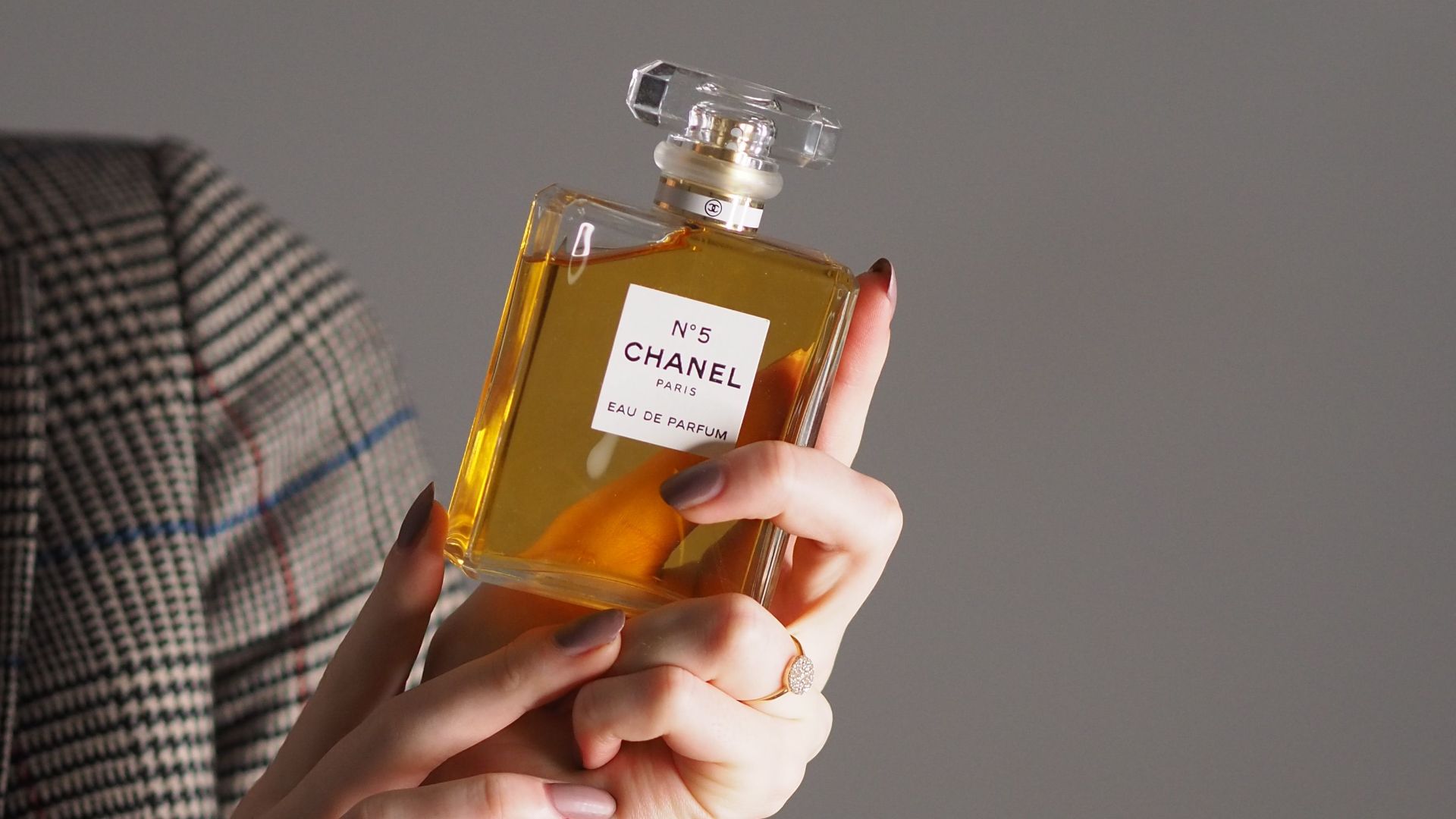
10. Choosing One Signature Scent
Instead of rotating through perfumes, a lot of French beauty routines settle on one signature fragrance worn for years, applied sparingly to pulse points rather than sprayed liberally. The goal is subtlety, something people notice only up close. It becomes part of someone's identity rather than an accessory that changes with their mood.
Here's now here's 10 habits that could only have come out of an American bathroom cabinet.
1. The Ten-Step Routine
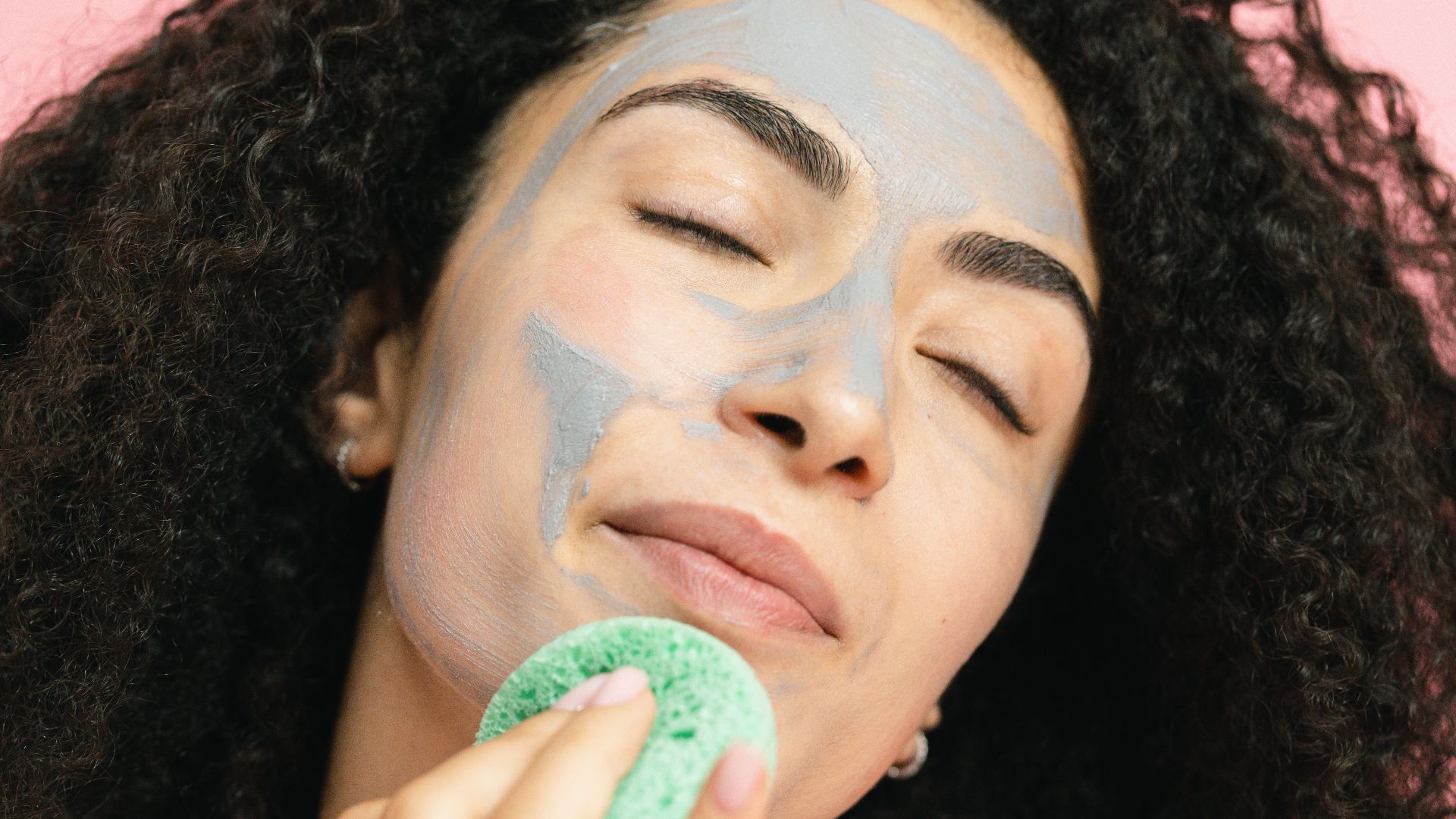
American skincare culture fell hard for the multi-step routine popularized by Korean beauty brands, stacking cleansers, essences, serums, and sheet masks into a single nightly ritual. Entire YouTube channels and subreddits exist just to help people build the perfect stack. The appeal is thoroughness: a dedicated product for every possible concern, applied in a specific order.
2. Acrylic and Gel Manicures as Maintenance
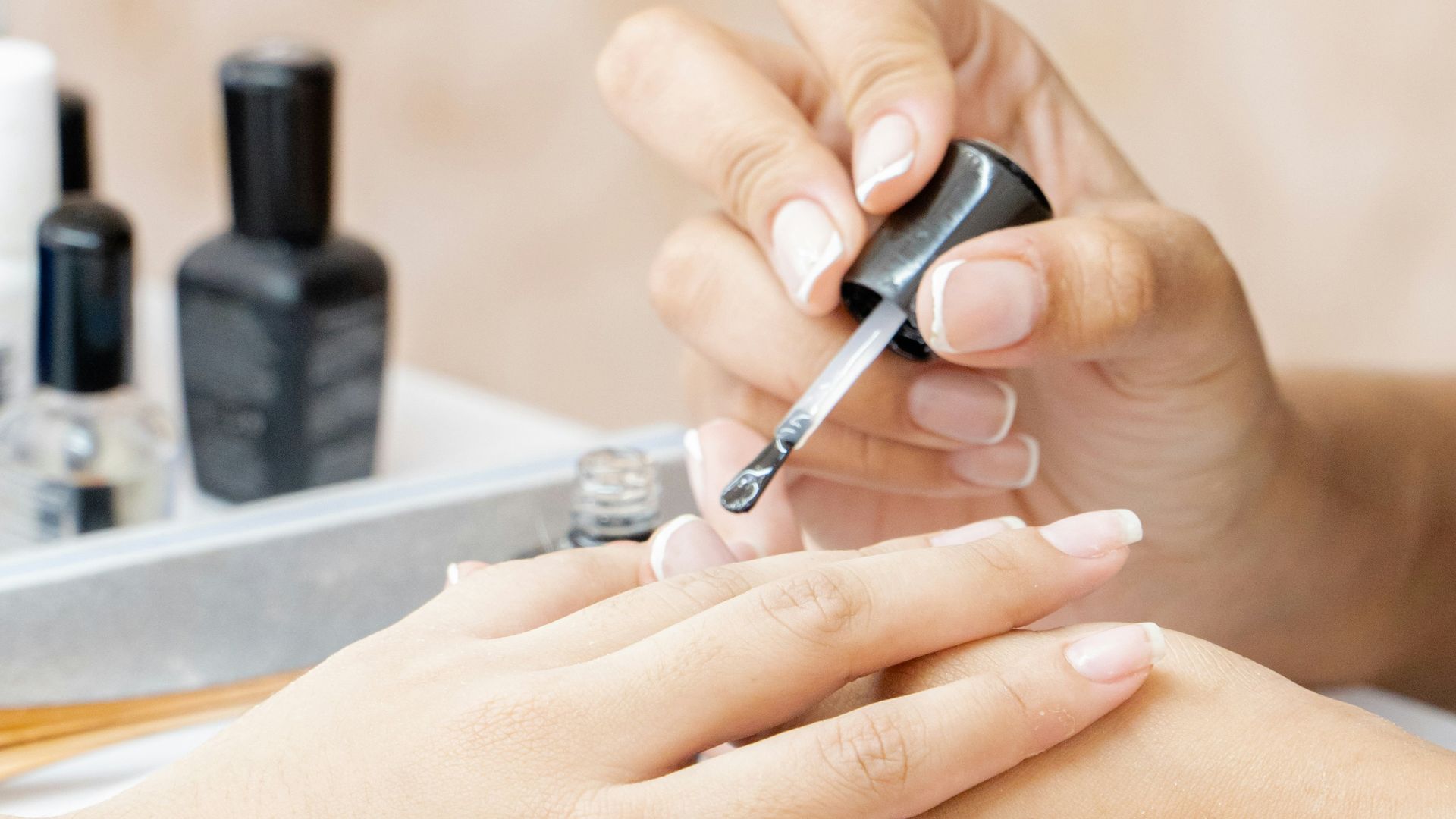
Getting your nails done every two to three weeks became a routine fixture rather than an occasional treat, with entire strip-mall businesses built around fast, affordable acrylic and gel sets. Few countries have turned nail maintenance into such a normalized recurring expense.
3. Teeth Whitening as a Daily Habit
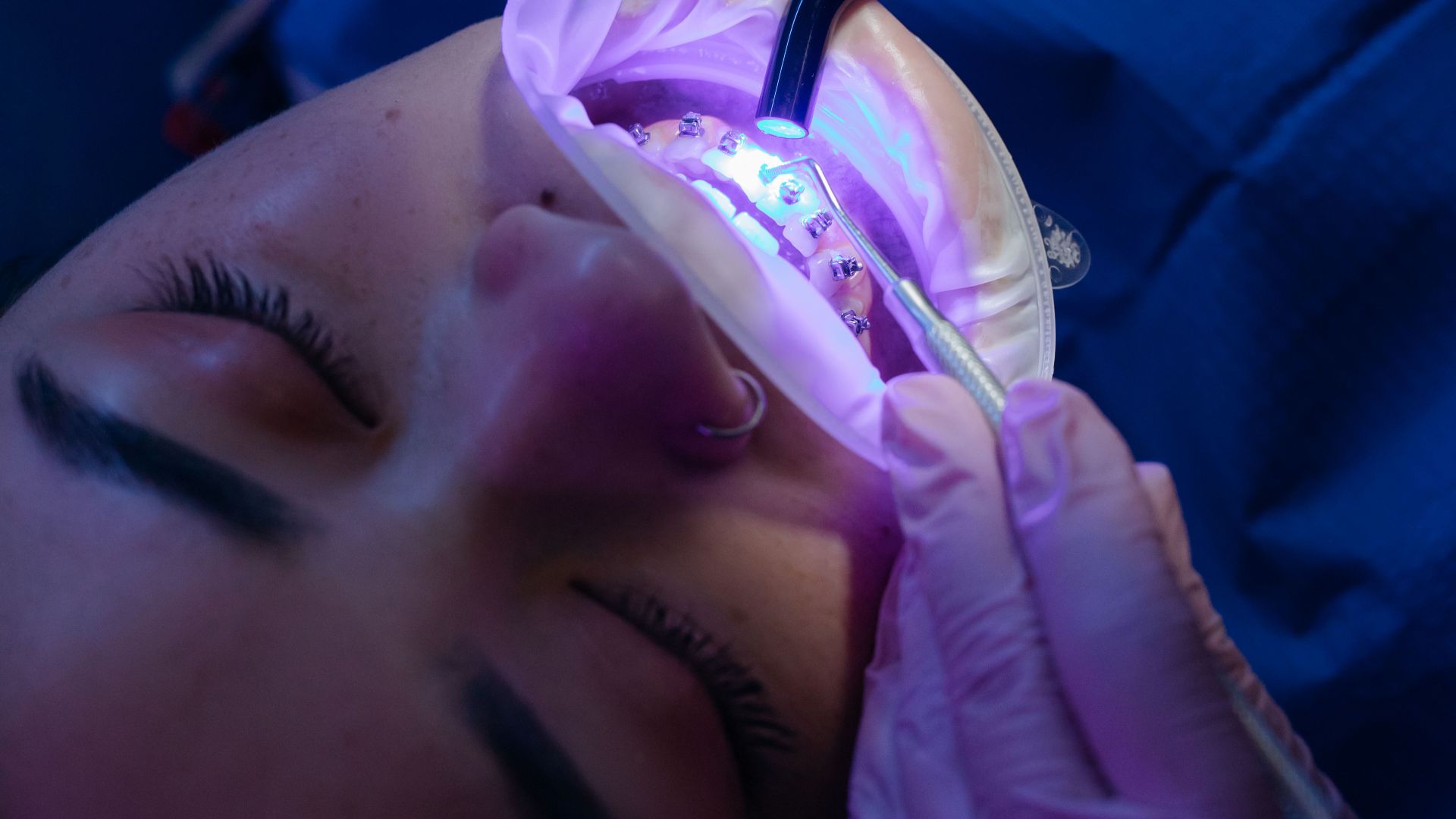
Whitening strips, charcoal toothpaste, and at-home LED trays have become staples of American bathroom counters, chasing a standard of tooth whiteness that's practically its own beauty category. Dentists routinely offer in-office whitening as a standard cosmetic add-on. The pursuit of a blindingly white smile shows up in advertising more here than almost anywhere else.
4. Spray Tans and Self-Tanner
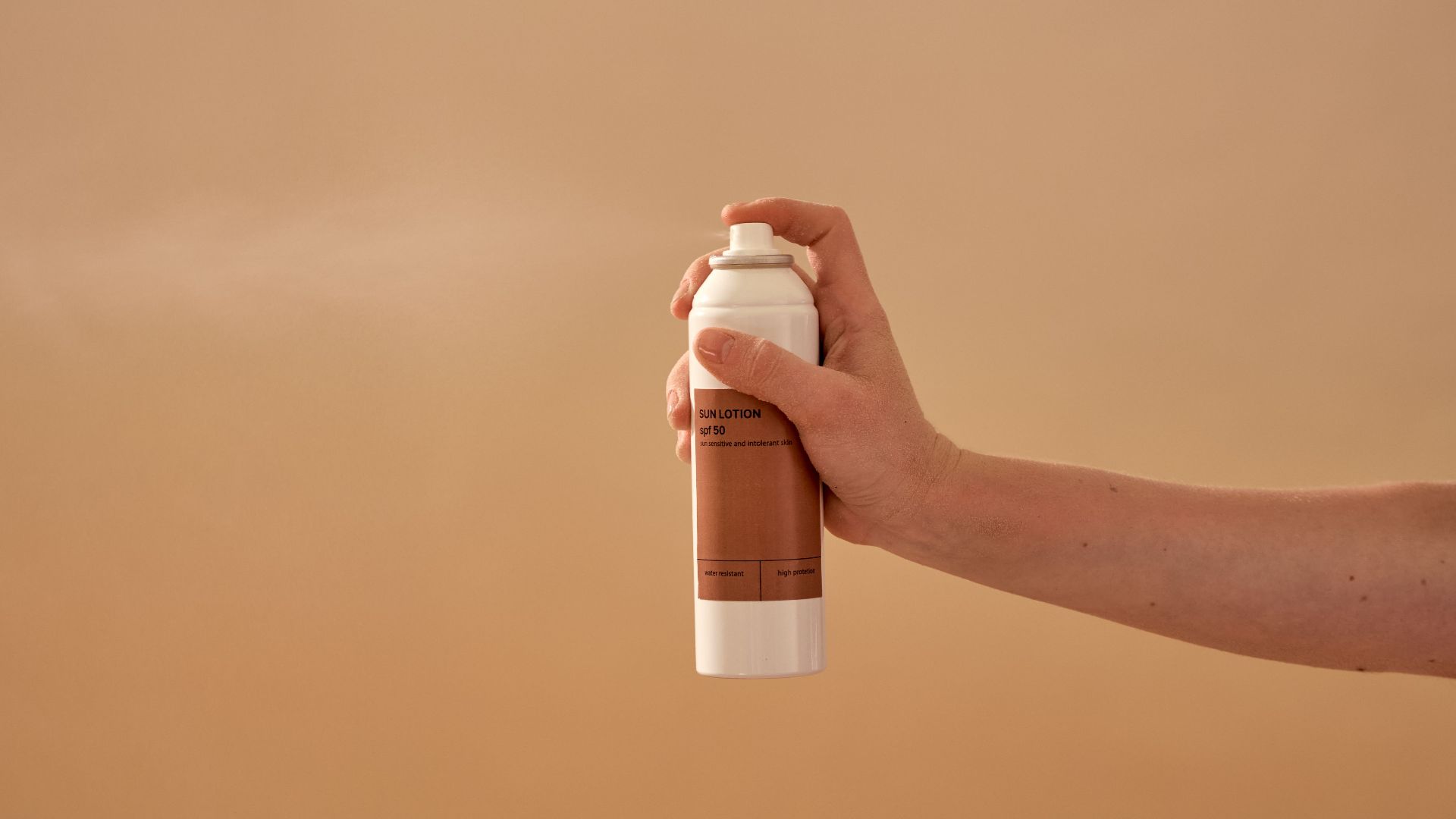
Rather than skip sun exposure or embrace natural skin tone, a lot of American beauty routines reach for a bottle or salon booth to fake a tan instead. It's common enough to have its own vocabulary, from "bronzing" to "contouring with tan lines." The result is a golden glow treated as default rather than a seasonal exception.
5. Dry Shampoo as a Daily Crutch
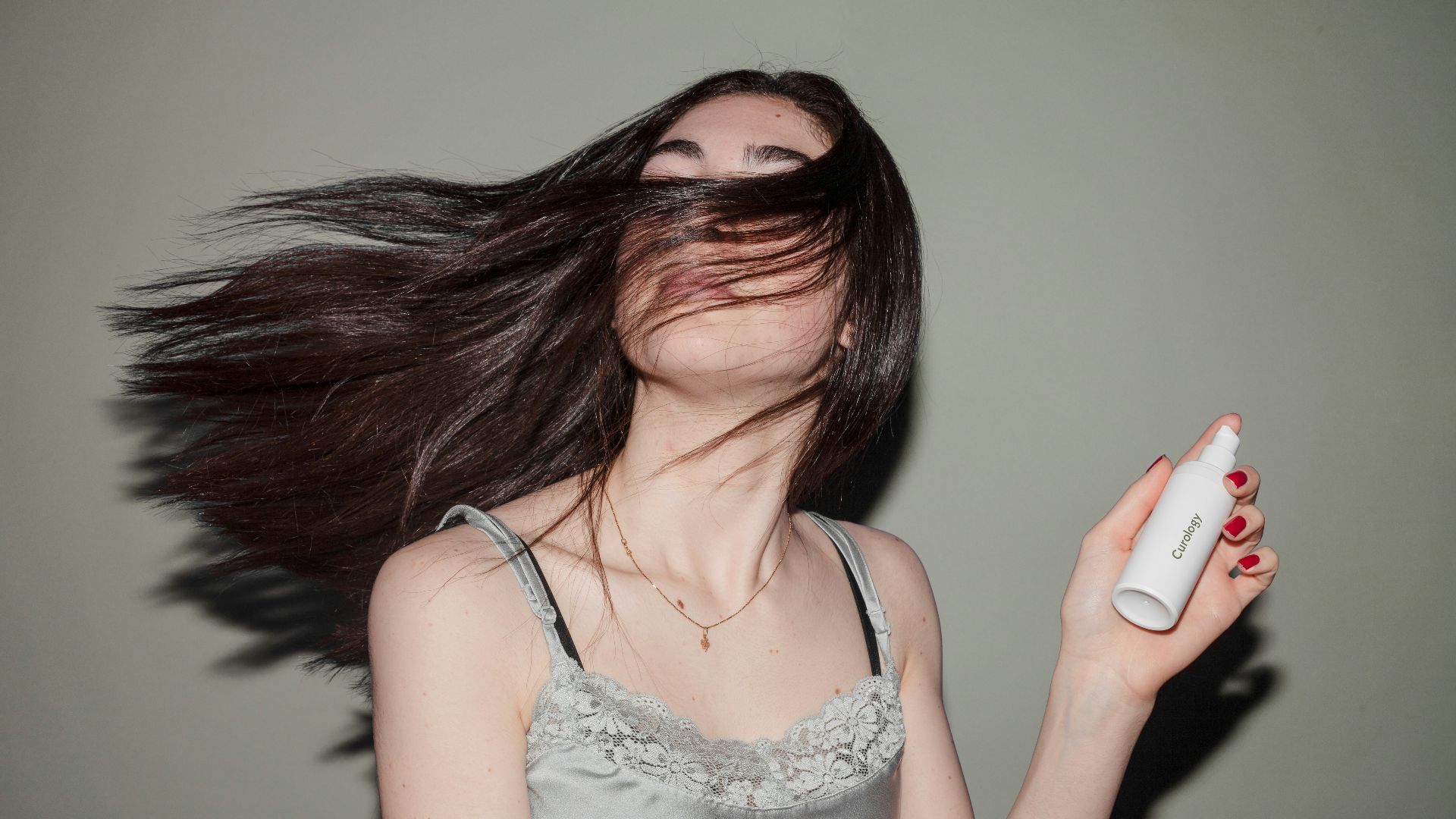
Washing hair every day fell out of favor once dry shampoo went mainstream, letting people stretch a blowout across four or five days without touching water. It became less of an emergency backup and more of a genuine daily product in its own right. Entire hair routines now get planned around which day is the "wash day."
6. Chasing Trendy Ingredients
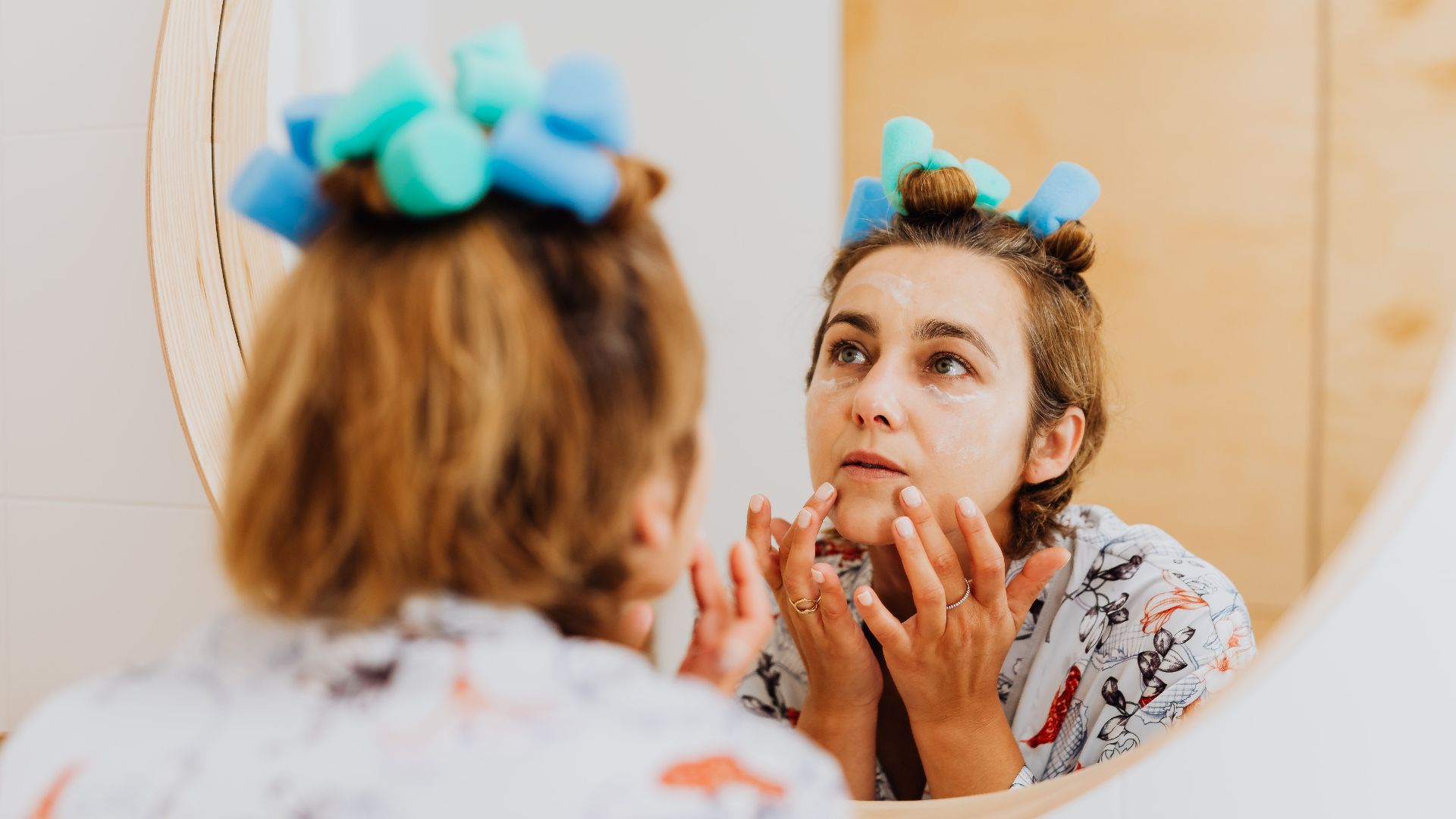
American skincare shoppers latch onto whatever ingredient is having a moment, whether it's snail mucin, niacinamide, or a viral serum nobody had heard of six months earlier. Shelves rotate fast, chasing whatever's currently trending on social media. The routine changes as often as the trend cycle does.
 https://kaboompics.com/ on Pexels
7. Lash Extensions as Routine Upkeep
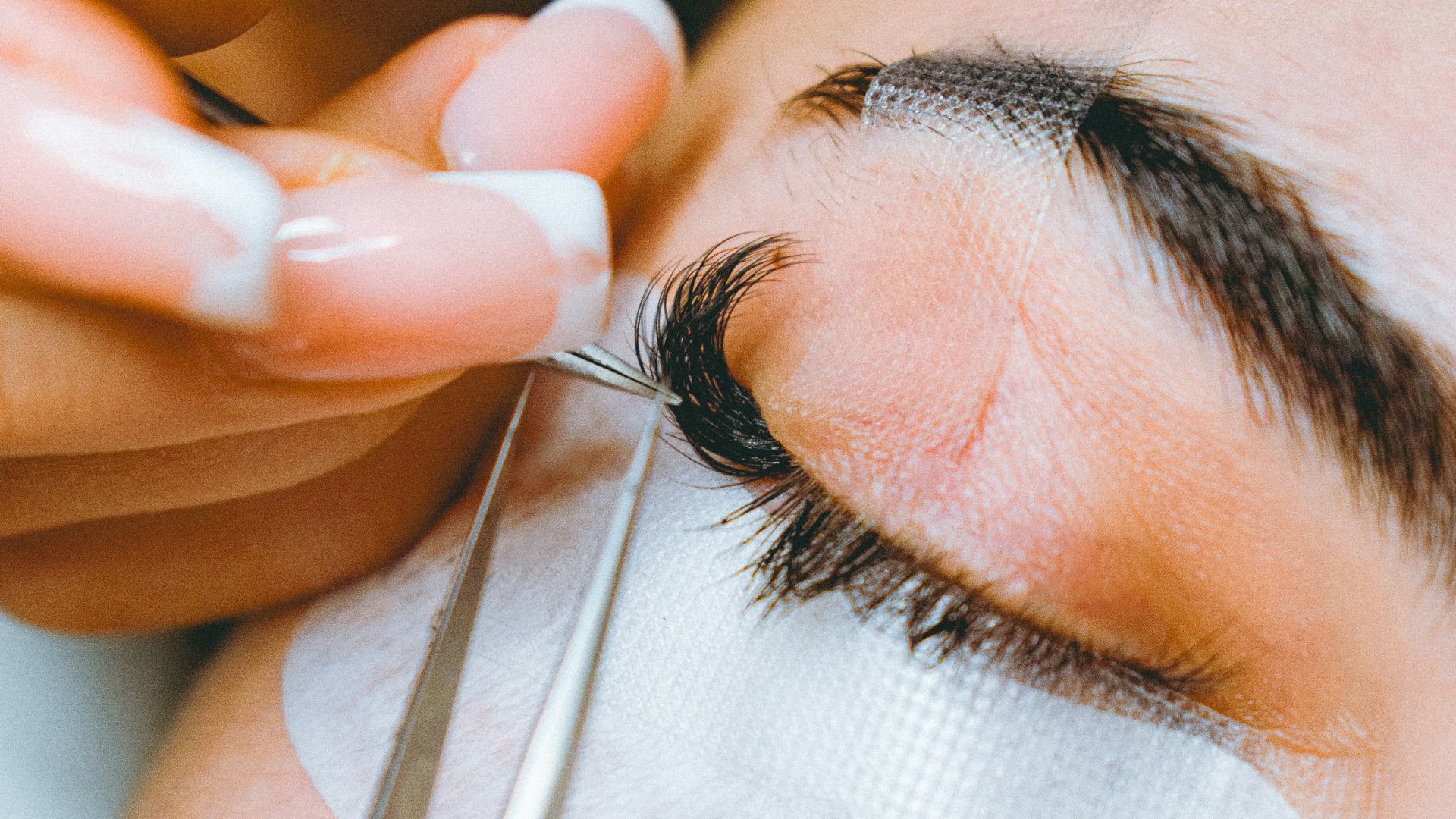
What used to be a special occasion turned into a recurring salon appointment for plenty of people, with lash extensions refilled every few weeks like a haircut. It's treated less like a splurge and more like ongoing maintenance, and waking up with full lashes became the expectation rather than the exception.
8. Regular Professional Waxing
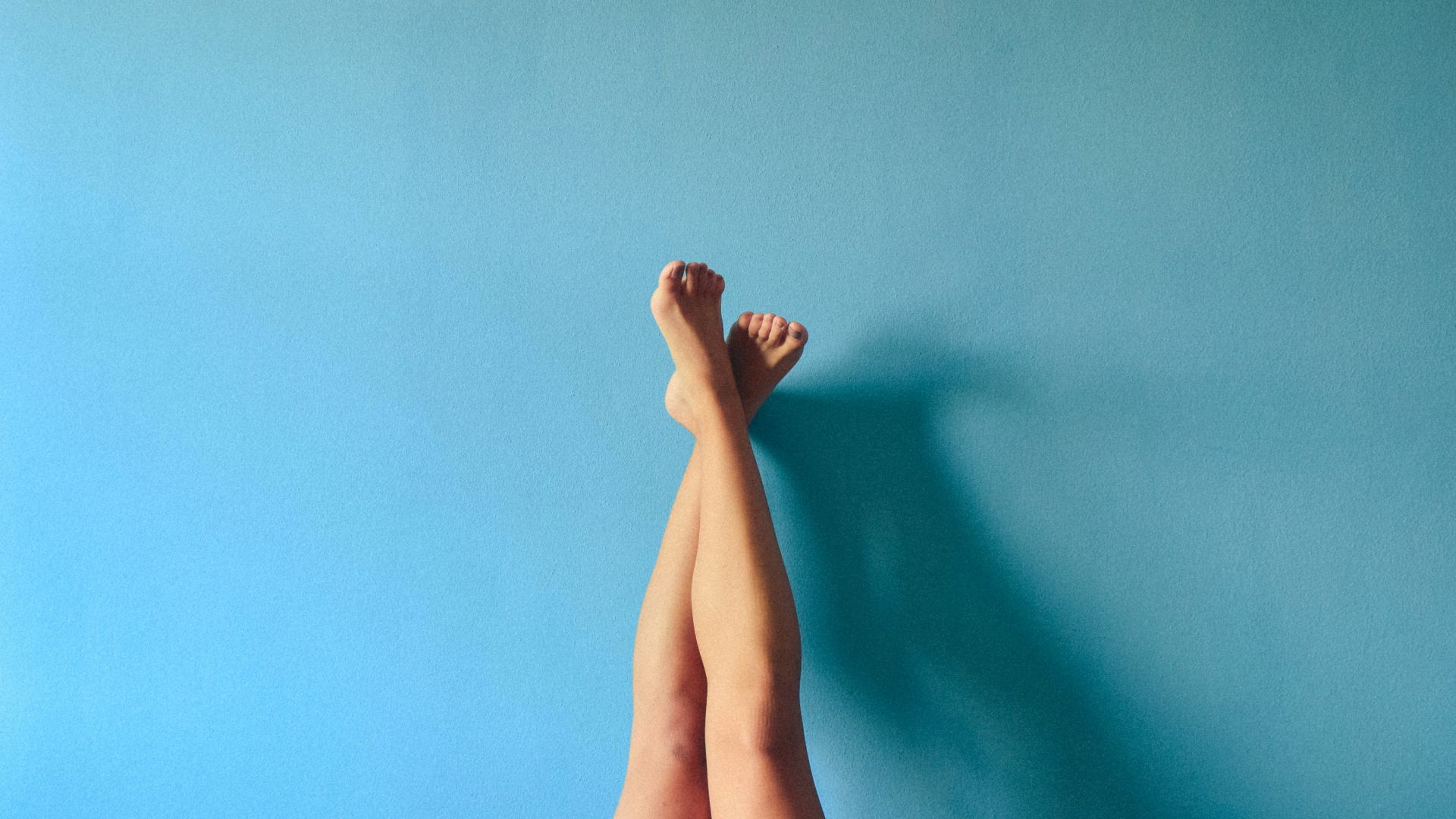
Scheduled waxing appointments, often monthly, became normalized in American grooming routines in a way that's less universal elsewhere. Entire chains built their business model around quick, affordable hair removal, turning something occasional into a recurring calendar entry.
9. Multi-Step At-Home Chemical Exfoliation
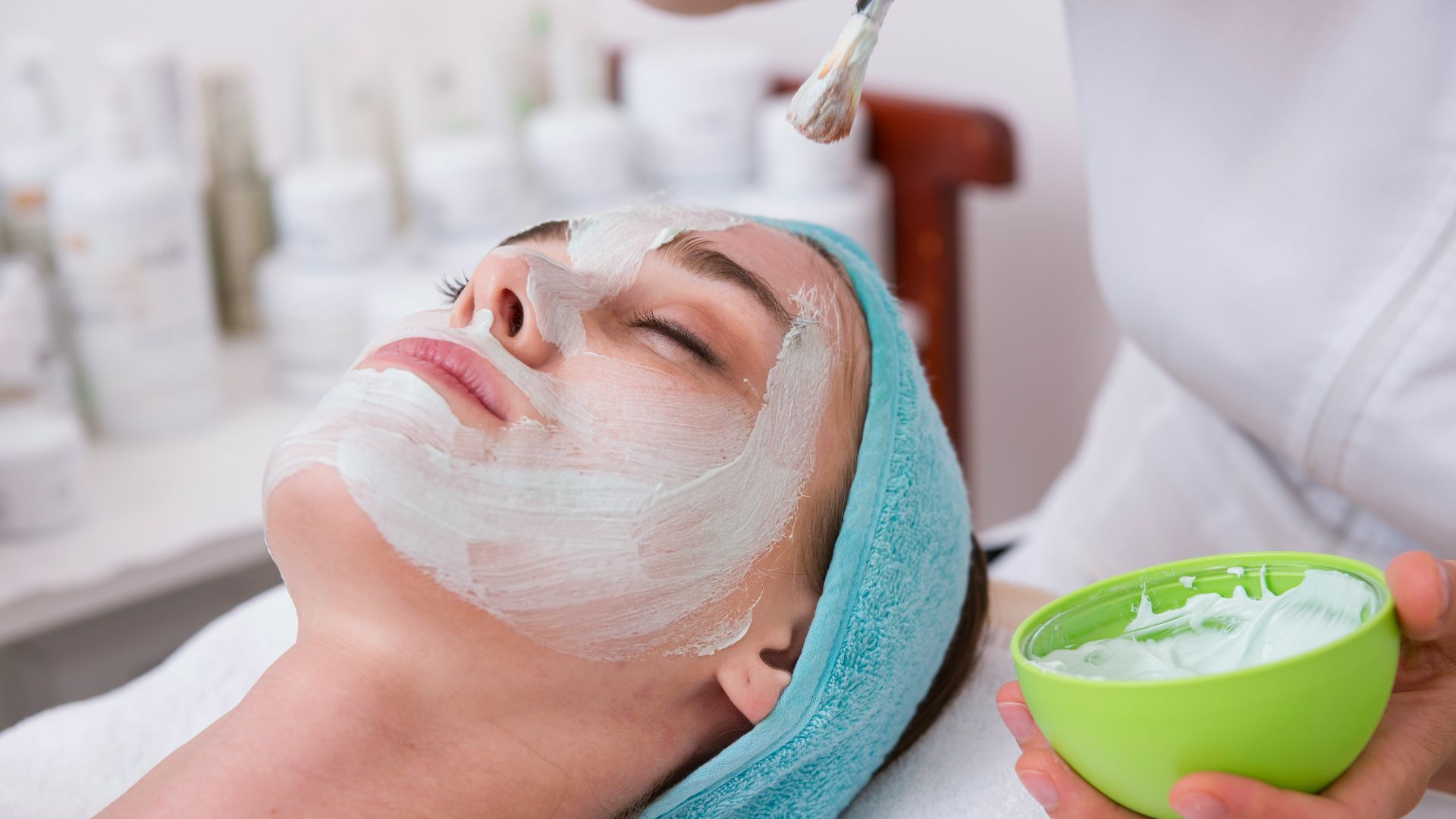
Layering separate AHA and BHA products into a single routine, sometimes stacking two or three acids in one week, became a genuine trend rather than something reserved for dermatologist visits. Brands built entire followings around affordable exfoliating acids sold directly to consumers. The DIY approach to chemical peels shows up nowhere quite as intensely.
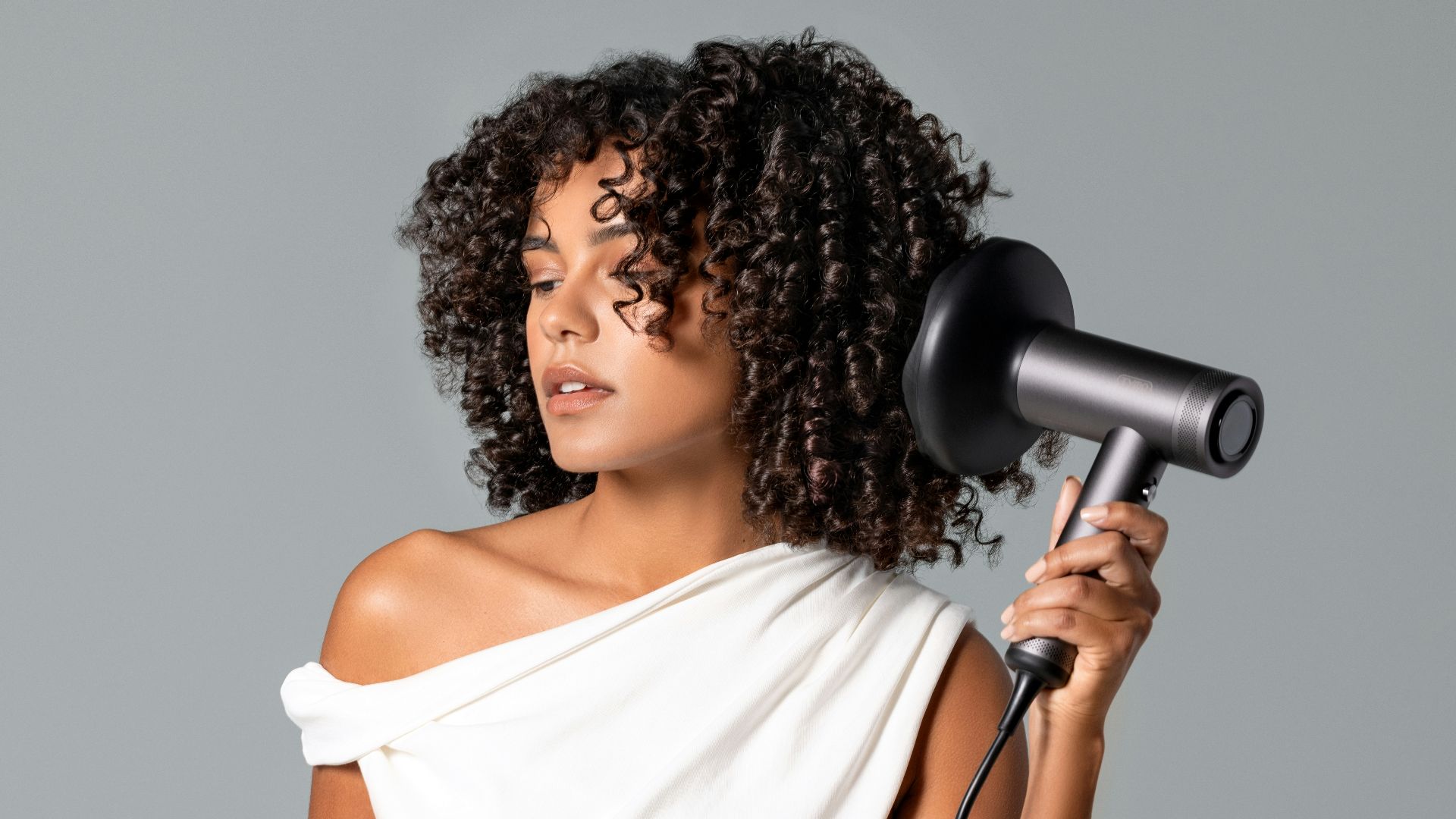
10. Big, Blown-Out Hair
Salon blowouts turned into their own standalone industry, with dedicated blow-dry bars charging for volume and bounce without any cut or color. Big, voluminous hair became a specific, desired look rather than an incidental result of styling, a routine built entirely around one particular silhouette.