
From Scandalous Choices To Everyday Style
Fashion regularly challenges ideas about modesty, gender, status, and what people are supposedly allowed to wear in public. Some trends that now seem ordinary once caused outrage, drew criticism from newspapers, or were treated as signs of declining standards. As social attitudes changed and younger generations adopted these looks, many controversial styles gradually became accepted parts of everyday wardrobes. Here are 20 fashion trends that were once controversial but are not normal.
1. Women Wearing Pants
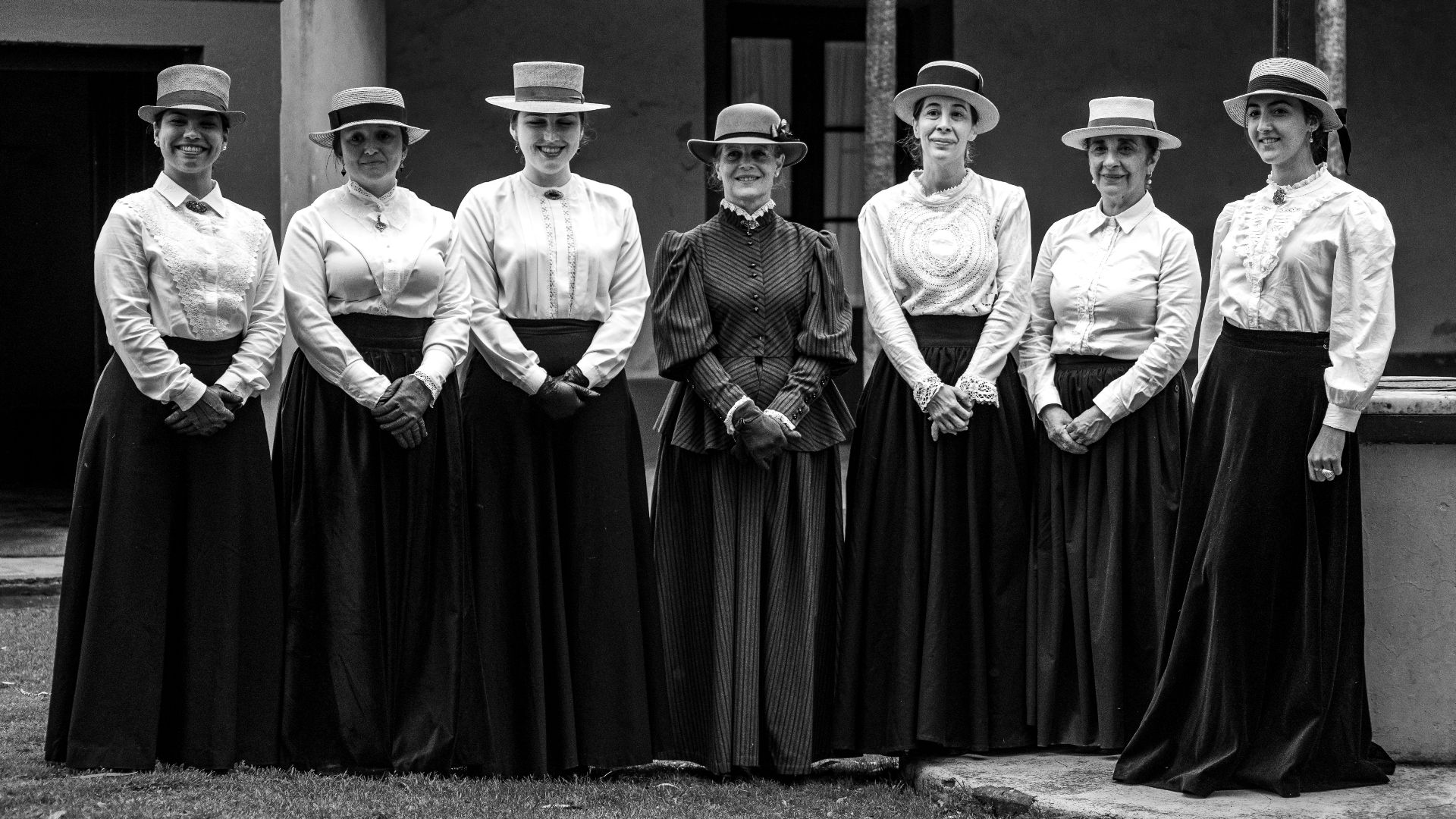
For centuries, Western fashion largely restricted women to skirts and dresses, while pants were closely associated with men. Women who wore trousers in the nineteenth and early twentieth centuries could be mocked, denied entry to certain spaces, or accused of rejecting traditional gender roles.
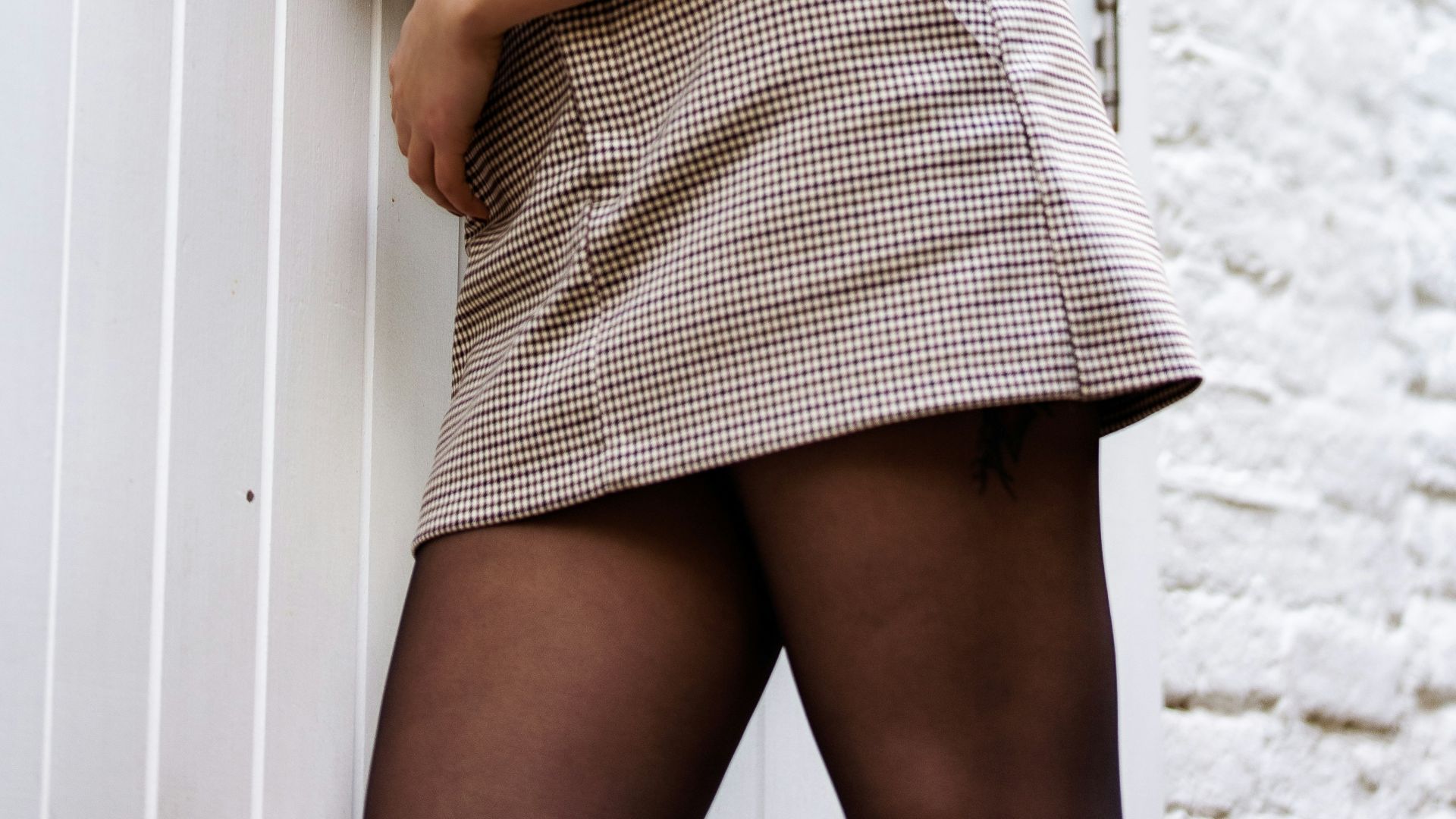
2. Miniskirts
When miniskirts became widely popular during the 1960s, critics saw them as far too revealing for respectable public wear. The short hemlines became connected with youth culture, changing sexual attitudes, and women gaining more control over their appearance.
3. Blue Jeans In Public
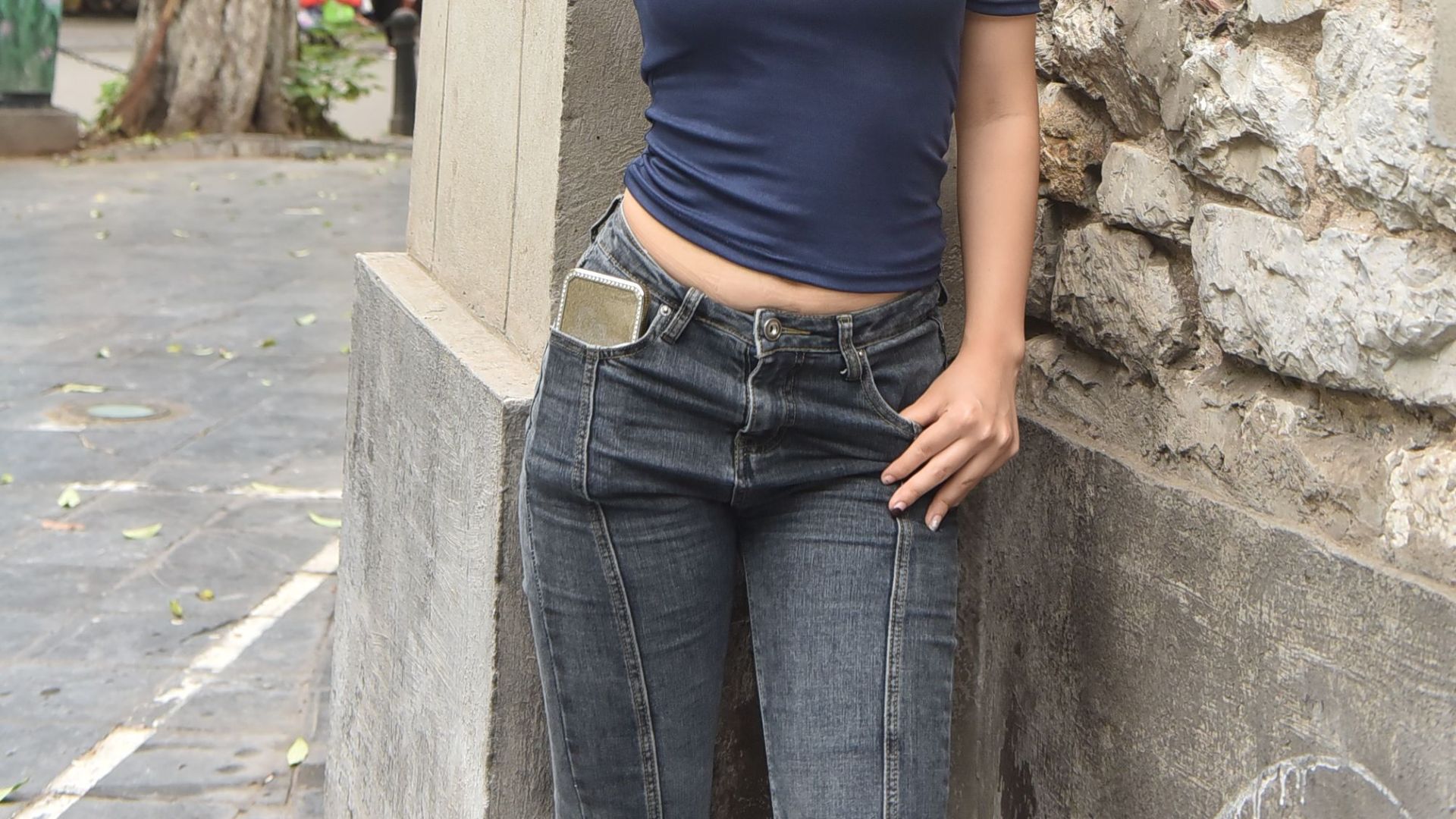
Blue jeans began as durable clothing for miners, laborers, and other workers rather than fashionable everyday attire. As teenagers adopted denim in the 1950s, some schools, restaurants, and theaters banned jeans because they were associated with rebellion.
4. Women Wearing Bikinis
The modern bikini caused immediate controversy after its introduction in 1946 because it exposed far more skin than typical swimsuits of the period. Some beaches, beauty pageants, and governments restricted the style, while many public figures initially refused to wear one.

5. Men Wearing Earrings
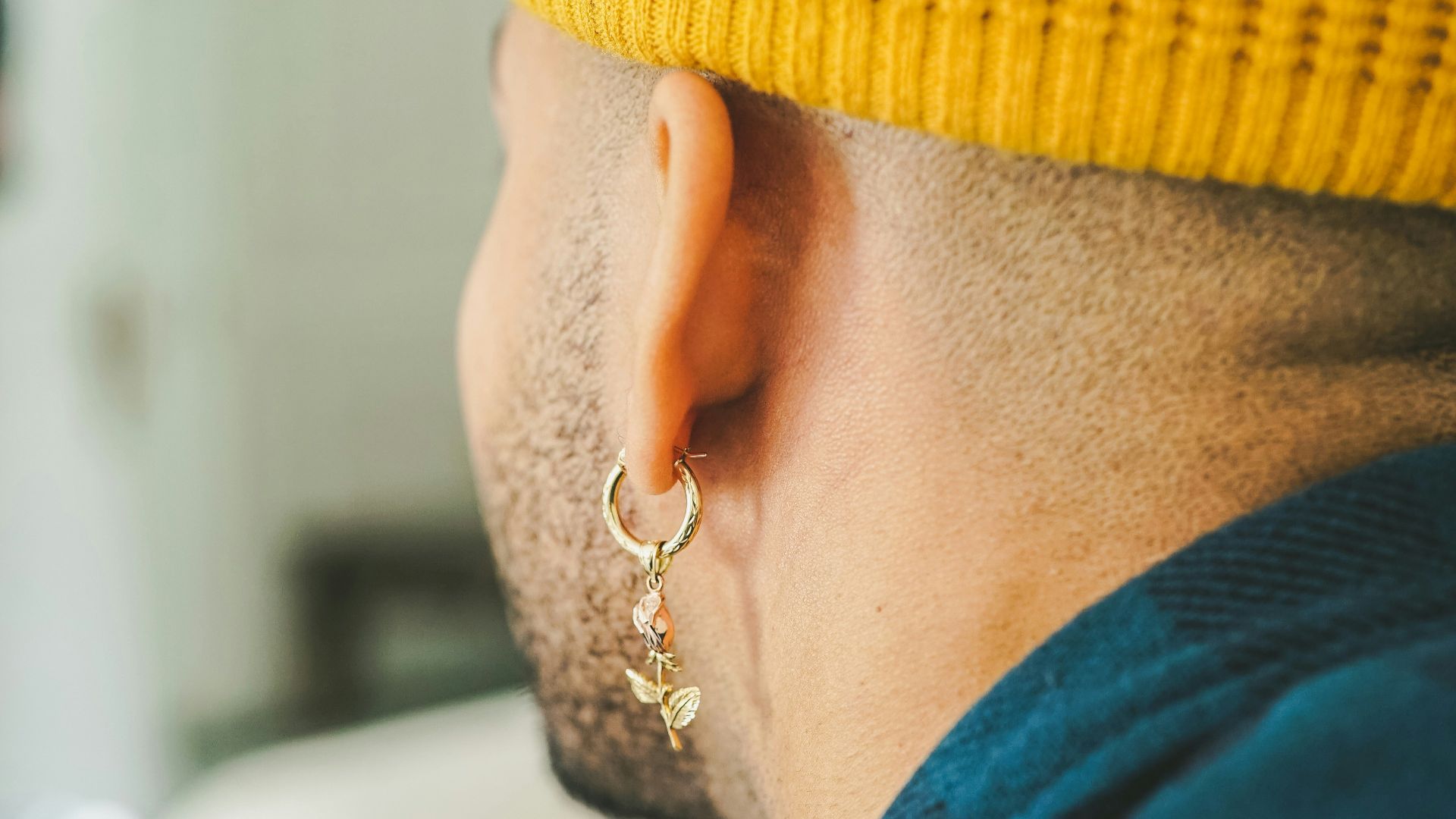
Earrings on men have existed across many cultures and historical periods, but modern Western society often treated them as unconventional. During parts of the twentieth century, a man with a pierced ear could face workplace criticism or assumptions about his identity. Male celebrities and musicians helped normalize the look, and earrings are now widely accepted across age groups and professions.
6. Visible Tattoos
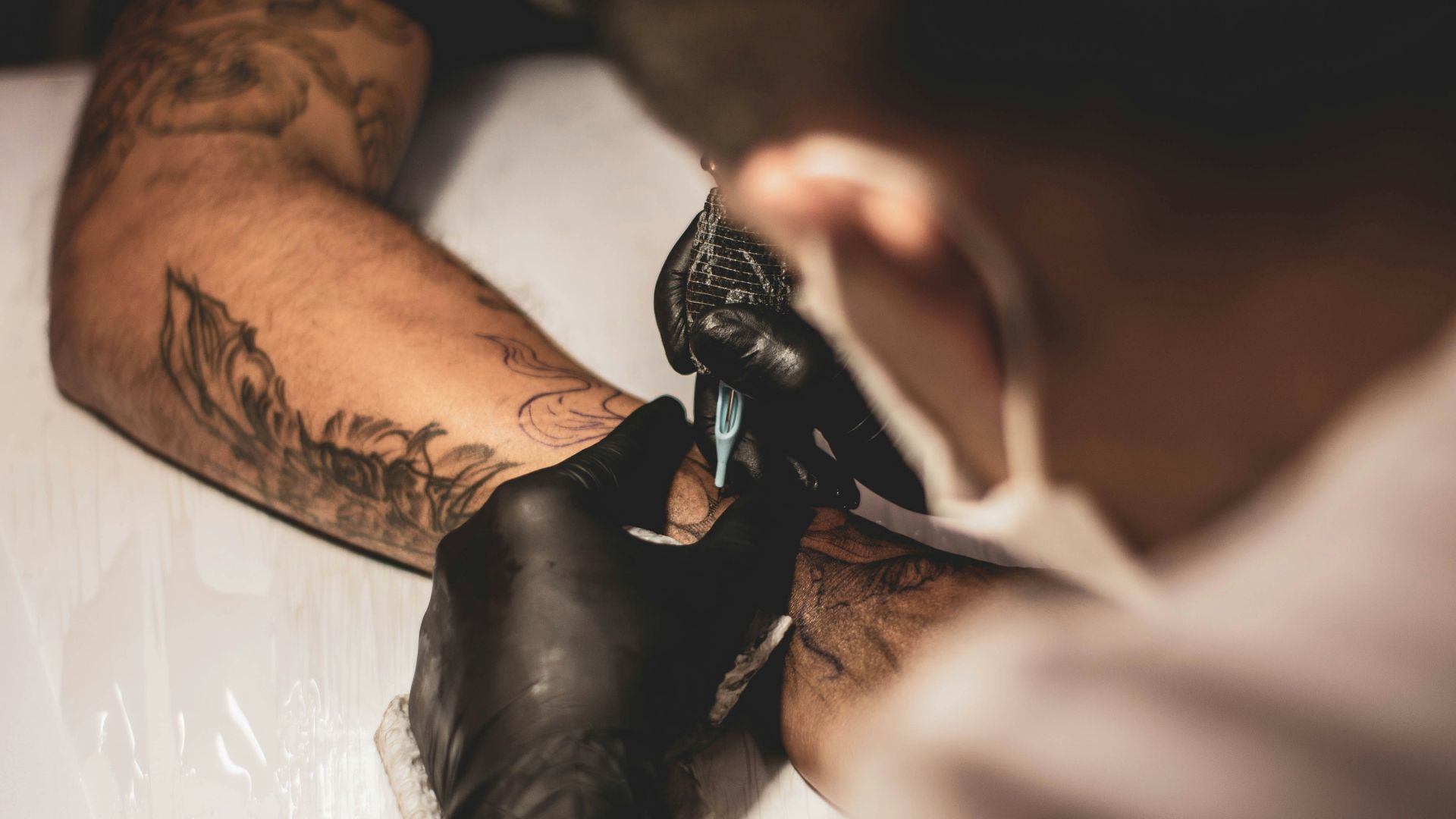
Tattoos were once strongly linked in the public imagination with sailors, prisoners, military service members, and countercultural groups. Many employers required workers to cover body art because customers might view it as unprofessional or threatening.
7. Women Wearing Short Hair
Short hairstyles for women caused significant debate when bobs became fashionable during the 1920s. Critics believed cutting long hair rejected femininity, tradition, and the expectation that women should maintain a particular appearance.
8. Men Growing Long Hair
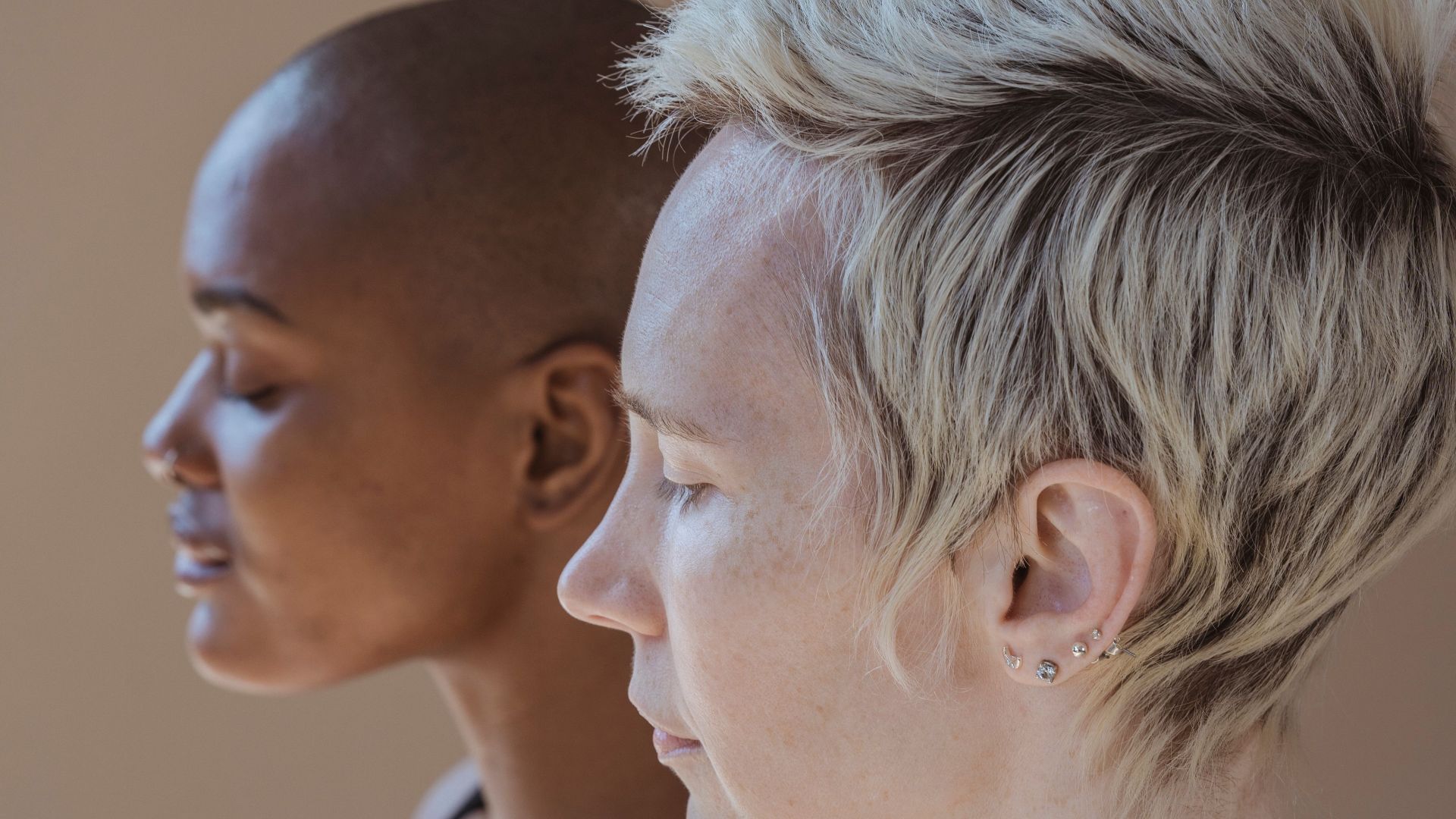
Long hair on men became a major cultural flash point during the 1960s and 1970s. Schools and employers sometimes imposed strict hair-length rules because the style was associated with antiwar activism, rock music, and resistance to authority. Longer men’s hairstyles are currently common enough to appear in conservative workplaces, formal events, and mainstream advertising.

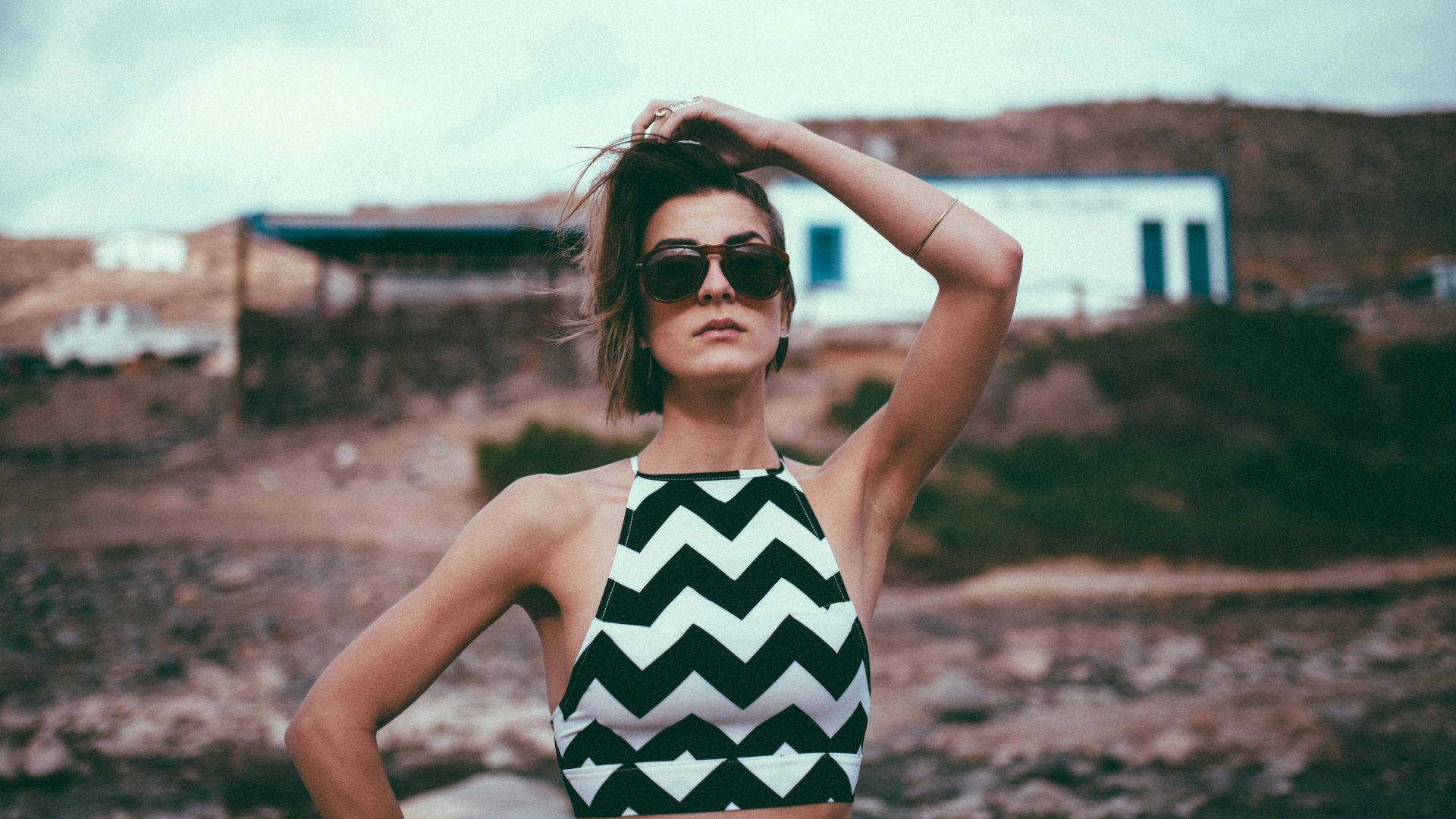
9. Crop Tops
Early crop tops appeared in performance clothing and beachwear, but they remained controversial when people began wearing them casually. Schools and parents often criticized the exposed midriff, particularly as the style became popular among teenagers during the 1990s.

10. Leather Jackets
Leather jackets once carried a reputation for danger because they were worn by motorcycle gangs and rebellious film characters. During the mid-twentieth century, the style could signal that someone didn’t follow conventional expectations about behavior or appearance.

11. Sneakers Outside Athletic Settings
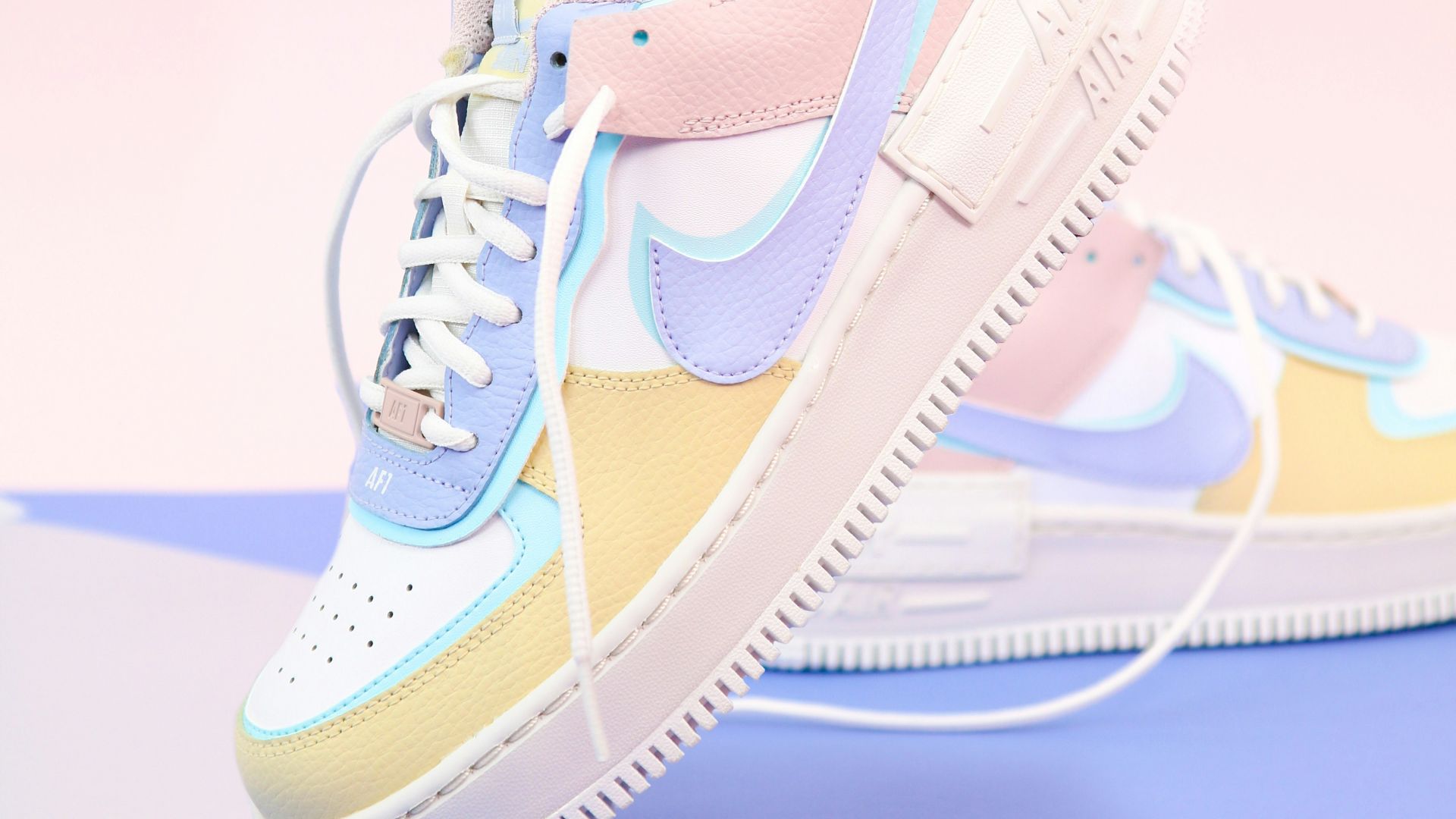
Sneakers were designed primarily for sports and physical activity, so wearing them away from the gym was once considered overly casual. Traditional dress codes expected people to choose leather shoes for offices, restaurants, and many social occasions. As comfort became more important, sneakers entered everyday fashion and are now commonly worn with suits, dresses, and business-casual clothing.
12. Women Wearing Menswear-Inspired Suits
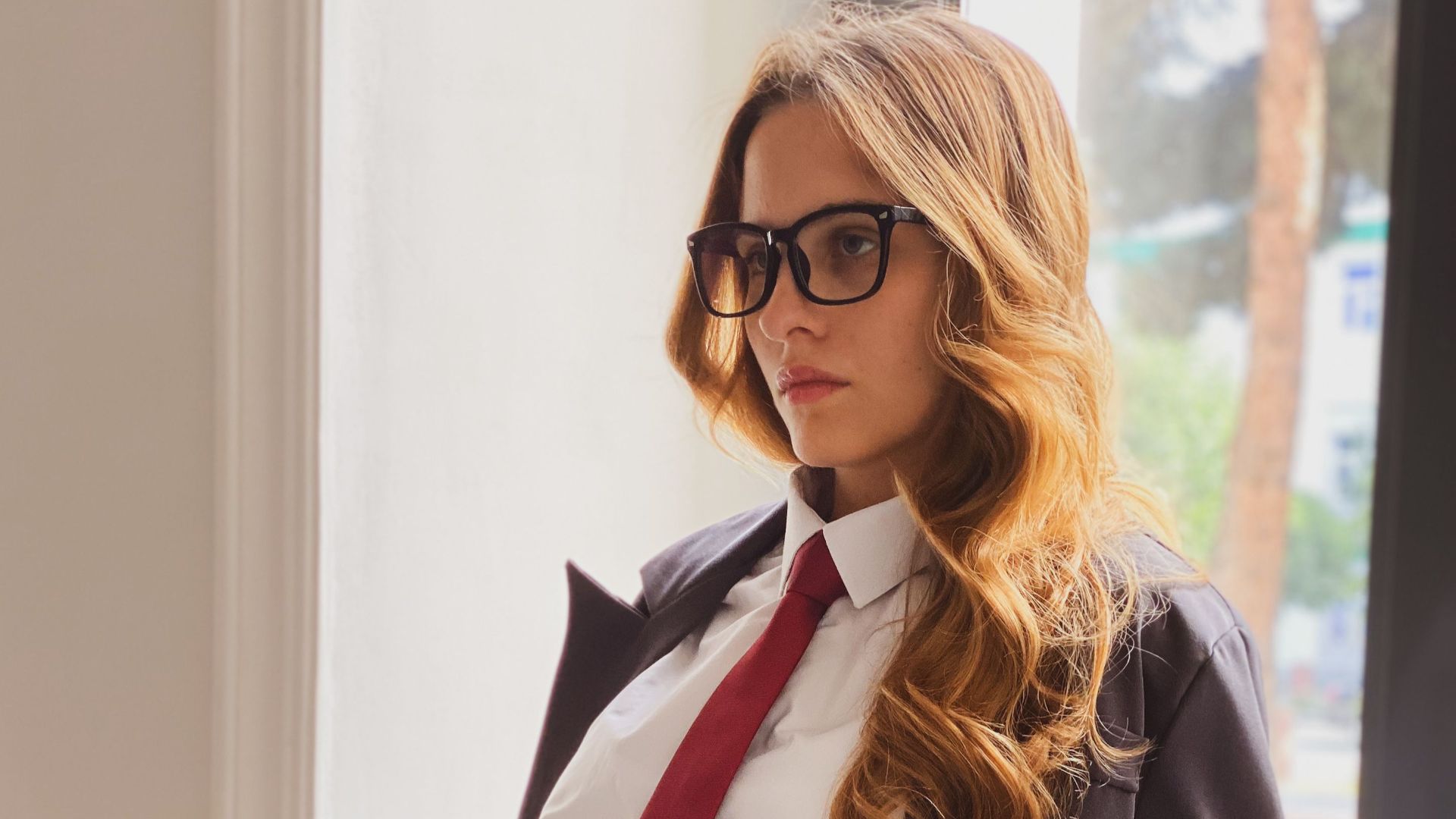
Tailored suits gave women access to a style historically associated with male authority and professional status. Early adopters were sometimes criticized for appearing unfeminine or deliberately provocative, especially when they wore ties or sharply structured jackets. Pantsuits are now routine business clothing and a popular option for weddings, red carpets, and formal events.
13. Sheer Clothing
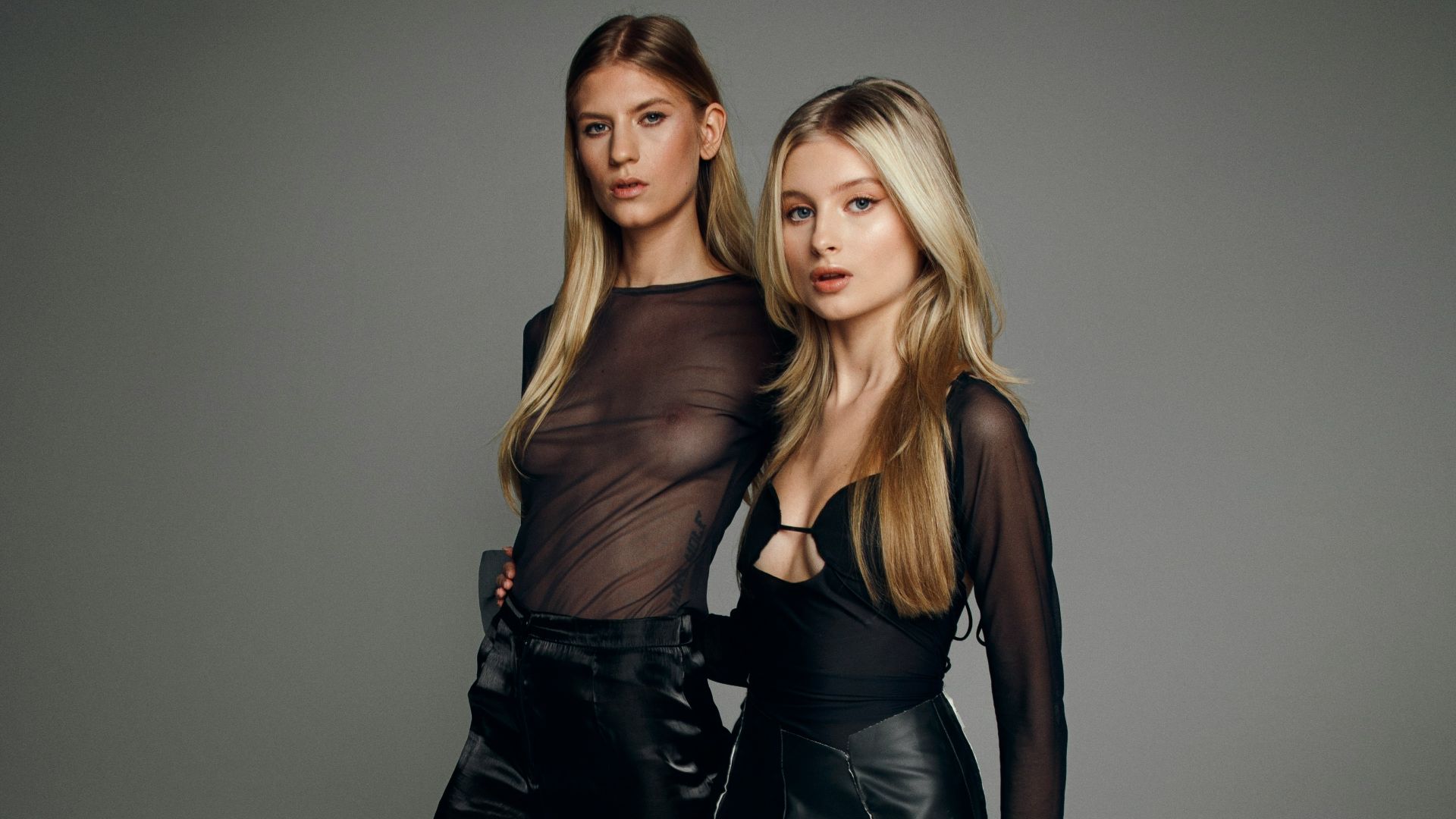
Sheer fabrics have repeatedly caused debate because they reveal parts of the body that conventional clothing is expected to conceal. Designers used transparent materials on runways long before most customers felt comfortable wearing them in ordinary settings.
14. Ripped Jeans
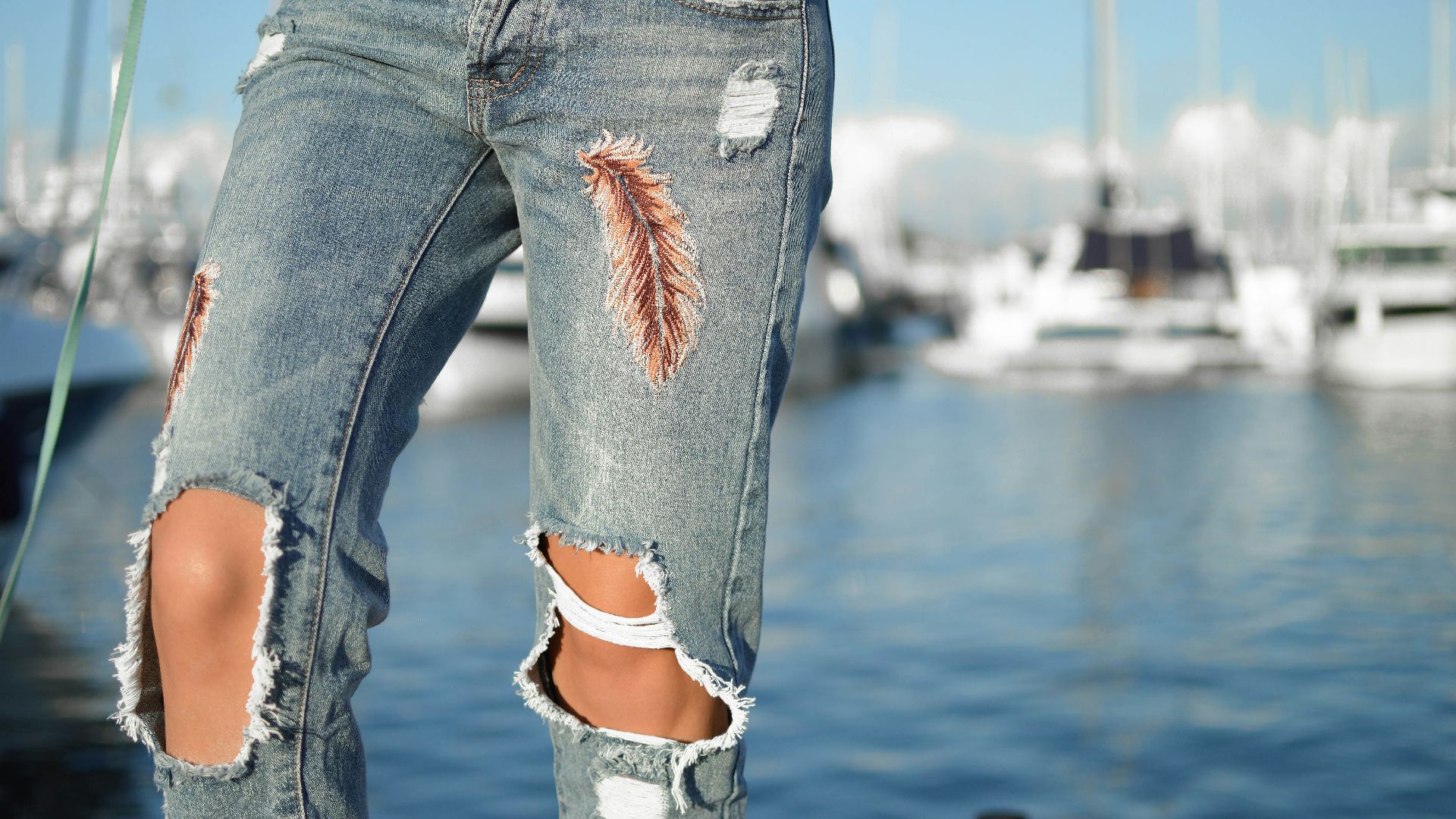
Damaged denim originally suggested that clothing was old, worn out, or connected with physical labor. Punk and grunge communities later embraced ripped jeans as a rejection of polished consumer fashion, which made the look seem deliberately disrespectful to some observers.
15. Leggings As Pants
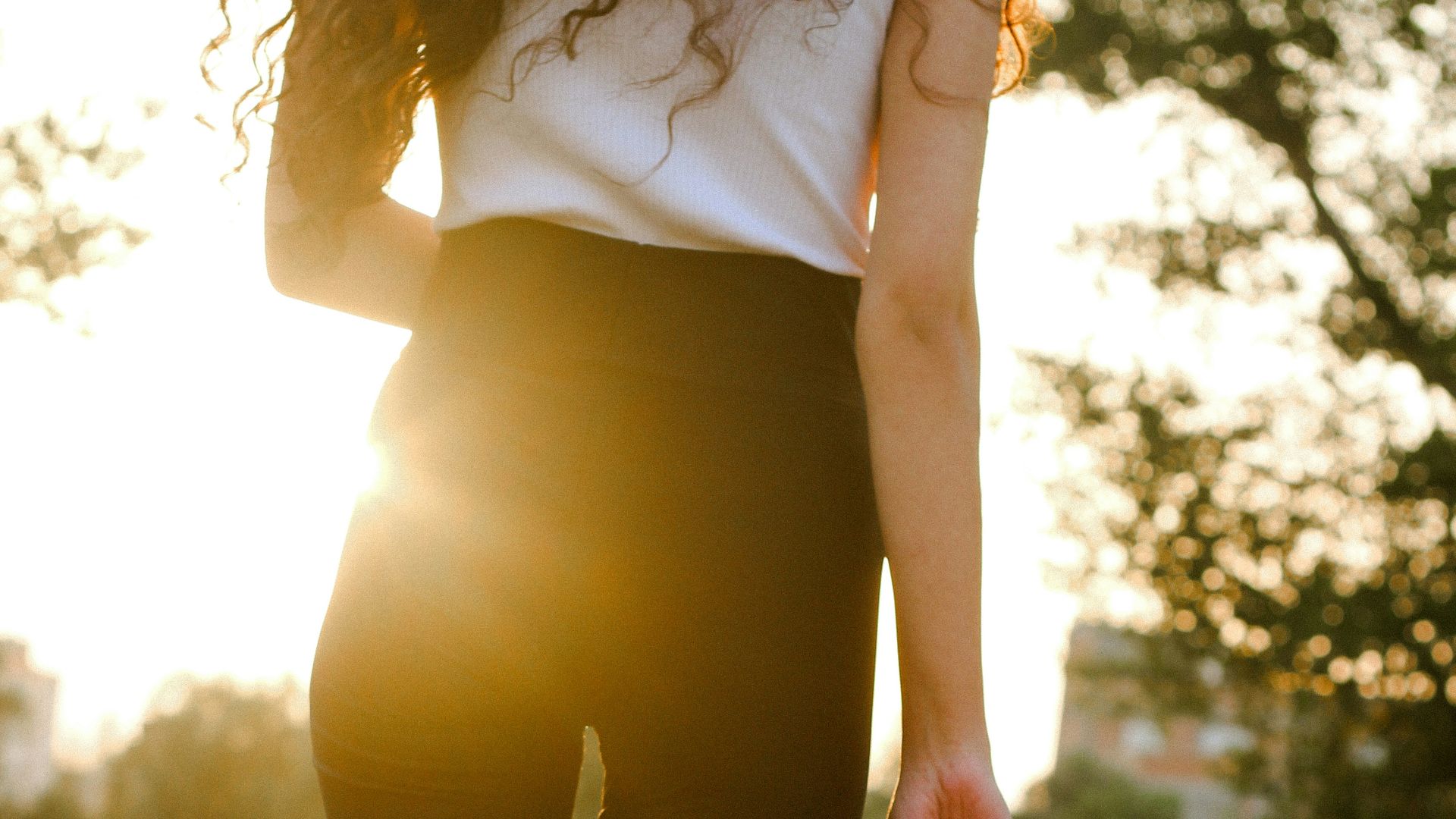
Leggings were long treated as exercise wear or an underlayer rather than complete clothing. Their growing popularity outside fitness settings created arguments about whether the thin fabric provided enough coverage for public spaces.
16. Makeup On Men
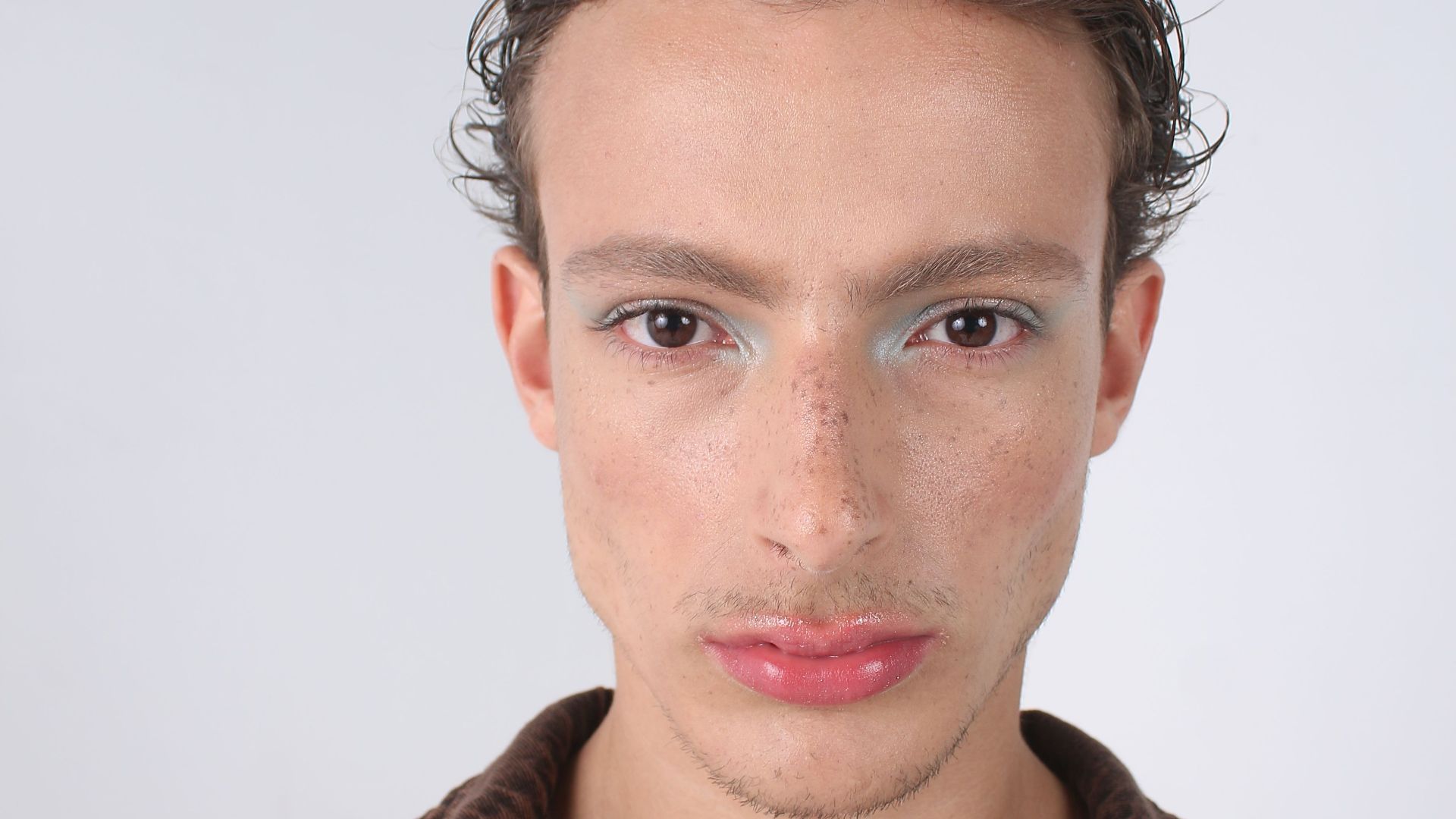
Cosmetics have been worn by men in many historical societies, yet modern Western expectations often defined makeup as exclusively feminine. Male musicians and actors who wore eyeliner, foundation, or lipstick could attract criticism for challenging traditional masculinity.
17. Underwear As Outerwear
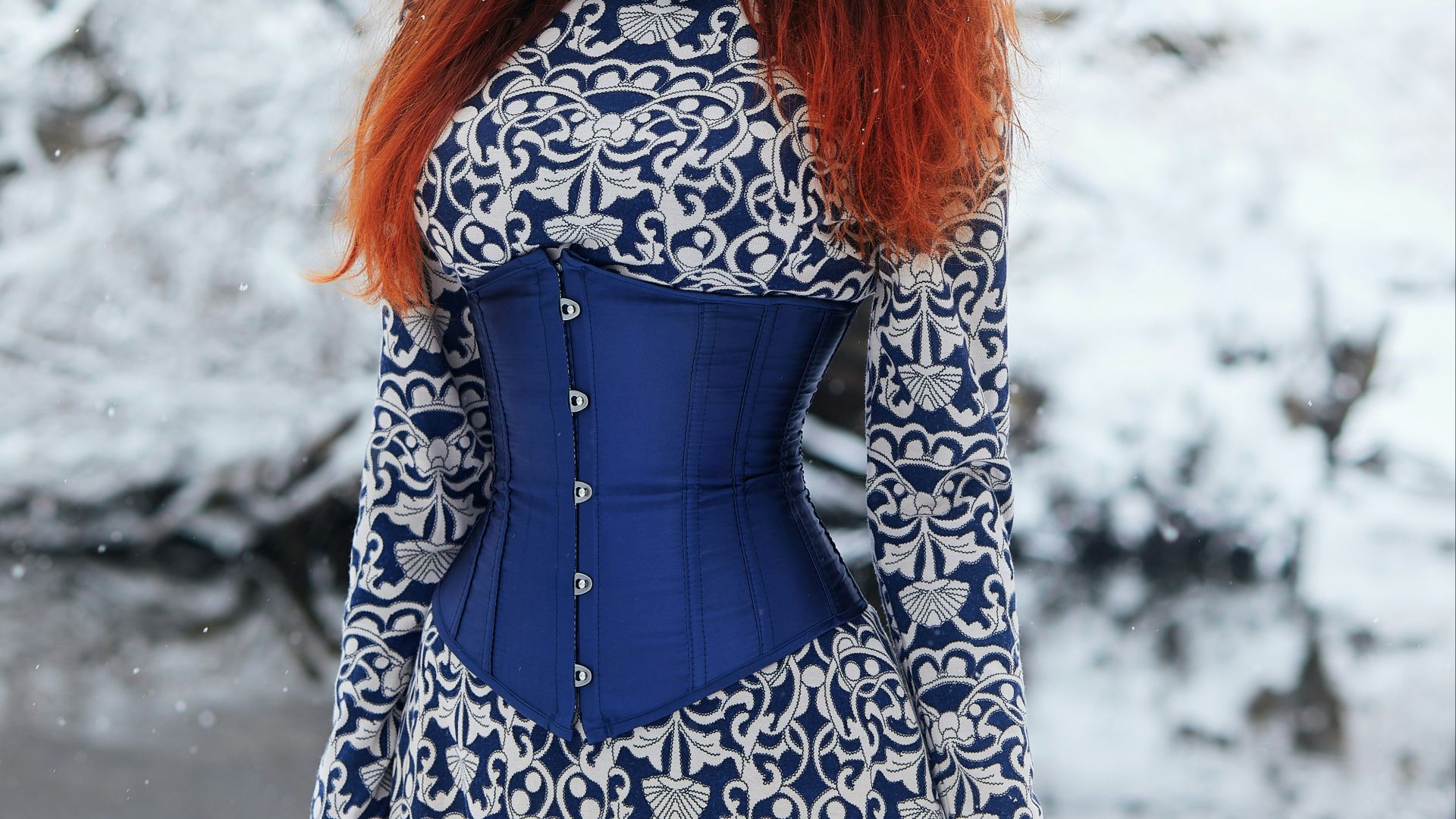
Corsets, slips, bralettes, and camisoles were once expected to remain hidden beneath a person’s clothing. Designers gradually brought these garments into public view, creating concern that fashion was becoming too intimate or suggestive.
18. Piercings Beyond The Ears
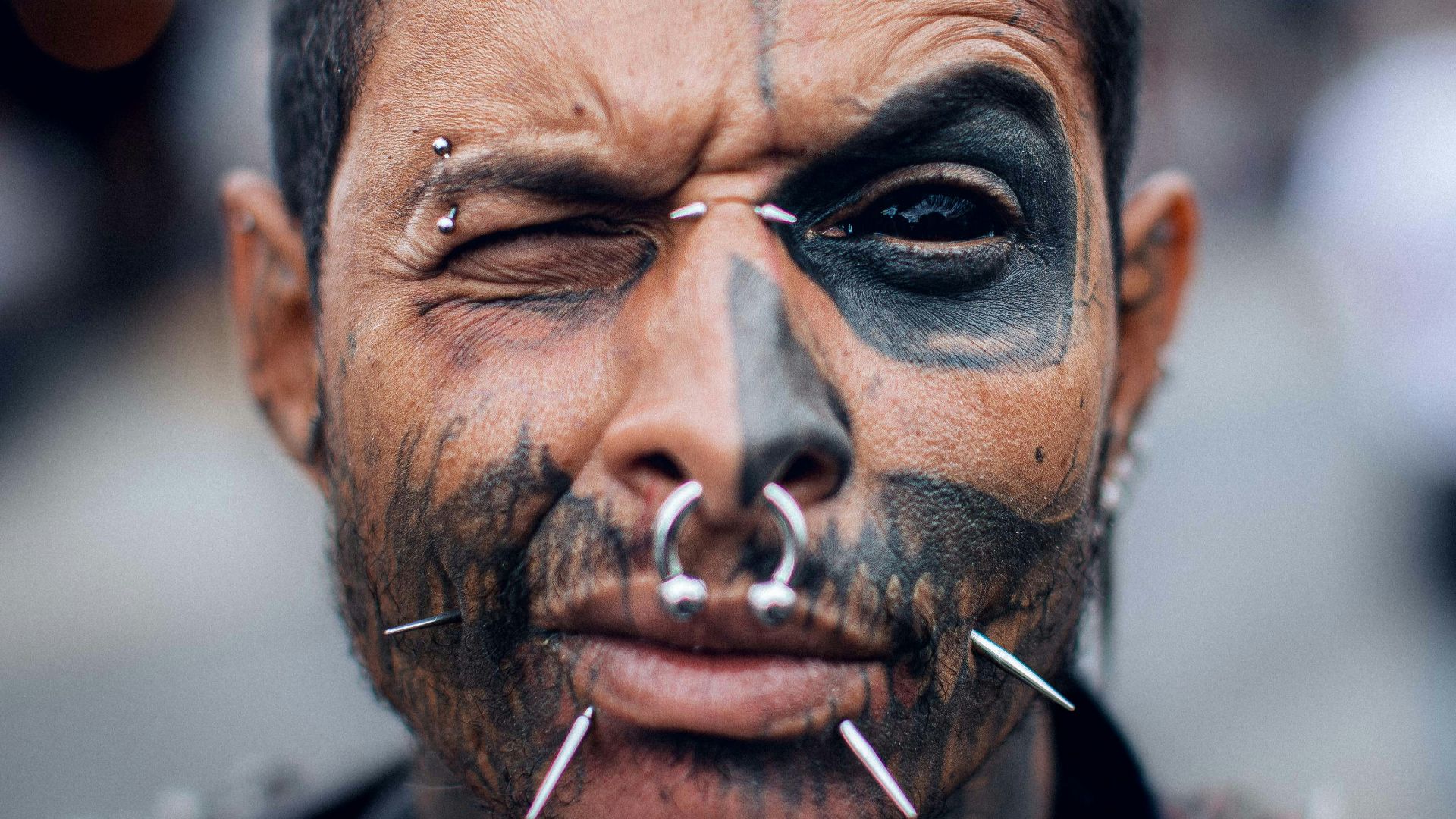
Facial and body piercings were frequently associated with underground scenes rather than mainstream personal style. These accessories have become much more familiar, and small facial piercings are now accepted in many schools and workplaces.
19. Athleisure
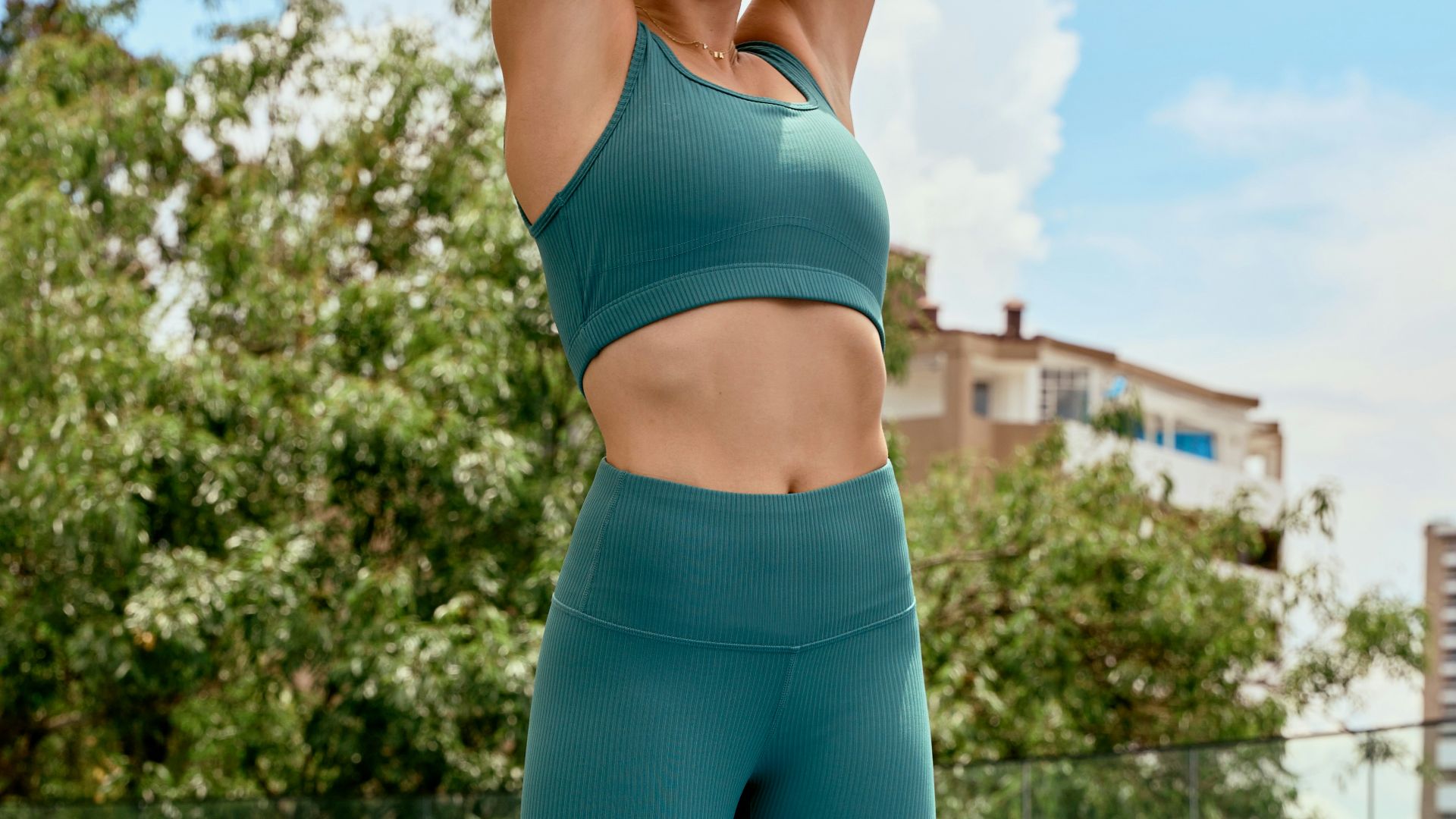
Wearing sweatshirts, yoga pants, and athletic shoes throughout the day was once interpreted as a lack of effort. Technical fabrics and carefully designed activewear helped transform those pieces into athleisure, which now occupies a major place in everyday fashion.
20. Gender-Neutral Clothing
Clothing stores traditionally divided products into rigid men’s and women’s sections, with clear rules about cuts, colors, and acceptable styles. Unisex collections, shared silhouettes, and gender-neutral branding are now increasingly visible throughout mainstream fashion.