Yesterday’s Flaws Are Today’s Features
Beauty and fashion standards have never stayed fixed for long, and features once hidden beneath cosmetics or carefully chosen clothing are now frequently emphasized. Freckles, gray hair, visible undergarments, fuller eyebrows, and oversized silhouettes have all been criticized as careless, unfeminine, unhealthy, or simply unfashionable. Changing attitudes, celebrity influence, youth movements, and greater representation have helped turn many supposed imperfections into deliberate style choices. These 20 beauty and fashion trends that were once considered “unattractive” show how quickly society can change its mind about appearance.

1. Freckles
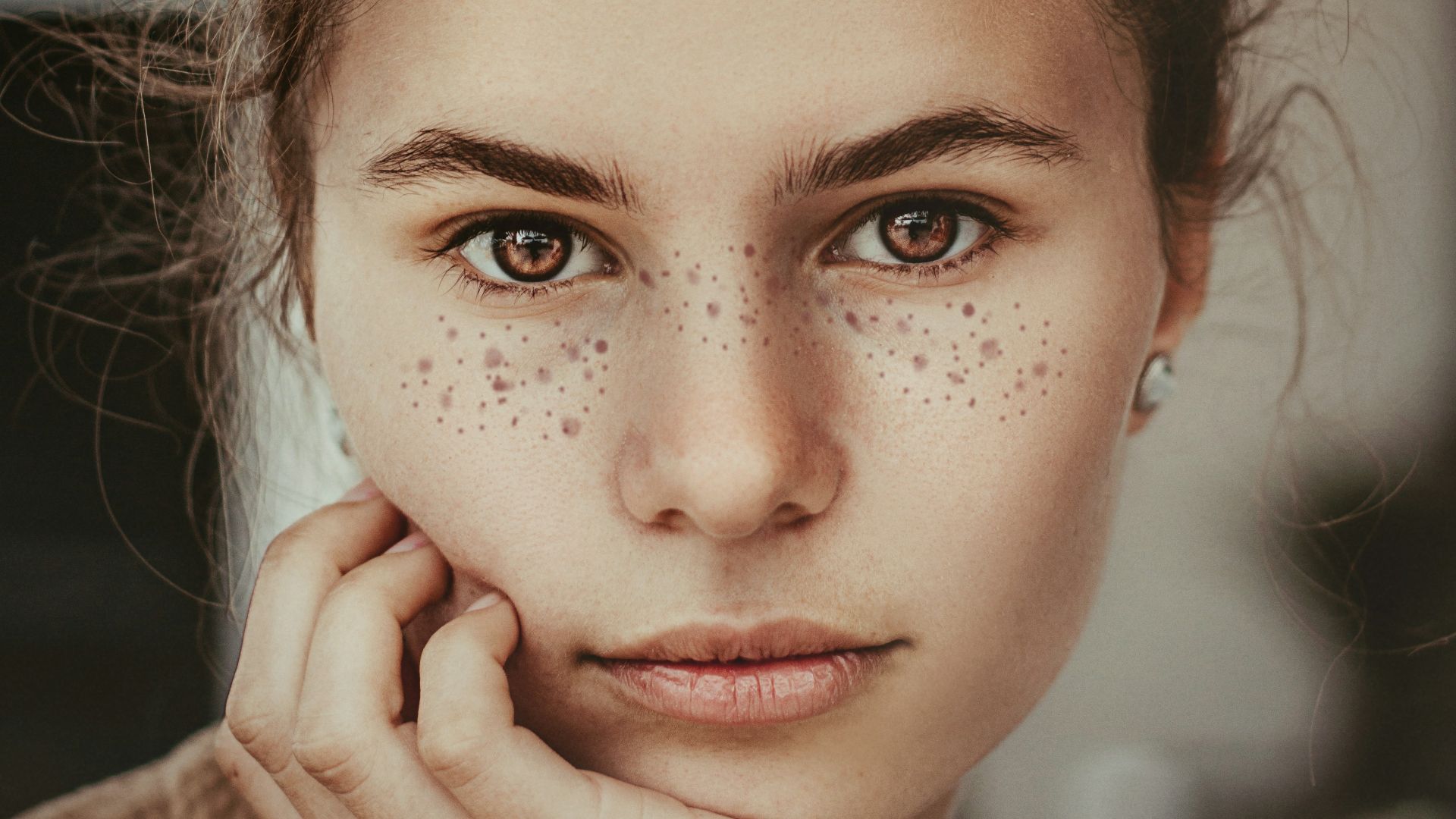
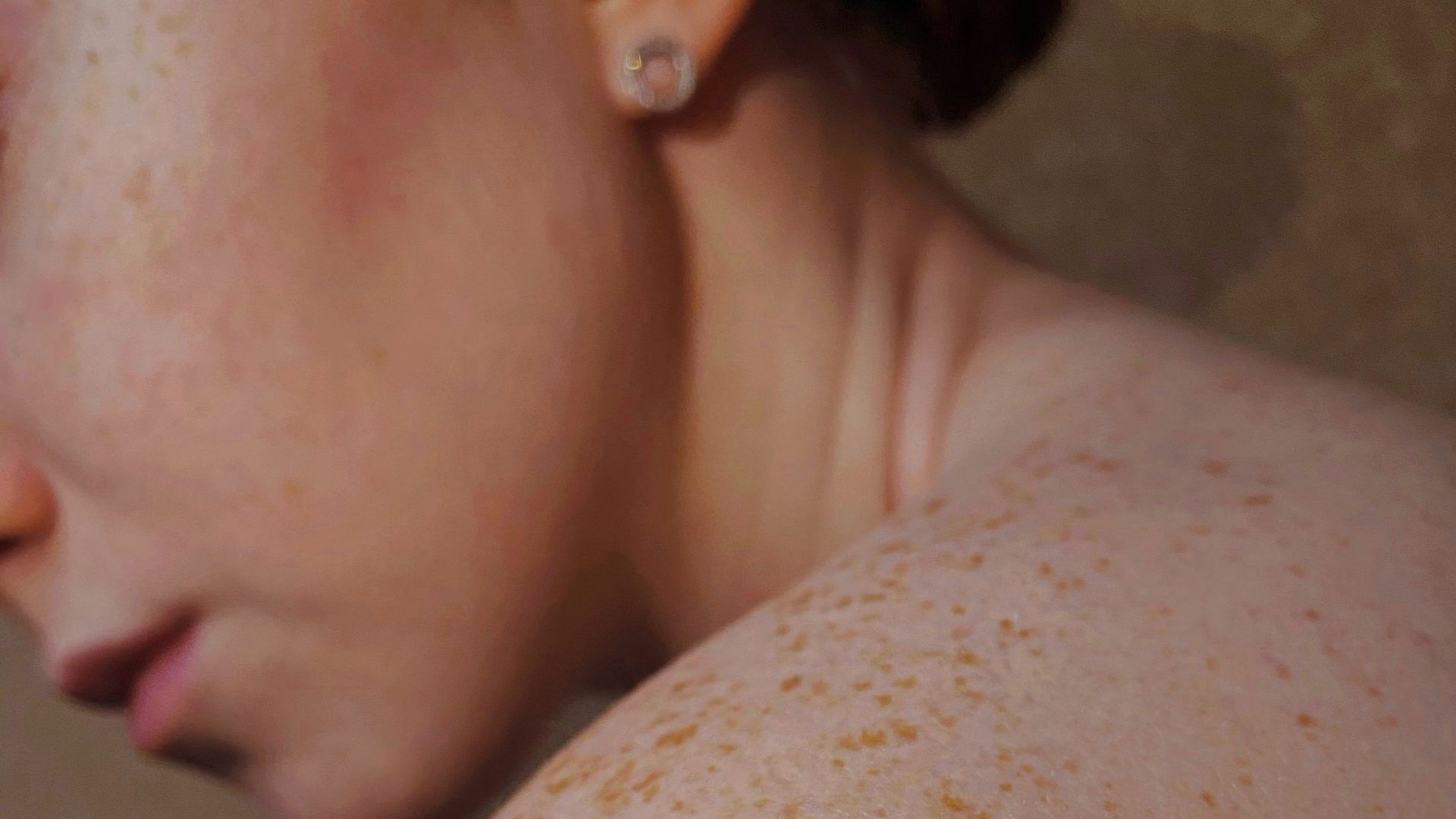
For centuries, freckles were treated as blemishes that should be faded, covered, or prevented through limited sun exposure. Beauty manuals offered removal recipes, while later cosmetic companies sold creams promising clearer and more evenly colored skin. Today, many people emphasize their natural freckles or apply faux versions with pencils, stains, and temporary cosmetic products.
2. Full Eyebrows
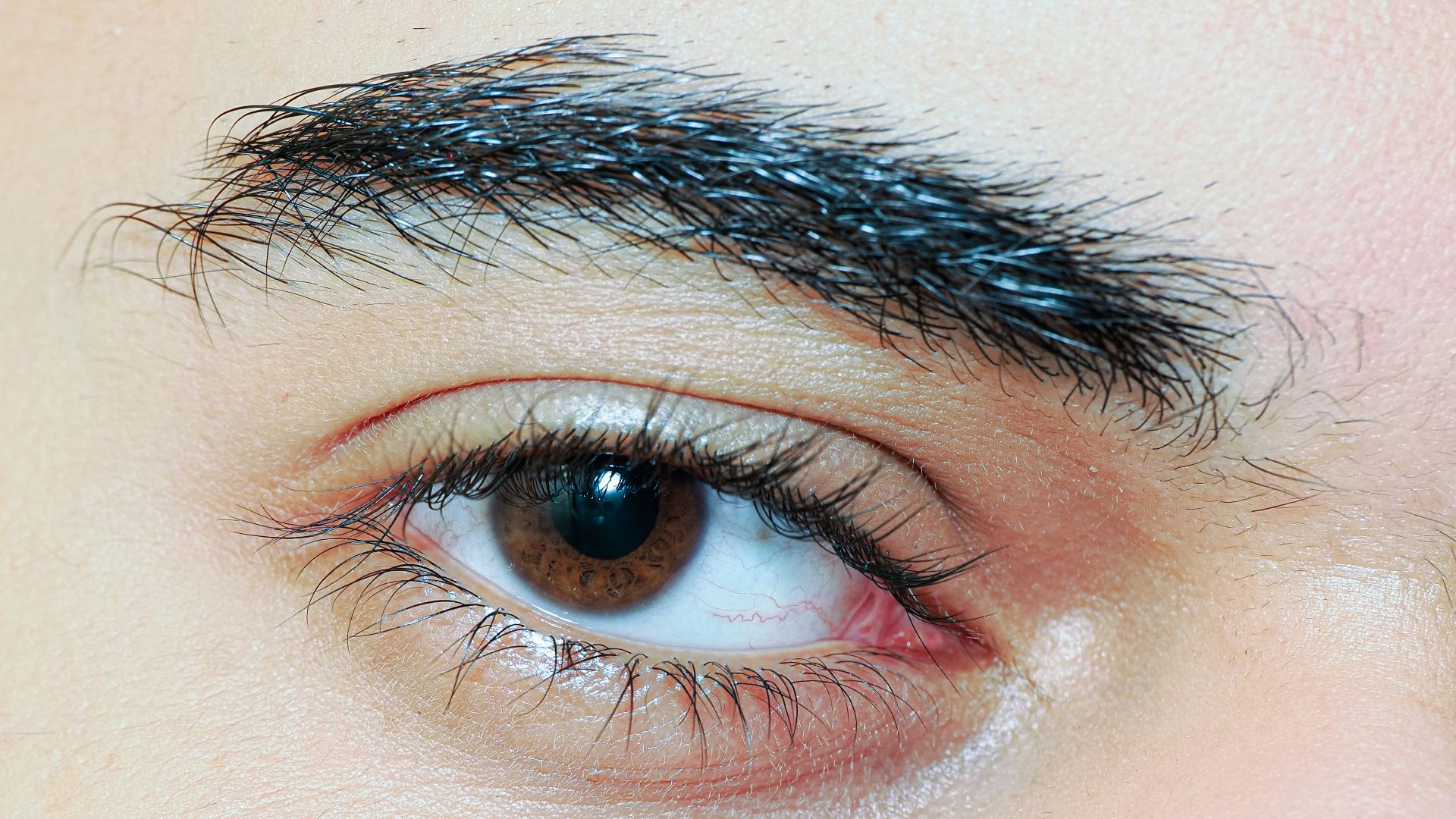
Thin, carefully shaped eyebrows dominated several periods, particularly during the 1920s, 1930s, and late 1990s. Thicker eyebrows later returned through runway beauty, celebrity influence, and a broader preference for less heavily altered features.
3. Gray Hair
Gray hair was traditionally associated with aging and was frequently covered once commercial hair dyes became widely available. Women faced especially strong pressure to maintain youthful-looking color, even as gray hair on men was sometimes treated more favorably. Silver, white, and salt-and-pepper hair are now embraced naturally and recreated deliberately through salon coloring.

4. Tanned Skin
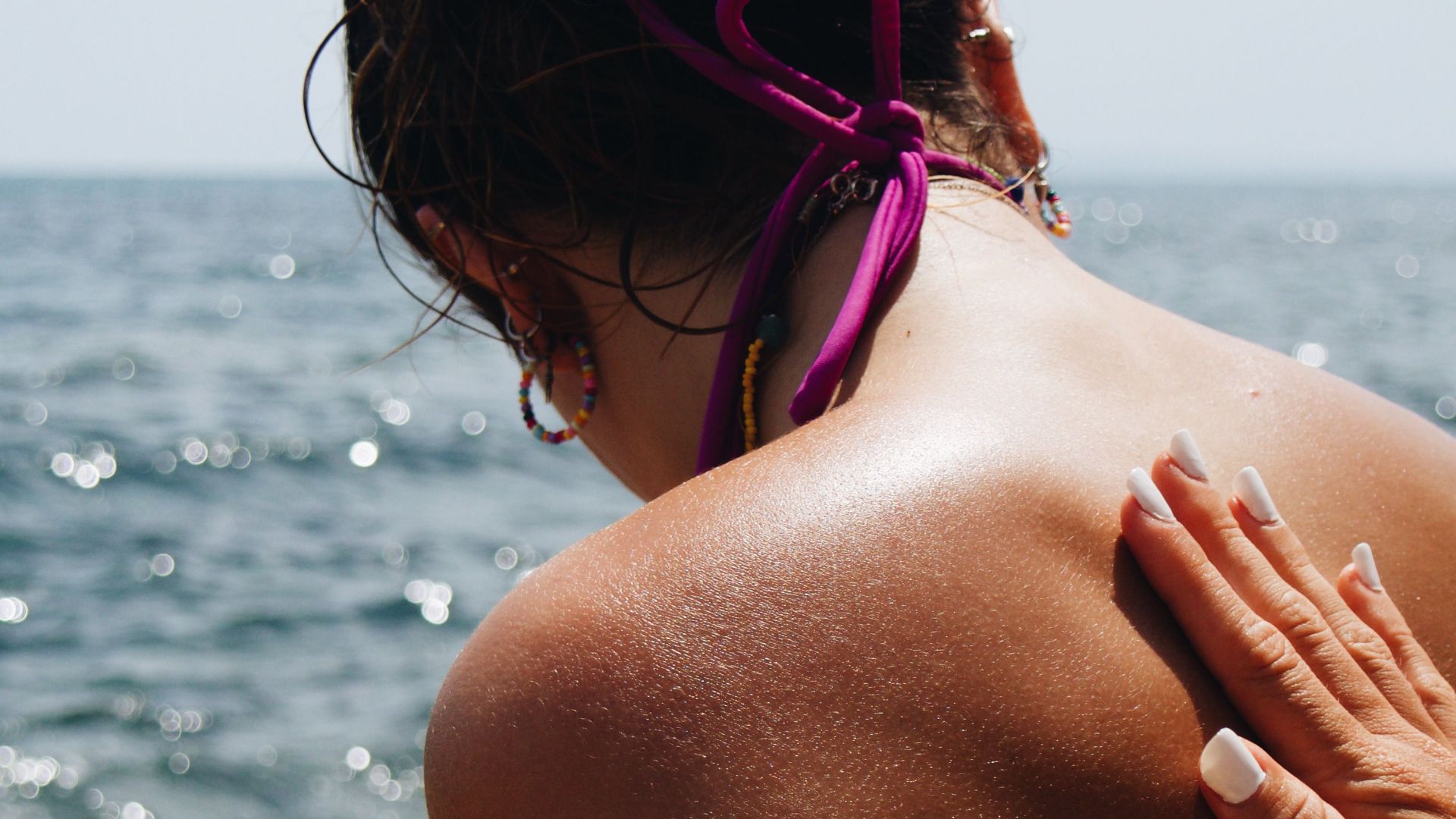
In many European and North American societies, pale skin once indicated that a person didn’t perform outdoor labor. During the early 20th century, leisure travel and outdoor recreation helped transform tanning into a sign of health, wealth, and vacation time.
5. Pale Skin
Once tanning became fashionable, naturally pale complexions often received the opposite criticism and were described as unhealthy or washed out. Bronzing powders, self-tanners, and tanning salons encouraged people to maintain color regardless of the season. Greater awareness of sun damage and wider acceptance of natural skin tones have since made very fair complexions more confidently visible.
6. Gap Teeth
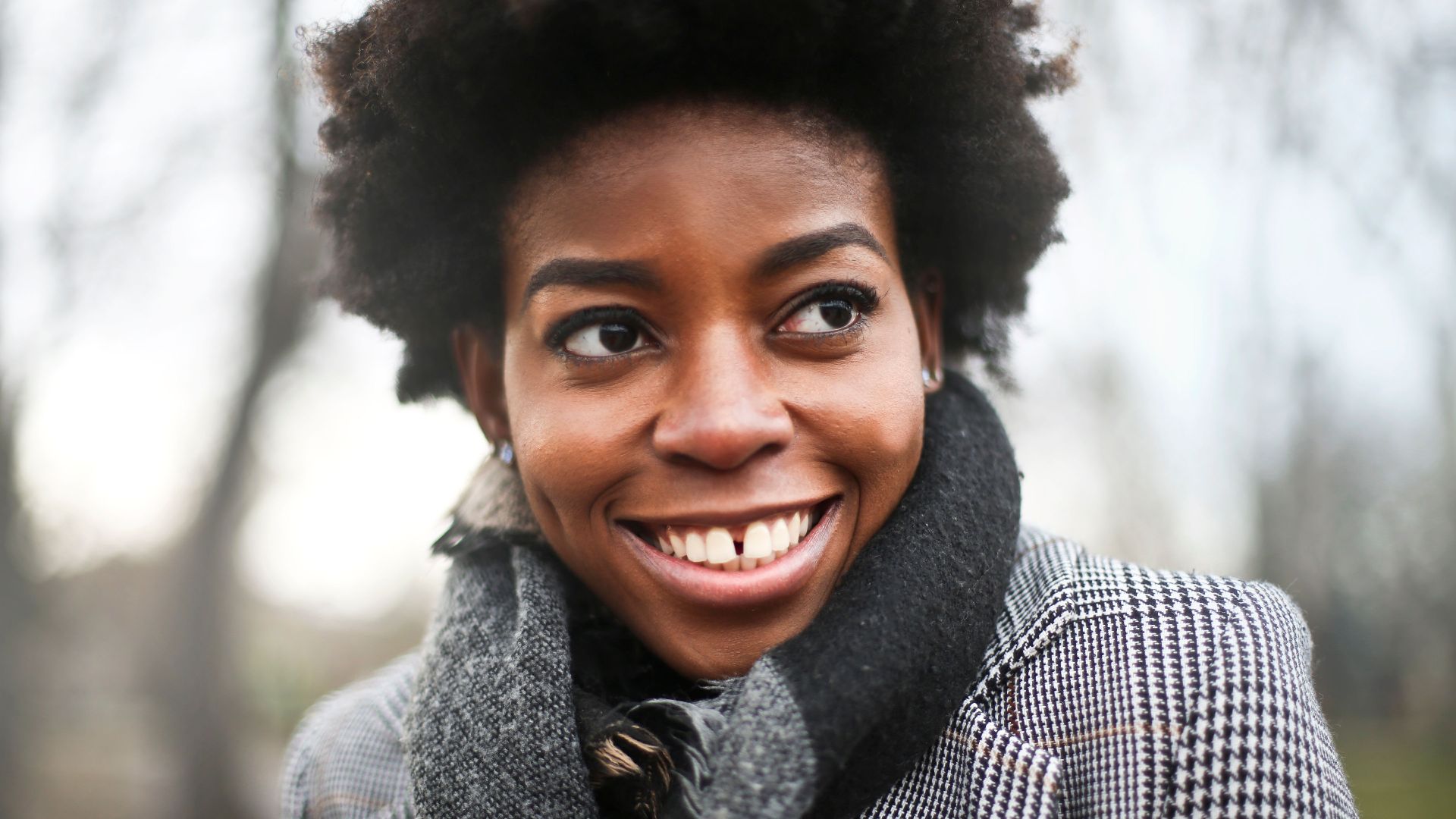
A noticeable space between the front teeth was long treated as a flaw that orthodontic or cosmetic dentistry should correct. Fashion photography eventually challenged that assumption by featuring models whose dental gaps became recognizable parts of their appearance. This feature is now often viewed as distinctive, although personal decisions about dental treatment understandably vary.
7. Braces
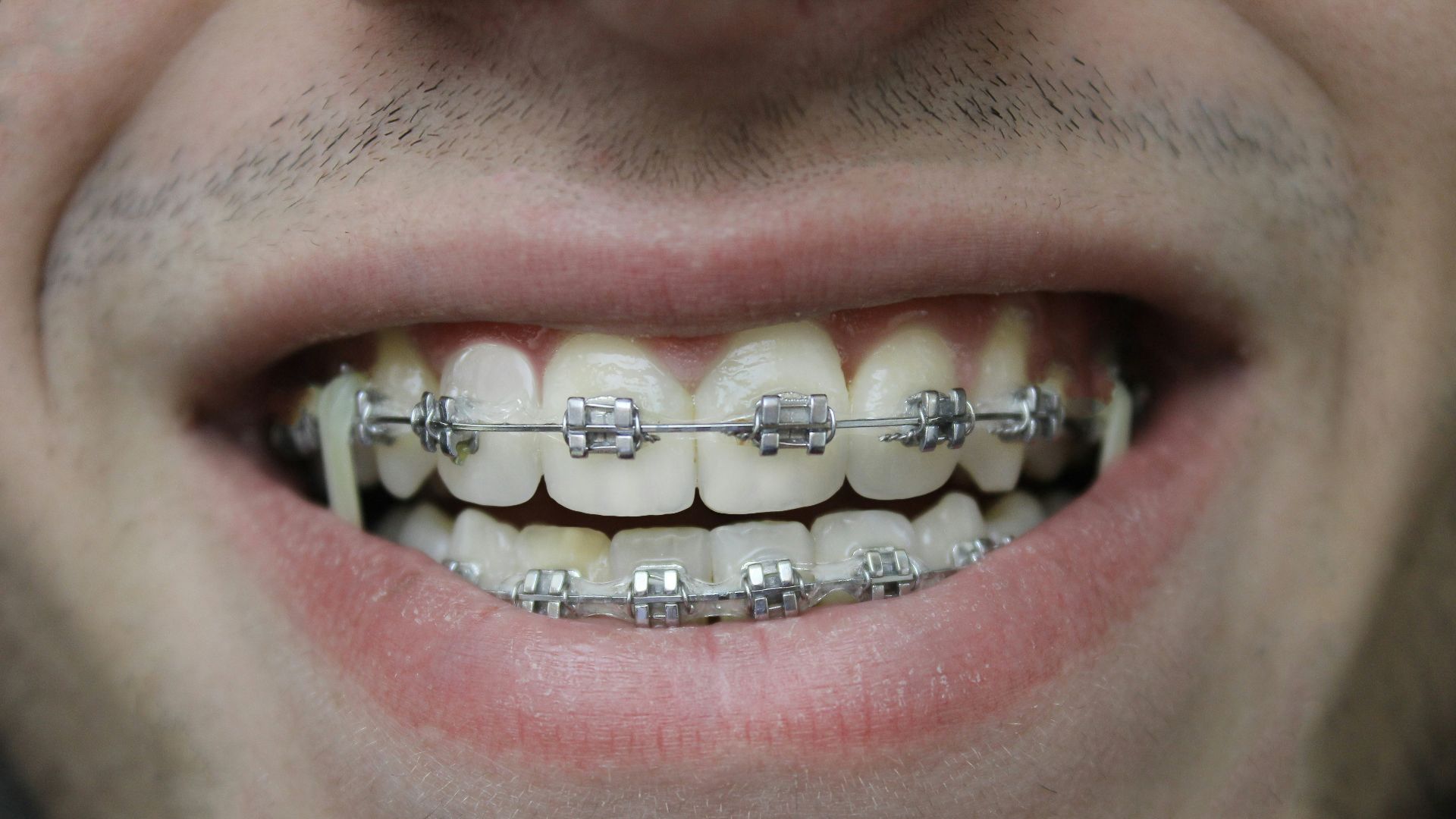
Metal braces were once strongly connected with awkward adolescence and regularly mocked in movies, television, and school culture. Colorful bands, decorative options, and more open conversations about orthodontics have made braces less embarrassing and sometimes even fashionable.
8. Glasses
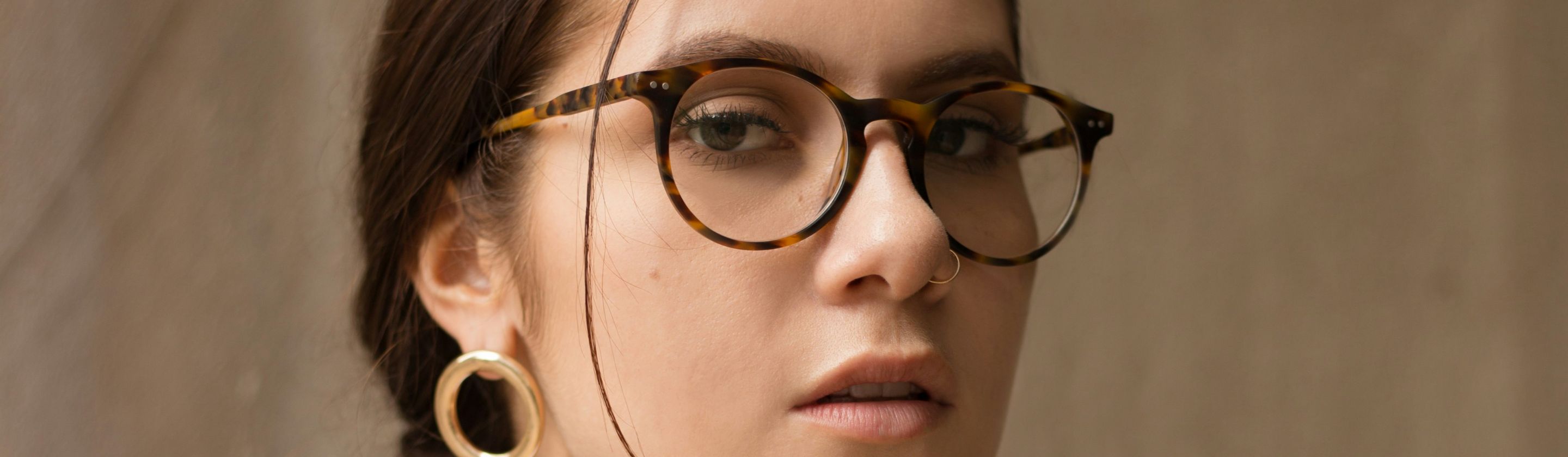
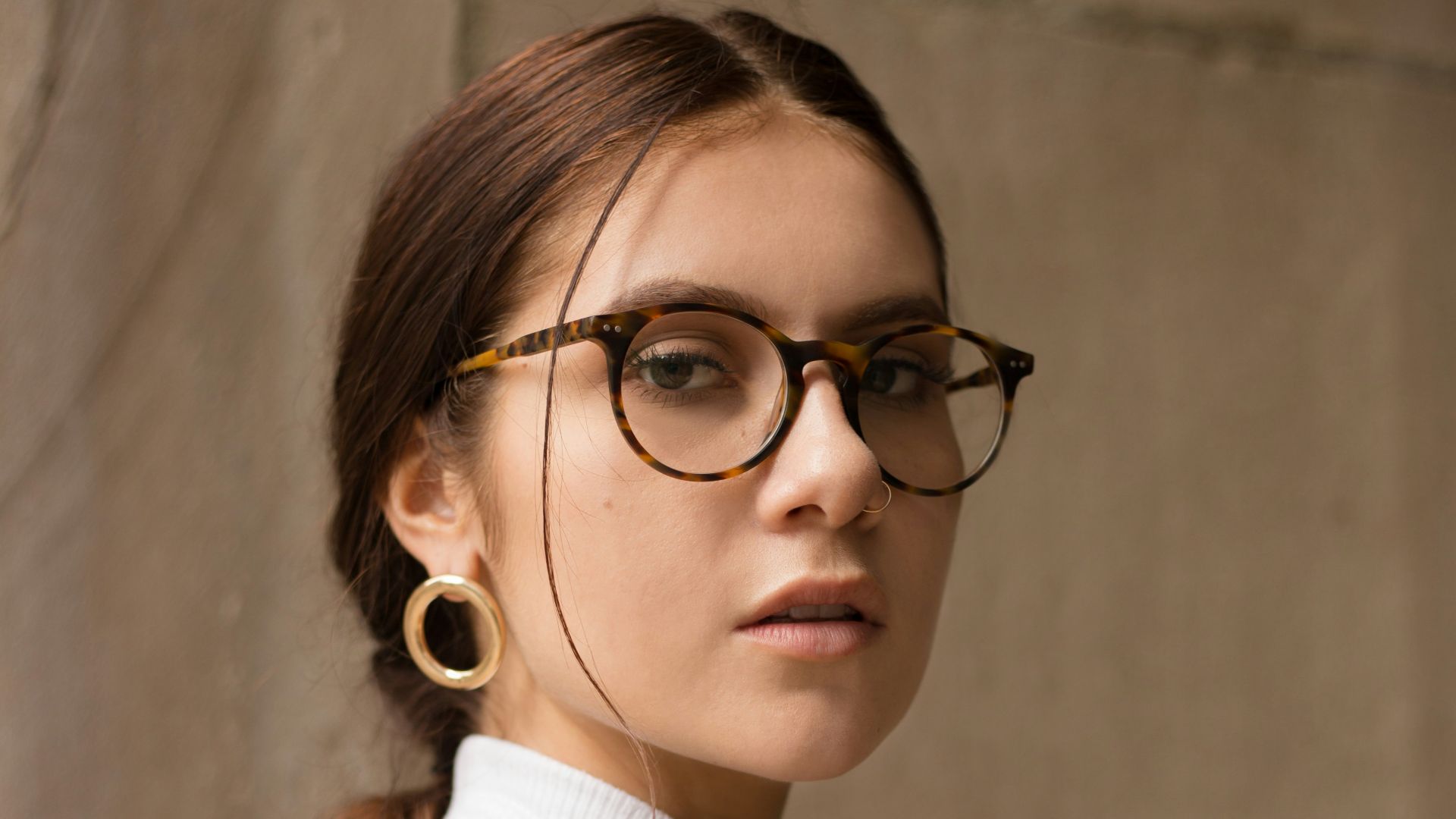
Eyeglasses spent decades being portrayed as unfortunate necessities that concealed a supposedly more attractive face. Popular makeover scenes routinely treated removing someone’s glasses as an instant improvement, regardless of whether that person could still see clearly. Bold frames are now major accessories, and some people wear nonprescription glasses purely to complete an outfit.
9. Curly Hair
Naturally curly and tightly coiled hair has often been unfairly labeled unruly, unprofessional, or difficult to manage. Straightening treatments, hot tools, and restrictive workplace expectations pressured many people to alter their natural texture. Curl-focused products, natural-hair movements, and stronger legal protections have helped challenge those narrow standards, although discrimination hasn’t disappeared.
10. Visible Roots
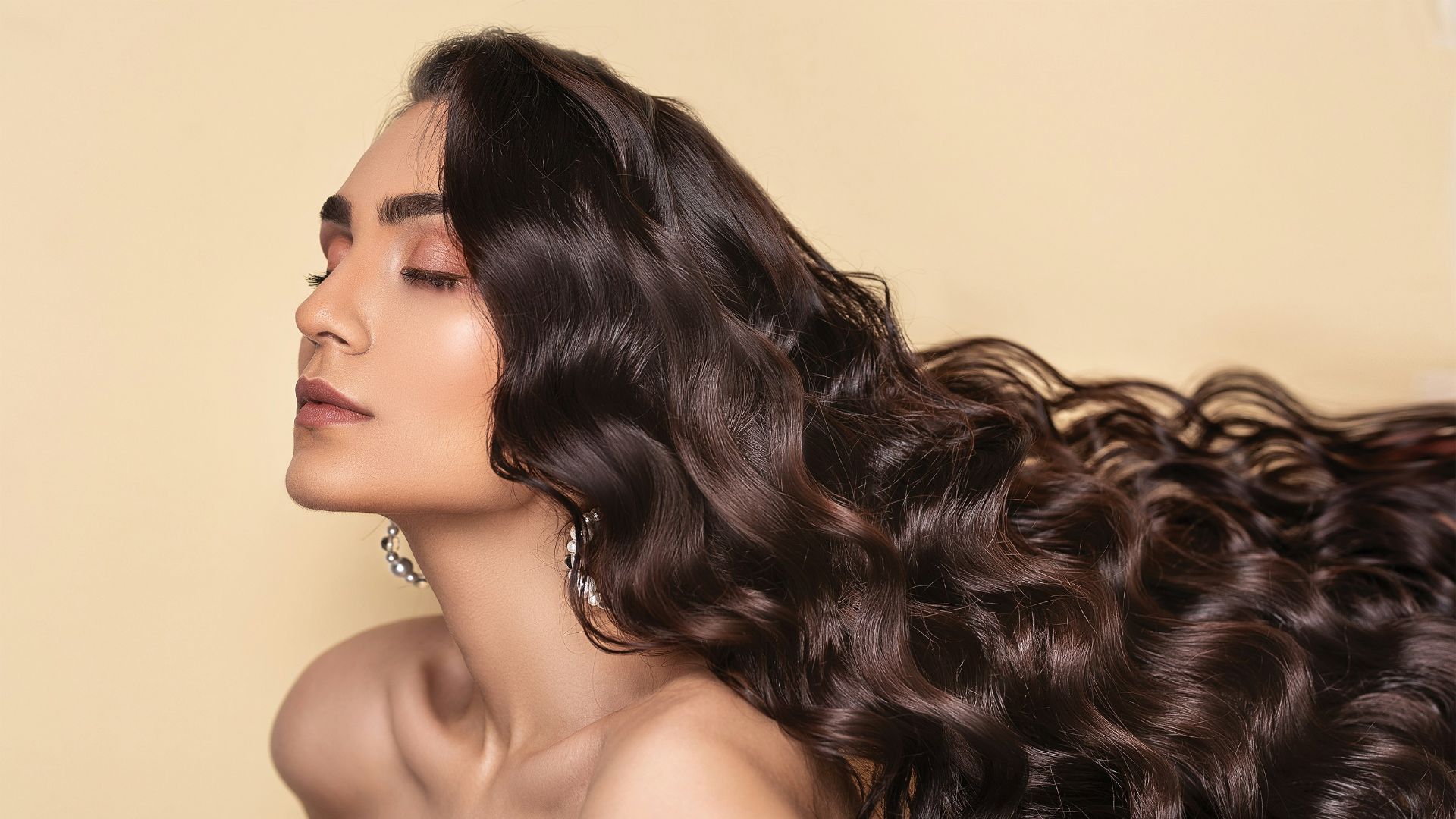
Exposed roots were traditionally interpreted as evidence that someone had delayed a necessary salon appointment. Ombre, balayage, shadow roots, and other blended techniques eventually made darker regrowth an intentional part of the finished style.

11. Plus-Size Silhouettes
Mainstream fashion spent much of the late 20th century presenting thinness as the primary requirement for stylish clothing. Fuller bodies were frequently hidden beneath plain, loose garments, while trend-driven pieces were produced in limited size ranges. Size-inclusive brands and plus-size creators have expanded visibility, proving that fitted, colorful, and experimental fashion isn’t restricted to one body type.
12. Oversized Clothing
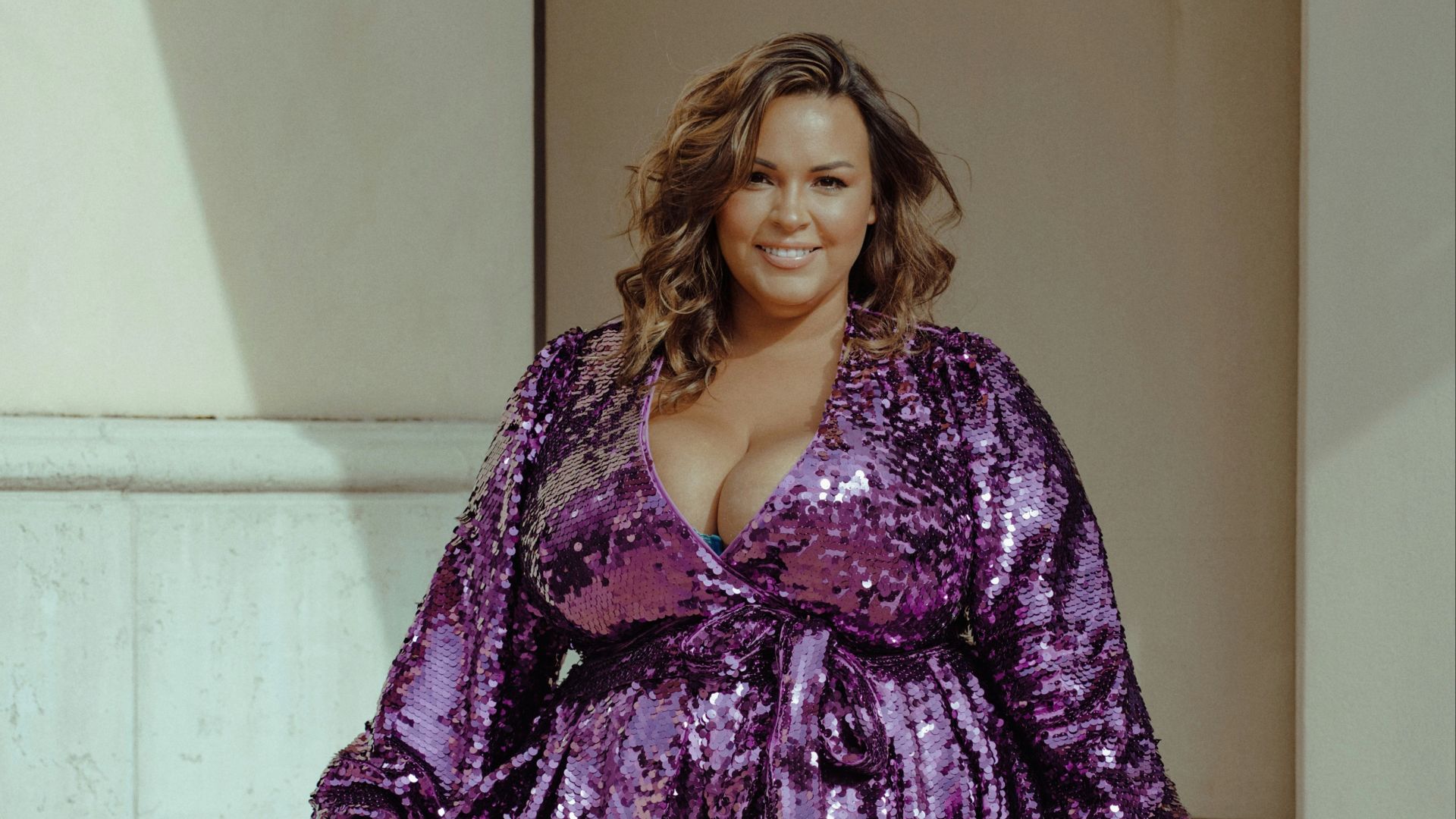
Baggy clothing was once dismissed as sloppy, unflattering, or evidence that the wearer didn’t understand proper sizing. Oversized blazers, wide-leg pants, roomy shirts, and loose dresses are now accepted as polished choices when their proportions and styling are deliberate.
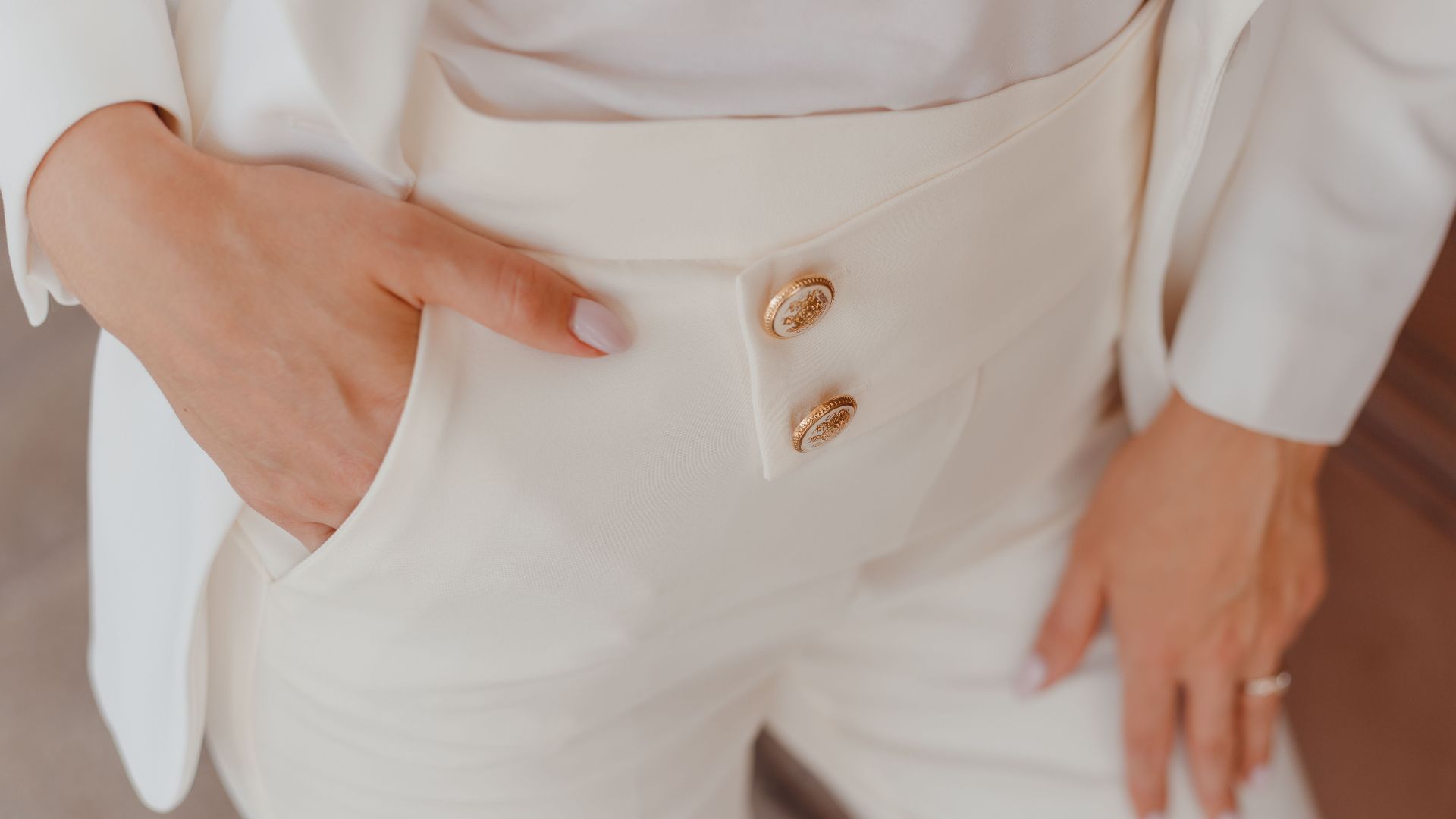
13. Women’s Trousers
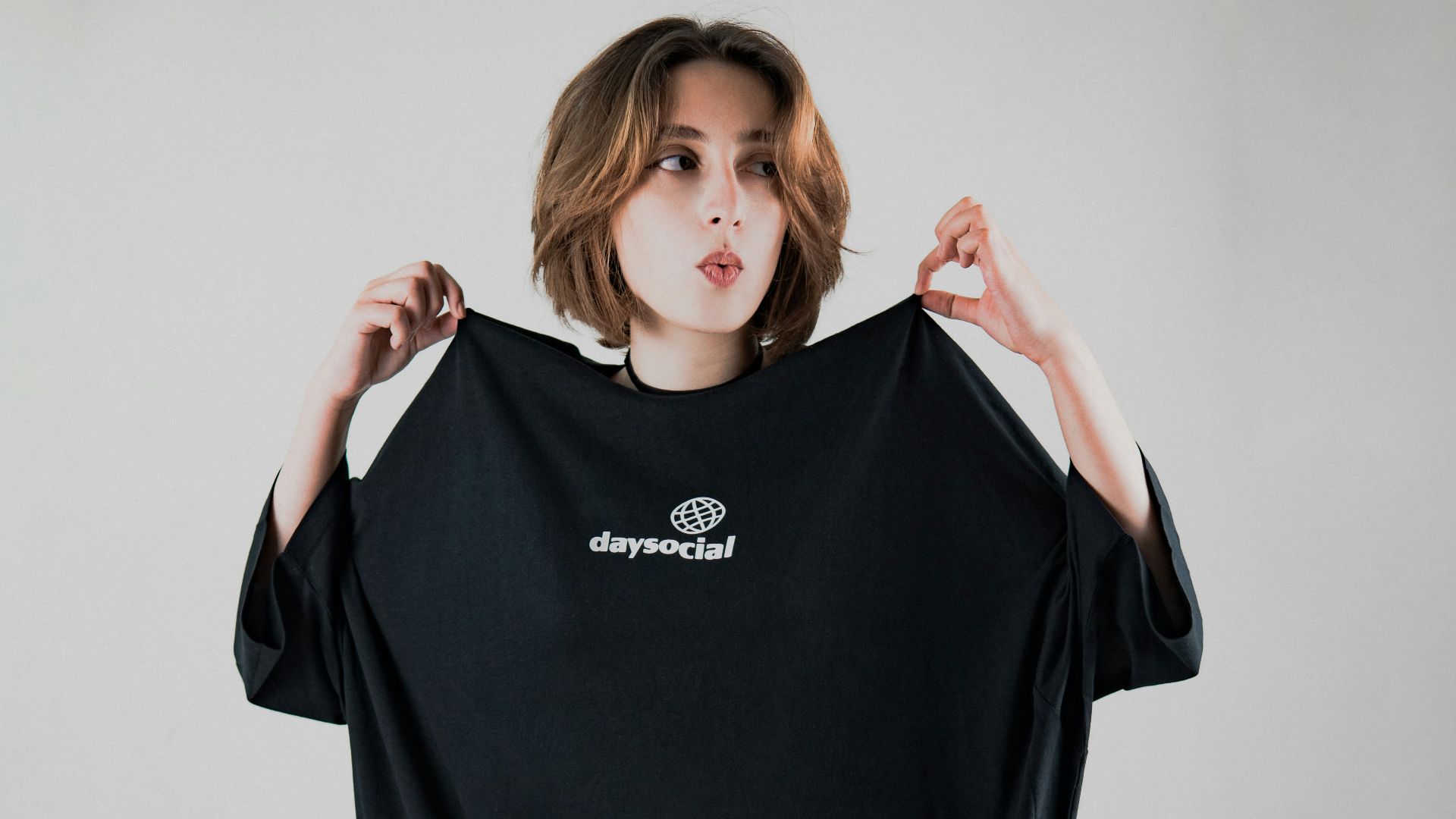
For much of Western history, trousers were considered masculine clothing and inappropriate for women outside limited practical settings. By the late 20th century, pants had become standard parts of women’s wardrobes in offices, formal settings, and everyday life.
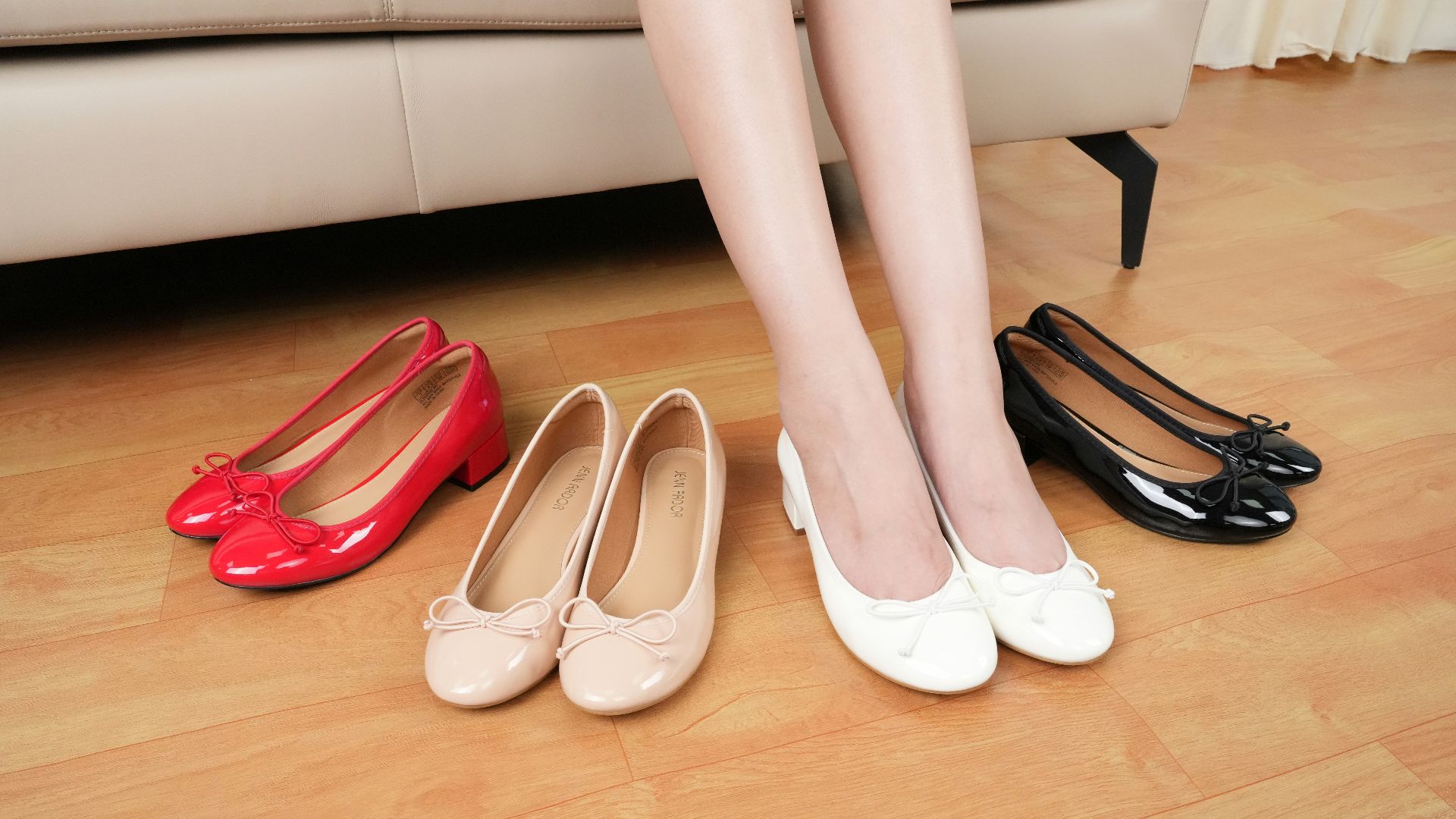
14. Flat Shoes
High heels were long presented as the proper way to make women appear elegant, professional, and formally dressed. Loafers, ballet flats, sneakers, and low-profile sandals now appear across professional wardrobes and designer collections without requiring an apology.
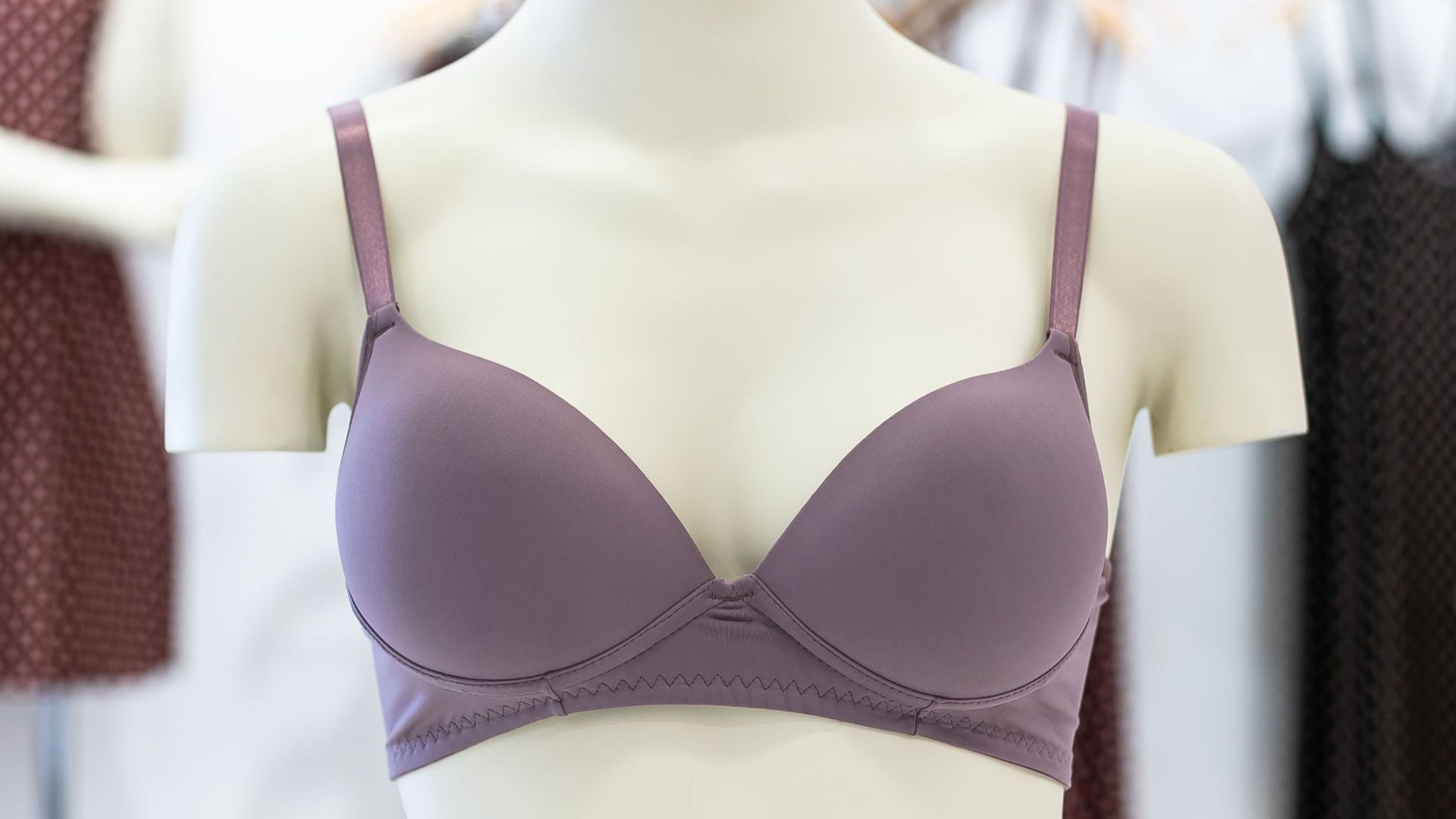
15. Visible Underwear
Exposed bra straps or waistbands were once treated almost exclusively as wardrobe mistakes that needed immediate correction. Bralettes, slips, corset tops, and logo waistbands can now function as planned layers rather than accidental disclosures.
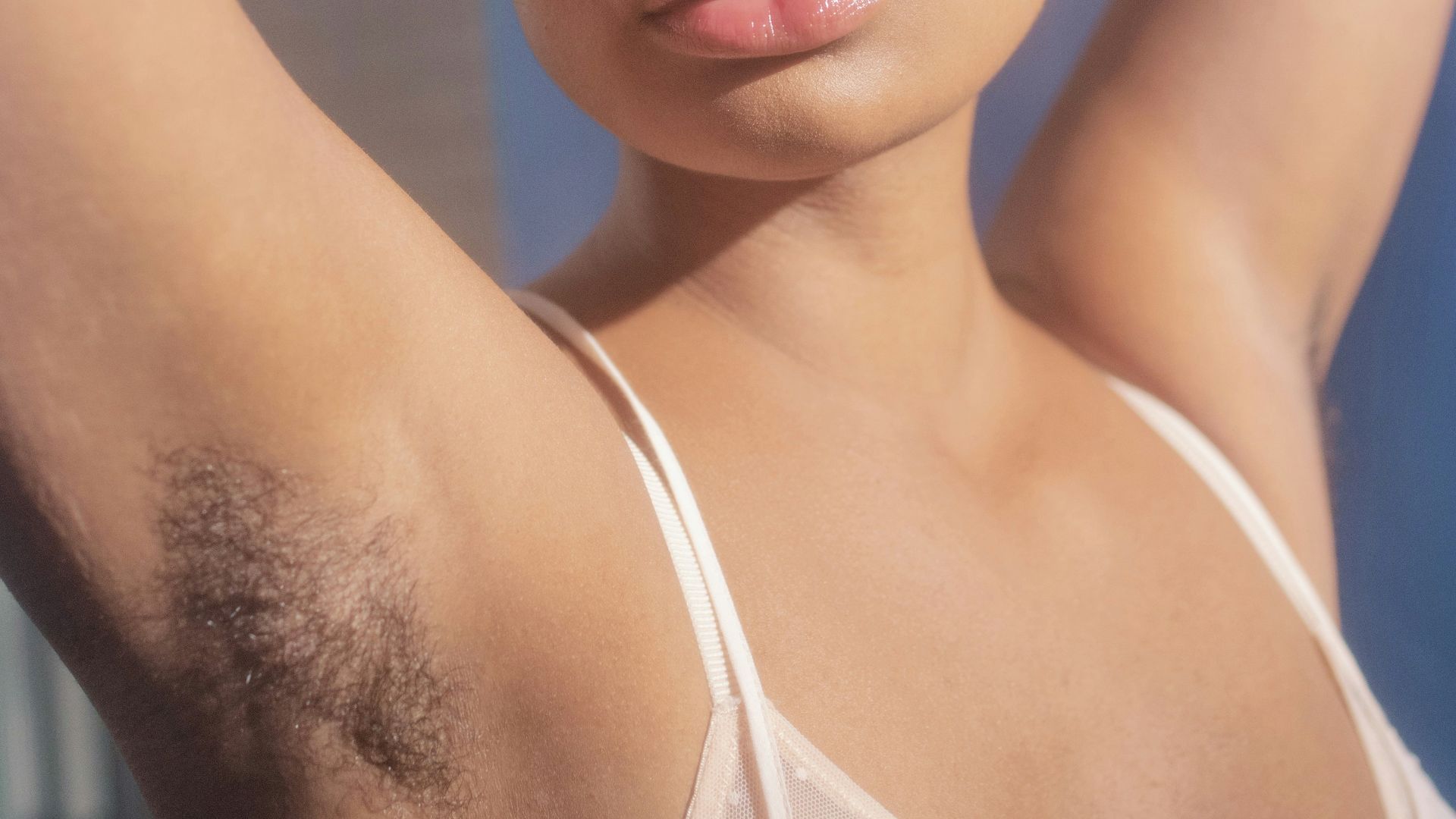
16. Unshaven Body Hair
Modern advertising helped establish smooth, hairless skin as a standard expectation for women during the 20th century. Some people now display it openly or dye it bright colors, turning a personal grooming decision into a rejection of rigid expectations.
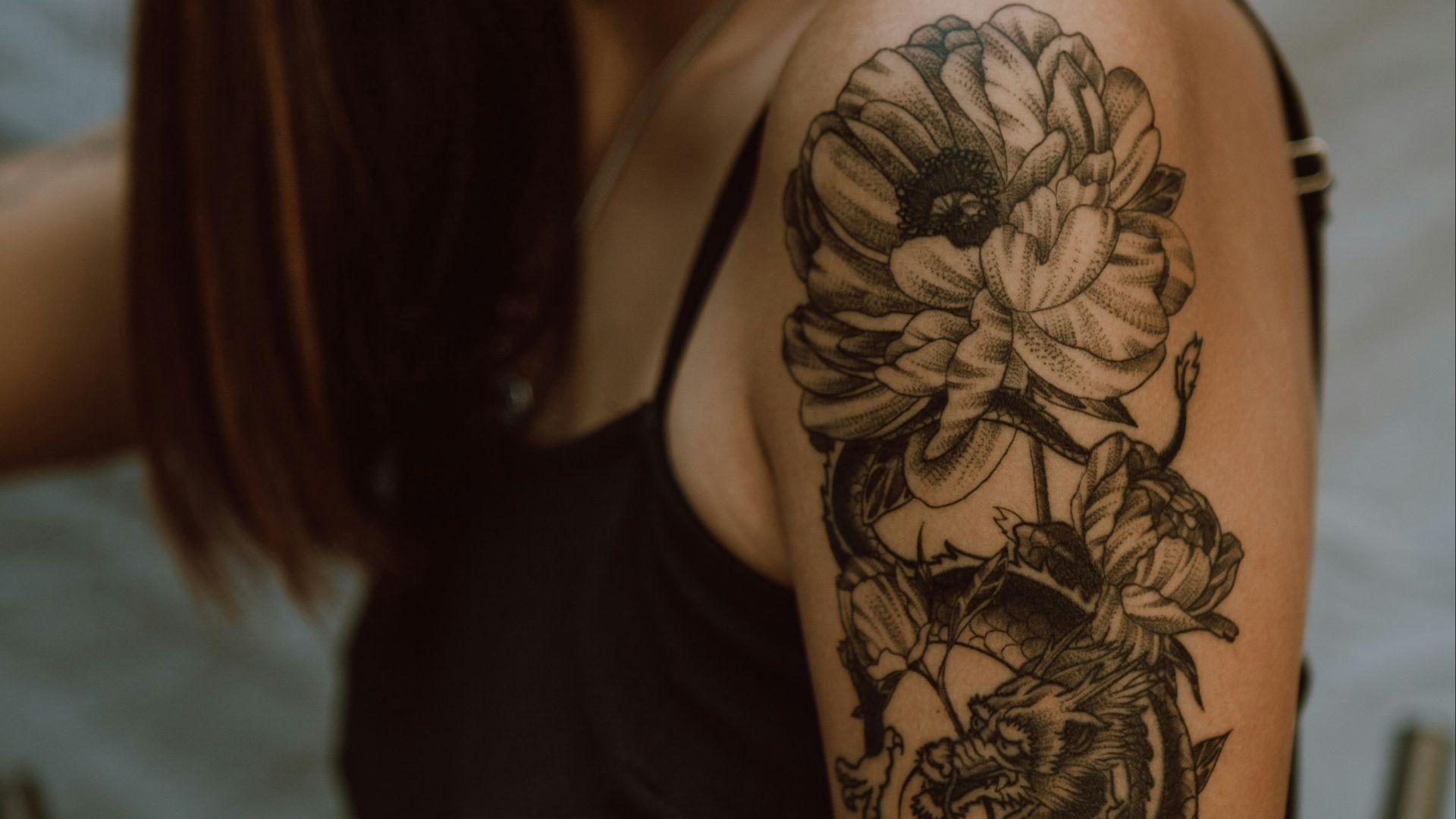
17. Tattoos
Tattoos were once widely associated in Western popular culture with sailors, prisoners, motorcycle gangs, and social rebellion. Body art is now common across professions and appears regularly in advertising, beauty campaigns, and high-fashion editorials.
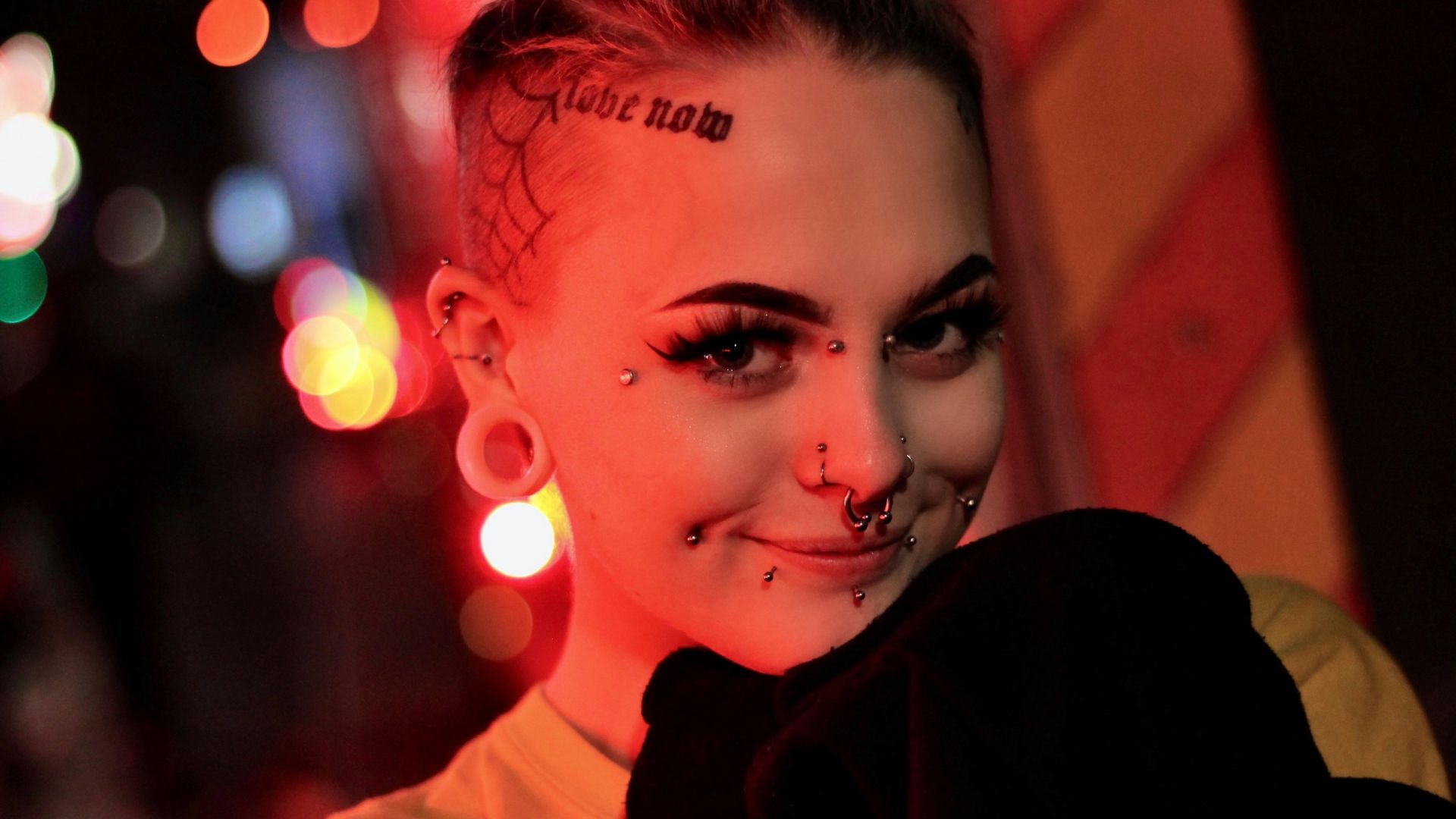
18. Facial Piercings
Piercings beyond traditional earlobes were often treated as signs of rebellion, poor judgment, or limited professionalism. These piercings have since become familiar accessories, although some workplaces still enforce conservative appearance rules.
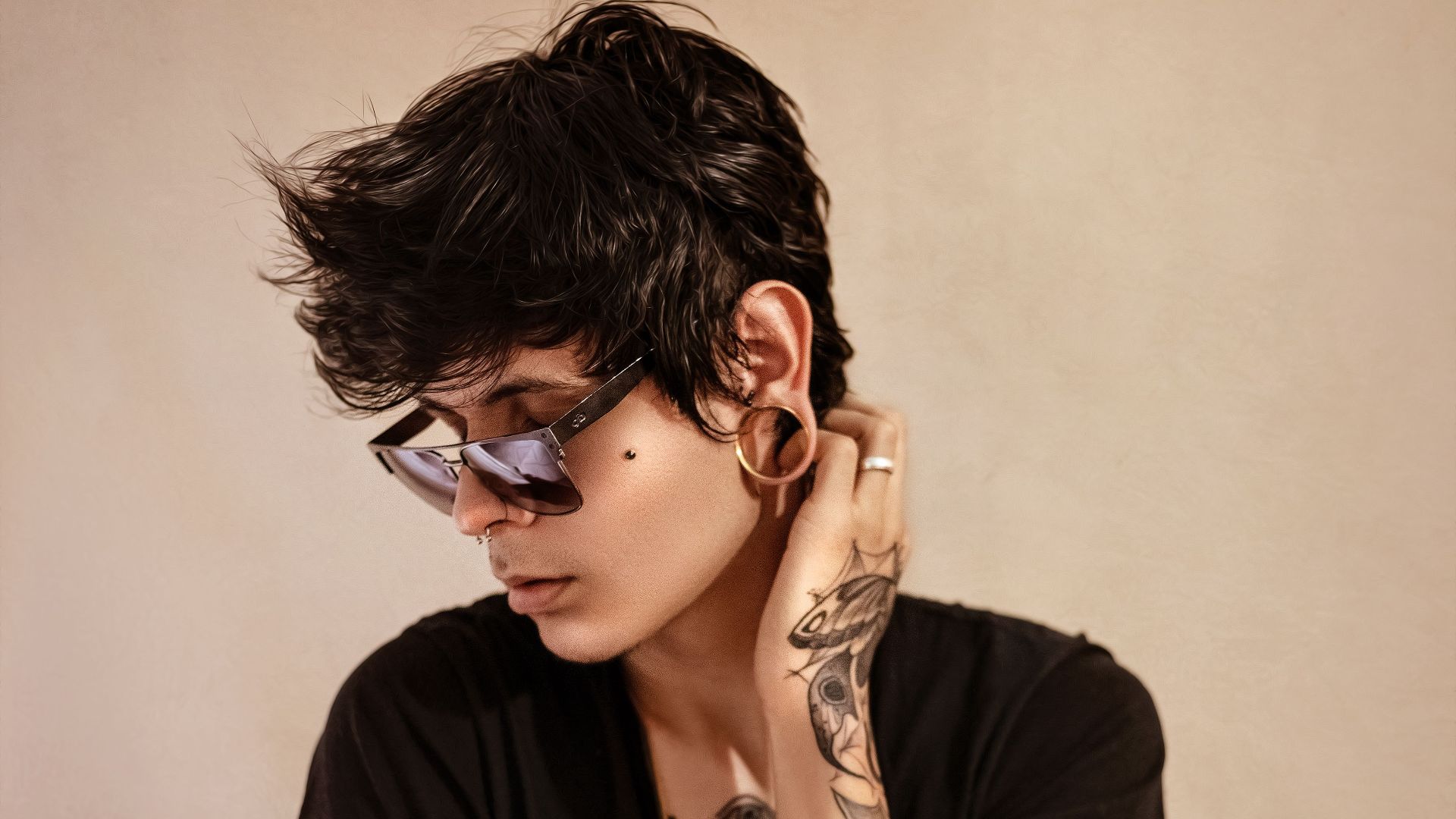
19. Androgynous Dressing
Clothing that blurred traditional gender categories was once criticized for making the wearer look insufficiently masculine or feminine. Contemporary fashion increasingly treats gendered styling as flexible, with many designers presenting garments according to shape and expression rather than strict categories.
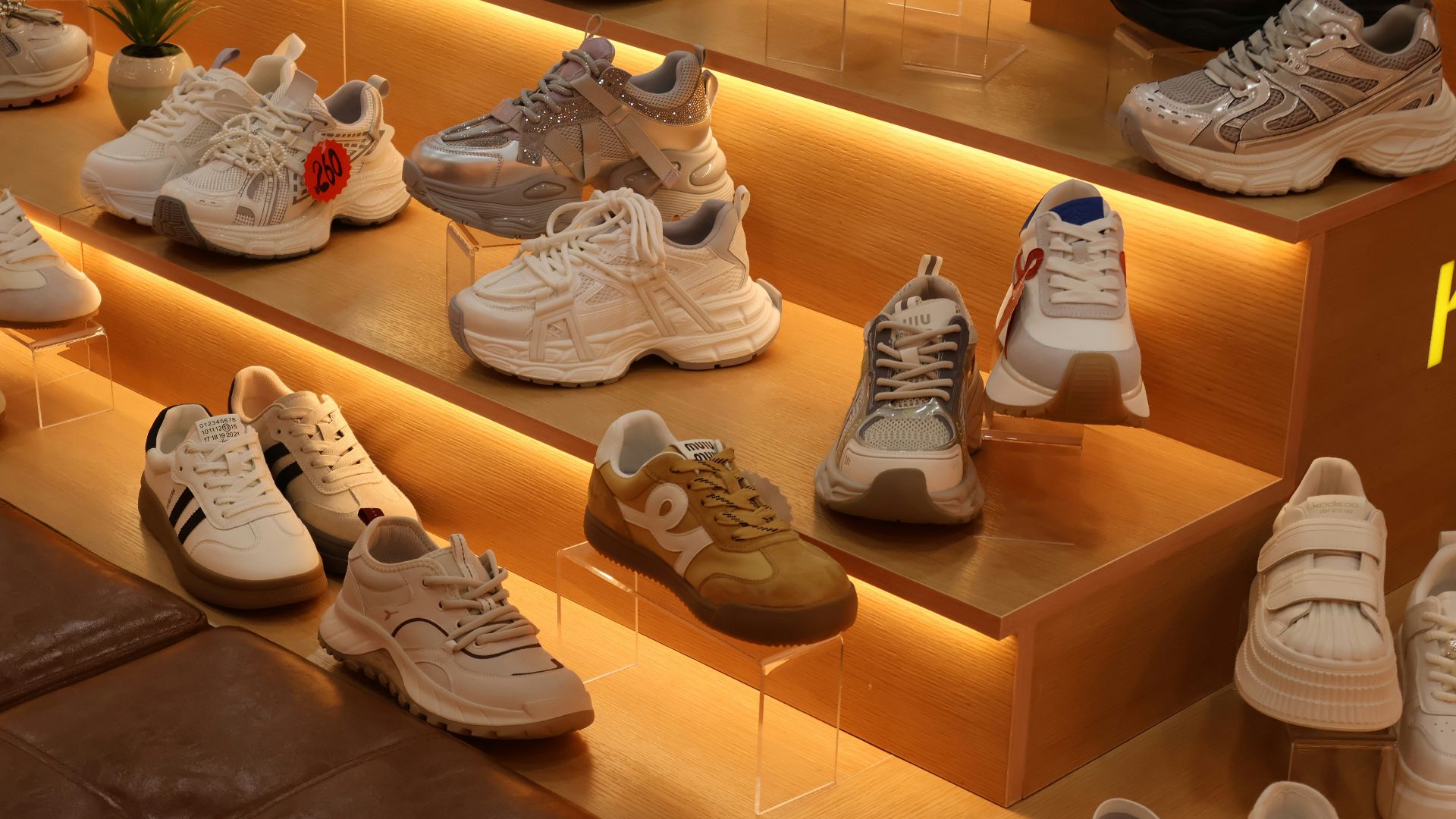
20. Chunky Sneakers
Large athletic shoes were once mocked as clumsy footwear that overwhelmed the rest of an outfit. Designer collaborations and streetwear culture later transformed thick soles and exaggerated shapes into highly recognizable fashion statements.