
The Tiny Bottle With A Split Personality
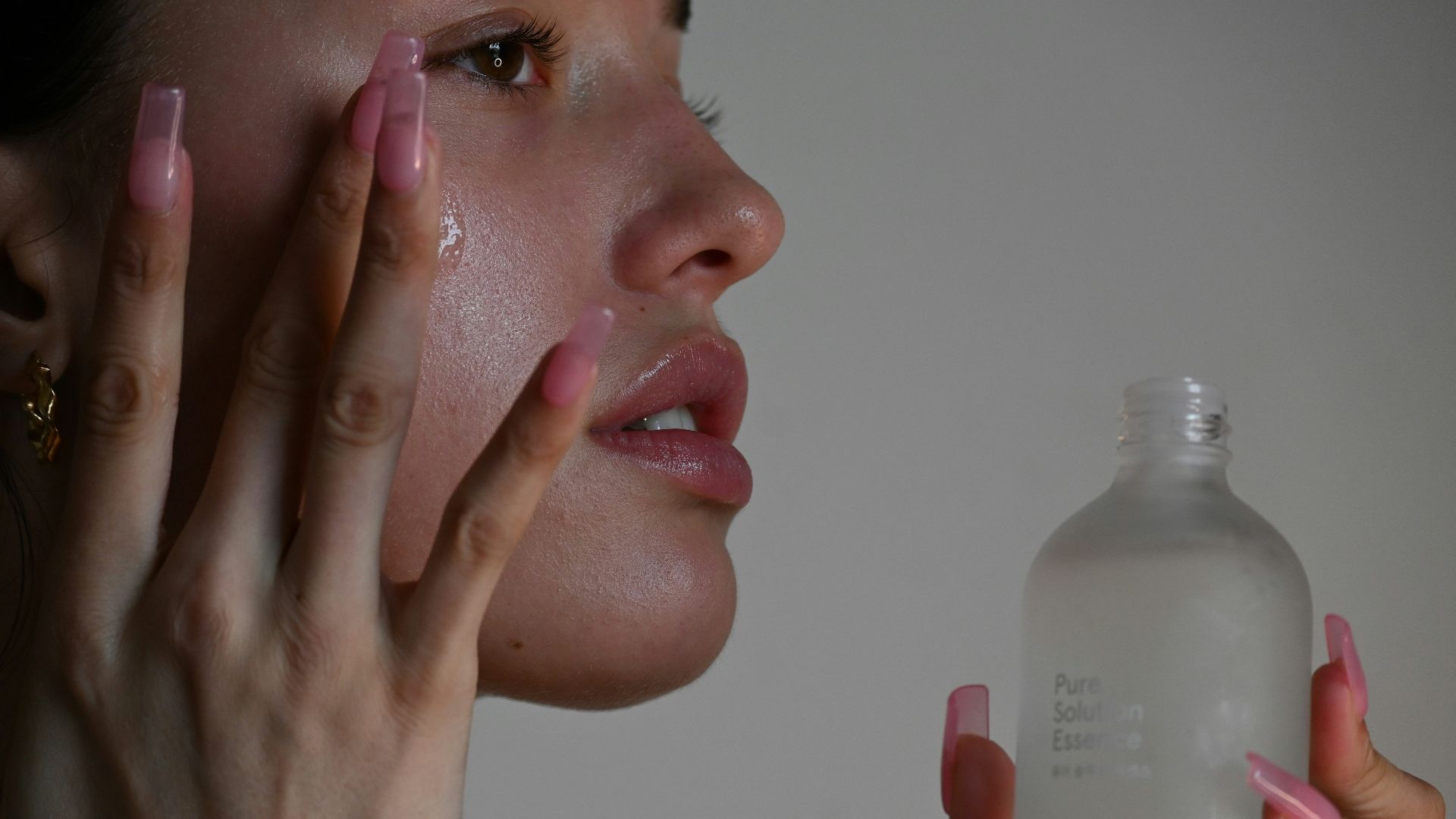
Toner has one of the most confusing reputations in skincare. Ask ten people what it does, and you'll get ten different answers. Some will swear it's the reason their skin finally calmed down, others will tell you it's the reason their face turned into a dry, flaky mess. Unfortunately, they’re both right. Toner isn't one thing. It's a category that includes everything from harsh, alcohol-soaked astringents to feather-light, hydrating mists packed with hyaluronic acid. The word on the label doesn't tell you much. It's the ingredient list, your skin type, and everything else in your routine that decides whether that swipe of liquid helps you glow or leaves you wincing in the mirror. So before you toss your toner in the trash, let's break down exactly when this product turns against you, and when it earns its spot on your shelf.
1. Alcohol-Heavy Formulas
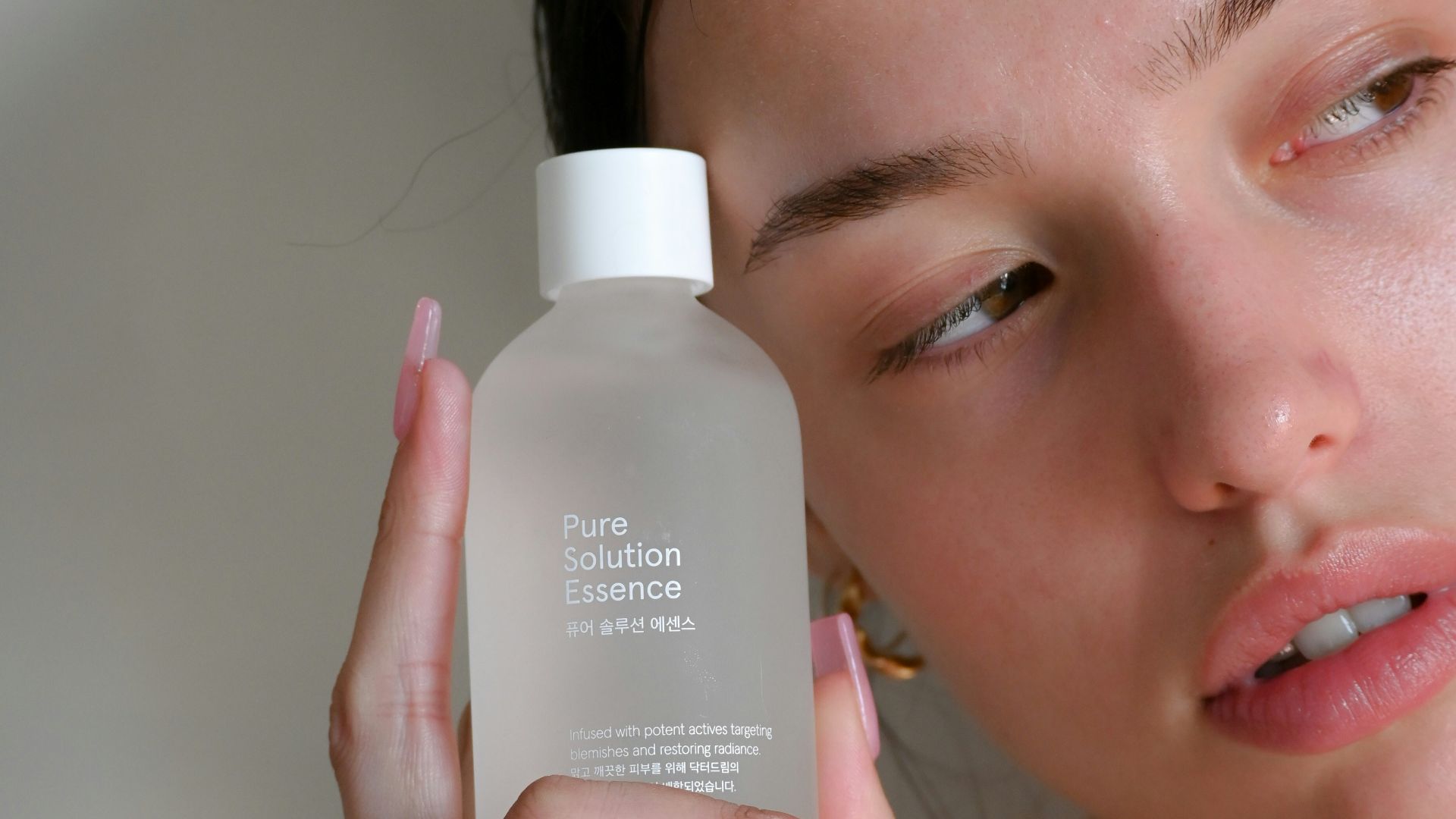
That squeaky-clean feeling right after using a high-alcohol toner? It's not your skin thanking you — it's your skin crying for help. These formulas strip oil so aggressively that they can leave you dry, irritated, and flaking within hours, trading one problem for another.
2. Breakouts
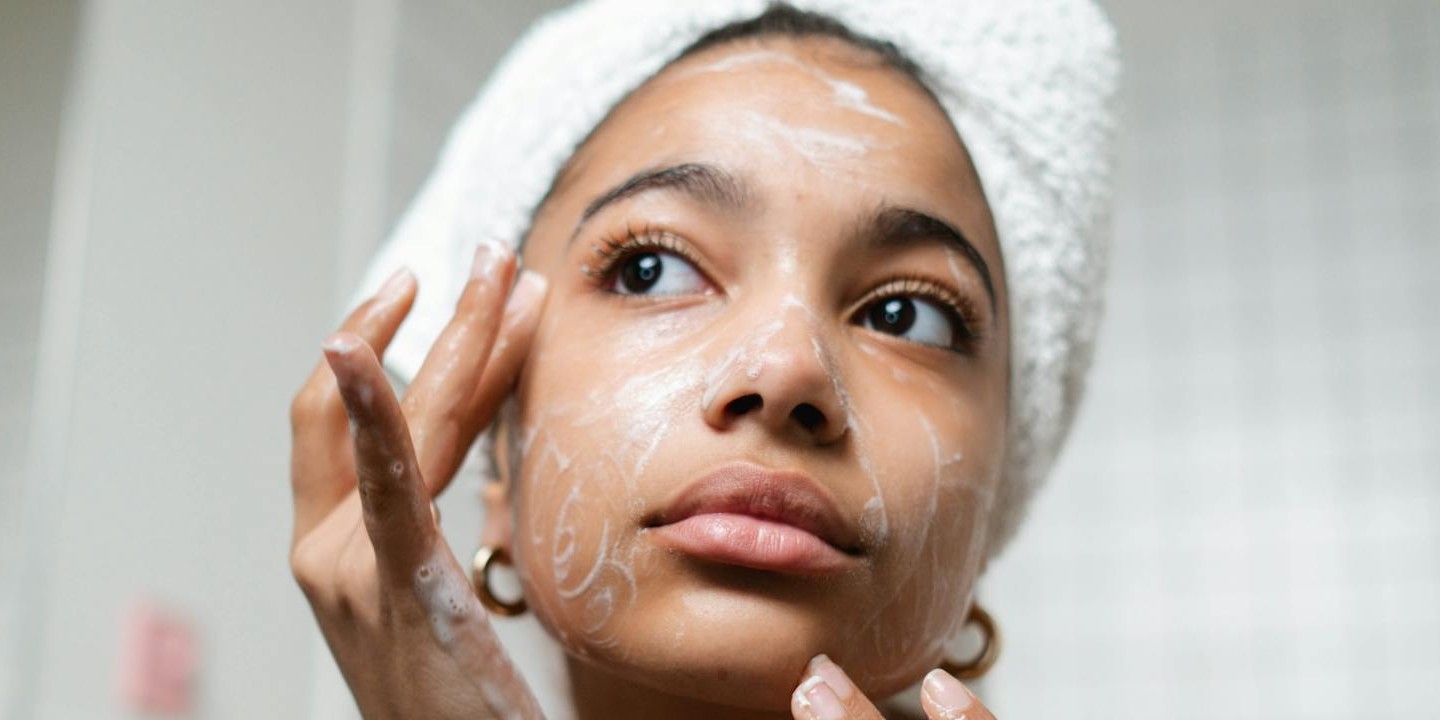
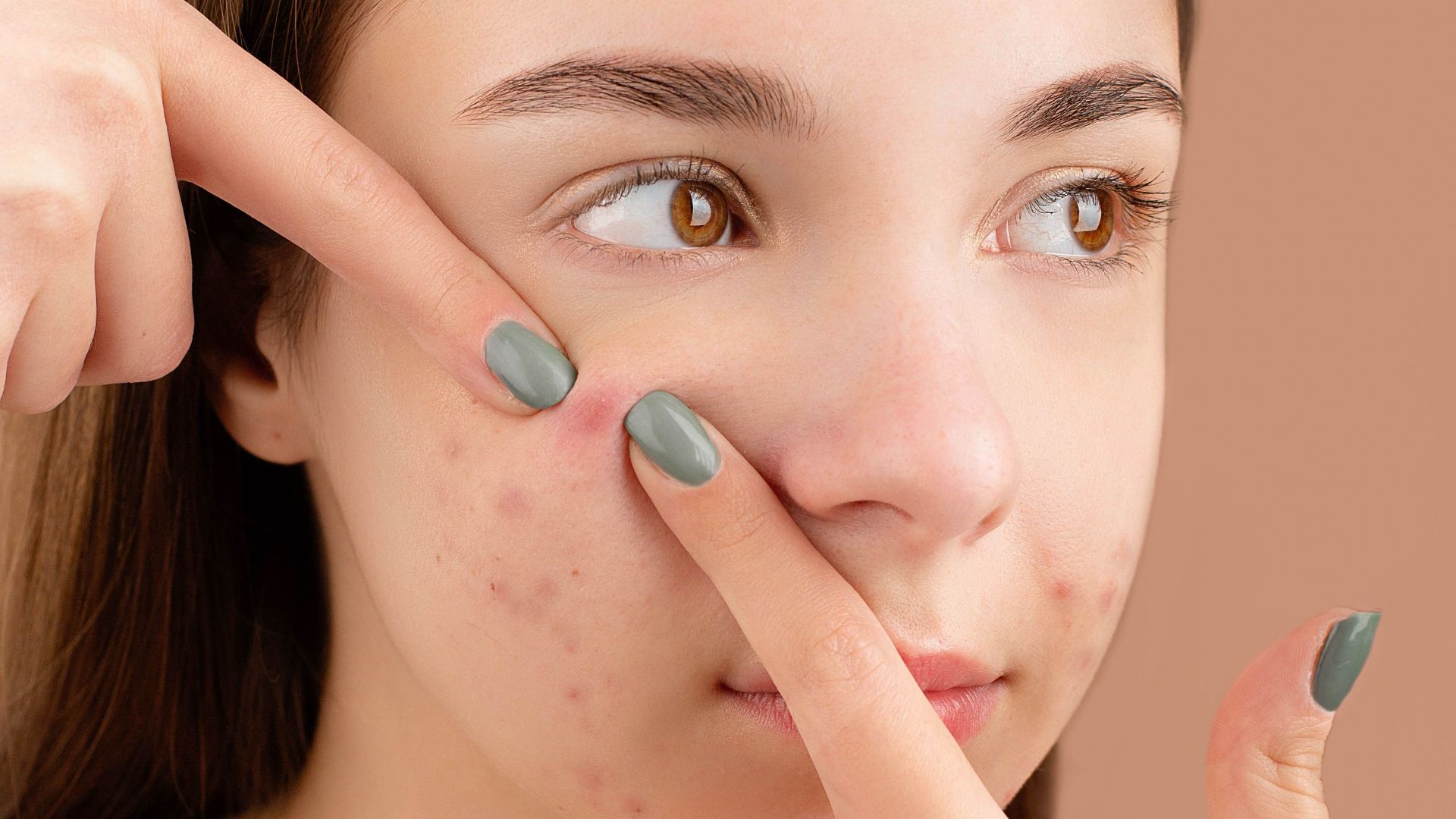
Irritated, dehydrated skin only makes acne worse. A toner that leaves your face raw or tight can make the rest of your routine harder to tolerate, turning a simple breakout into a full-blown flare-up.

3. Overloading
If you're already using acne treatments, retinoids, or exfoliants, adding an acne toner into the mix can be one active too many. Stack enough potent ingredients into one routine and dryness and irritation become the default outcome.
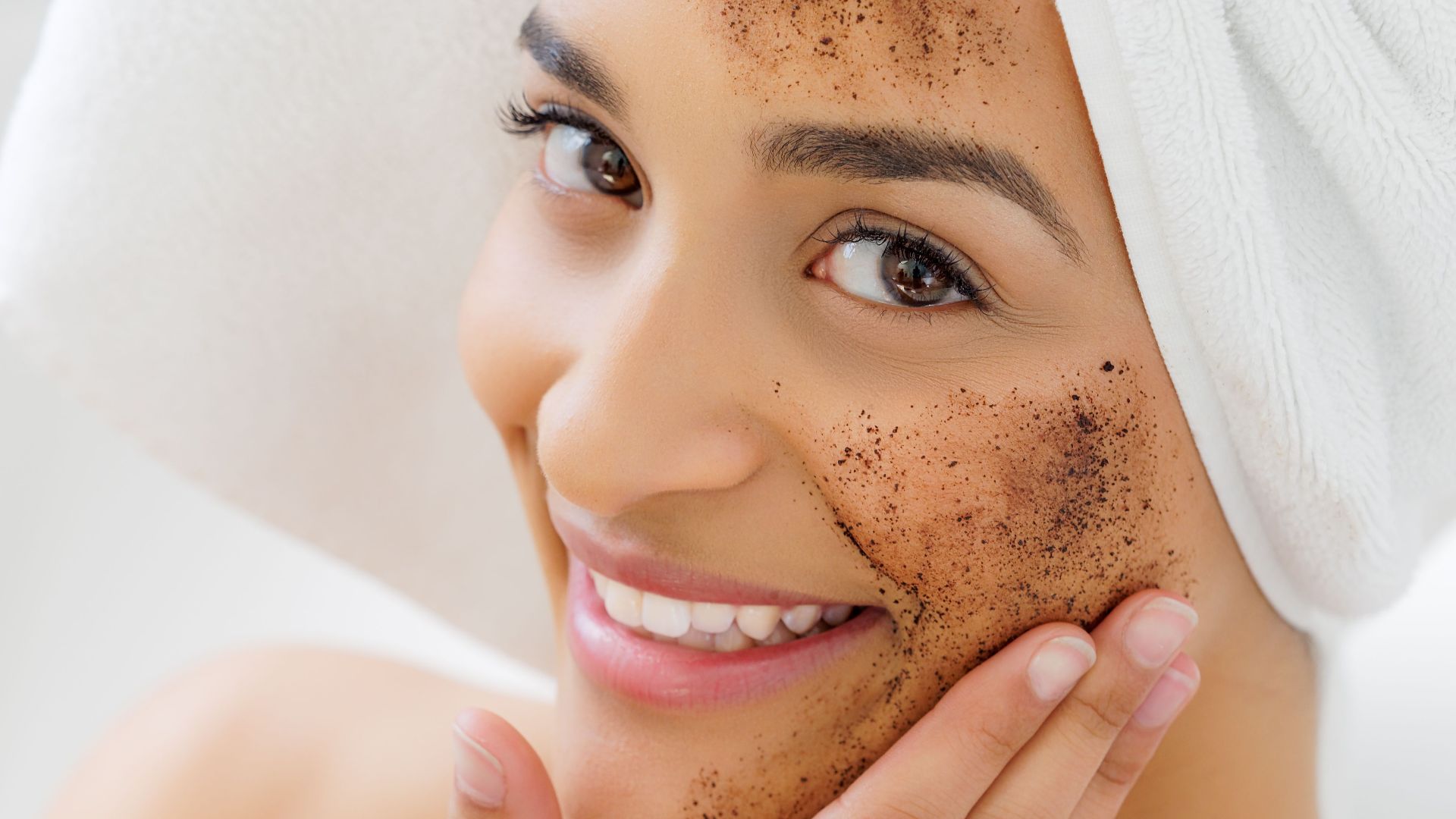
4. Rosacea-Prone Skin
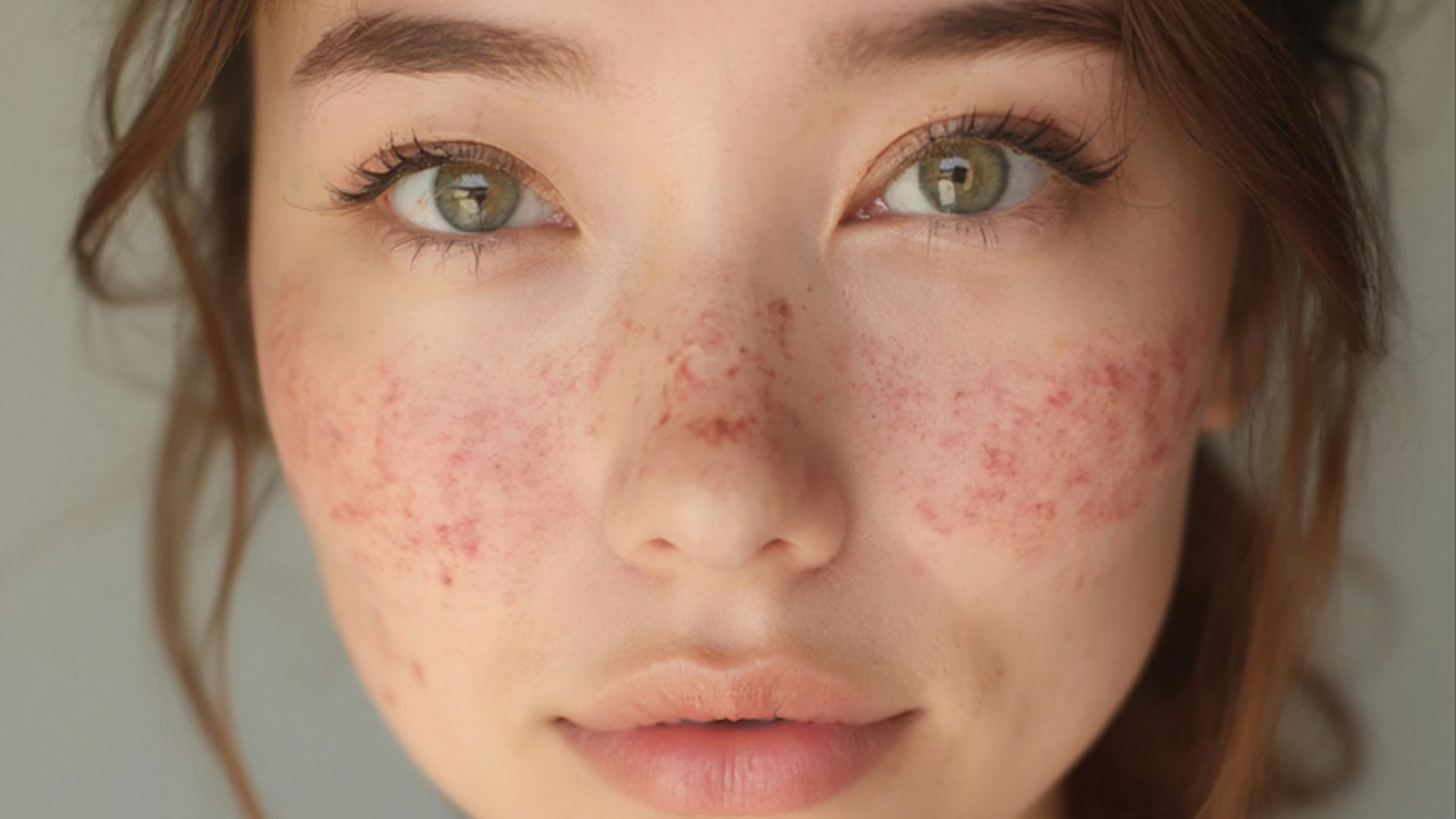
Alcohol, fragrance, glycolic acid, lactic acid, menthol; these are toner staples, and they're also a rosacea trigger list. If your skin flushes and reacts easily, a stripped-down routine of gentle cleansing and moisturizing will almost always outperform an extra "brightening" step.
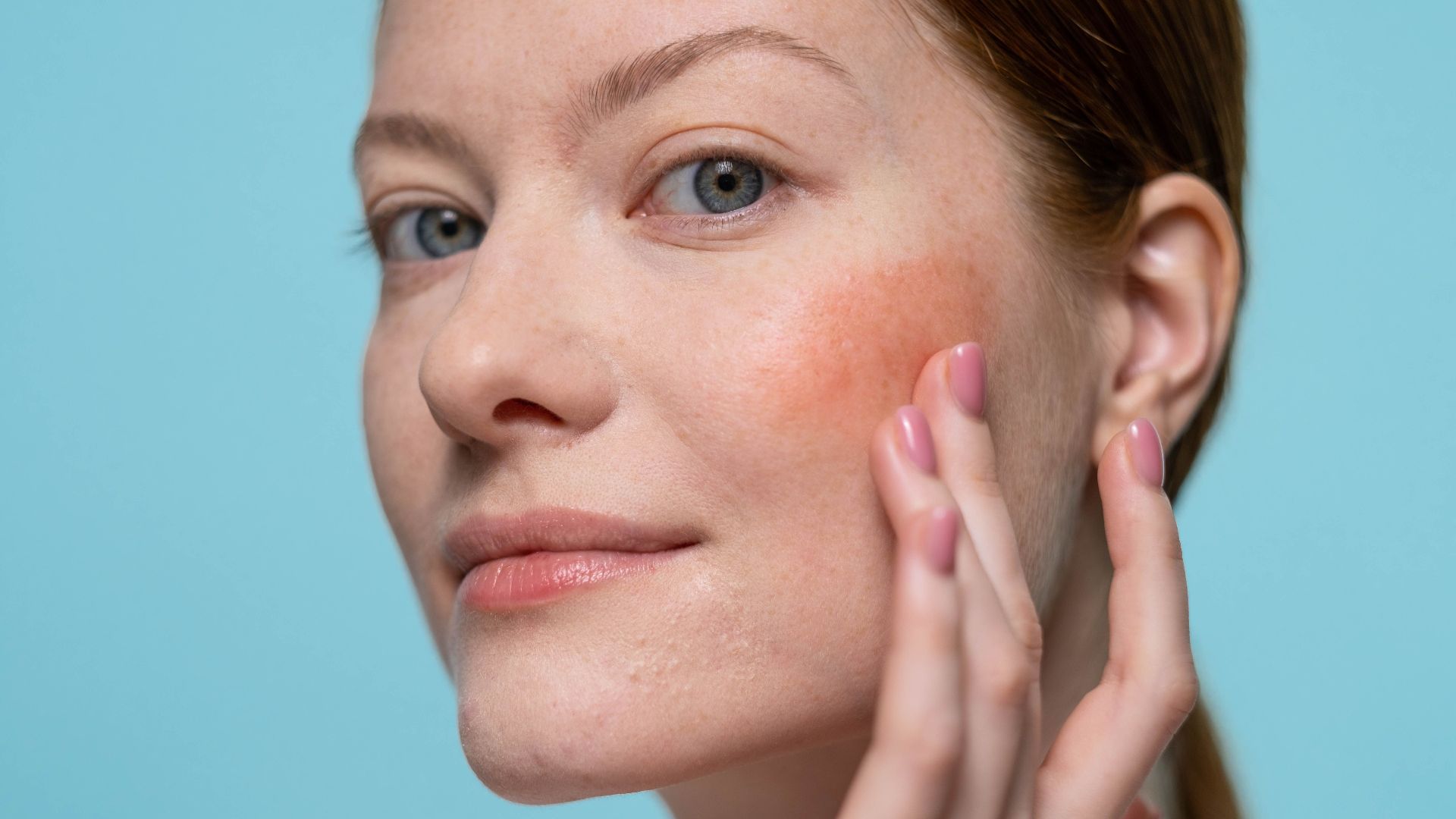
5. Fragrance
A toner that smells like a spa day sounds nice, until it sparks contact dermatitis. Redness, itching, swelling, or a bumpy rash after introducing a scented product is a strong clue that the scent, not the skincare, is the problem.
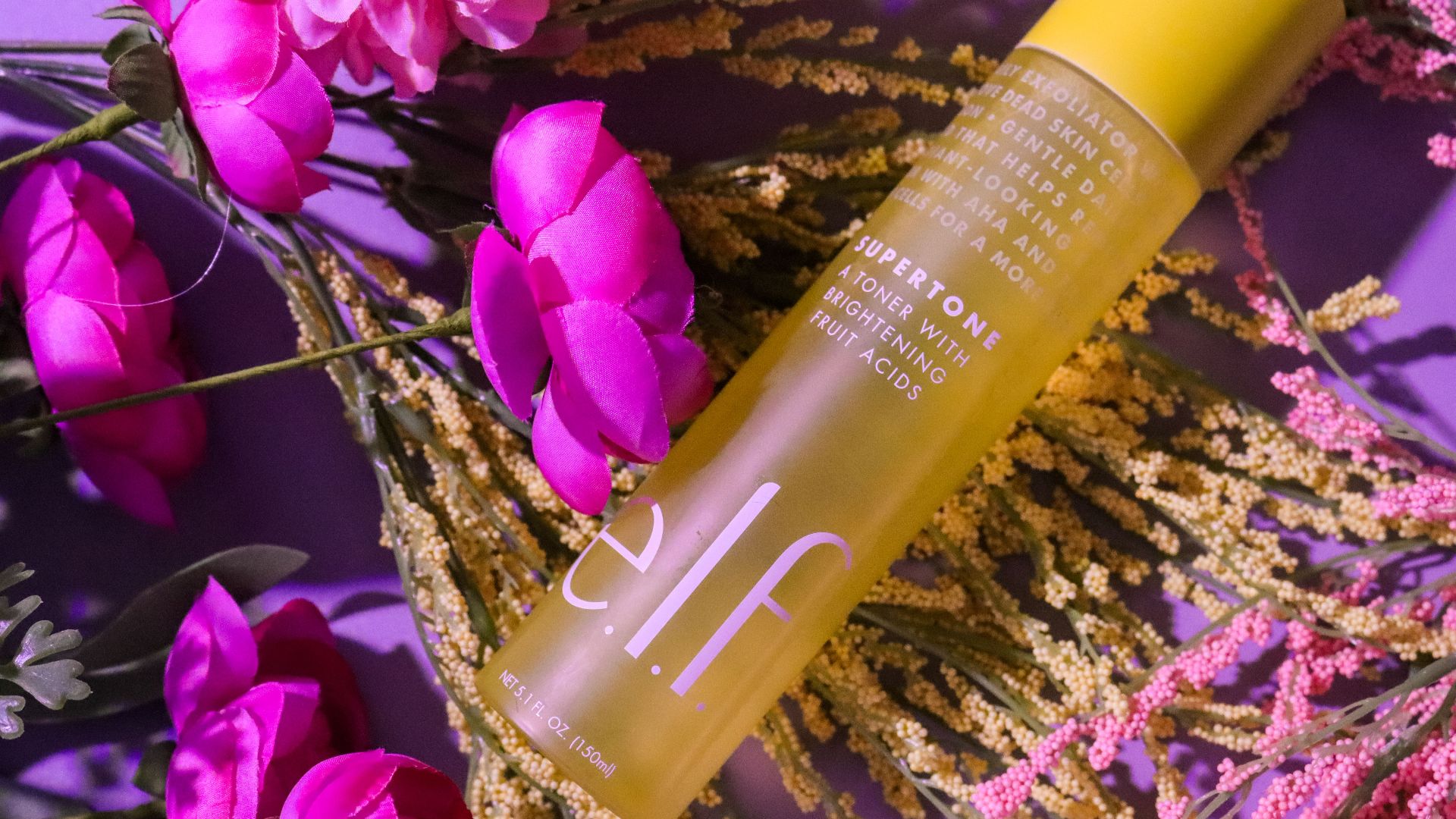
6. Preservatives
Water-based toners need preservatives to stay free of bacteria and fungus. The catch is that some of those very preservatives are common allergens, meaning a toner that looks harmless on paper can still irritate your skin.
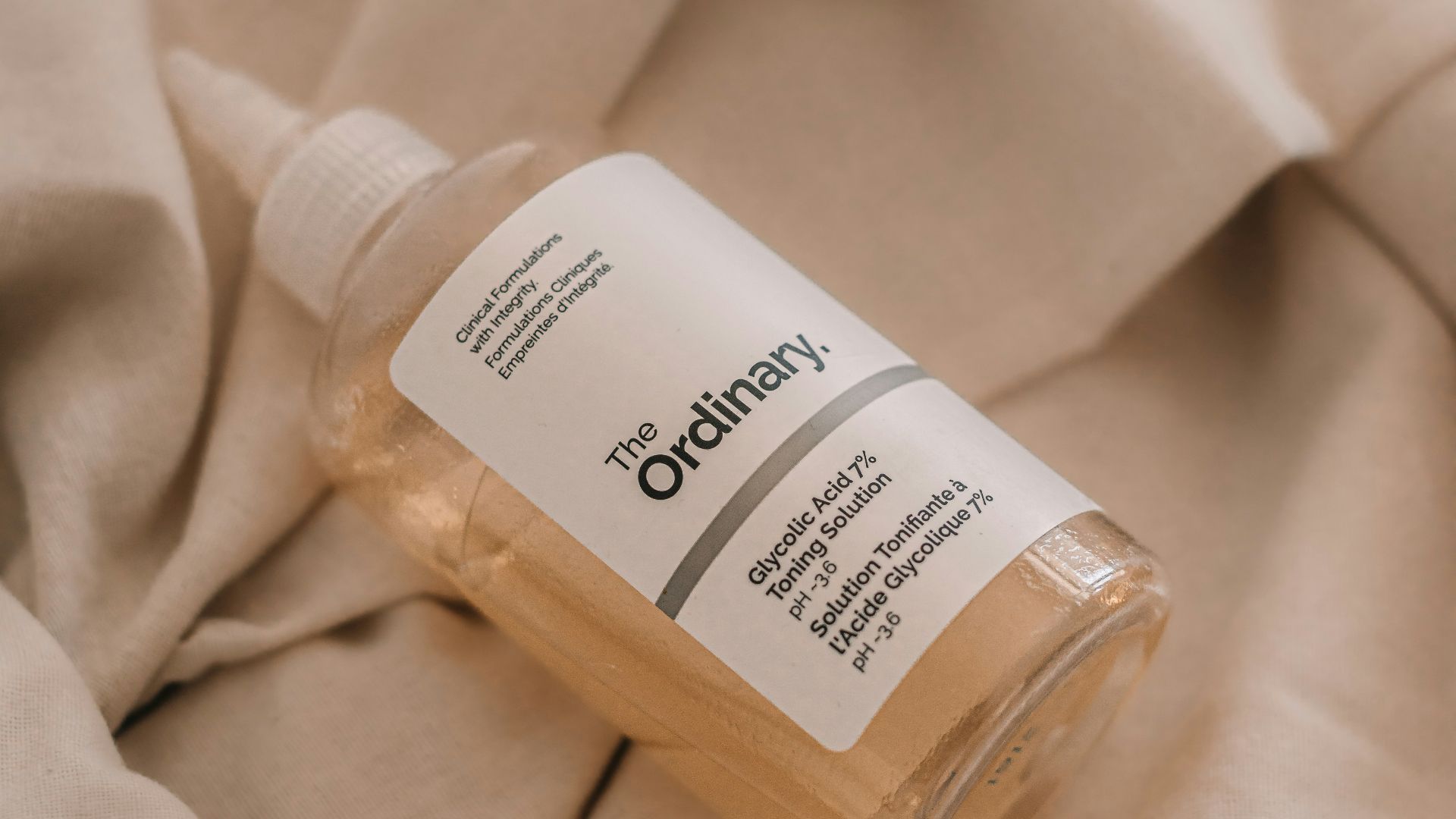
7. Acid Toners
Glycolic and lactic acid turn up your skin's sensitivity to UV light. Reach for an acid toner, and sunscreen and sun-smart habits must follow.
8. The Cotton Pad
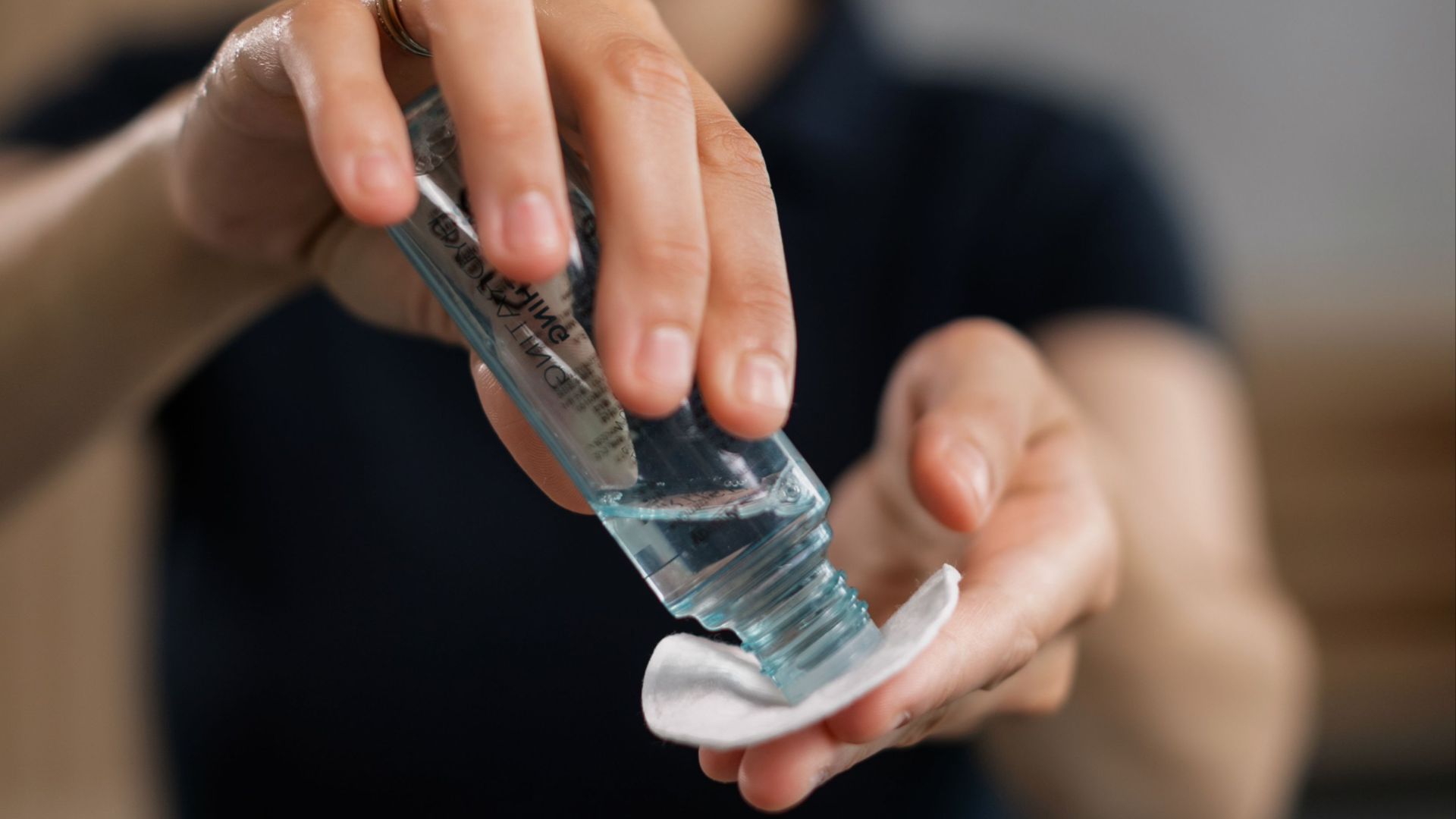
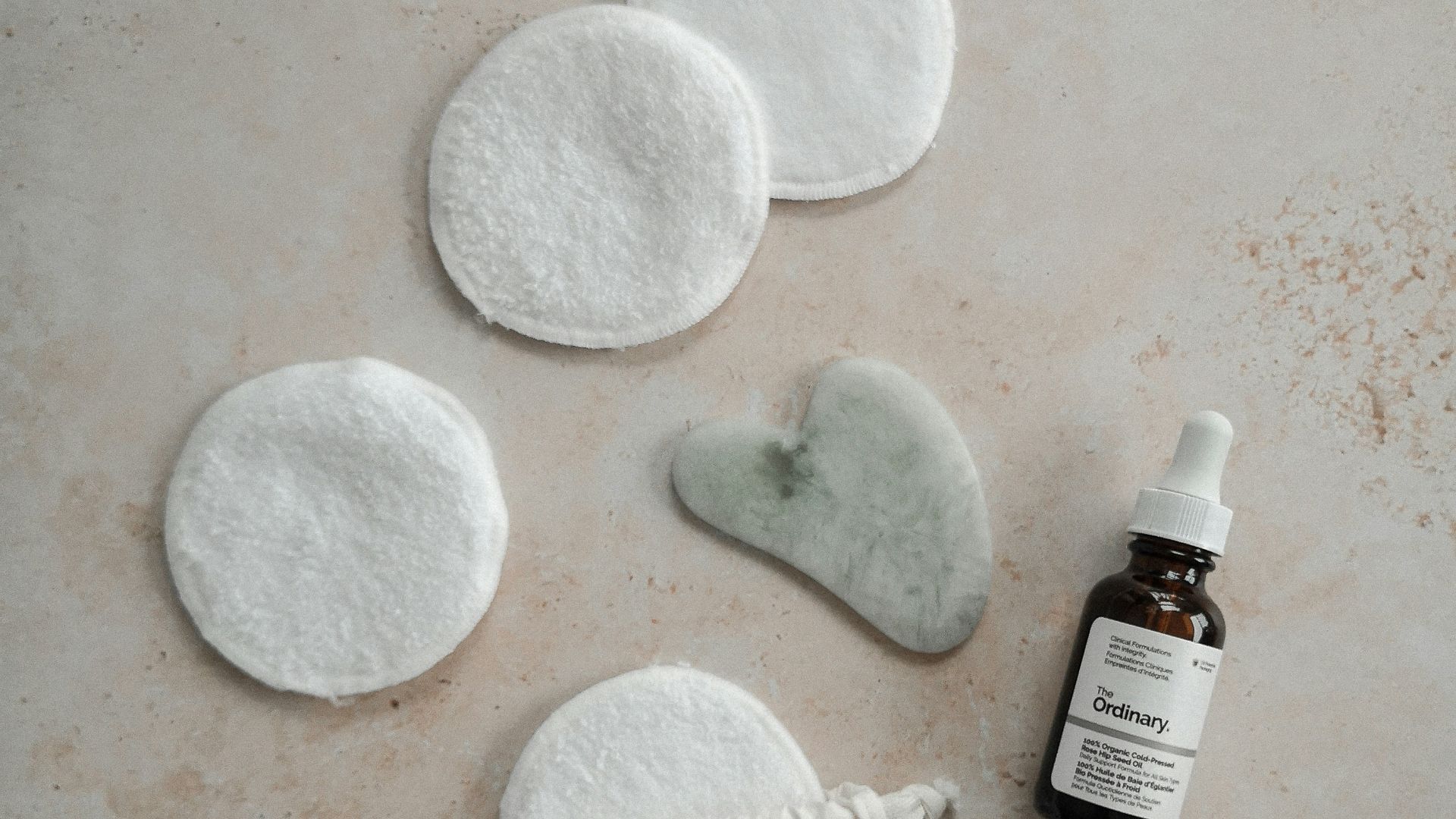
Sometimes it's not the formula, it's the friction. Rubbing a cotton pad across your face again and again can irritate skin all on its own, and if you're already dealing with rosacea, sensitivity, or over-exfoliation, that extra scrubbing is the last thing your face needs.
9. It Piles On
Raw, peeling, reactive skin doesn't need another ingredient list to process. When your face is already upset, simplifying your routine and cutting out extra leave-on steps like toner gives your skin room to actually recover.
 Barbara Krysztofiak on Unsplash
10. The Damage
Irritant contact dermatitis is sneaky: it doesn't always show up the first time you use a product. Burning, itching, redness, or swelling can build gradually after repeated exposure, which makes it easy to blame the wrong culprit, or miss the real one entirely.
1. What Cleansing Leaves Behind
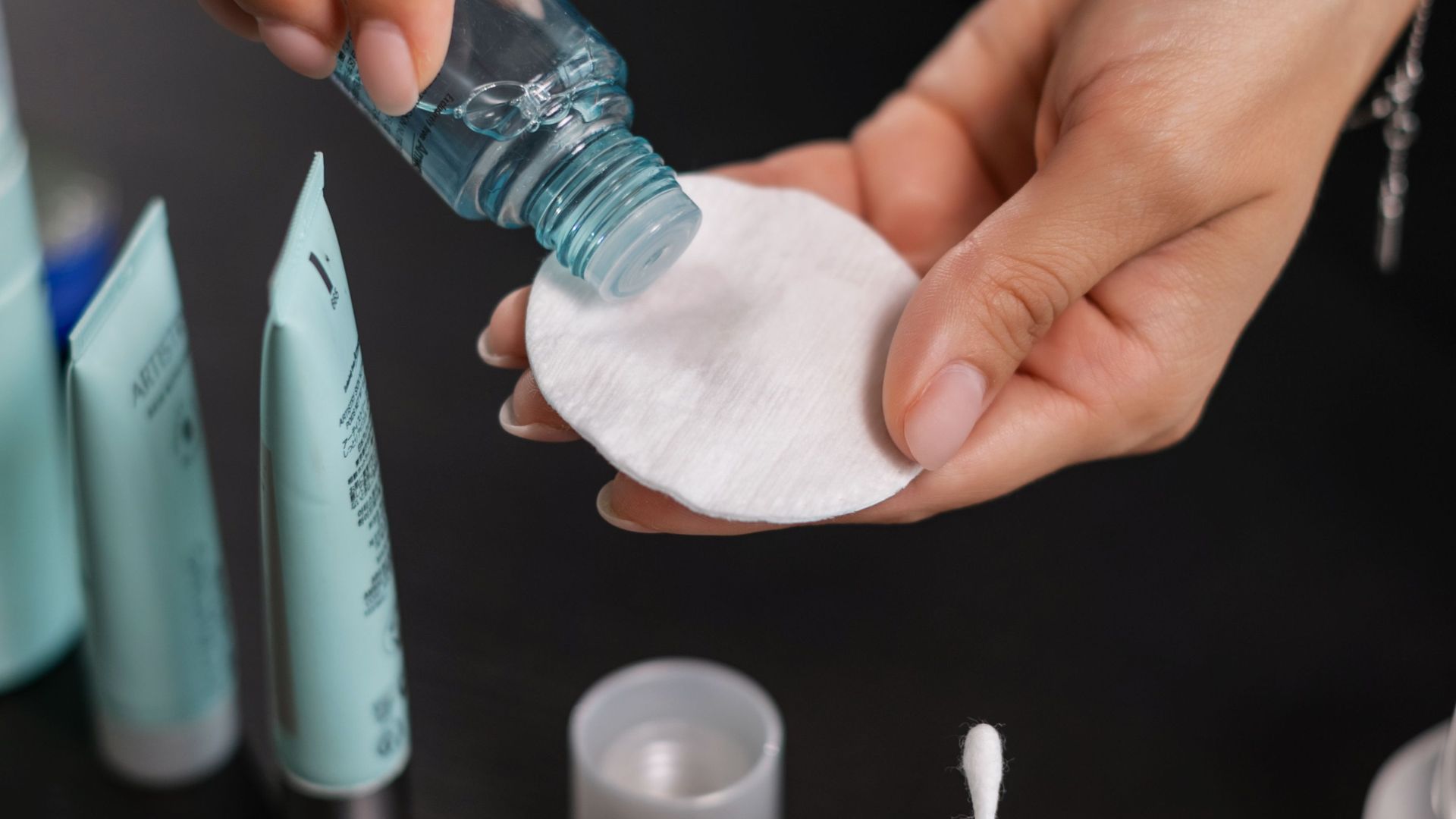
A gentle, water-based toner can sweep away the last traces of dirt, oil, or makeup your cleanser missed. It's not a replacement for washing your face, but it can leave skin feeling fresh before the rest of your routine goes on.
2. Hydration Boost
Cleansing, especially in cold weather, can leave your skin's outer layer feeling parched. A water-based toner with glycerin or hyaluronic acid delivers a hit of hydration without the heaviness of a rich cream.
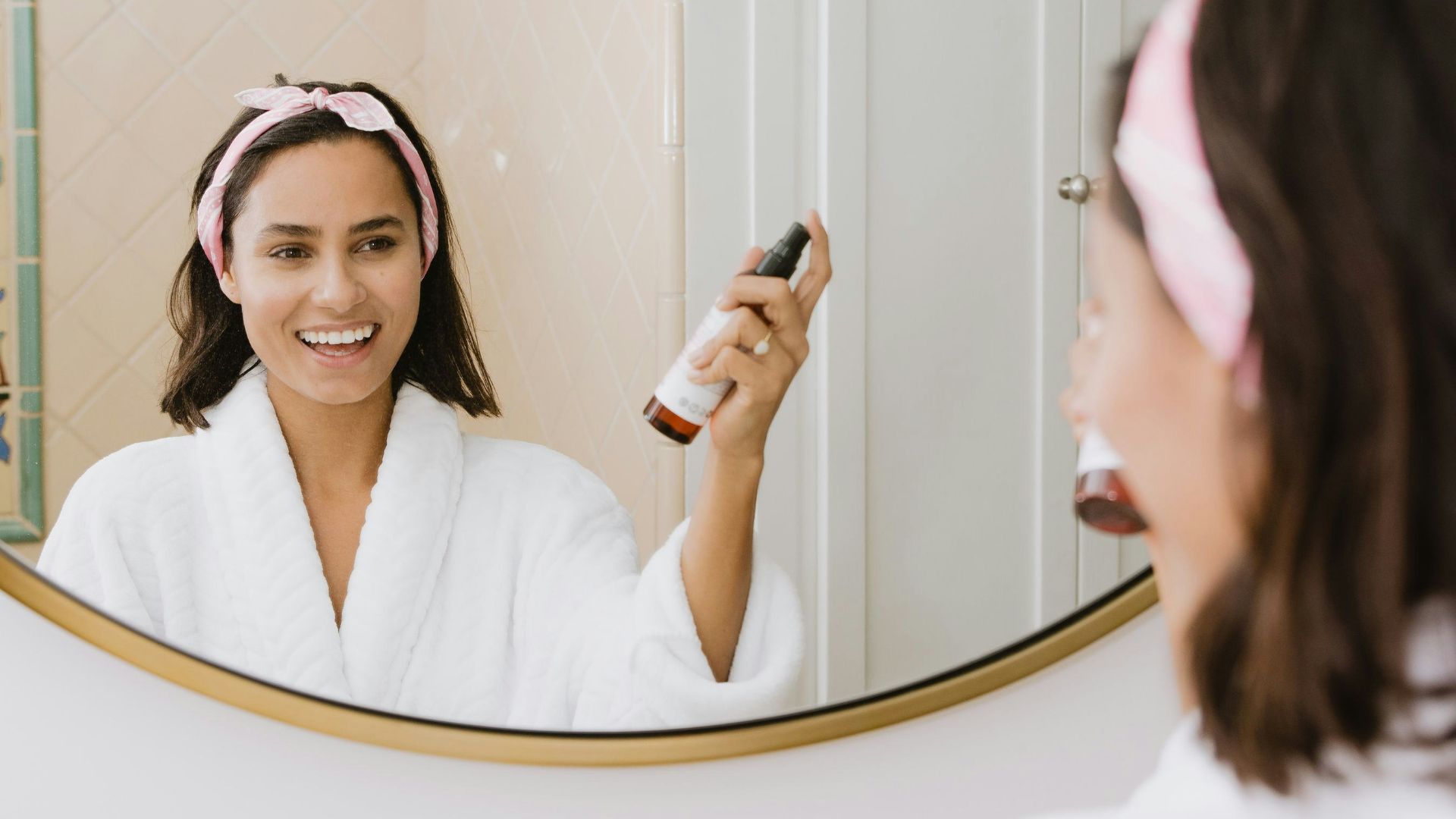
3. Smoothing The Runway
By raising the water content at your skin's surface, a hydrating toner can help serums and moisturizers glide on more comfortably. That's especially handy if your routine includes thicker products.
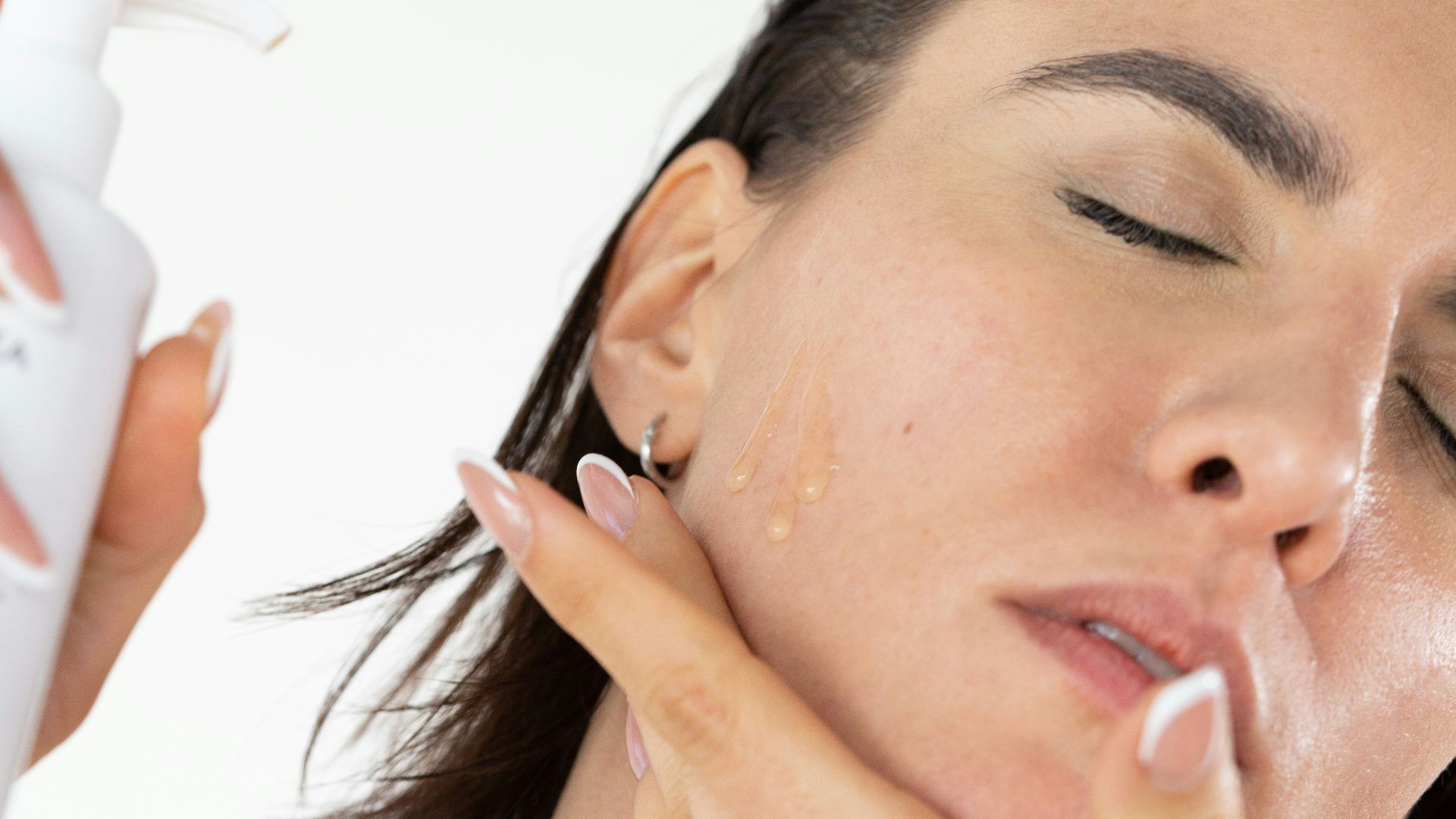
4. Your Skin's Natural Balance
Cleansing can throw off your skin's natural acidity, and mild acids in certain toners can help nudge it back into balance. That doesn't mean every "pH-balancing" claim is essential, but the function itself is real for the right acid-based formulas.
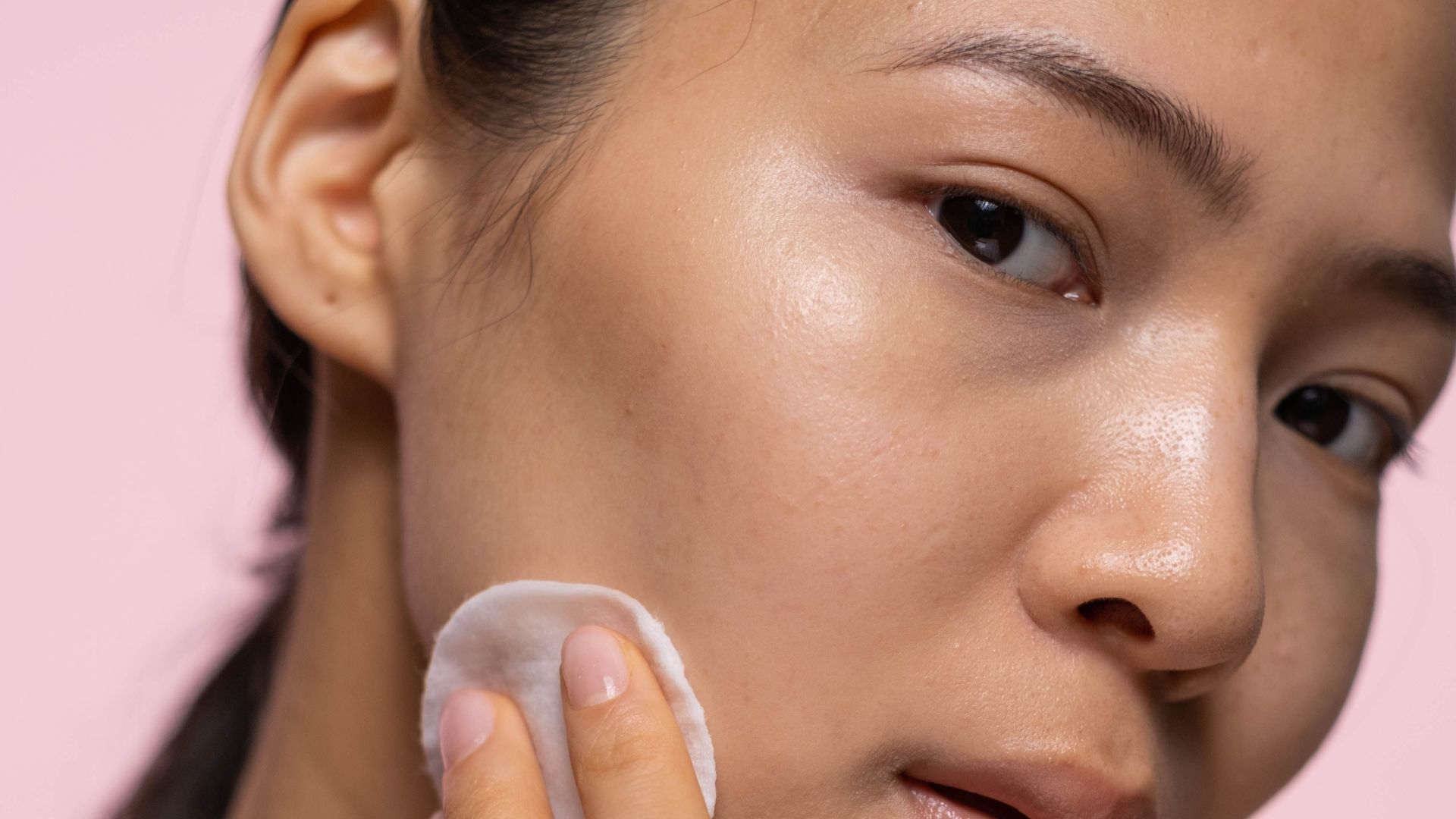
5. Rough, Uneven Texture
Alpha and beta hydroxy acids loosen dead skin cells, helping to smooth out rough patches and uneven texture. Used properly, an exfoliating toner can leave skin looking more even and help makeup glide on more seamlessly — especially over areas prone to buildup and dryness.
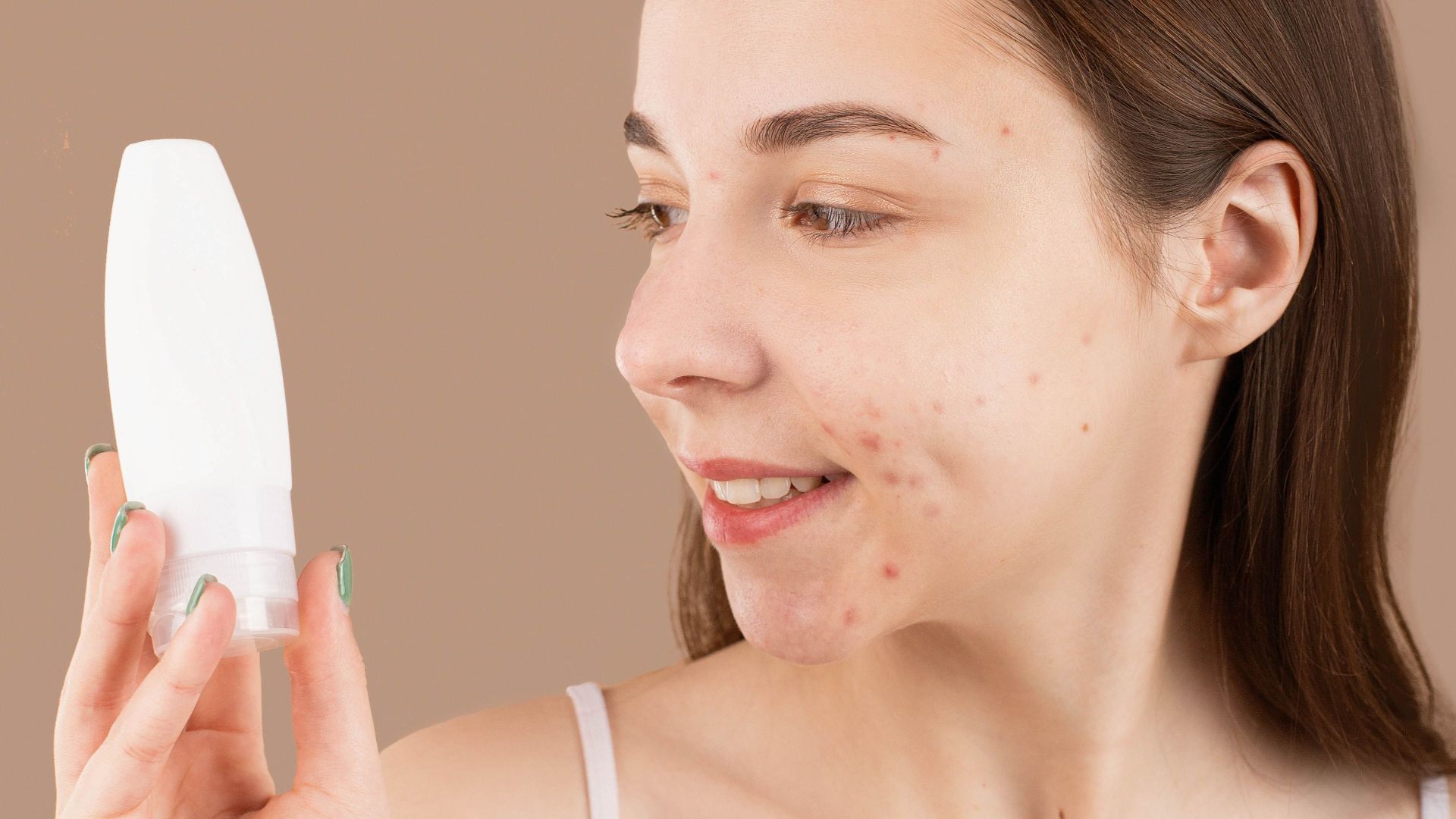
6. Declogging Pores
Salicylic acid is a go-to for blackheads, whiteheads, and that clogged feeling around the nose and chin. It clears out pore buildup and can visibly reduce excess oil, making it a strong pick for skin that always seems to feel congested.
7. It Can Double as an Acne Treatment
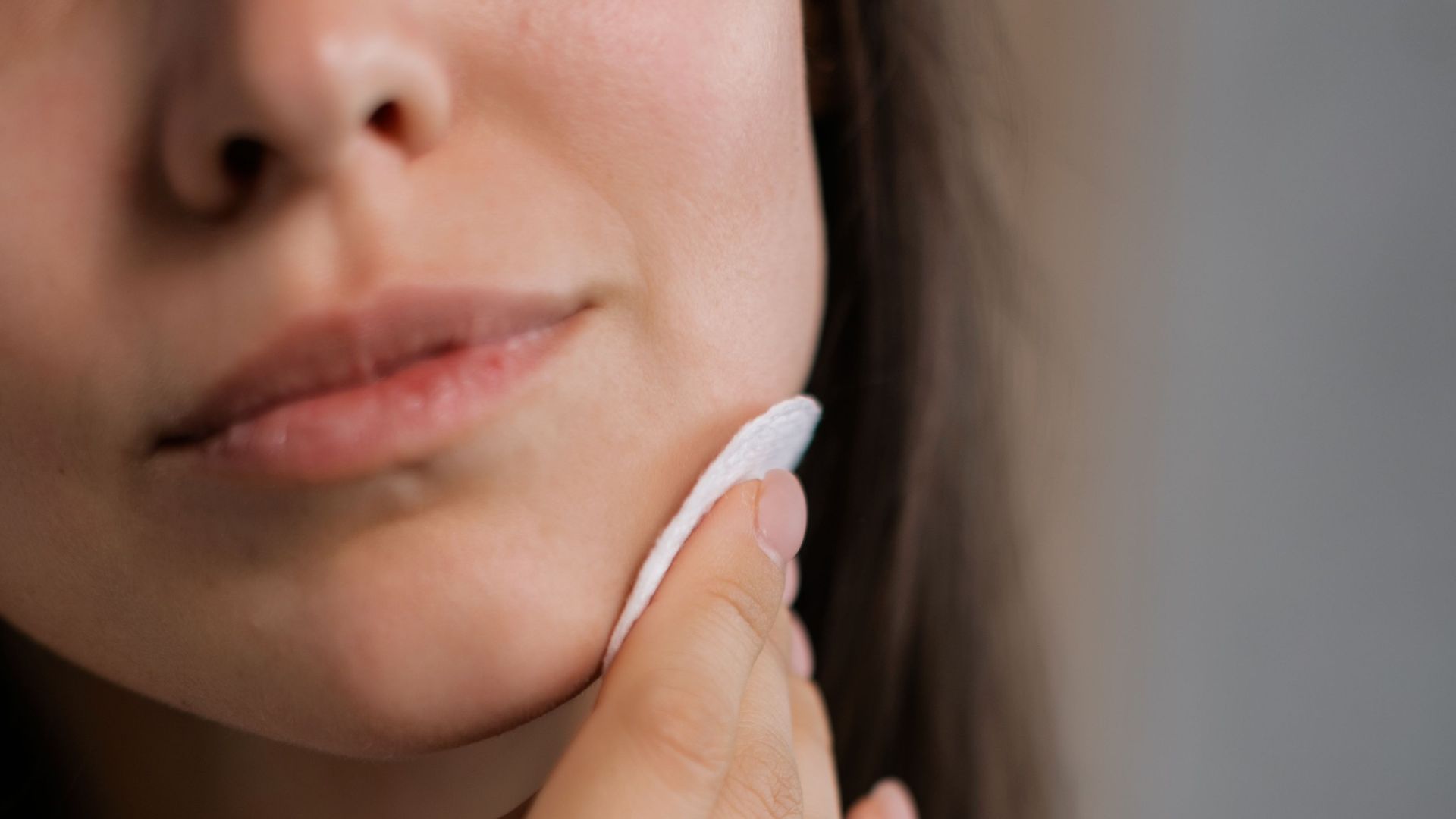
Not every salicylic acid toner is just a "freshening" step; some are formulated as genuine acne treatments. Used as directed, they can help manage existing blemishes while keeping new ones from forming, all while staying lighter than a heavier spot treatment.
 MUTHIA ASHIFA SALSABELLA on Unsplash
8. It Can Minimize The Look of Pores
Pore size itself is genetic, so no toner is shrinking them for good. But by clearing out buildup and smoothing the texture around them, the right toner can make pores look far less noticeable.

9. It Can Reduce Dullness
Ingredients like niacinamide and gentle exfoliating acids can gradually improve dullness and uneven tone. The change won't happen overnight, but a steady, consistent routine will almost always beat the short-term "glow" that comes at the cost of irritation.

10. It Can Refresh Without Weighing You Down
Modern water-based toners can pack in hydrators and antioxidants while still feeling completely weightless. That light touch sits comfortably under moisturizer, sunscreen, and makeup; perfect for anyone who wants their routine to feel simple, not heavy.