The Fabric “Facts” That Refuse To Die
Fabric myths spread one bad laundry day at a time, and suddenly a shrunken sweater becomes the conduit for a whole doctrine. The problem is that textiles are messy in a very specific way, because fiber type is only one piece of the story, and the weave, finish, dye, and care habits can matter just as much. A cotton T-shirt can feel breezy or suffocating depending on how it’s knit, and a wool sweater can be soft or scratchy depending on which wool and how it’s spun. These are 20 fabric myths that keep surviving, even when the truth is more complicated.
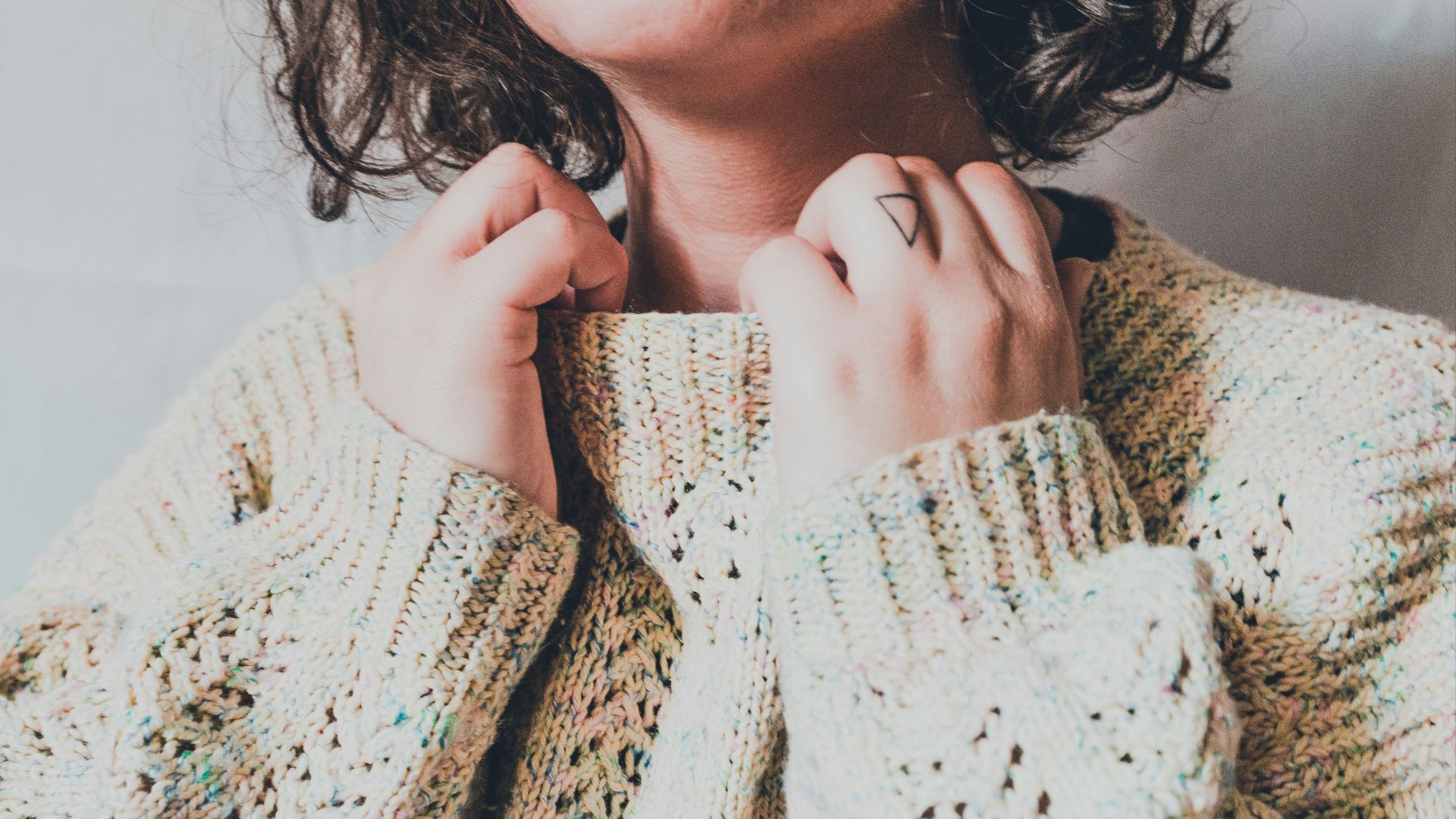
1. Natural Fibers Are Always Better
Natural fibers can feel great, and they also can pill, shrink, wrinkle, and absorb sweat until it lingers. Synthetic fibers can be breathable, durable, and comfortable when they’re designed well, so the better question is how the fabric behaves in real use, not whether it came from a plant.
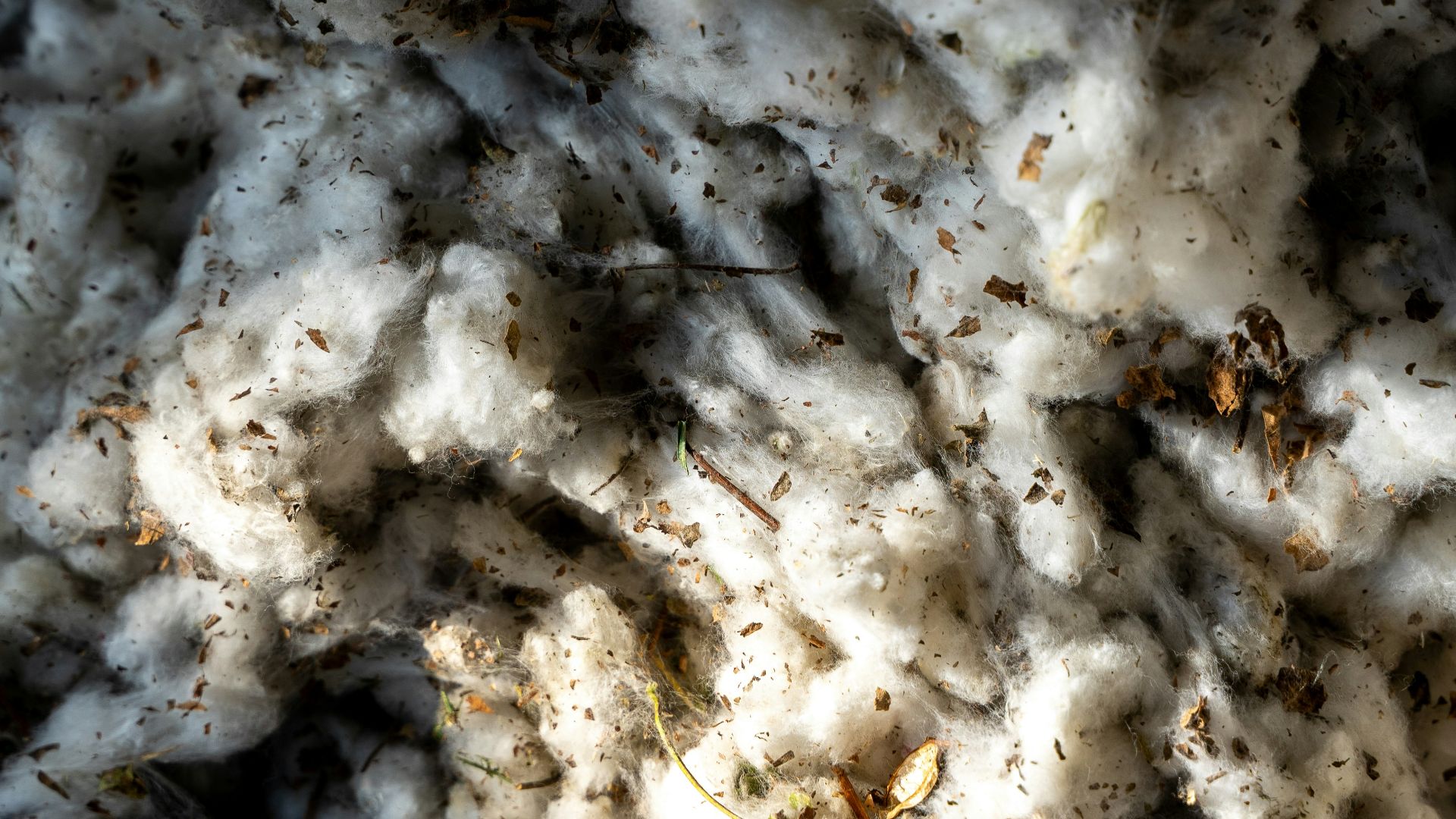
2. Cotton Always Breathes
Cotton can breathe, yet a tight weave or a heavy knit can trap heat and moisture in a way that feels sticky fast. The same fiber in a loose weave can feel airy, which is why two cotton garments can wear like completely different climates.
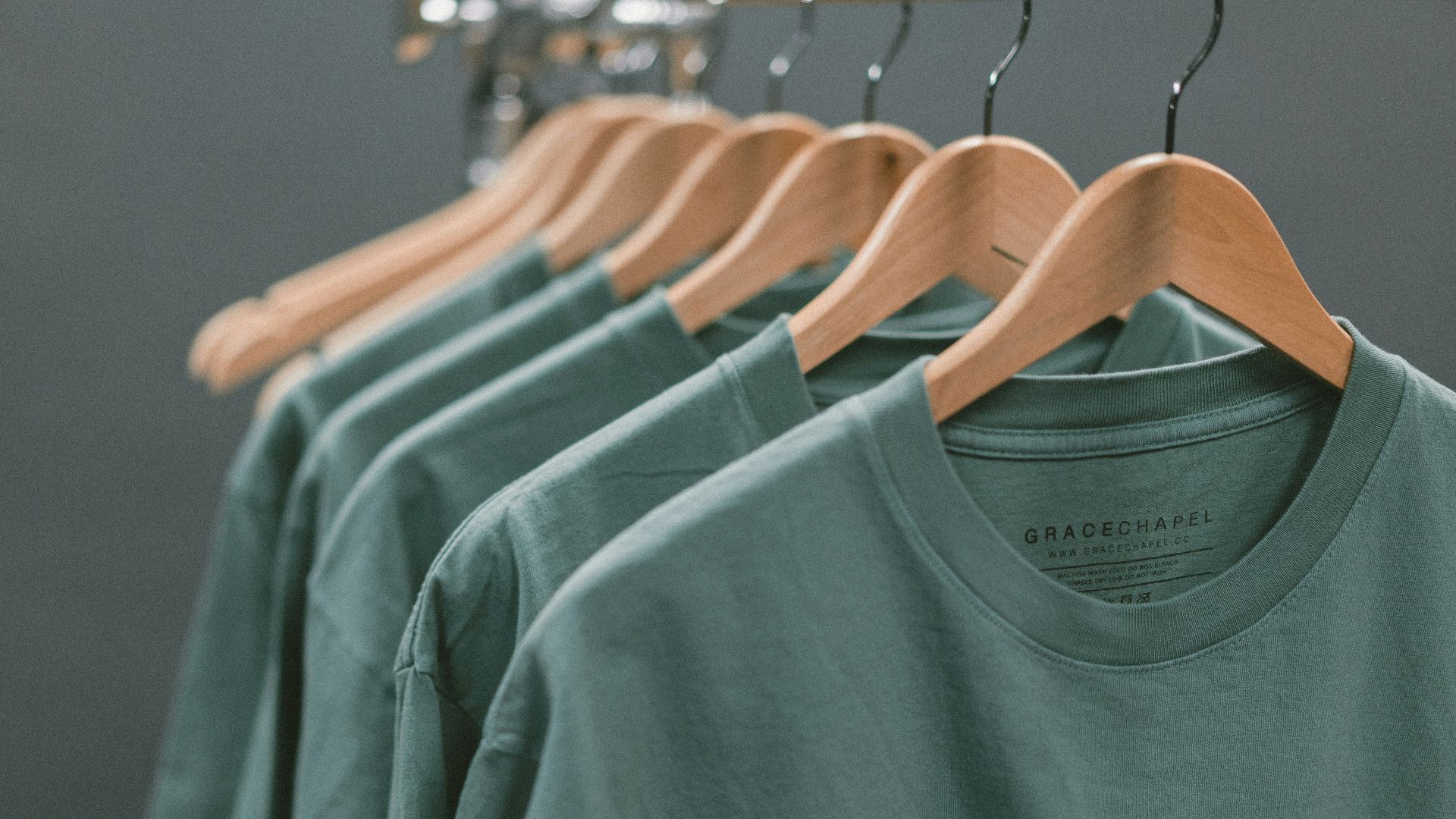
3. Polyester Never Breathes
Polyester gets blamed for every sweaty commute, even though breathability depends on construction and finish as much as fiber content. Athletic fabrics often use polyester because it can be engineered to move moisture and dry quickly, which is a different experience than a stiff, cheap lining.
4. Wool Is Always Itchy
Plenty of wool is itchy, and plenty is not, because the feel depends on fiber diameter and how it’s processed. Merino is popular for a reason, and so are well-made wool blends that keep warmth without the scratch factor that older sweaters trained people to expect.
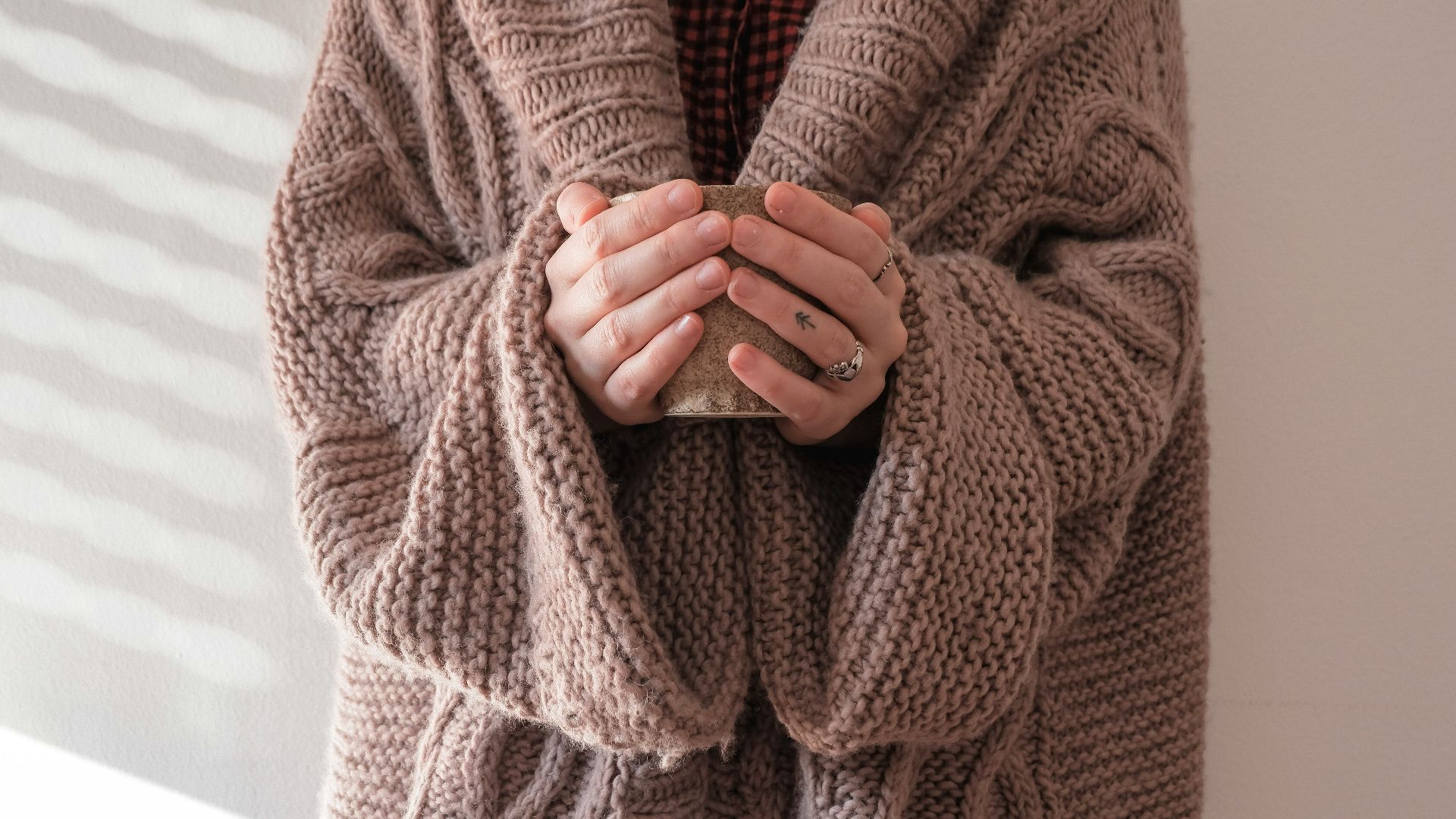
5. Wool Cannot Be Washed
Wool can be washed when the garment and the detergent are appropriate, and many labels allow gentle washing instead of automatic dry cleaning. The real risk is agitation, heat, and careless drying, which can shrink and felt wool in a way that feels permanent because it usually is.
6. Silk Must Be Dry Cleaned
Some silk handles careful hand-washing just fine, especially simpler weaves without delicate finishes. The tricky part is dye and water spotting, so the safe move is to follow the care label and test a hidden area rather than assuming every silk blouse needs a professional ticket.

7. Linen Wrinkles Because It’s Low Quality
Linen wrinkles because the fiber has low elasticity, not because the garment is poorly made. Higher-quality linen can actually wrinkle in a more even, crisp way, which is why people who like linen often treat wrinkles as a normal feature of the fabric.

8. Rayon Is A Synthetic Fabric
Rayon is typically made from cellulose that’s chemically processed, which puts it in the in-between category often called regenerated fiber. It can feel cool and drapey, yet it can also weaken when wet, which is why some rayon pieces behave beautifully on a hanger and badly in a rushed laundry load.
9. Bamboo Fabric Is Naturally Eco-Friendly
Bamboo grows quickly, yet most bamboo fabric on the market is bamboo viscose, which involves chemical processing similar to other forms of rayon. Eco impact depends on how it’s made, how wastewater is handled, and what standards the manufacturer follows, not just the plant on the hangtag.
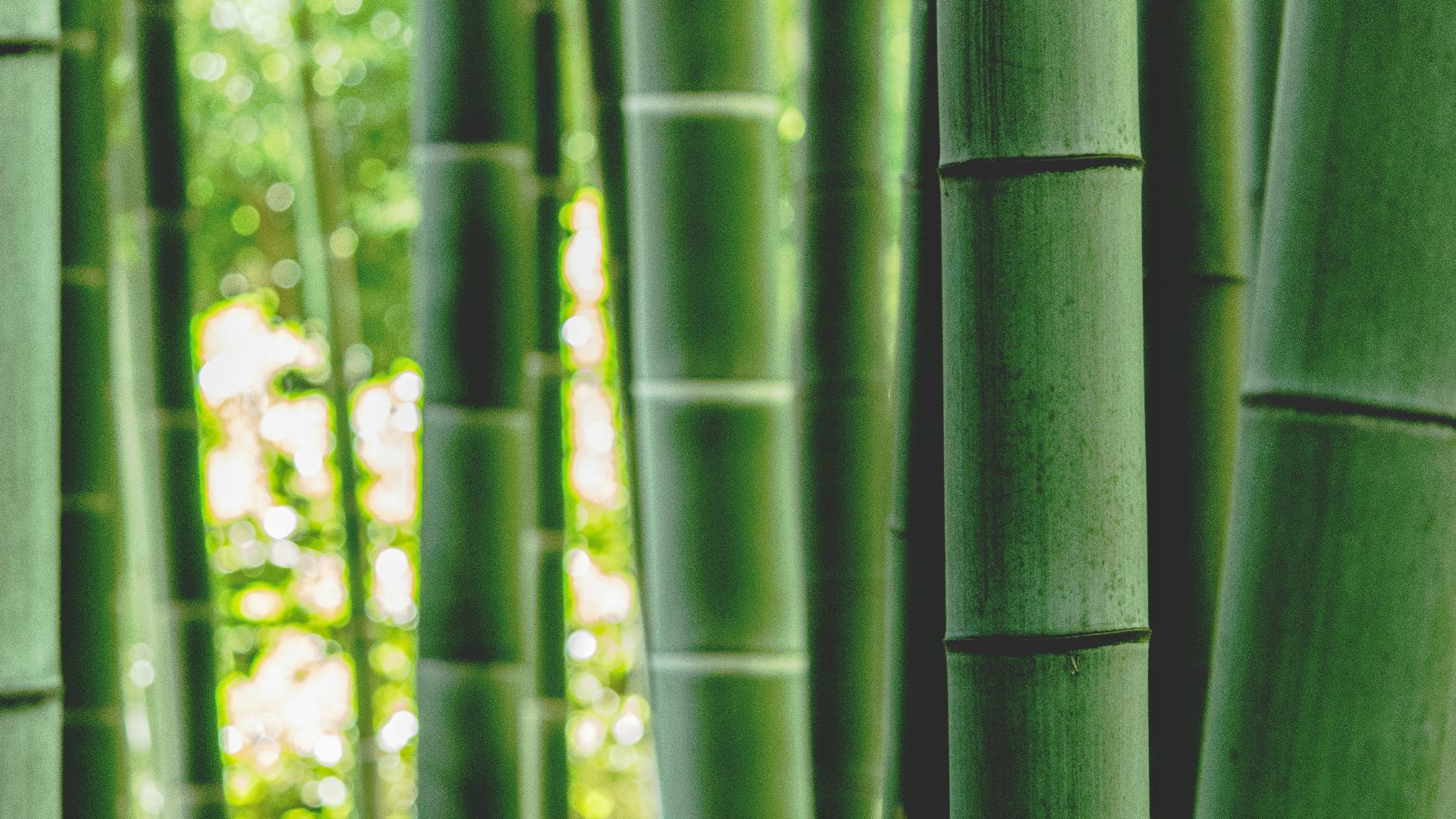
10. Bamboo Fabric Is Naturally Antibacterial
The antibacterial claim gets repeated because it sounds like a built-in upgrade, and it sells well in socks and sheets. In practice, whatever antibacterial qualities the raw plant may have do not automatically carry through aggressive processing, and product claims often rely more on marketing than on clear, consistent evidence.

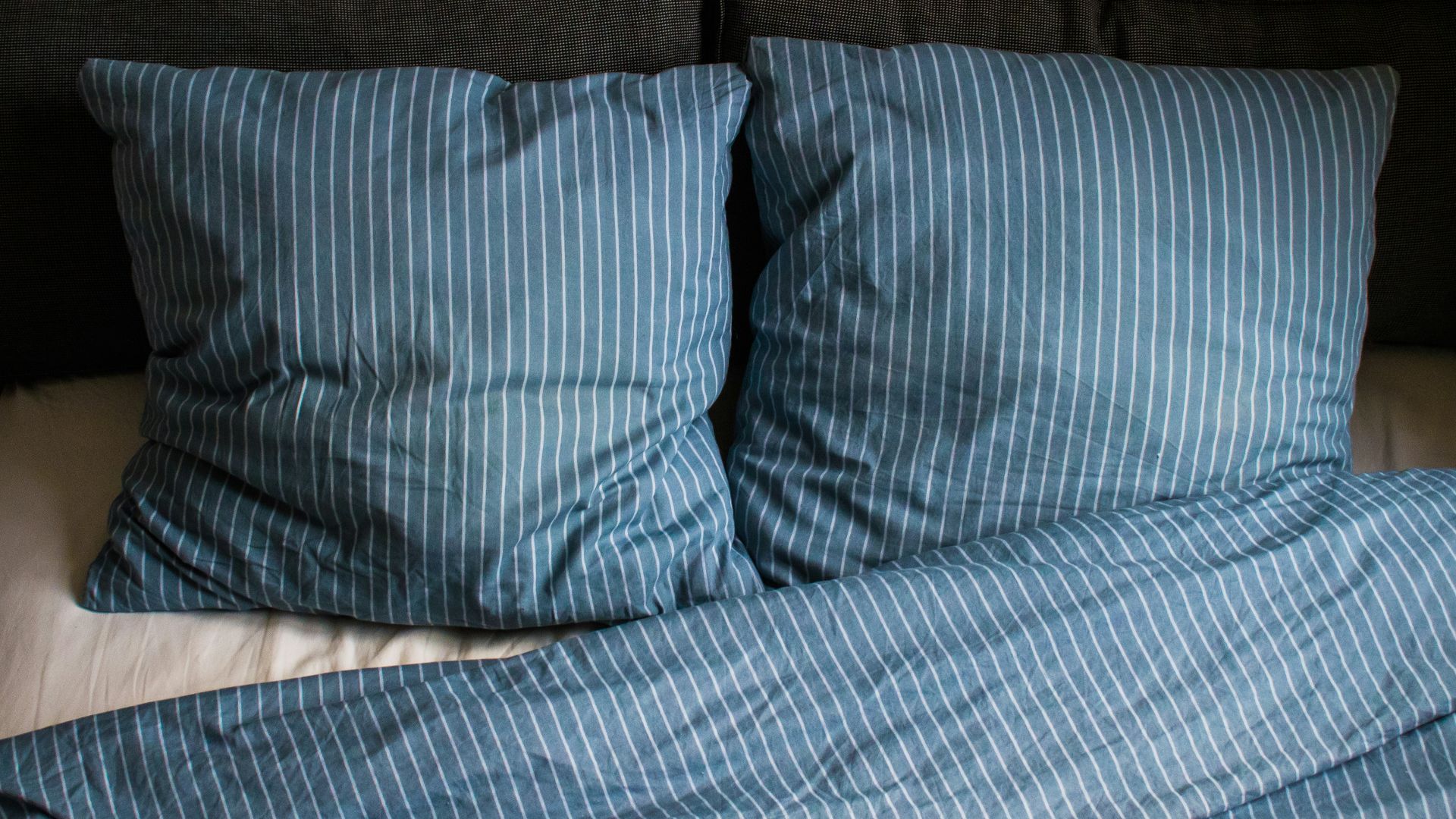
11. Thread Count Tells You Everything About Sheets
Thread count can be manipulated by counting plies in a way that inflates the number without improving comfort. Fiber quality, yarn thickness, and weave type often matter more, which is why a lower thread count percale can feel crisp and breathable while a higher number can feel heavy.
12. Denim Is Always 100 Percent Cotton
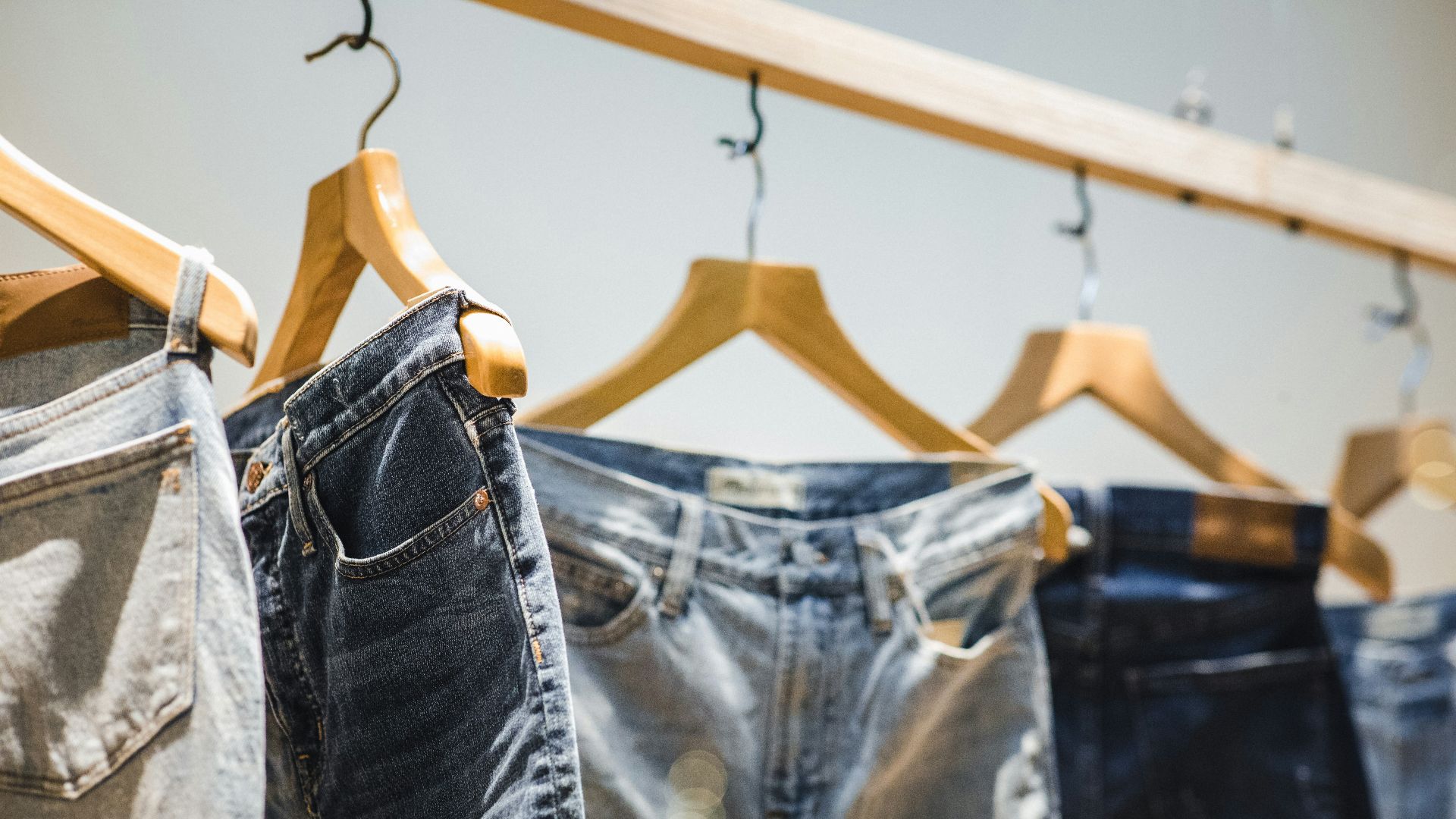
A lot of denim now includes elastane for stretch, plus blends that change how it fades and how it holds shape. That is why two pairs labeled denim can feel totally different when you sit down, and why some jeans bounce back while others bag out by lunchtime.
13. Spandex Means Cheap
A small percentage of stretch fiber can improve fit, comfort, and recovery, especially in slim silhouettes. Cheapness shows up more in weak stitching, thin fabric, and poor finishing than in the mere presence of elastane.

14. Stretch Fabrics Always Wear Out Quickly
Stretch can wear out, especially with heat and harsh detergents, yet good stretch fabrics are designed to recover over time. The lifespan often comes down to care habits and fabric quality, not an automatic countdown triggered by the word stretch.

15. Dry Clean Only Means It Will Self-Destruct In Water
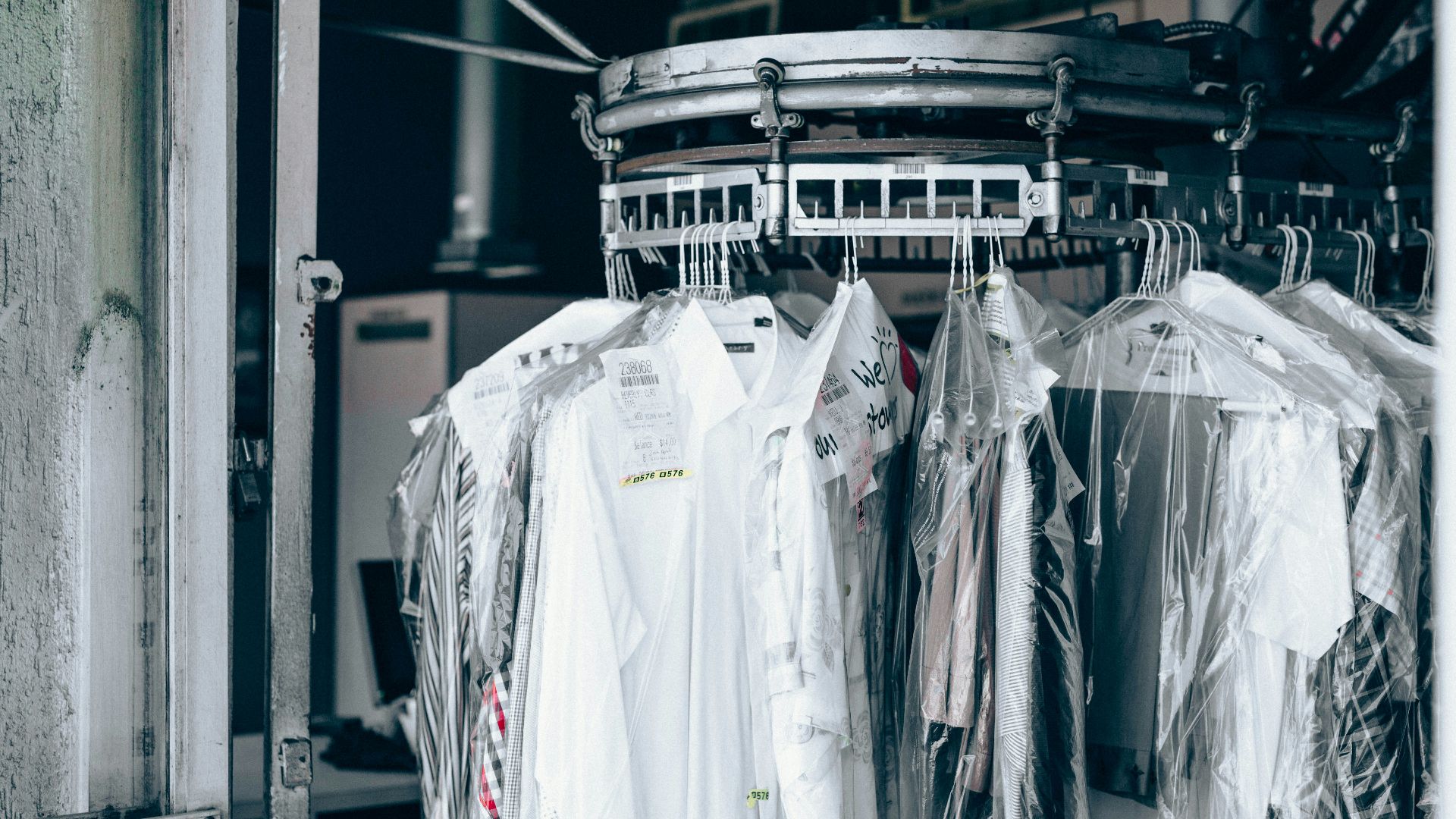
Dry clean only is often a conservative instruction based on shrink risk, dye bleeding, or structure that can distort. Some of those garments can still be safely hand-washed or steamed, and others truly cannot, so the care label is a warning sign, not a universal law of physics.
16. Fabric Softener Makes Towels Better
Fabric softener can coat fibers, which can make towels feel smoother while also making them less absorbent. That is why towels sometimes start repelling water in a weird way, like they look fluffy but they stop doing their actual job.
17. Hot Water Shrinks Everything
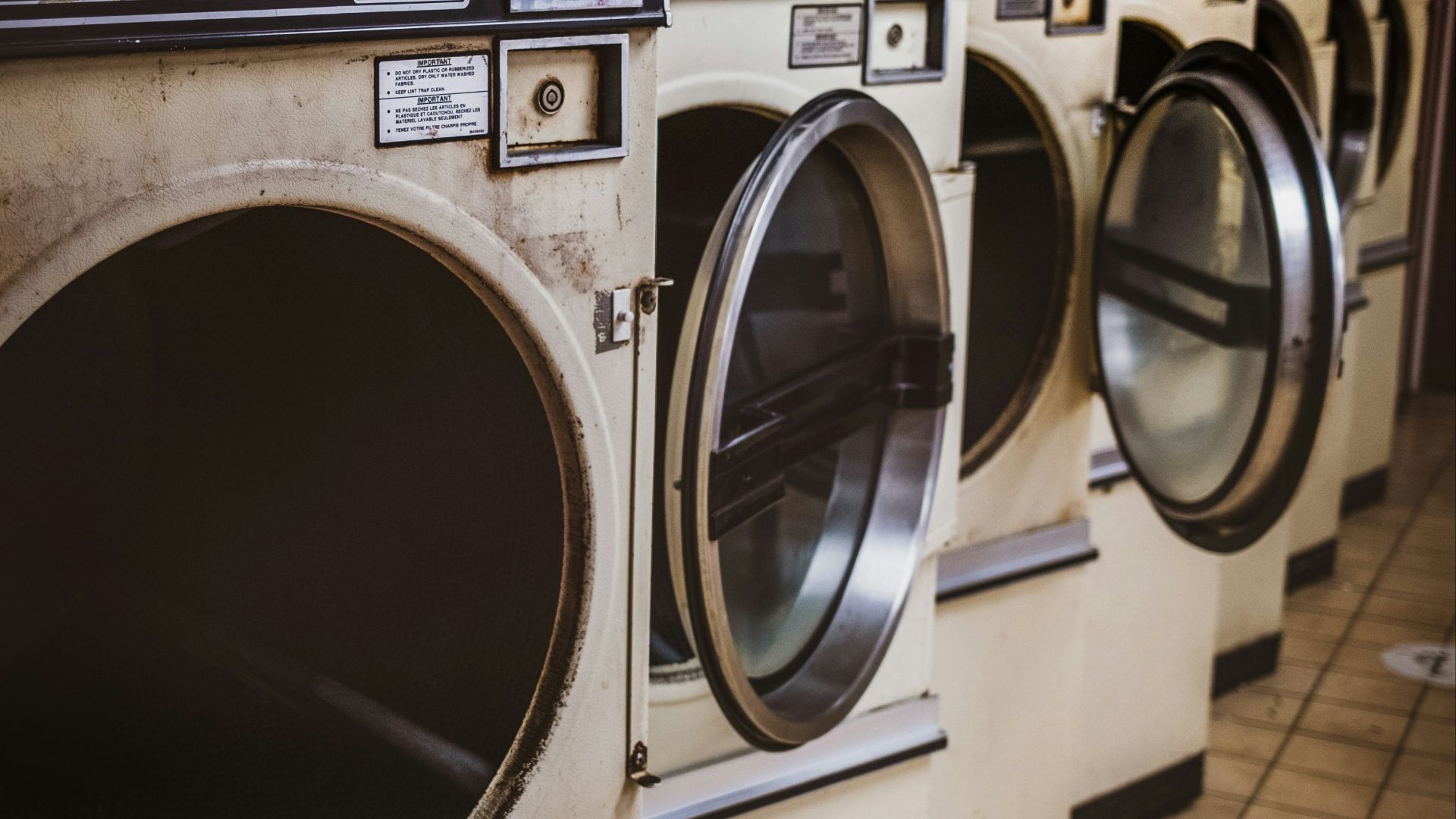
Shrinkage depends on fiber and construction, and some fabrics are already pre-shrunk before they ever reach a store. Hot water is still risky for certain knits and untreated natural fibers, yet the bigger culprits are heat plus agitation plus high-heat drying.
18. Bleach Is The Best Fix For Every Stain
Chlorine bleach can weaken fibers and damage dyes, and it is not compatible with many fabrics people bleach without thinking. For a lot of stains, targeted treatments and oxygen-based bleaches are safer, especially when you care about the fabric lasting past this one laundry emergency.
19. Washing Clothes Less Is Always Better
Washing less can extend the life of some garments, especially denim and delicate knits. Skipping washing when something is sweaty, oily, or heavily soiled can also set stains and odors, so the better habit is washing thoughtfully rather than treating less washing as a moral rule.
20. Blends Are A Scam
Blends often exist because they solve specific problems, like adding durability, reducing wrinkles, improving stretch, or changing drape. A well-chosen blend can outperform a single fiber in daily life, and a bad blend can feel disappointing, so the real test is how the fabric performs, not whether it’s pure.