Small Tweaks, Big Relief
Shoes can look perfect in the mirror and still turn on you halfway through the day. Most of the misery comes down to friction, pressure, sweat, and shoes that fit “well enough” until you’re actually walking, standing, and living in them. The good news is you don’t need a brand-new wardrobe of orthopedic-looking shoes to feel better, and you definitely don’t need to suffer for style. A few smart adjustments can take a pair from painful to wearable, even if you’re dealing with heels, boots, or stiff loafers.
1. Start With A Fit Reality Check
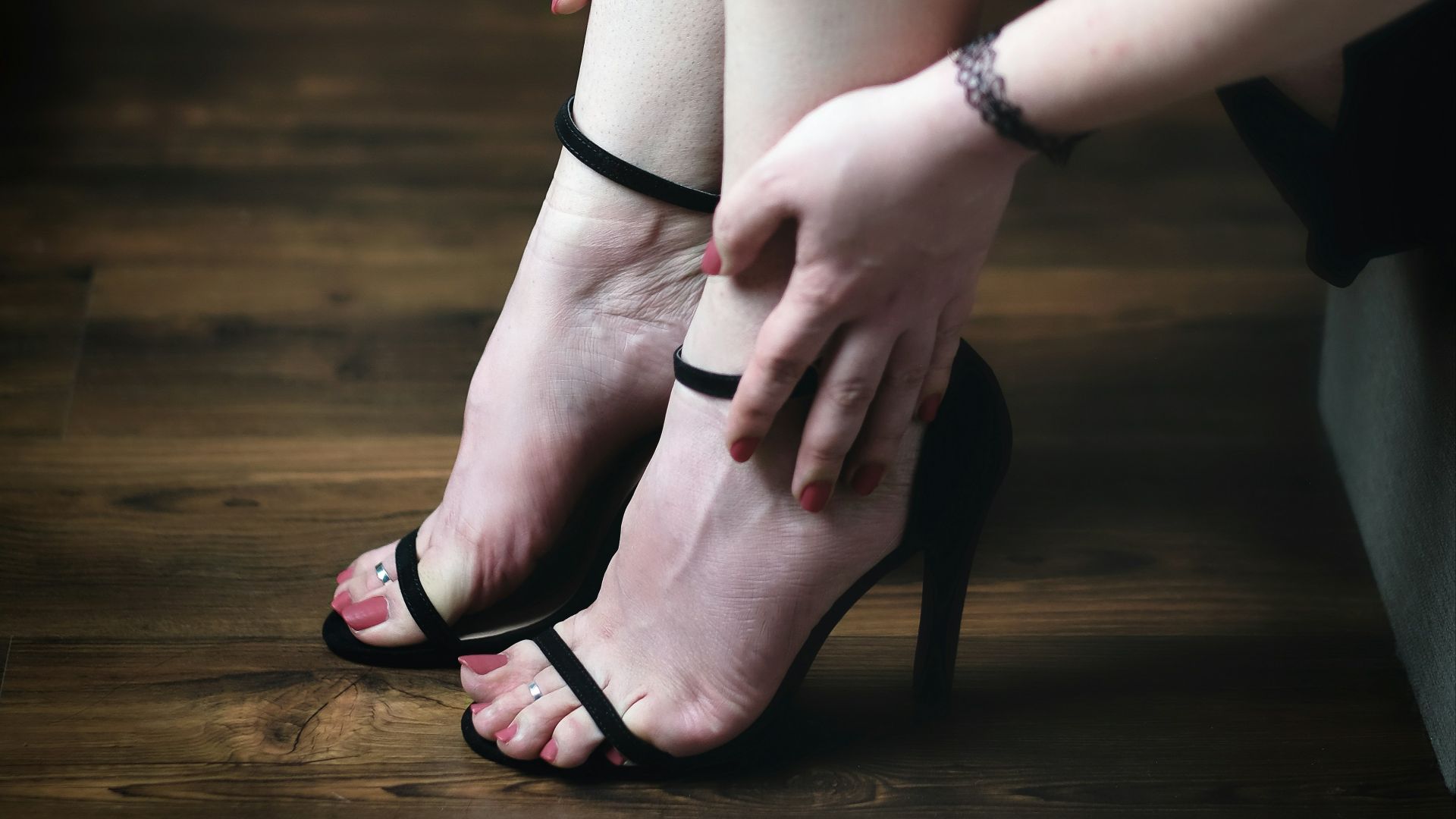
Try shoes on later in the day, when feet are naturally a bit fuller. Walk around your home on a hard surface for a minute and notice any sliding, pinching, or toe pressure right away. If the fit feels “almost fine,” that usually means you’ll be suffering later on in the day.
2. Use Heel Grips For Slipping
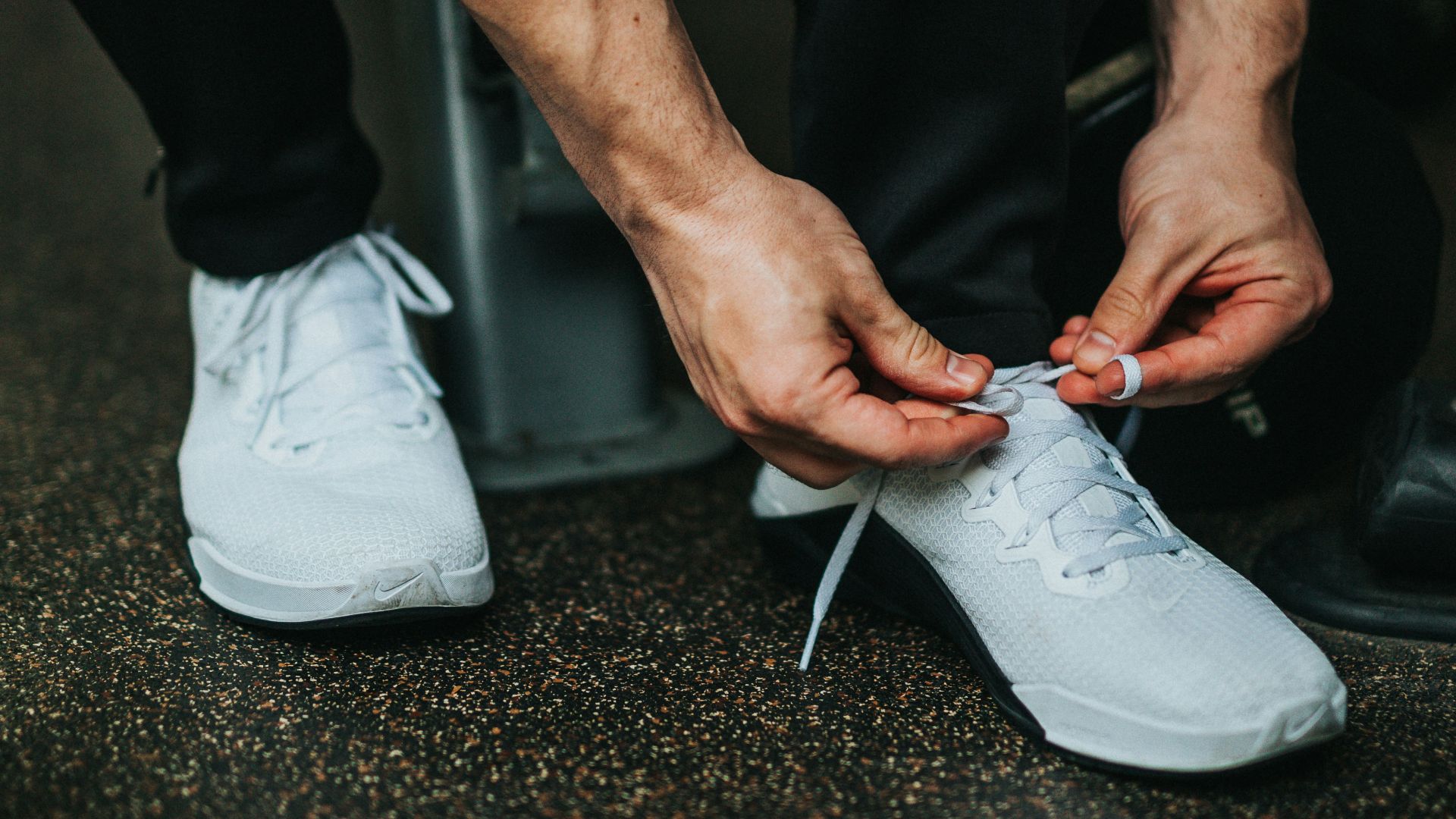
Heel slip causes rubbing that turns into blisters fast, especially in pumps and loafers. A simple adhesive heel grip can take up that extra space and keep your foot from moving back and forth. Place it high enough to cushion the back of your heel, not so low that it bunches under your foot.
3. Add A Tongue Pad For Lift
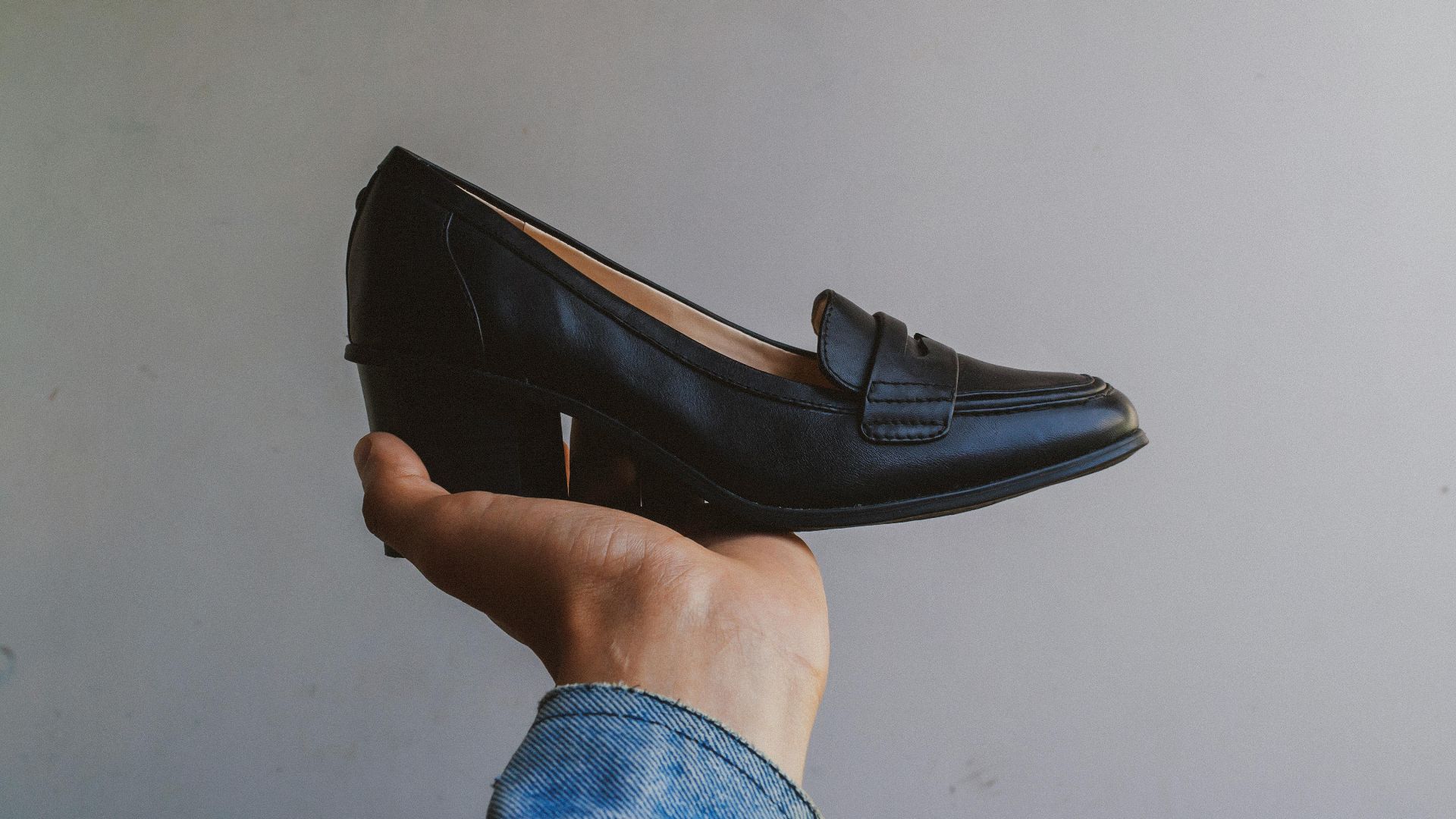
If a shoe feels loose across the top of your foot, you’ll end up clenching your toes to keep it on. A tongue pad creates gentle contact so the shoe stays put without that constant gripping. This is a quick fix that makes flats and lace-ups feel far more secure.
4. Cushion Hot Spots With Moleskin
Moleskin works best when you apply it before irritation starts, not after your skin is already angry. Cut a piece slightly larger than the area where the shoe rubs, then press it down firmly so the edges stay sealed.
5. Try Silicone Toe Caps
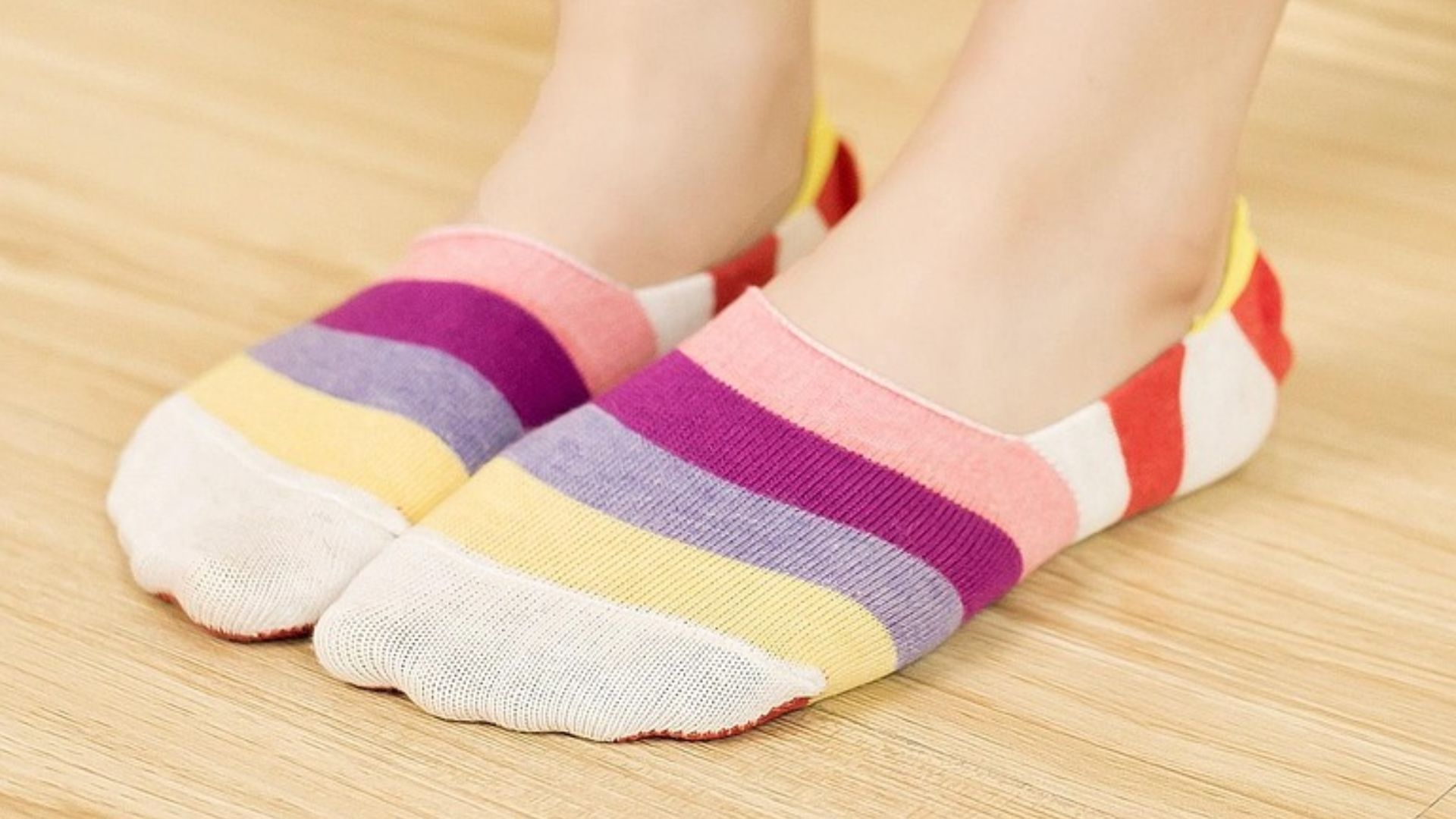
If your toes feel crushed in pointy shoes or tight boots, silicone toe caps can help by reducing pressure and rubbing. They also create a soft barrier when a shoe seam hits the same toe every step. This one is especially helpful for long events where you’re standing more than you expected.
6. Use A Forefoot Cushion In Heels
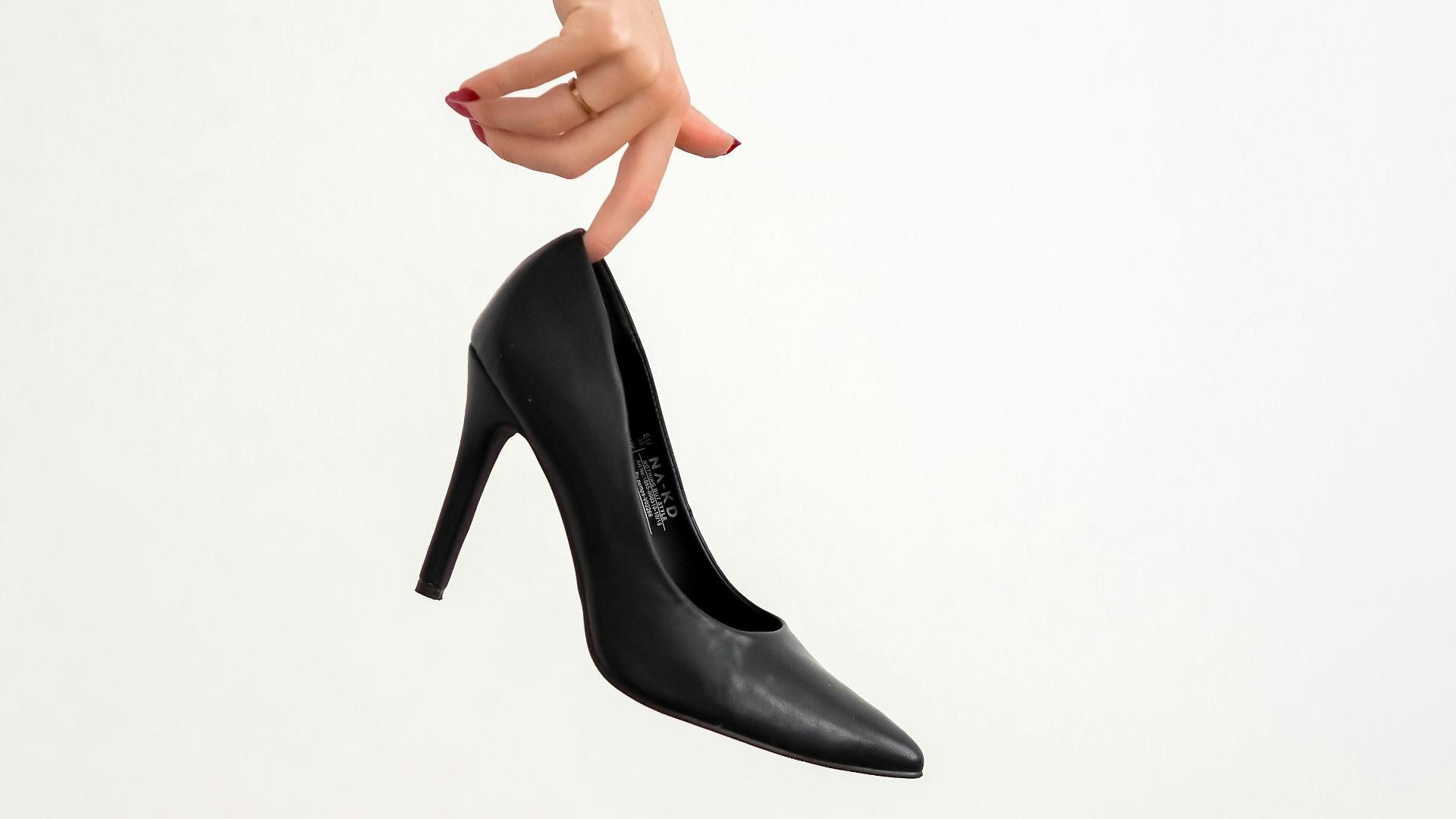
Heels shift body weight toward the ball of the foot, which is why the balls of your feet start complaining first. A thin forefoot pad can reduce that pressure without making the shoe feel cramped.
7. Put In A Real Insole
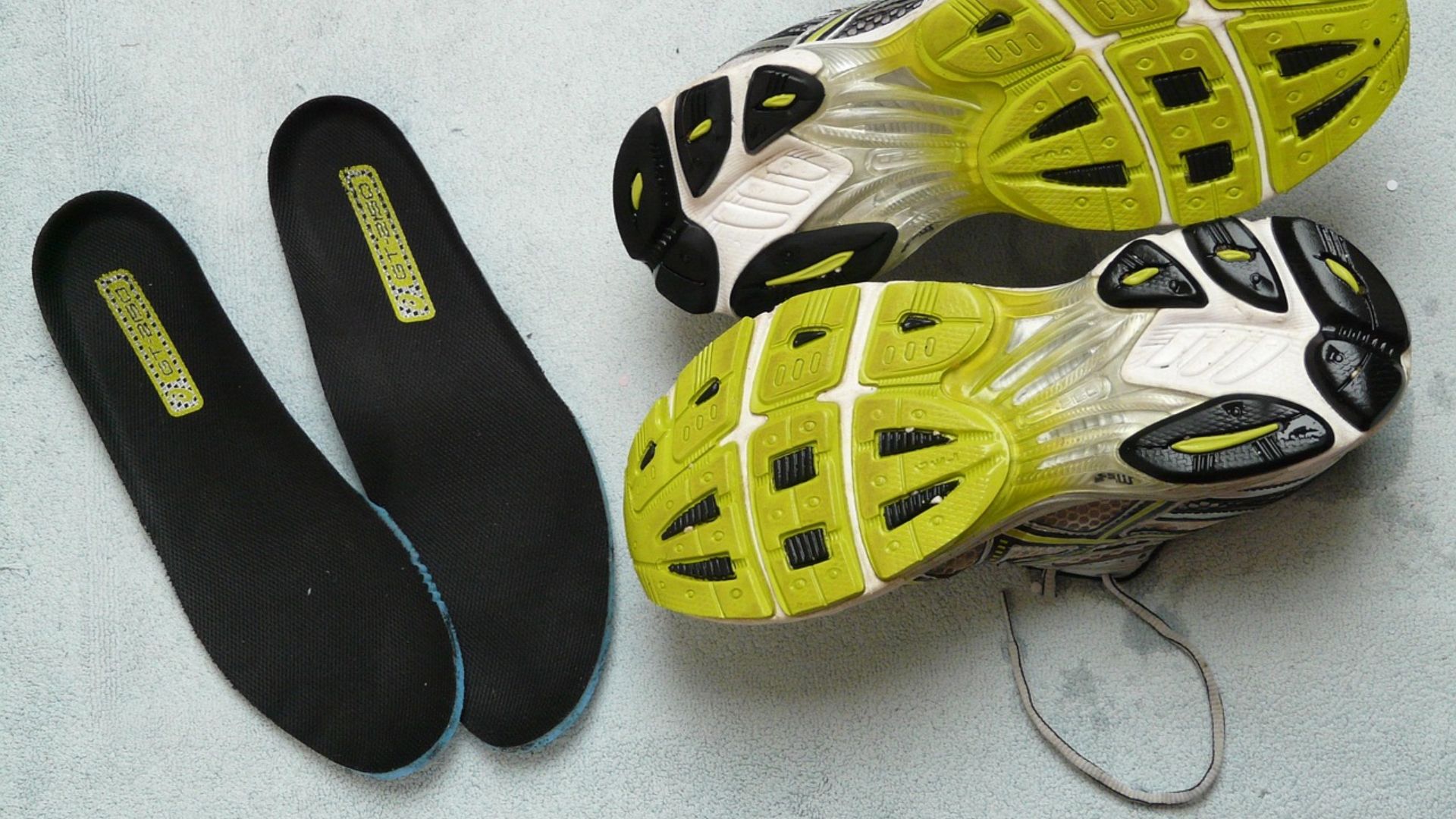
The default insoles that come with many shoes very rarely offer actual support. Swapping in a cushioned insole can soften impact on hard floors, especially if you walk a lot on concrete or tile. Choose a low-profile option for tighter shoes so you don’t create new pressure points.
8. Upgrade Arch Support
If your arches ache after a few hours, the shoe may be too flat. A supportive insert, chosen for your arch type, can reduce fatigue and help your foot feel steadier inside the shoe. Foot and ankle specialists often recommend proper support for comfort, and it can change how an entire pair feels.
9. Break In Shoes At Home
Wear new shoes around the house in short stretches, preferably with the same socks or hosiery you’ll use outside. This lets the material soften and helps you spot problem areas before you spend a day walking around in them.
10. Use A Hair Dryer Carefully
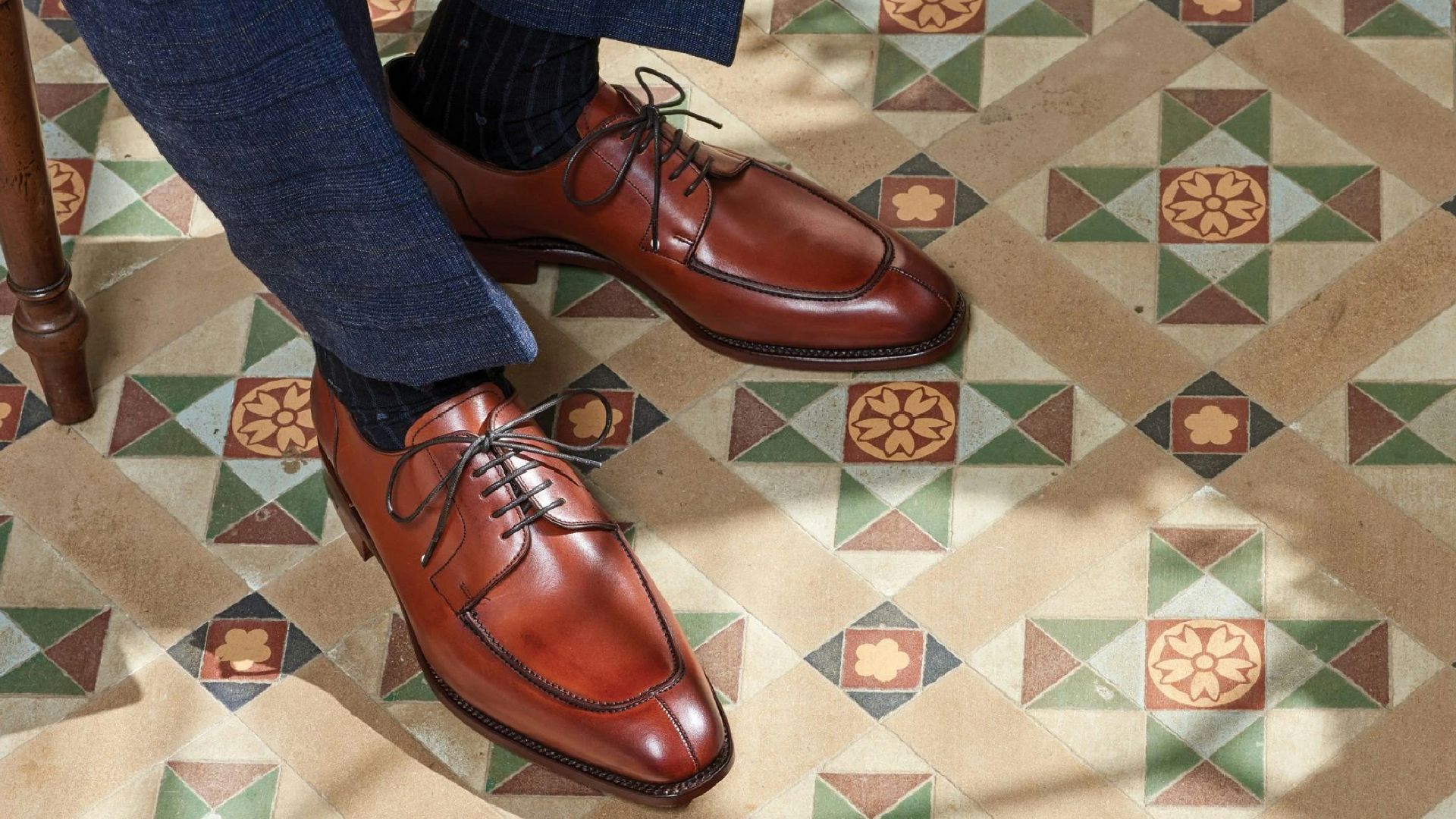
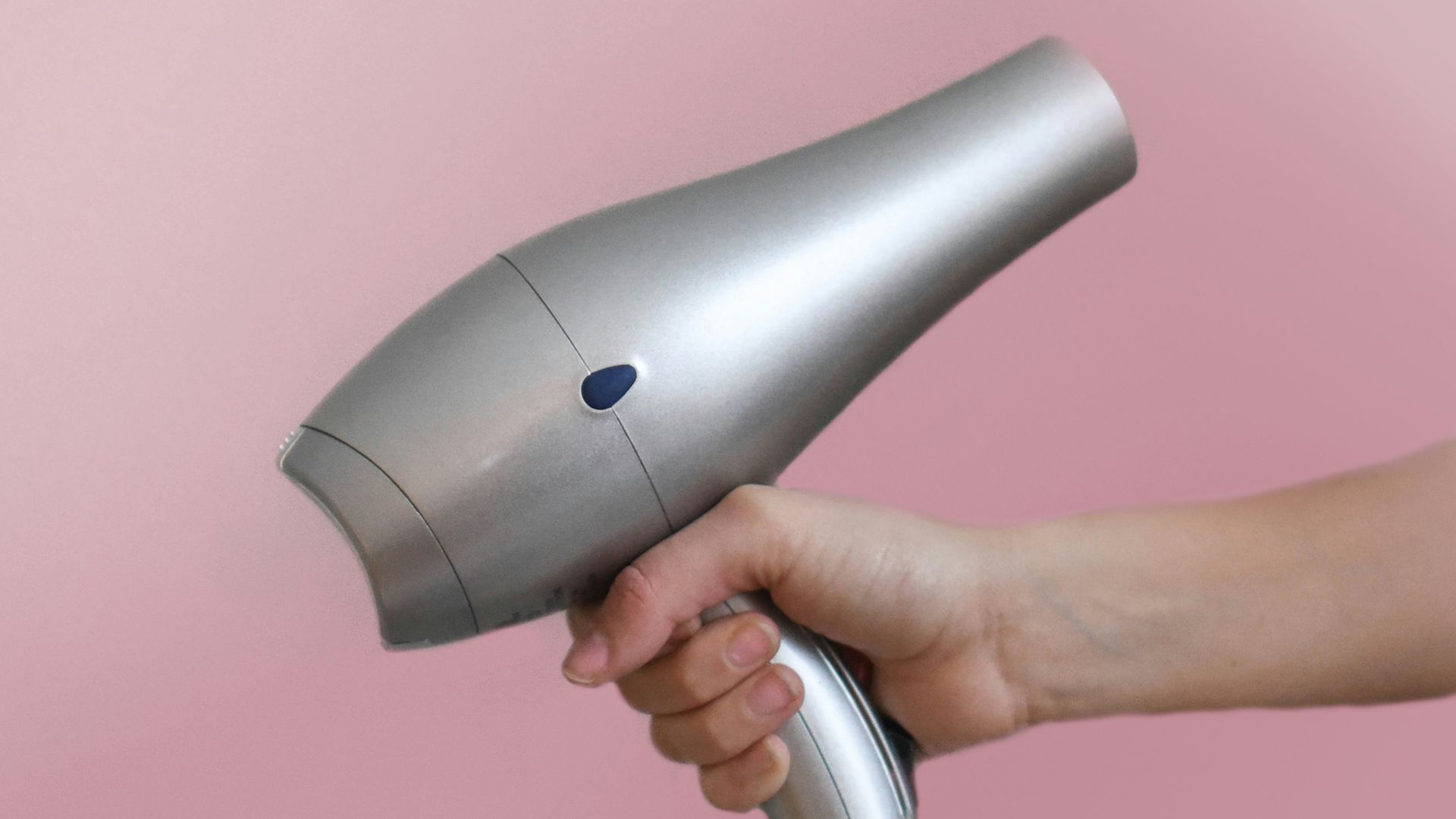
For stiff leather shoes, gentle warmth can help them flex, especially around the toe box or sides. Wear thick socks, warm the tight area briefly, then walk around so the shoe loosens slightly where you need it. Keep the heat moderate and never overdo it, since too much can damage finishes or adhesives.
11. Stretch Shoes The Safe Way
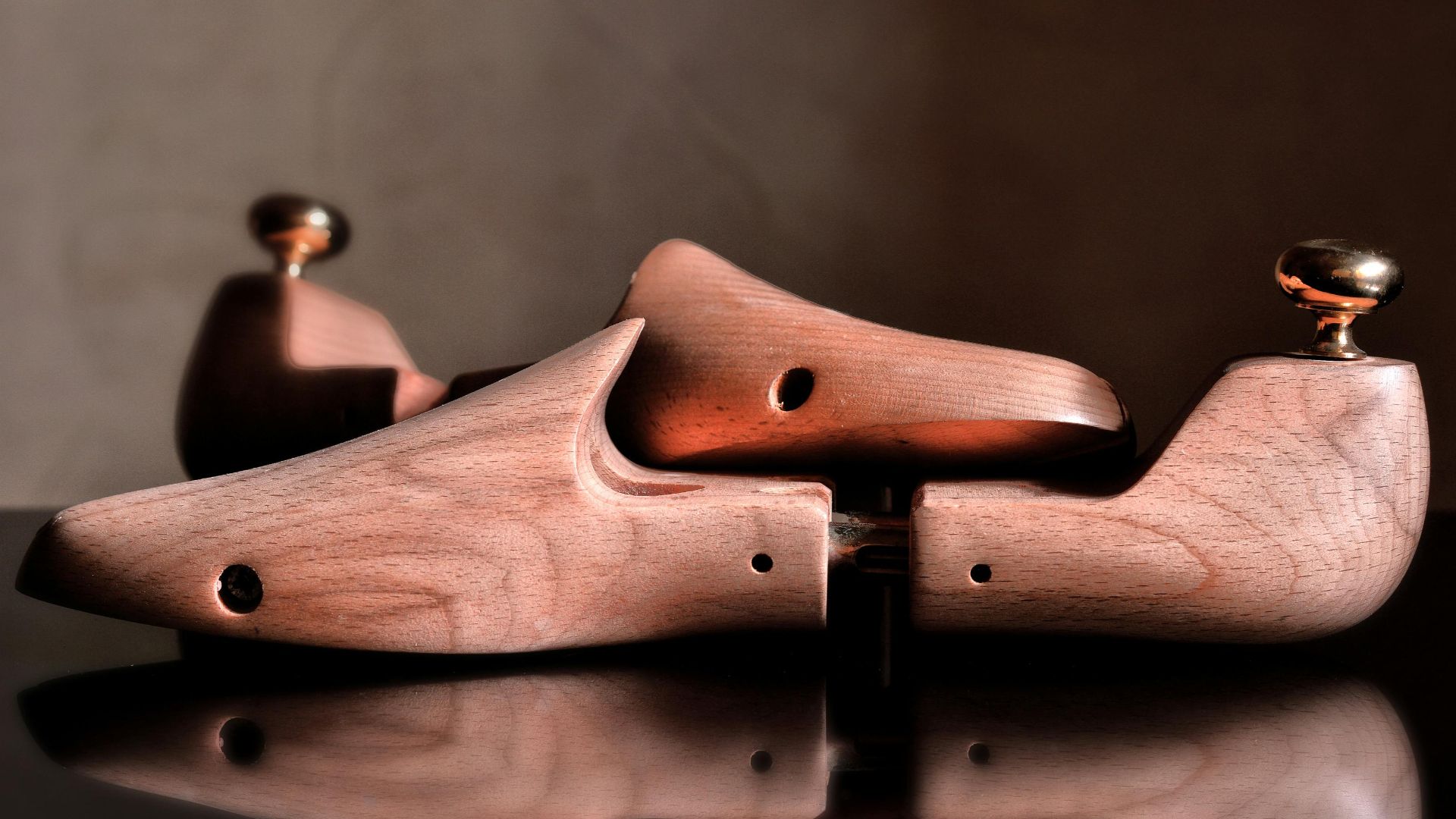
A basic shoe stretcher works well for small-width issues, especially with leather or suede pairs. Apply it gradually over a day or two instead of forcing a dramatic change in one go. If a pair is truly tight in a specific spot, a cobbler can stretch it with better control than most home methods.
12. Learn Heel-Lock Lacing
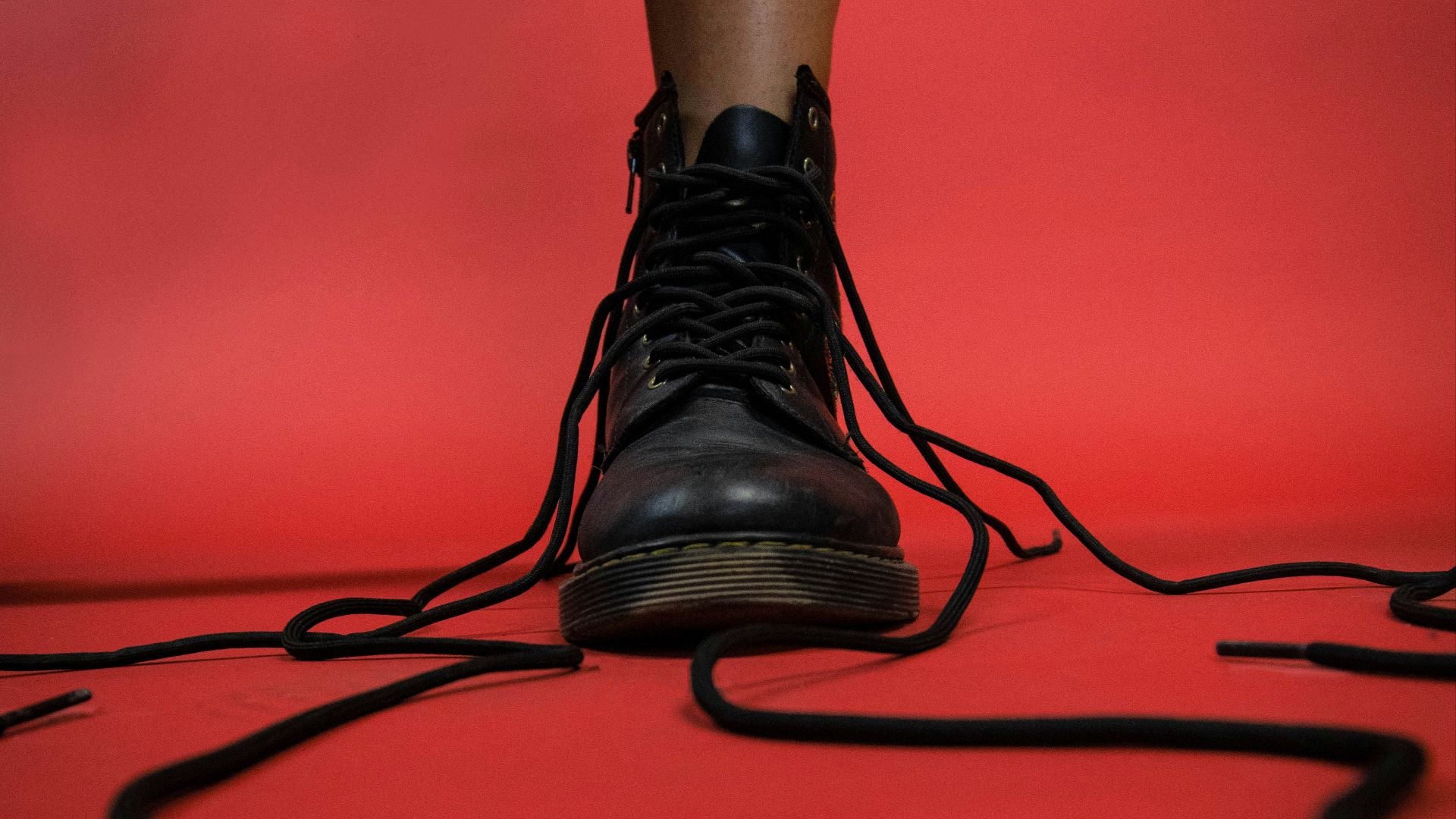
Heel-lock lacing, sometimes taught in sports clinics, reduces heel slip in sneakers and boots without making the whole shoe too tight. It uses the top eyelets to create a snug hold around the ankle so your heel doesn’t lift. This can turn a “fine” walking shoe into one you can actually trust on long days.
13. Change Your Socks Strategy
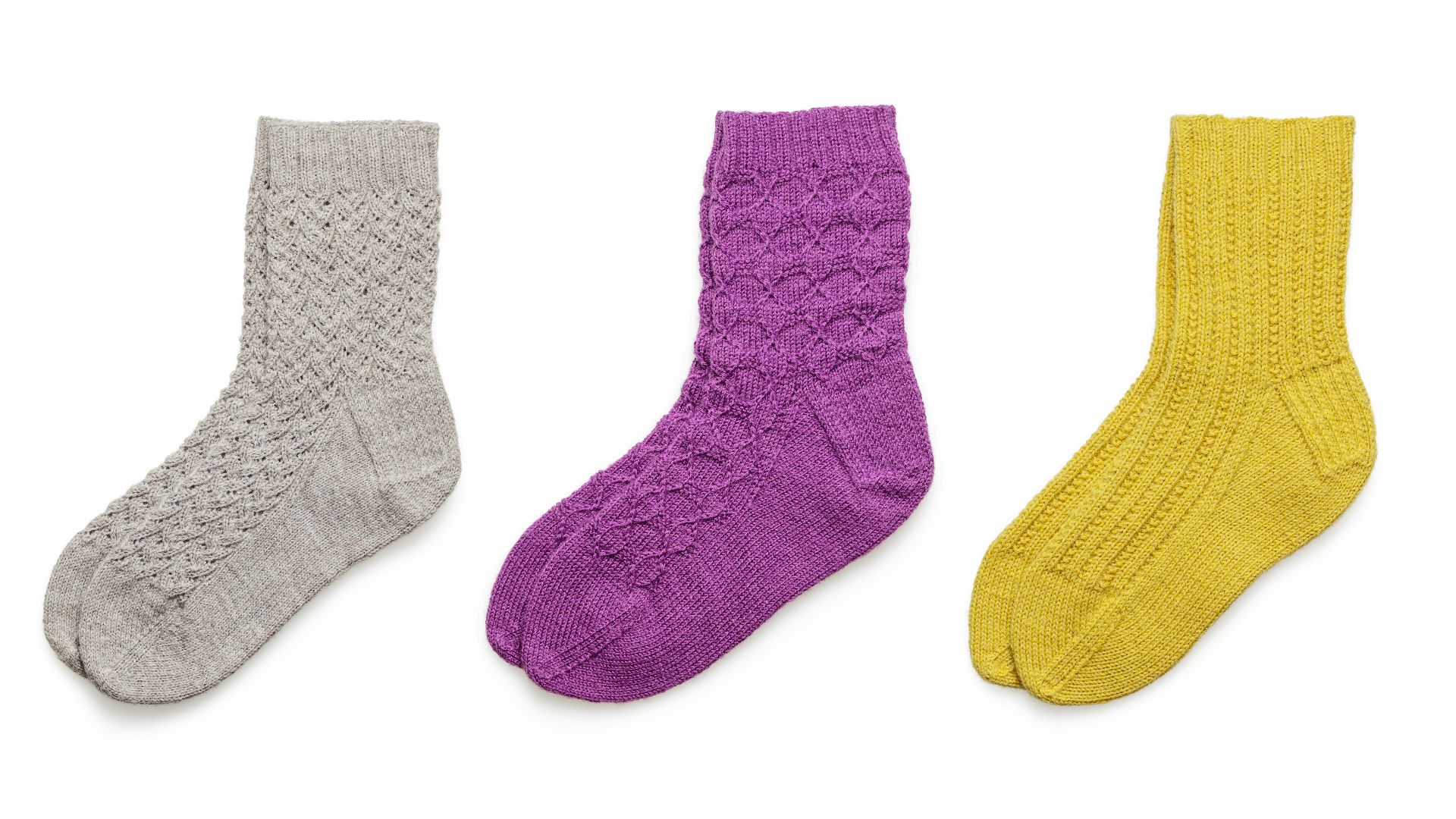
A thin sock can increase friction in some shoes, while a slightly cushioned sock can reduce rubbing and absorb sweat. If your feet get sweaty, moisture-wicking socks are often more comfortable than cotton, especially in boots. Matching the sock to the shoe sounds fussy, but it solves more problems than people expect.
14. Use Anti-Chafe On Skin
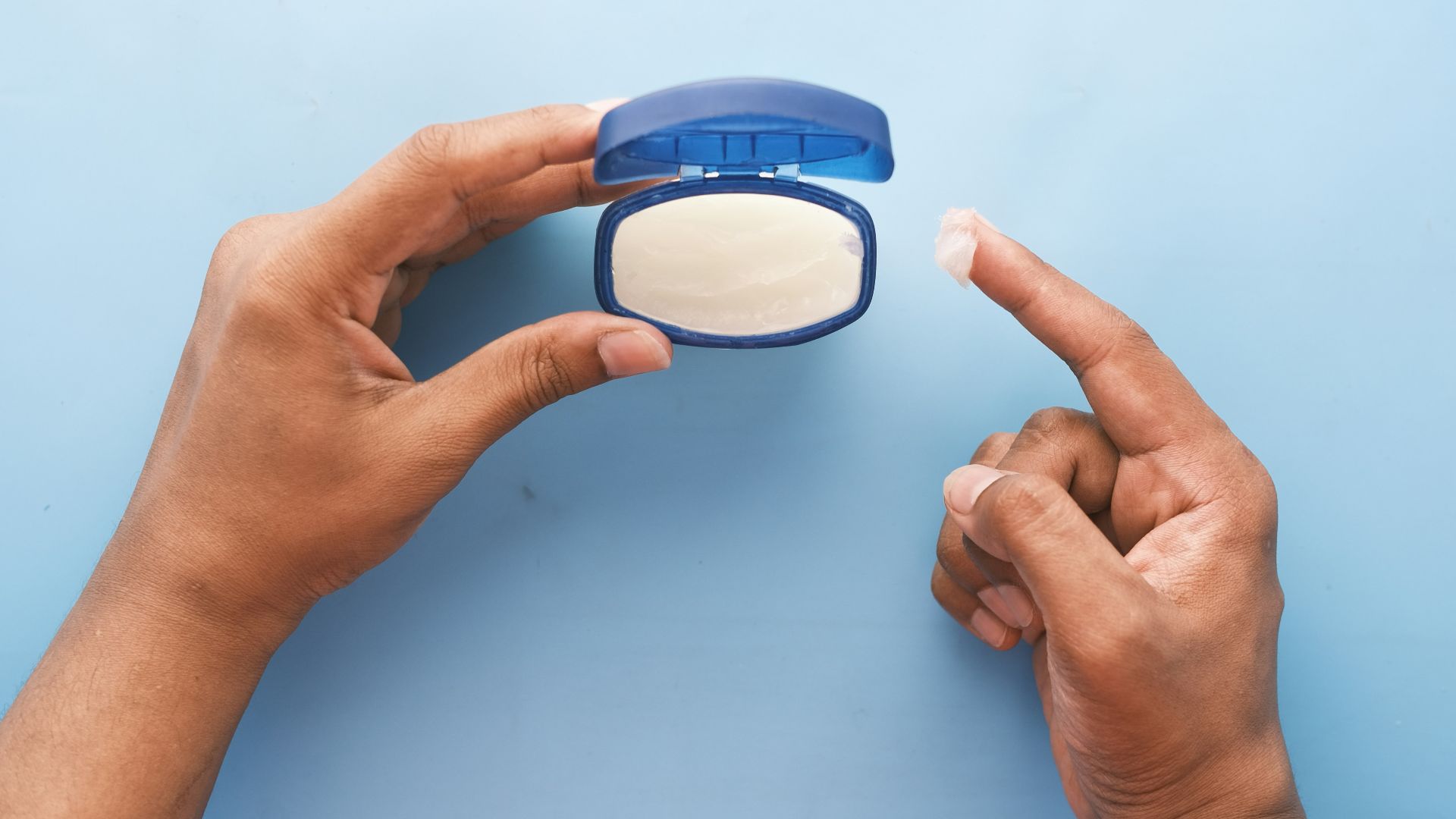
Friction is friction, and skin can use a barrier just as much as the shoe can. An anti-chafe stick or a small amount of petroleum jelly on common rub zones can prevent irritation before it starts. This is especially helpful for sandals with straps.
15. Try Antiperspirant On Feet
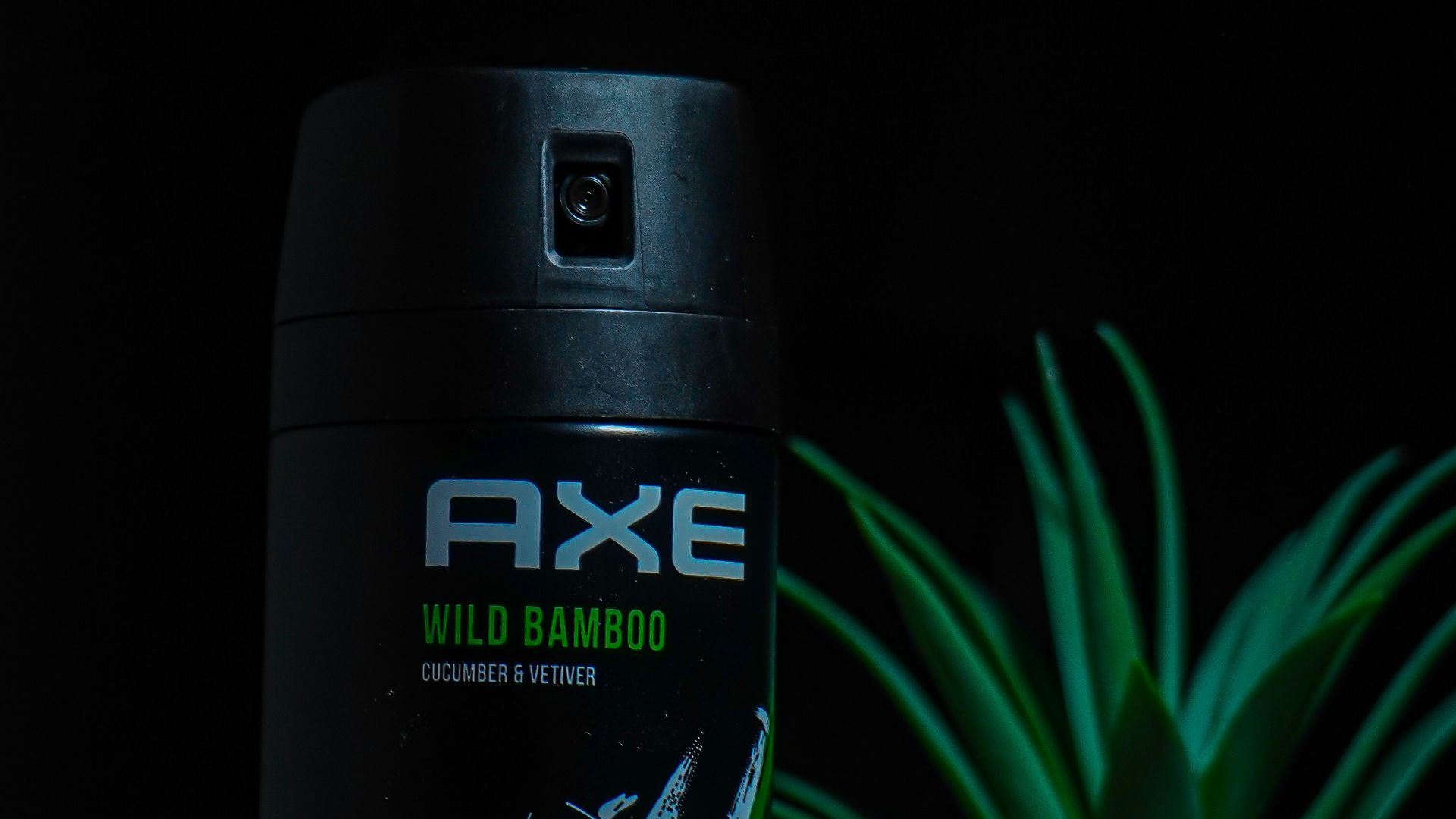
Sweat increases friction, and friction increases blisters, which is why sweaty feet can ruin even comfortable shoes. A light swipe of antiperspirant on the soles and between toes can reduce moisture for many people.
16. Stabilize Straps With Clear Tape
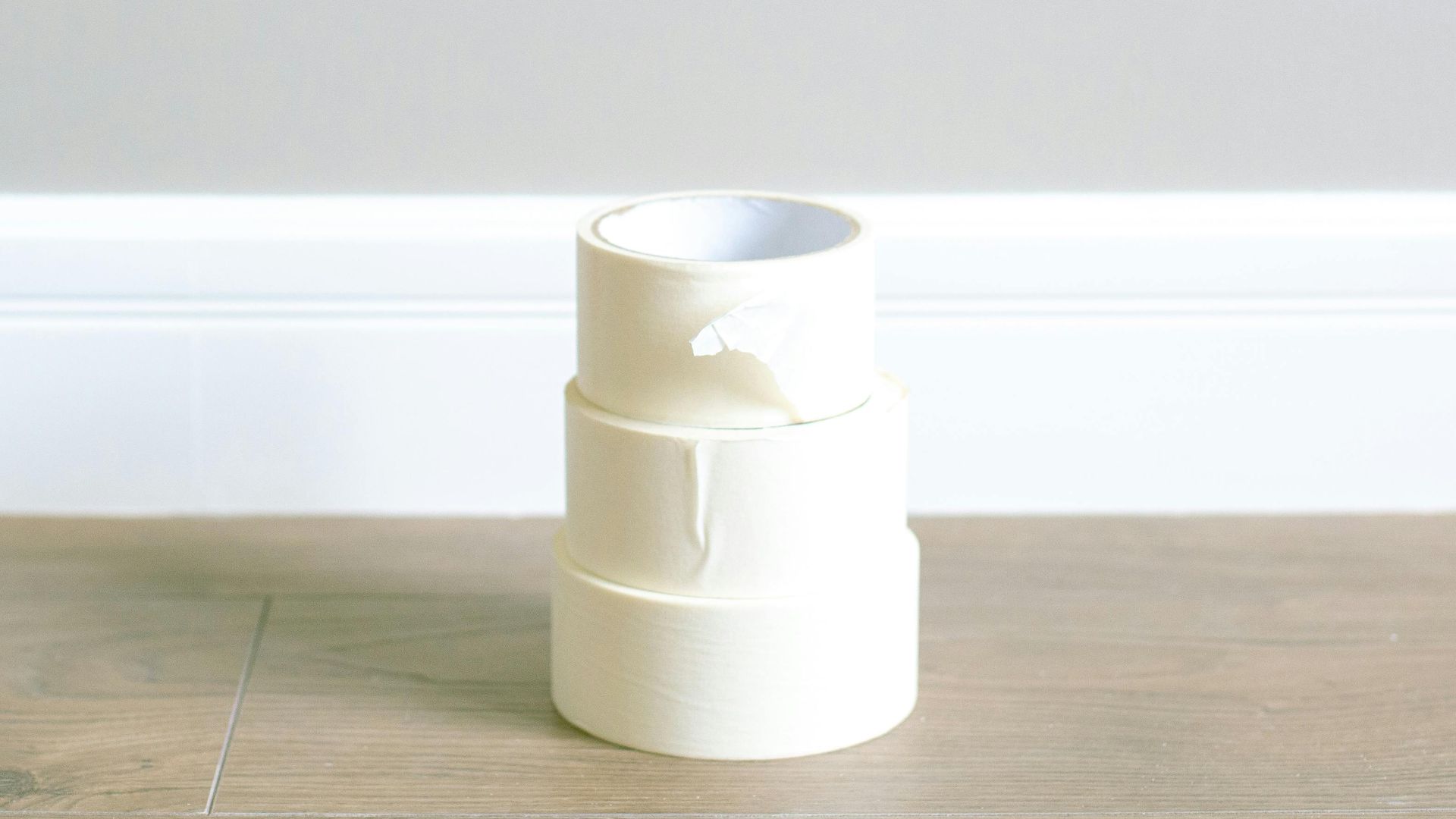
Sandals can rub because straps shift as you walk. A small piece of clear, skin-safe tape on the underside of a strap can reduce movement and protect your skin. This is a strong option for weddings or long outdoor events where changing shoes isn’t really an option.
17. Keep A Blister Kit Ready
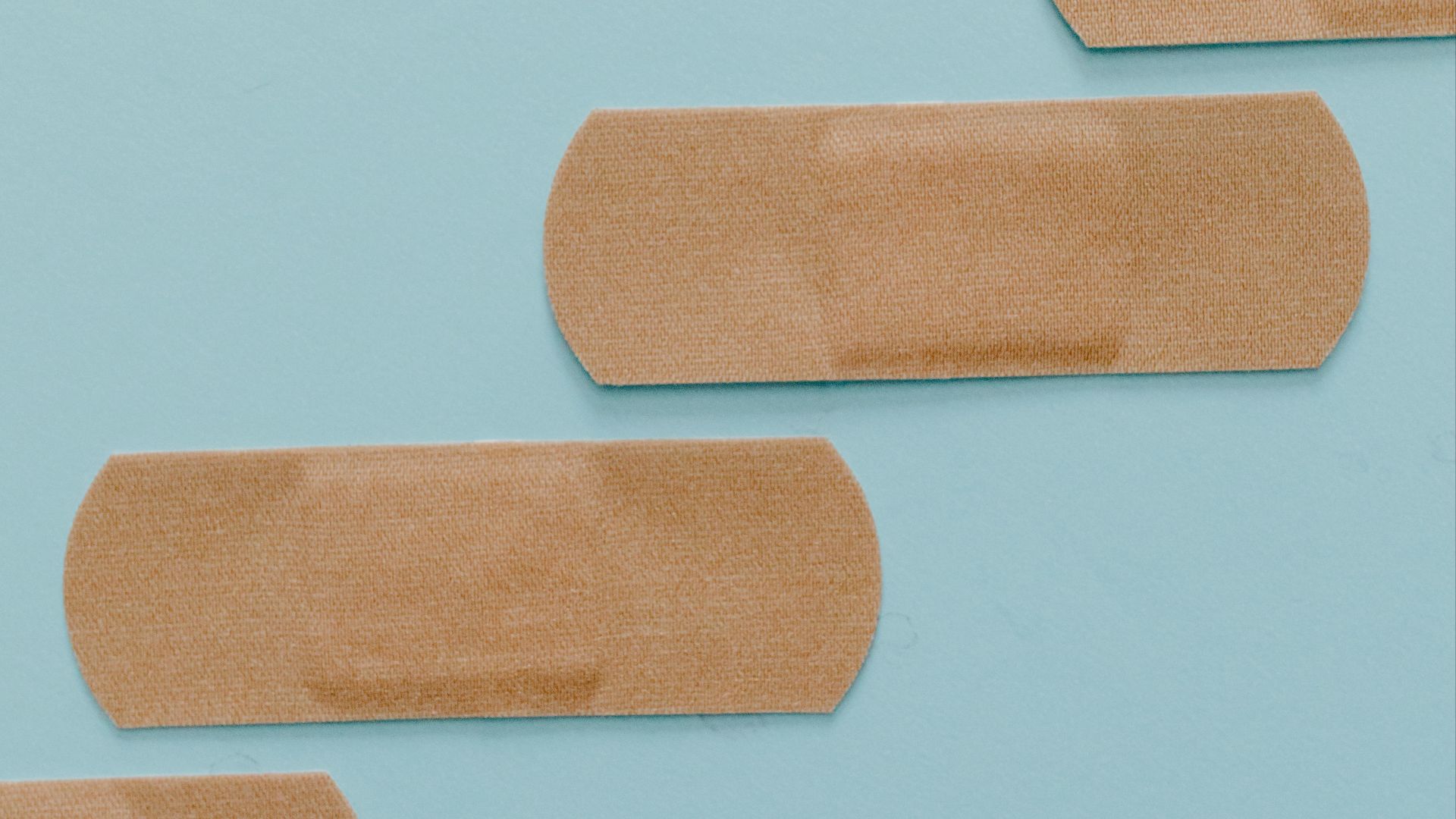
A couple of blister bandages in your bag can save your whole day, especially the hydrocolloid kind that cushions and protects. Add a small alcohol wipe so you can clean the area before applying anything. You don’t need a full pharmacy with you, just the basics that solve the most common problems.
18. Rotate Shoes More Often
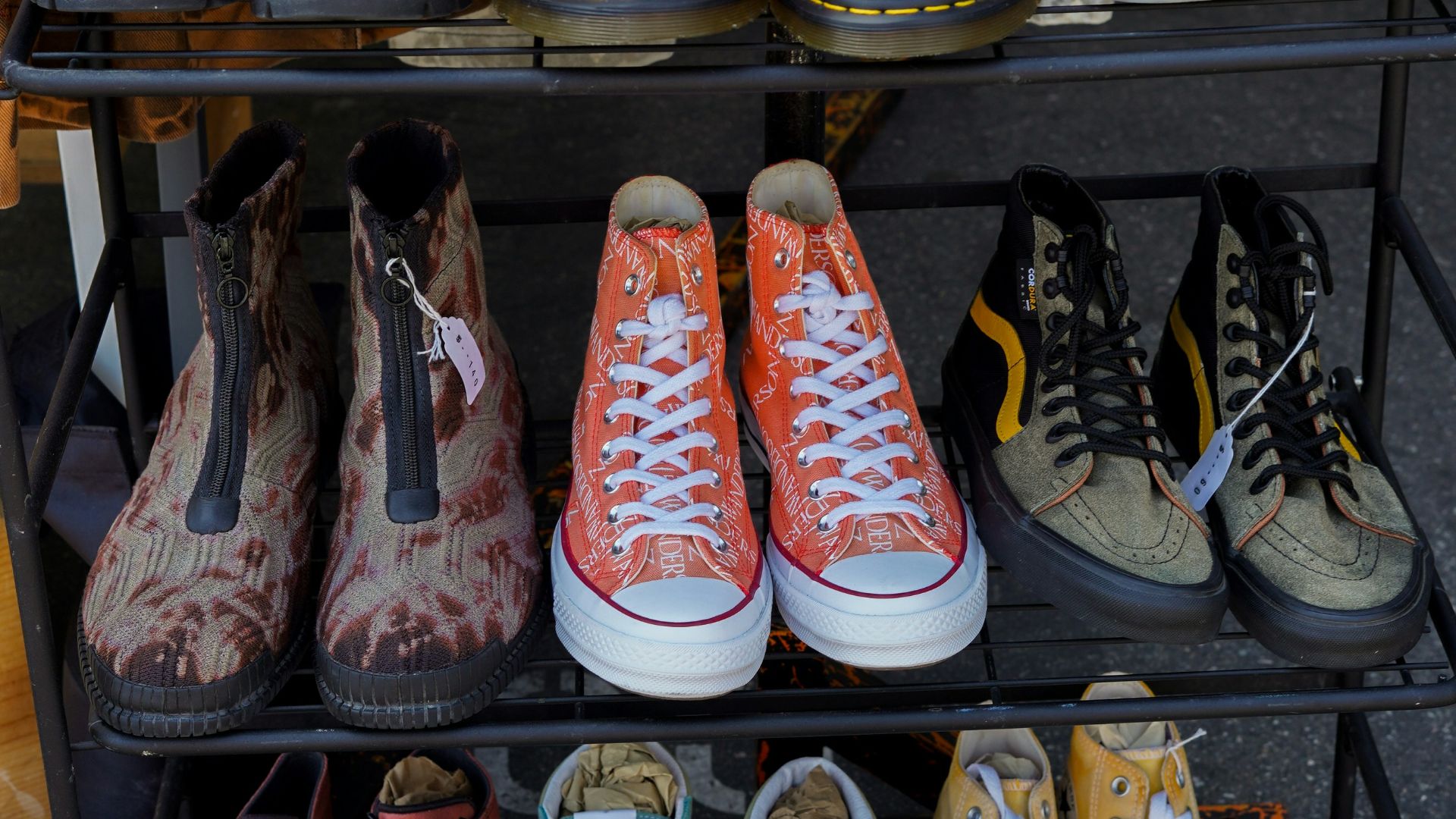
Wearing the same pair daily can lead to faster breakdown in the midsole and inner lining, which changes how the shoe feels underfoot. Rotating between two pairs gives materials time to dry out and rebound.
19. Fix Slippery Insoles
If your foot slides forward in heels, the insole may be too slick. A lightly textured insole insert or a thin non-slip pad can keep your foot from creeping toward the toe box. This reduces toe pressure and makes walking feel less like you’re bracing yourself.
20. Add Grip To The Sole
Smooth soles can make you walk cautiously, which changes your stride and tires you out. A cobbler can add a thin rubber sole guard that improves traction and can extend the life of the shoe.