
Clothes, Fear, And Overreaction
Every generation has at least one moment where adults look at what teenagers are wearing and decide society is ending. It’s rarely about fabric, of course. It’s about control, visibility, class, sex, gender, politics, and the uncomfortable feeling that the world keeps evolving without asking permission. A hemline drops or rises and suddenly there are headlines, school bans, op-eds, and parents speaking in the solemn tone usually reserved for natural disasters. The funniest part is how predictable it all is: the thing that’s “shocking” today is almost always nostalgic tomorrow. Here are 20 fashion panics that made adults lose their minds.
1. Bloomers
When women started wearing bloomers in the mid-1800s, critics treated them like a moral emergency, not a practical garment. The idea that women might choose comfort and mobility over restrictive skirts sent people into theatrical outrage, as if pants could rewrite the laws of nature overnight.
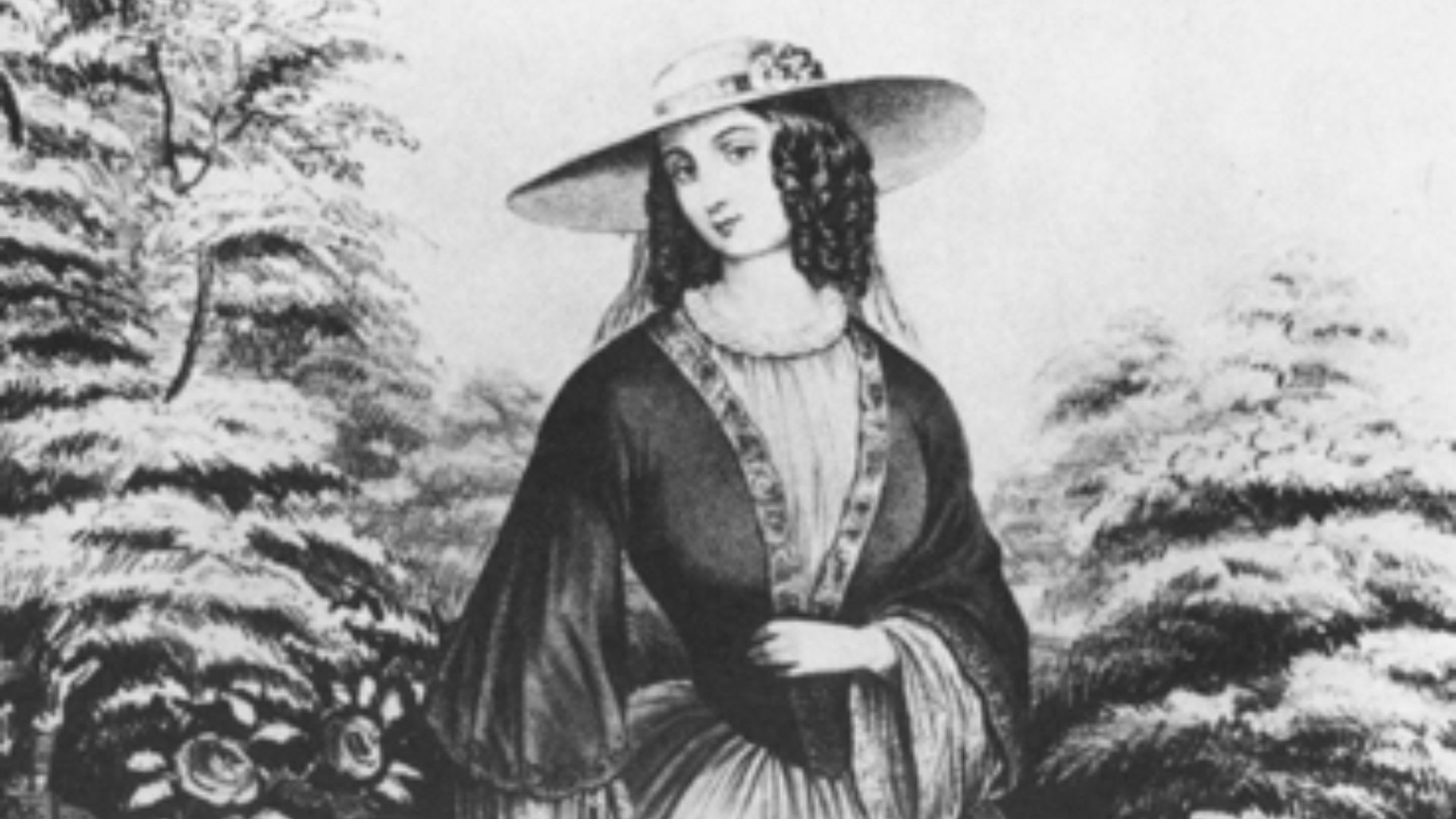 commons.wikimedia.org on Google
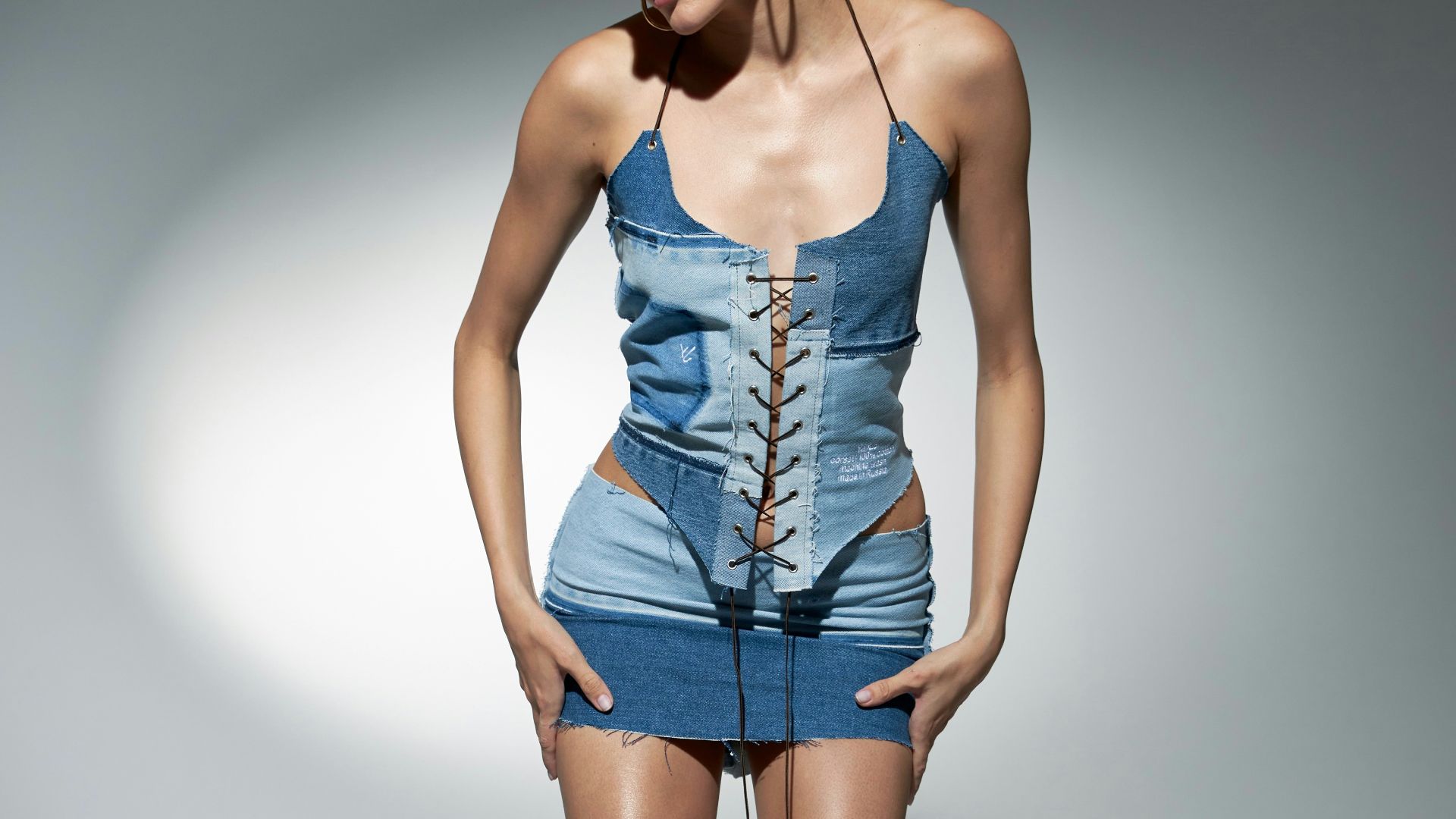
2. The Corset Backlash
Corsets were both normal and controversial for centuries, with repeated waves of panic about health, morality, and women’s bodies. Adults scolded women for wearing them, then scolded women for not wearing them, proving the real issue was never the garment—it was control.
3. Women’s Trousers
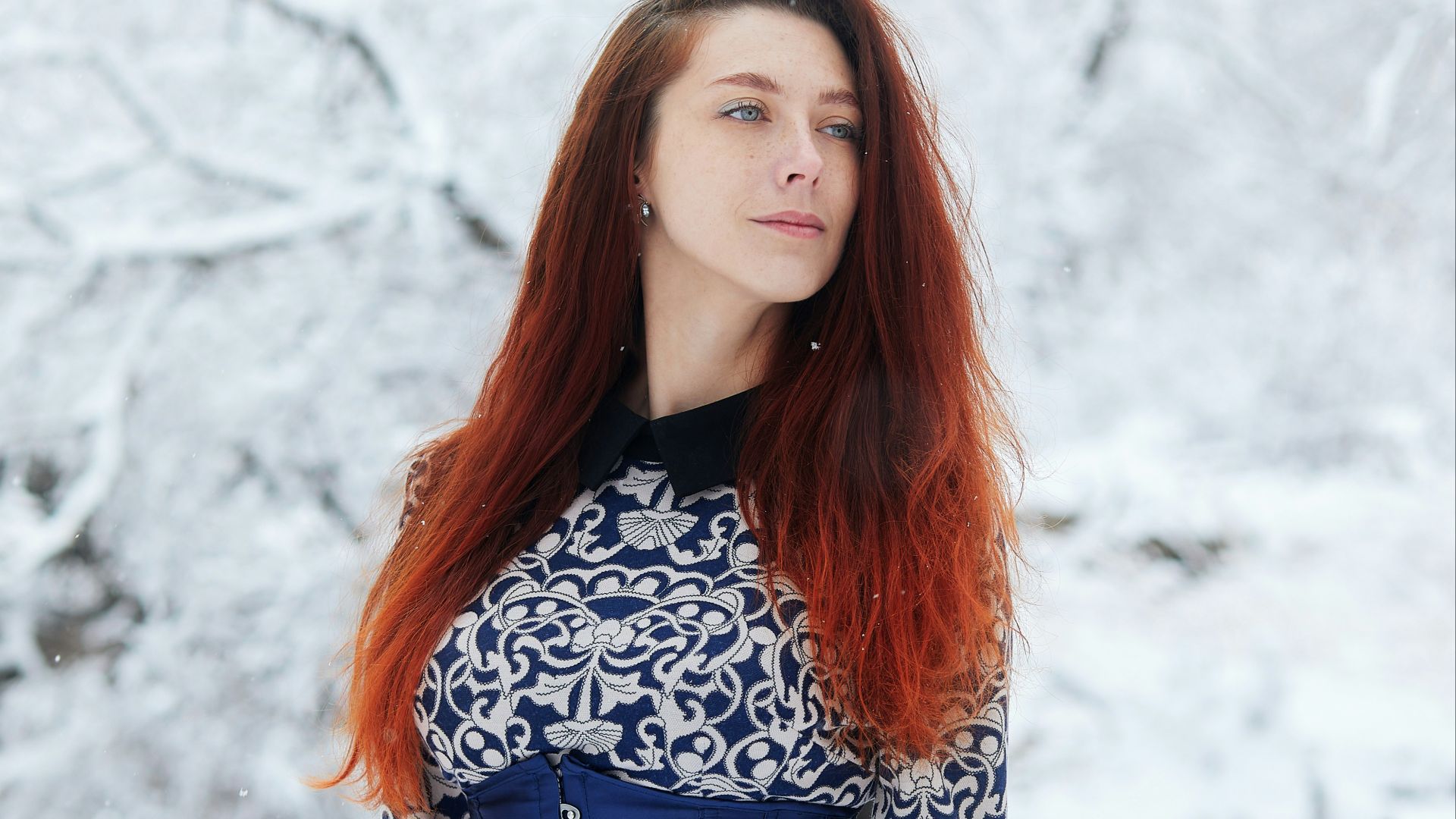
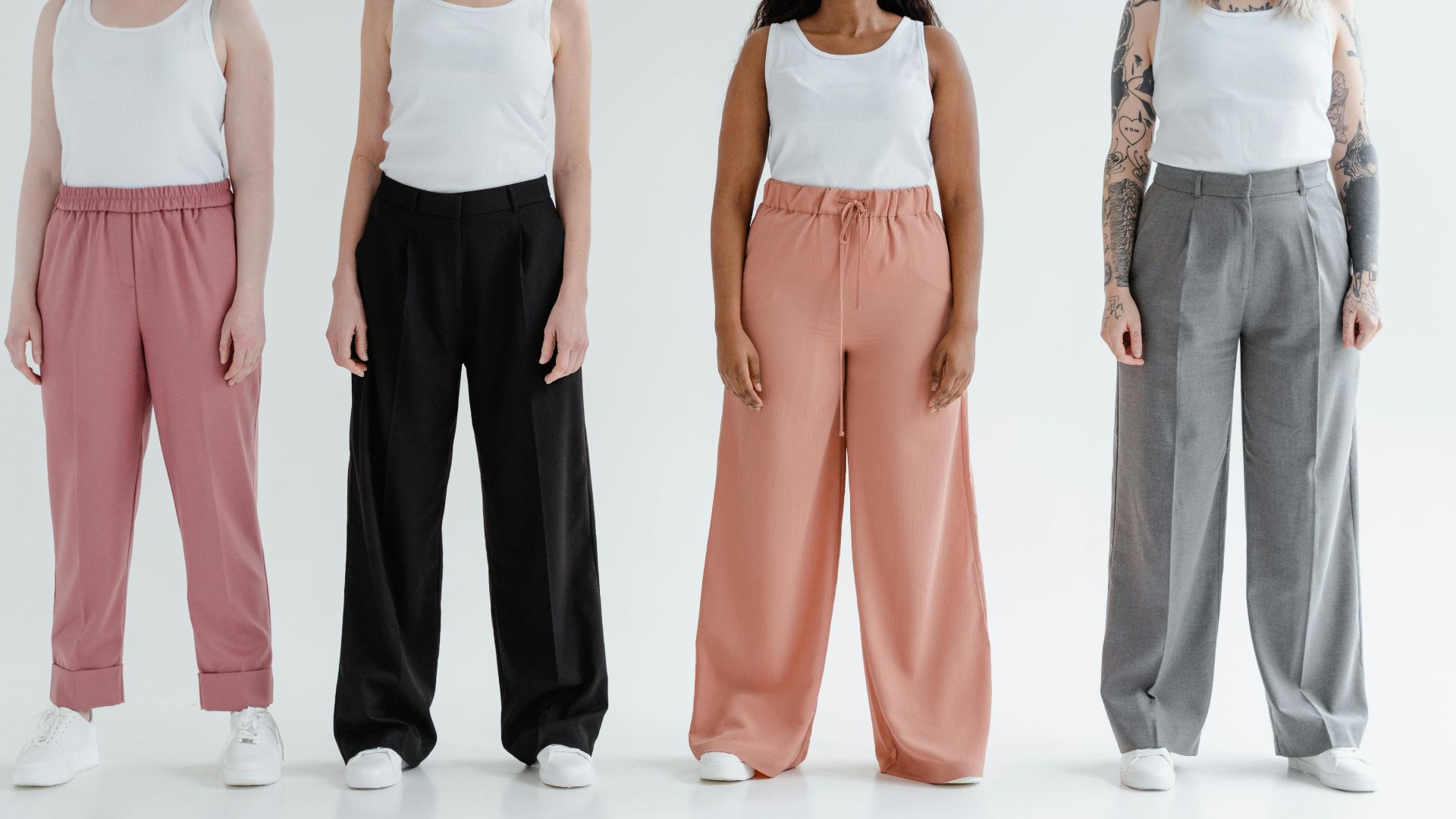
The sight of women in pants has triggered bans, arrests, and public ridicule in various eras, especially when trousers were seen as a symbol of masculine power. It wasn’t just a style choice; it was a challenge to who was allowed to move freely in public.
4. The Bikini
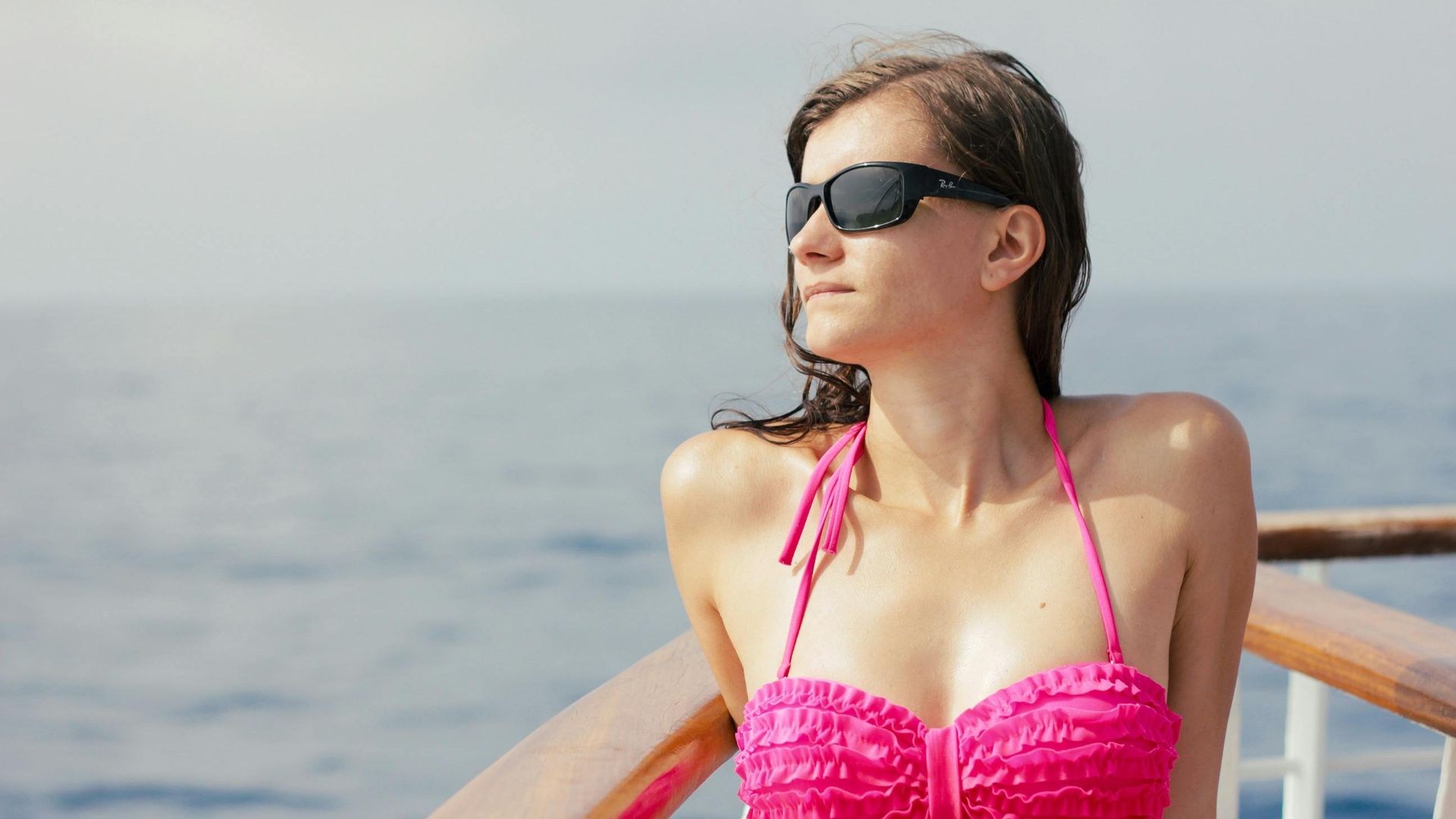
When bikinis first appeared, many adults reacted like someone had introduced a new category of scandal. Beaches banned them, commentators clutched pearls, and the tiny amount of fabric became a giant argument about decency and modern life.
5. Miniskirts
The miniskirt became a lightning rod in the 1960s, with adults insisting hemlines were directly tied to morality. The panic wasn’t subtle—schools and workplaces tried to police inches, as if measuring tape could preserve order.
6. Men With Long Hair
Long hair on men has sparked repeated freakouts, especially in the 1960s and 1970s, when it was linked to antiwar politics and cultural rebellion. Adults treated hair length like a character flaw, as if a few extra inches meant a complete collapse of discipline.

7. Bell-Bottoms
Bell-bottoms were mocked as ridiculous, unserious, and suspiciously countercultural, especially when associated with hippies and youth movements. Adults saw the silhouette and assumed it came with drugs, disrespect, and bad music.
8. Punk Fashion
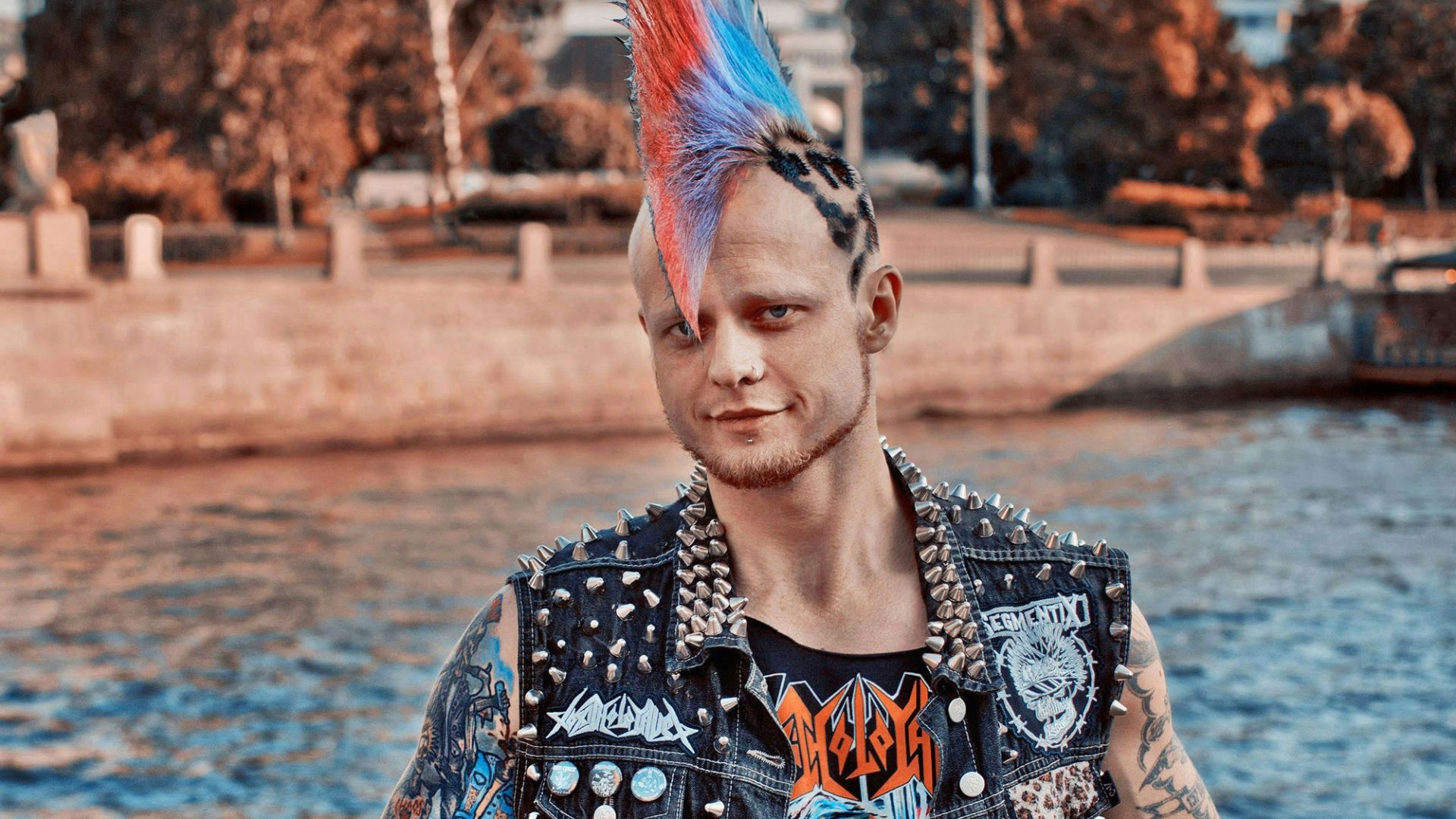
Safety pins, ripped shirts, spikes, and leather were treated as signs of social decay, not style. Punk’s whole point was provocation, and adults responded on cue, reading clothing as a threat instead of a statement.
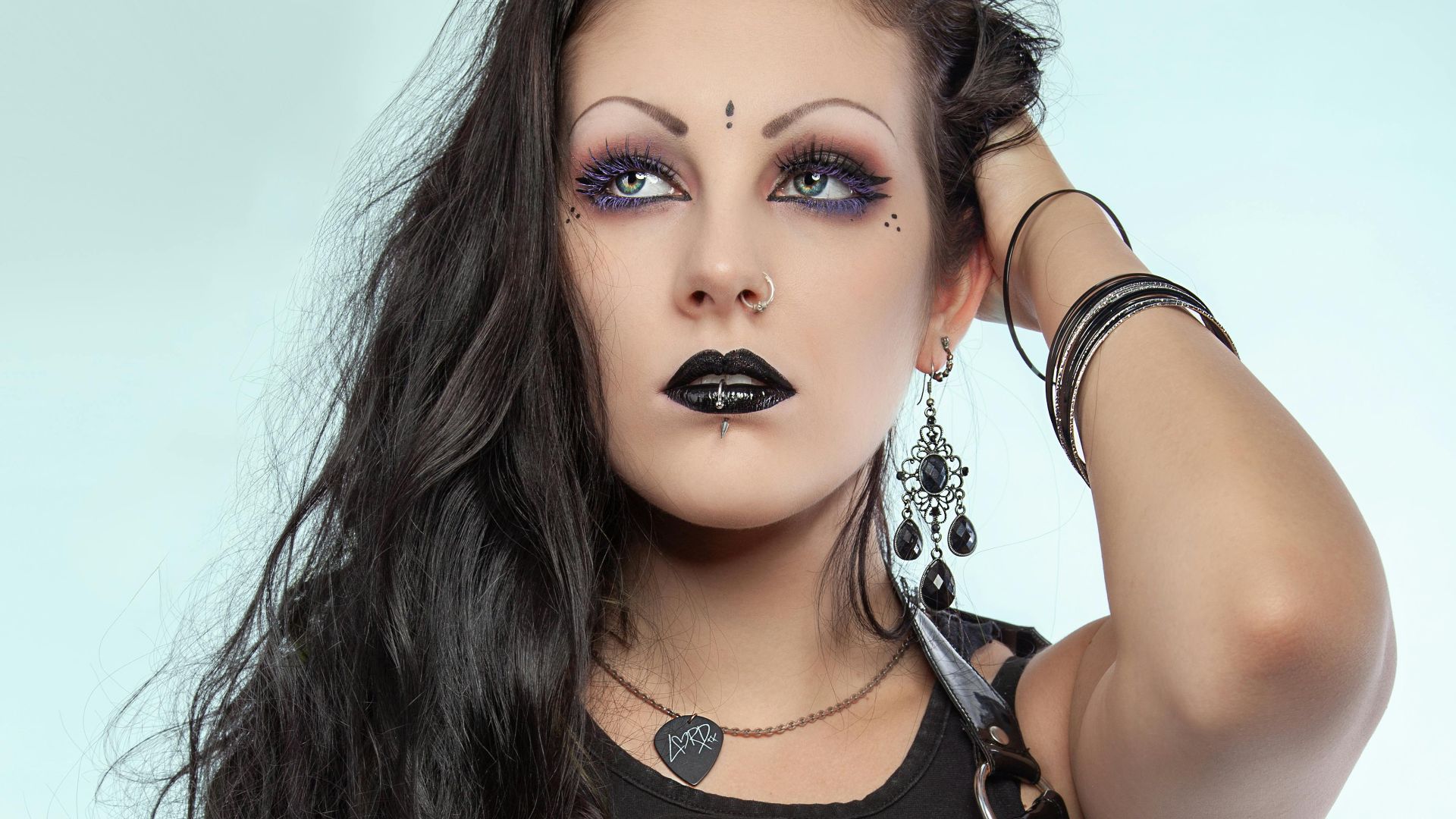
9. Goth Style
Black eyeliner, pale makeup, and dramatic clothing triggered panics about Satanism, depression, and moral danger, especially in the 1990s and early 2000s. Adults saw a teenager in black and assumed they were one poem away from joining a cult.
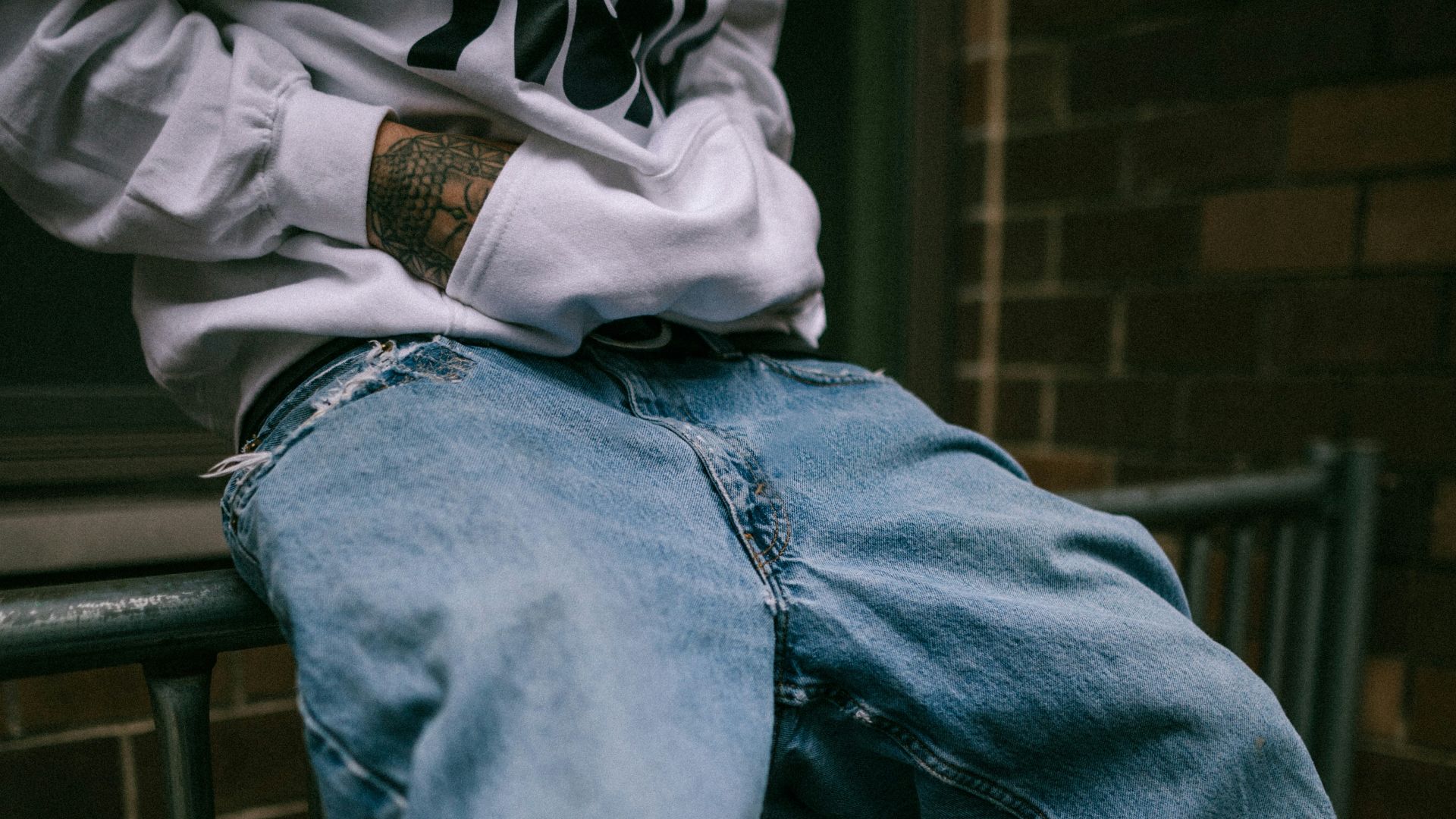
10. Sagging Pants
Sagging became a flashpoint for school rules, decency laws, and endless lectures about respectability. The panic often carried a heavy dose of racial policing, with adults treating the style as proof of criminality instead of a fashion trend.
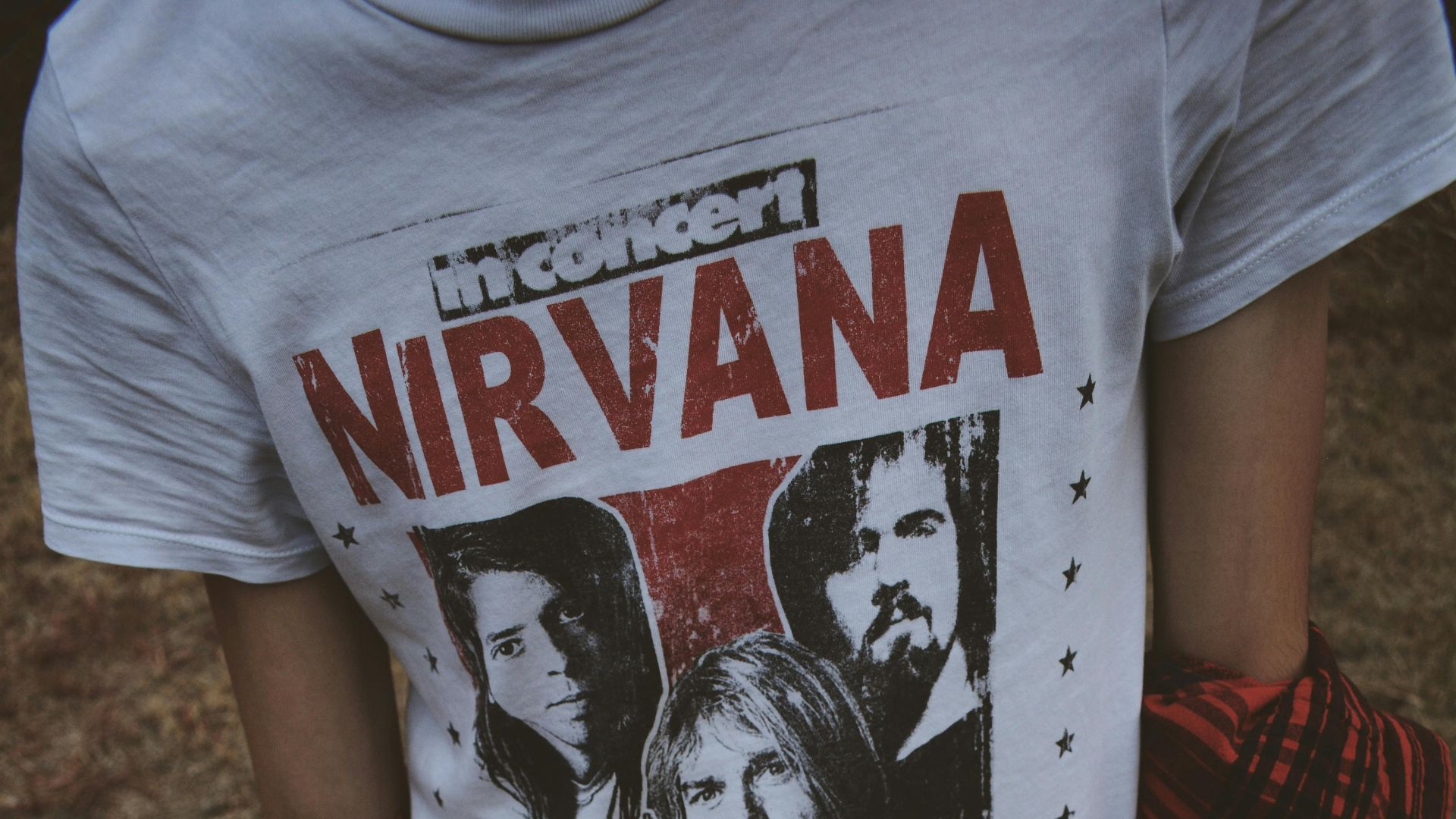
11. Graphic Band Tees
Band shirts with scary fonts and aggressive imagery have been treated like a gateway to corruption for decades. Adults worried that wearing a metal logo meant endorsing violence, as if a T-shirt could override a kid’s entire personality.
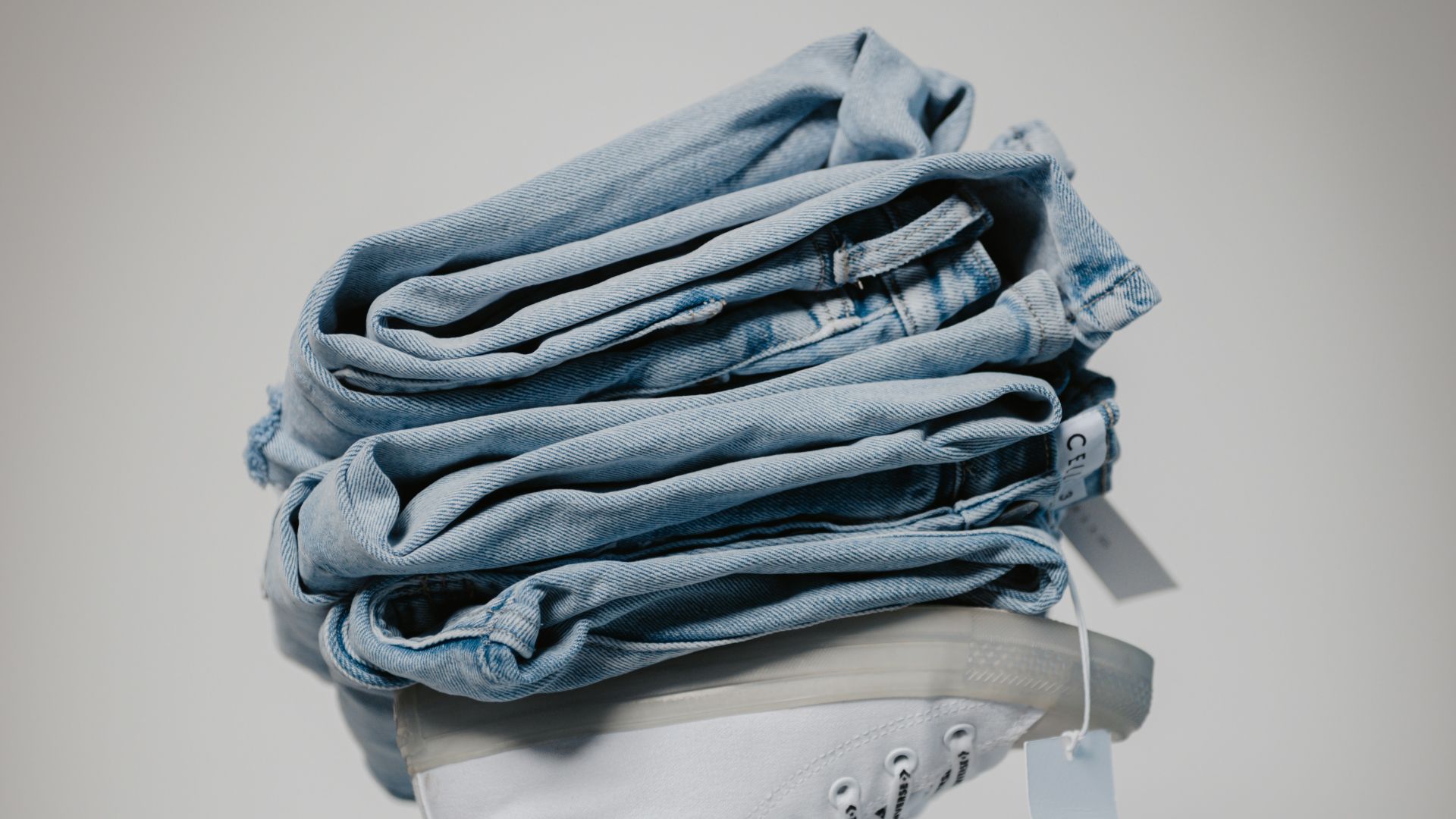
12. Baggy Jeans
Baggy jeans got blamed for everything from laziness to moral decline, mostly because adults love a silhouette they can call sloppy. The idea that comfort could be cool seemed to offend people who grew up believing style requires suffering.
13. “Indecent” Prom Dresses
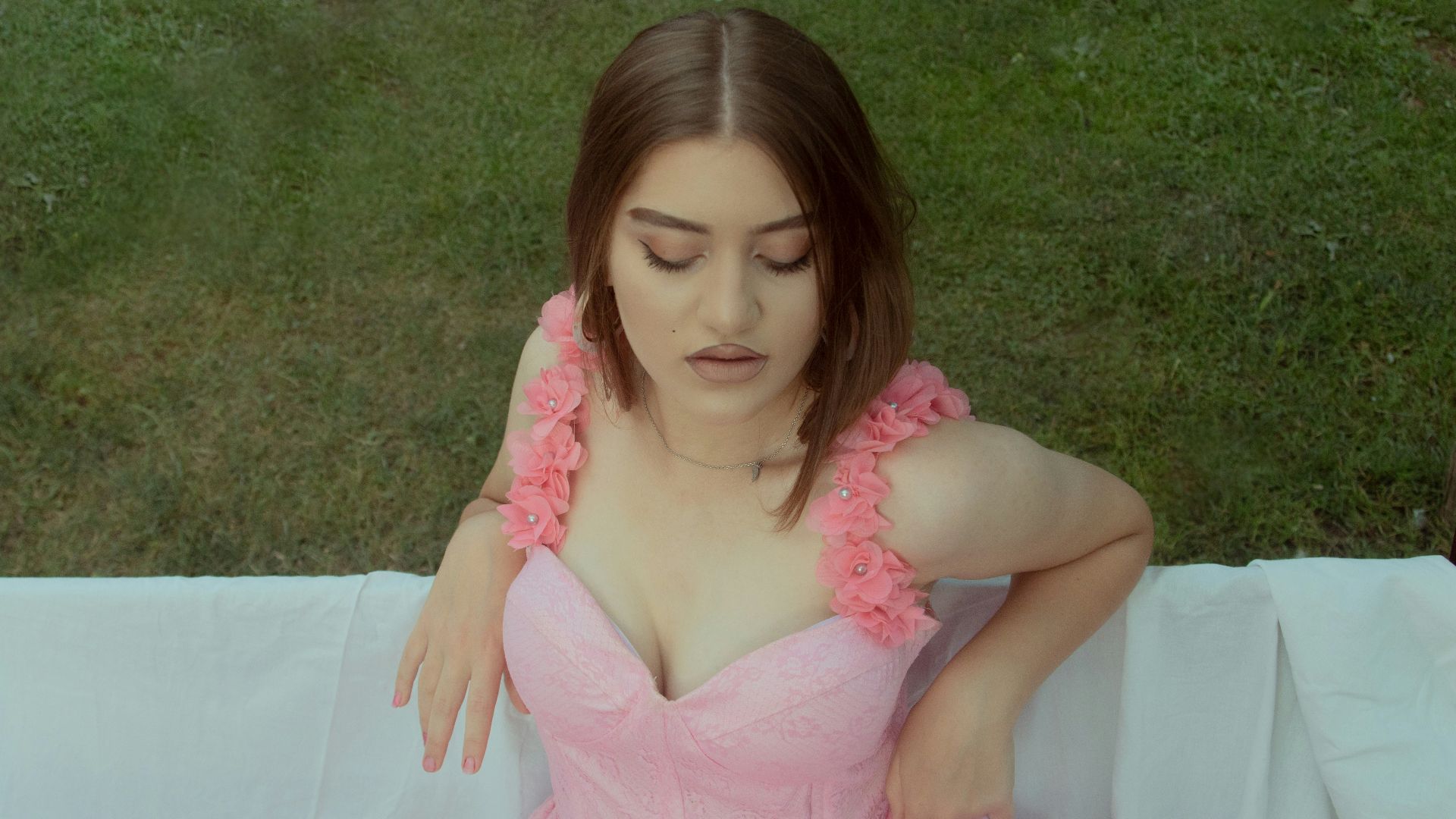
Every prom season brings a fresh wave of outrage about necklines, cutouts, and skirt length, as if teenagers invented shoulders last week. Schools roll out rules and adults give speeches, and the dresses become a proxy fight about sex and control.
14. Crop Tops
Crop tops repeatedly trigger adult panic, especially when worn by teenagers, because they expose a small amount of skin and a large amount of adult anxiety. The reaction often says more about the adults looking than the kids wearing.

15. Leggings As Pants
When leggings became everyday wear, adults argued like a constitutional amendment had been violated. Schools and workplaces tried to ban them, as if stretchy fabric were a direct threat to civilization.

16. Tattoos In The Workplace
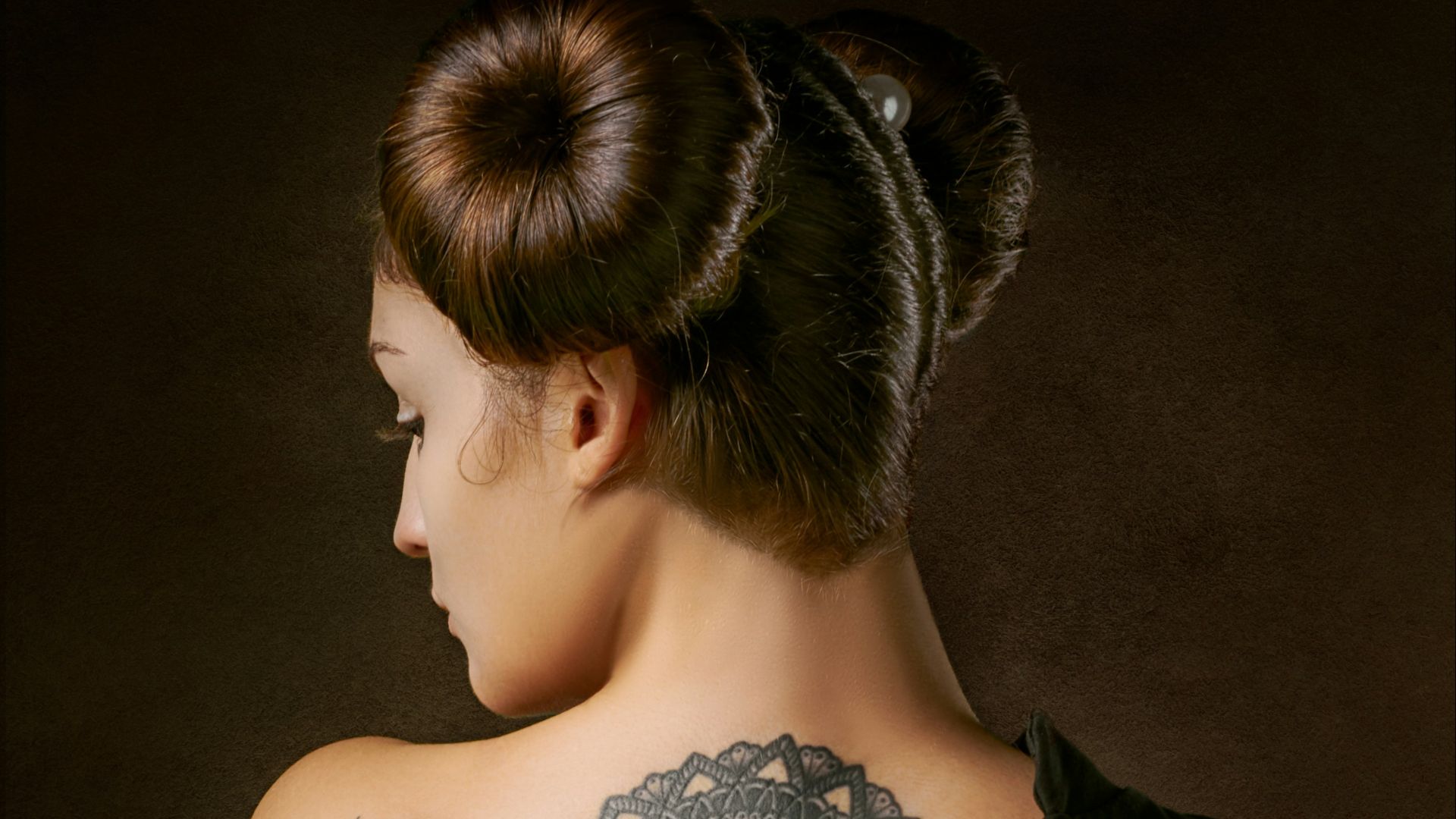
Tattoos have long been treated as a sign of irresponsibility or danger, and the panic got louder when tattoos became mainstream. Adults worried that visible ink meant someone couldn’t be trusted, even when the person was doing the same job perfectly well.
17. Piercings Beyond One Ear
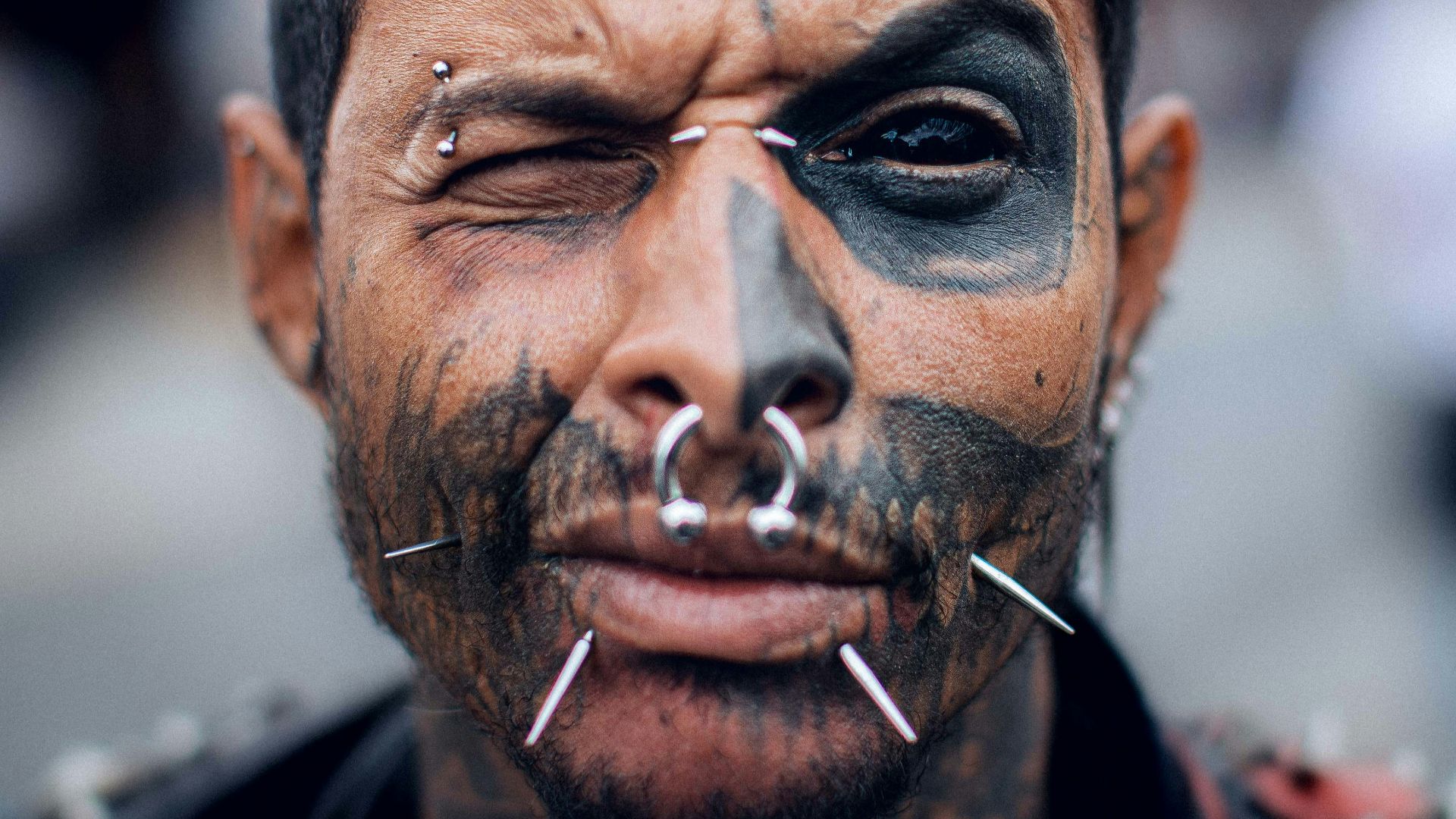
Multiple ear piercings, nose rings, and facial piercings have been treated like symbols of rebellion and bad character. Adults often react as if a piece of metal is a personal attack, rather than someone decorating their own face.
18. Sneakers With Everything
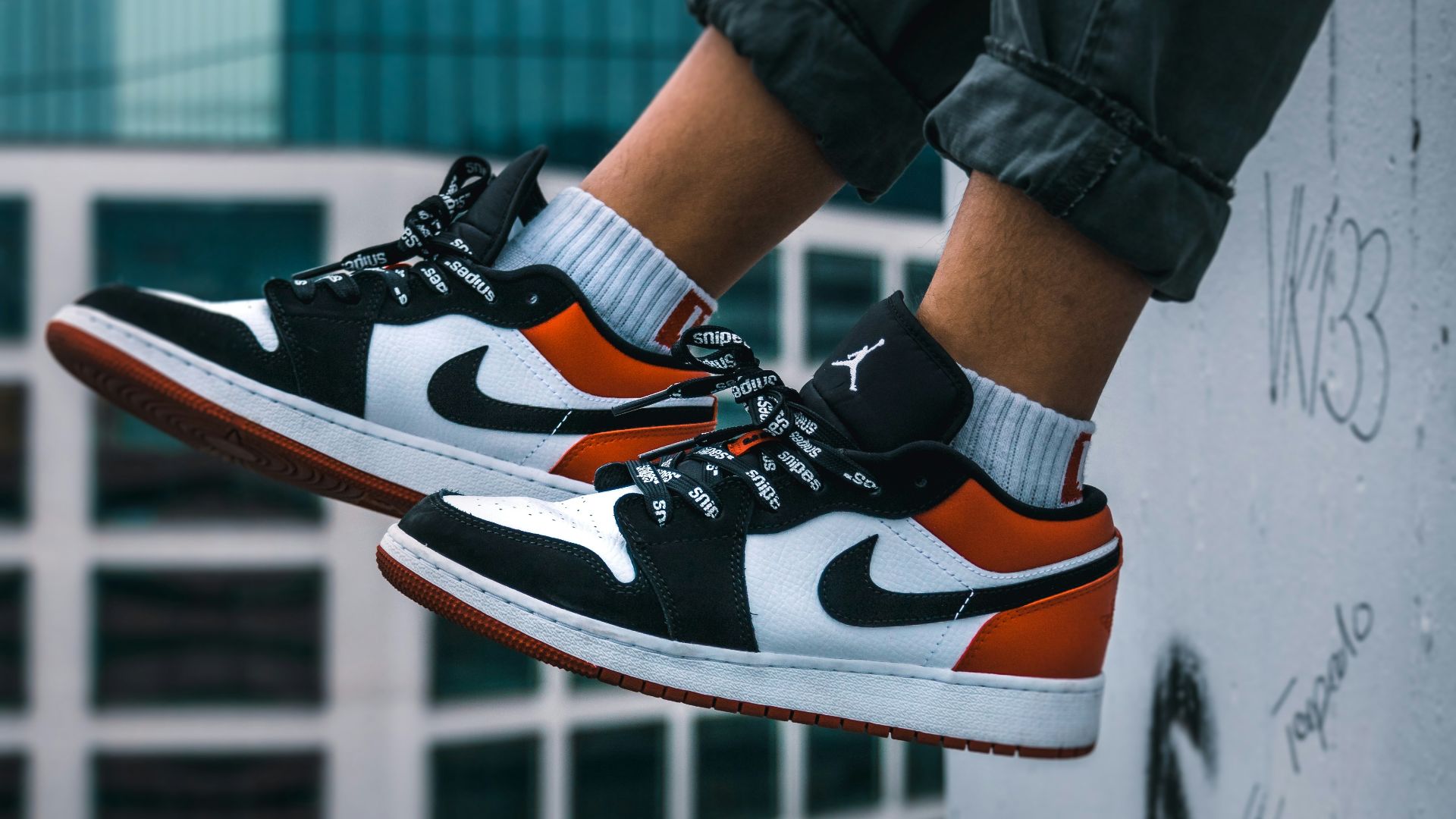
When sneakers started showing up with dresses, suits, and office wear, plenty of adults complained that standards were slipping. The panic was really about the end of formal discomfort, which some people still treat as a moral virtue.
19. Streetwear And Hoodies
Hoodies and streetwear have been judged as suspicious, especially in contexts shaped by racial bias and fear. Adults have treated a sweatshirt like a threat, which says less about the garment and more about who they imagine wearing it.

20. Gender-Nonconforming Fashion
When people wear clothing that doesn’t match traditional gender expectations, it often triggers intense adult backlash. The panic isn’t about fabric—it’s about the fear that visible freedom might make other people feel freer, too.