20 Beauty Tricks That Started In Hollywood Dressing Rooms Before Becoming Everyday Makeup
20 Beauty Tricks That Started In Hollywood Dressing Rooms Before Becoming Everyday Makeup
Made for the Camera
You'd be surprised how much of what's in your makeup bag owes its existence to old Hollywood. Early movie cameras weren't particularly kind to actors, turning rosy cheeks dark and washing blue eyes out almost completely. Makeup artists came up with clever ways around these problems, and actresses started using the same tricks off set. Before long, beauty companies were selling them to the rest of us. Here are 20 everyday beauty tricks that got their start in Hollywood dressing rooms.
 Metro-Goldwyn-Mayer Studio on Wikimedia
1. Thin Foundation Started as Movie Greasepaint
The thick greasepaint actors wore on stage didn't hold up particularly well on camera, where every crack and cakey patch showed. In 1914, Los Angeles wig maker Max Factor developed a lighter, creamier alternative that came in 12 shades and went on much more evenly. Silent film comedians were among the first to embrace it, and it laid the groundwork for the foundation we use today.
2. Shade Matching Came From Color Harmony
In 1918, Factor introduced what he called Color Harmony, which matched makeup shades to a person's natural coloring. It began as a way to keep actors looking consistent from scene to scene. The same principle sits behind every foundation shade finder and undertone quiz you've ever taken.
3. False Lashes Got Their Big Break in Intolerance
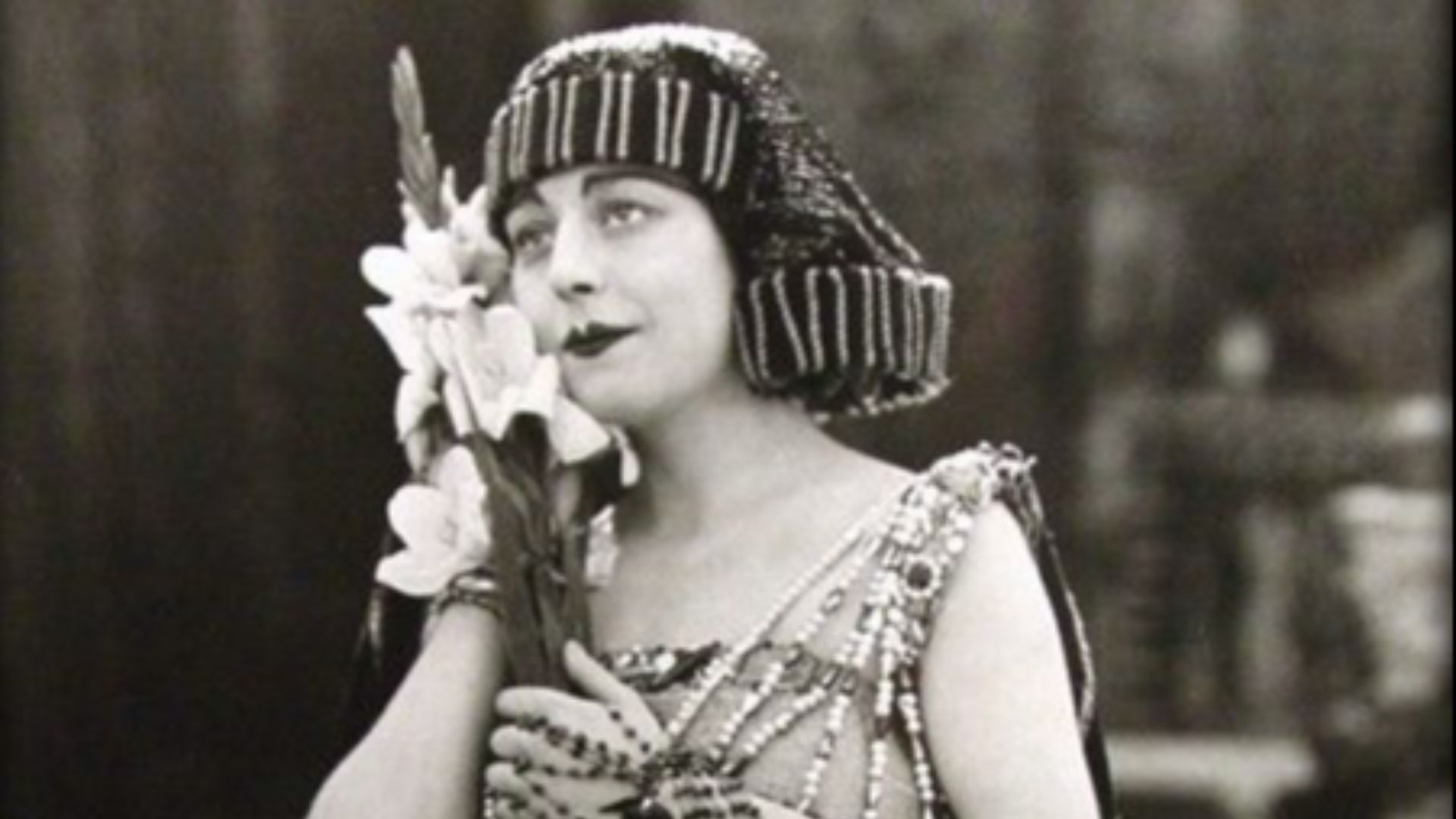
False eyelashes existed before movies, but they took off after D.W. Griffith's 1916 epic Intolerance. Griffith wanted actress Seena Owen's lashes to look long enough to brush her cheeks, so the film's wigmaker glued strands of human hair onto her eyelids with spirit gum. Her eyes reportedly swelled nearly shut, and within about a decade false lashes were standard for actresses and the flappers who copied them.
 film screenshot (D. W. Griffith Prod. / Triangle) on Wikimedia
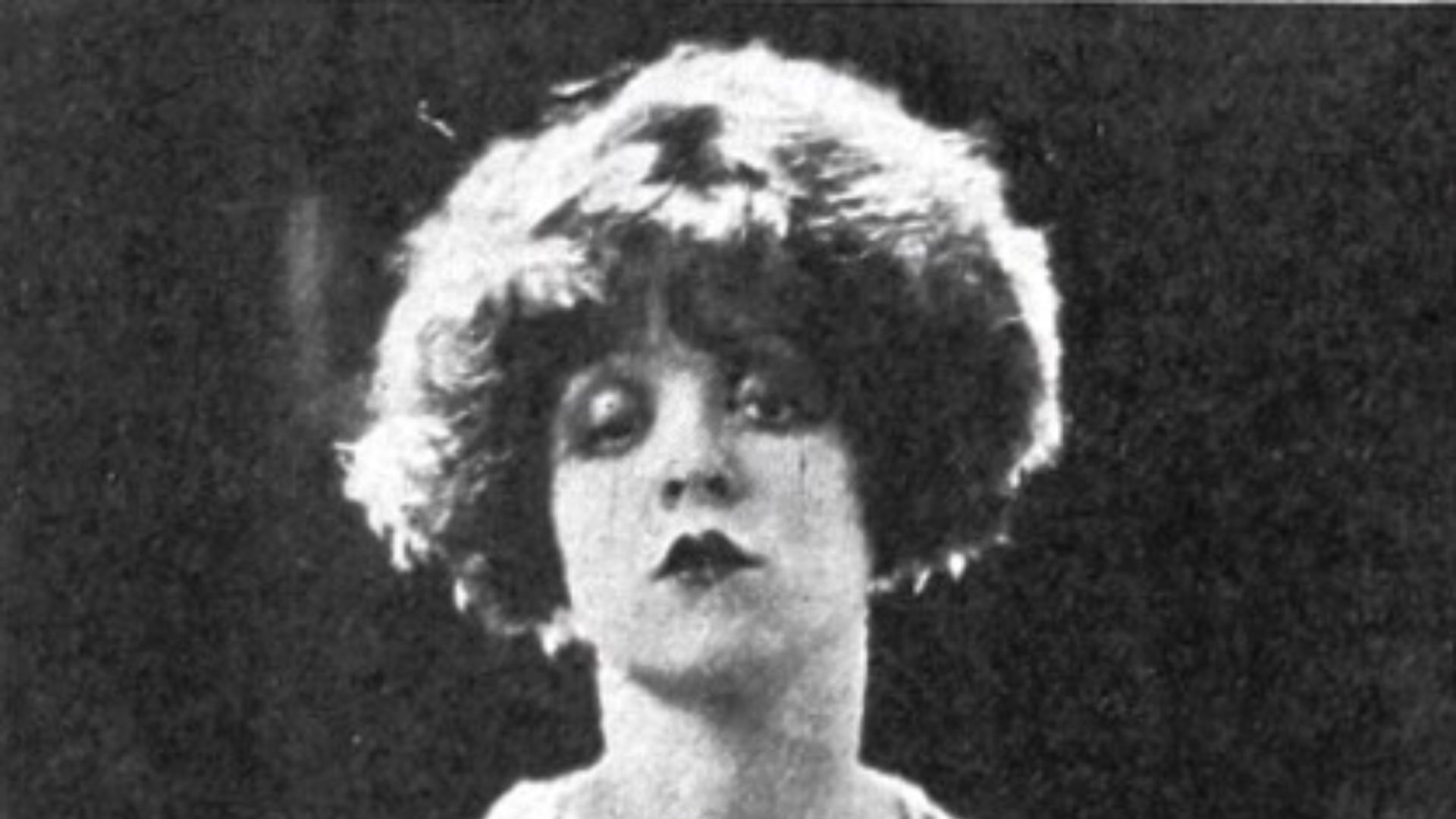
4. The Cupid's Bow Lip Came From Clara Bow
The pinched little rosebud mouth was the fashion until Clara Bow's sharper, more exaggerated cupid's bow took over in the 1920s. A non-smearing lipstick formula from Factor's company made that precise shape possible to hold on camera. Drawing a crisp peak at the center of the top lip is still how most people start lining their lips.
 B.P. Schulberg Productions / Preferred Picture on Wikimedia
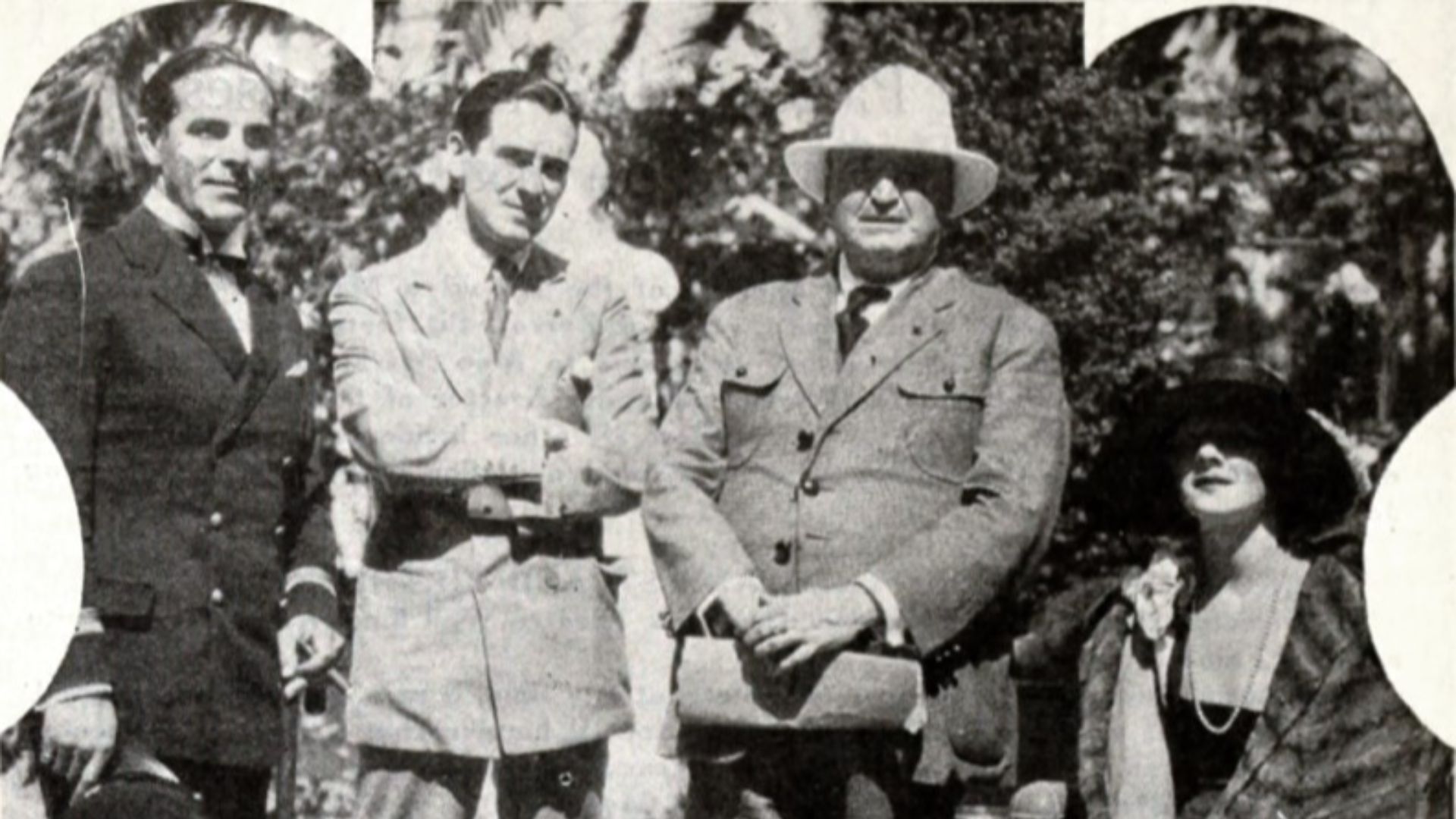
5. Waterproof Makeup Was Built for a Movie at Sea
Max Factor and his son Frank developed the first waterproof theatrical makeup for the 1926 film Mare Nostrum, which kept its cast in and around water. Regular makeup washed right off in those scenes. Waterproof formulas took decades to reach drugstores, and now they're the default for mascara.
 Metro-Goldwyn-Mayer (MGM) on Wikimedia
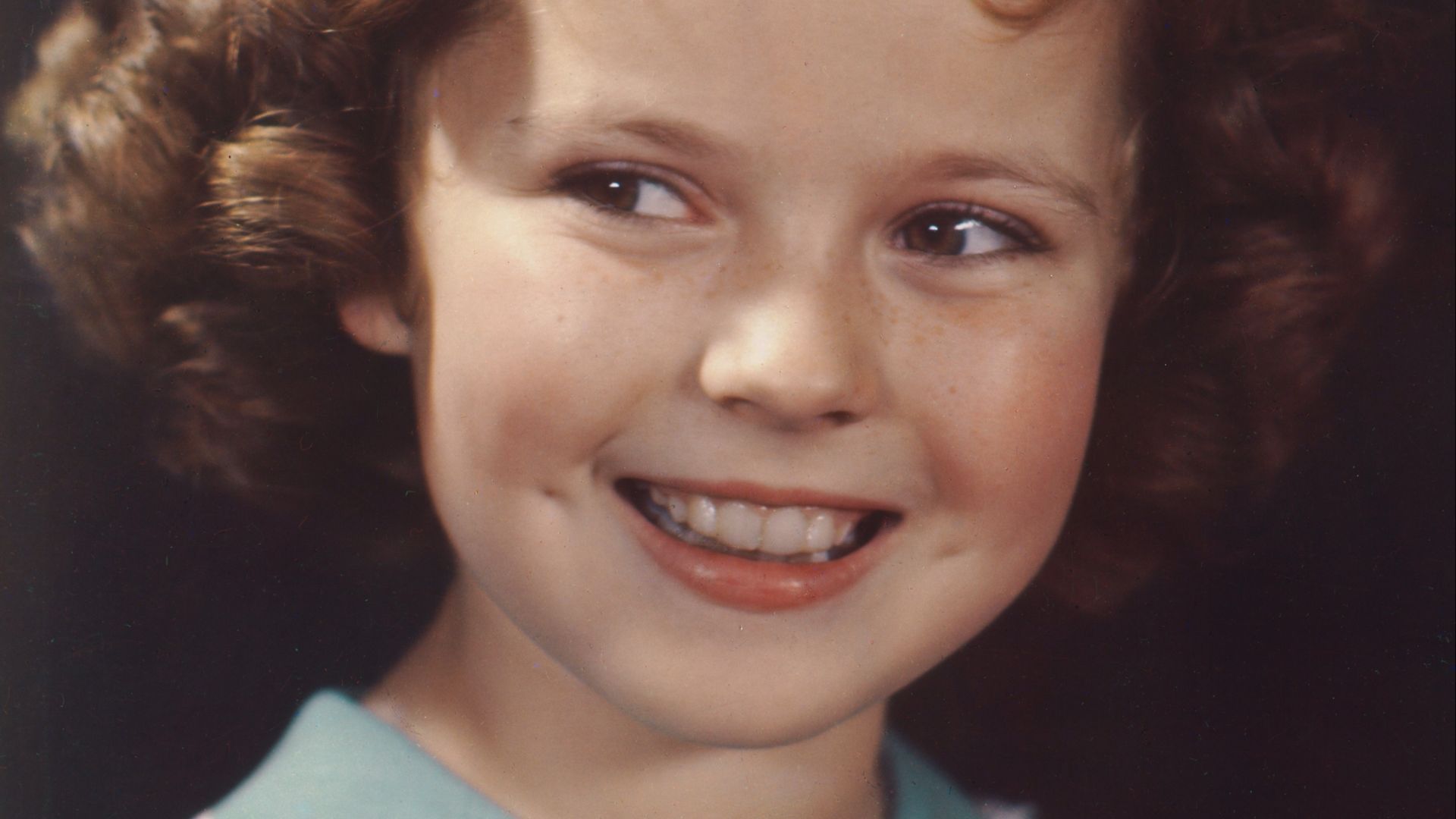
6. Veneers Started as Removable Movie Teeth
In 1928, a Hollywood dentist named Charles Pincus made thin shells that snapped over actors' teeth and stayed put with denture adhesive. They only lasted a few hours to a few days, which was fine for a day of filming. His best-known patient was Shirley Temple, who wore a set while she was losing her baby teeth.
 Harry Warnecke / Lee Jennings Elkins on Wikimedia
7. Lip Gloss Was Invented for Black-and-White Film
Factor created lip gloss in 1930 to give lips a wet-looking shine on black-and-white film, and at first only actresses could get it. A version called X-Rated went on sale to the public in 1932. The original formula stayed on shelves until 2003.
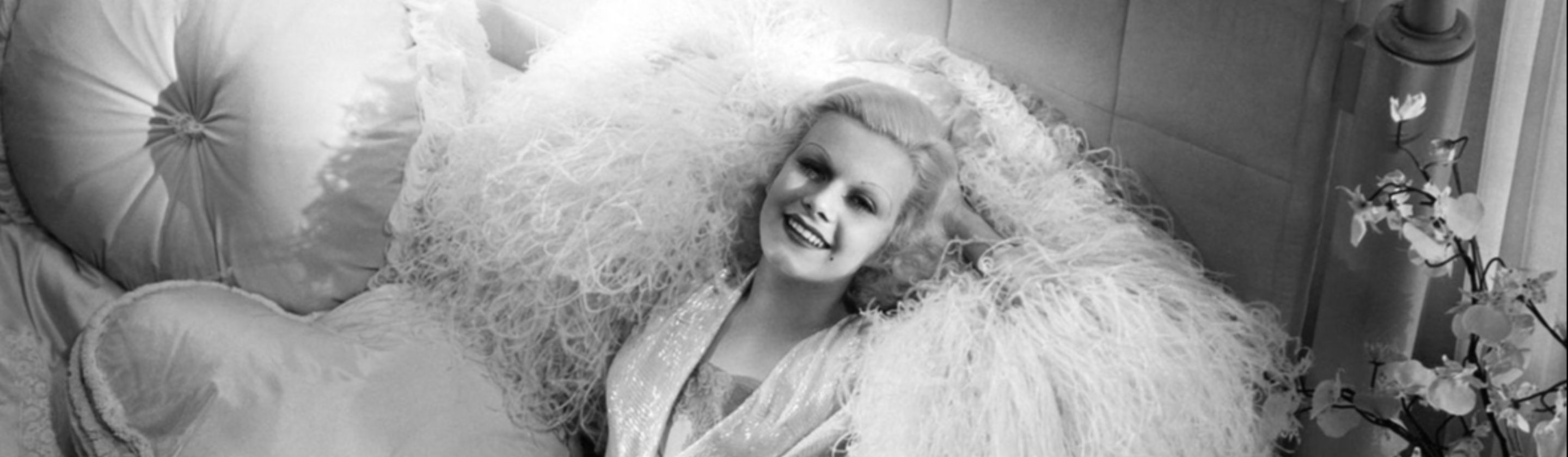
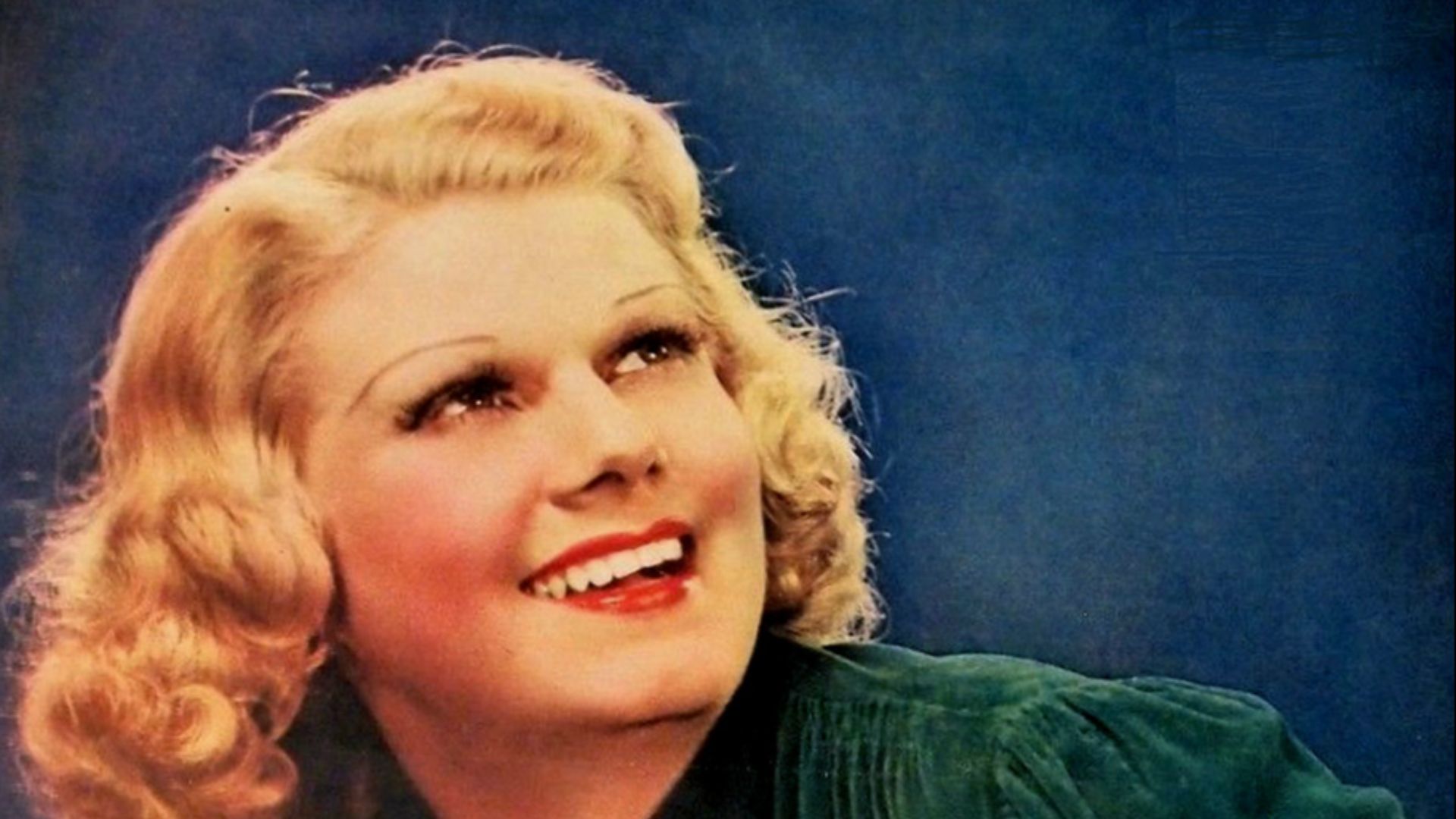
8. Platinum Blonde Began With
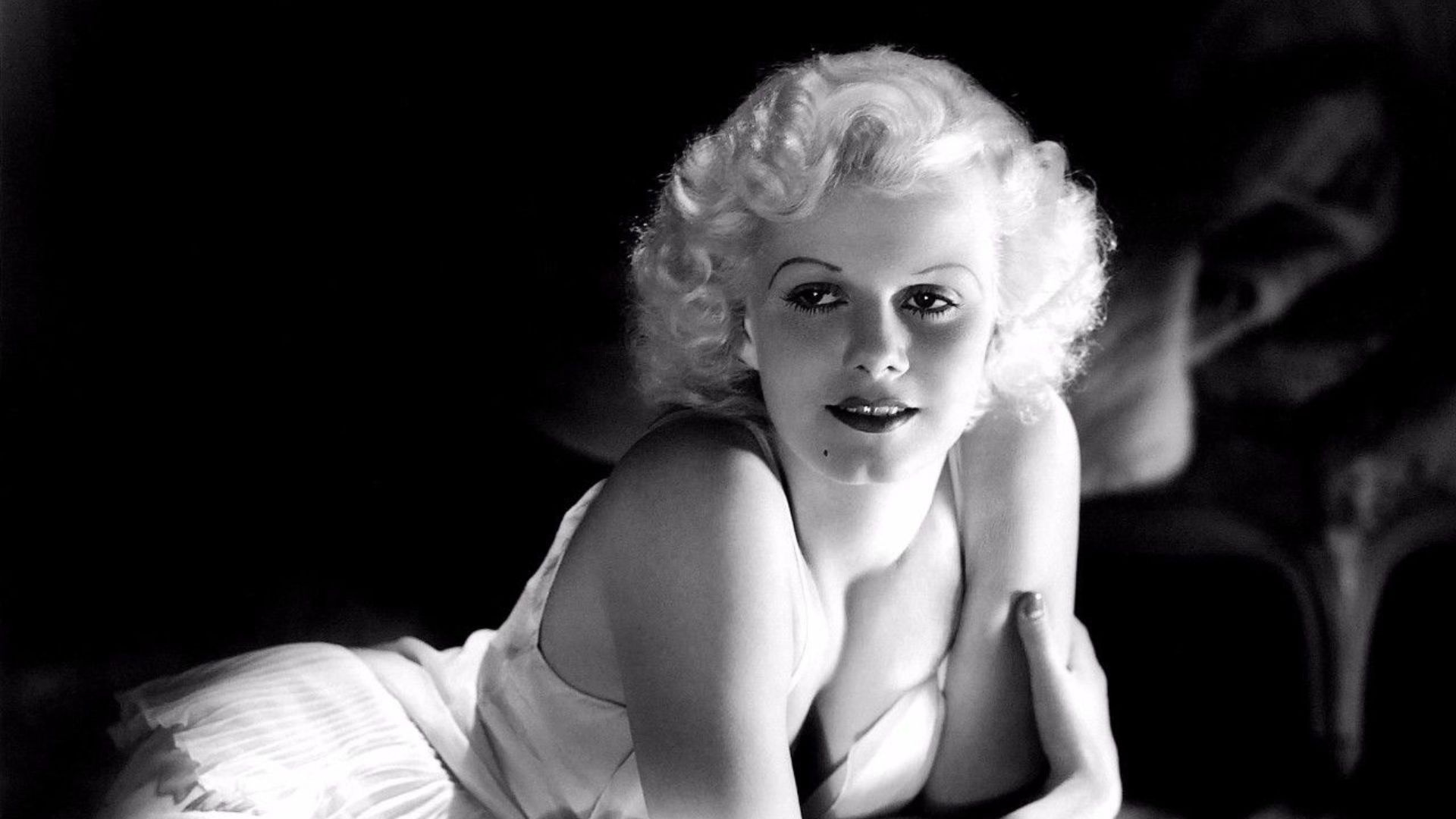
Jean Harlow
Jean Harlow's 1931 film Platinum Blonde made her hair color famous, and women across the country rushed to copy it. Her hairdresser later admitted the shade came from a weekly mix that included peroxide and Clorox, which badly damaged her hair. Peroxide sales jumped, and the studio even offered $10,000 to any hairdresser who could match her shade.
 New York Sunday News. on Wikimedia
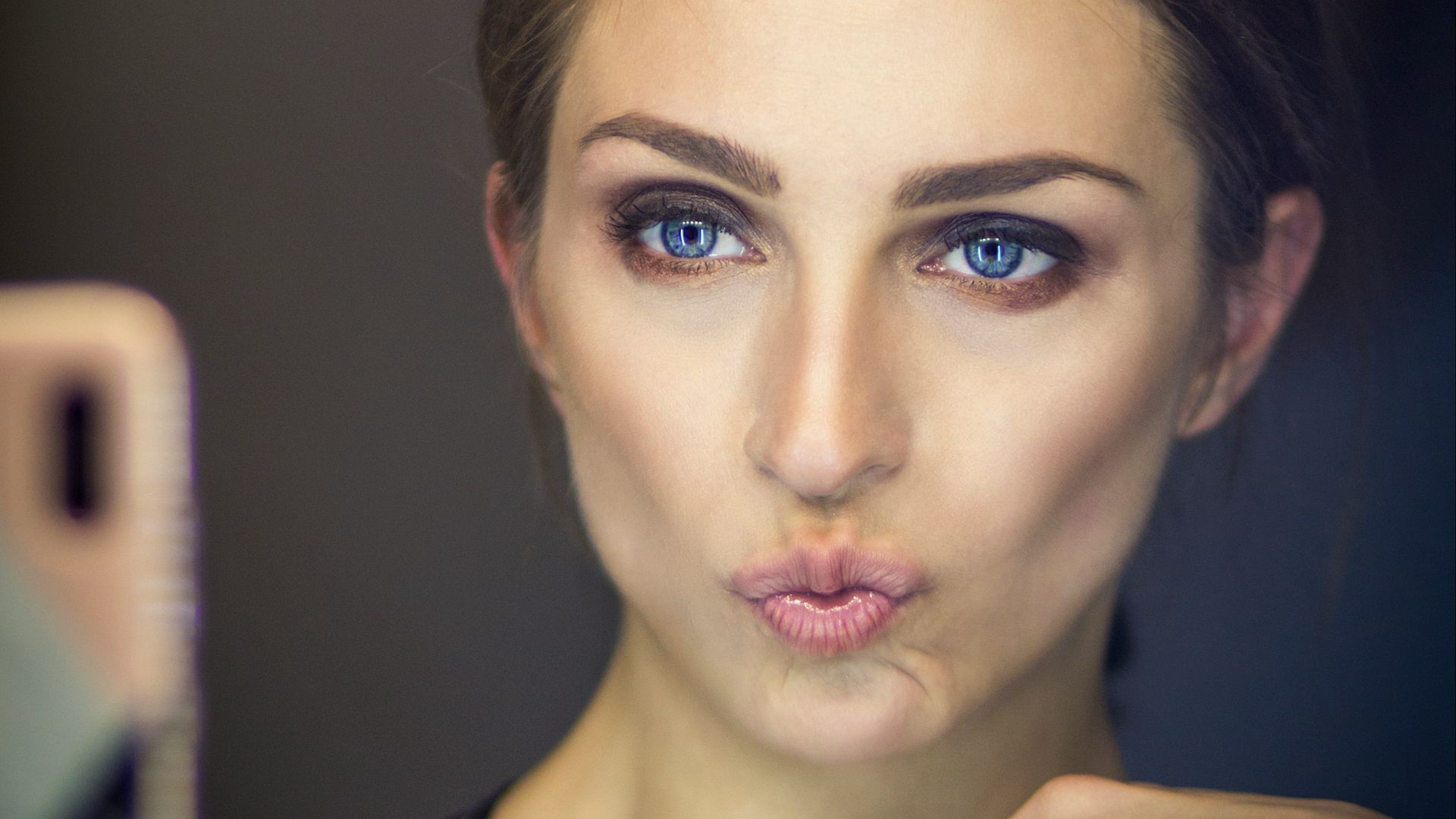
9. Contouring Was a Fix for Flat Film Faces
Black-and-white film had a habit of flattening faces, so studio makeup artists started using shading and highlights to put the structure back. Marlene Dietrich was known for sculpting her features this way in the 1930s. The technique spread through studio makeup departments long before contour kits showed up in drugstores.
 Apostolos Vamvouras on Unsplash
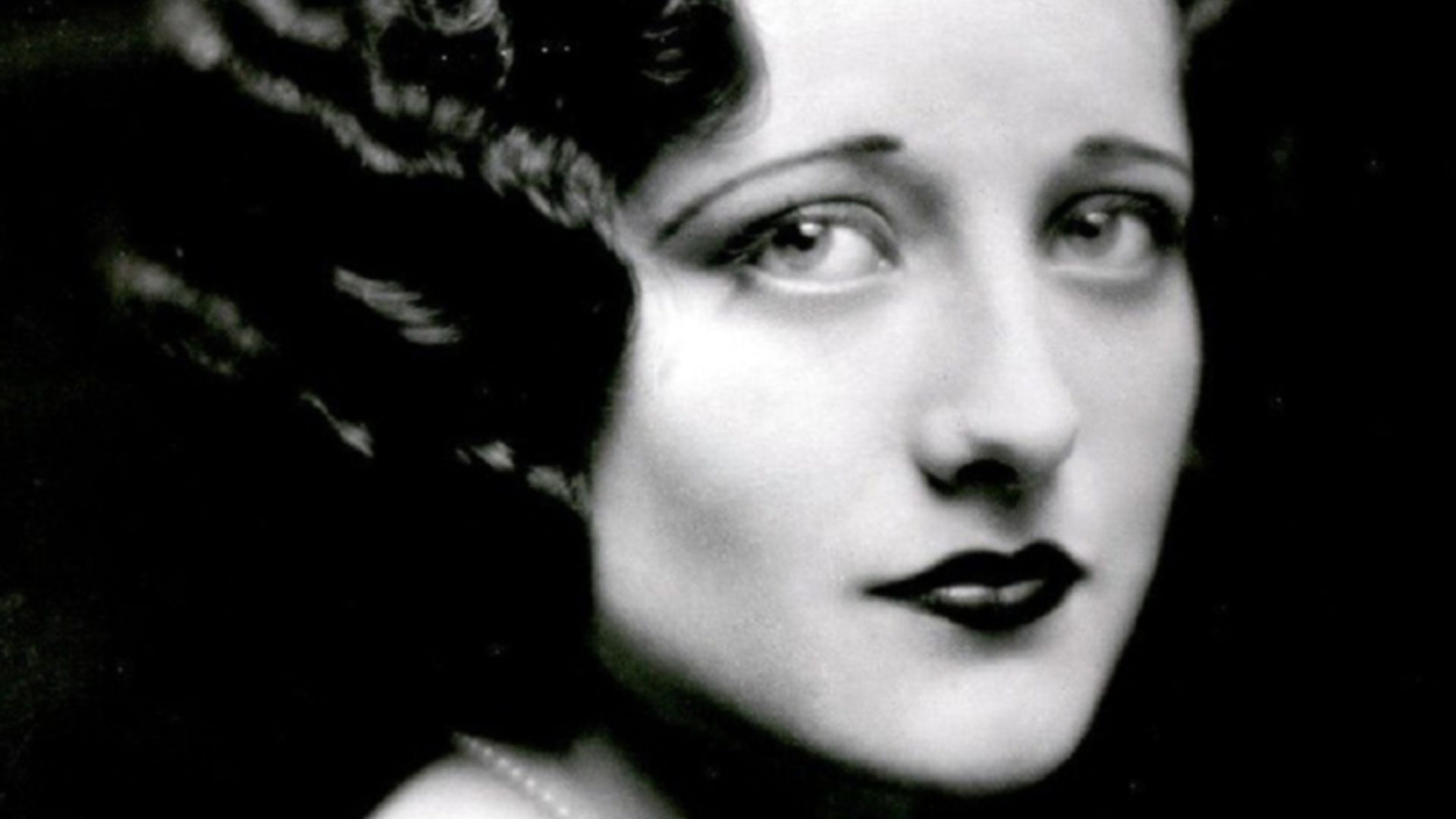
10. Overlined Lips Started With Joan Crawford
 Metro-Goldwyn-Mayer on Wikimedia
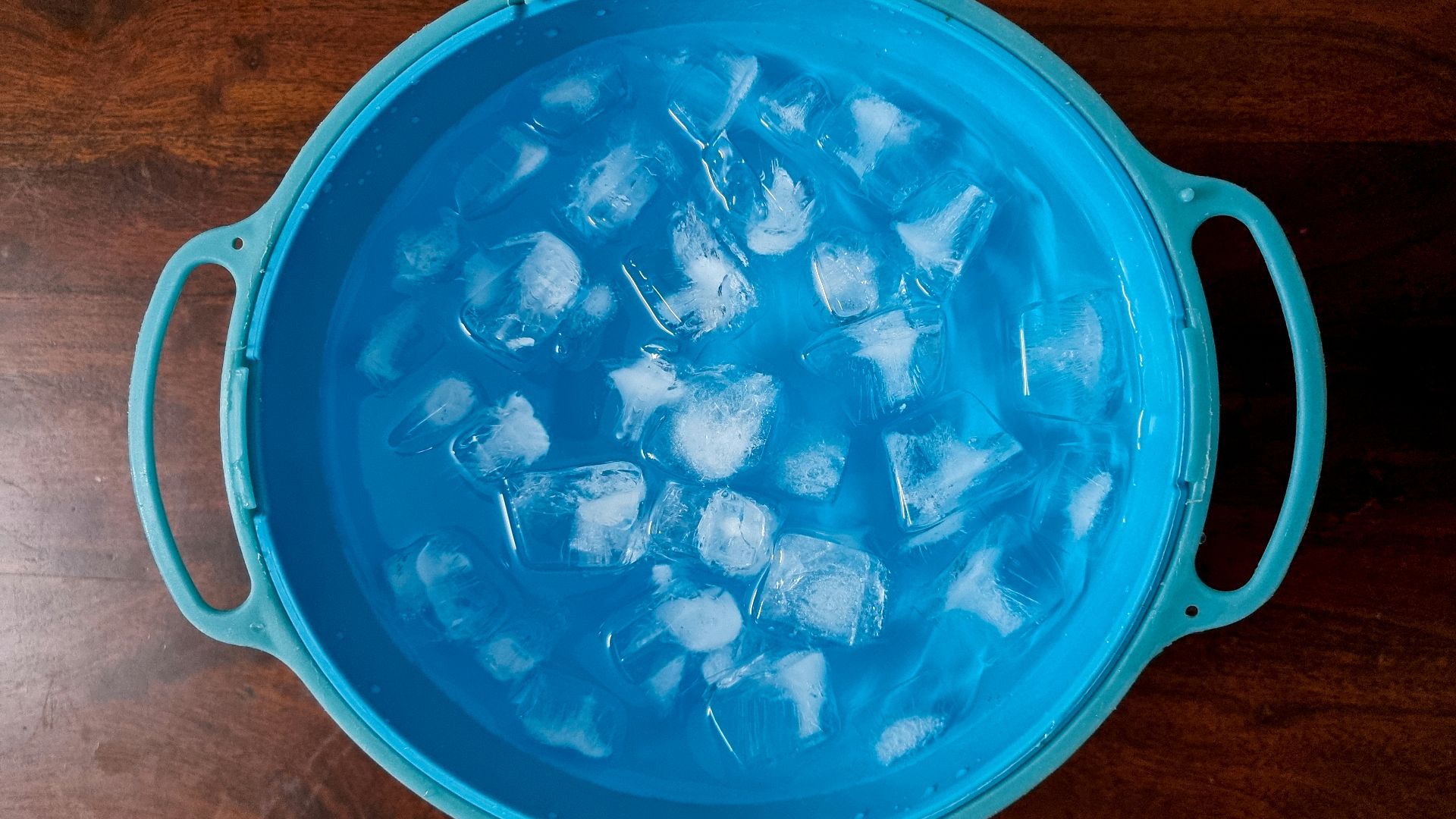
11. Face Icing Comes From Joan Crawford's Routine
Crawford reportedly splashed her face with ice water 25 times every time she washed it. A photo from one of her facials even shows ice being applied at the end. Ice rollers and ice-bowl face dunks now sell that habit with nicer packaging.
12. Cake Foundation Was Made for Technicolor
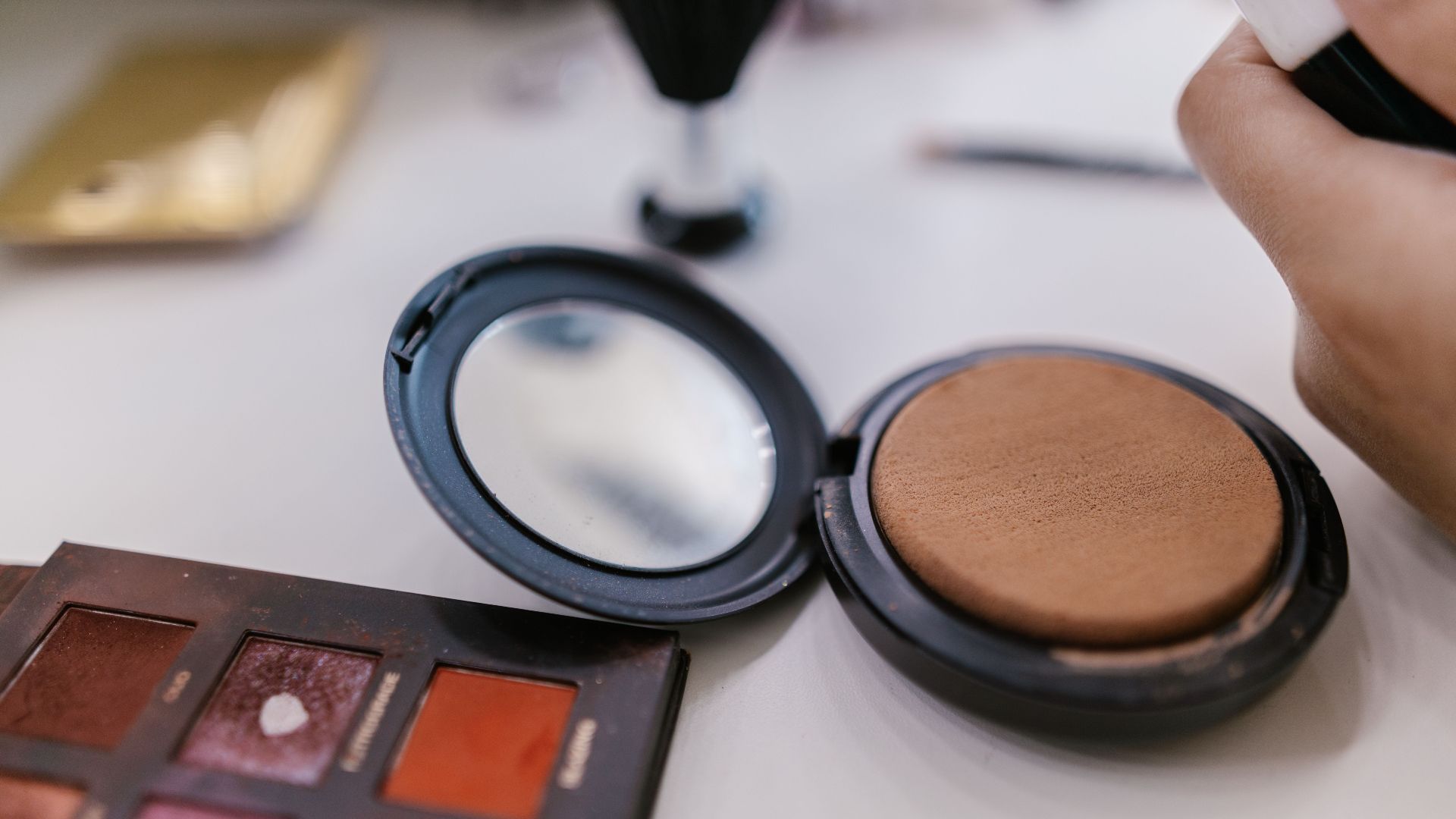
Technicolor film made faces look brick red or blue without corrective makeup, so Factor's son Frank spent two years developing a fix. The result, Pan-Cake, debuted in the 1937 film Vogues of 1938, and actresses started carrying it home for personal use. It went on sale to the public soon after and became one of the best-selling makeup products ever made.
13. Smear-Proof Lipstick Came Out of the Same Lab
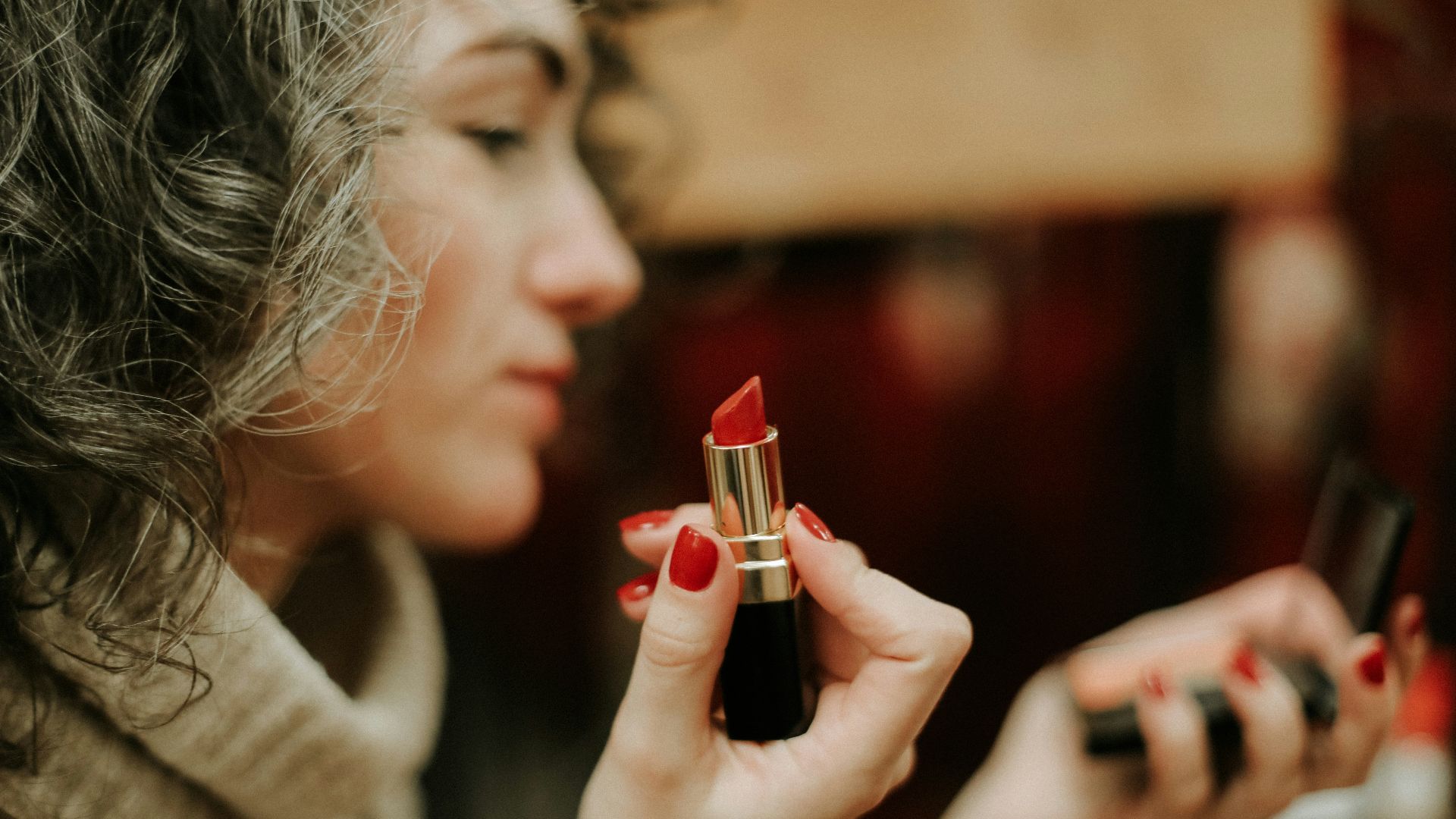
Tru-Color lipstick arrived in 1940, developed by Max Factor Jr. and sold as the first smear-proof lipstick. It was designed to keep its true color and stay put without irritating the lips. Long-wear lipstick is still one of the biggest categories on any makeup counter.
14. Stick Foundation Was Tested on Models in the Sun
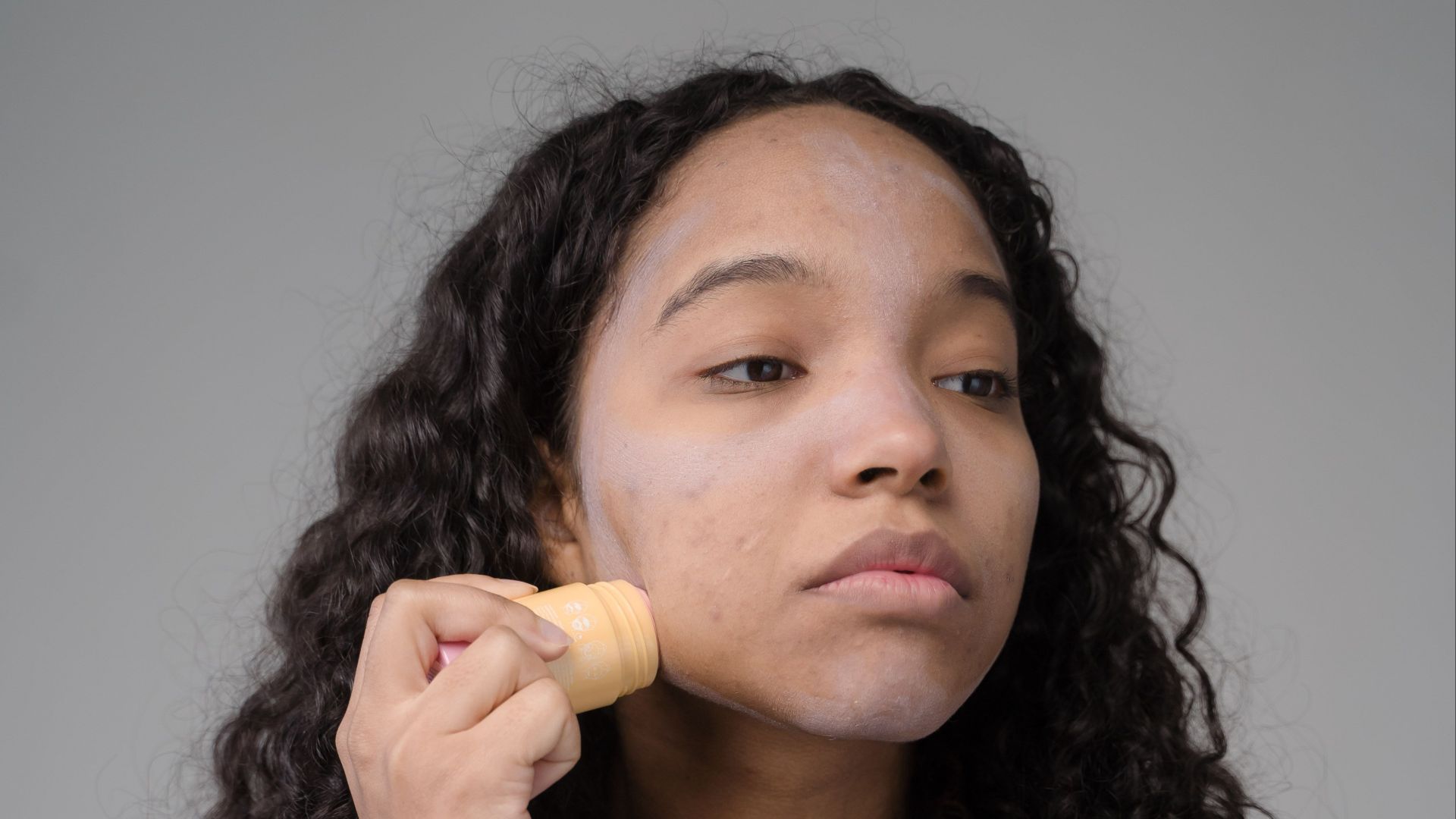
Max Factor Jr. spent 26 months developing Pan-Stik, a cream foundation in stick form built for newer studio lighting and film stock. During testing, the lab covered models' legs in it and sat them in the sun to see how the color held up. It reached the public in the late 1940s, and stick foundation has been around ever since.
15. Powder Foundation Started With Creme Puff
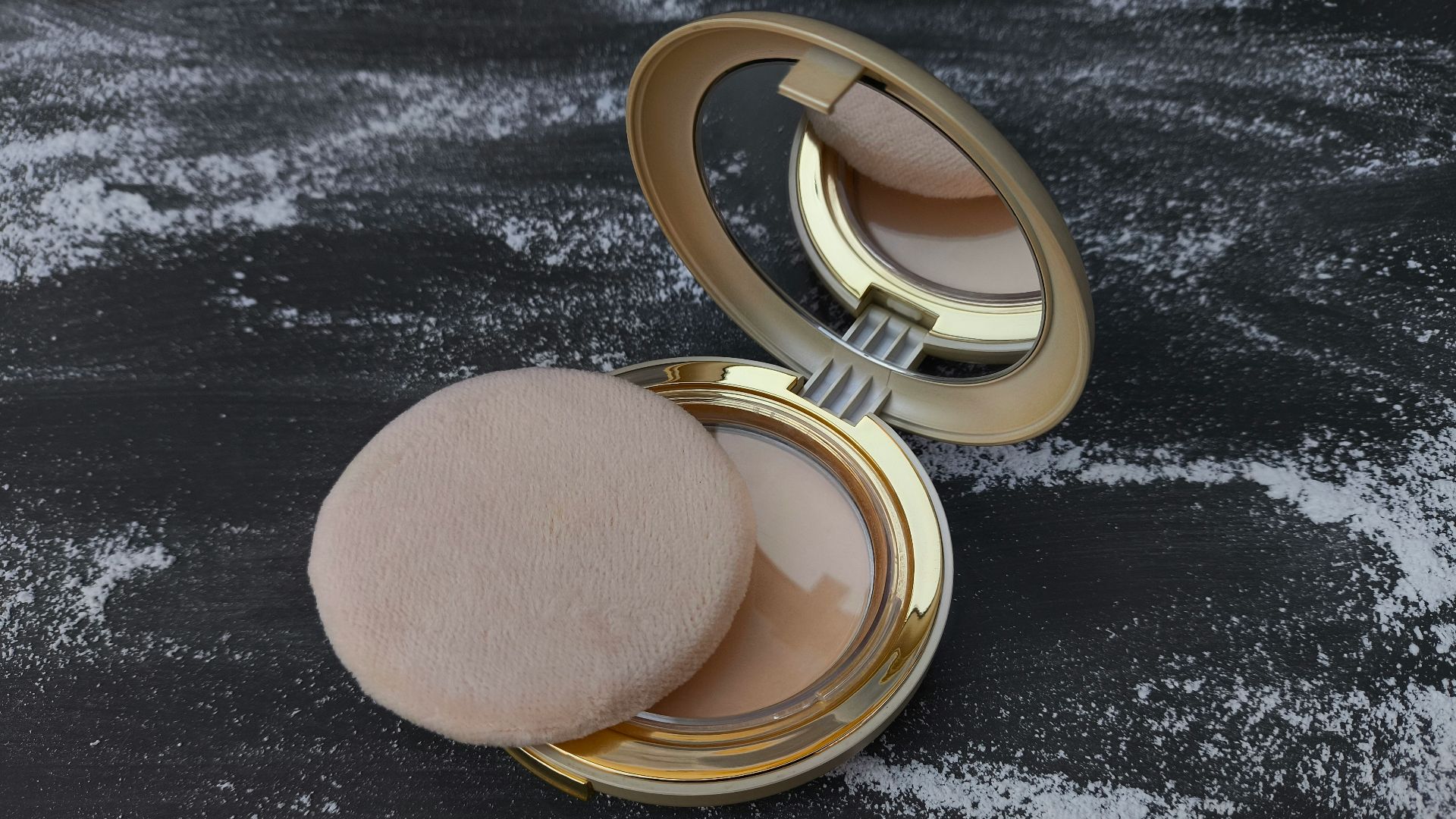
In the early 1950s, the company released Creme Puff, the first makeup to blend cream base and powder into a single compact. You patted it on with a puff like powder, but it stayed on like cream. Pressed powder foundation in a compact is its direct descendant.
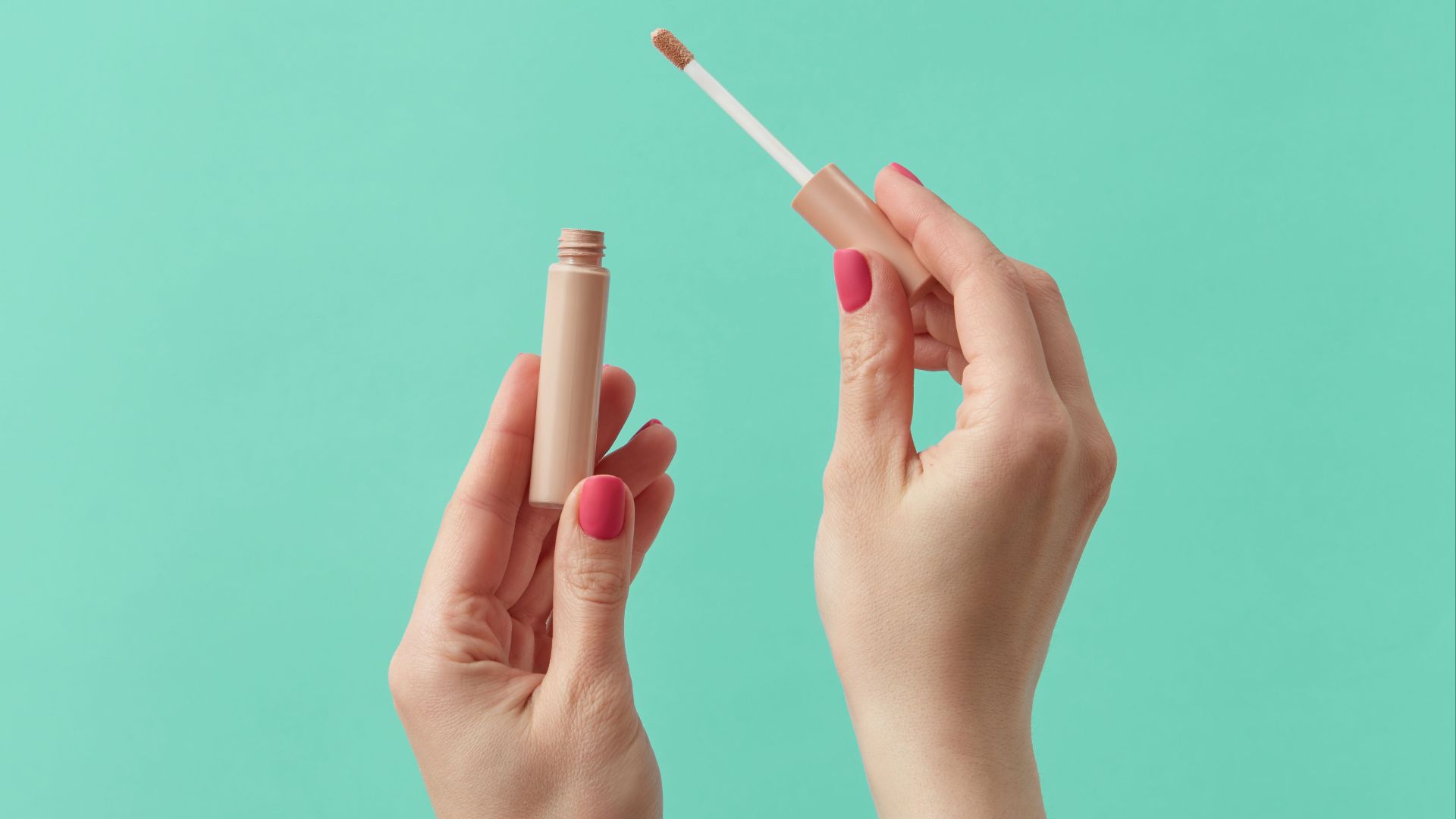
16. Concealer Was Built to Hide Things From Cameras
Erace came out in 1954 as a makeup pencil meant to hide blemishes and shadows from the camera. It was the first concealer sold to regular shoppers. The same era produced a whole makeup line for color television, which became the industry standard.
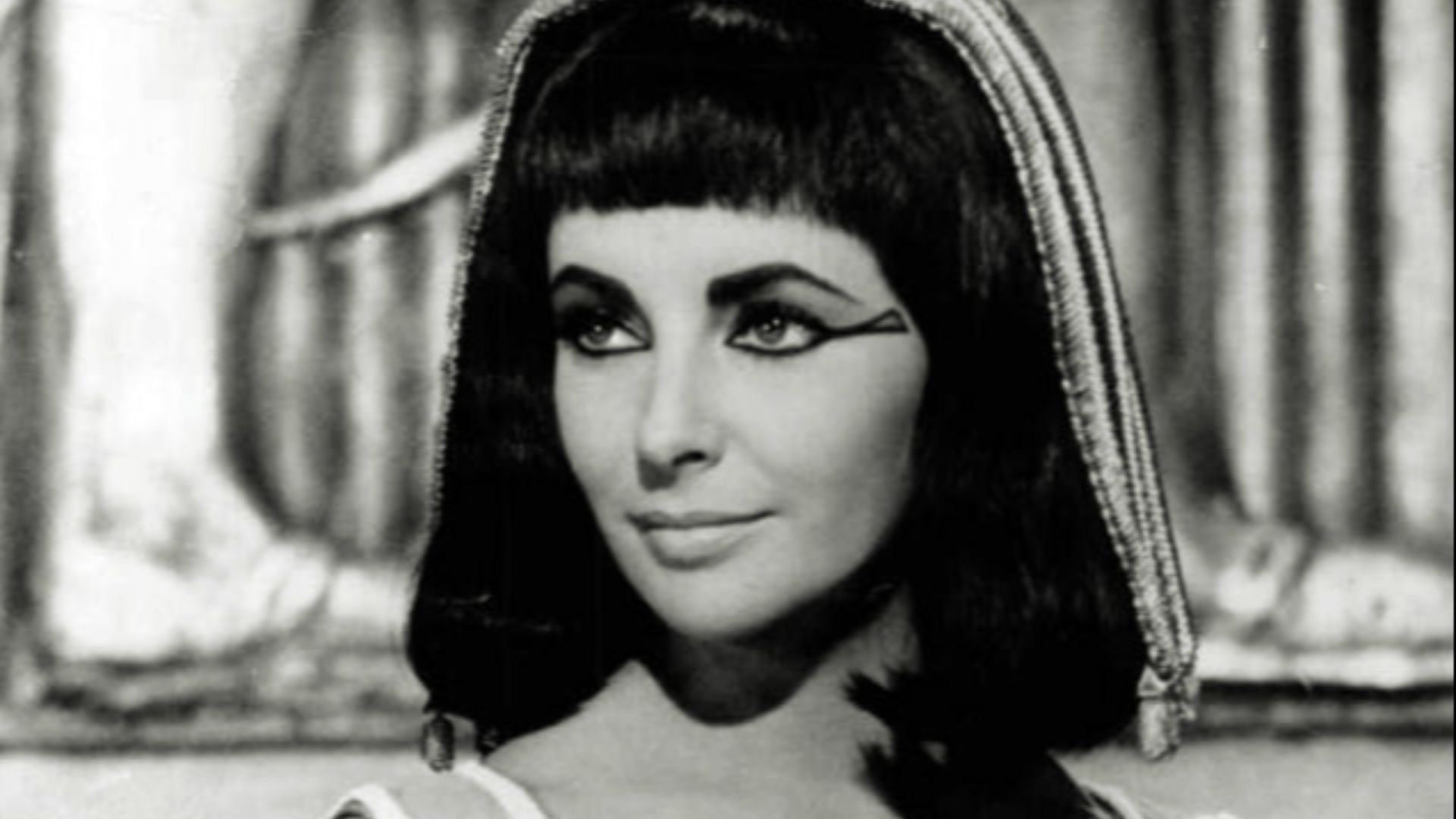
17. The Big Cat-Eye Came From Cleopatra
Elizabeth Taylor's 1963 Cleopatra paired a wing that reached nearly to her temples with bright blue shadow. The film's makeup artist, Alberto De Rossi, got sick early in the shoot, so Taylor did her own makeup from his sketches. Photos of her around Rome in the full look helped turn the extended wing into a trend.
 Renamed user 995577823Xyn on Wikimedia
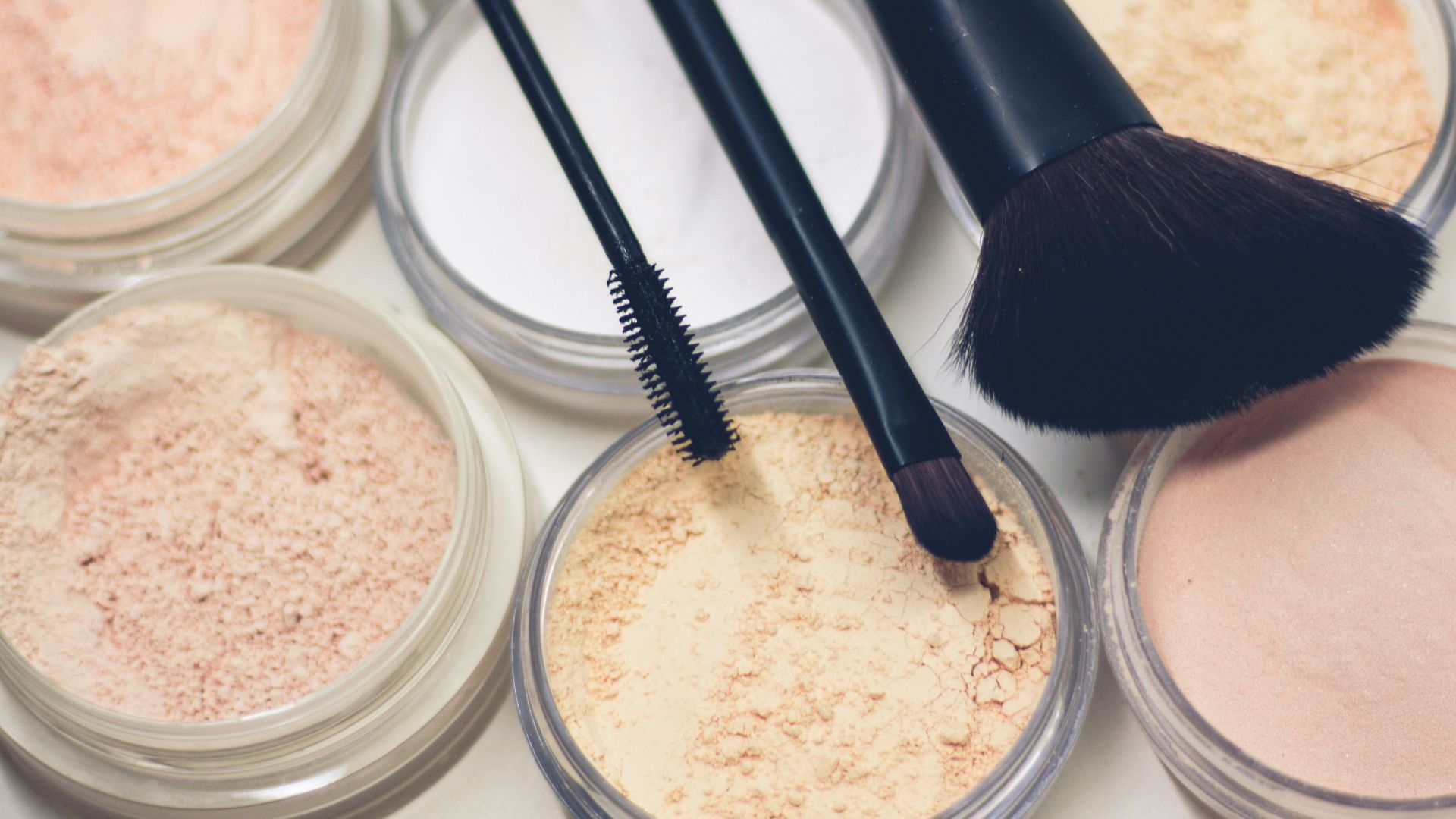
18. Banana Powder Came From a Studio Makeup Chief
Ben Nye spent four decades as a makeup artist at 20th Century Fox before starting his own makeup company in 1967. His yellow-tinted banana powder was meant to brighten and set makeup without looking chalky on camera. Decades later, a celebrity makeup artist's praise sent it selling out, and it became a regular in online tutorials.
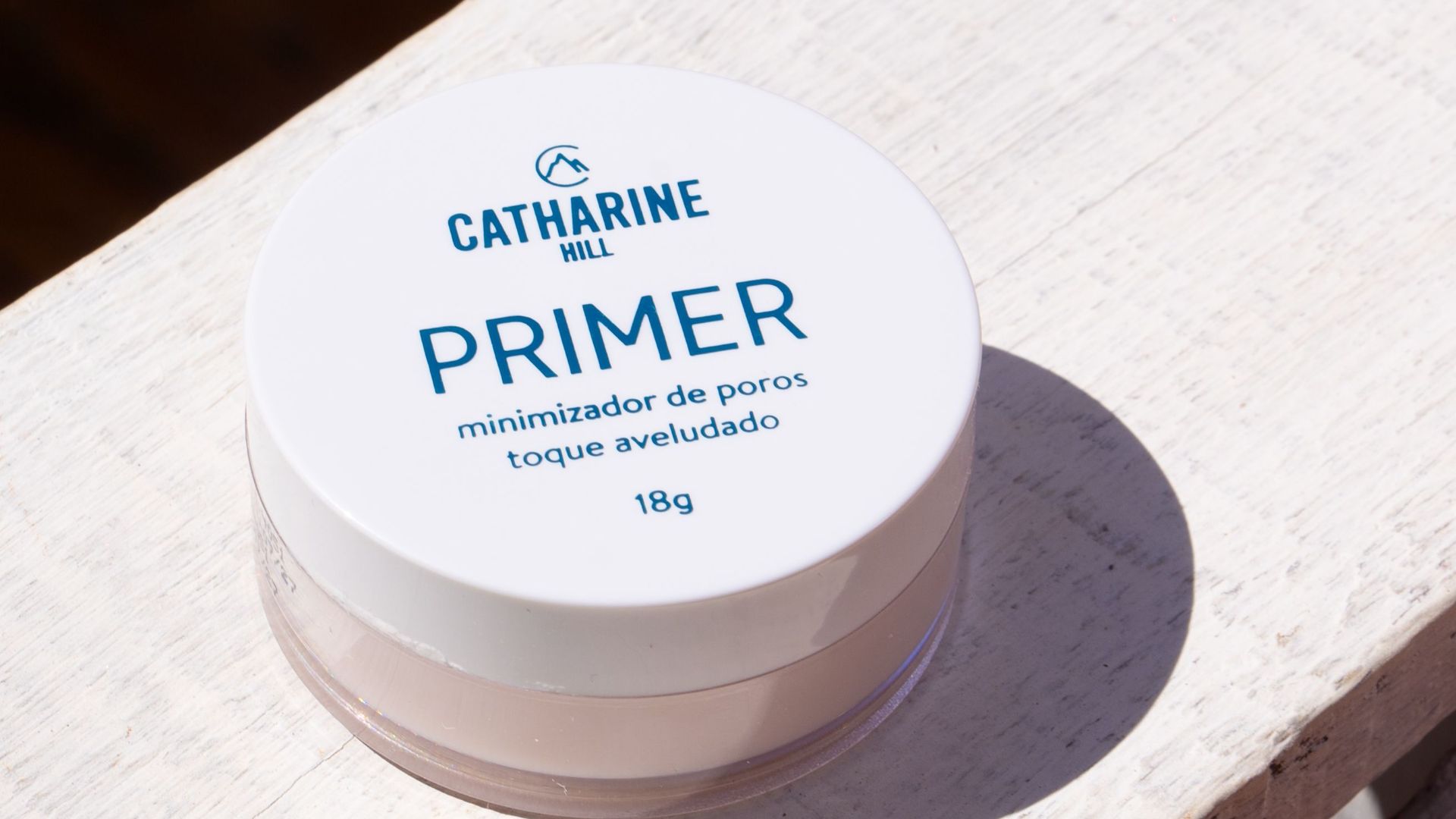
19. Face Primer Came Out of a Photo Studio
Davis Factor, a great-grandson of Max Factor, started Smashbox Cosmetics in 1996 out of his Los Angeles photo studio. Its first product, Photo Finish primer, was so popular with makeup artists during development that it kept disappearing from sets. Primer was barely a category before it, and now nearly every brand makes one.
20. HD Foundation Was Built for High-Definition TV
When TV switched to high-definition cameras in the 2000s, regular foundation started showing up on screen as visible texture. Make Up For Ever built its HD foundation to look invisible under those sharper cameras. The line later grew into Ultra HD, which is still on store shelves.