
When The Most Powerful Men In Europe Dressed Like This
Men haven't always dressed the way we expect them to today. There was a time when bright colors, high heels, and plenty of decoration were all part of looking masculine. Wealthy European men especially loved showing off, and nobody thought it made them any less manly. That changed in the 19th century, when men's fashion took a turn toward darker colors and simpler clothes. Here are 20 things men once wore to look masculine that might surprise you today.
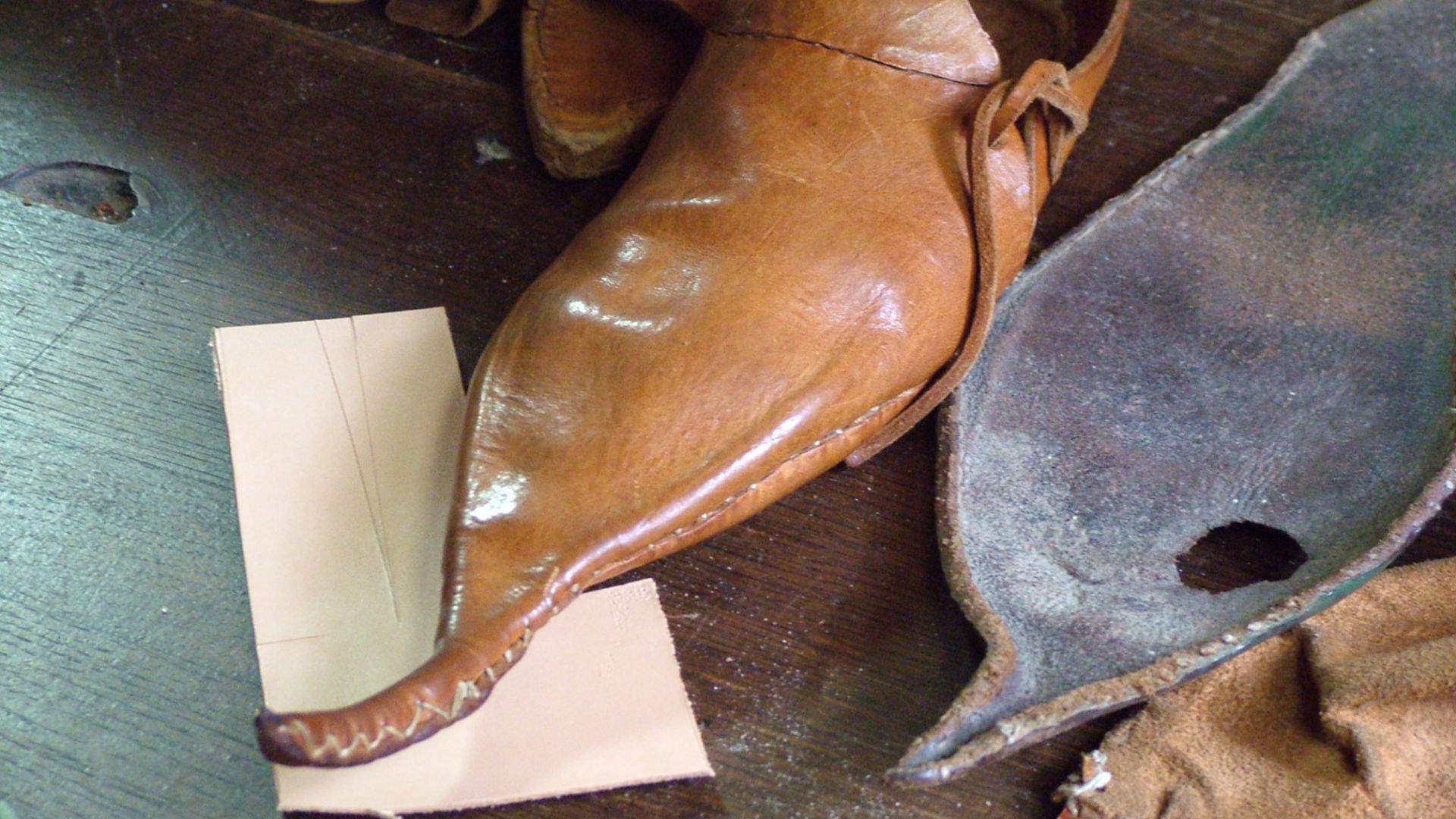
1. Pointed Shoes
Poulaines were the status shoe of the 14th and 15th centuries, with leather toes tapering well past the foot, stuffed with moss to hold their shape. A monk writing in 1394 claimed some points ran half a yard long and had to be chained to the shin. Paris banned them in 1396, and Edward IV capped the points at two inches in 1463.
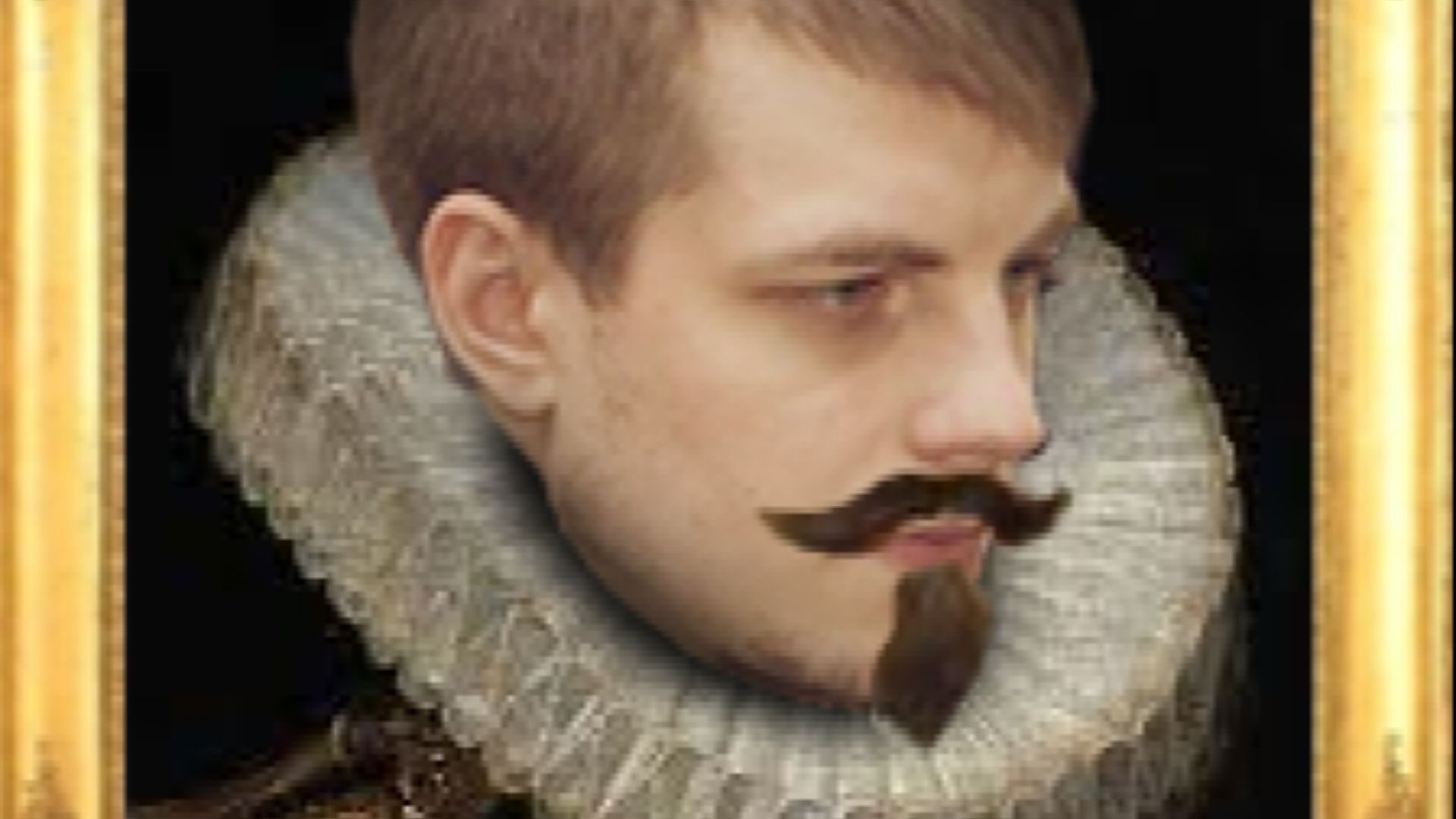
2. Starched Ruffs
By the 1580s a fashionable ruff took six yards of starched linen pleated into as many as 600 folds, standing eight inches off the neck. The widest needed a wire frame called a supportasse, and diners used extra-long utensils to get food past them. A pamphlet from 1583 complained about great and monstrous ruffs. They kept growing anyway.
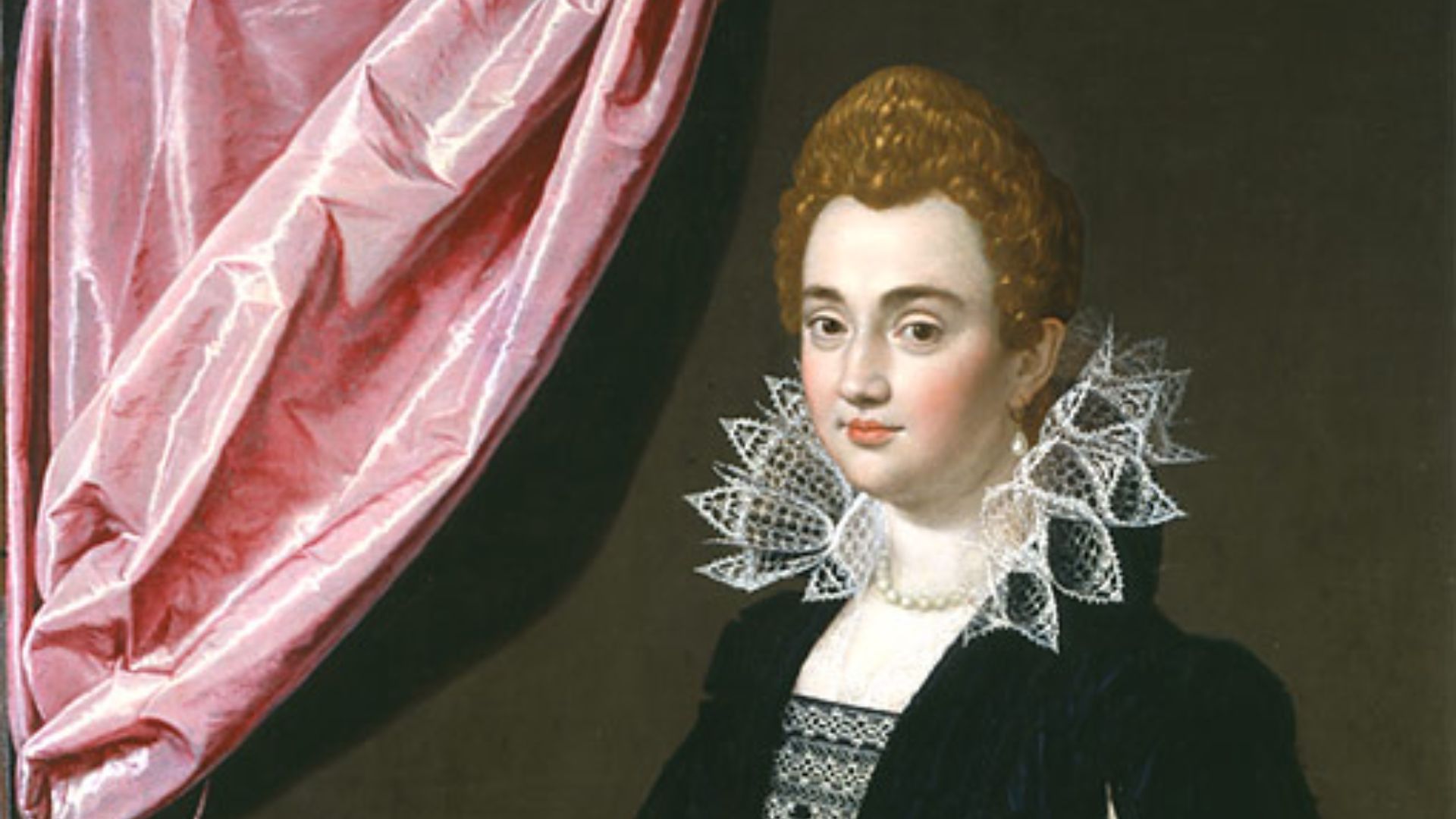
3. A Single Pearl Earring
Walter Raleigh sat for a 1588 portrait wearing two pearls in his left ear, and Francis Drake wore one large one. Shakespeare appears in the Chandos portrait with a plain gold hoop, and Charles I wore a pearl earring most of his life, including at his execution.
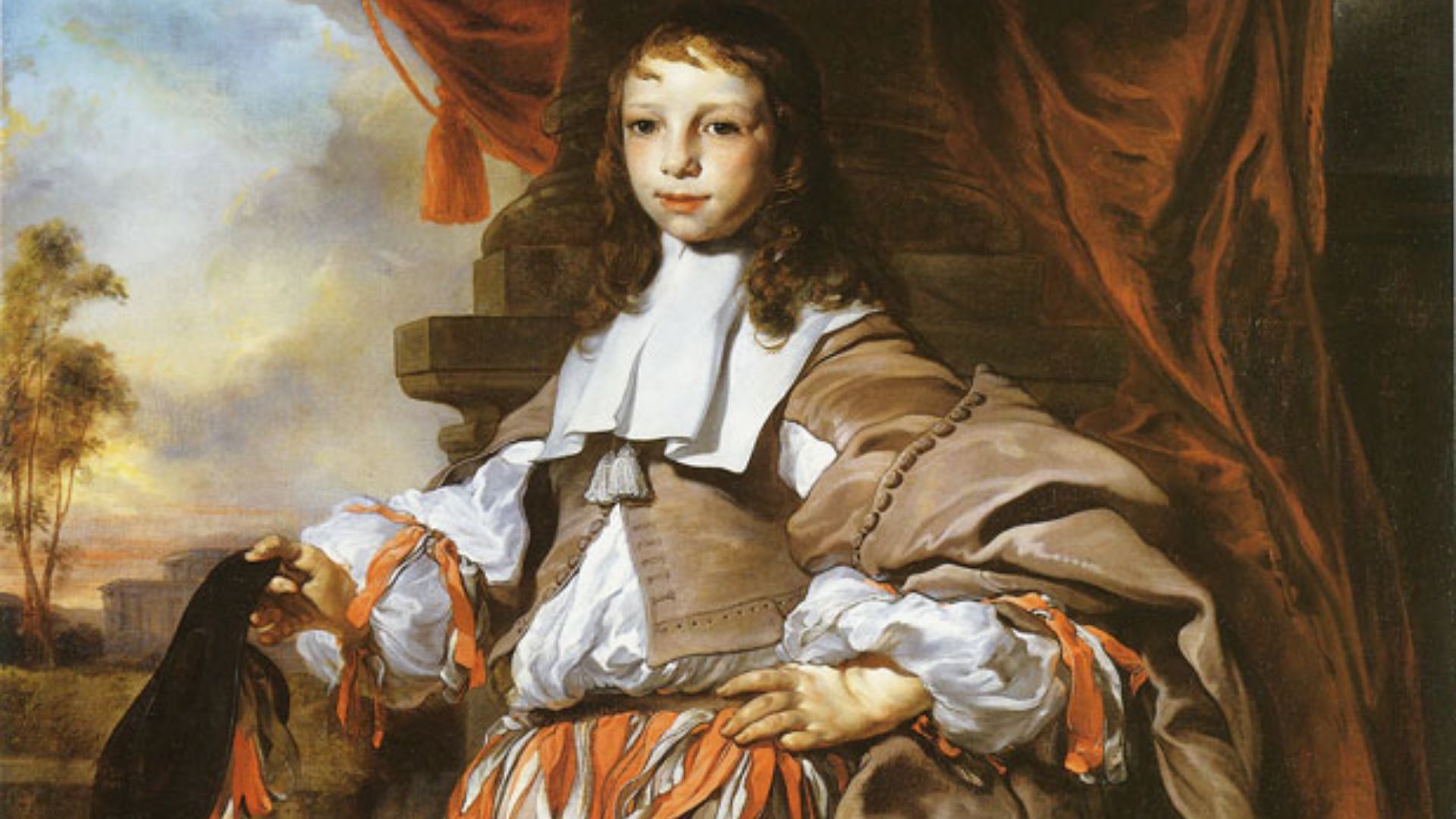
4. Petticoat Breeches
Through the 1650s and 1660s men of rank wore breeches so wide and so pleated that they read as skirts, with loops of ribbon at the waist and knee. Charles II sat for his coronation portrait in a pair. He dropped it in October 1666 for something closer to the leg, and the fashion went with him.
5. High Heels
Persian cavalry wore heeled boots by the 10th century, since a raised heel held the foot in the stirrup while shooting a bow. European aristocrats took up the look after Shah Abbas I sent a diplomatic mission west in 1599, borrowing the martial reputation with it. Louis XIV stood five foot four and wore four-inch heels. In the 1670s he restricted red heels to his own court.
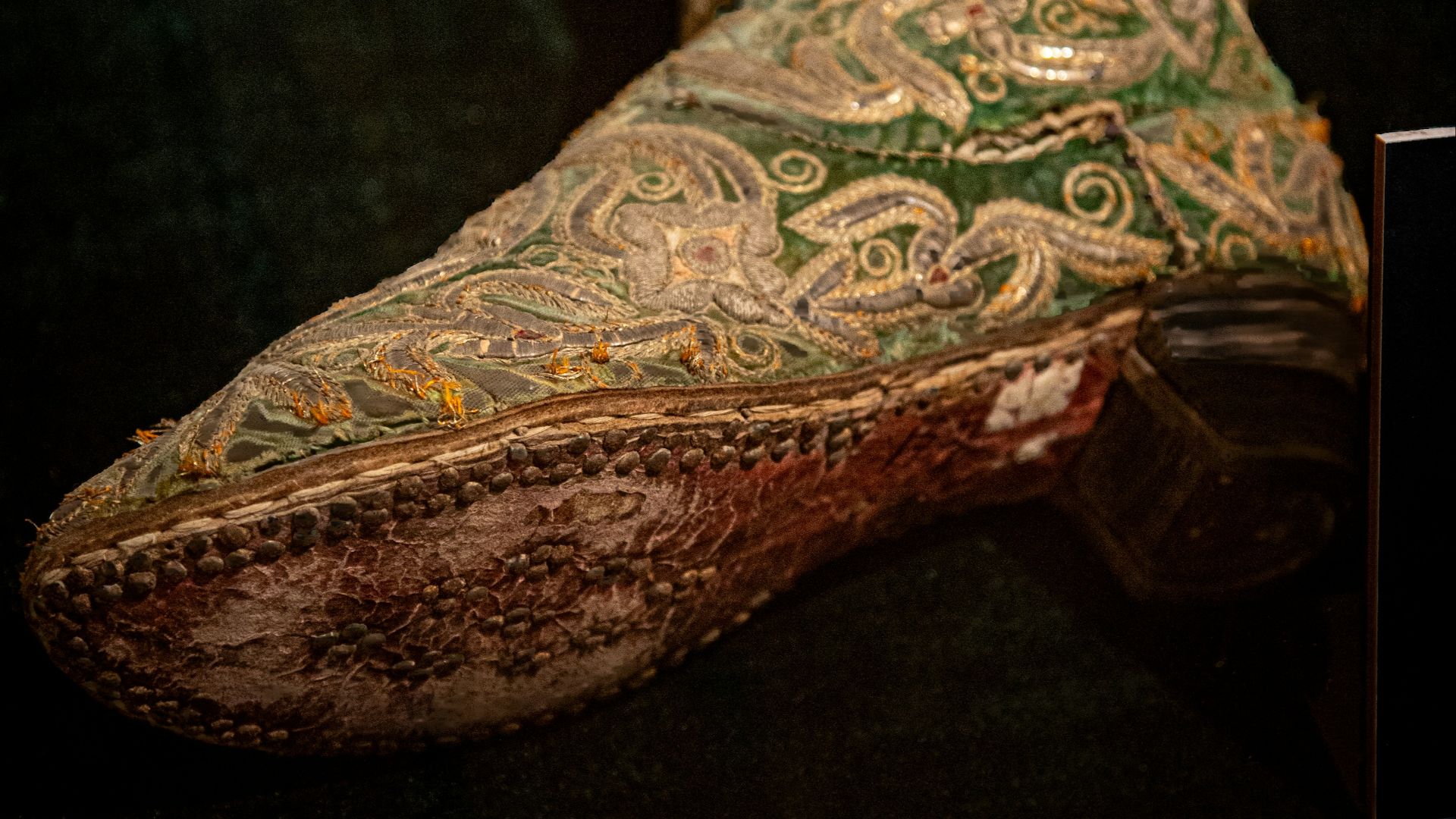
6. Fur Muffs
Prince Henry of England's 1608 wardrobe inventory lists two muffs, one of cloth of silver worked with embroidery. Men carried them through the 17th century as a mark of dignity, and Louis XIV reportedly had his made from tiger fur. The muff went strictly feminine in the early 19th century, when the rest of men's dress went plain.
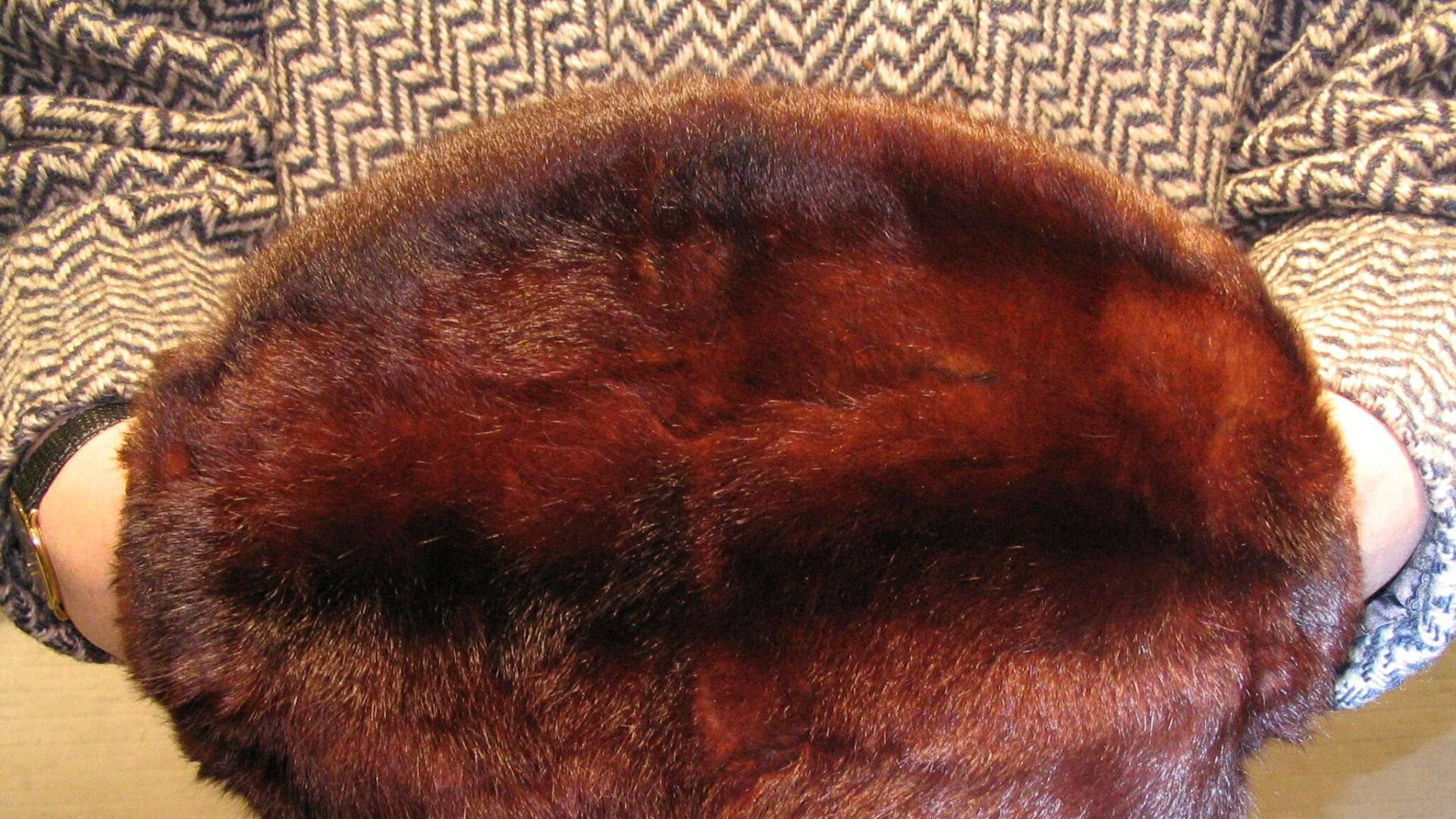 --Kürschner (talk) 20:16, 10 January 2009 (UTC) on Wikimedia
7. Long Curled Wigs
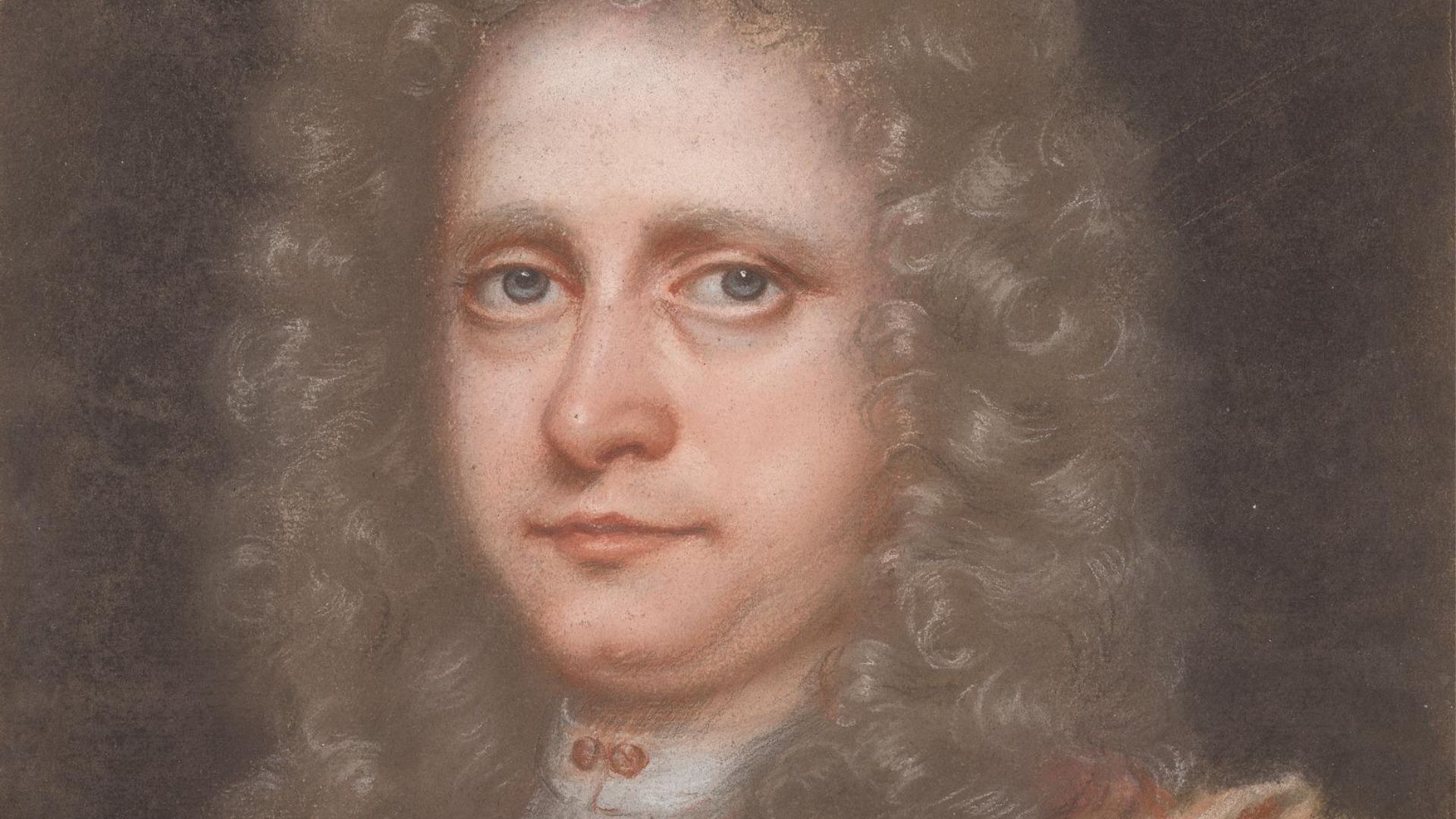
Louis XIII started wearing a hairpiece in the 1620s after losing his hair, and the court followed, since long hair signaled health and vigor. The largest wigs of his son's reign were built from human hair, one taking the crop of ten men. Louis kept a dedicated wig room at Versailles.
8. Powdered Hair
Men powdered wigs and their own hair white through most of the 18th century, using ground cuttlefish bone or, among English parliamentarians, potato flour. The powder was scented with lavender or orris root, and wealthy households kept a room for applying it. Women of the period did not wear wigs, powdering their own hair instead. Britain taxed hair powder at a guinea a year starting in 1795, and the fashion thinned out fast.
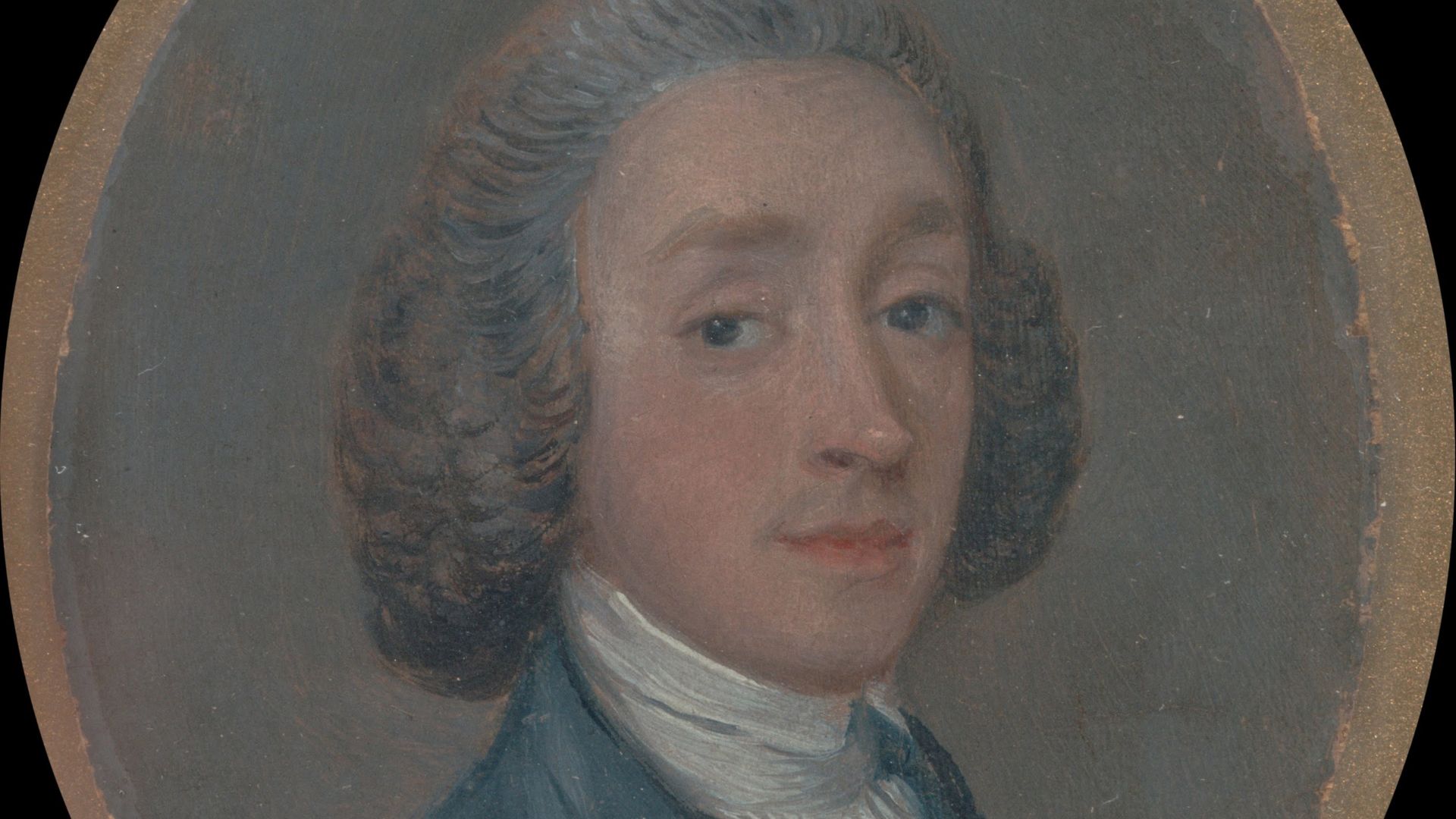 Thomas Gainsborough on Wikimedia
9. White Face Paint
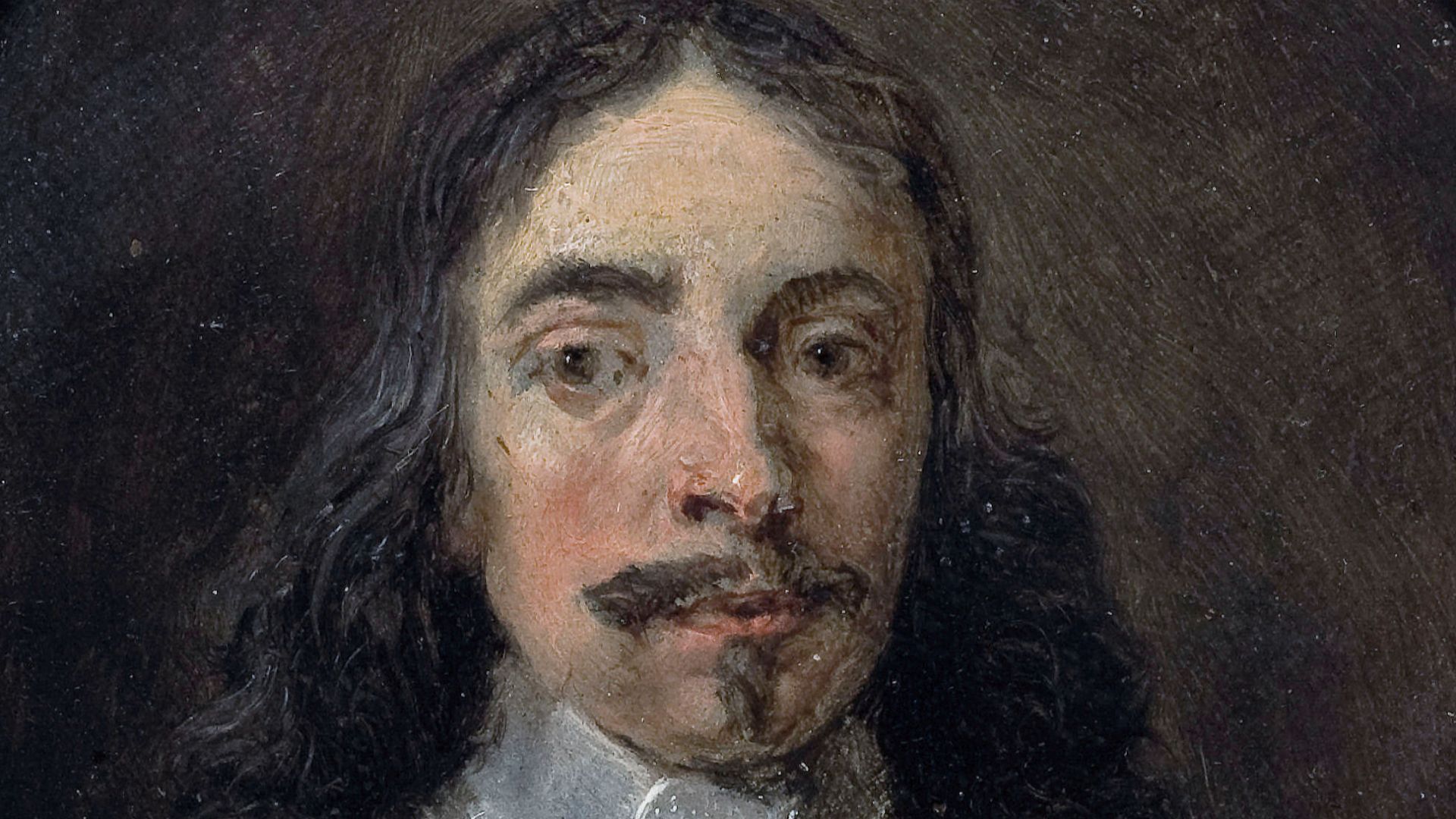
Georgian men coated the face and neck in a paste of white lead and egg white, sometimes glazing the result with more egg white for shine. The lead was made by suspending sheets of it over vinegar in horse manure until the surface flaked, and it poisoned people slowly, some of them fatally.
 David Teniers the Younger on Wikimedia
10. Rouge And Lip Color
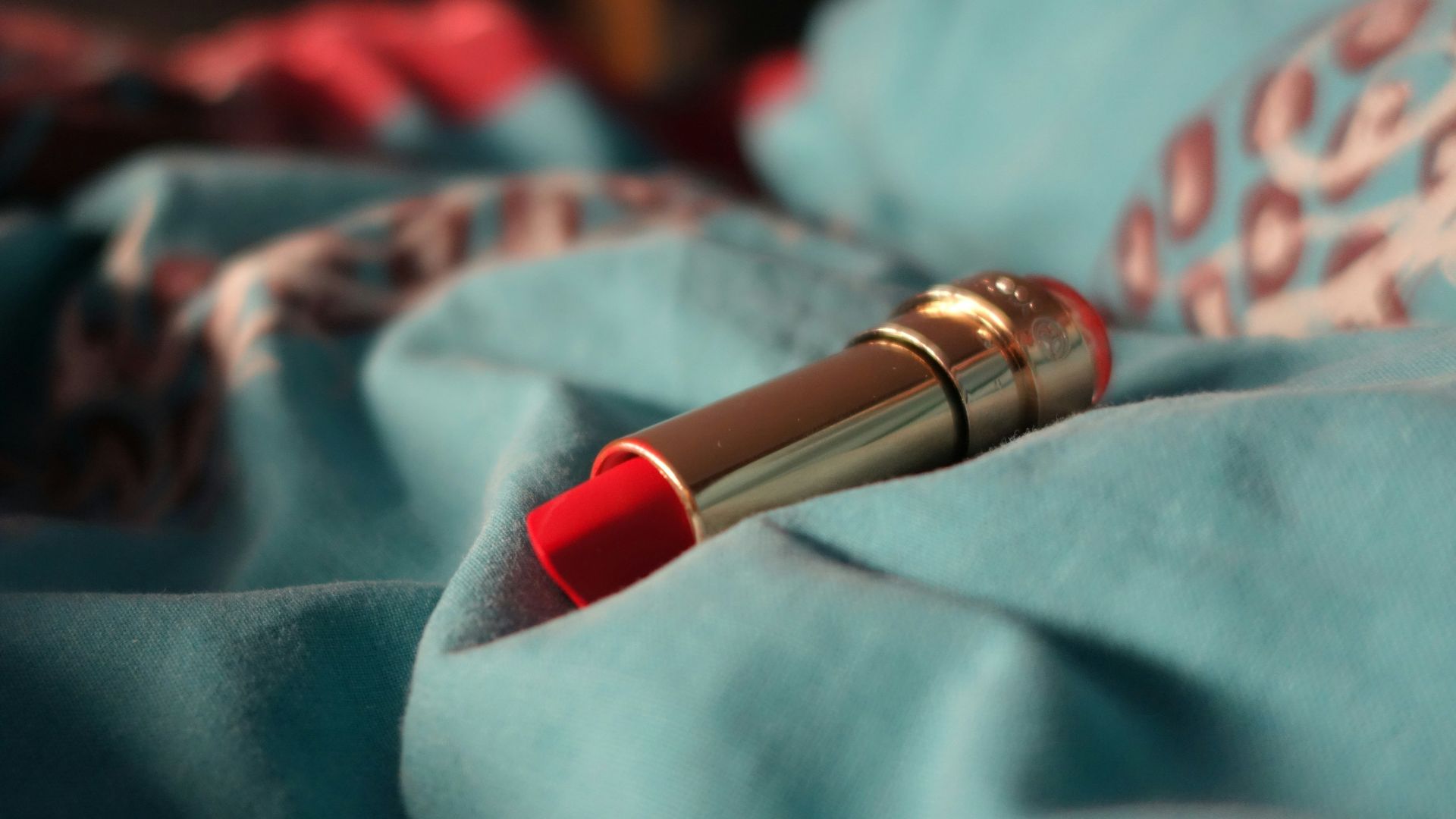
Rouge went on over the white in broad patches from the corner of the mouth toward the ear, made from carmine or crushed cochineal. Lip color came as solid sticks of rouge mixed with plaster of Paris, used by both sexes. Elite men mostly gave up the paint by the 1780s while keeping the wigs and powder another twenty years.
11. Beauty Patches
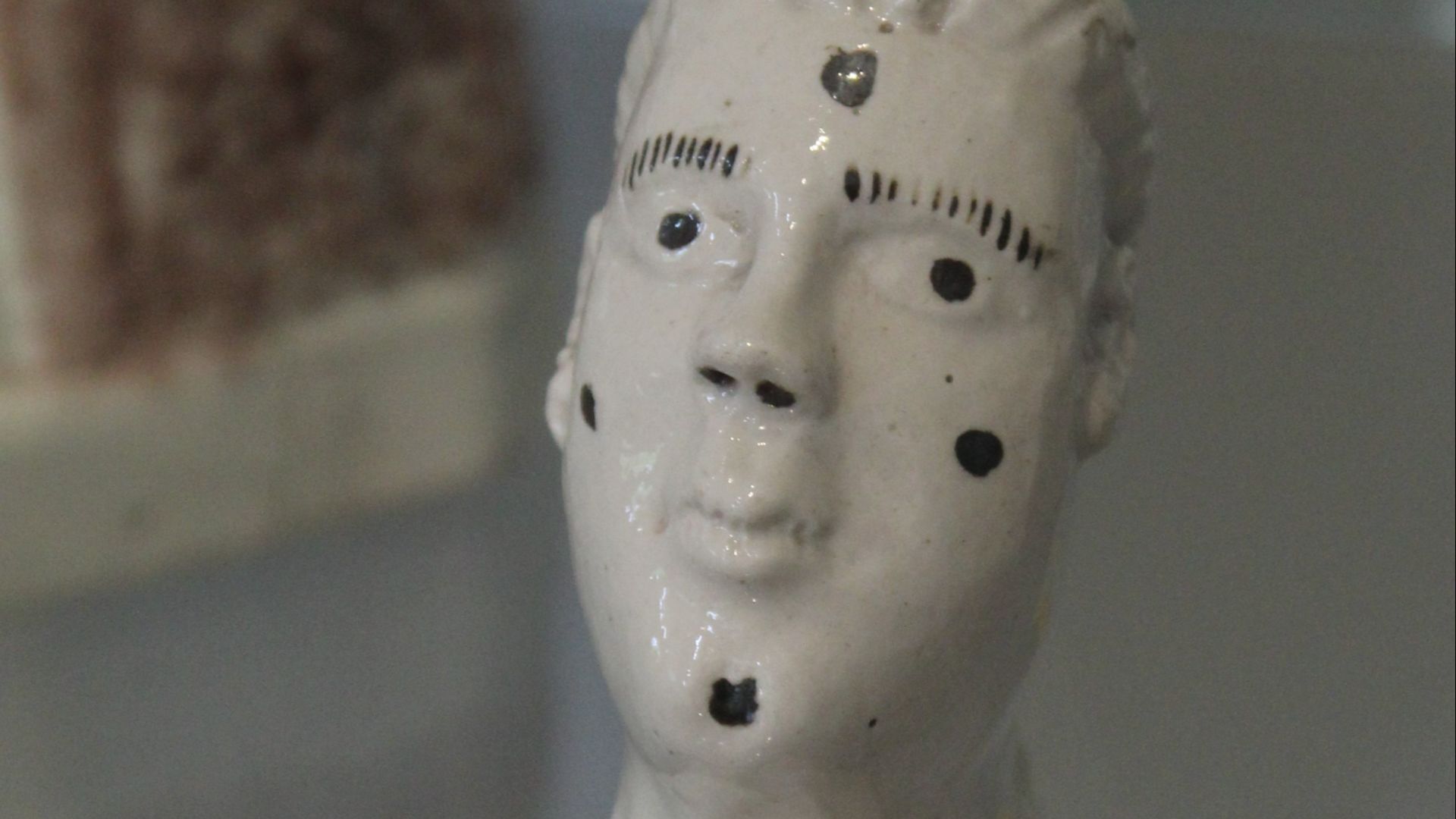
Patches cut from black silk, leather, or paper covered smallpox scars and broke up all that white. They came as crescents, diamonds, and stars, and placement carried meaning. Some wearers put on fifteen or sixteen at once. Male use peaked with the macaronis of the 1760s, whose dress became a byword for aristocratic excess.
12. Embroidered Silk Flowers
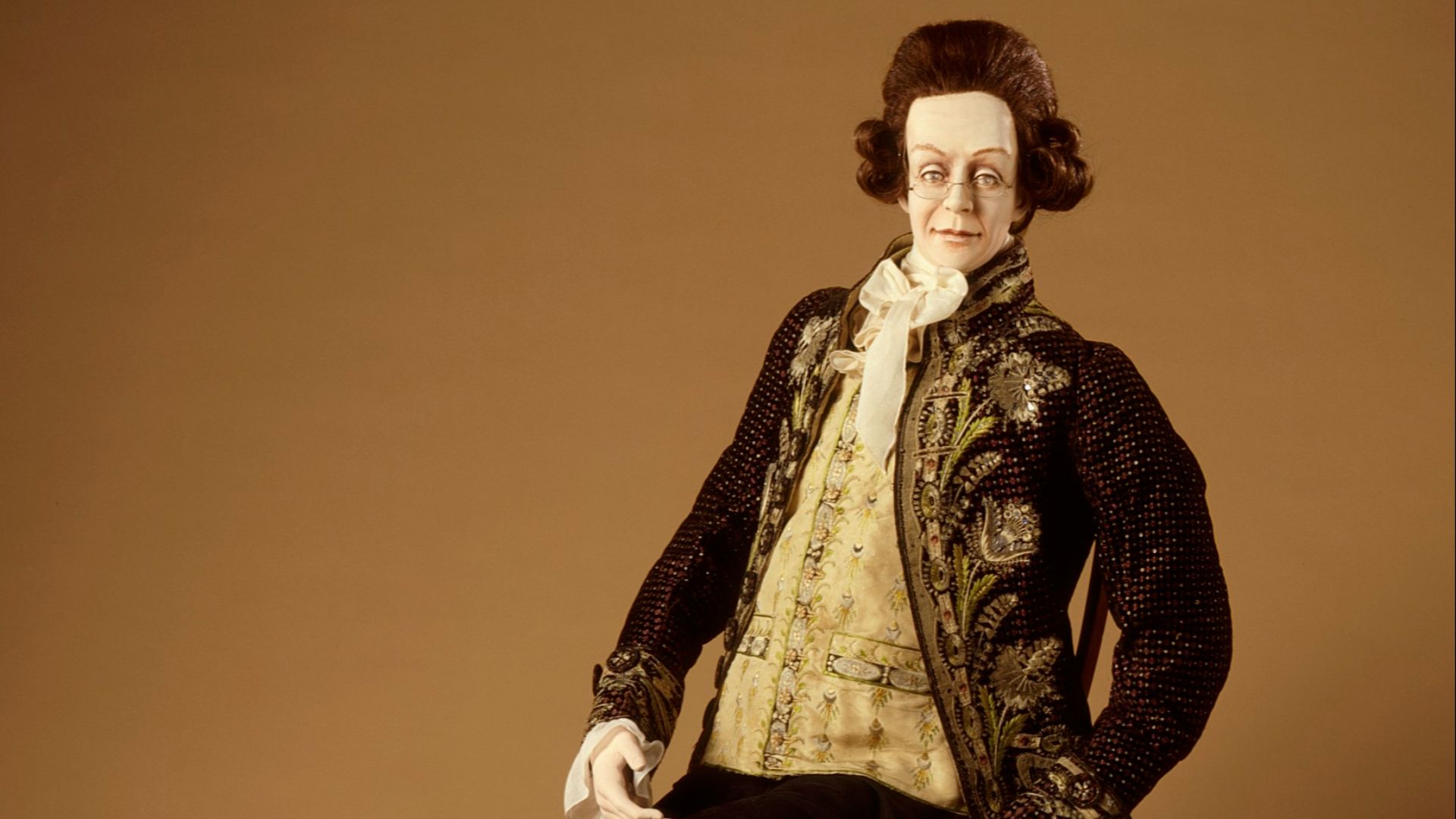
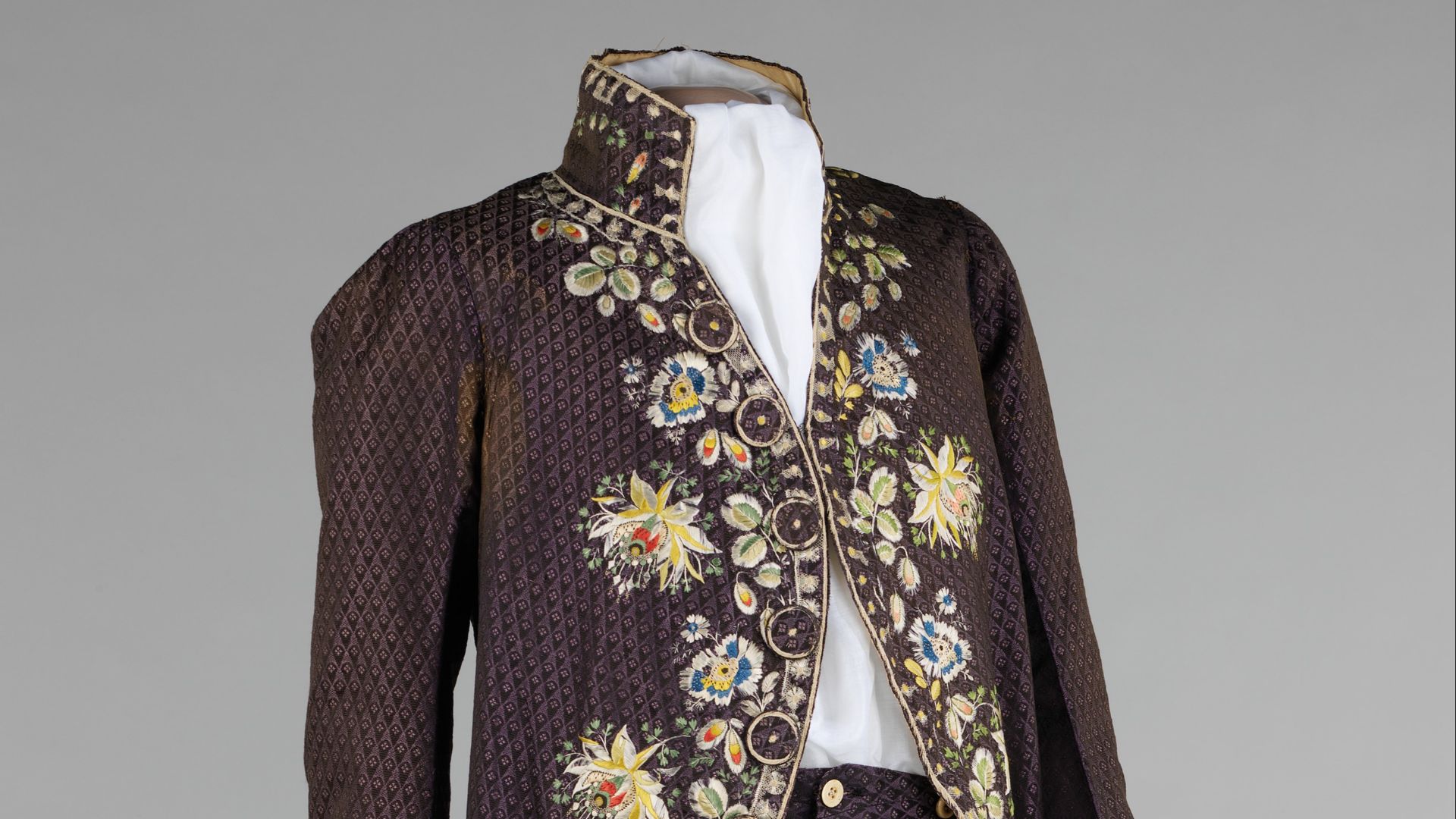
A man's court suit in the 18th century came covered in colored silk floral embroidery, the best of it worked in professional shops in Lyon. The flower heads were filled with a mesh stitch imitating the lace and netting used on women's gowns. The embroidery ran along the back pleats too, where nobody would see it. Pale greens, dusty pinks, and cornflower blues were standard.
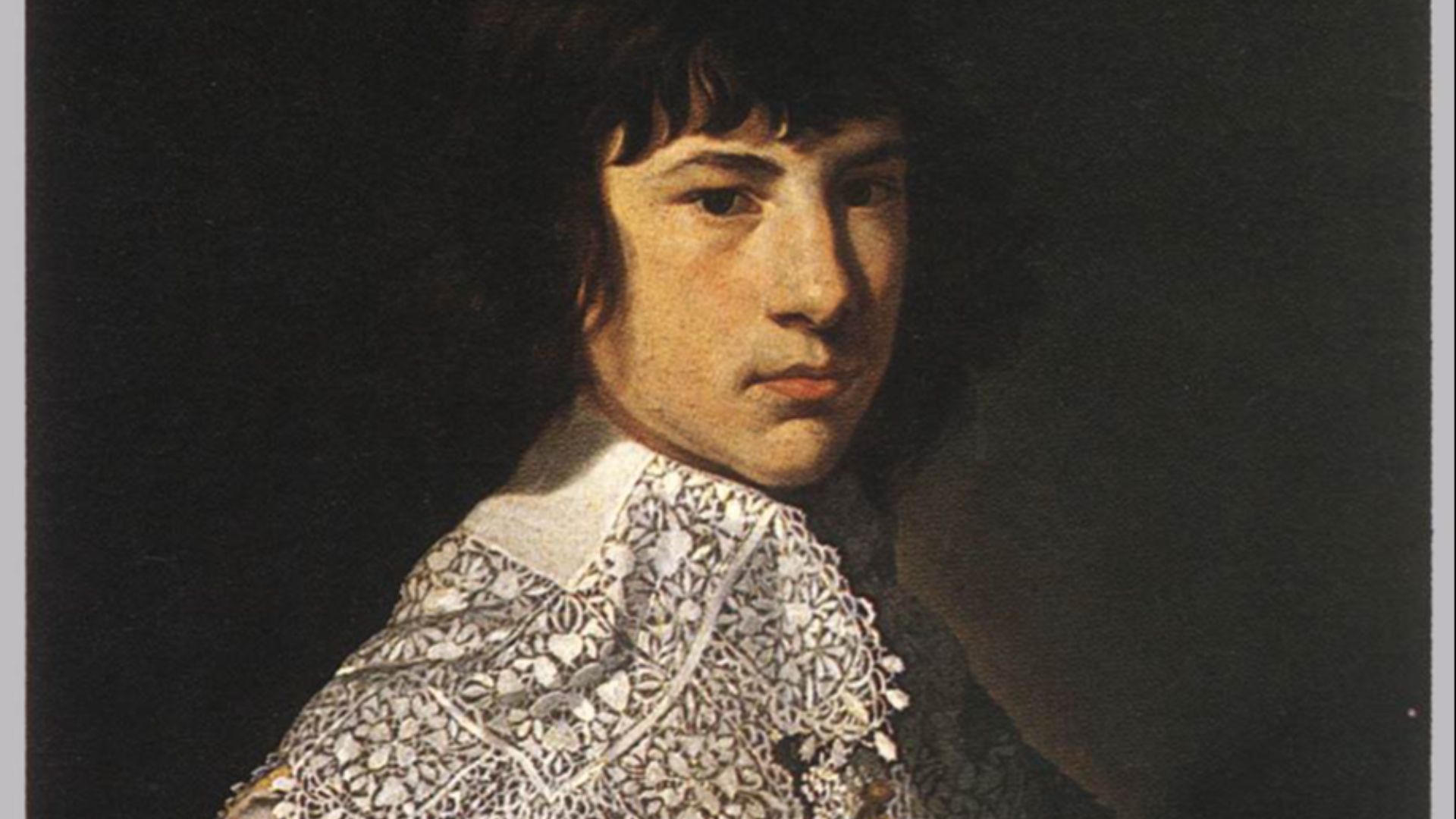
13. Lace At The Throat And Wrists
Lace was new in the 16th century and stayed expensive, so men piled it where it would be noticed. Charles II wore deep double cuffs of it, and jabots stayed standard into the 1790s.
14. Silk Stockings
Short breeches put a gentleman's legs on display from the mid-16th century, and fine knitted silk was how he dressed them. Embroidered panels called clocks ran up from the ankle toward the calf. Striped and zigzag stockings were in with young men about town by the 1780s. Once trousers covered the leg, decorated stockings passed to women.
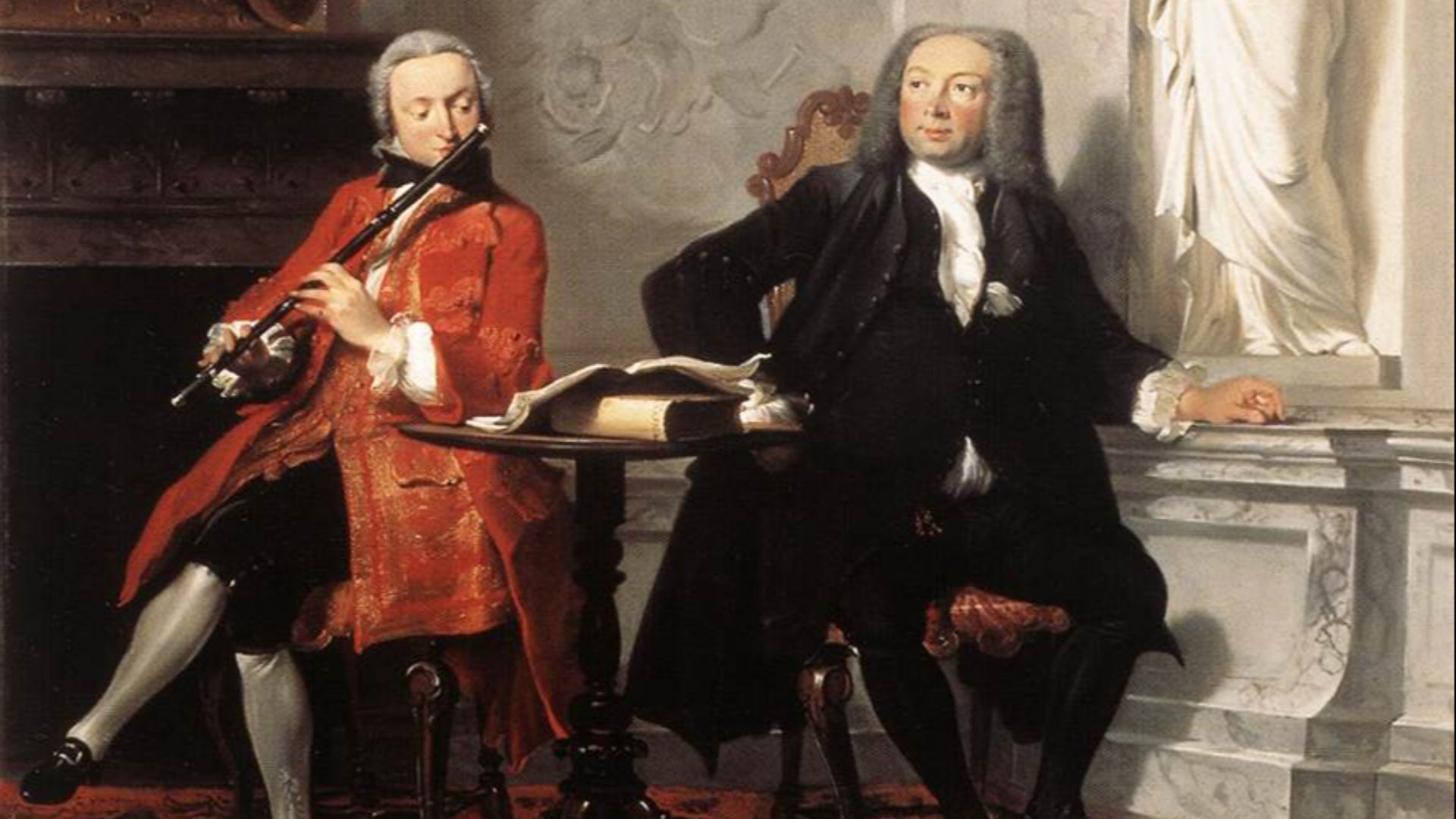
15. Padded Calves
By the 1770s men unhappy with their legs wore pads inside their stockings to fill out the calf, some of them stuffed with bran. False calves were still selling in the 1890s, mostly to footmen, whose legs were part of the job.
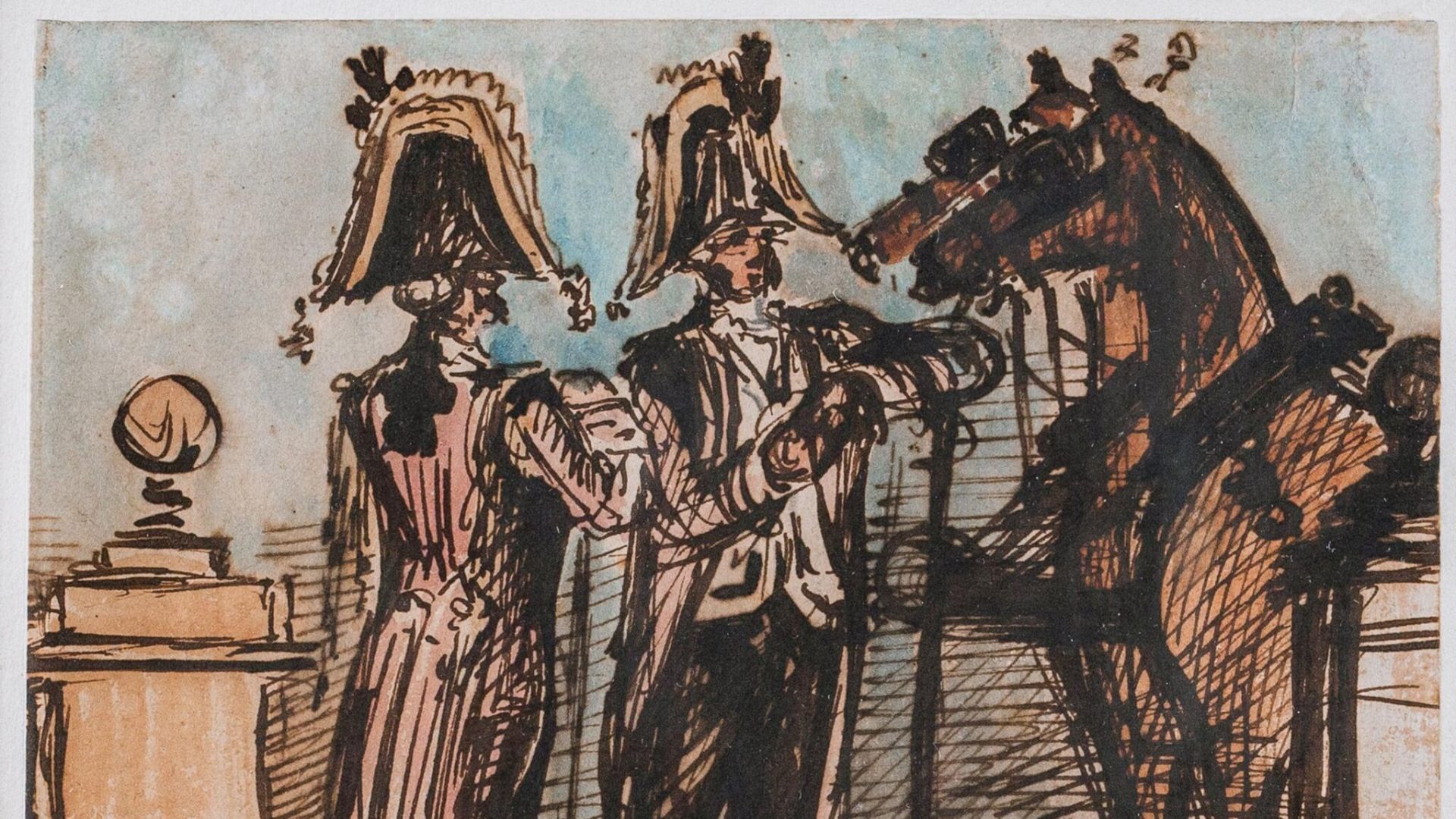
16. Ribboned Garters
Stockings needed garters, tied just above or below the knee, and both sexes wore them. They counted as intimate items of clothing, and some had political or personal messages worked into the design.
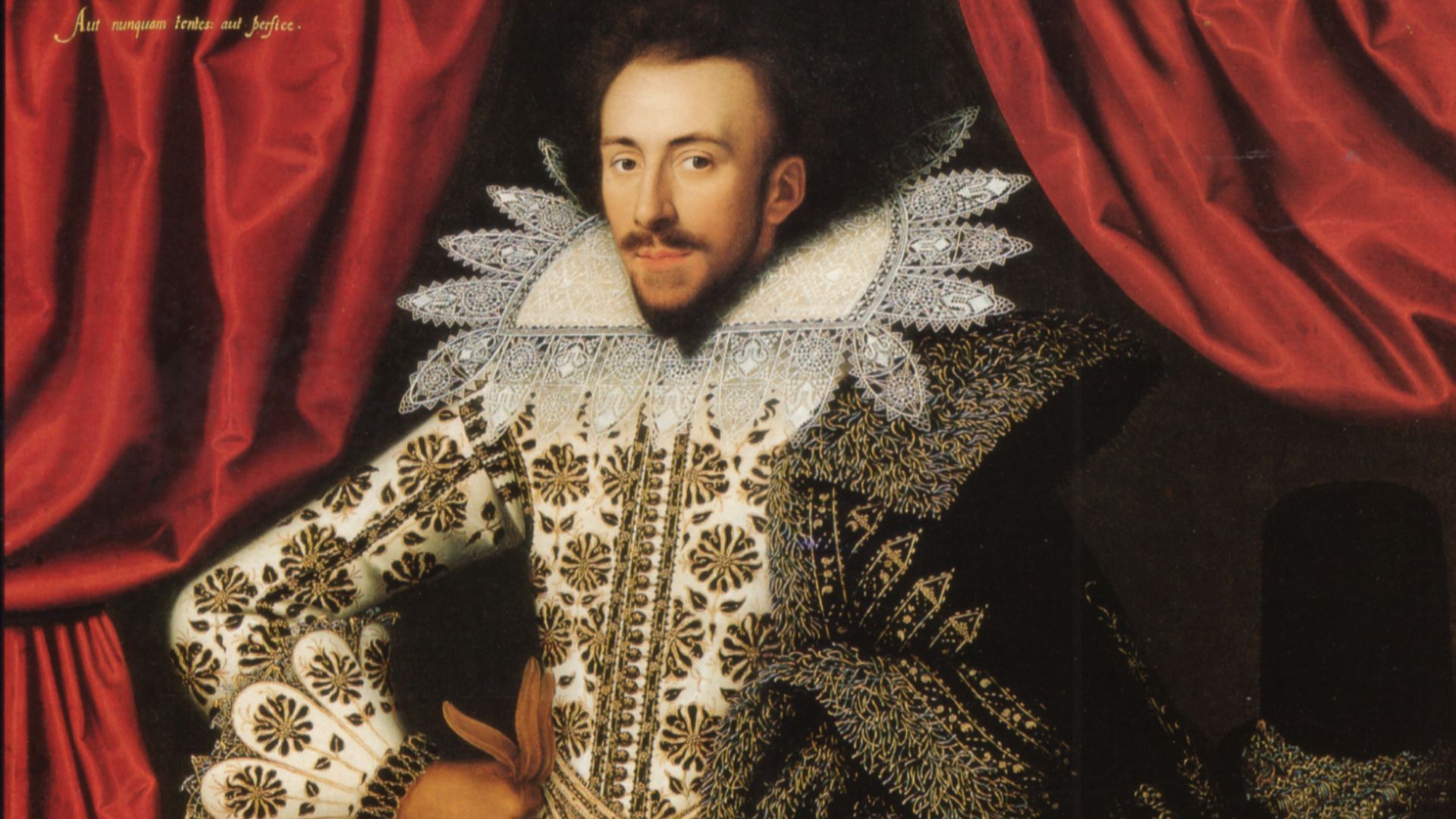 Attributed to William Larkin on Wikimedia
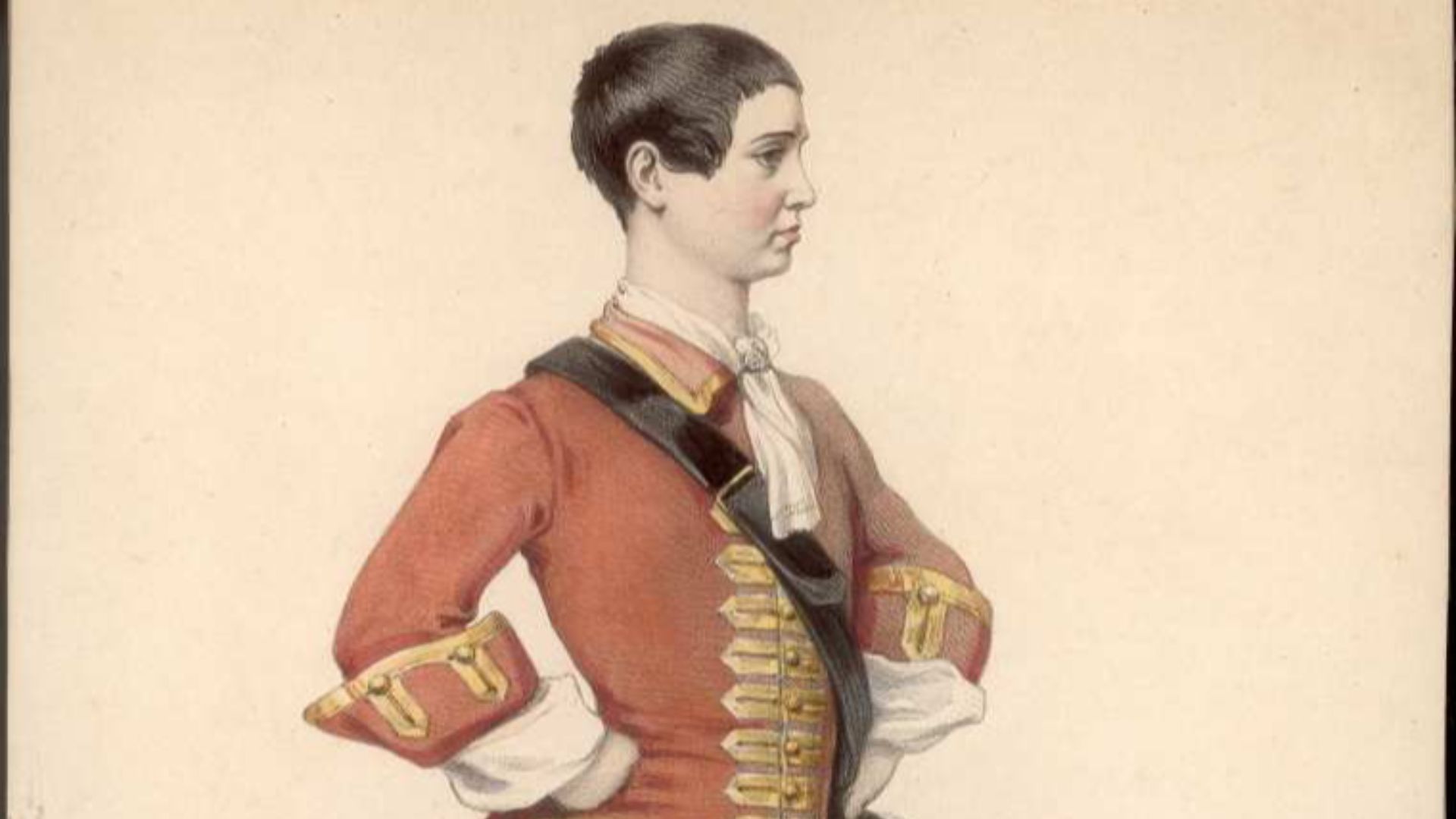
17. Skin-Tight Breeches
Light cotton breeches cut close to the leg came in late in the 18th century, and visible leg muscle read as martial strength. The style owed something to military uniform and something to the dandies, who pushed it furthest.
 Unknown authorUnknown author on Wikimedia
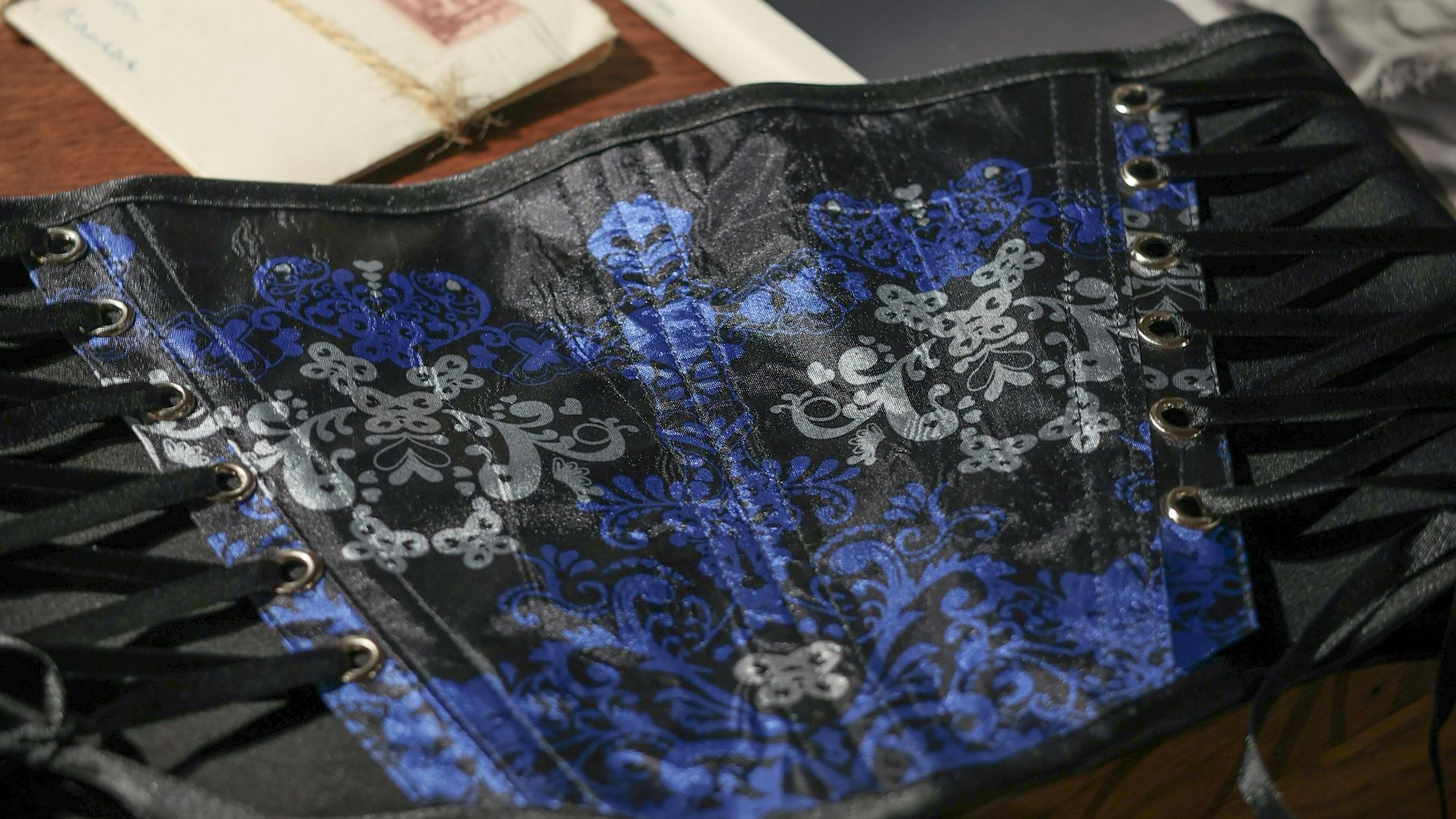
18. Corsets
Men started lacing into corsets around 1820, chasing a narrow waist to set off padded shoulders and thighs. The garments sold as girdles, belts, or vests, since corsets and stays were understood as women's words. An 1819 caricature shows a dandy ordering two servants to pull harder. Men's corsets were still being advertised in 1893.
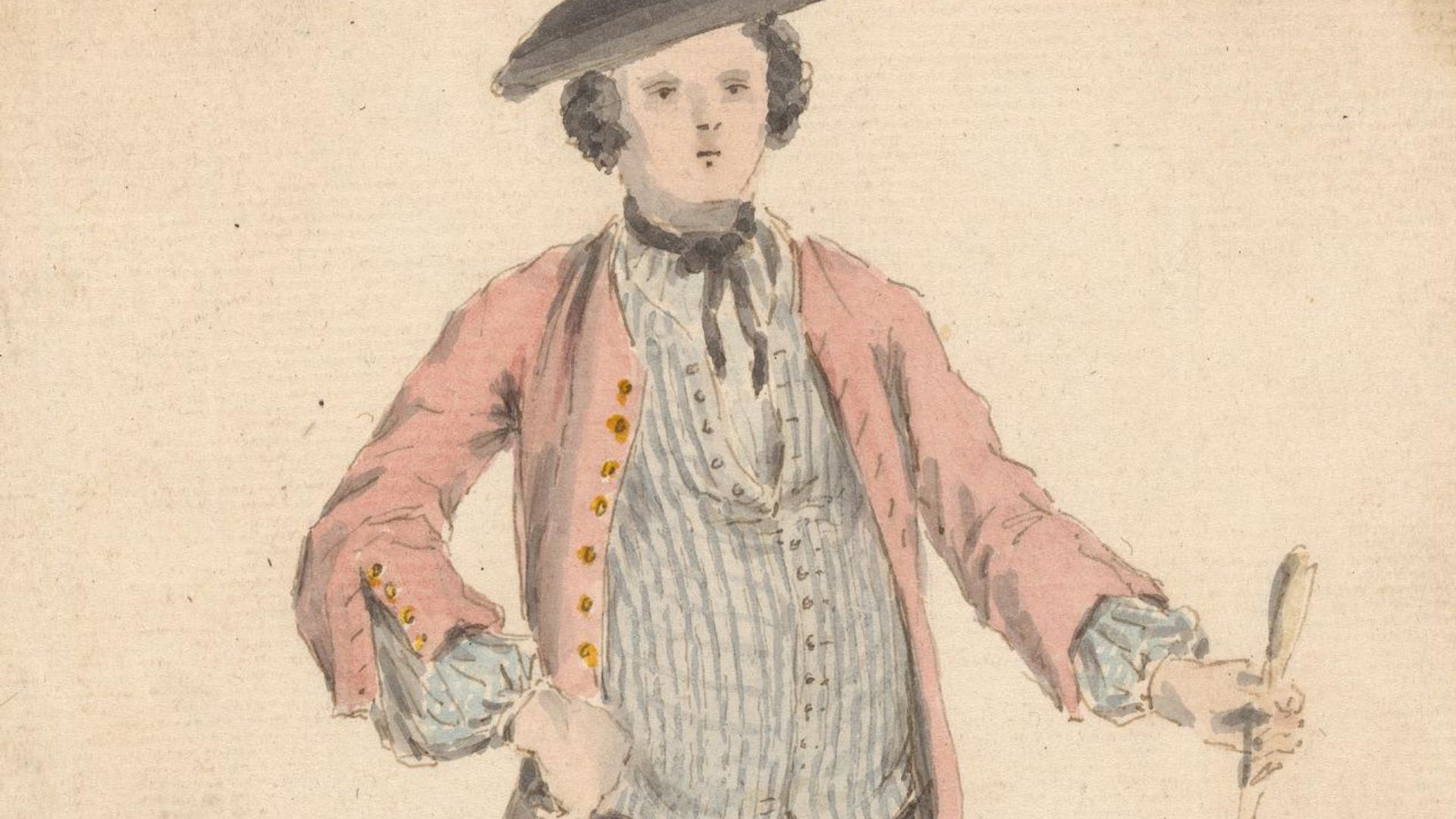
19. Pink
A 1918 American trade journal for children's wear told retailers the accepted rule was pink for boys and blue for girls, pink being the stronger color. A 1927 survey found several large department stores recommending pink for boys and several others the reverse. The modern scheme settled in during the 1940s.

20. Dresses
From the mid-16th century into the early 20th, small boys in the West wore gowns and dresses, largely because toilet training came slower than breeches fastenings allowed. The change into trousers was an event called breeching, usually between the ages of two and eight, and often photographed with the father. One 17th-century French memoirist was supposedly kept in dresses until eighteen.
 Louis-Philippe Boitard on Wikimedia