Dressing for the Body You Have Now
Whether you've gained weight due to pregnancy, hormonal changes, a different lifestyle, or simply getting older, learning how to dress your changing body can take some adjustment. Many women continue relying on the same styling techniques, clothing sizes, and outfit combinations that worked for them years ago, only to find that they don't look quite the same anymore. Looking fashionable doesn't require losing weight, but it might mean reconsidering a few of your wardrobe habits. Here are 20 fashion mistakes women commonly make after gaining weight.
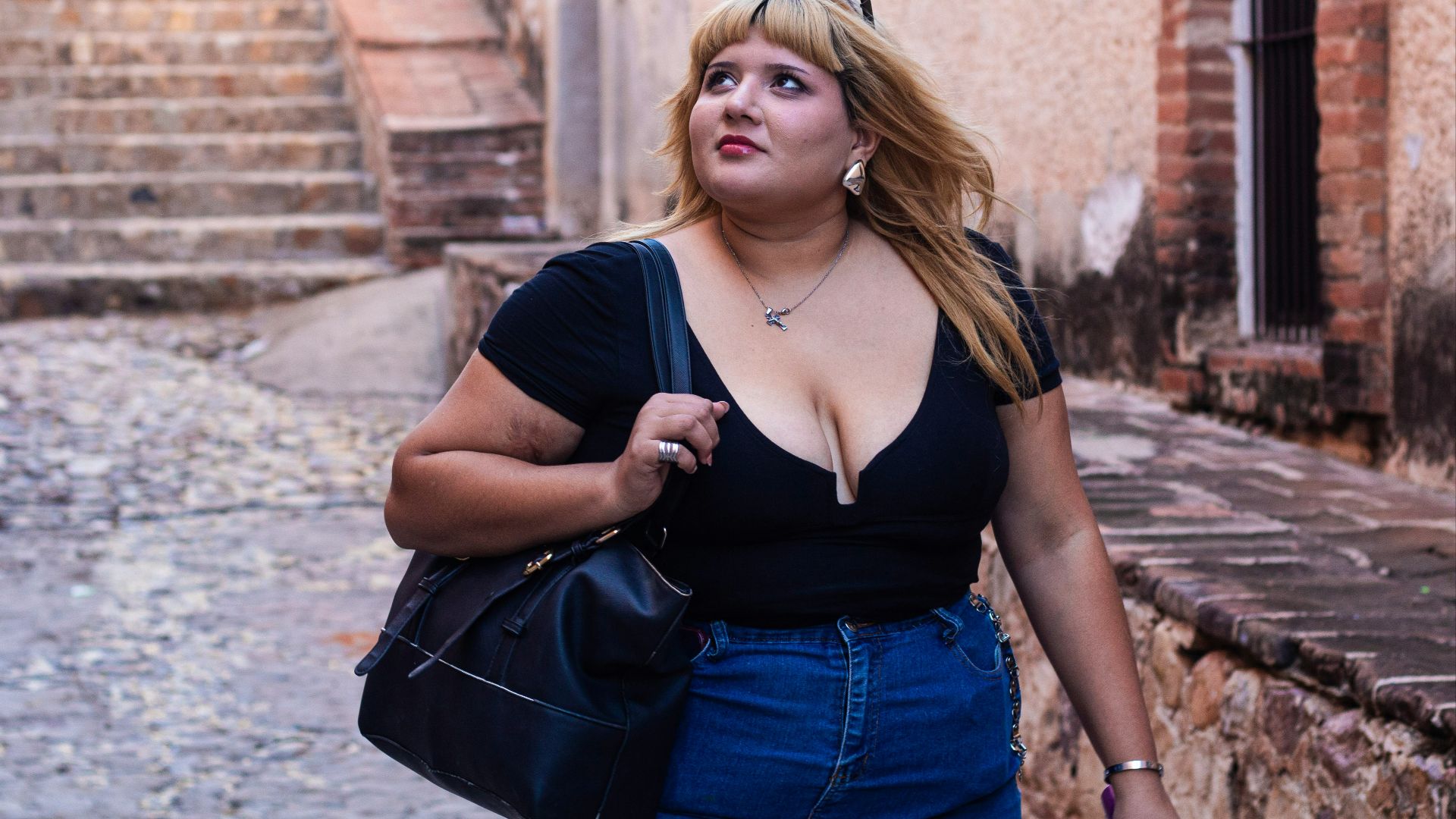
1. Buying Clothes in Their Previous Size
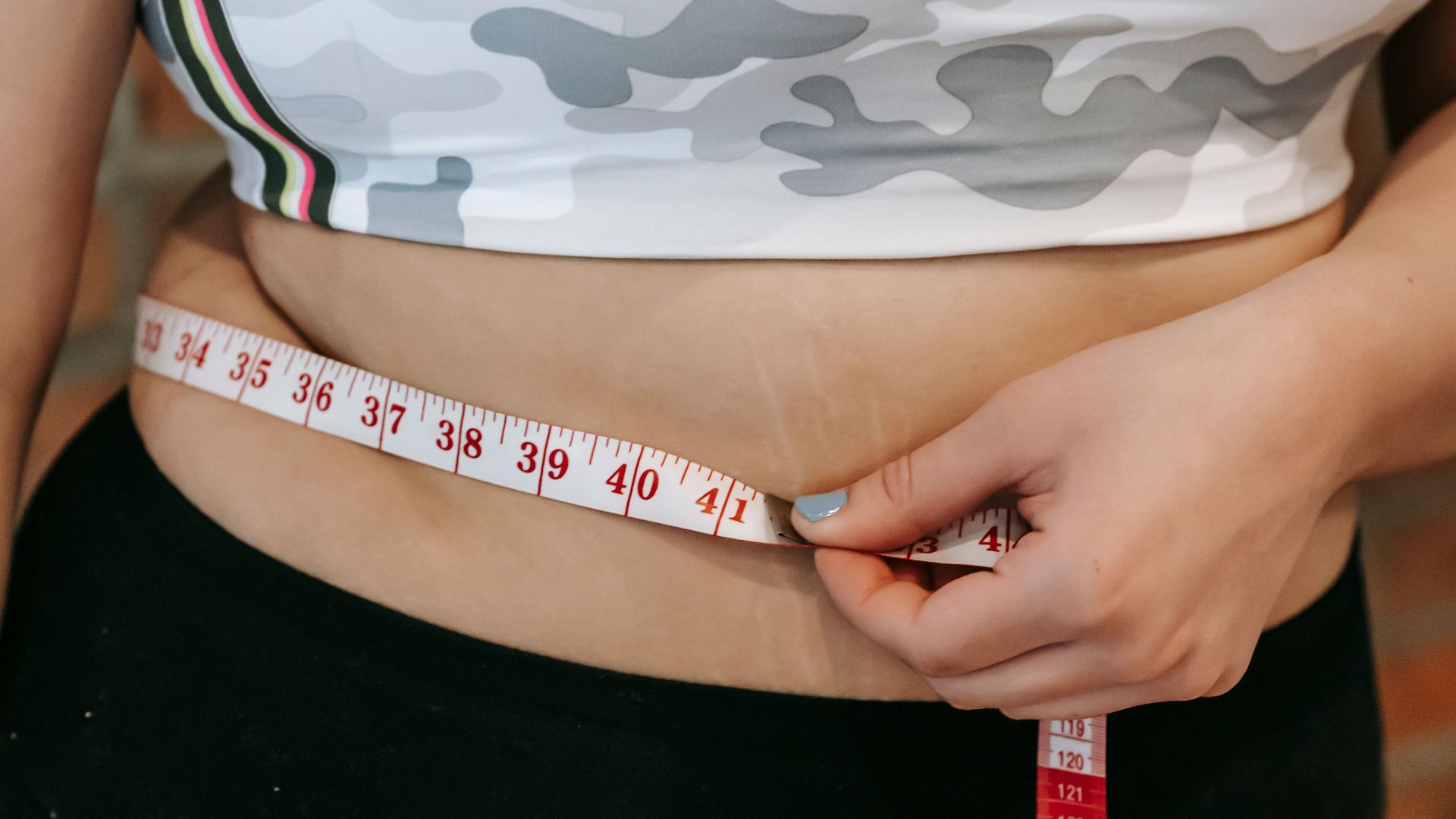
It can be surprisingly difficult to accept that the clothing size you've worn for years no longer fits comfortably. However, squeezing into smaller garments can cause fabric to pull, buttons to gape, and seams to sit awkwardly against your body. You're far more likely to look put-together in something that fits properly, regardless of what the label says.
2. Overcompensating With Oversized Clothing
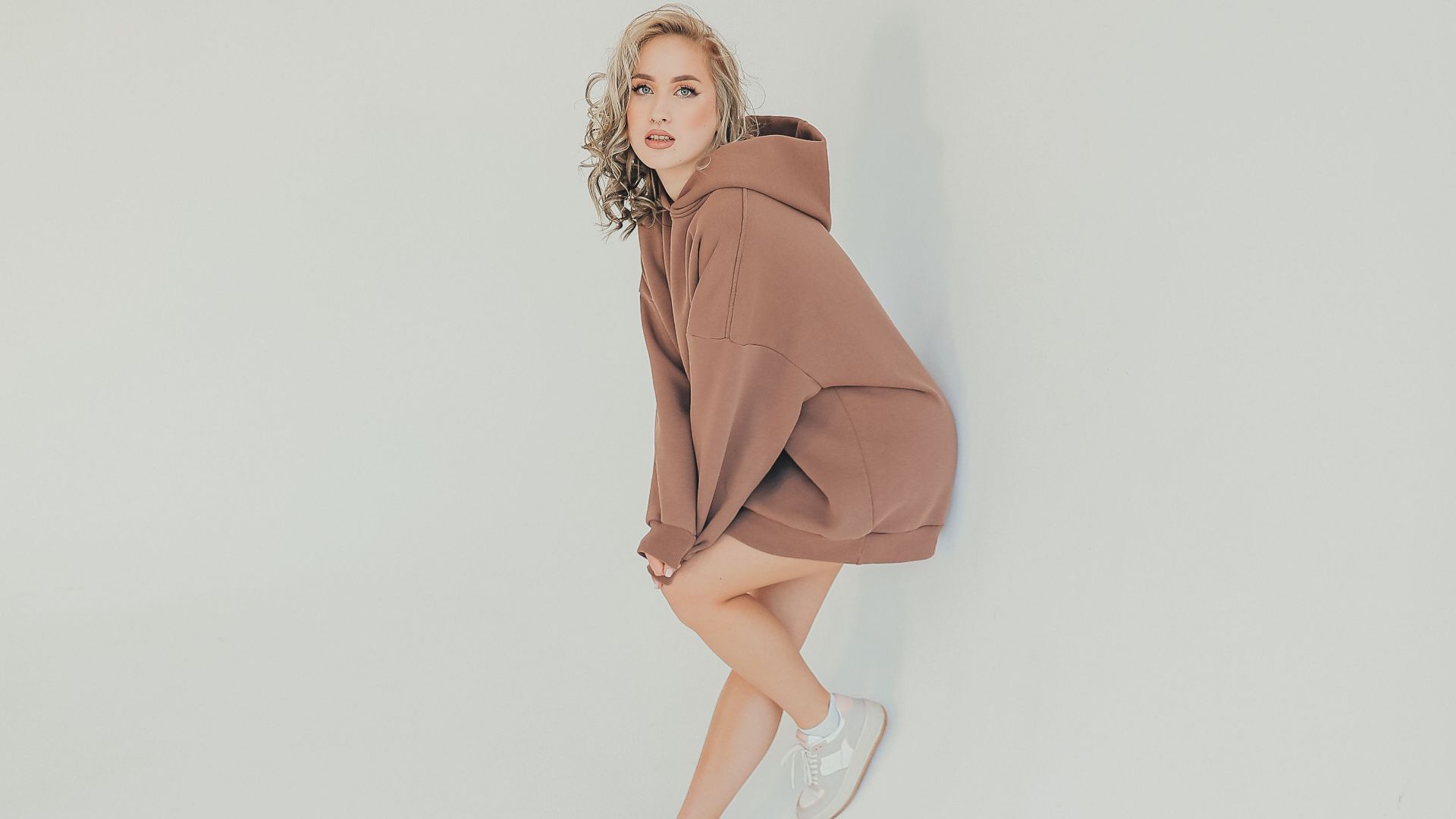
Some women respond to weight gain by buying everything a few sizes too big in an attempt to conceal their changing figure. Unfortunately, all that extra fabric can overwhelm your frame and hide your natural proportions. Relaxed silhouettes can look incredibly stylish, but there's a difference between intentionally oversized clothing and garments that simply don't fit.
3. Forgetting to Get Fitted for a New Bra
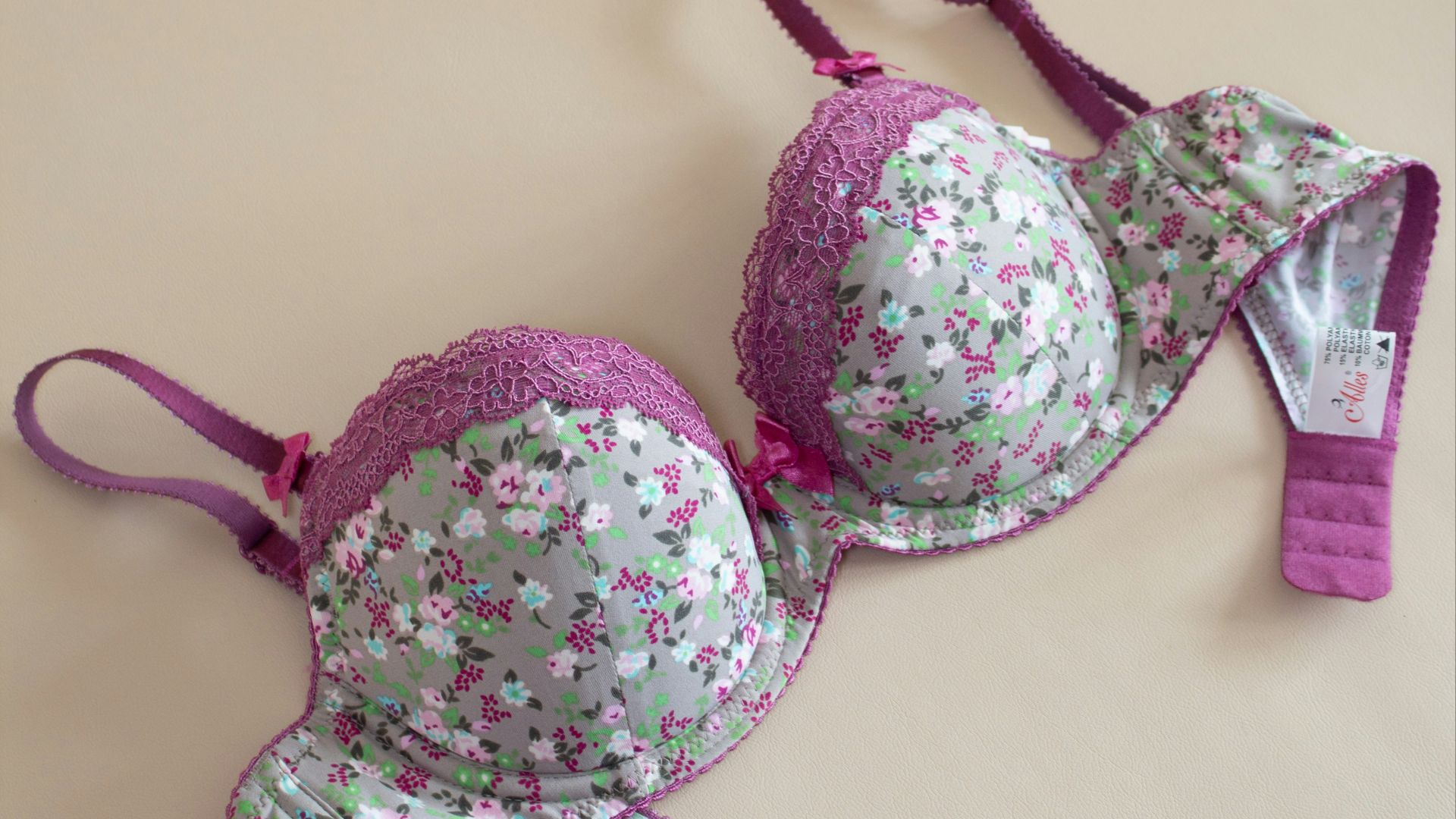
Weight gain can affect both your cup and band size, meaning the bras you've been wearing might no longer offer enough support. An ill-fitting bra can create unwanted bulges, change how your tops sit, and affect the appearance of your waistline. You might be surprised by how much better your existing wardrobe looks after getting professionally fitted.
4. Wearing Leggings With Everything
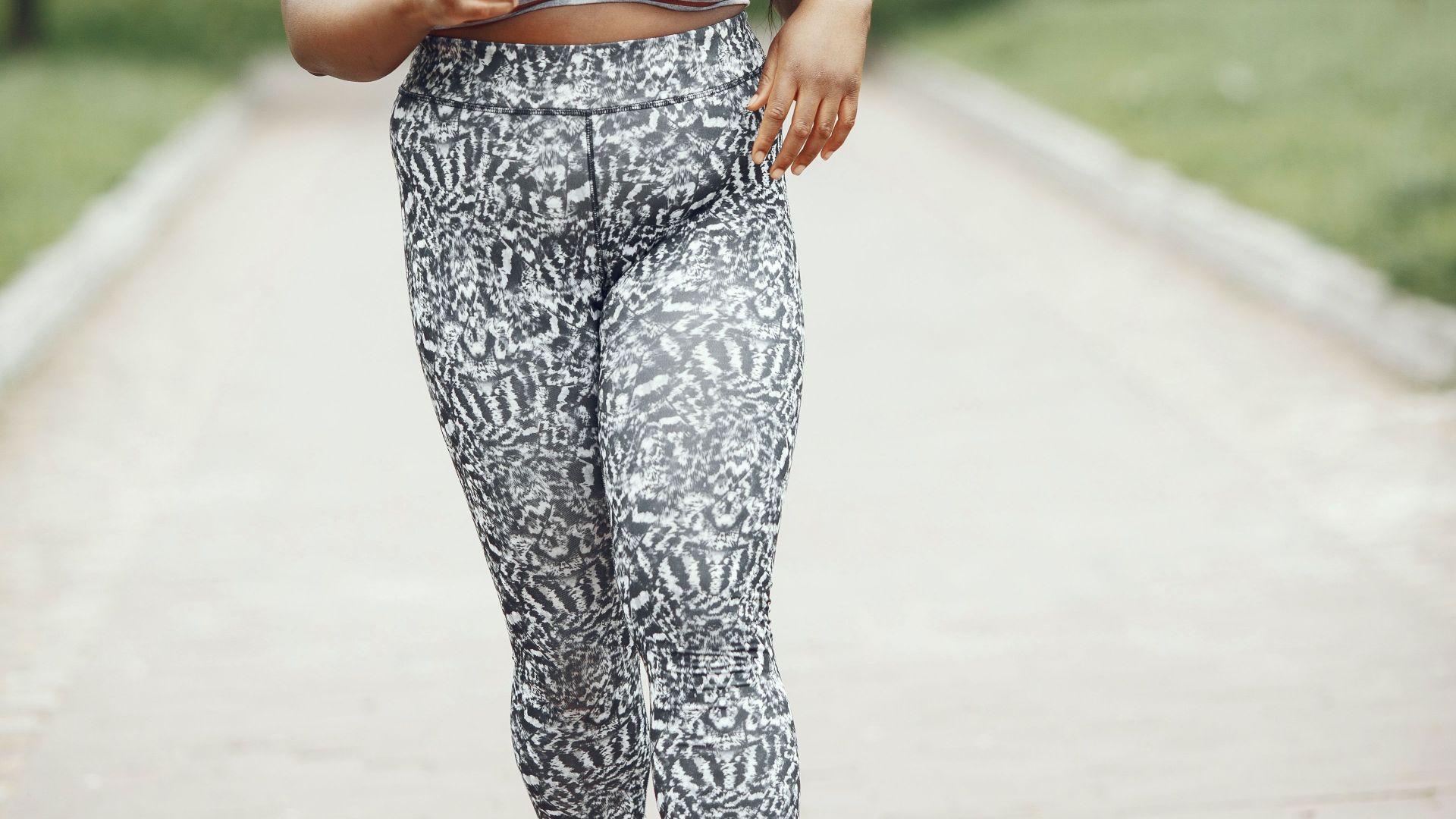
When your favorite jeans become uncomfortable, stretchy leggings can quickly become part of your everyday uniform. Although there's nothing wrong with wearing them, relying exclusively on leggings can limit your outfit options and make it harder to put together a dressier look. Ponte pants, stretch denim, and tailored trousers with elastic waistbands offer similar comfort with considerably more styling possibilities.
5. Assuming Their Waistline Has Disappeared
Just because you've gained weight doesn't necessarily mean you've lost the natural definition of your waist. Many women stop wearing belted dresses, fitted jackets, and high-waisted pants because they're convinced these styles won't suit them anymore. Experimenting with where garments sit on your waist can help you discover silhouettes that complement your current proportions.
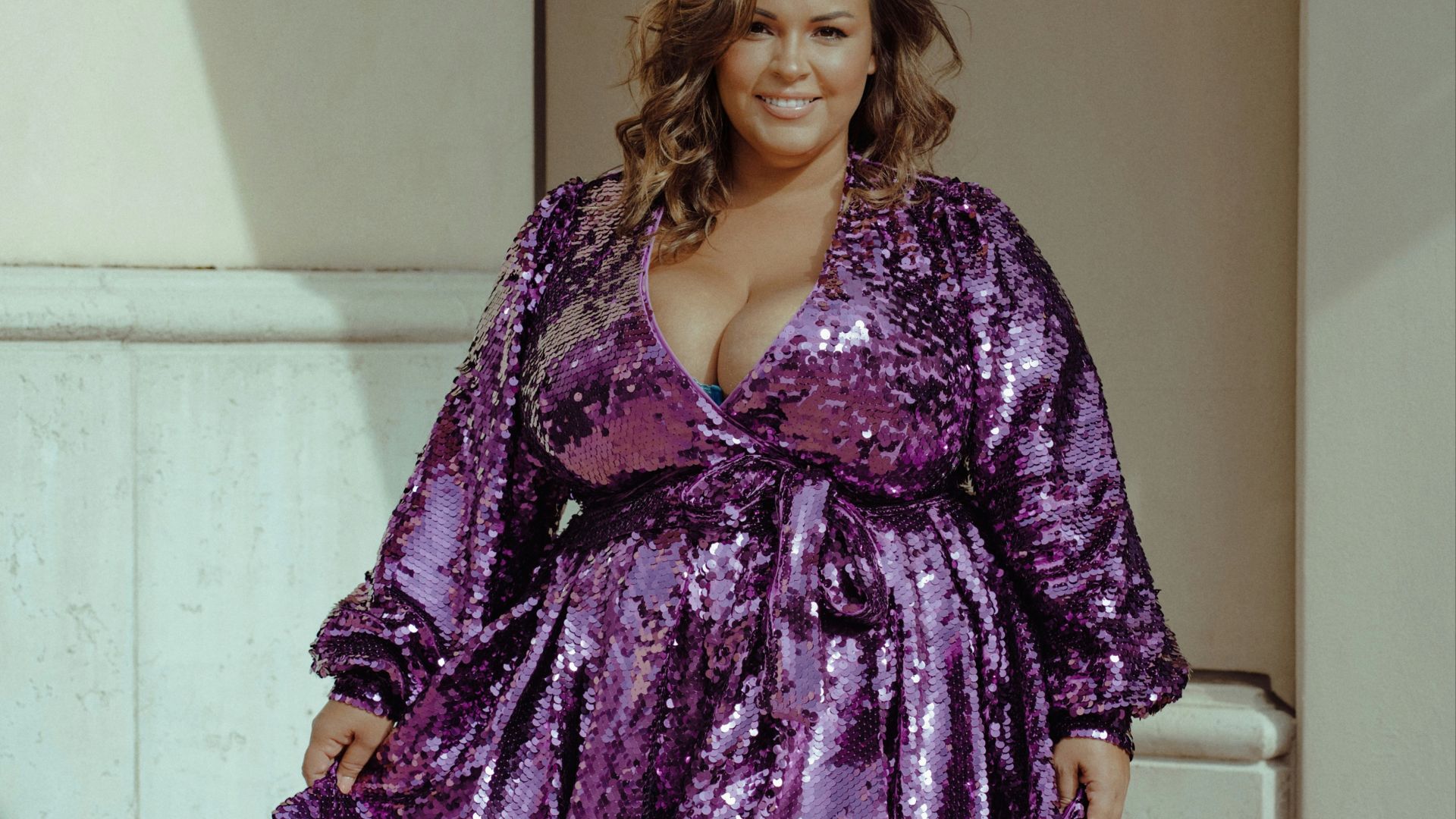
6. Only Wearing Black
Black clothing has earned a reputation for being slimming, which explains why some women gradually remove color from their wardrobes after gaining weight. However, the fit, fabric, and construction of a garment often matter more than its color. A beautifully tailored cream blazer can easily look more flattering than a poorly fitted black one.
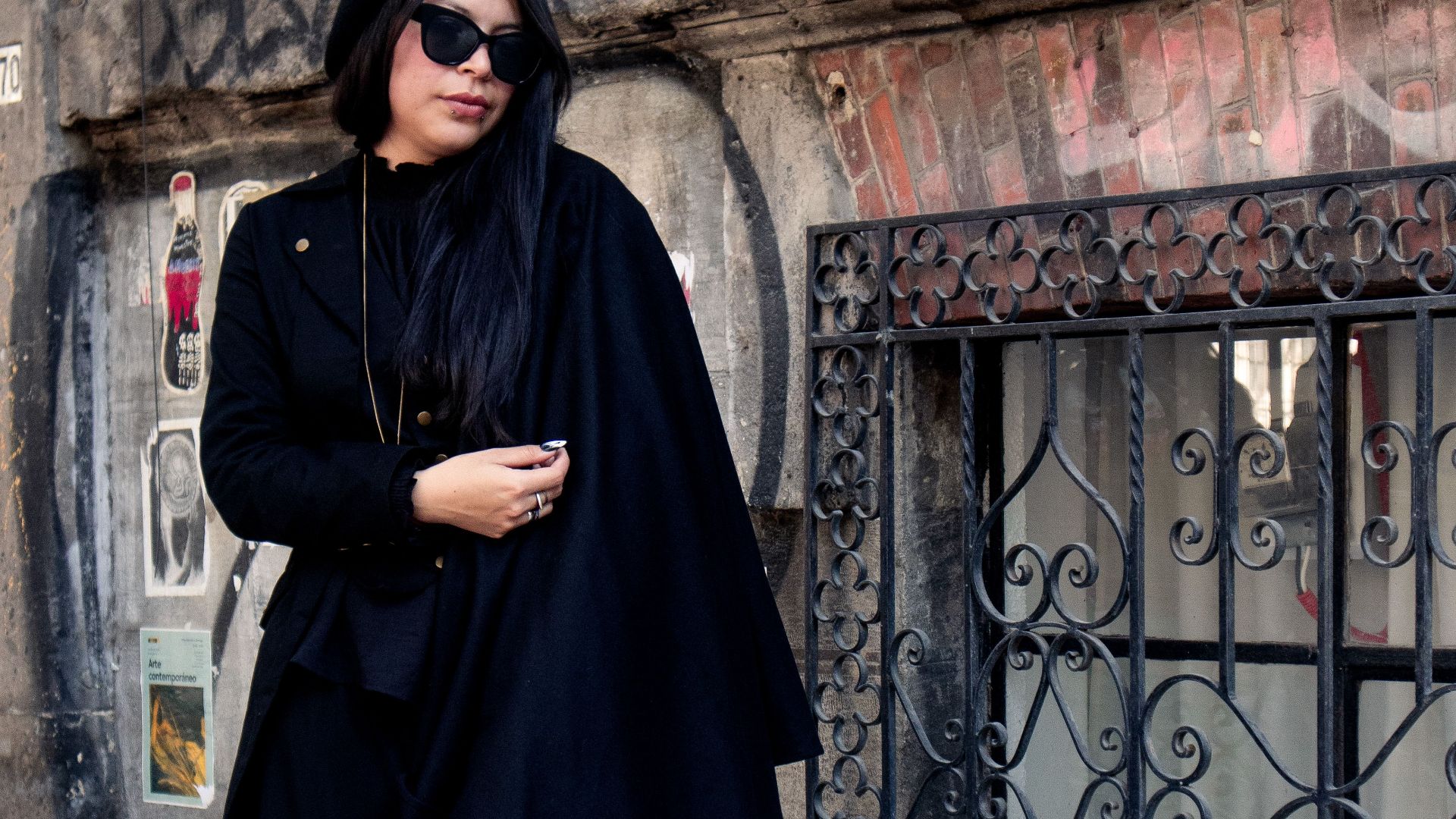
7. Choosing Jeans With the Wrong Rise
The jeans that once sat comfortably across your lower abdomen might now dig into your stomach or create an awkward indentation. Before giving up on denim altogether, try experimenting with different rises and waistband styles. A mid-rise or high-rise pair with a contoured waistband might accommodate your changing shape far more comfortably.
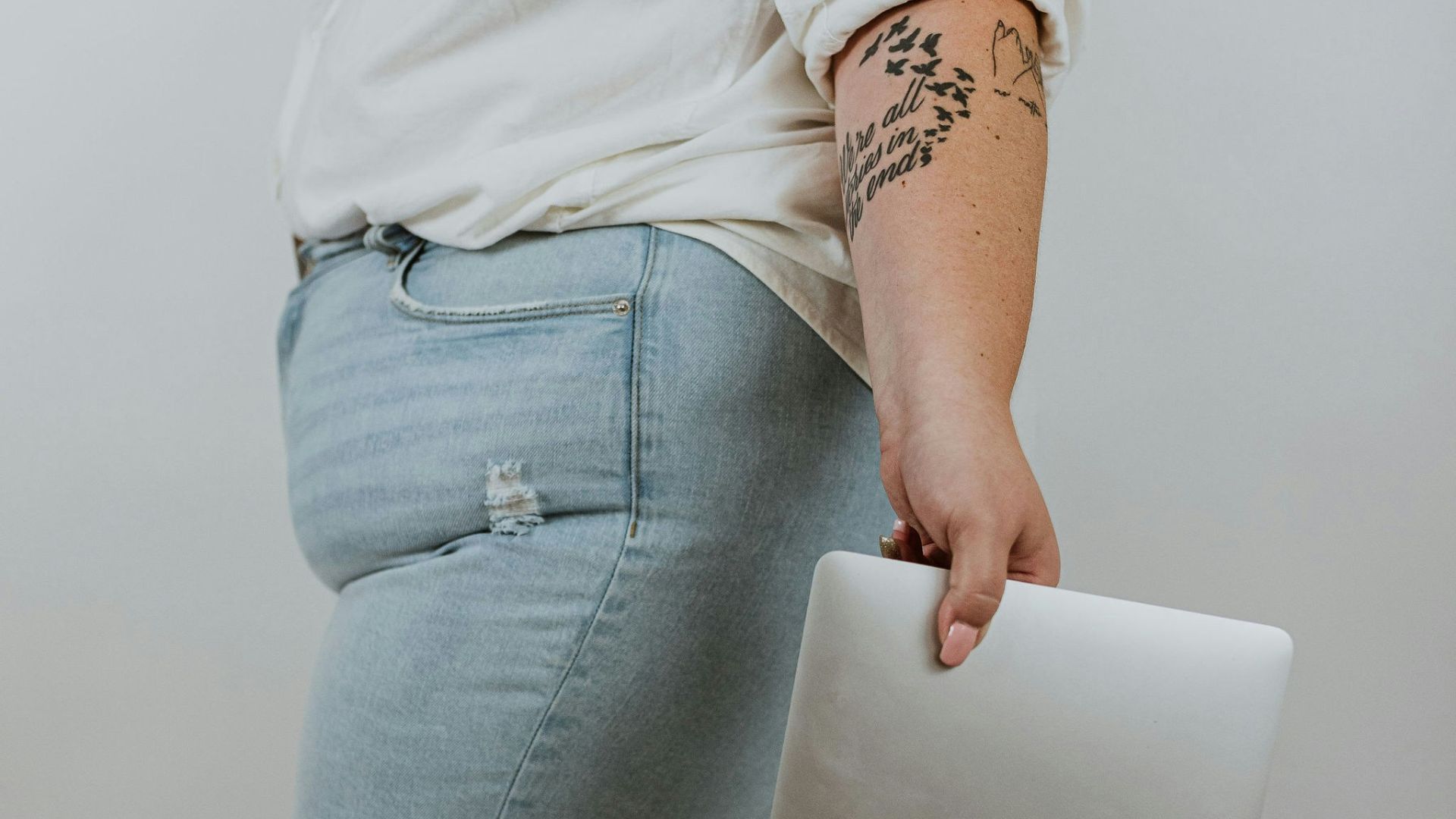
8. Wearing Tops That End at the Widest Part of Their Hips
Where a shirt's hemline falls can make quite a difference in the overall proportions of an outfit. If your hips have become fuller, a top that ends directly across their widest point can draw extra attention to that area. Try slightly shorter tops or longer styles that extend beyond your hips to see which creates a more balanced silhouette.
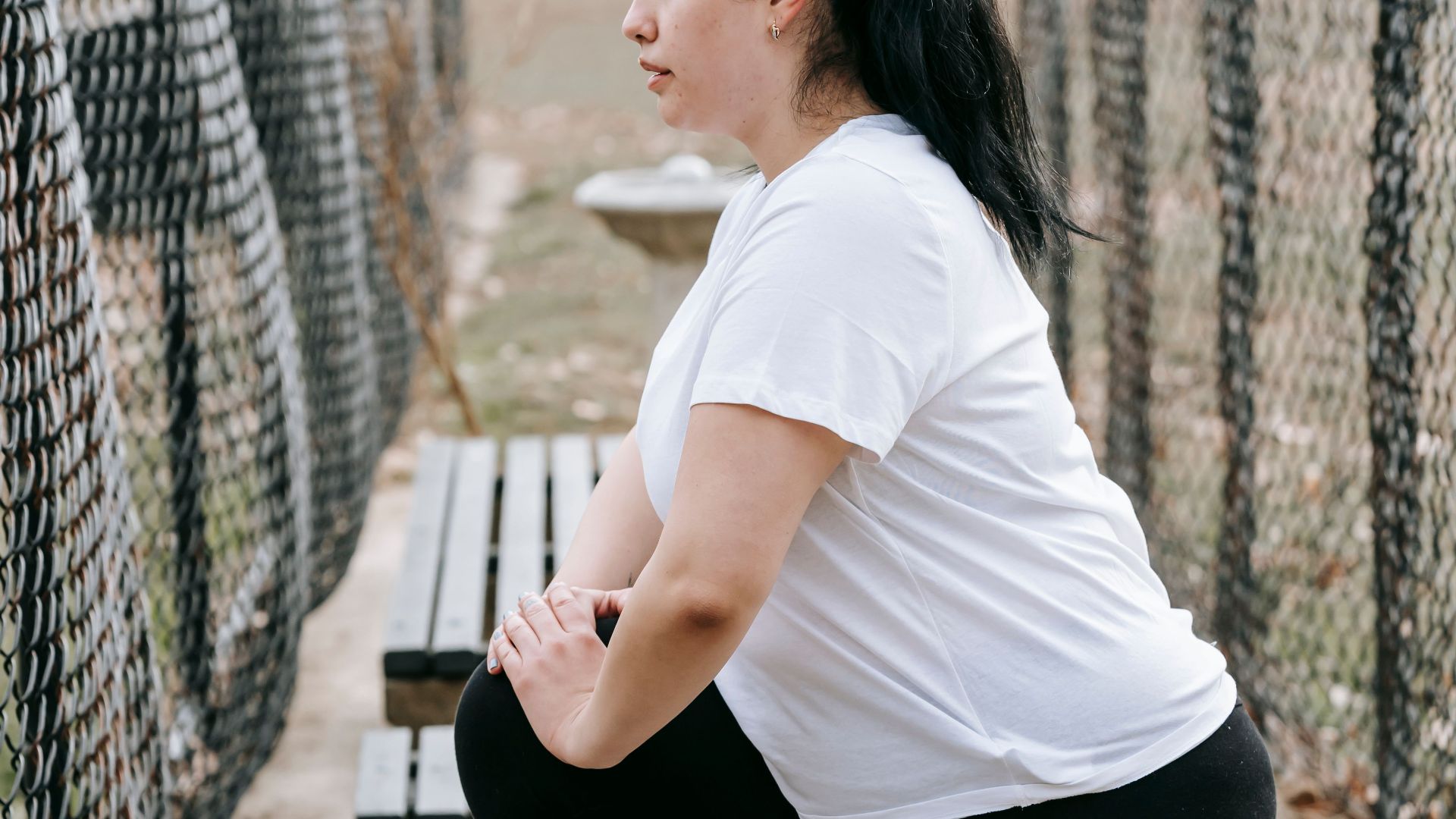
9. Relying Too Heavily on Shapewear
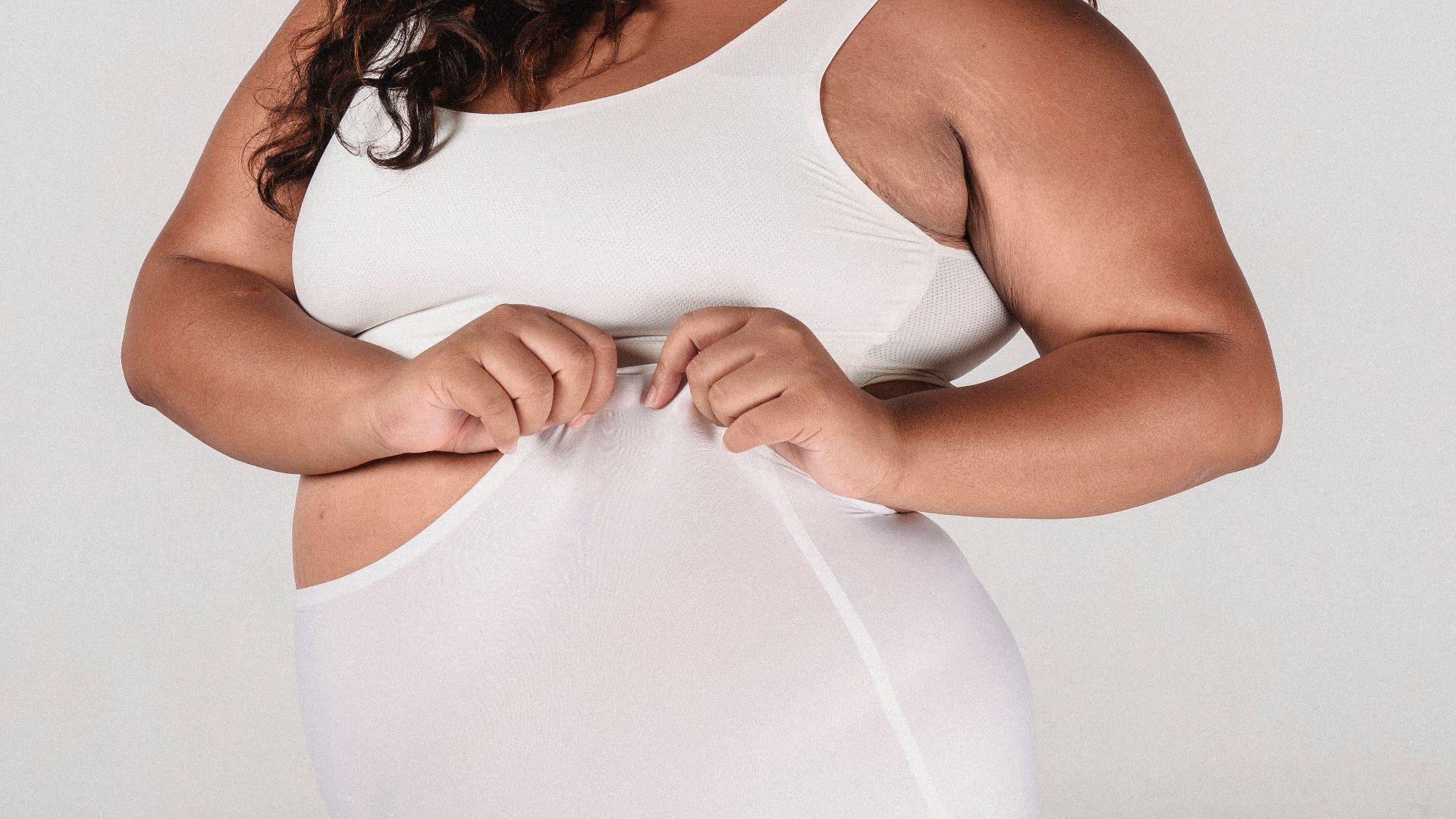
There's certainly a time and place for shapewear, particularly underneath formal dresses made from delicate fabrics. However, wearing overly restrictive undergarments every day can get uncomfortable and create visible lines where the compression garment ends. Your everyday clothes should fit well enough that you don't feel obligated to wear shapewear underneath them.
10. Neglecting the Fit of Their Sleeves
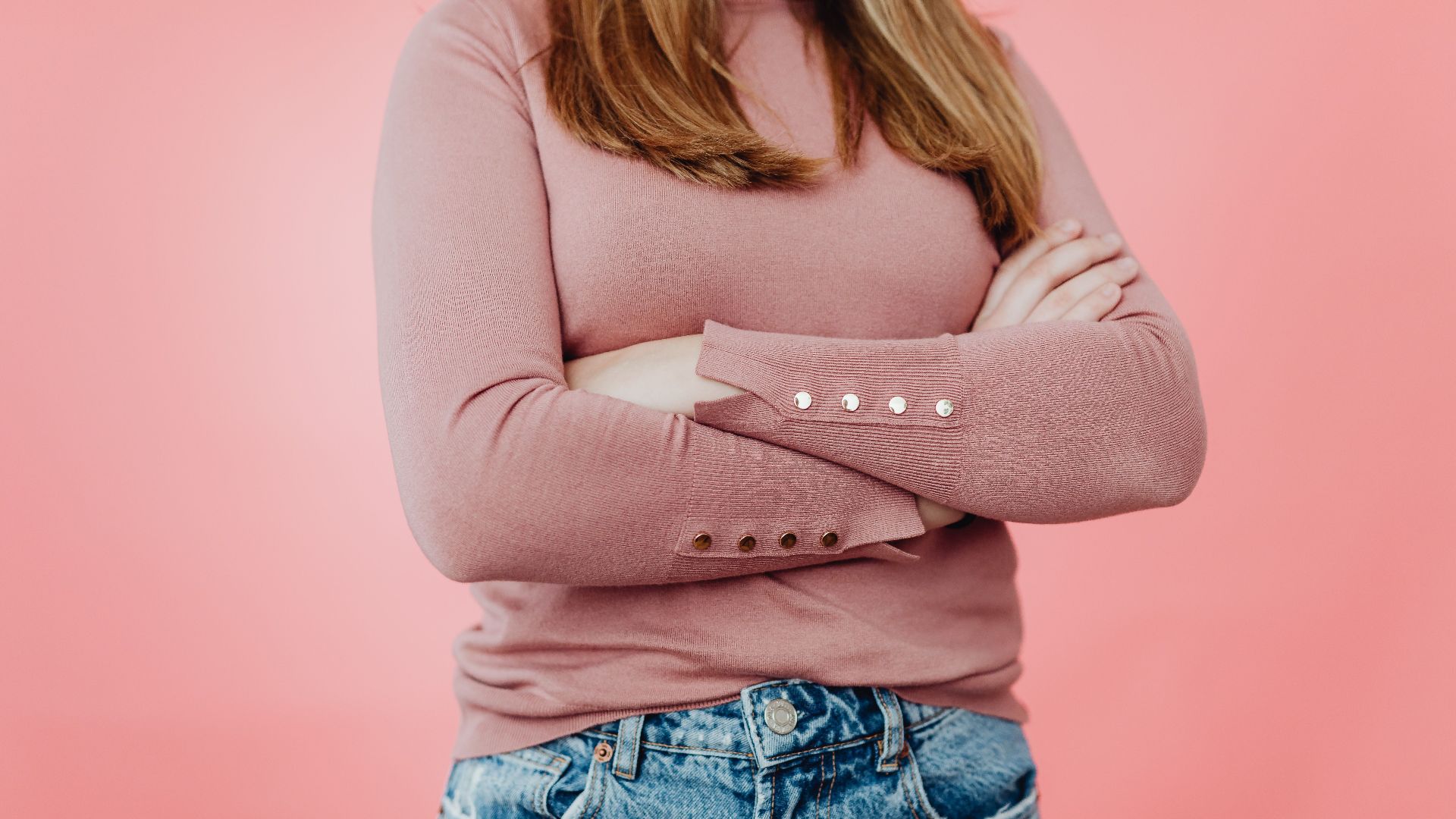
Weight gain around the upper arms can make sleeves that once fit perfectly feel surprisingly restrictive. Tight armholes and narrow sleeves may cause fabric to bunch around the shoulders or pull across the chest, even when the rest of the garment fits well. Look for tops that offer a little more room through the upper arm without sacrificing the fit around the shoulders.
11. Avoiding Tucking In Their Shirts
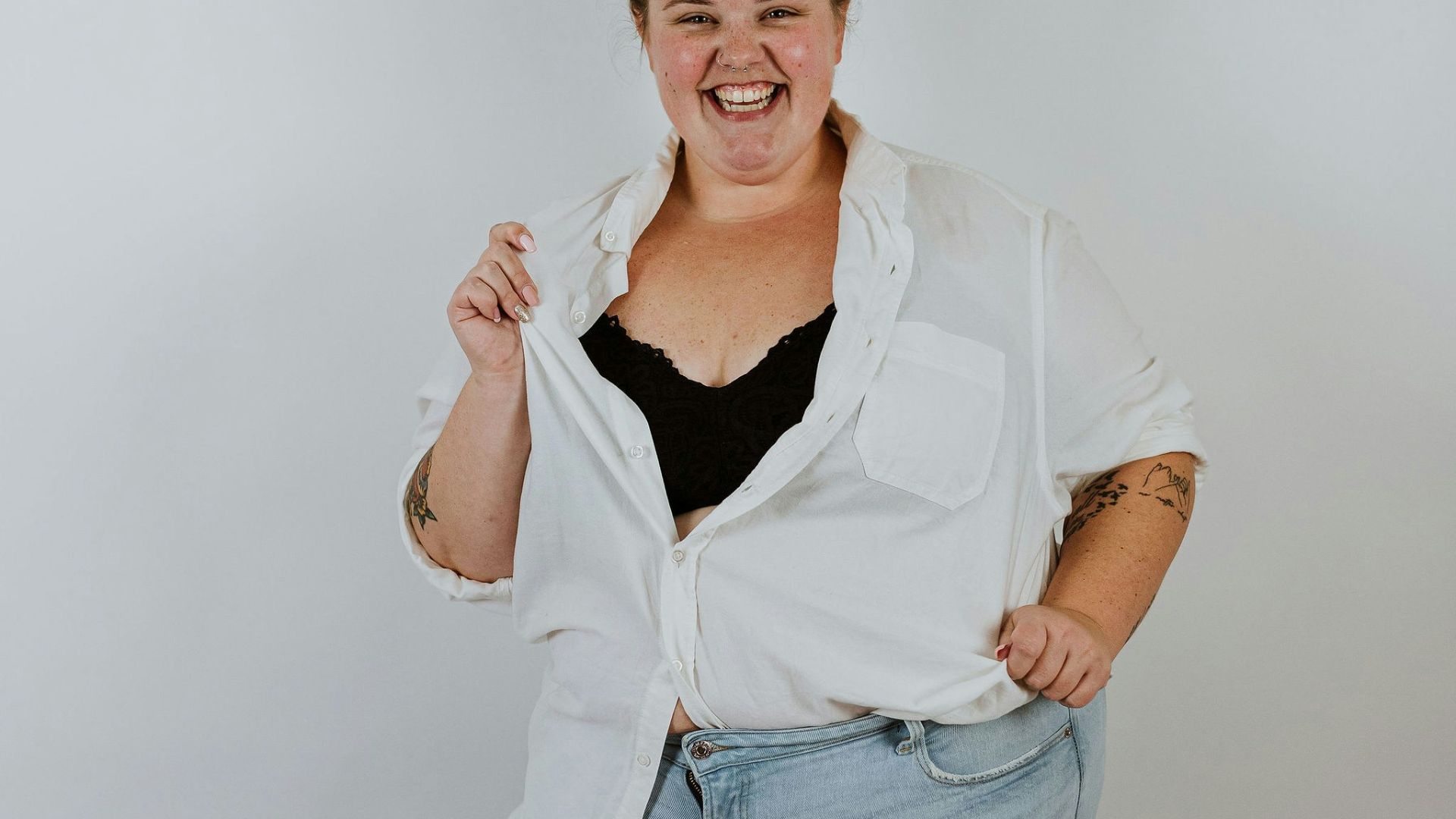
After gaining weight around the stomach, some women become reluctant to tuck anything into their pants or skirts. Leaving every shirt untucked, though, can make your legs appear shorter and give an outfit less structure. A relaxed front tuck or a loosely tucked blouse paired with well-fitting trousers can create some definition without making you feel overly restricted.
12. Purchasing Clothes Made From Excessively Thin Fabrics
Lightweight jersey and inexpensive stretch fabrics might seem appealing because they're forgiving when your weight fluctuates. The problem is that very thin materials can cling unevenly, reveal underwear lines, and accentuate every little fold in the fabric. Slightly heavier knits, substantial cotton blends, and lined garments generally drape more smoothly without compromising on comfort.
13. Continuing to Wear the Same Dress Silhouettes
Your go-to dress style from five years ago might not complement your proportions quite as well today. A fitted sheath dress, for instance, may feel uncomfortable around the hips, while a dropped-waist dress might sit differently across a fuller stomach. Give wrap dresses, A-line silhouettes, and structured shirt dresses a chance, as you might discover some unexpected new favorites.
14. Ignoring Pocket Placement
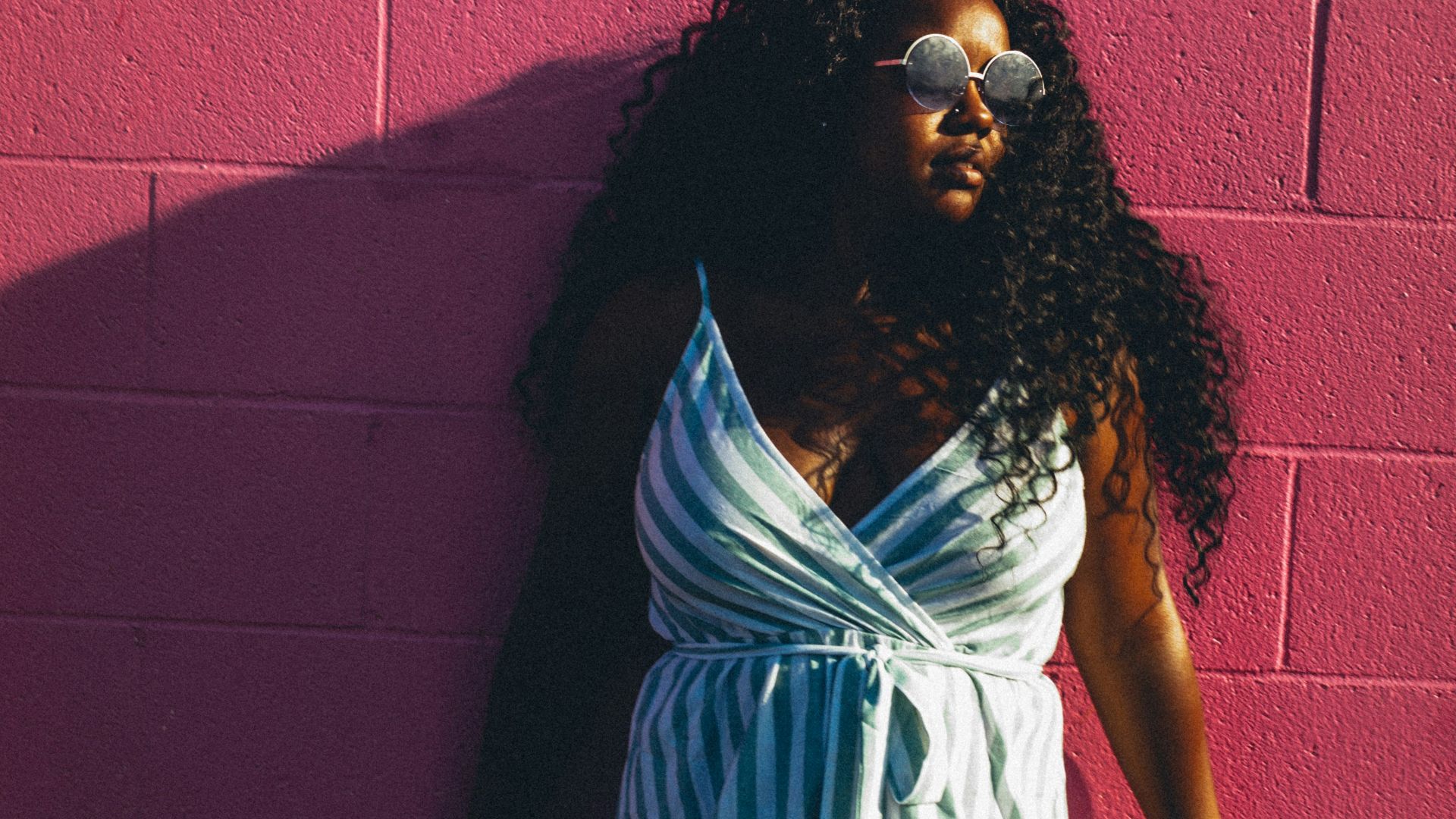
It's easy to overlook something as seemingly insignificant as pocket placement when shopping for clothes. Pants with side pockets that gape open may add extra volume around the hips, while oversized chest pockets can emphasize a fuller bust. These little construction details are worth paying attention to in the fitting room, particularly when shopping for tailored pieces.
15. Wearing Cardigans That Don't Close Properly
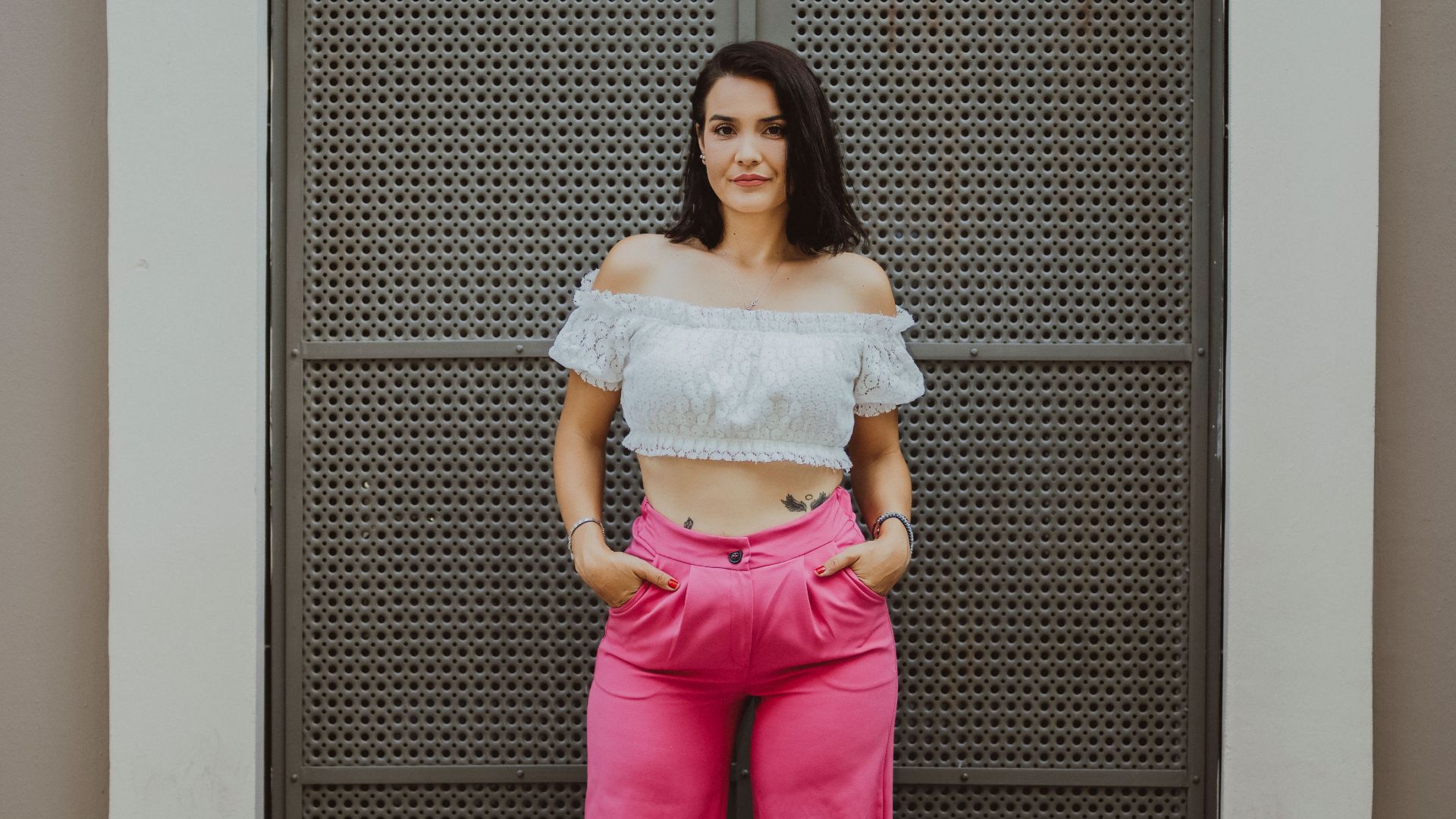
You might assume that an old cardigan still fits because you rarely button it up anyway. However, a cardigan that's become too narrow can pull backward around the shoulders and sit awkwardly on either side of the bust. Even if you intend to wear it open, there should be enough fabric for it to hang naturally without looking stretched or strained.
16. Overusing Ruching & Gathering
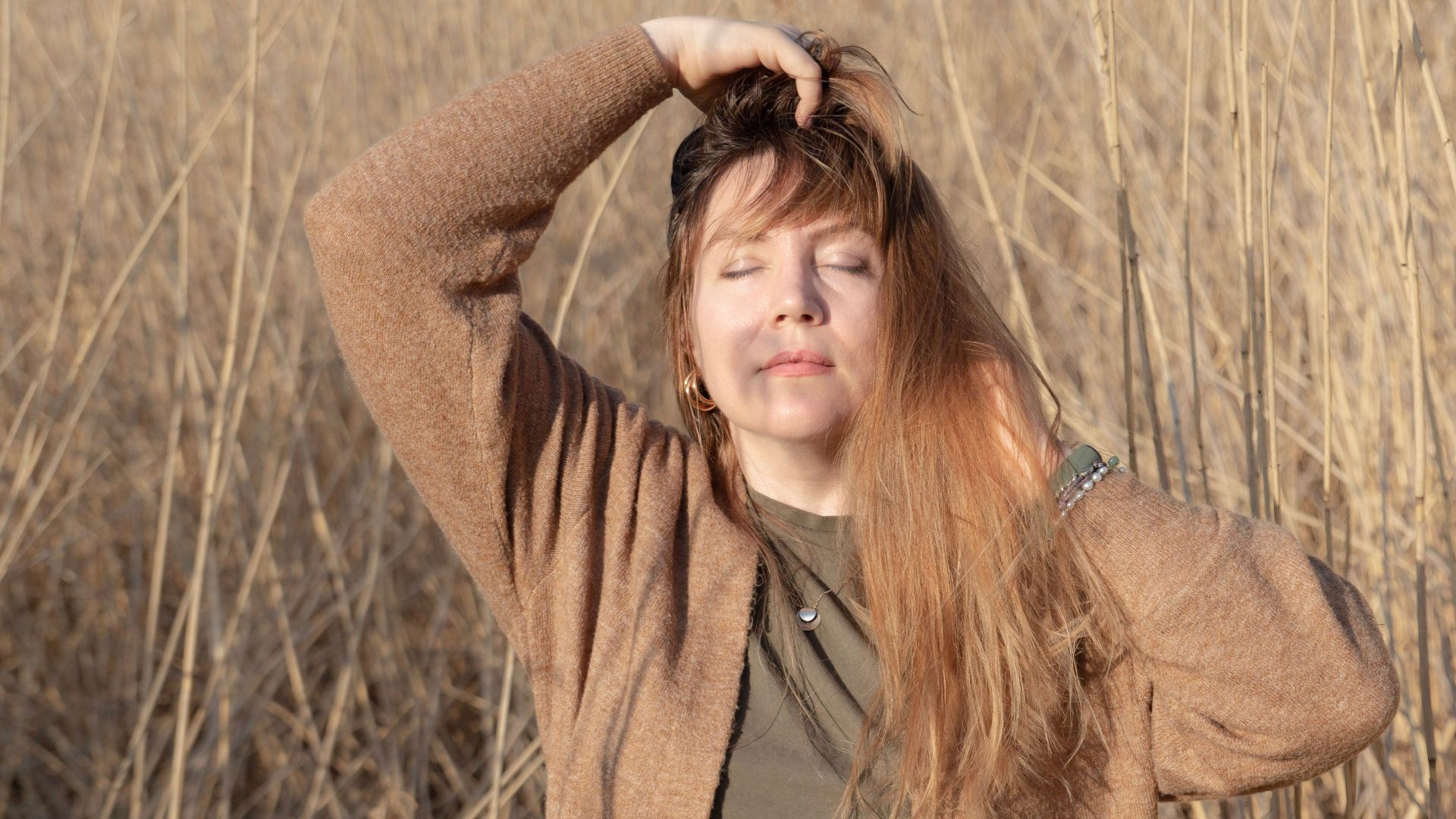
Ruched clothing is often marketed to women who'd prefer to draw less attention to their stomachs. While strategically placed ruching can be flattering, too much gathered fabric can actually create extra bulk, particularly when it's concentrated around the midsection. Sometimes, a simpler garment with thoughtful tailoring and a smooth finish looks considerably more polished.
17. Forgetting That Their Accessories May Fit Differently
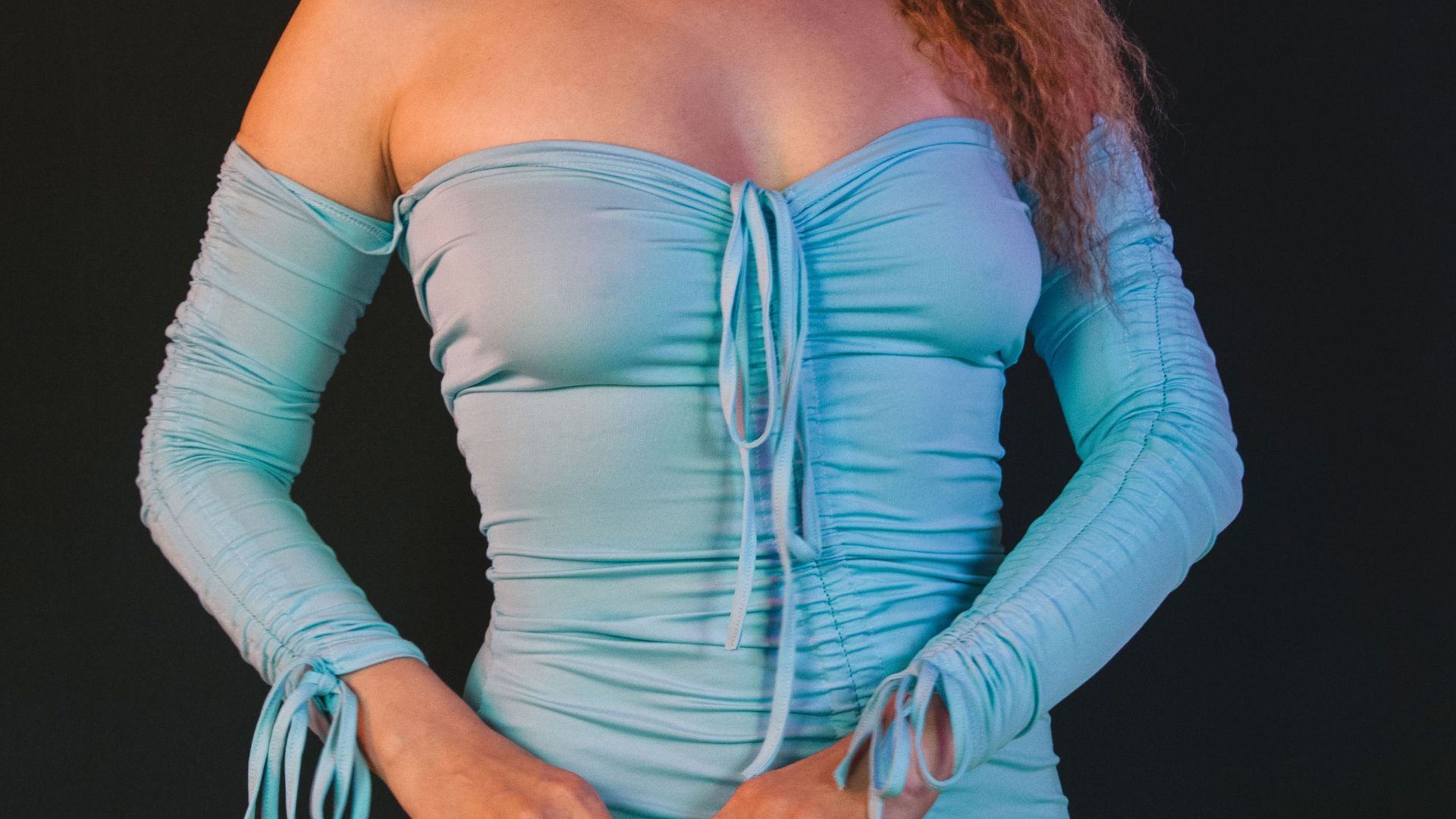
Your clothes aren't the only things in your wardrobe that can be affected by weight gain. Belts that were once comfortable may start digging into your waist, necklaces might sit higher on your chest, and fitted boots could become a struggle to zip around your calves. Making a few adjustments to your accessories can help your outfits feel more comfortable and look more intentional.
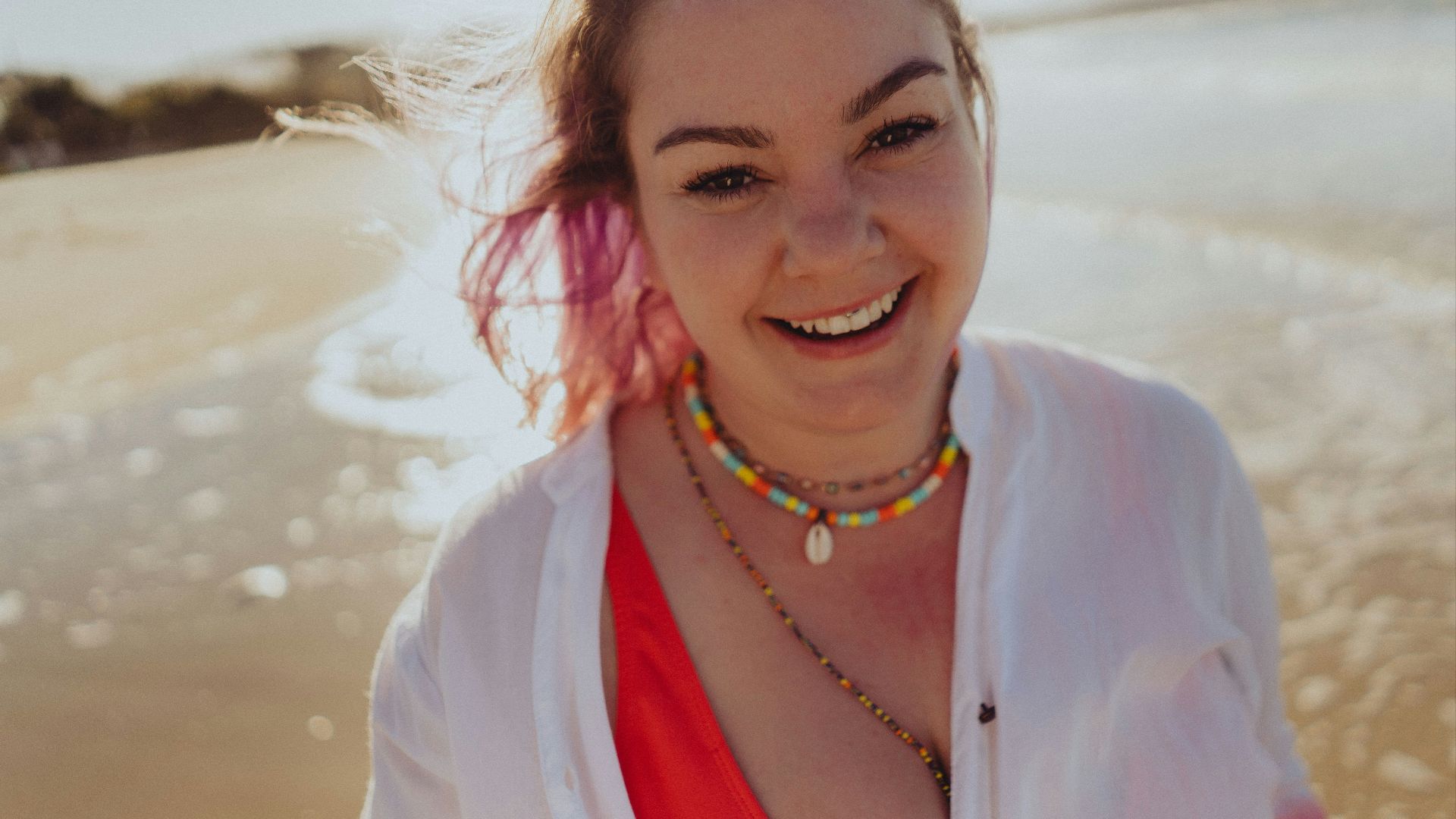
18. Dressing Without Considering Their New Proportions
Depending on where you've gained weight, the balance between your shoulders, bust, waist, and hips may look a little different. Someone who previously enjoyed wearing voluminous skirts with loose blouses might now prefer pairing them with more structured tops, for example. Rather than automatically sticking to your old styling rules, take some time to figure out how individual pieces work together on your current figure.
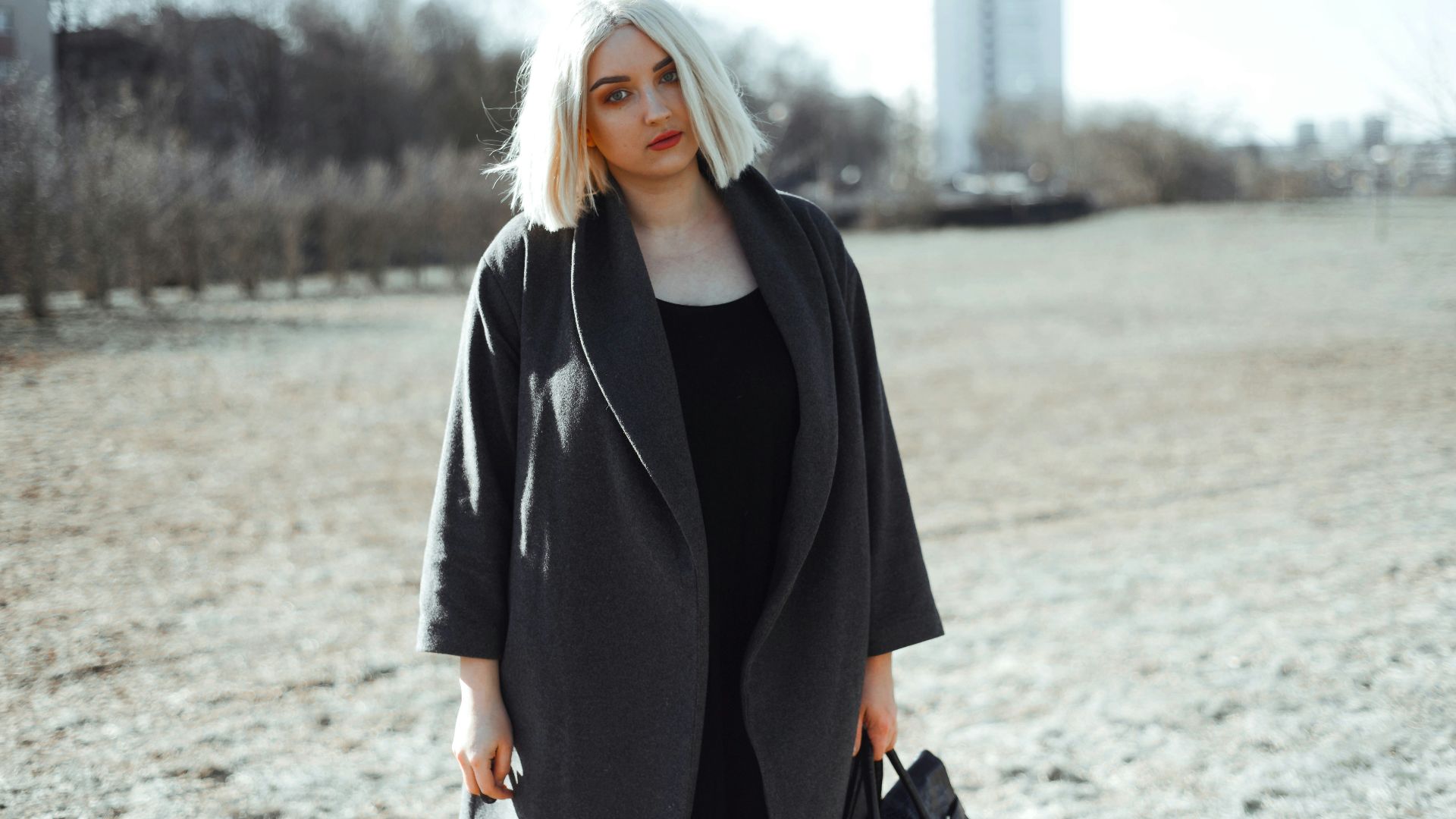 Estonia Incorporated on Unsplash
19. Refusing to Have Their Favorite Clothes Altered
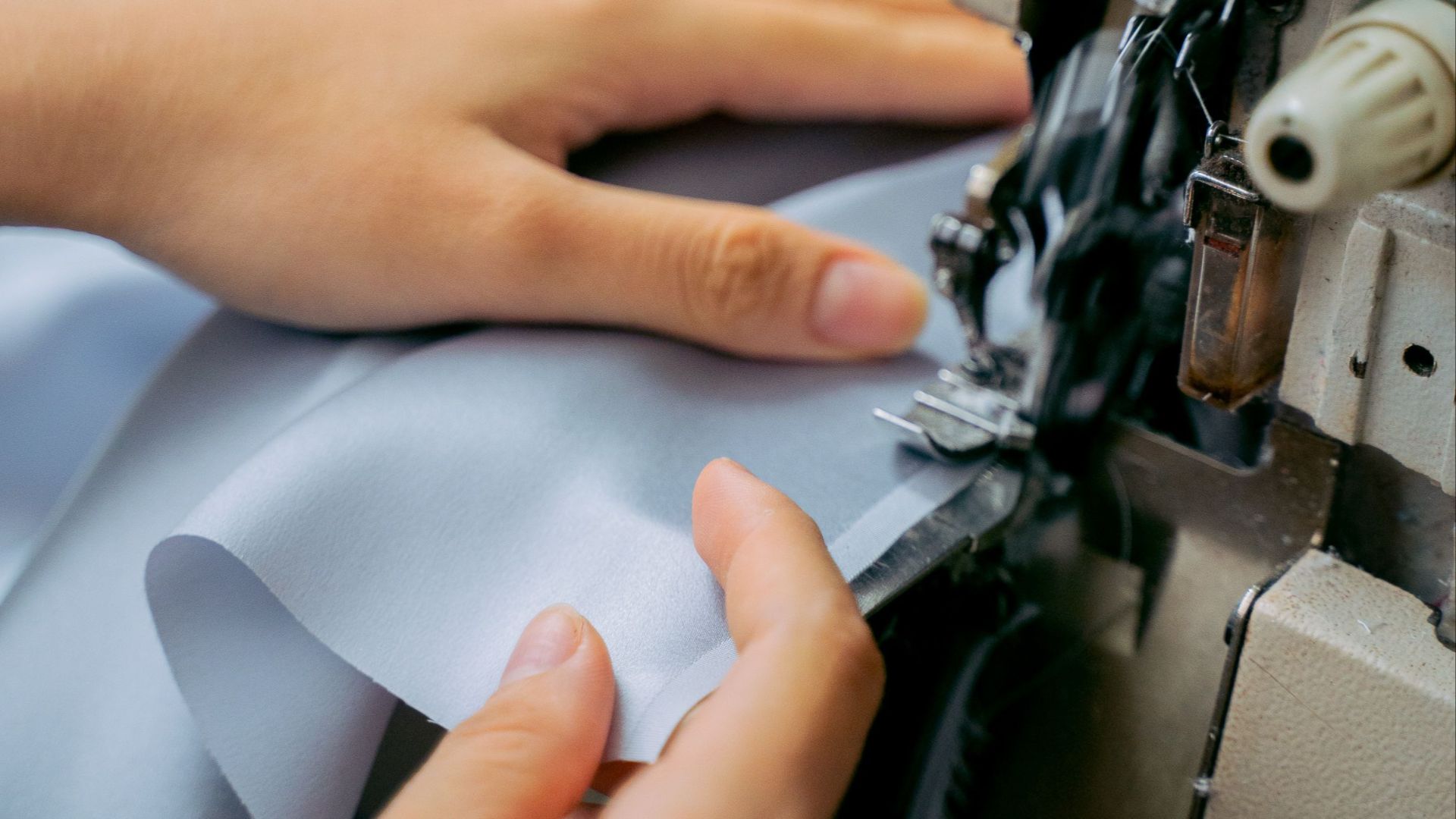
There's no need to immediately donate a beloved pair of trousers or an expensive blazer just because it's become slightly snug. Depending on the garment's construction and how much extra fabric is available along the seams, a skilled tailor may be able to let out certain areas or adjust the fit. It's worth exploring your options before spending money replacing an otherwise perfectly good piece of clothing.
20. Putting Off Buying Clothes Until They Lose Weight
Perhaps the biggest mistake is treating your current wardrobe as something temporary that isn't worth investing in. Spending months squeezing into uncomfortable clothes or settling for outfits you don't particularly like can take much of the enjoyment out of getting dressed. Whether or not you eventually lose weight, there's no reason you can't look stylish and feel comfortable right now.