
Beauty Has Never Had Just One Definition
For decades, the modeling industry had a fairly narrow idea of what made someone beautiful, and anyone who didn't fit that mold struggled to get eyes on their headshots. But times have changed, and some remarkable Americans knew those standards needed to change, whether that meant embracing their natural features or bringing greater diversity to magazine covers. Forget what you thought you knew about the industry—here are 20 names whose influence went well beyond looking good!
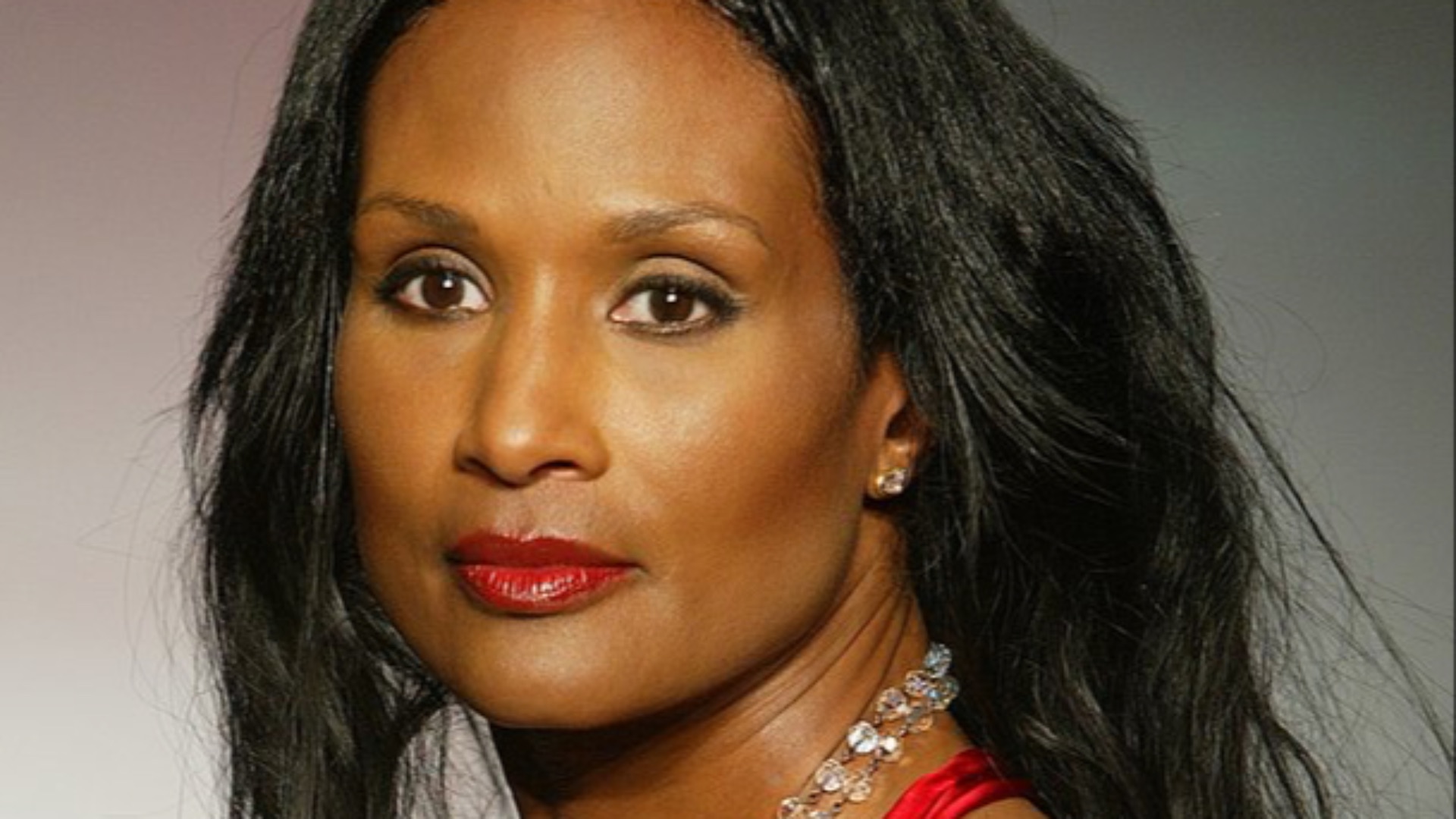
1. Beverly Johnson
When Ms. Johnson appeared on the cover of American Vogue in 1974, she became the first Black woman to reach that milestone. Though it sounds insane in today’s world, it was a massive step forward all those years ago, and her success challenged an industry that had routinely overlooked Black models for its most prestigious opportunities.
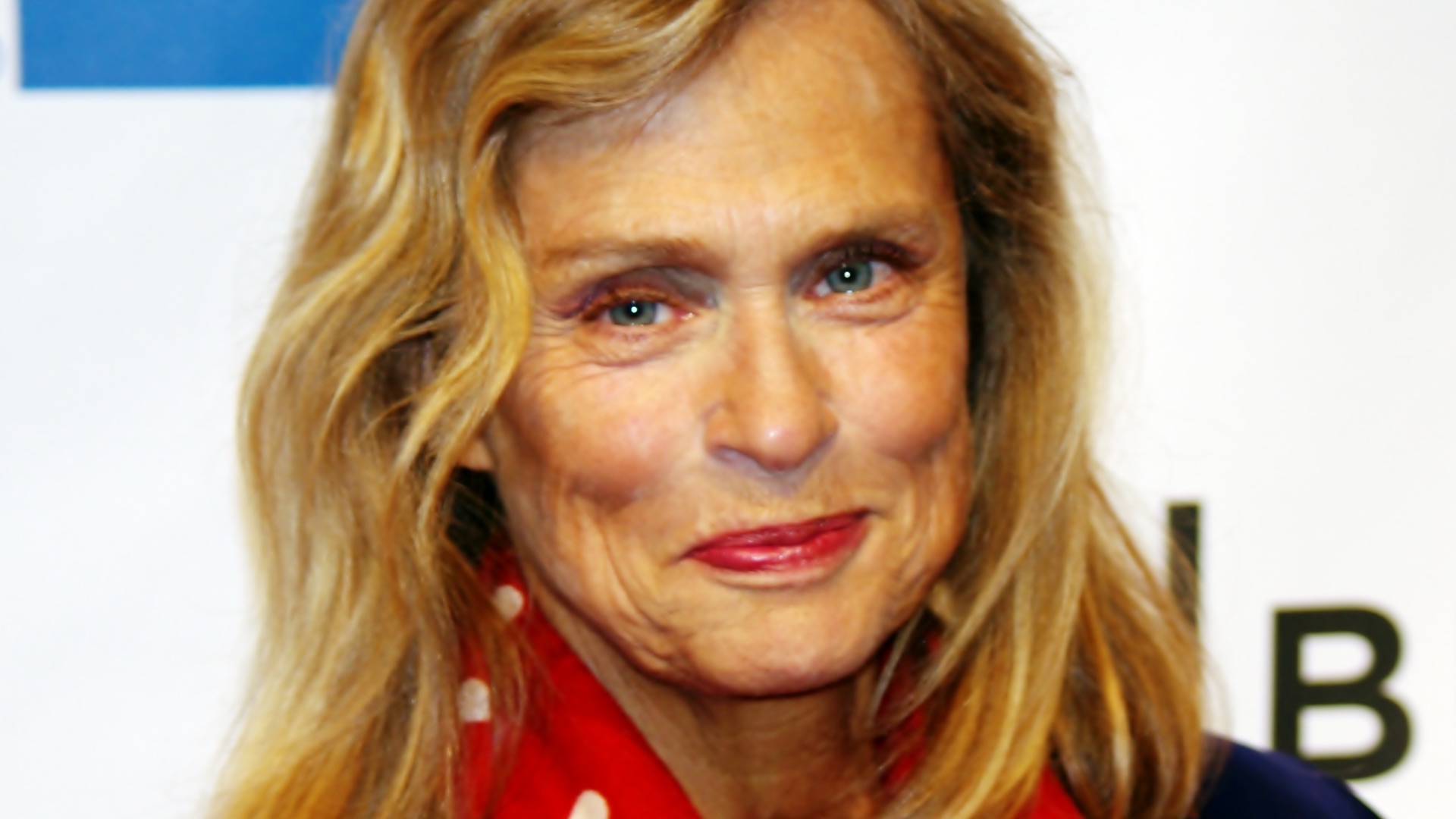
2. Lauren Hutton
It’s all veneers this, and veneers that nowadays, but not in the ‘70s! Hutton's signature gap became one of her most recognizable features, even though she was encouraged to hide it. But rather than change her smile, she embraced it. Her success, including a landmark Revlon contract in ‘73, helped demonstrate that beauty didn't require perfectly uniform features.
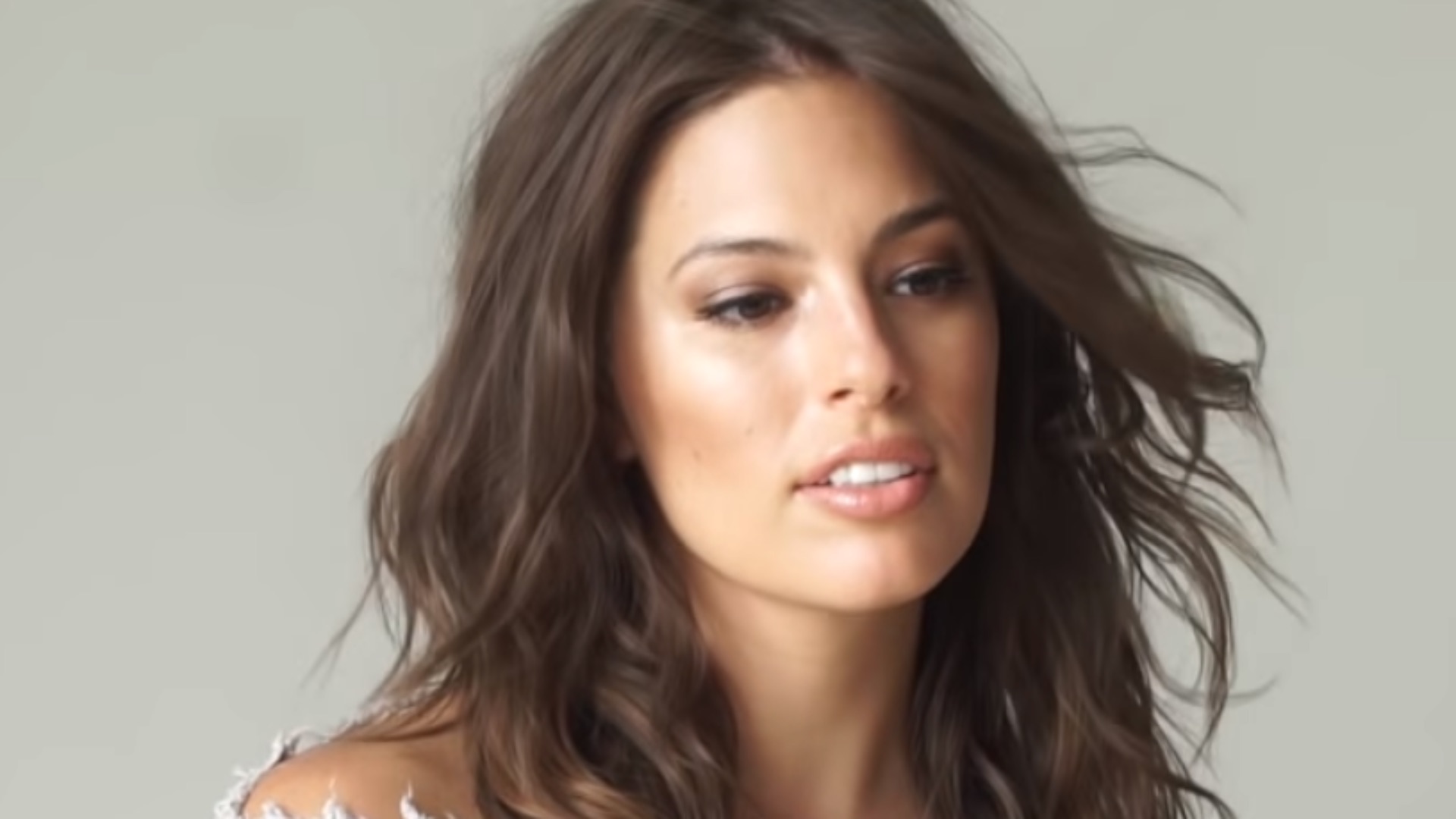
3. Ashley Graham
Ashley Graham made quite a splash in 2016 when she became the first size-16 model to appear on the cover of the Sports Illustrated Swimsuit Issue. Though heads rolled online, she almost immediately skyrocketed to further gigs, including major runway appearances. She's also been outspoken about body acceptance.
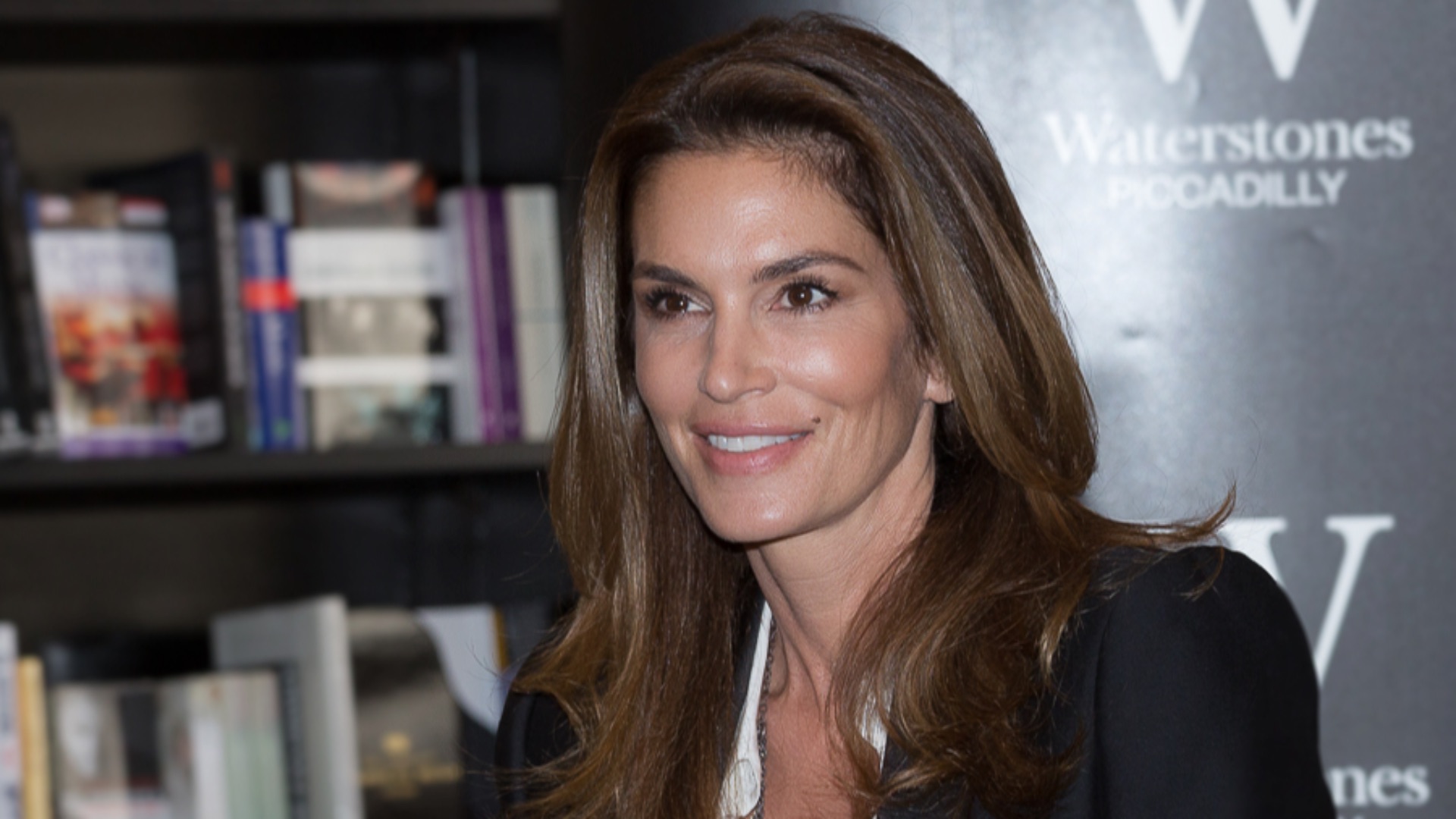
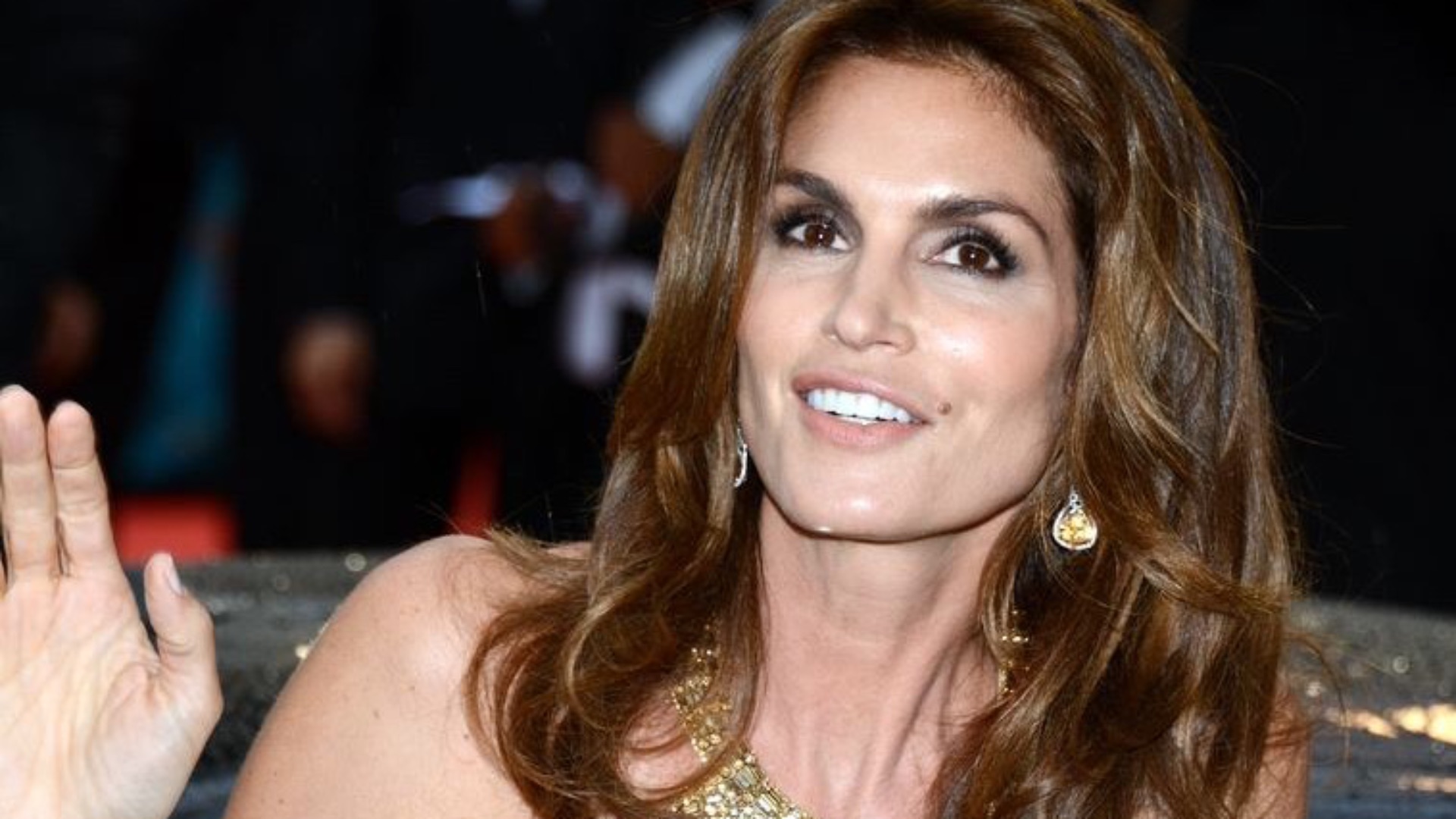
4. Cindy Crawford
Most people recognize Crawford by her distinctive mole above her lip—and that’s no accident. During the late 1980s and 1990s, she became one of America's biggest supermodels without removing the very feature that made her recognizable. Her success also encouraged a greater appreciation for natural characteristics, which paved the way for others like her.
5. Donyale Luna
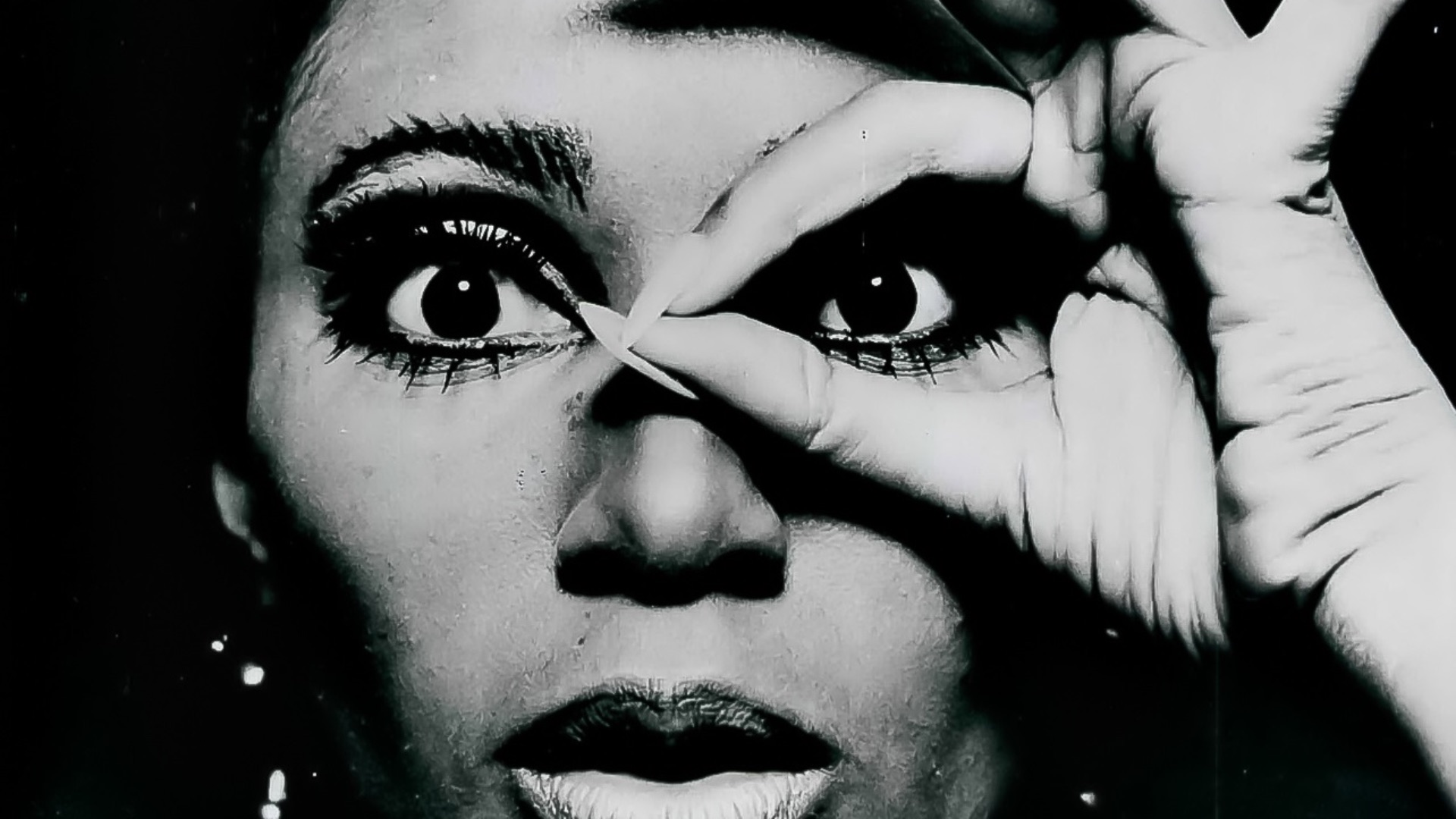
Long before the industry seriously embraced diversity, Luna was attracting attention with her unconventional editorial photographs. In 1966, she became the first Black model to appear on the cover of British Vogue, an extraordinary feat during an era of discrimination. But her artistic approach also helped expand expectations of how women could express themselves in fashion spreads.
6. Tyra Banks
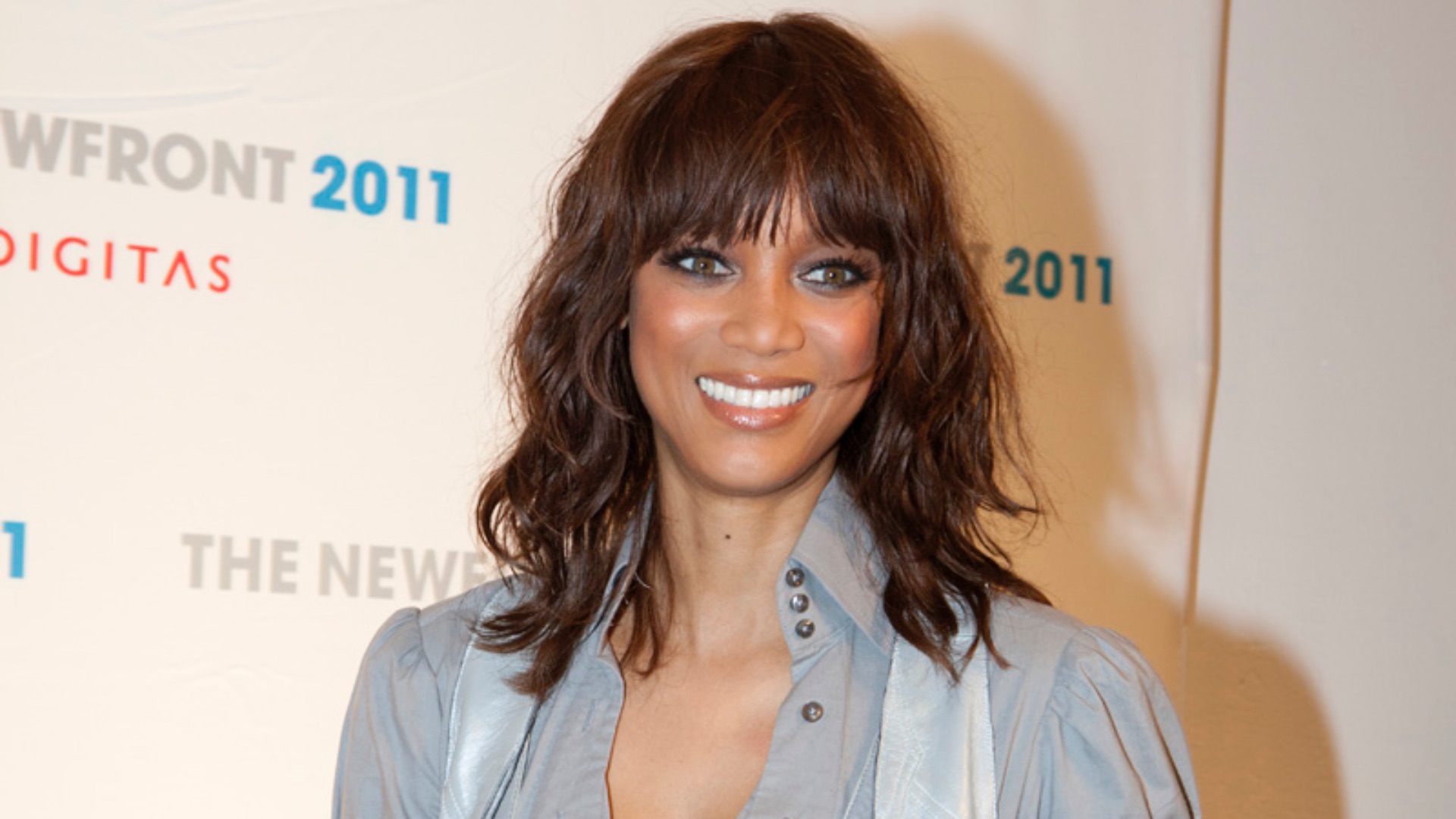
Banks, too, broke an important barrier in ‘97 when she became the first Black woman to stand solo on the cover of the Sports Illustrated Swimsuit Issue. She also brought conversations about beauty and body image into millions of homes through America's Next Top Model. The show has since landed in hot water, but at the time, she helped make the profession more visible to aspiring ladies.
7. Carmen Dell'Orefice
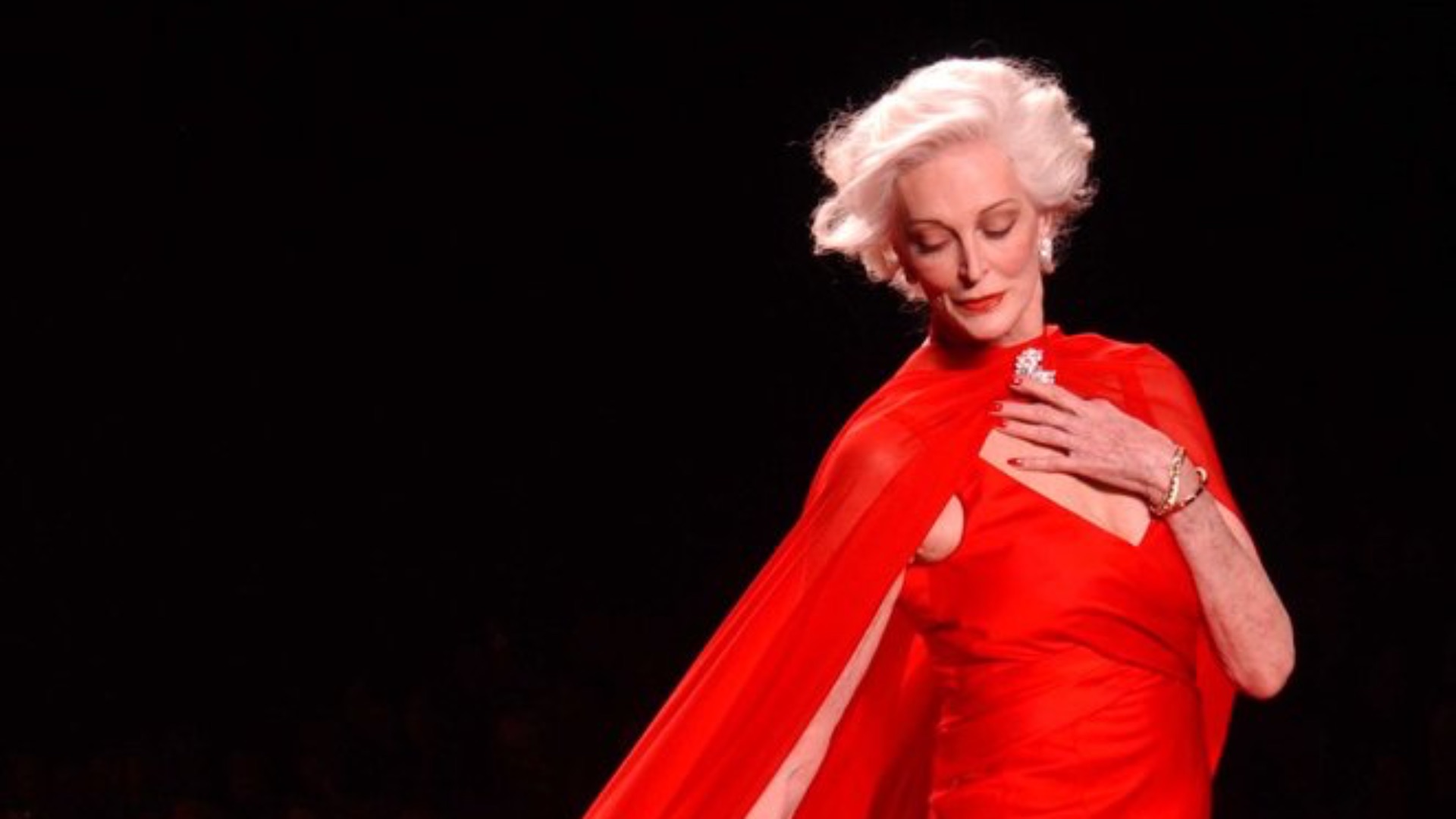
Fashion has long favored a young face, but Dell'Orefice spent decades turning that narrative on its head. Having appeared on the cover of Vogue as a teen in 1947, she kept working well into her later years. While others would have thrown in the towel, she rocked elegant silver hair and landed an enduring career.
8. Peggy Moffitt
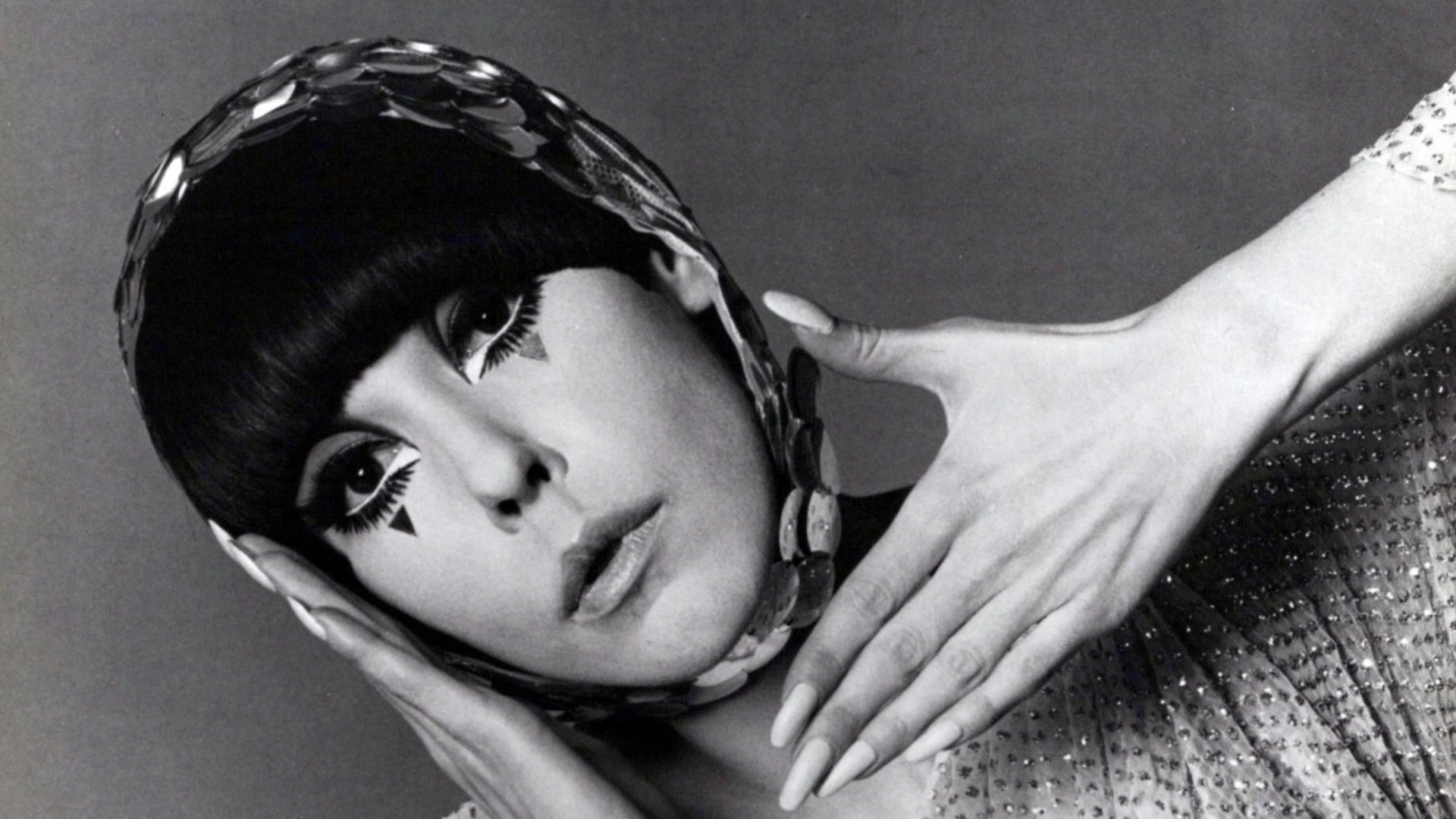
Dramatic eyes and a five-point haircut? You bet Peggy Moffitt stood out in the ‘60s! She threw caution to the wind almost immediately, embracing unconventional clothing and theatrical styling in the face of traditional glamour. But that willingness to experiment was what helped establish a more artistic definition of beauty.
9. Pat Cleveland
Between theatrical runway movements and an unmistakable personality, Cleveland transformed how models presented clothing in the ‘70s. She pretty much did it all: worked with designers, including Halston and Yves Saint Laurent, and became one of the era's most recognizable Black fashion figures.
10. Nyle DiMarco
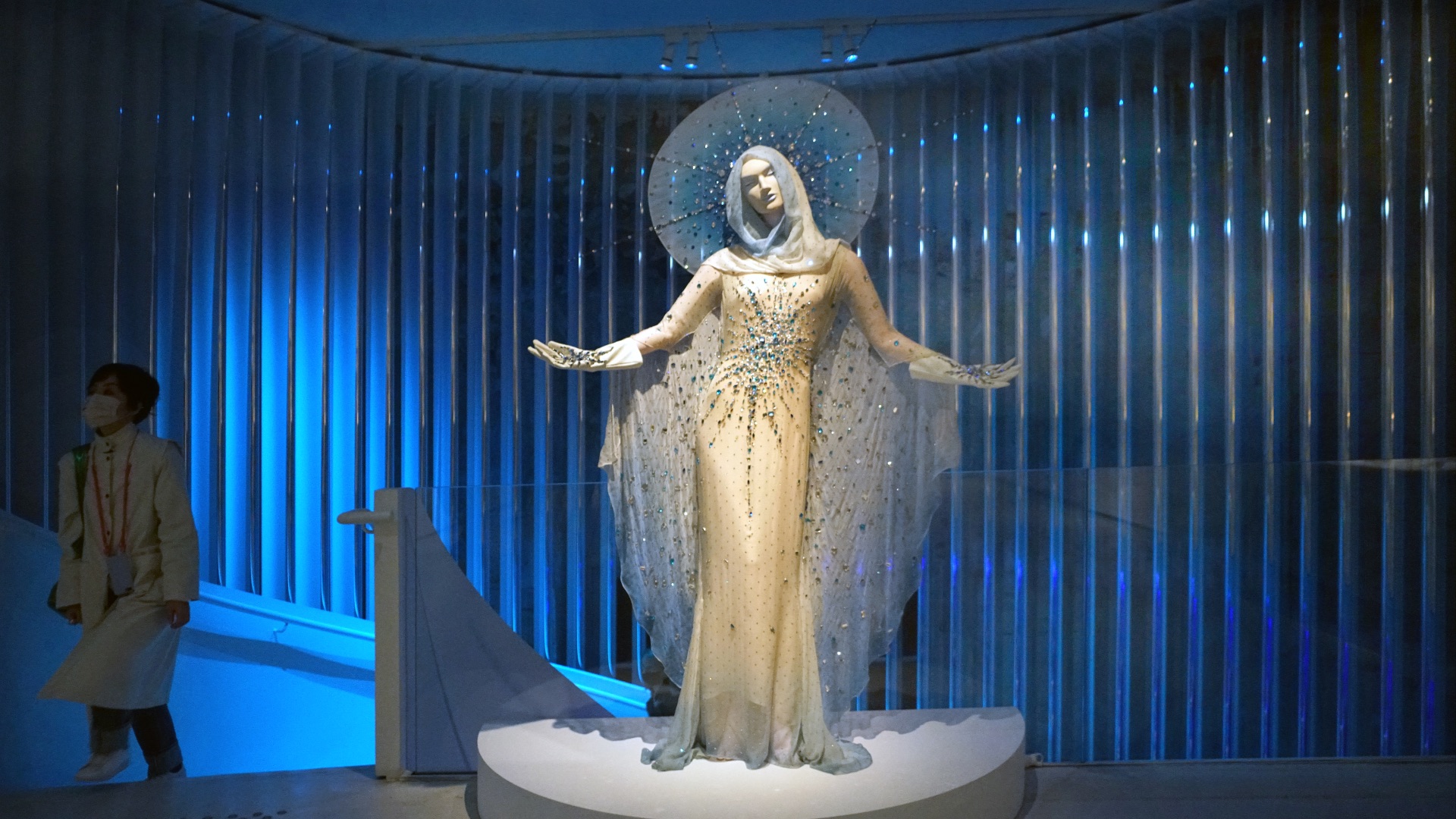
Remember what we said about America’s Next Top Model paving the way for people? Well, DiMarco made history in 2015 when he became the first deaf winner! He communicated primarily through sign language, and DiMarco has since used his platform to advocate for more representation. Disability shouldn't determine someone's opportunities, and he displayed that well.
11. Naomi Sims
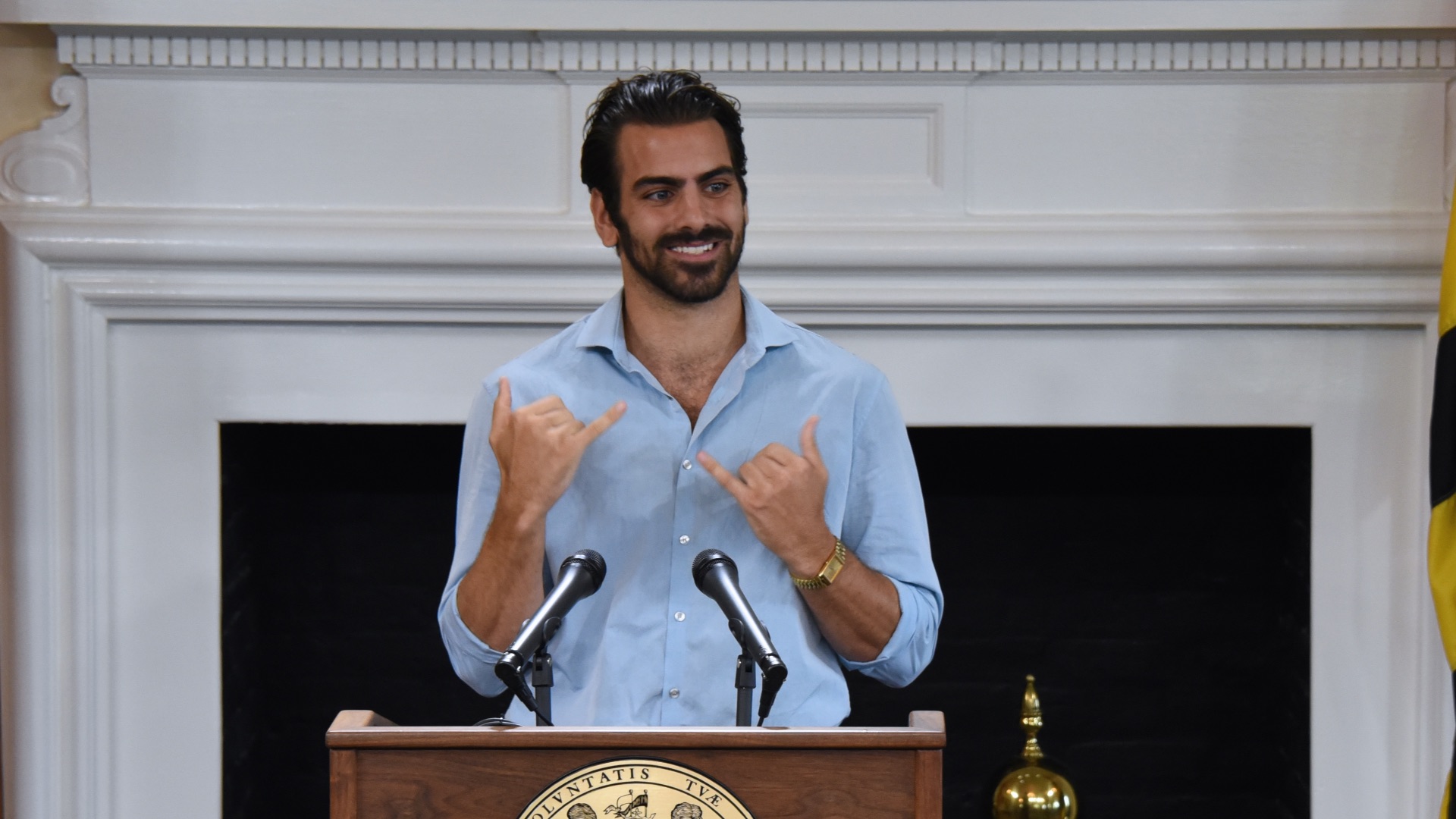
Before Beverly Johnson's famous Vogue cover, Sims was already helping change the industry's treatment of Black models. Her appearance on the cover of Ladies' Home Journal in 1968 was a pretty big breakthrough for a Black woman in mainstream publishing. She then went on to build a successful career.
12. Precious Lee
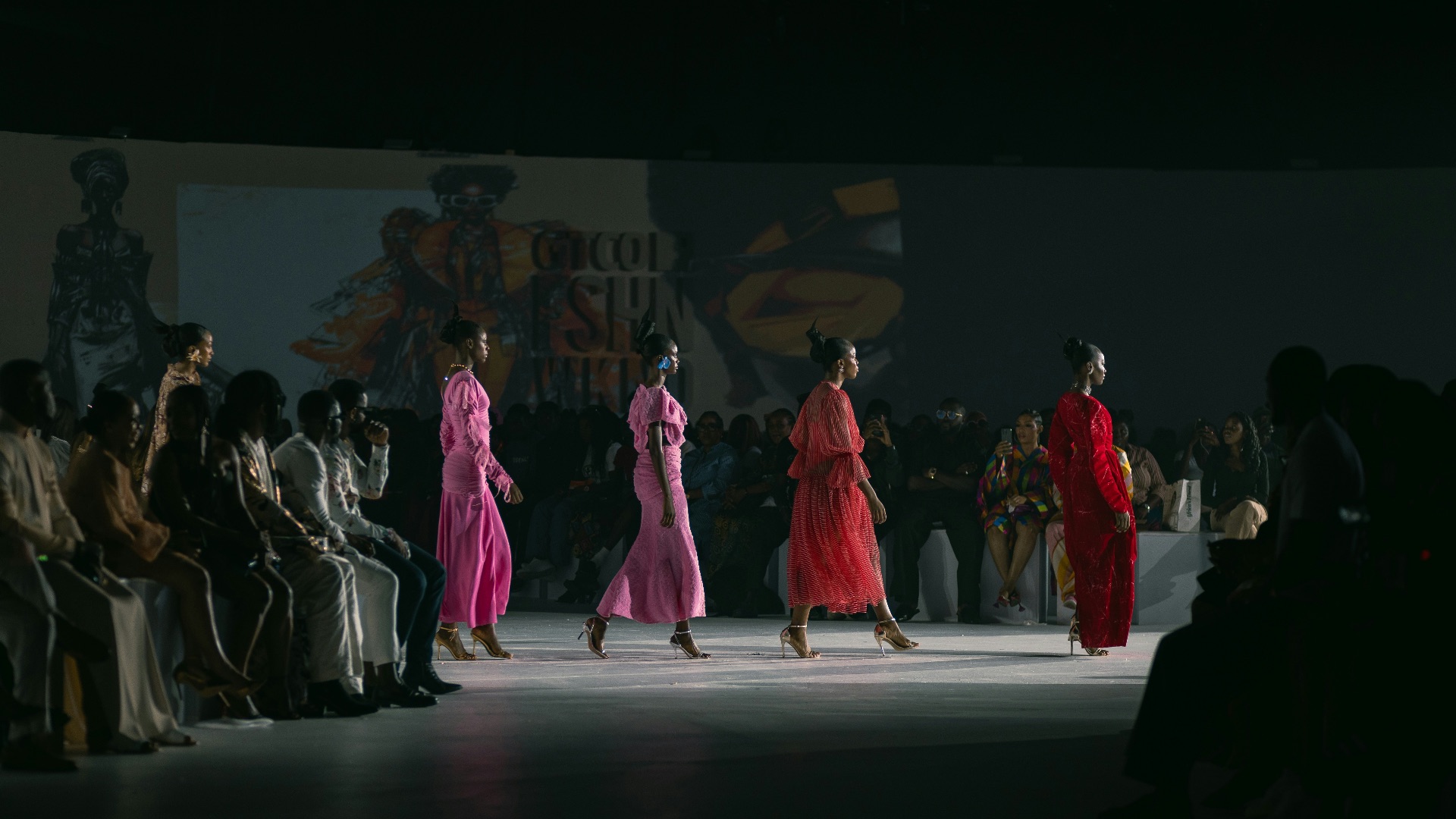
Lee did exactly what good models always do: brought visibility to curvier figures. It all happened when she appeared in the 2016 Sports Illustrated Swimsuit Issue. She later walked for luxury designers, including Versace, which was a big deal since those shows historically favored smaller bodies. But it was hard to turn down glamorous styling and a confident presence!
 Charlota Blunarova on Unsplash
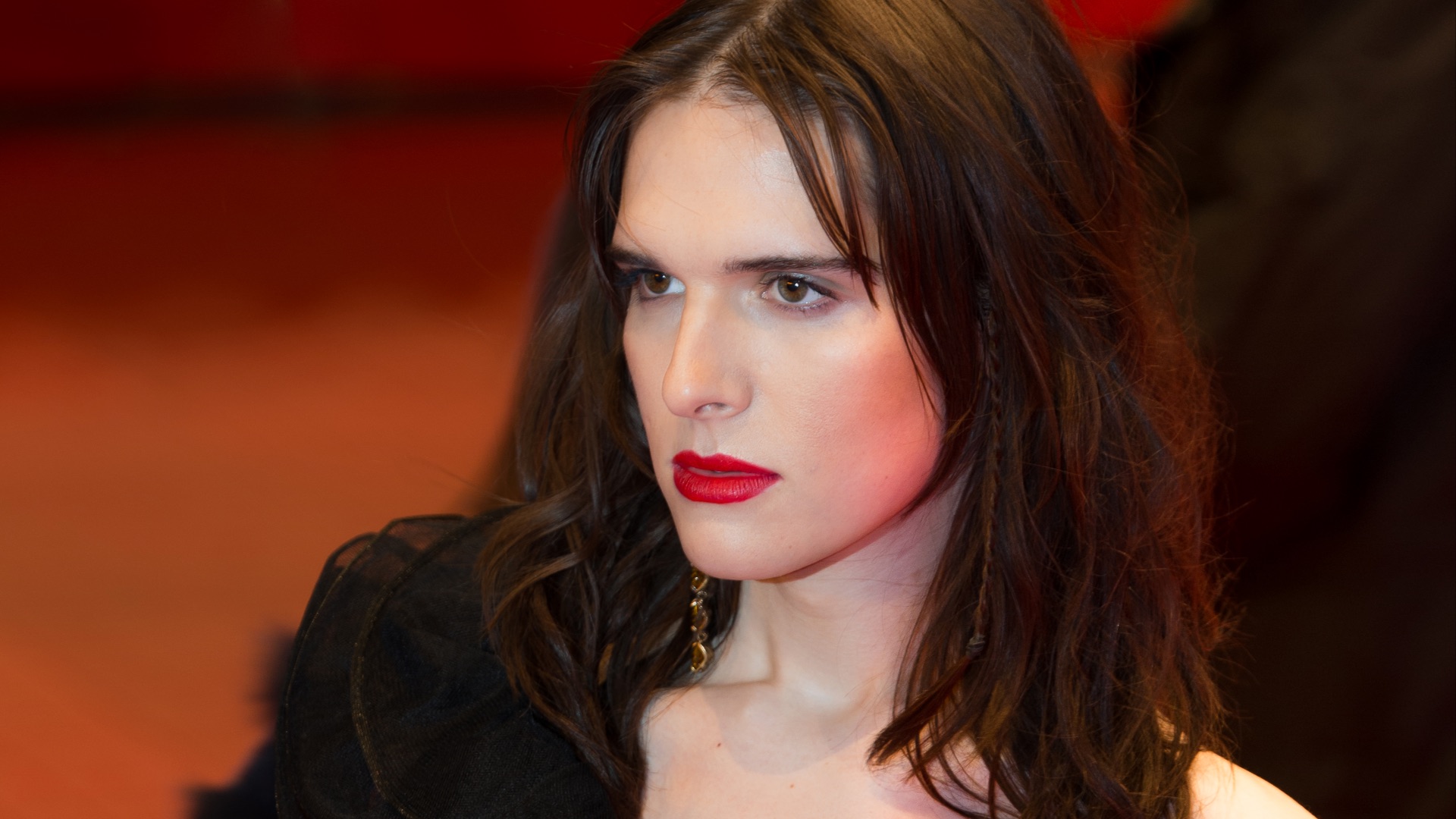
13. Hari Nef
As the years flew by, more progressive choices continued to be made, which is how Nef became one of the first openly transgender models in 2015! Her career didn’t fall short, either; it has included runway work, fashion editorials, and campaigns for massive brands like Gucci.
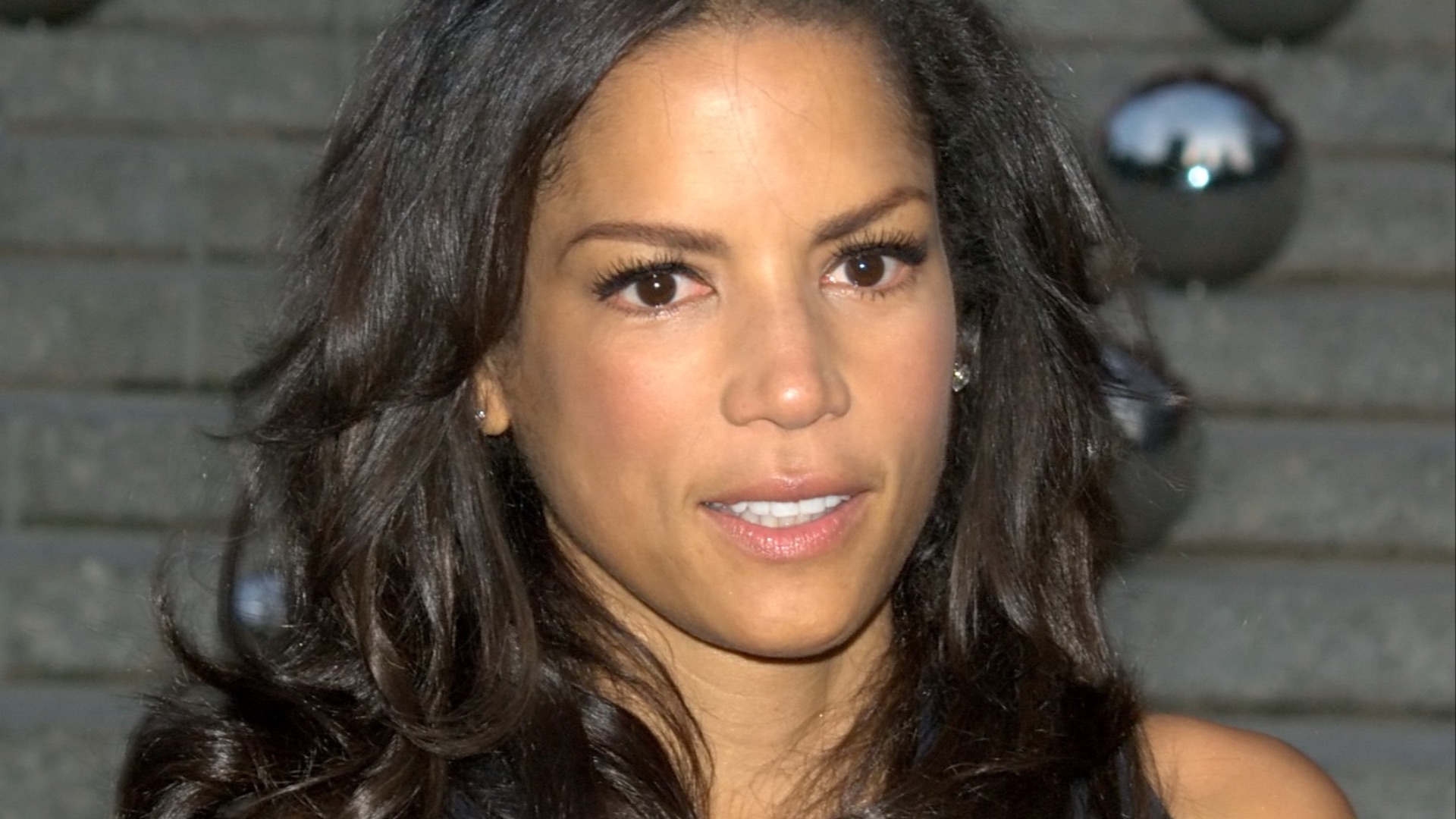
14. Veronica Webb
In 1992, Webb became the first Black model to secure a major cosmetics contract with Revlon—a company alive and well today! At a time when beauty advertising frequently overlooked darker complexions, her role represented progress, which was something to celebrate. Her career also included runway work for renowned designers.
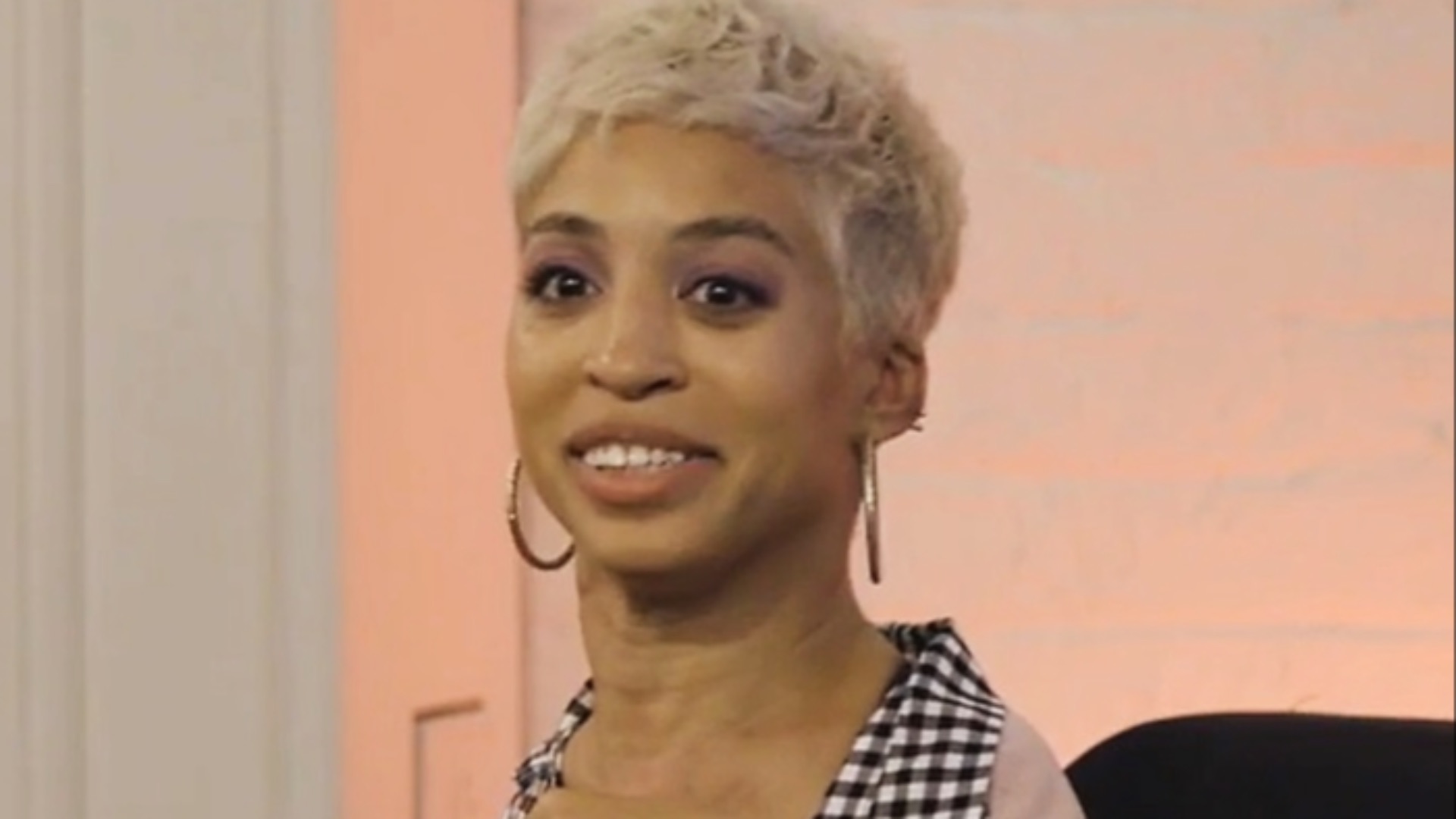
15. Jillian Mercado
We’ve had Black models. Deaf models. Openly transgender models. But Mercado brought something new when she appeared in a 2014 Diesel ad: a wheelchair! Living with muscular dystrophy, she challenged the industry's limited representation of people with disabilities, and her work has included campaigns for major fashion brands since.
16. Christie Brinkley
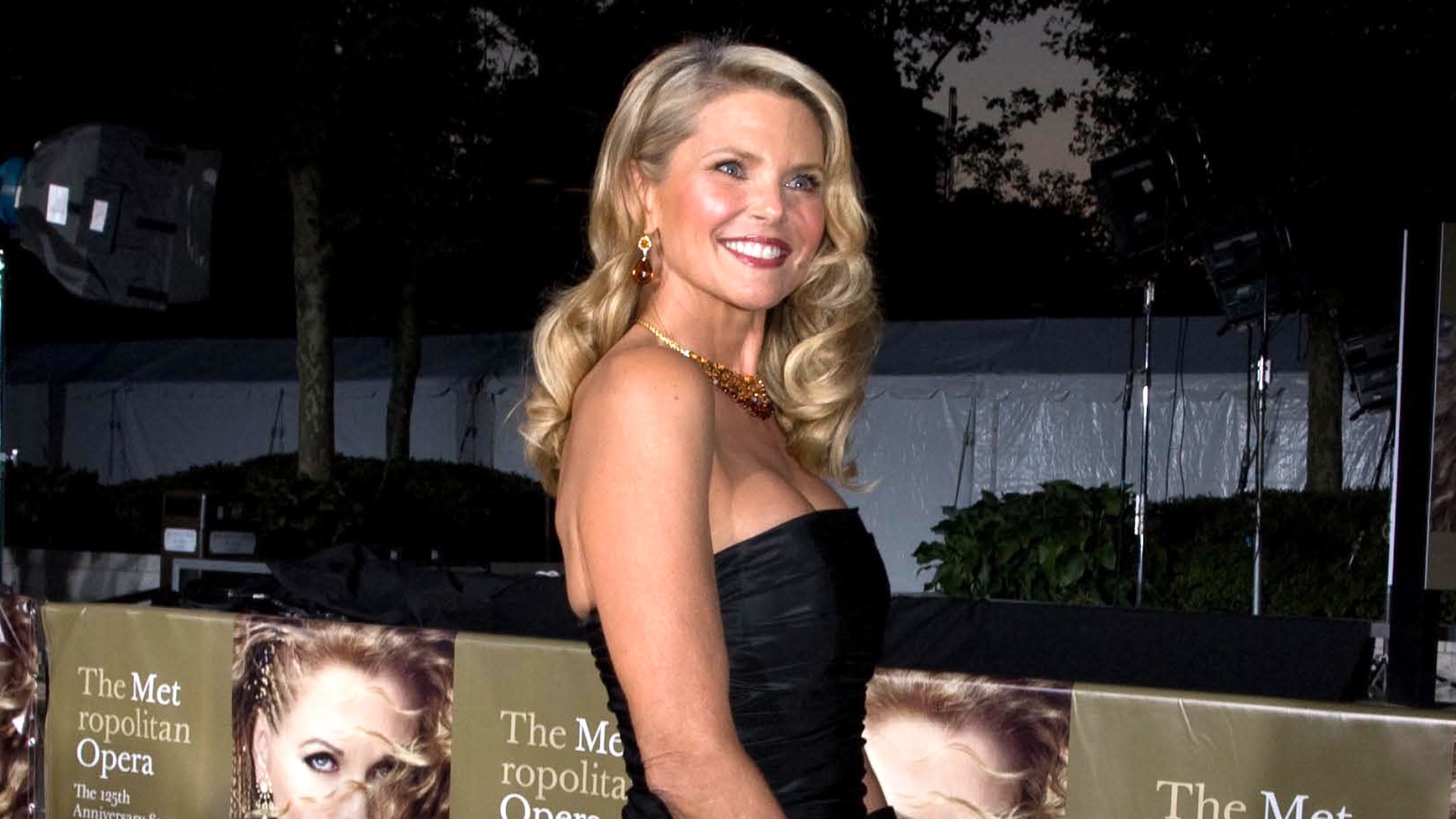
Brinkley became a household name after appearing on three back-to-back Sports Illustrated Swimsuit covers between 1979 and 1981. Her long career extended far beyond those early photographs, though, including a return to the magazine in 2017 alongside her daughters. She never shied away from aging, either, helping challenge fashion's obsession with youth.
17. Diandra Forrest
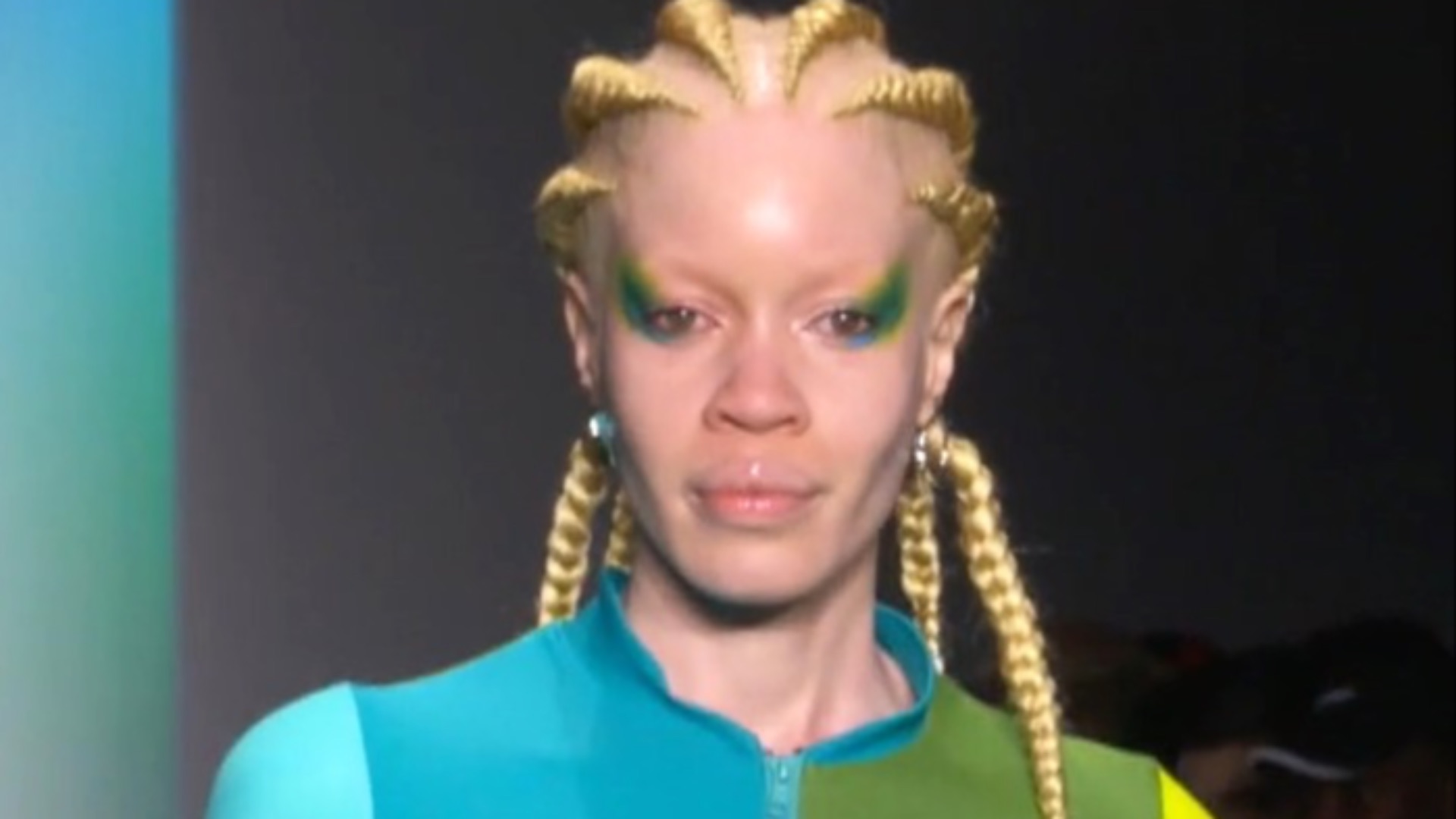
Forrest has albinism, a genetic condition that affects pigmentation in her skin, hair, and eyes. Rather than allowing fashion's conventional expectations to define her career, she became a successful model and appeared in campaigns for major brands, including MAC! It was the kind of visibility the industry needed, and it helped bring attention to a largely underrepresented appearance.
18. Bethann Hardison
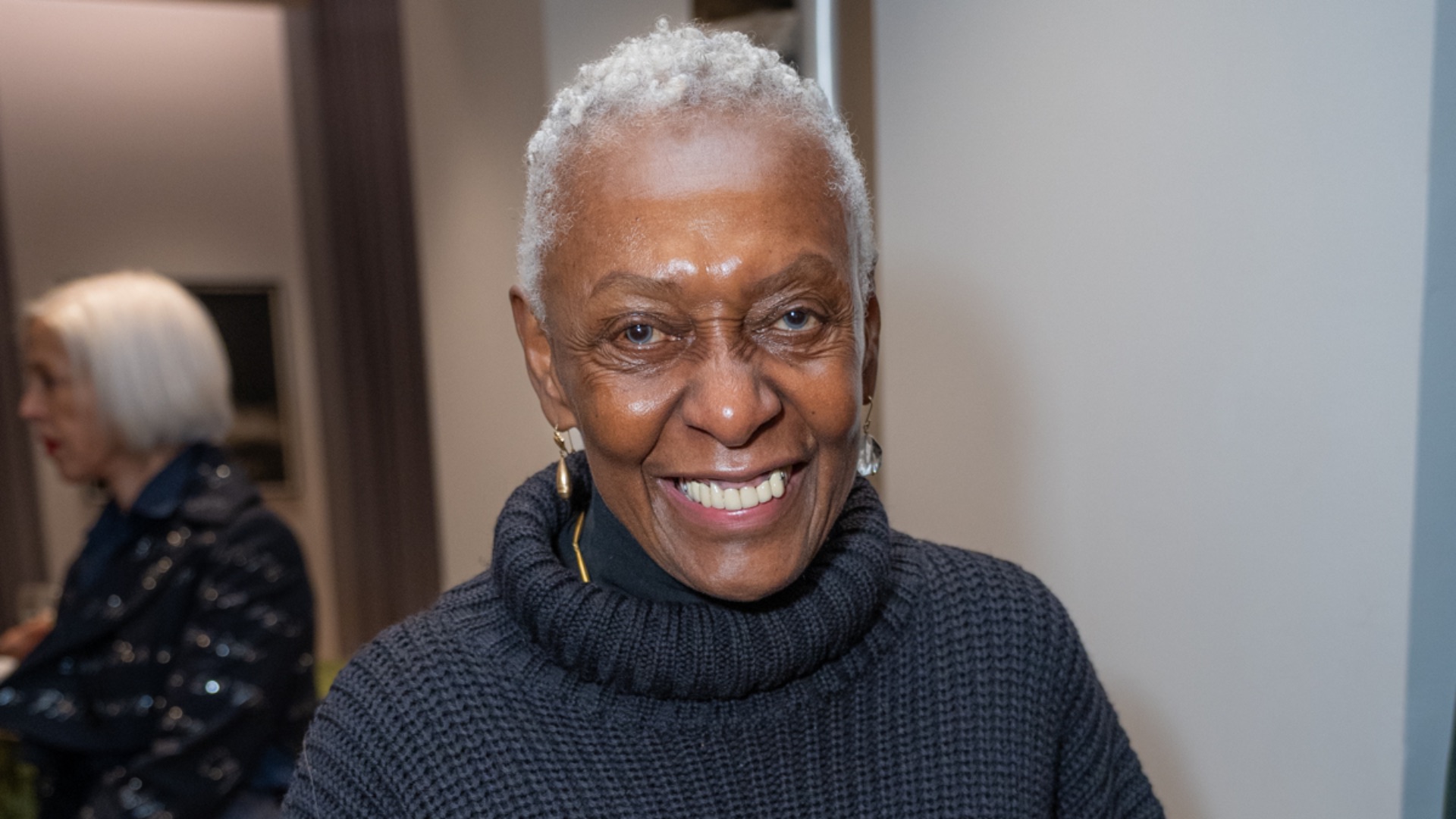
During the 1970s, Hardison was a prominent model who worked with designers, but that’s far from the only star on her resume. She went on to become an influential agent. She took the role to heart, too, later challenging racial discrimination in fashion casting and publicly questioning why major designers weren't hiring more models of color.
19. Leyna Bloom
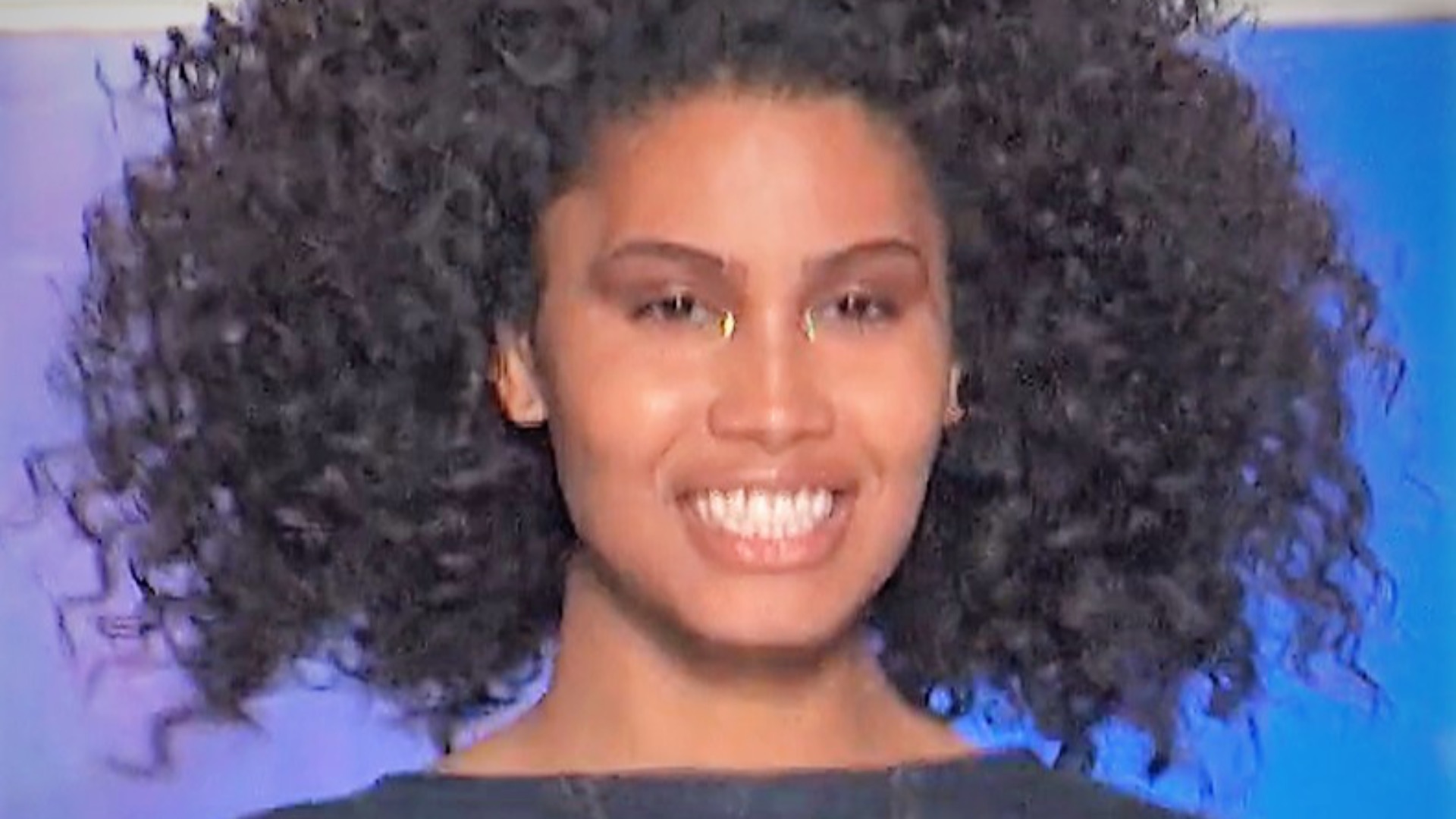
Bloom made history in 2021 when she became the first openly transgender woman of color featured in the Sports Illustrated Swimsuit Issue. Long before that, though, she had already established herself in fashion through runway appearances, editorial work, and a prominent role in the film Port Authority. Either way, her success challenged longstanding assumptions about who should grace covers!
20. Shaun Ross
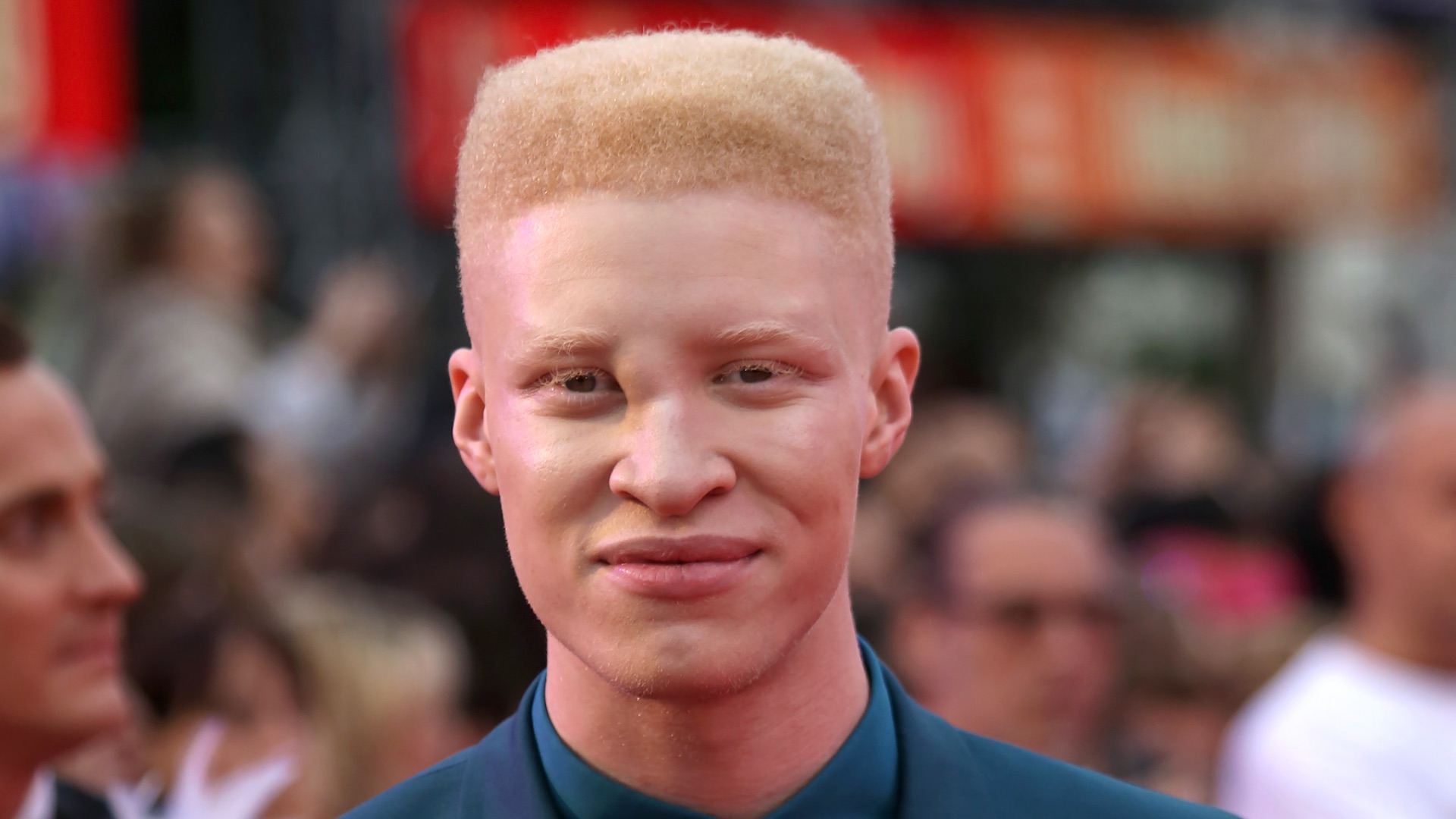
Over the years, Ross became known for his distinctive appearance as a Black male model with albinism. His career has included editorial work for major fashion publications and appearances in music videos for massive artists, too, so he’s made moves all over the map. After so much work under his belt, Ross helped demonstrate that attractive men don't all need to look alike.
 Manfred Werner - Tsui on Wikimedia