10 Trends That Started on the Street & 10 That Started in Boardrooms
Where Trends Are Born (and Who Gets Credit Later)
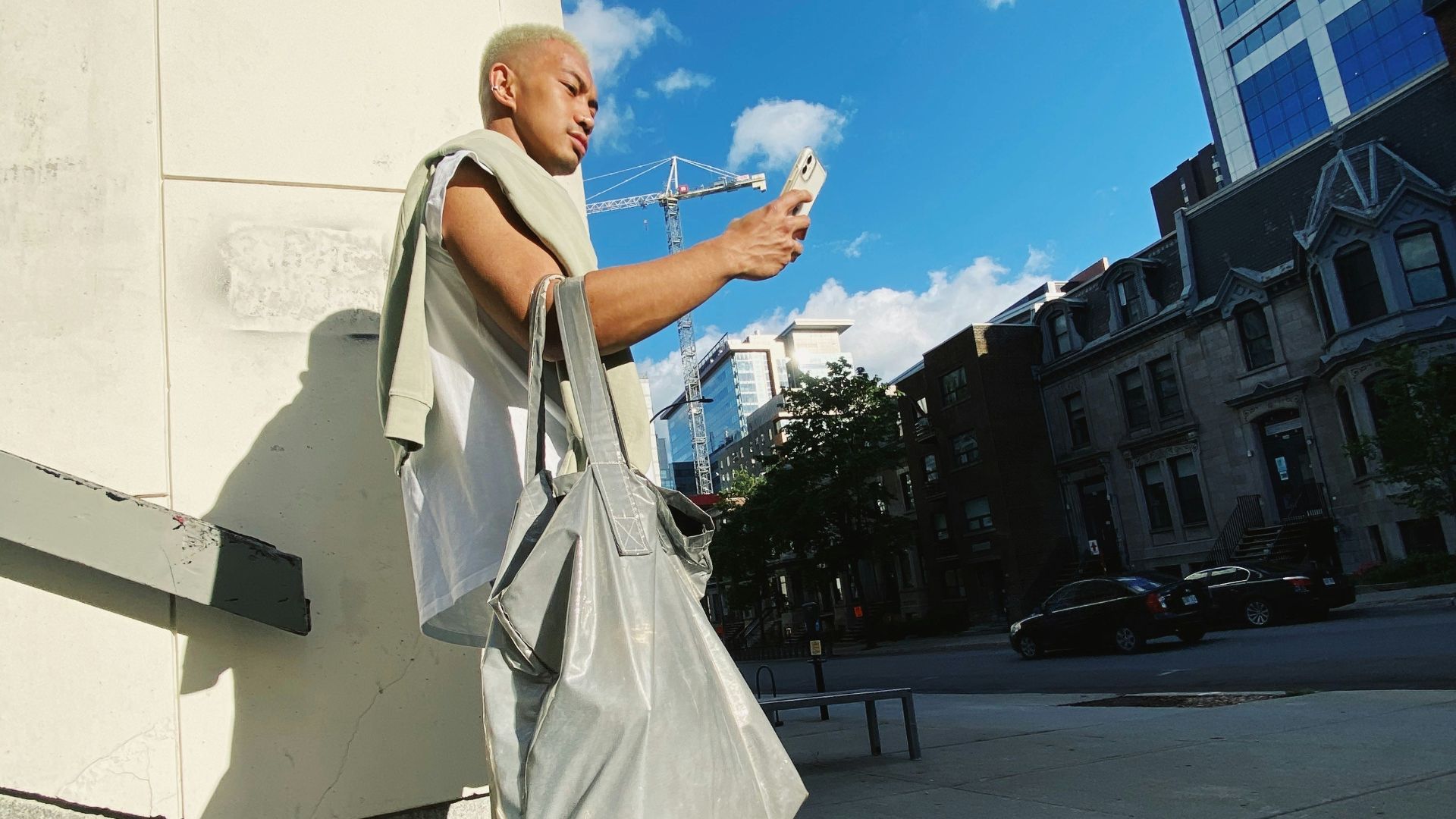
Some trends bubble up because regular people start doing something that just works in real life. Other trends are the result of meetings, decks, and strategy sessions where companies decide what you’ll see everywhere next. Neither origin is automatically better, but they do create different vibes: street trends feel organic, while boardroom trends often arrive fully packaged and ready to sell. Here are 10 that started on the street and 10 that began in boardrooms.
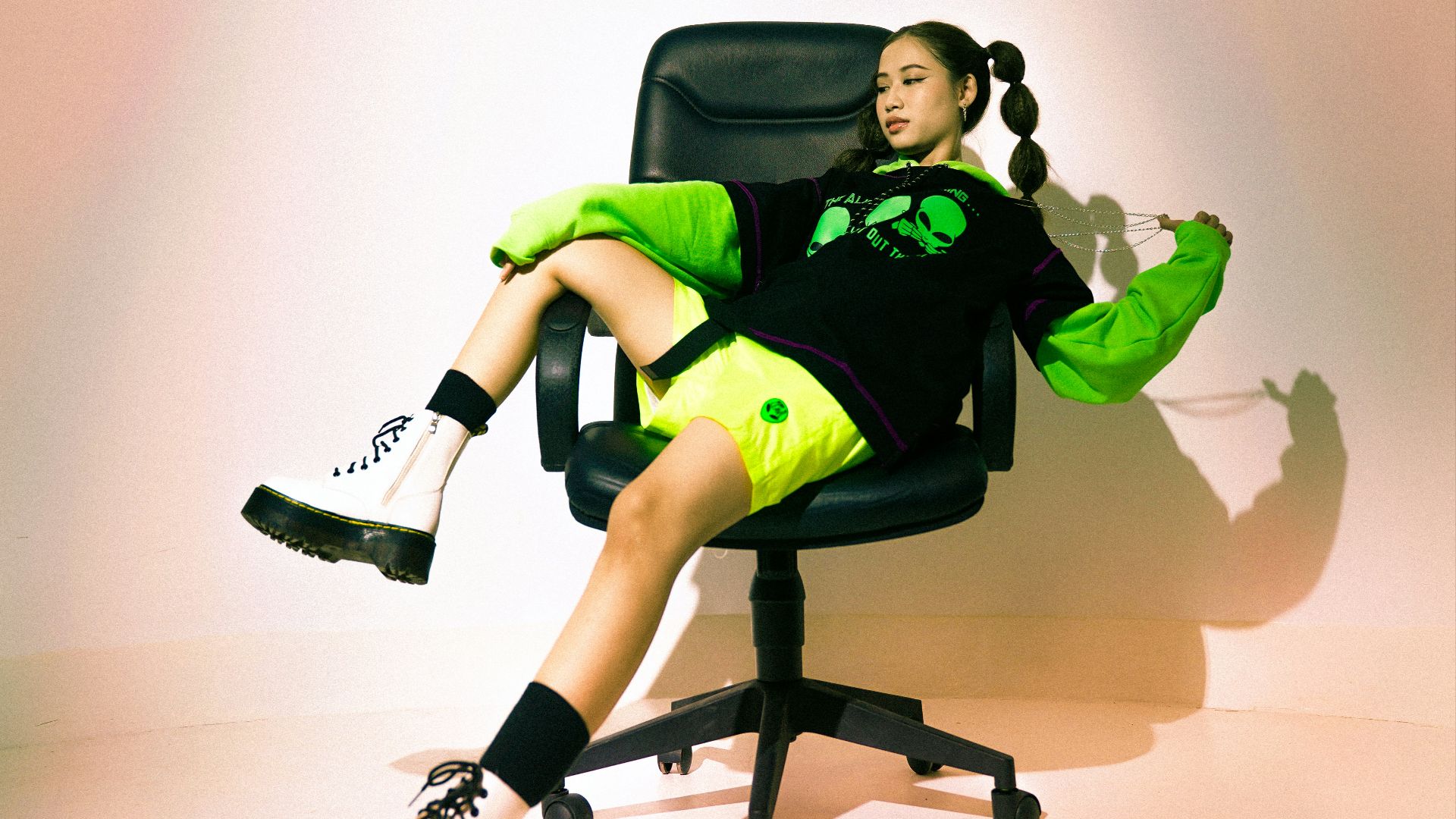
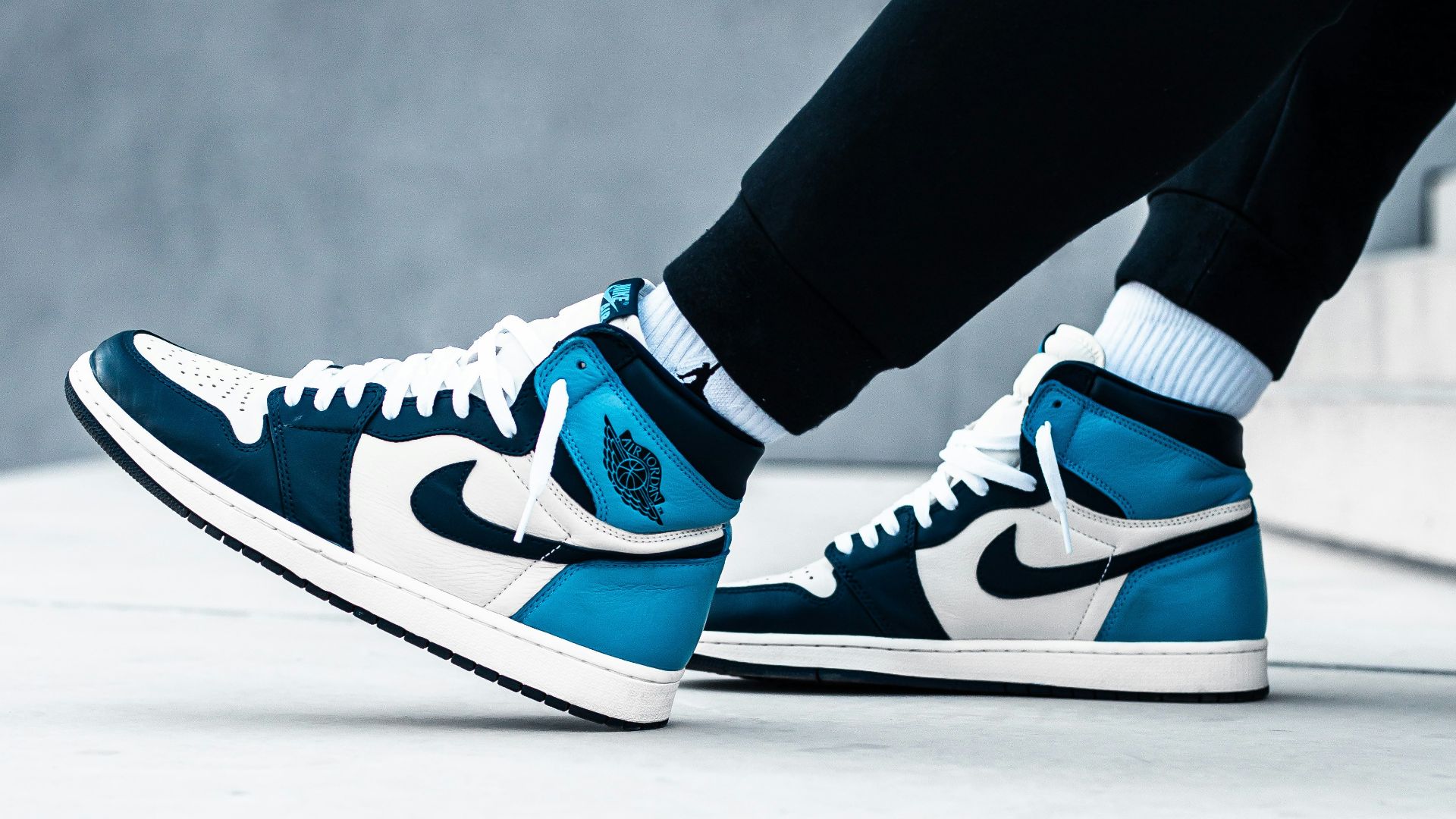
1. Sneakerhead Culture & Shoe Lines
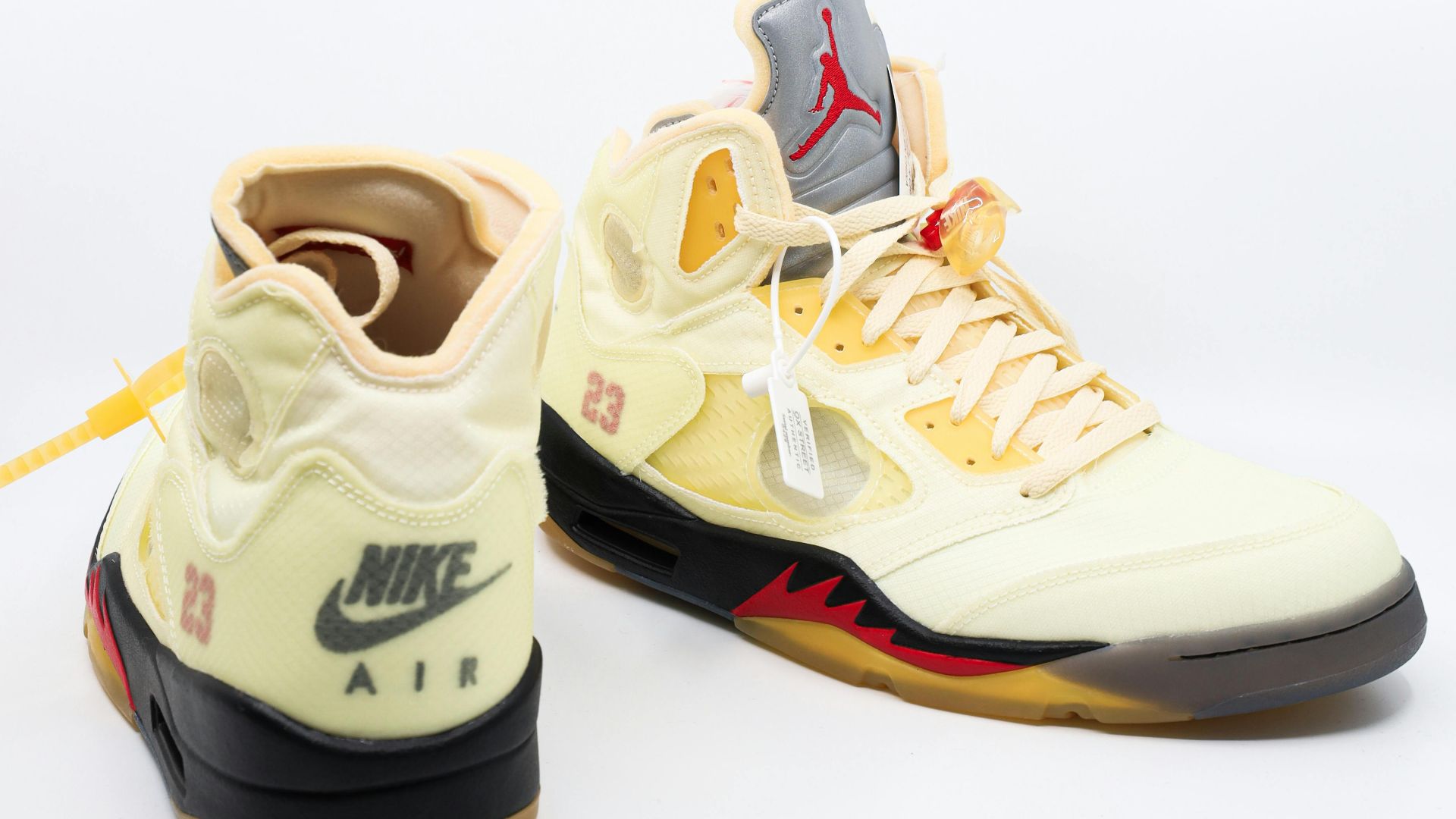
Sneakers became collectibles long before brands treated them like luxury drops. People lined up, traded, and built communities around specific releases, creating demand that companies later formalized. The street energy came from identity and belonging as much as style. Once brands noticed, the hype machine became a business model.
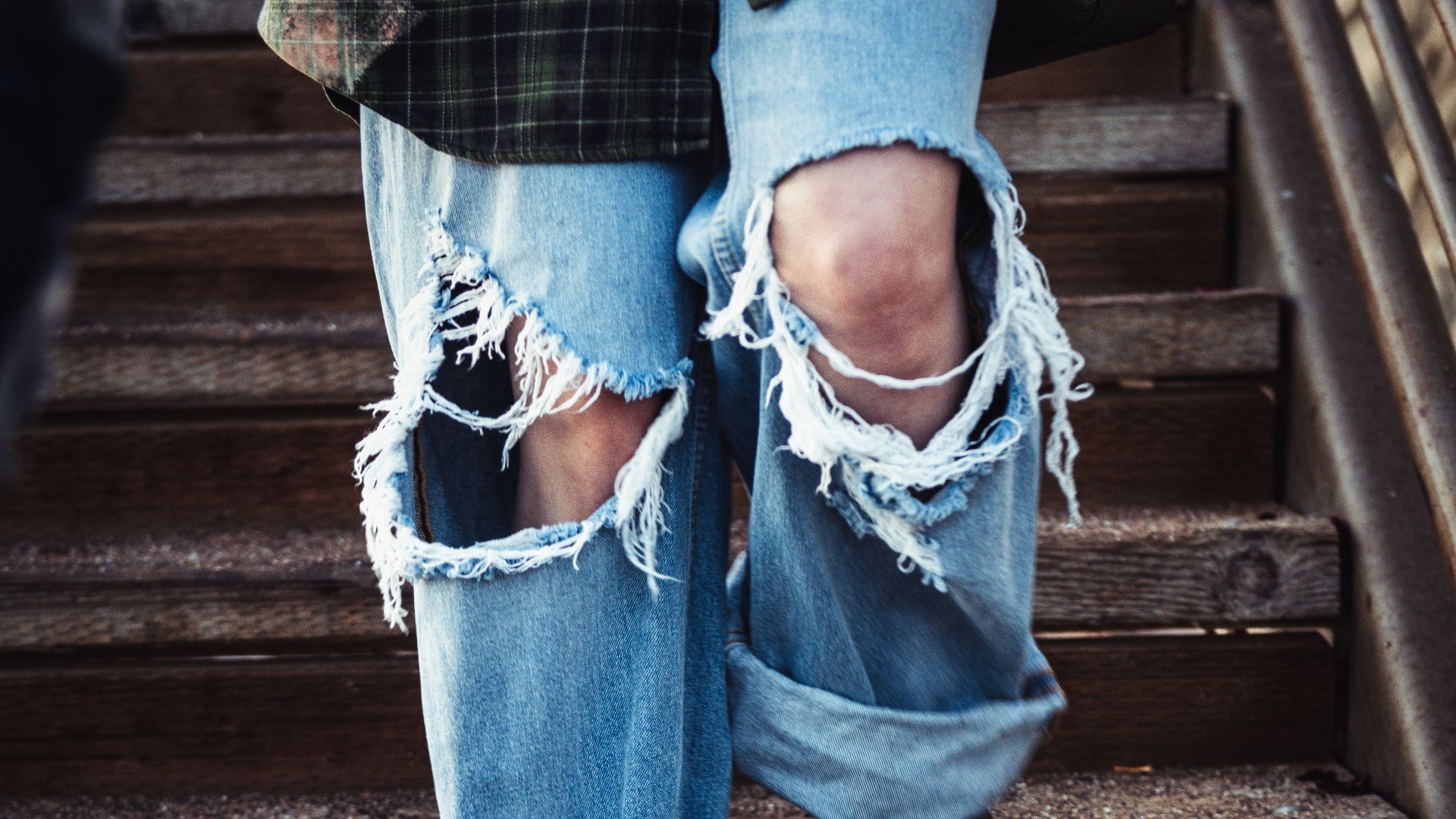
2. Baggy Jeans & Oversized Silhouettes
Loose denim spread through skate and hip-hop scenes because it was comfortable and functional. The look carried attitude, and it didn’t ask permission from fashion gatekeepers. Eventually, it cycled into mainstream stores and runways, but the early momentum came from real-life wear.
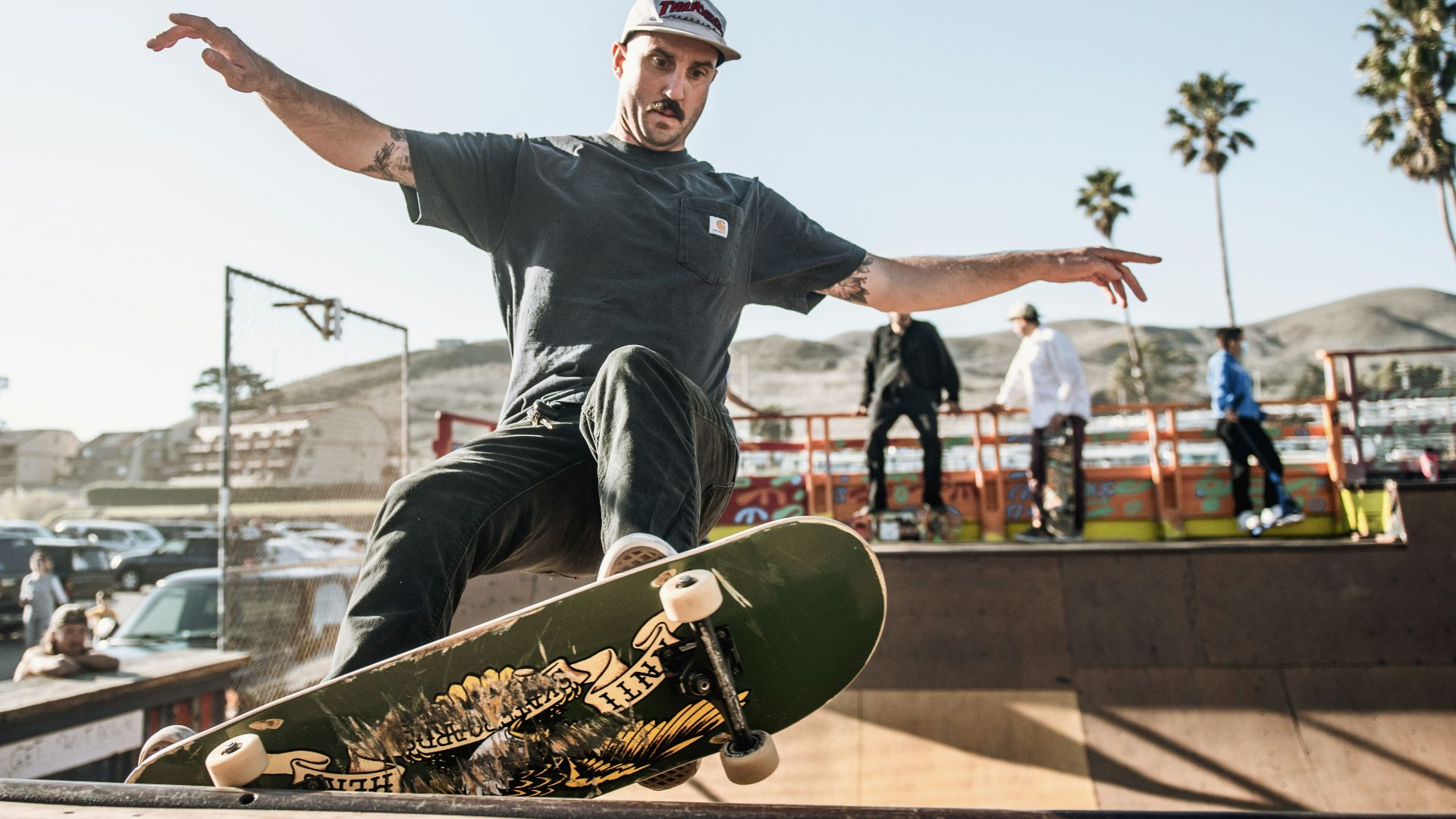
3. Skate Style as Everyday Fashion
Skate shoes, graphic tees, hoodies, and work pants became cultural staples because skaters wore what survived their lifestyle. The outfits were practical first, and the aesthetic followed naturally. Now, just about everyone owns at least a pair of Vans, whether they've ever touched a skateboard or not, simply because the fashion looks cool.
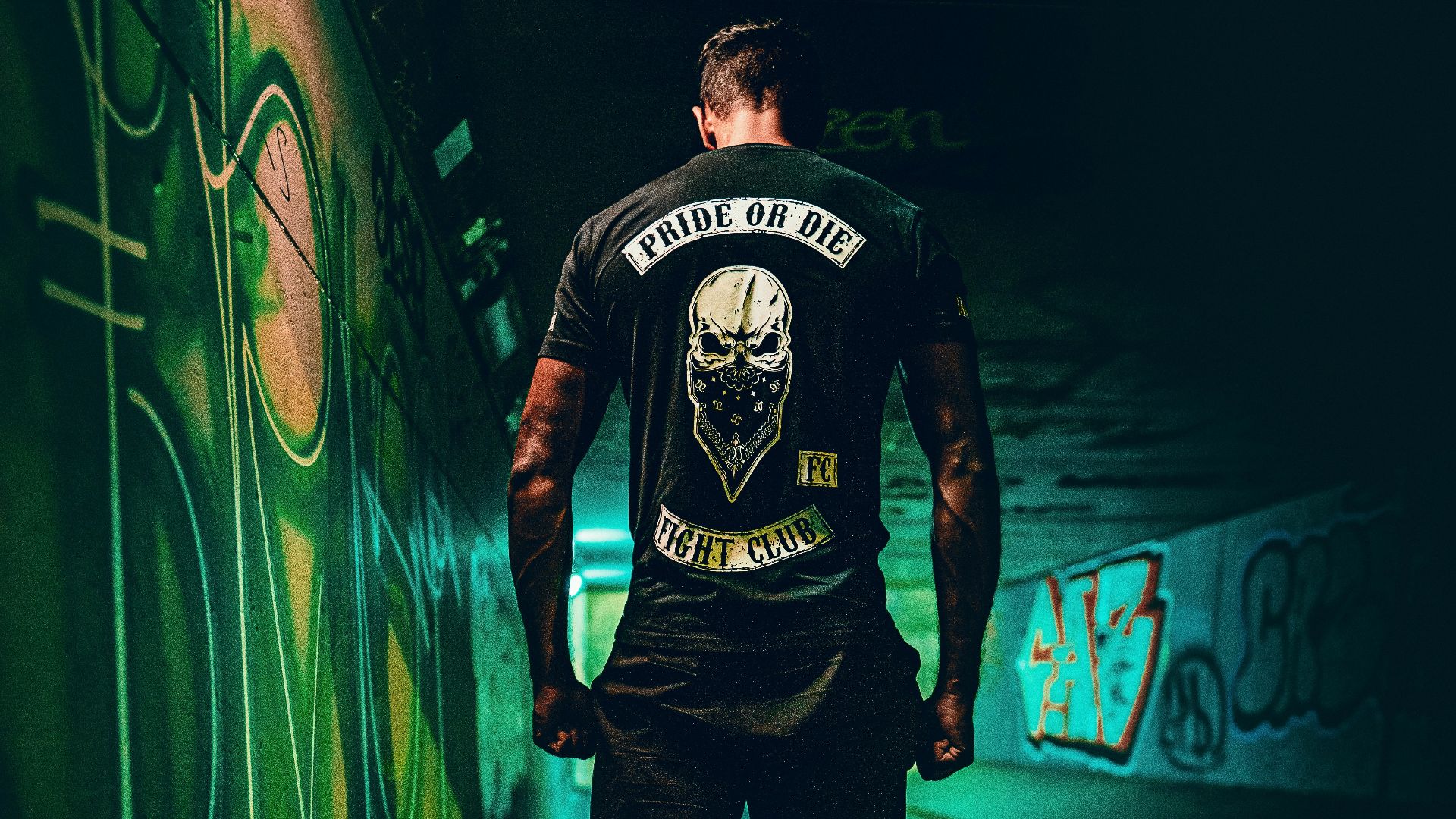
4. Graffiti-Inspired Graphic Design
Graffiti lettering and street art influenced everything from album covers to brand logos over time. The visual language developed in public spaces, not creative departments, and it carried a rebellious edge. It makes a t-shirt or hoodie look edgy and personalized.
5. DIY Customization & Upcycling
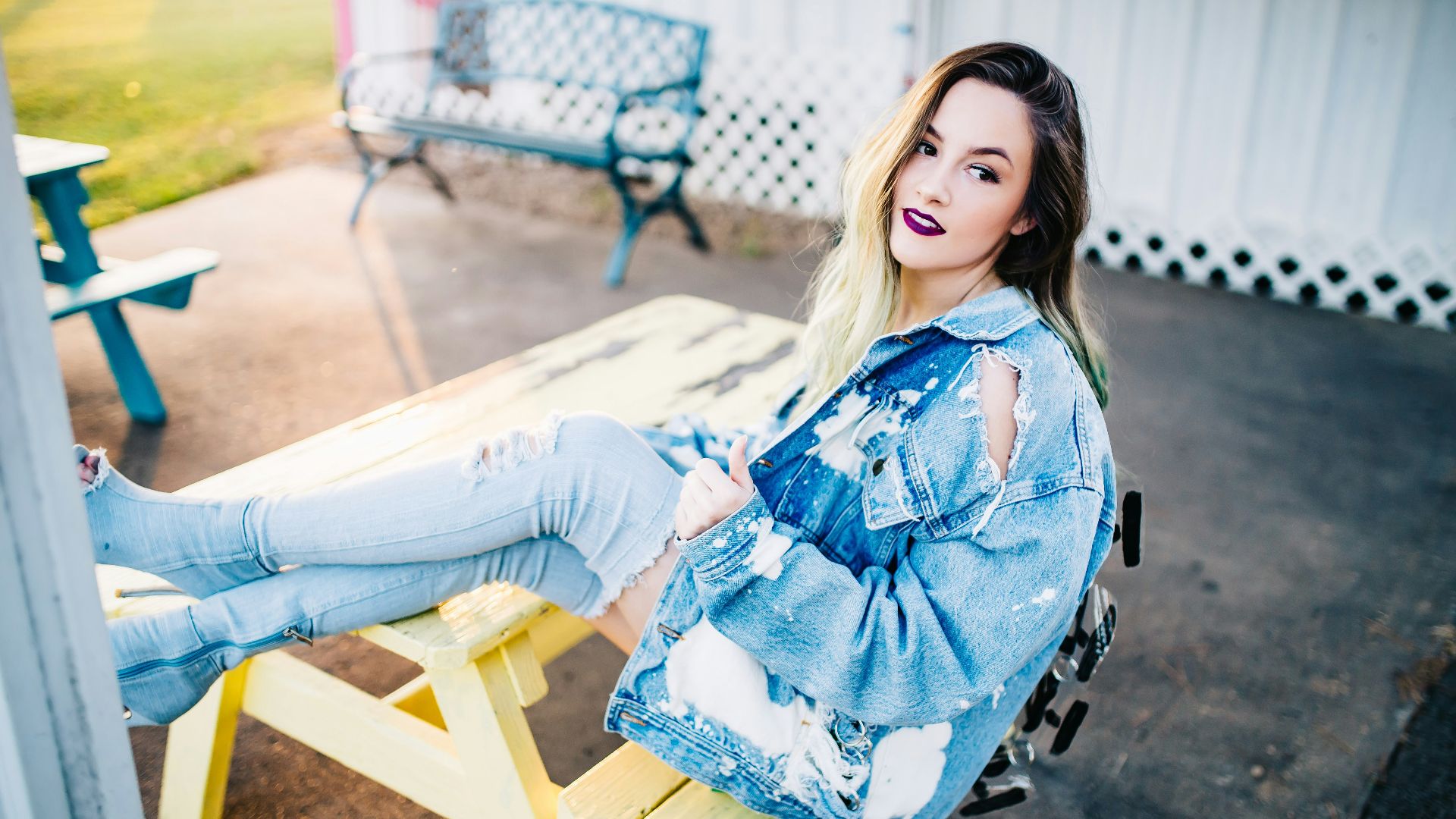
People started patching jeans, painting jackets, and reworking thrifted clothes long before “sustainable fashion” became a corporate headline. The street version was driven by budget, creativity, and wanting something nobody else had. Once it became trendy, brands started selling “distressed” and “one-of-one” pieces at premium prices.
6. Thrifting as a Mainstream Habit
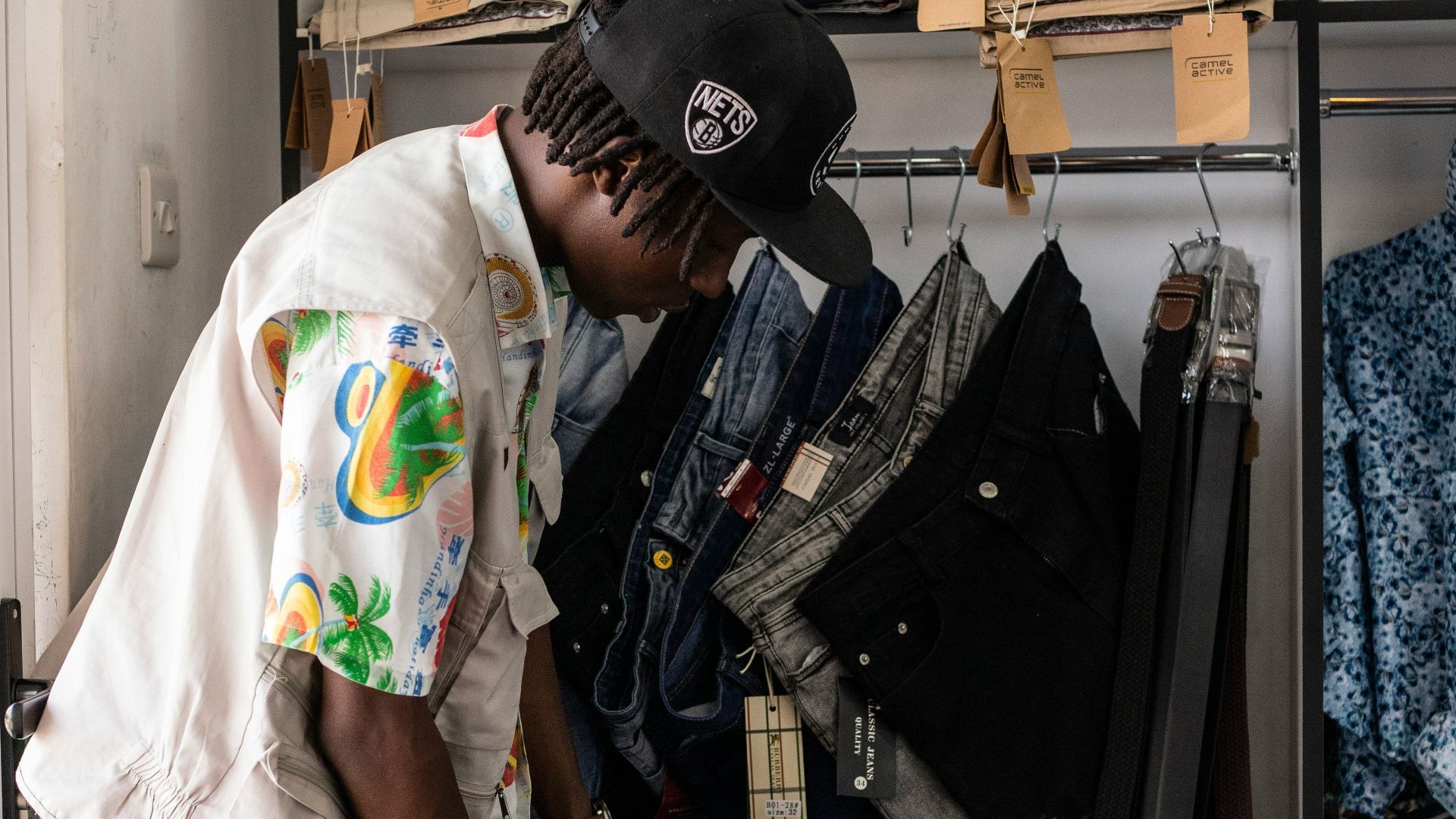
Thrifting grew from necessity and treasure-hunting into a full-on style identity. People learned to curate looks from secondhand stores and made it feel intentional, not like a compromise. Social media accelerated it, but the behavior existed long before it was trendy to post your haul.
7. Drops & Limited Releases
Limited drops were a street phenomenon before they became a standard retail strategy. Communities formed around specific brands, collabs, and “you had to be there” releases. Scarcity created stories, and stories created demand. The boardroom later refined the system, but the emotional engine started outside it.
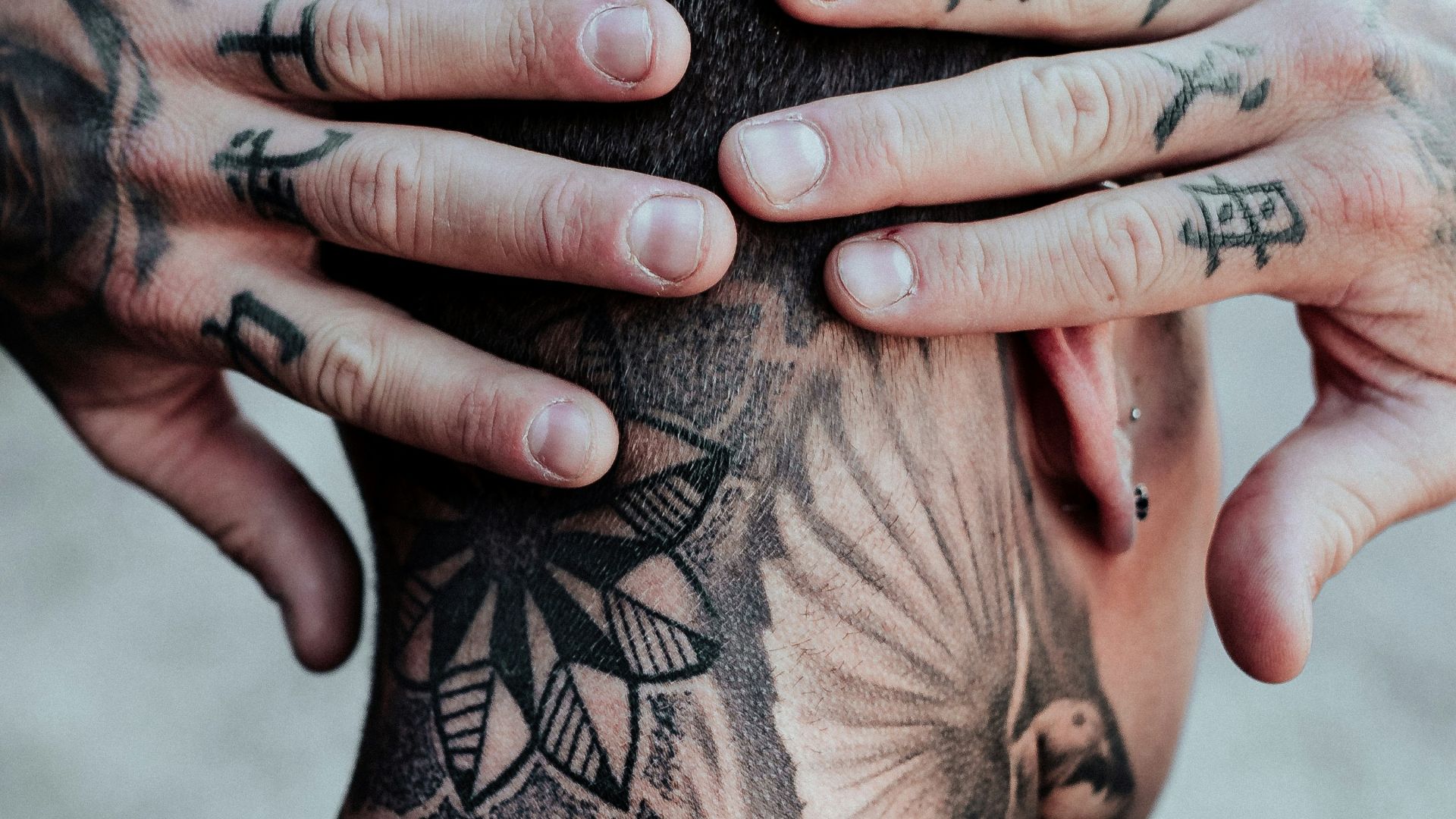
8. Tattoos
Visible tattoos became more normalized as regular people embraced them openly in daily life. The shift wasn’t led by corporate policy; it was a cultural change powered by individuals deciding they didn’t need to hide. Workplaces followed after the reality had already changed.
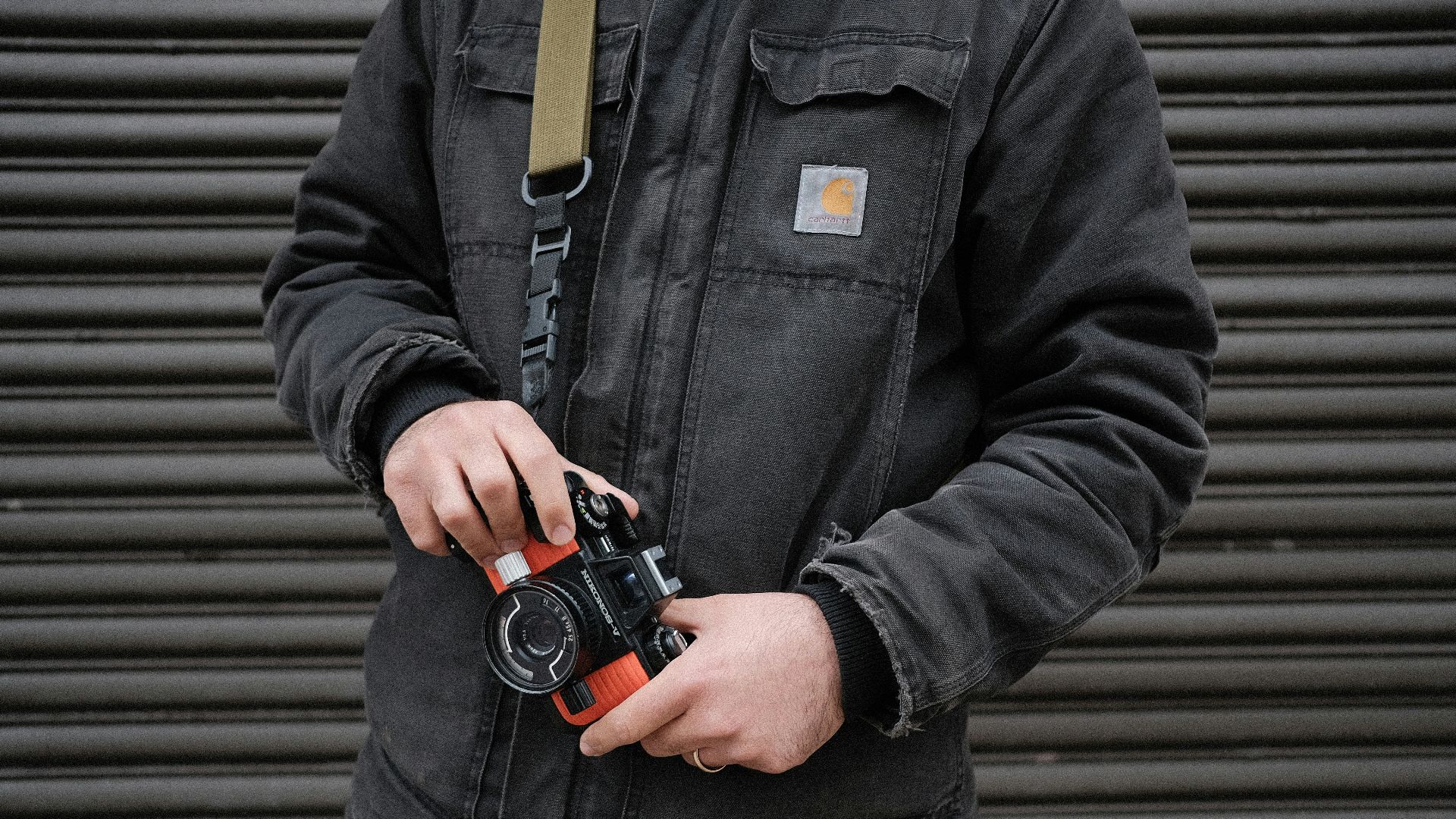
9. Workwear in Everyday Outfits
Carpenter pants, chore jackets, and sturdy canvas pieces moved into everyday fashion because they’re durable and easy to style. People wore them for function, then realized they also looked cool. Once the look spread, fashion brands pushed “workwear-inspired” collections everywhere.
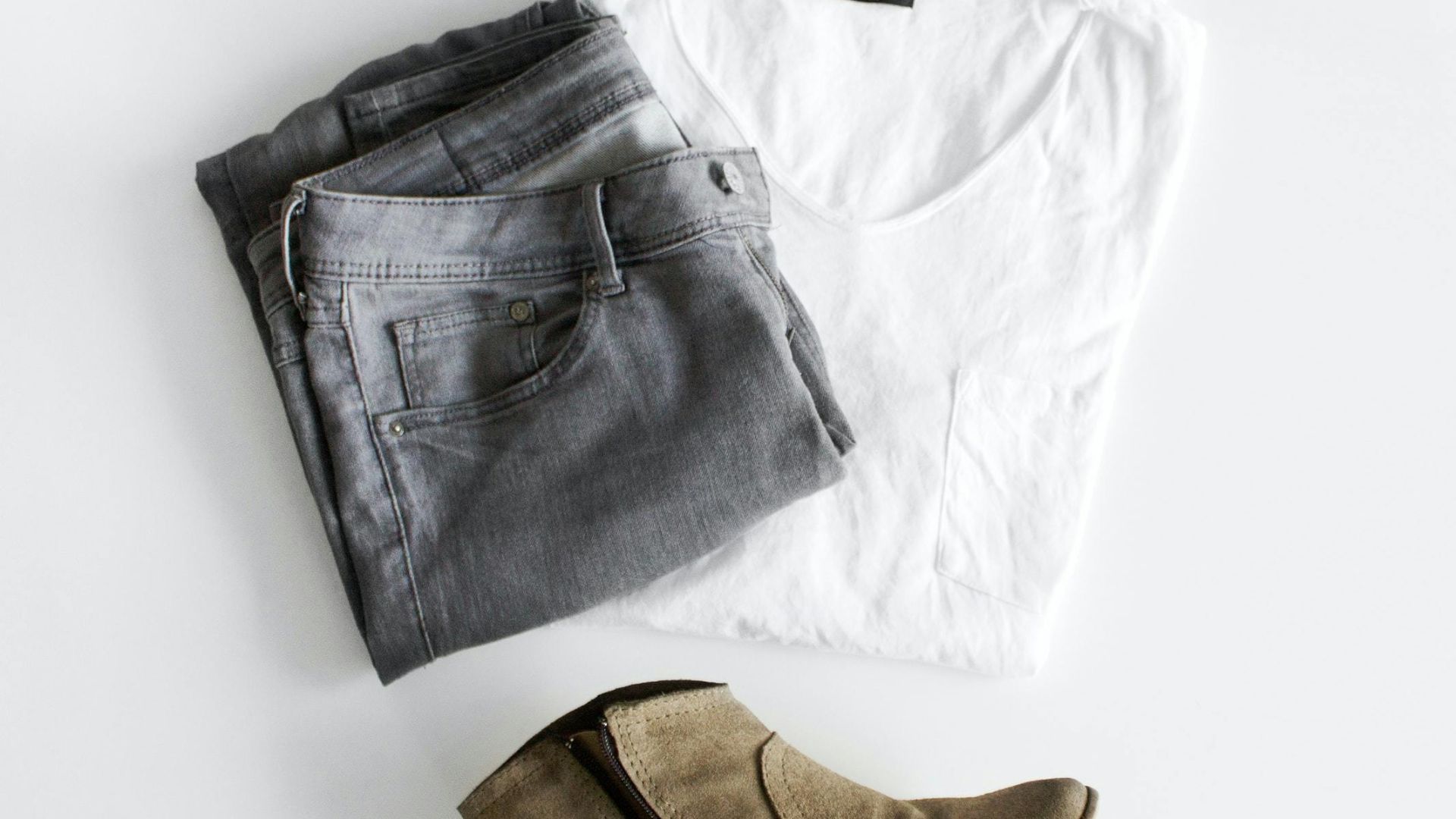
10. Normcore & Quiet Basics
Simple jeans, plain tees, and “nothing to prove” outfits became a statement because regular people leaned into ease on purpose. The street made it feel cool to look unbothered and practical. Brands then tried to sell “effortless” as a product, which is always a little funny. The core idea remains: basics can be the look.
Now that we've talked about the fashion trends that started on the streets, let's discuss the ones that started in boardrooms, even if they don't seem like it.
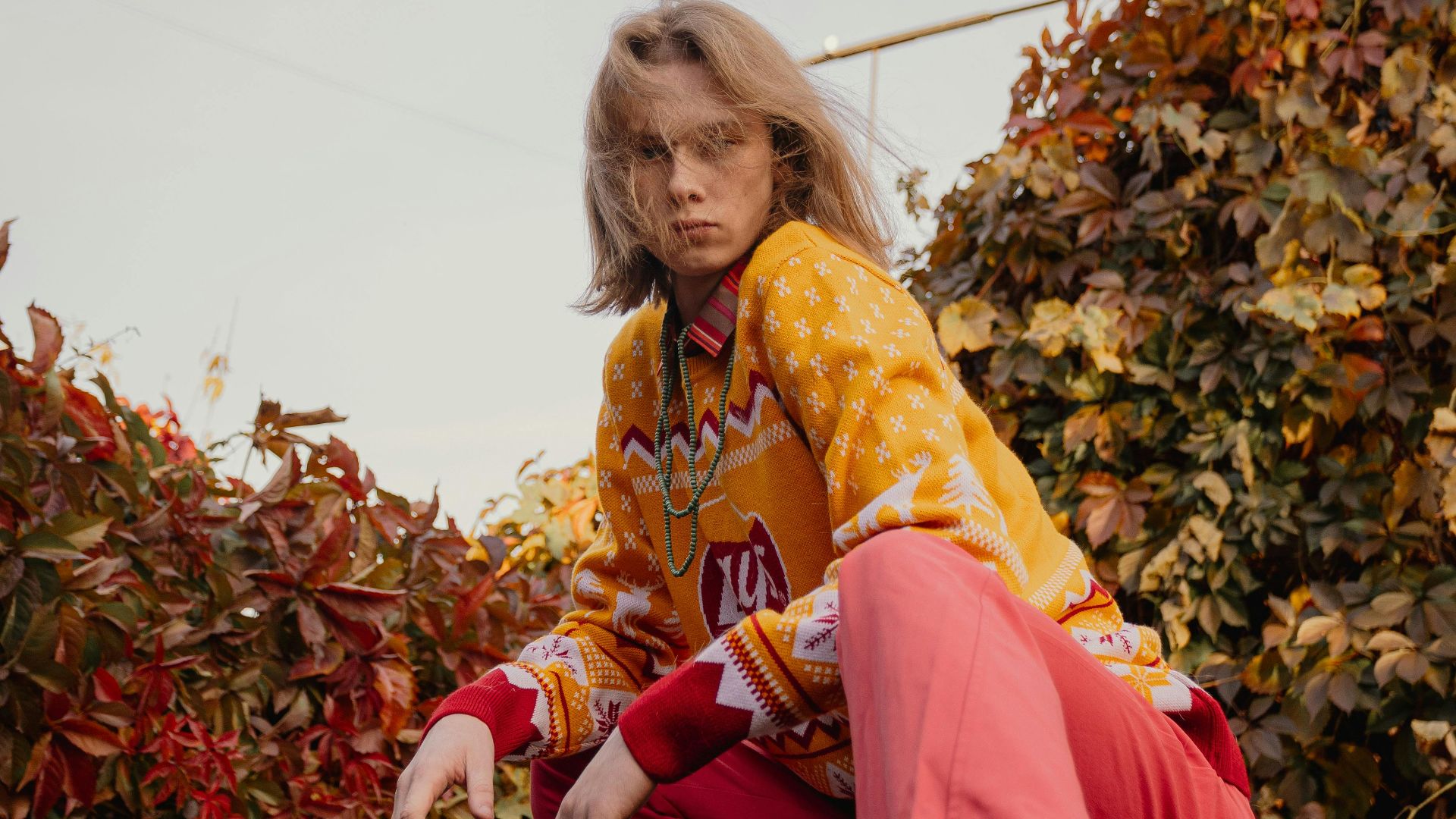
1. The Color of the Season
Big color moments often get boosted by forecasting, merchandising, and coordinated product drops. When retailers decide a specific shade will dominate racks, you suddenly see it everywhere at once. It feels like a trend because availability makes it one. You can opt out, but the stores won’t make it easy.
2. Microtrends Designed for Fast Turnover
Some trends feel oddly specific and short-lived because they’re built to rotate quickly. Product teams plan a burst, sell it hard, then move to the next thing. That cycle keeps shoppers browsing and buying.
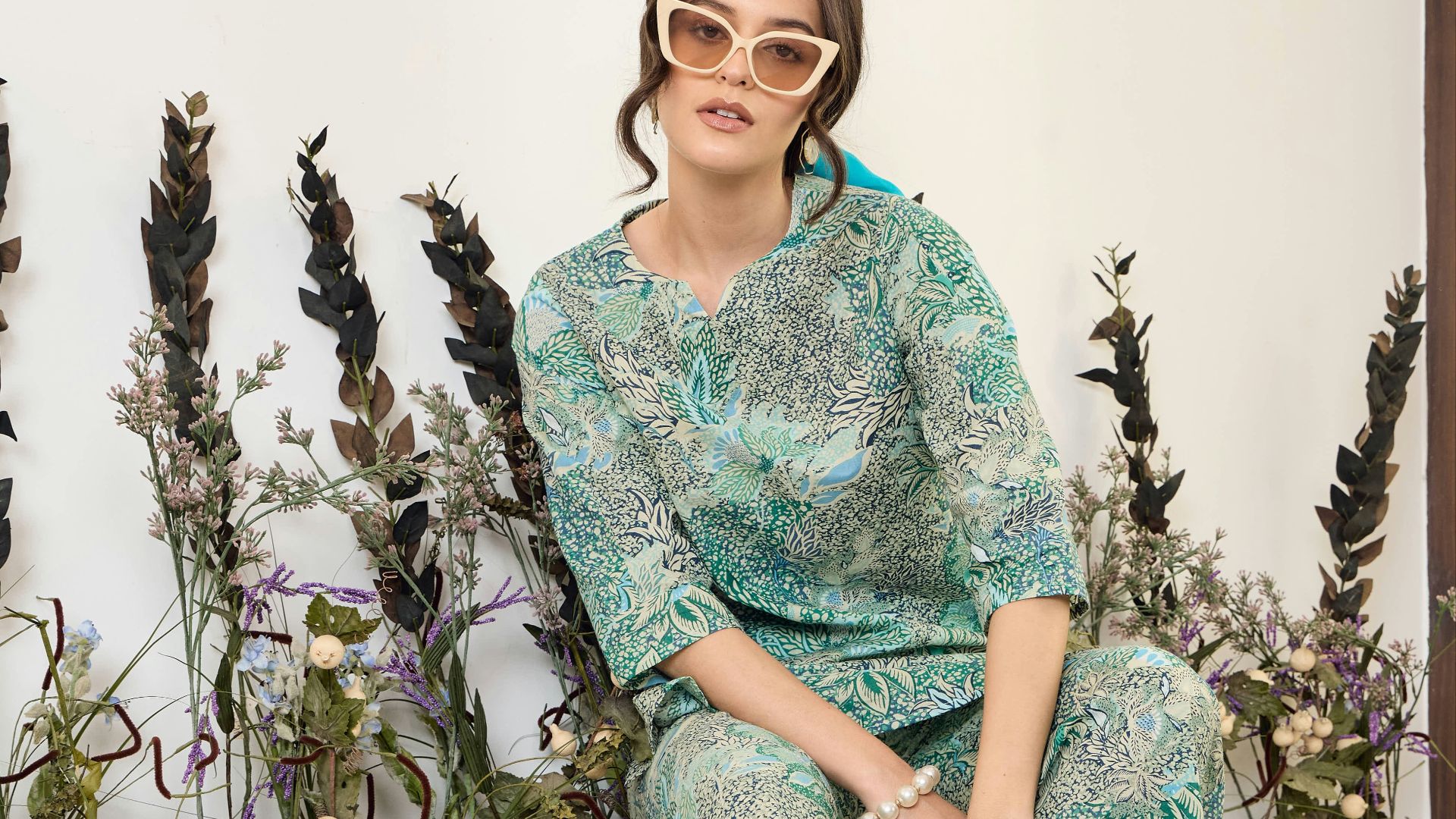
3. Matching Sets as a Retail “Uniform”
Coordinated sets look polished and make shopping easier, which is why brands love them. They’re also simple to sell as complete outfits, which boosts basket size. The trend spreads fast because stores display sets together and make them feel like you have to buy them like that.
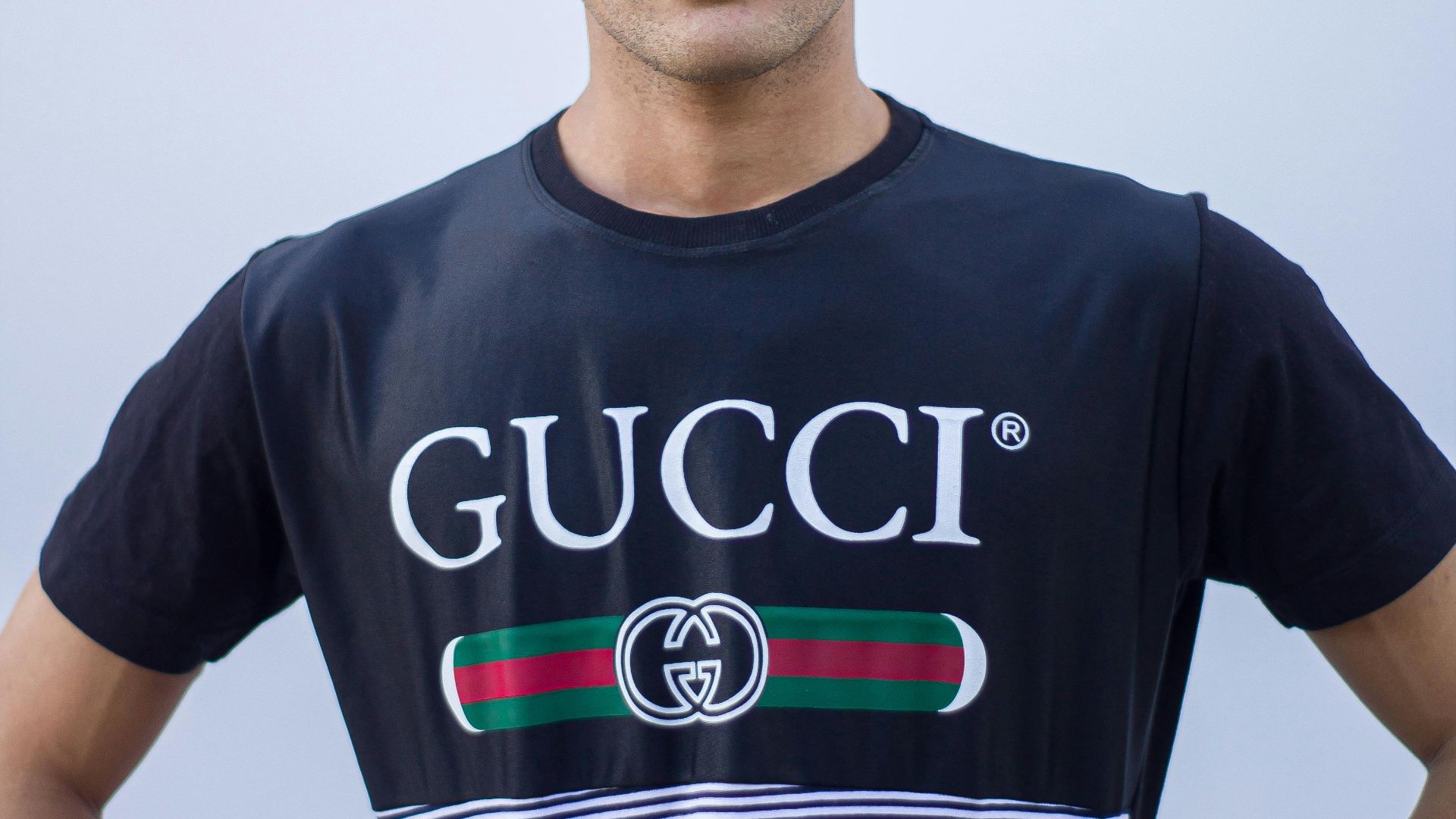
4. Logos & Monograms
It's in a company's best interest if you loudly display its brand, so creating a trend out of loud logos is most definitely a corporate campaign. It usually comes from brand decisions to push a recognizable identity. When a house decides it’s time to go loud, marketing and product rollouts make sure you notice.
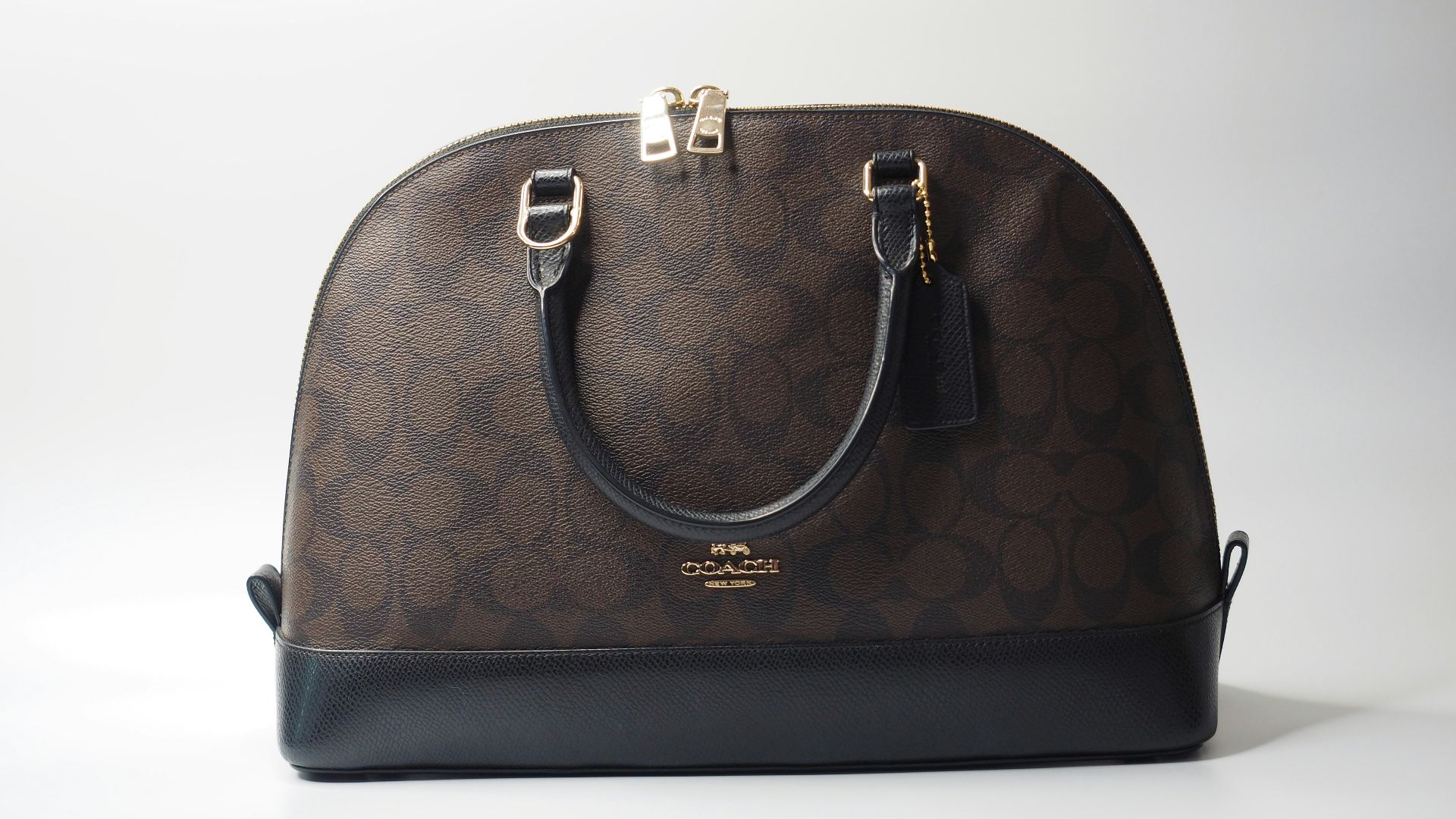
5. It-Bag Cycles
A bag becomes “the” bag when brands plan scarcity, influencer placement, and waitlist energy. That process is engineered to create urgency and status. Street style can amplify it, but the spark is usually corporate.
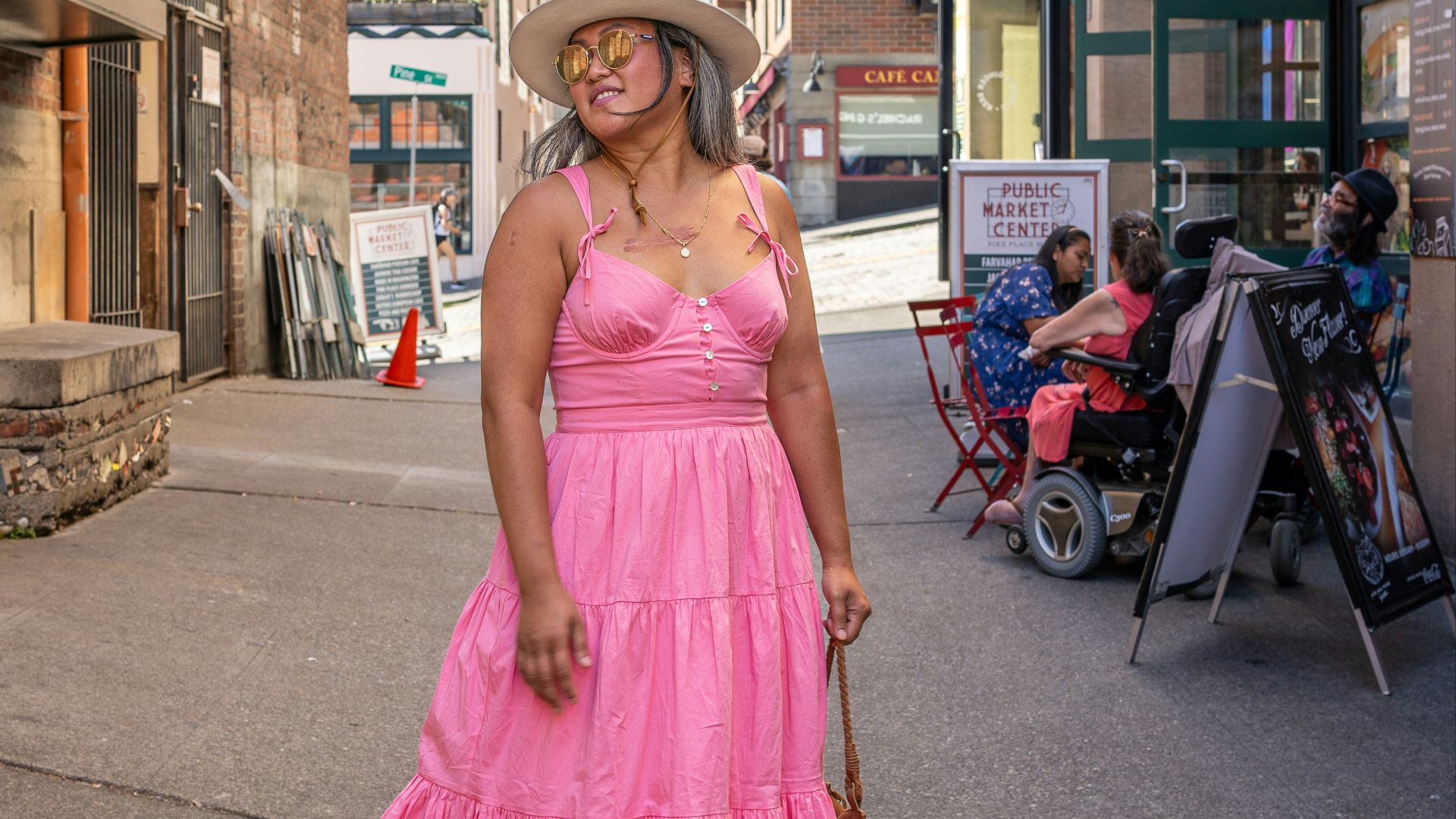
6. Seasonal Hemline & Silhouette Swings
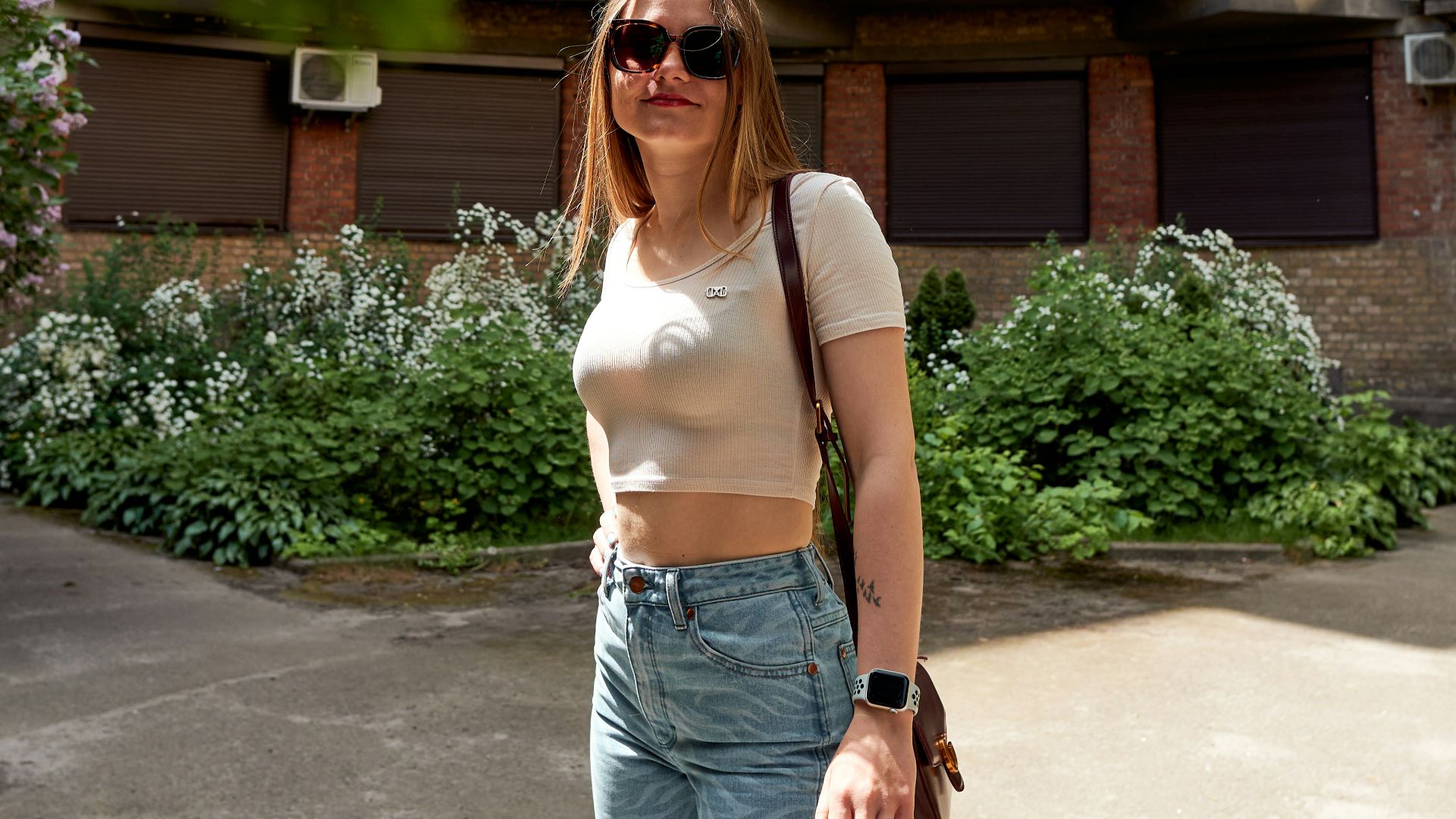
Big shifts like ultra-low rise, micro minis, or wide-leg dominance often arrive through coordinated collections and buying decisions. When designers and retailers align, the market changes quickly. It doesn’t mean people asked for it first; it means it was supplied everywhere all at once.
 Artem Kryzhanivskyi on Unsplash
7. Trend-Driven “Core” Aesthetics
Labels like “cottagecore,” “barbiecore,” or “gorpcore” may start as internet language, but the mainstream takeover is usually corporate. Brands translate the vibe into products, lookbooks, and curated edits. Suddenly, the aesthetic has a shopping page, which tells you the boardroom is involved.
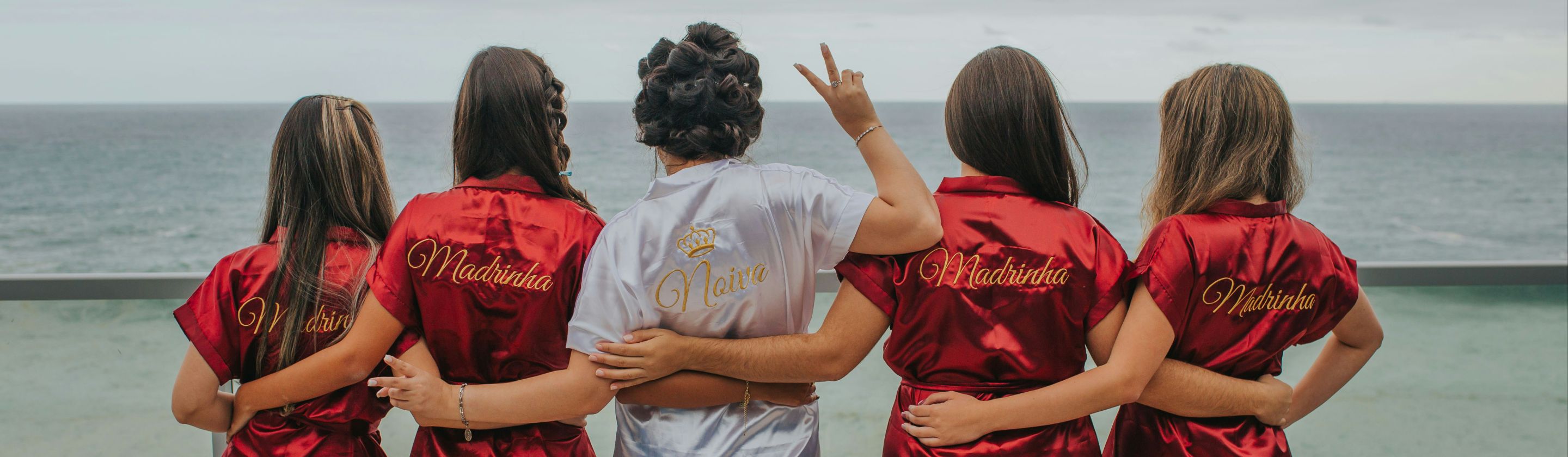
8. Occasionwear “Rules”
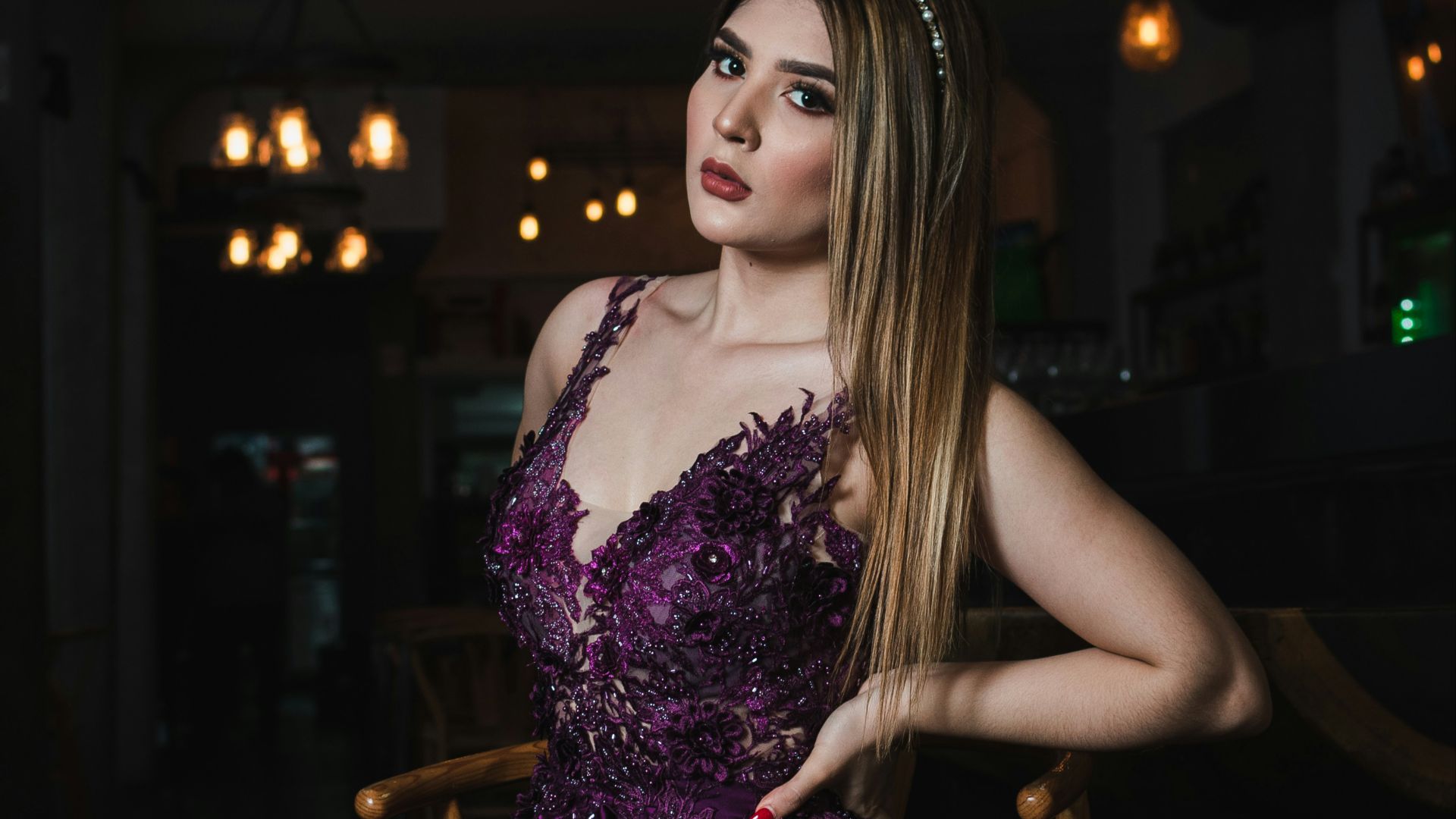
Certain seasonal “rules” about what’s in for events often come from formalwear brands and retailers shaping the options. When stores push one dominant style, it becomes what people think they’re supposed to wear. The trend spreads through social pressure.
 FOTOGRAFÍA EDITORIAL on Unsplash
9. “Sustainable” Capsule Collections
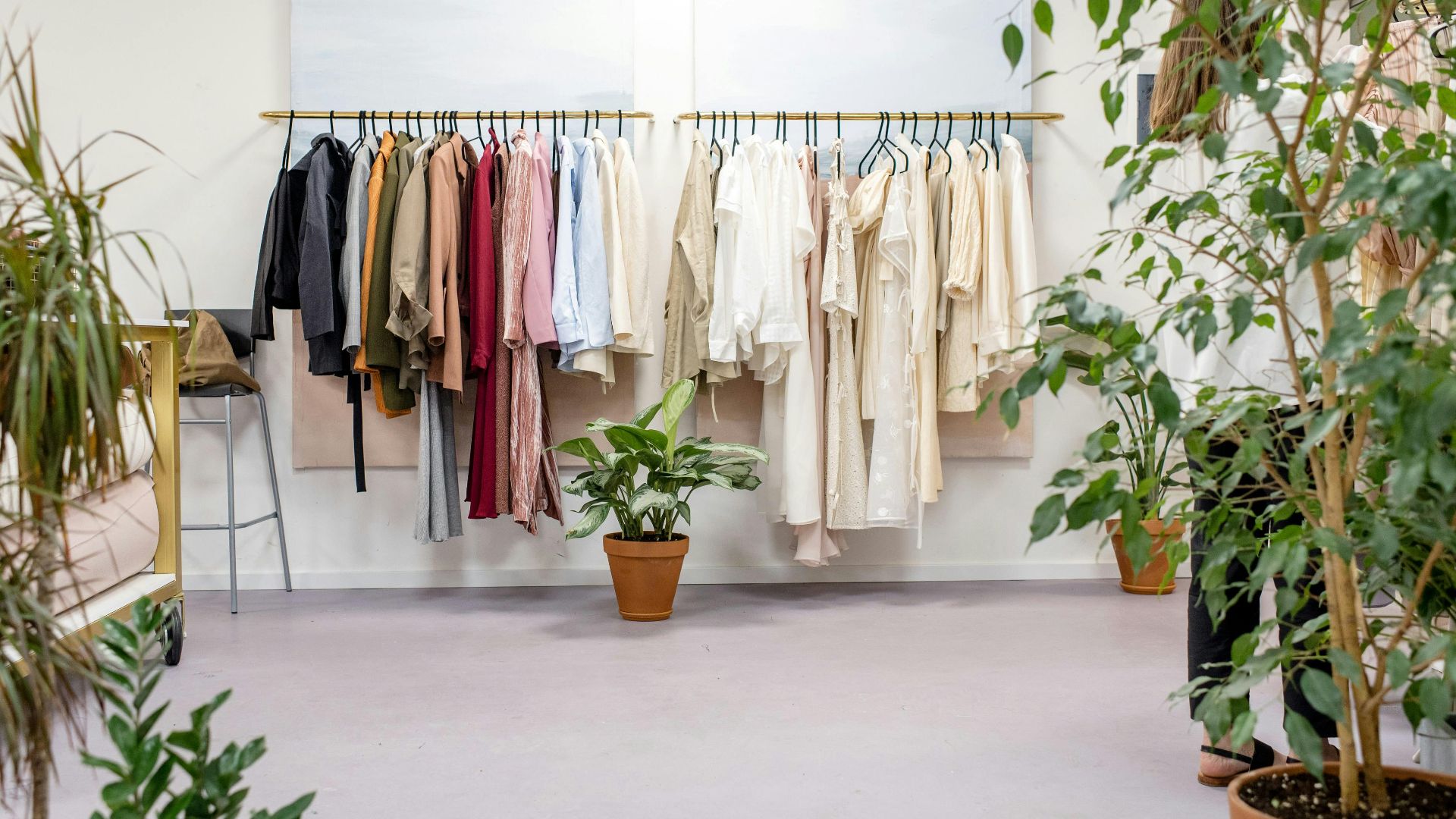
Companies build a story around recycled materials, lower-impact fabrics, repair programs, or “buy less, buy better” messaging. Then they release a collection planned to feel curated and limited. Sometimes they’re genuinely thoughtful, and sometimes they’re mainly marketing.
10. Influencer-Led Launch Trends
When a trend appears alongside a coordinated wave of sponsored posts, it’s not a coincidence. Brands seed product to creators, time the content, and make it feel like everyone arrived there naturally.