
Work Clothes, Then Fashion
A lot of style comes from uniforms, not runways. When a job, a school, or the military needs people dressed the same way, the clothes get designed to work first and look good second. Later, those same details get pulled into everyday fashion because they are practical and recognizable, and they carry a certain authority with them. Even after the original context disappears, the silhouette and the signal stay. Here are 20 styles that began as uniforms and later became everyday fashion.
1. Blue Jeans
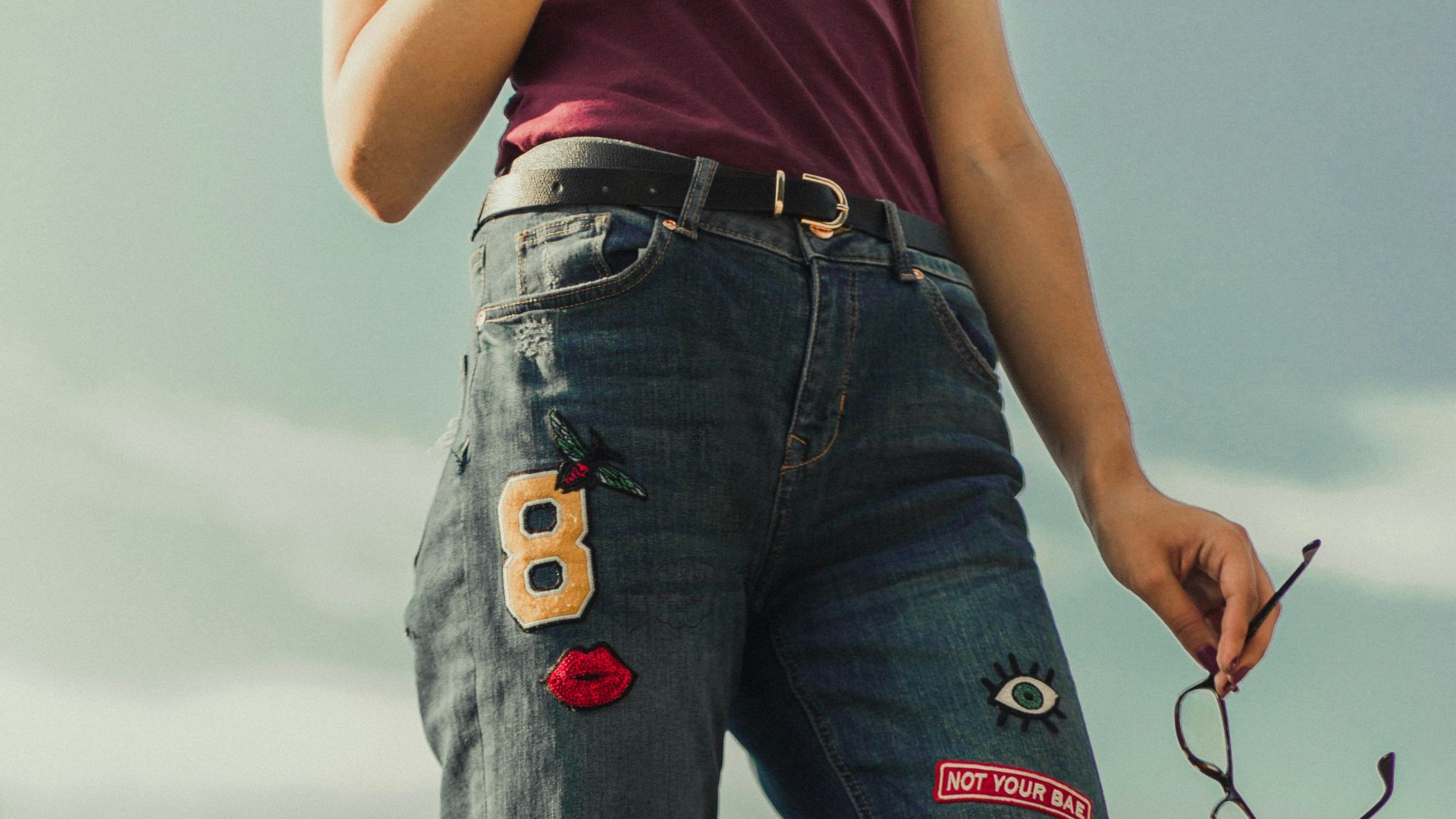
Jeans started as durable work pants for miners, ranch hands, and laborers who needed fabric that could take abuse. Rivets, heavy denim, and sturdy seams were practical choices before they became style cues. Now jeans are universal, but their DNA is still job-site clothing.
2. Chinos
Chinos trace back to military trousers designed to be lightweight, comfortable, and easier to move in than heavier wool uniforms. The clean cut and neutral color made them practical and easy to standardize. Those same qualities later made them a closet staple.

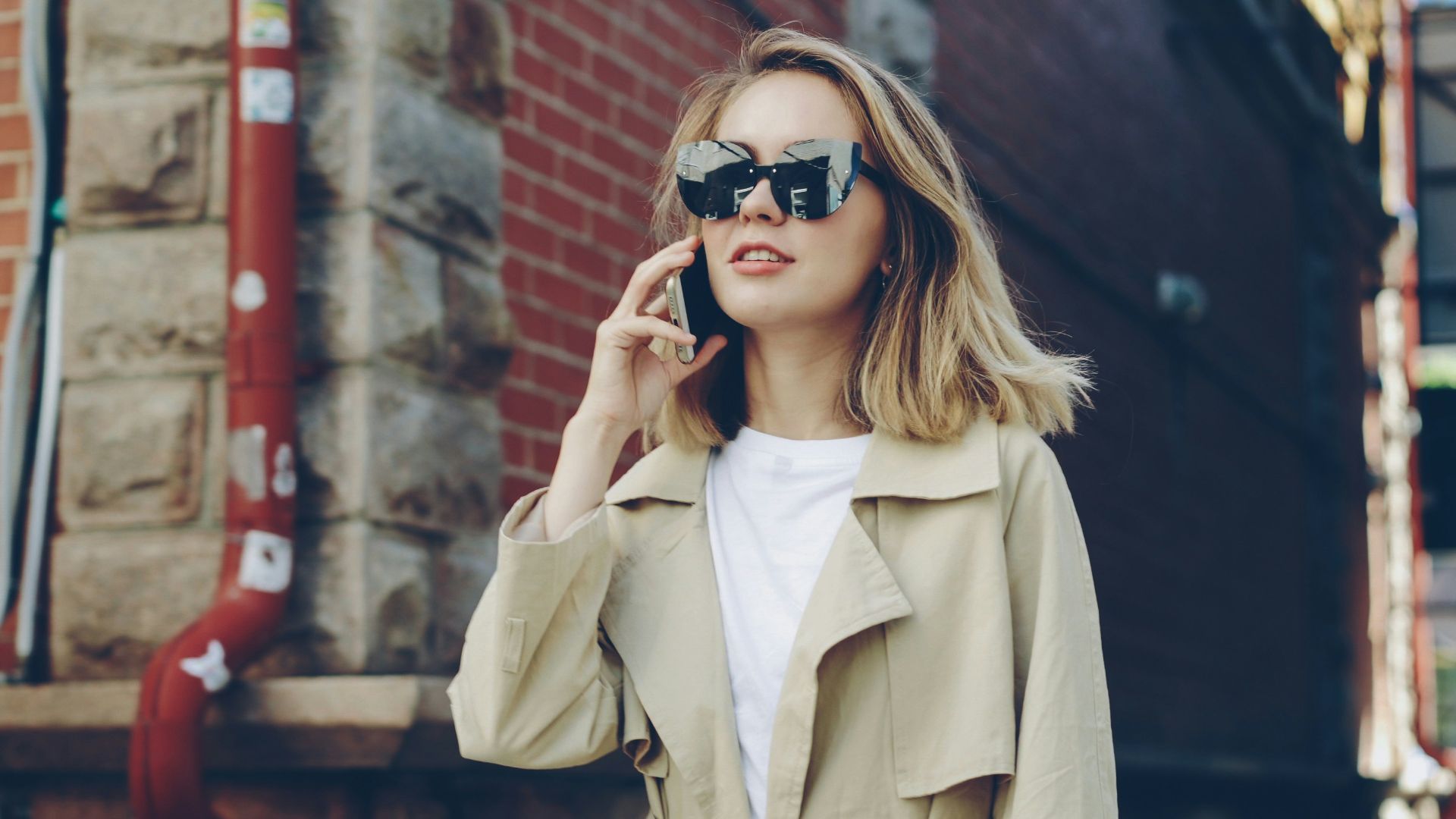
3. The Trench Coat
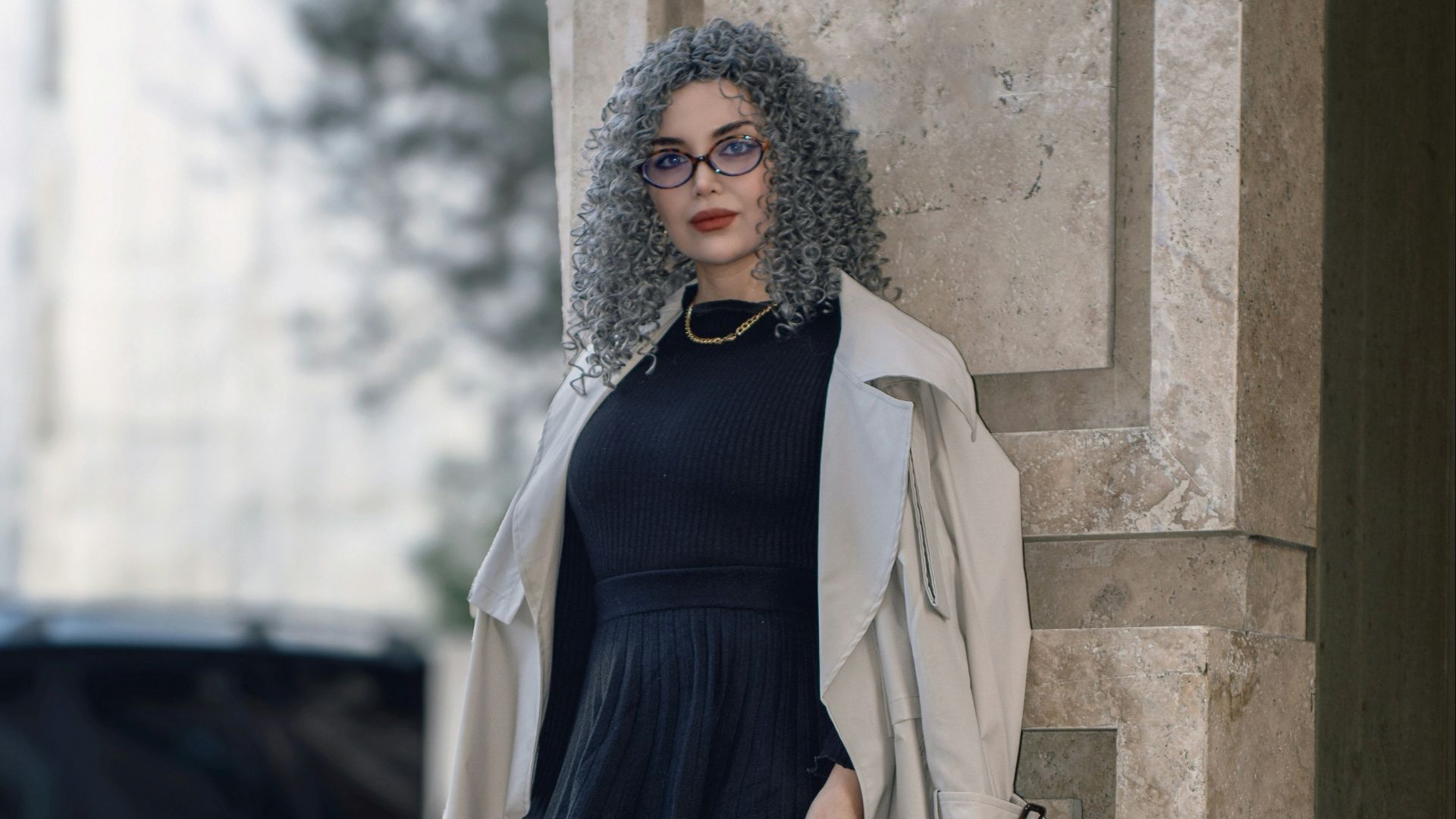
The trench coat comes straight from military outerwear, designed to handle wet weather and carry gear. Details like epaulets, storm flaps, and belt closures were functional before they were fashionable. It eventually became a symbol of polished, all-weather dressing.
4. The Peacoat
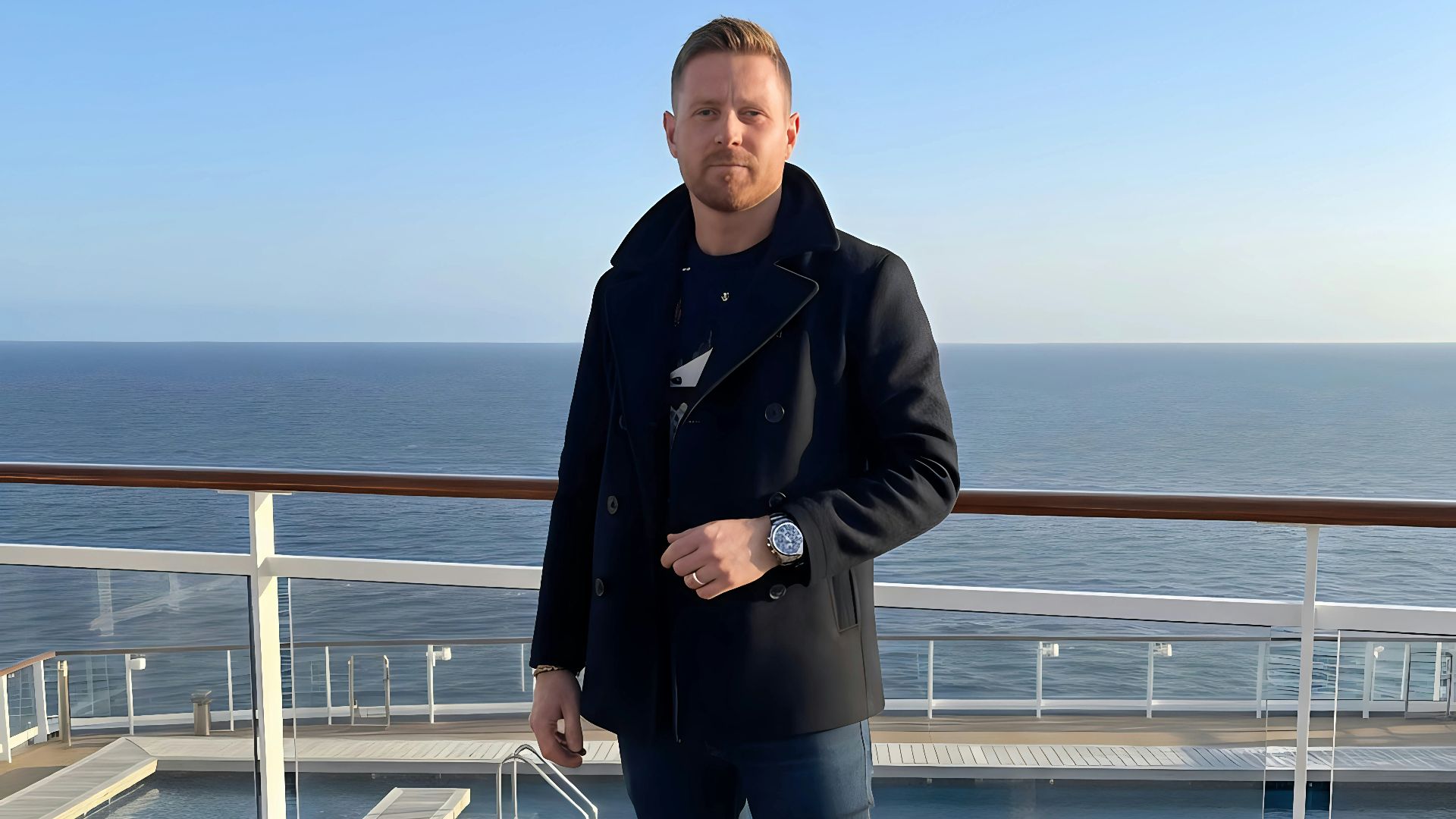
Peacoats were naval coats built for cold, wind, and salt air. The heavy wool and double-breasted front helped block weather and hold warmth. Fashion kept the shape because it looks sharp and works in real life.
5. The Bomber Jacket
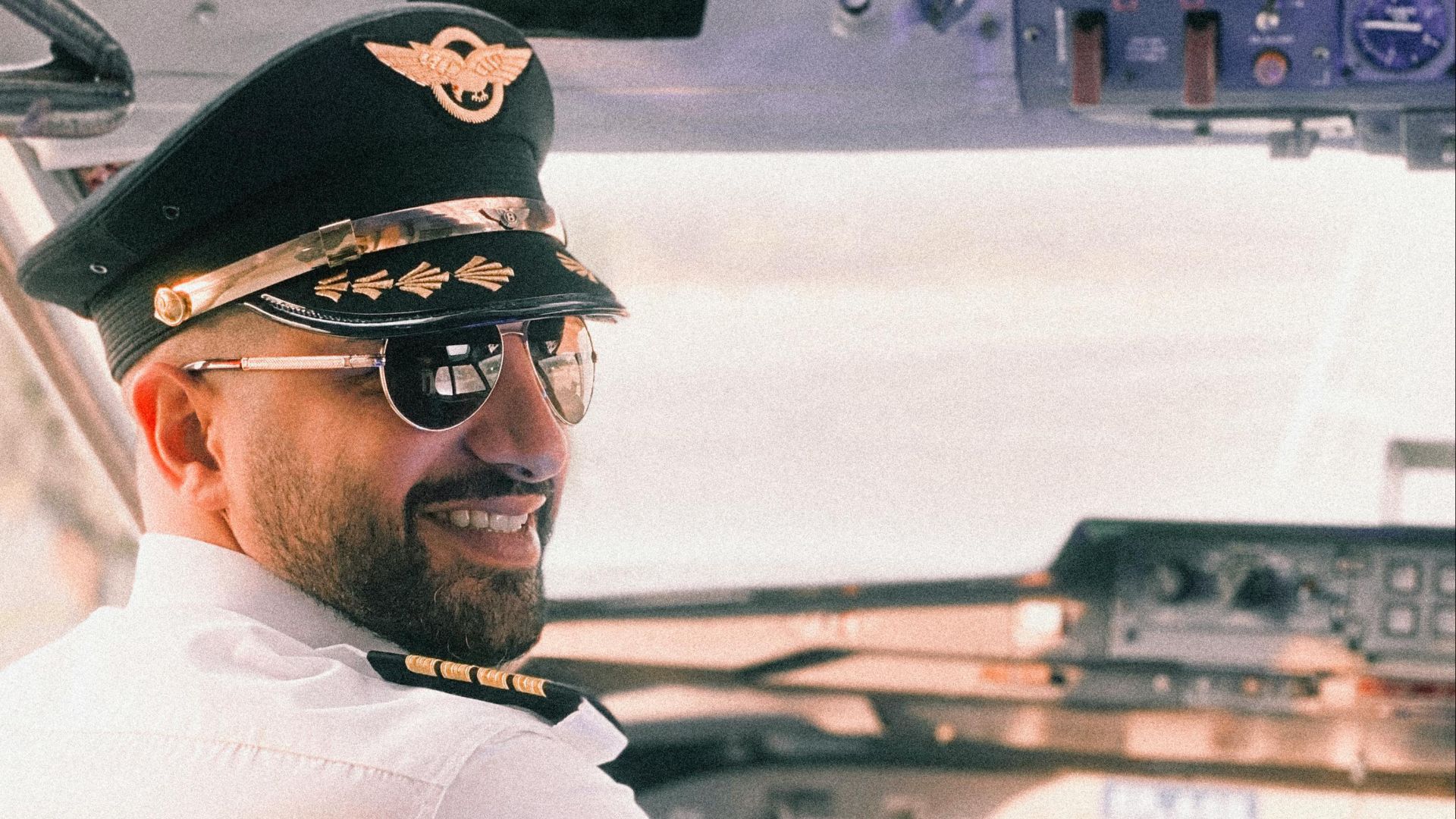
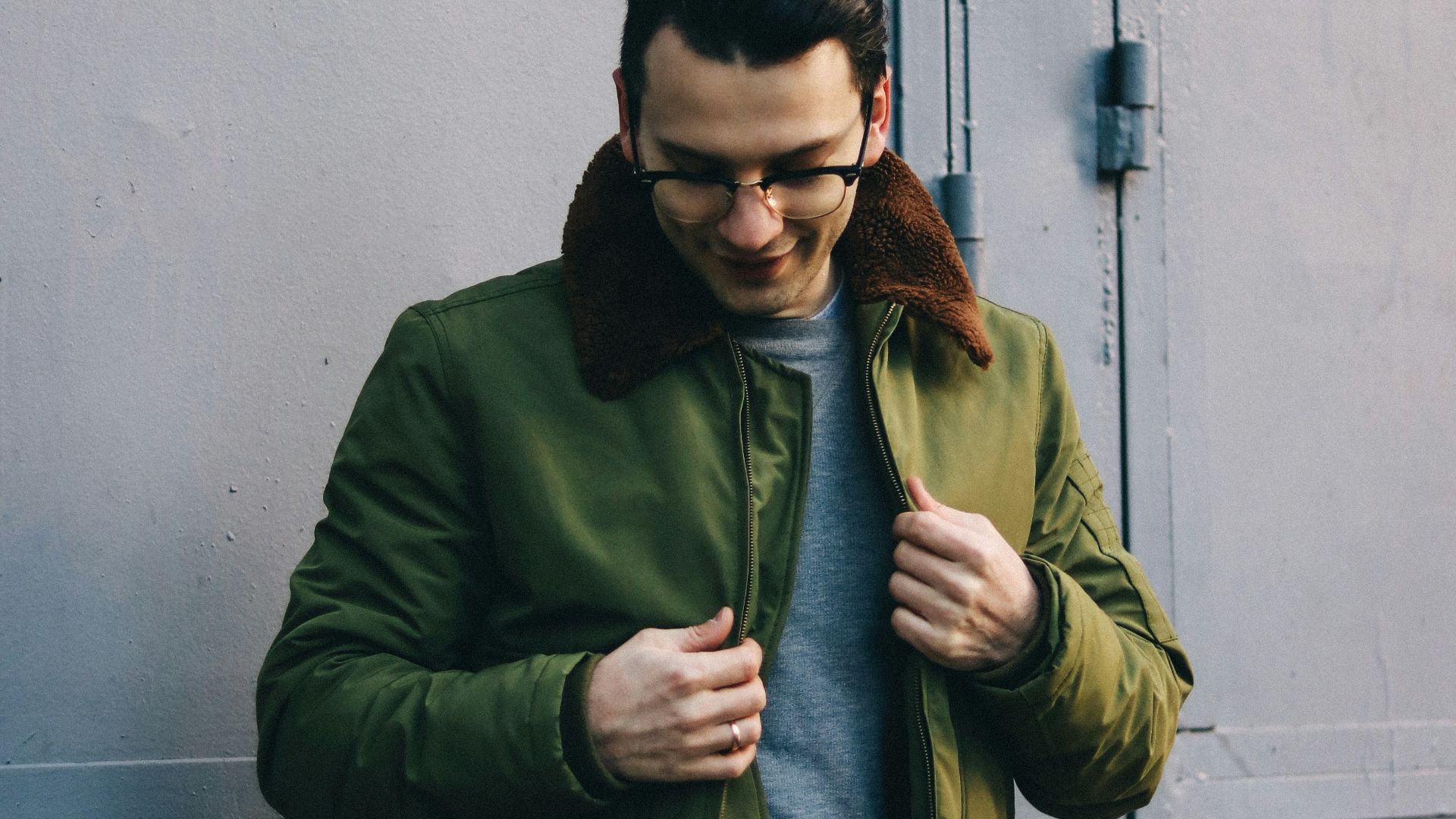
Bomber jackets were created for pilots who needed warmth and mobility in cold cockpits. The short cut and ribbed cuffs helped keep drafts out and movement easy. Those same proportions became a classic casual jacket silhouette.
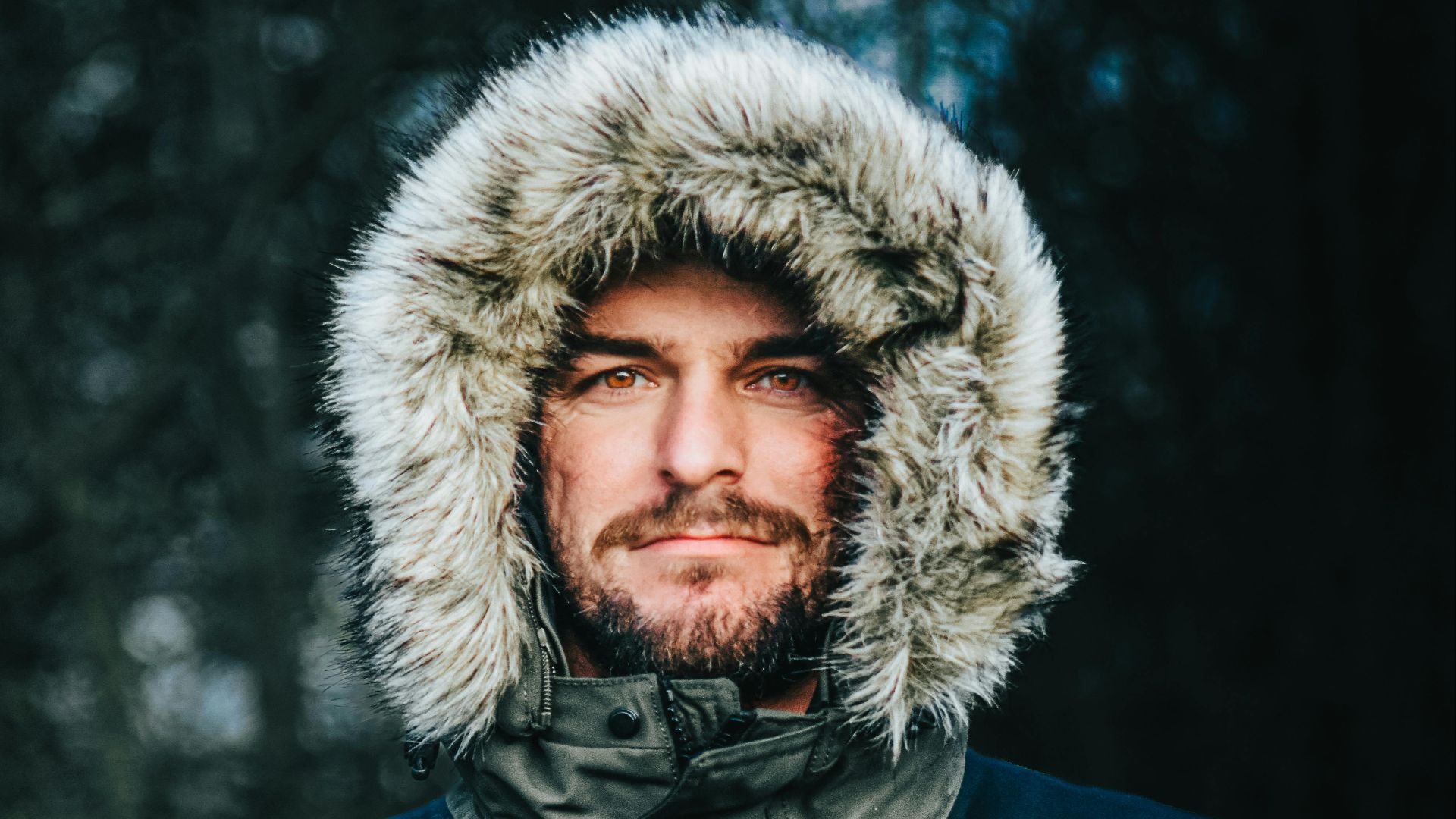
6. The Parka
Parkas were designed for extreme cold, often used by military forces and workers in harsh climates. Long length, insulation, and fur or faux-fur trim were about survival, not style. The look became mainstream once people realized it also works for winter commutes.
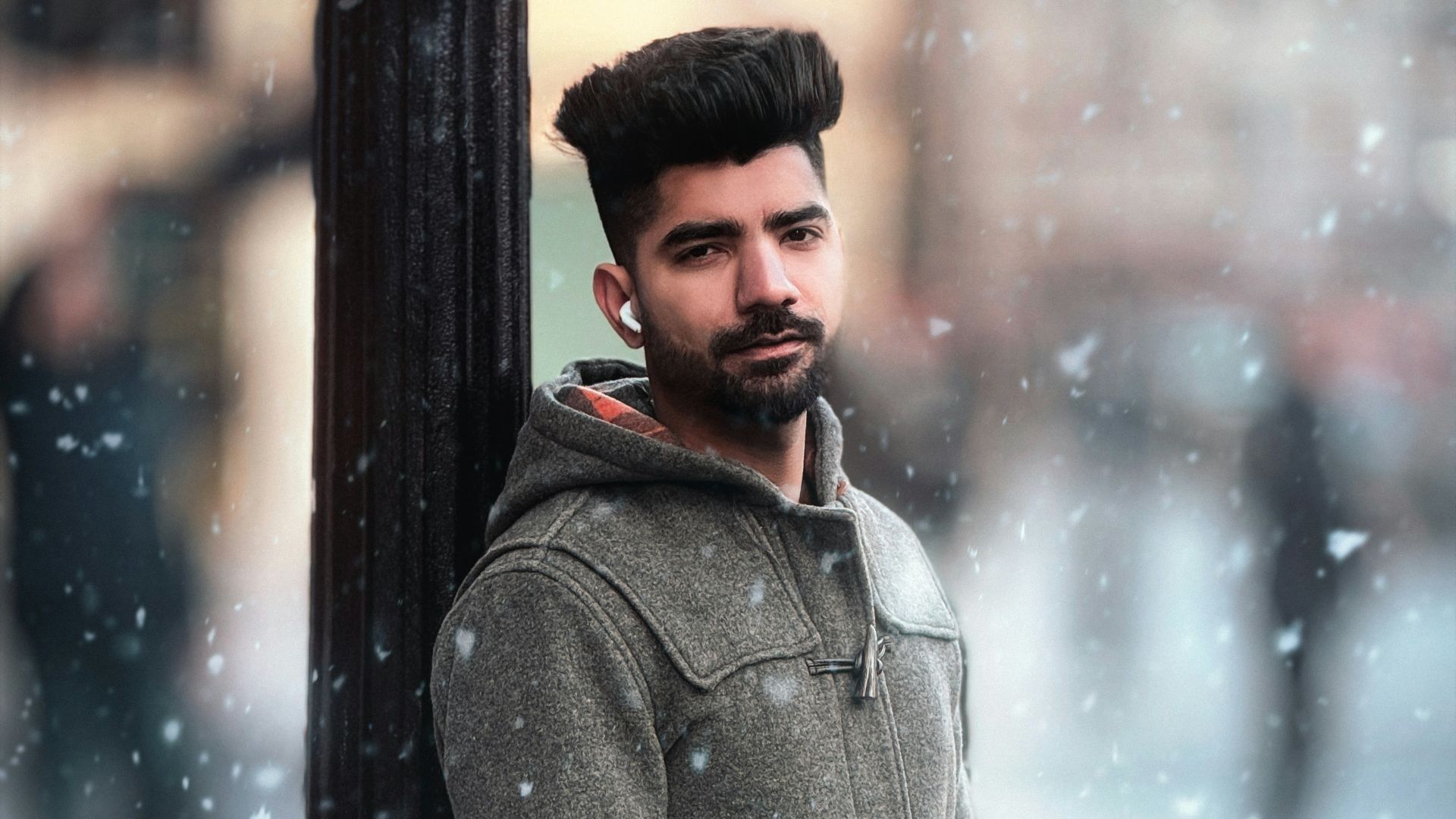
7. The Duffel Coat
The duffel coat has strong ties to military use, especially as cold-weather outerwear. Its toggles were easy to fasten with gloves, and the hood was practical in bad weather. The design later became a recognizable preppy staple.
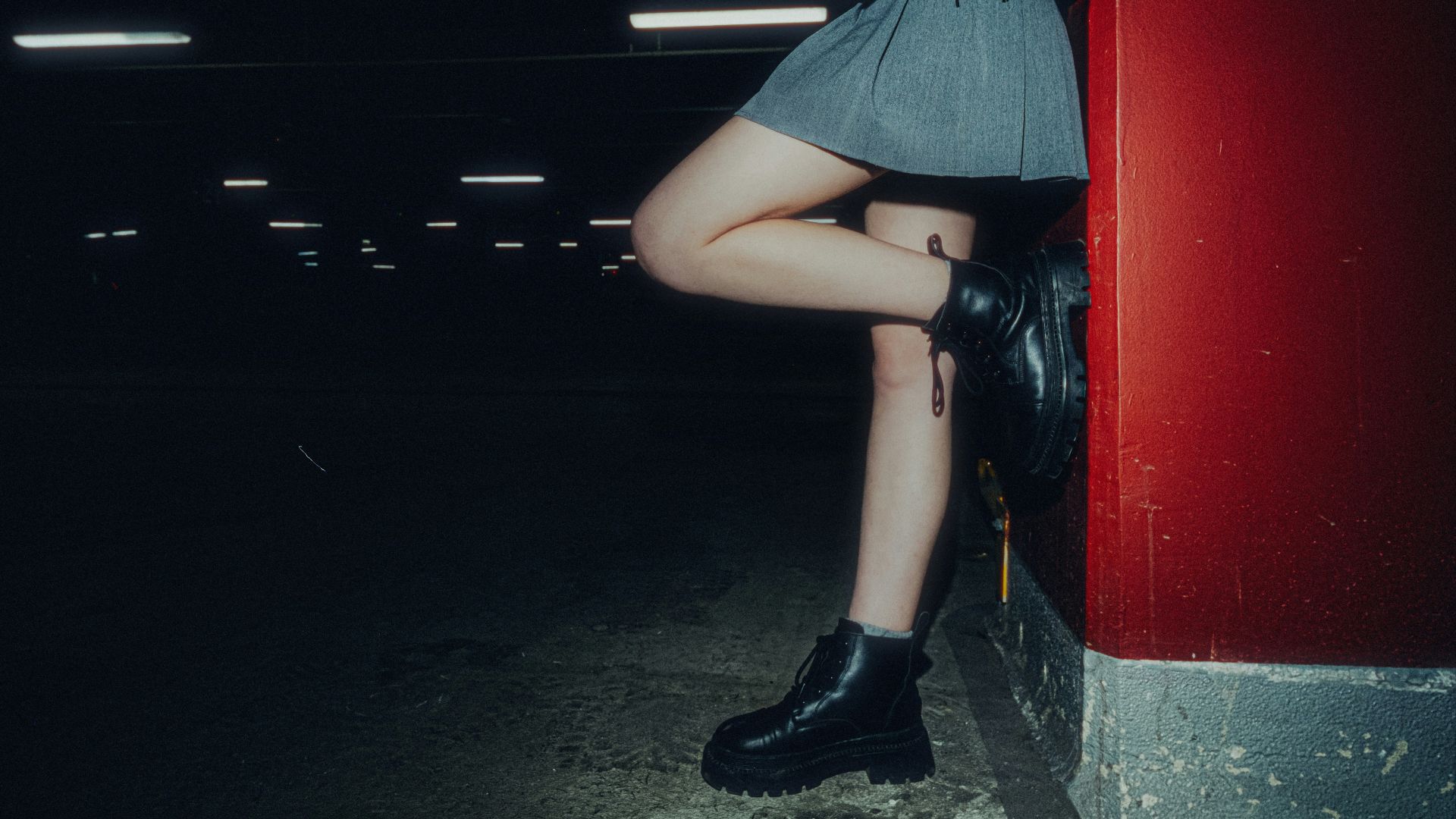
8. Combat Boots
Combat boots were built for protection, traction, and durability in rough conditions. Thick soles, strong leather, and ankle support were non-negotiable features. They later became a fashion staple because they communicate toughness and hold up well.
 Valentina Kondrasyuk on Unsplash
9. The T-Shirt
The T-shirt started as an undergarment in the military, meant to be lightweight and easy to wash. It moved into civilian life as a practical basic and later became a canvas for identity through prints and branding. What began as uniform underwear became the default shirt.

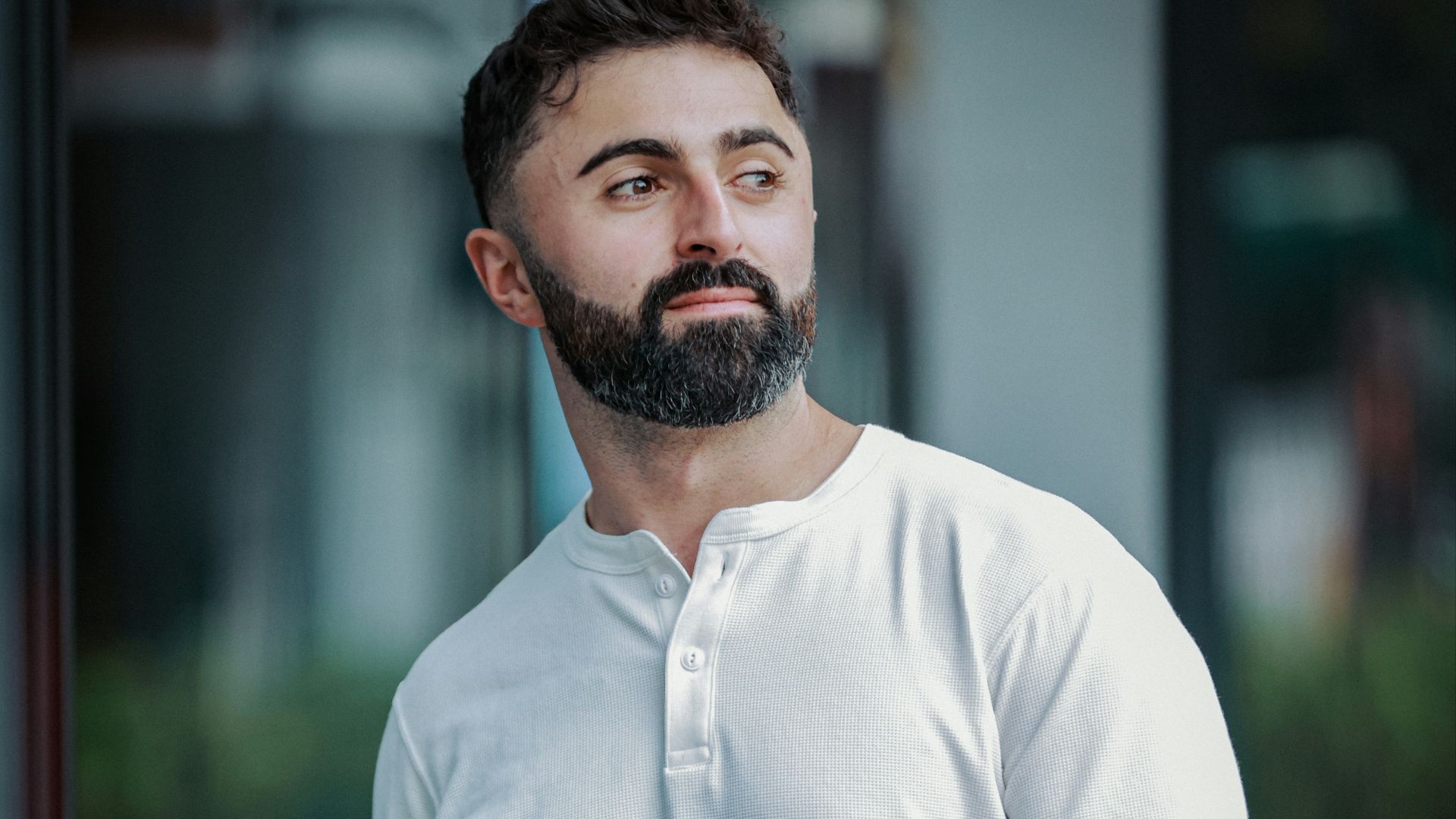
10. The Henley
Henleys came out of workwear and athletic uniforms, valued for comfort and temperature control. The button placket made it easier to vent heat without a collar. It later turned into a casual style piece because it sits between a tee and a sweater.
 Hoi An and Da Nang Photographer on Unsplash
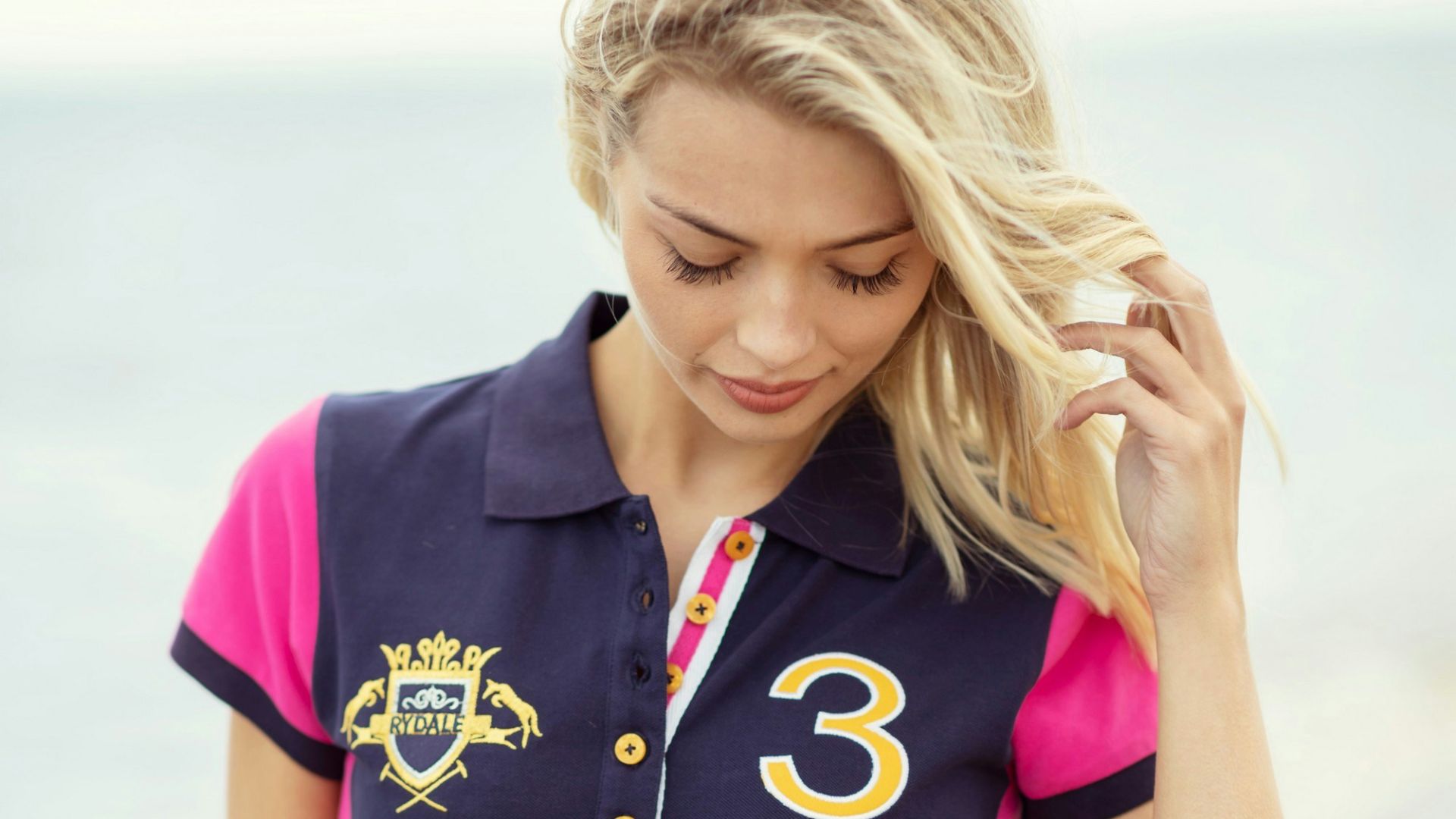
11. The Polo Shirt
The polo shirt grew out of sports uniforms that needed breathable fabric and a collar that stayed put. It became popular off the field because it reads as tidy without being formal. That balance is why it became a long-term staple.
12. The Button-Down Oxford
The button-down shirt has roots in uniforms and sport, valued for its neat look and secure collar. The structure works well for work settings and everyday wear, which is why it spread so widely. It keeps the discipline of a uniform without feeling strict.

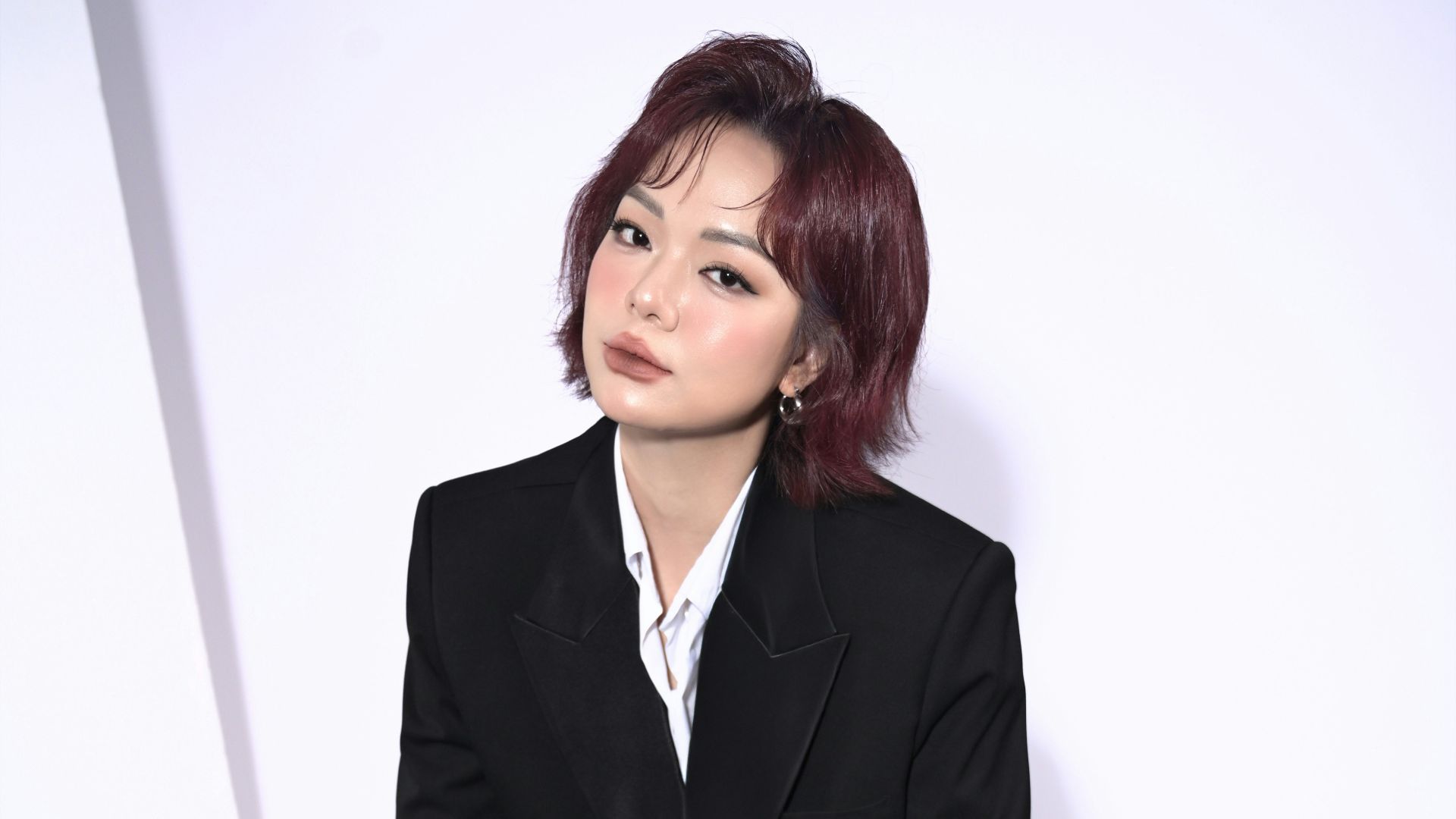
13. The Blazer
Blazers started as part of structured dress codes, including school and club uniforms. The tailored shape signaled membership and respectability before it became an everyday layering piece. Now it is used to make casual outfits look more put-together.
14. The Pencil Skirt
The pencil skirt’s shape is closely tied to professional dress standards that emphasized neat, controlled silhouettes. It became a uniform-like item in office culture because it looked formal and consistent. Fashion kept it because it is simple, sharp, and recognizable.

15. Nurse Shoes and Clogs
Supportive shoes became part of medical and service uniforms because long shifts demand comfort. Clogs and similar work shoes were designed for easy cleaning and stability. Their later popularity comes from function, not hype, even when the trend cycle tries to claim otherwise.
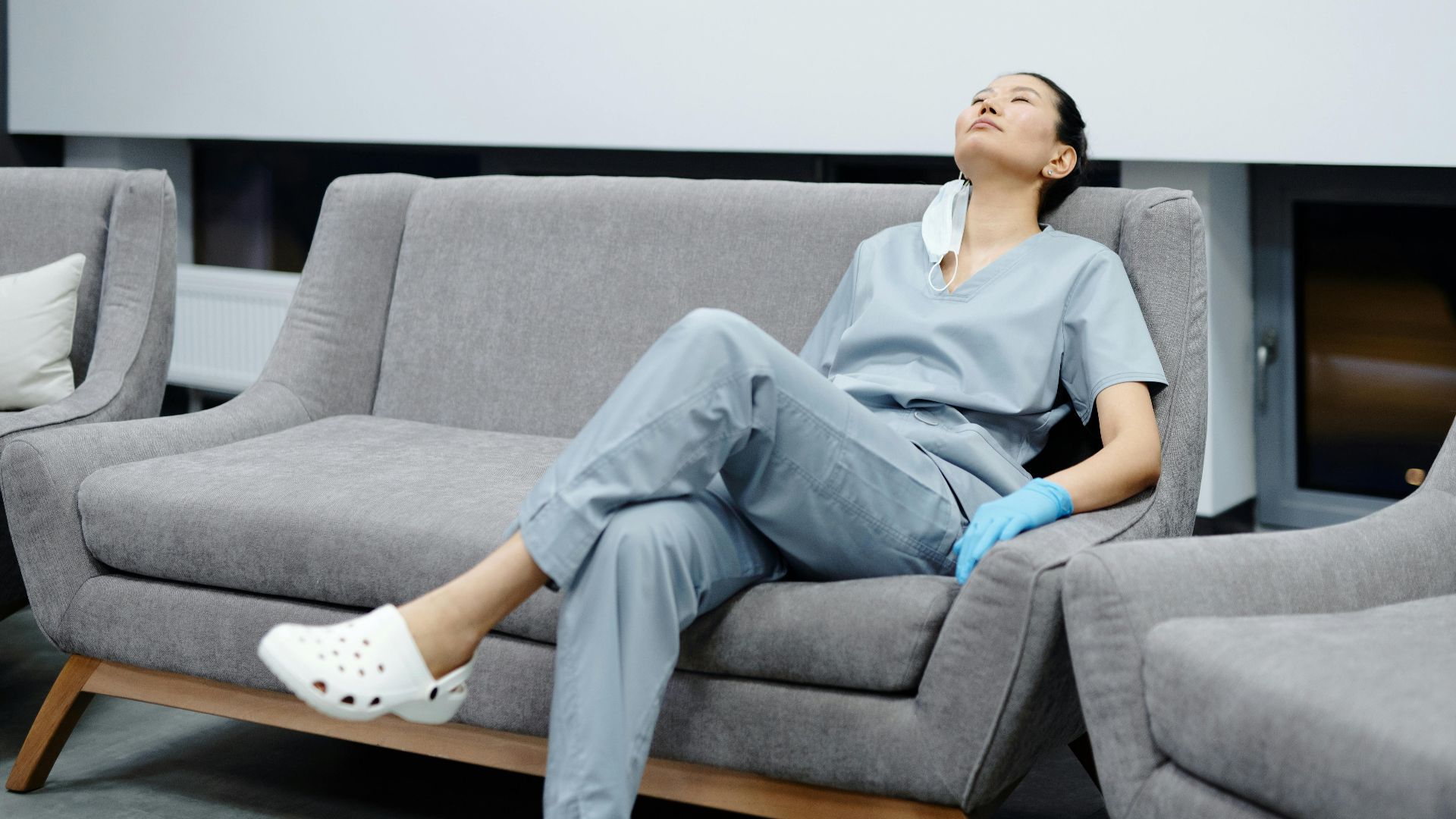
16. The Chef Jacket
Chef jackets are designed for heat, spills, and quick changes, with double-breasted fronts that can be reversed when stained. The white color and clean lines became a symbol of professionalism in kitchens. Elements of that look show up in fashion as structured, minimalist outerwear.
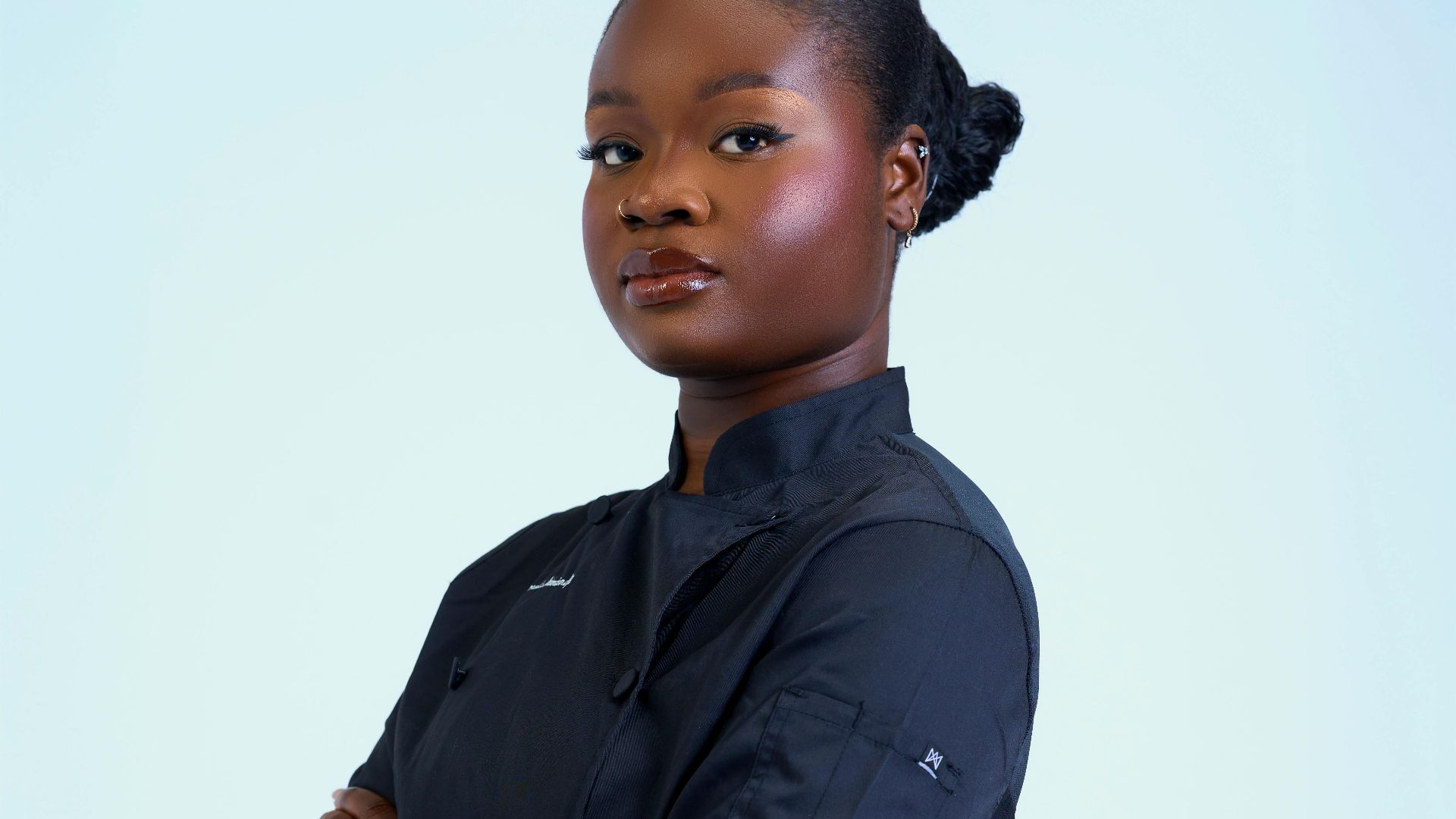
17. The Utility Jacket
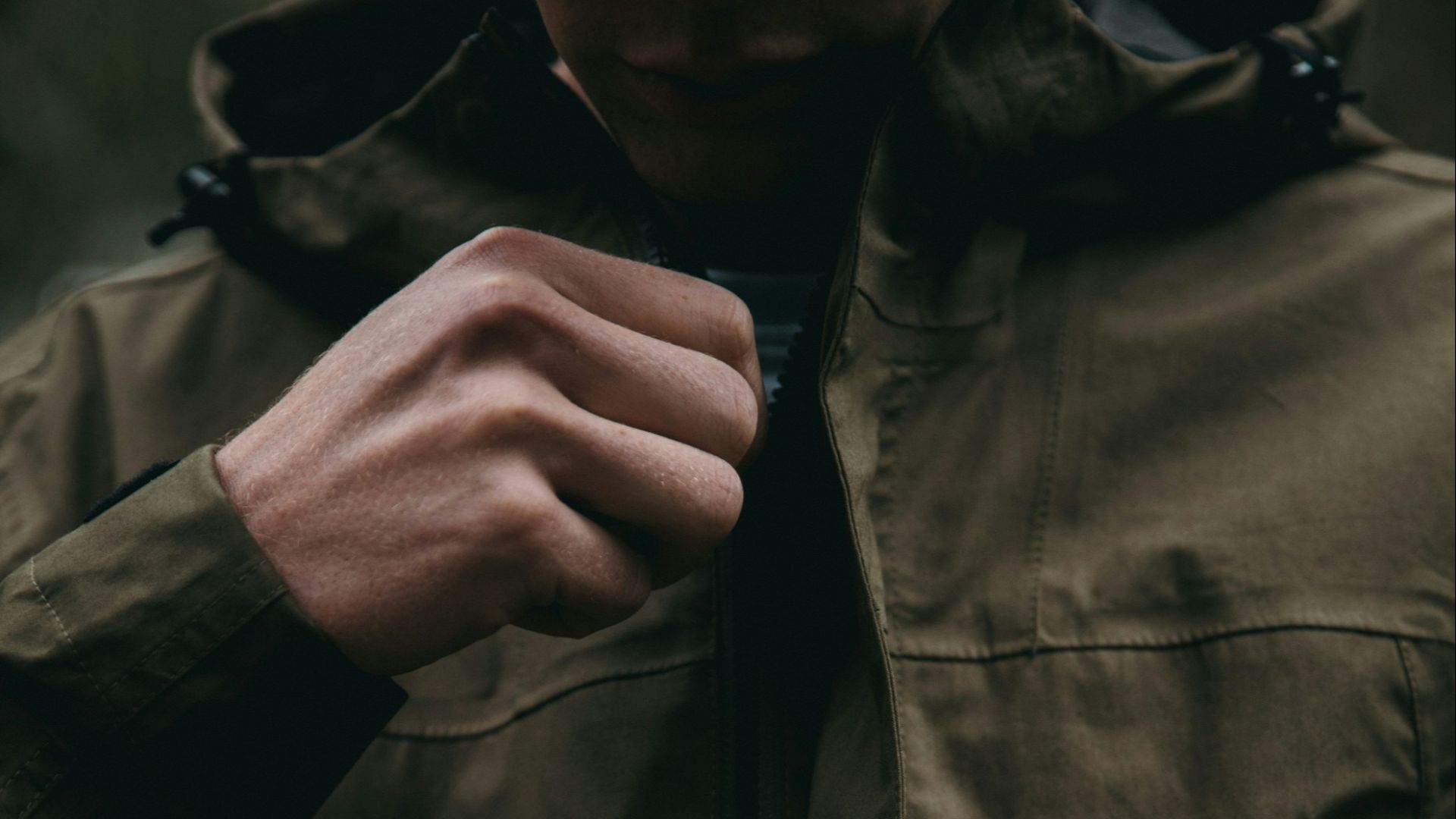
Utility jackets come from military and work uniforms built around storage and durability. The pockets, sturdy fabric, and simple shape were made for carrying tools and gear. Those features translated easily into modern casual wear.
18. The Work Shirt
Work shirts were designed for labor, with durable fabrics, straightforward cuts, and often chest pockets for practical use. They became casual staples because they are comfortable, hard-wearing, and easy to layer. The look still signals function even when worn purely for style.

19. Scrubs as Loungewear
Scrubs exist because hospitals needed clothing that was easy to sanitize, easy to move in, and consistent across staff. Their loose fit and soft fabric are about long hours and practical comfort. It is not surprising they influenced loungewear once people realized how wearable they are.

20. Aviator Sunglasses
Aviators were designed for pilots who needed eye protection and clear visibility at altitude. The shape and lens size were functional, meant to block glare and cover the eyes well. Fashion adopted them because the silhouette is strong and instantly recognizable.