
The Unwritten Dress Code
Fashion changes because tastes change, sure, but a lot of it comes down to pressure. Someone decides what looks proper, and the rest of us spend years adjusting our hems, collars, sleeves, and silhouettes to avoid being read the wrong way. These rules are rarely posted on a wall. They live in raised eyebrows, in the pause before a compliment, in the way a stranger looks you up and down and then suddenly becomes polite, or not. Over time, those little social signals harden into norms that shape closets, industries, and entire eras of style. Here are twenty respectability rules that quietly steered what people wore.

1. Cover The Hair
In many times and places, covered hair signaled modesty, adulthood, or marital status, and uncovered hair could be read as careless or provocative. That expectation pushed headscarves, caps, hats, and veils from optional accessories into everyday armor. Even when styles shifted, the idea that hair needed managing never fully disappeared.

2. Hide The Ankles
For long stretches of Western fashion history, showing an ankle was treated like flirting in public. Skirts stayed long, stockings stayed mandatory, and the entire lower leg became a kind of private zone. When hemlines finally rose, it felt less like a design change and more like a social permission slip.

3. No Bare Arms
Sleeves did a lot of moral work, especially for women, by drawing a line between dressed and undressed. Short sleeves or sleeveless looks were often reserved for private spaces, hot climates, or very specific leisure settings. Once bare arms became normal in daylight, it reshaped everything from summer wardrobes to how formalwear was designed.

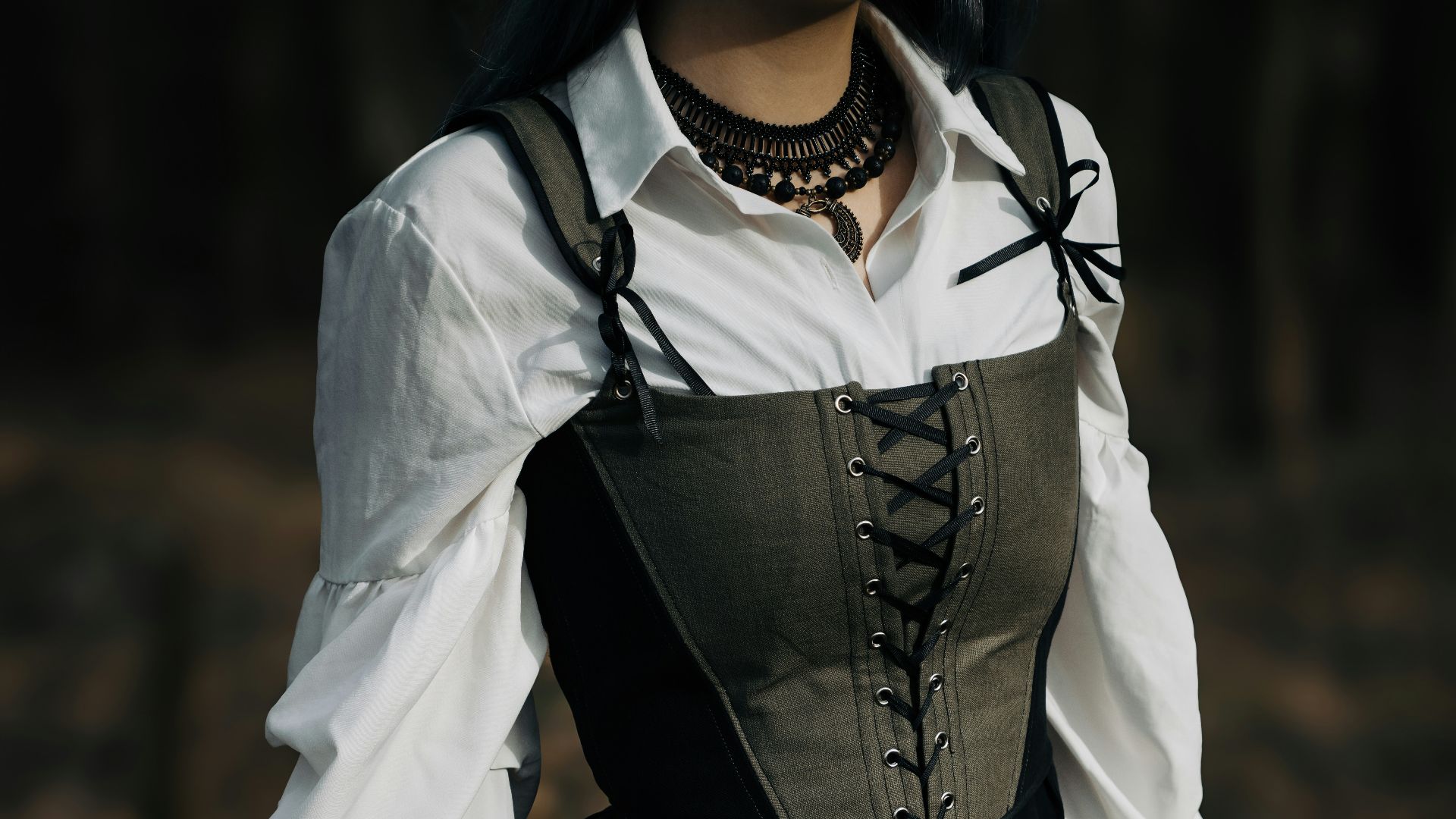
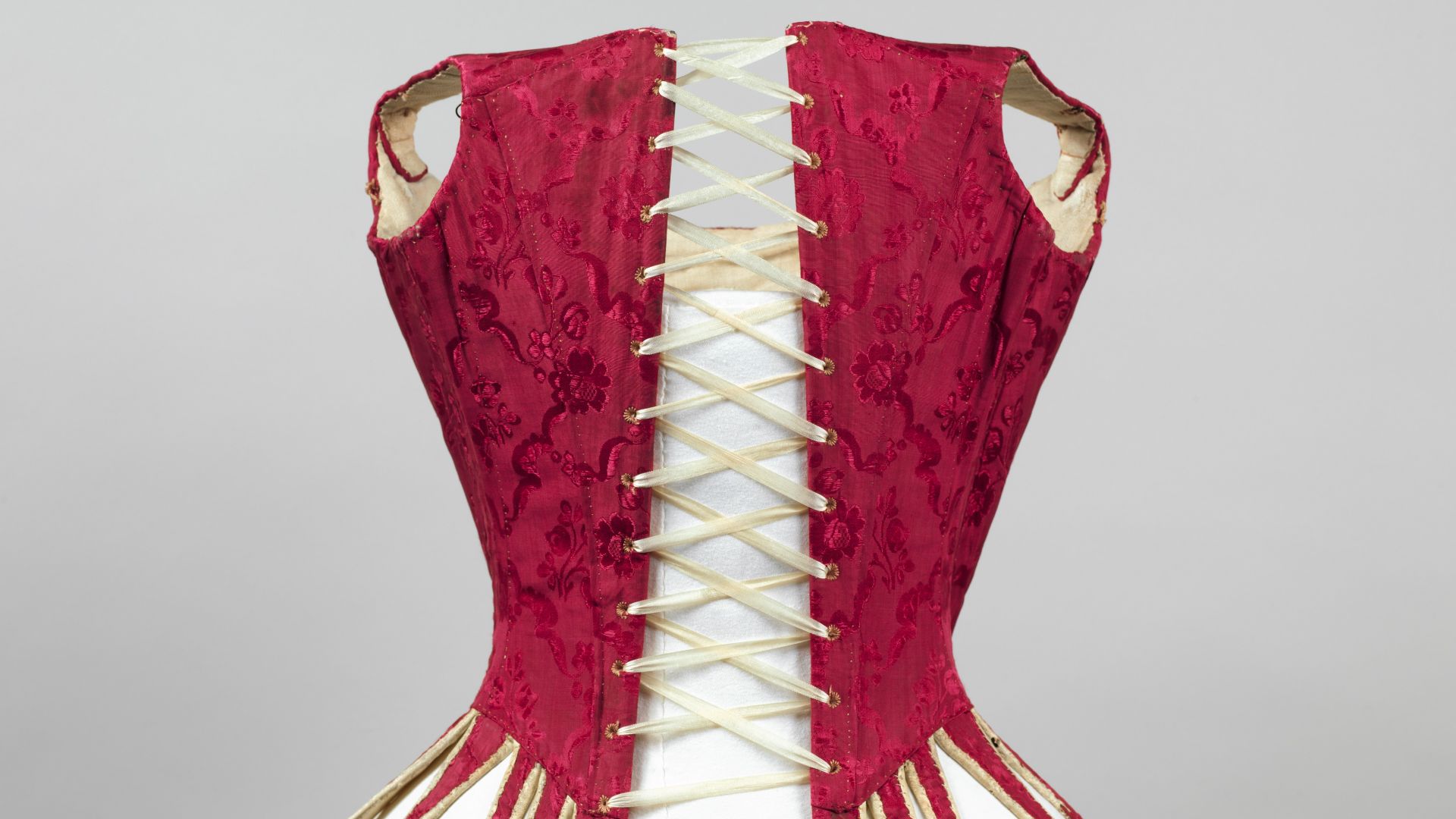
4. Respect The Corset
The corset was not just a silhouette tool; it was treated as a sign of discipline and proper womanhood. A structured waist signaled control, while a looser shape could be judged as lazy or lower-class. When corsets loosened and then faded, it changed posture, movement, and what “put together” looked like.
5. Keep The Waist In Its Place
High waists and low waists come and go, but the respectability rule underneath is about where the body is allowed to be emphasized. A waistline that seemed too suggestive or too slouchy could be read as a character statement. Designers kept shifting the seam to match whatever era called proper.

6. Dress For Your Station
Clothing has long been a visual résumé, and a lot of respectability rules were about not dressing above or below your class. Certain fabrics, trims, colors, and even shoe types signaled money, work, or leisure. When social mobility increased, the clothing signals got more complicated and more policed.
7. Keep It Black For Mourning
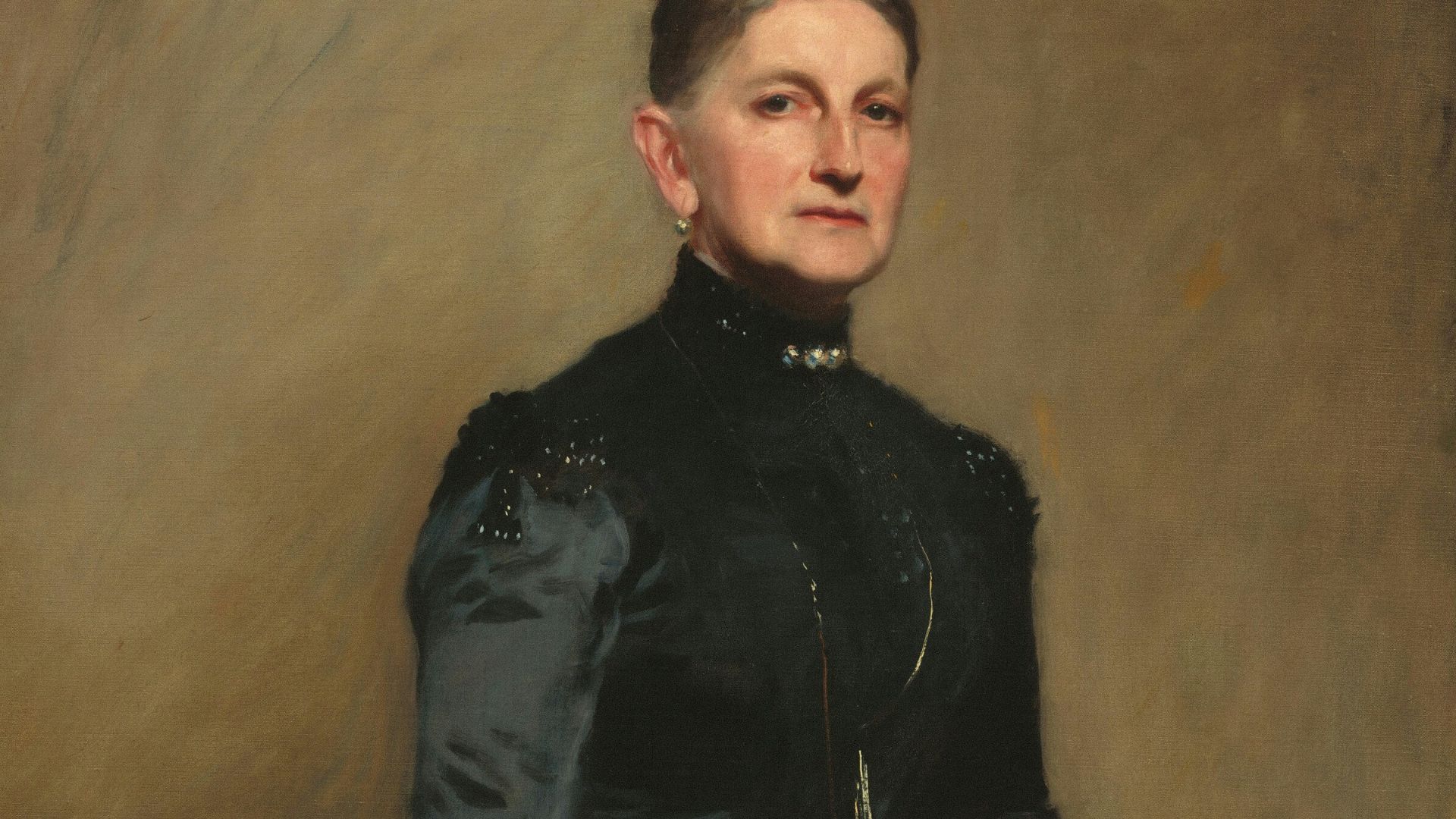
Mourning rules were strict enough to shape entire wardrobes, especially in the nineteenth and early twentieth centuries. Black became required, then gradually permitted to soften into gray, purple, or subdued prints over time. Those rules standardized the idea that clothing should publicly display private emotion.
 National Gallery of Art on Unsplash
8. No White After Summer
This rule worked like a social test, especially in places where class and leisure were tightly linked. Wearing white at the “wrong” time marked someone as uninformed or trying too hard. Even after people stopped caring, the rule left behind a whole seasonal logic in closets and retail.

9. Always Wear A Hat Outside
Hats were once a baseline marker of adulthood and propriety, especially for men in public life and women in respectable settings. Going bareheaded could read as casual, rebellious, or simply unfinished. When hats declined, it reshaped hairstyles, coat collars, and the whole look of public streets.

10. Gloves Mean Good Breeding
Gloves signaled cleanliness, restraint, and a kind of controlled distance from the world. They were also a way to show that your hands did not need to work for a living. When gloves stopped being daily essentials, the idea of visible hands became less intimate and less socially loaded.

11. Buttons Up, Always
A buttoned shirt, closed bodice, or fastened collar often carried more weight than the garment itself. An open neckline could be read as relaxed, or as improper, depending on the setting and the era. Clothing construction followed that rule, building in closures that made propriety easier to enforce.
12. Separate Clothes For Men And Women
A major respectability rule was that you should look like your gender, at a glance, from across the room. That shaped everything from skirt requirements to bans on women wearing trousers in many places. Every time women adopted a traditionally male garment, it was treated as a social argument, not just a style choice.
 commons.wikimedia.org on Google
13. Trousers Must Break Right
For men, respectability often lived in fit details that signaled competence and self-control. Pants that were too tight, too loose, too short, or puddled at the shoe could read as sloppy or unserious. Tailoring norms became a quiet language of credibility.

14. Neckties For Seriousness
The tie functioned like a portable badge that said you were in work mode and wanted to be taken seriously. Its presence separated business from leisure and adulthood from boyhood. When workplaces started loosening tie rules, it changed the entire hierarchy of what counts as professional.

15. No Loud Prints In The Wrong Places
Bright patterns have often been coded as playful, flashy, or lower-status, while subdued colors read as restrained and respectable. That is why formal settings tend to drift toward navy, gray, black, and white. When loud prints broke into mainstream respectability, it usually happened through carefully controlled fashion moments.

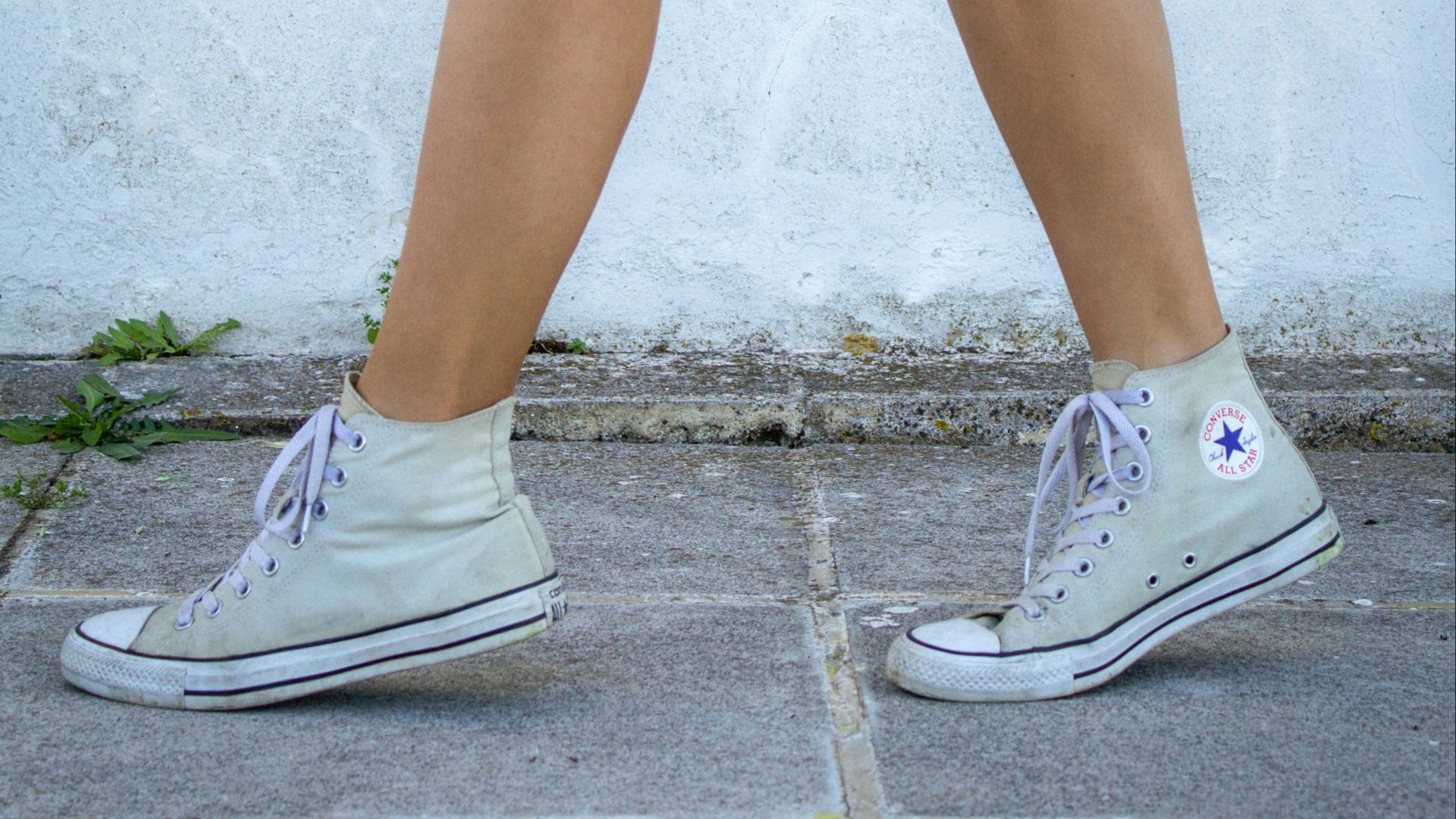
16. Shoes Must Look Clean
Shoes are one of the first things people notice, which is why respectability rules often land there hardest. Scuffed shoes can make an outfit look careless, even if everything else is perfect. The result is a long history of polishing, protecting, and designing shoes to signal order.
 Apostolos Vamvouras on Unsplash
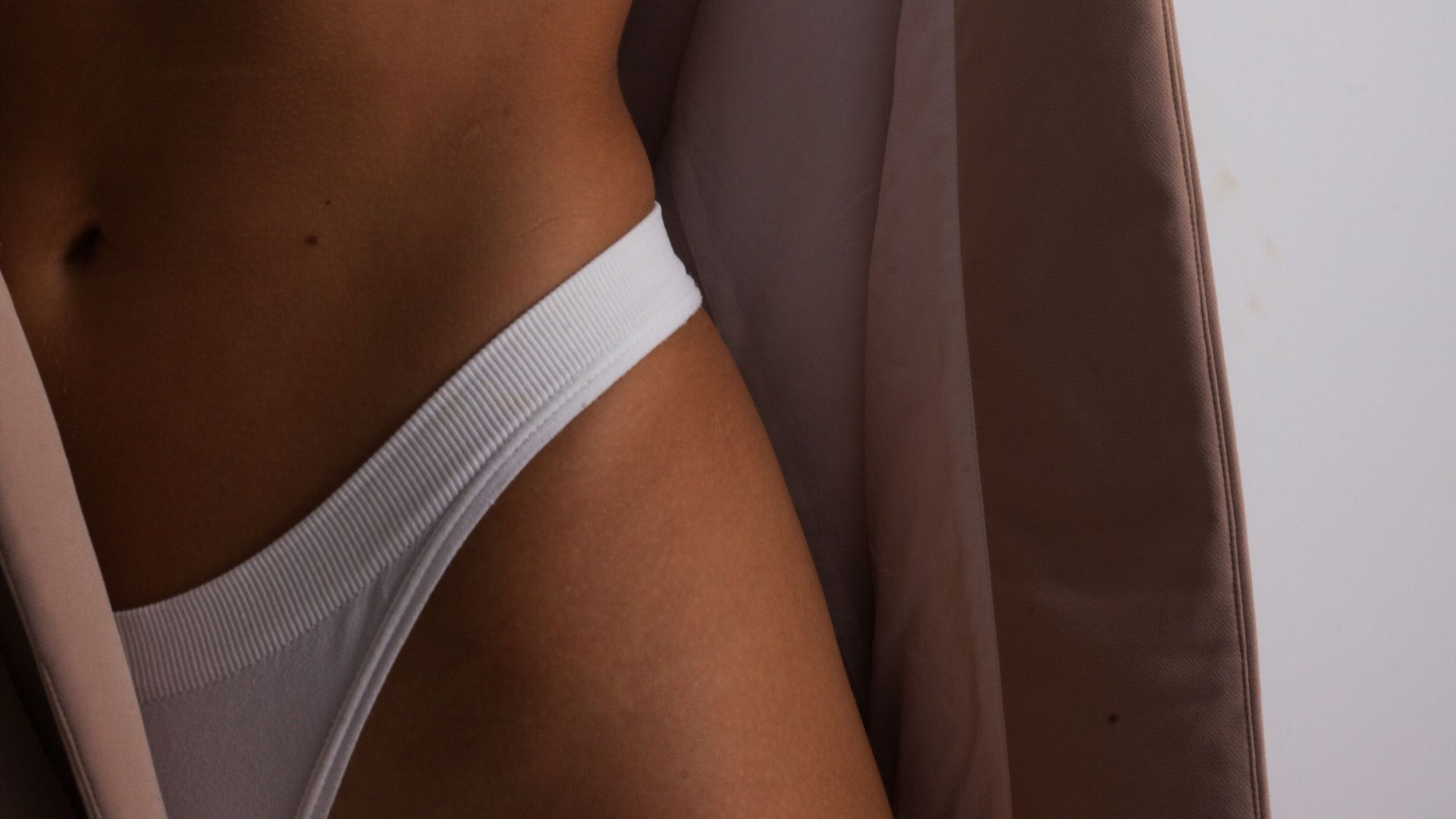
17. No Visible Underwear
Respectability depends on the illusion that the body is neatly contained. Visible straps, lines, corset edges, or slips were treated as embarrassing, like the curtain falling mid-play. That rule shaped undergarments as much as outerwear, creating whole industries dedicated to invisibility.
18. Swimwear Must Pretend It Is Not Swimwear
For a long time, going to the beach still required looking modest, structured, and socially appropriate. Early swimwear borrowed the shapes of street clothes, with skirts, sleeves, and heavy fabrics that looked respectable and felt miserable. When swimwear finally became about swimming, it changed what bodies were allowed to look like in public.

19. Dress For Church, Court, Or Company
A huge part of respectability was dressing for the most judgmental room you might enter that day. That meant better fabric, more coverage, and fewer surprises in the silhouette. As public life got more casual, the “best clothes” category shrank, and everyday clothes absorbed the shift.

20. Do Not Look Like You Tried Too Hard
This one sounds contradictory, because respectability demands effort, but it also punishes obvious effort. People learned to aim for polished, but effortless, which shaped everything from muted colors to understated jewelry. It is a rule that still runs the show, even when nobody admits it out loud.