
The Same Outfit Can Mean Two Different Things
Modesty gets treated like a single, clear idea, but it changes depending on who’s looking and who’s in charge. Sometimes it’s a choice you make for comfort, faith, or boundaries. Sometimes it’s a rule placed on you, and sometimes it starts as a choice and quietly turns into an expectation. Because clothing signals things like respect, status, purity, seriousness, and belonging, modesty can feel protective in one setting and suffocating in another. The difference isn’t in the fabric. It’s in who gets to decide, who benefits, and what happens when you don’t comply. Here are ten times modesty worked as power, followed by ten times it worked as control.

1. The Medieval Wimple
A wimple covered hair, neck, and sometimes the lower face, and for many women it functioned like a social shield in public life. It signaled adulthood and respectability, which could translate into being taken more seriously in a world that was quick to sexualize or dismiss women. In that context, coverage wasn’t only about virtue; it was a way to move through public space with fewer penalties.
 Peter van der Sluijs on Wikimedia
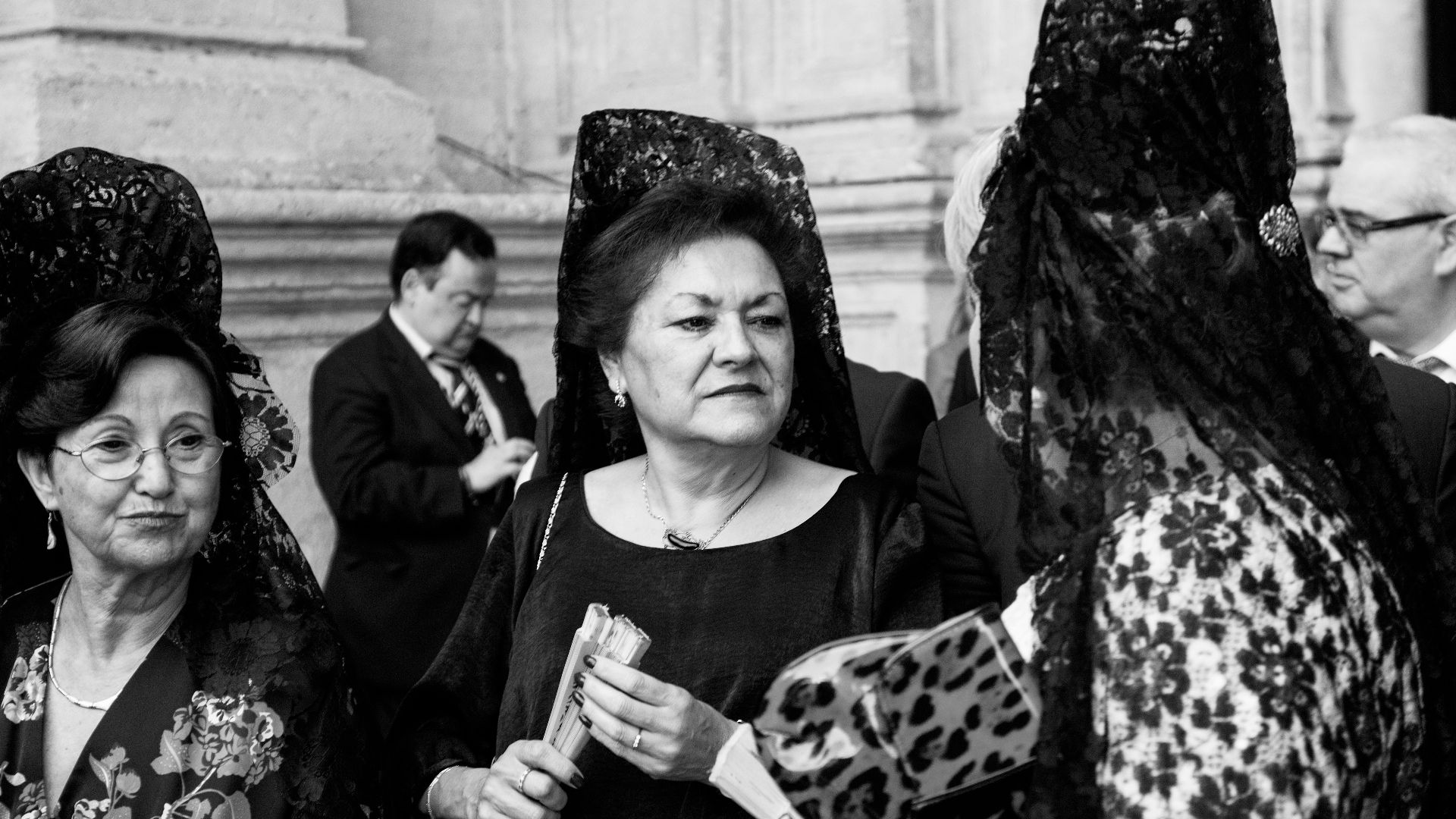
2. The Mantilla In Spain
The mantilla, especially in formal or religious settings, created a deliberate frame around the face, turning the wearer into someone visually composed and untouchable. It could read as elegance, tradition, and status all at once, which is its own kind of power. When clothing makes people pause before they speak to you, it’s doing social work.
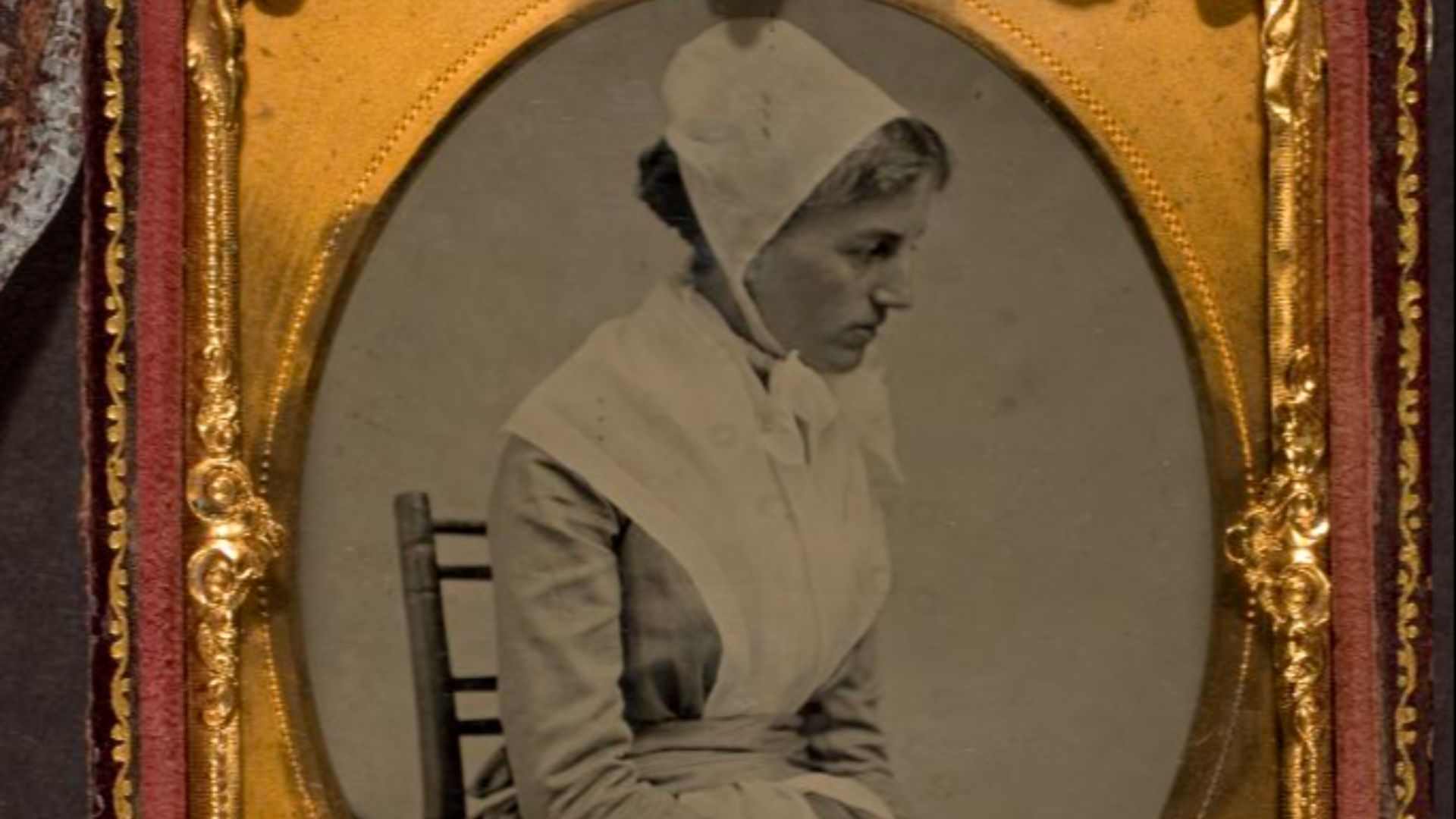
3. The Quaker Plain Dress
Plain dress in Quaker communities stripped away fashion competition and made a statement about values without needing a speech. It gave women a way to step out of ornament-as-obligation and into a look that signaled seriousness and spiritual authority. It also created a kind of equality inside the group, where the outfit didn’t keep reintroducing the class system.
 George Eastman House on Wikimedia
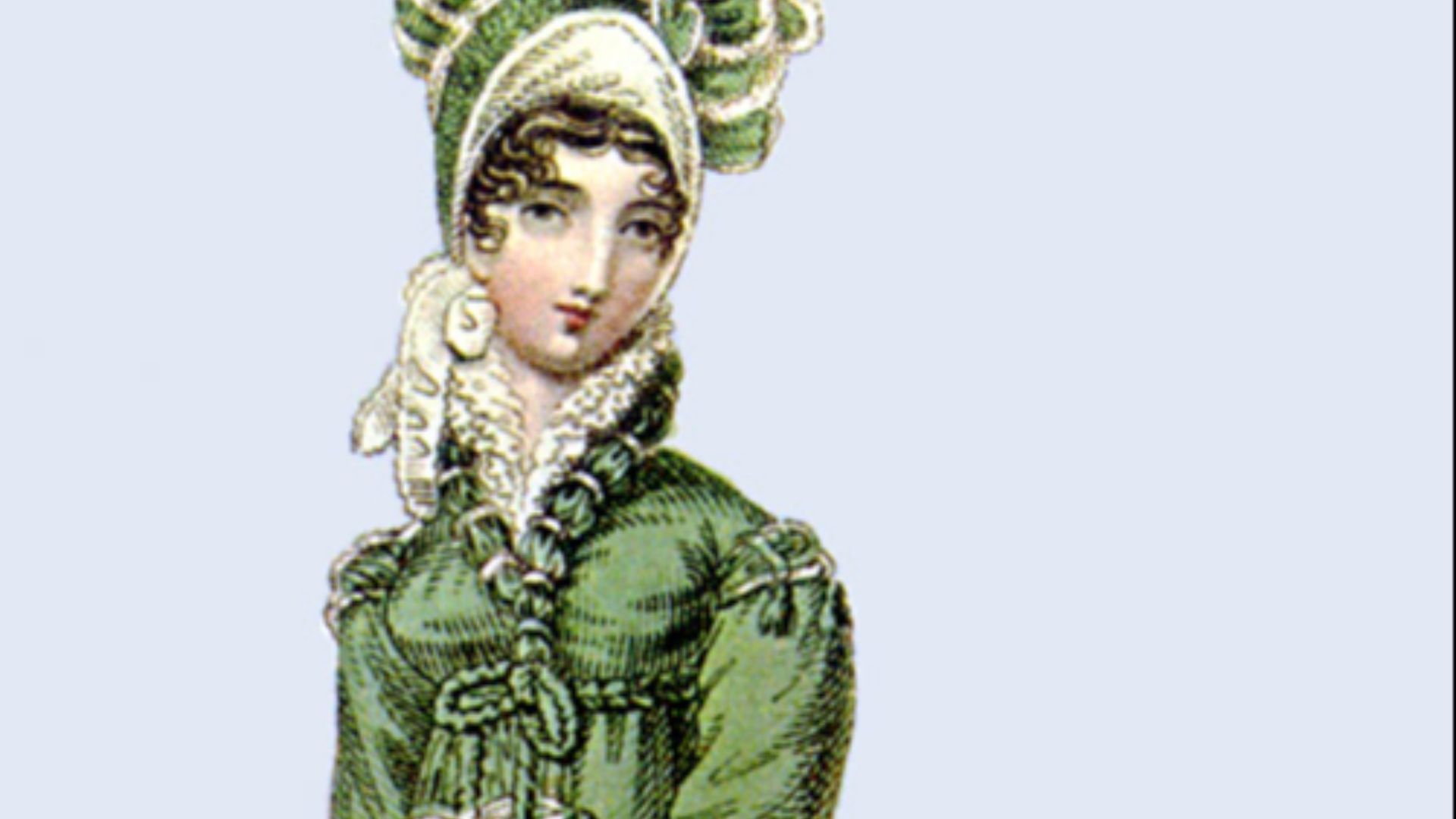
4. The Victorian Walking Suit
The walking suit covered the body and still made room for movement, which mattered in an era when women’s mobility was often treated like a moral issue. It let women be out in public without appearing available for comment, and it signaled purpose, not display. That blend of coverage and practicality quietly expanded where a woman could go and how she could be read.
 commons.wikimedia.org on Google
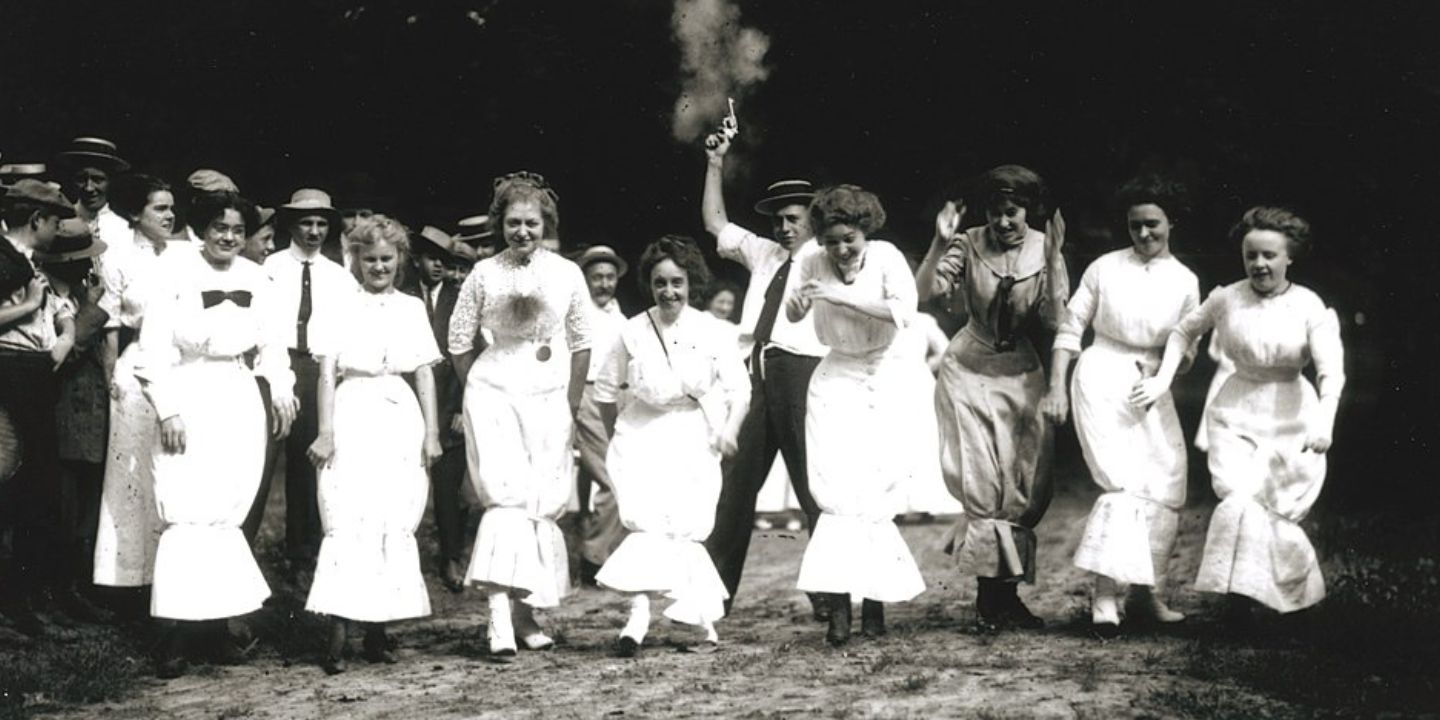
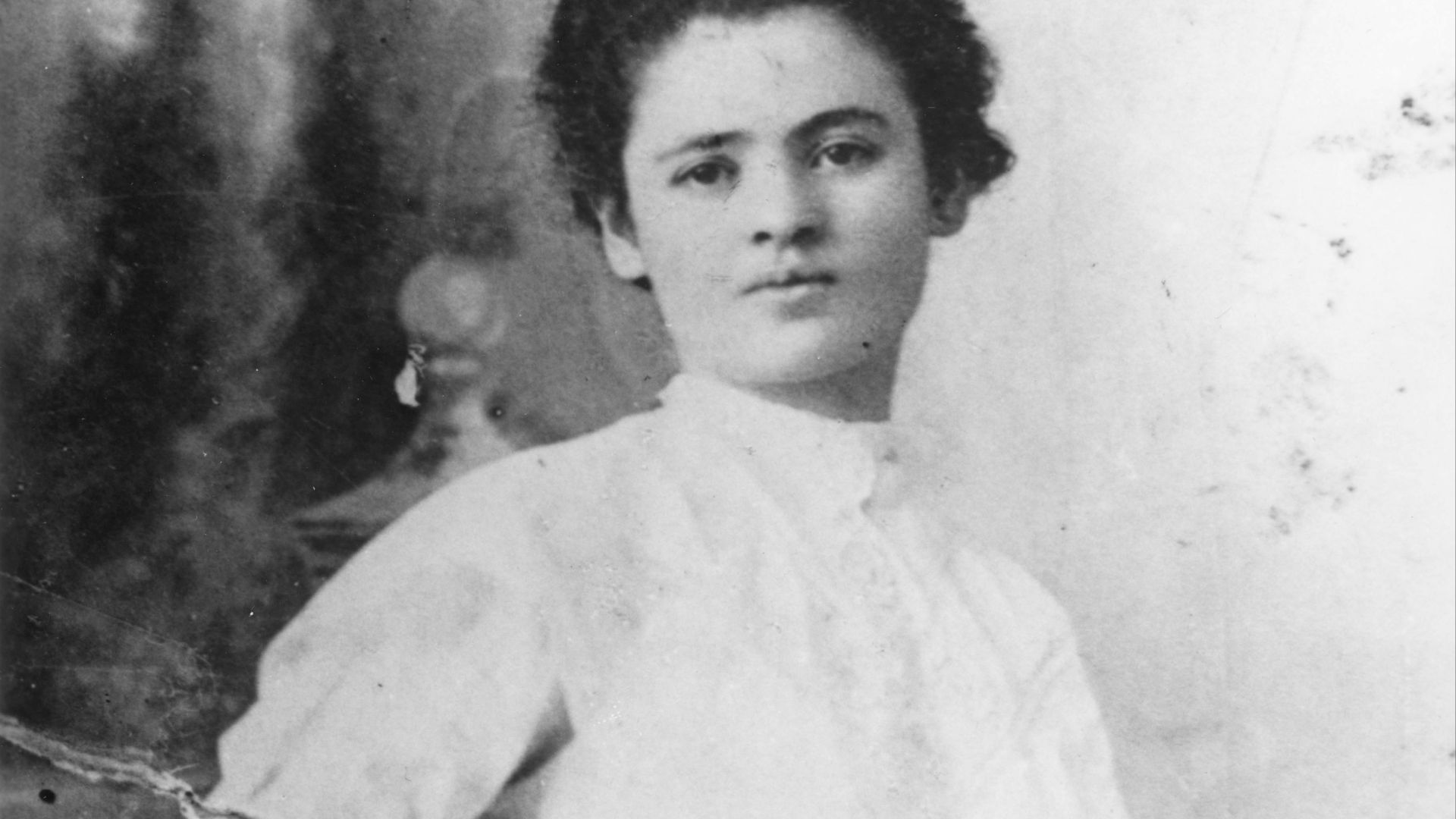
5. The Shirtwaist
The shirtwaist, with its high neck and structured shape, gave many working and middle-class women a uniform that looked competent rather than decorative. It was modest, yes, but it also communicated modernity and independence, the look of someone who had a job and a schedule. In a lot of offices and classrooms, it became a visual argument for being taken seriously.
 commons.wikimedia.org on Google
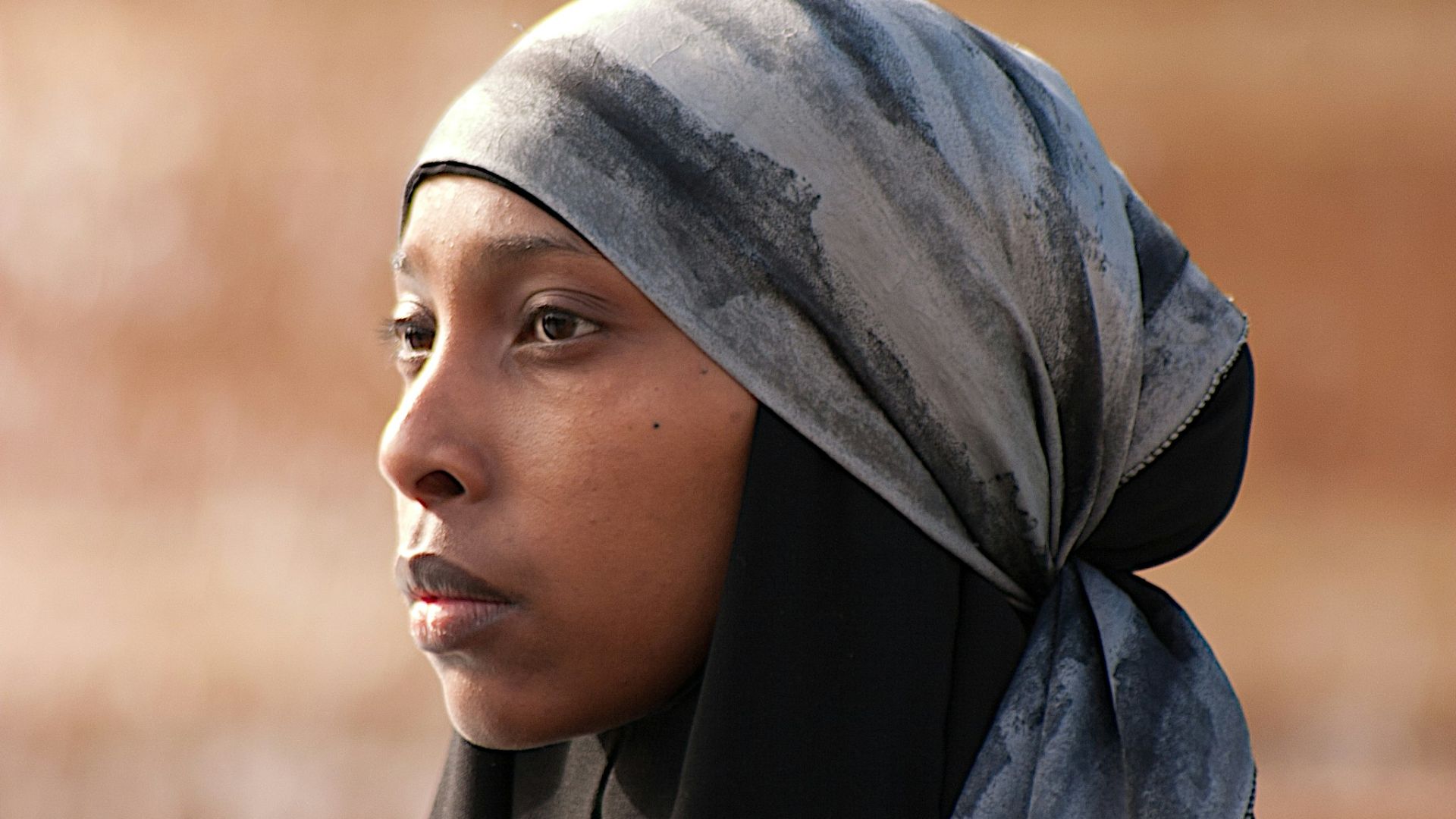
6. The Headscarf As Boundary
Across different cultures and eras, a headscarf has often served as a chosen boundary that signals identity and reduces pressure to perform a specific kind of beauty. It can also create a feeling of privacy in public, which is an underrated form of comfort and control over your own presence. When the choice is truly yours, the garment can feel like agency you can put on.
7. The Long Coat In Urban Life
A long coat has a simple power: it changes how much of the body the world gets to claim with its eyes. In crowded streets, factories, and cities, it can function as a barrier between you and the constant appraisal that comes with visibility. It’s not dramatic, but it’s effective, which is why it shows up again and again across decades.
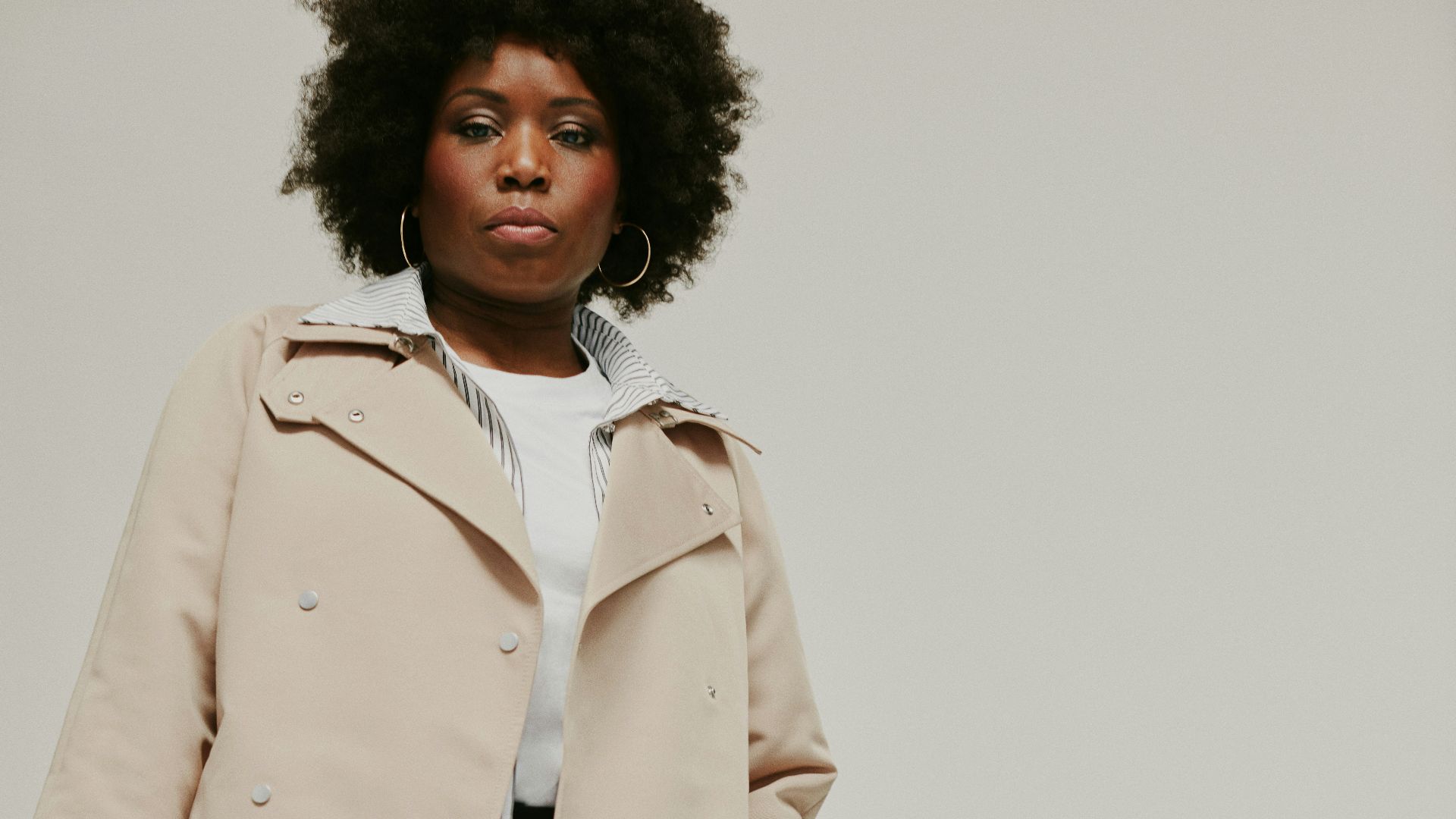 Centre for Ageing Better on Unsplash
8. The Black Dress In Public Work
A modest black dress became a kind of social hack in many places, signaling restraint, competence, and seriousness without demanding constant styling. It helped people step out of the exhausting role of being visually entertaining and into being visually steady. That steadiness can be power when the world expects you to be decoration first.

9. The Catholic Habit
A religious habit is modest by design, but it also carries authority, purpose, and a public role that isn’t centered on attractiveness. It can protect the wearer from certain kinds of social pressure by making their identity clear and their boundaries visible. The garment becomes a statement that the body is not up for public negotiation.

10. The Simple Uniform
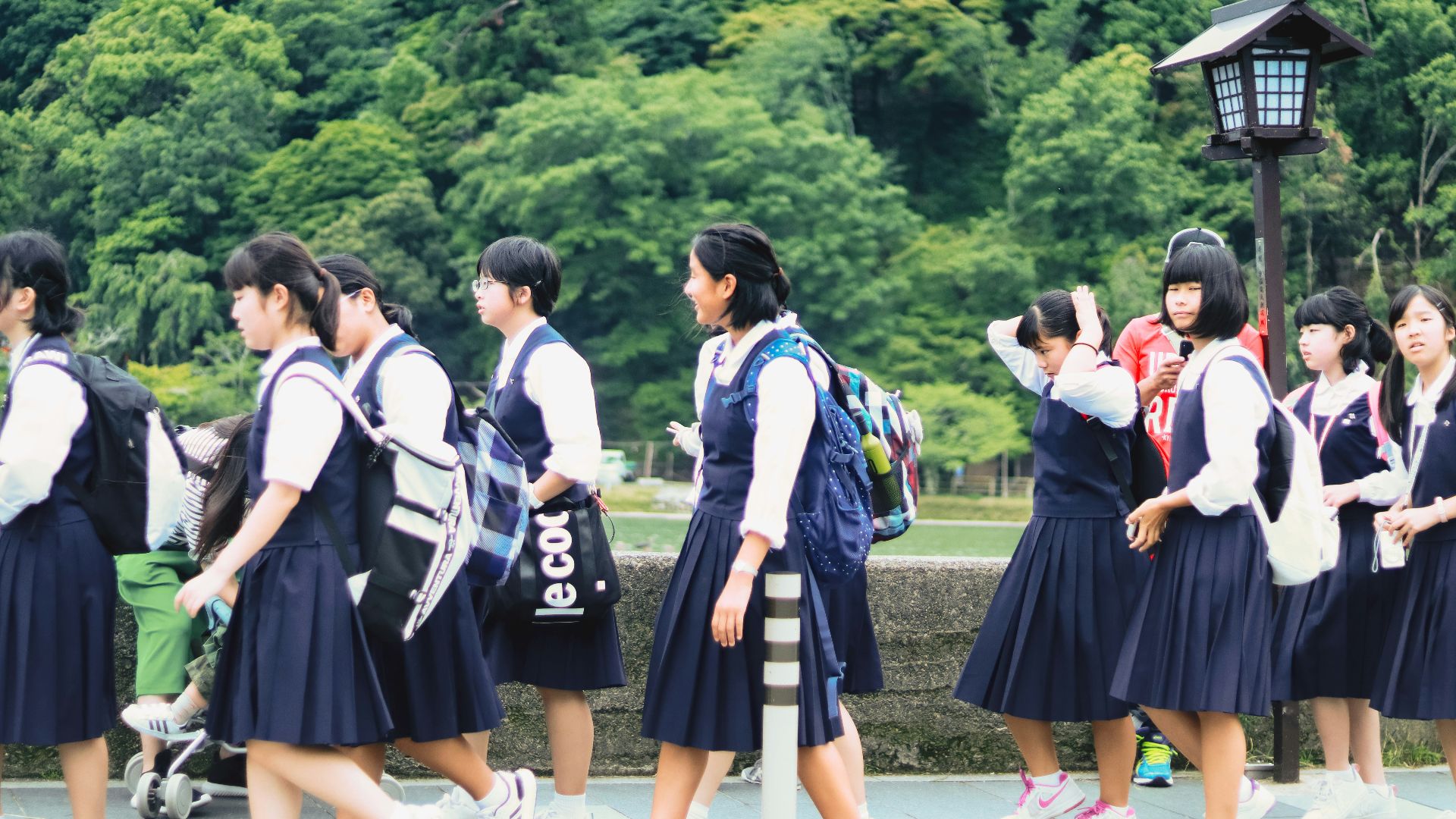
Uniforms in schools, workplaces, and service roles often flatten fashion status games, which can be a relief. When the outfit is decided, people can focus on the work, and that can reduce the daily tax of being evaluated on appearance. Modesty here becomes power when it buys you mental space and reduces scrutiny.
Now for the other side, when modesty wasn’t a tool someone picked up, but a rule someone used on them. Here are ten examples.

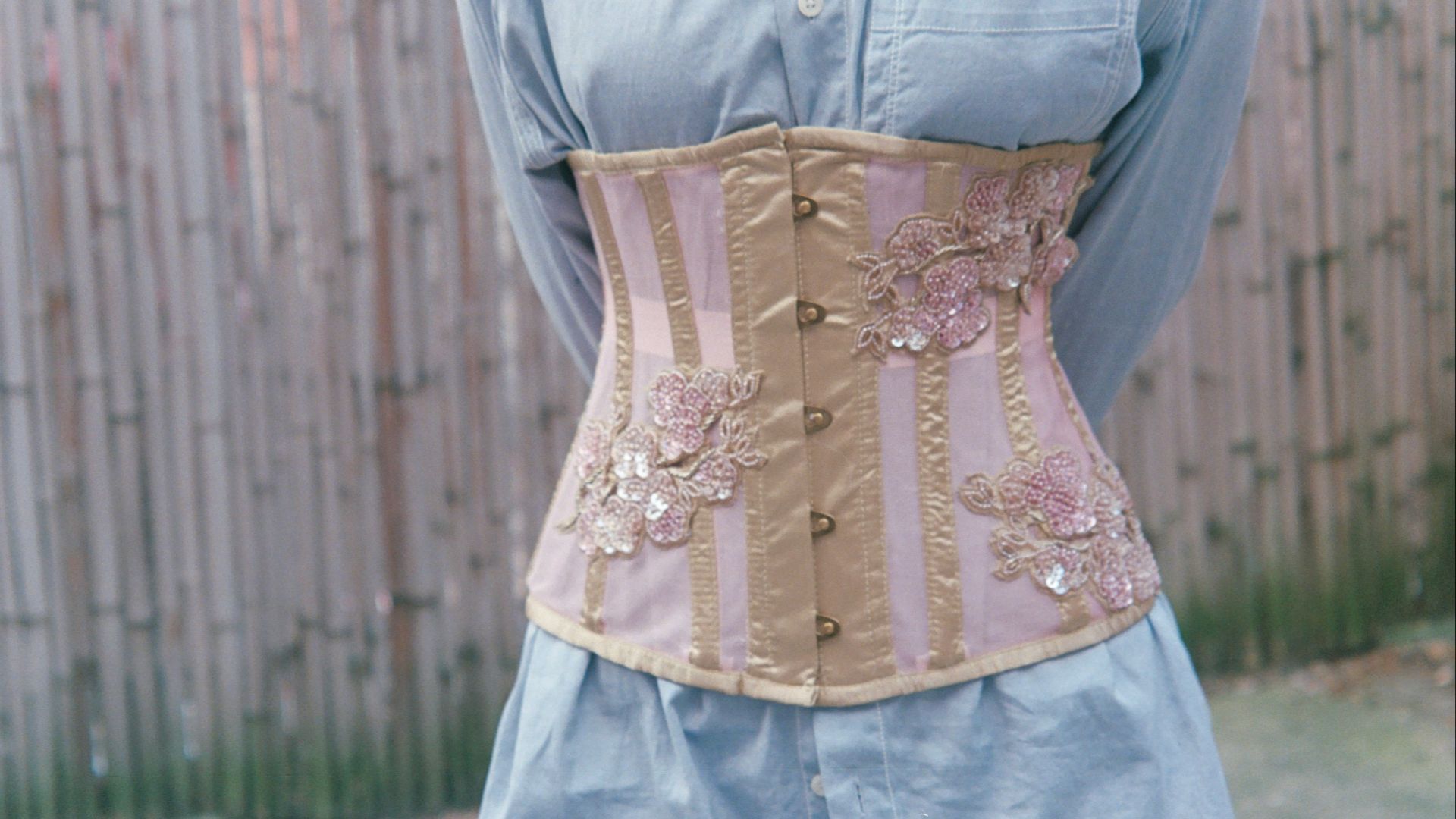
1. The Corset As Mandatory Shape
Corsets and stays weren’t always optional, and the pressure wasn’t just physical, it was social. The message was that a respectable woman’s body needed to be reshaped into an approved silhouette, even if it hurt. When modesty requires discomfort as proof, it stops being virtue and becomes enforcement.
2. The Hoop Skirt As Managed Space
The hoop skirt covered the legs and signaled propriety, but it also made movement awkward and physically controlled how a woman could navigate rooms. It forced a certain kind of posture and spatial behavior, and it made spontaneity nearly impossible. Clothing that limits your ability to move is never just aesthetic.
 commons.wikimedia.org on Google
3. The Separate Spheres Dress Code
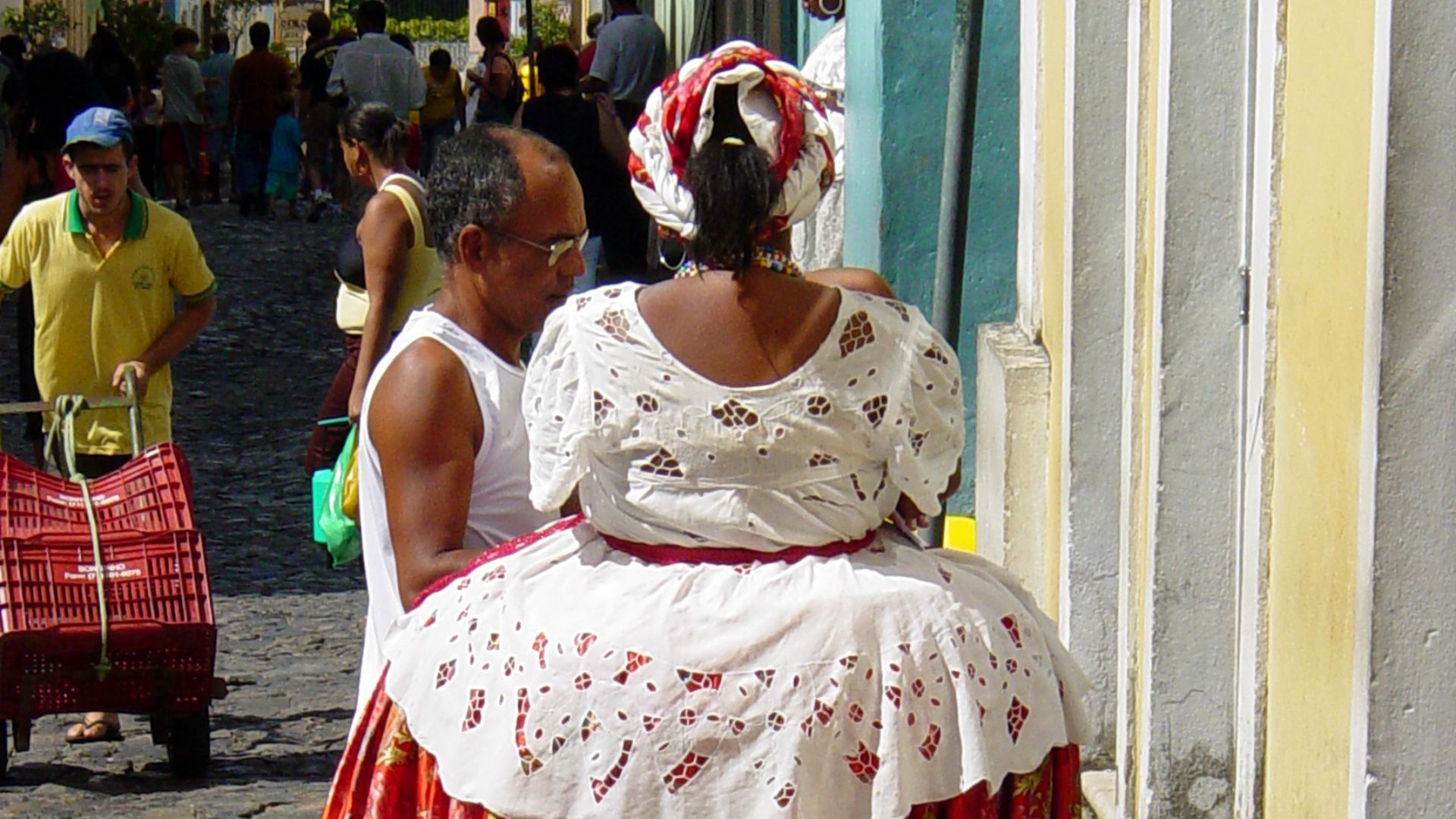
In many eras, women were expected to wear long skirts and layers not because it was practical, but because it kept them in a certain role. The clothing made running, climbing, working, and even sitting freely more difficult, which conveniently matched the expectation of staying home and staying contained. The rule looked like modesty and functioned like restriction.
4. The School Dress Code Skirt Ruler
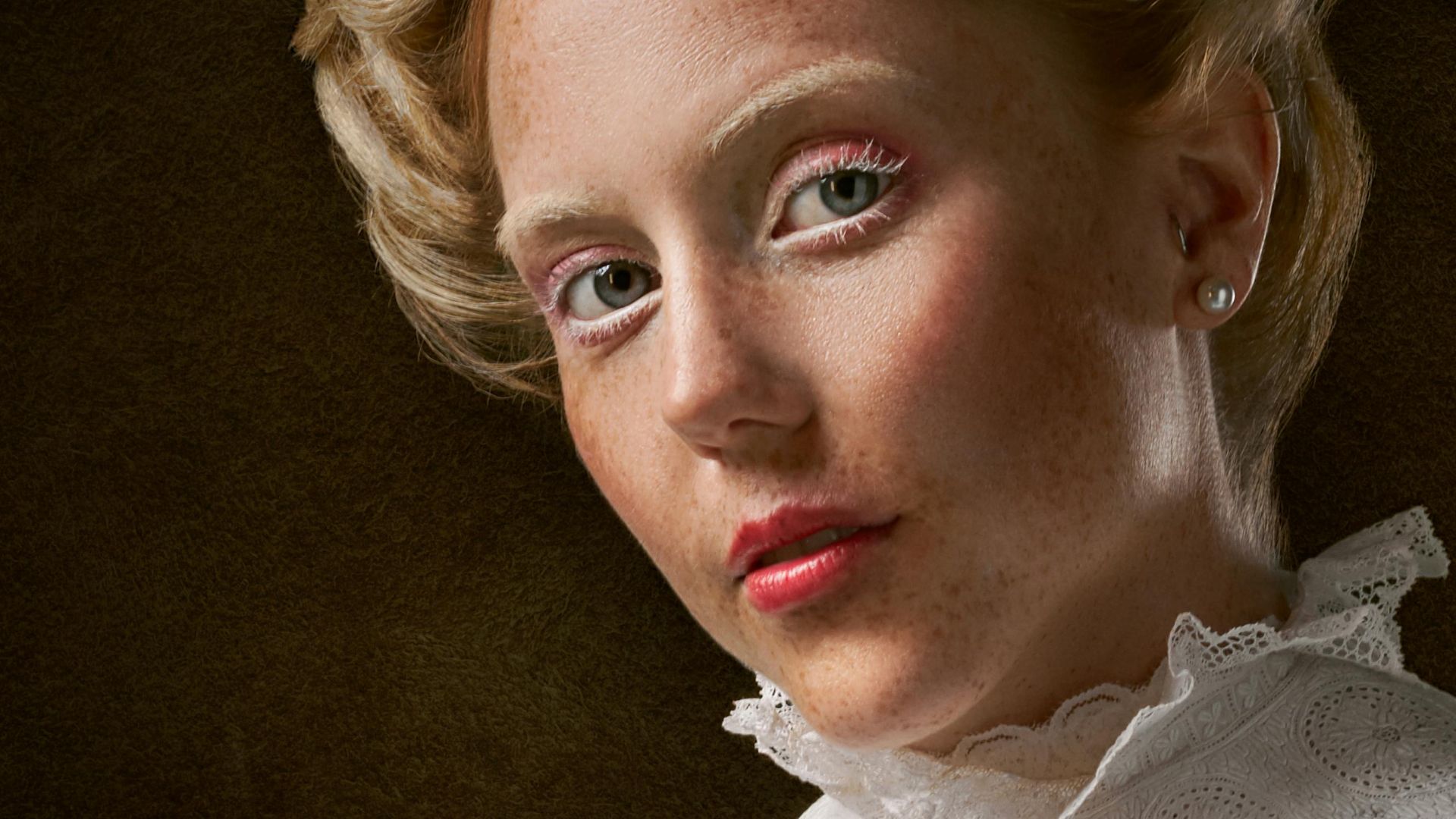
Modern school dress codes often turn specific items, short skirts, tank tops, visible bra straps, into moral emergencies. The enforcement teaches girls to treat their bodies as disruptive objects that must be managed for everyone else’s comfort. When the punishment is public and uneven, it’s control wearing a neutral face.
5. The Veil As Compulsion
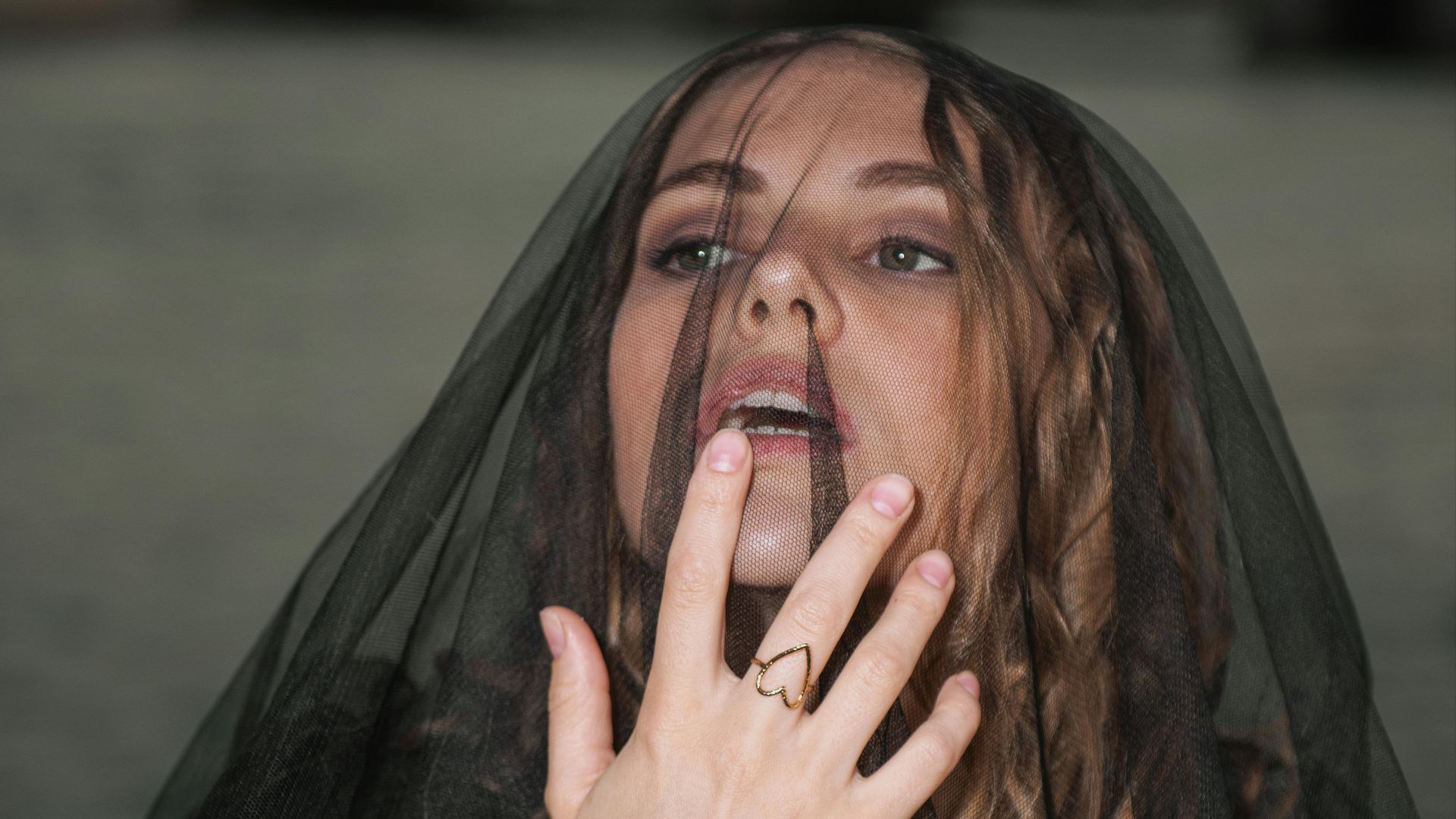
A veil can be meaningful when chosen, but it becomes something else when it’s mandated by law, family threat, or social punishment. The garment turns into a visible compliance marker, and the fear becomes part of getting dressed. When a state or community demands it, the point is obedience, not modesty.
 Konstantin Mishchenko on Pexels
6. The Purity Ring And Modesty Layering
In purity-focused communities, camisoles under shirts and extra layers over dresses can become a daily ritual of policing. The body is treated like a hazard that must be neutralized, and the rules often shift based on whoever is judging that day. Modesty becomes control when it trains people to feel guilty for existing in a body.

7. The Widow’s Mourning Wardrobe
Strict mourning dress, especially heavy black worn for long periods, forced private grief into public display. It told the world how a woman should look, for how long, and what emotions she was allowed to show. When clothing becomes a schedule for sorrow, it stops being personal and becomes regulation.

8. The Colonial Mission Dress
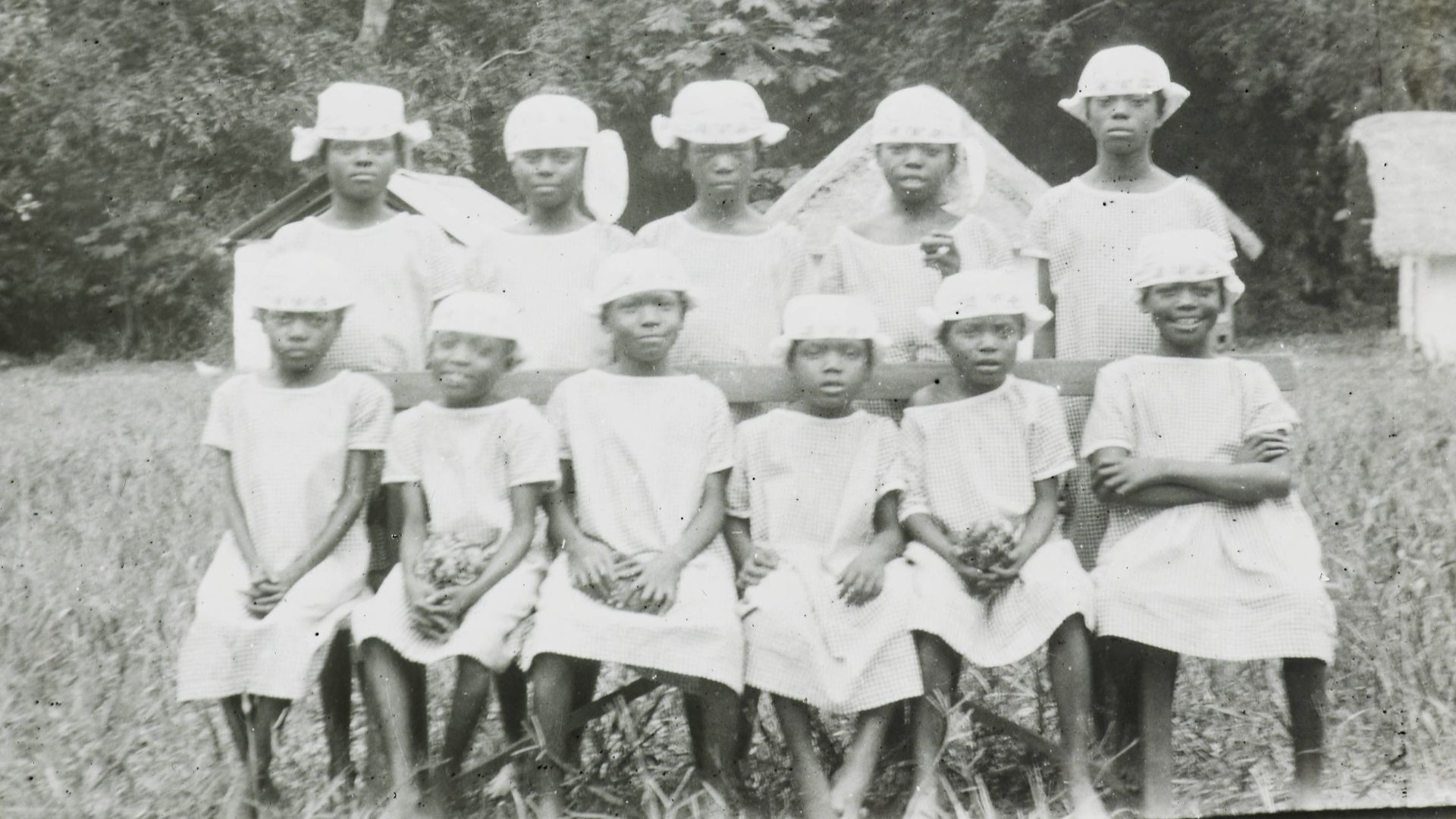
Colonial and missionary campaigns often demanded that indigenous people replace local clothing with covered Western garments in the name of respectability. The goal wasn’t comfort or protection; it was moral authority and cultural control, a way to label one body as civilized and another as improper. Modesty became a weapon for reshaping identity.
 Unknown authorUnknown author on Wikimedia
9. The Workplace Rule That Targets Certain Bodies
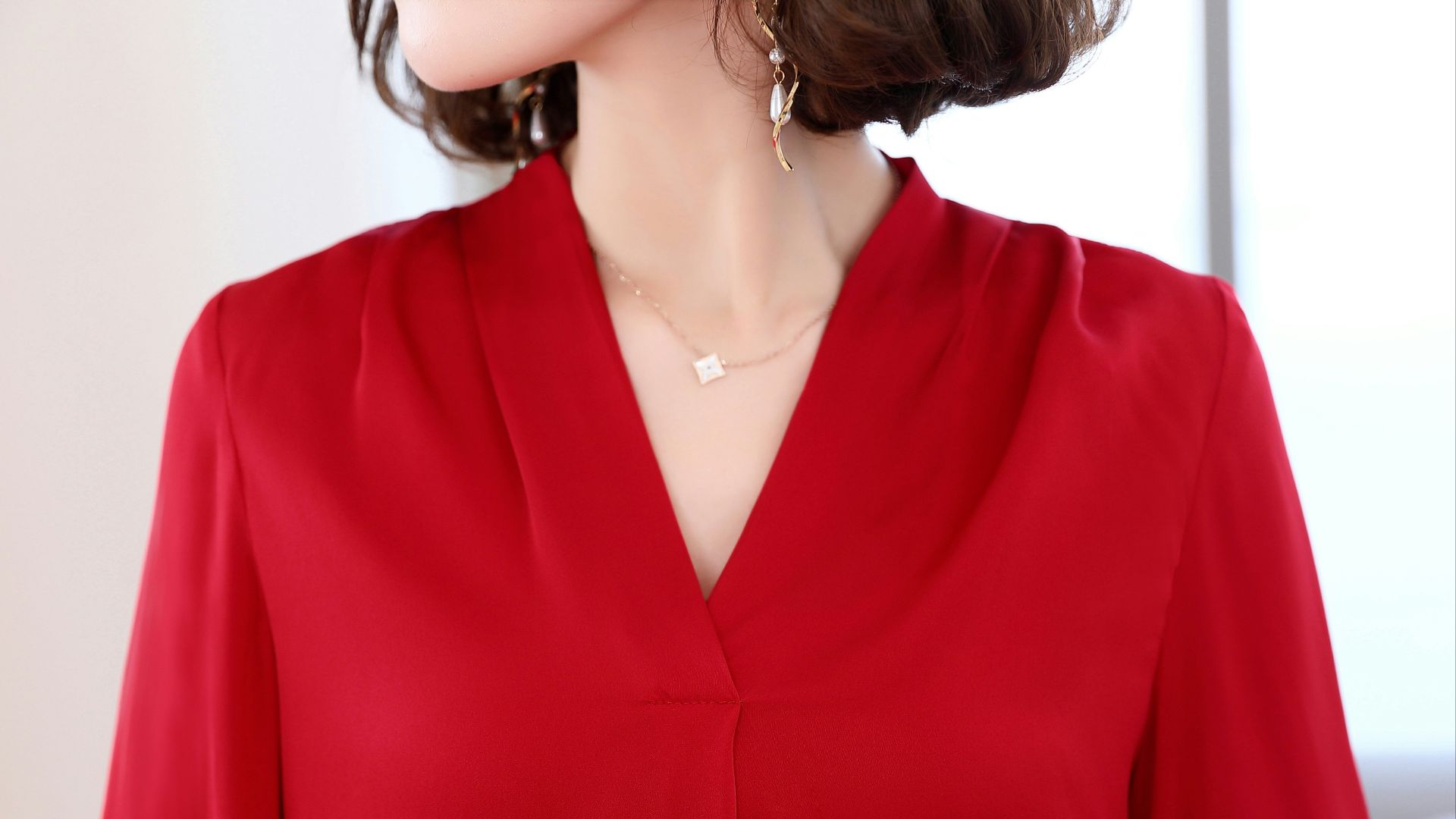
Many dress standards pretend to be neutral until someone with curves wears the exact same item and suddenly it’s inappropriate. The same neckline, the same skirt length, the same fitted shirt gets judged differently depending on the body inside it. That is control disguised as professionalism.
10. The Moving Modesty Standard
One of the most controlling versions of modesty is the one that stays vague on purpose. The rules are never fully written, so someone can always say it’s too tight, too low, too attention-grabbing, too much. When the standard keeps shifting, the goal is not modesty, it’s keeping people anxious and compliant.