To Machine Wash or Hand-Wash? That Is the Question
When it comes to laundry, most people are lazy, meaning they default to tossing everything into the washing machine without a second thought. And why wouldn't they? It's faster, more convenient, and frees up time to do other things. But hand-washing has its own set of advantages that are genuinely worth considering, too, especially if you want your clothes to last longer and stay in better shape. Of course, hand-washing isn't without its downsides, and there are plenty of situations where the washing machine wins without question. Here's a look at 10 reasons why hand-washing might be the better choice, along with 10 reasons why it can feel like more trouble than it's worth.
1. It's Much Gentler on Delicate Fabrics
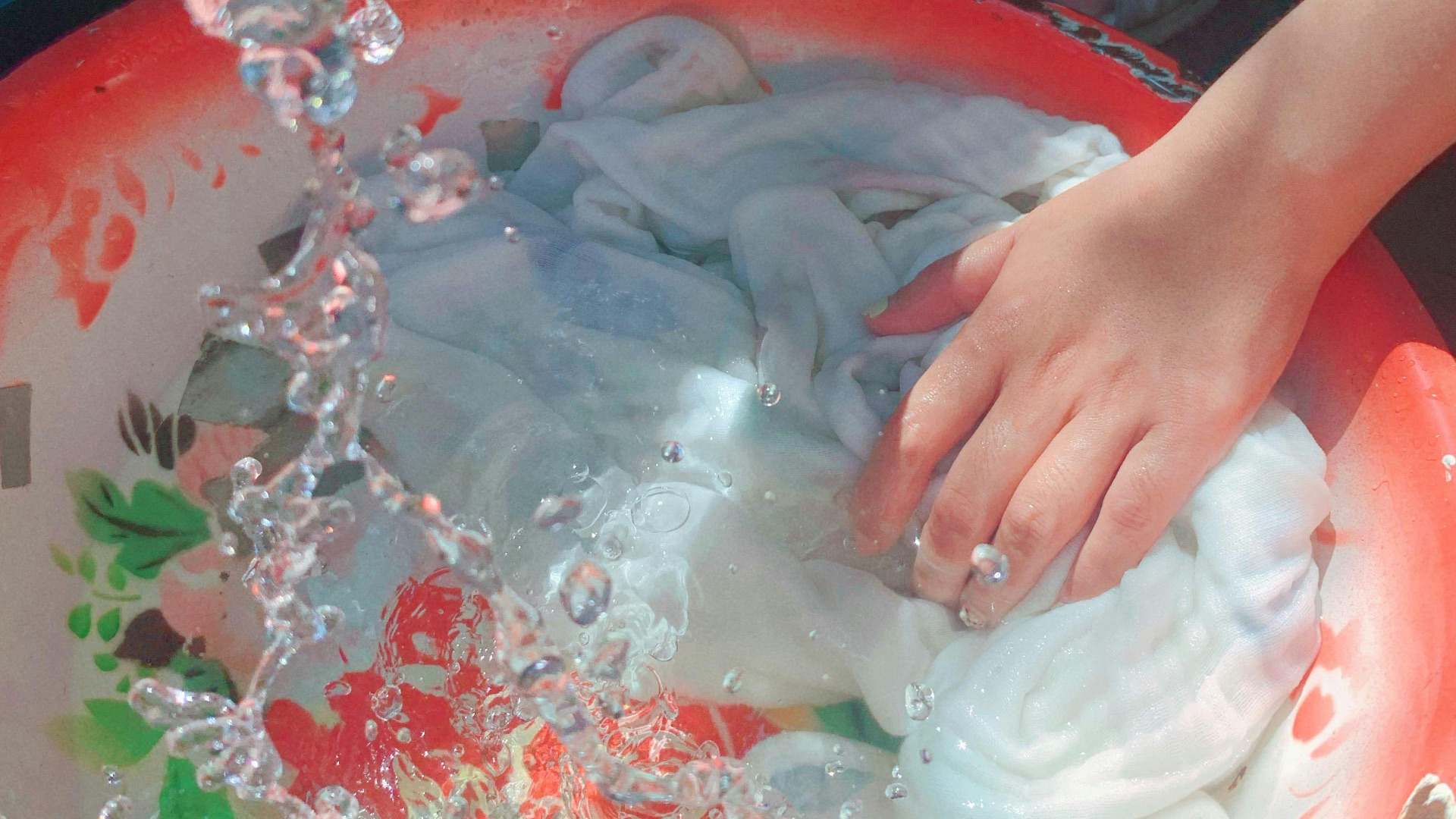
If you own silk blouses, lace lingerie, or even anything labeled "dry clean only," hand-washing is often the safest route you can take (though with the latter, you might want to take it to the actual dry cleaners). The agitation inside a washing machine can stretch, snag, or distort delicate fibers in ways that are difficult, or impossible, to reverse. Hand-washing lets you control the pressure and movement applied to the fabric so nothing gets damaged in the process.
2. Your Clothes Will Last Longer
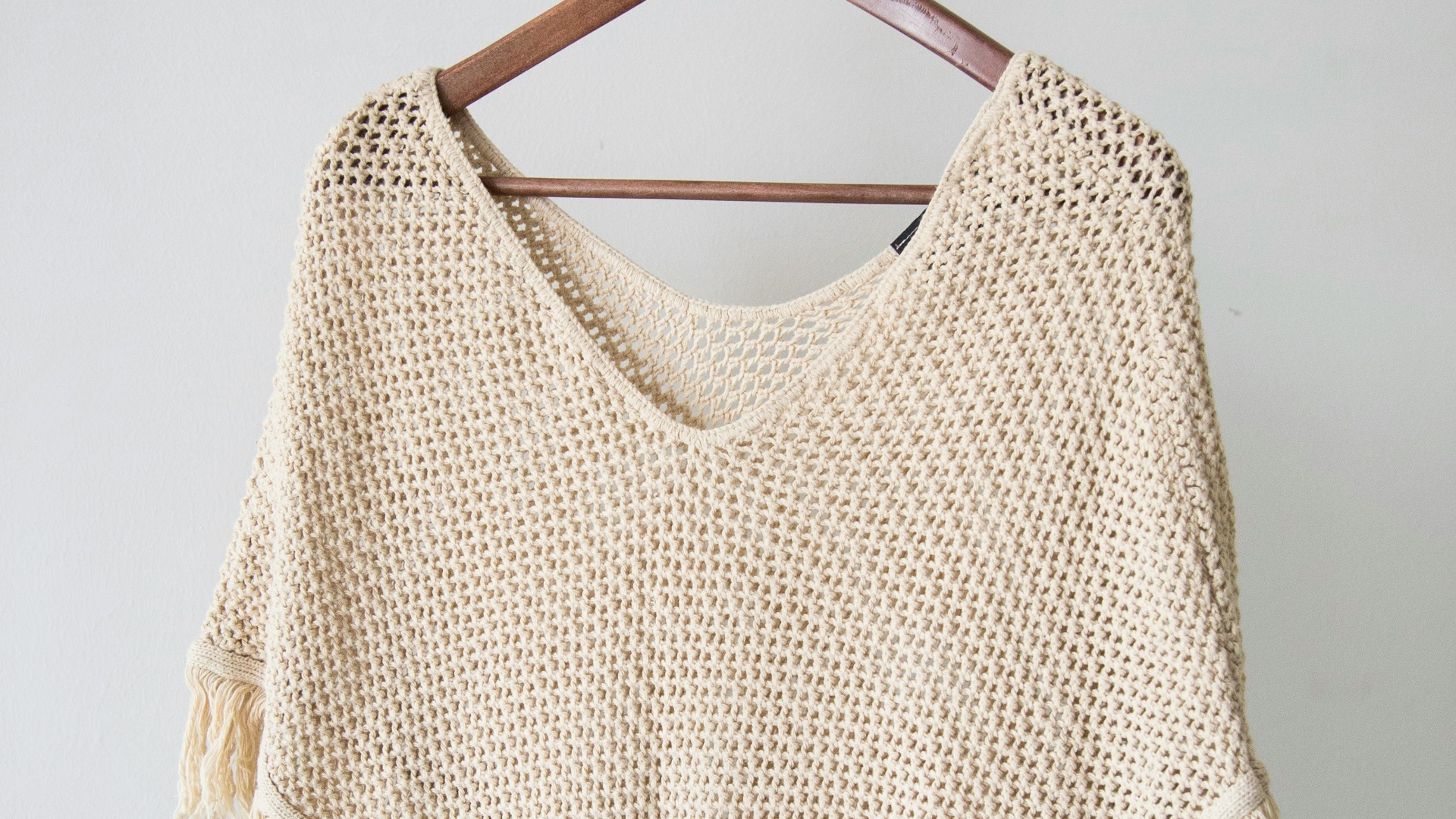
The repeated mechanical action of a washing machine puts a lot of stress on clothing over time, gradually breaking down the fibers with every cycle. Hand-washing is significantly less aggressive, which means your garments hold their shape, color, and structure for much longer. If you've ever invested in a quality piece of clothing, taking the extra time to hand-wash it is one of the best ways to protect that investment.
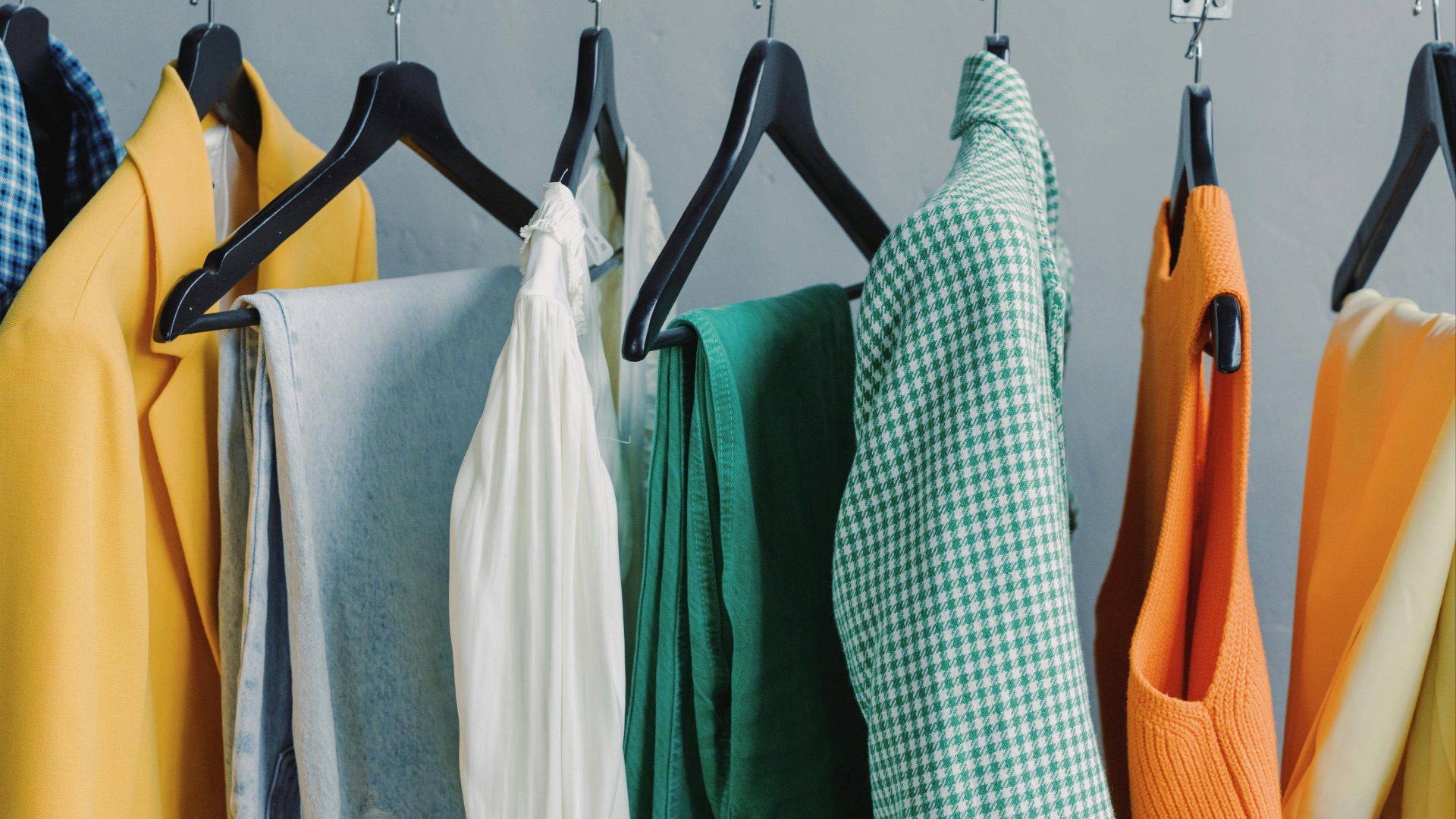
3. It Uses a Lot Less Water
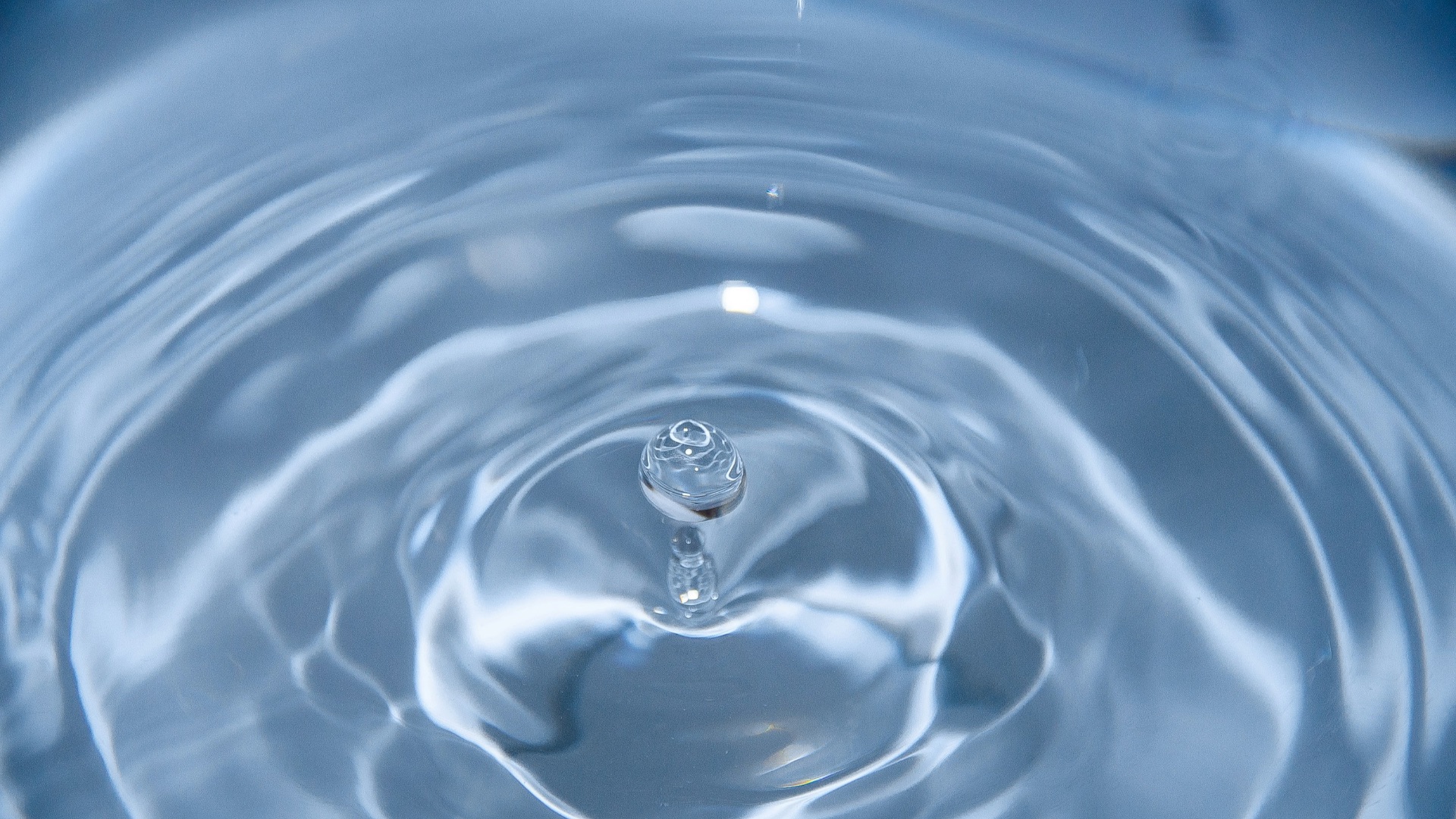
Washing machines, particularly older models, can use anywhere from 15 to 45 gallons of water per load, which adds up quickly over the course of a week. Hand-washing a few items in the sink uses a fraction of that amount, making it a noticeably more eco-friendly option for smaller loads. If you're mindful about water consumption, hand-washing is an easy habit to adopt for everyday clothing.
4. You Can Spot-Treat as You Go
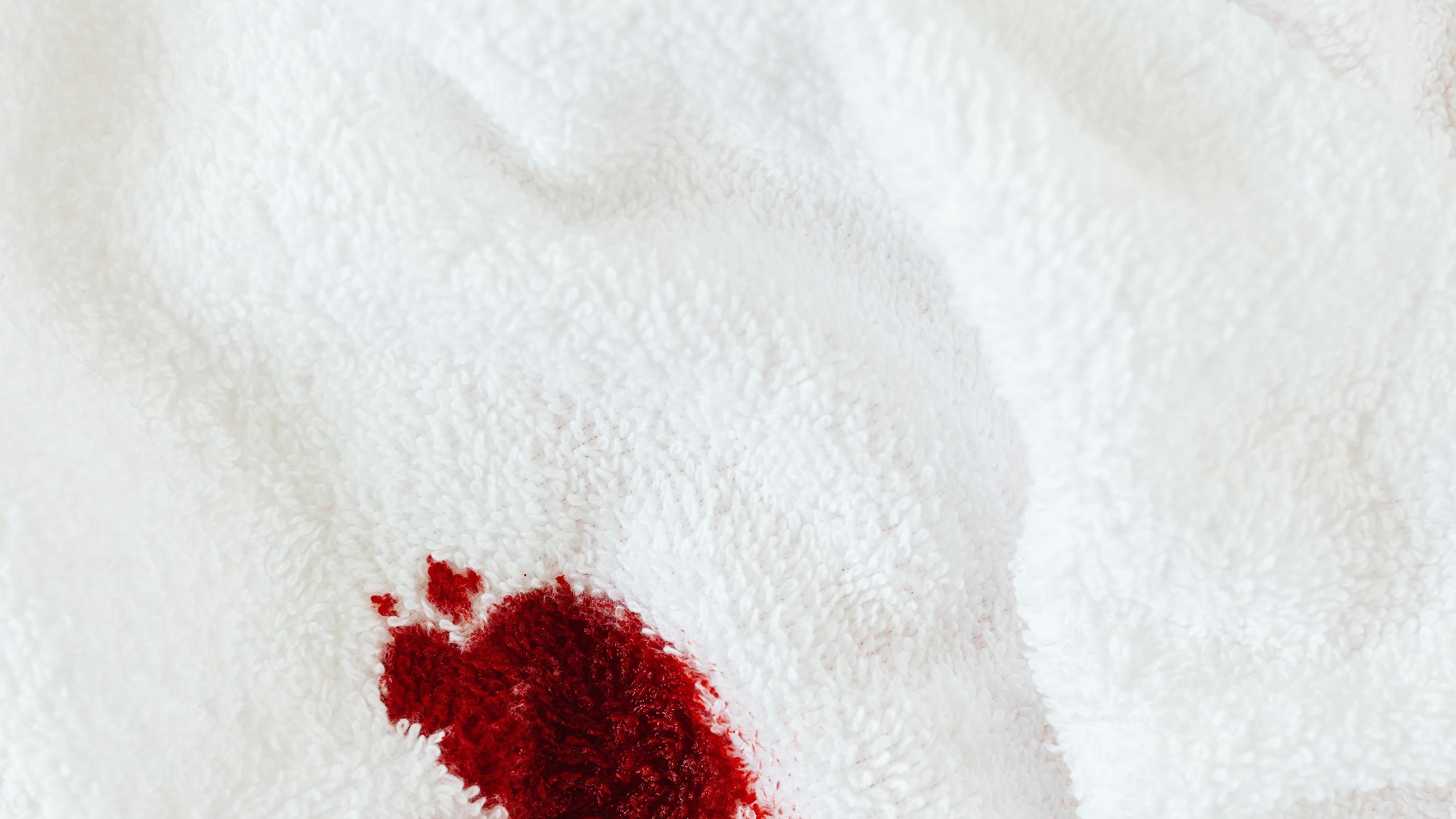
When you're hand-washing, you can work directly on stained areas with your fingers or a soft brush, giving stubborn spots the focused attention they need. This targeted approach is often more effective than hoping the washing machine's cycle will lift a set-in stain on its own. You'll likely find that stains come out more completely when you're the one doing the scrubbing.
5. It's Easier on Clothing Colors
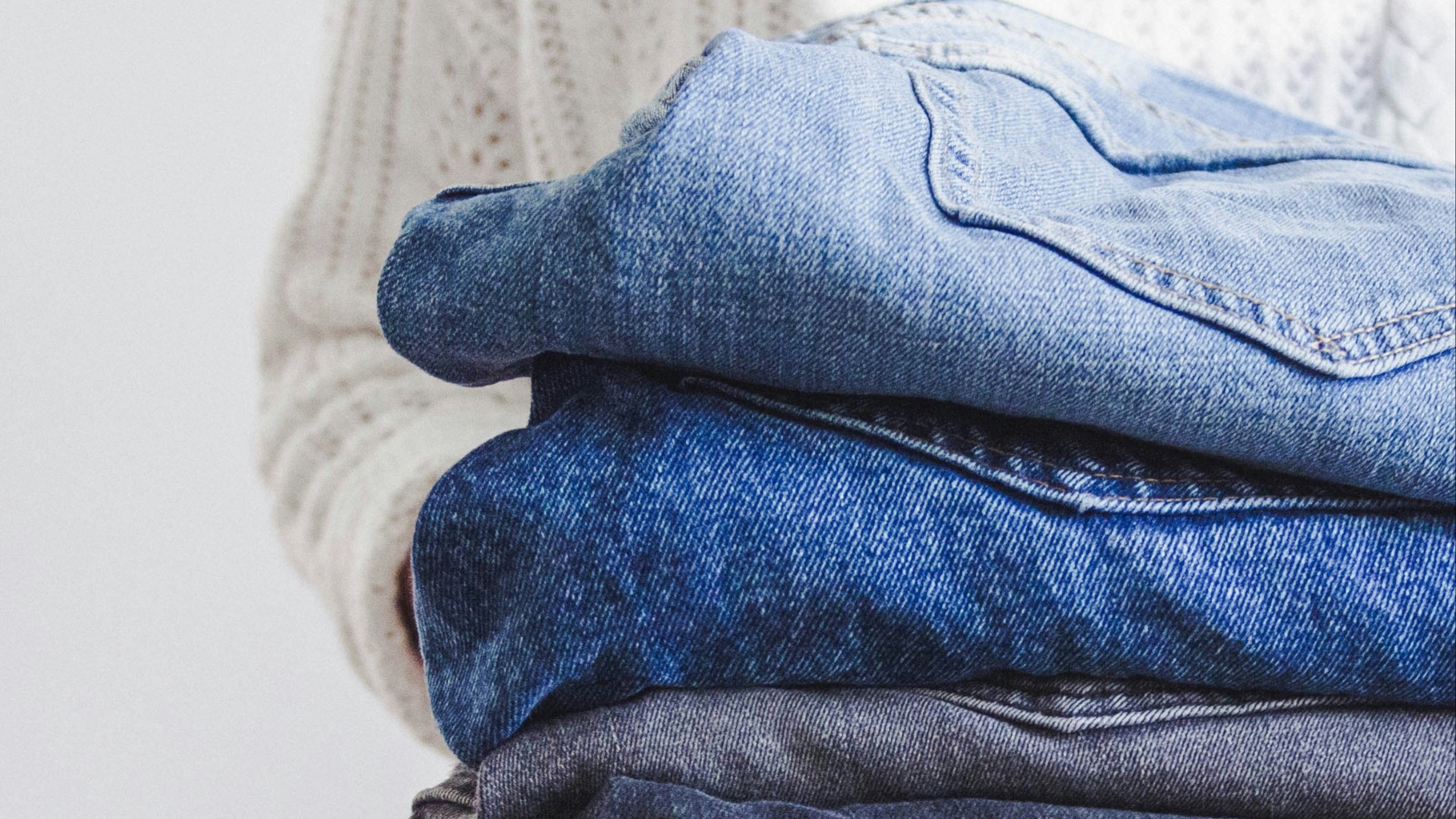
The combination of hot water, heavy-duty detergent, and machine agitation can cause colors to bleed or fade faster than you'd expect. Hand-washing in cool water with a gentle detergent helps colors stay vibrant and true for a much longer period. Brightly colored or dark garments especially benefit from this more careful approach to cleaning.
 Maude Frédérique Lavoie on Unsplash
6. It Saves Energy
Washing machines draw a significant amount of electricity, and that cost shows up on your monthly utility bill whether you notice it or not. Hand-washing requires nothing more than water and a bit of your own effort, making it a zero-energy alternative for items that don't need a full machine cycle. Over time, cutting back on machine washes, even just occasionally, can make a small but real difference in your energy usage.
7. It's Perfect for Travel
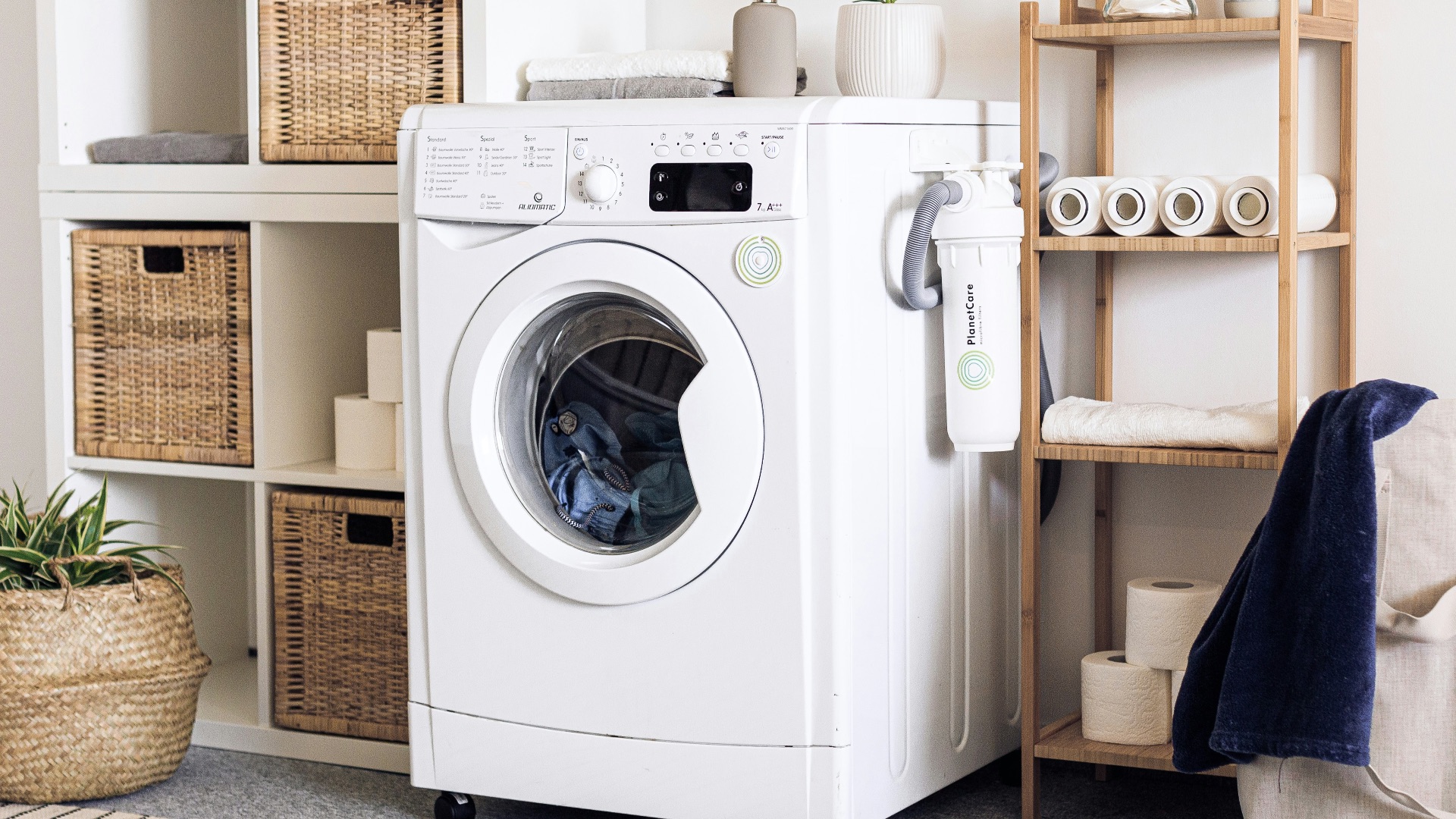
When you're traveling and don't have access to a laundry facility, knowing how to hand-wash your clothes can be a real lifesaver. A small bottle of travel detergent and a hotel sink are all you need to freshen up a few essentials and avoid overpacking. It's a practical skill that frequent travelers rely on to keep their luggage light and their wardrobe clean on the go.
8. You Have Full Control Over the Wash
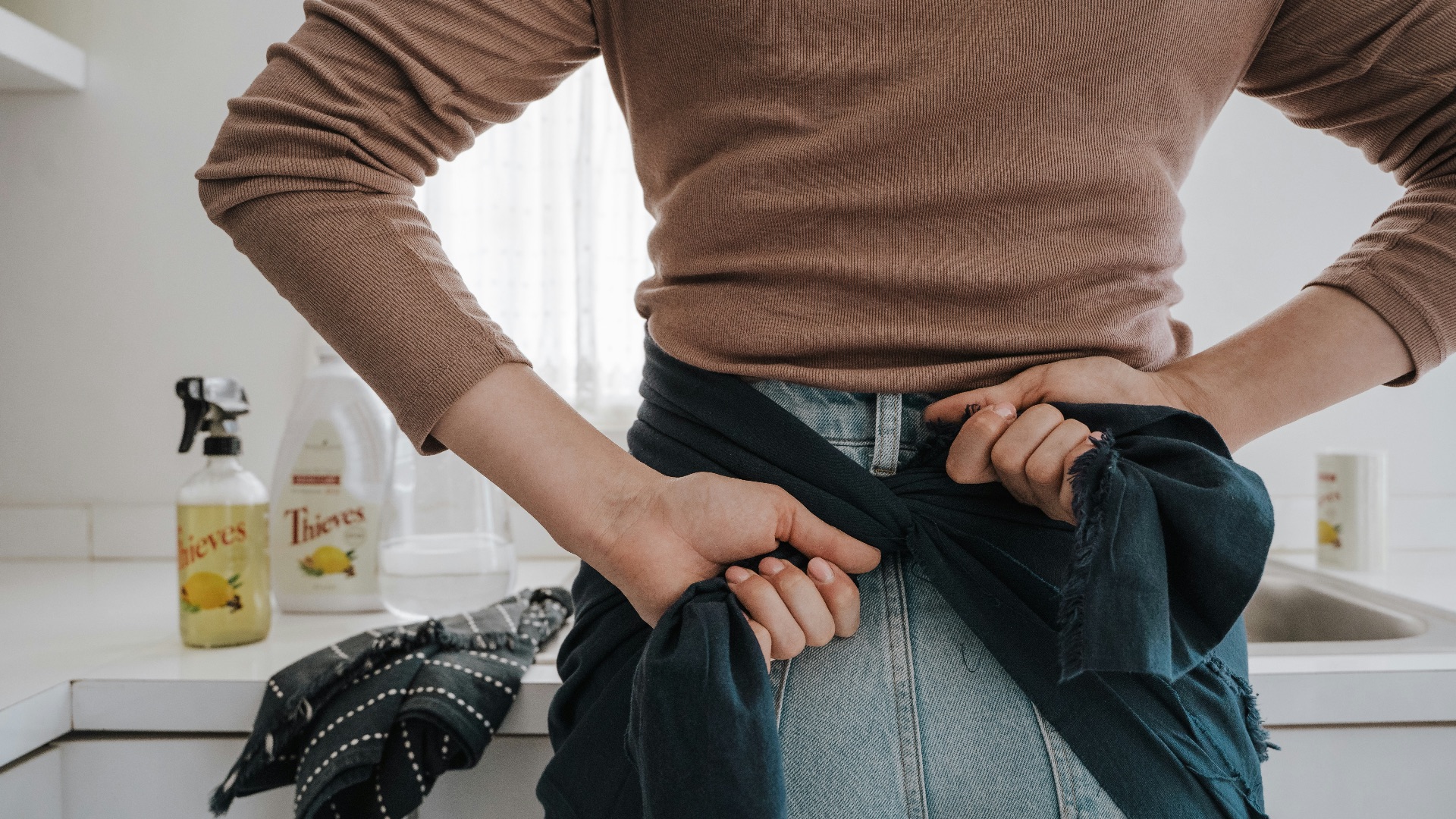
With a washing machine, you're trusting a pre-set cycle to handle your clothing, with very little ability to adjust mid-wash. Hand-washing lets you decide exactly how long to soak, how vigorously to scrub, and when the item is clean enough to rinse. That level of control is especially useful for items that need extra care or that you're unsure how to handle.
9. It Reduces Microplastic Pollution
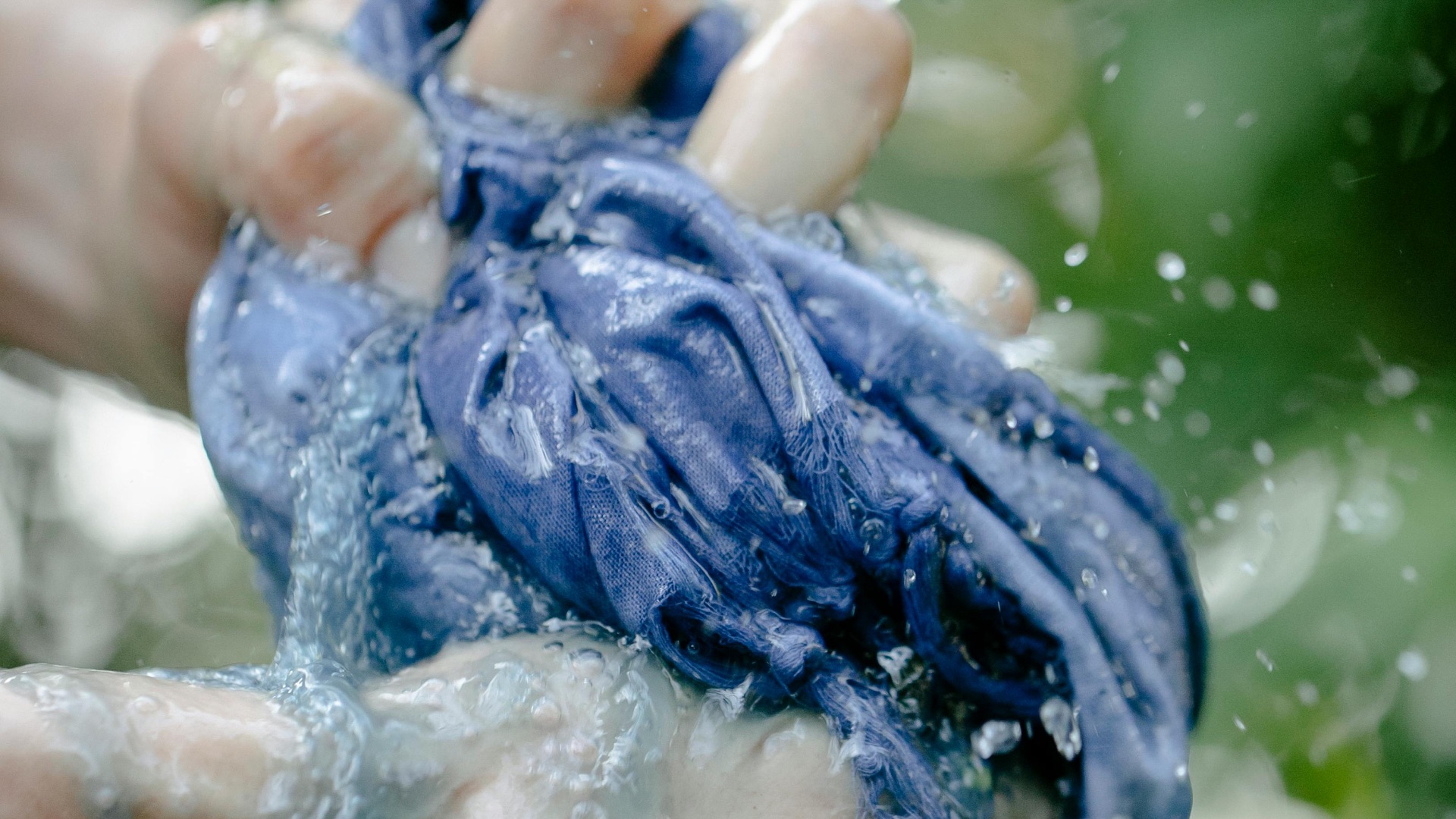
Every time synthetic fabrics like polyester and nylon go through a machine wash, they shed tiny plastic fibers that flow through wastewater systems and end up in waterways. Hand-washing produces far less friction on the fabric, which means significantly fewer microplastics are released into the environment. For those looking to reduce their environmental footprint, this is one surprisingly impactful way to do it.
10. It Keeps Workout Gear in Better Shape
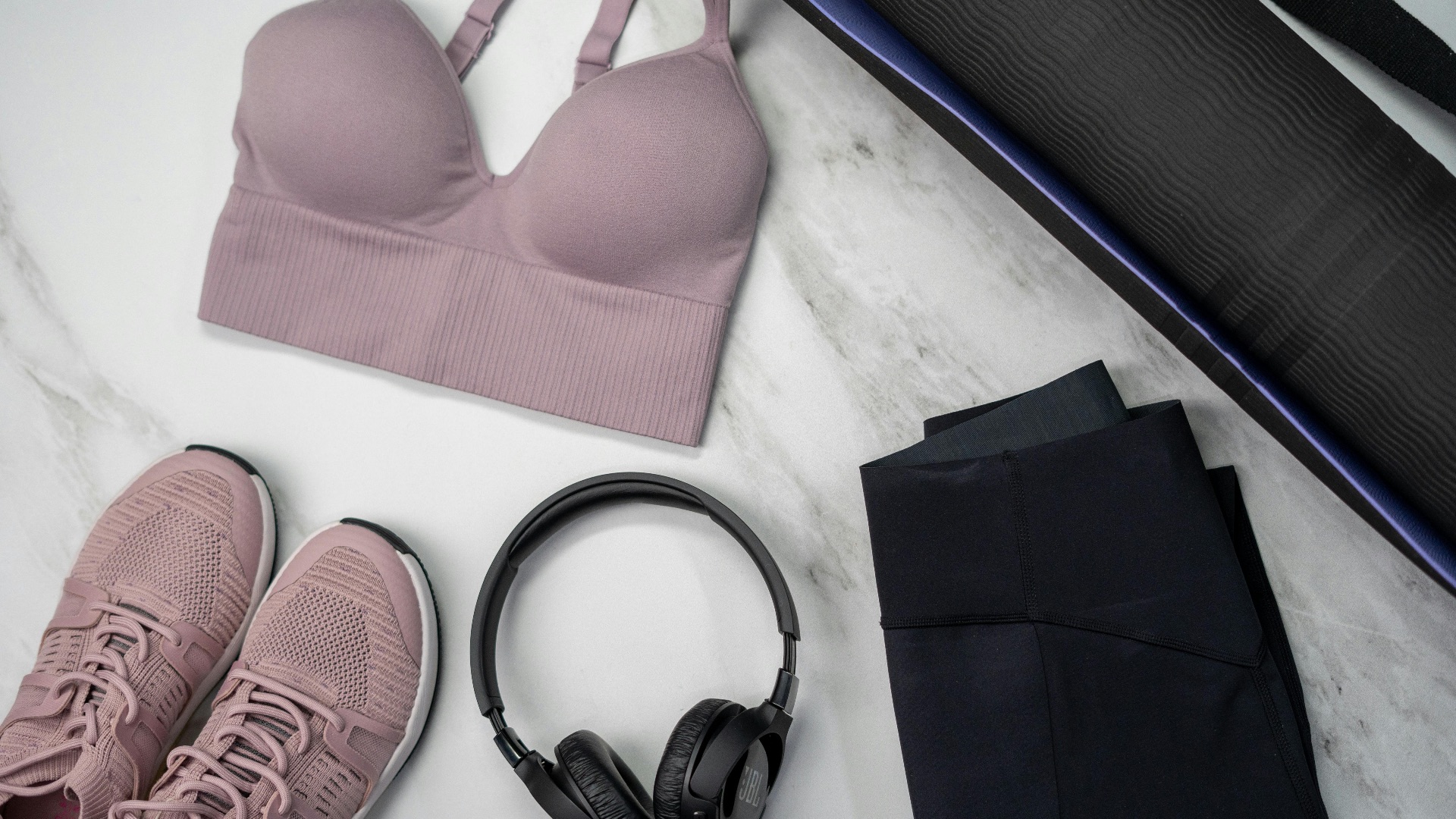
Activewear is typically made from stretchy, moisture-wicking synthetic fabrics that can lose their elasticity and performance properties when machine-washed repeatedly. Hand-washing these items in cool water helps them retain their stretch and fit so they continue to do their job properly. Your favorite leggings and sports bras will thank you for the gentler treatment.
Hand-washing clearly has a lot going for it, but let's be honest: it's not always the most appealing option. Here's a look at why so many people still reach for the machine dial without a moment's hesitation.
1. It Takes Up a Lot of Your Time
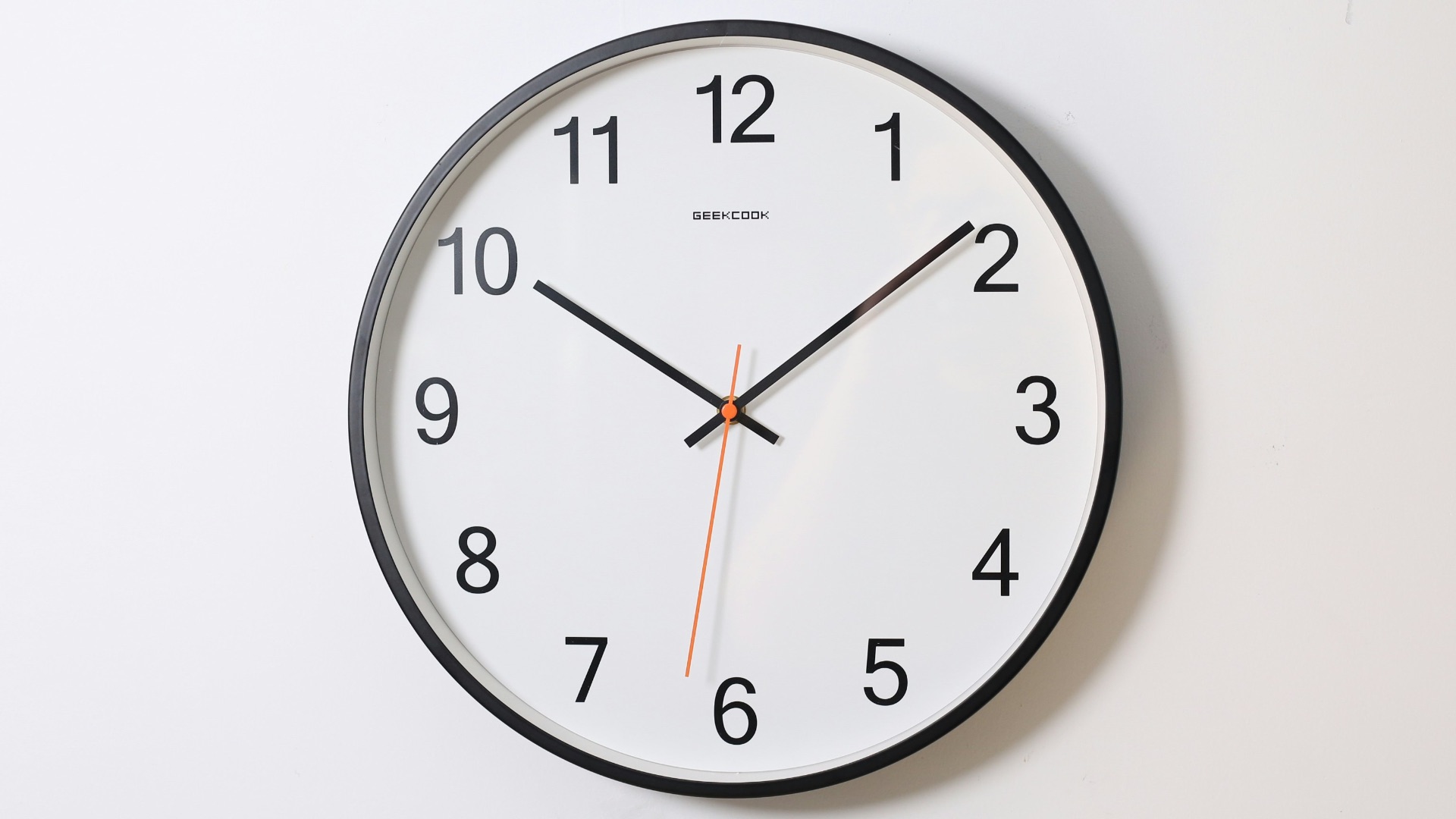
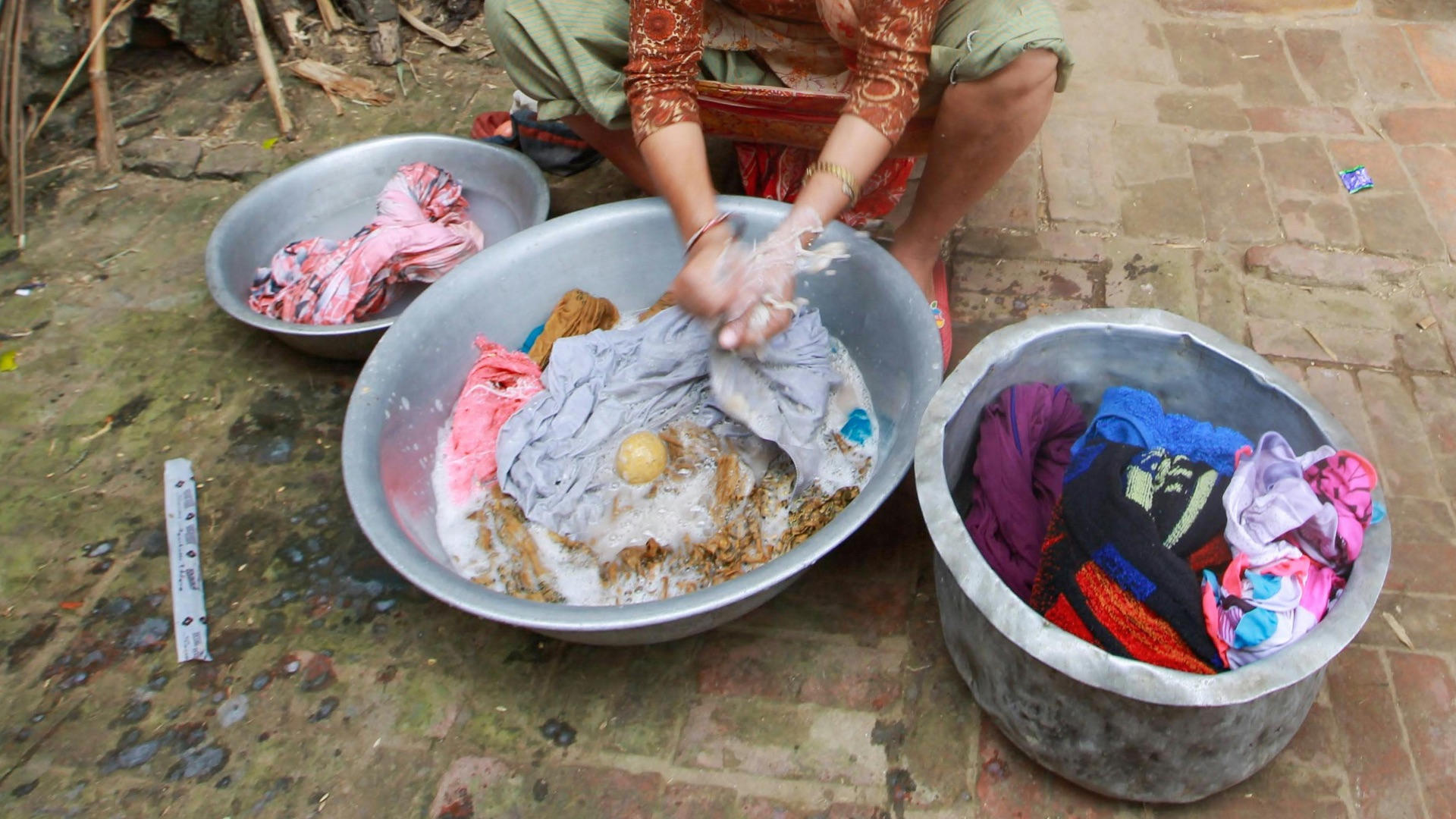
Unlike tossing a load into the machine and walking away, hand-washing requires you to be present and actively involved for the entire process. Washing, rinsing, and wringing out even a handful of items can take 20 to 30 minutes, and that's time you could be spending elsewhere. For people with busy schedules, that kind of time commitment simply isn't realistic on a regular basis.
2. It's Hard on Your Hands
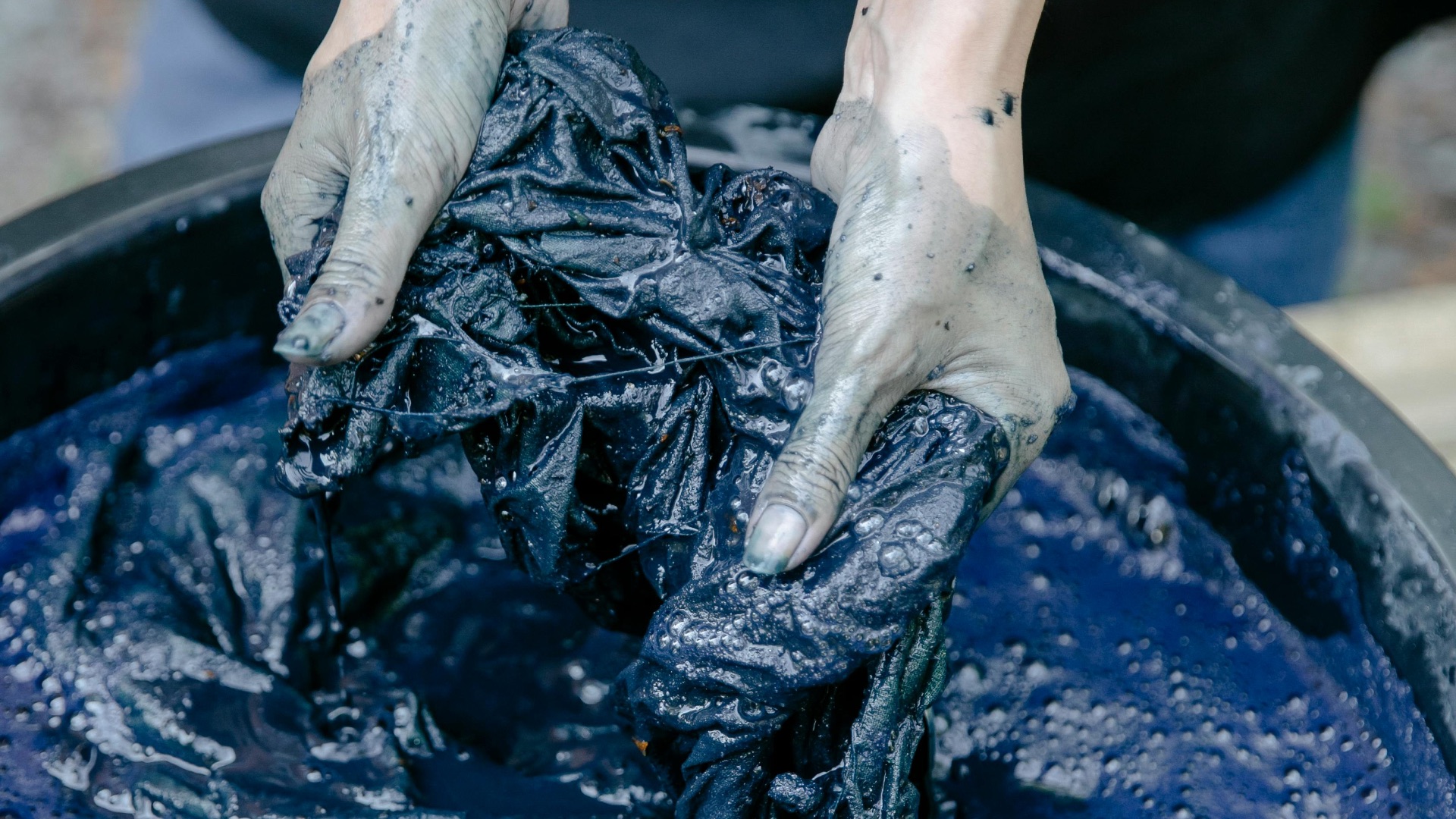
Prolonged exposure to water and detergent can dry out your skin, irritate your knuckles, and leave your hands feeling rough and uncomfortable. If you already deal with eczema, sensitive skin, or any kind of dermatitis, repeated hand-washing of clothes can make those conditions noticeably worse. Wearing rubber gloves helps, but it also makes the whole process a bit more awkward and cumbersome.
3. Wringing Out Clothes Is Surprisingly Exhausting
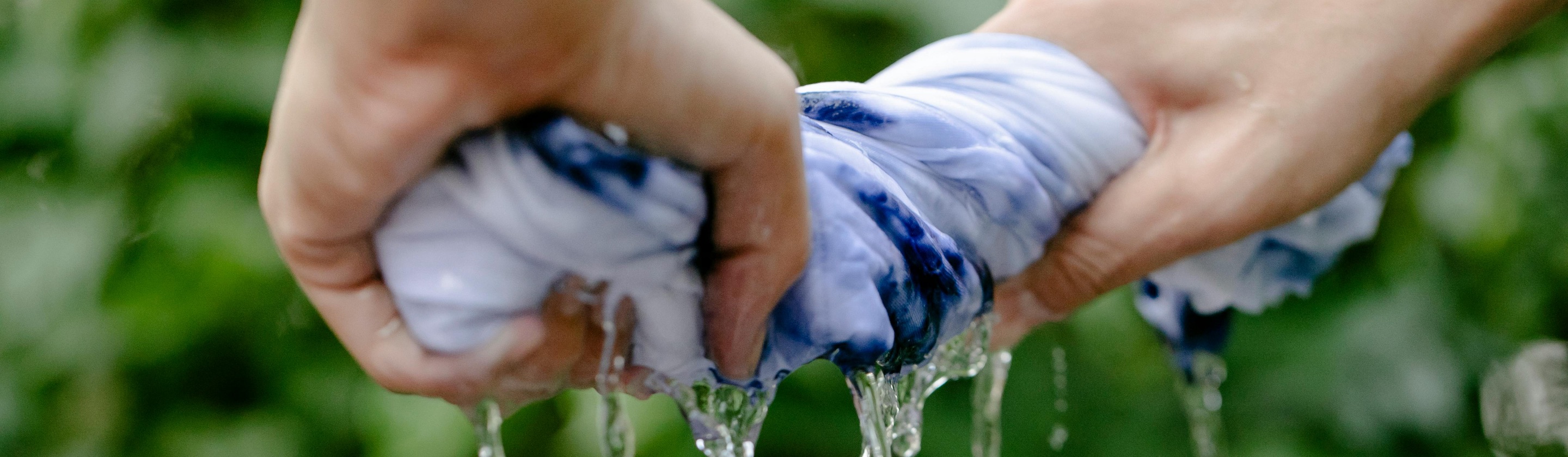
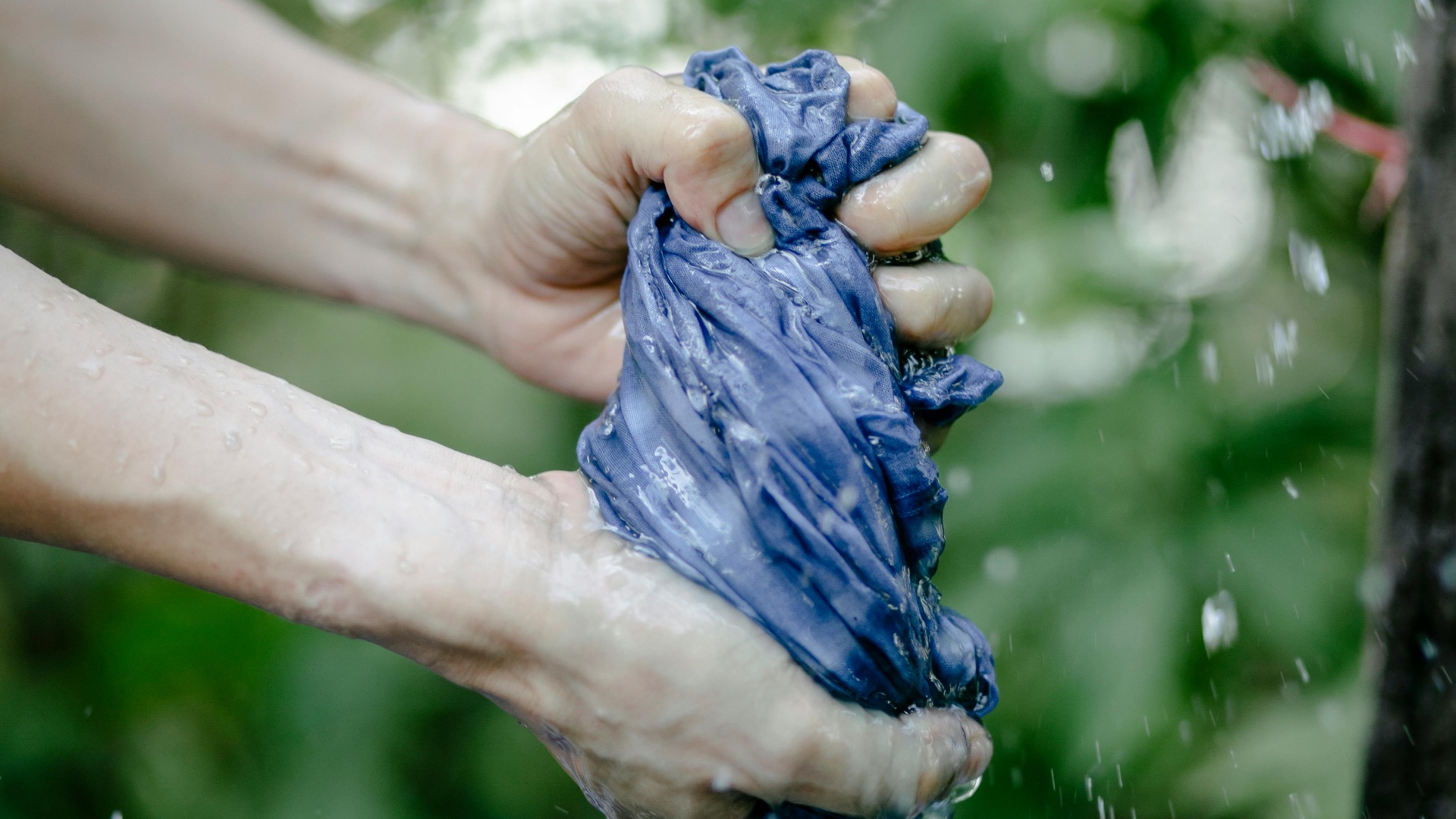
Getting excess water out of hand-washed items requires more physical effort than most people expect, especially with heavier fabrics like denim, towels, or chunky knits. Squeezing and twisting wet clothing puts strain on your wrists and hands, and it's rarely a comfortable experience to repeat several times in a row. A washing machine handles this step automatically with its spin cycle, and it's one of those things you don't appreciate until it's gone.
4. It Doesn't Clean Heavily Soiled Items Well
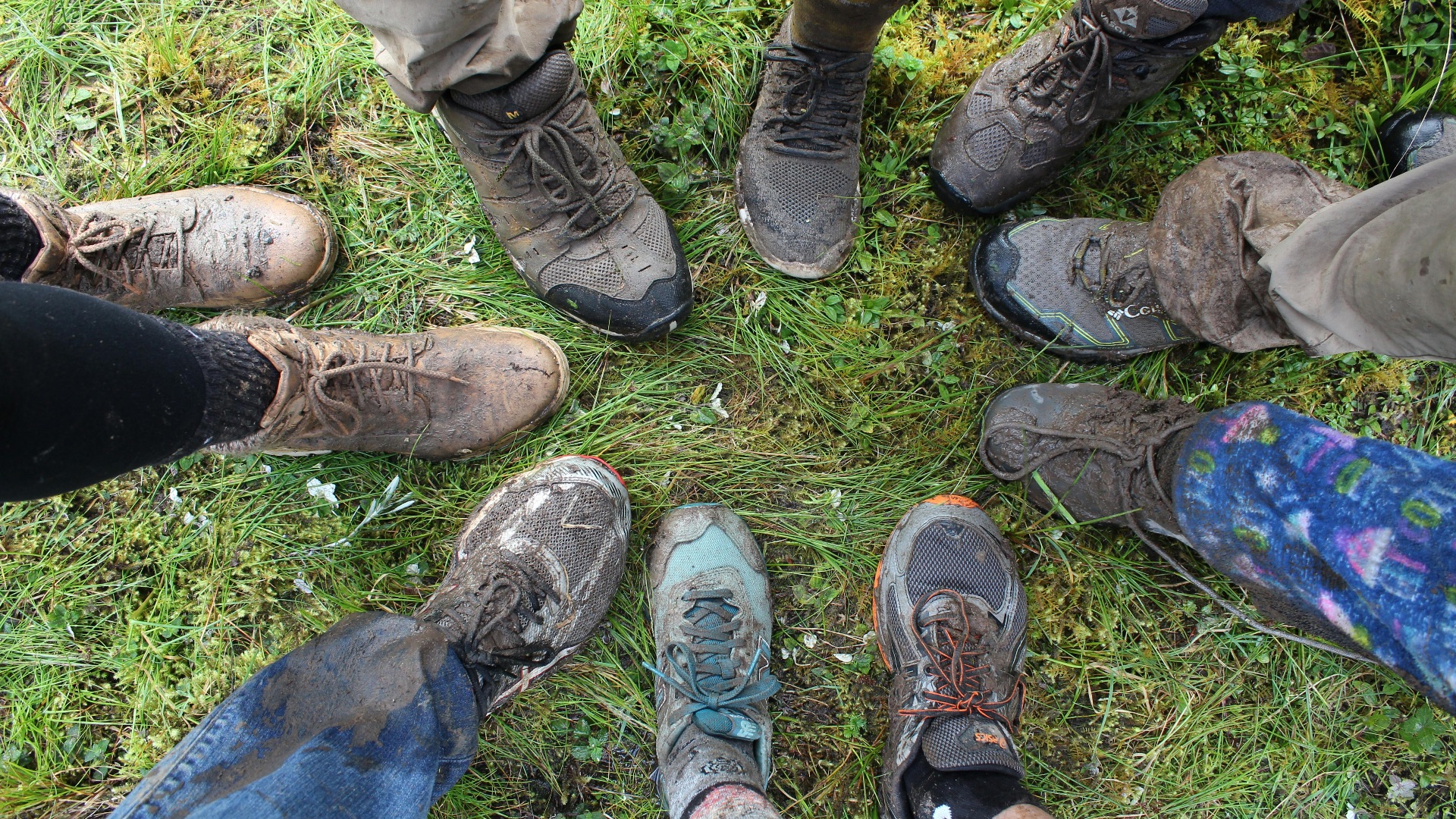
Hand-washing works well for lightly worn clothing that just needs a refresh, but it struggles when it comes to items with deep-set dirt, heavy sweat, or strong odors. The mechanical action of a washing machine is far more effective at breaking down and removing the kind of grime that builds up in gym clothes, work uniforms, or kids' clothing. If you rely on hand-washing for everything, you may find that some items never really smell or look as clean as they should.
5. Drying Takes Much Longer
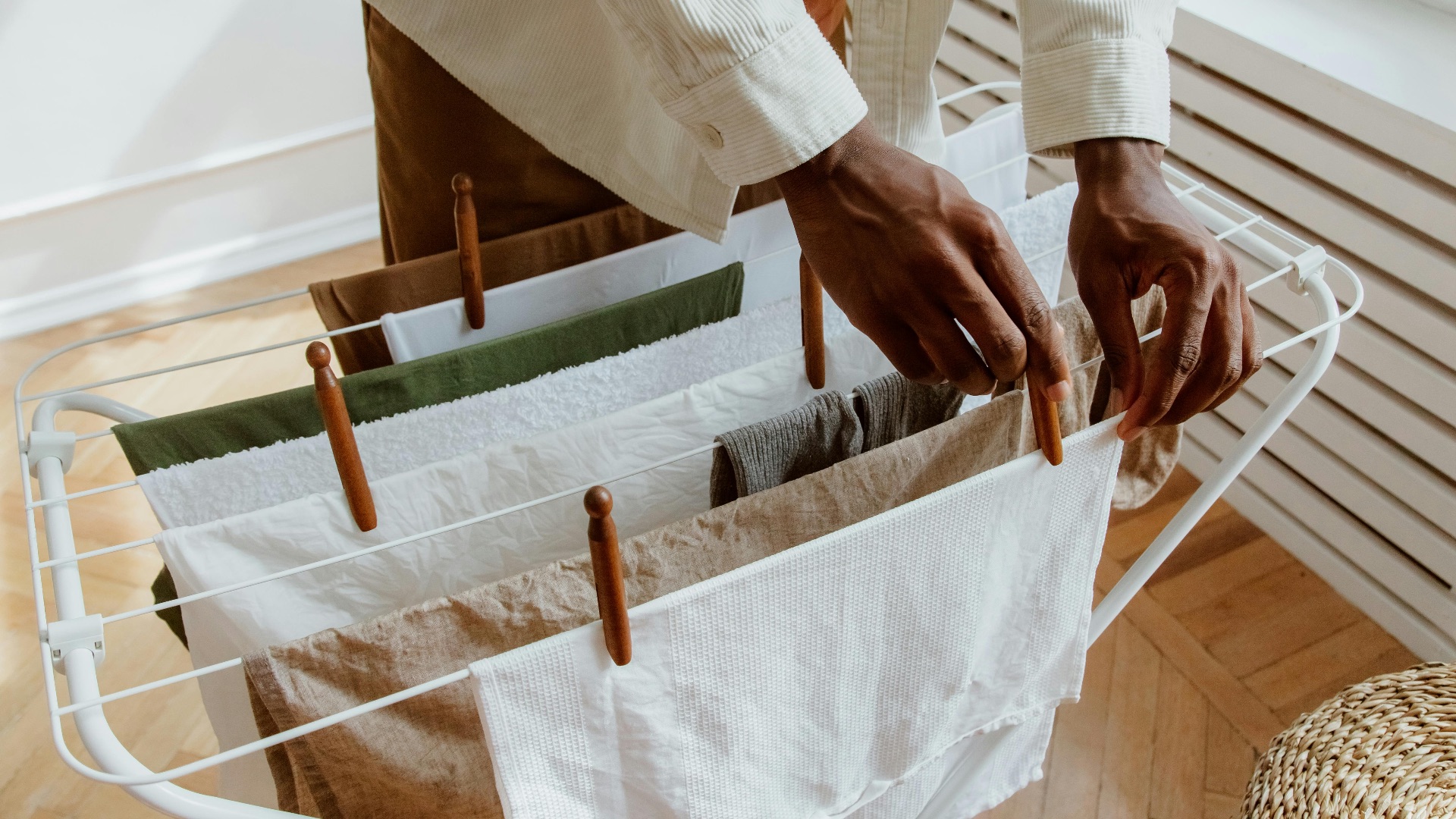
Even after thorough wringing, hand-washed clothes tend to hold onto more moisture than machine-spun ones, which means they take considerably longer to dry on a rack or line. In humid climates or during winter months, that extended drying time can stretch to 24 hours or more for thicker items. There's also the added risk of mildew setting in if the clothing doesn't dry quickly enough in a poorly ventilated space.
6. It's Difficult to Wash Large or Bulky Items
Bed sheets, heavy sweaters, winter coats, and bath towels are all but impossible to hand-wash properly in a standard sink or basin. These larger items need enough room to be fully submerged and agitated, and most household sinks just don't offer that kind of capacity. Trying to hand-wash something too big for your space often results in uneven cleaning and a lot of frustration.

7. You Need Dedicated Space and Equipment
A proper hand-washing setup requires a clean basin or sink, the right detergent, and somewhere to lay items flat or hang them to dry, which isn't always easy to arrange, especially in smaller living spaces. Drying racks take up floor space, and draped clothing can take over a bathroom or bedroom for the better part of a day. For people living in compact apartments, the logistics of hand-washing can be more of a hassle than they're worth.
 Mehmet Turgut Kirkgoz on Pexels
8. It's Easy to Over-Soak or Over-Scrub
Without the measured cycles of a washing machine, it's easy to leave clothing soaking for too long or scrub too aggressively in an attempt to get it really clean. Over-soaking can weaken fabric fibers and cause stretching, while excessive scrubbing can damage delicate weaves or cause pilling on softer materials. It takes some practice to find the right balance, and not everyone has the patience to develop that technique.
9. Detergent Residue Can Be Hard to Rinse Out
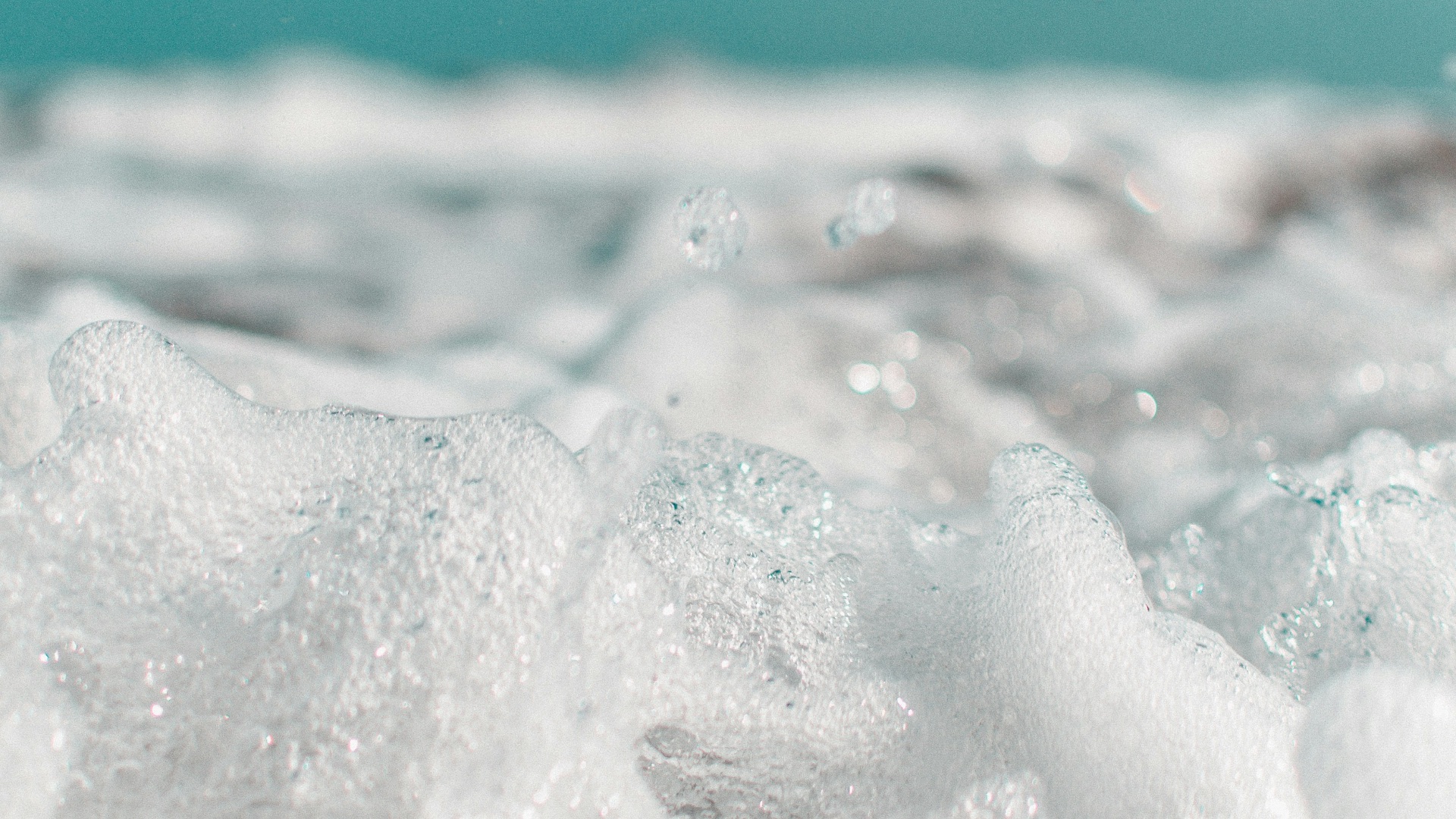
Rinsing hand-washed items thoroughly enough to remove all traces of detergent is trickier than it sounds, particularly with thicker or more absorbent fabrics. Leftover detergent residue can irritate your skin when you wear the clothing and may also leave items looking dull or feeling stiff once they dry. Getting a truly clean rinse often requires multiple rounds under running water, which ironically cancels out some of the water-saving benefits.
10. It's Simply Not Practical for Large Households
For families or anyone producing a high volume of laundry each week, hand-washing just doesn't scale as a solution. Spending an hour hand-washing a fraction of the laundry pile while the rest continues to grow isn't a sustainable routine for most people. The washing machine exists for a reason, and for larger households especially, it's the only option that makes any real logistical sense.