Mascara Color Makes a Bigger Difference Than People Think
Most people automatically reach for black mascara without thinking twice, but mascara color can completely change how your eyes and overall makeup look appear. Certain shades tend to complement a wide range of skin tones and eye colors because they enhance natural contrast without overpowering the face. Others can look harsh, washed out, or distracting depending on undertones and lighting. While makeup is always personal, some mascara shades are simply easier to wear for most people than others. Here are 10 mascara shades that flatter most skin tones and 10 that don't.
1. Soft Black
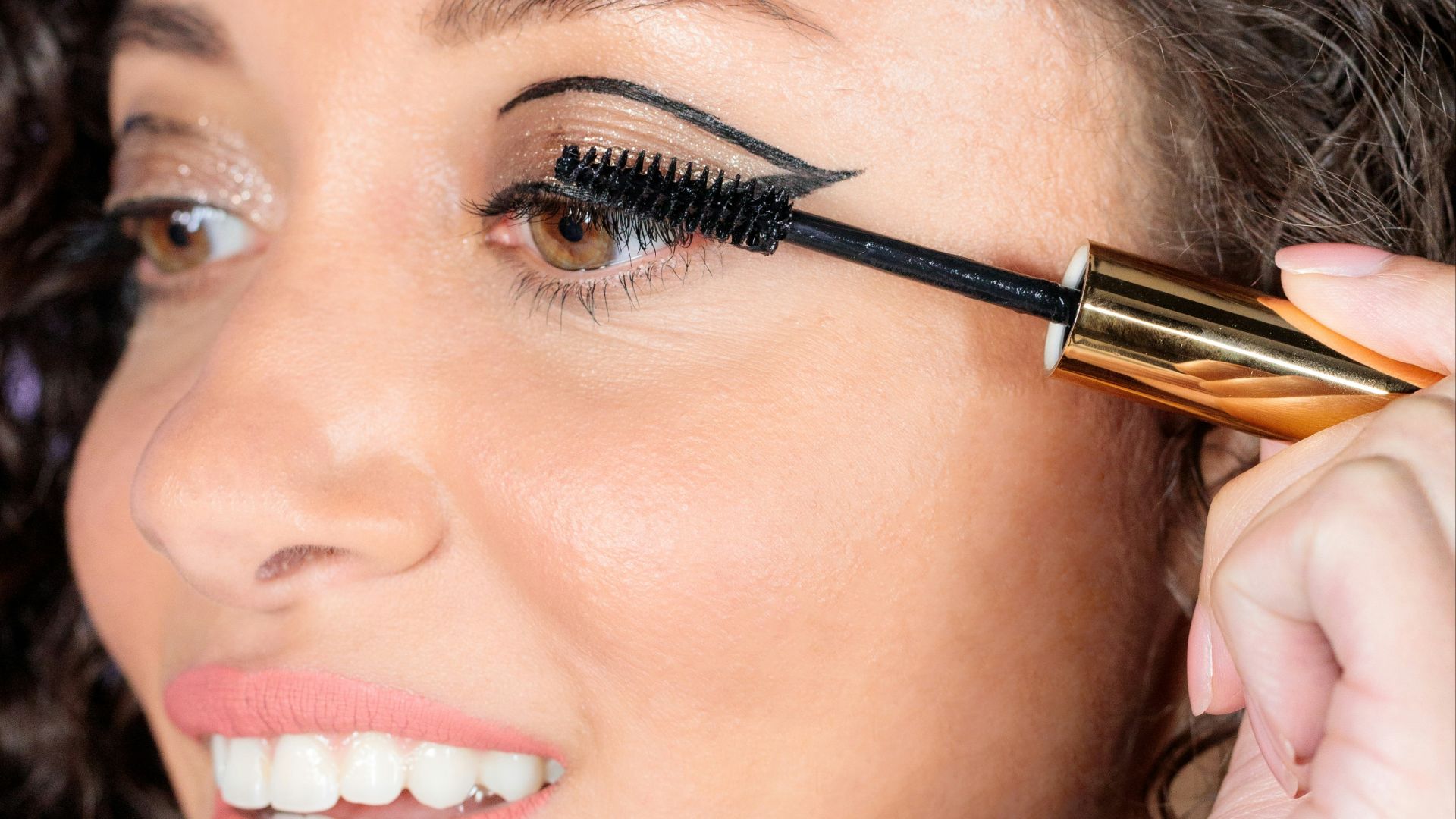
Soft black mascara works on almost everyone because it defines the lashes without looking too intense. It creates depth around the eyes while still appearing natural enough for daytime wear. Many people find it more forgiving than ultra-dark black formulas. It also pairs well with both minimal and dramatic makeup looks.
2. Dark Brown
Dark brown mascara tends to flatter warm, neutral, and fair skin tones especially well. The softer color creates definition without the sharp contrast that black mascara can sometimes produce. It’s also popular for natural makeup styles and lighter hair colors. Many makeup artists recommend it for everyday wear.
3. Black-Brown
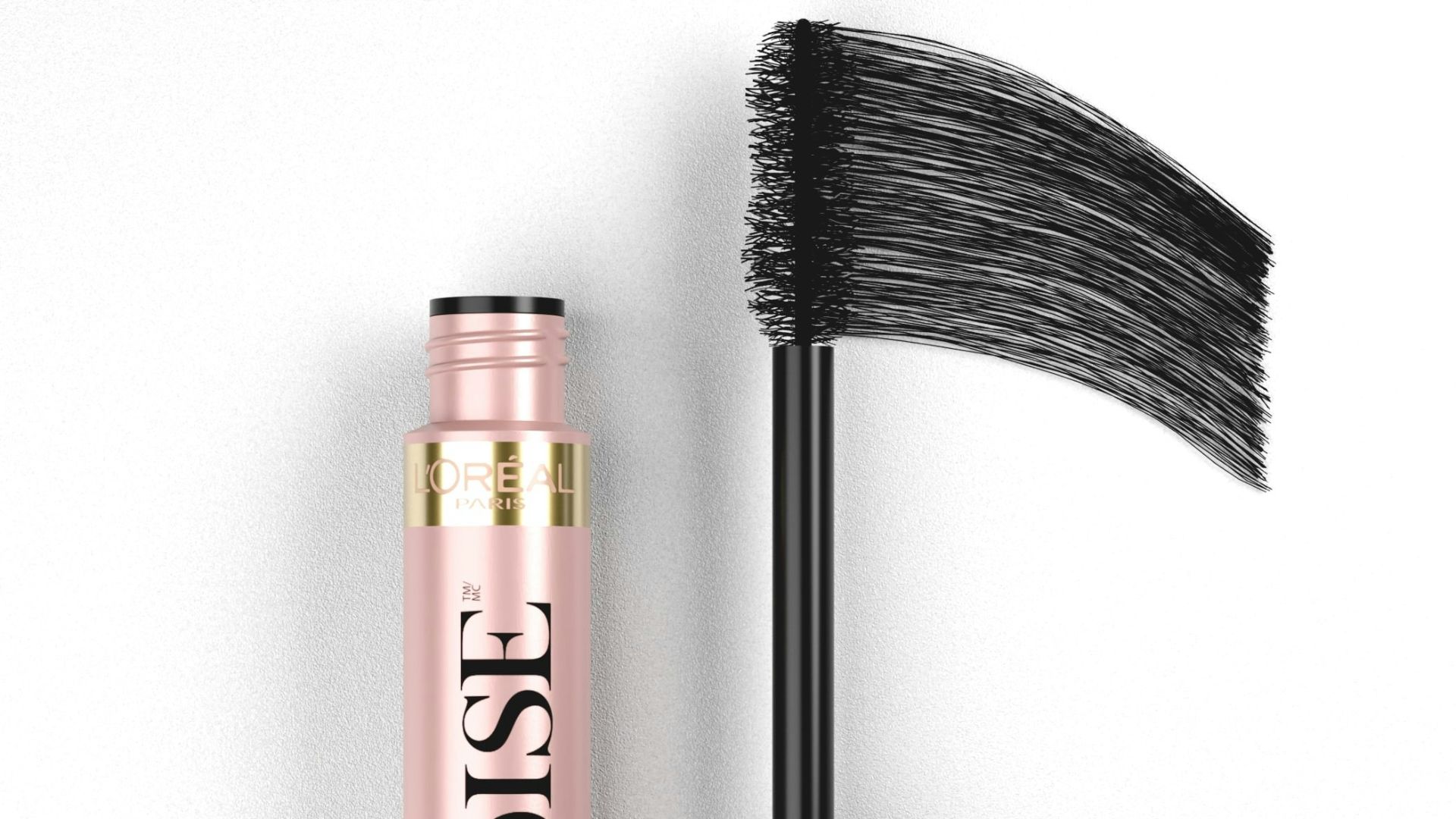
Black-brown mascara sits perfectly between dramatic black and subtle brown shades. It gives lashes extra richness while still looking softer than jet black formulas.
4. Espresso Brown
Espresso brown contains deeper cool tones that complement a wide variety of skin undertones. The shade creates strong lash definition while still looking slightly softer than traditional black mascara. It works particularly well with hazel, green, and brown eyes. Many luxury beauty brands include it because of its versatility.
5. Deep Plum
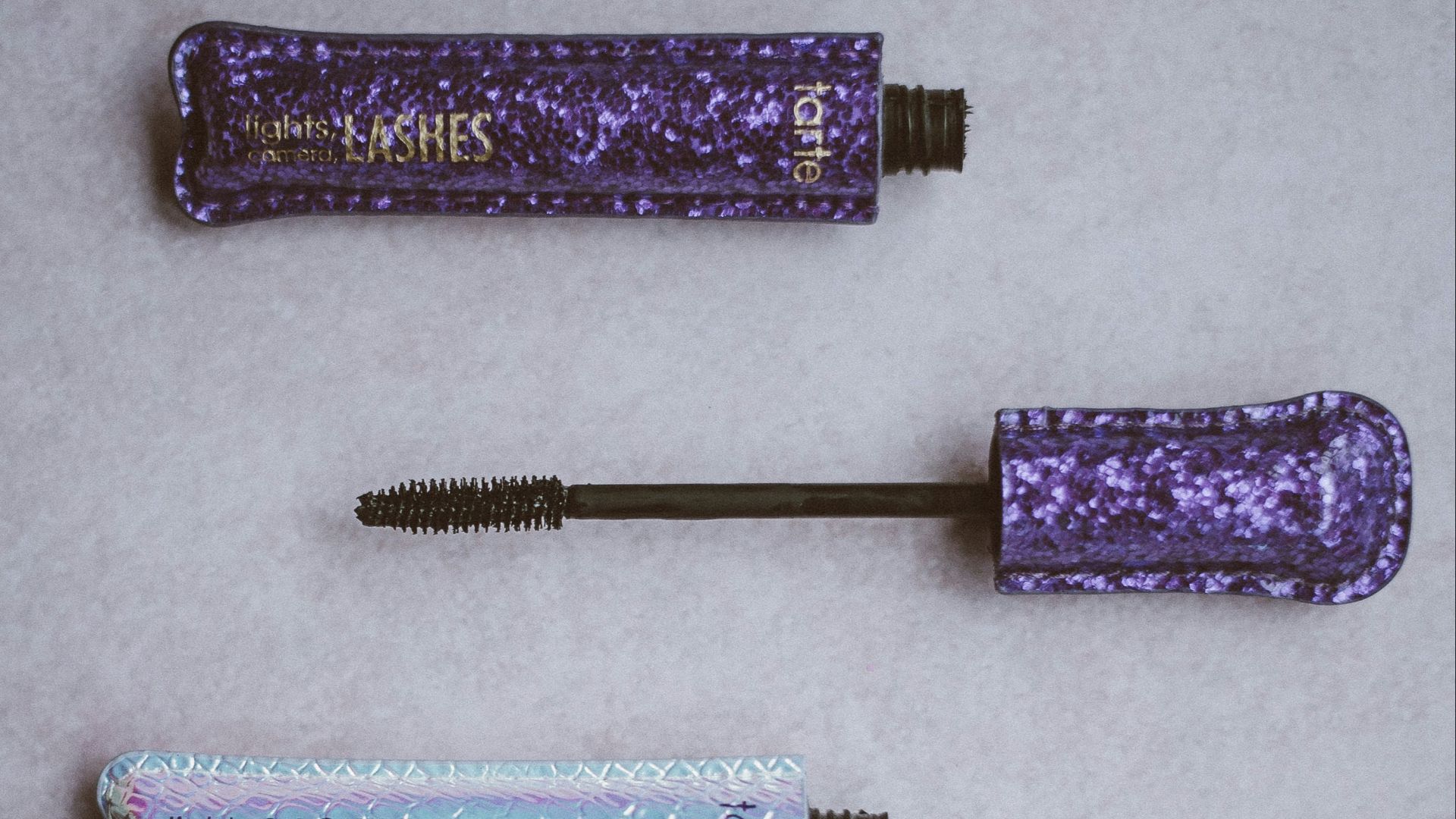
Deep plum mascara can subtly brighten green, hazel, and brown eyes without looking overly colorful. The purple undertones add warmth and dimension while remaining wearable enough for everyday use.
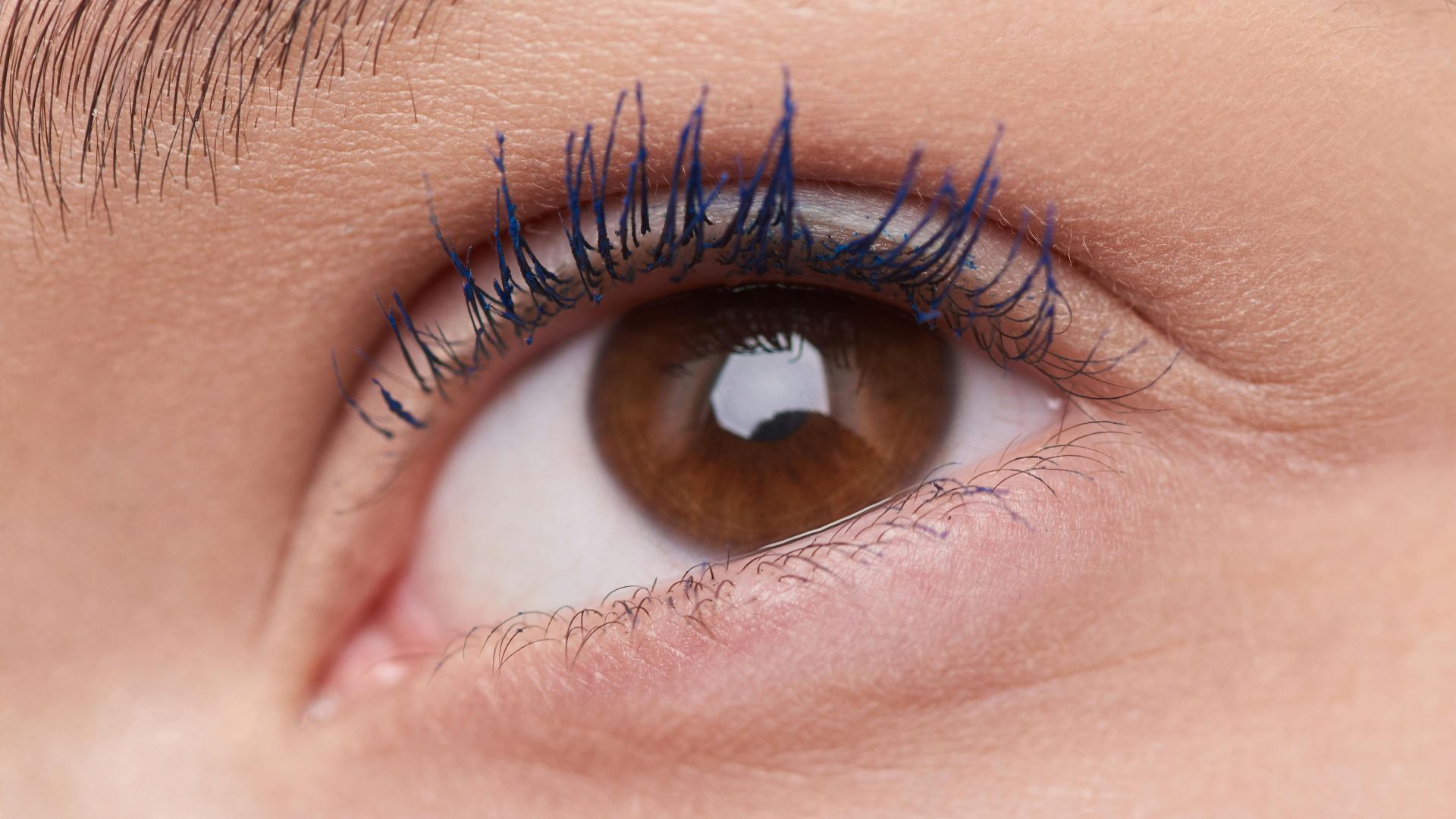
6. Navy Blue
Navy mascara is far more wearable than bright blue formulas because the darker tone still creates strong definition. It tends to enhance blue and gray eyes particularly well while complementing cooler skin undertones. The shade also adds slight softness compared to intense black mascara. In natural lighting, the color often appears elegant instead of bold.
7. Charcoal Gray
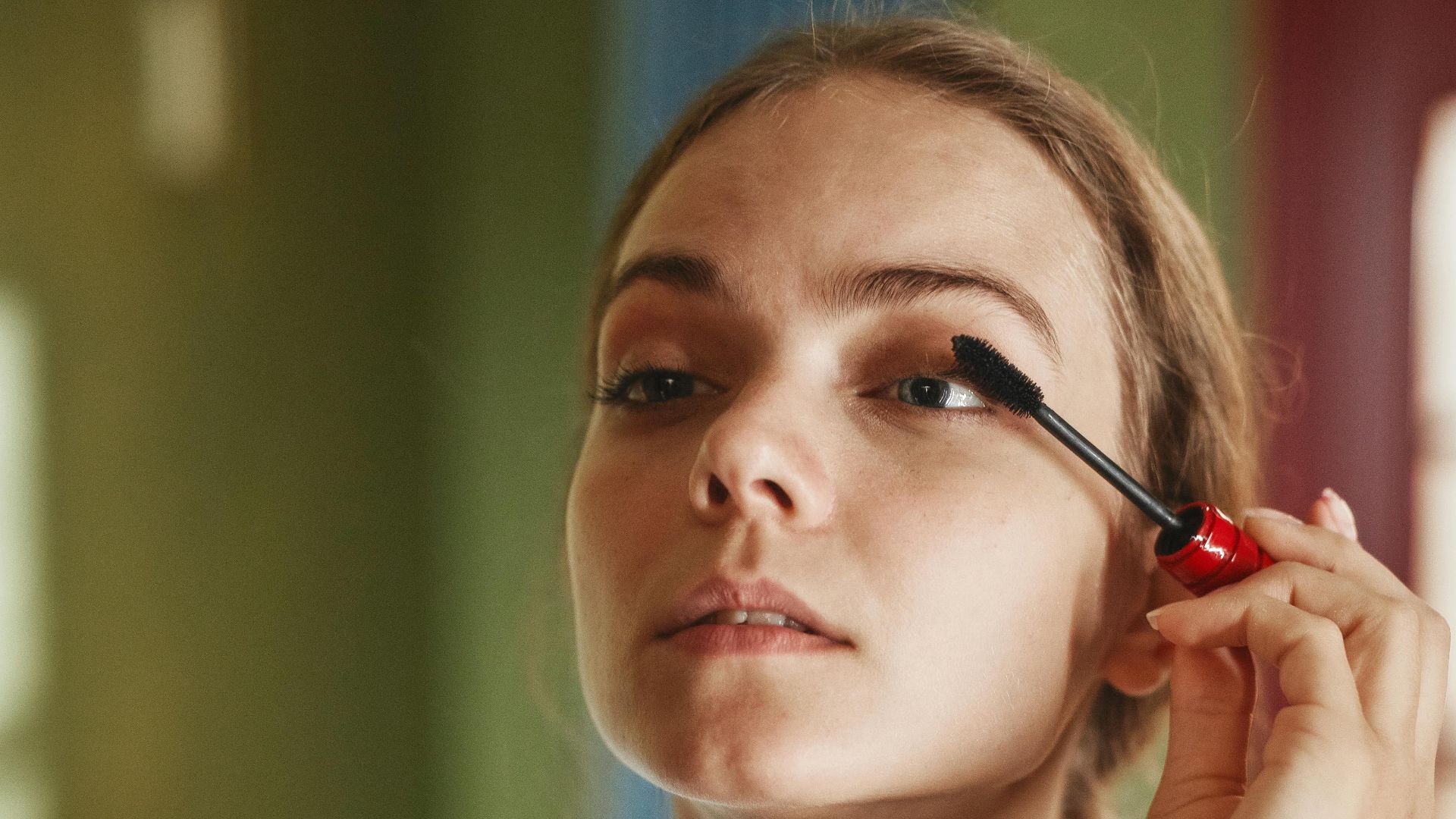
Charcoal gray mascara works especially well on fair and mature skin because it creates definition without harsh contrast. The softer tone helps lashes stand out while maintaining a more understated appearance.
8. Chocolate Brown
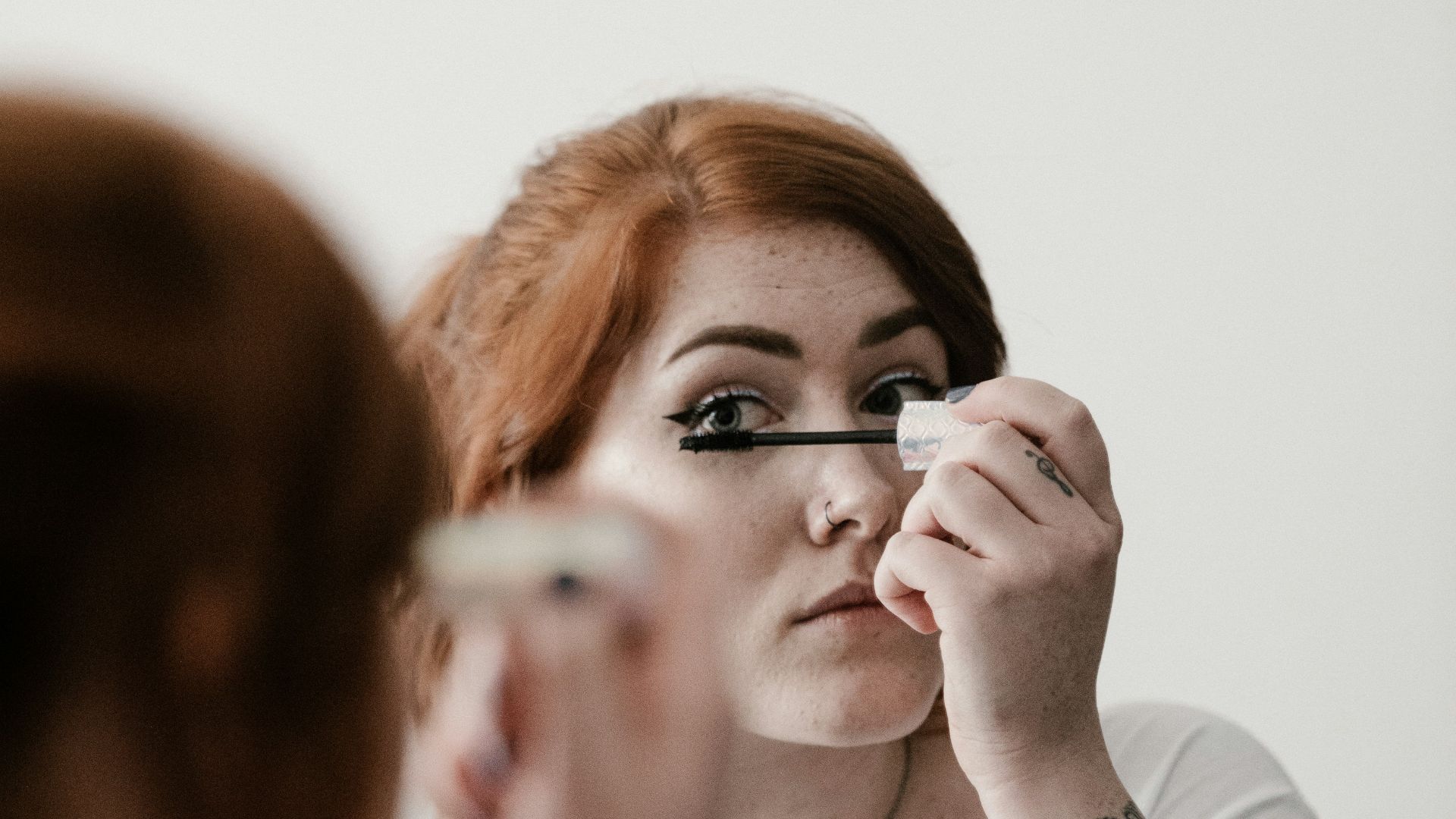
Chocolate brown mascara adds warmth that complements golden, olive, and medium skin tones beautifully. The rich brown shade softens the eye area while still providing noticeable lash enhancement. It’s especially flattering alongside bronze and neutral eyeshadow shades. The color often looks polished without appearing too dramatic.
9. Burgundy
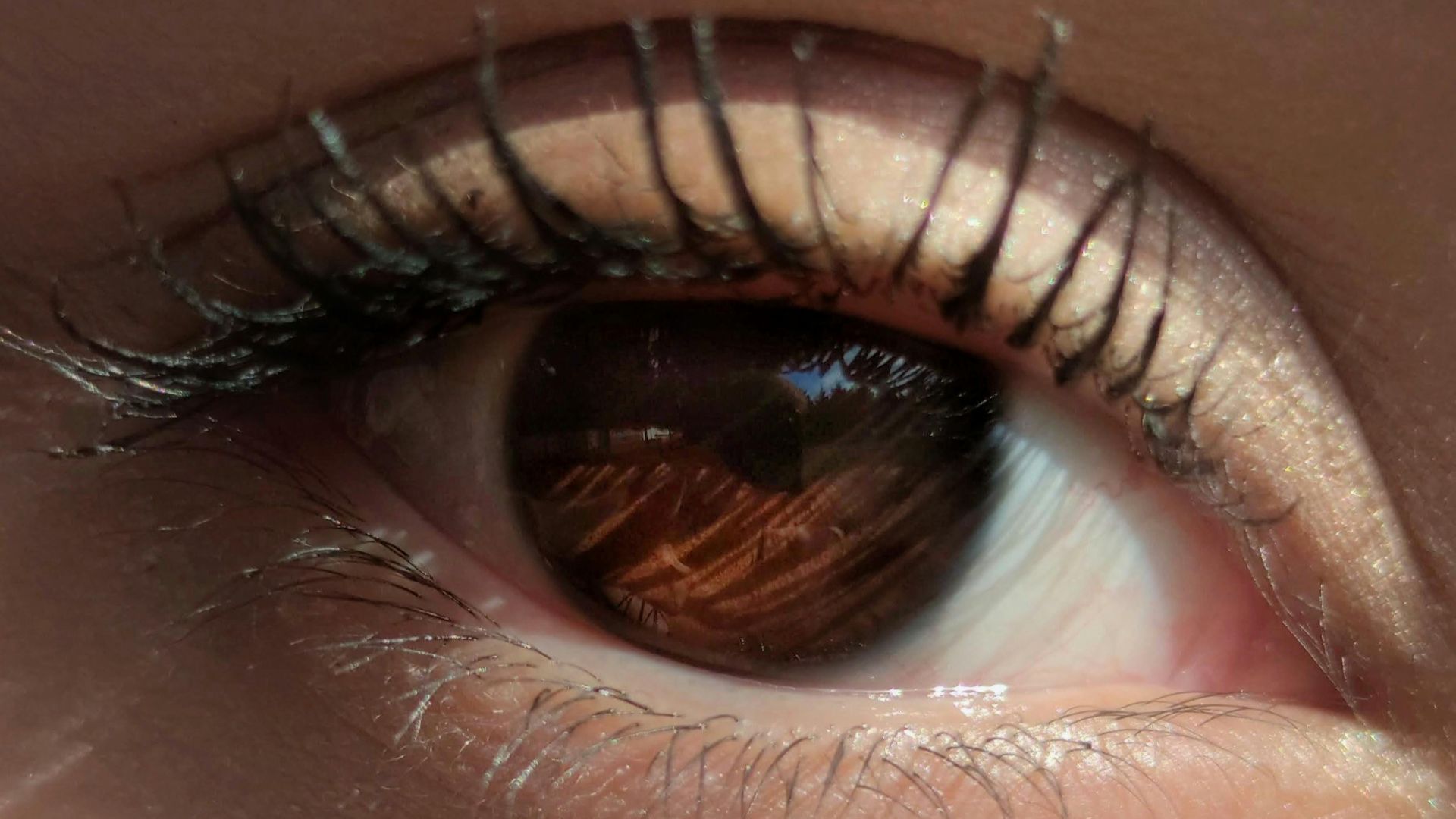
Burgundy mascara has enough depth to remain wearable while still adding subtle color around the eyes. The red-purple tones can make green and hazel eyes appear brighter.
10. Midnight Brown
Midnight brown mascara combines the intensity of darker shades with the softness of brown undertones. The color tends to flatter a broad range of complexions because it balances depth and warmth well. It creates definition without the stark effect that some black mascaras produce. Many people find it especially flattering in natural daylight.
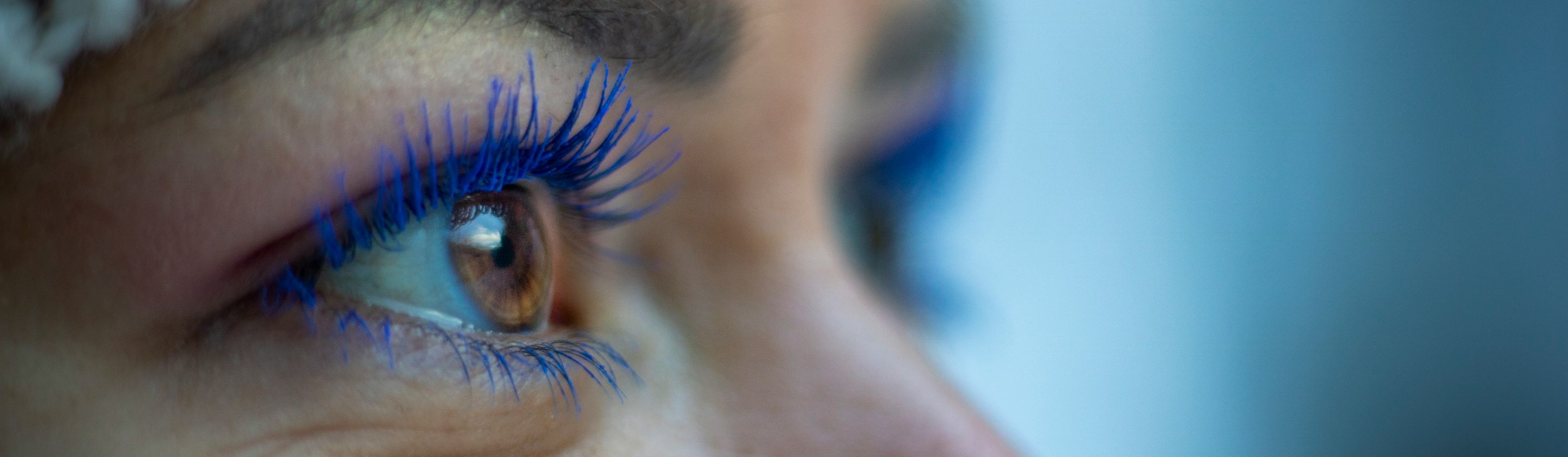
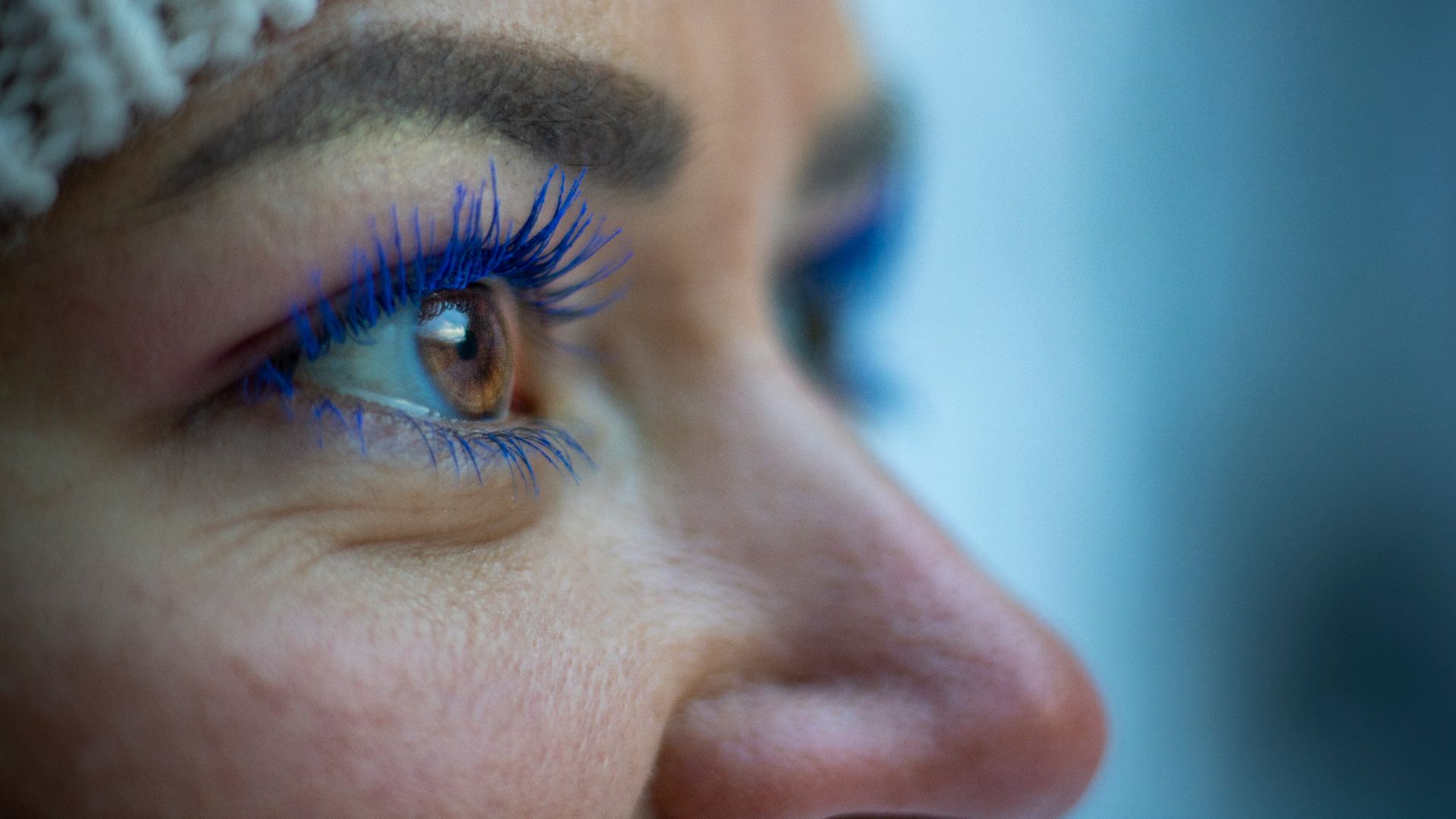
1. Neon Blue
Neon blue mascara tends to overpower most makeup looks because the color is extremely bright and attention-grabbing. It can clash with natural skin undertones rather than enhancing them. The shade also tends to look less polished in everyday settings. Many people find it difficult to pair with wearable makeup.
2. Bright White
White mascara is usually used as a lash primer rather than a standalone color for a reason. On its own, it can make lashes appear dusty or unfinished instead of defined.
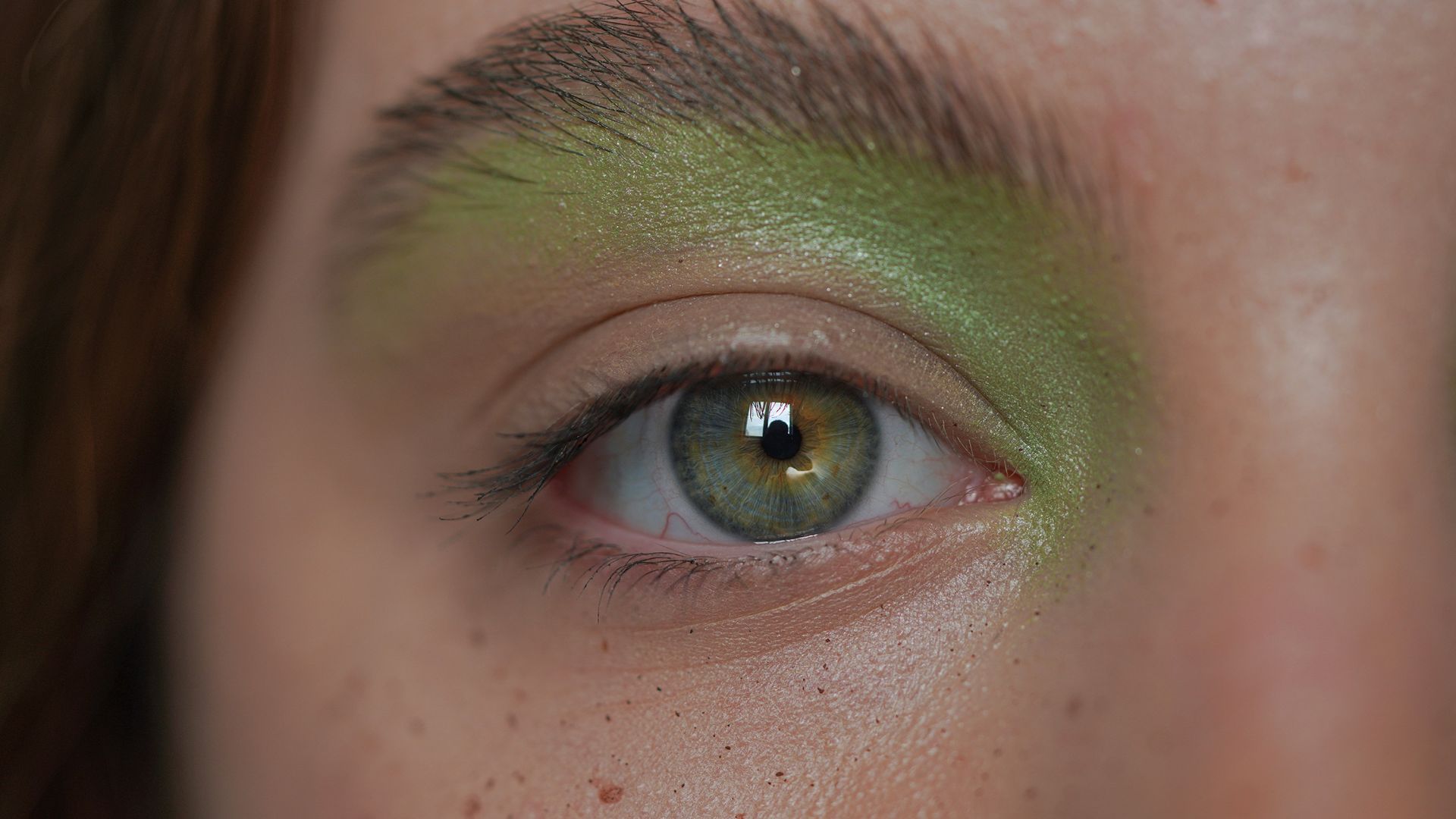
3. Lime Green
Lime green mascara rarely flatters natural skin tones because the brightness competes heavily with facial features. The color can make the eye area look unbalanced instead of enhanced.
4. Pale Yellow
Pale yellow mascara generally lacks enough depth to properly define lashes. Instead of making the eyes stand out, the shade often makes lashes nearly disappear under certain lighting.
5. Bright Orange
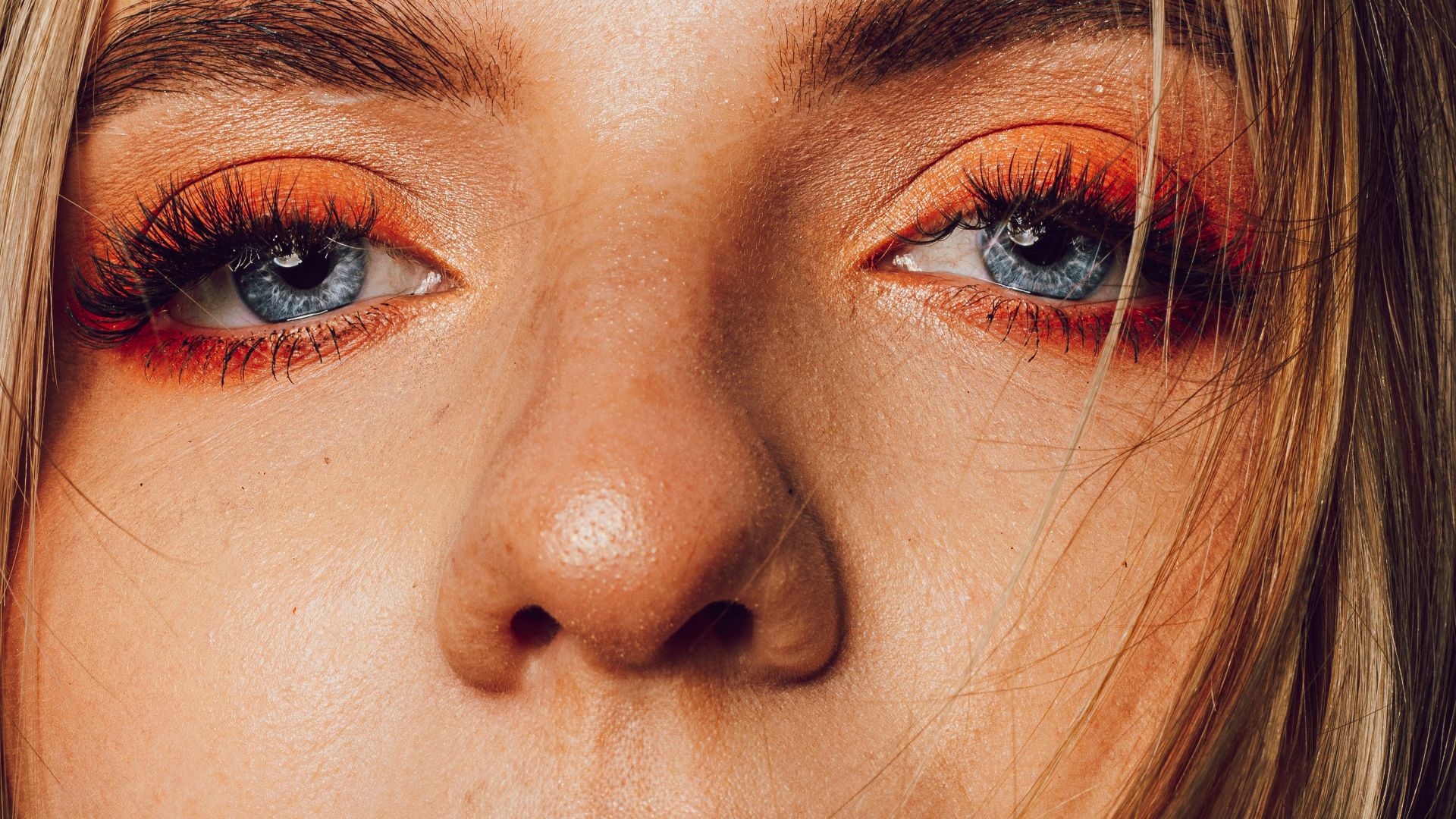
Bright orange mascara tends to clash with many skin undertones because of its intense warmth. The color often distracts from the eyes instead of enhancing them. It can also make makeup look less cohesive unless paired very carefully with the rest of the look. Most people find it difficult to wear casually.
6. Pastel Pink
Pastel pink mascara usually lacks the depth needed to frame the eyes effectively. On lighter skin tones, it can make lashes nearly invisible, while on deeper skin tones, the contrast often looks uneven.
7. Silver Metallic
Silver metallic mascara often reflects light in ways that make lashes look stiff or artificial. The shiny finish can distract from the natural eye shape and texture. It also tends to clash with softer makeup styles. Most people struggle to wear it outside of themed events or creative shoots.
8. Bright Teal
Bright teal mascara combines strong blue and green tones that can overwhelm many complexions. While it may photograph well in certain settings, it often appears too intense in person.
9. Lavender Pastel
Lavender pastel mascara may seem soft in theory, but it often lacks enough contrast to define lashes properly. The pale tone can make the eye area appear washed out under natural lighting.
10. Bright Red
Bright red mascara can create a harsh effect that resembles eye irritation more than intentional makeup. The strong, warm tone often clashes with natural lash color and skin undertones.