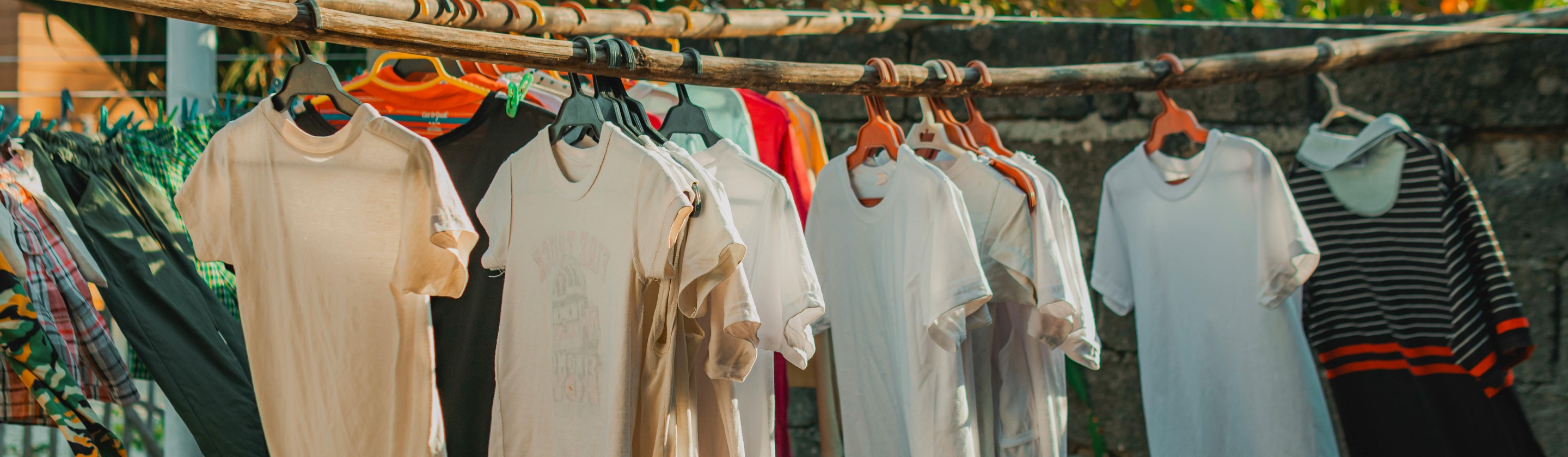
Should You Hang-Dry Your Clothes?
Hang-drying clothes can feel like either a great, practical habit or an annoying extra chore, and more often than not you're probably choosing to just toss your clothes in the machine. But think twice: while the dryer is undeniably convenient, your fabrics might last longer if you're a little more intentional with your laundry routine. Laying everything out on the drying rack might still have its downsides, but the good might outweigh the bad. If you're on the fence, here’s a balanced look at the unexpected perks and the less appealing realities of letting your laundry air-dry.
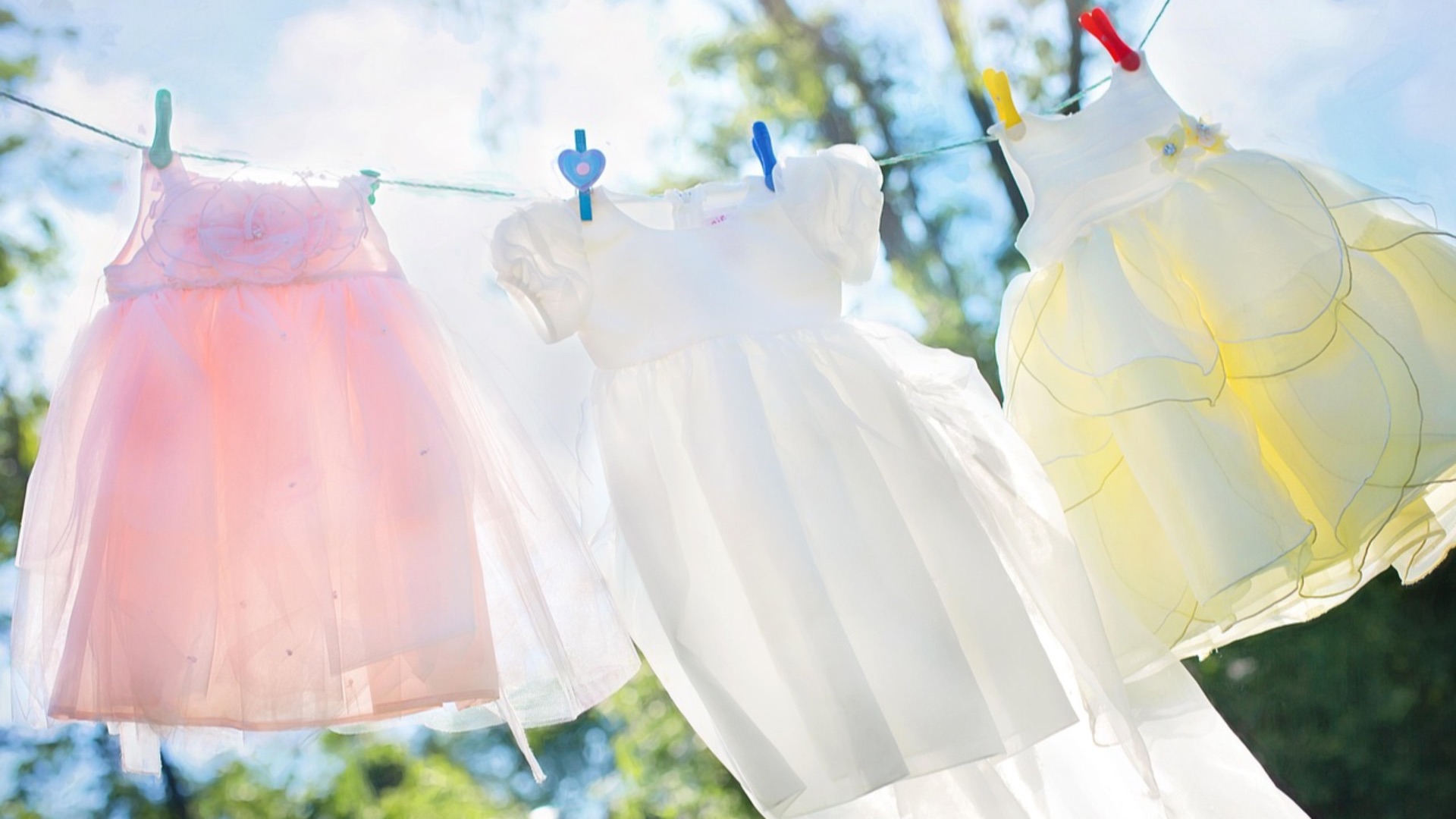
1. Your Clothes Often Last Longer
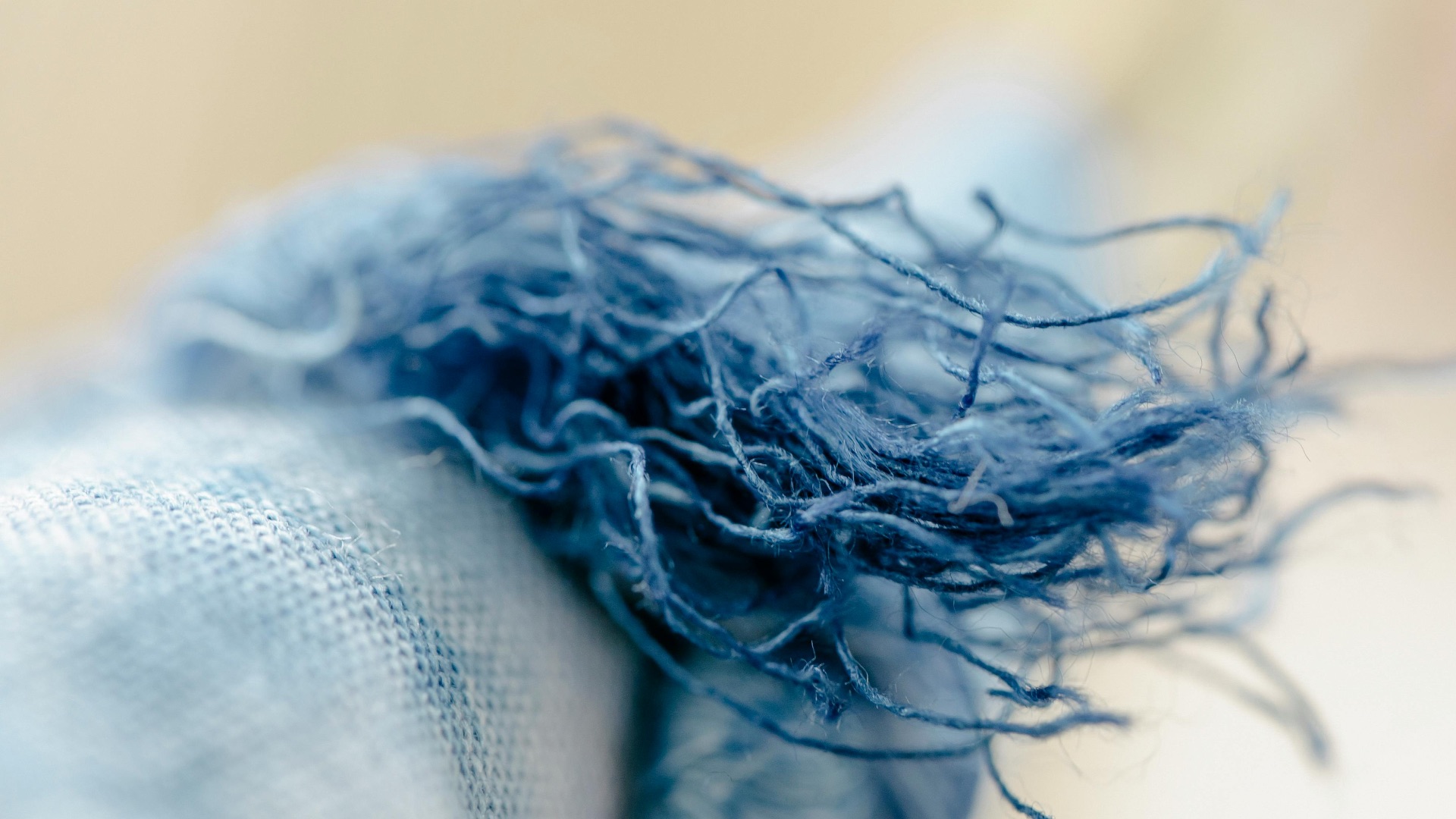
Heat, tumbling, and friction can wear down fabric over time, especially on pieces you wash often. When you hang-dry your clothes, they avoid the constant beating they’d get inside a dryer drum. That can help preserve shape, reduce thinning, and keep seams from weakening as quickly. It’s especially helpful for everyday favorites you don’t want to replace anytime soon.

2. You May Notice Less Shrinking
Even clothing that says it’s dryer-safe can shrink a little when exposed to repeated heat. Hang-drying gives you more control because you’re removing that heat factor almost entirely. This can be especially useful for cotton shirts, jeans, sweaters, and anything that already fits just right. You don’t have to hold your breath every time you pull something from the laundry.
3. It Can Lower Your Energy Bill
Dryers use a noticeable amount of energy, particularly if you do several loads a week. Hang-drying may not transform your finances overnight, but it can trim one recurring household cost. The savings become more meaningful over time, especially for larger families or anyone who washes clothes frequently. It’s a simple change that doesn’t require buying anything fancy.

4. Delicate Fabrics Stay in Better Shape
Bras, workout clothes, lightweight knits, and silky fabrics often don’t respond well to high heat. Hang-drying helps protect elasticity, texture, and overall structure without needing a complicated laundry system. You can treat delicate pieces more carefully without hand-washing every single item. That makes it easier to keep nicer clothing looking wearable for longer.
5. You Reduce Lint and Fabric Shedding
A dryer’s lint trap is useful, but it’s also a reminder that tiny bits of your clothing are breaking away. Hang-drying reduces that kind of friction, so fabrics may shed less over time. This is particularly noticeable with towels, sweatshirts, and soft cotton basics. Your clothes may keep more of their original feel instead of gradually becoming thinner and rougher.
6. It’s Easier to Catch Stains Before They Set
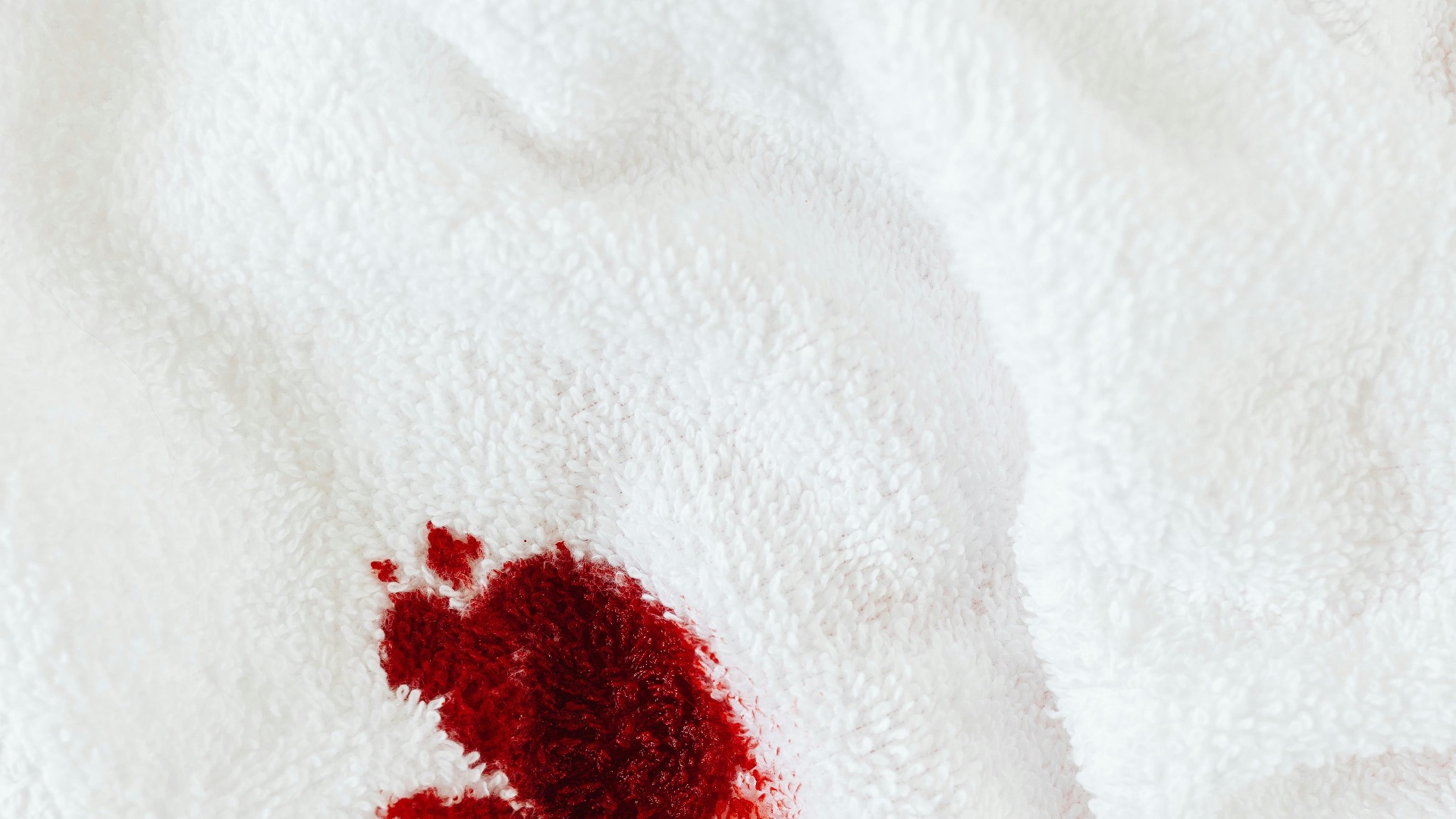
Heat from the dryer can make some stains much harder to remove. When you hang-dry, you get another chance to inspect clothing before deciding whether it’s truly clean. If you spot a missed stain, you can treat it and wash the item again before heat makes the problem worse. That little pause can save a surprising number of shirts, napkins, and kids’ clothes.
7. Clothes Can Smell Fresher When Dried Outdoors
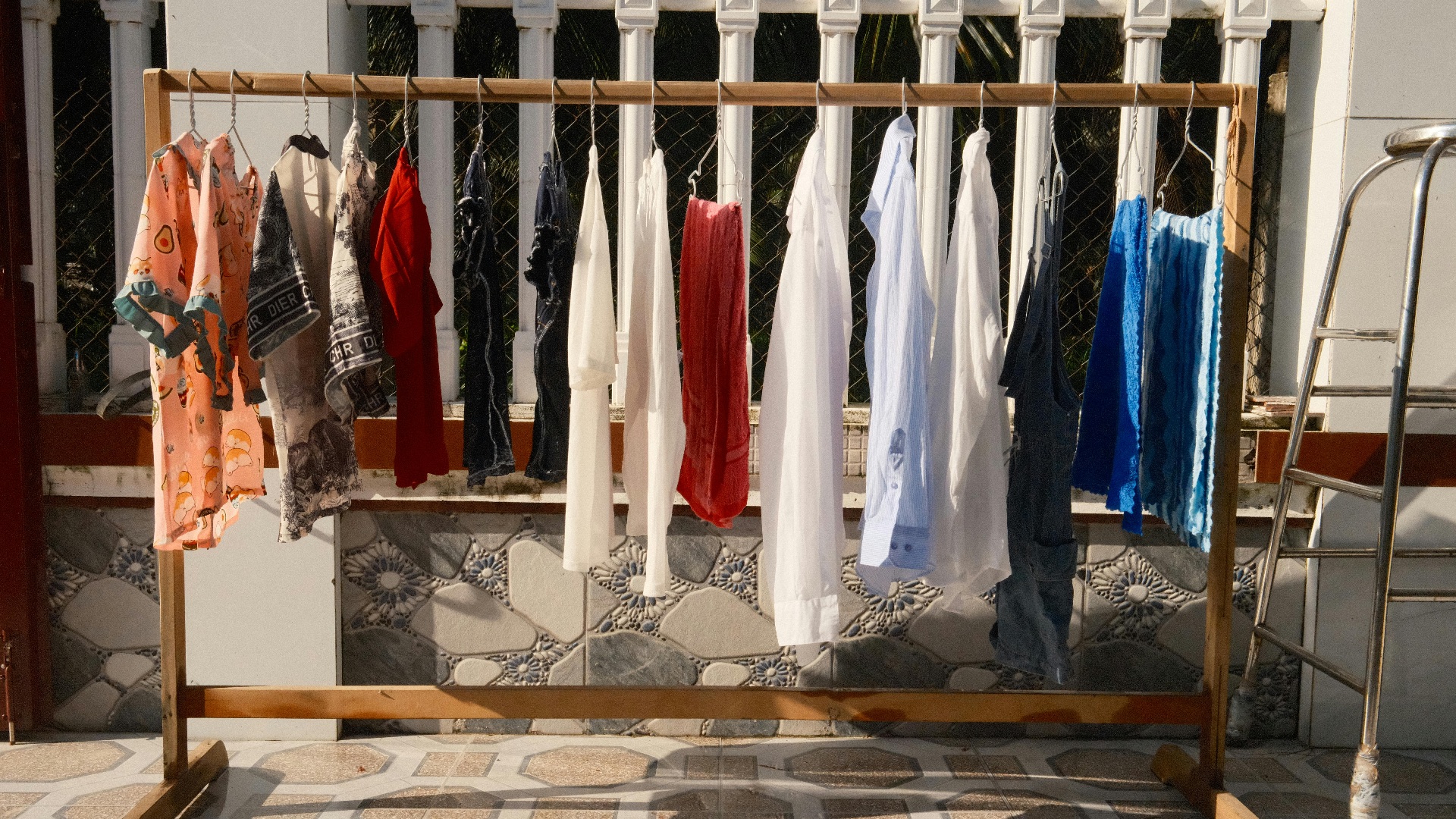
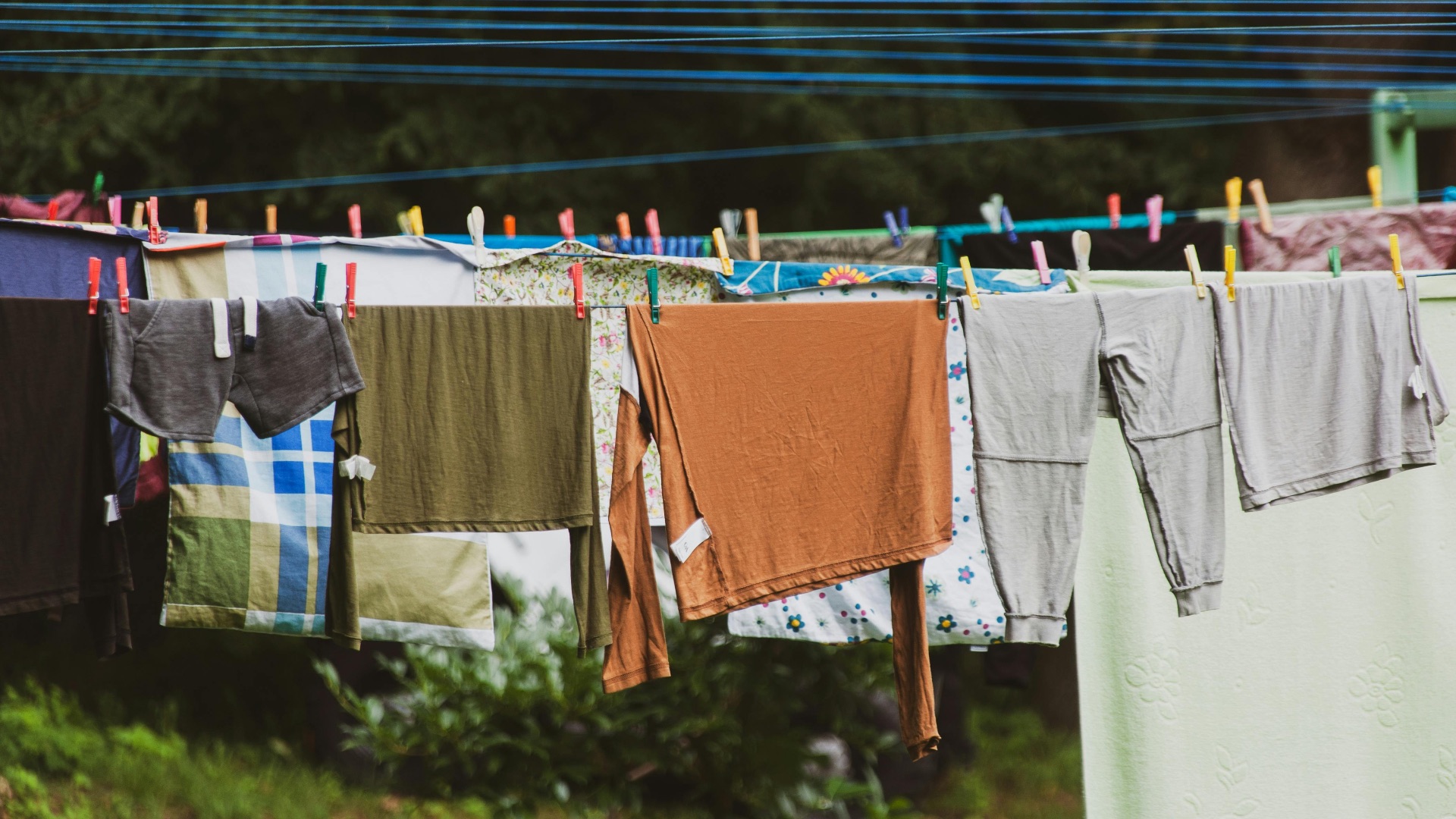
When weather and space allow, outdoor drying can leave clothes smelling crisp without needing heavily scented products. Sun and airflow can help remove lingering dampness and stale laundry odors. It’s a nice option for sheets, towels, and cotton clothing that can handle the sun. You still have to be mindful of pollen, pollution, and direct sunlight, but the freshness can be worth it.
8. It Encourages a More Thoughtful Laundry Routine
Hang-drying asks you to slow down just enough to notice what you’re washing and how you’re caring for it. You may start separating fabrics better, checking labels more often, and washing only what actually needs to be washed. That doesn’t make laundry exciting, but it can make the process feel less automatic. Over time, that attention can help your wardrobe stay in better condition.
 Muhammad-Taha Ibrahim on Pexels
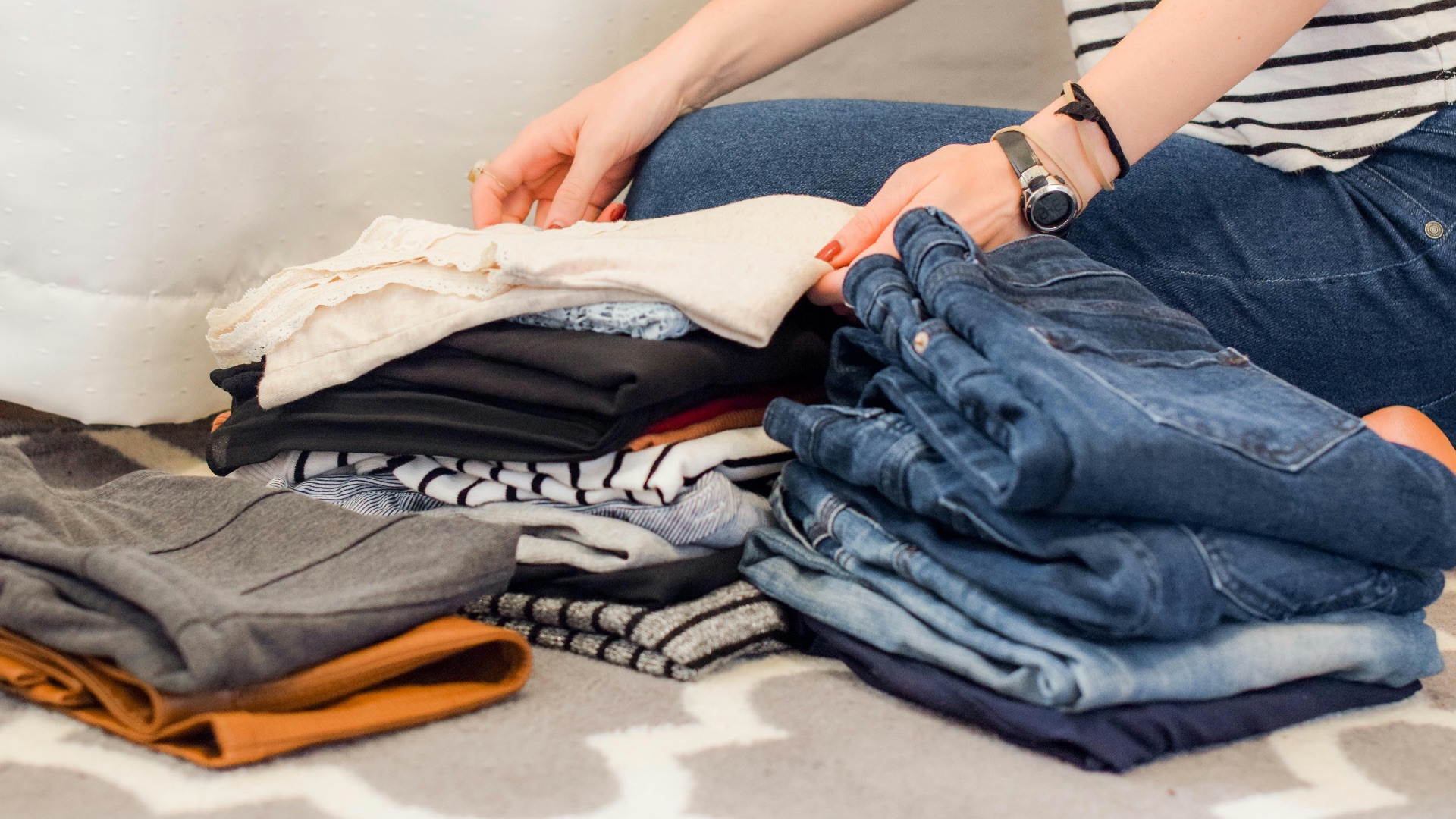
9. It Can Make Clothes Easier to Put Away
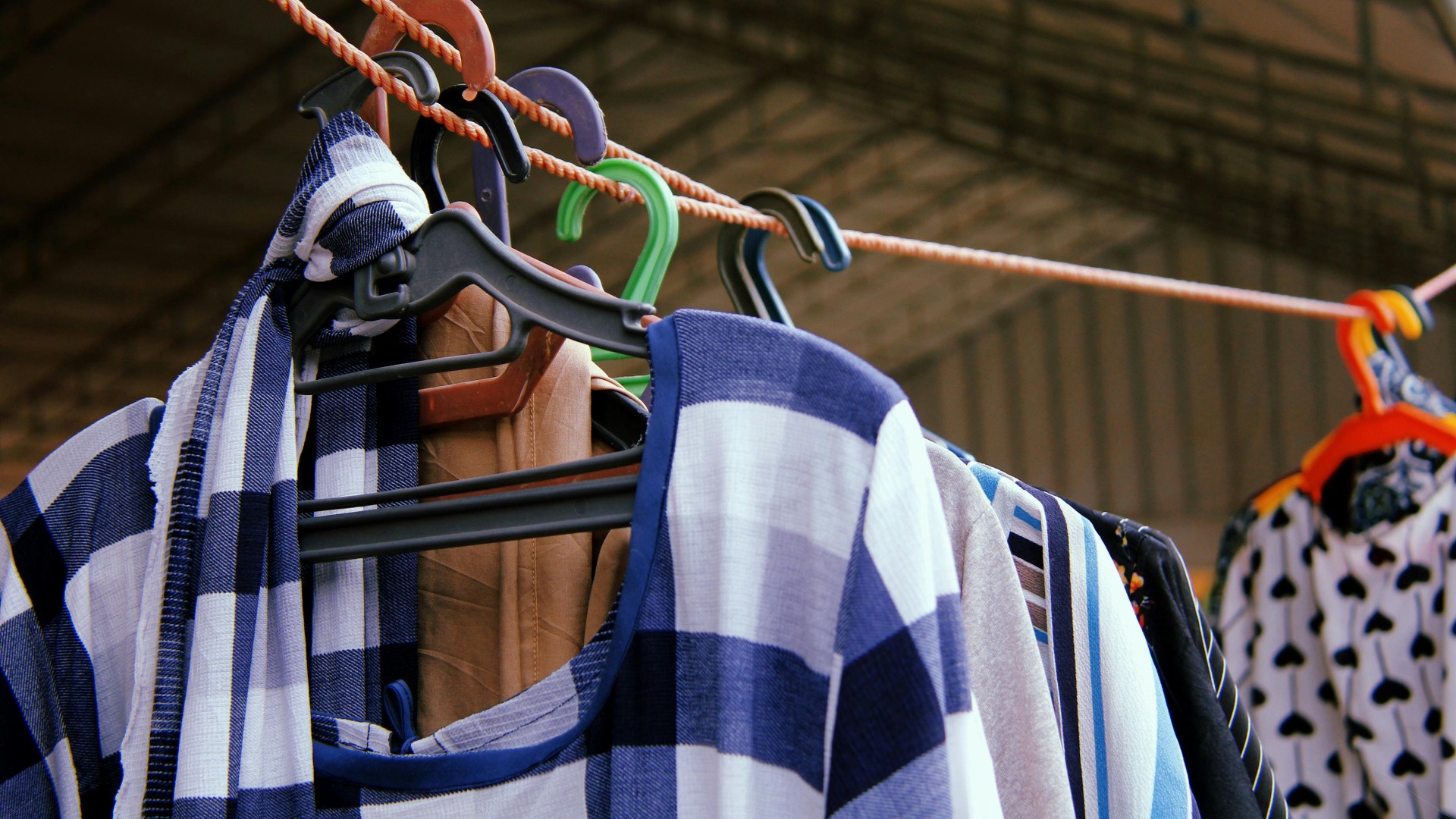
When you hang clothes neatly, some items dry in a shape that makes folding or storing them simpler. Shirts, pants, and dresses may need less smoothing if they’re placed carefully on hangers or a drying rack. You might even be able to move certain pieces straight from the rack to the closet. That small shortcut can make the final stage of laundry feel less irritating.
10. You Depend Less on Appliances
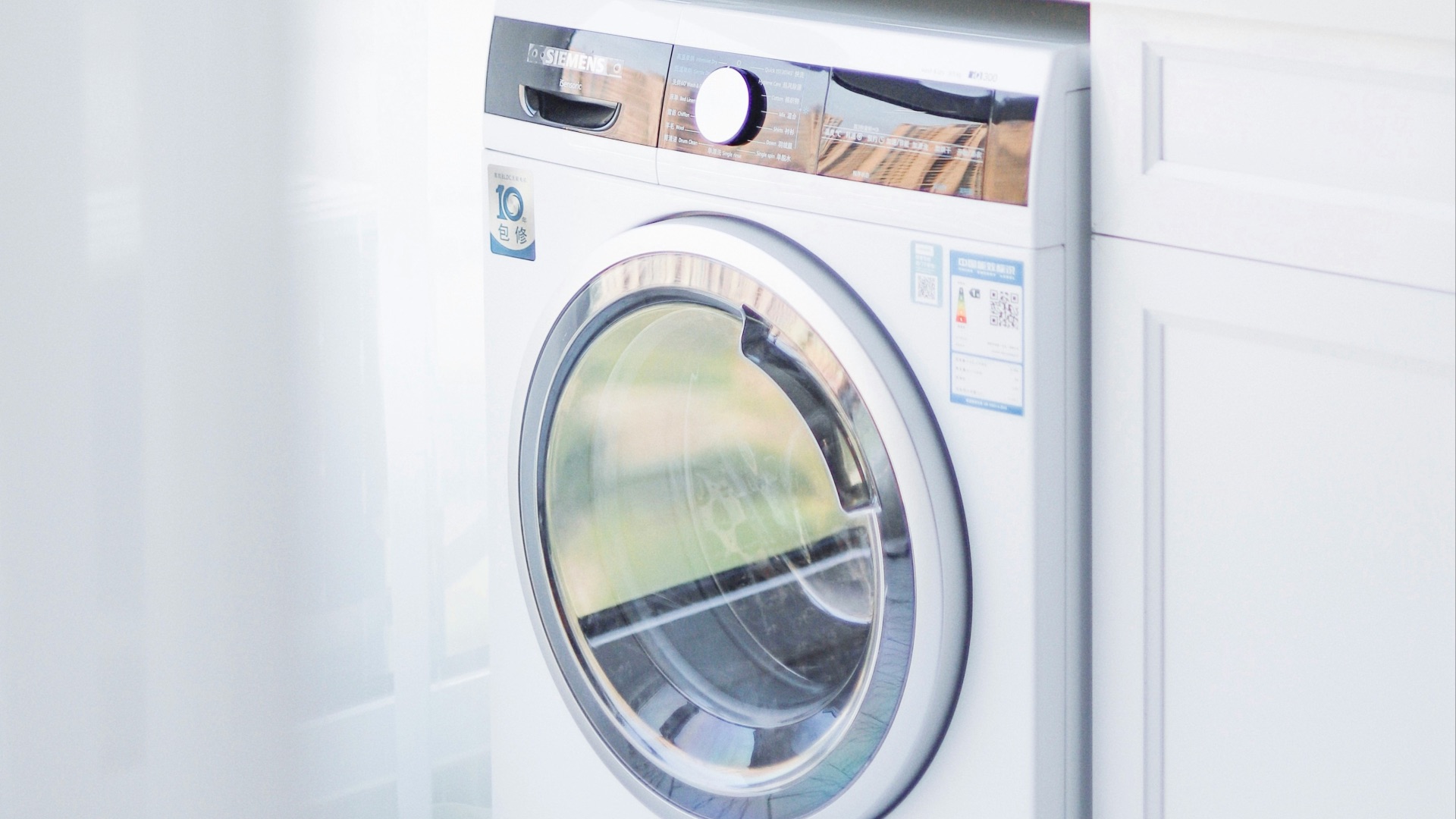
A dryer is convenient until it breaks, overheats, or starts making alarming noises halfway through a load. Hang-drying gives you a backup method that doesn’t rely on a working machine. It’s also useful during power outages, travel, apartment living, or times when you’re trying to reduce household energy use. Knowing you can dry clothes without the dryer makes laundry feel a little less dependent on one appliance.
Of course, hang-drying isn’t all rainbows and sunshine. The same method that might protect your clothes and save energy can also be quite troublesome and tedious. Before you commit to throwing everything on the rack, it’s worth looking at the less convenient side of the habit.
1. It Takes Much Longer Than Using a Dryer
The biggest drawback is the waiting. A dryer can finish a load in under an hour, while hang-drying may take several hours or even a full day or two, depending on the fabric and humidity. Thick towels, jeans, and sweatshirts are especially slow to dry. If you need something quickly, hang-drying can feel deeply inconvenient.
2. It Requires Enough Space
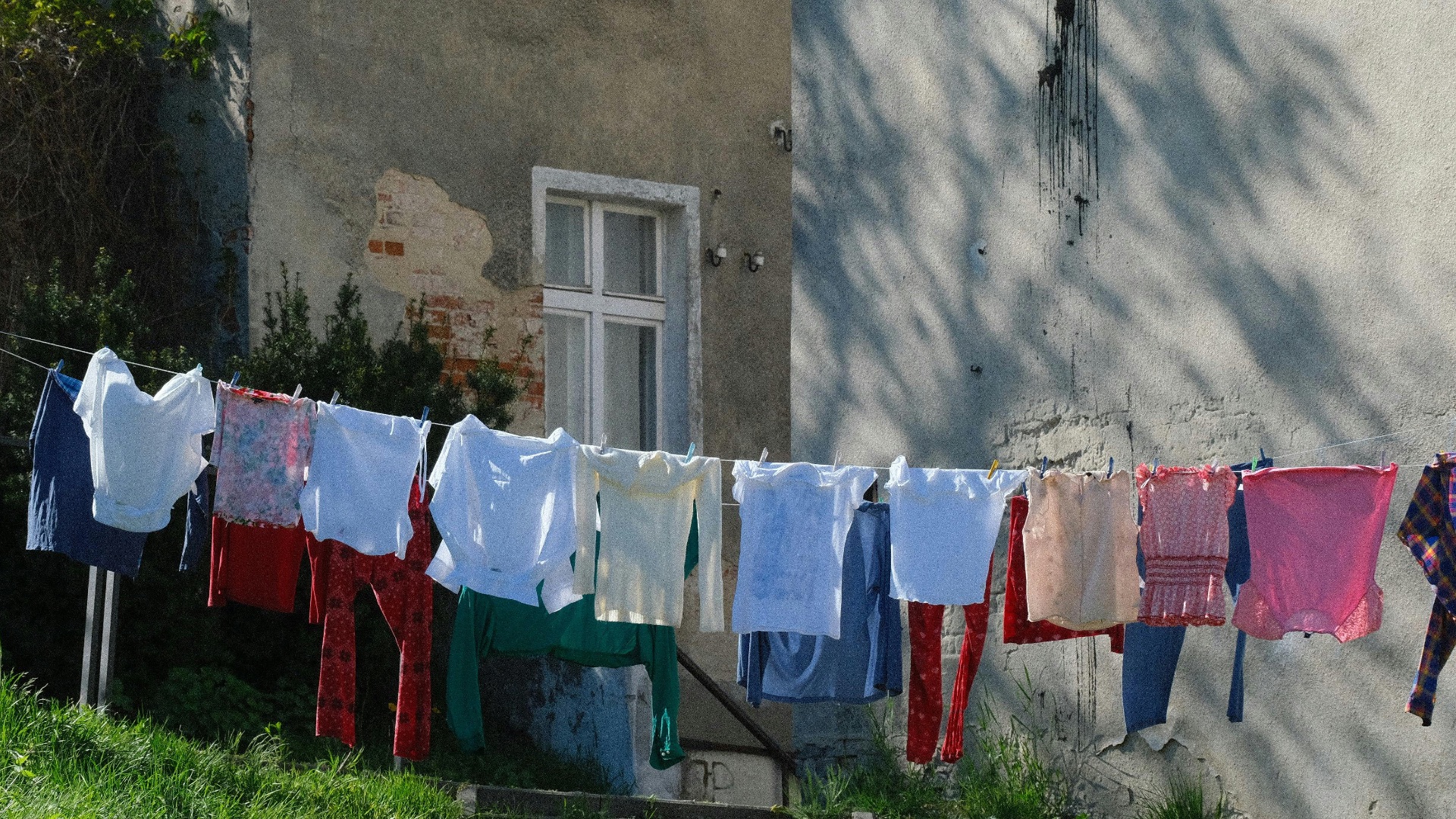
Not everyone has room for a drying rack, clothesline, or row of hangers spread across the home. In small apartments, hang-drying can make living areas feel cluttered fast. You may end up draping clothes over doors, chairs, or shower rods, which can get messy and impractical. The method works best when you have a dedicated spot for it.
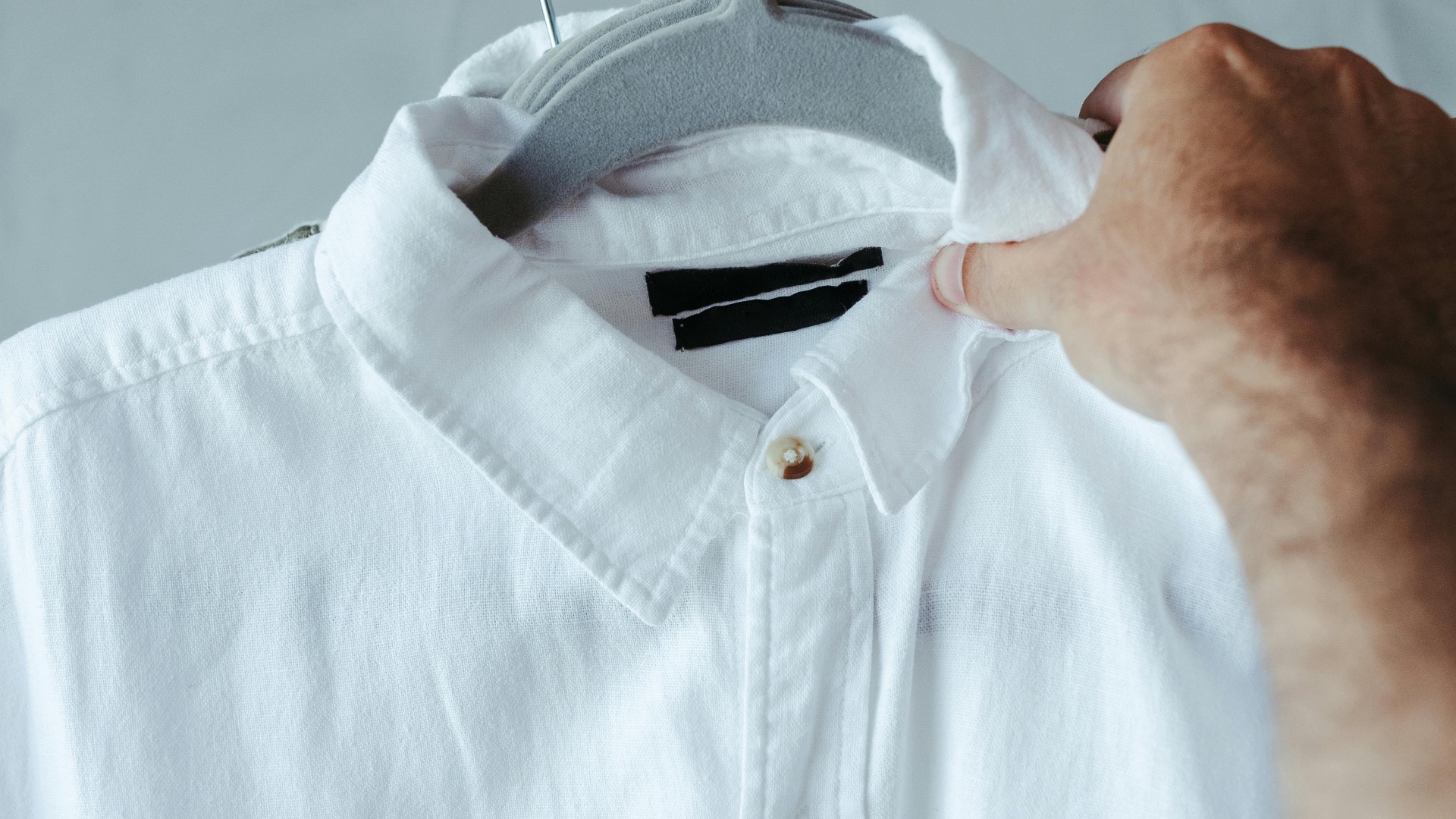
3. Clothes Can Feel Stiff
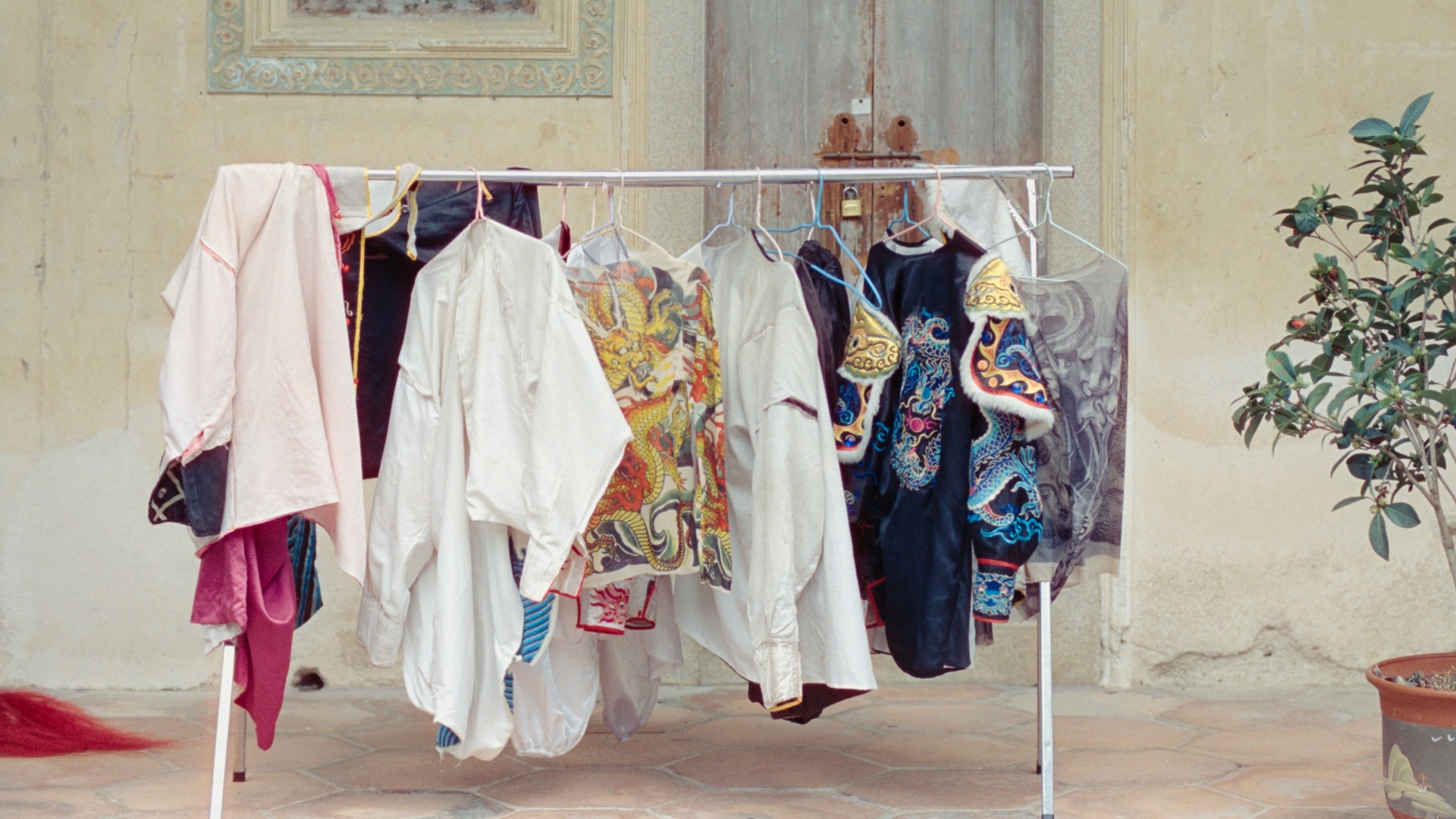
Without the tumbling action of a dryer, some fabrics dry with a firmer texture. Towels, jeans, and cotton shirts may feel less soft against the skin, especially if you live in an area with hard water. Shaking items out before hanging can help, but it doesn’t always recreate that warm, softened dryer finish. For anyone who loves fluffy towels, this can be a real disappointment.
4. Indoor Drying Can Add Moisture to the Air
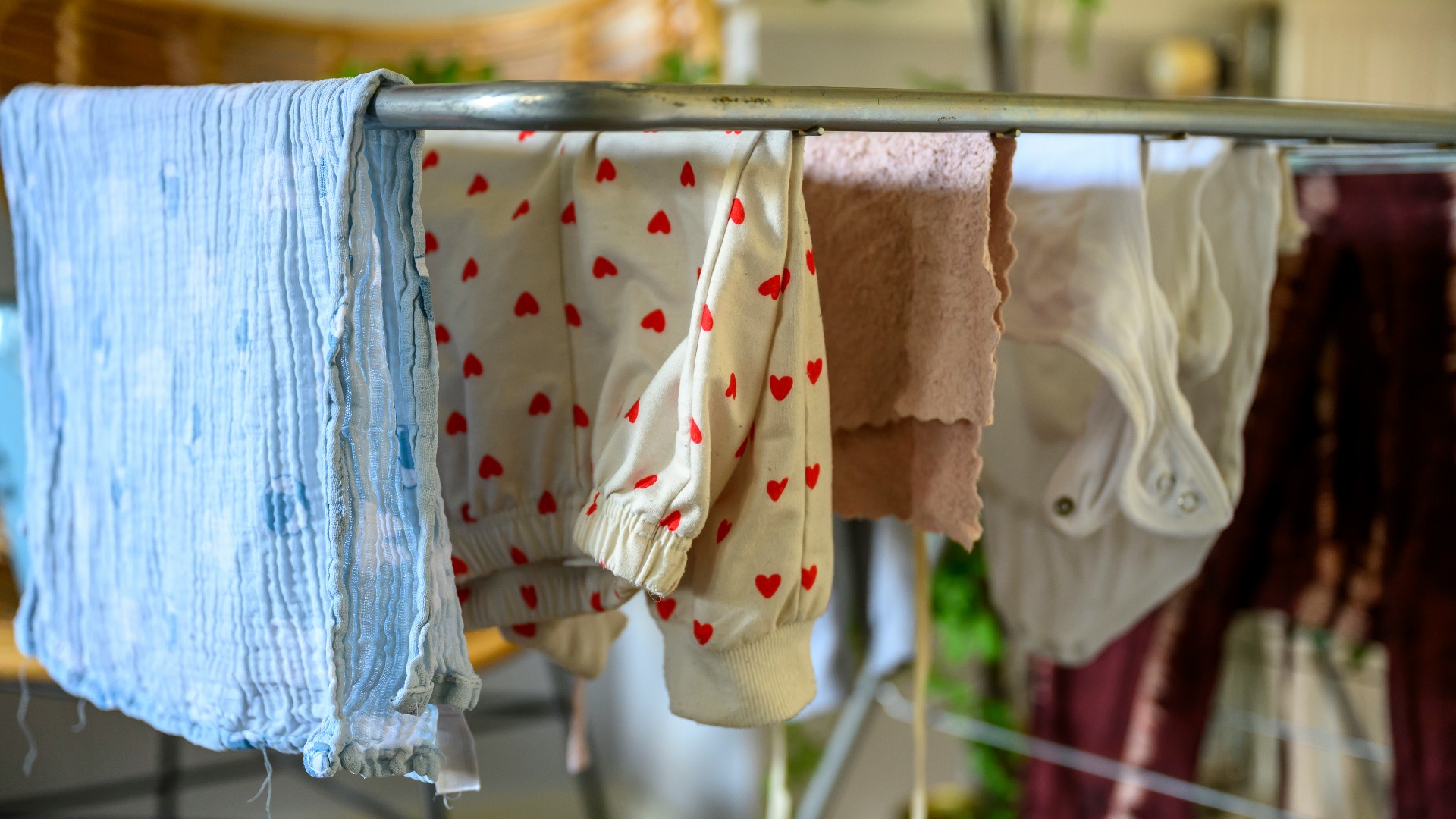
Drying clothes indoors releases water into your living space. In a dry home, that might not be a big problem, but in a humid or poorly ventilated room, it can make the air feel damp. Over time, too much indoor moisture can contribute to musty smells or mildew concerns. You’ll usually need good airflow, open space, or a dehumidifier to make indoor drying work well.
5. Outdoor Drying Depends on the Weather
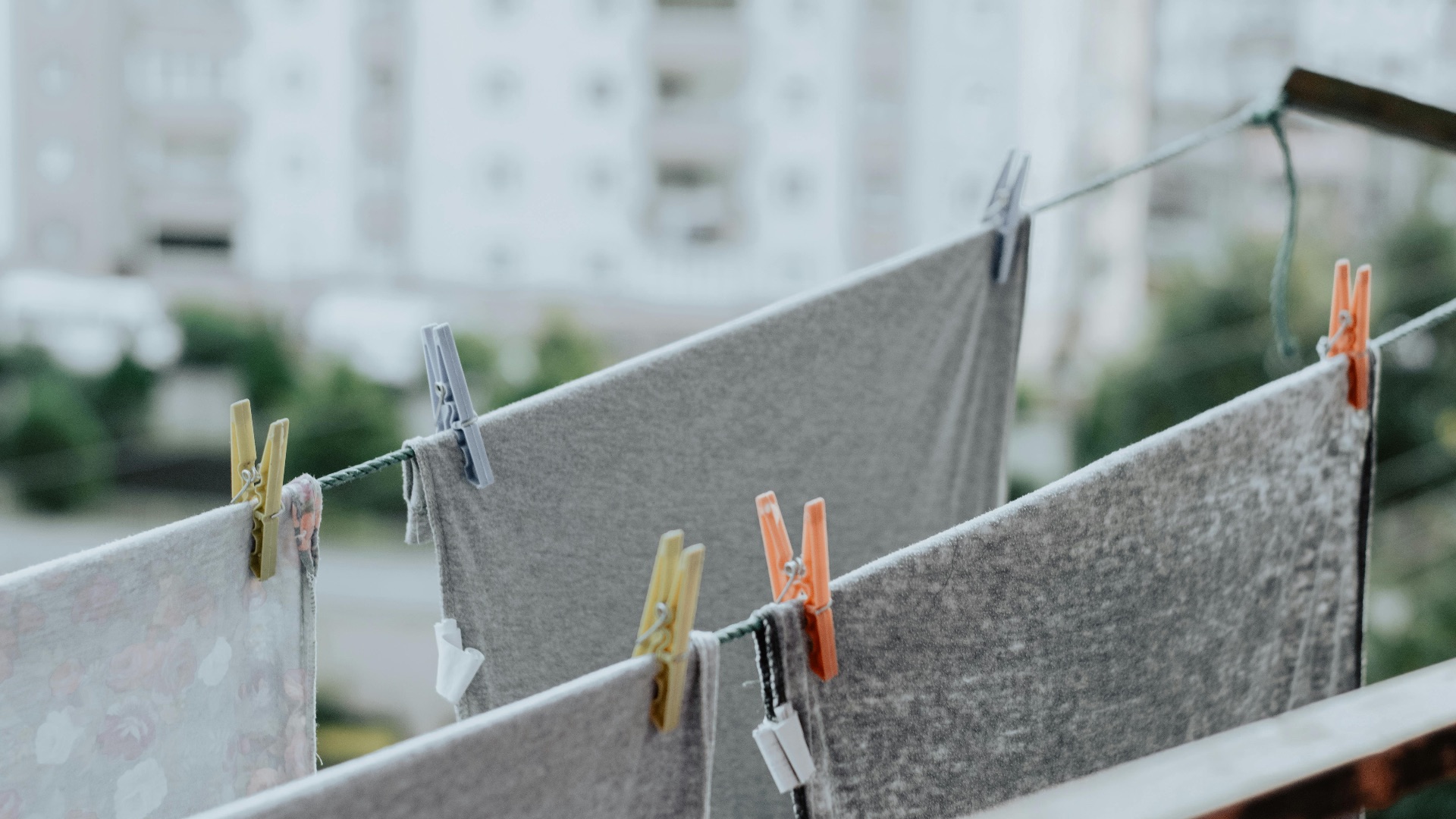
Sunshine and a light breeze can make outdoor drying feel easy, but rain, snow, humidity, and high winds can ruin the plan quickly. Even a promising day can change while your clothes are outside. You may find yourself rushing to bring laundry in before a storm or dealing with items that never fully dry. Weather dependence makes the routine harder to count on.
6. Sunlight Can Fade Certain Fabrics
Direct sun can be useful, but it can also be harsh on dark or brightly colored clothing. Over time, repeated exposure may cause fading, especially on black shirts, vivid prints, and delicate fabrics. Turning clothes inside out can reduce the effect, but it doesn’t eliminate it completely. If you care about keeping colors rich, outdoor drying requires some strategy.
7. It Can Leave Clothes Misshapen
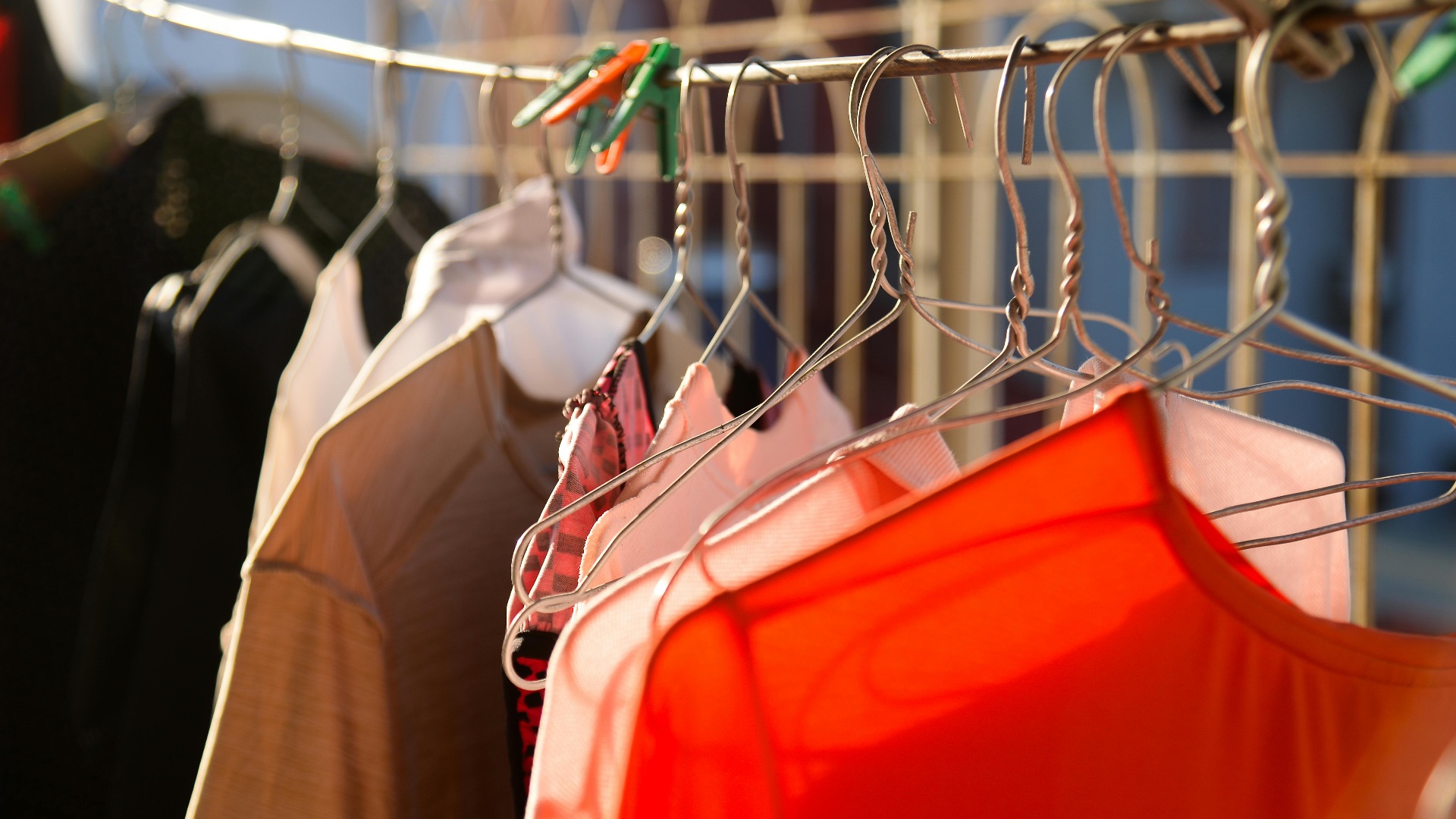
Hang-drying is gentle, but it still has to be done carefully. Heavy sweaters, wet knits, or stretchy garments can stretch out if they’re hung from the shoulders or clipped in the wrong place. Some items need to be laid flat, which takes even more space and time. A careless setup can turn a good laundry habit into a wardrobe problem.
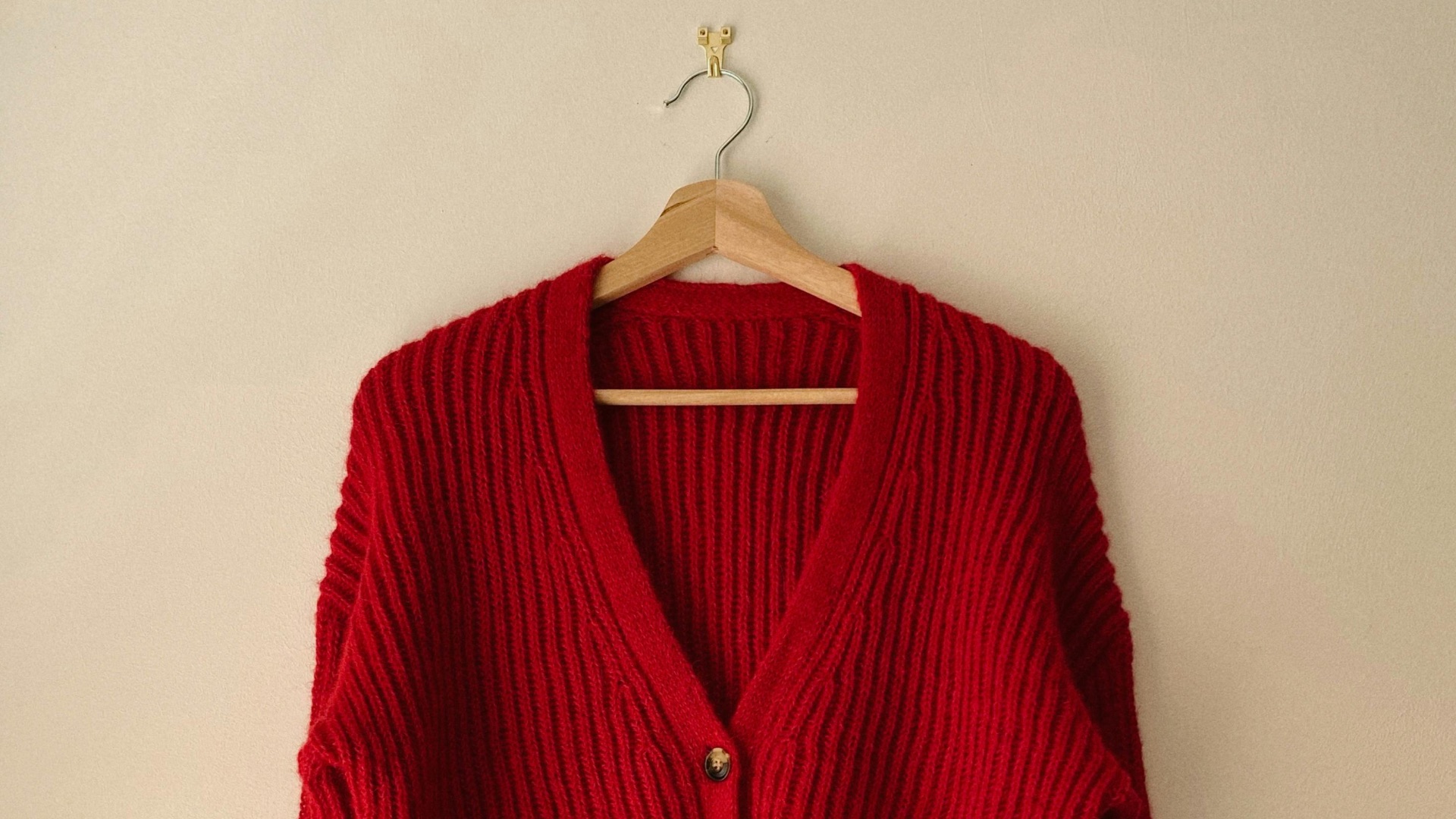
8. It Adds More Hands-On Work
Using a dryer is simple: toss clothes in, press a button, and come back later. Hang-drying involves shaking garments out, arranging them properly, spacing them for airflow, and taking them down once dry. That extra effort can feel tedious when you’re already behind on chores. It’s not difficult work, but it does ask for more attention.
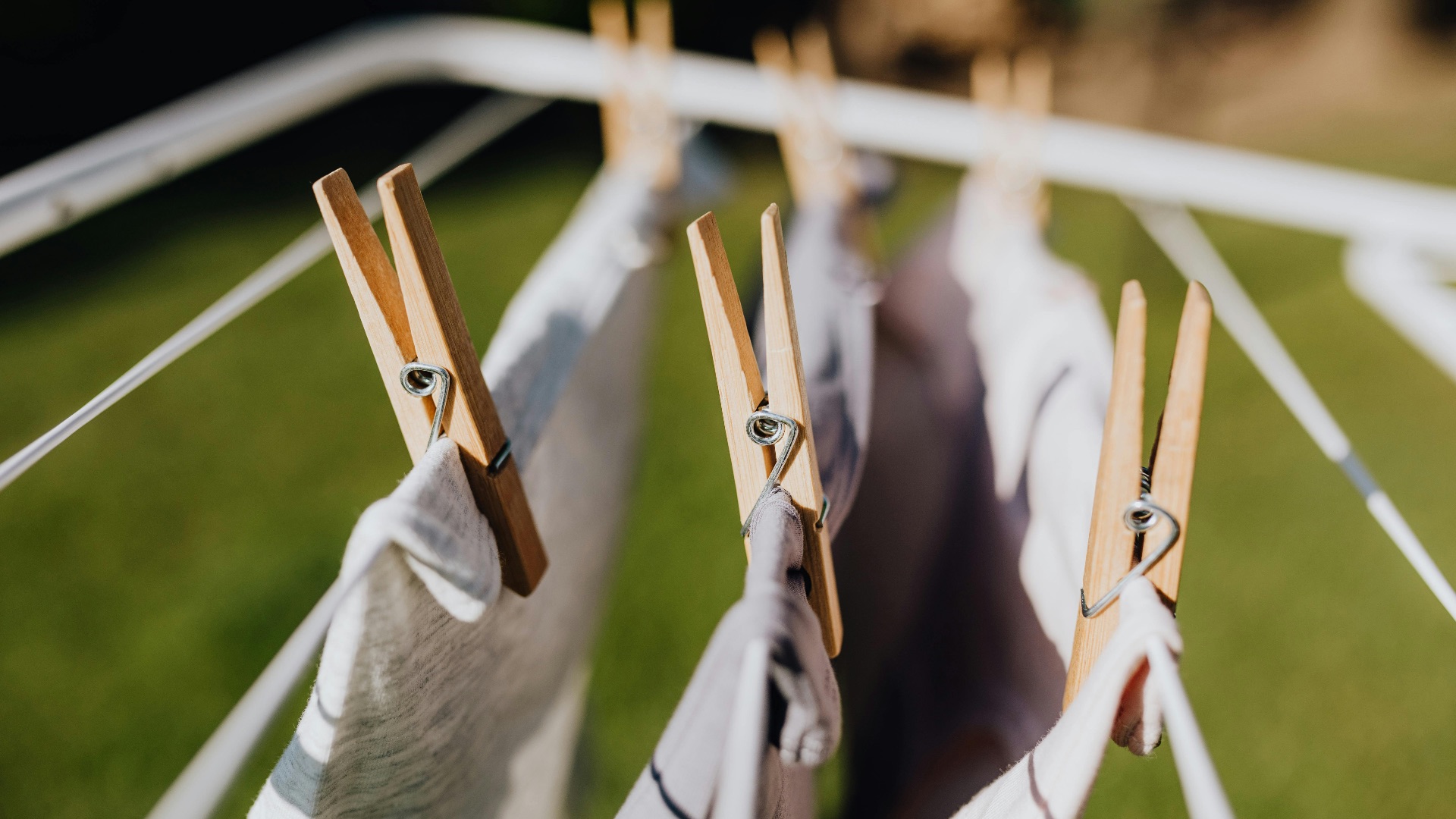
9. Clothes May Pick Up Outdoor Irritants
Outdoor drying can expose laundry to pollen, dust, insects, smoke, or neighborhood odors. This is especially frustrating for people with allergies or sensitive skin. A load that should feel fresh may come back with particles or smells you didn’t plan on. Depending on where you live, outdoor drying may not always be the cleanest option.
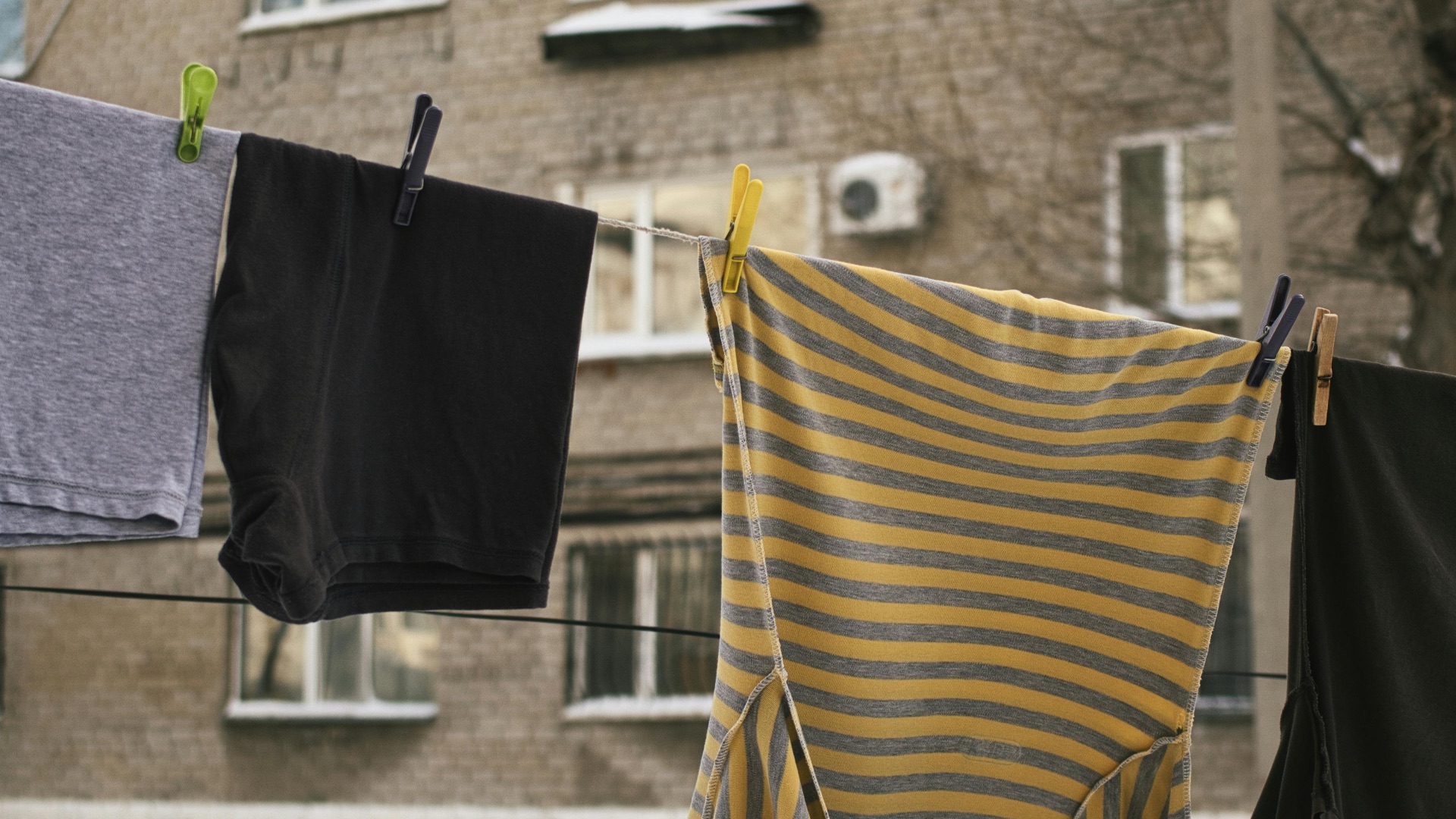
10. It Can Disrupt the Look of Your Home
A drying rack full of laundry is practical, but it’s not always pleasant to look at. If you don’t have a laundry room, clothes may end up occupying bedrooms, bathrooms, hallways, or living areas. That can make the home feel more chaotic until everything is dry and put away. For people who like clear surfaces and tidy rooms, hang-drying can be visually frustrating.