The Decade That Made Fashion More Confident
The 1980s embraced bold fashion choices, structured silhouettes, and expressive personal style in ways that still influence clothing trends today. While some looks from the era were undeniably over-the-top, many of the decade’s style habits actually encouraged confidence, individuality, and creativity. A surprising number of those fashion rules still work remarkably well because they focus less on perfection and more on personality. Here are 20 style rules from the '80s everyone should adopt.
1. Don’t Be Afraid of Color
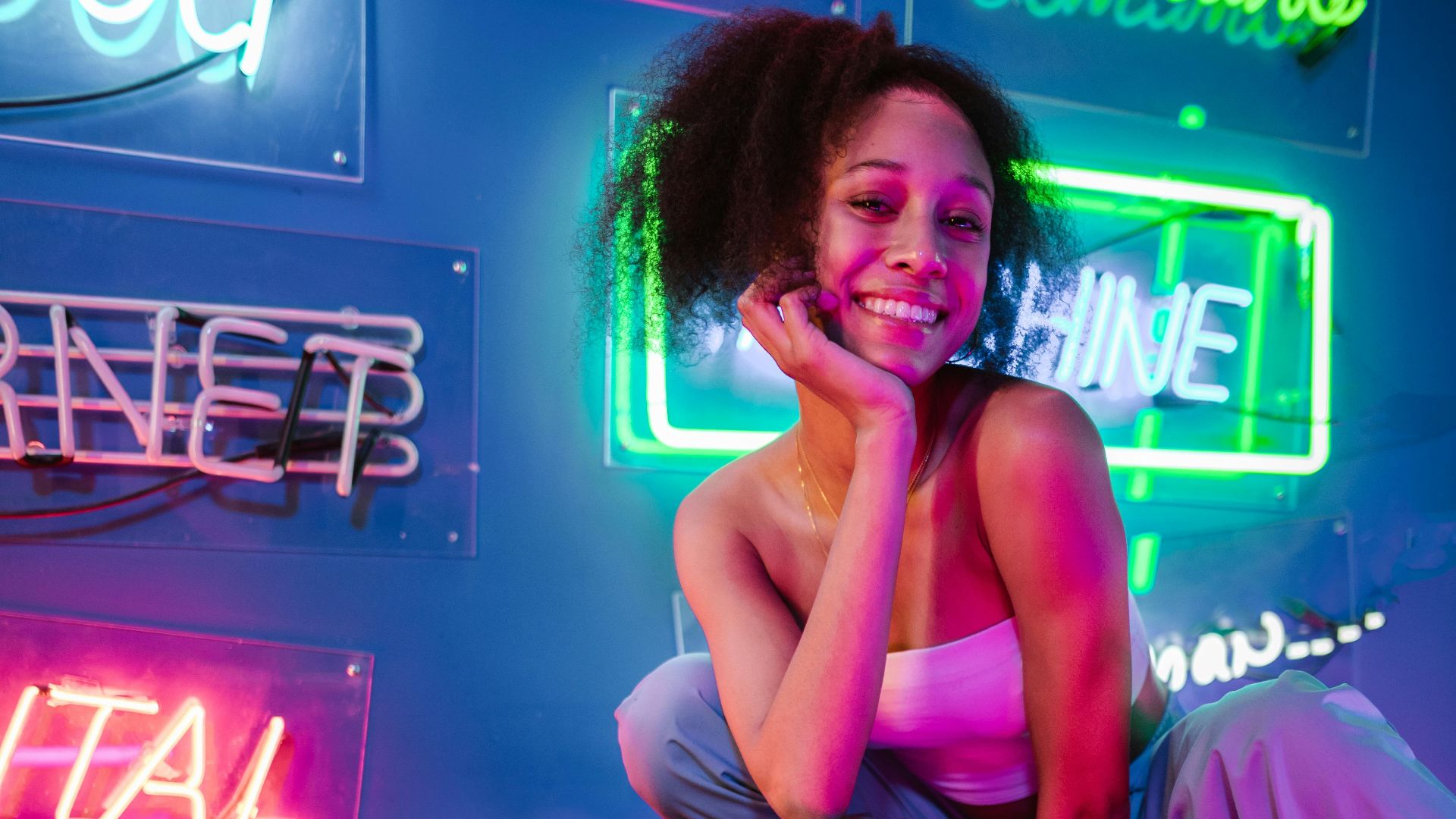
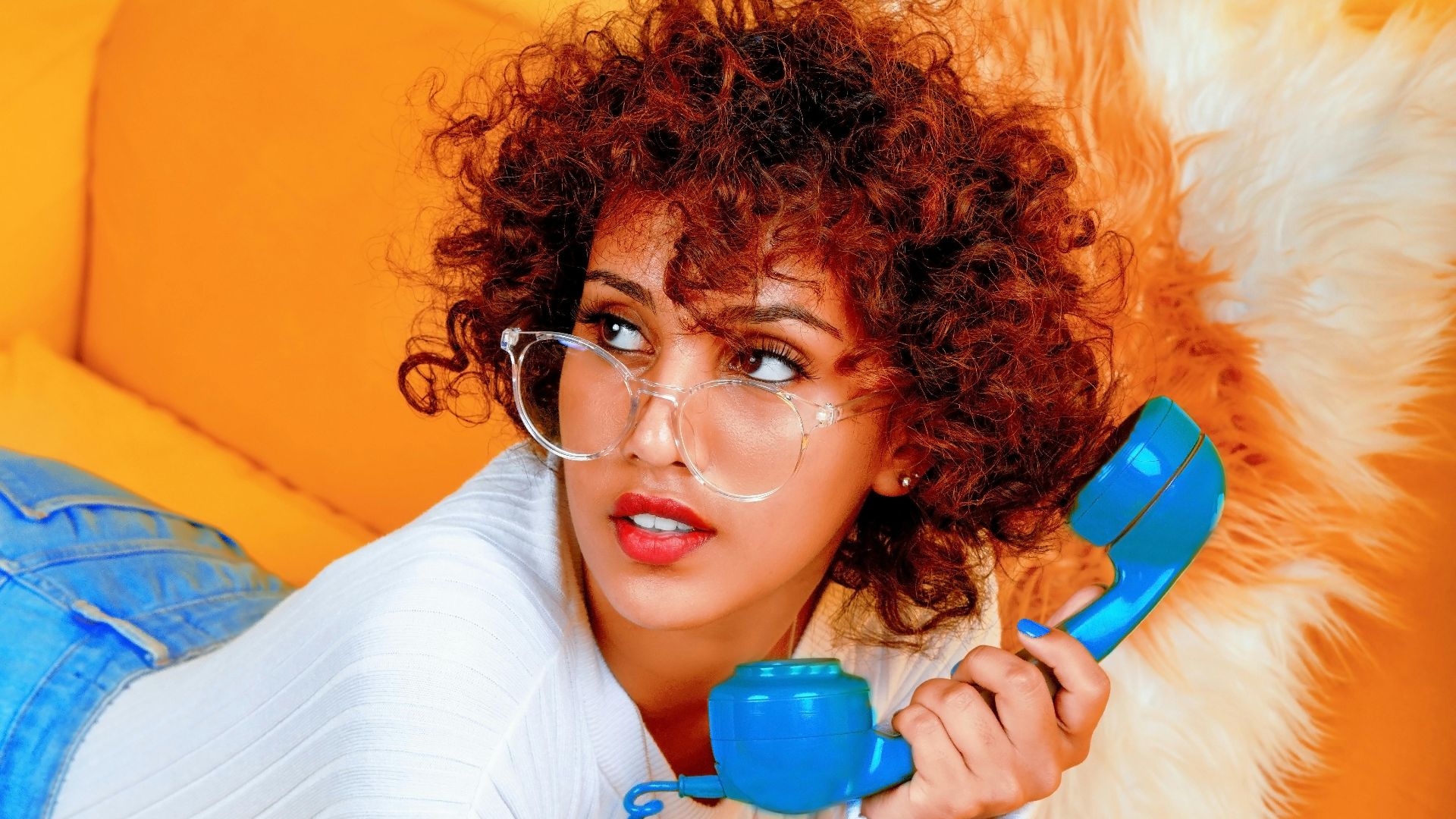
The 1980s rarely treated neutral shades as the only “safe” option. Bright reds, electric blues, hot pinks, and vibrant yellows became common in both casual and professional clothing because the decade embraced visibility rather than restraint.
2. A Great Blazer Improves Almost Everything
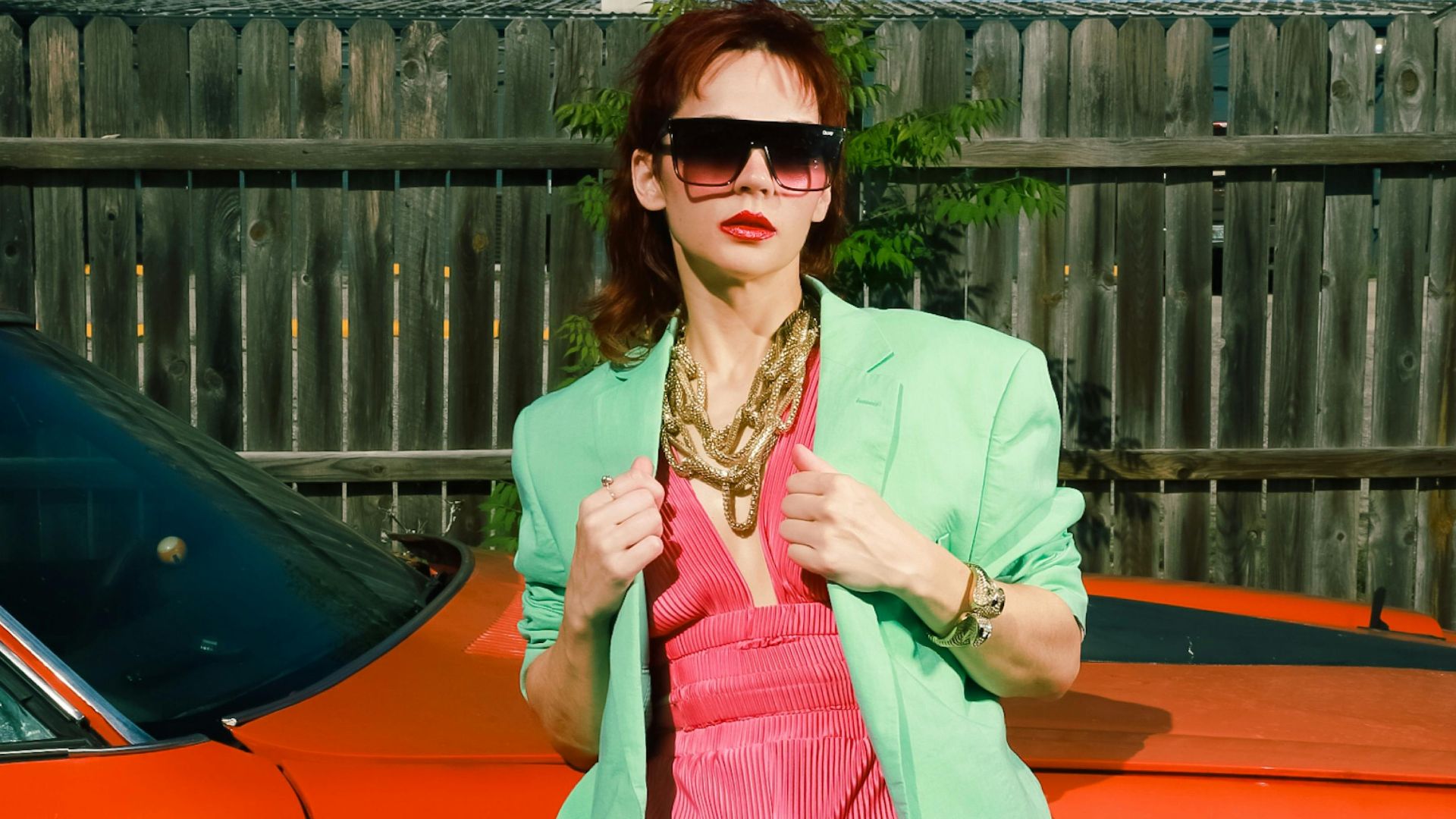
Structured blazers became a major part of everyday fashion during the decade, especially with wider shoulders and sharper tailoring. Even today, a well-fitted blazer instantly makes jeans, dresses, or simple shirts look more polished. The appeal comes from balance because tailored outerwear adds structure without requiring an overly formal outfit.
3. Accessories Should Actually Stand Out
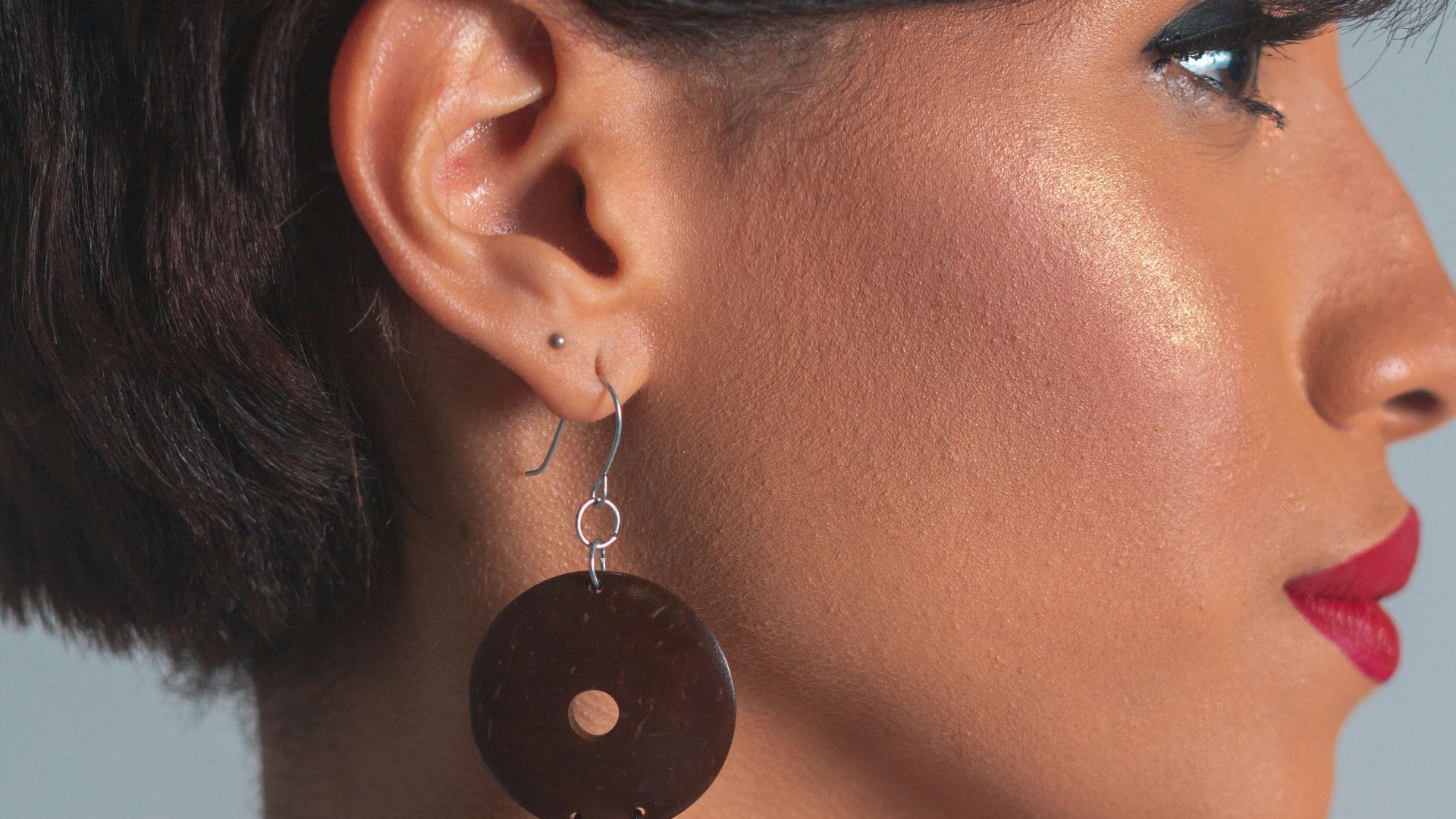
The 1980s treated accessories as important parts of an outfit instead of quiet finishing touches. Chunky earrings, layered necklaces, belts, and oversized sunglasses helped people express their personality more openly through fashion.
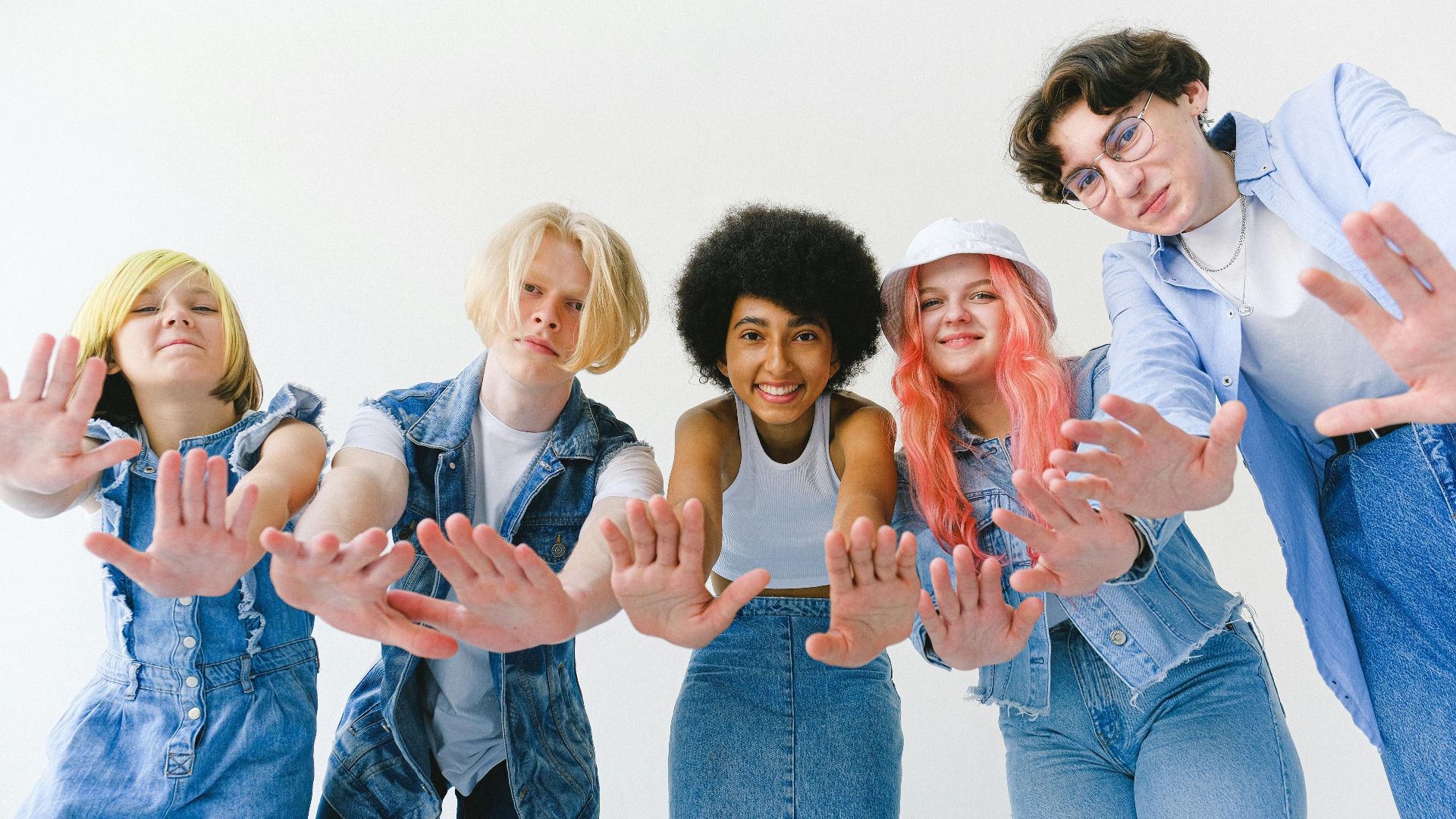
4. Denim Doesn’t Need to Look Perfect
The decade embraced relaxed and distressed denim long before it became mainstream again. Acid washes, loose fits, and slightly worn textures made jeans feel casual and lived-in rather than overly polished. That relaxed approach still works because clothing often looks more natural when it feels comfortable instead of overly styled.
5. Confidence Matters More Than Trends
One reason many iconic 1980s outfits remain memorable is that people wore them unapologetically. Personal style often looked more important than strict fashion rules, which gave individuals room to experiment.
6. Athletic Wear Can Be Everyday Wear
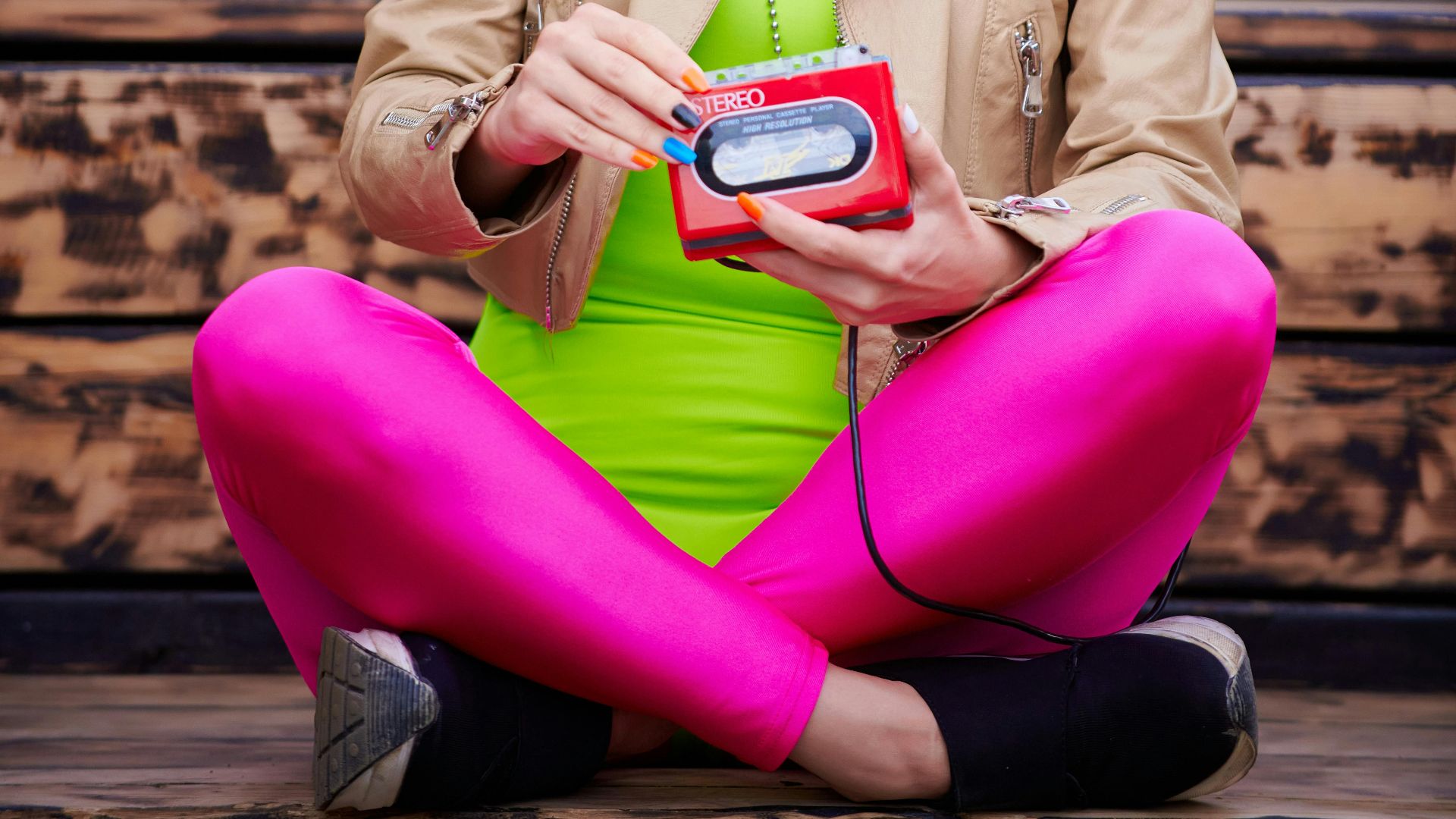
The rise of fitness culture during the 1980s helped make sneakers, leggings, sweatshirts, and athletic jackets part of normal daily fashion. Decades later, athleisure remains one of the most popular clothing categories in the world.
7. Oversized Pieces Can Look Stylish
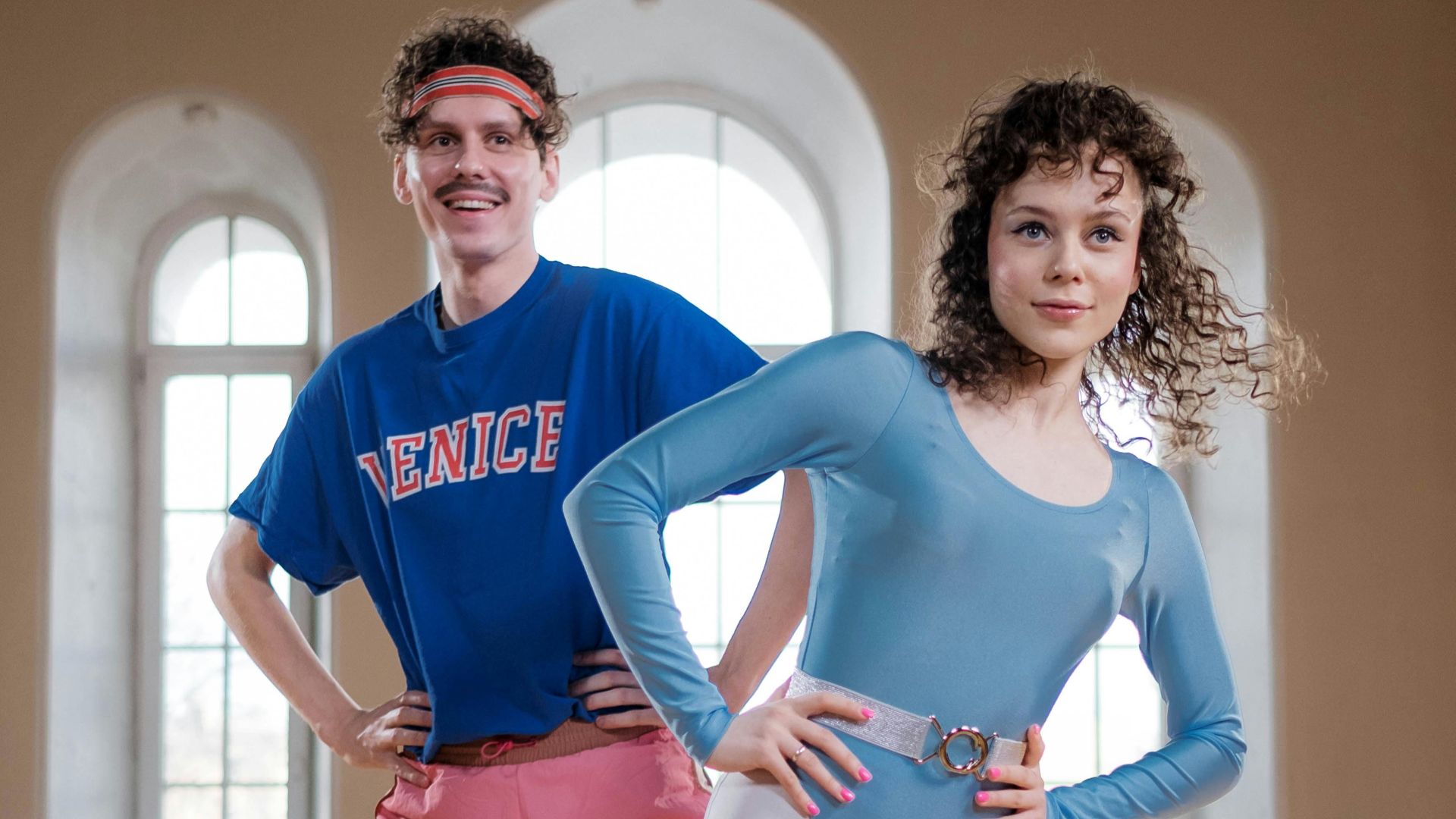
The 1980s frequently played with volume through larger sweaters, jackets, and coats. Oversized clothing can create a relaxed but fashionable appearance when balanced properly with more fitted pieces elsewhere in an outfit. Modern fashion continues to revisit this idea because it offers both comfort and visual contrast.
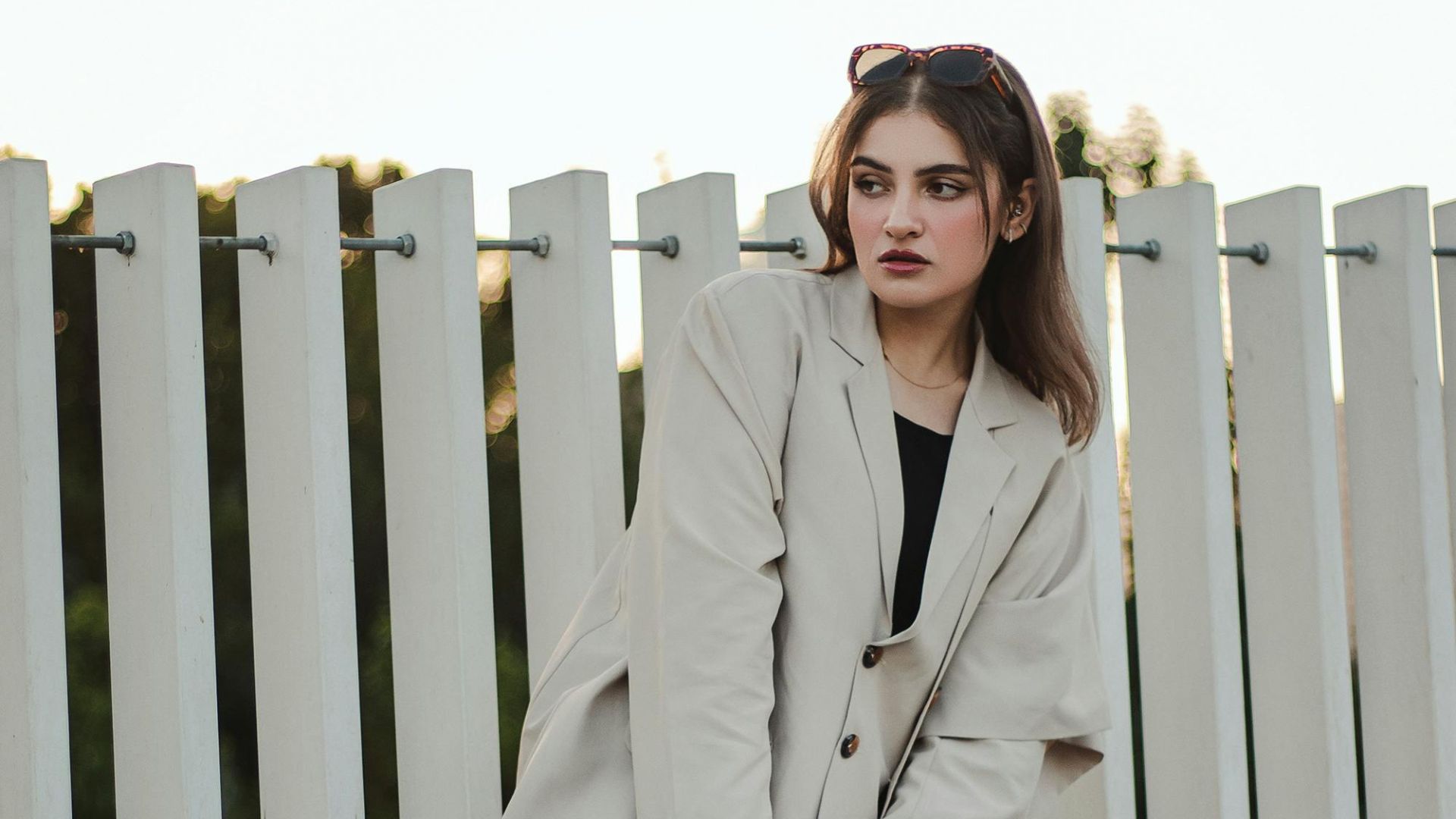
8. Leather Jackets Rarely Go Out of Style
Leather jackets became a major fashion staple during the decade across rock, casual, and high-fashion styles alike. Their popularity lasted because they add texture, structure, and versatility to almost any wardrobe.
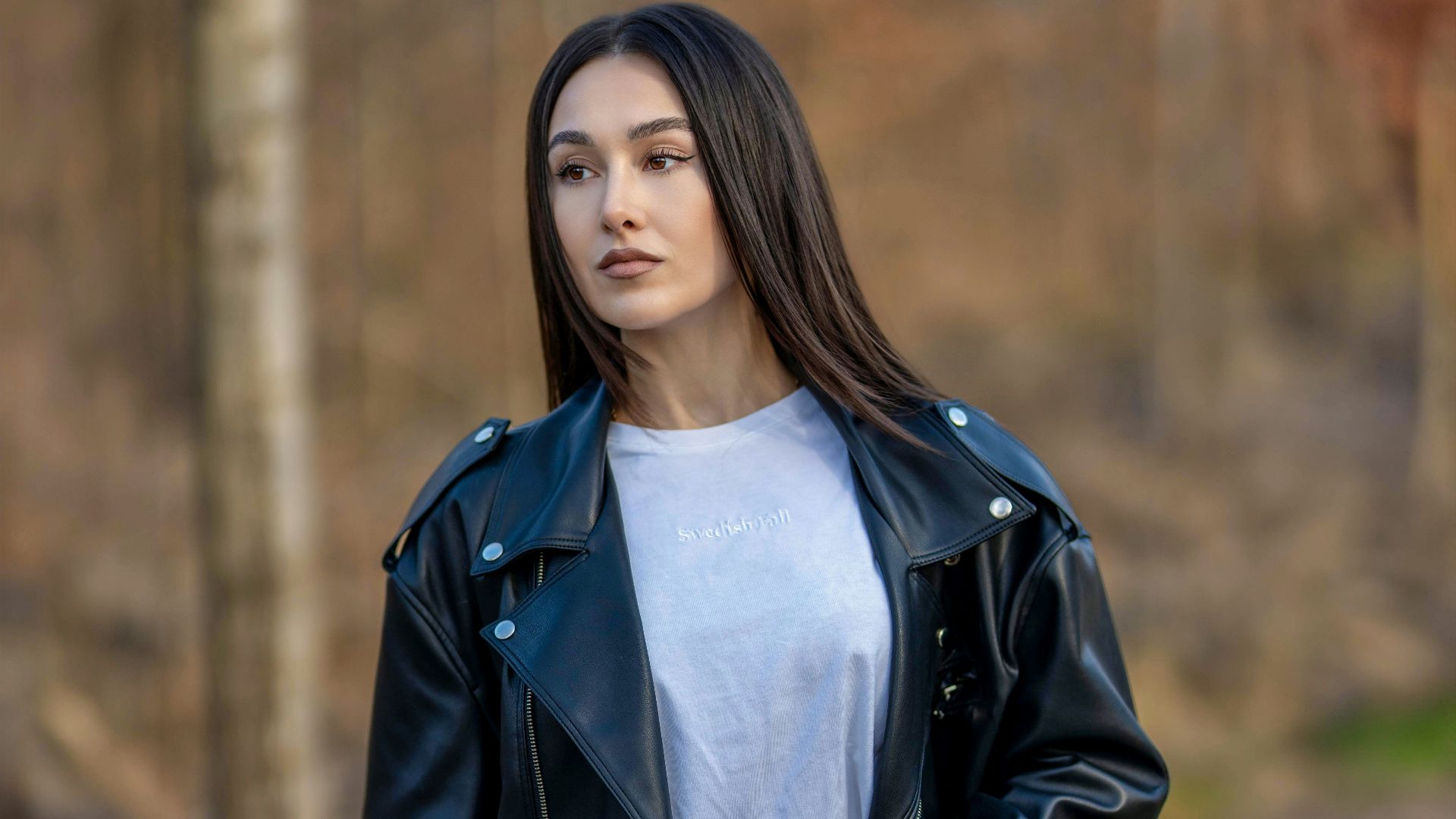
9. Fashion Should Reflect Personality
The 1980s encouraged people to dress according to their interests, music tastes, and social circles instead of following one universal standard. Punk, preppy, glam, and streetwear styles all thrived during the same era because individuality was widely accepted.
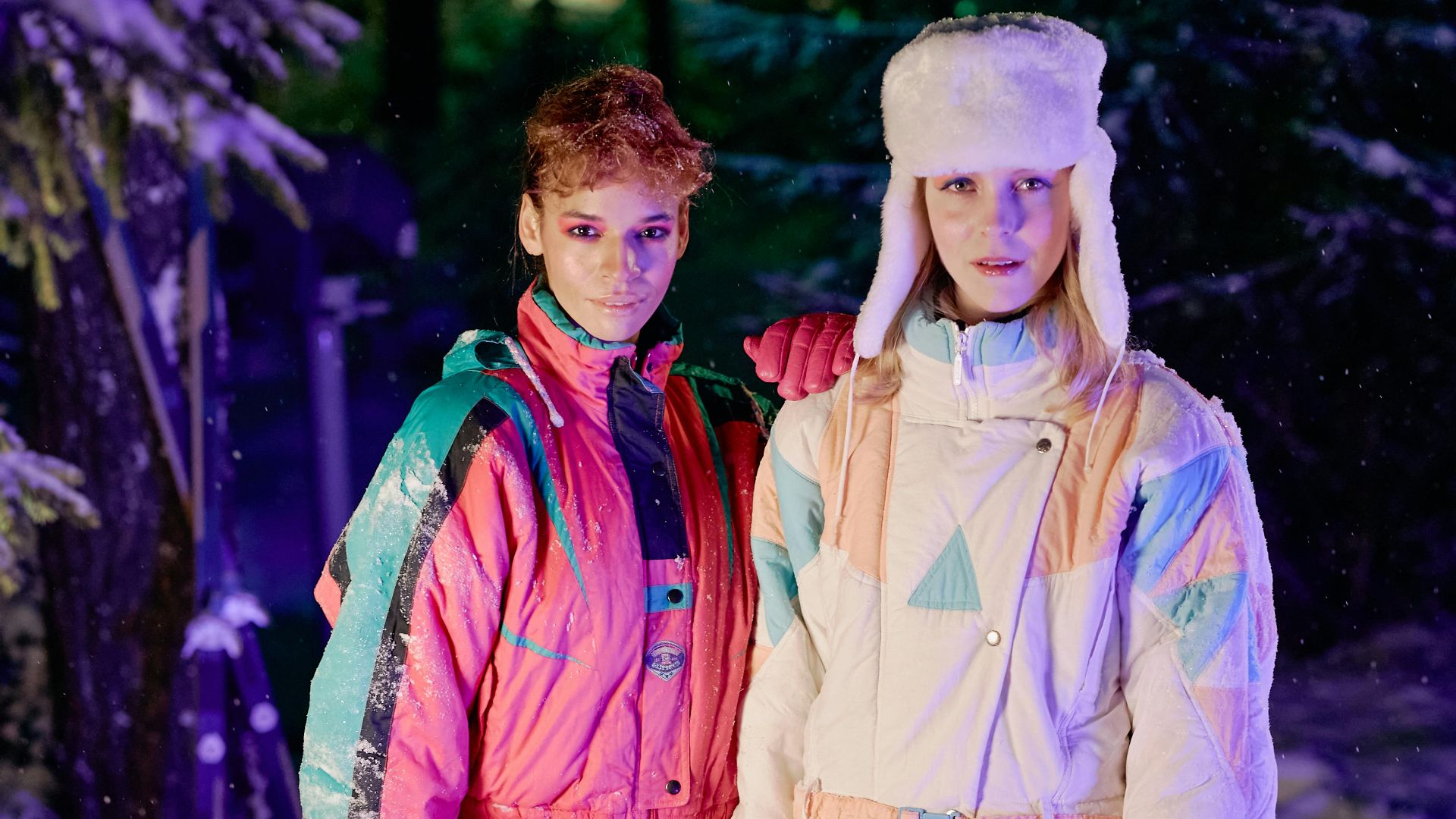
10. Statement Coats Are Worth Owning
Outerwear in the 1980s often featured dramatic cuts, bold colors, and strong silhouettes that made coats part of the outfit rather than an afterthought. A distinctive coat can still completely change how simple clothing looks underneath.
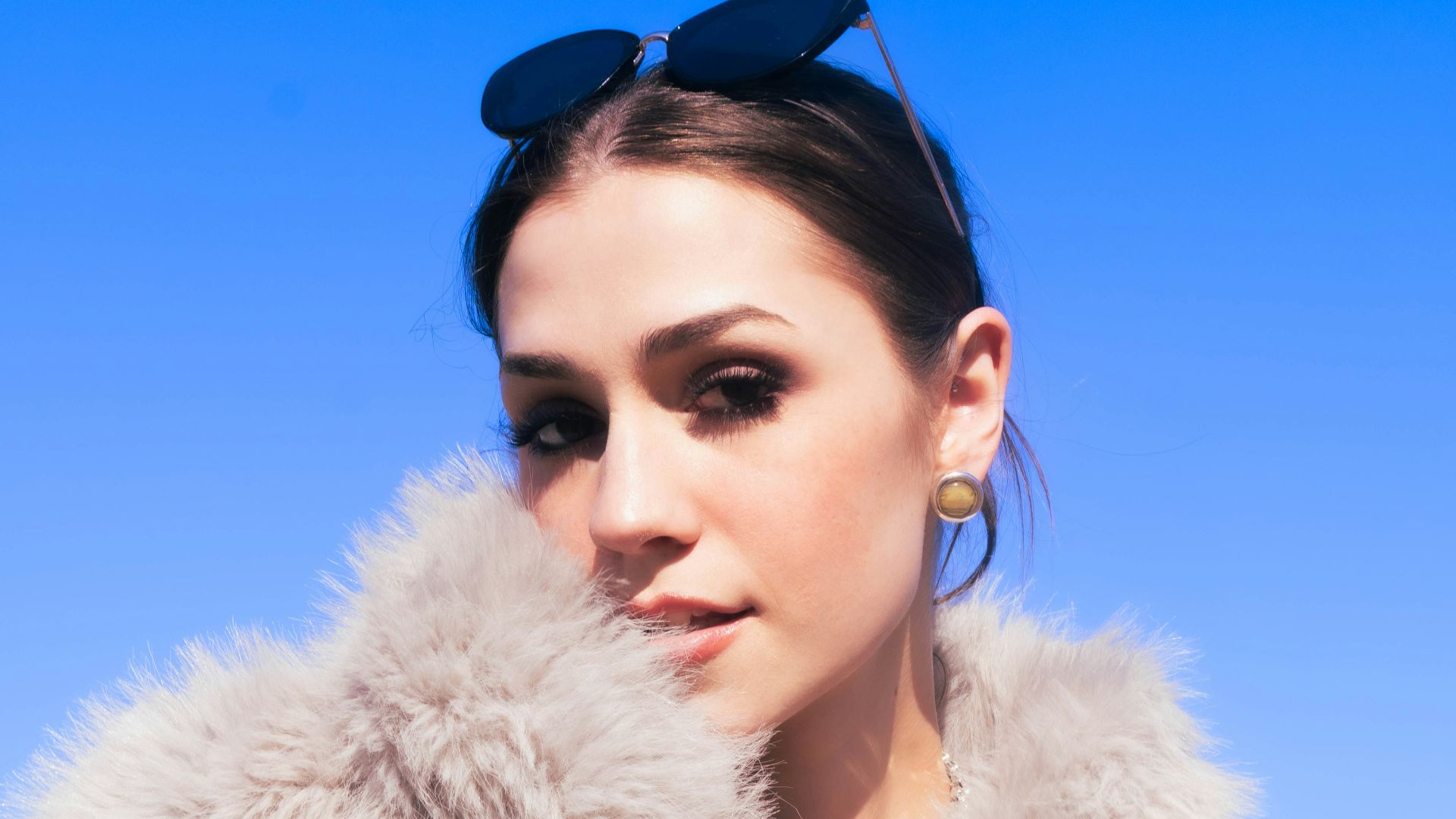
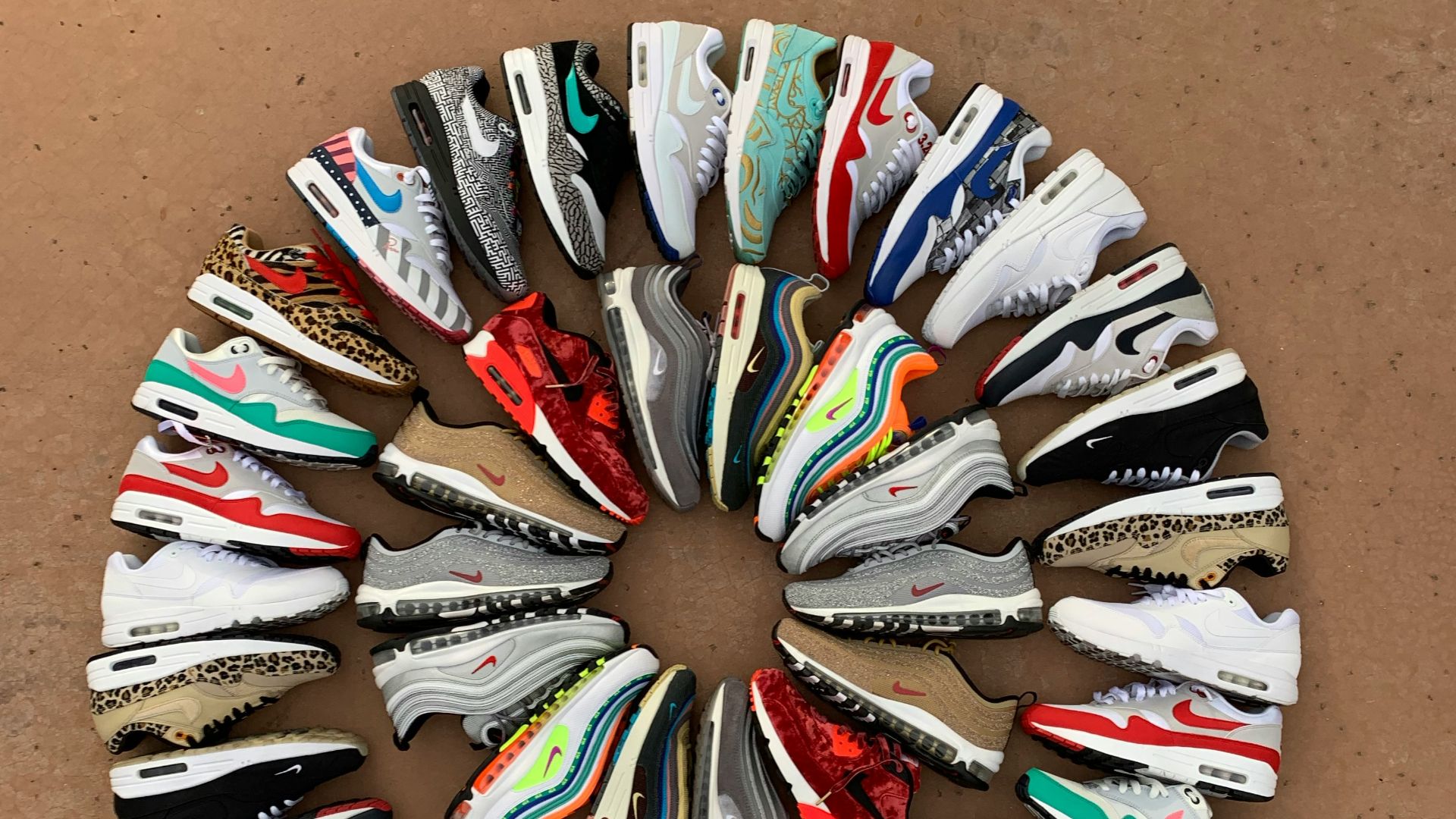
11. Sneakers Work Beyond the Gym
The decade helped normalize sneakers as everyday fashion rather than purely athletic footwear. Brands like Nike, Reebok, and Adidas became deeply connected to music, sports, and street culture throughout the 1980s.
12. Mixing Textures Makes Outfits More Interesting
Leather, denim, lace, suede, satin, and knitwear were often combined within the same outfit during the era. Using different textures creates visual depth and prevents clothing from looking flat or repetitive. Even simple outfits usually become more stylish when multiple materials are layered thoughtfully.
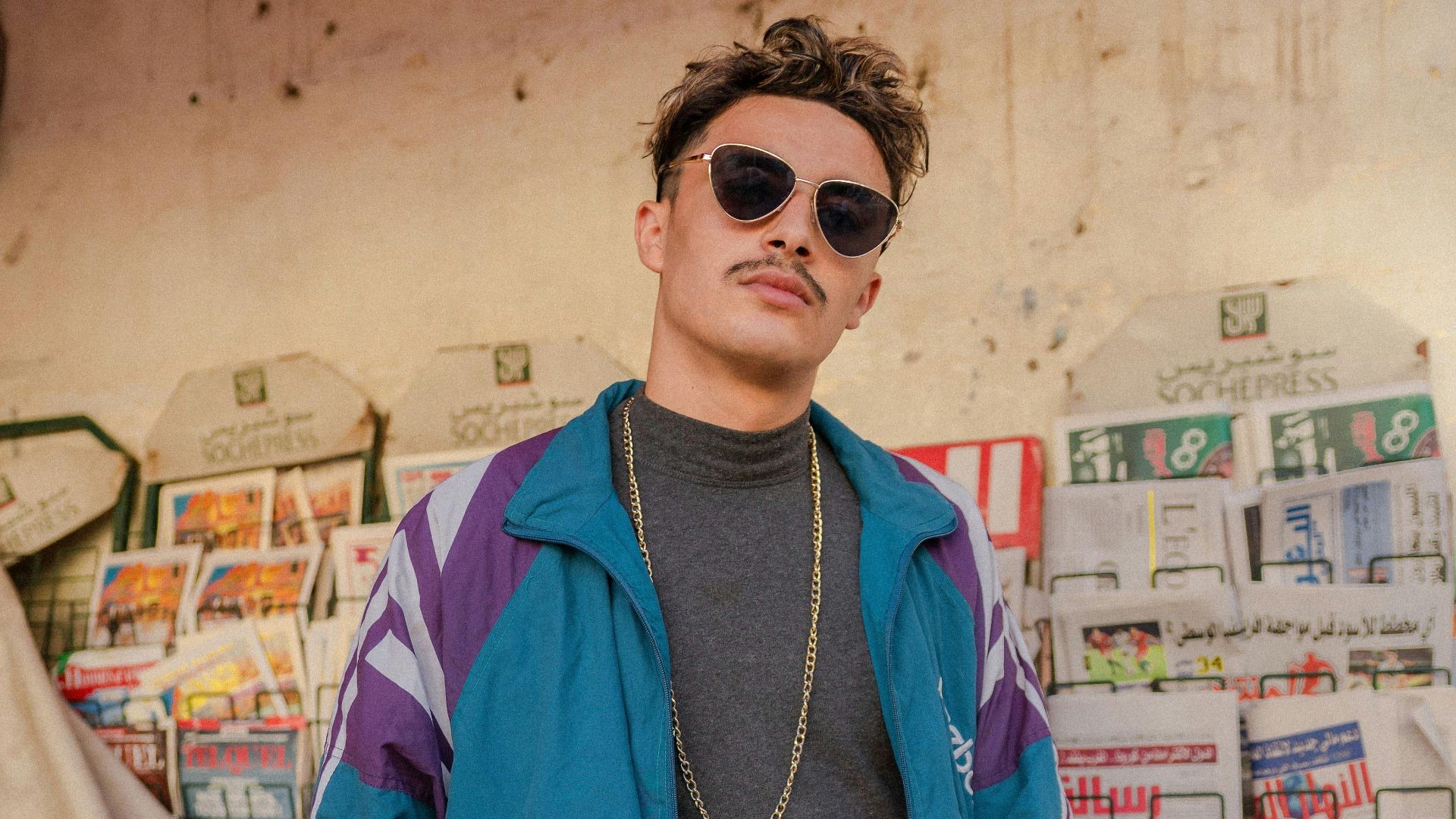
13. Sunglasses Can Define a Look
Large sunglasses became one of the most recognizable accessories of the decade thanks to celebrities, musicians, and film trends. Beyond practicality, they added attitude and identity to everyday outfits.
14. High-Waisted Styles Are Universally Useful
High-waisted jeans, trousers, and skirts became especially popular during the 1980s because they created cleaner proportions and emphasized shape. Those styles continue returning to fashion because they work well across many body types.

15. Fashion Doesn’t Need to Be Minimal to Look Good
The decade often embraced layered jewelry, visible patterns, and bold styling choices without apologizing for them. While minimalism has its place, expressive fashion can feel more lively and personal when done carefully.

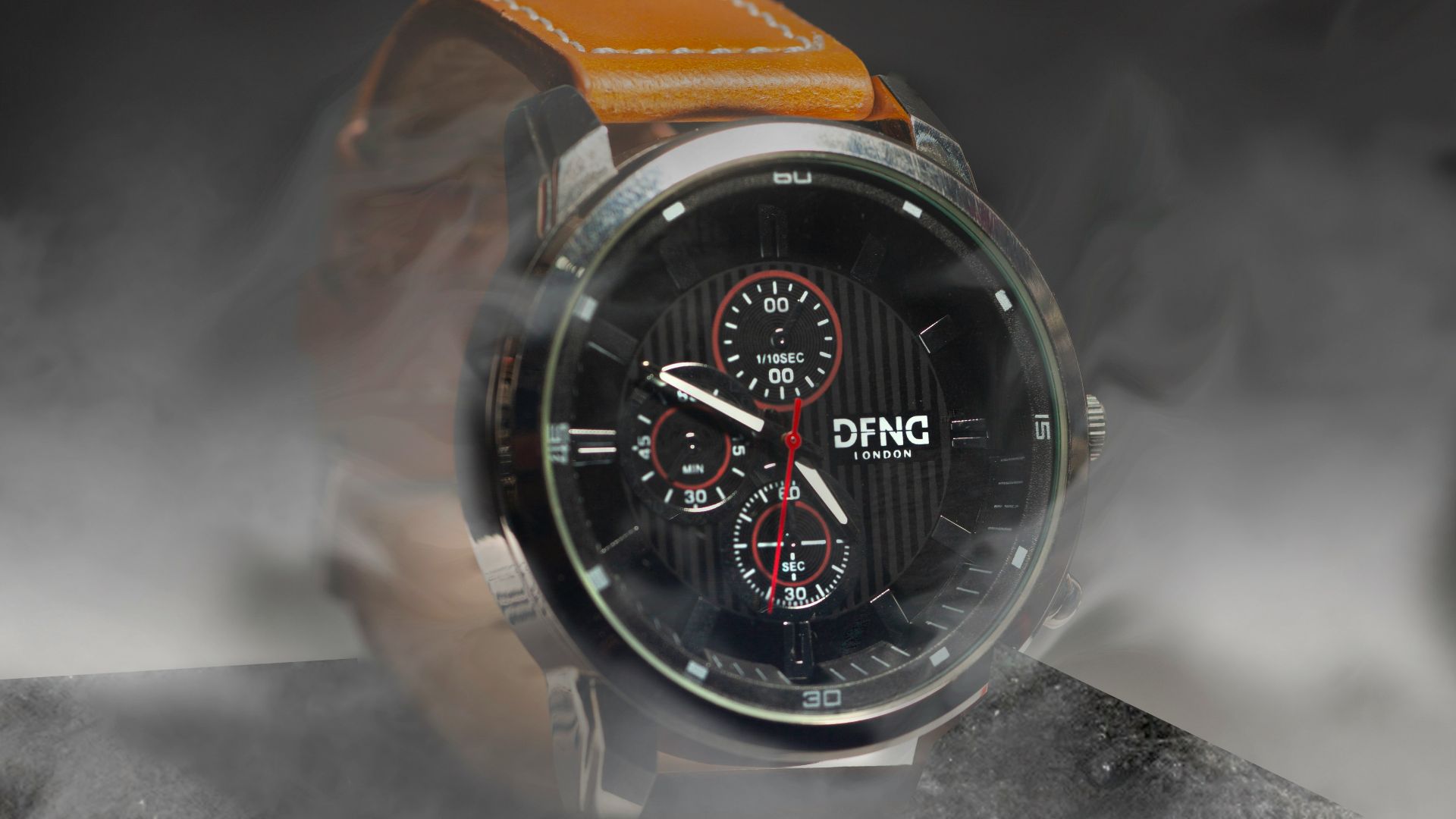
16. Watches Should Be Stylish and Functional
Digital and analog watches both became highly visible fashion accessories during the 1980s. People wore them as part of their identity rather than treating them as purely practical items.
17. Tailoring Makes a Huge Difference
Power dressing became especially influential during the decade, particularly in professional environments. Structured clothing with proper tailoring created sharper silhouettes and projected confidence in workplaces that were becoming increasingly competitive.
18. Graphic Tees Can Be Fashionable
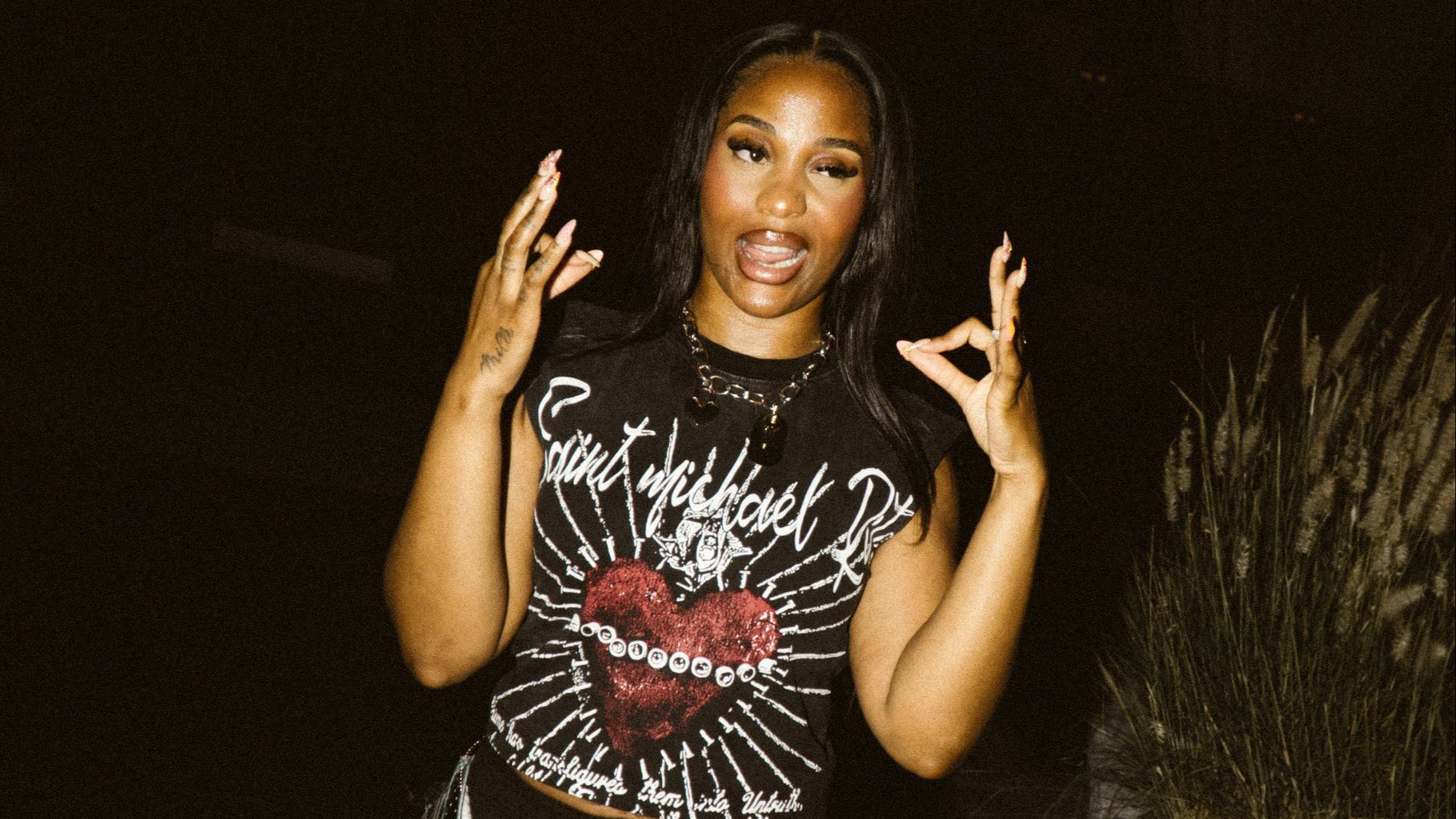
Band shirts, logo tees, and printed graphics became central parts of casual style throughout the 1980s. Those shirts worked because they reflected personal interests while keeping outfits relaxed and approachable.
19. Layering Adds Flexibility to Style
Layered outfits became common during the decade through combinations like jackets over hoodies, shirts under sweaters, or multiple accessories worn together. Layering creates dimension while also making outfits more adaptable for changing temperatures and settings.

20. Personal Style Should Be Fun
One of the biggest lessons from 1980s fashion is that clothing doesn’t always need to feel serious or overly calculated. The decade embraced experimentation, bold choices, and occasional excess because fashion was treated as a form of enjoyment.