Small Details Have a Bigger Impact Than You Think
Most people have experienced putting together an outfit that seemed perfect on the hanger but somehow looked less polished once it was on. In many cases, the issue isn't the clothing itself but a few styling choices that affect fit, proportion, balance, or overall presentation. The good news is that many common outfit mistakes are easy to fix, and a handful of smart habits can help your wardrobe look more flattering without buying anything new. Here are 20 outfit mistakes that make clothes look less flattering.
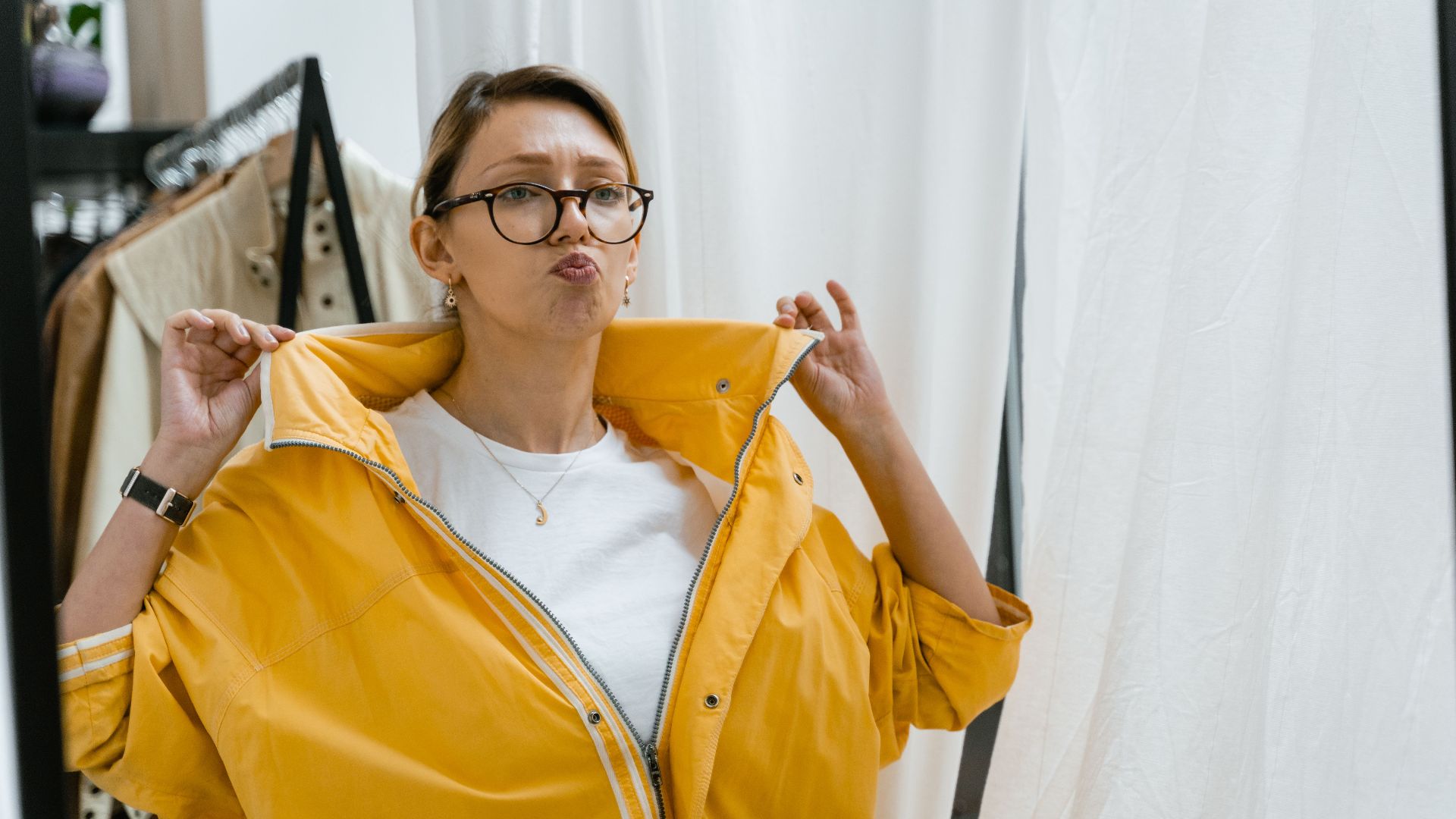
1. Wearing Clothes That Are Too Tight
Many people assume tighter clothing automatically creates a more flattering silhouette, but that's often not the case. Garments that pull, stretch, or strain across the body can draw attention to areas you'd rather not emphasize. Clothing that fits comfortably usually creates cleaner and more balanced lines.
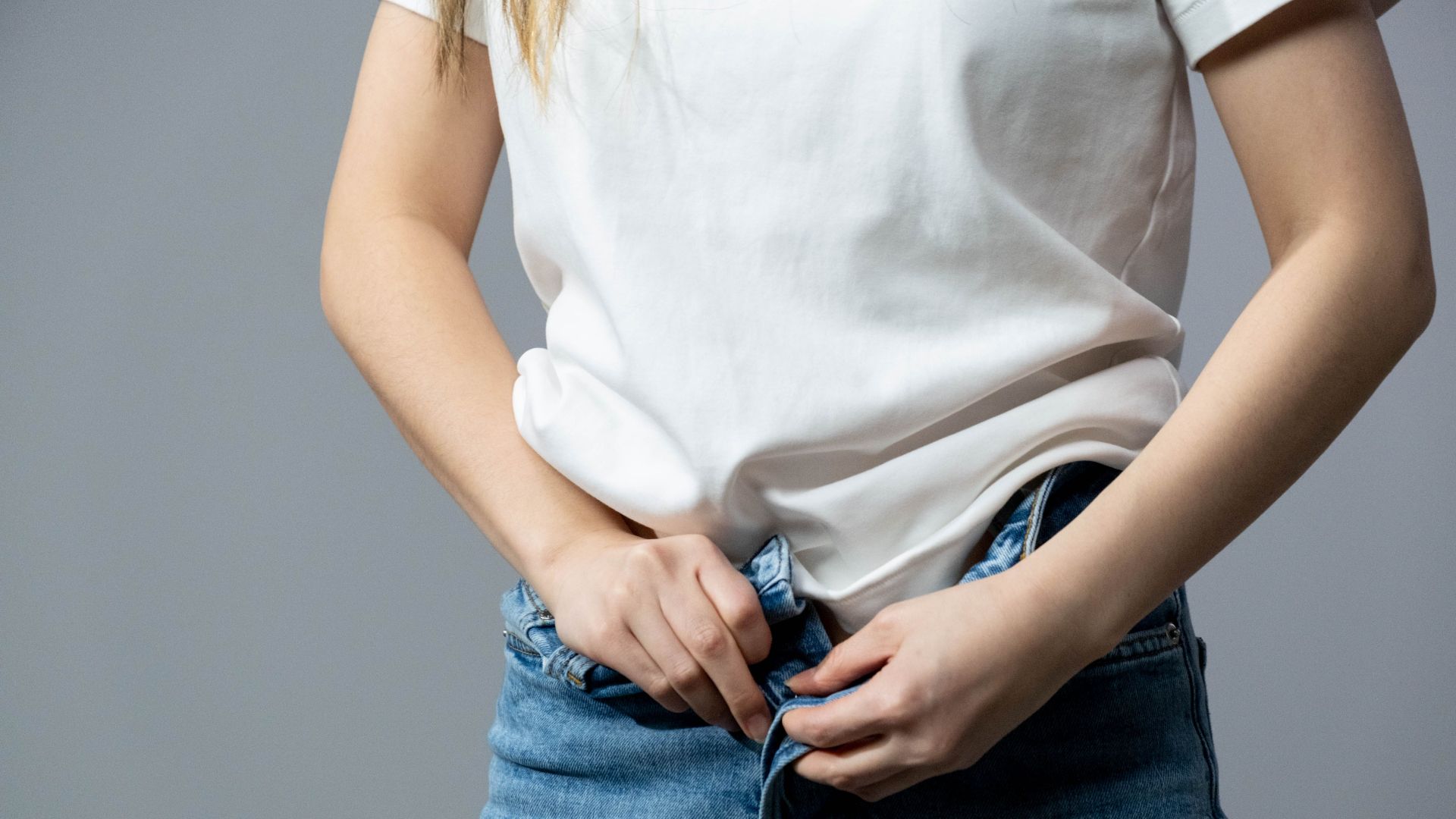
2. Choosing Oversized Pieces Without Structure
Loose clothing can be stylish and comfortable, but too much volume can overwhelm your frame. When every item is oversized, your natural proportions may become difficult to see. Including at least one more structured piece often creates a more flattering result.
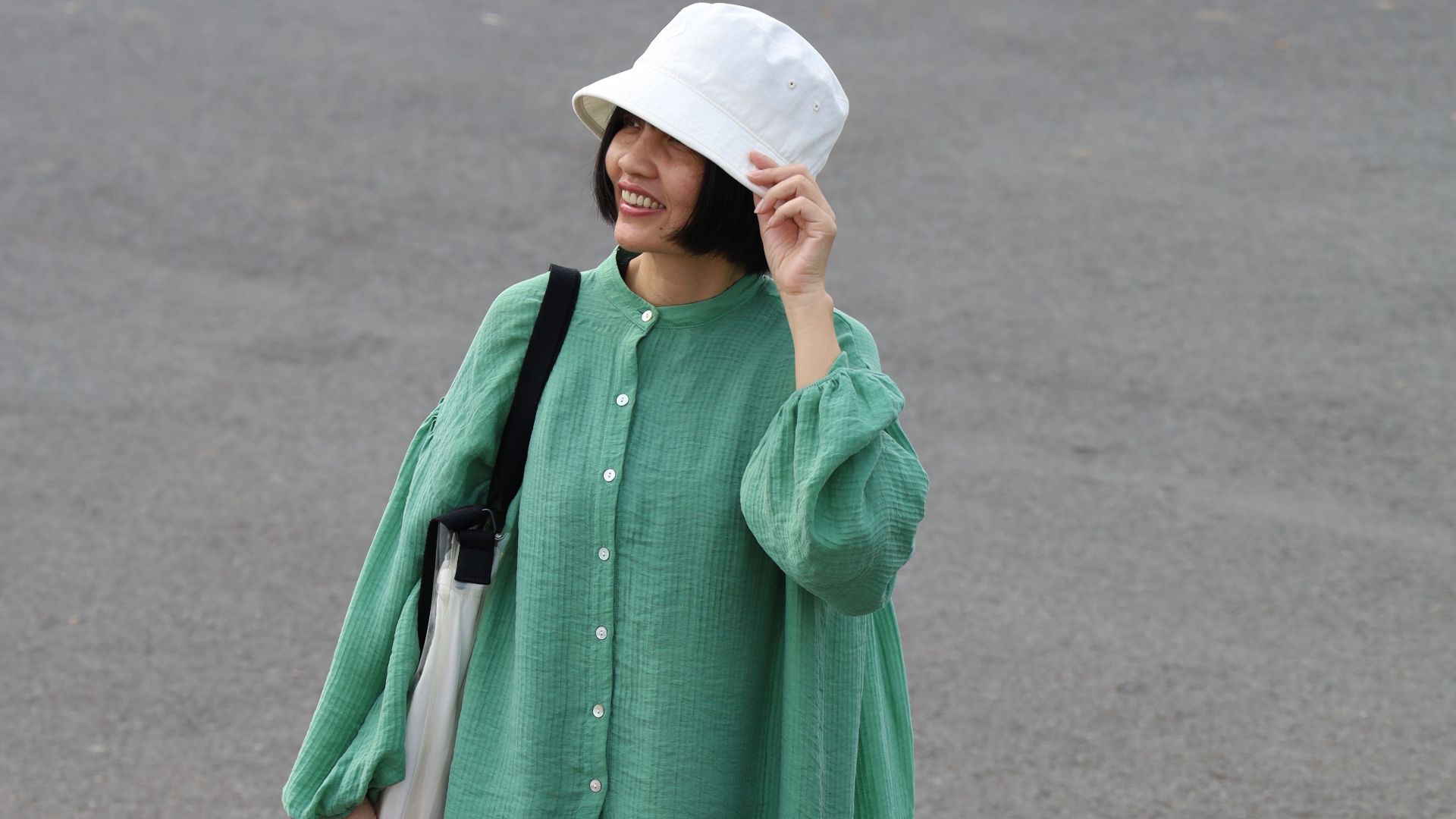
3. Ignoring Proper Hem Lengths
Pants, skirts, and dresses look best when their lengths work with your proportions. Hems that drag on the ground or stop at awkward points can disrupt the visual balance of an outfit. Properly tailored lengths often make clothing look more intentional.
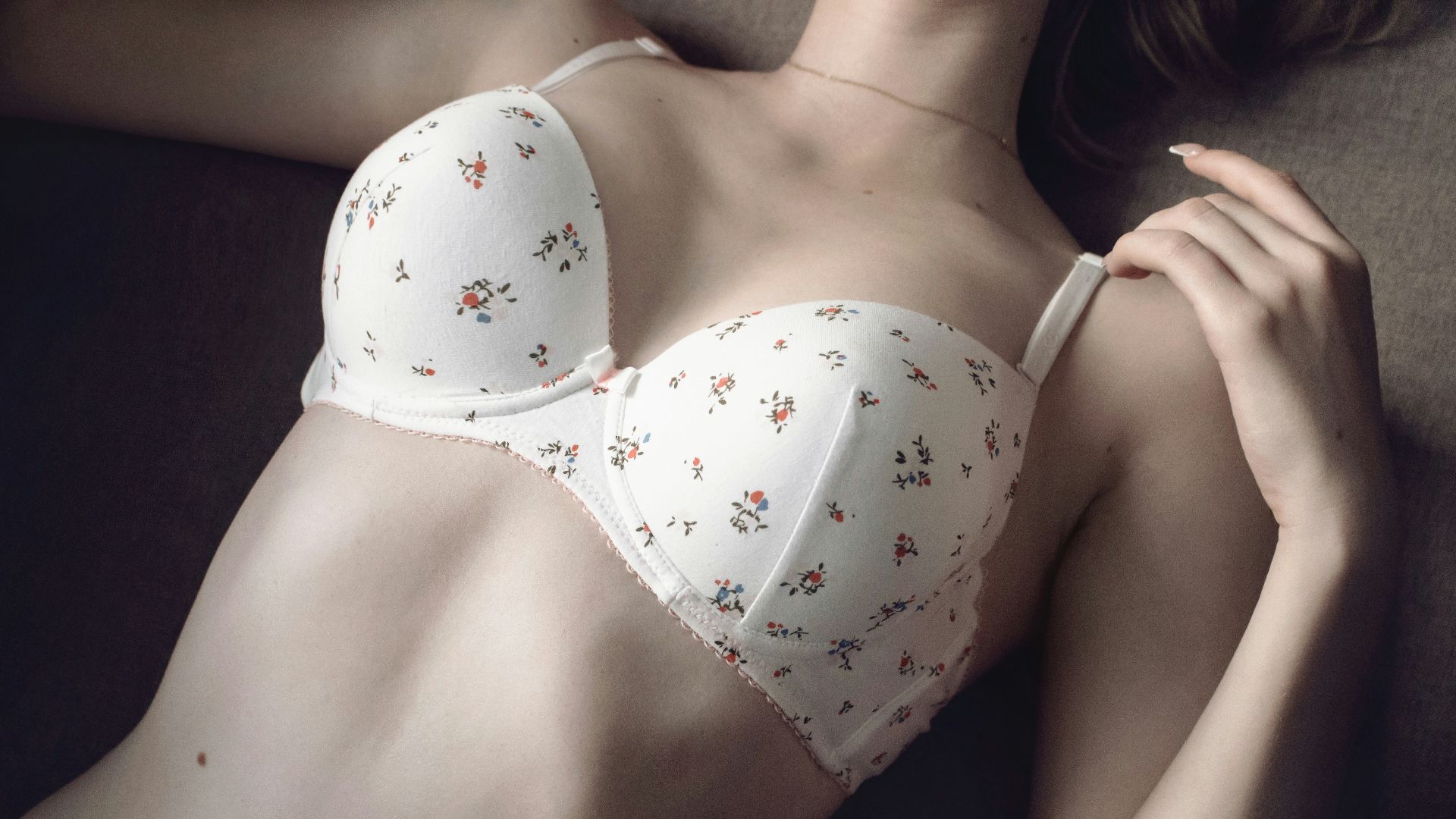
4. Wearing the Wrong Bra Size
An incorrect bra size affects much more than comfort. Poor support can alter the way tops, dresses, and jackets fit across the chest and shoulders. A properly fitted bra frequently improves the appearance of an entire outfit.
 Katherine Kromberg on Unsplash
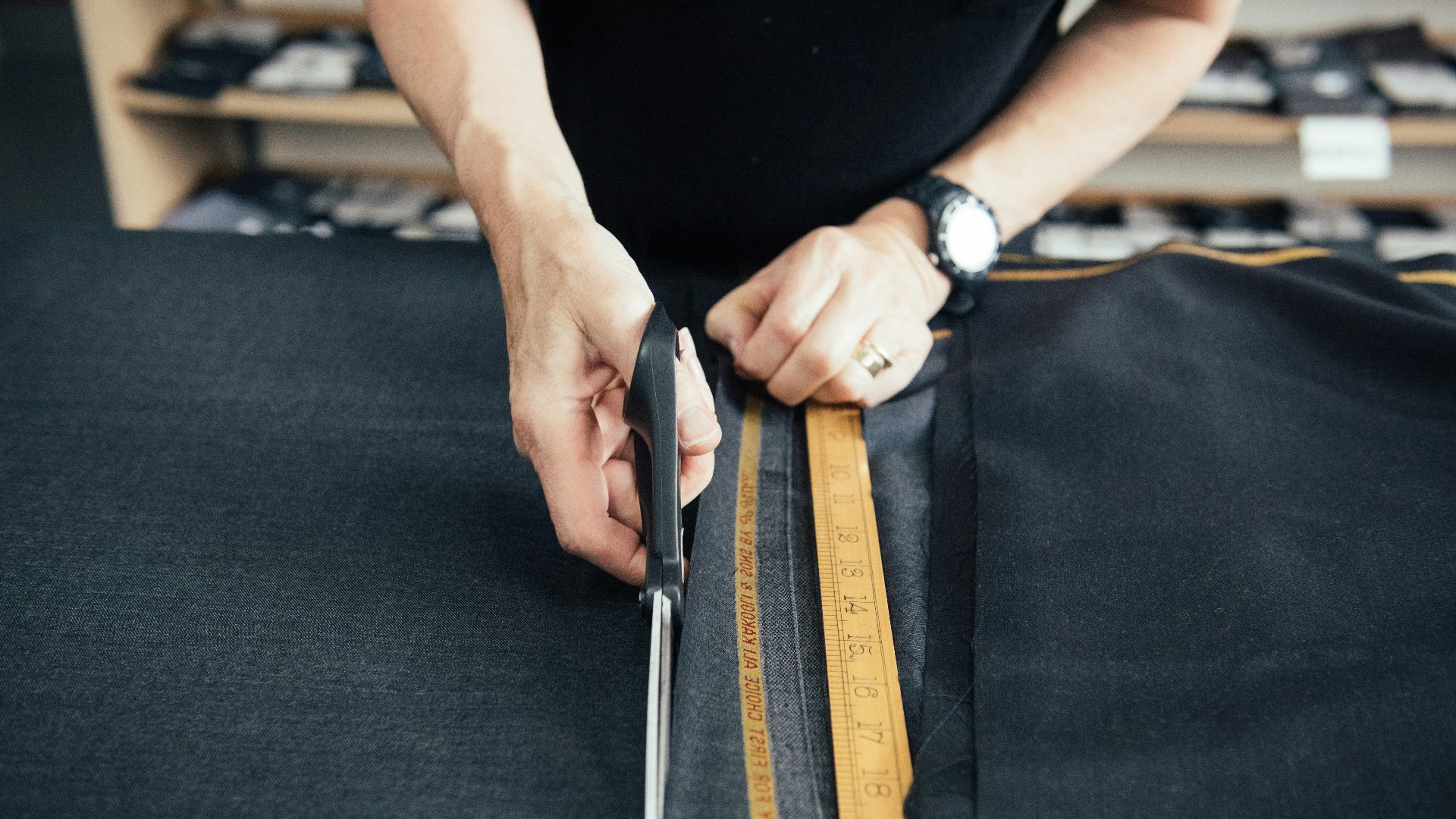
5. Skipping Basic Tailoring
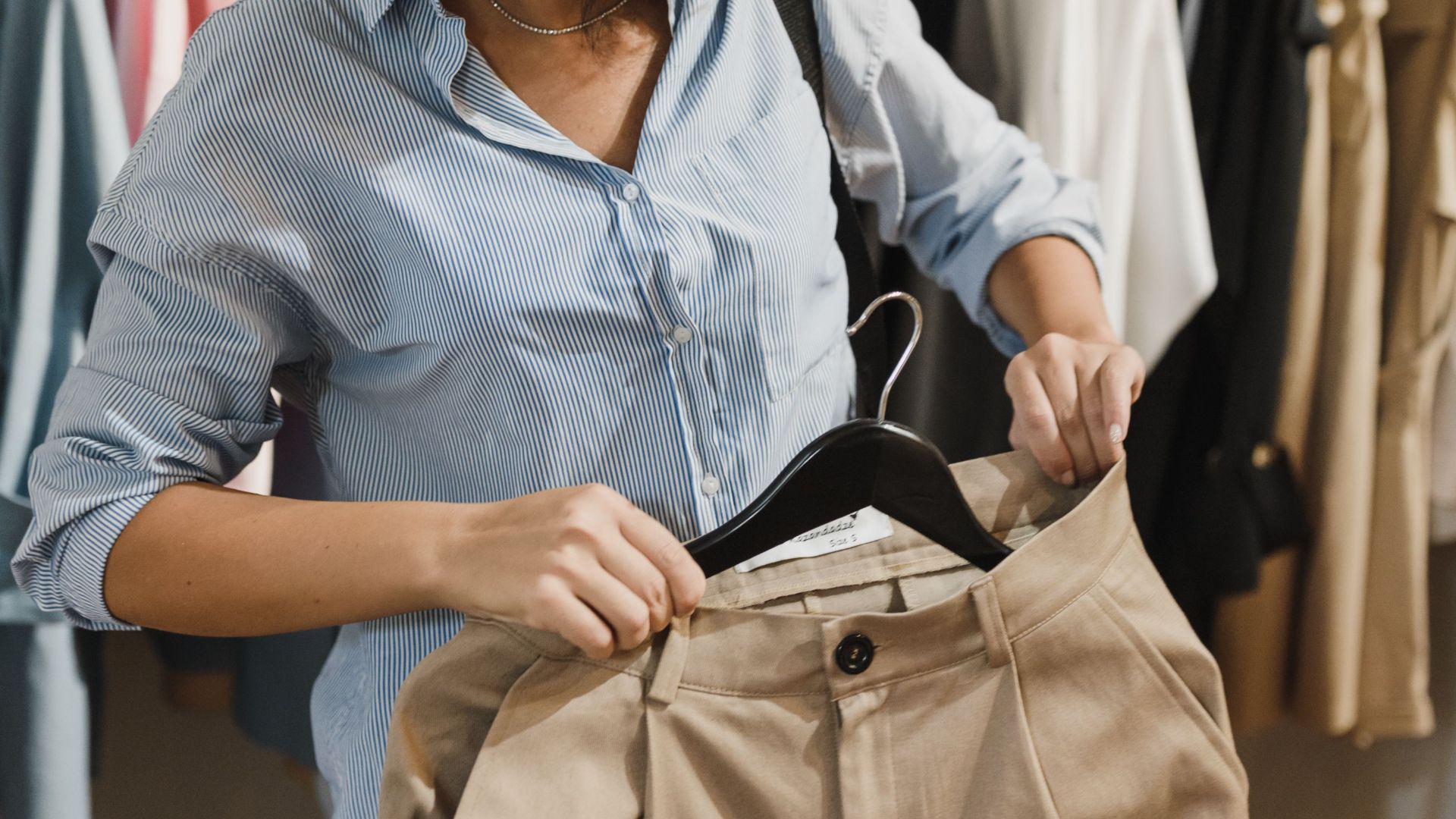
Even expensive clothing can look unflattering when it doesn't fit correctly. Sleeves that are too long or pants that bunch excessively can make an outfit appear unfinished. Simple alterations often create a significant improvement.
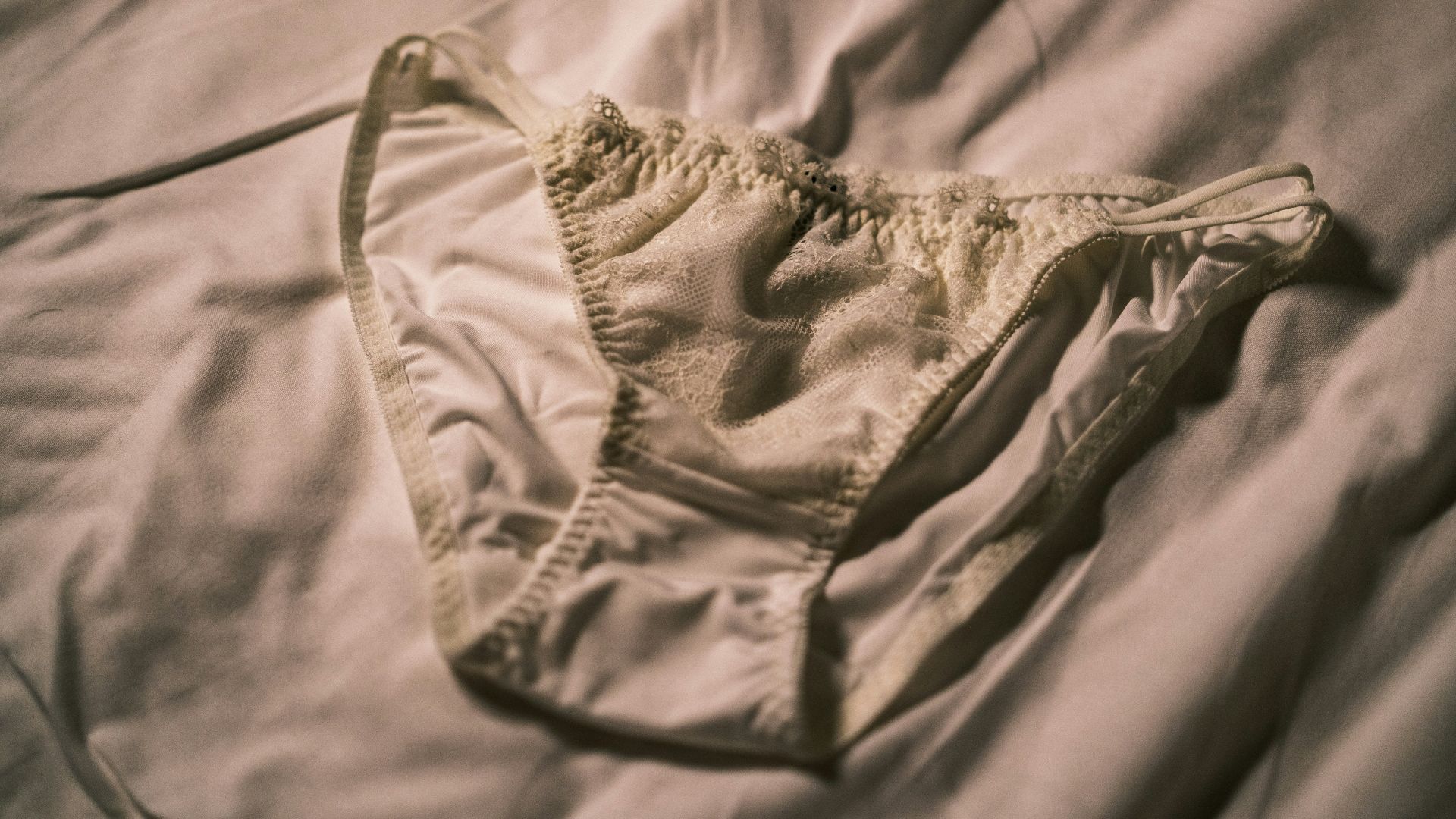
6. Letting Undergarments Show Through
Visible bra straps, panty lines, or mismatched undergarments can distract from an otherwise polished look. Certain fabrics make these issues more noticeable than others. Choosing appropriate undergarments helps clothing sit the way it was intended.
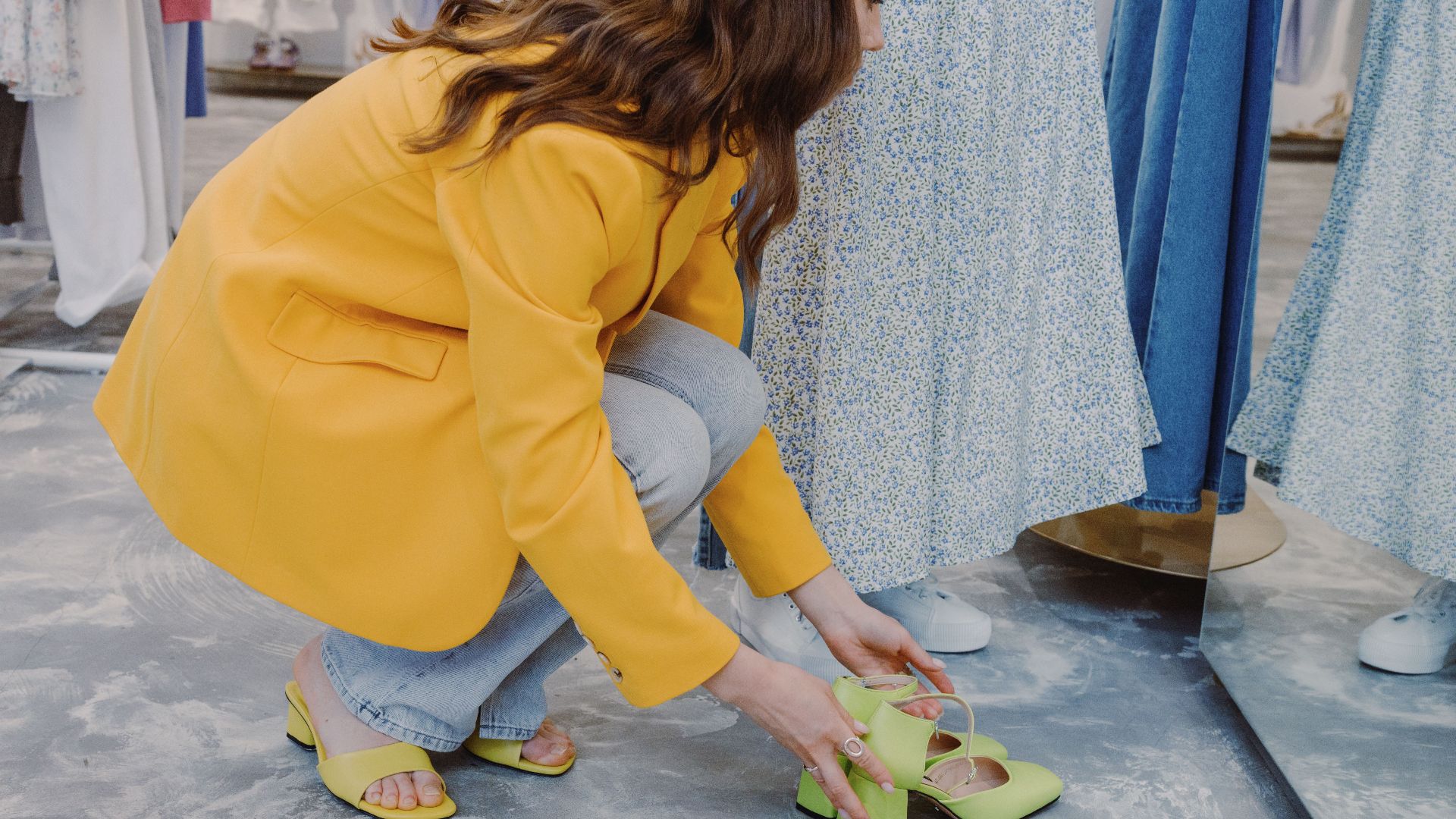
7. Wearing Shoes That Clash with the Outfit
Footwear plays a major role in how balanced an outfit appears. Shoes that feel disconnected from the rest of the look can throw off the overall impression. Coordinating footwear with the outfit creates greater visual harmony.
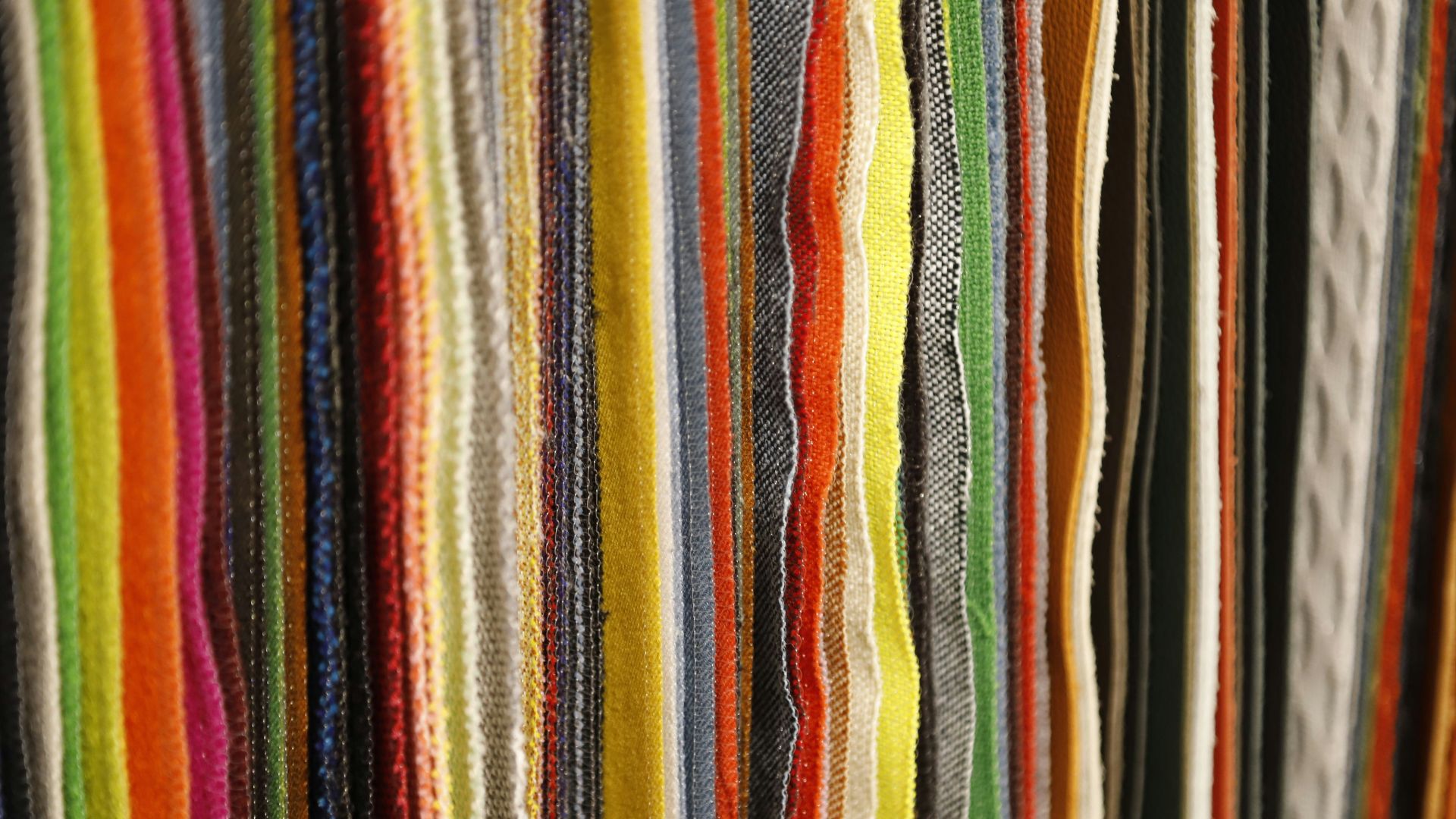
8. Choosing Unflattering Fabric Combinations
Some fabrics naturally complement each other, while others compete for attention. Pairing several bulky materials together can create unnecessary visual weight. Balancing fabric textures often produces a more flattering appearance.
9. Ignoring Proportion
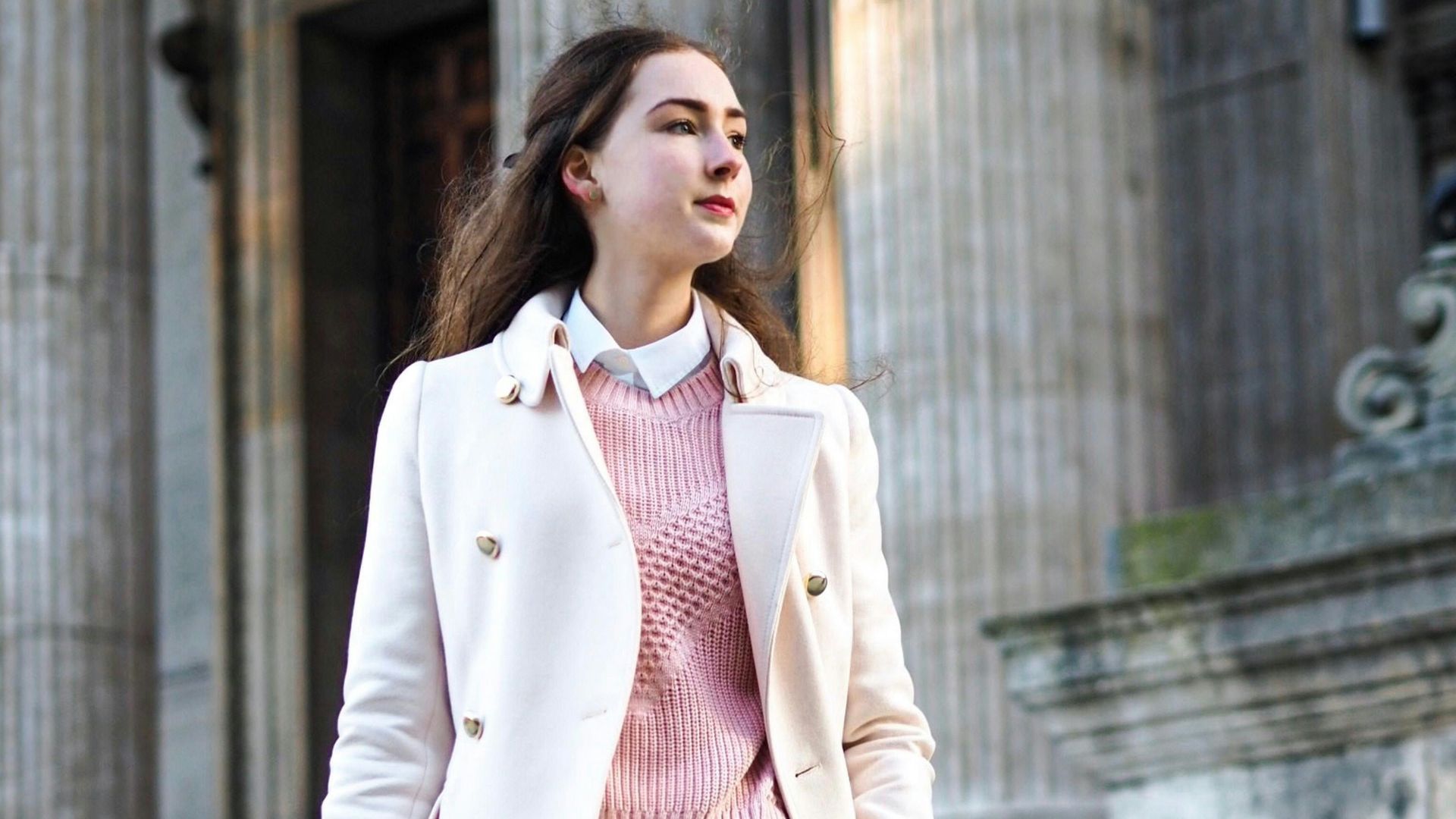
Outfits usually look best when fitted and relaxed pieces are balanced. Combining oversized tops with oversized bottoms can make the silhouette appear shapeless. Thoughtful proportions help create a more flattering overall look.
10. Wearing Clothes That Are Too Large
Sizing up excessively can sometimes add bulk rather than provide comfort. Clothing that hangs far from the body may completely hide your natural shape. Properly fitting garments generally create a cleaner silhouette.
11. Overloading an Outfit with Accessories
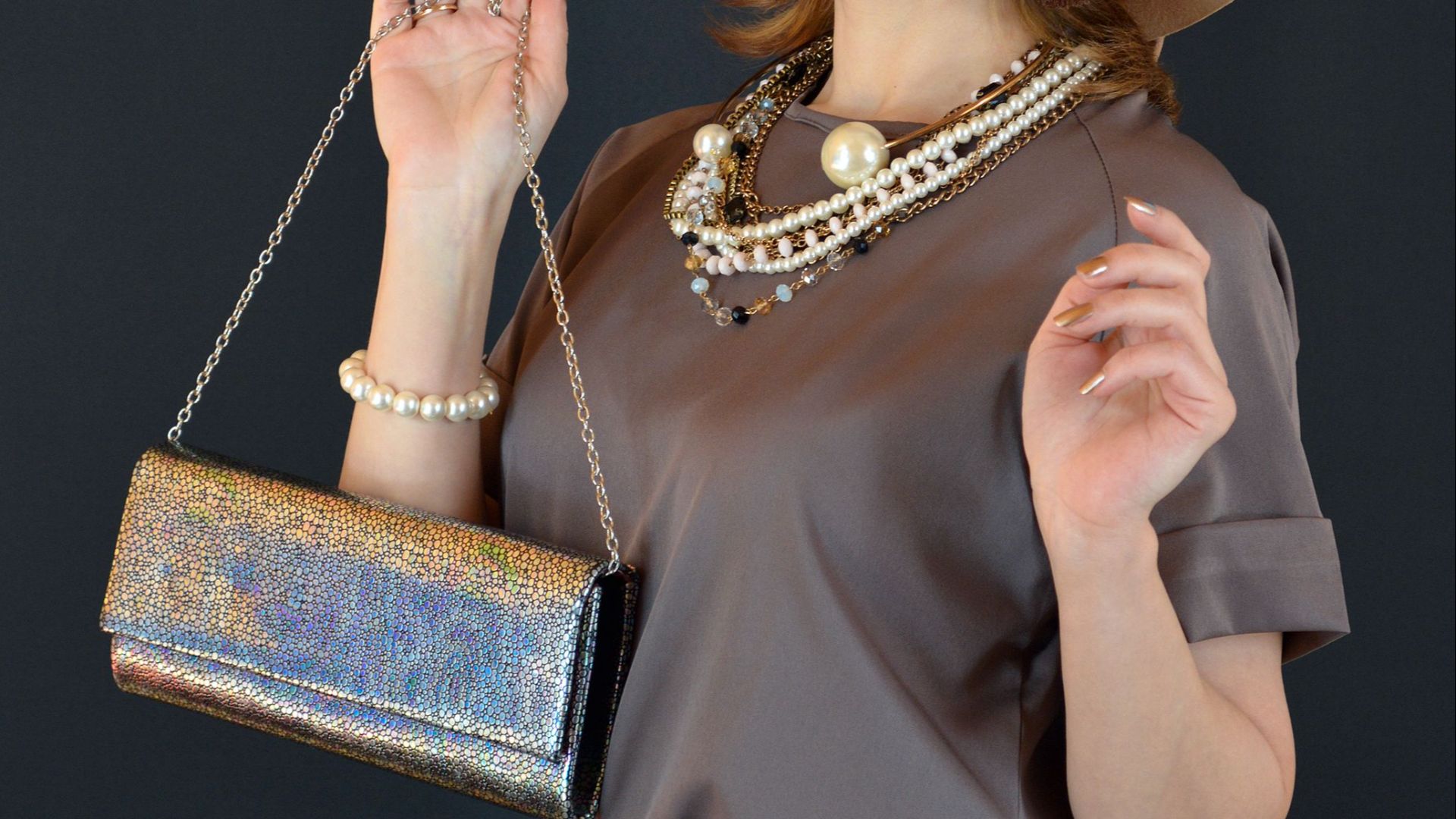
Accessories should enhance an outfit, not compete with it. Too many statement pieces can create visual clutter and distract from the clothing itself. Selecting a few complementary accessories often looks more refined.
12. Neglecting Clothing Maintenance
Wrinkled garments, loose threads, and worn fabrics can make even stylish outfits appear less polished. Proper care helps clothes maintain their intended shape and appearance. A well-maintained wardrobe often looks more expensive than it is.
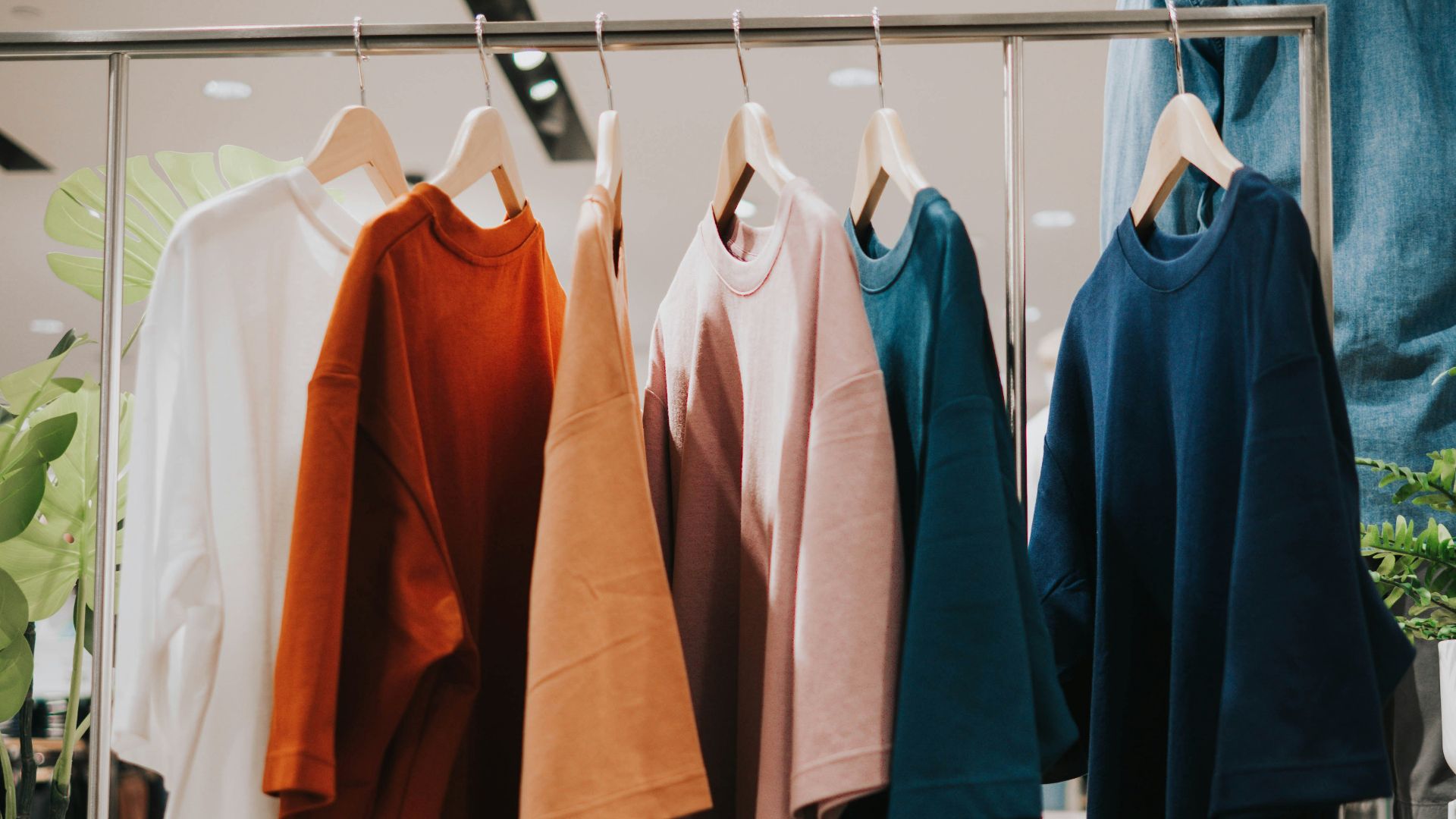
13. Wearing Colors That Wash You Out
Not every color works equally well on every person. Certain shades can make the complexion appear dull or tired. Finding colors that complement your skin tone can noticeably improve how clothing looks.
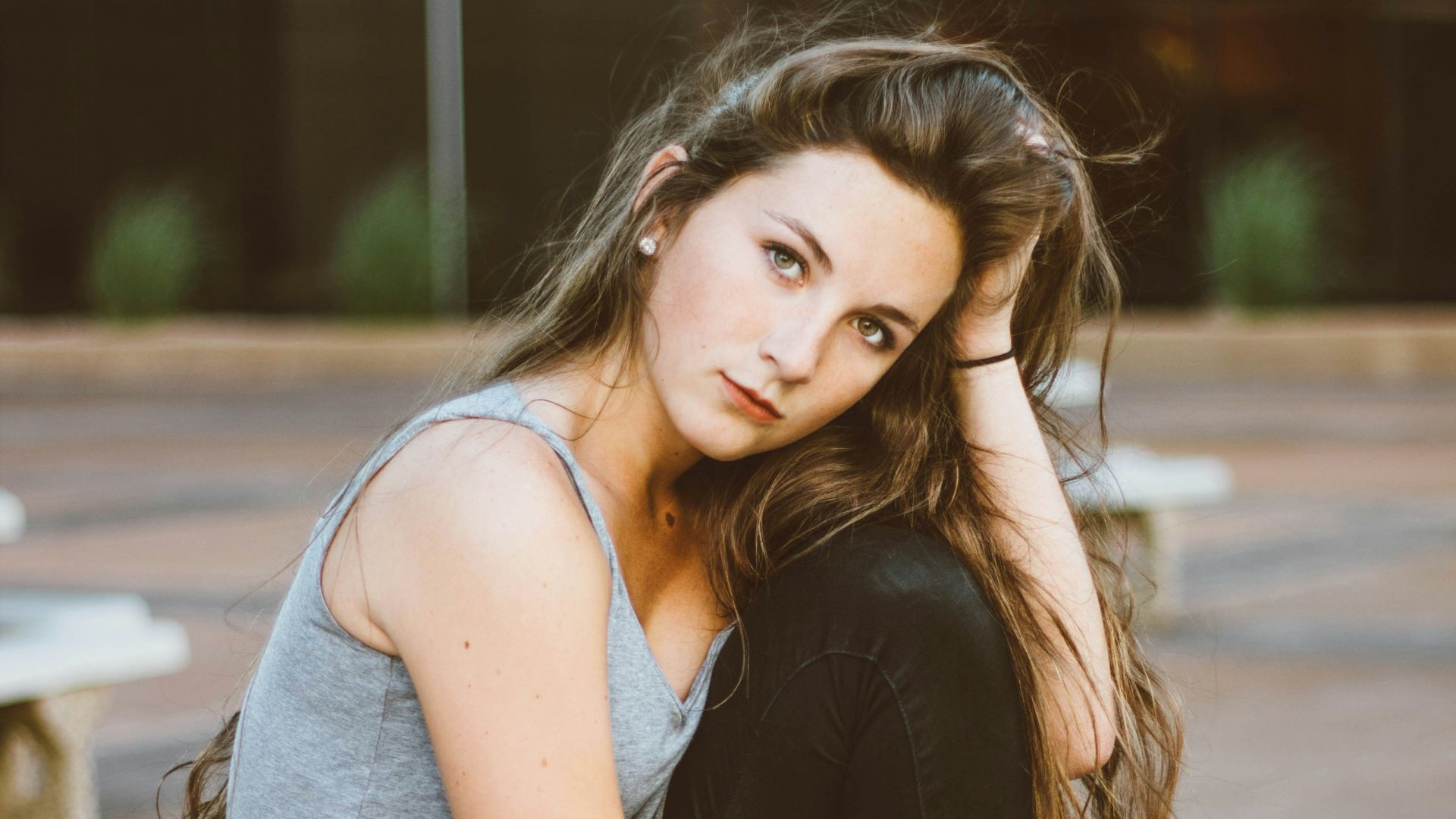
14. Choosing the Wrong Jacket Length
Outerwear has a major impact on an outfit's proportions. Jackets that end at awkward points can visually shorten the body or create imbalance. Selecting lengths that work with your height and outfit often produces a more flattering effect.
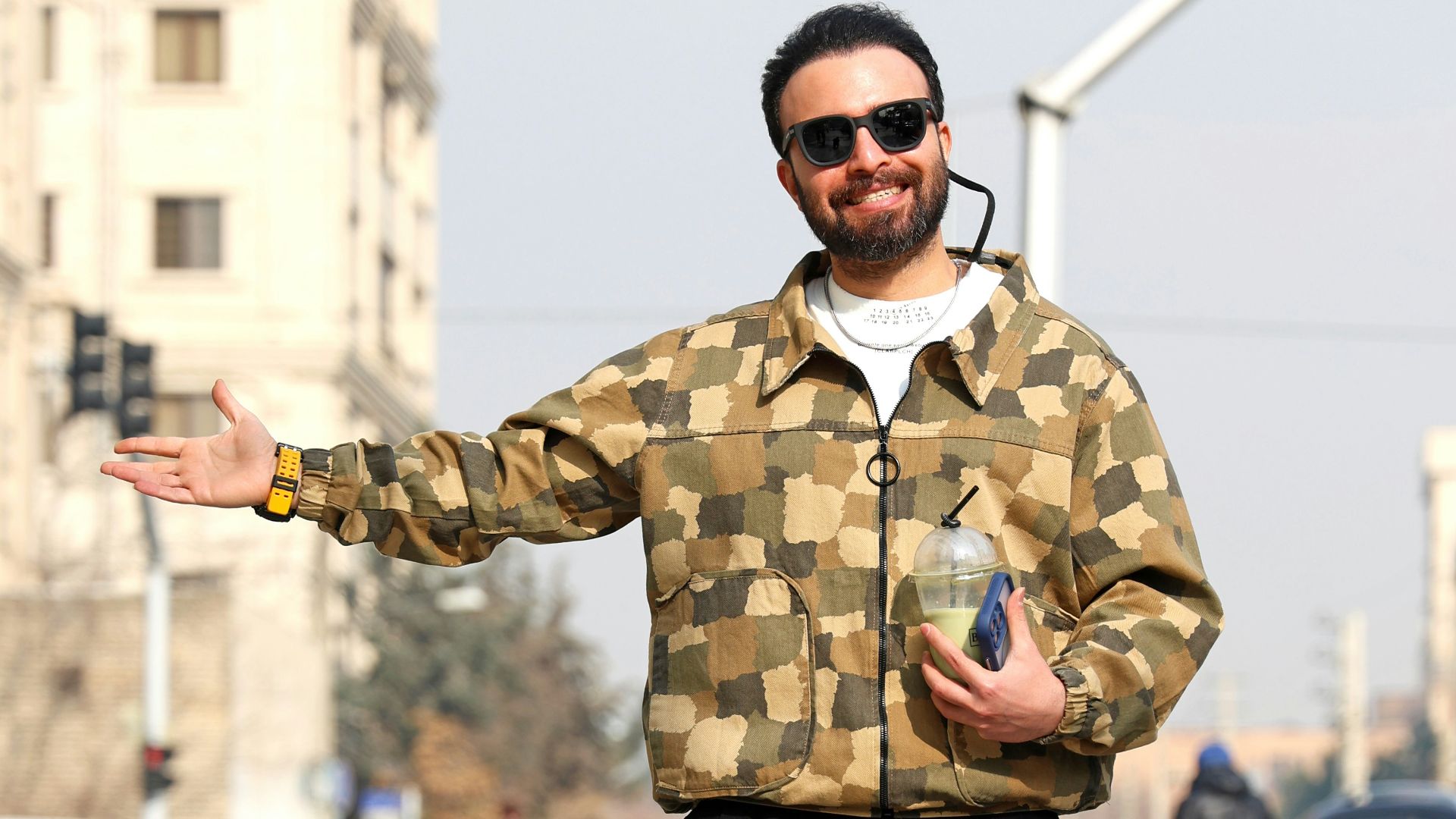
15. Ignoring the Importance of a Belt
A belt can do much more than hold up pants. It can define the waist, create shape, and help break up large blocks of fabric. Skipping one when an outfit needs structure can make the look feel unfinished.
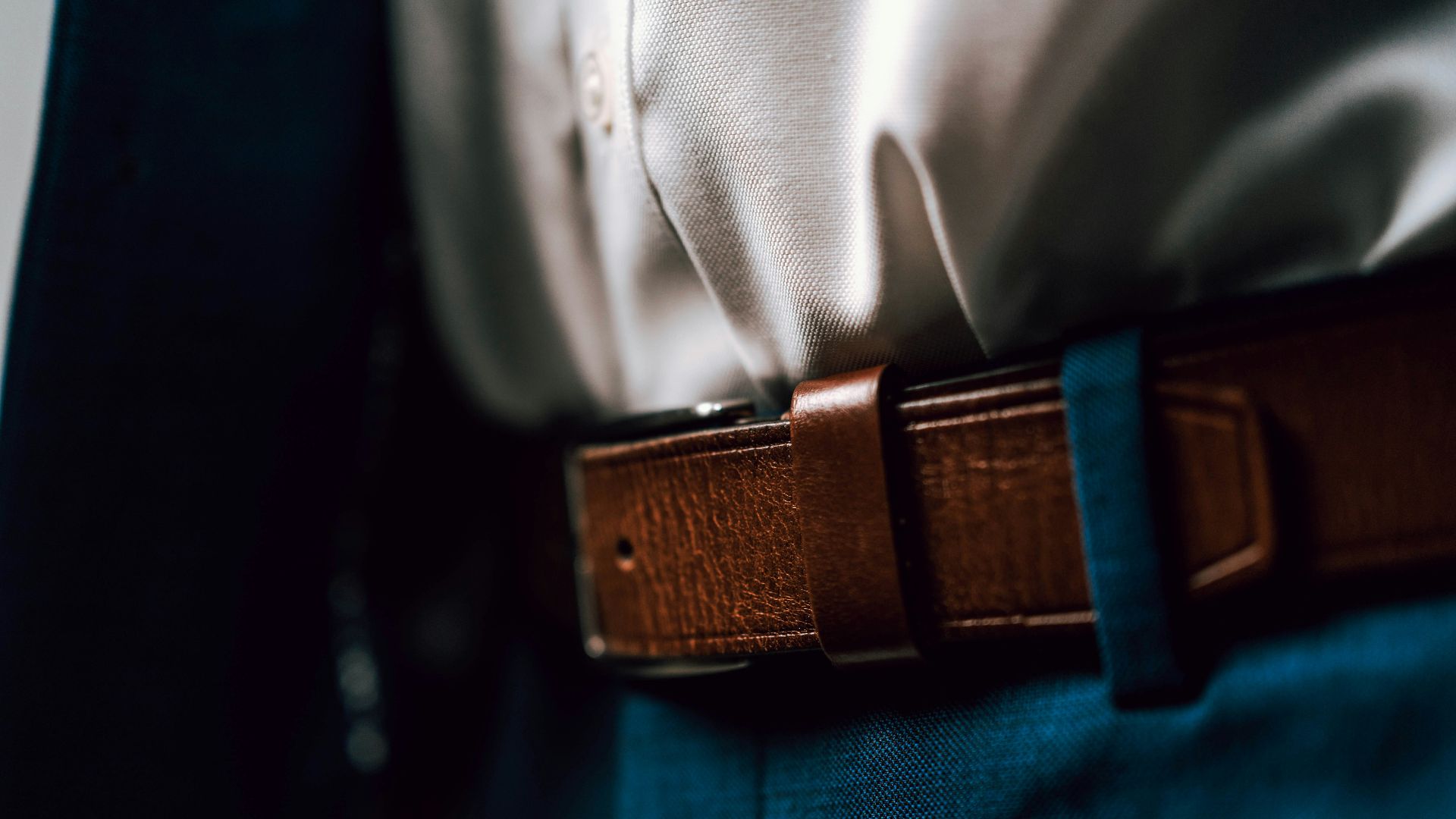
16. Wearing Clothes That Are Out of Shape
Garments can lose their original structure over time due to repeated wear and washing. Stretched collars, sagging fabric, and misshapen knits often appear less flattering. Replacing or repairing worn pieces helps maintain a polished appearance.
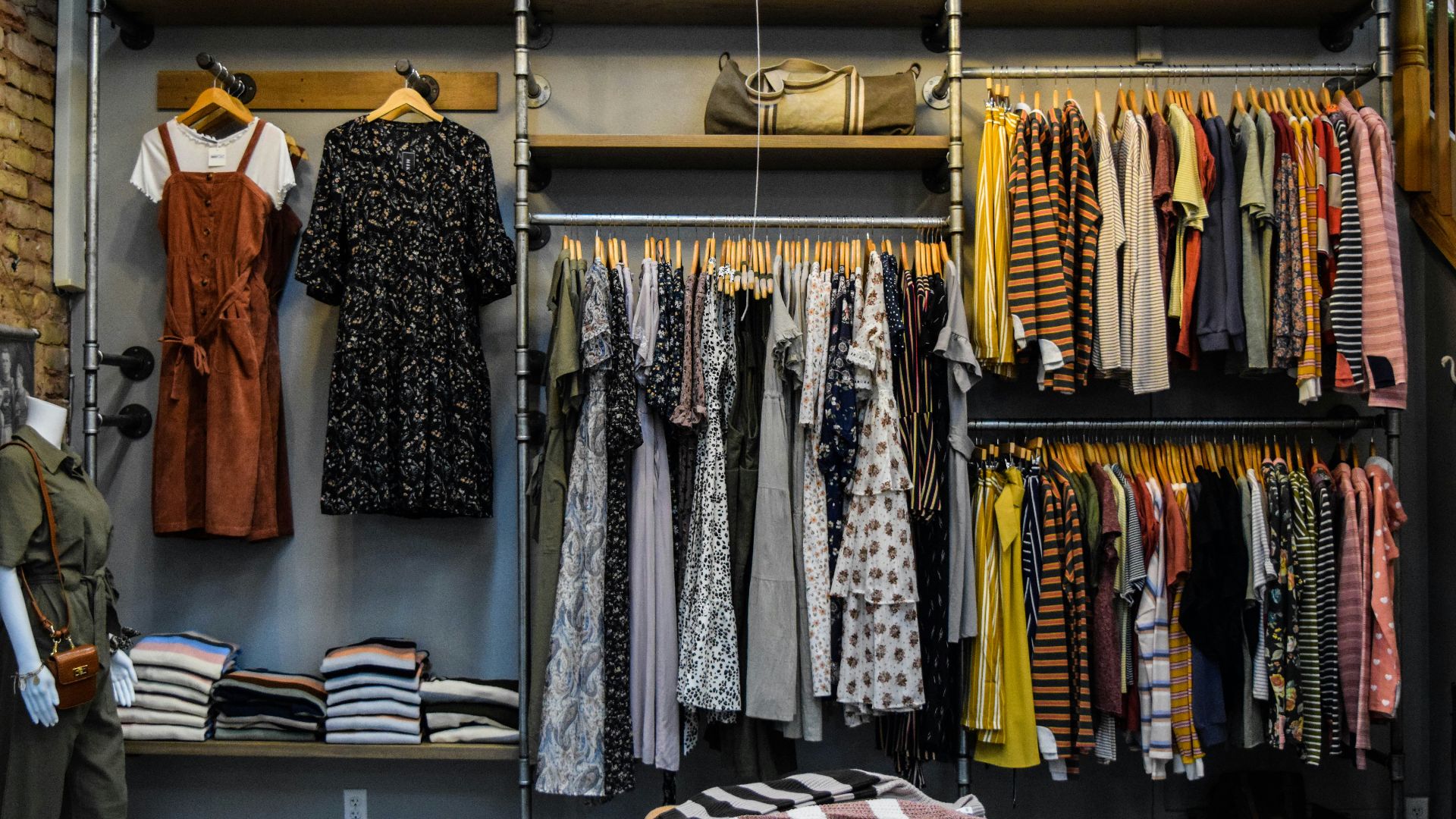
17. Choosing the Wrong Sock Style
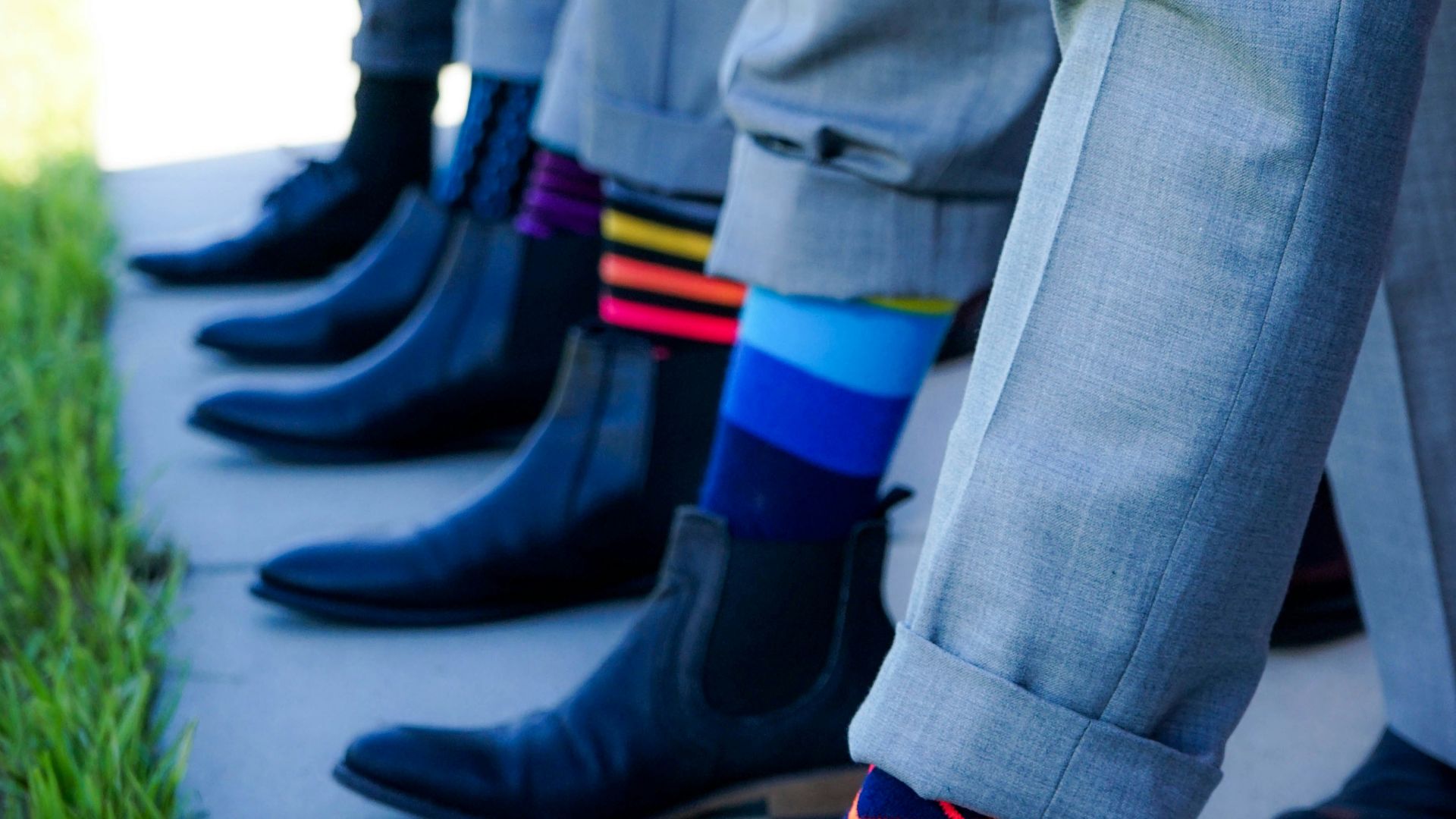
Socks may seem like a minor detail, but they can affect an outfit's overall balance. Visible socks that clash with the look can create an unintended distraction. Selecting the right length and style helps maintain visual consistency.
18. Layering Too Many Bulky Pieces
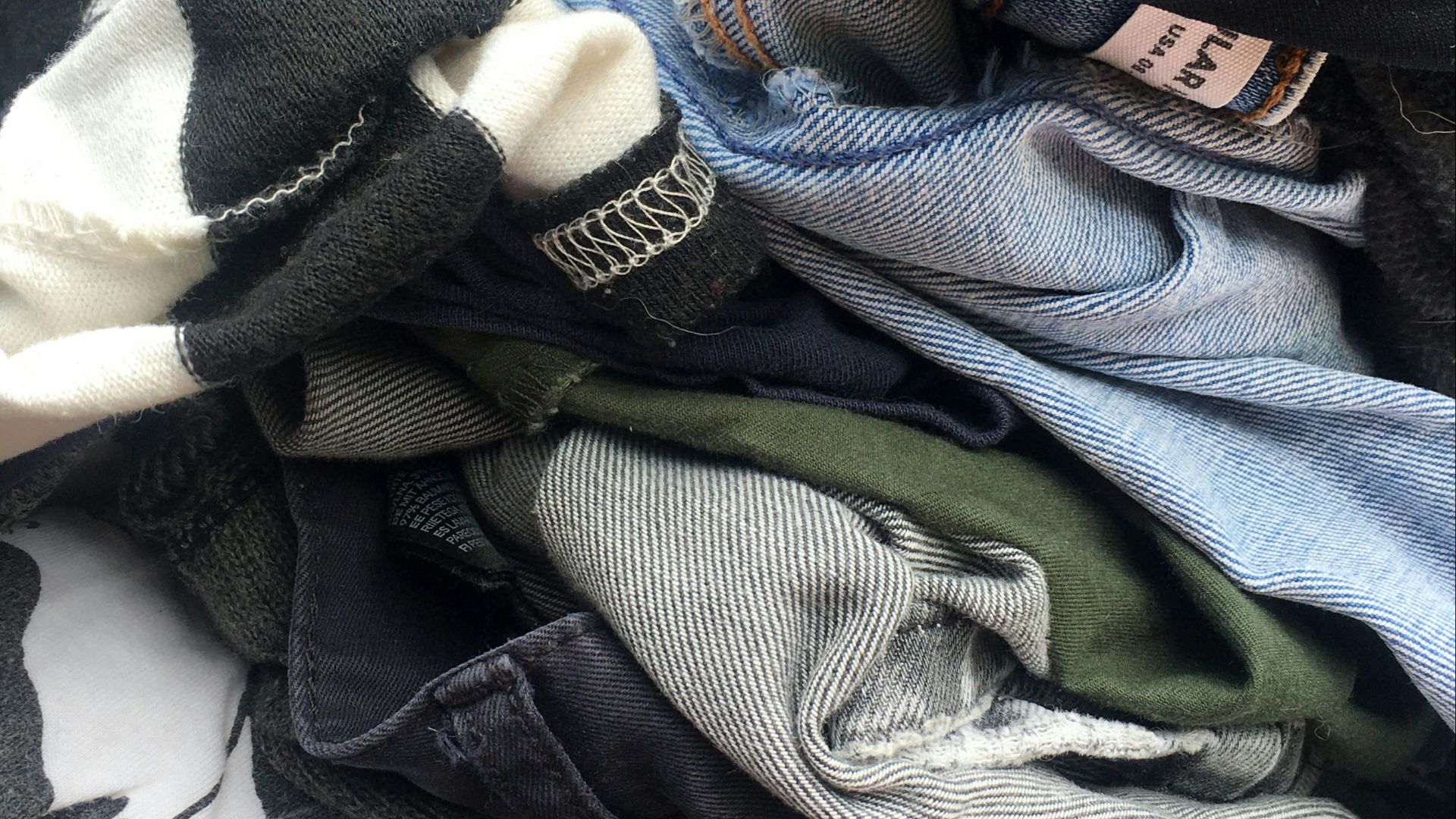
Layering adds interest, but excessive bulk can hide shape and create unnecessary volume. Thick sweaters, heavy jackets, and oversized scarves can overwhelm proportions when combined. Strategic layering tends to look more flattering.
19. Following Trends Without Considering Fit
Fashion trends don't automatically suit every body type or personal style. Wearing something solely because it's popular can sometimes result in an unbalanced look. Adapting trends to fit your proportions usually works better than copying them exactly.
20. Forgetting About Posture
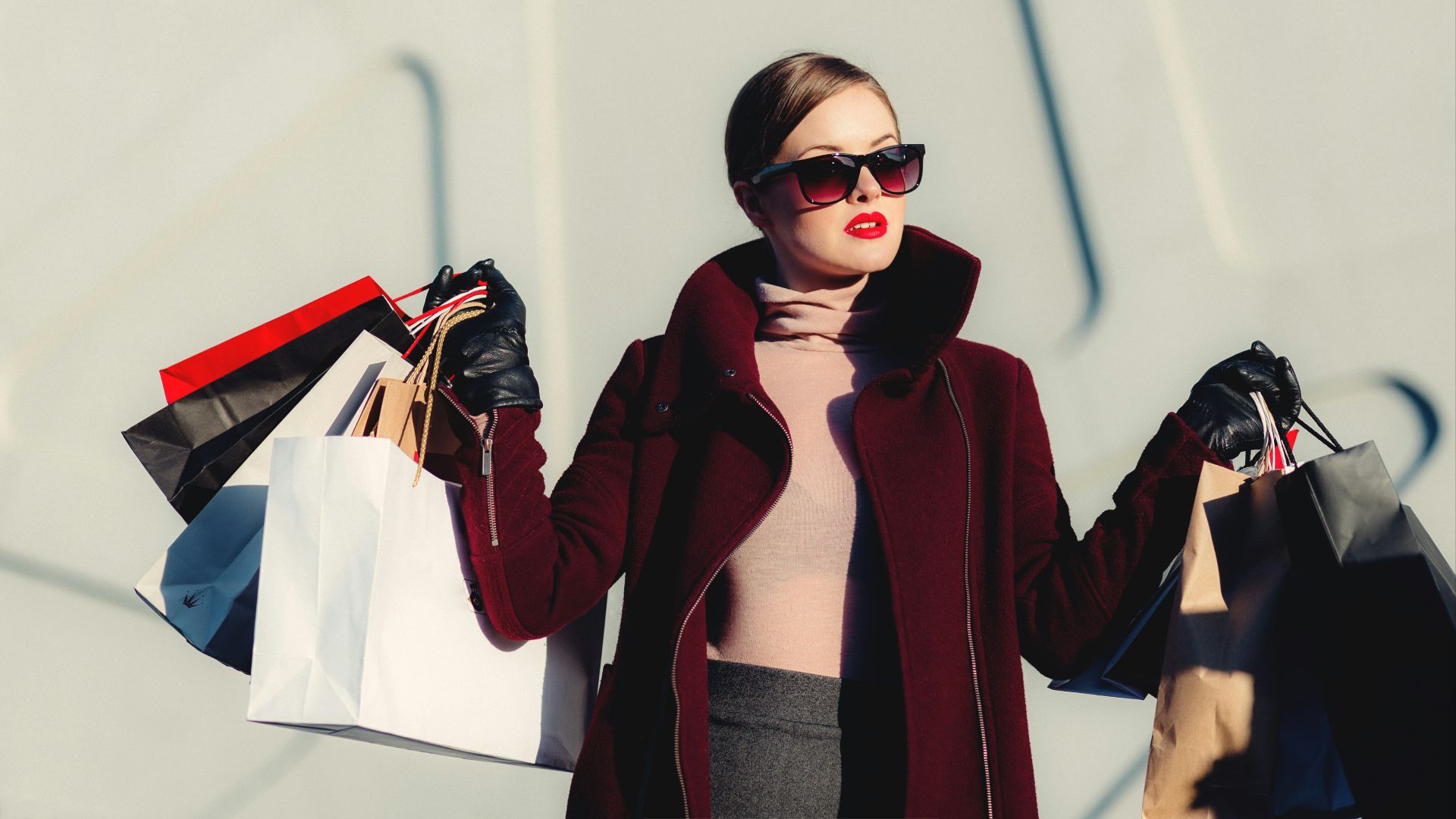
Even a great outfit can look less flattering when the posture is poor. Slouching can affect how clothing hangs and change the overall silhouette. Standing comfortably and confidently often allows clothing to look its best.