
Shopping Smarter Starts Before You Reach the Checkout
If you're like most people, the moment you see something on sale, you'll click buy before you've even had a chance to really think it through. After all, a deal's a deal, right? But even though it may look like you "saved" money, you could be sabotaging yourself in the long run—and that jacket you got on sale might just end up in the donation bin after a few wears and washes. Here are 10 of the most common clothes shopping mistakes people make that you should learn to avoid, and 10 smarter tips to follow that actually help save you money.

1. Ignoring the Fabric Content
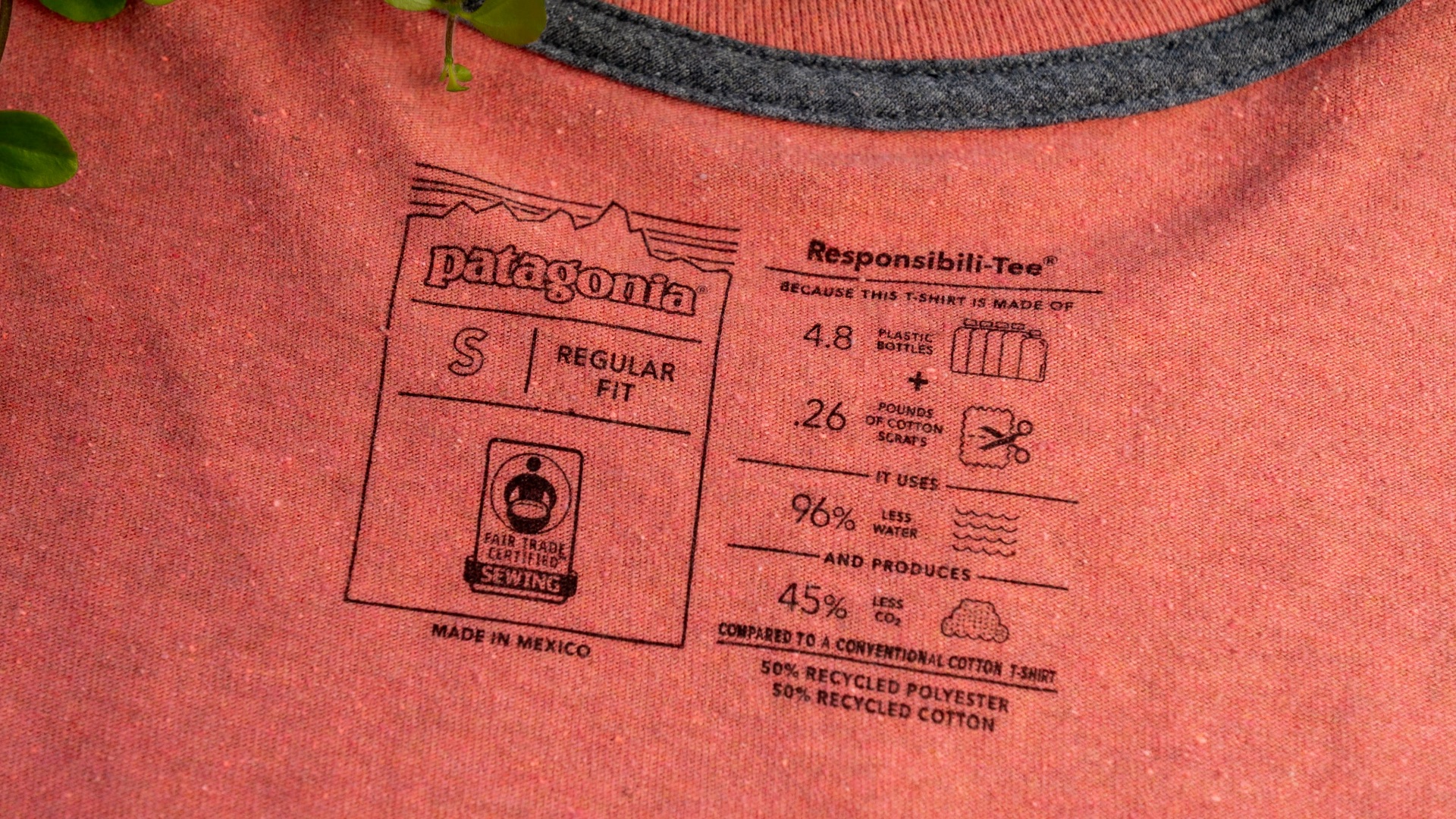
A piece can look beautiful on the hanger, but the fabric often tells you how it will feel, wear, and hold up over time. Some materials, like polyester, stretch out quickly, pill after a few washes, or feel uncomfortable after an hour of wear. Checking the fabric content helps you understand whether the item suits your climate, lifestyle, and comfort preferences. It also gives you a better sense of whether the price actually matches the quality.
2. Skipping the Care Label
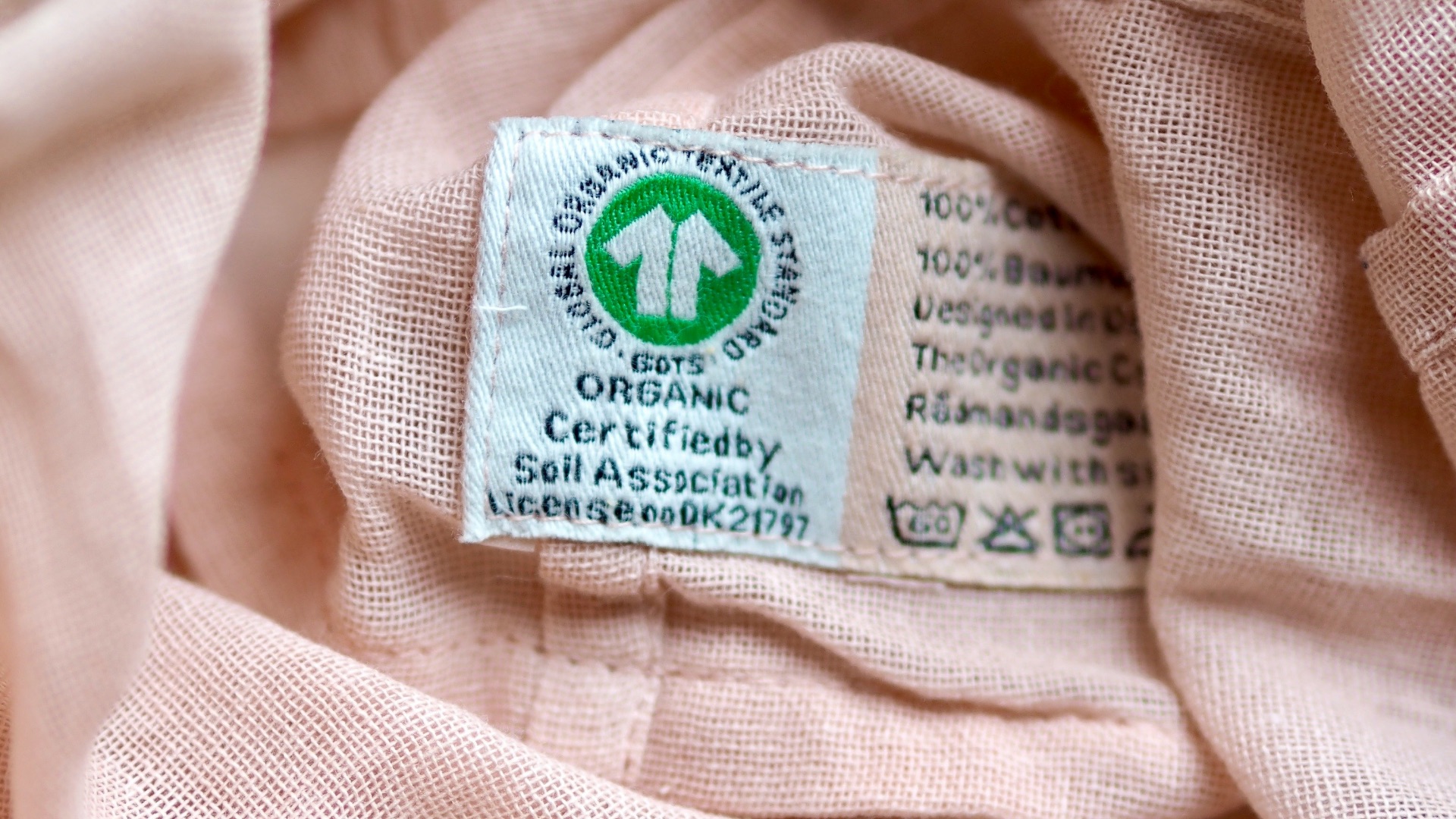
A lot of people buy clothing without realizing it needs dry cleaning, hand washing, or special handling. That can turn an affordable item into something expensive or inconvenient to maintain. Before buying, look at the care label and ask yourself whether you’ll realistically follow those instructions. If you know you avoid high-maintenance clothes, it’s better to pass than let the item sit unworn.
3. Deliberately Buying the Wrong Size
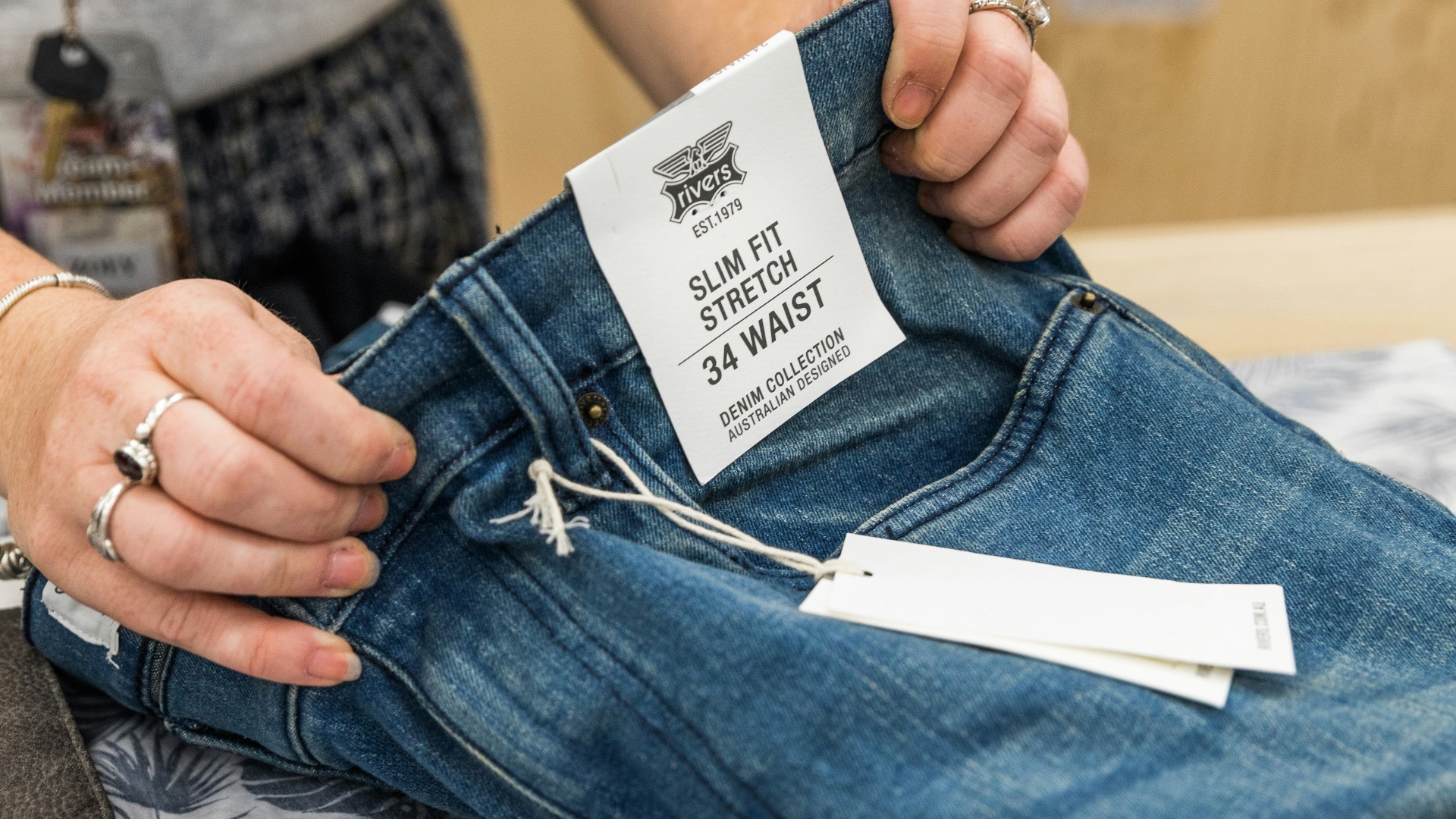
This might sound like a mistake you would never make, but you'd be surprised. After all, clothing sizes vary widely between brands, so if you're always hyperfixated on one number (instead of trying different sizes on), that can lead to poor choices. You should also never buy a size that pinches, bunches, or digs uncomfortably into your skin when you move. The best fit is the one that moves with you and looks good on your actual body, not the size you hoped would work. When something fits properly, you’re much more likely to reach for it again.
 S O C I A L . C U T on Unsplash
4. Choosing Trendy Pieces That Don’t Suit Your Lifestyle
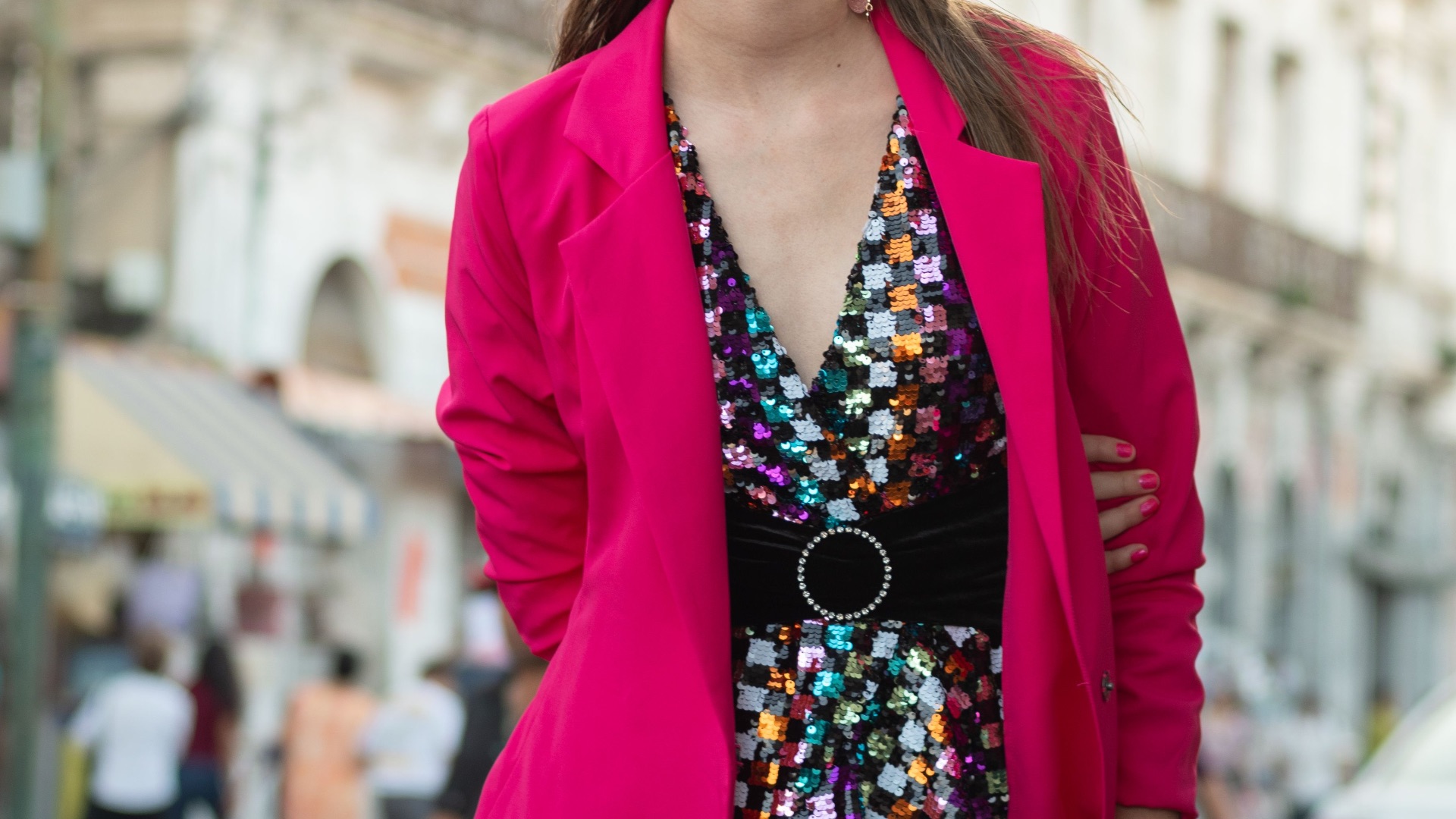
Trends can be fun, but they become wasteful when they don’t fit the way you actually dress. A dramatic piece might look appealing online, yet feel impractical for your job, errands, weather, or social life. Before buying into a trend, think about where you’ll wear it and what you’ll pair it with. If you can’t picture multiple realistic uses, it may not deserve space in your closet.
 Carlos Rubio Tristan on Pexels
5. Not Checking the Seams and Stitching
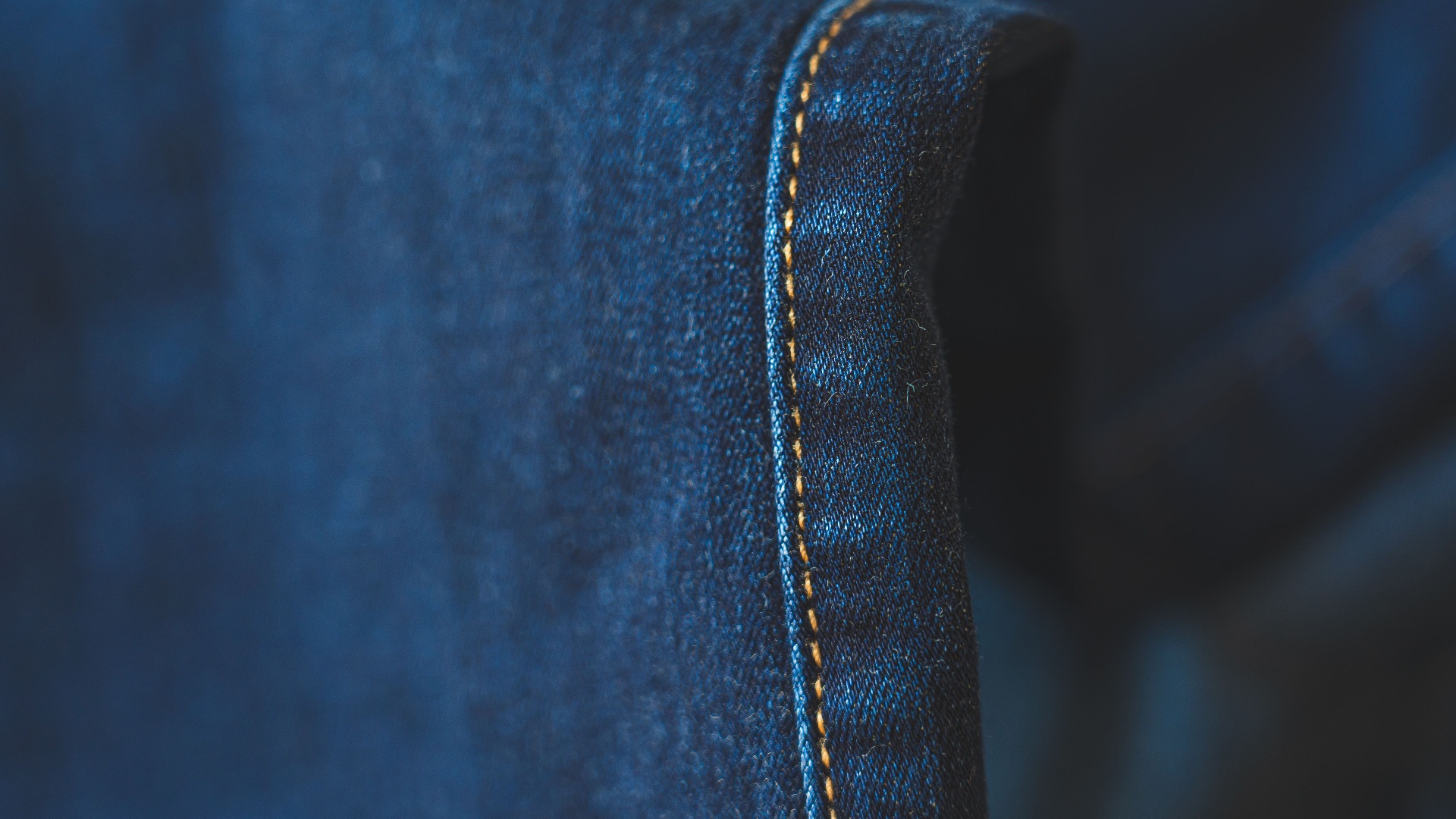
Construction details can reveal a lot about how long a garment will last. Loose threads, uneven hems, weak seams, and puckered stitching are signs that the item may not hold up well. You don’t have to be an expert to spot basic issues if you take a minute to inspect the garment closely. A quick check can save you from buying something that starts falling apart after minimal wear.
6. Buying Something Just Because It’s on Sale
A discount can make a questionable item feel like a smart deal, but saving money only matters if you’ll actually use what you buy. Clothes that don’t fit, don’t flatter, or don’t match your wardrobe are still a waste, even at half price. Sale shopping works best when you’re buying something you would have considered at full price. Otherwise, the lower cost can distract you from a poor decision.

7. Overlooking How the Item Feels When You Move
Trying on clothes while standing still doesn’t always show how they’ll function during a normal day. Sit down, raise your arms, walk around, and check whether anything rides up, digs in, gaps, or feels restrictive. Comfort matters because even attractive clothes can become frustrating if they’re difficult to wear. The more naturally an item moves with you, the more useful it will be.

8. Not Considering What You Already Own
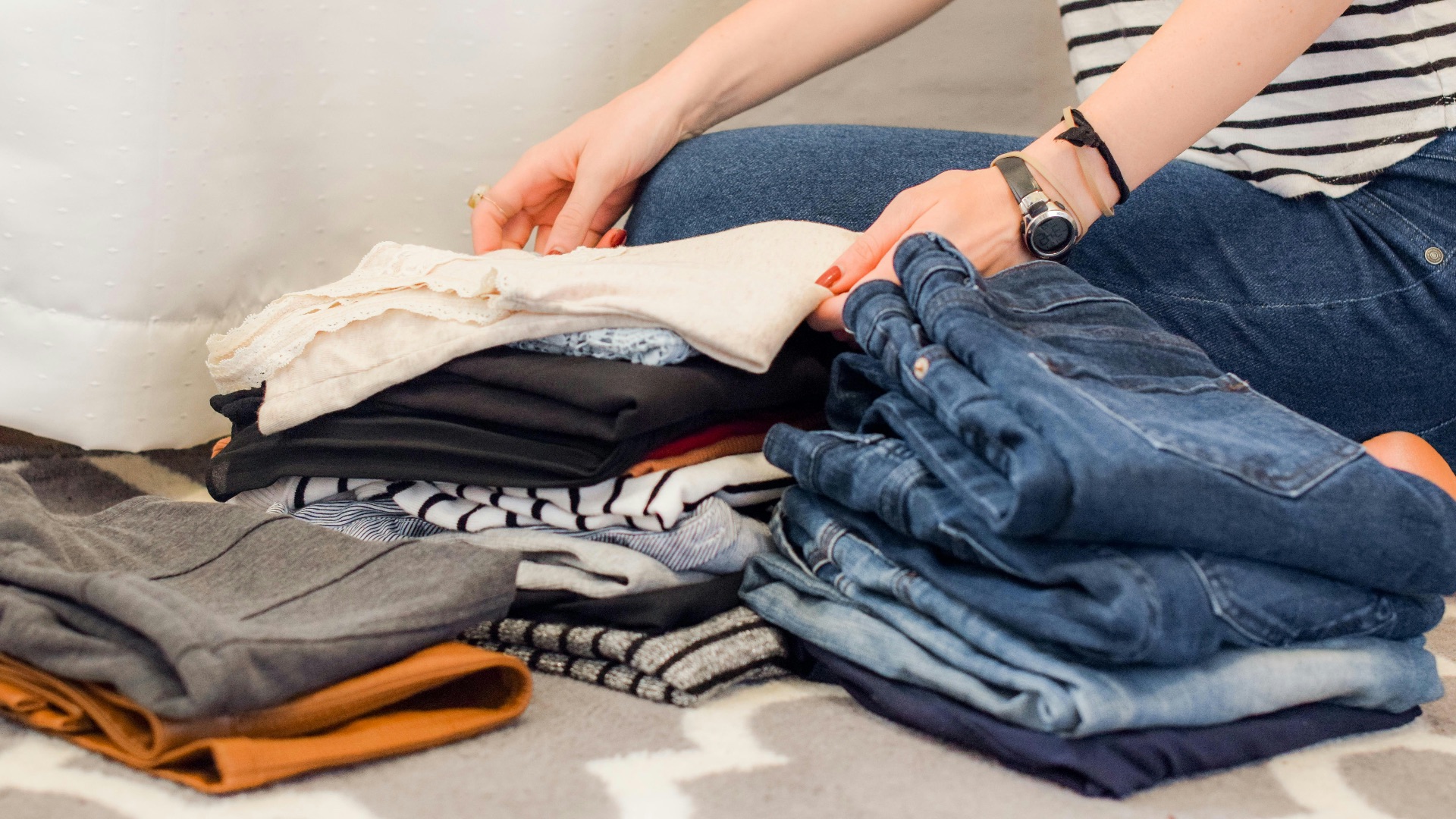
A new piece might seem appealing on its own, but it needs to work with the rest of your wardrobe. If you have to buy several more things just to style it, the real cost becomes much higher. Think about shoes, jackets, undergarments, and other basics you already have before deciding. Clothes that pair easily with your existing items tend to become more valuable over time.
9. Letting the Brand Name Influence the Decision Too Much
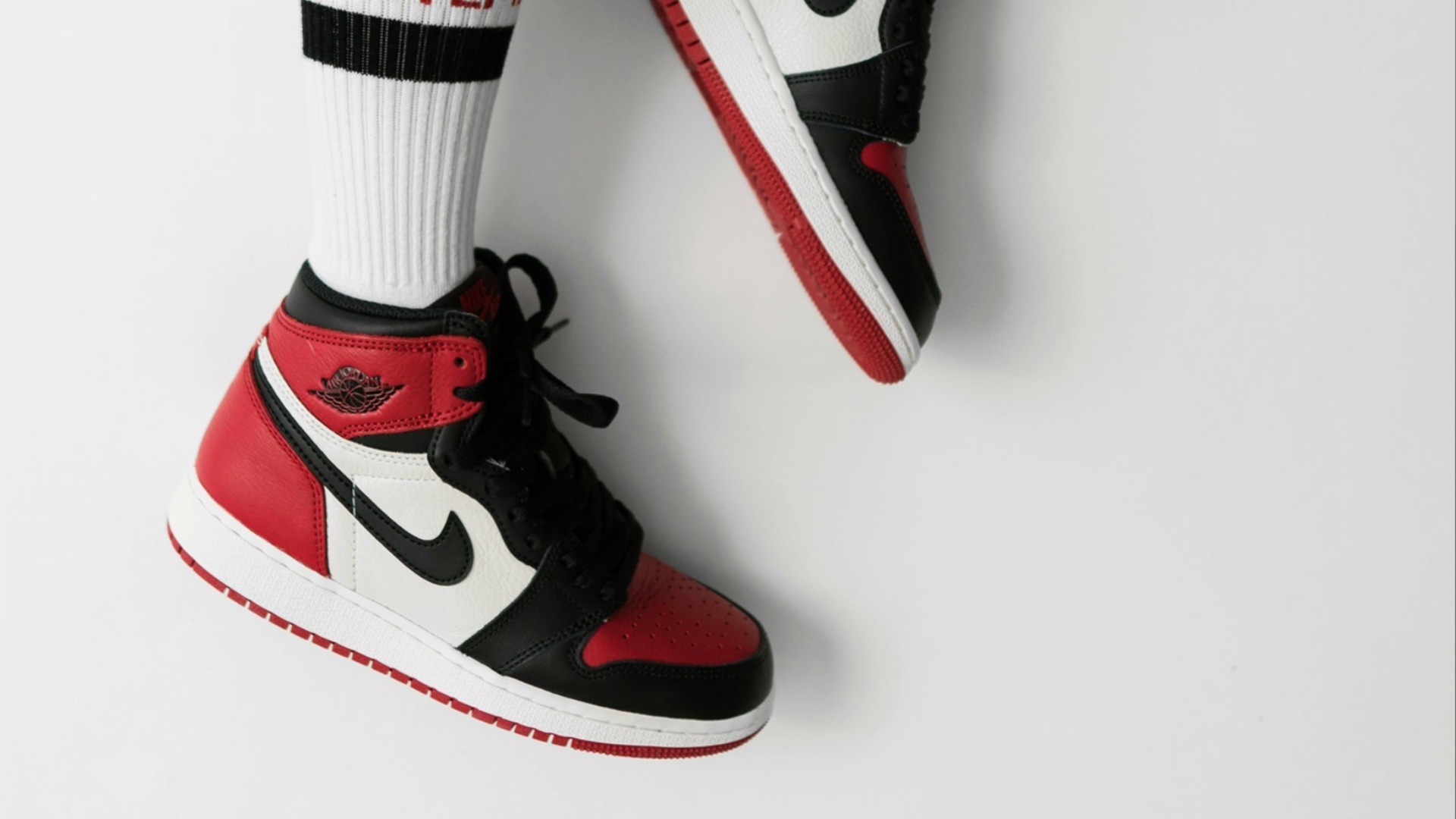
A recognizable label doesn’t always mean better fabric, fit, or construction. Some people assume a brand name automatically makes a piece worth the price, but that isn’t always true. It’s better to judge the garment in front of you by how it fits, feels, and performs. A less expensive item can be the smarter choice if it’s made well and suits your needs.
10. Buying for an Imaginary Version of Your Life
Many closets are filled with clothes meant for events, habits, or routines that never really happen. It’s easy to buy something for the person you plan to become instead of the life you currently live. There’s nothing wrong with having a few special pieces, but most of your wardrobe should support your daily reality. When you shop for your actual schedule and preferences, your clothes become easier to wear and justify.
Now that you're aware of which mistakes tend to drain your clothing budget and make you regret your choices, let's jump into how to stretch your money without settling for clothes you don’t enjoy wearing.

1. Make a List Before You Shop
A simple list helps you stay focused and avoid buying random pieces that don’t solve any wardrobe problem. Before shopping, check what you already own and identify the gaps you actually need to fill. This could mean replacing worn basics, finding a jacket for a specific season, or buying shoes that work with several outfits. When you shop with a purpose, your money goes toward clothes you’ll use more often.

2. Build Around Versatile Basics
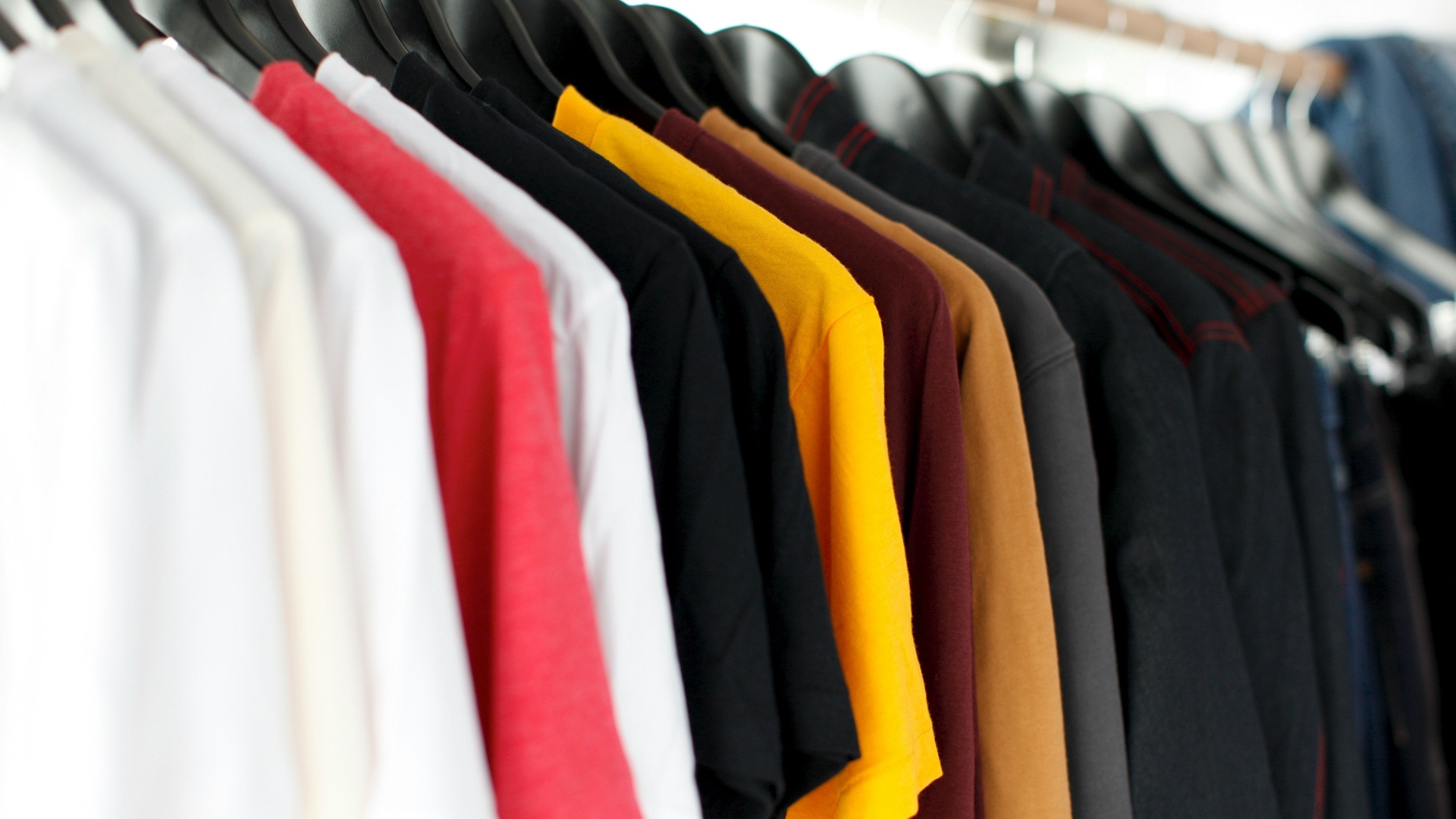
Clothes that can be styled several ways usually give you better value than items with only one specific use. Well-fitting jeans, neutral tops, simple sweaters, practical jackets, and reliable shoes can support many outfits without constant new purchases. Versatile doesn’t have to mean boring; it simply means the item works easily with what you already wear. A strong foundation makes the rest of your wardrobe easier to manage.
3. Wait Before Buying Non-Essential Items
A waiting period can help separate real interest from impulse shopping. When you see something you like but don’t truly need, give yourself a day or two before deciding. Often, the urge fades once you’re away from the store or website. If you’re still thinking about it and know how you’ll wear it, the purchase is more likely to be worthwhile.

4. Compare Prices Before Checking Out
The same or similar clothing item may be available for less at another store, especially online. Taking a few minutes to compare prices can prevent you from overpaying for basics, shoes, outerwear, or seasonal pieces. Look at shipping costs, return policies, and available coupons before deciding where to buy. A lower sticker price isn’t always the best deal if extra fees erase the savings.

5. Shop Off-Season When Possible
Retailers often mark down clothing when the season is ending, which can be a good time to buy pieces you know you’ll need later. Coats, boots, swimsuits, and sweaters are often cheaper when demand drops. This strategy works best for classic items that won’t feel outdated by the time you wear them. Planning ahead can help you avoid paying full price when the weather changes.
6. Take Care of the Clothes You Already Own
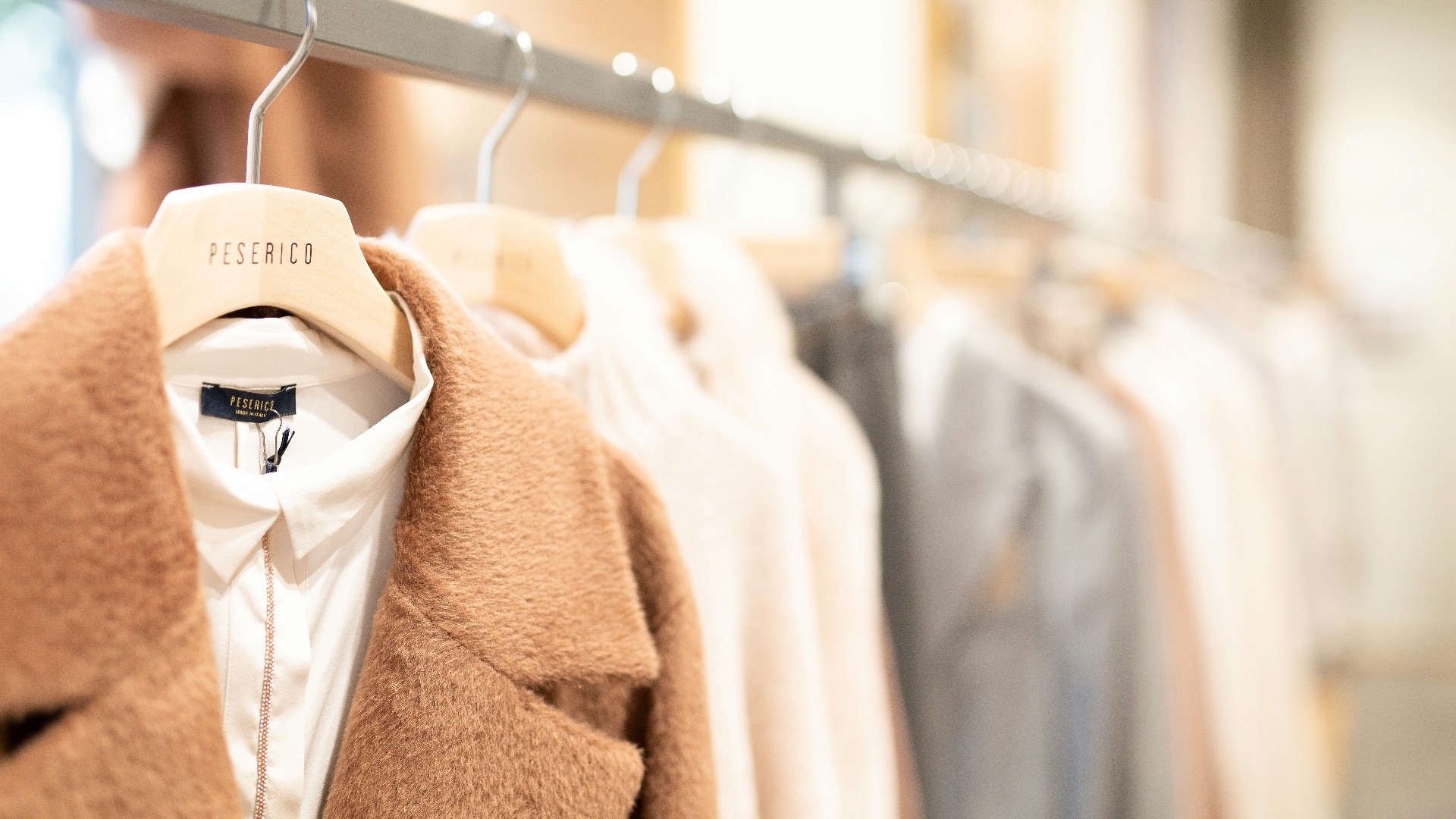
Good clothing care can save a surprising amount of money because it delays replacements. Washing items correctly, air-drying when appropriate, storing pieces properly, and treating stains quickly can extend the life of your wardrobe. Even small habits, like turning dark clothes inside out before washing, can help preserve color and fabric. The longer your clothes stay wearable, the less often you need to shop.

7. Learn Basic Repairs
You don’t need advanced sewing skills to fix a loose button, a small hem issue, or a minor seam opening. Basic repairs can keep otherwise good clothing from being discarded too soon. A small sewing kit, fabric shaver, or stain remover can pay for itself quickly if it helps you rescue pieces you already own. Repairing what you have is often cheaper than replacing it.

8. Use Sales Strategically
Sales are most useful when they help you buy something you already planned to purchase. Instead of browsing every promotion, keep an eye on items you genuinely need and wait for discounts when possible. This keeps you from filling your cart with things that only look appealing because they’re marked down. A smart sale purchase should still make sense after the discount is removed.

9. Consider Secondhand Options
Thrift stores, consignment shops, and resale platforms can offer quality clothing at much lower prices. This is especially helpful for coats, denim, occasion wear, handbags, and pieces from higher-quality brands. Always check the condition carefully, including zippers, lining, stains, odors, and fabric wear, before buying. When you’re selective, secondhand shopping can add value to your wardrobe without stretching your budget.

10. Track What You Actually Wear
Paying attention to your real habits helps you spend less on clothes that don’t fit your life. Notice which pieces you reach for often, which ones stay untouched, and why certain items work better than others. Over time, this gives you a clearer sense of your preferred cuts, colors, fabrics, and outfit formulas. When you understand your own patterns, future shopping becomes more intentional and less wasteful.