Location Is the Message
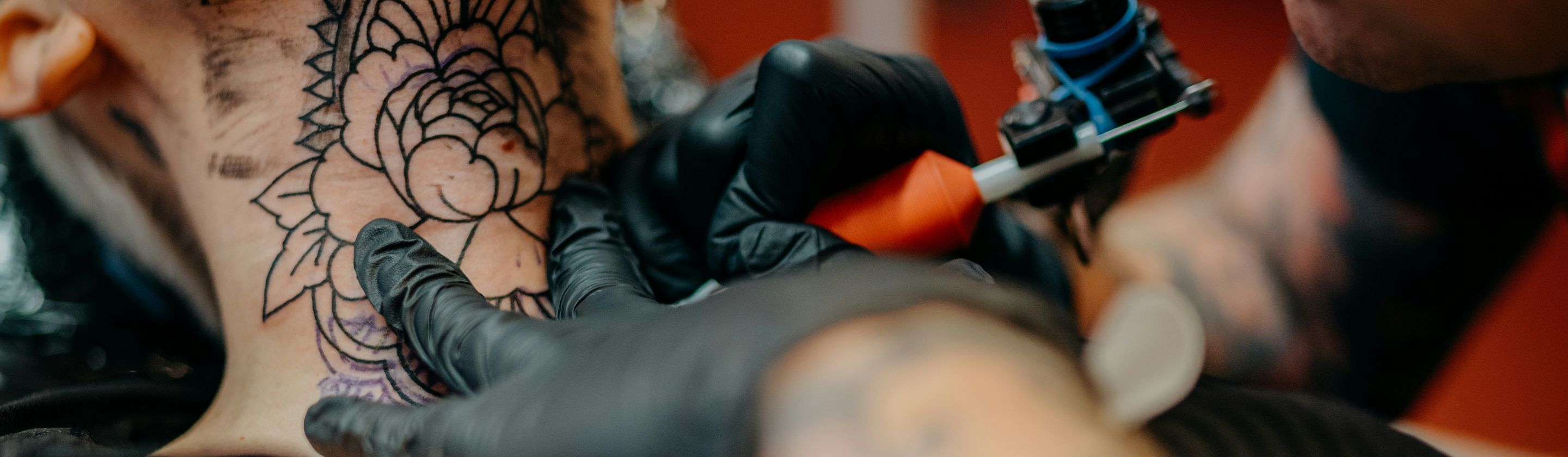
Where a tattoo lives on your body shapes how people receive it before they've even processed the image. The same piece on your forearm versus your ribcage sends two entirely different signals, one is public and the other is something you choose to share. Placement carries context, and whether you've thought about it or not, other people are reading it. Here's 20 placements worth understanding before you commit.
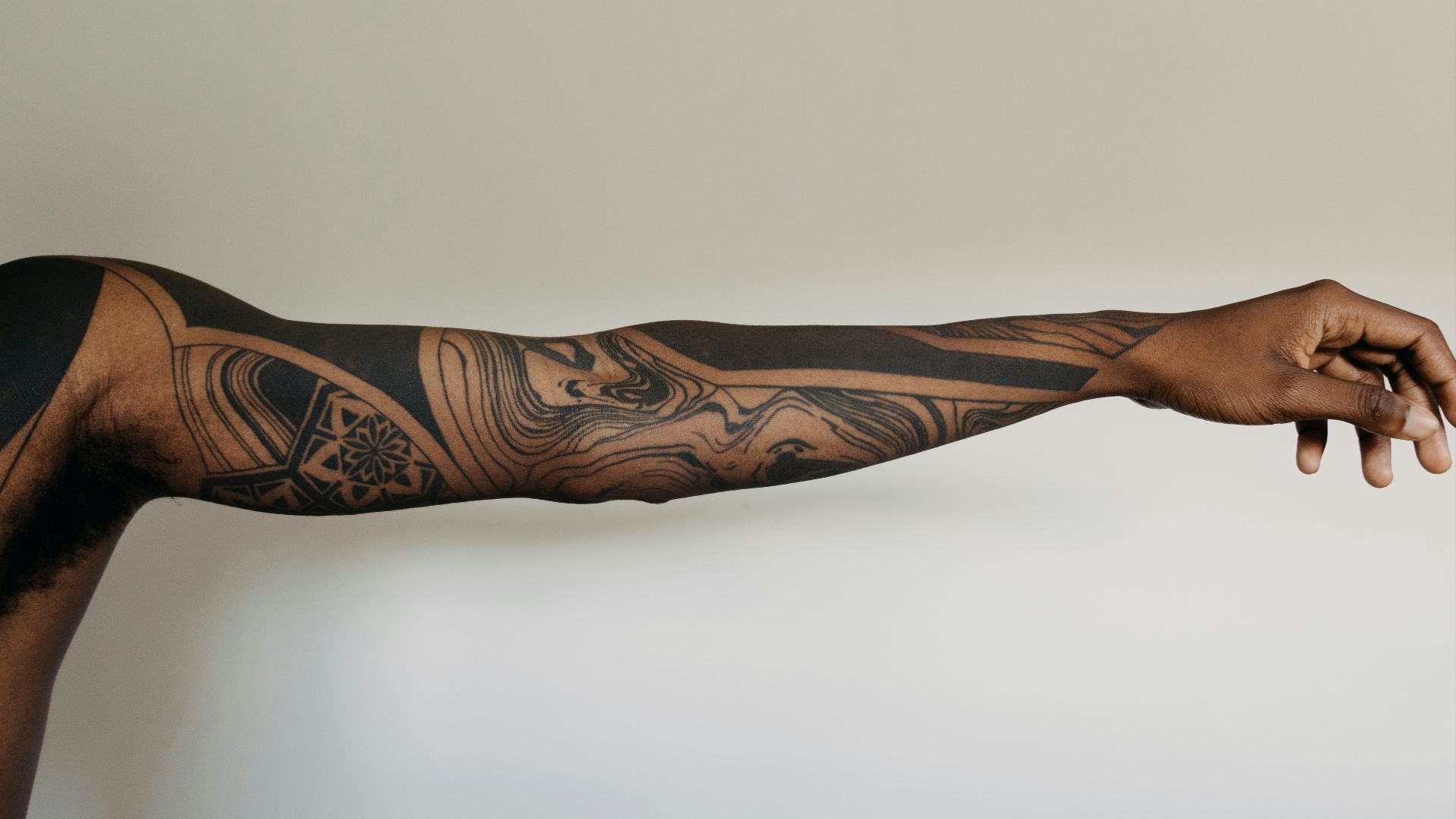
1. The Full Sleeve
It's a declaration more than a decoration. A full sleeve tells the world you're not trying to pass in professional spaces that require you to cover up, or you've decided those spaces aren't for you. People read commitment, sometimes counterculture, occasionally intimidation, and it's one of the few placements that functions as an identity marker from across the room.
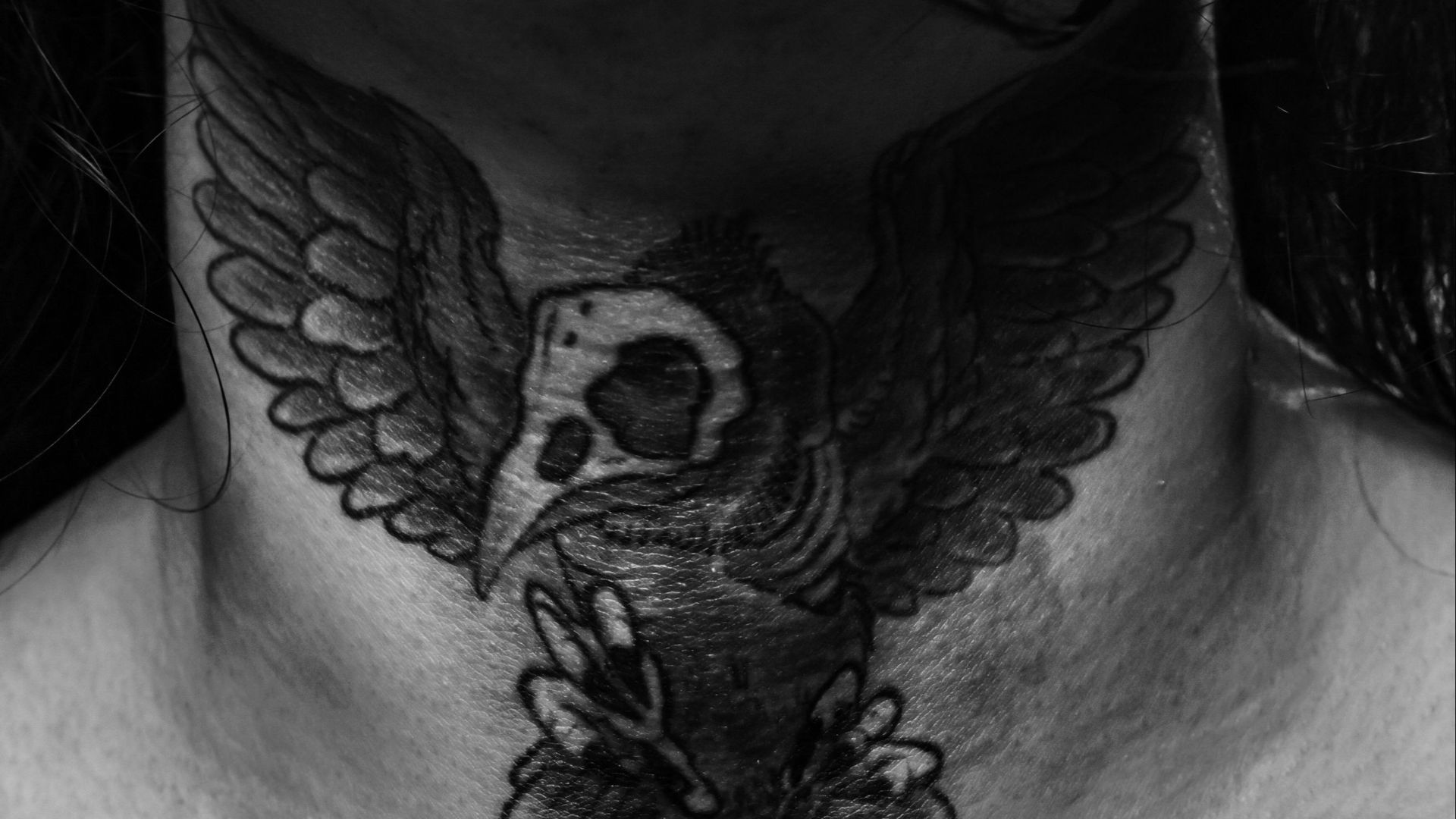
2. The Throat
Nothing about a throat tattoo reads as casual. It's one of the last placements where people still do a double take, partly because it's impossible to hide and partly because it reads as a hard social line crossed. In certain subcultures it signals deep commitment to a particular world. Outside of them, it stops conversations.
3. The Inner Wrist
Small, often delicate, usually personal. The inner wrist is one of the most common placements for a reason. It's visible enough to be seen when you want it seen, easy enough to glance at yourself, and just intimate enough that people who notice it often ask about it. It tends to read as meaningful rather than decorative.
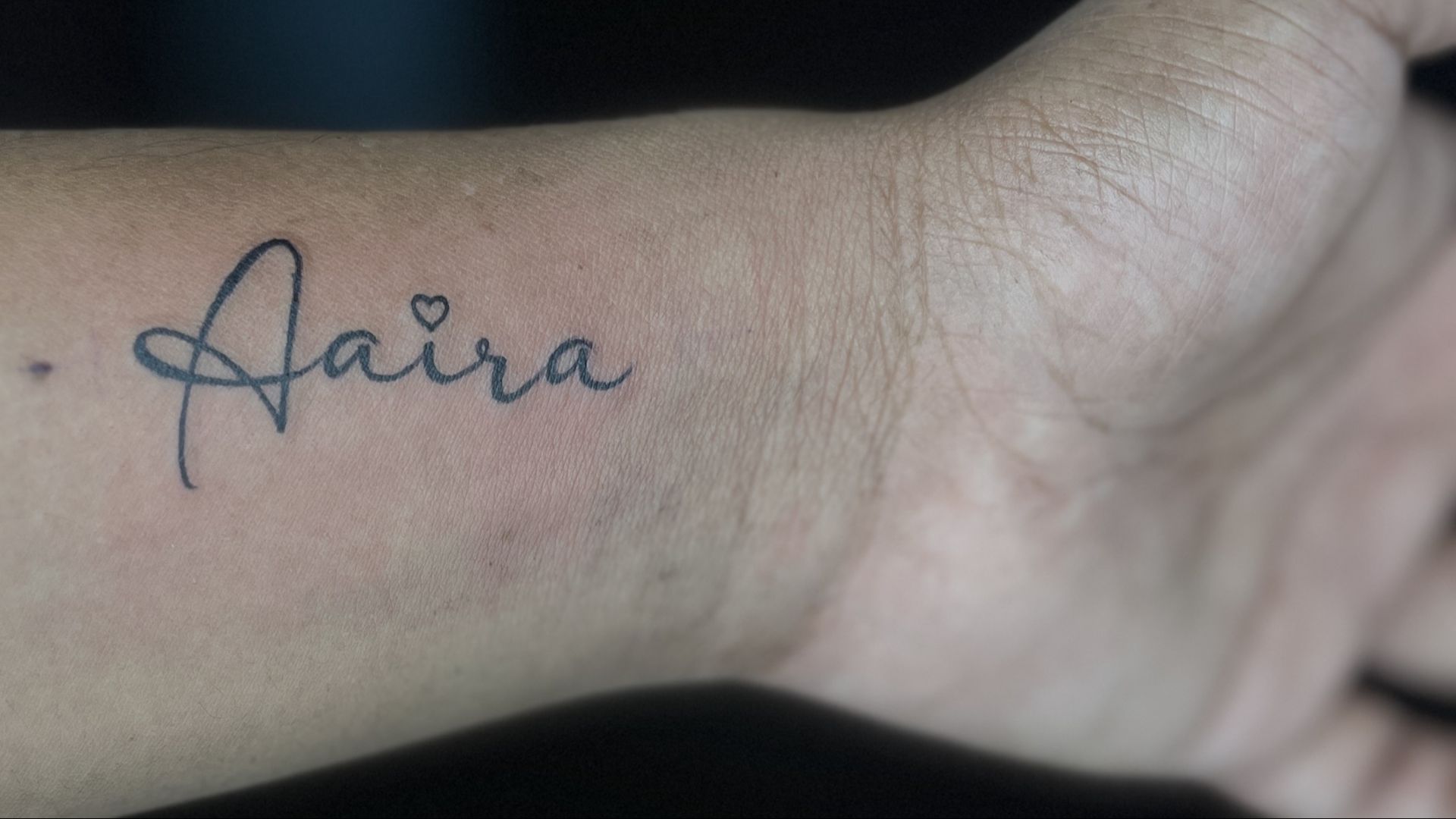
4. The Back of the Neck
It disappears under a collar and reappears when you pull your hair up. That selective visibility is part of its appeal. People tend to read back-of-neck tattoos as understated and intentional, a placement for someone who knows exactly what they're doing but isn't leading with it.
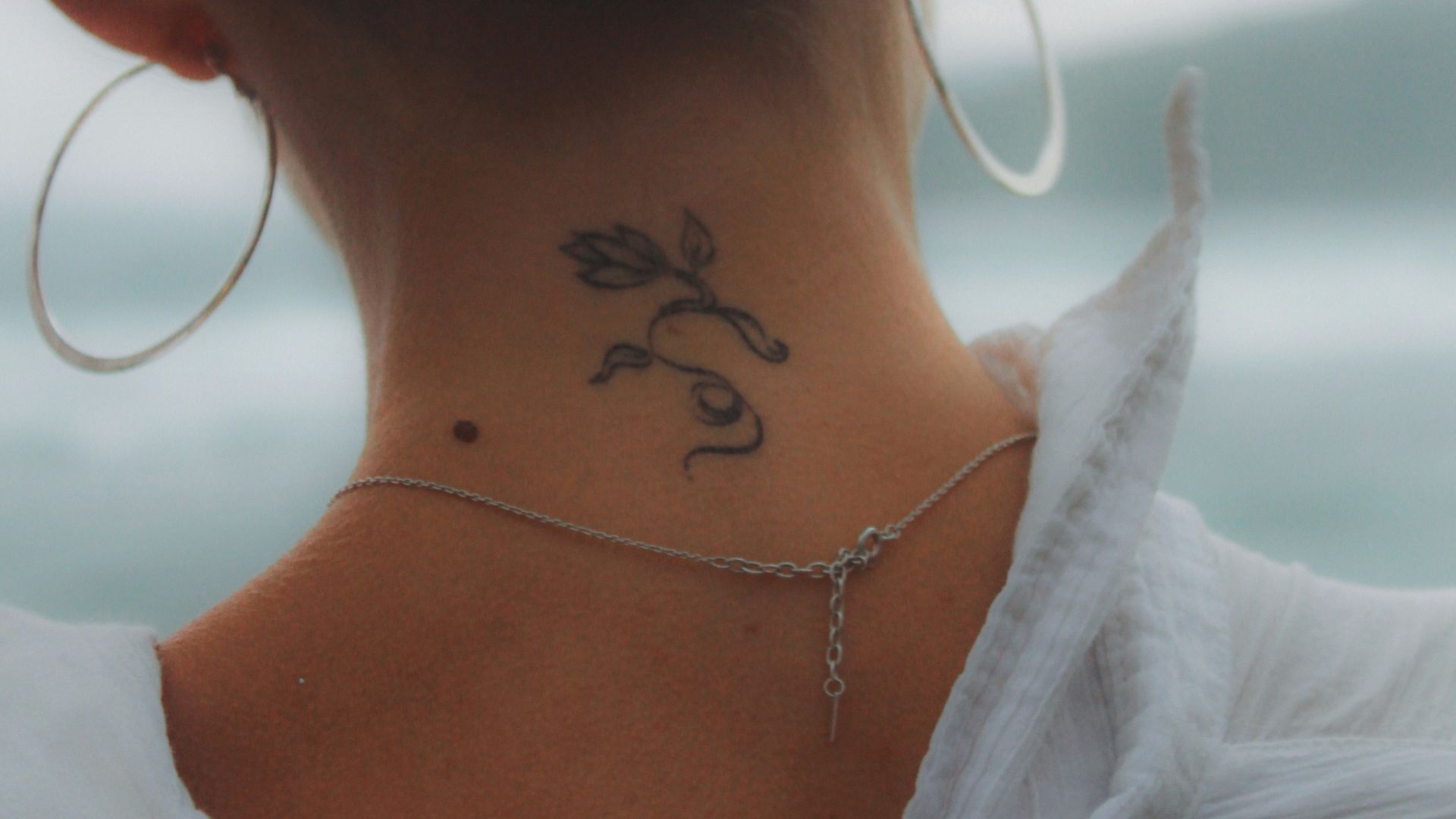
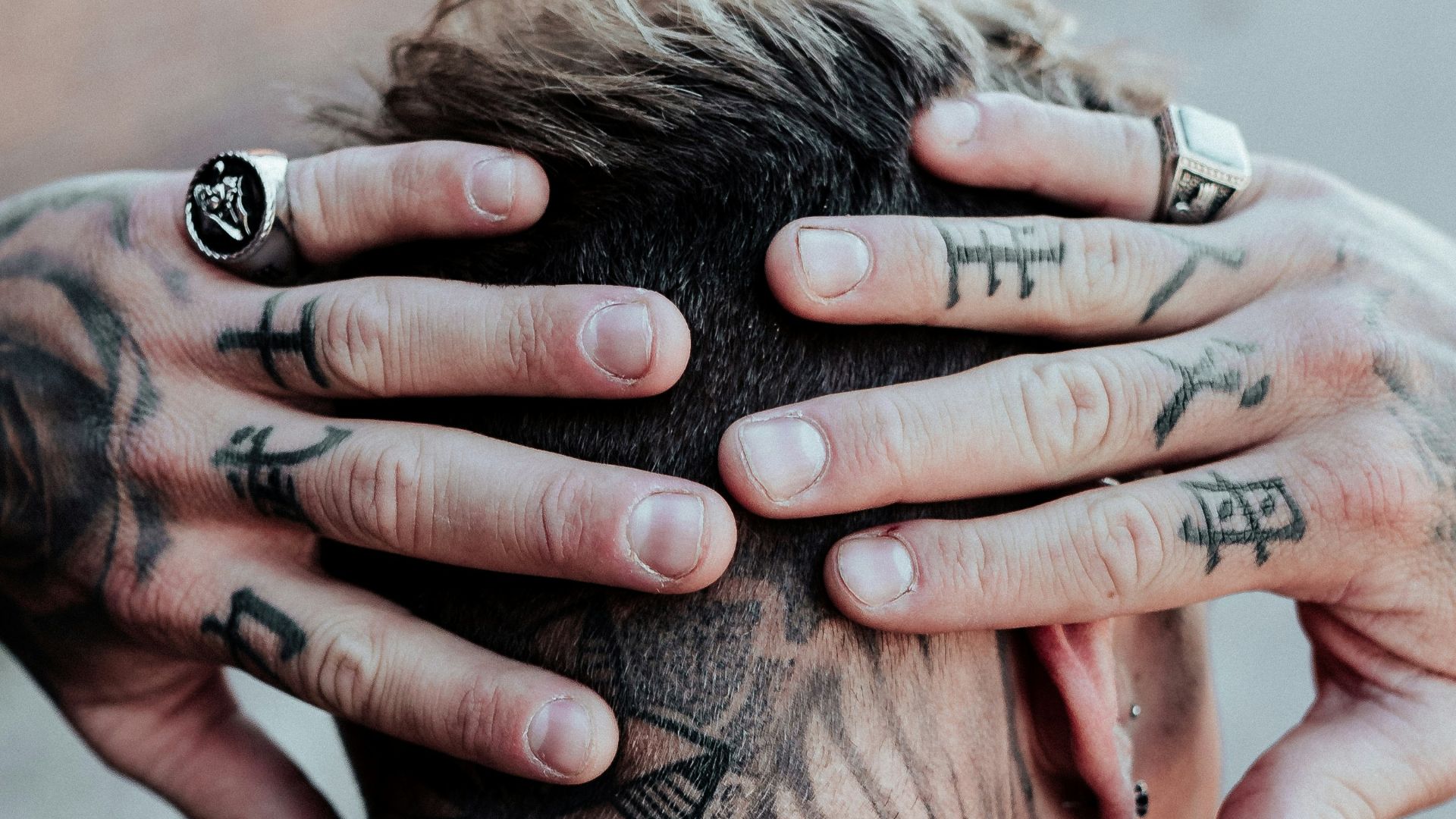
5. The Hand
Hands are impossible to hide in daily life, which is exactly why this placement carries weight. It used to be considered an irreversible social commitment, the kind that closed certain doors permanently. That's shifted significantly in the last decade, but it still reads as deliberate and unambiguous. You're not hedging.
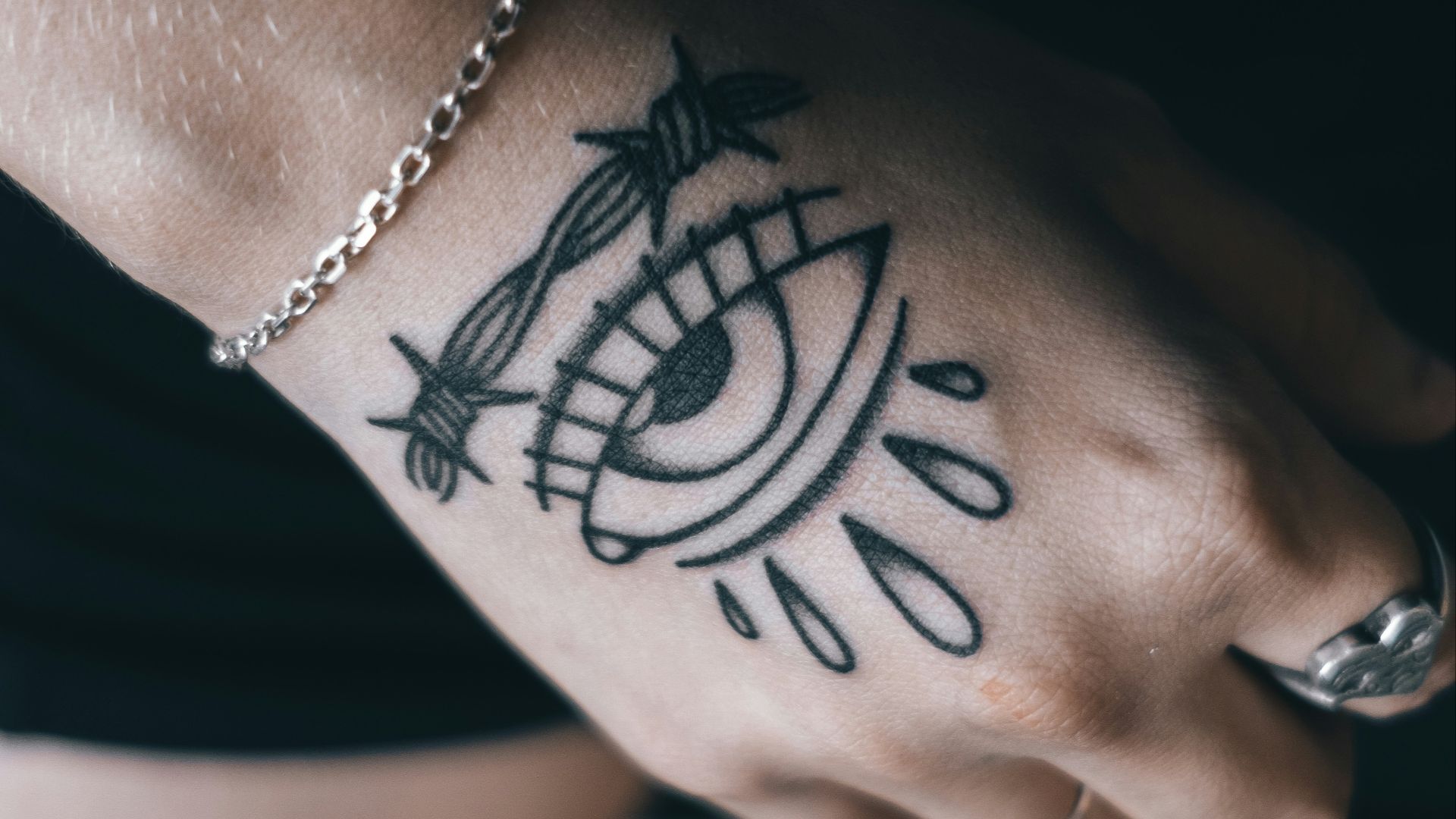
6. The Collarbone
It sits right at the edge of visibility, showing above a scoop neck or disappearing under a crewneck. People read collarbone tattoos as considered and a little feminine in the traditional sense, though that's changing. There's something about the placement that feels chosen rather than convenient.
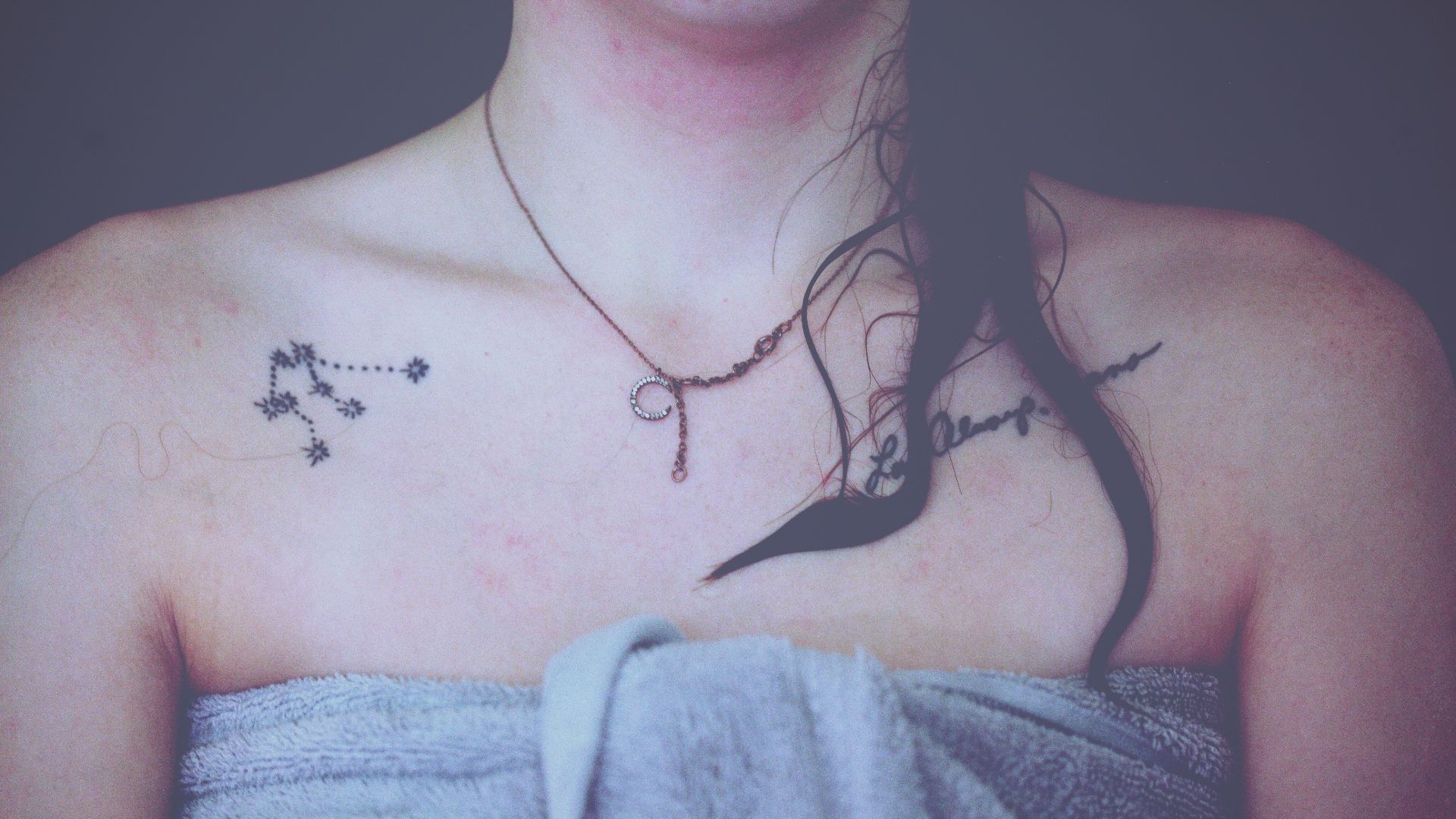
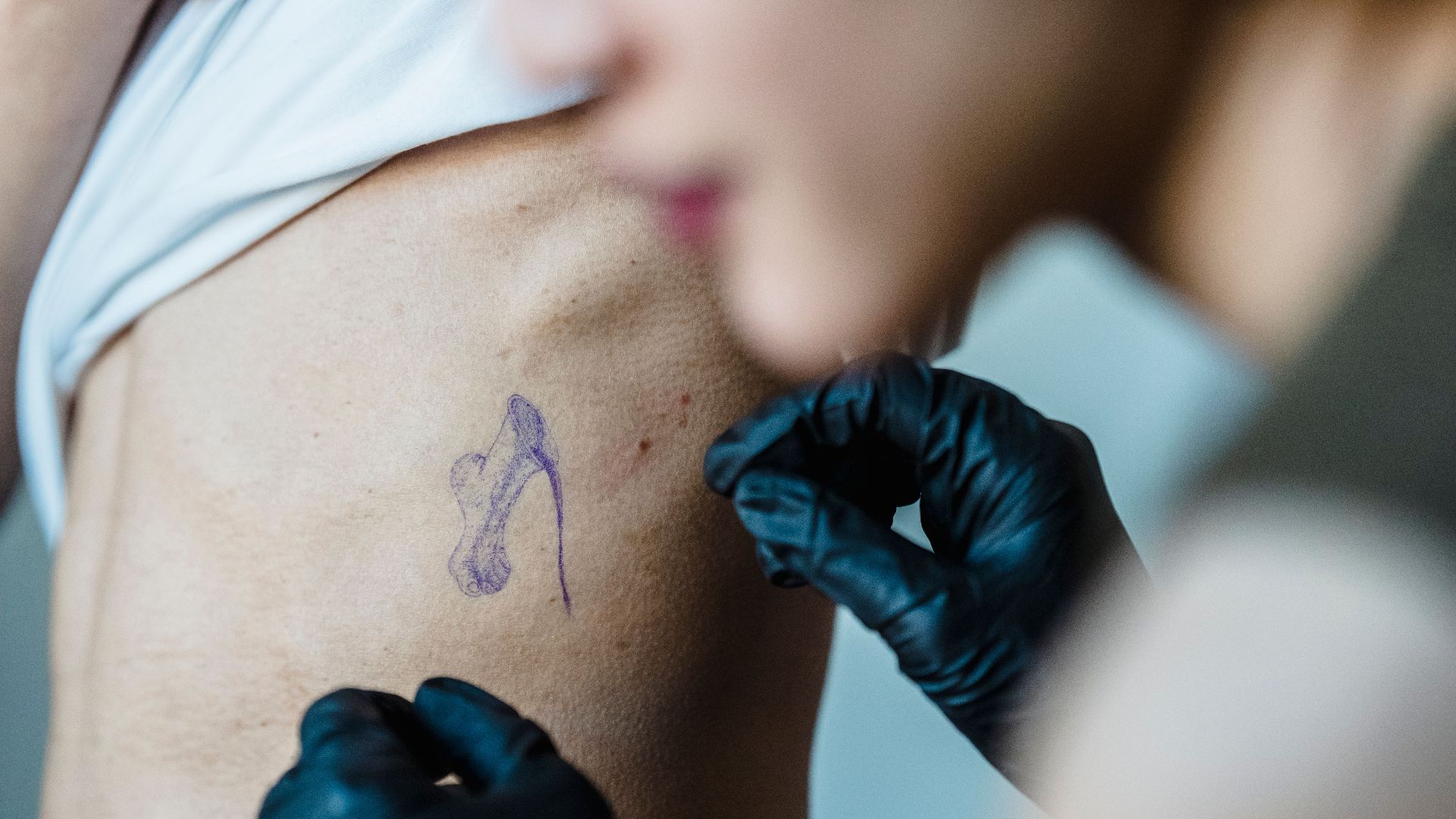
7. The Ribcage
Nobody gets a ribcage tattoo without knowing it's going to hurt, and that knowledge is part of how people read it. It's a private placement by default, something you see at the beach or by invitation. It reads as personal, occasionally precious, and signals that the piece meant enough to earn it.
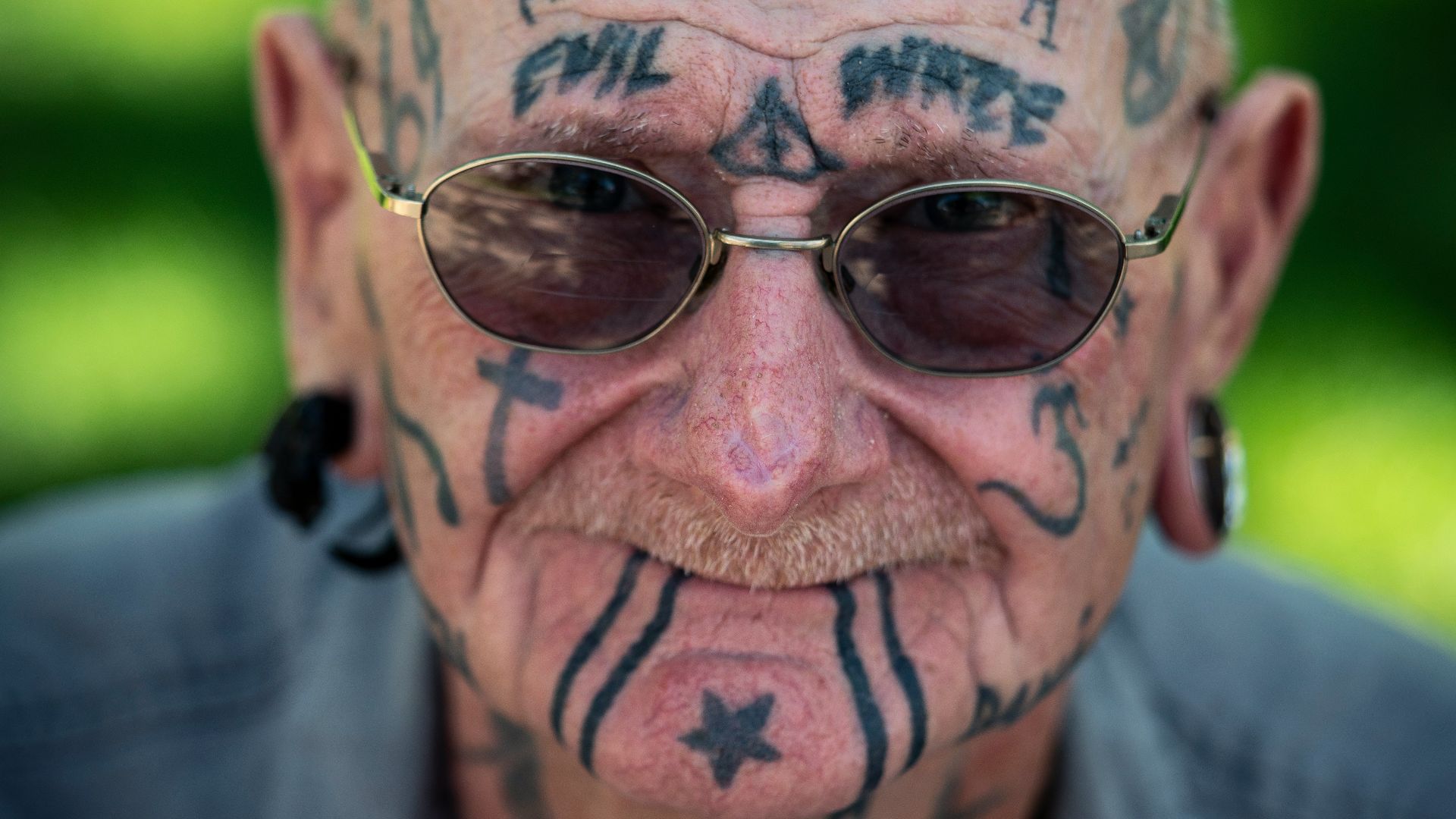
8. The Face
Face tattoos used to occupy the outermost edge of social acceptability and have moved inward considerably, largely due to visibility in music and sports culture. They still carry significant weight in most professional contexts and most people over 40 will have a reaction to them. The reading depends heavily on where you live and who's looking.
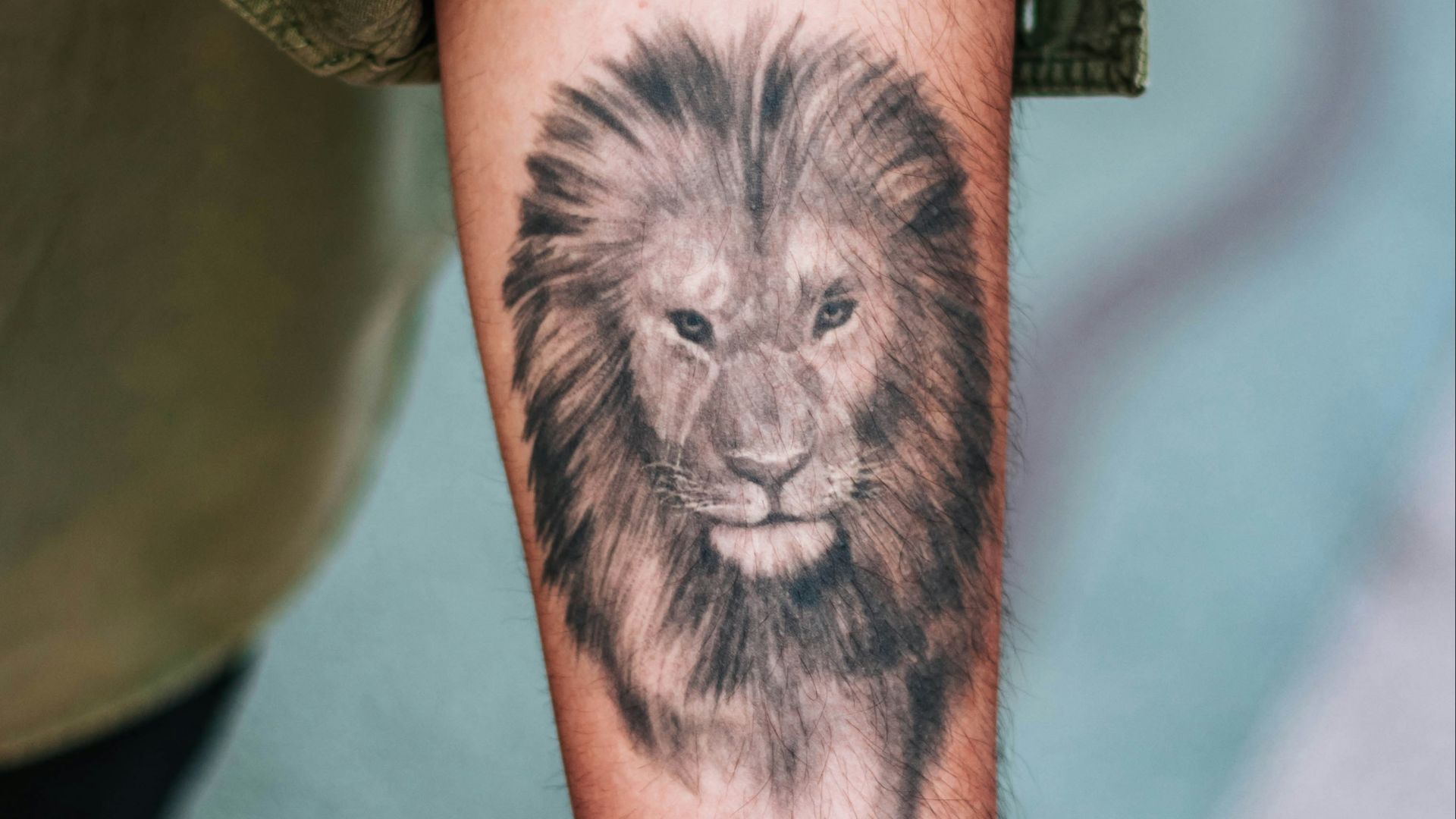
9. The Forearm
It's the most legible real estate on the body. A forearm tattoo is right there in conversation, visible across a desk or a dinner table, readable at normal speaking distance. People tend to assume forearm pieces are either something you're proud of or something you've stopped thinking about. There's not a lot of middle ground in how they read.
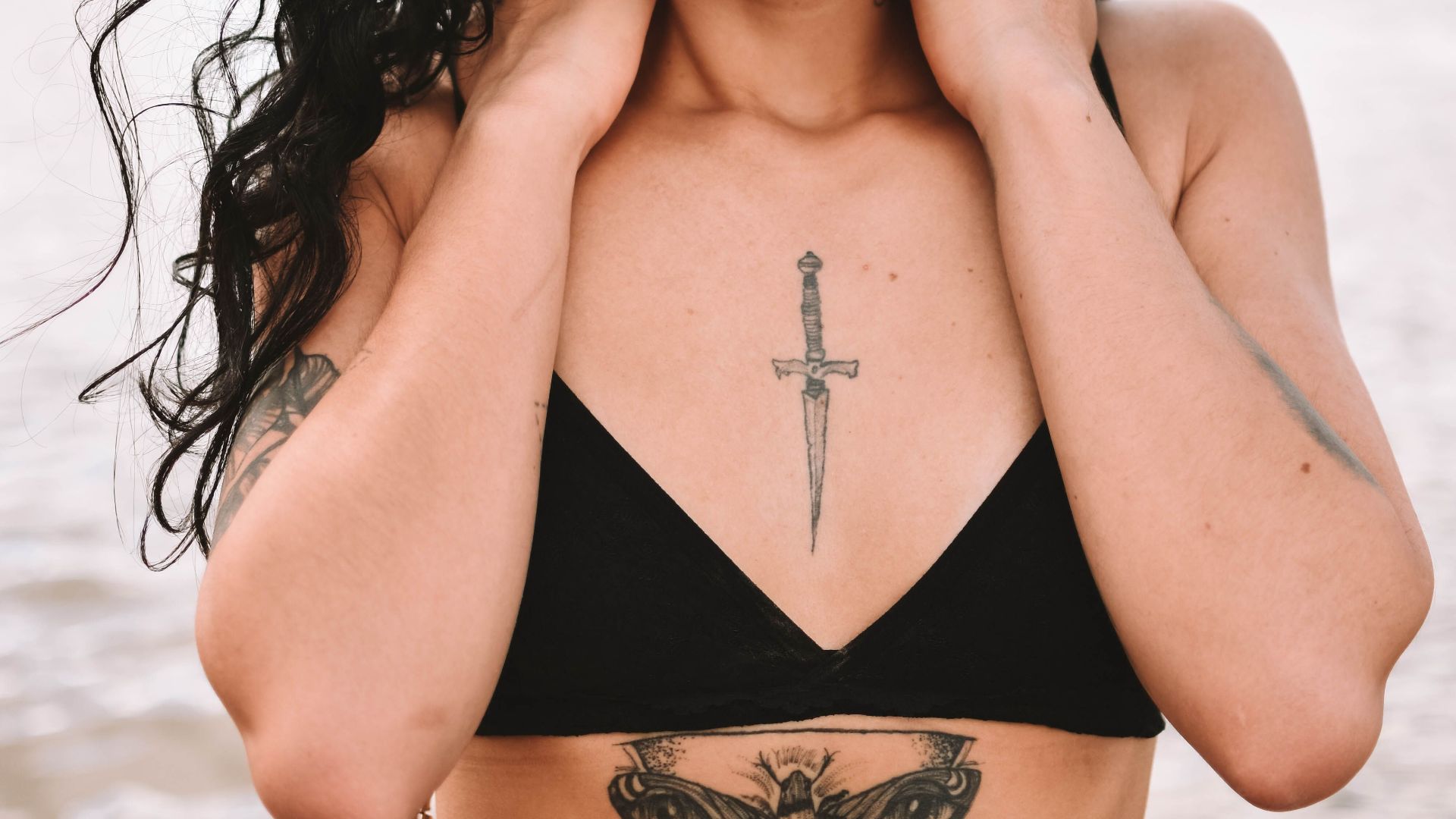
10. The Sternum
Centered, usually elongated, often visible in a V-neck or open shirt. Sternum tattoos read as bold without being aggressive, the kind of placement that suggests someone with a clear sense of their own aesthetic. They work particularly well with geometric or botanical designs and tend to photograph well, which is not an accident.
11. The Ankle
One of the oldest popular placements, which is part of its baggage. The ankle tattoo carries decades of association with a particular era of flash art and small dolphins, though the placement itself has been thoroughly reclaimed. A well-executed ankle piece reads fine. A poorly considered one reads dated, and people will clock it.
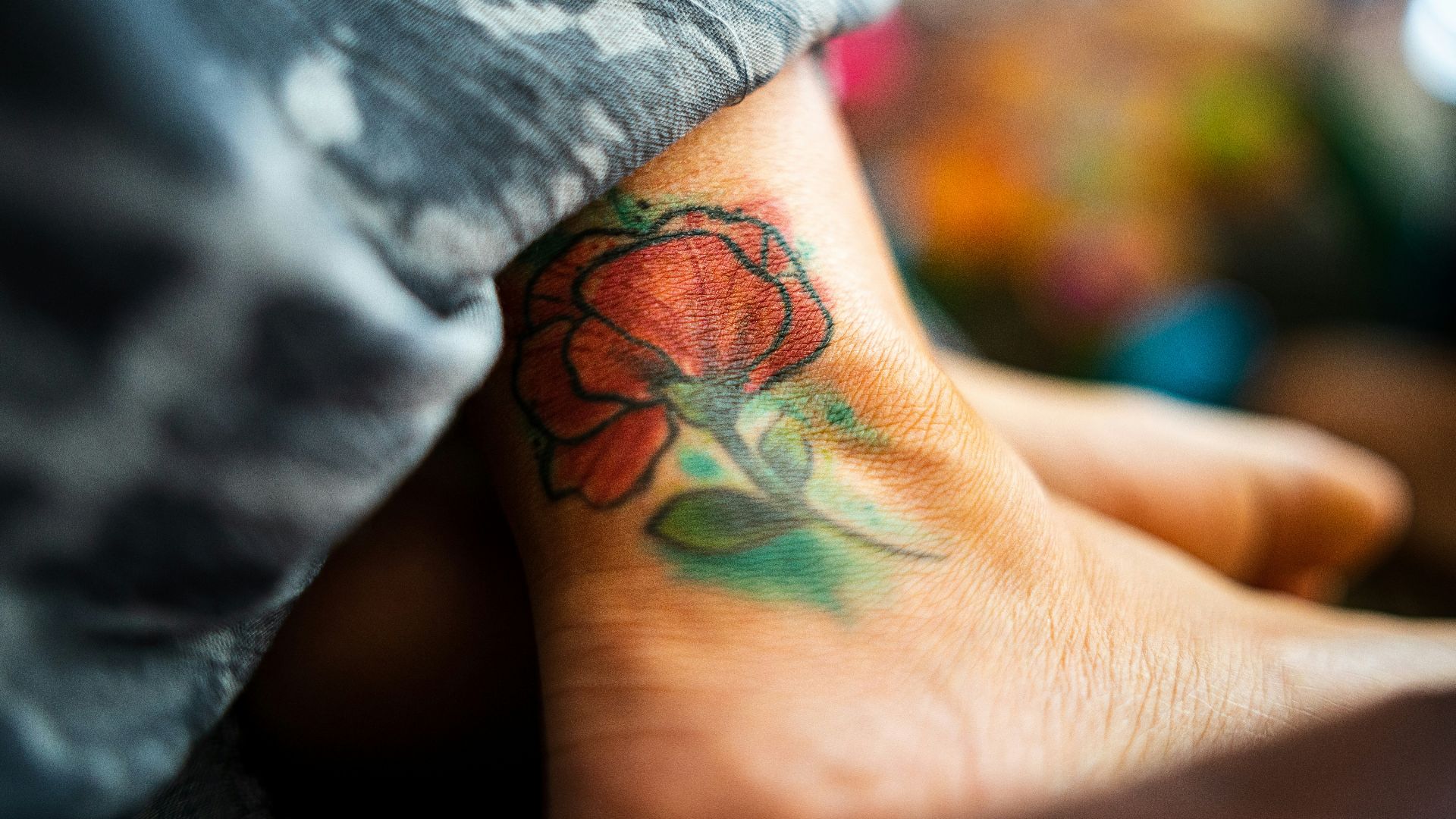
12. The Scalp
Visible only with a shaved or very short head, which means it can disappear entirely as hair grows in. People read scalp tattoos as extreme even by tattoo-culture standards, partly because of the commitment and partly because the canvas is so unusual. It's a niche placement that tends to generate strong reactions across the board.
13. The Upper Arm
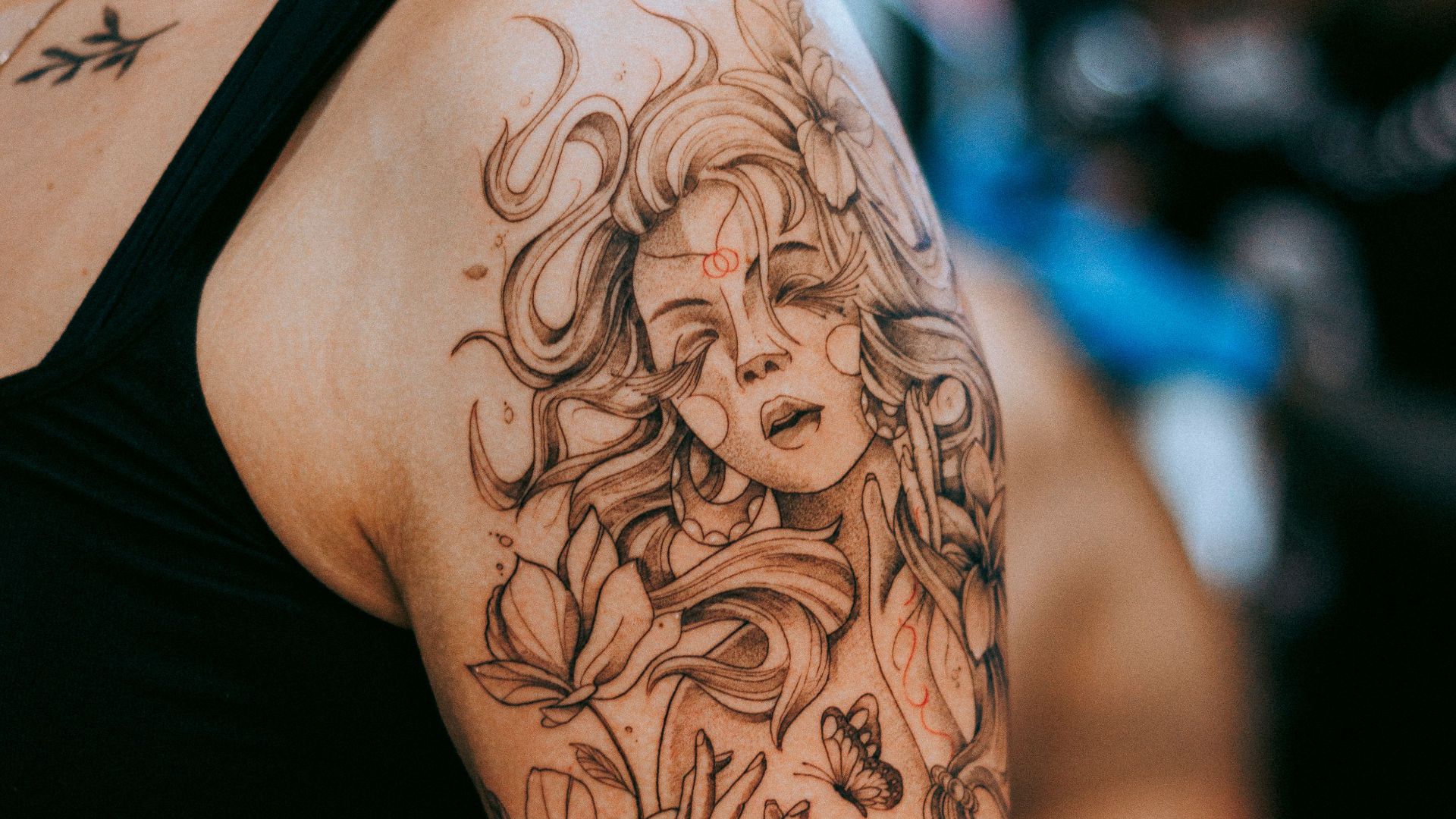
It's the safe house of tattoo placements, easy to show or cover, flattering on most body types, and readable as straightforward enthusiasm for tattooing without any particular subtext. People don't read much into upper arm tattoos beyond the image itself, which is either a feature or a limitation depending on what you're going for.
14. The Finger
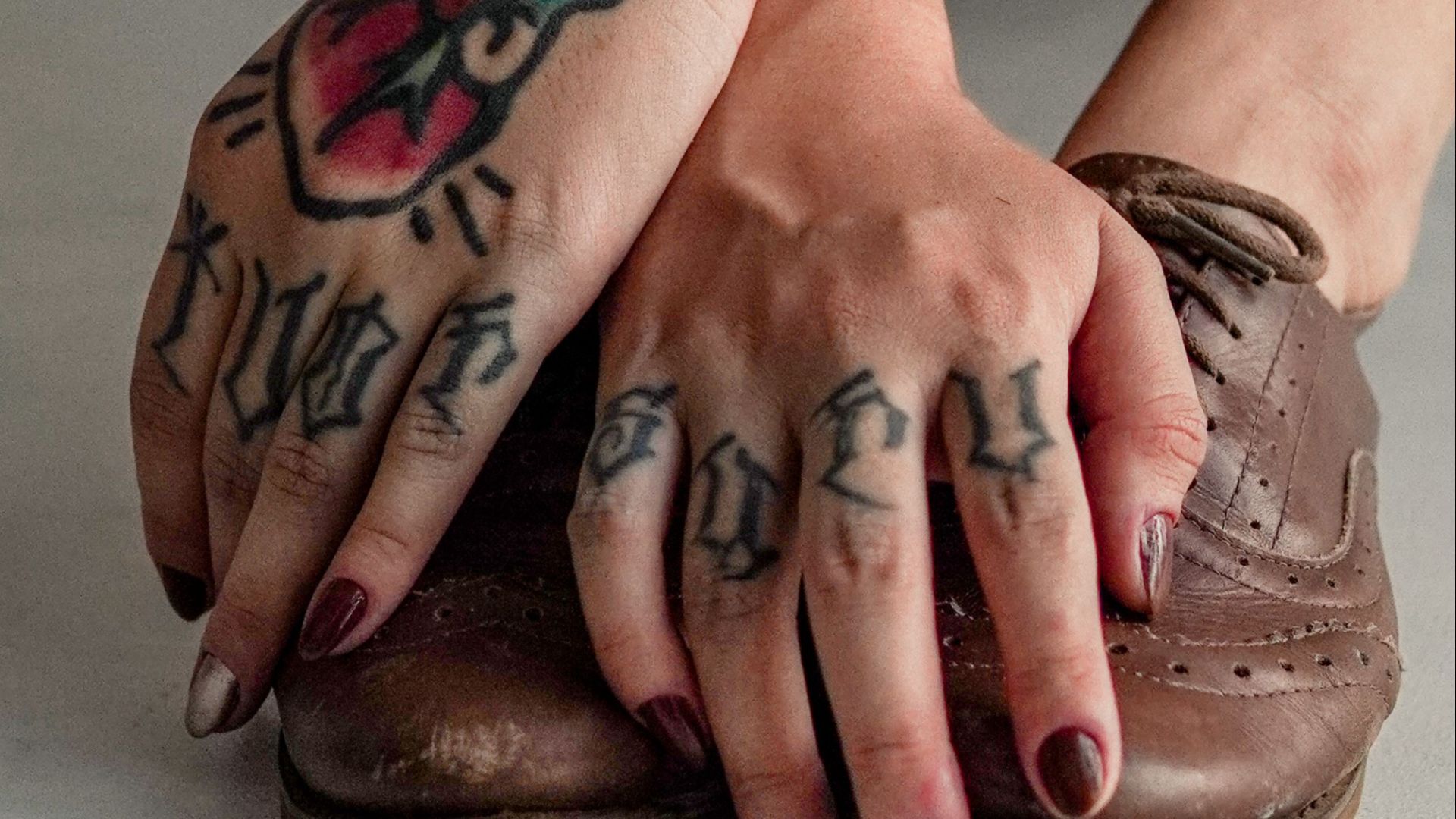
Finger tattoos fade faster than almost any other placement due to the skin's texture and constant movement, which is something most people who get them already know. The commitment to a piece that will require regular touch-ups reads as either deeply sentimental or aesthetically stubborn, and people tend to find that interesting. Ring finger tattoos carry their own obvious layer of meaning.
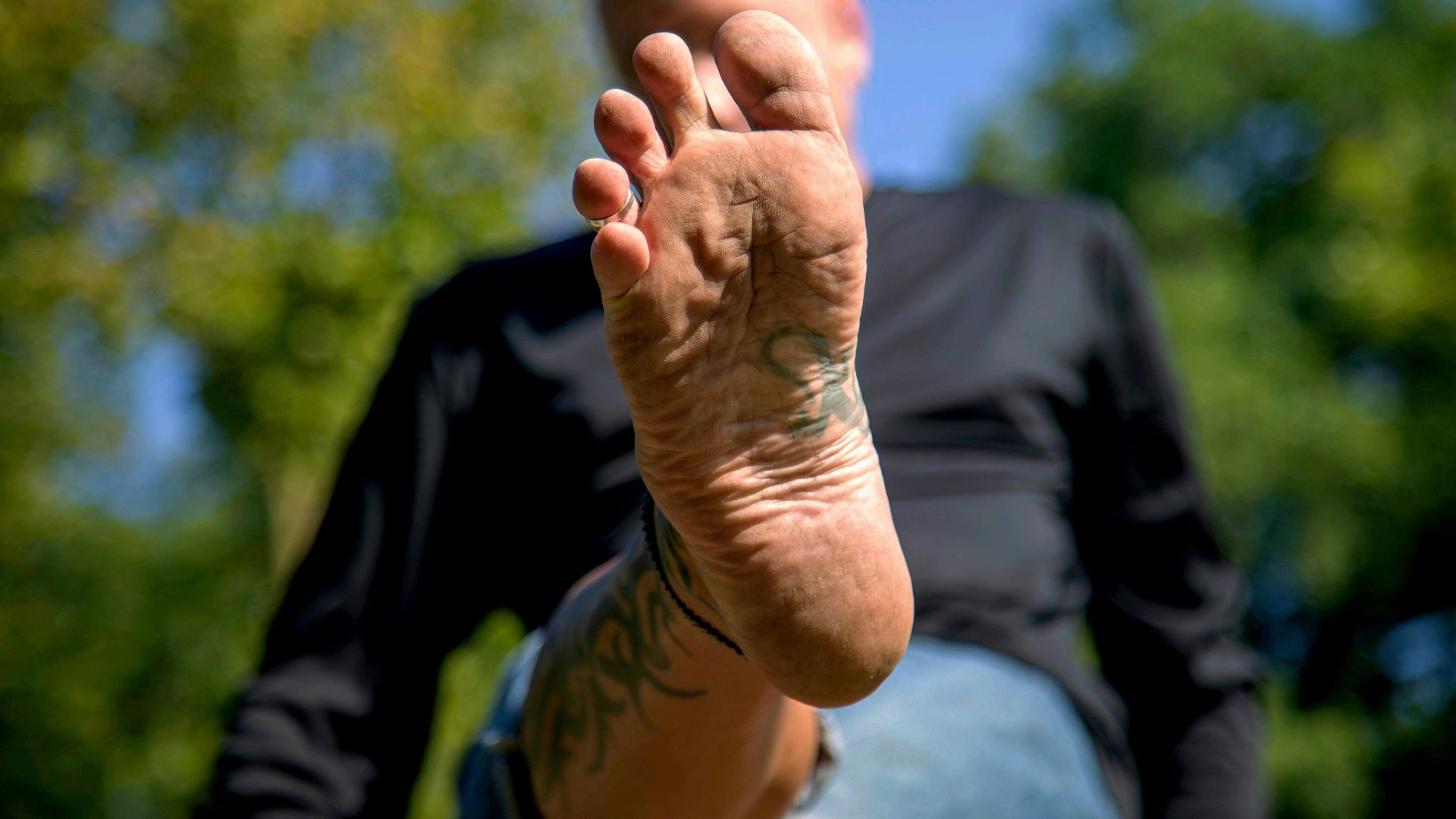
15. The Foot
Hidden in shoes for most of the year and visible at the beach or in sandals, foot tattoos occupy a similar space to ankle tattoos in terms of how people read them. The placement tends to feel personal and low-key, neither a statement piece nor a throwaway, just something that lives quietly in its own season.
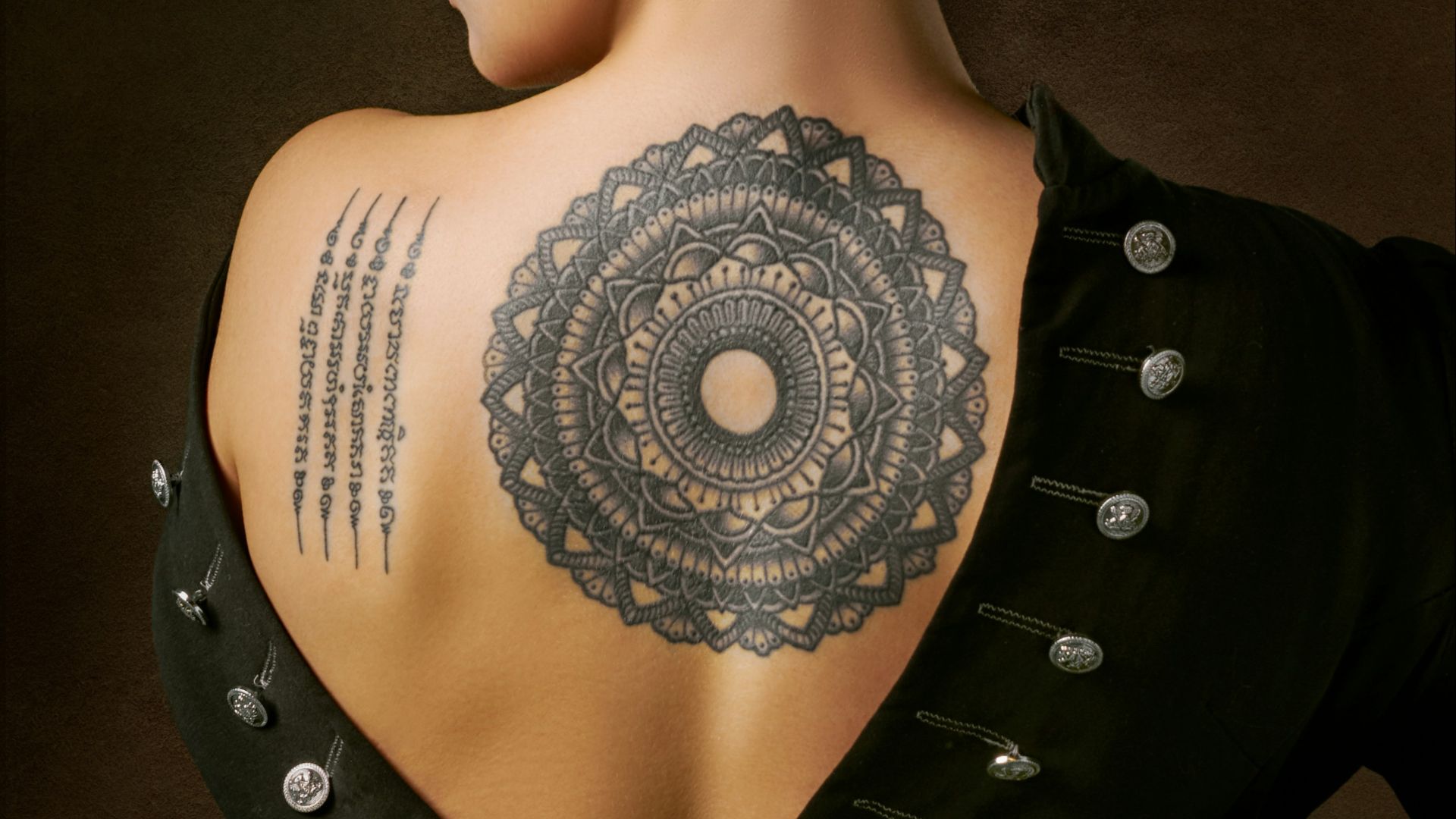
16. The Spine
Long, vertical, and almost entirely private unless you're in a swimsuit or a backless dress. Spine tattoos read as considered and a little dramatic in the best way. The placement implies patience, both in sitting for it and in knowing it will rarely be fully seen. People who notice them tend to remember them.
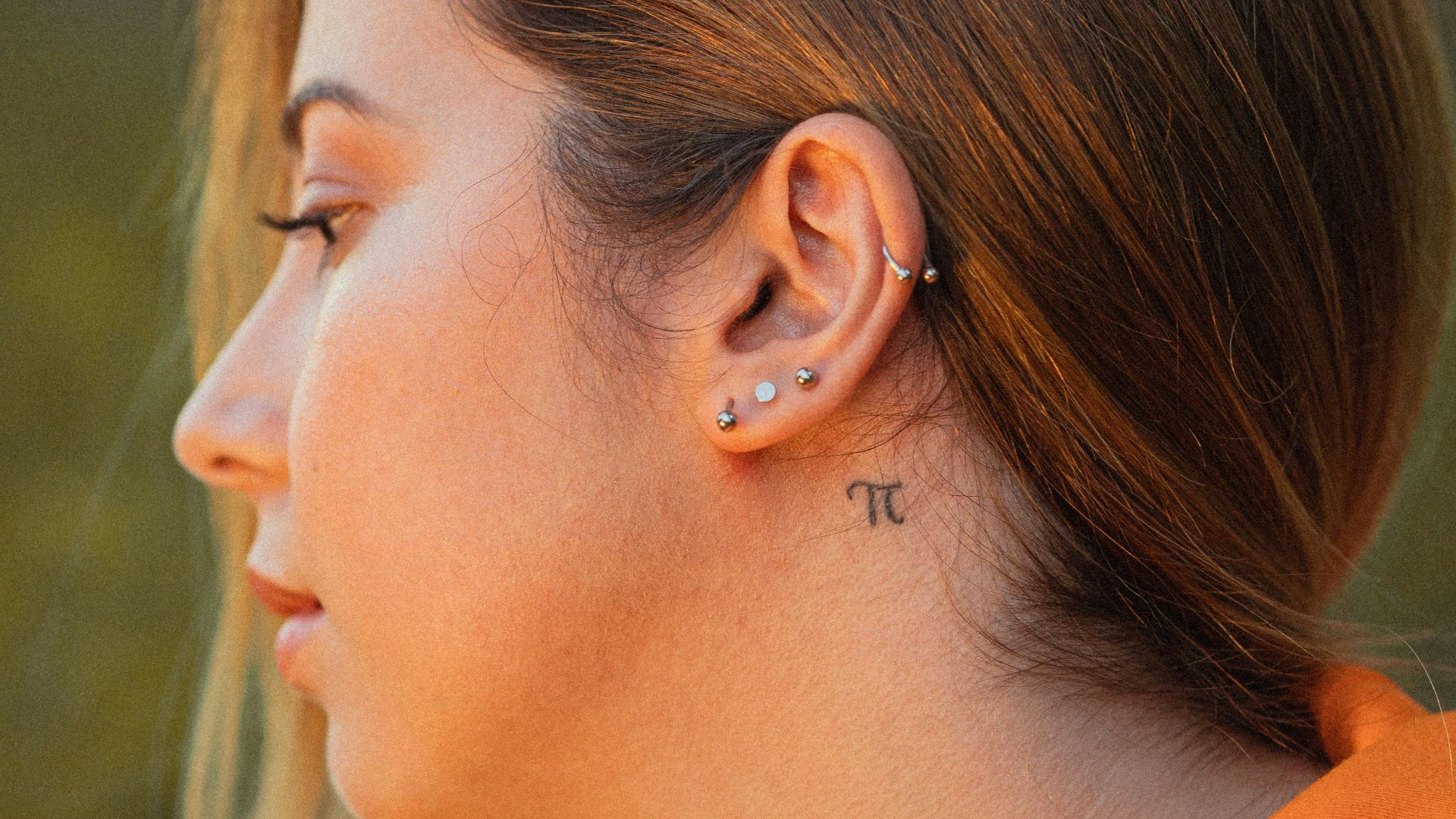
17. The Behind the Ear
Small by necessity, often a single image or a few words. Behind the ear tattoos read as intentionally subtle, the kind of placement for someone who wants a tattoo more for themselves than for an audience. They tend to surface in conversation naturally, when someone tucks their hair back or turns their head, which gives them a slightly private quality that suits them.
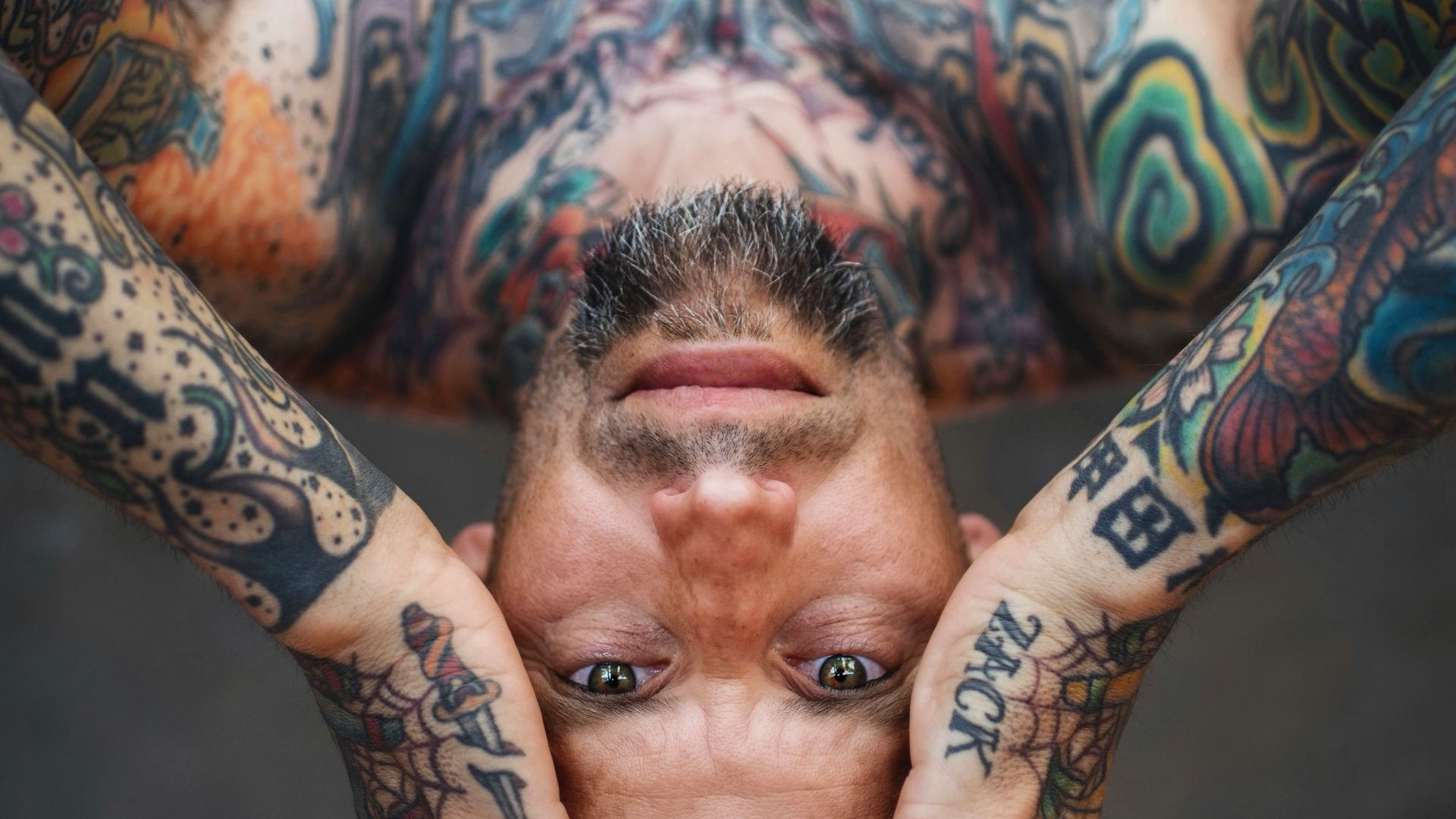
18. The Chest
Centered chest pieces carry a different energy than sternum work. A full chest tattoo reads as serious commitment to being tattooed as a lifestyle rather than a hobby. In certain traditions, the chest is reserved for work that carries real personal weight. People tend to pick up on that, even without knowing why.
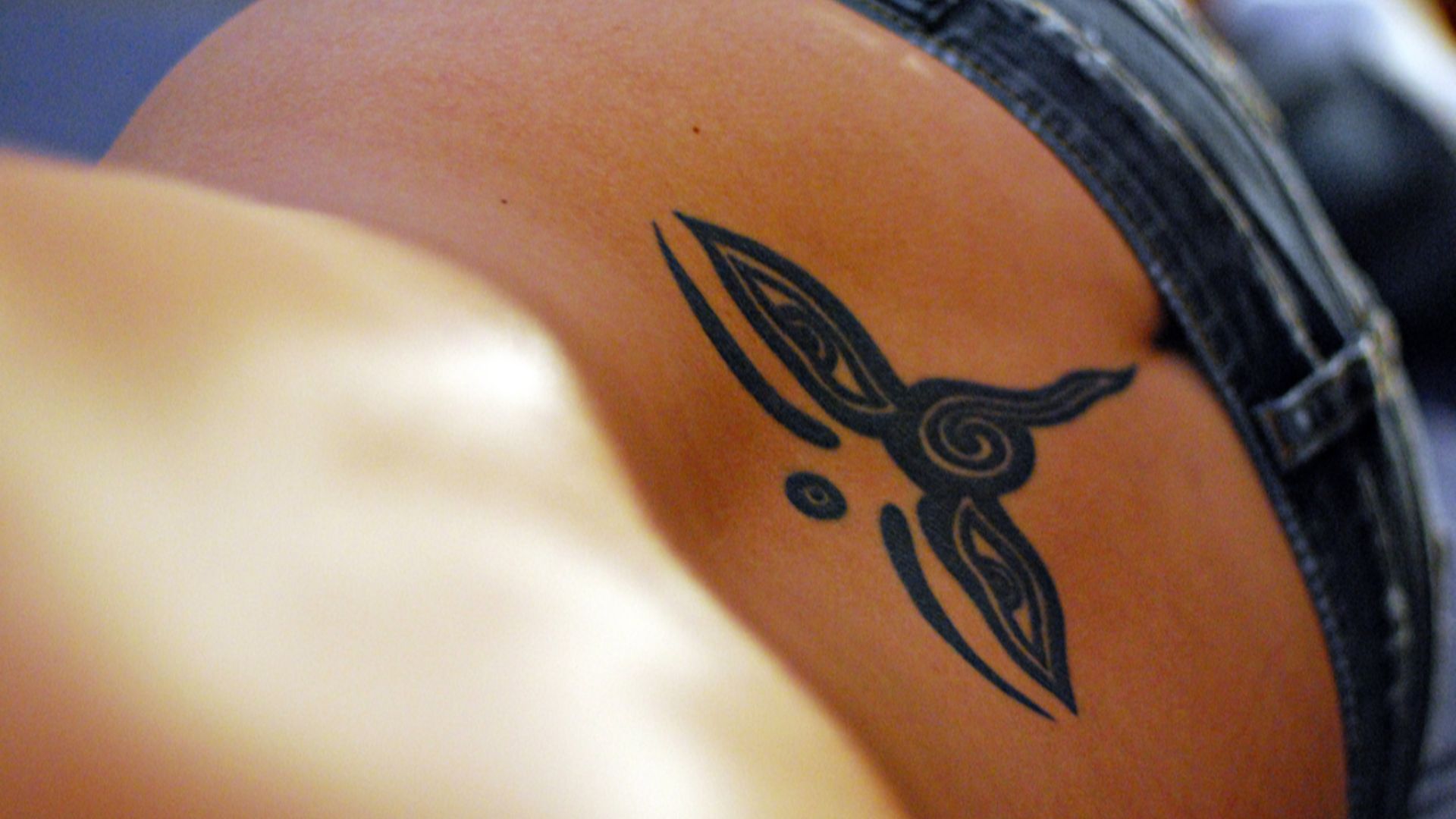
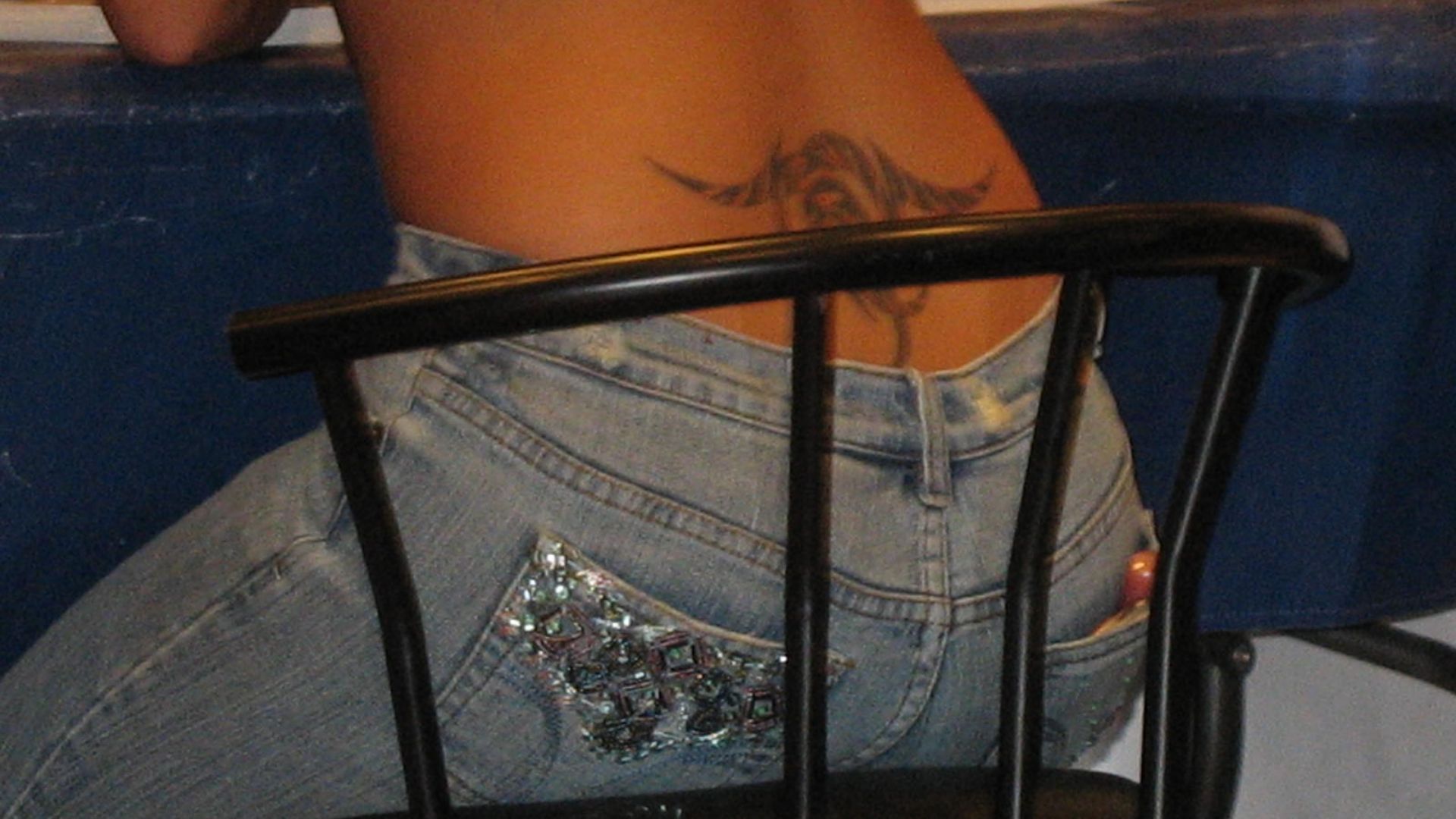
19. The Lower Back
It accumulated enough cultural baggage in the early 2000s that the placement itself became a punchline for a while. That's genuinely fading now, and a well-executed lower back piece in 2025 reads mostly as a piece rather than a statement. The reclamation is ongoing, but it's further along than people who haven't gotten one recently might think.
20. The Full Back
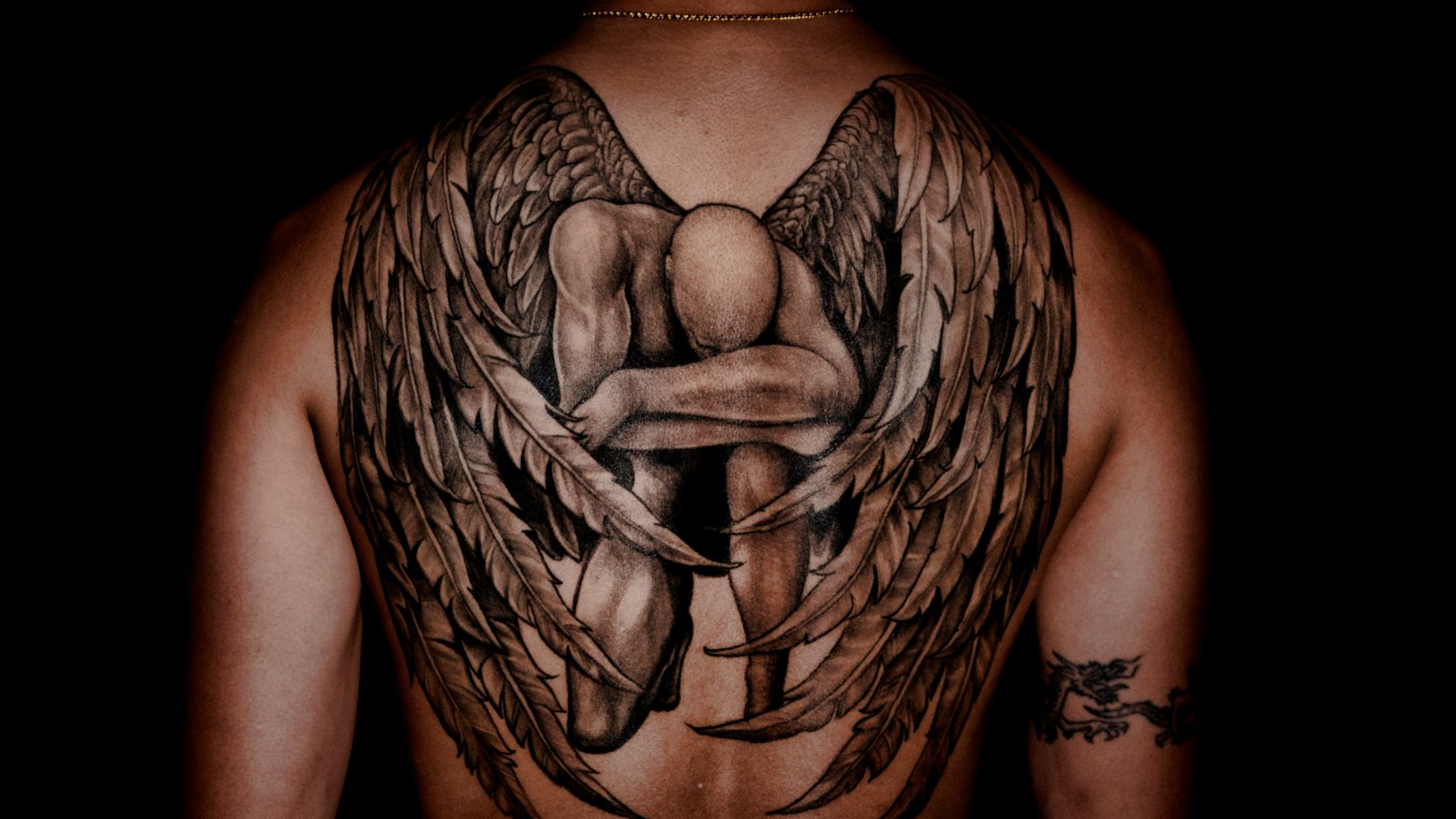
It's the largest canvas on the body and the one that's almost never fully seen by the person wearing it. A full back piece is a commitment to a vision that other people experience more completely than you do, which is a strange and deliberate kind of generosity. People read it as the most serious form of tattooing there is, and they're mostly right.