
Understanding the Effort Behind the Outfit
While many women claim they dress for themselves, there is a significant truth in that statement. A great outfit can elevate your mood, enhance your posture, and prepare you for the day ahead, even before anyone else sees you. However, fashion is not entirely a personal endeavor, especially since clothing choices can influence how people perceive confidence, taste, status, and personality. Women are particularly adept at picking up on these cues because they have spent years interpreting them across various environments, including offices, social groups, fitting rooms, parties, and group chats. Here are 20 reasons women often dress for other women more than they admit.
1. Women Notice the Tiny Details
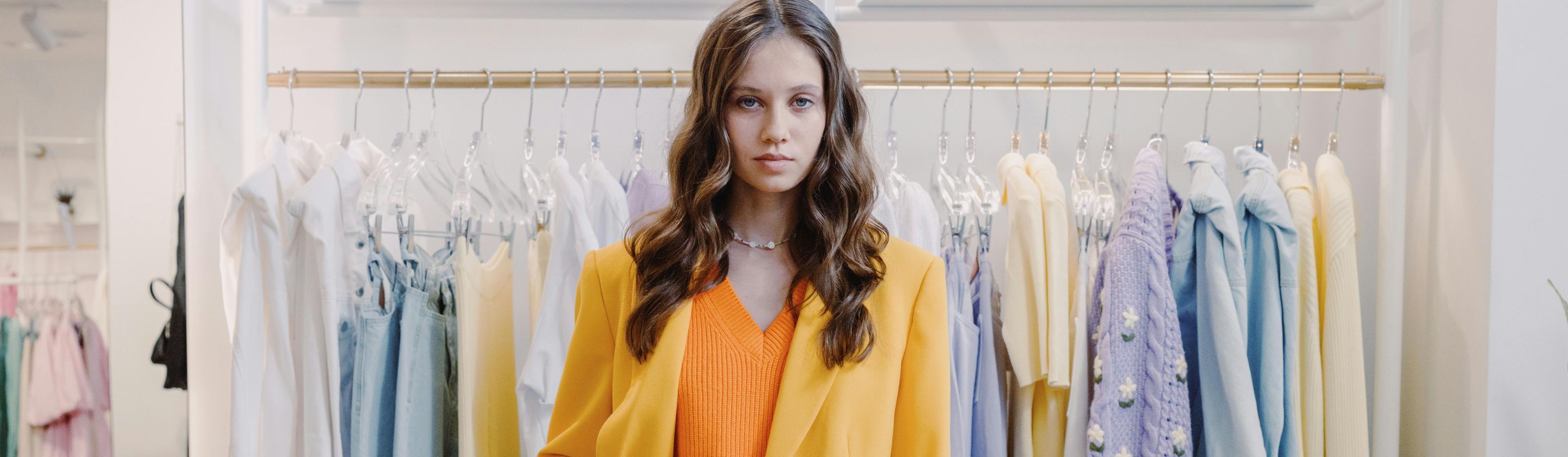
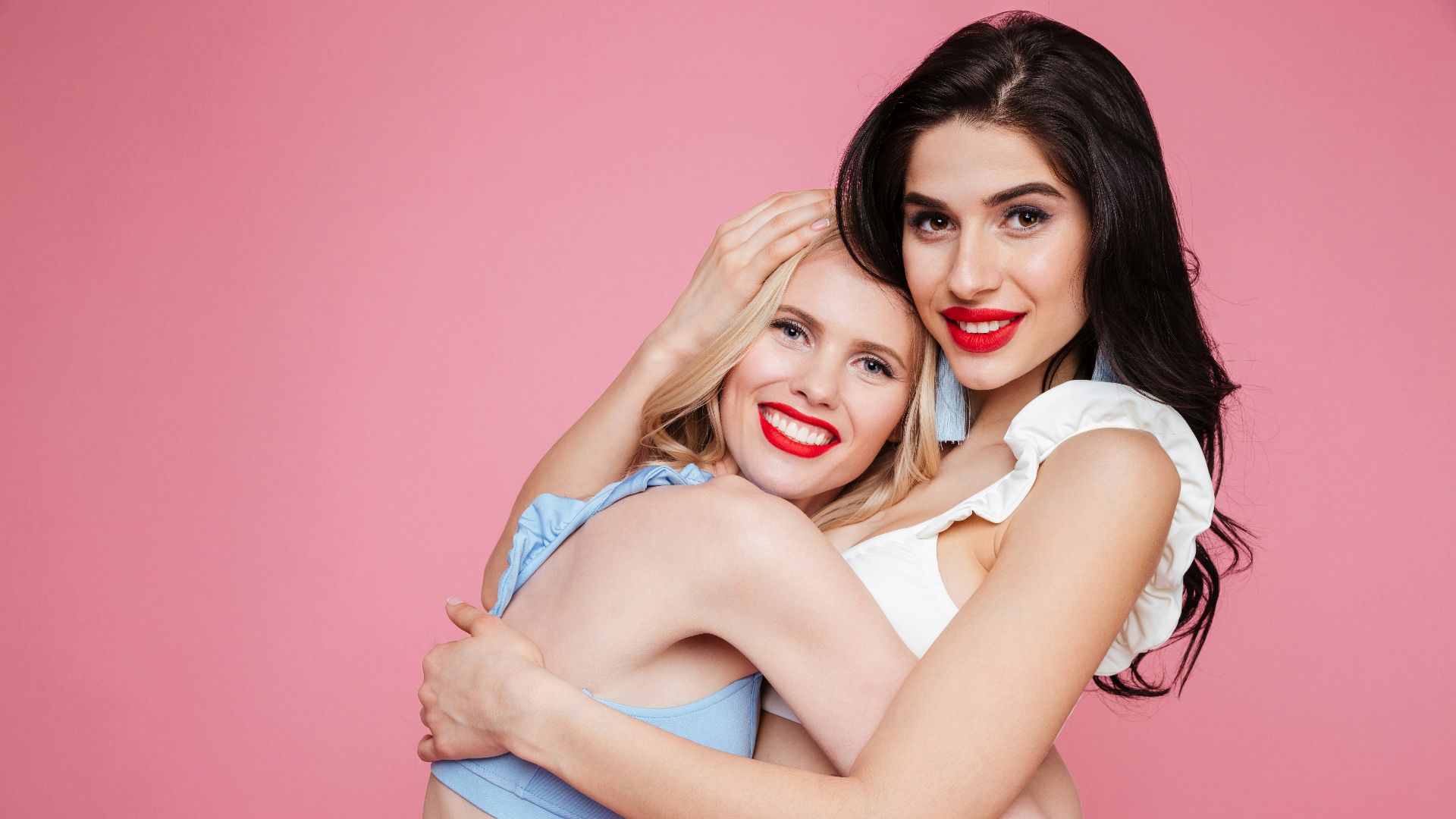
Style often hinges on the little things. The drape of a blazer, the wash of a pair of jeans, the shape of hoop earrings, or how a lipstick complements a dress can be quickly observed. Other women tend to spot these details because they’ve made similar choices themselves.
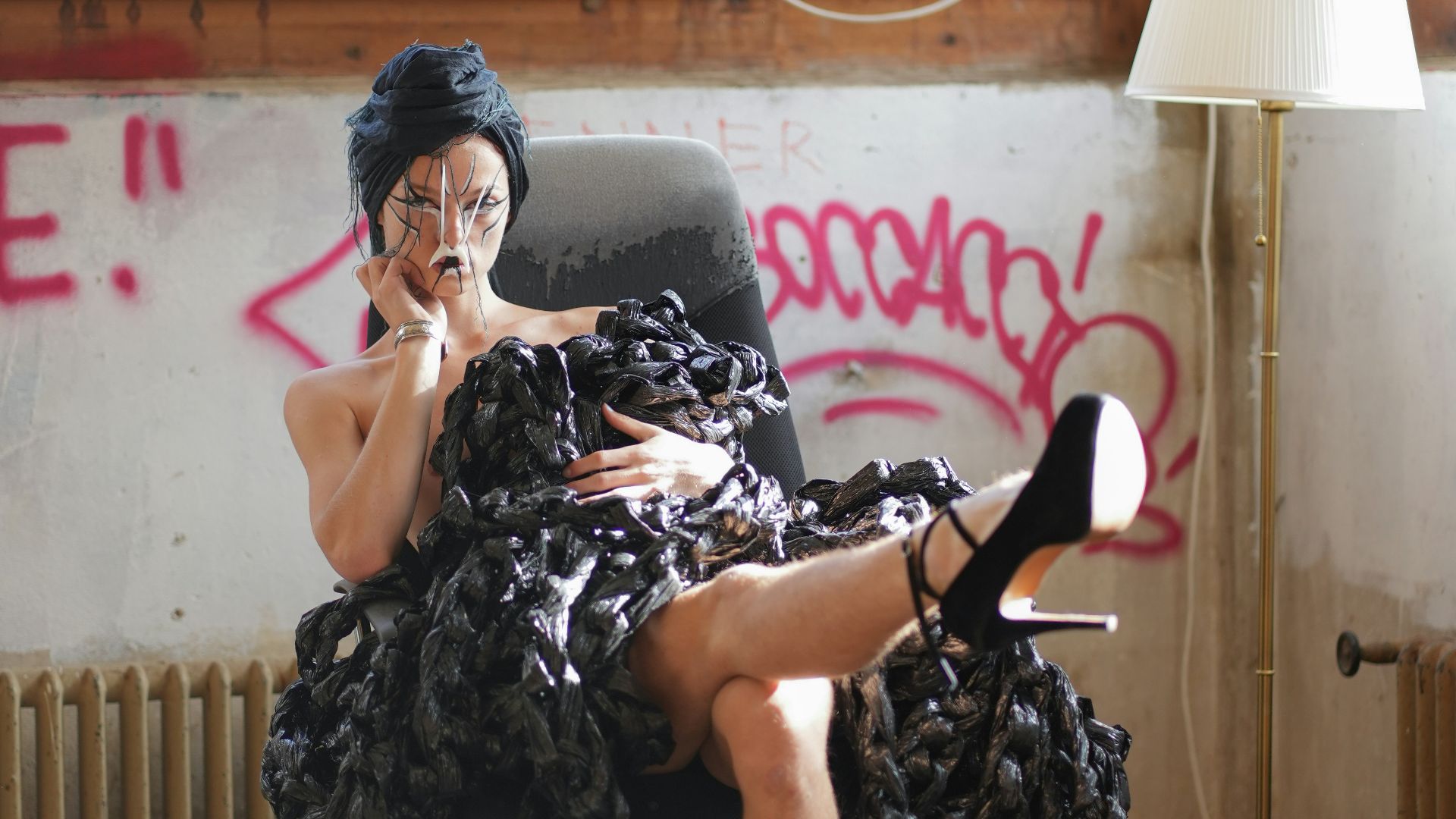
 Maria Fernanda Pissioli on Unsplash
2. A Compliment from Another Woman Feels Specific
While general compliments are always appreciated, praise from another woman often feels more precise. She is likely to notice the tailoring, color, bag, or the way the entire outfit comes together without looking overly done. Such reactions feel more like genuine recognition.
3. Women Understand the Effort
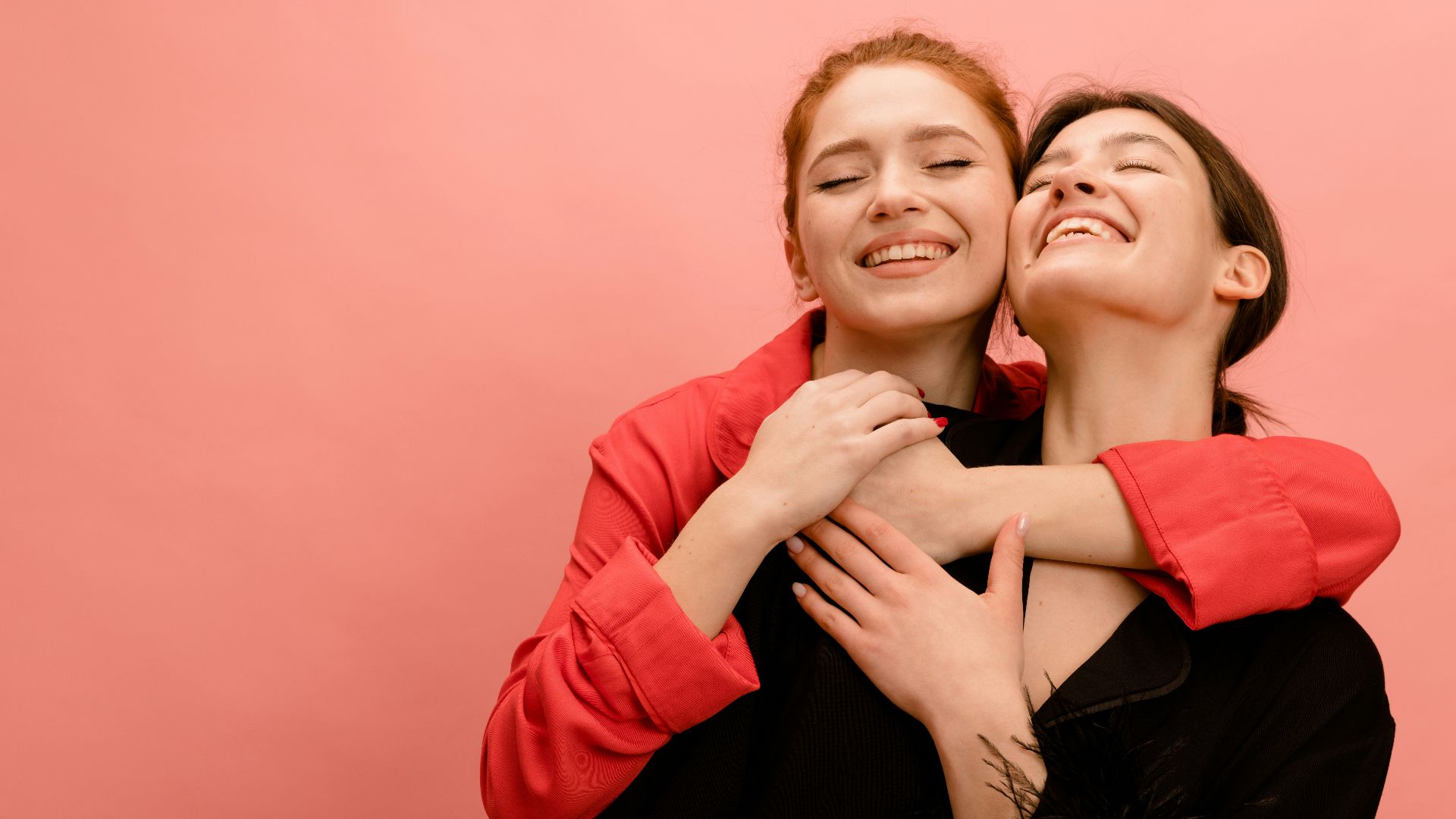
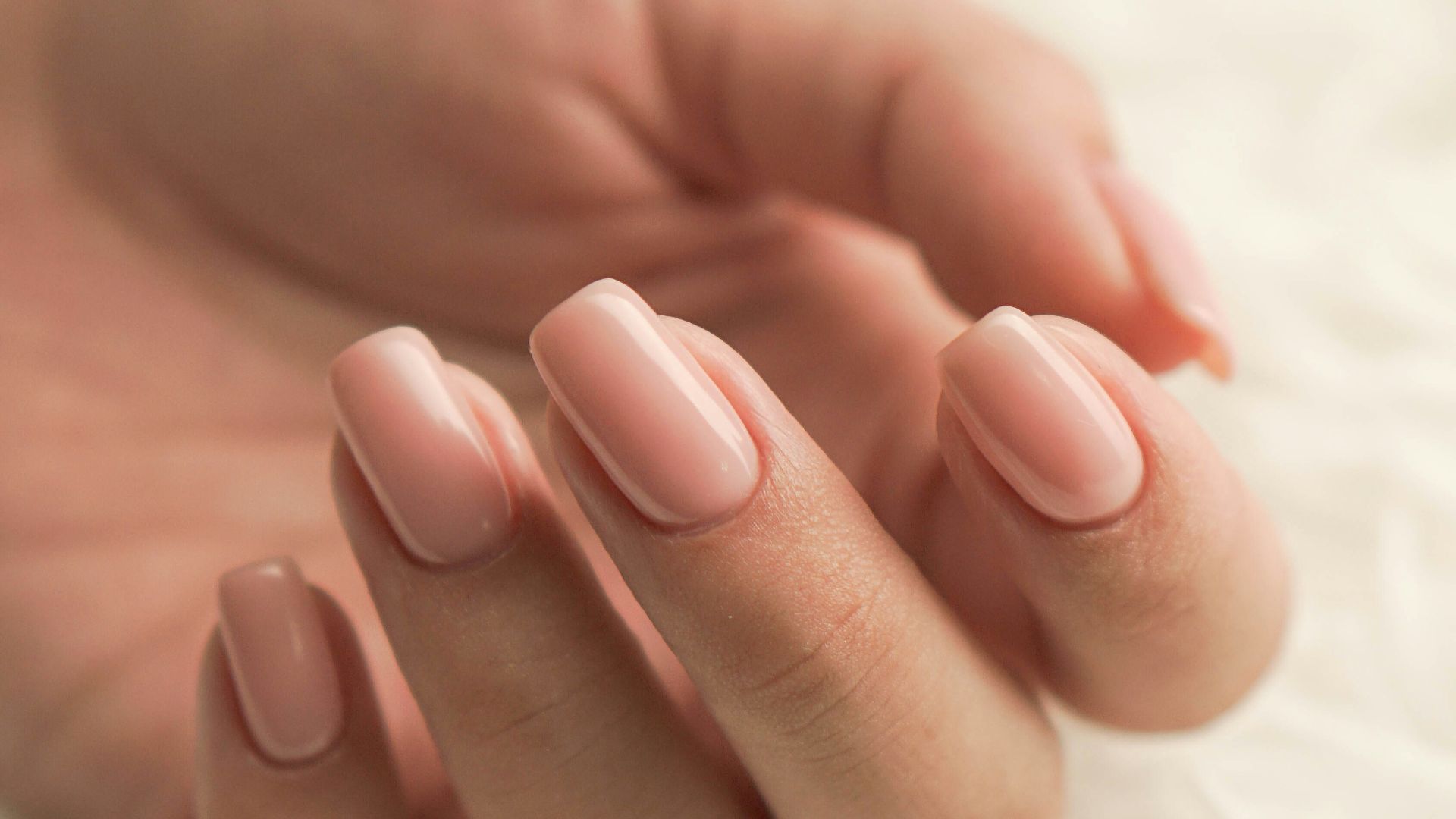
A sleek bun, a clean manicure, a pressed shirt, or a soft smoky eye can appear simple once finished. Other women are often aware of the effort behind the look, the products used, the time invested, the mirror checks, and the final touches before leaving the house. This understanding makes the appreciation feel more deserved.
4. Fashion Communicates Quickly
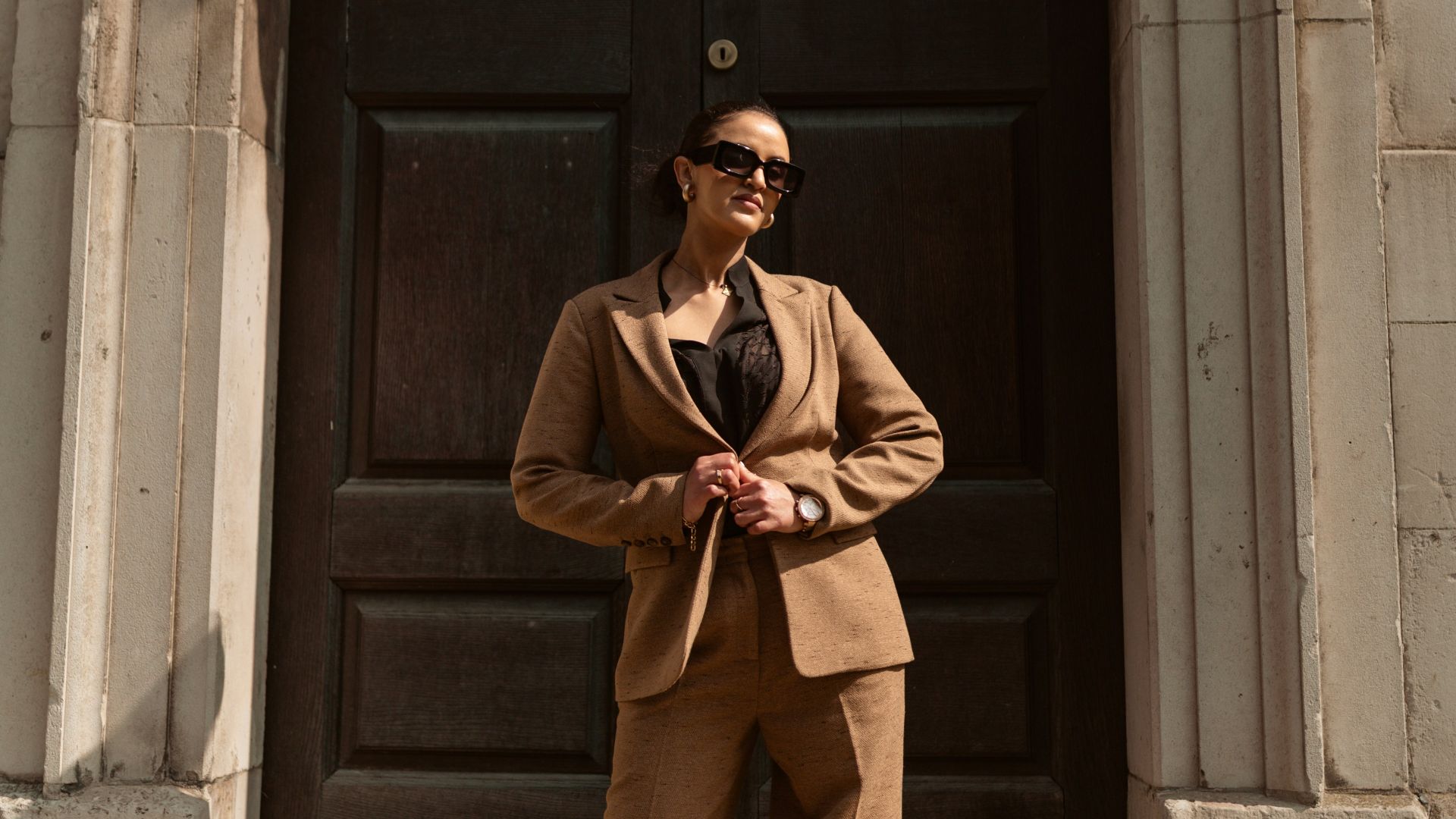
Clothes convey information about taste, mood, confidence, and belonging before anyone even speaks. A sharp suit, vintage jacket, ballet flats, or a bold coat can each send a different message. Women who pay attention to style can quickly interpret these choices.
5. The Group Chat Has Influence
Many outfits are discussed in group chats before stepping out the door. Friends weigh in on whether a dress is too formal, if the shoes match, or whether the bag needs changing. This back-and-forth often shapes the final look more than most would admit.

6. Women Dress for the Occasion
Outfits for brunch, the office, weddings, or girls’ nights all come with different expectations. Women frequently adjust their clothing choices based on who will be present and what style is appropriate for the occasion. This is not insecurity; rather, it reflects social awareness.
7. Female Approval Feels More Relaxed
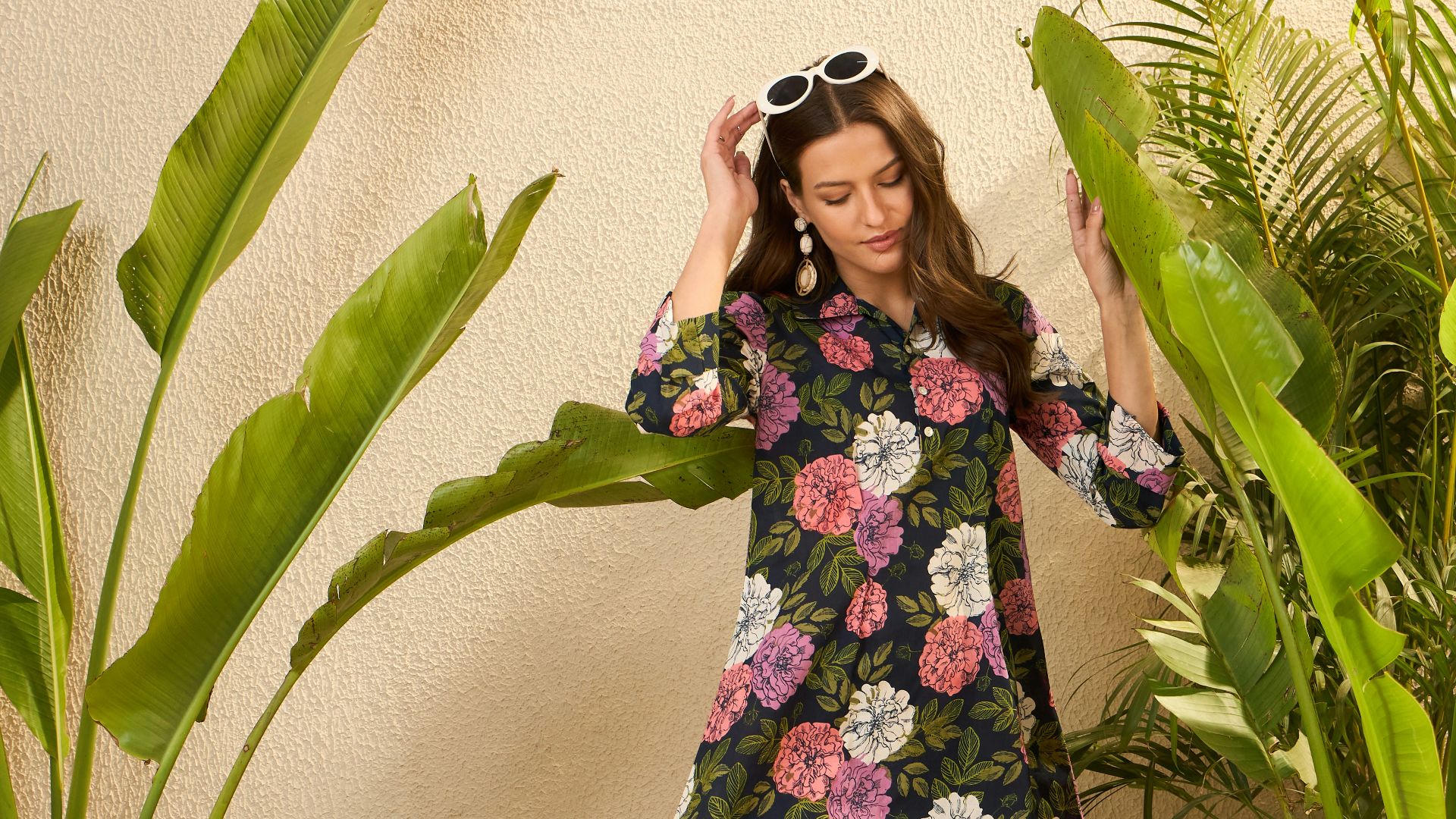
Many women enjoy feeling attractive, but seeking attention from men can involve complexities. A compliment from another woman often feels more straightforward and relaxed, as it typically focuses solely on the outfit itself—allowing for admiration without added pressure.

8. Style Can Signal Belonging
Clothing can help people feel connected to a particular community, whether it’s minimalist, vintage, sporty, polished, romantic, or beauty-focused. Dressing for other women can express, “You understand this world, and so do I.” Sometimes, an outfit is as much about being recognized as it is about being appreciated.
9. Competition Can Be Subtle
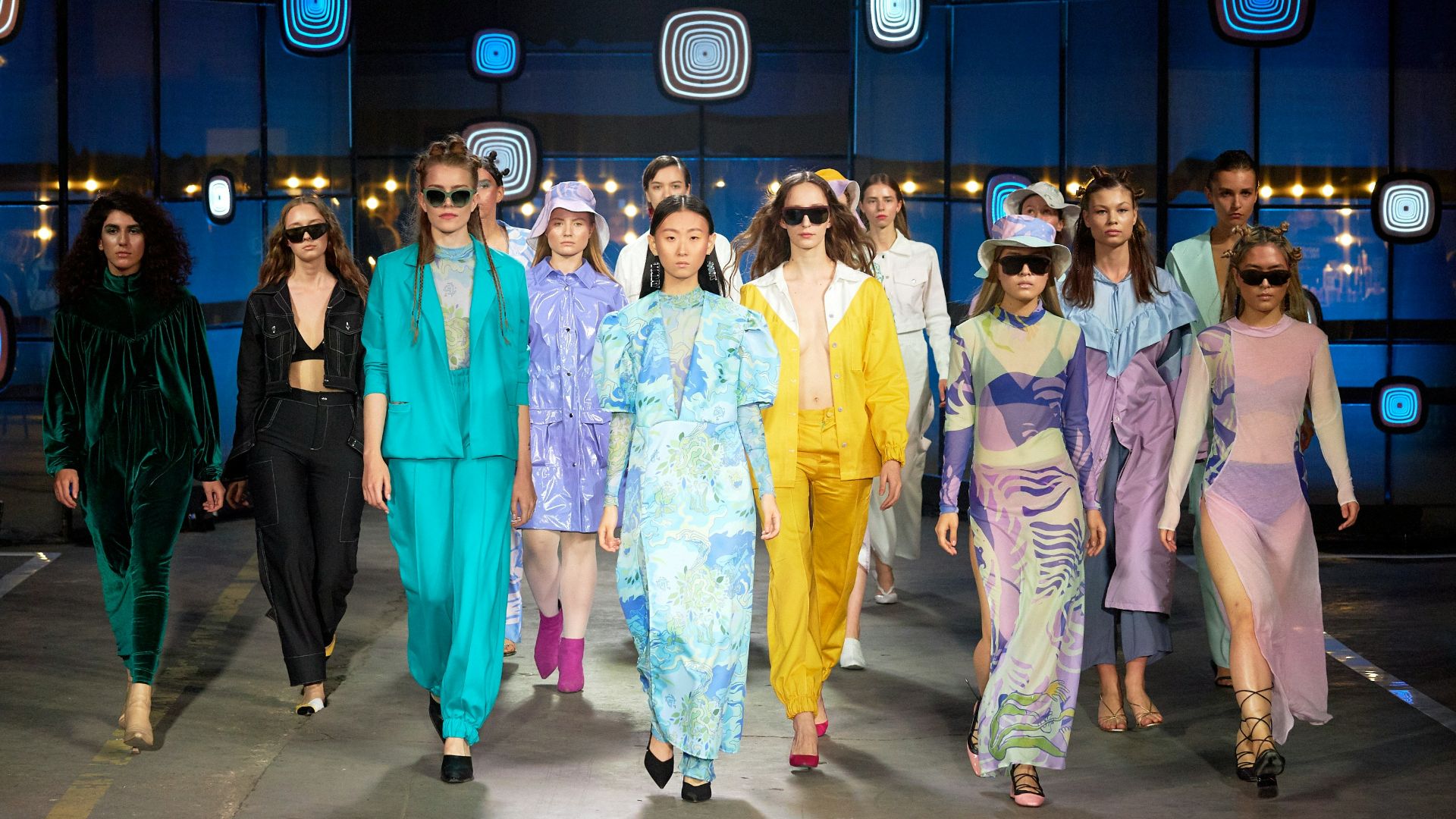
Competition among women doesn’t always manifest in loud or obvious ways. It can be a desire to be the most polished person at dinner, the best-dressed colleague at a meeting, or the first to find the perfect coat. Style often becomes a socially acceptable way to gauge taste and confidence.

10. Designer Pieces Carry Social Meaning
A recognizable bag, unique shoes, or a beautifully crafted piece can communicate a message before the wearer even speaks. For some women, luxury represents craftsmanship; for others, it signifies status, taste, or the excitement of owning something exclusive. Often, it’s a combination of all three.
11. Workwear Comes With Extra Pressure
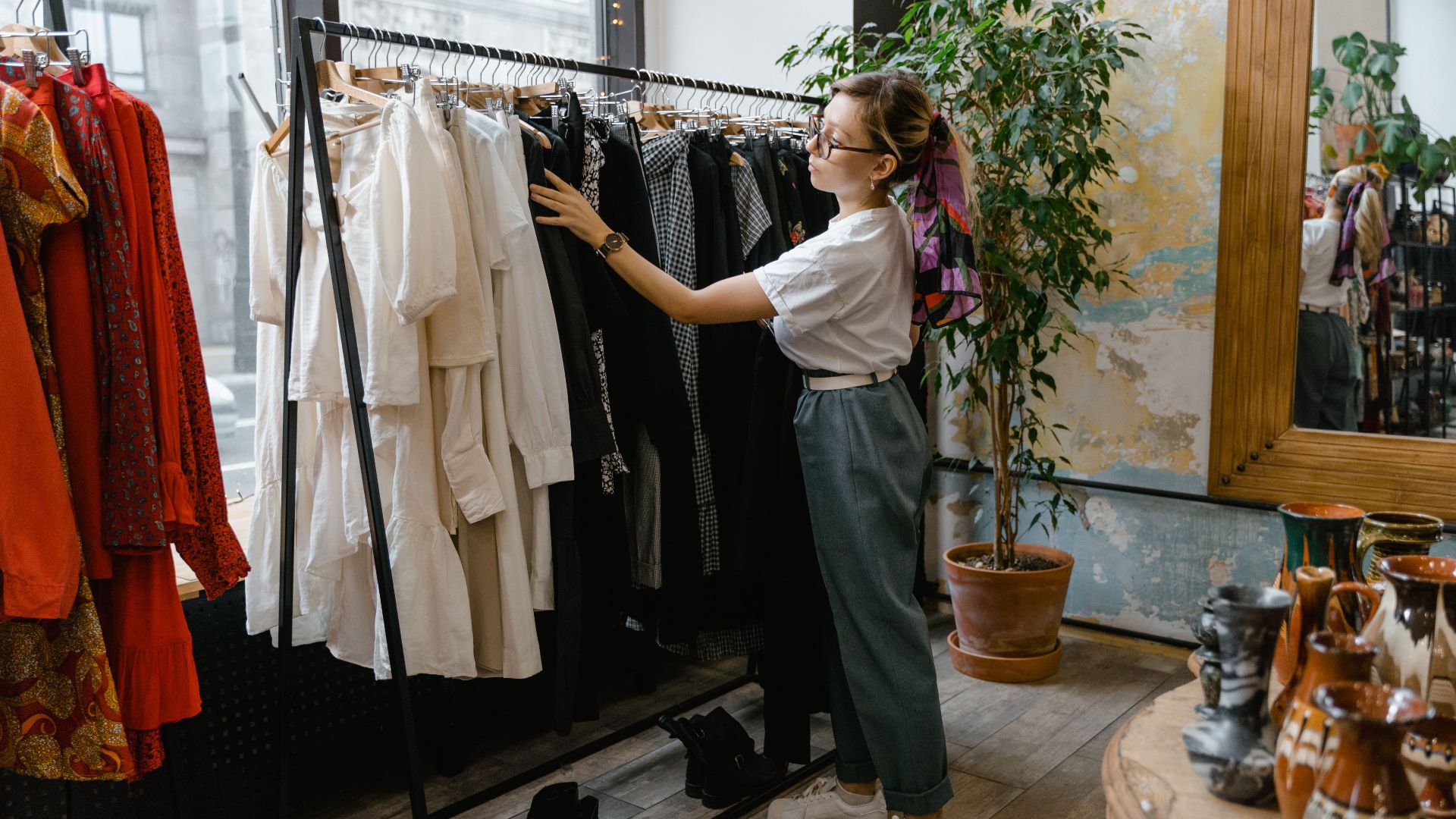
Women’s work attire often has to strike a delicate balance. It needs to look polished yet not flashy, feminine but not distracting, current without being overly fashion-driven. Other women can play a role in this judgment, making office dressing feel more strategic than it should be.
12. Social Media Makes Outfits More Public
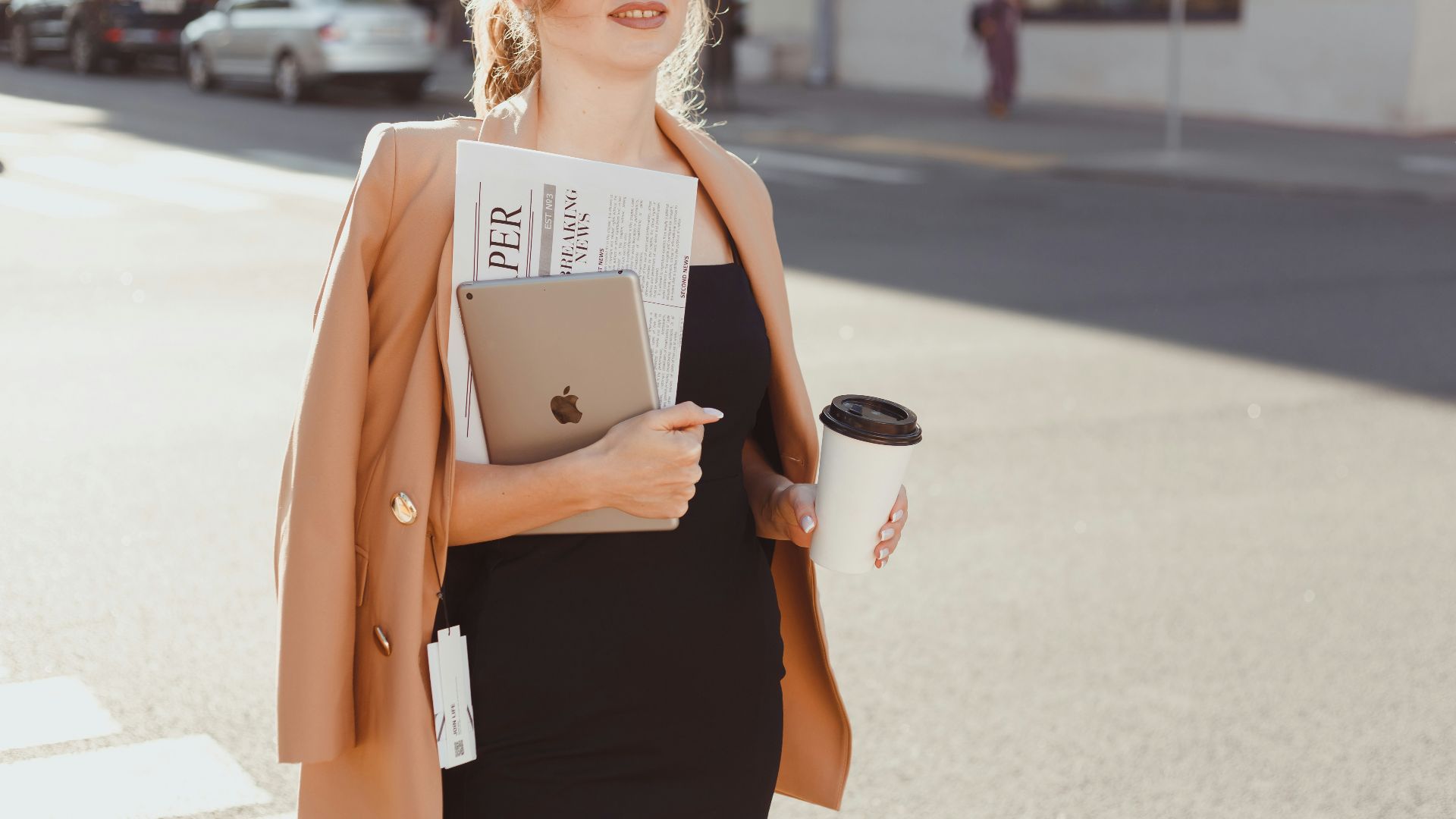
An outfit doesn’t simply disappear at the end of the night. It can appear in tagged photos, mirror selfies, stories, and group posts, making style feel more visible than ever. Even a casual look can start to feel like part of a public image.

13. “Where Did You Get That?”
Few fashion compliments are as satisfying as when another woman asks where a particular item is from. It signifies that the piece not only looked good but also sparked curiosity.
14. Women Often Appreciate the Vision
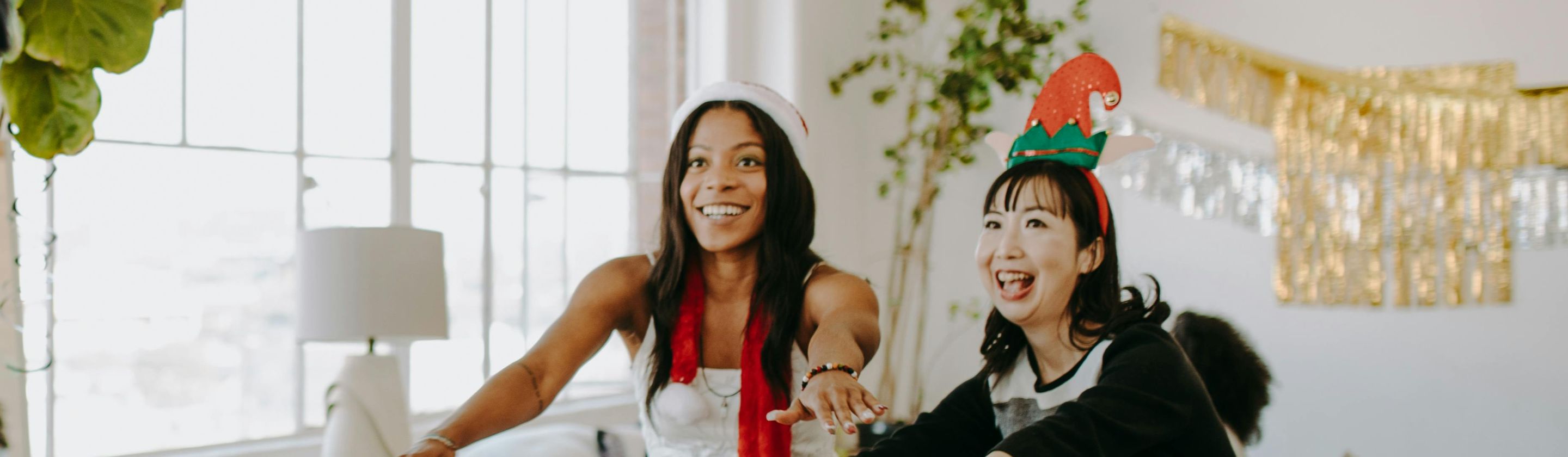
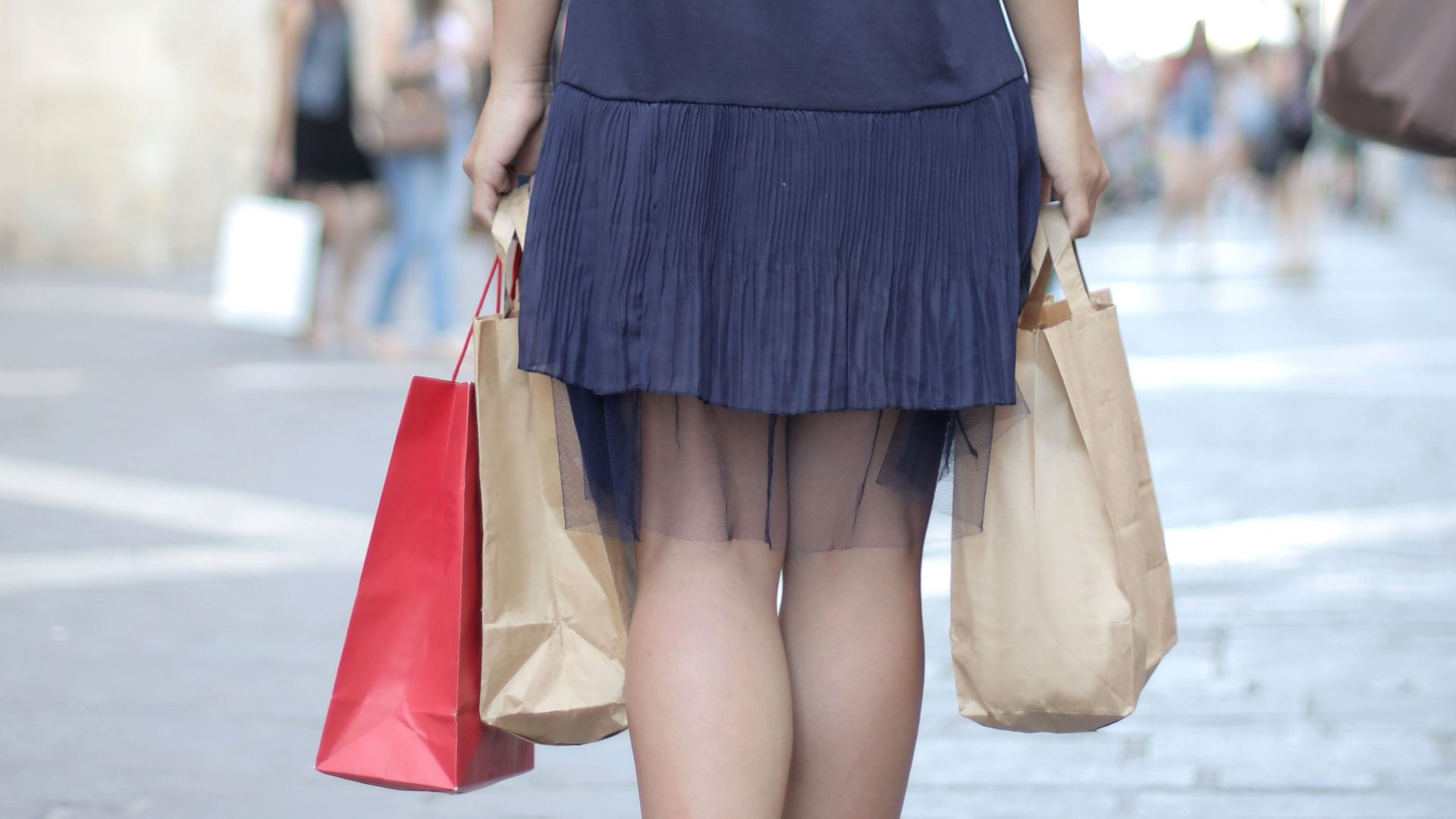
Some outfits aren’t solely focused on obvious beauty or attractiveness. Unique accessories, oversized trousers, glossy brown lipstick, or pairing clogs with a silk skirt may be more a matter of taste and mood. Other women are often the ones who truly understand the intention behind such styles.
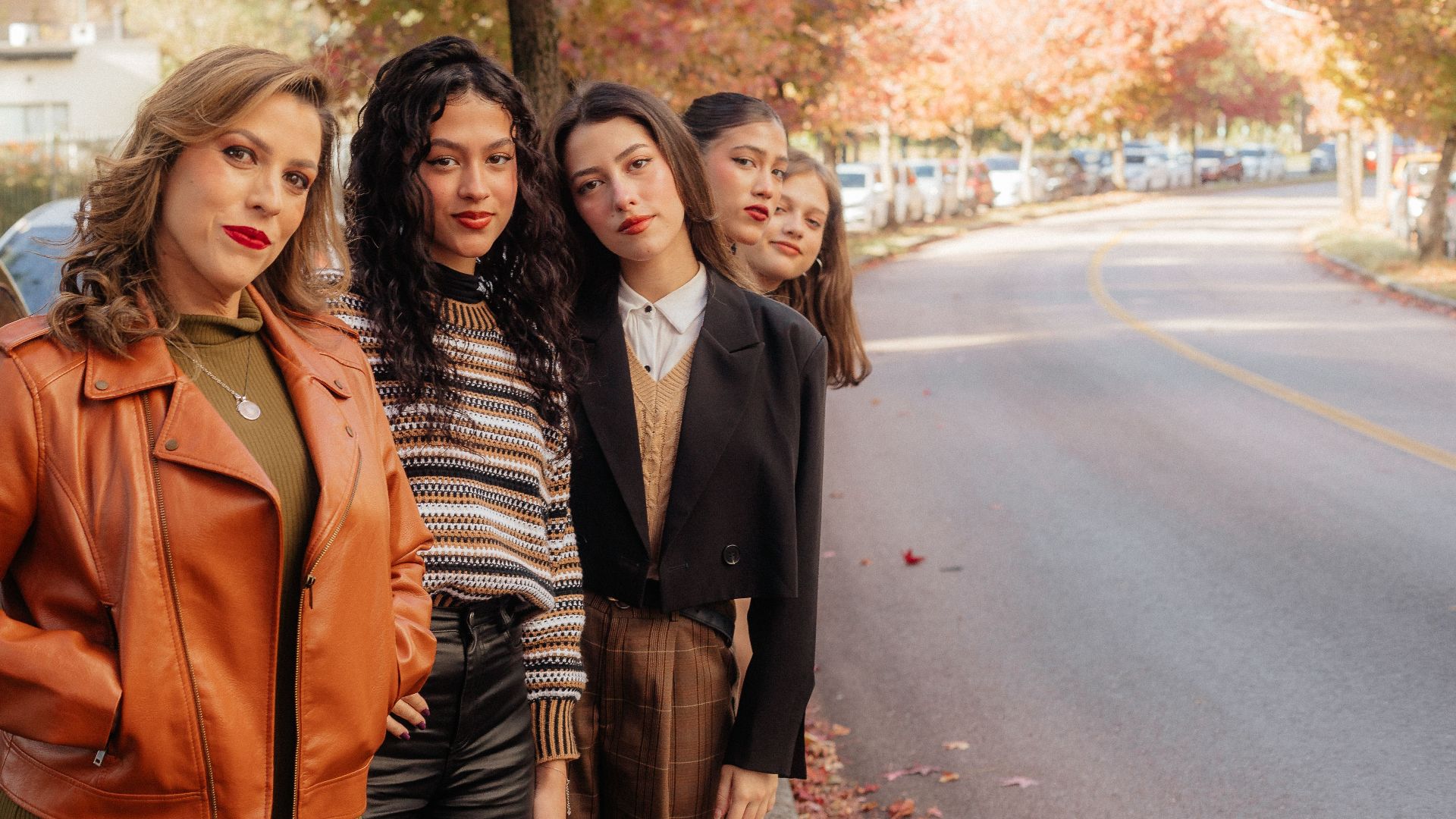 Isabelle Francesca Santinon on Pexels
15. Looking Interesting Matters
Many women dress not just to appear attractive but also to convey creativity, intelligence, thoughtfulness, and a distinct point of view. A strong outfit can communicate all of that before anyone exchanges a word.
16. Friends Shape Personal Style
Personal style rarely develops in a vacuum. Friends influence what feels cool, wearable, flattering, or worth trying out. When one person experiments, suddenly everyone’s closet starts to take note.

17. Event Dressing Is a Team Sport
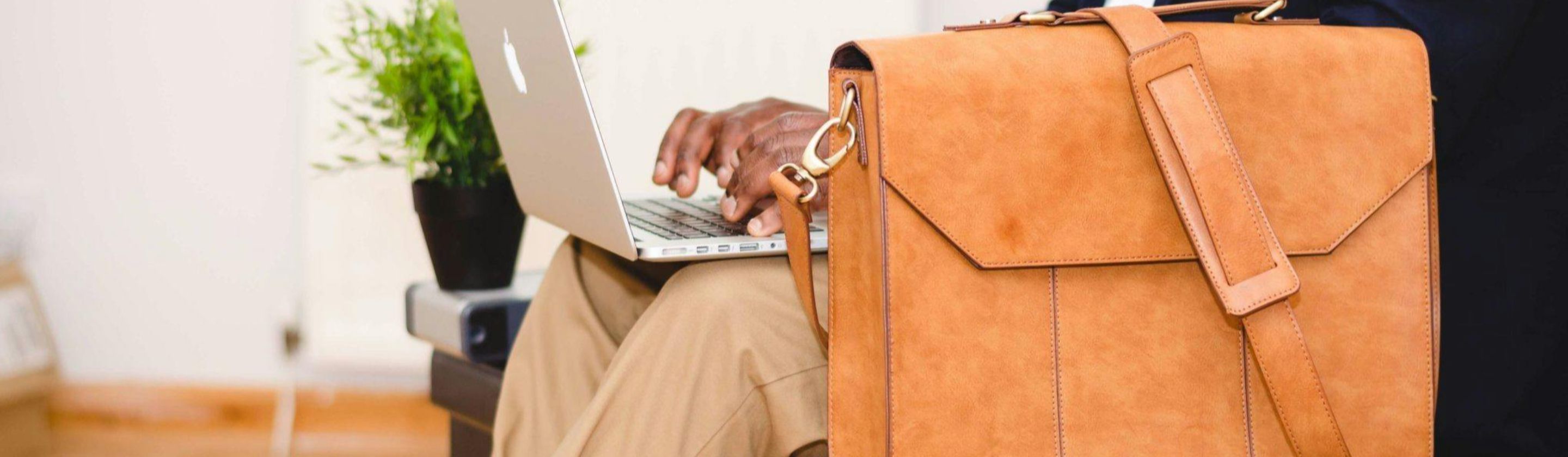
Weddings, showers, birthdays, holidays, and girls’ trips each come with their own outfit guidelines. Women often consult each other because they know that the wrong dress, color, or level of formality will be noticed. While the final look may be an individual choice, the approval process often involves a whole committee.
 iKshana Productions on Unsplash
18. Beauty Is A Part of the Outfit
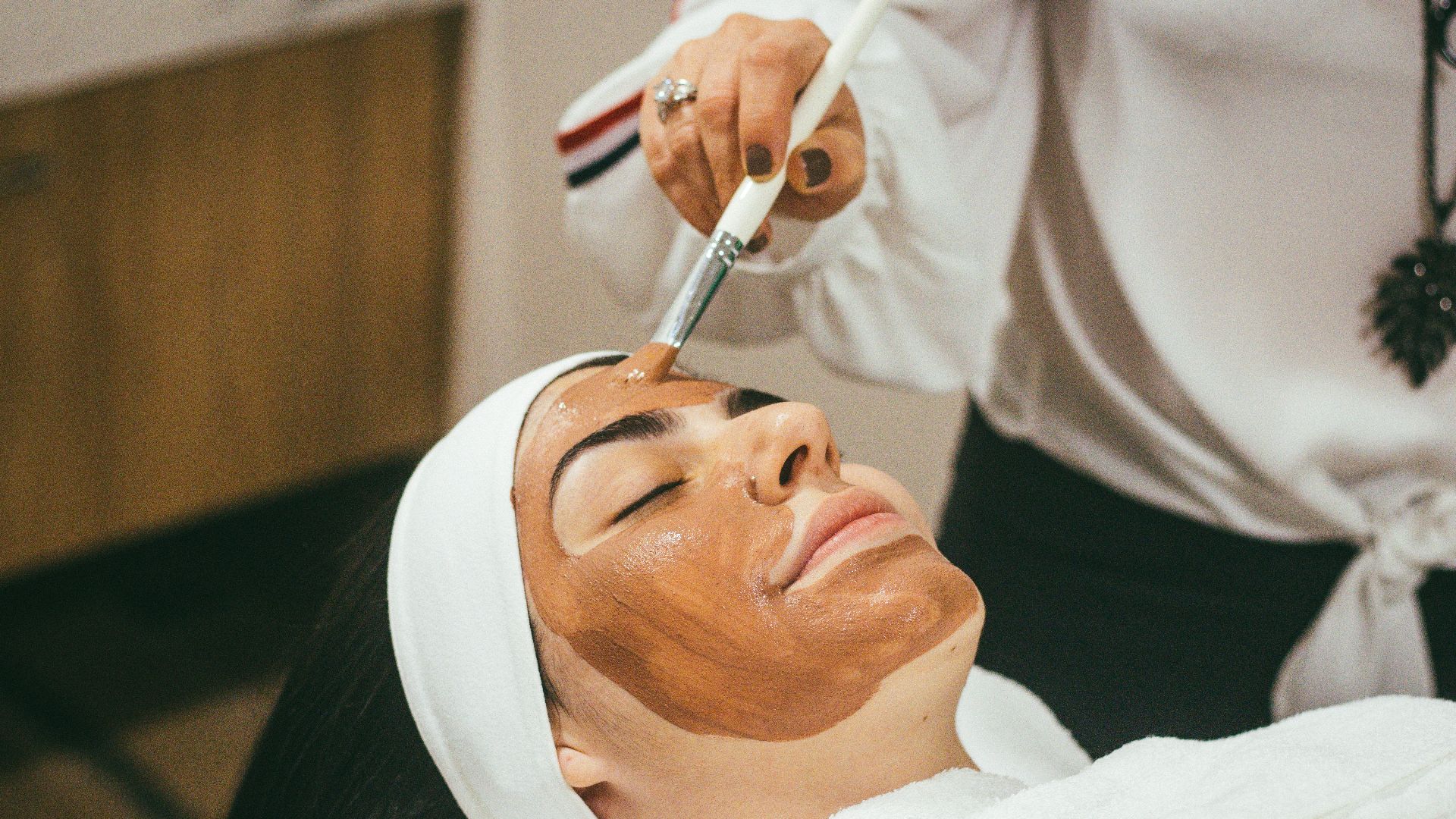
Fashion goes beyond clothing. Hair, nails, brows, skin, makeup, and fragrance all contribute to the overall impression. Women are typically the first to notice when these details are fresh, polished, or beautifully done.
19. Style Helps Control the Story
An outfit can help women shape how they want to be perceived. They may aim to look powerful, soft, expensive, relaxed, creative, unavailable, approachable, or completely unbothered. Other women tend to understand these cues because they utilize them, too.
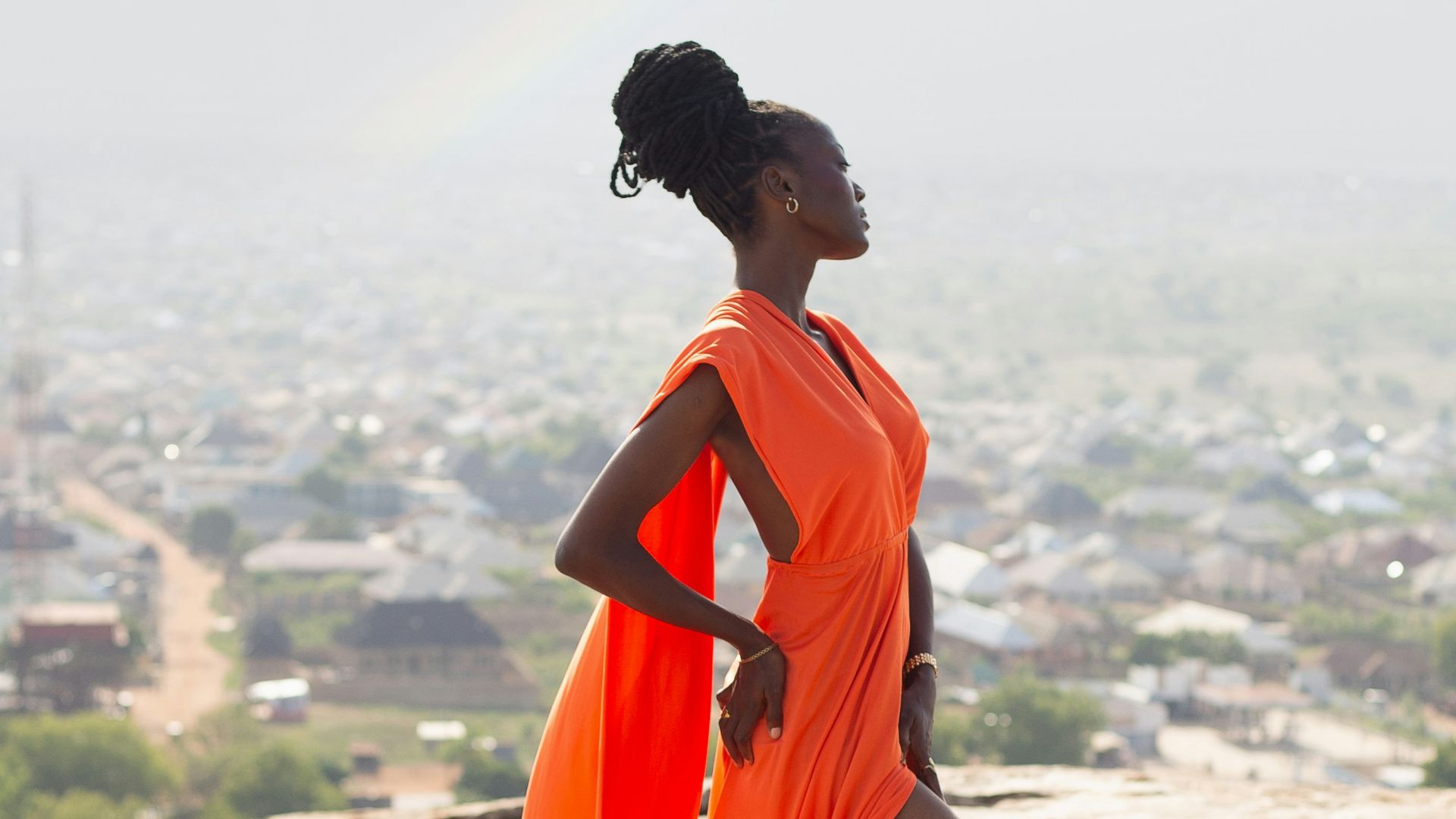
20. “For Myself” Can Still Include an Audience
Dressing for oneself doesn’t mean that others don’t matter. Personal style can encompass confidence, comfort, mood, identity, compliments, comparison, and the desire to be acknowledged by people whose taste is valued. Most outfits come from multiple motivations rather than a single one; they arise from multiple influences.