Trail-Ready Style That Works Hard
Outdoor style is about more than just looking cute at the trailhead. The right clothing must handle sweat, wind, fluctuating temperatures, unexpected rain, and all the minor discomforts that come with spending time outdoors for more than just a quick stroll. A regular cotton T-shirt or flimsy jacket may feel fine at home, but can quickly become annoying when you’re walking uphill, cooling down, or facing damp weather. Fortunately, not every piece has to look bulky or overly technical. The following 20 clothing staples are practical enough for outdoor activities and stylish enough to wear after the boots come off.
1. Moisture-Wicking Base Layer Top
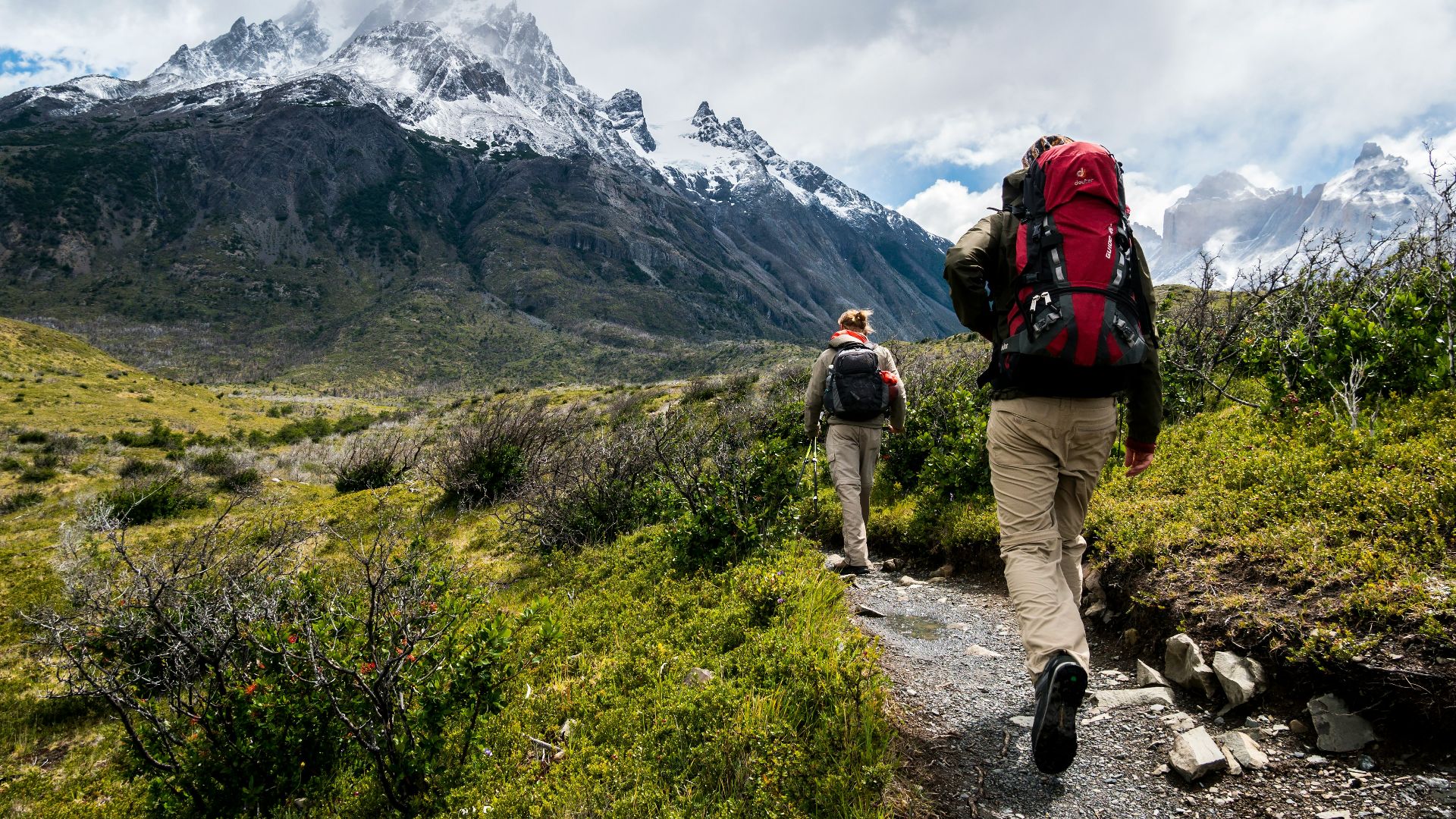
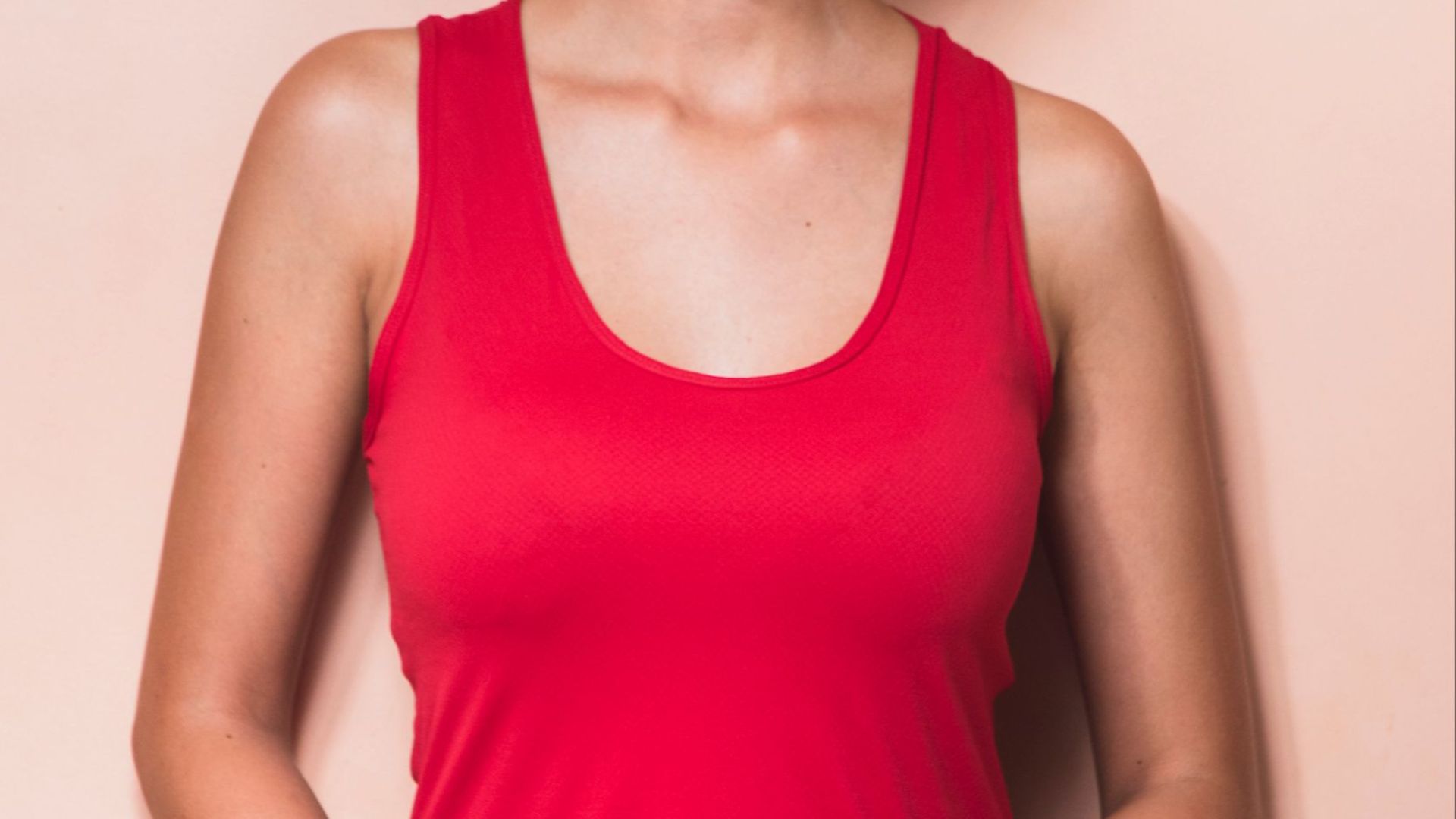
A moisture-wicking base layer top is the layer closest to your skin, so it needs to do more than just look good under a jacket. Fabrics such as merino wool, polyester, and nylon blends help pull sweat away from the body, which is essential when your pace changes or the temperature drops.
2. Base Layer Bottoms
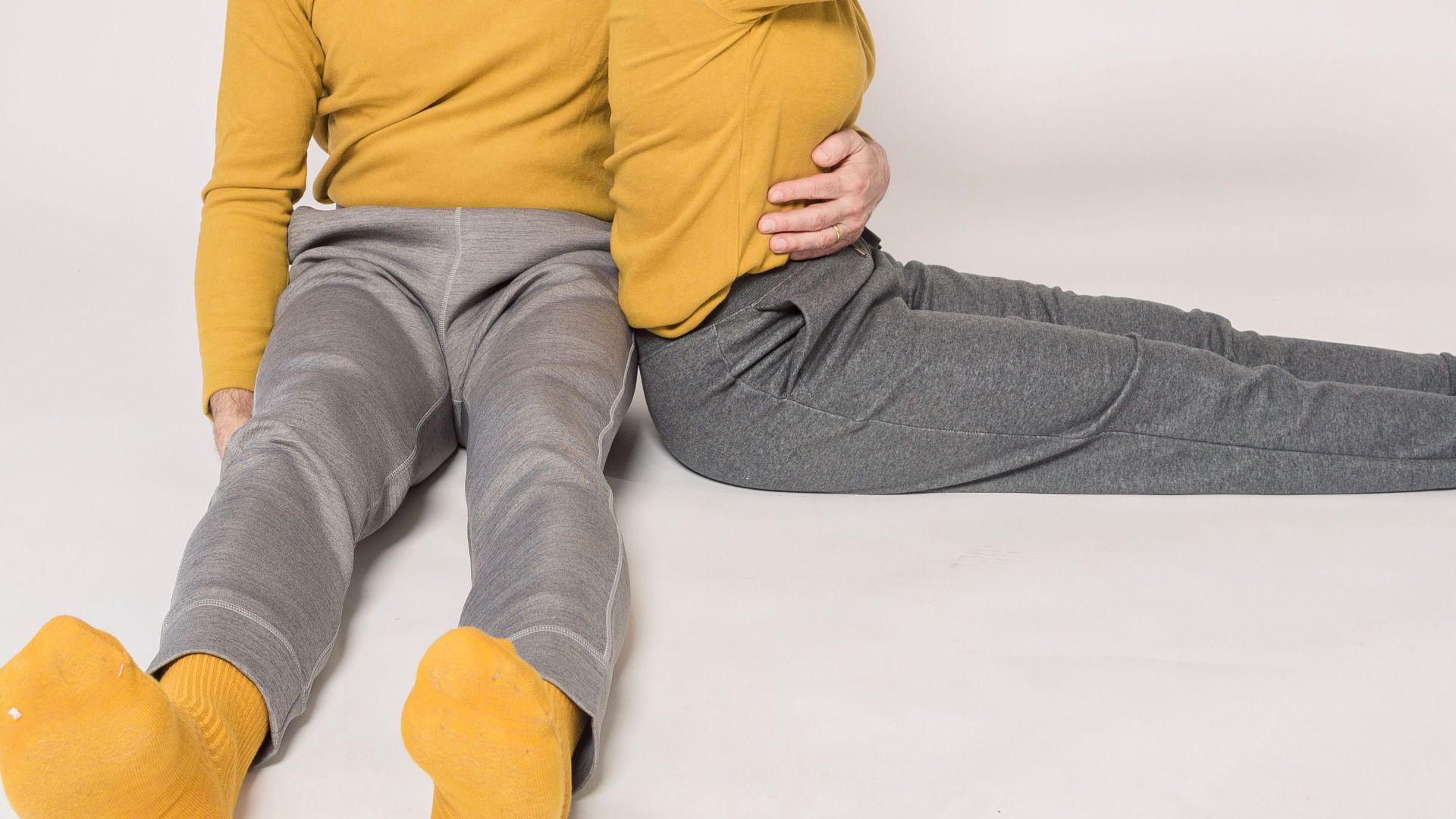
Base-layer bottoms are especially appreciated on cold mornings. A lightweight or midweight pair can fit comfortably under hiking pants, snow pants, or outdoor joggers without adding bulk, especially if the waistband is smooth and the fabric offers sufficient stretch.
3. UPF Sun Shirt
A UPF sun shirt is a smart warm-weather staple for days spent in the sun. Lightweight long-sleeve styles provide coverage for sunny walks, beach trails, paddling, and travel outfits. Features such as a hood, thumbholes, or a relaxed fit can enhance comfort for extended wear.

4. Quick-Dry Trail Tee
A quick-dry trail tee should feel as comfortable as a regular T-shirt, but with fabric better suited for the outdoors. Synthetic and merino-blend options typically handle moisture more effectively than everyday cotton and dry faster after exposure to sweat, mist, or light rain.
5. Breathable Hiking Shirt
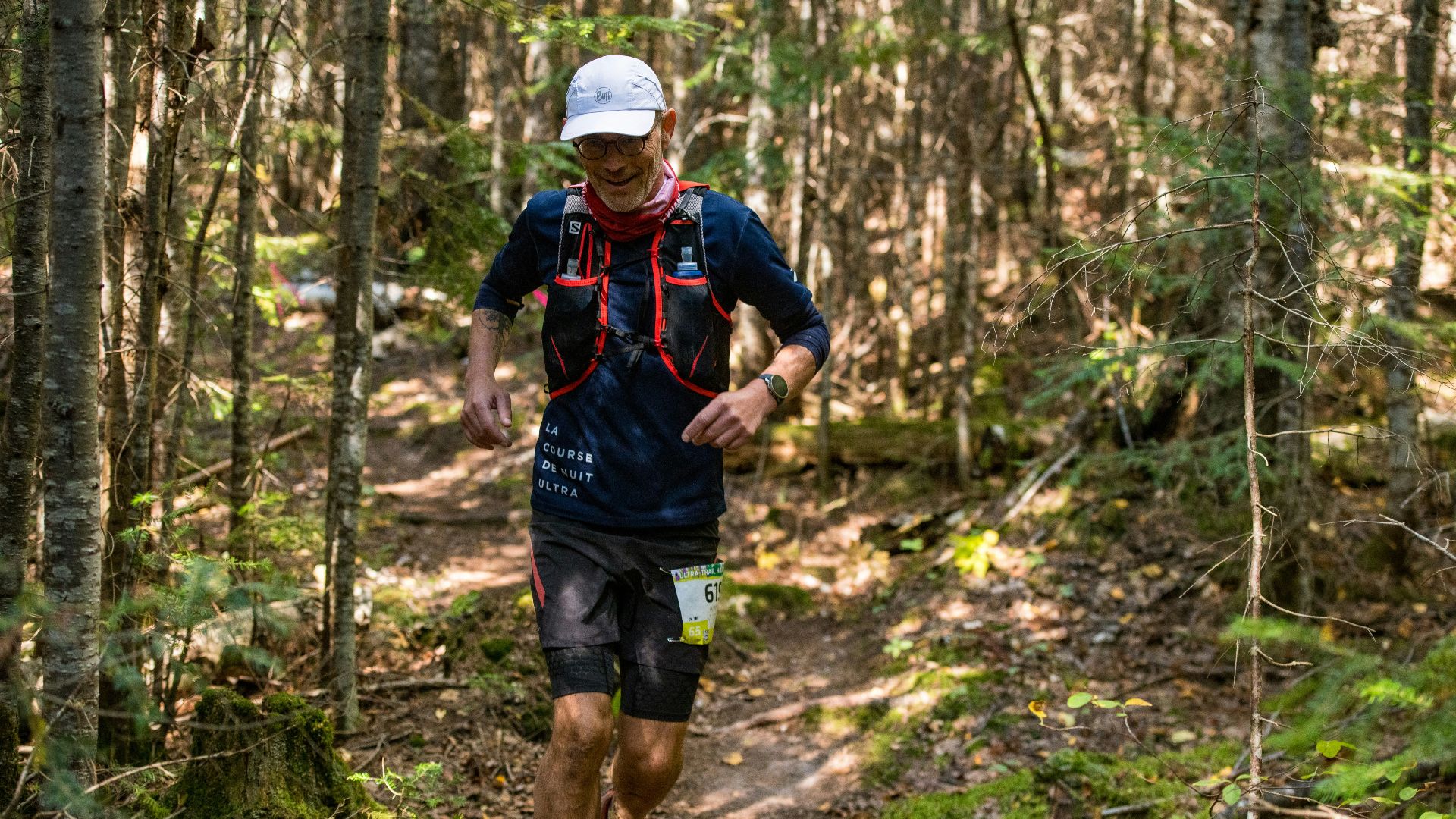
A breathable button-up hiking shirt adds a polished look to outdoor outfits without sacrificing comfort. Lightweight nylon or polyester styles can layer over a tank or tee, providing extra coverage and ventilation as the day warms up—especially with roll-tab sleeves and a relaxed cut.
6. Supportive Wicking Underlayers
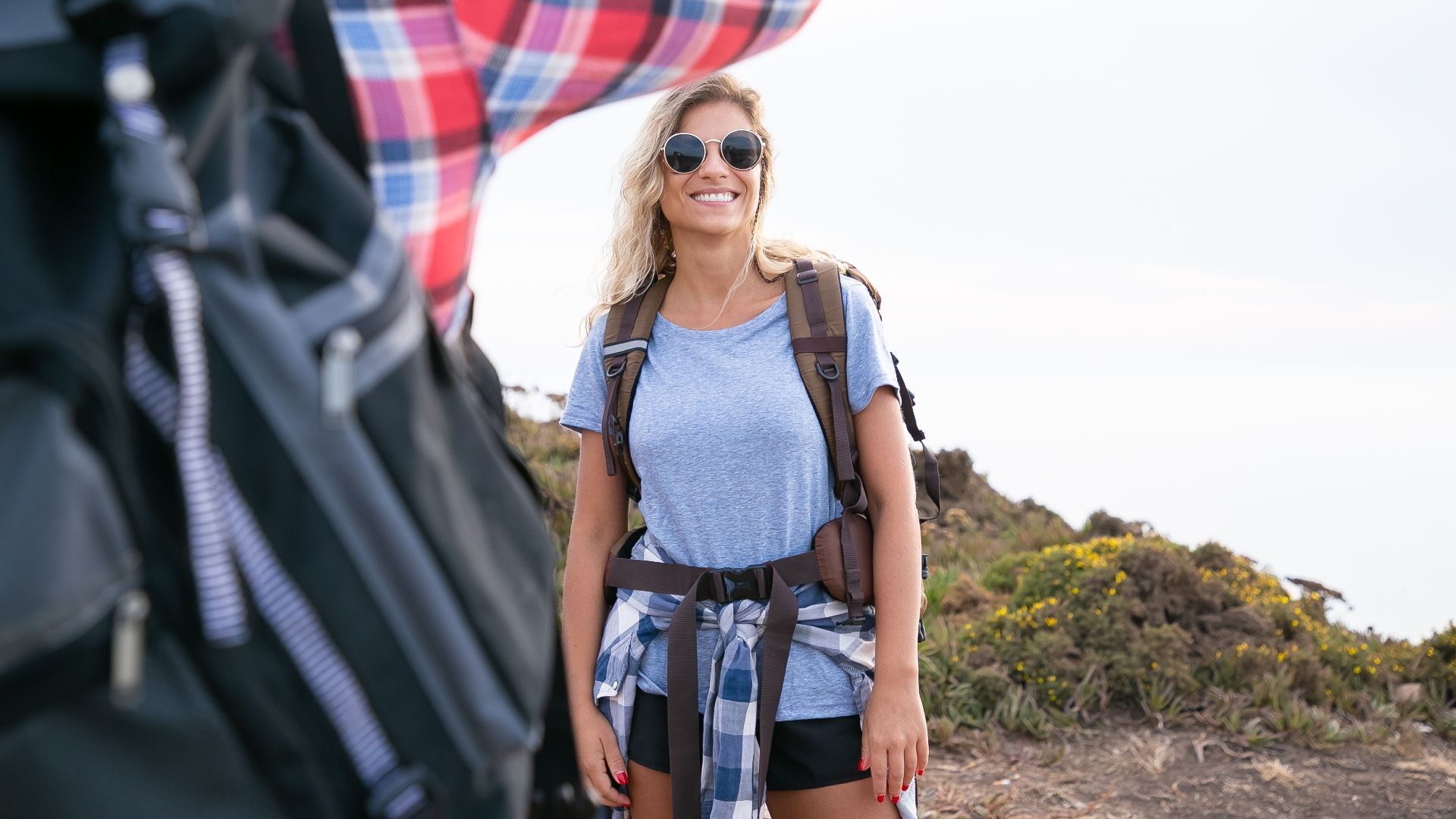
Underlayers that go unseen can significantly impact your comfort outdoors. A supportive sports bra, moisture-wicking underwear, or seamless underlayers can minimize chafing, bunching, and the need for constant adjustment during long walks or when carrying a pack.
7. Stretch Hiking Pants
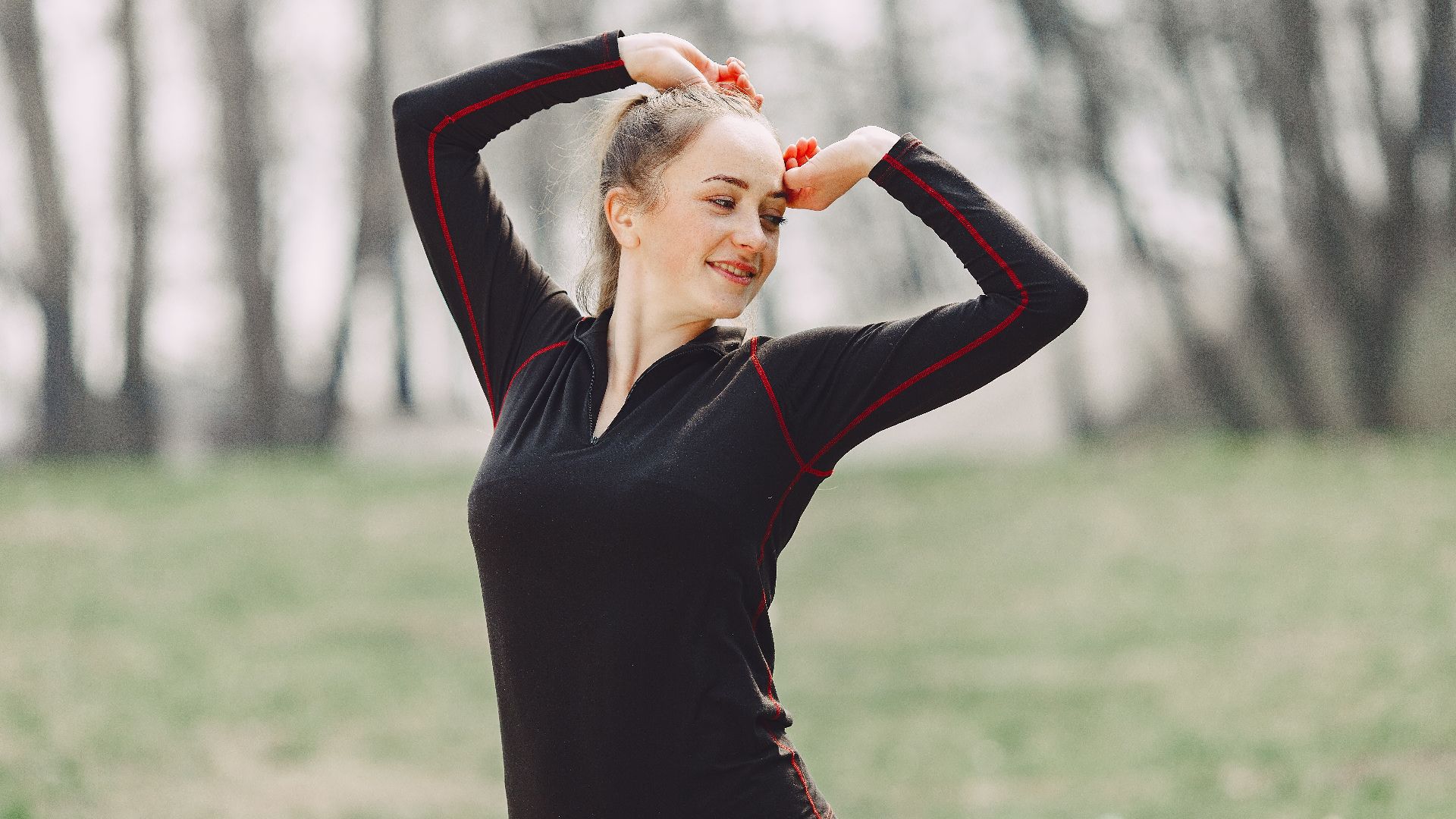
Stretch hiking pants are a practical choice when you need freedom of movement without looking too casual. They should flex well at the knees and hips, repel dirt and light moisture better than standard pants, and still have a polished enough look for casual outings afterward.
8. Trail Leggings
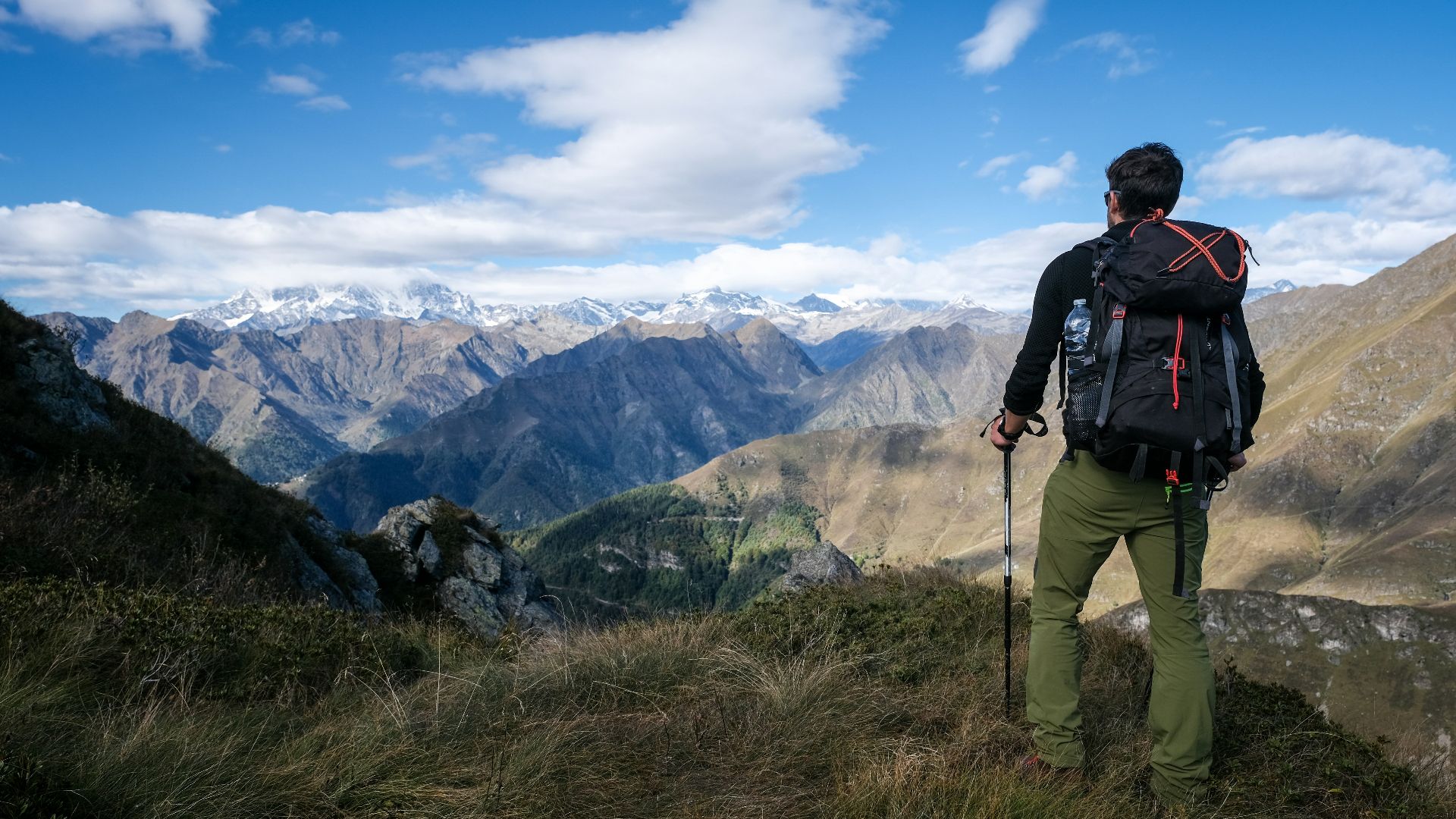
Trail leggings offer a comfortable option for outdoor days when you want a sleek appearance. The best pairs are sturdier than lounge leggings, featuring a supportive waistband, functional pockets, and fabric that withstands movement, light brush, and sitting on rocks or benches.
9. Hiking Shorts or Skort
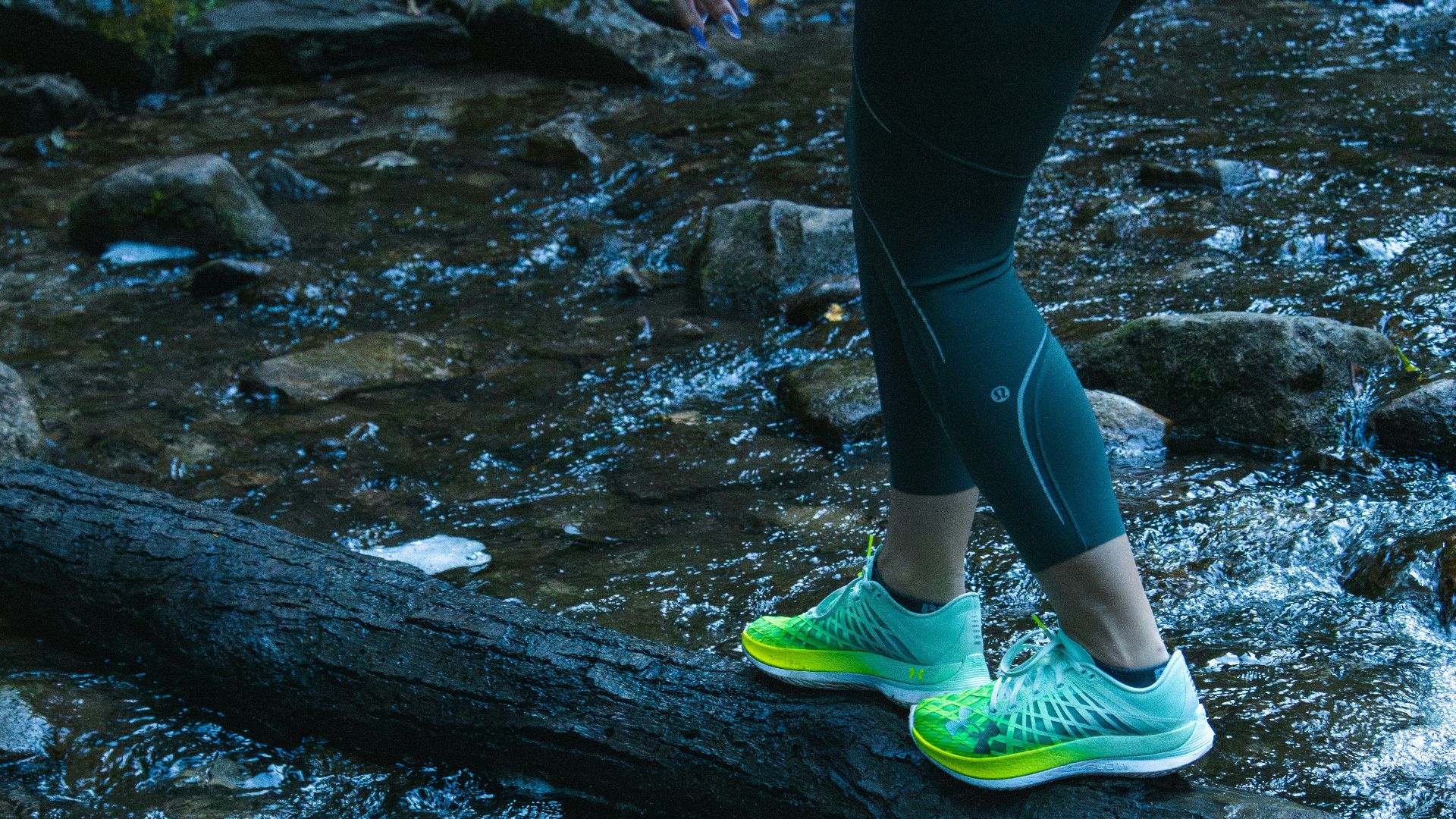
Hiking shorts or even a skort can make warm-weather outings feel much more manageable. Key features include a secure waistband, quick-drying fabric, a comfortable liner, and real pockets, while a slightly longer inseam helps reduce chafing.
10. Convertible Pants
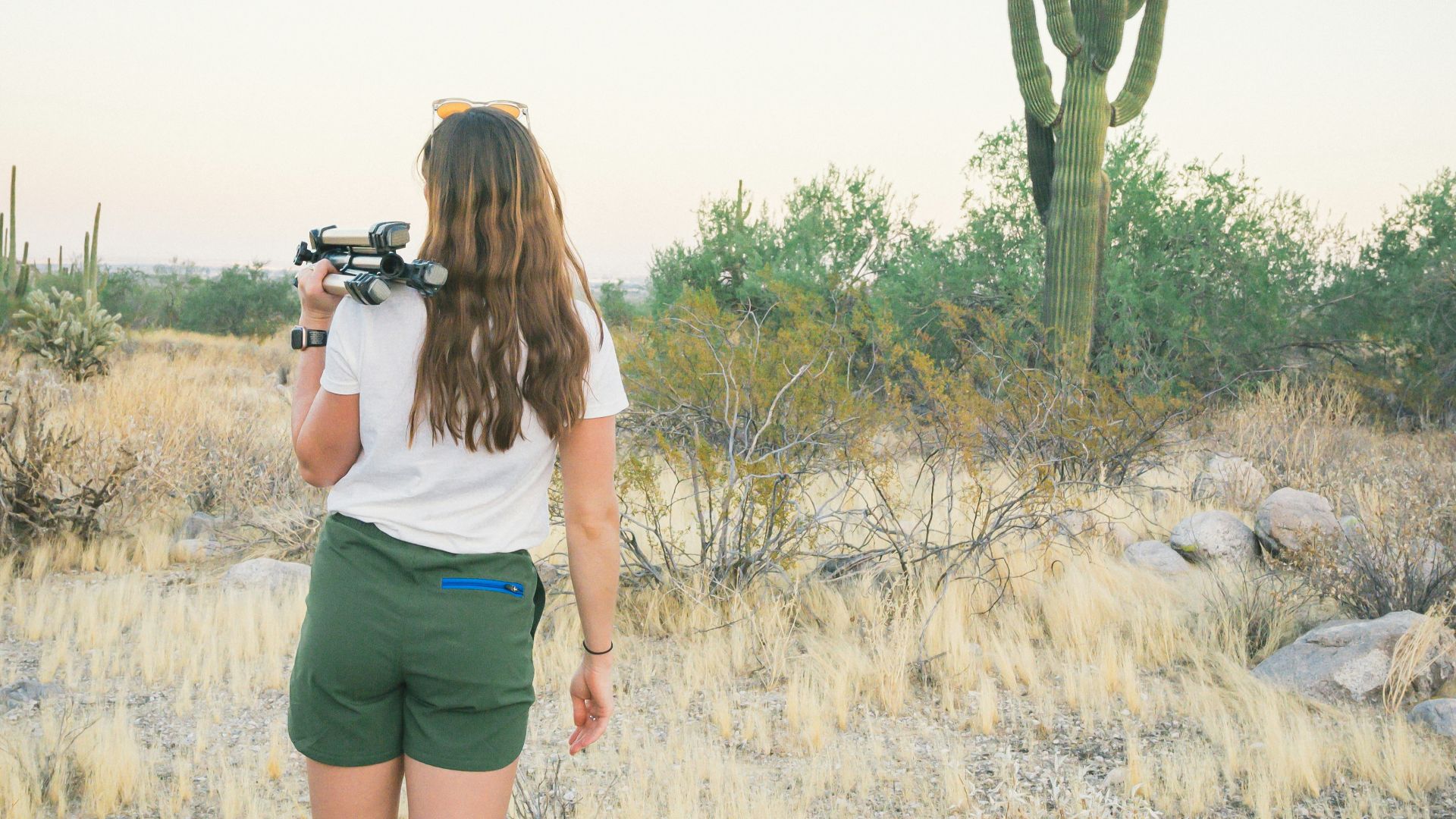
Convertible pants are more versatile than their old zip-off reputation suggests. They’re great for situations where the morning starts cool, the afternoon warms up, or when the route includes wet grass or a creek crossing. Look for smooth zippers and a clean fit.
11. Fleece Mid Layer
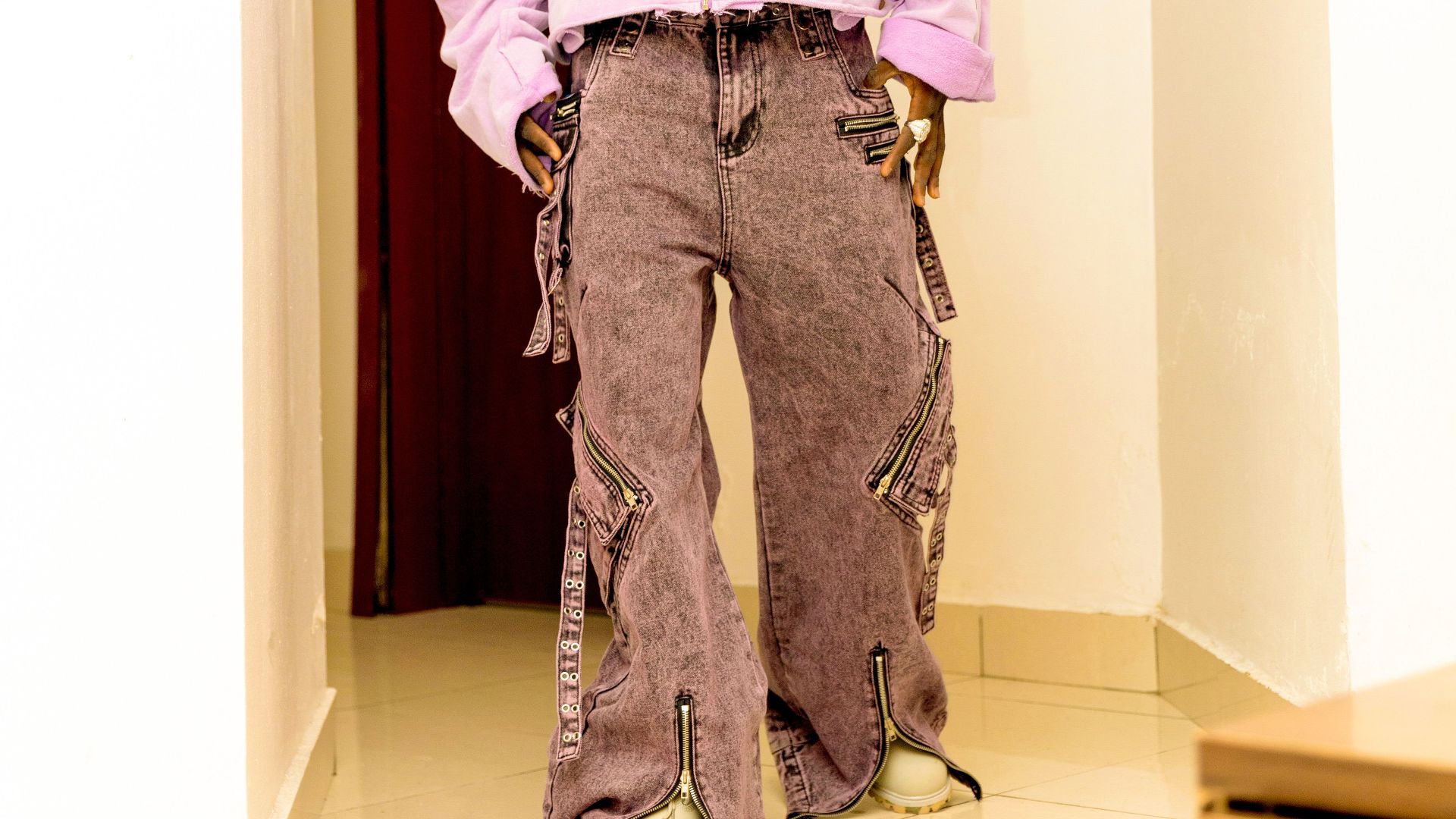
A fleece mid-layer is easy to justify because it adds warmth without too much bulk. A closer fit works well under a shell, and options like half-zip or full-zip styles allow you to cool down without changing your entire outfit.
12. Lightweight Insulated Jacket
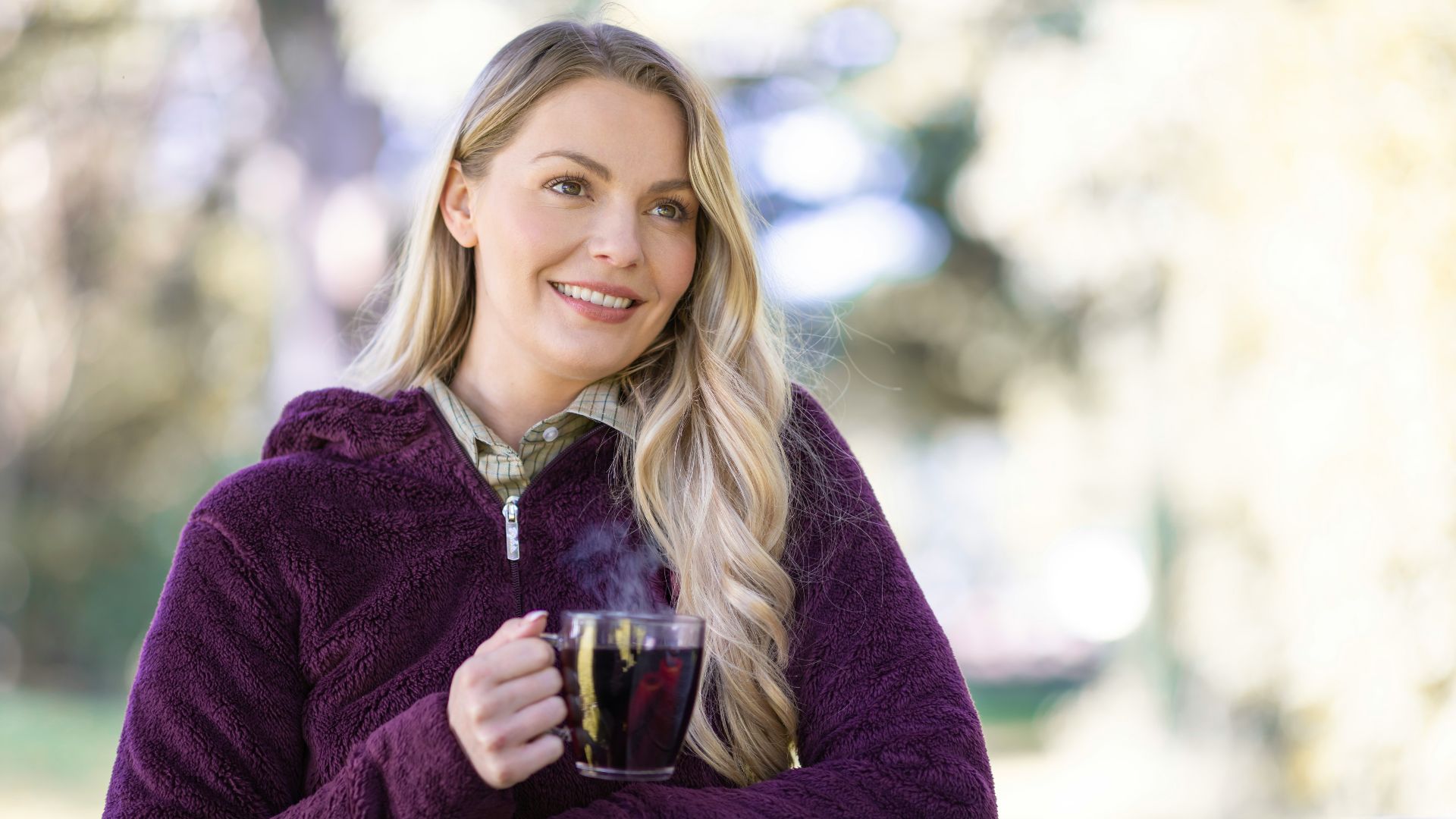
A lightweight insulated jacket is essential for cold overlooks, breezy campsites, and early starts. Down insulation offers warmth and compressibility in dry conditions, while synthetic insulation performs better in damp weather.
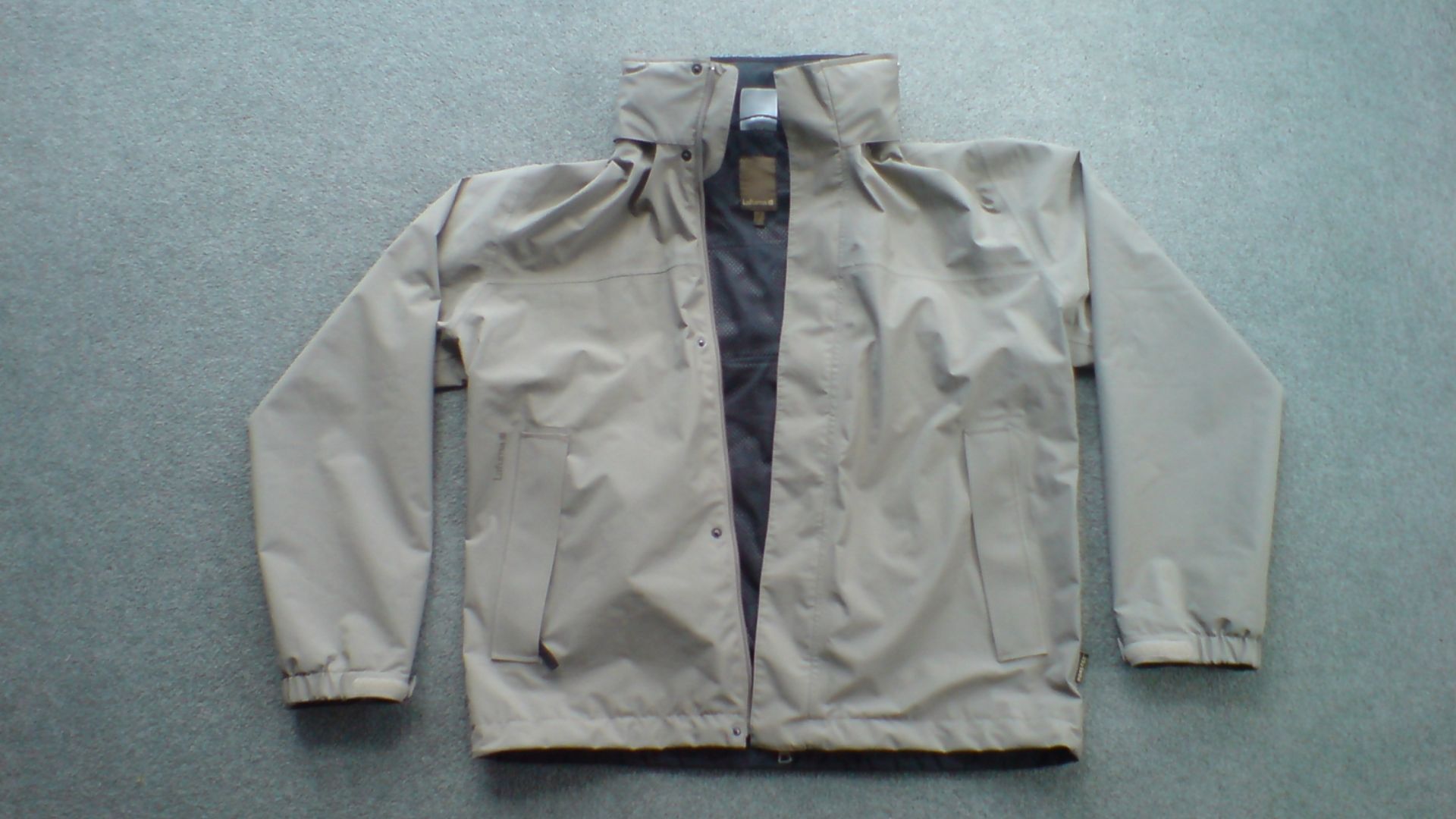
13. Waterproof Rain Shell
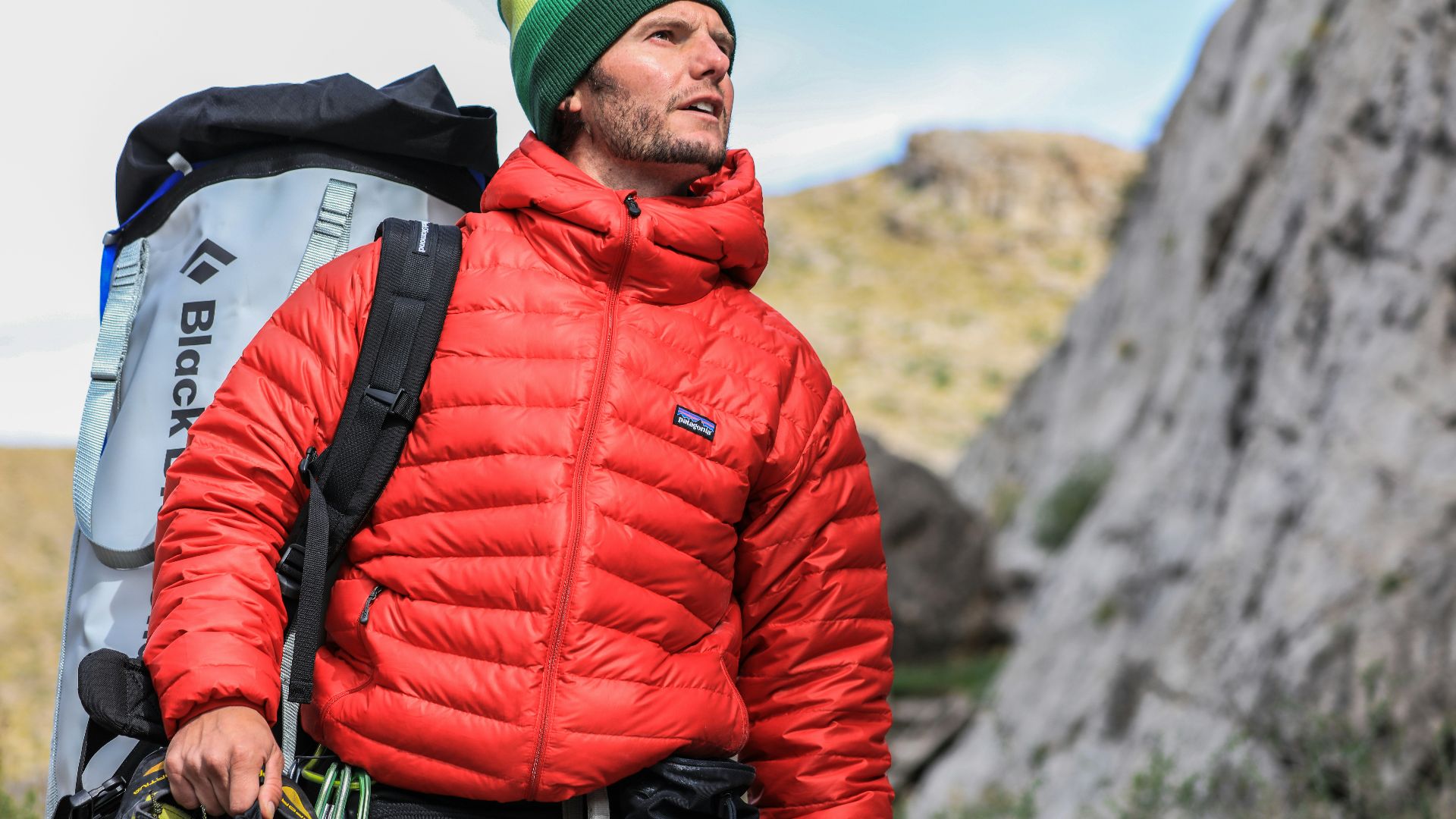
A waterproof rain shell is a must-have when the weather turns wet. Look for features like sealed construction, an adjustable hood, cuffs that tighten at the wrists, and enough room to fit over a fleece or light puffer.
14. Rain Pants
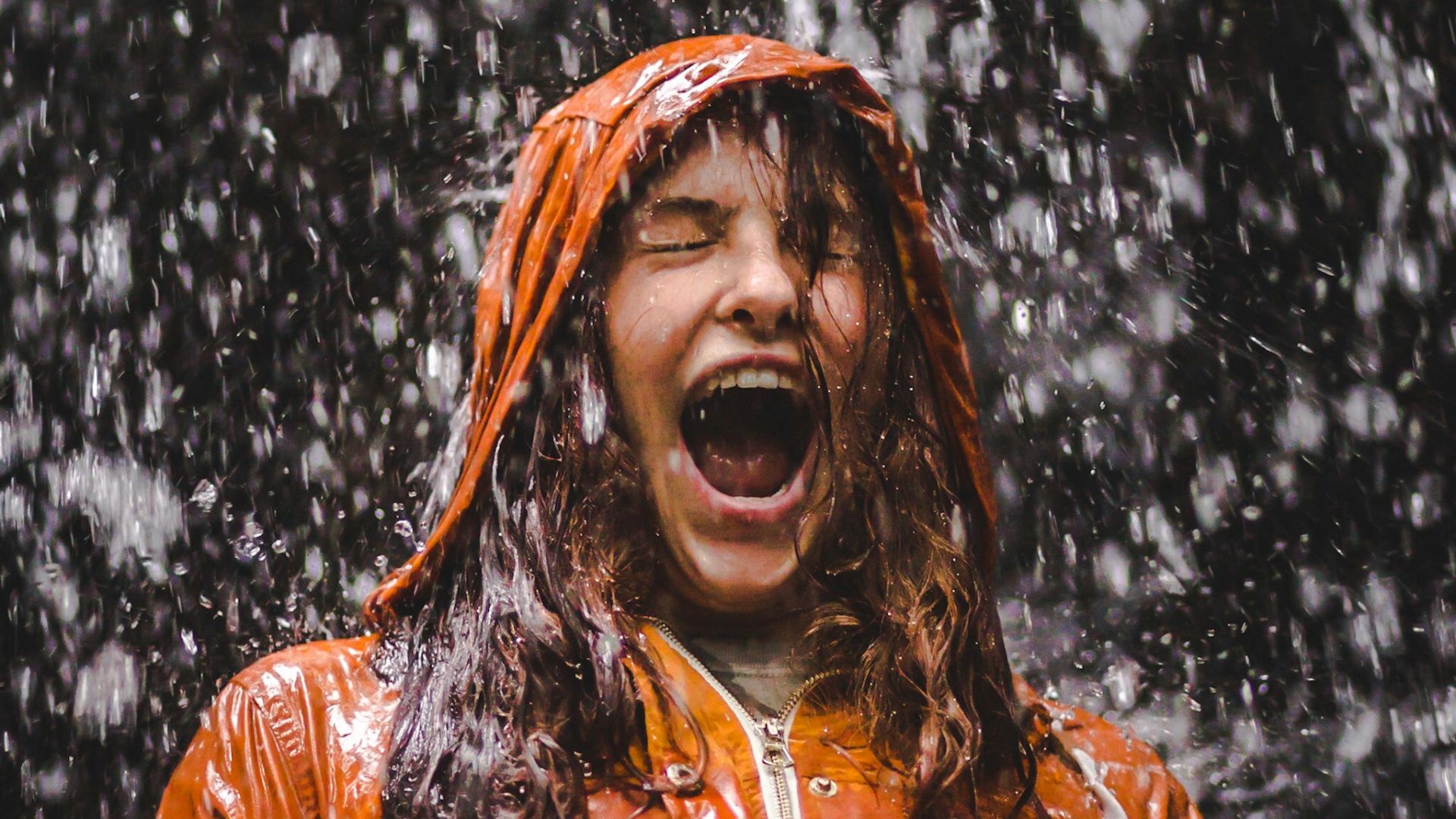
While rain pants may not be the most stylish item in an outdoor wardrobe, they are incredibly useful in wet conditions. They protect leggings or hiking pants from getting soaked in steady rain, at muddy campsites, or in wet brush, and lightweight versions with side zips can be put on quickly.
15. Windbreaker or Soft Shell
A windbreaker or soft shell serves as a good middle layer between a warm fleece and a full rain jacket. It’s ideal for breezy ridgelines, dry cold days, bike rides, and walks near water, especially in neutral colors like black, olive, navy, cream, or clay.
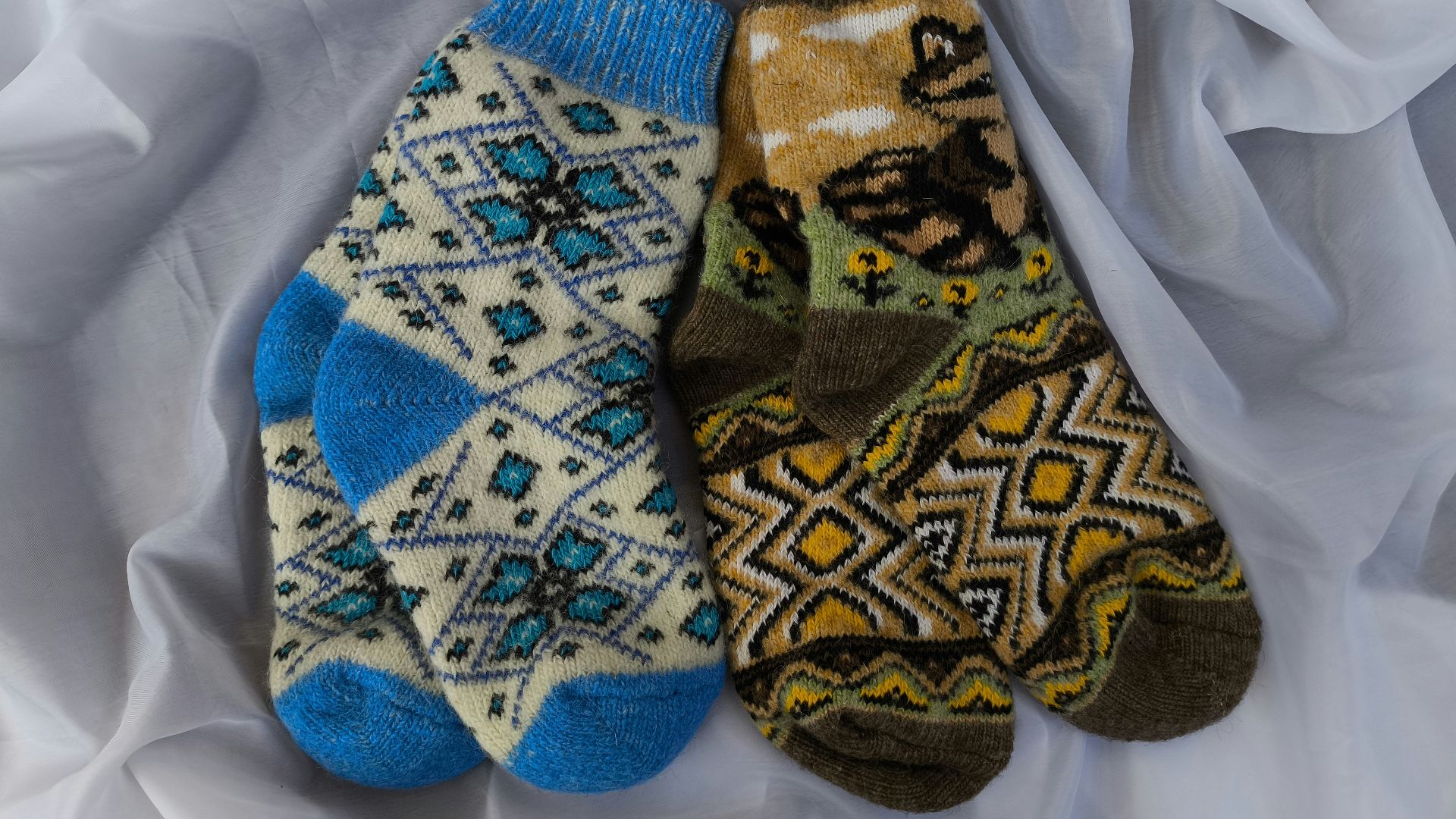
16. Wool Hiking Socks
Wool hiking socks can significantly enhance the comfort of your footwear. Merino wool blends are popular because they manage moisture well, provide cushioning, and feel more comfortable in hiking shoes than thin cotton socks, which tend to stay damp.
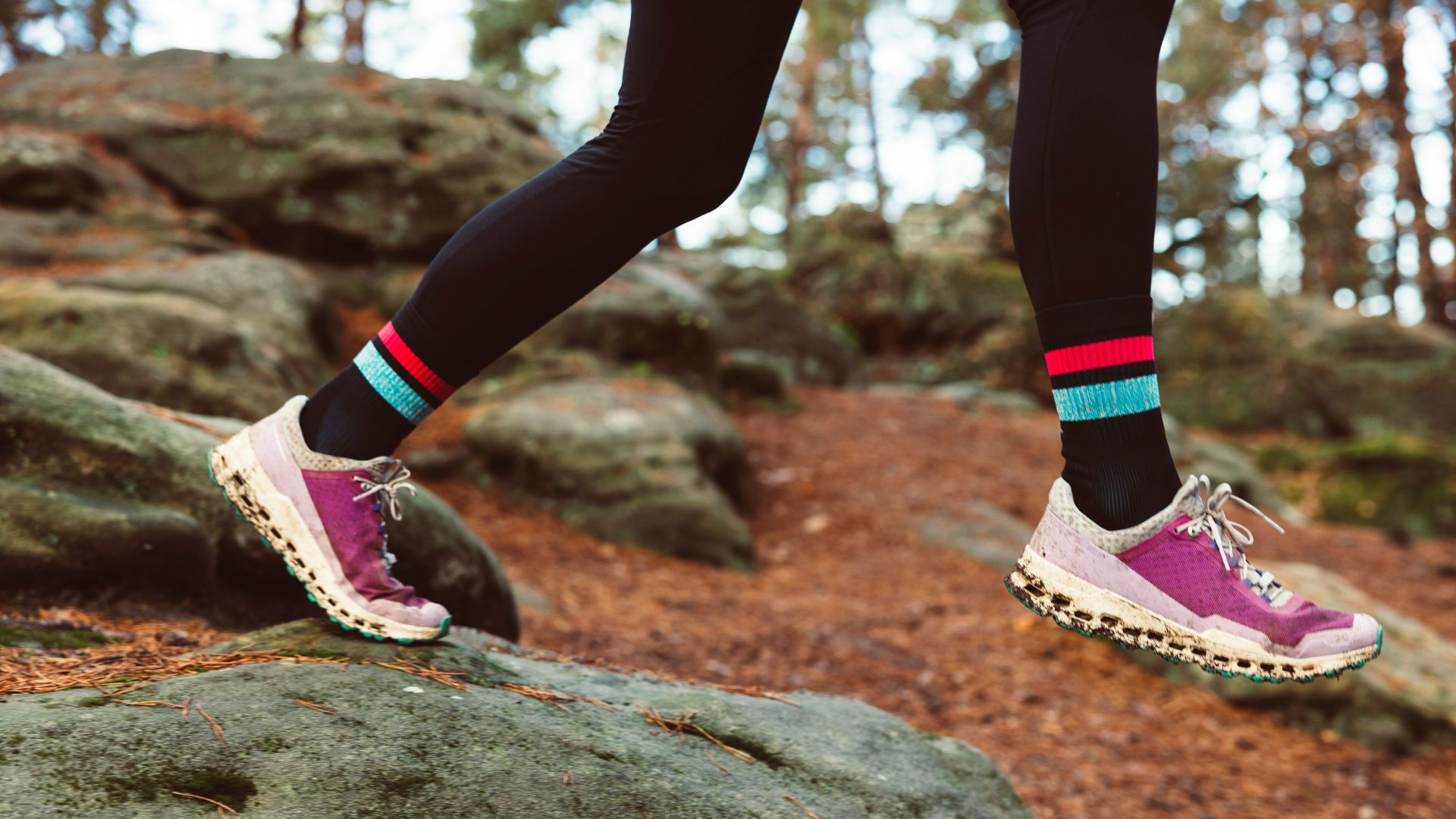
17. Hiking Shoes or Trail Runners
Hiking shoes or trail runners are smart choices for many day hikes and active weekends. They are generally lighter and more flexible than boots while still offering good traction and protection from roots, rocks, and uneven terrain.
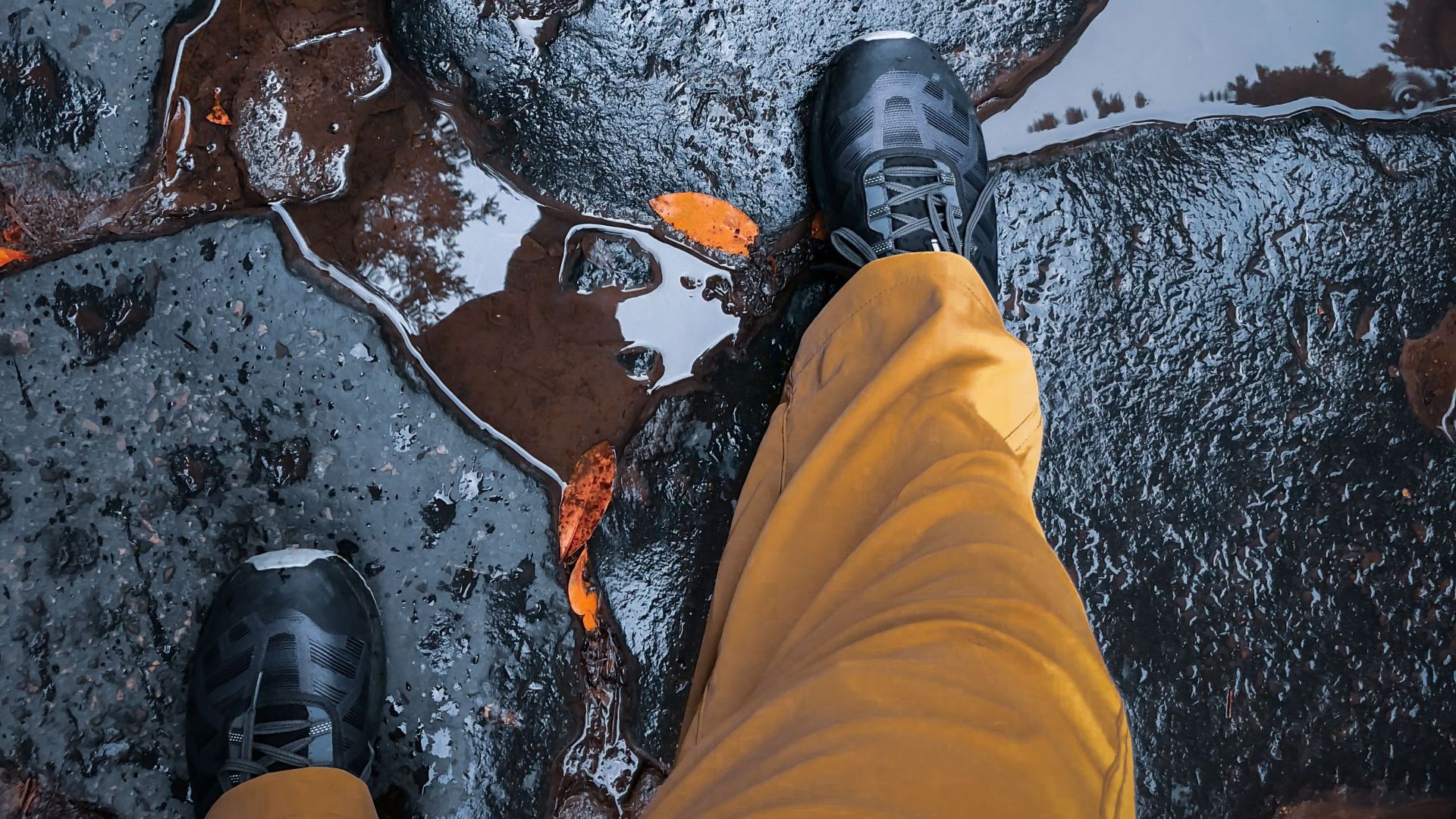
18. Hiking Boots
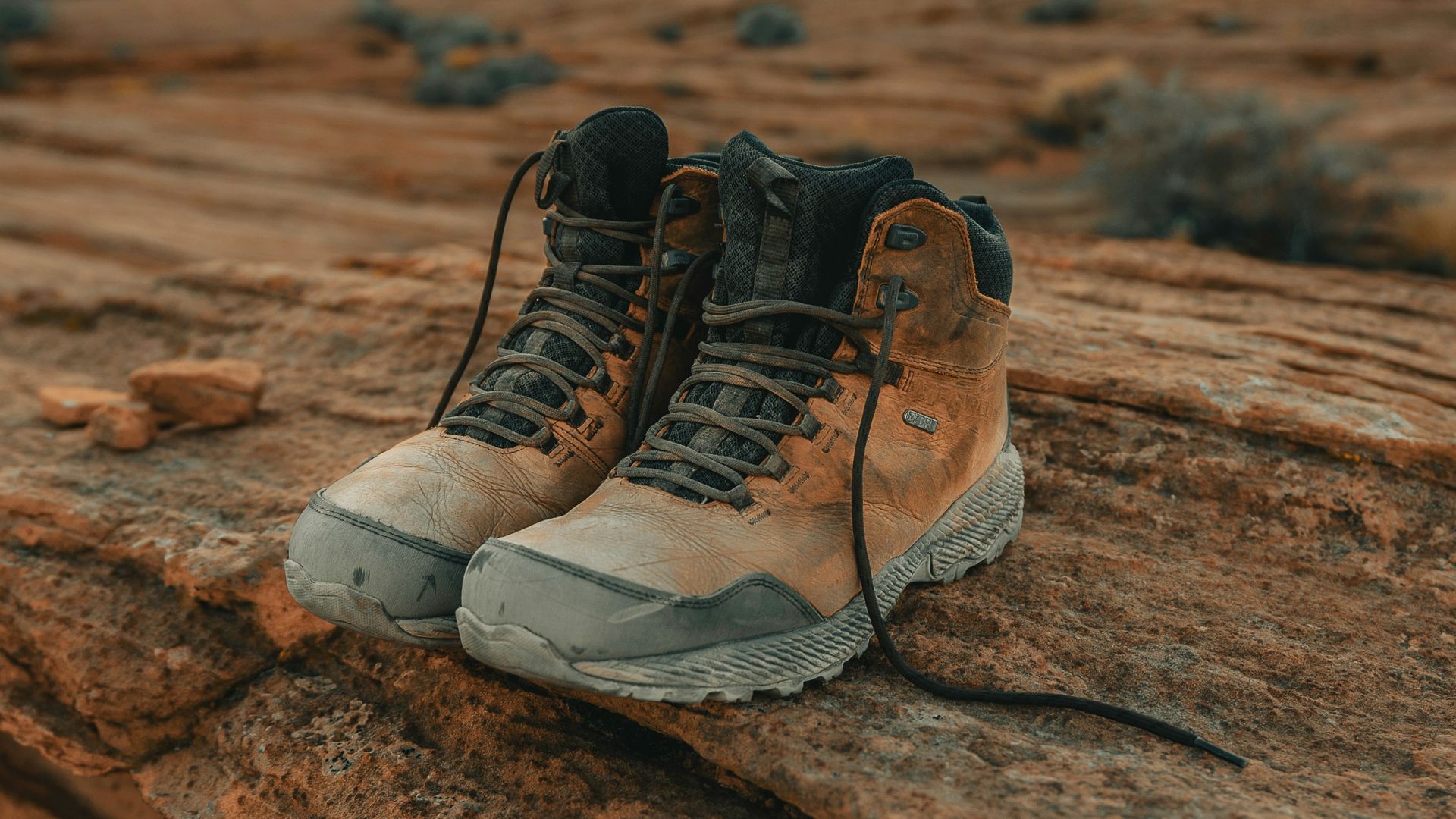
Hiking boots remain useful in rocky, muddy, steep, or uneven terrain. They provide more structure, durability, and ankle support compared to lower-cut shoes, especially if you’re carrying a heavy pack or navigating rough trails.
19. Water Shoes or Sport Sandals
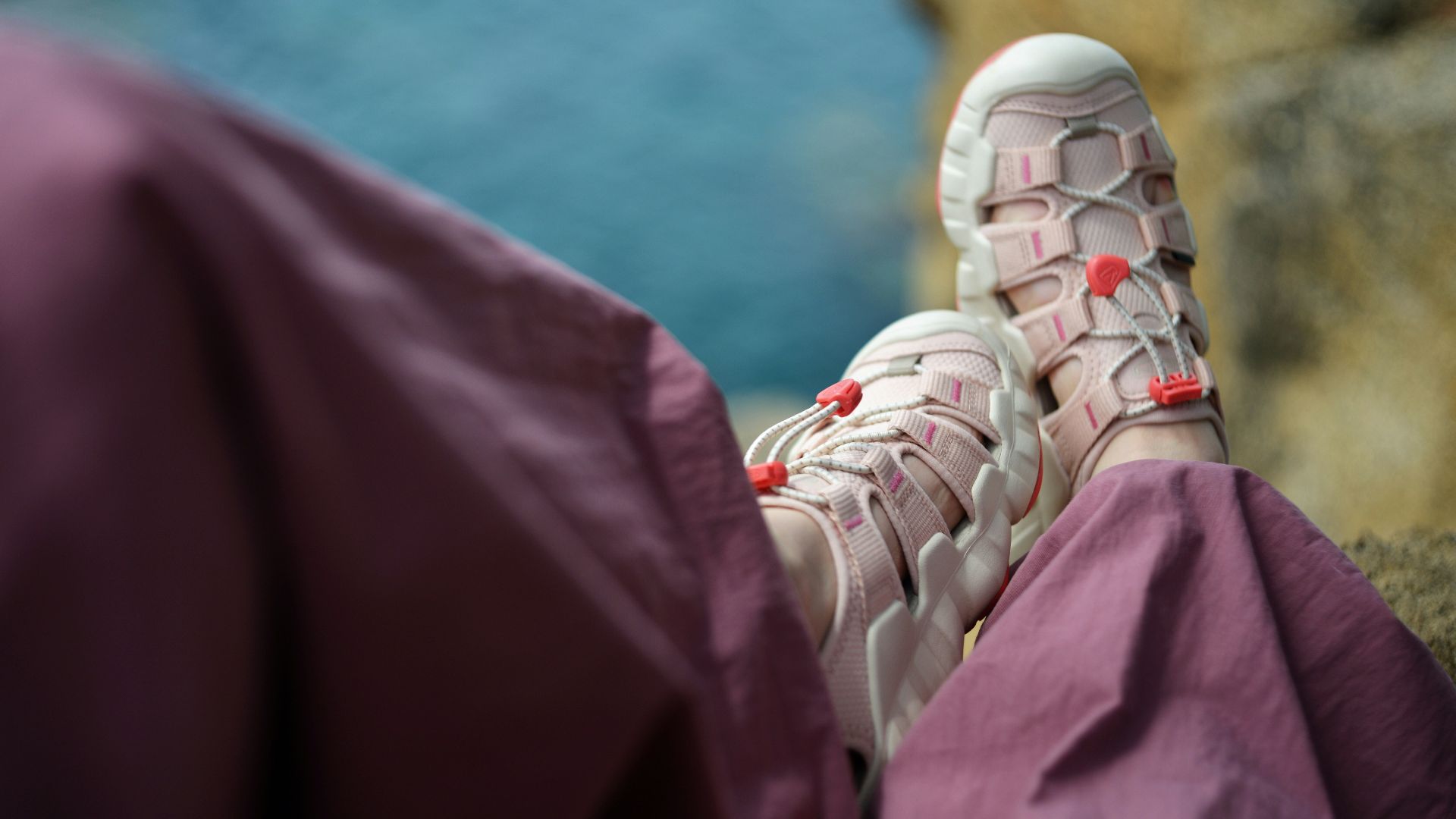
Water shoes and sport sandals are practical for lake days, kayaking, rocky beaches, camping showers, and wet trail crossings. Closed-toe water shoes offer better protection on rough surfaces, while open sport sandals are breezier for casual warm-weather outings.
20. Wide-Brim Hat and UV-Blocking Sunglasses
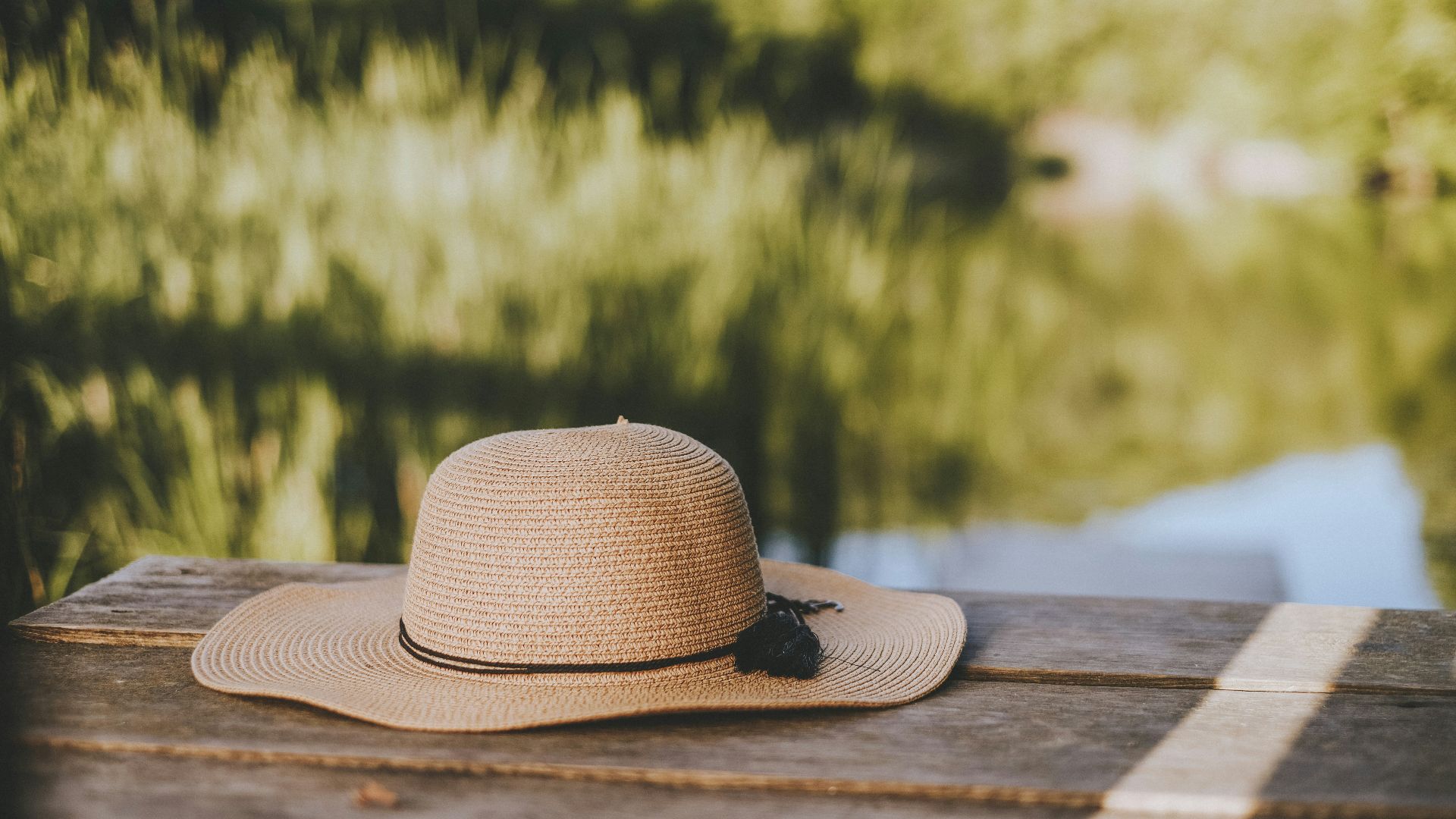
A wide-brim hat and UV-blocking sunglasses complete an outdoor outfit while serving important functions. The hat provides shade for your face, ears, and neck, and sunglasses that are labeled for strong UV protection are a better choice than merely dark lenses.