Effort Should Look Effortless
Style is personal, and everyone gets to dress for their own life, their own body, and their own mood. Still, most people can sense when an outfit feels lived-in versus when it feels like it is pleading to be noticed. Trying too hard usually shows up when the clothes seem to be doing the social work, announcing taste, money, or edge before a single sentence lands. It also shows up when every element competes for attention, so the overall look feels tense instead of settled. Here are twenty style choices that often read as effort-first rather than ease-first.
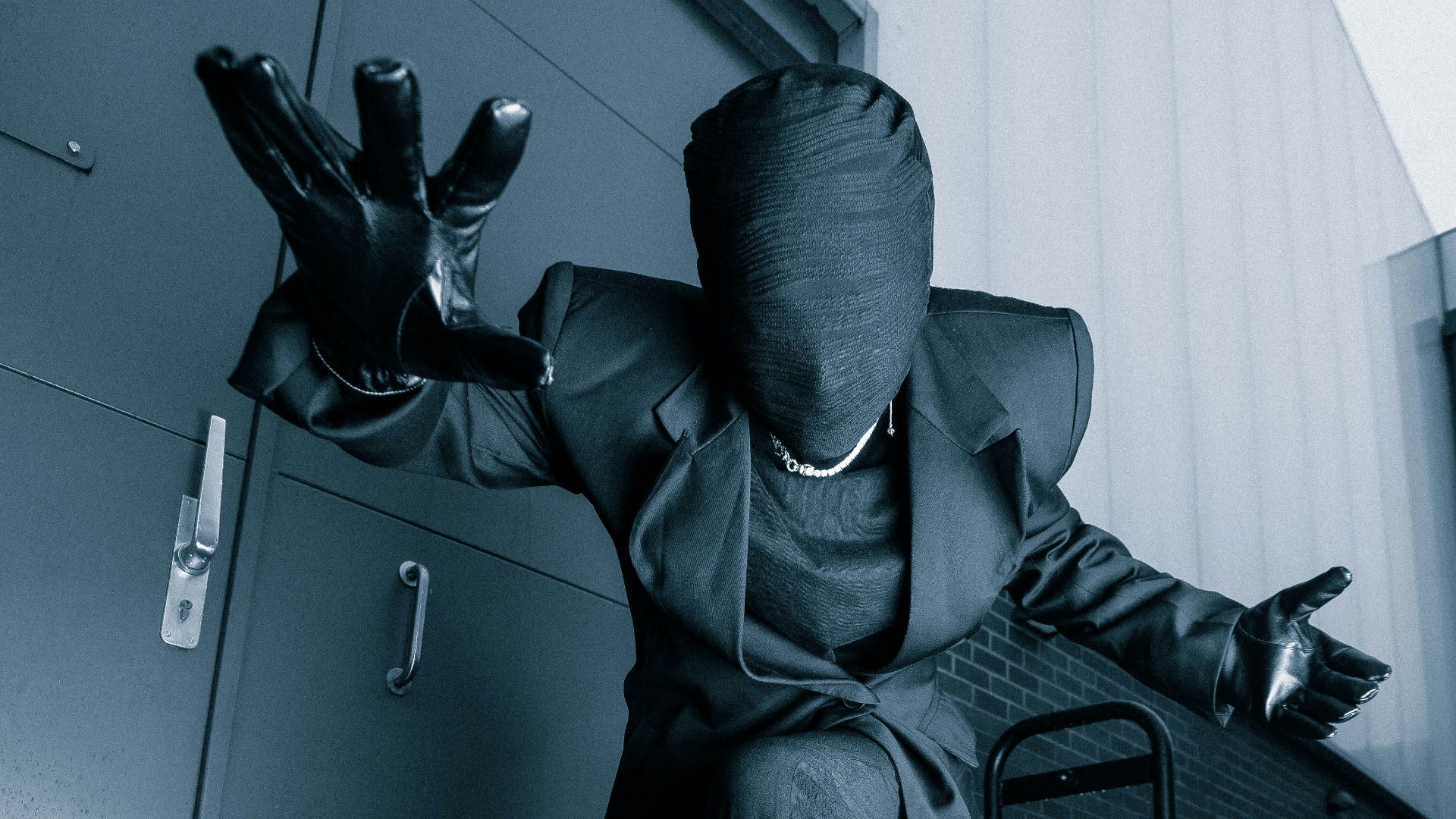
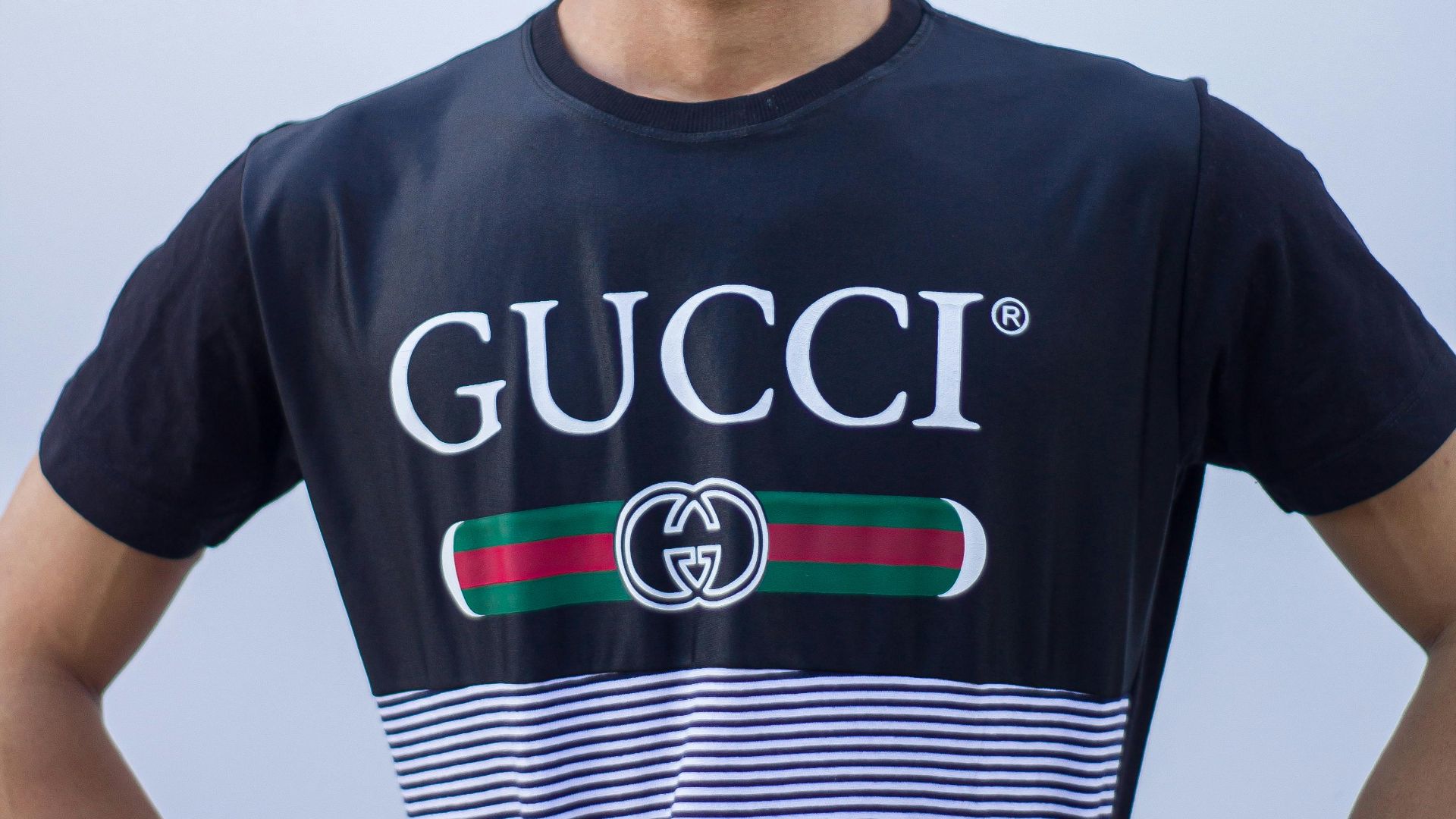
1. Logos Everywhere
When multiple items are covered in branding, the outfit starts to feel like it is selling something instead of expressing anything. Even if the pieces are expensive, the impression can come off as anxious, because the labels are carrying the identity rather than the fit and shape doing the work.
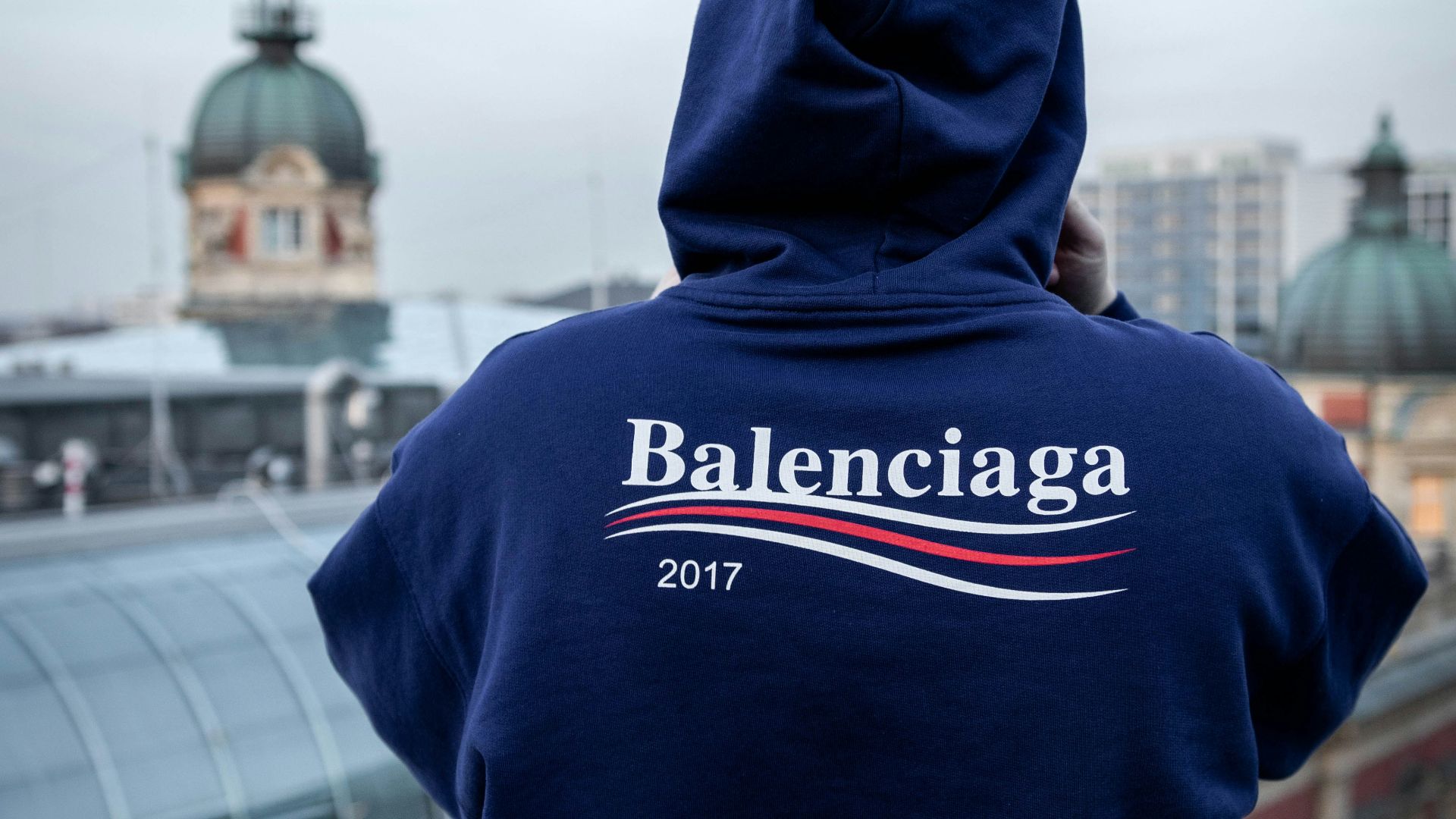
2. Labels As The Main Design
A bold brand name across the chest tends to dominate the room before the person does. People often read it as buying status in public, and that can make the outfit feel less confident even when everything technically matches.
3. Clothes That Look Uncomfortable
Overly tight clothing pulls focus to what is strained, not what is stylish. When movement looks restricted, the whole look takes on a self-conscious quality, because everyone can tell the outfit is being endured rather than worn.

4. Every Trend At Once
One trend can update a look, especially if the rest of the outfit stays simple and consistent. When every piece is current and attention-grabbing, it starts to look like you got dressed to prove you keep up, which can read as less personal and more performative.
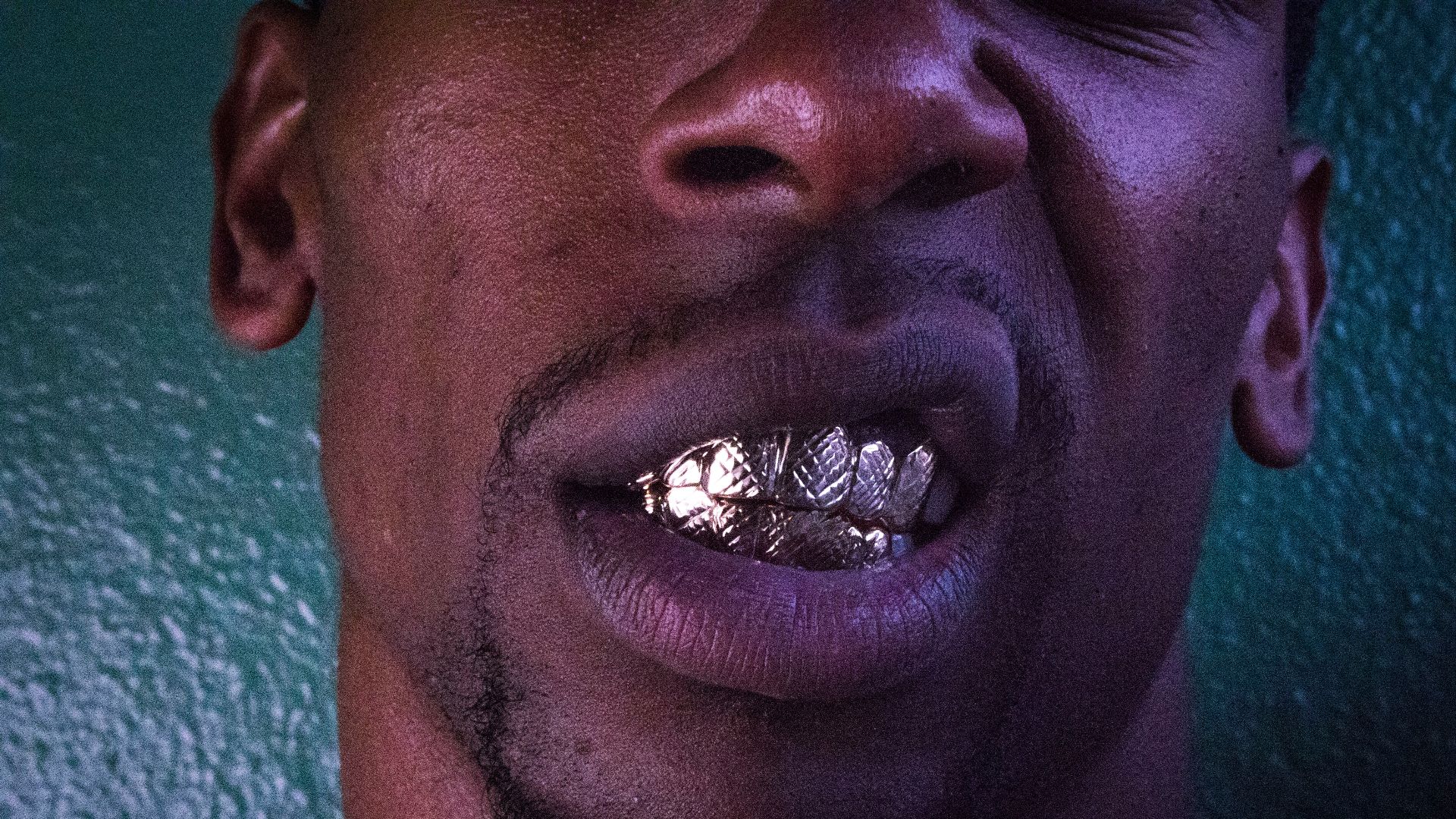
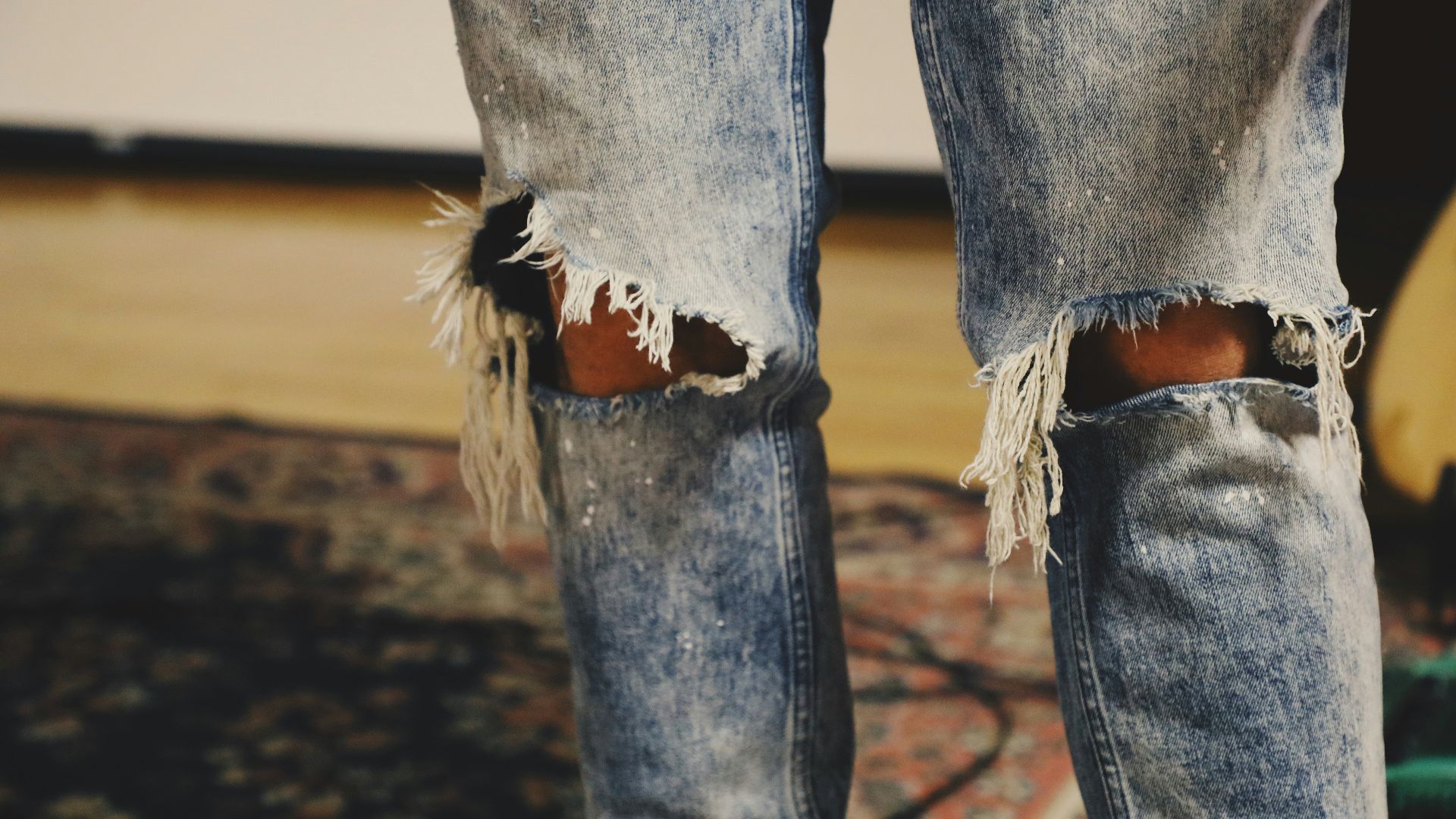
5. Extreme Distressing
A little wear can add texture and make clothes feel real. When pants or jackets look shredded beyond function, it can come off like the damage is the point, and that kind of loud styling tends to age faster than the person wearing it.
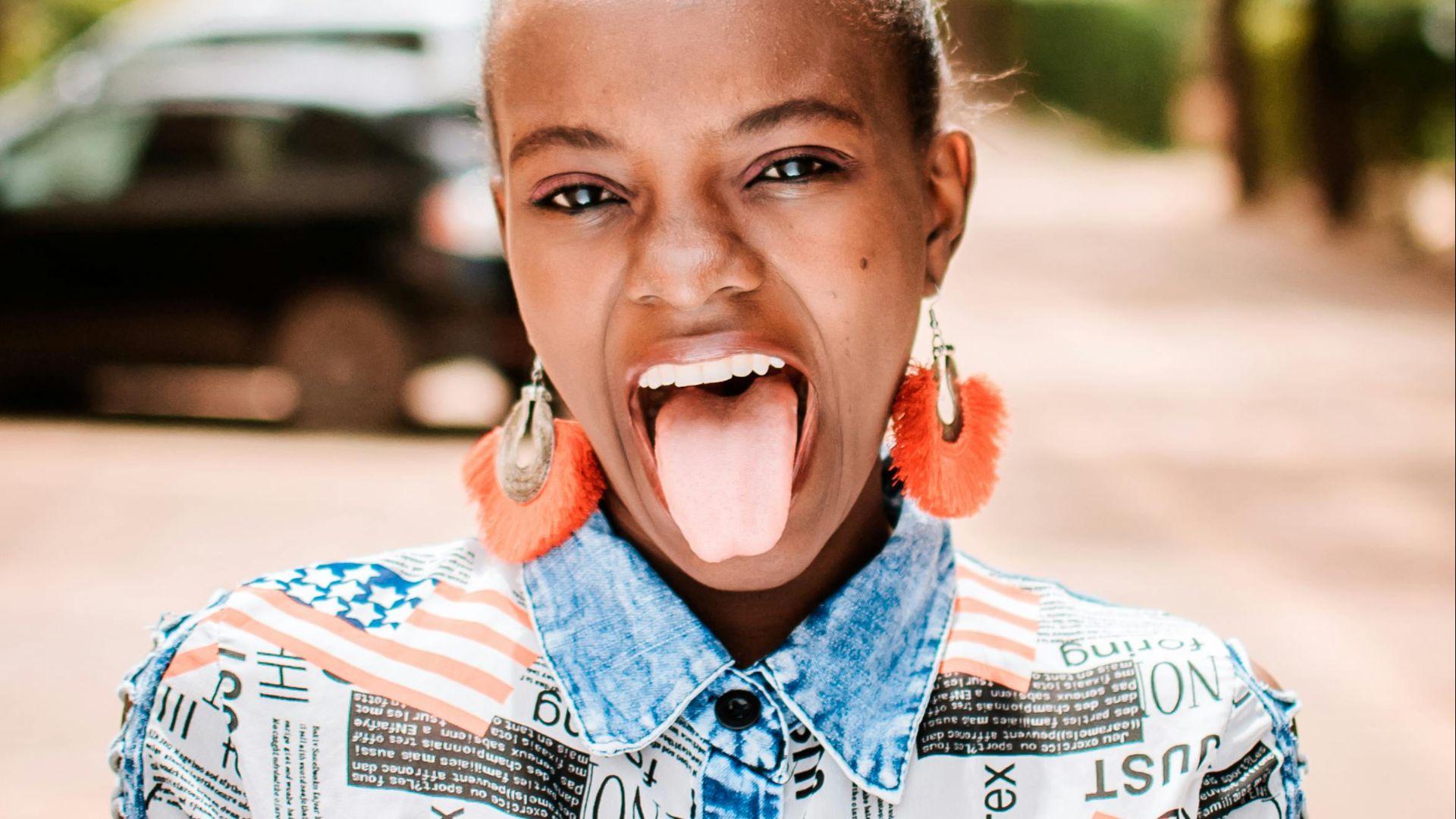
6. Loud Color With No Anchor
Bold color is not the issue, because color can look sharp and intentional. The problem is when there is no neutral or calmer element to ground it, so the outfit reads as noise rather than a clear choice.
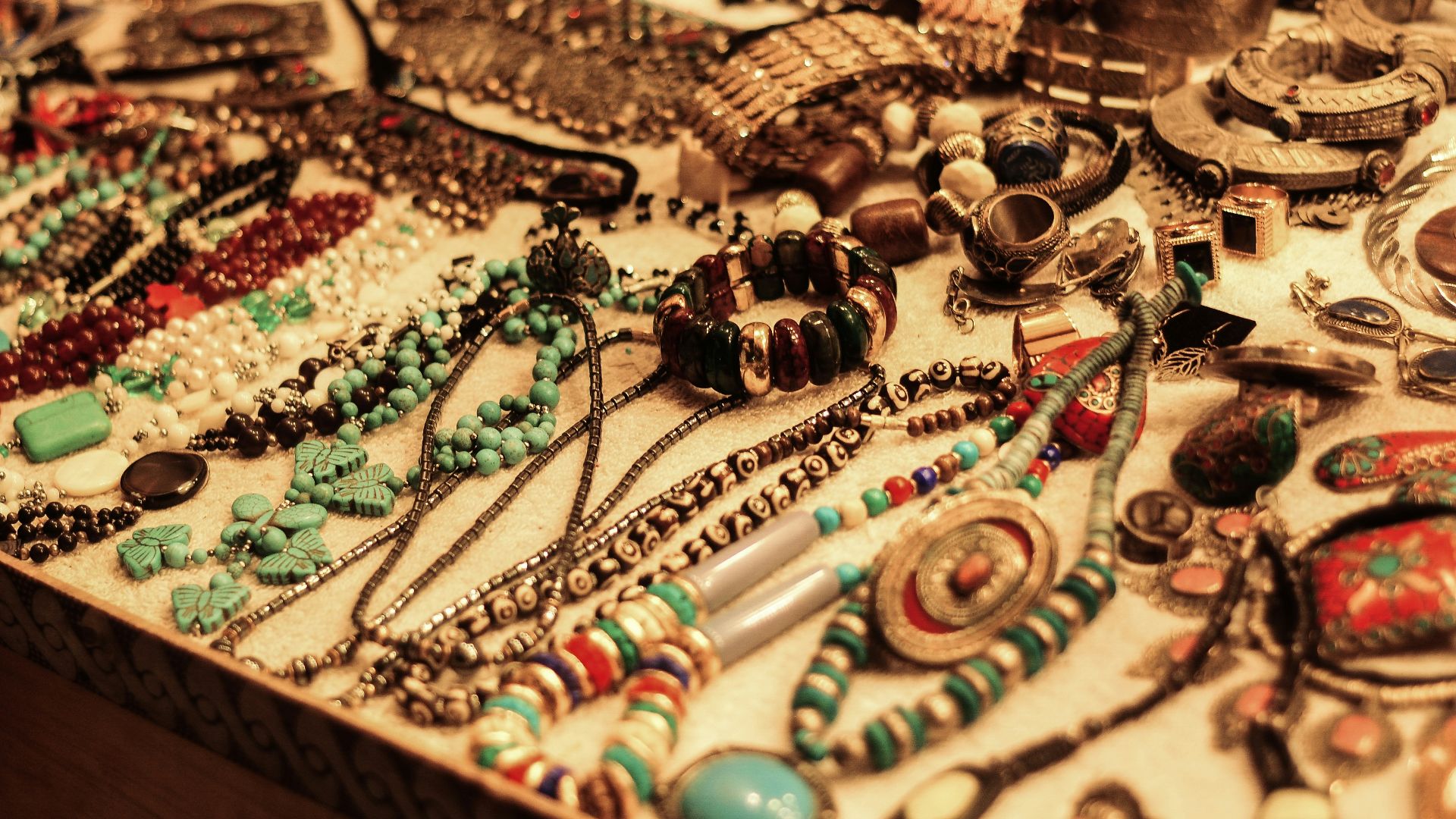
7. Too Many Accessories
Accessories are most effective when they support a look instead of crowding it. When every accessory is trying to be the centerpiece, the outfit starts to feel busy, and the person can disappear behind the accumulation.
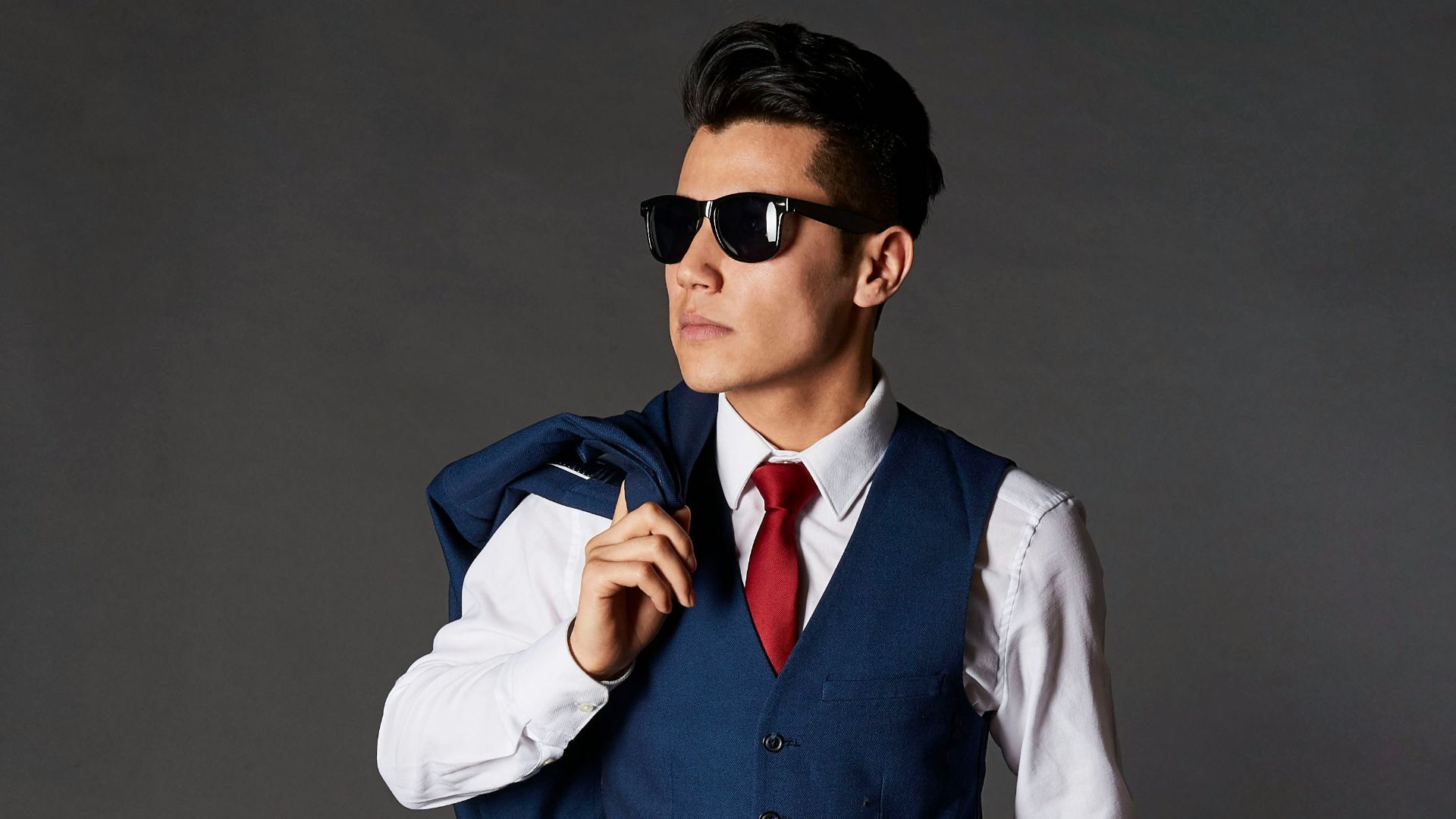
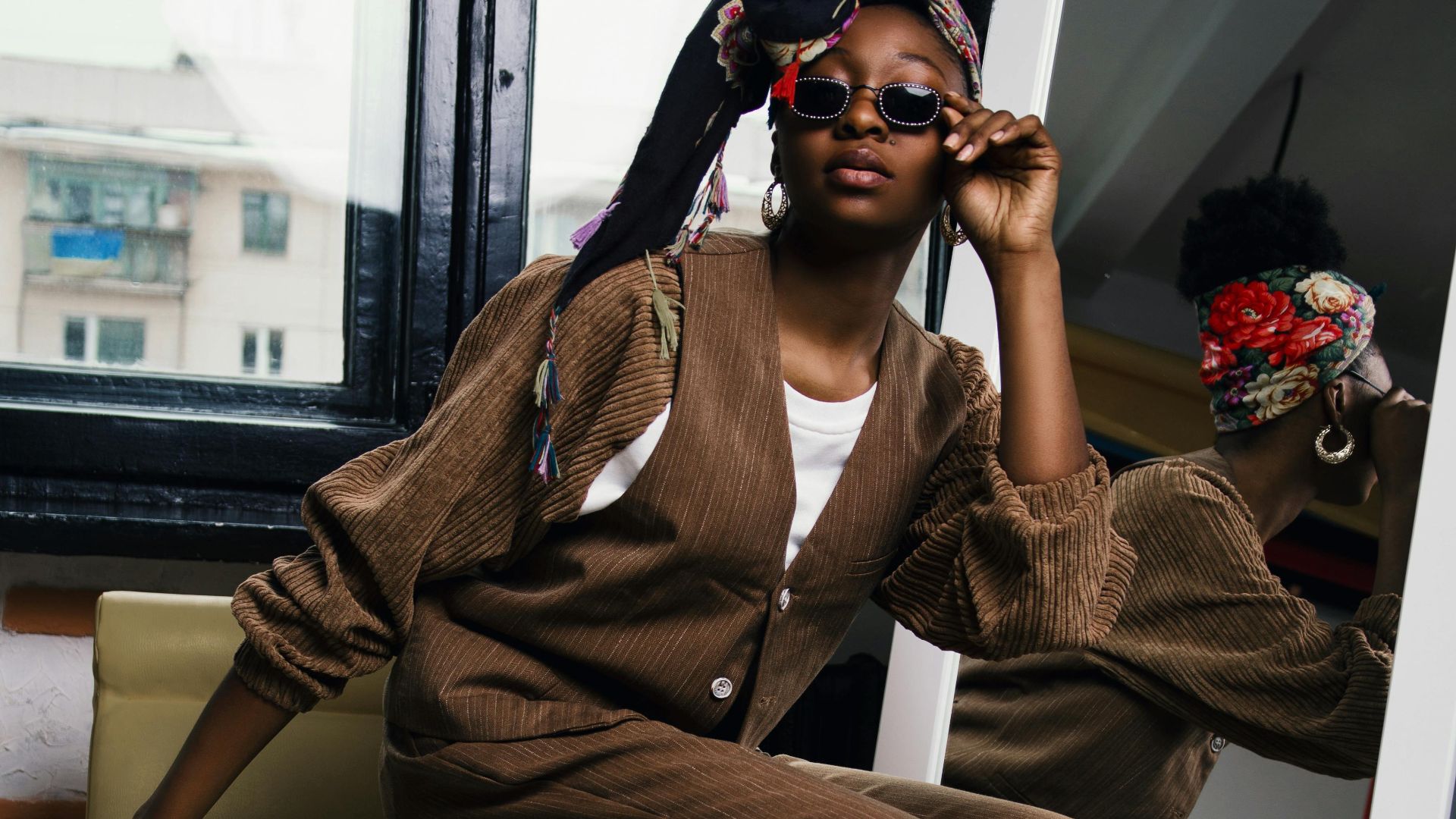
8. Sunglasses Indoors
Sunglasses inside can read like distance, even if the intent is just style. In most everyday settings it makes people feel shut out, and that social effect tends to overpower whatever cool factor was intended.
9. Hats That Read Like Disguise
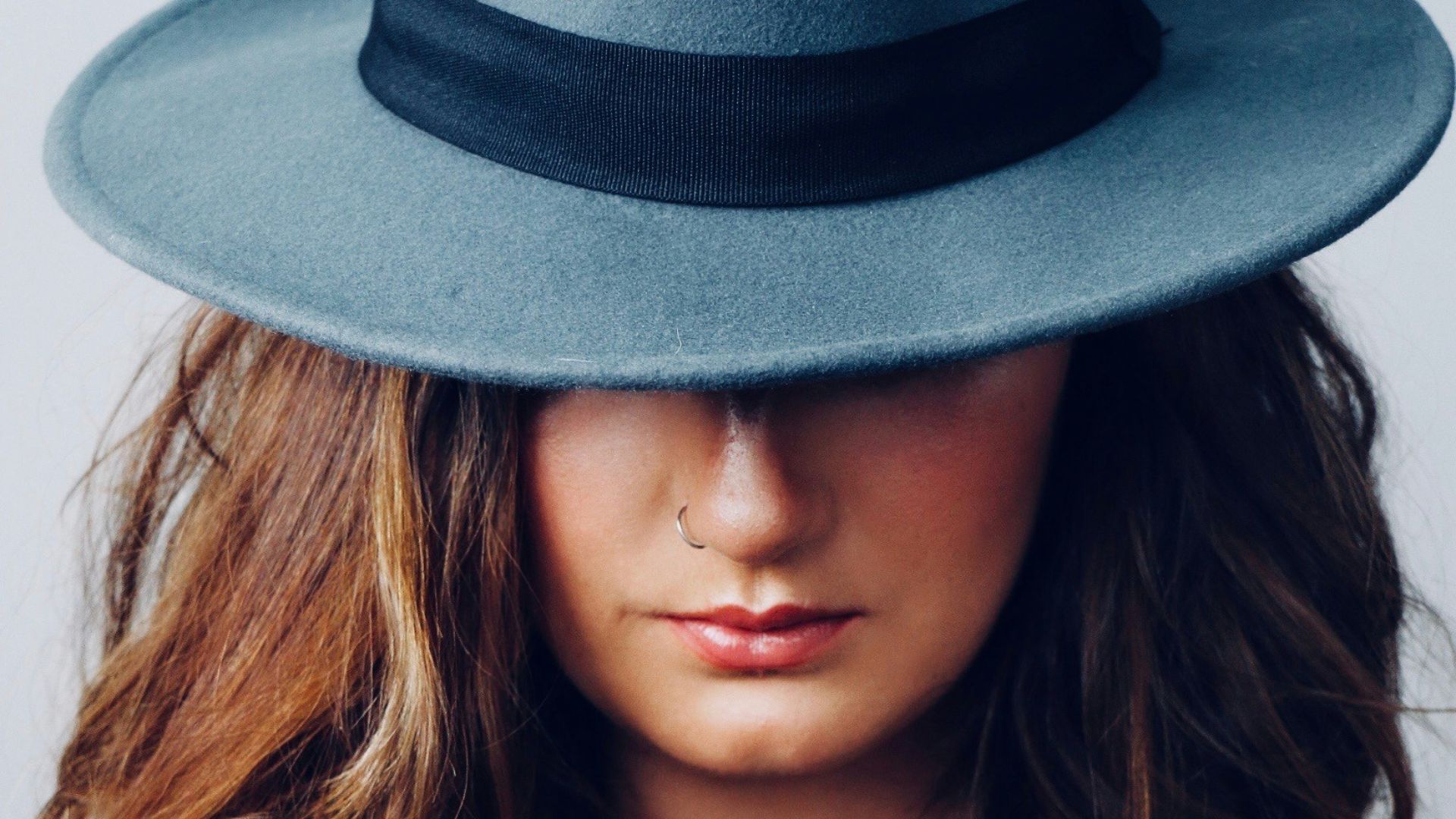
A hat can add structure and make a casual outfit feel finished. When it looks like it is meant to hide you, or when it feels out of place for the setting, it can give the impression that the style is covering insecurity.
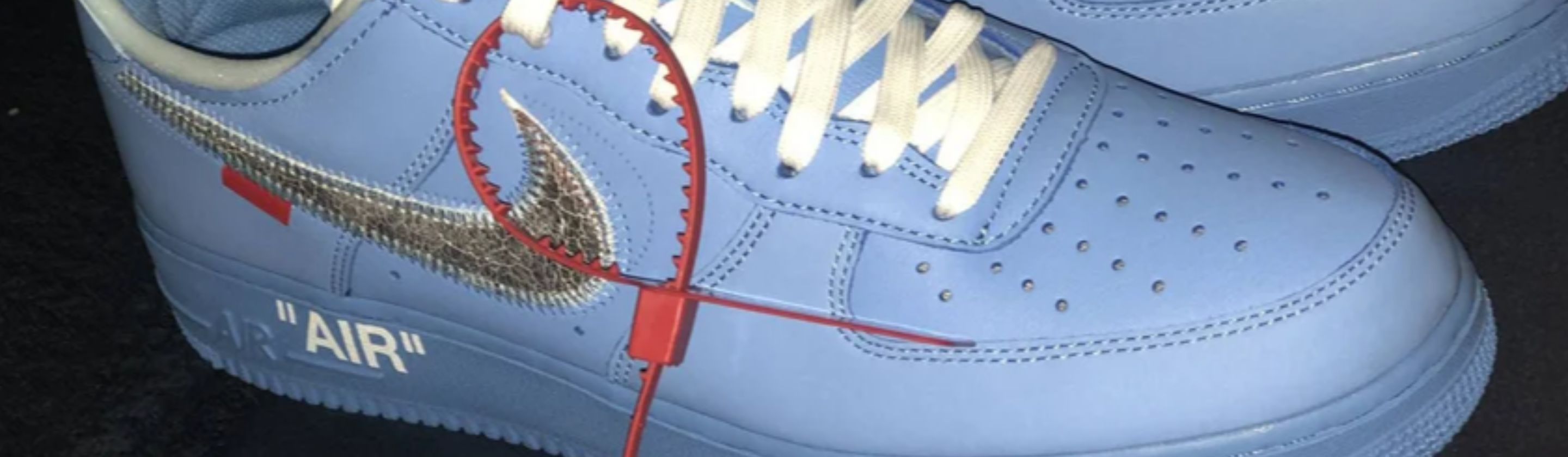
10. Statement Shoes Without Support
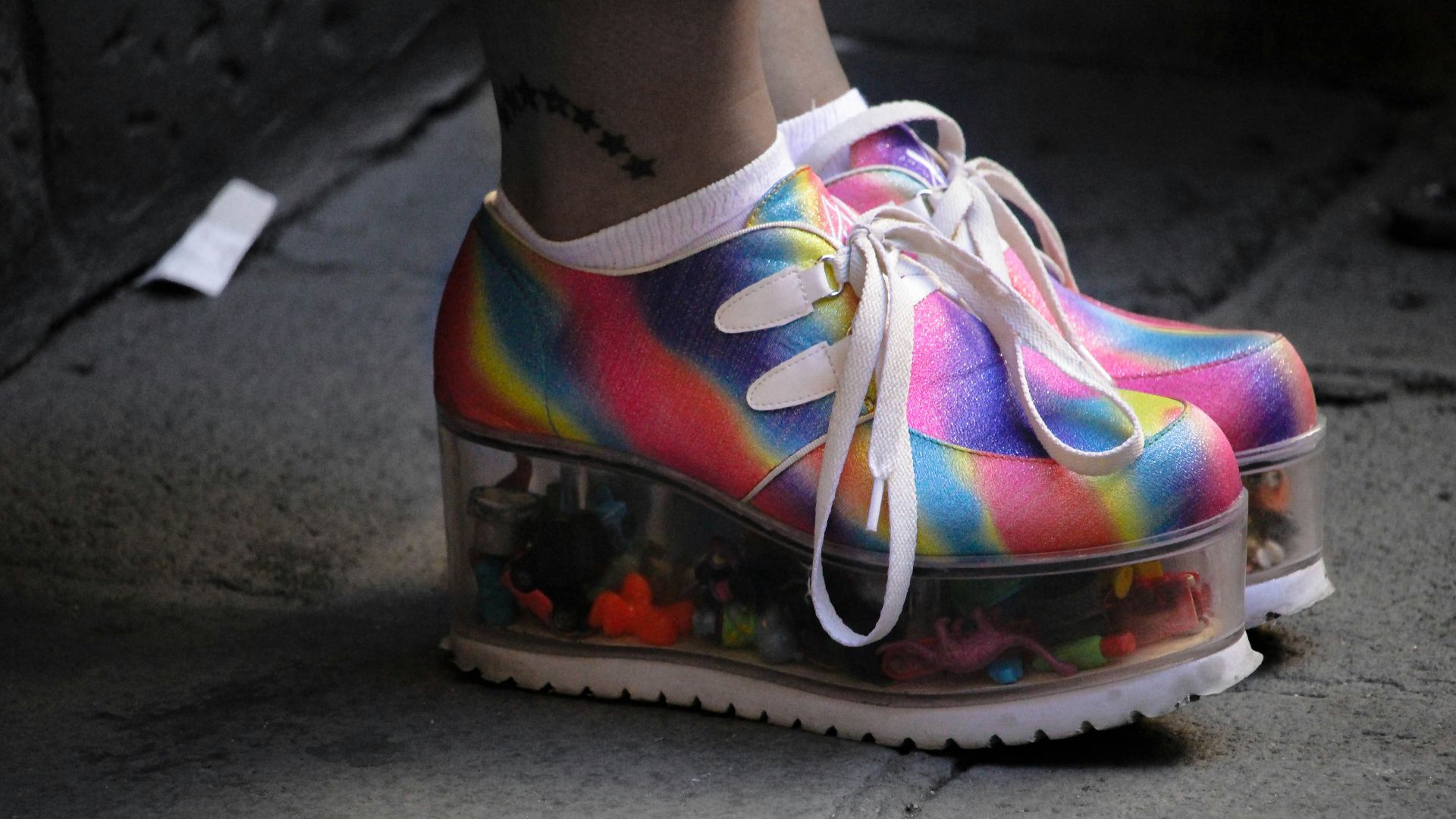
Big shoes can work when the rest of the outfit has a clear point of view. When the shoes are dramatic and everything else looks like an afterthought, it can seem like the outfit is relying on one purchase to carry the whole look.
11. Visible Stickers Or Tags
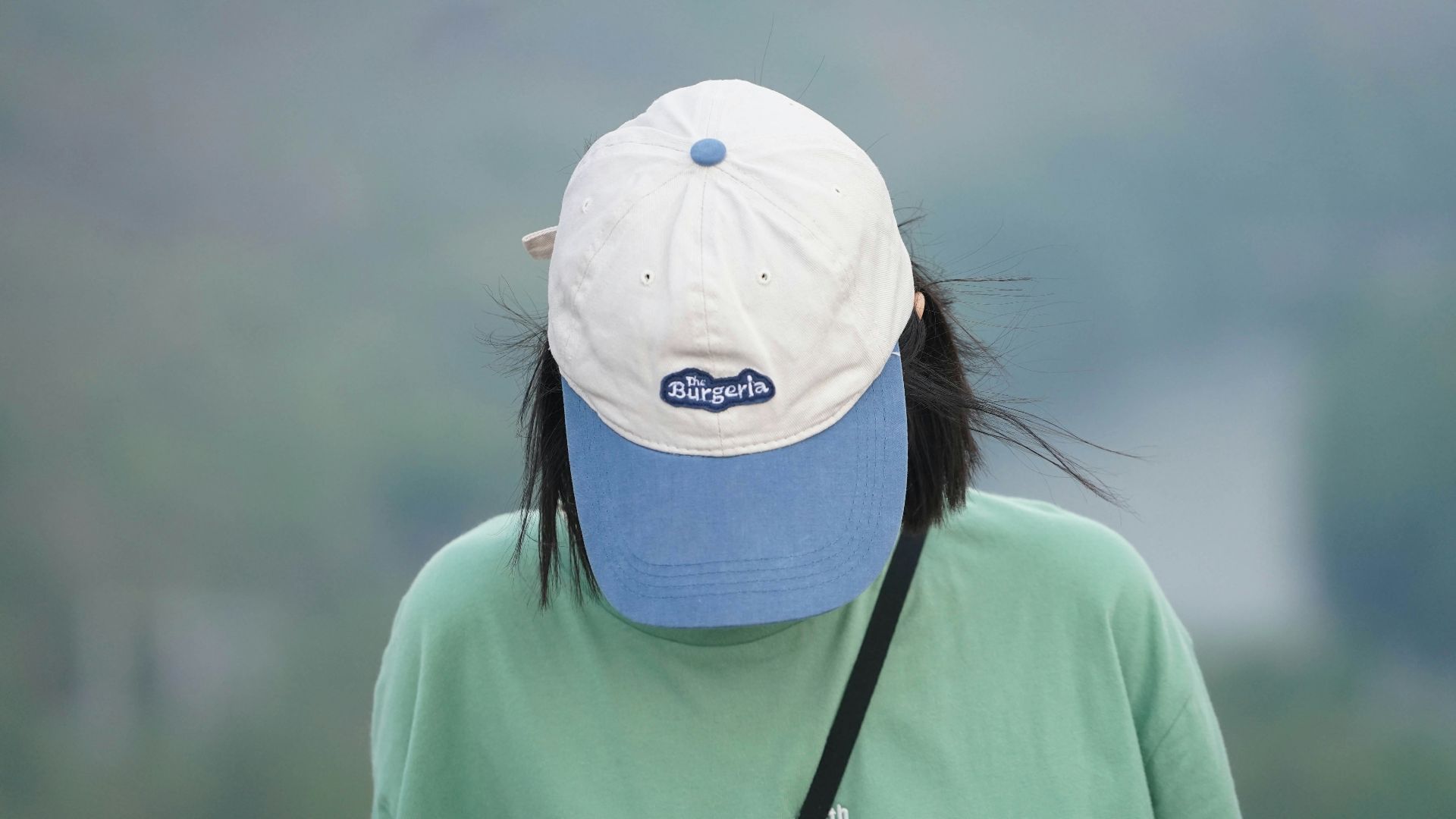
Leaving stickers on hats or letting tags show can look like you are trying to prove the item is new. It often lands as less stylish and more transactional, because the focus shifts to ownership instead of how the piece actually looks.
12. Hair That Looks Hard
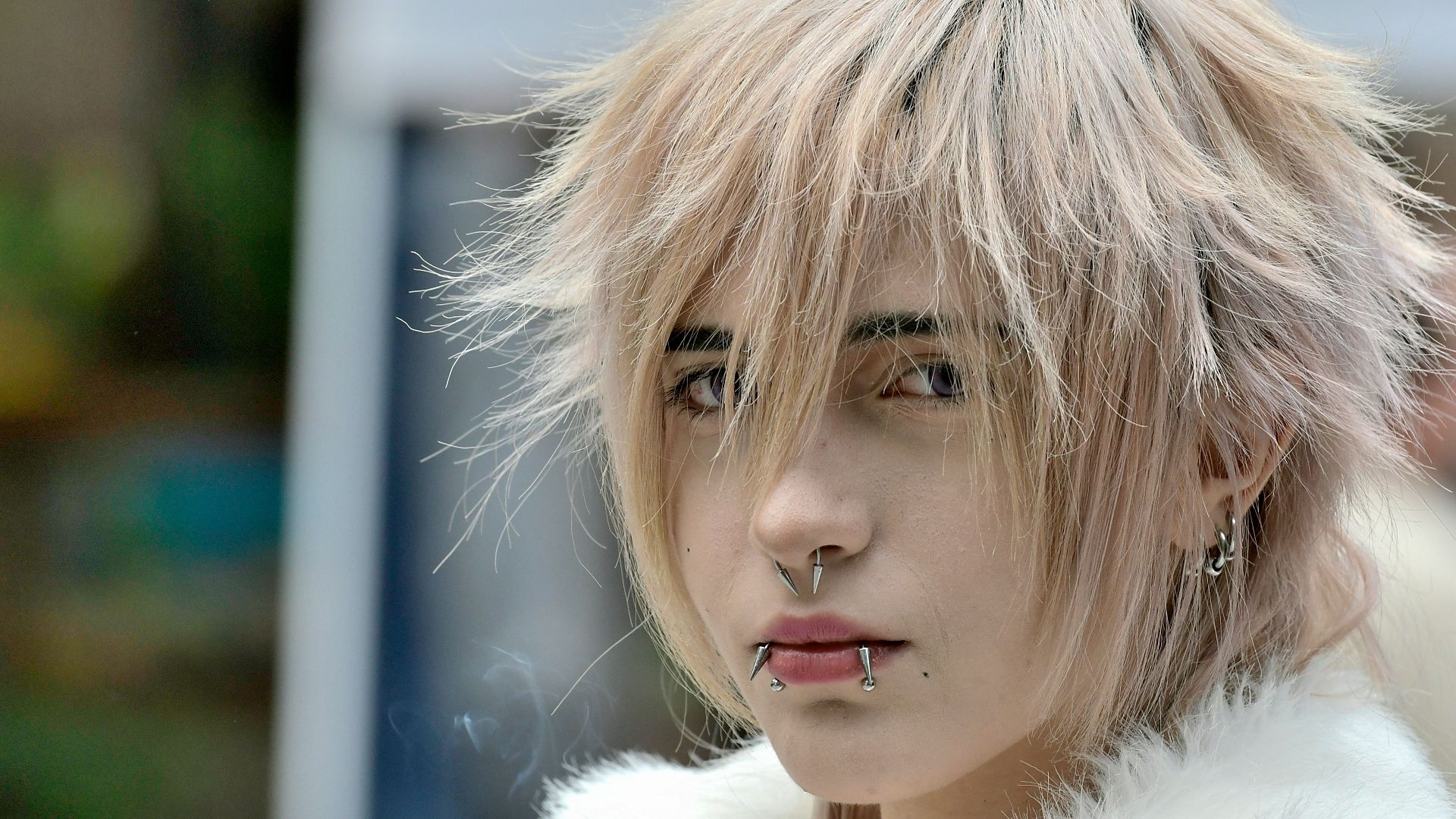
Overly styled hair that looks stiff can make the whole outfit feel overmanaged. When it is obvious how much product is involved, the grooming reads as effort you want people to notice, not effort you made and then forgot about.
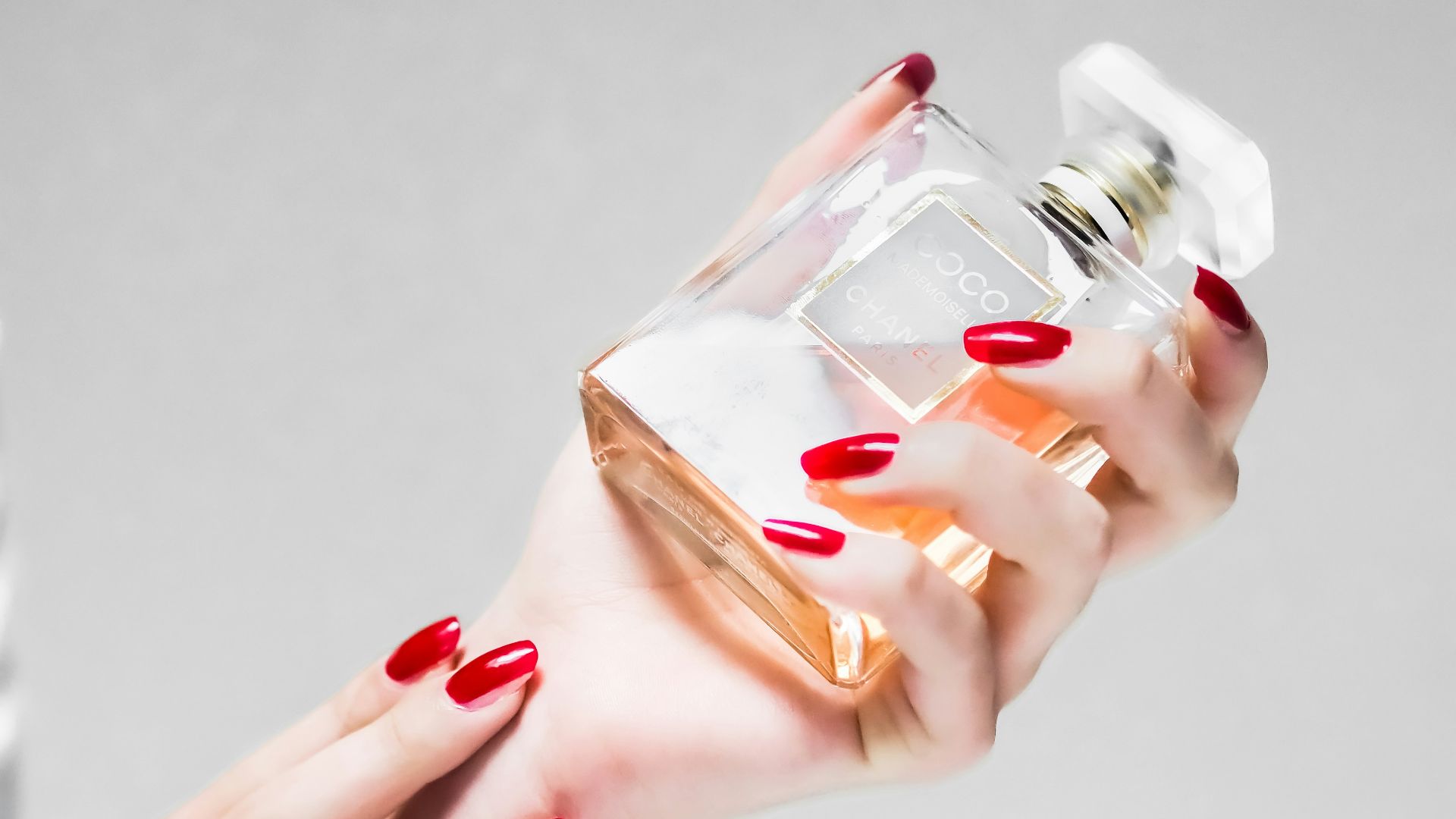
13. Fragrance That Fills The Room
Scent is part of presentation, yet it works best when it stays close. When a fragrance announces itself from several feet away, it can feel inconsiderate, and that lack of awareness makes an otherwise good outfit read as less refined.
14. Perfectly Matched Everything
Matching can look clean when it is subtle and relaxed. When every detail is coordinated down to the smallest element, it can look overly planned, like you are dressing for approval rather than dressing like you live in your clothes.
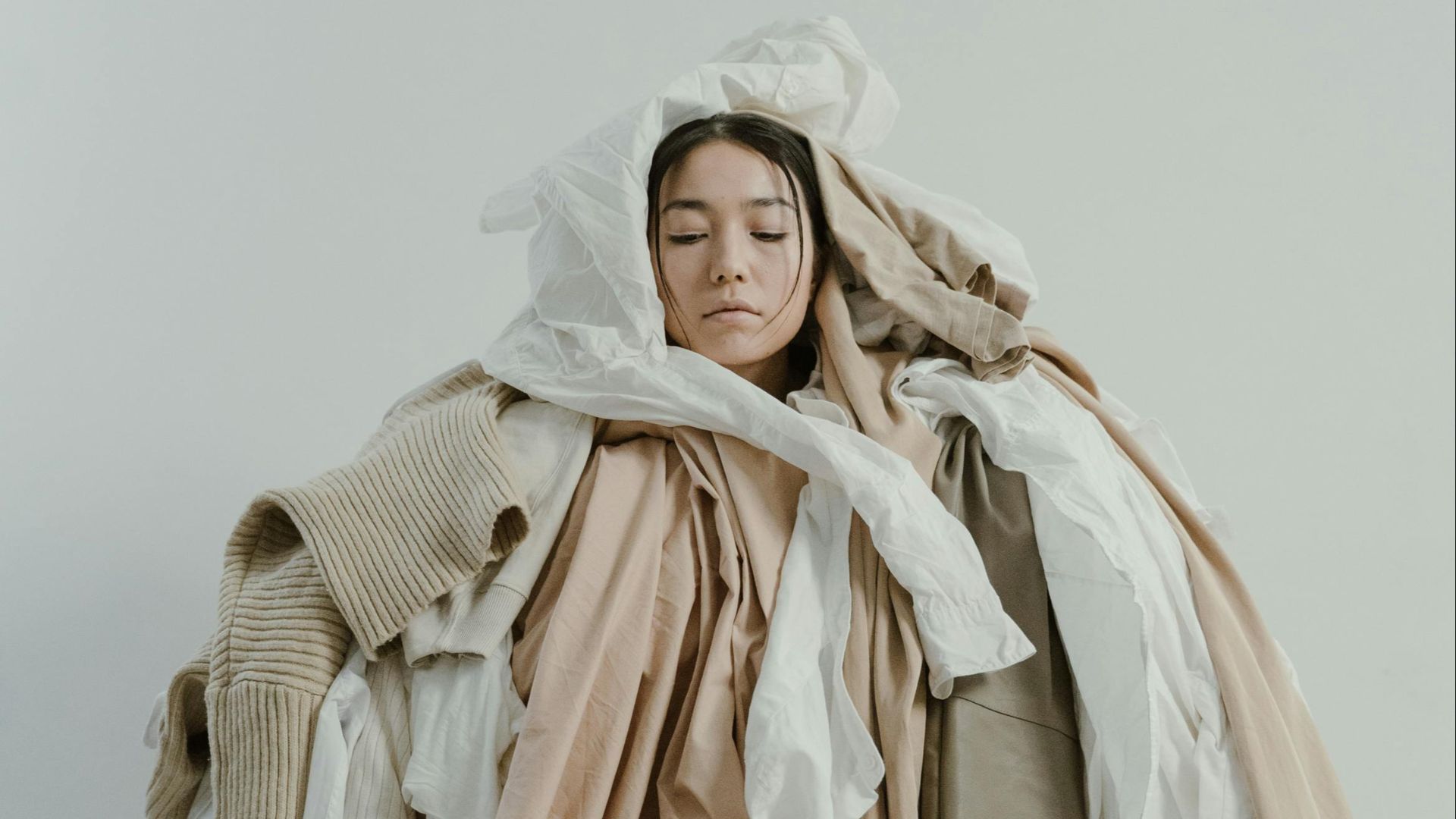
15. Layers With No Function
Layering is great when it adds proportion, warmth, or a clear silhouette. When layers pile up without a practical reason, it can look like styling for styling’s sake, which tends to signal effort more than taste.
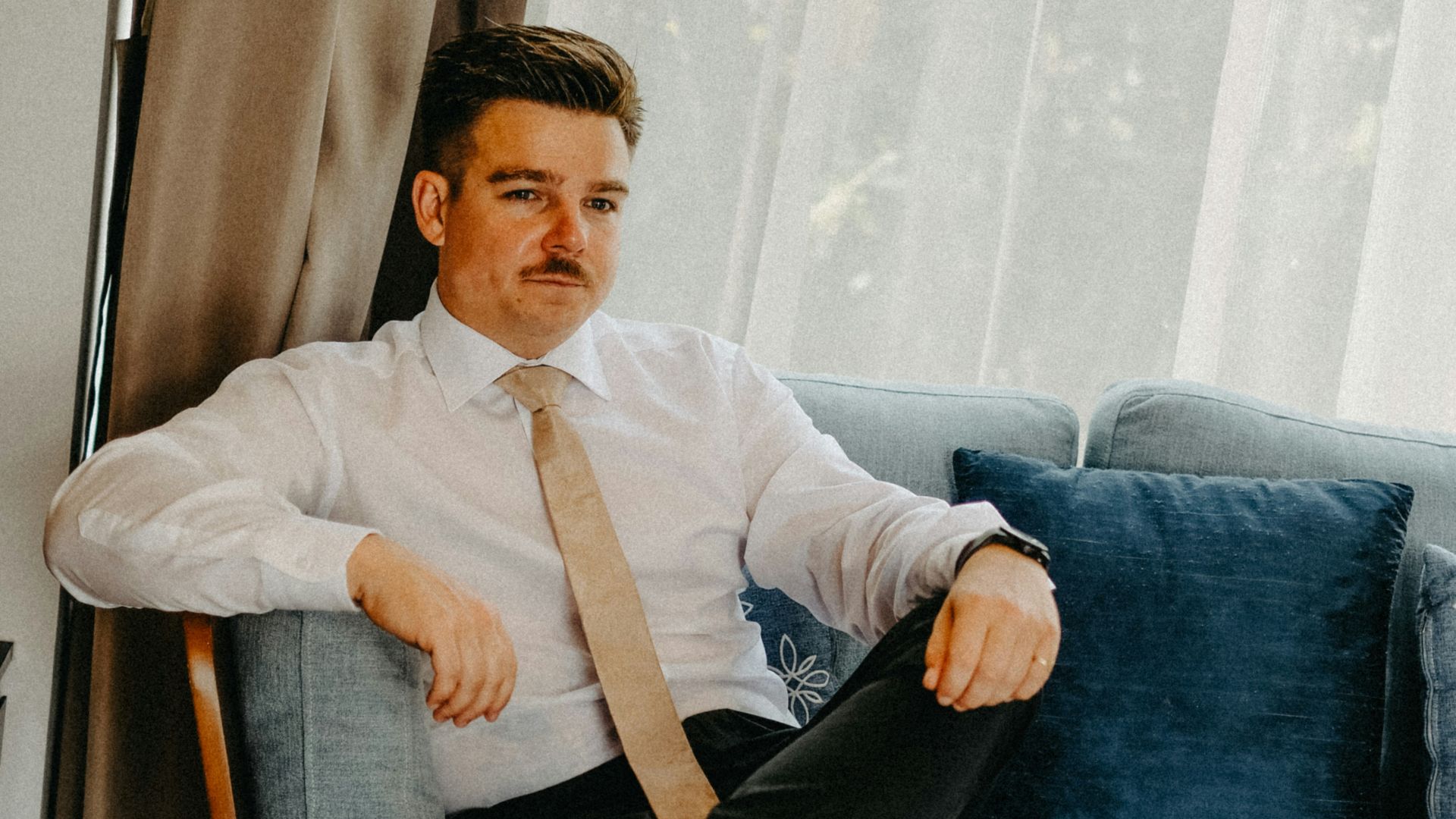
16. Formalwear In Casual Spaces
A blazer or dress shoes can elevate a simple outfit, and sometimes that contrast works. When the level of formality is far above the room you are in, it can feel like a bid for attention, because it signals you want to stand apart rather than fit the moment.
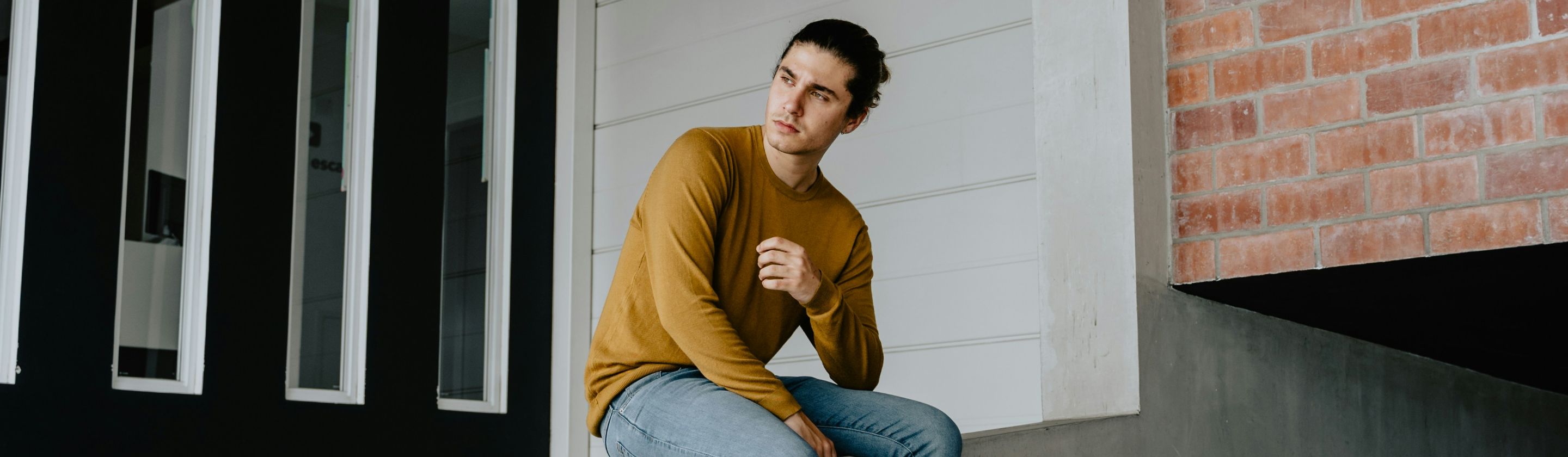
 Hoi An and Da Nang Photographer on Unsplash
17. Trying To Look Expensive In Every Detail
When every piece is obviously premium, the outfit can start to feel rigid. A mix usually reads better, because it suggests you are choosing what you like, not building a uniform meant to broadcast status.
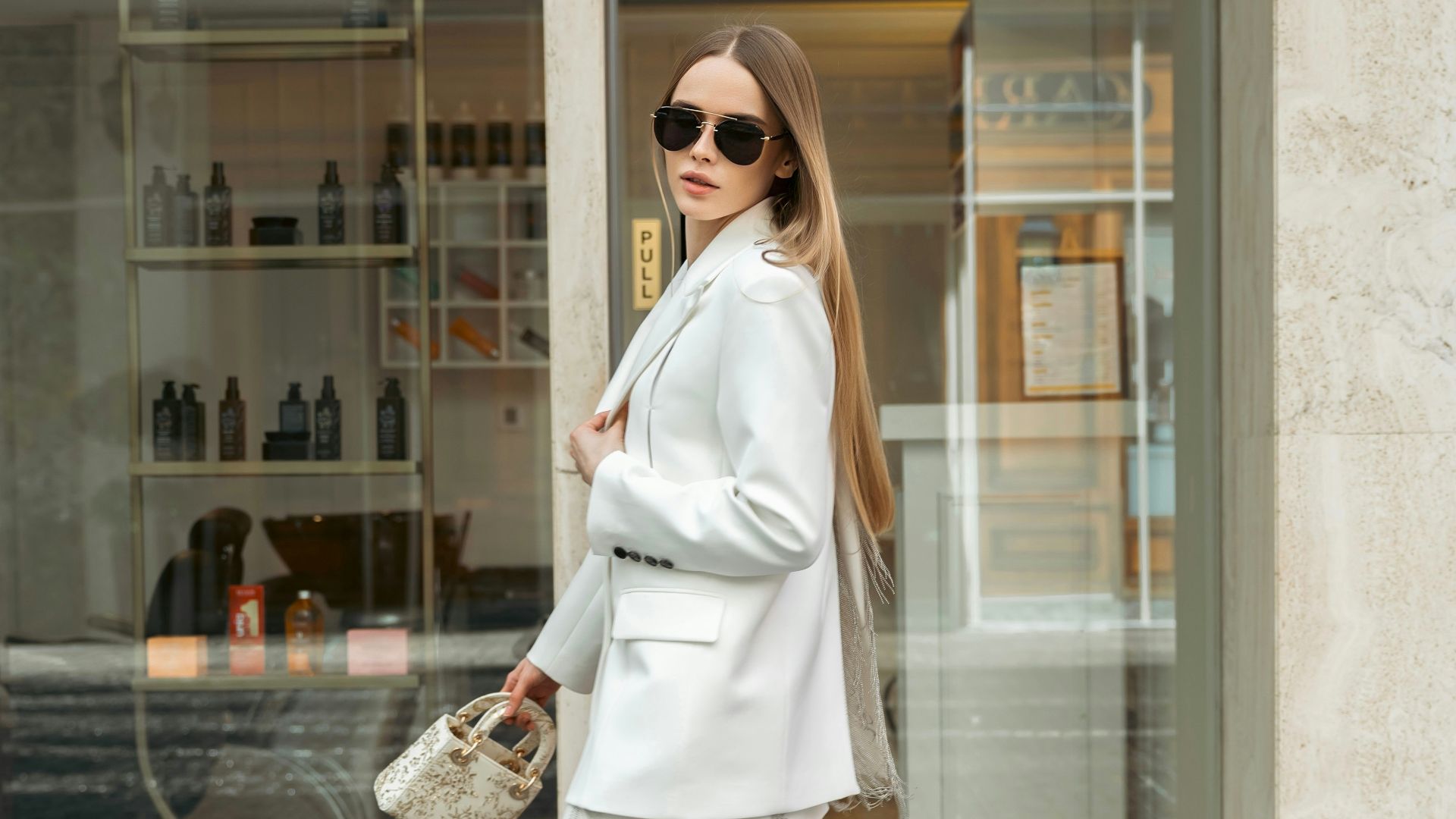
18. Luxury Streetwear As A Statement
Streetwear looks best when it feels natural, like it belongs to the person wearing it. When it turns into head-to-toe luxury versions of casual basics, people often read it as a status display dressed up as laid-back style.
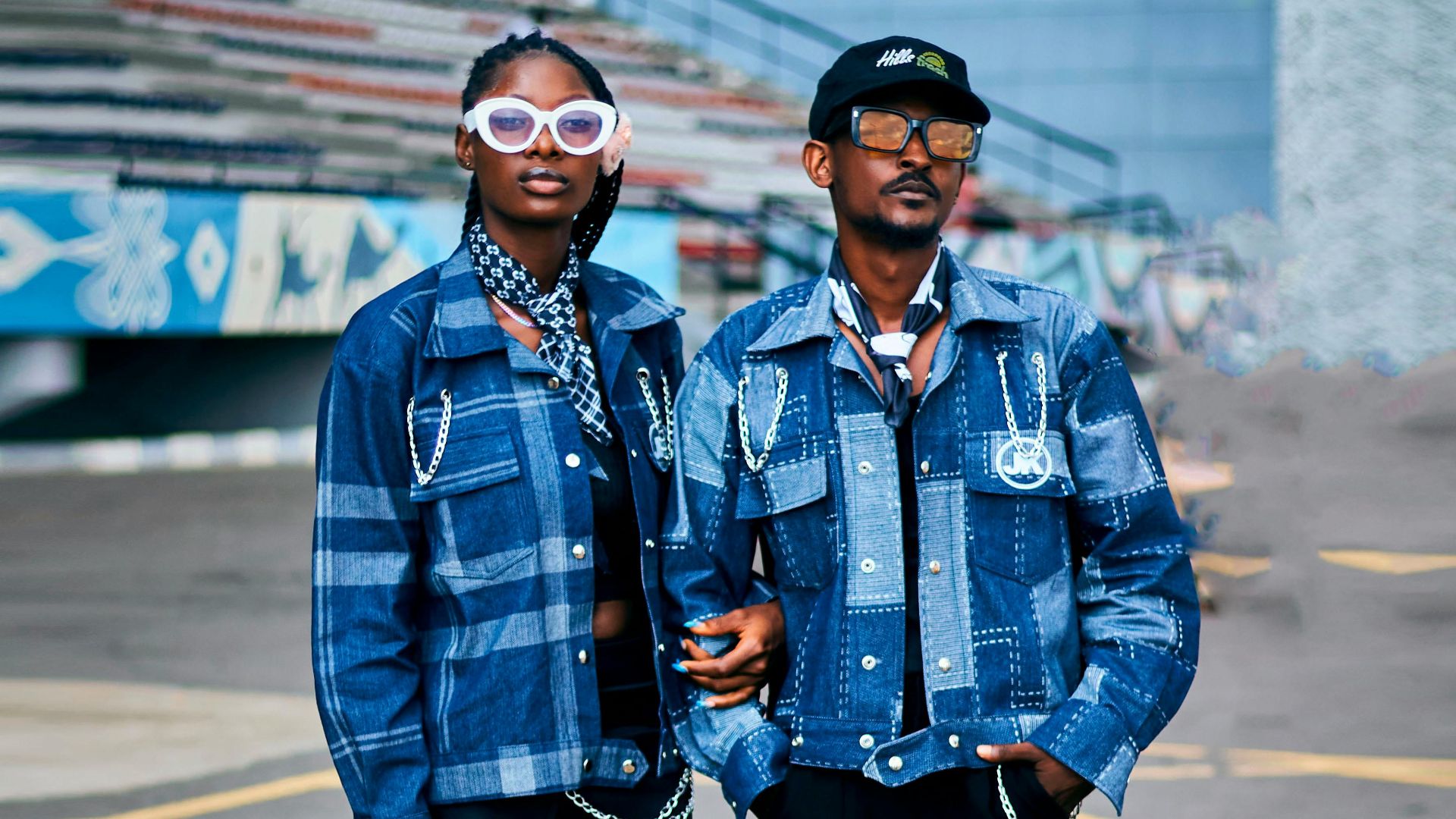
19. Theme Dressing That Feels Literal
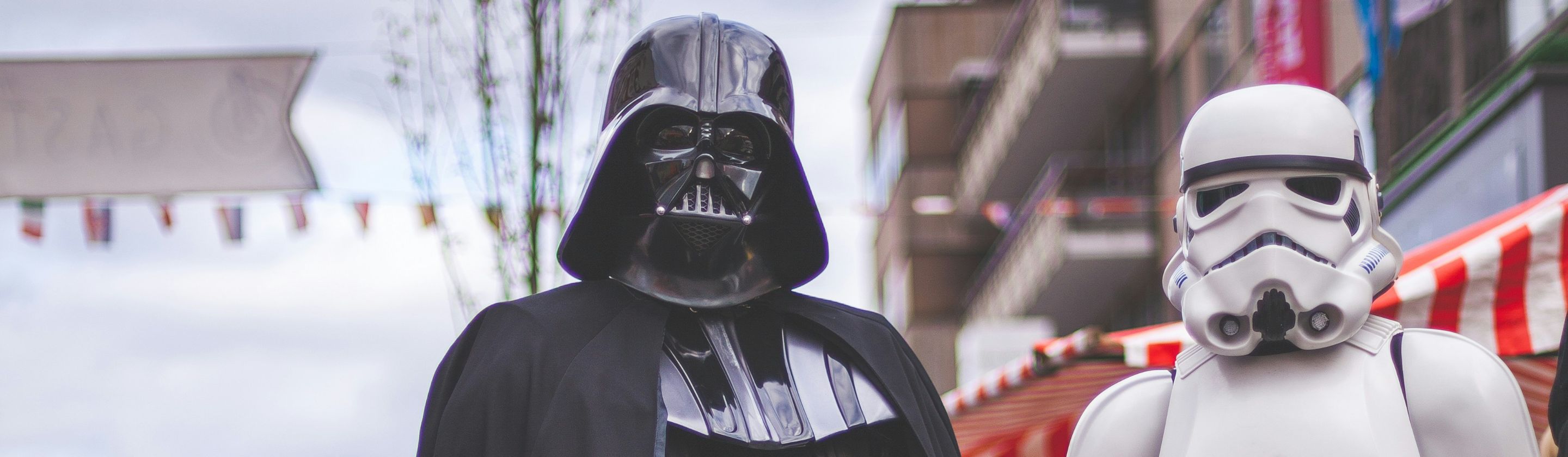
A consistent idea can be strong, especially if it is built around shape or color. When the theme becomes obvious and literal, the outfit can feel like a costume, and that tends to create distance instead of making you look put together.
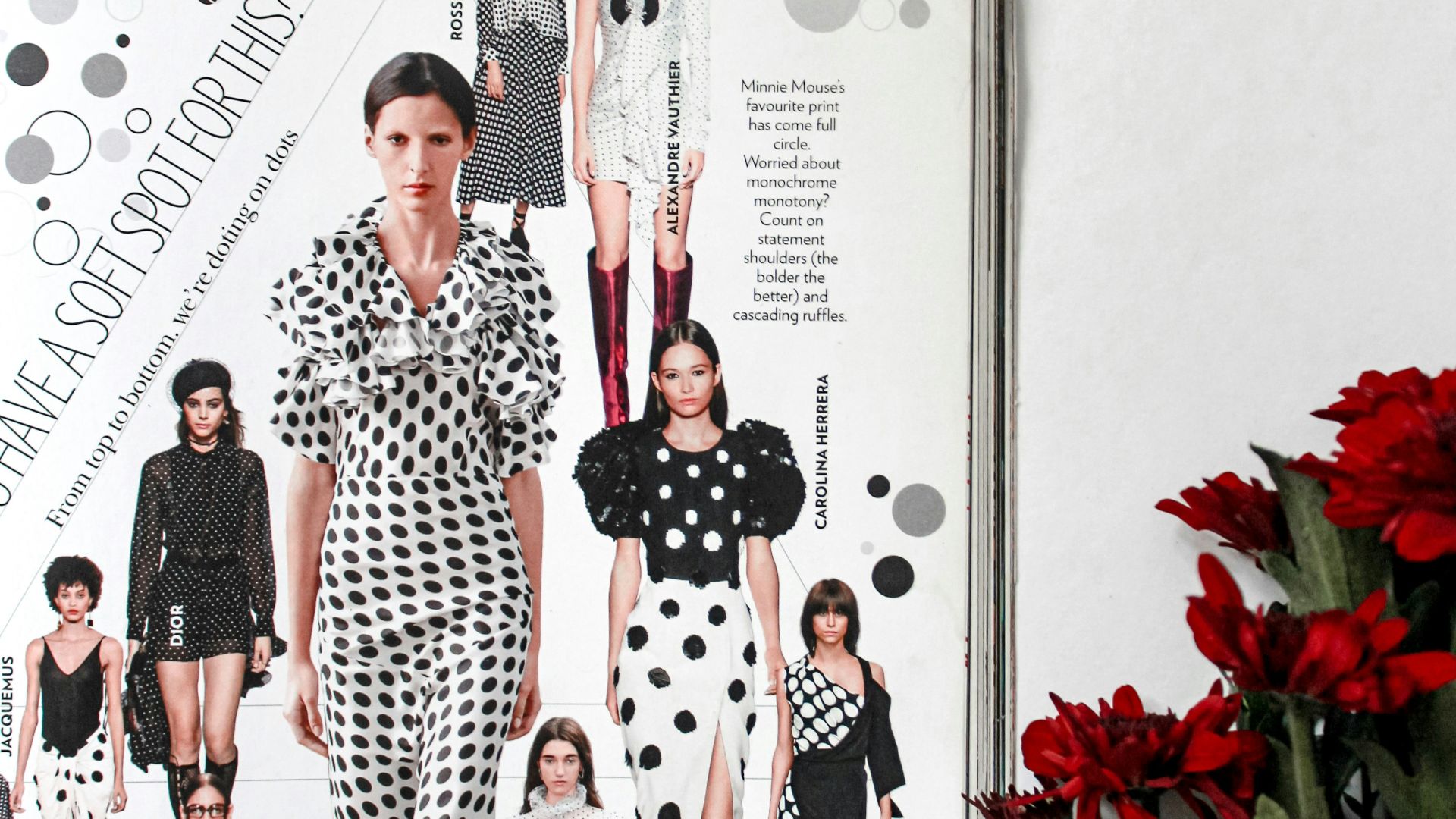
20. Constant Adjusting
If you are tugging at hems, fixing collars, and checking yourself repeatedly, the outfit looks like it needs supervision. That visible self-monitoring is what makes trying too hard easy to spot, because it turns style into something tense instead of settled.