
What You Wear Is What Others See
Even if you didn't plan it, people can decipher your mood based on what you choose to wear in public. It doesn't mean they're right, but there are little details and cues that our brains try to connect together to determine how other people are feeling. Clothing choices tend to reflect how much energy you’ve got, what you’re comfortable dealing with, and whether you want attention or privacy. None of this is a perfect science, and it definitely depends on context, but the patterns are familiar enough that others often make quick assumptions. Here are 20 ways people can guess your mood from what you're wearing.

1. Color Choices That Feel Loud or Low-Key
Color and emotion go hand in hand more than people realize. When you choose to wear bright colors, people might assume you’re feeling upbeat or in the mood to socialize. If you stick to neutrals, that will instead read as calm, serious, or simply not in the mood to stand out. Because color is the first thing many people register, it tends to carry extra weight.
 Katsiaryna Endruszkiewicz on Unsplash
2. How Put-Together Your Outfit Looks
To put it simply, the more effort you put into your outfit, the more it appears like you're in a better state of mind. A polished look usually signals that you’re focused and prepared, while a mismatched or rushed one makes you seem distracted. It’s not about being stylish; it’s about the overall sense of intention.
3. Whether You Choose Structure or Softness
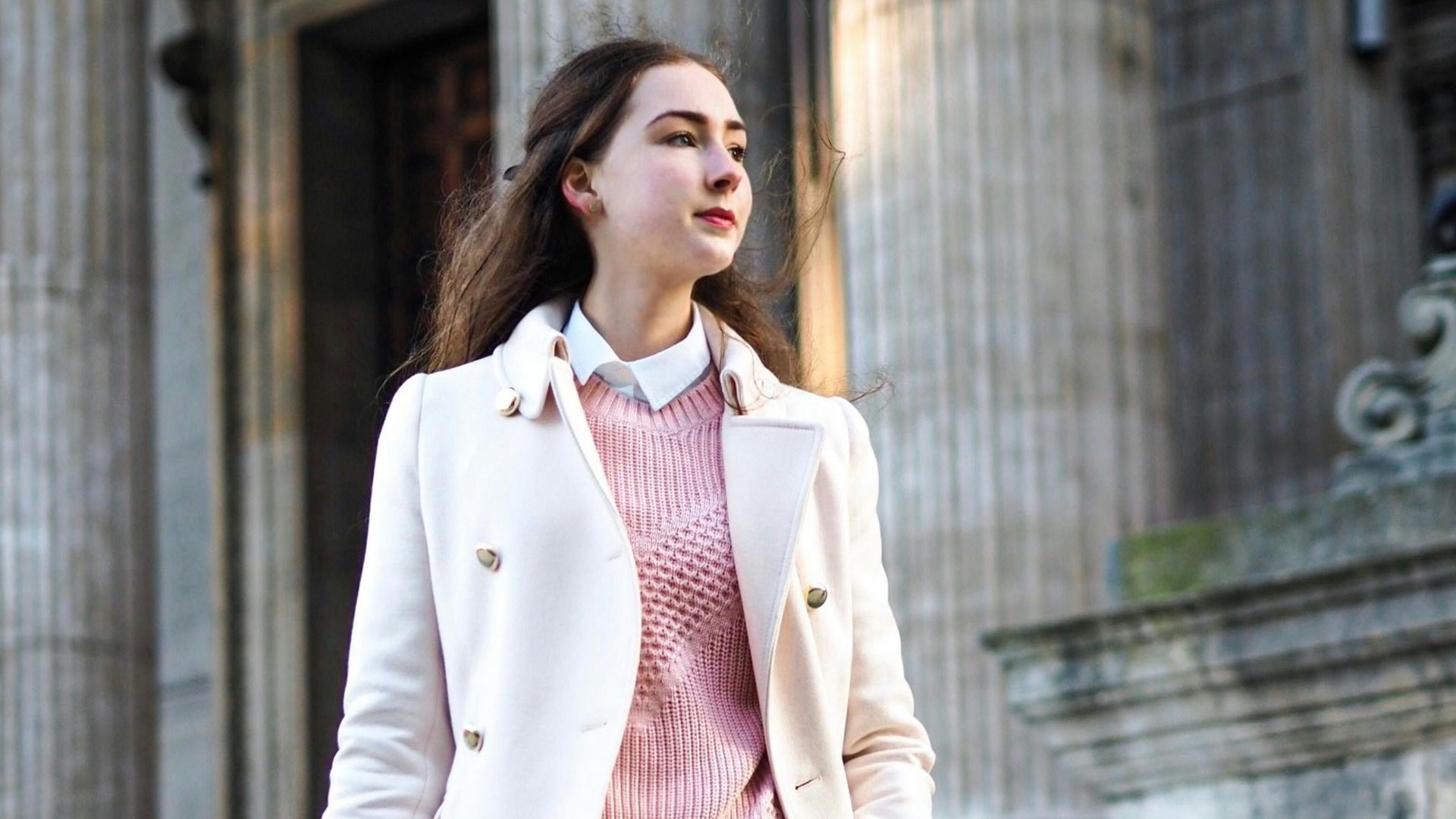
Structured pieces like blazers, crisp collars, and well-fitted shirts and pants read immediately like you mean business. On the flip side, loose-fitting clothes and relaxed fits signal that you're in the mood to chill or that you're taking it easy. This is due to the fact that people tend to connect structure with determination and softness with ease.

4. Your Comfort Level With Tight or Loose Fits
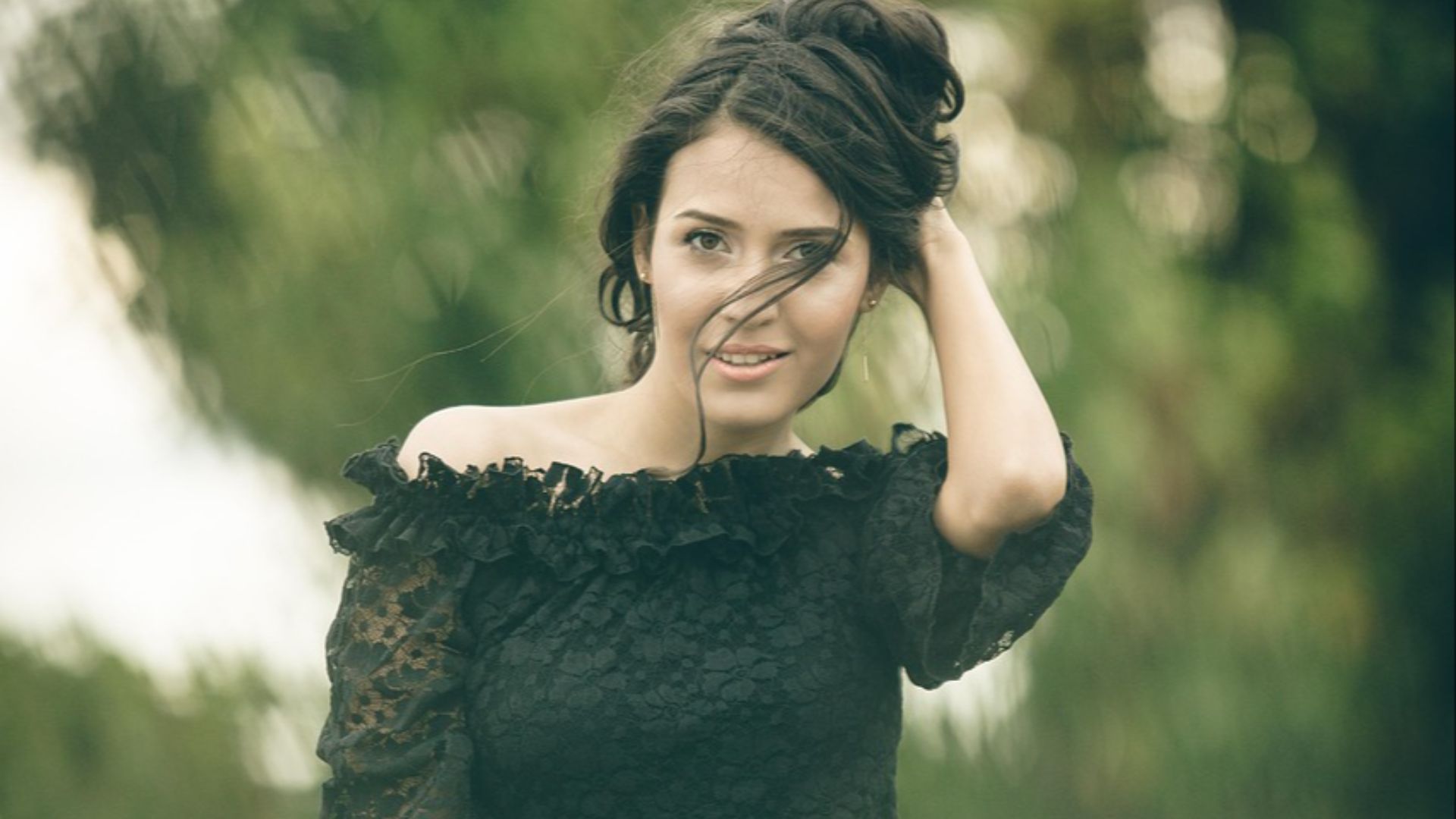
Looking more closely at fit, tighter fitting clothes can come across as confident and ready to be seen, especially in social settings. Whereas for looser fits, people naturally feel that it comes across as more protective and can signal you’d rather not be scrutinized. Neither one is better, and both can be practical choices, but still, people often assume your mood is tied to how “open” your silhouette looks.
5. Shoe Choice and the Energy It Implies
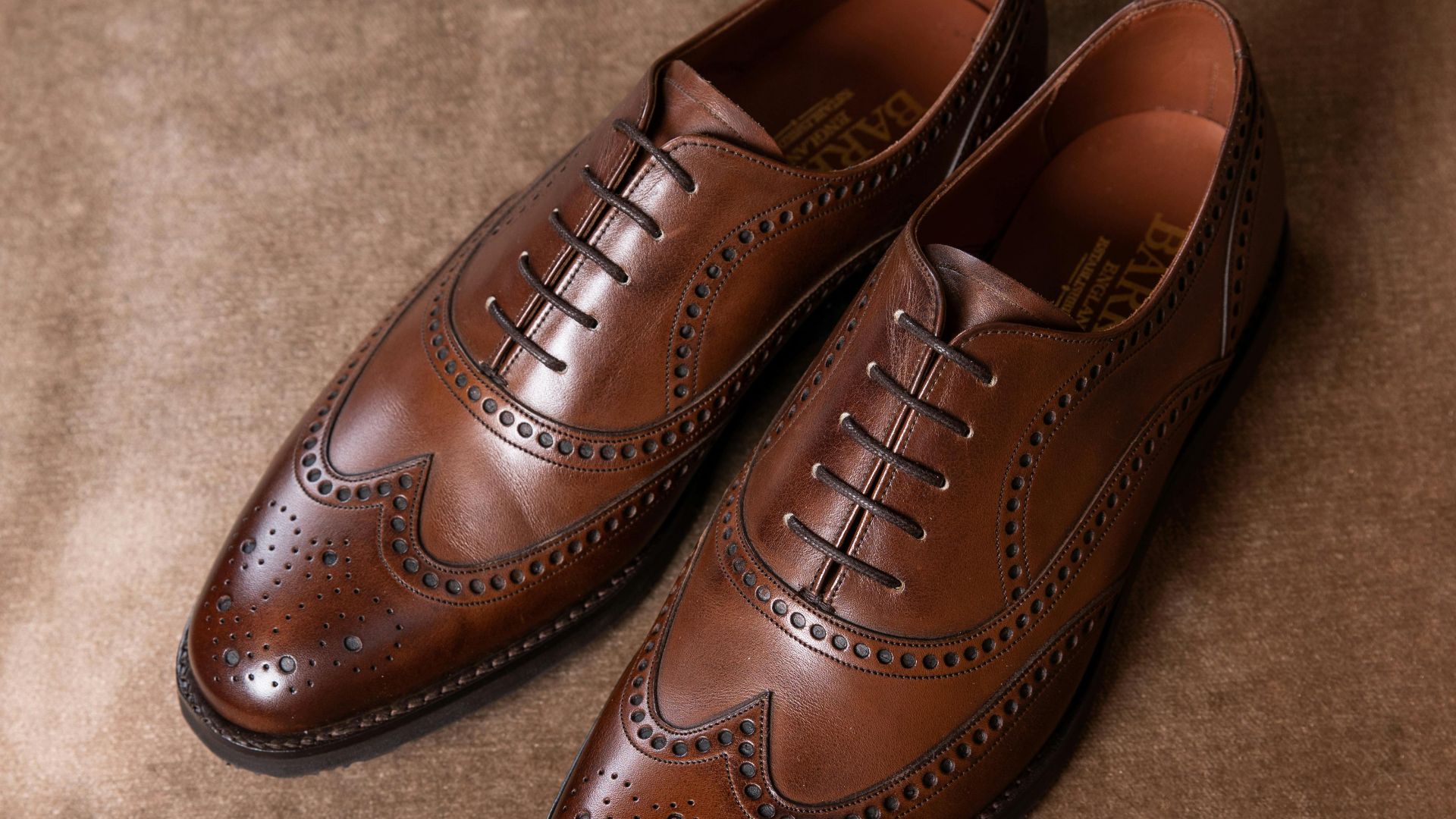
Shoes are a quick and easy way to learn more about someone's day because they immediately hint at potential plans. If you’re in practical shoes like runners or sneakers, you're likely dressing for comfort and looking to get stuff done. But if you're wearing dressy shoes, like heels, others will likely assume you’re having a fun night out or celebrating an event. Even clean sneakers versus beat-up ones can change the vibe people assign to you.
6. How Much You Accessorize
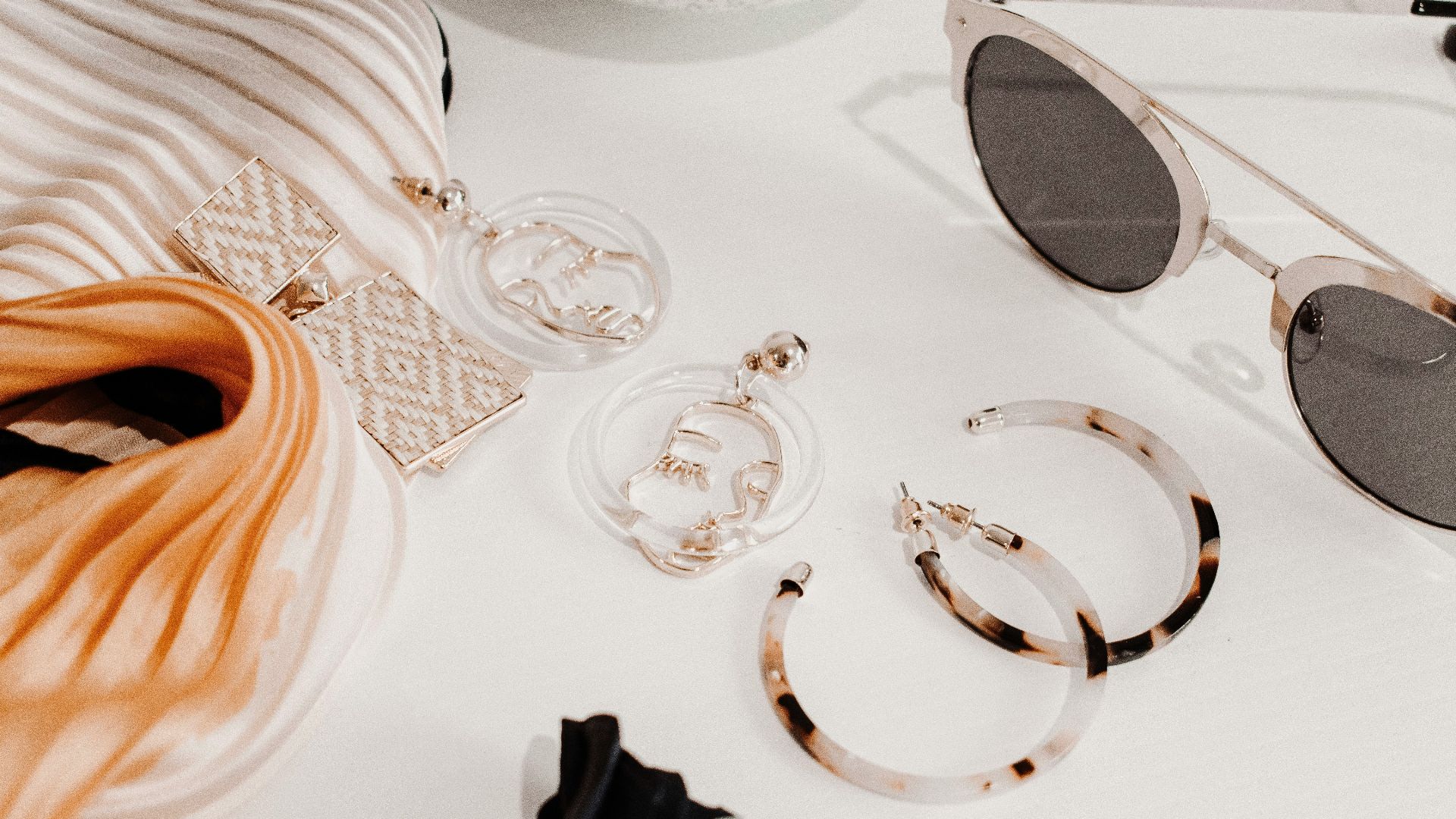
Accessories can tell you how much effort and thought someone has put into their look. After all, these are the small details that add flashiness and color to your outfit, they're not the essentials. If you skip them entirely, people may assume you’re not feeling extra talkative or you’re keeping your attention elsewhere.
7. Hair and Grooming Effort
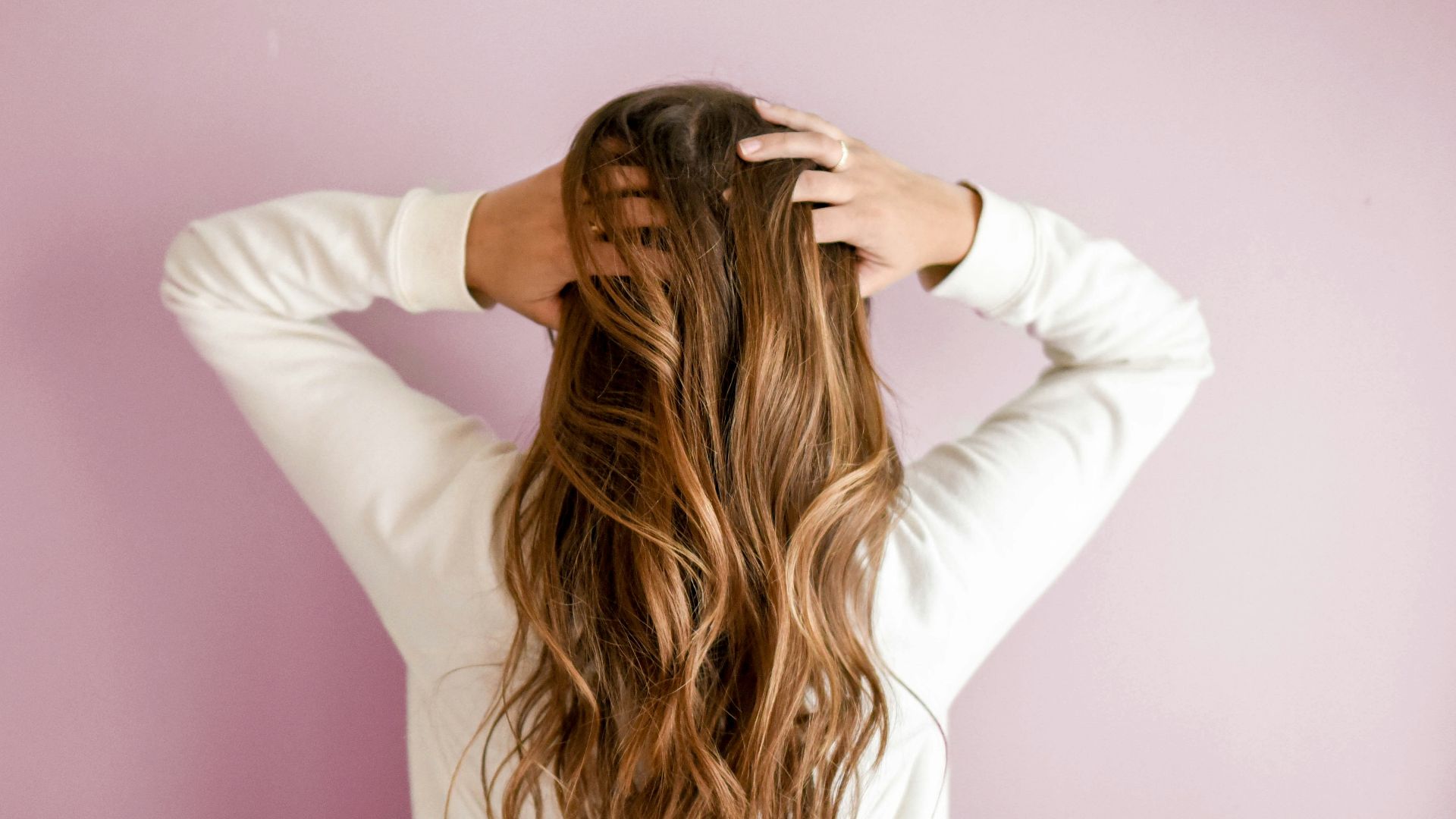
Yes, your hairstyle and grooming efforts count as part of your look! Because when you keep things tidy and clean, it suggests that you’re feeling capable and ready to face people. But when your hair looks untouched or your grooming is minimal, others might assume you’re tired, stressed, or not up for conversation.
8. Visible Wrinkles and What People Assume
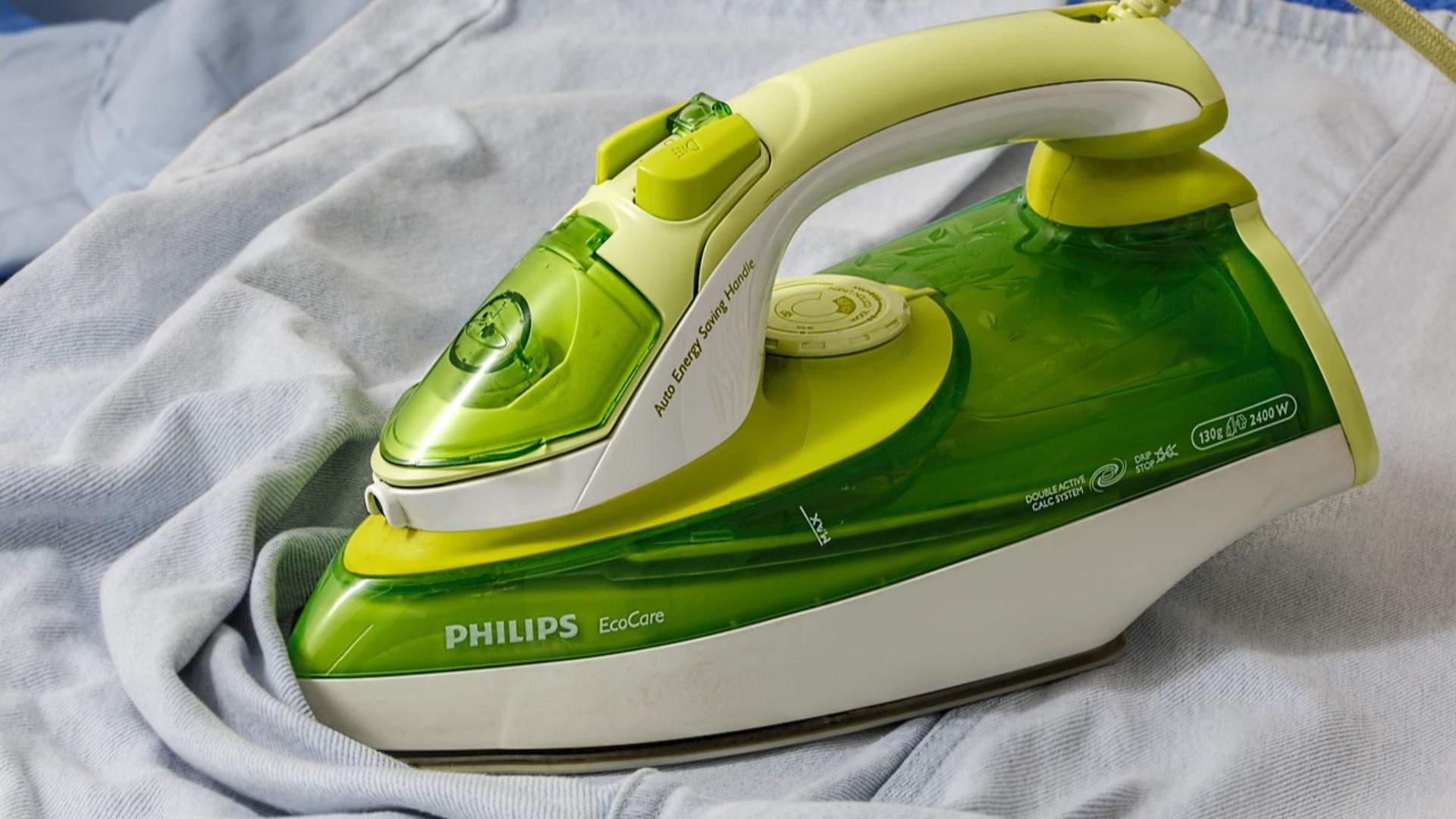
Maybe it's time to buy an iron? Wrinkled clothing can make others think you’re overwhelmed, rushed, or not especially invested in the day (even if it's not the case). That's because we associate smooth, pressed items with being calm and organized. This isn’t fair, but it’s a common reaction because wrinkles look like a lack of time or patience.
9. Logos, Slogans, and Message Pieces
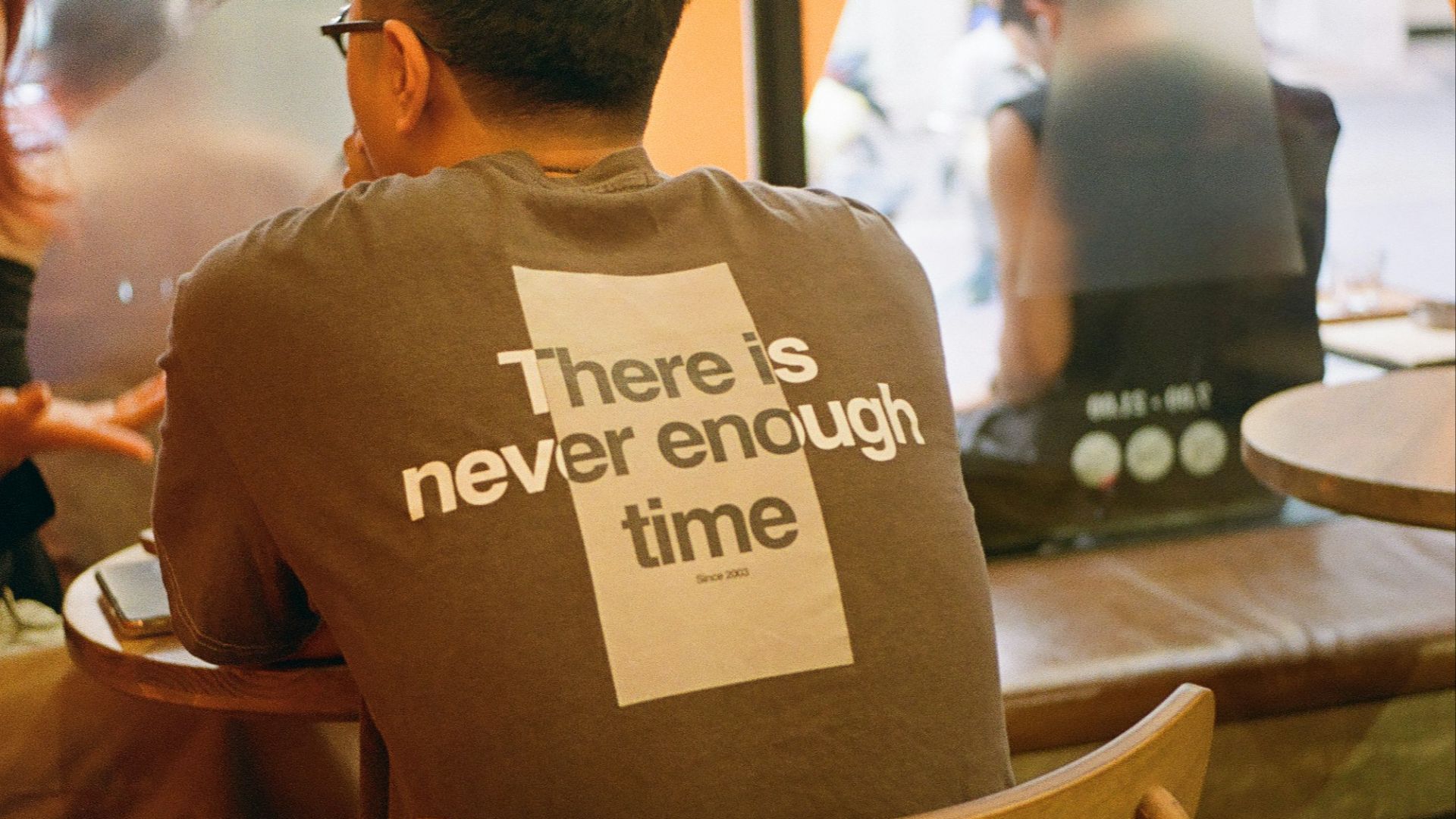
When you wear something that has a clear logo or slogan on it, it's hard not to get the memo. Because really, what's more obvious than words that express how you're actually feeling? People will assume those words reflect your attitude in the moment, which is why message pieces can feel fun on a confident day and irritating on a quieter one.
10. Layering and How Guarded You Seem
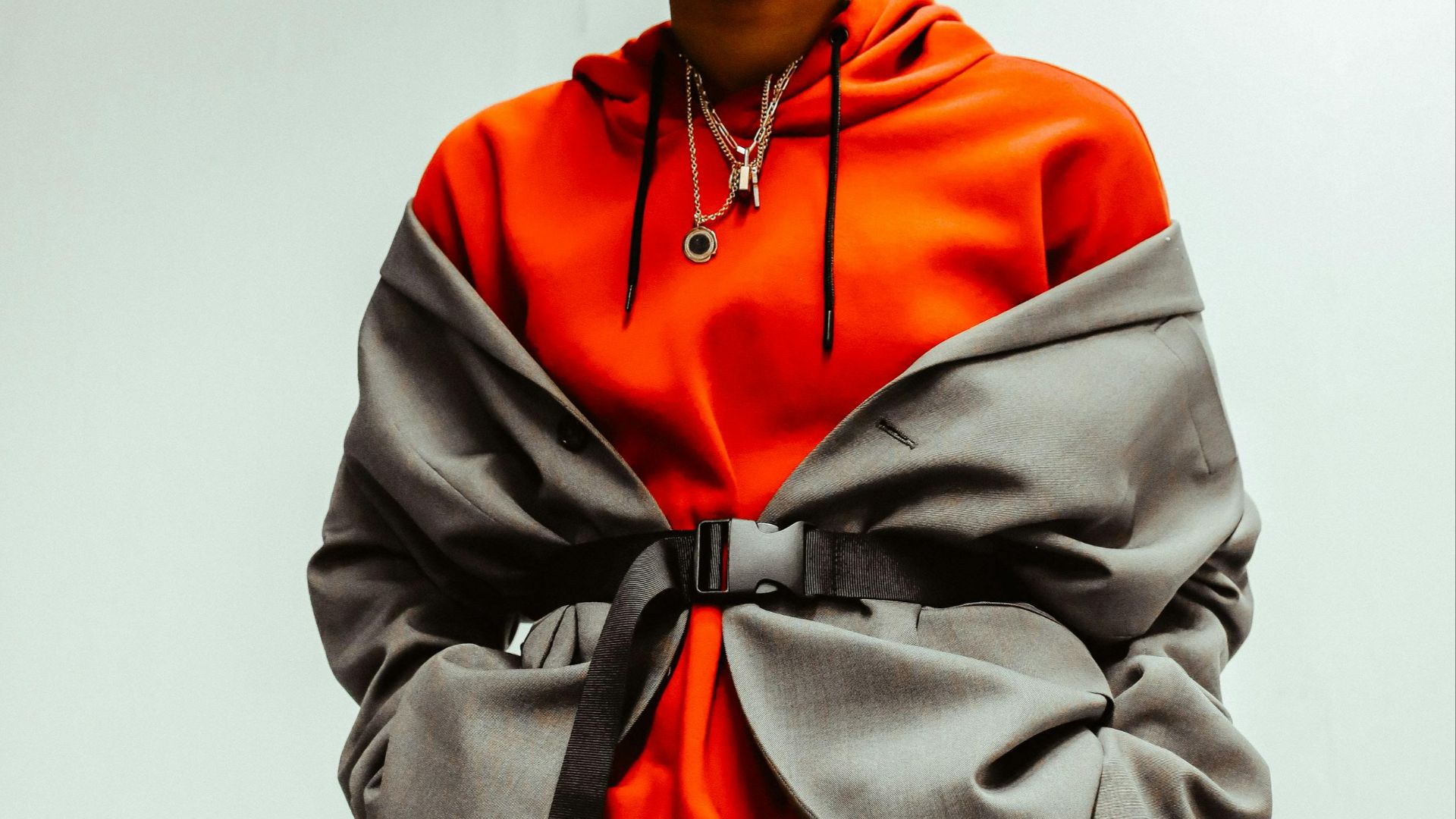
Yes, sometimes we tend to interpret things quite literally. When you catch someone wearing lots of layers, it can read as if their guard is up. On the other hand, a single, simple layer can read as relaxed and open, especially if the outfit feels breathable. People often read layering as a form of self-management: prepared, cautious, or slightly closed off. Sometimes you’re just cold, but you can’t stop others from guessing.
11. Fabric Texture and the Mood It Suggests
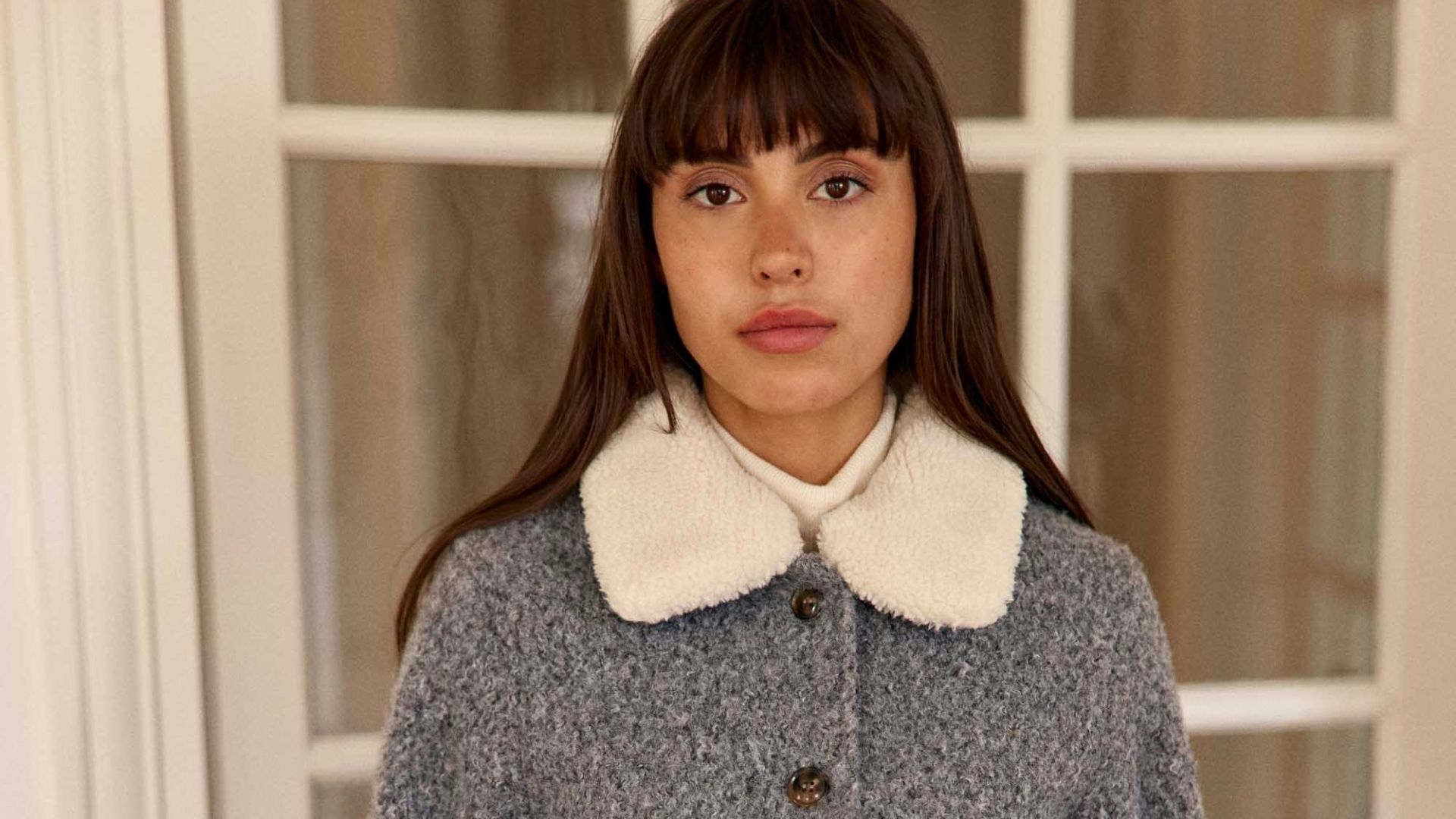
Even textures can play a part! Flashy materials like velvet, leather, or shiny fabrics can look extra bold, which people often interpret as confidence. Meanwhile, soft textures like fleece, cotton, or worn-in denim may read as cozy and low-pressure. If you want to seem approachable, softer textures usually help.
12. The Condition of Your Clothes
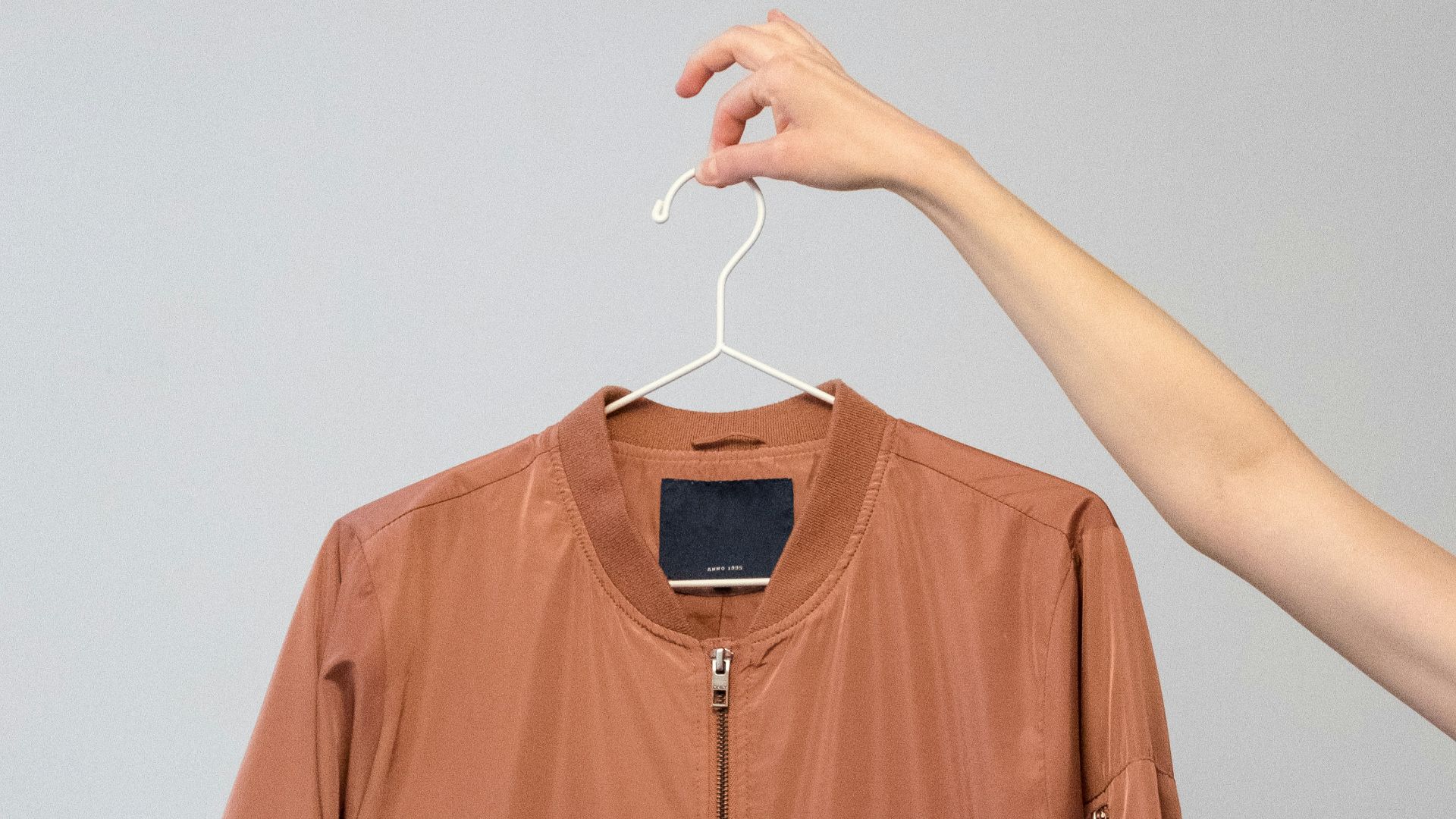
Condition can mean a lot of things. But as a whole, clothes that look well cared for can signal that you’re on top of things. If items look worn, stained, or stretched out, people may assume you’re stressed, not feeling your best, or want to be left alone. It doesn’t mean you are, but people equate condition with self-maintenance. Even small fixes, like removing lint, can change how you’re read.
13. How Much Skin You Show
Regardless of how hot it is outside, showing more skin tends to read as confident, social, or comfortable in your environment, while covering up signals caution or a desire for less attention. People also interpret skin exposure as a sign of mood because it often matches how bold you're feeling. At the end of the day though, it all comes down to whatever people feel comfortable with.

14. Jewelry Style and What It Communicates
Jewelry might be just a small part of your look, but it can say a whole lot. That's because statement jewelry can make you seem energized and ready to engage as if you're in the mood to talk and stand out. People also notice whether jewelry looks curated or random. When it feels coordinated, they’ll assume your mood is organized and intentional.
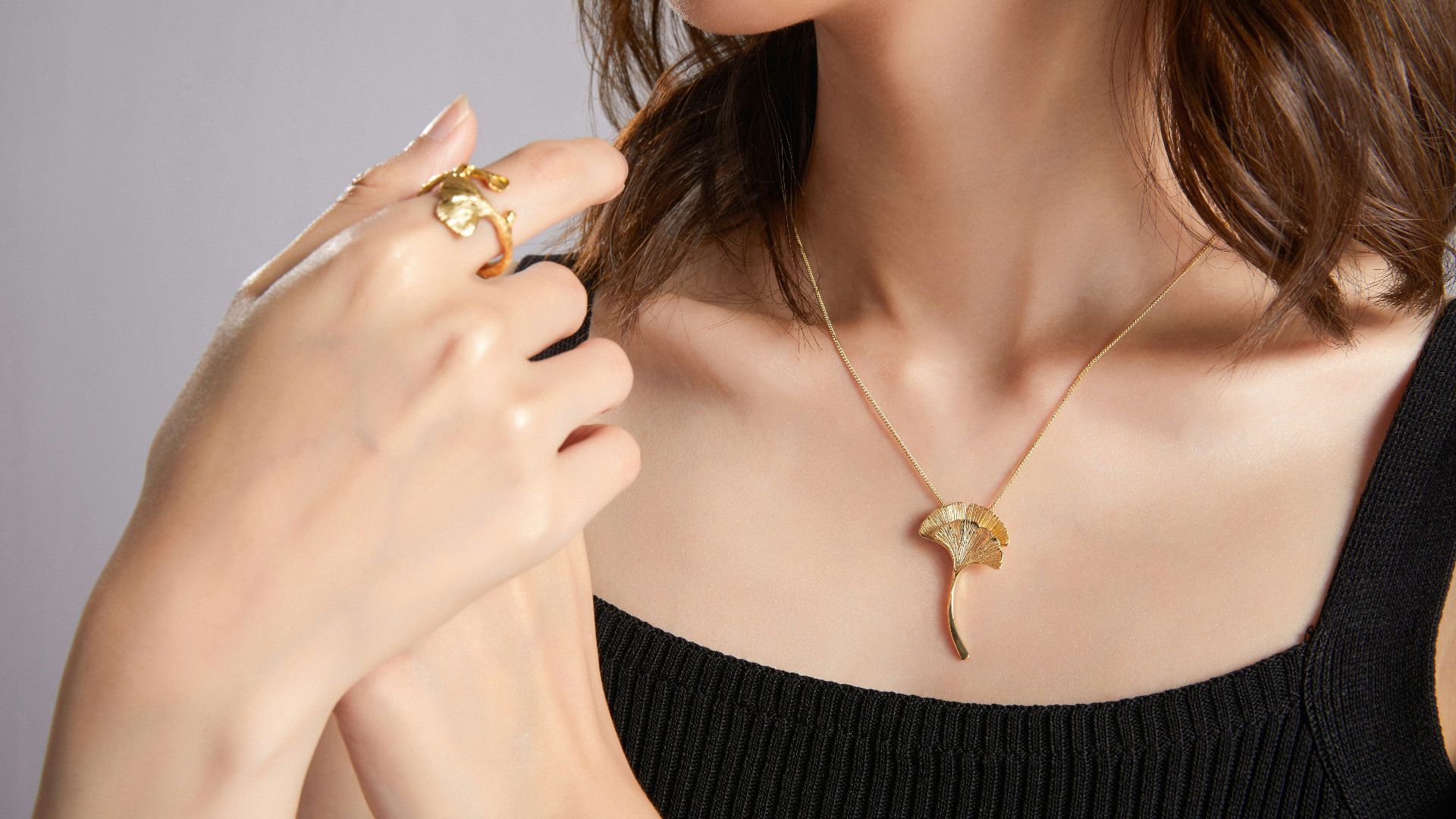
15. Bag Choice and How Prepared You Look
The bag you choose to bring along can immediately tell people what you're going through. A structured one makes you seem extra professional as if you're about to handle some mature responsibilities, while a casual tote or backpack voices that you're in relaxation mode or just going about your day.

16. Your Use of Patterns
Bold patterns can be even louder than bright colors. Choosing something like an animal print or polka dots and stripes can suggest you’re feeling lively or you want a bit more attention. People tend to connect pattern intensity with emotional intensity, even if that’s not accurate.
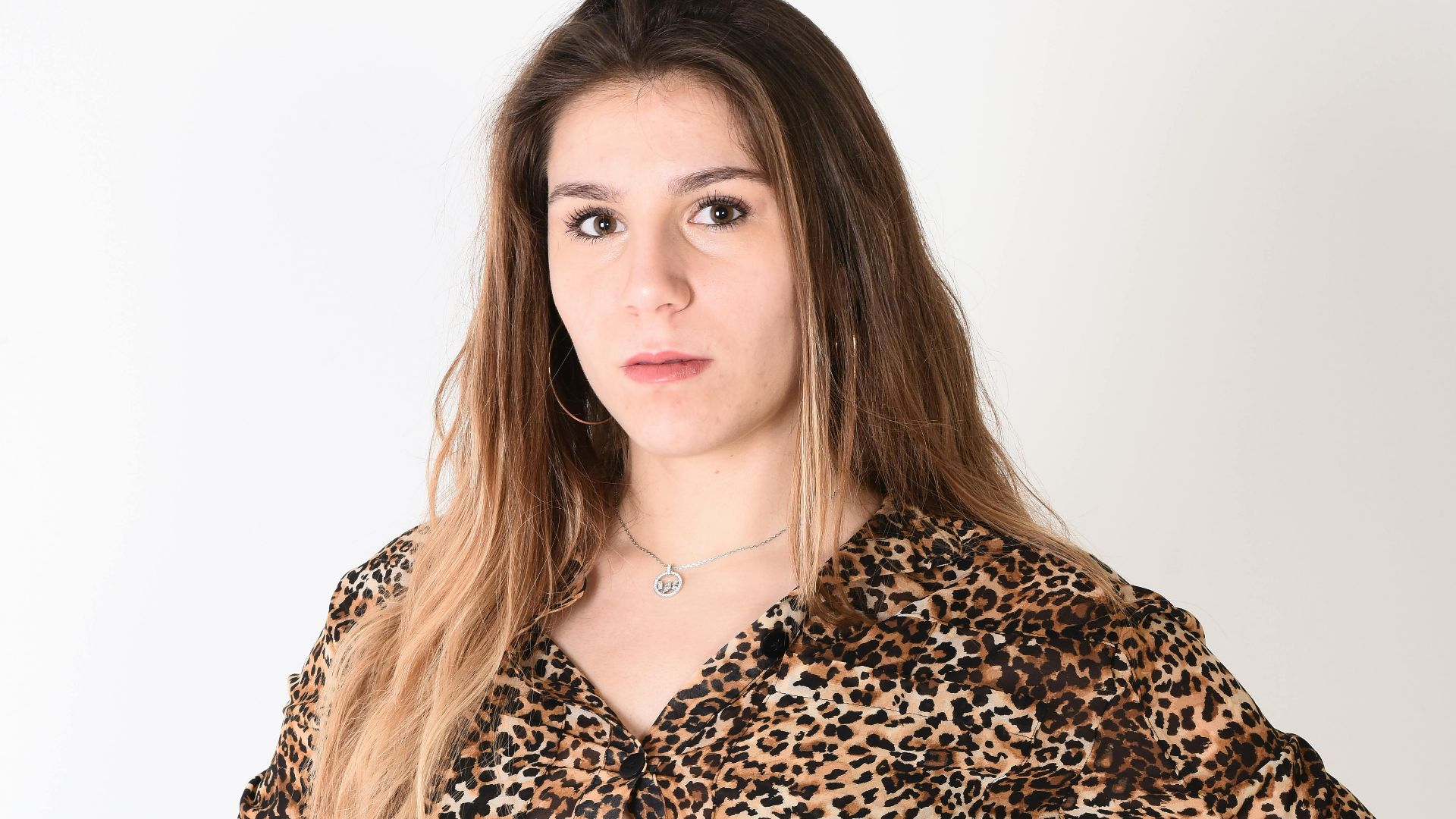
17. How Coordinated Your Colors Are
Matching, complementary colors can make you seem more collected and put together whereas clashing colors (just imagine yellow with turquoise!) can read as restless or rushed. Coordination is one of those cues people associate with planning, so when your palette looks unified, they often expect your mood is, too.
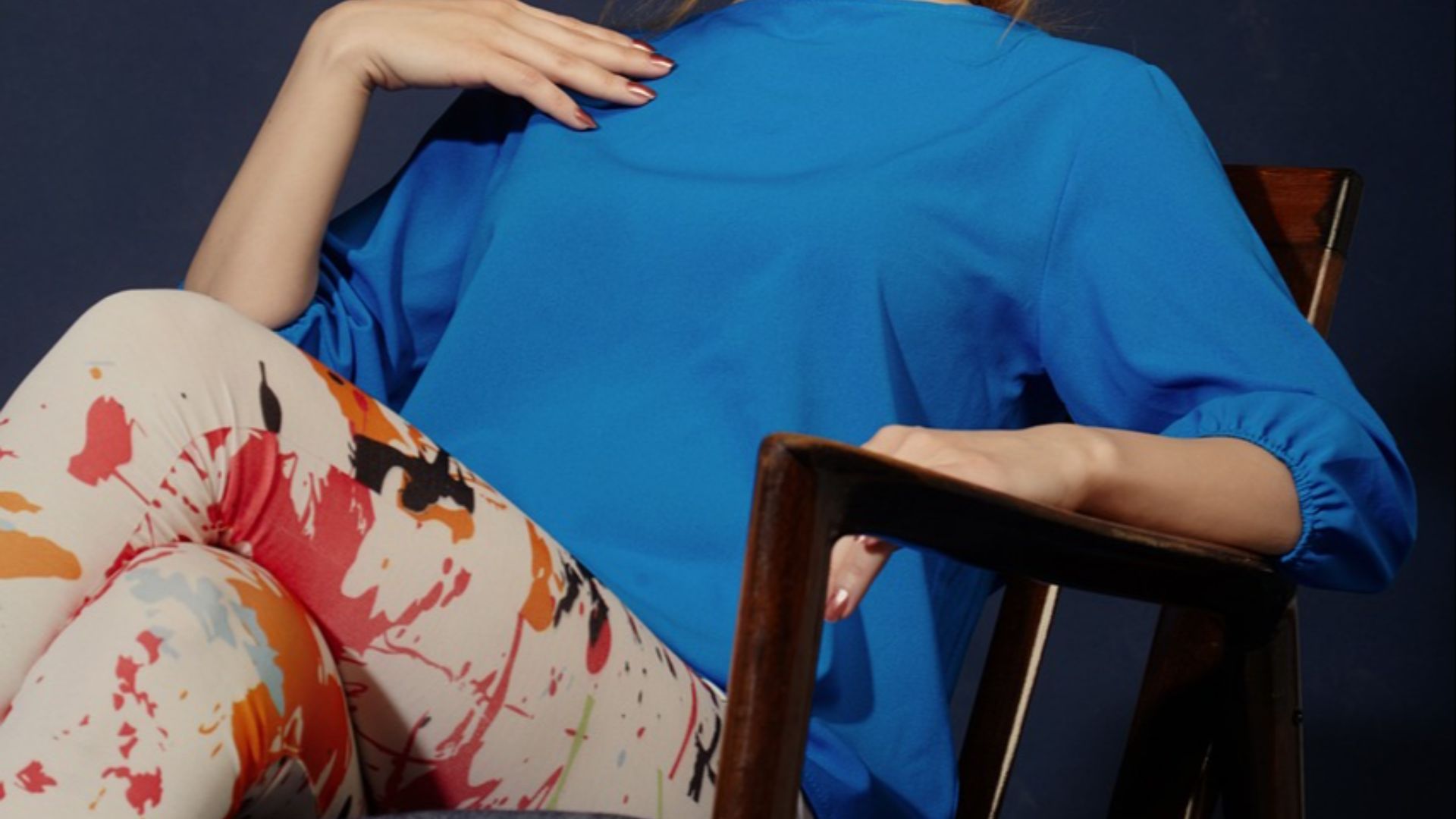
18. The Presence of “Comfort Signals”
Sweatshirts, soft pants, and flowy clothes immediately tell people you're having a lazy day. Most people will likely assume you’re tired or not in the mood for formalities. The main point is that comfort usually looks intentional, so that's how it's interpreted.

19. How Trend-Forward or Timeless You Go
If you’re wearing something current or noticeably styled, it comes across like you put extra time in your outfit and feel ready to be social and mingle. For classic, timeless pieces, our mind often wanders and reads it as steady, composed, and not interested in drama.

20. The Overall “Approachability” of Your Look
At the end of the day, there's just something people can instantly read about outfits that tell them if you feel approachable and friendly, which in turn tell them if you're in a good mood. If the look feels sharp, severe, or very formal, they might feel nervouse to approach!