
Fit Is Visual Engineering, Not Just Size
Clothes don’t just cover the body, they frame it. A seam can pull attention up, a hem can slice a silhouette in half, and a fabric can either skim or cling in ways that change how you read shape and proportion. Costume designers, tailors, and patternmakers have relied on these tricks for centuries. Modern styling advice often sounds like personal preference, yet a lot of it is basic geometry, light, and where the eye naturally travels. Once you notice these details, you start seeing why two people can wear the same size and look completely different. Here are twenty ways clothes quietly steer what the eye thinks it’s seeing.
1. Shoulder Seams That Land In The Wrong Place
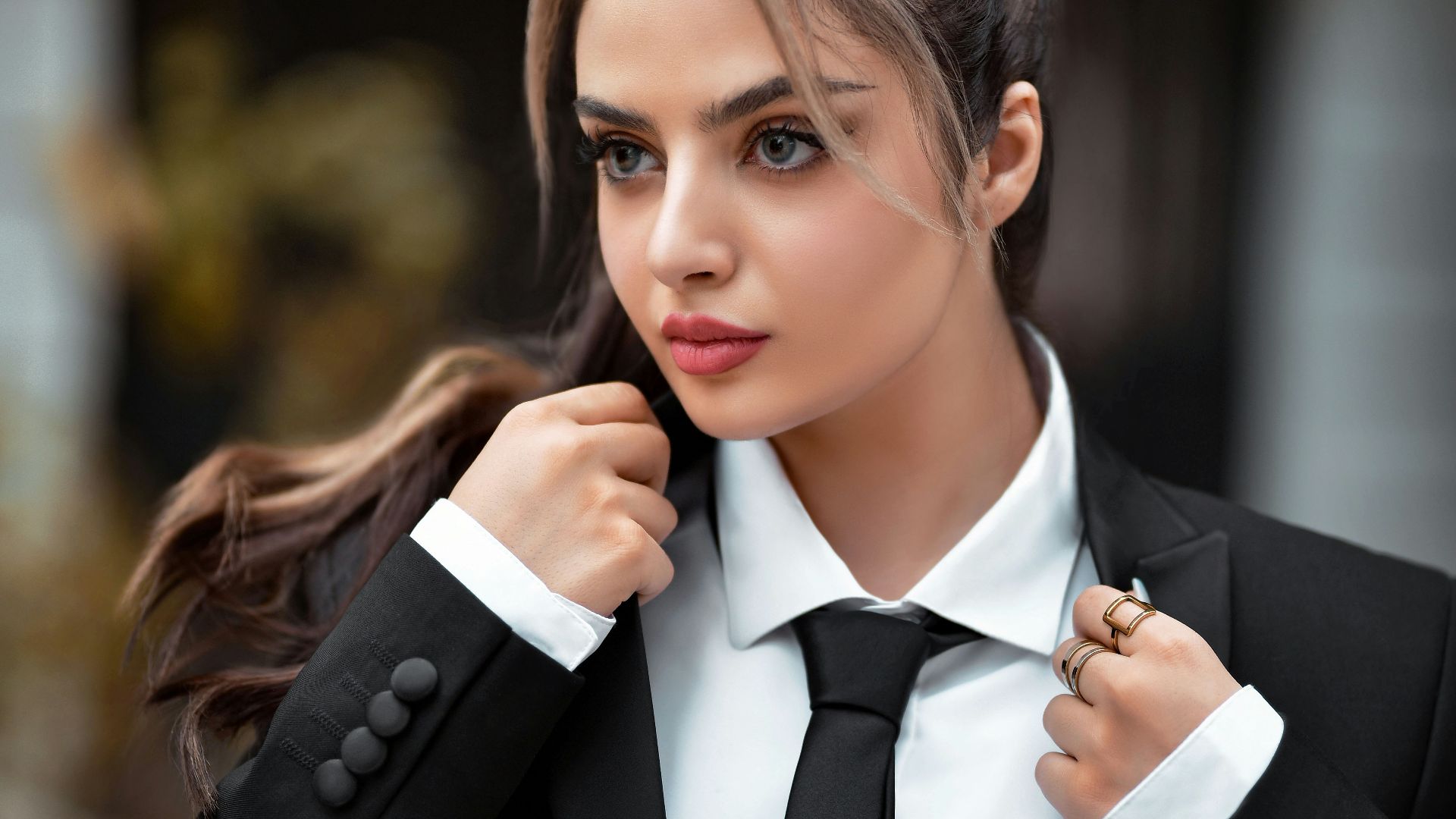
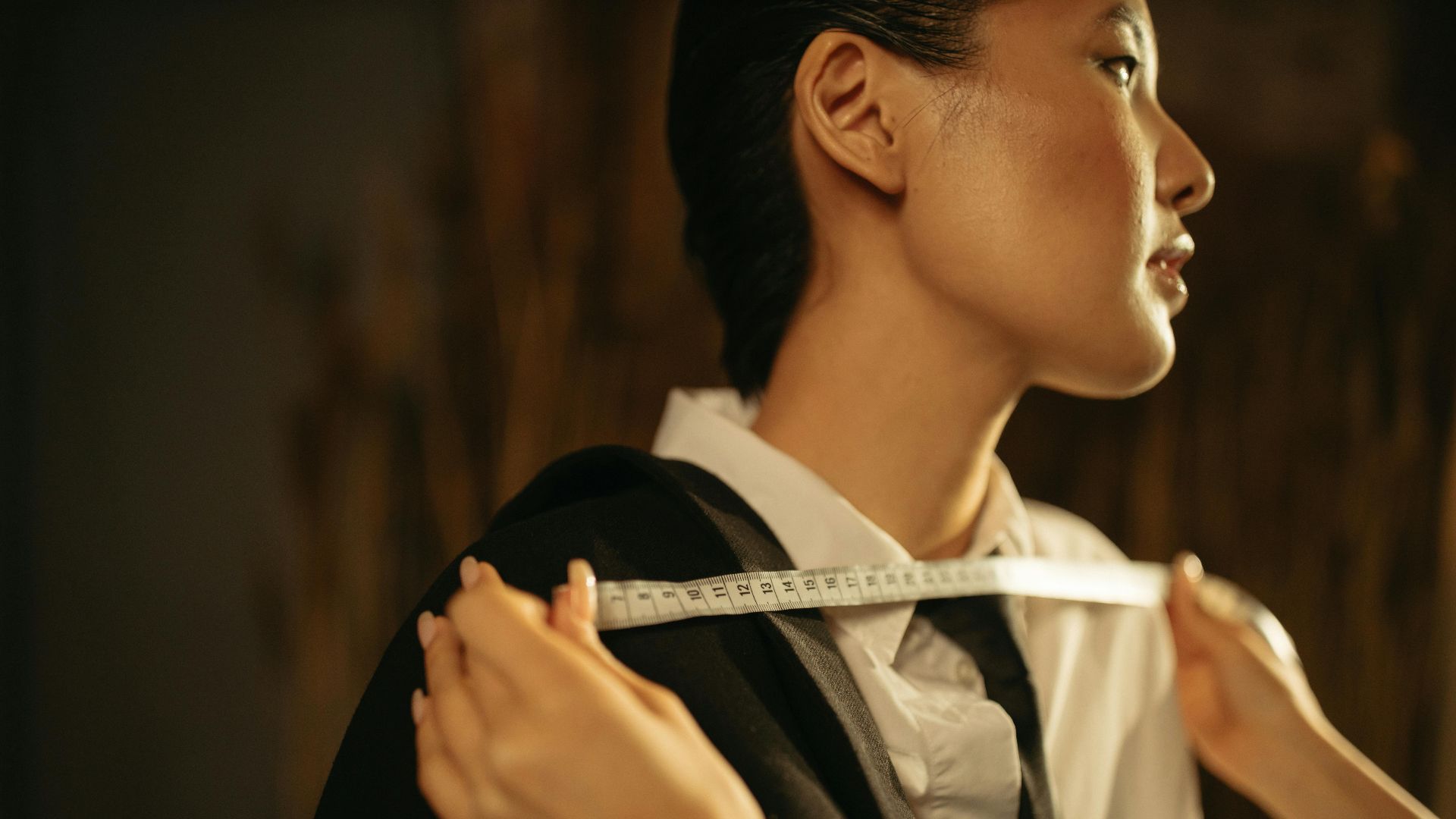
When the shoulder seam drops too far down the arm, the upper body can look wider and sloppier than it is. When it sits too far in, it can make the shoulders look narrow and the sleeves look strained. The right seam placement makes the whole garment look sharper without changing anything else.
2. Necklines That Change The Apparent Width Of The Chest
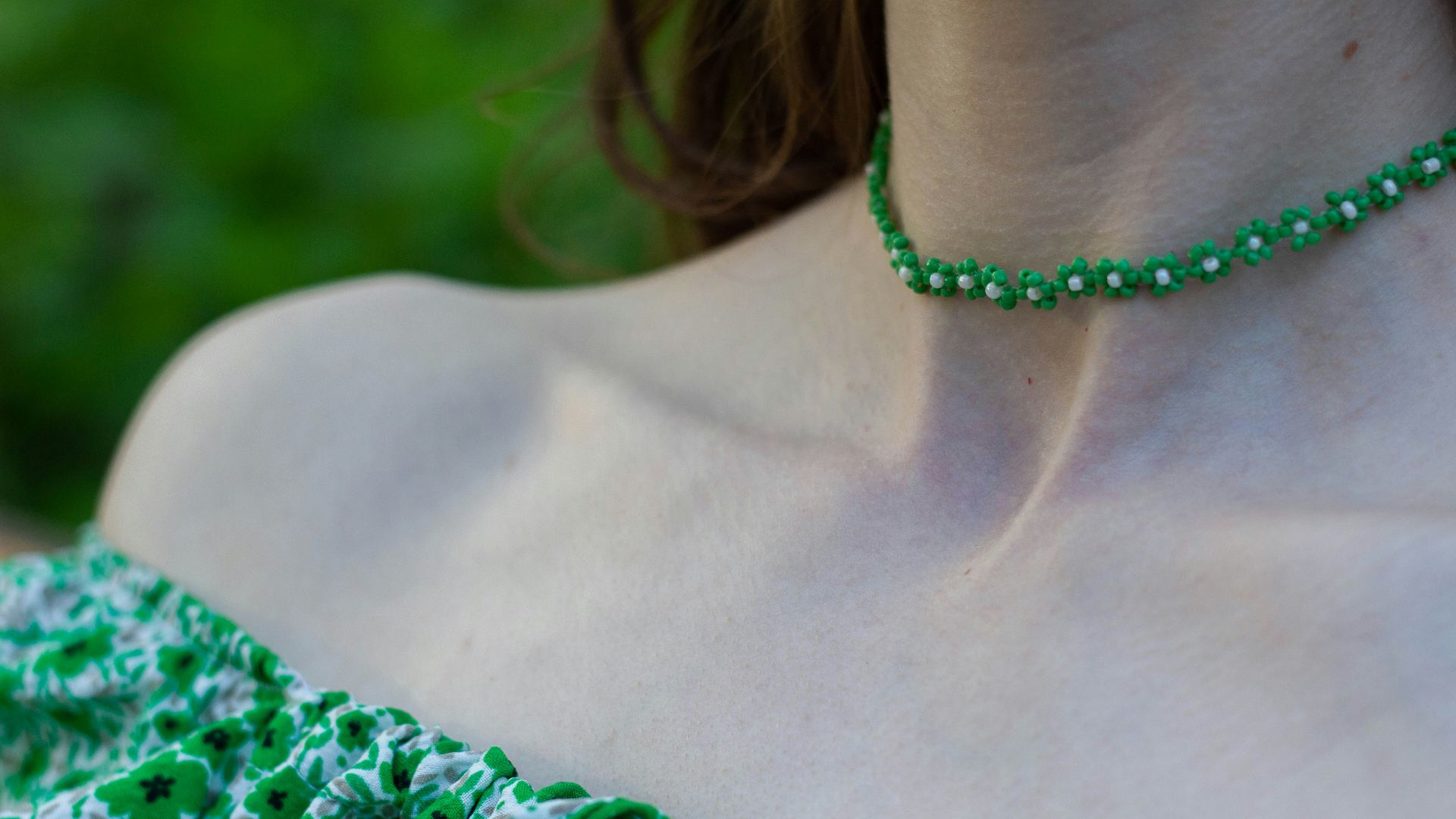
A wide neckline can make the shoulders look broader, while a narrow neckline can visually compress the upper body. A deeper opening draws the eye downward and can make the torso read longer. A high, tight neckline can make the chest area look fuller and the neck look shorter.
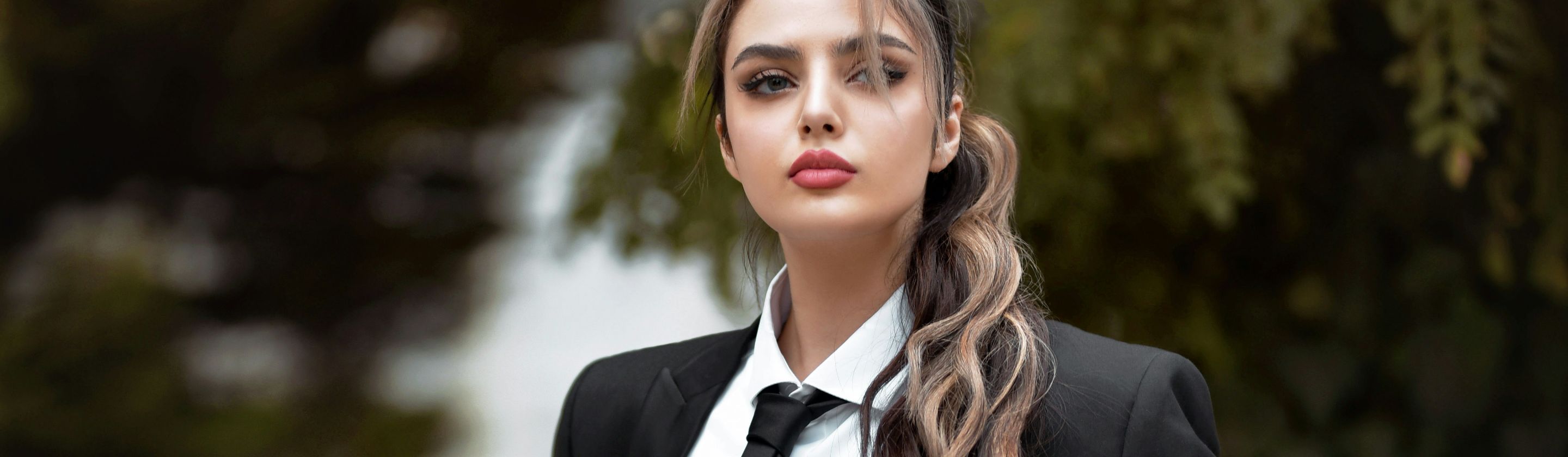
3. Lapels That Point The Eye Where You Don’t Expect
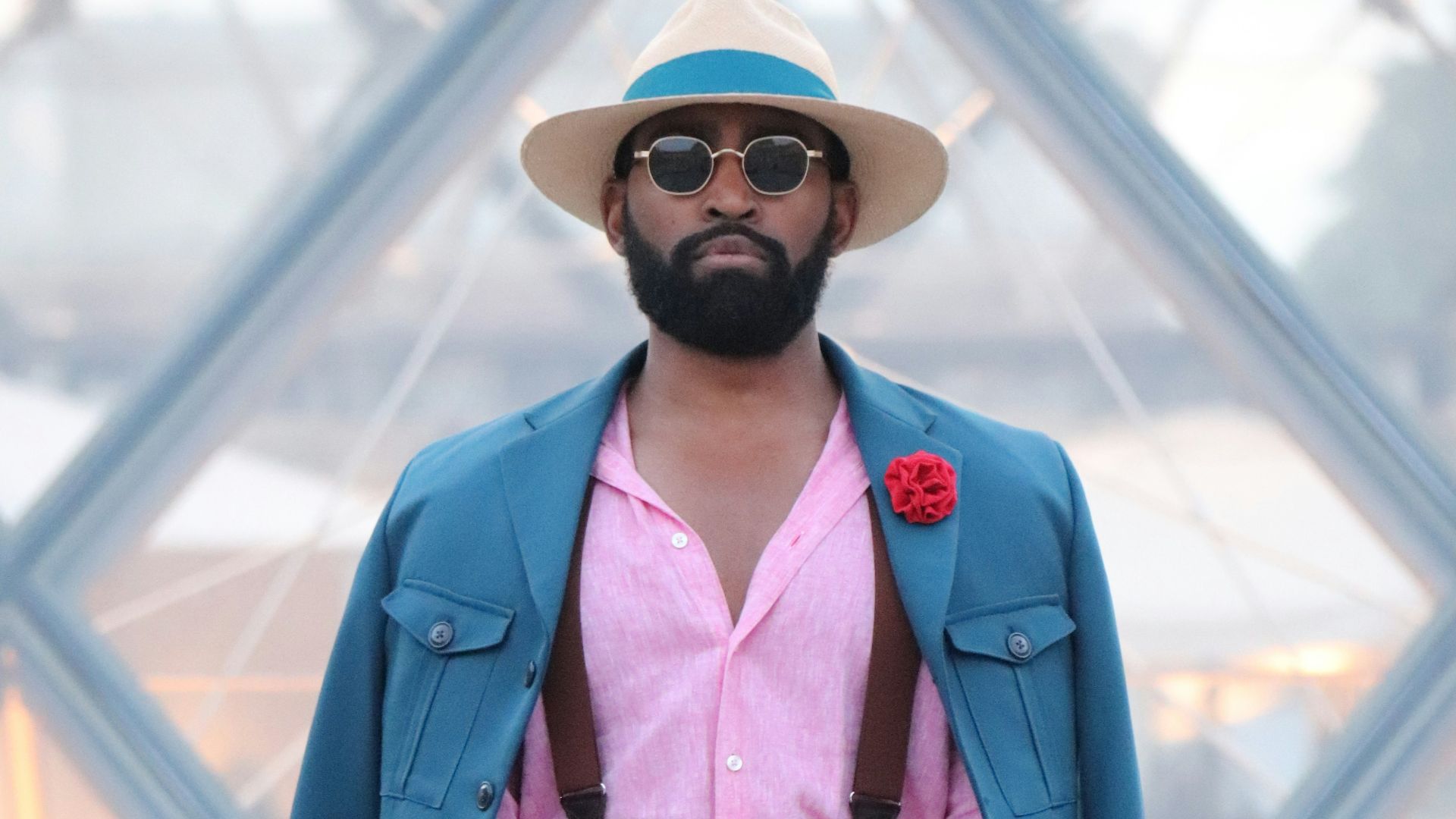
Wider lapels can widen the look of the torso, especially on short jackets. Narrow lapels can sharpen the line and make the upper body look more streamlined. The angle of the lapel also acts like an arrow, steering attention toward the chest or toward the waist.
 Abdulhameed Al-ameri on Unsplash
4. Buttons That Create A Vertical Line
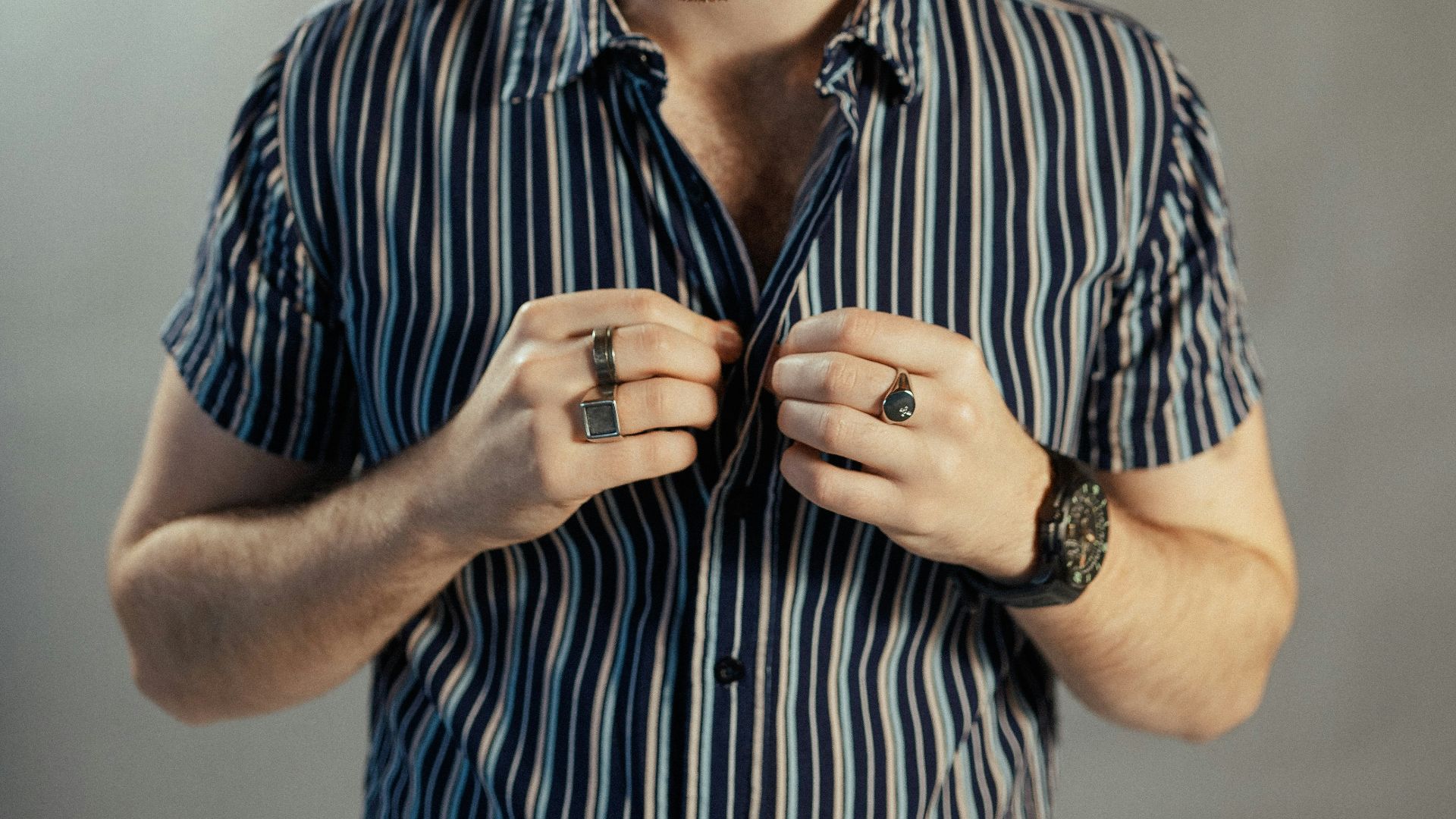
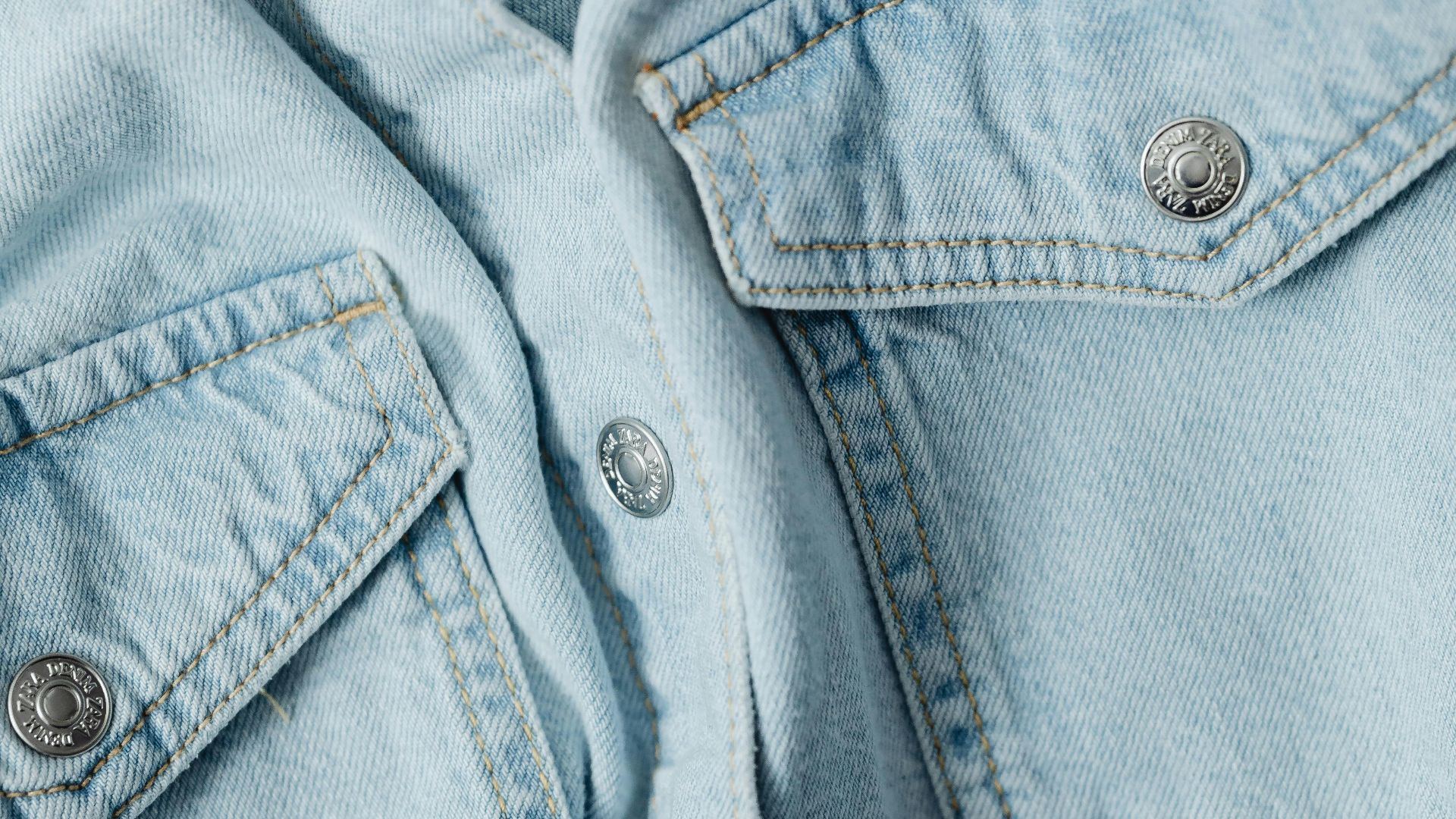
A row of buttons creates a straight visual path that pulls the eye up and down. That can make the body read longer and more centered, especially when the spacing is even. When buttons gape, that same line becomes a spotlight on tightness.
5. The Rise Of Pants
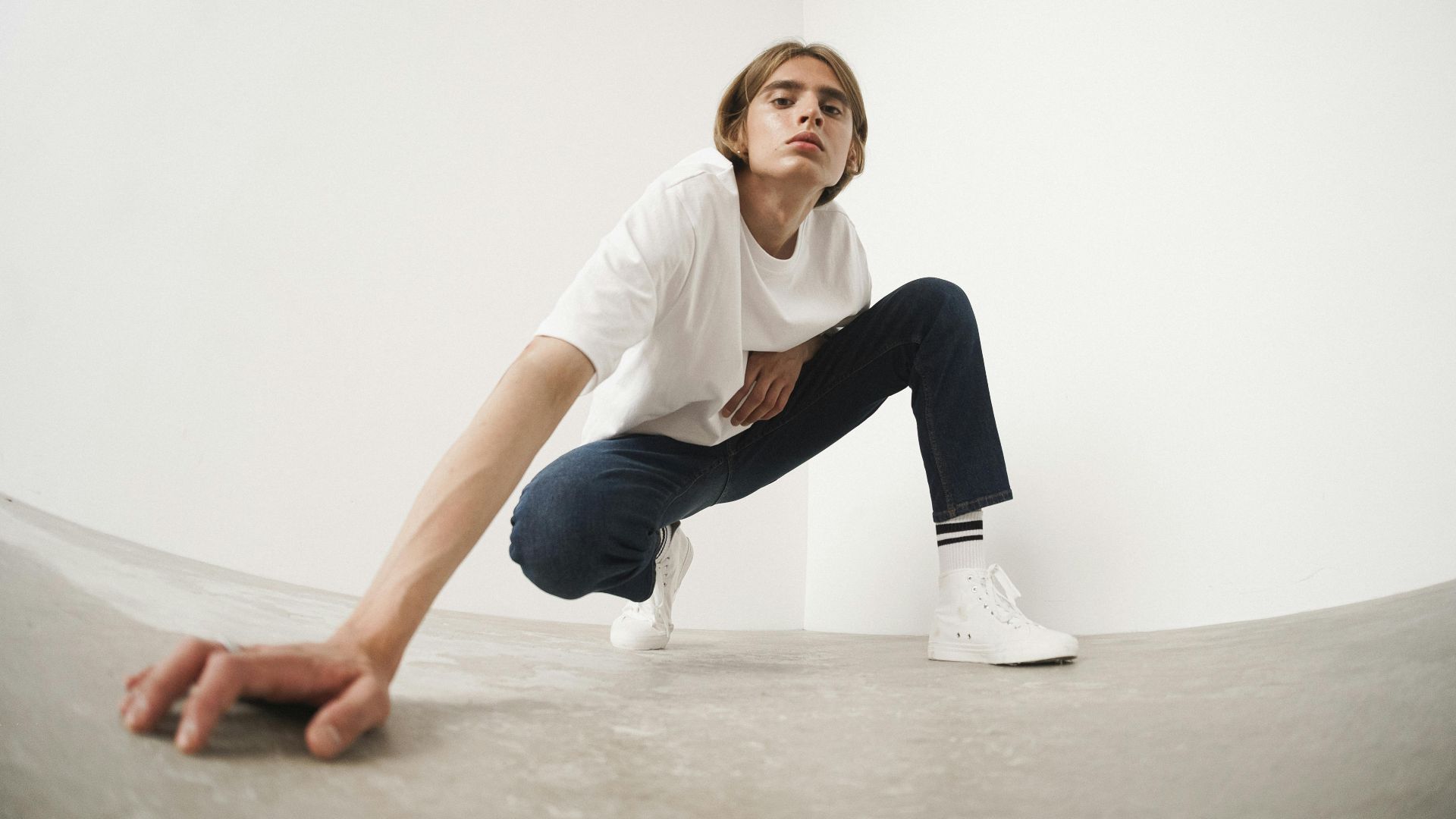
A higher rise can make legs look longer by lifting where the eye thinks the leg starts. A low rise can shorten the leg line and emphasize the torso. The rise also affects comfort, and discomfort tends to show in how you stand.
6. Where A Hem Hits The Leg
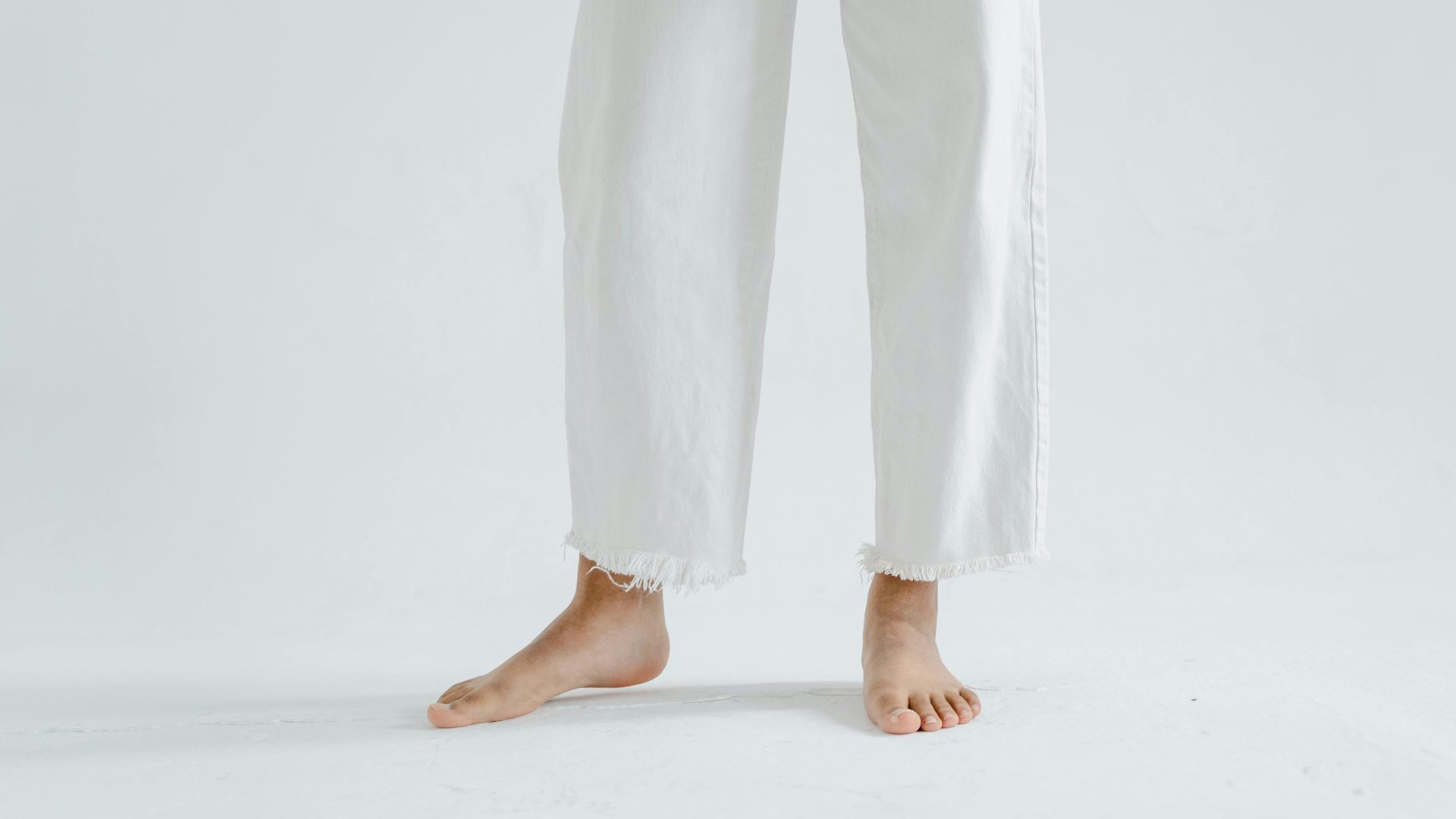
Hems can cut the leg visually, and the cut point matters more than most people expect. Cropped pants that end at a wide part of the calf can make the lower leg look thicker. A hem that lands slightly higher or lower can change the entire proportion.
7. Horizontal Stripes In The Wrong Places
Stripes don’t automatically widen everything, yet placement matters. A stripe across the widest point draws attention there, and the eye reads that as emphasis. Stripes that break or angle can do the opposite by disrupting the line.
8. Vertical Seams That Create A Slimmer Read
Princess seams, darts, and well-placed panels create lines the eye follows, and that can make the body read narrower. These seams suggest shape even when the garment is not tight. It’s one reason tailored pieces often look more flattering than stretchy ones.
9. Fabric That Clings Instead Of Skims
Thin, clingy fabric shows every underlayer and can highlight areas you weren’t thinking about. A slightly heavier fabric can hang more cleanly and create a smoother outline. The eye tends to read smoothness as better fit.
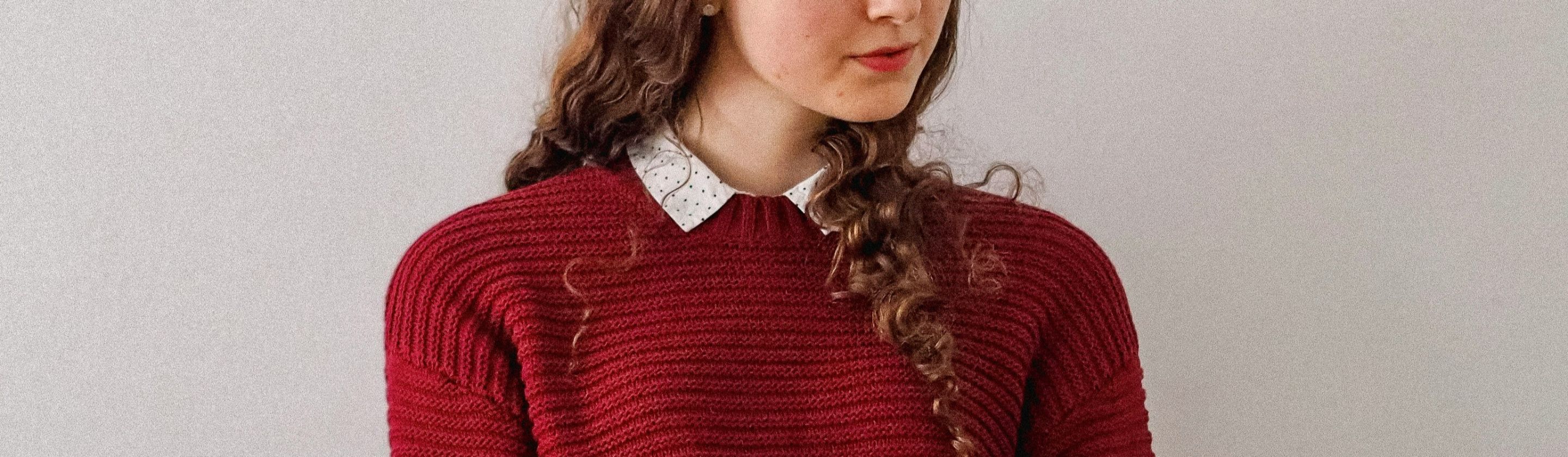
10. Bulky Fabric That Adds Volume
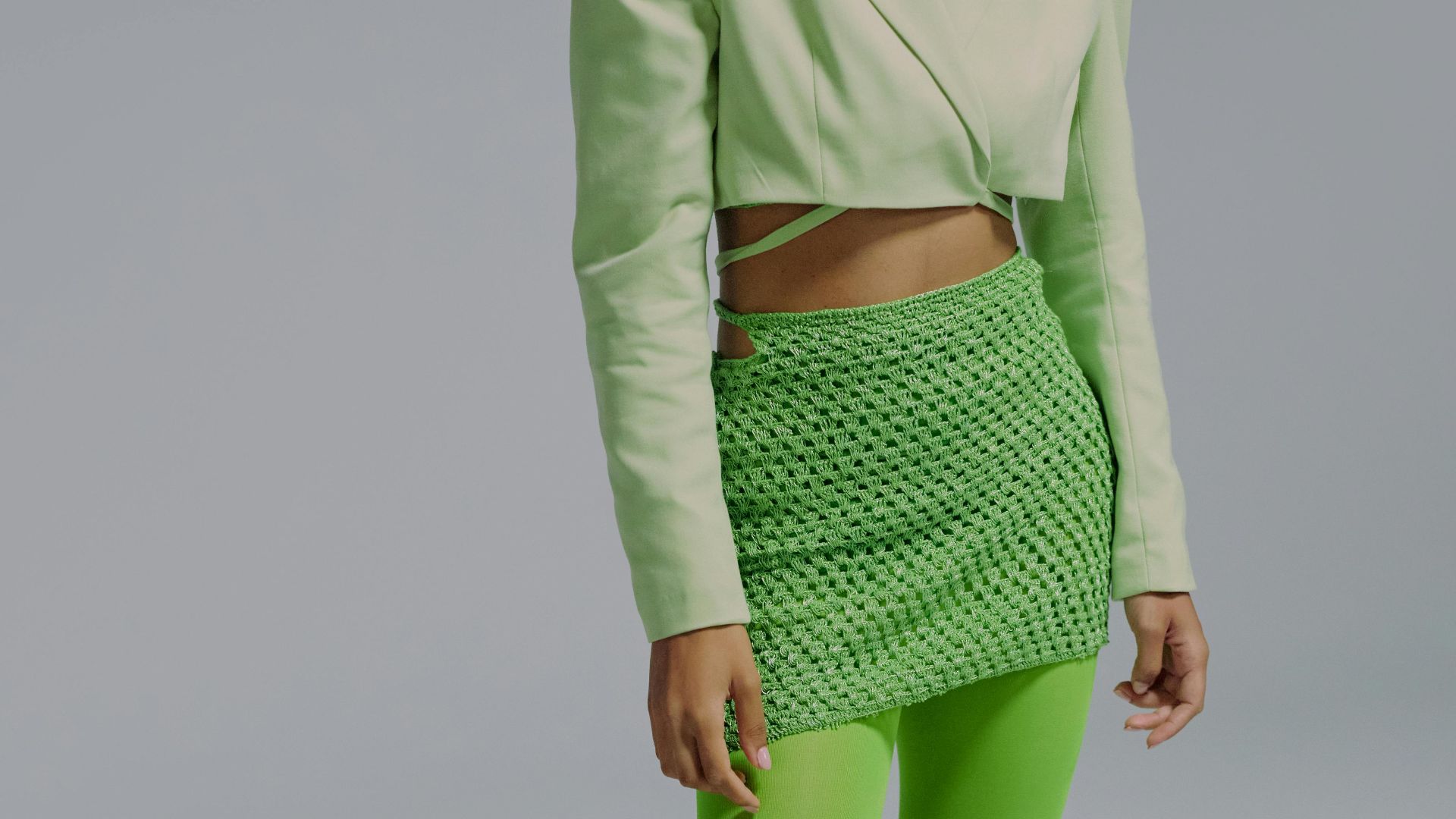
Chunky knits and stiff fabrics can add apparent size even when the garment technically fits. The extra thickness pushes the silhouette outward and can make arms, shoulders, and hips look larger. The tradeoff is warmth and structure, which can still be worth it.
11. Dark Colors That Quiet The Outline
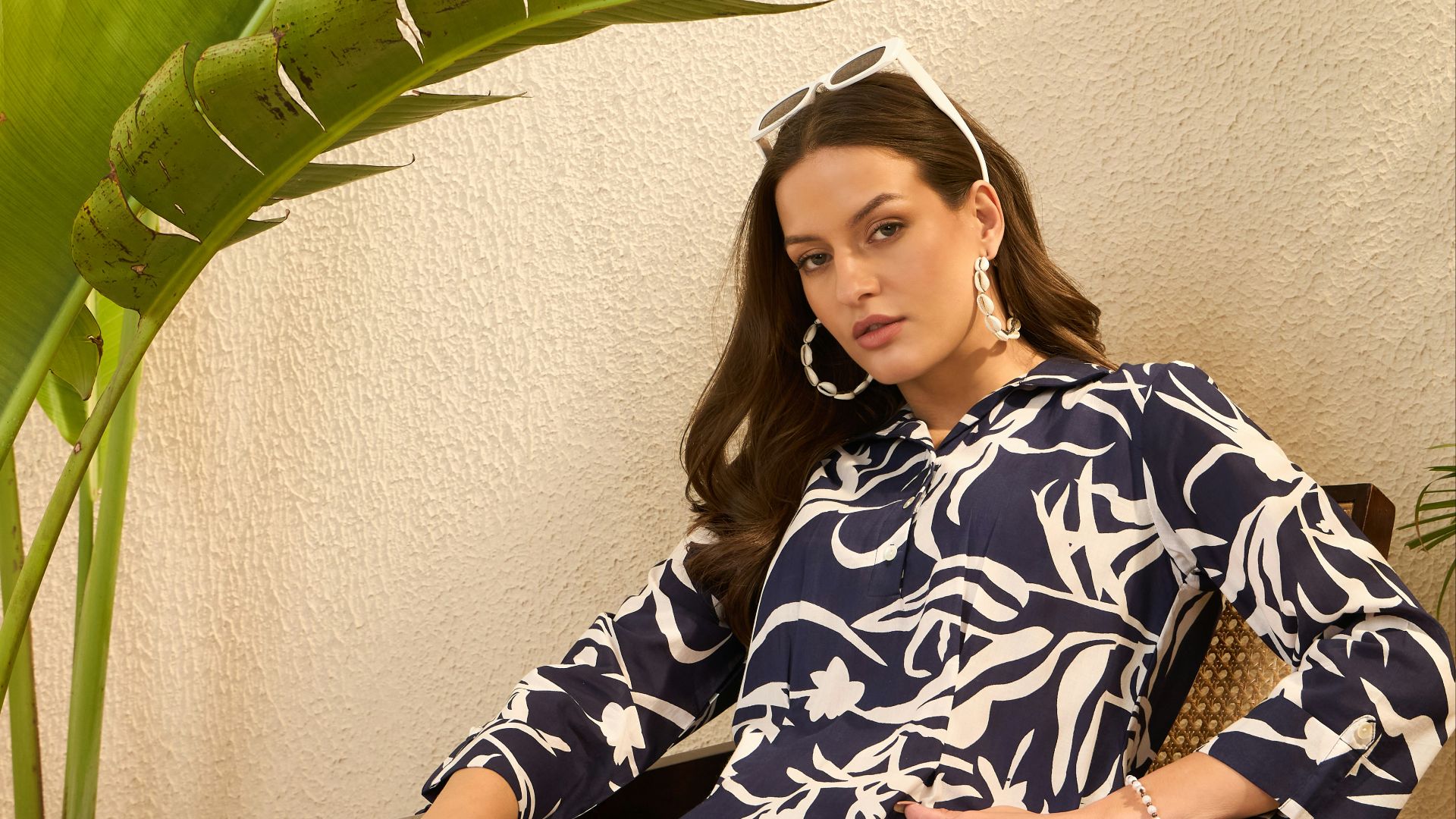
Darker colors can reduce visual contrast, so edges feel less sharp and shapes read more softly. That’s not magic, it’s just the eye noticing contrast more than color. A dark top and dark bottom can read as one long column.
12. High Contrast That Breaks The Body Into Blocks
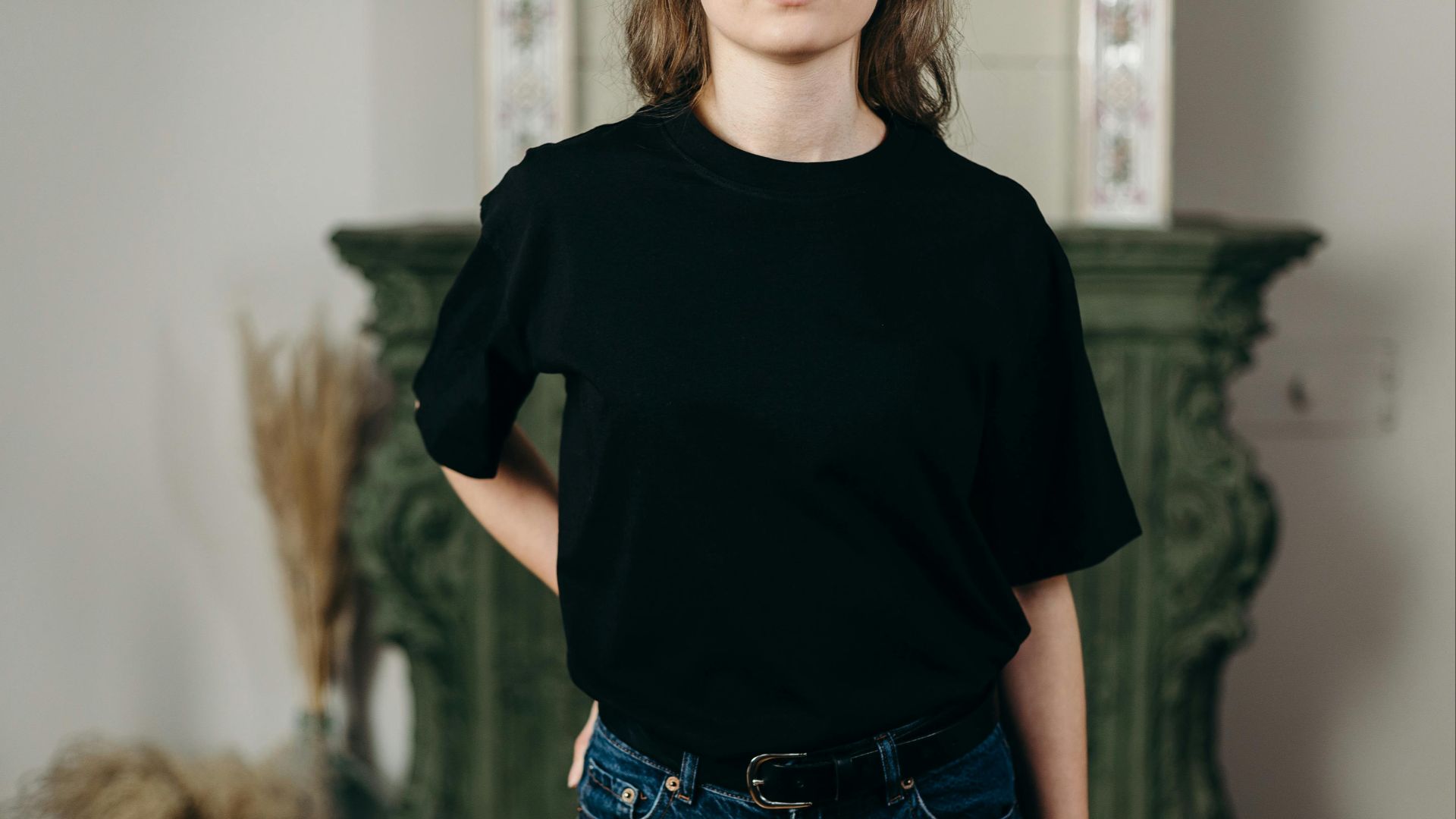
A light top with dark pants draws a line at the waist and can shorten the torso visually. Strong contrast also pulls attention to the boundary between pieces. Sometimes that’s the point, and sometimes it accidentally makes proportions look choppy.
13. The Waistband As A Spotlight
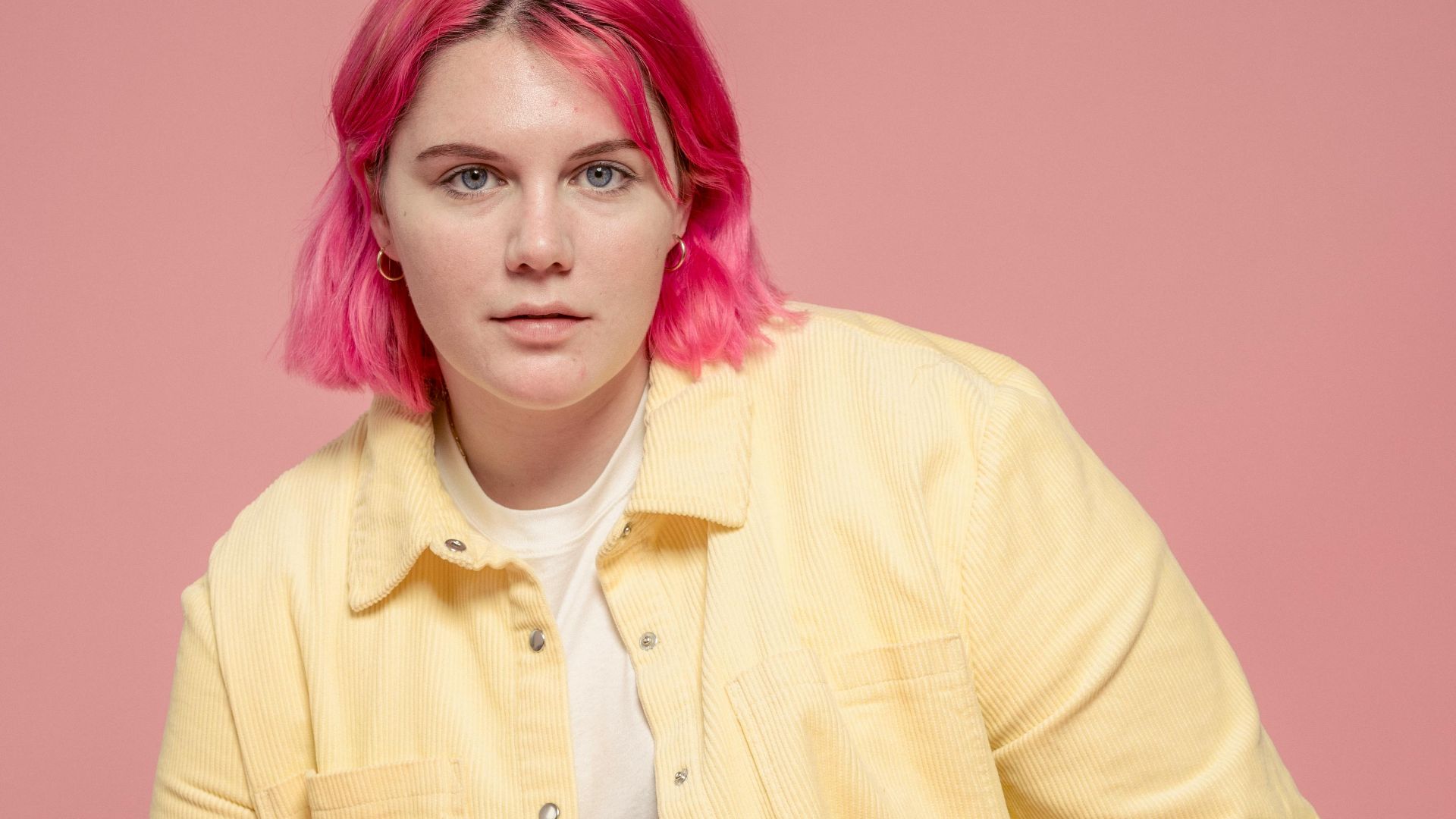
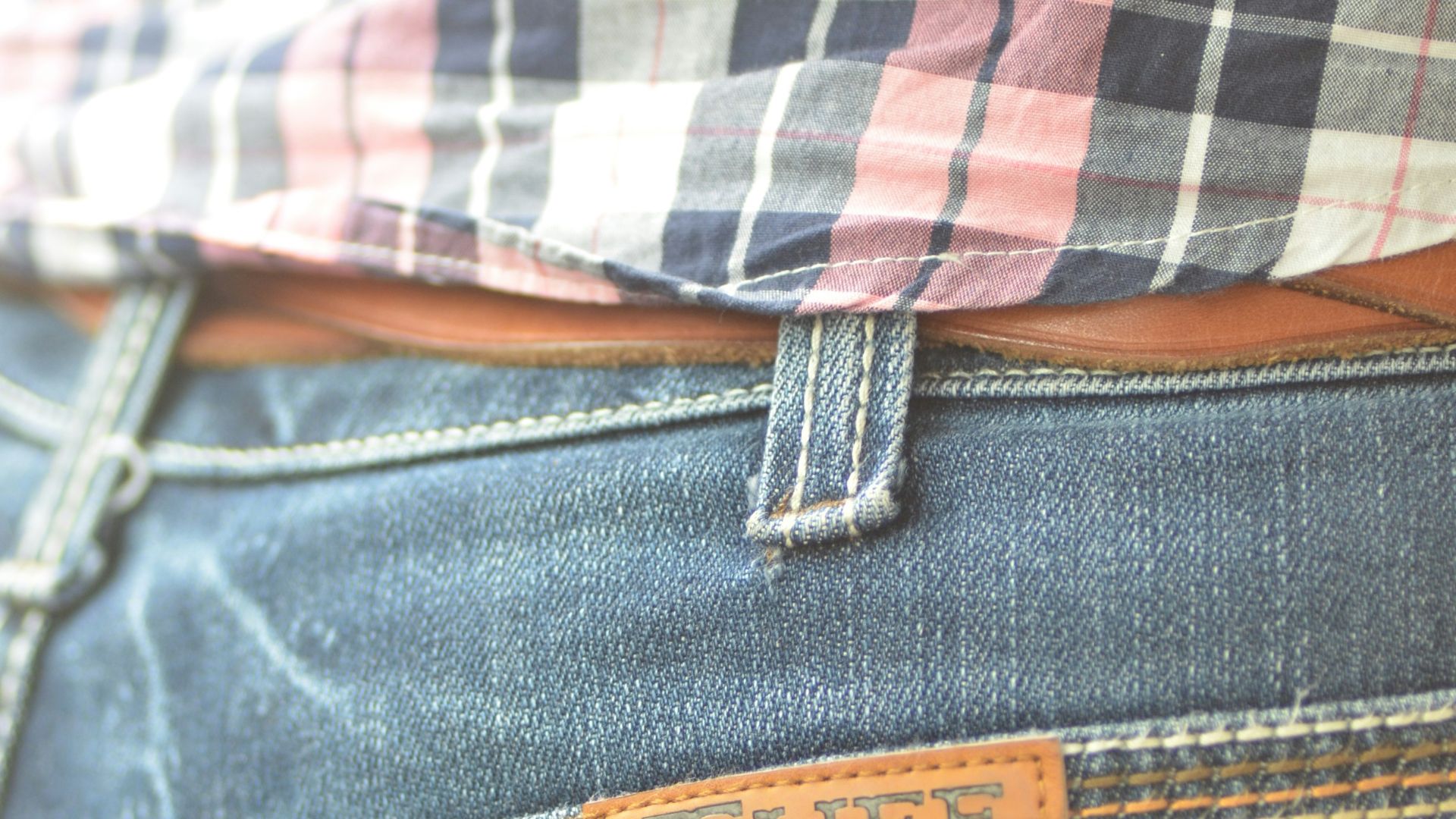
A thick waistband can emphasize the midsection, especially if it’s tight or shiny. A smoother waistband can disappear, which makes the whole look feel cleaner. Where the waistband sits can also change how long the legs appear.
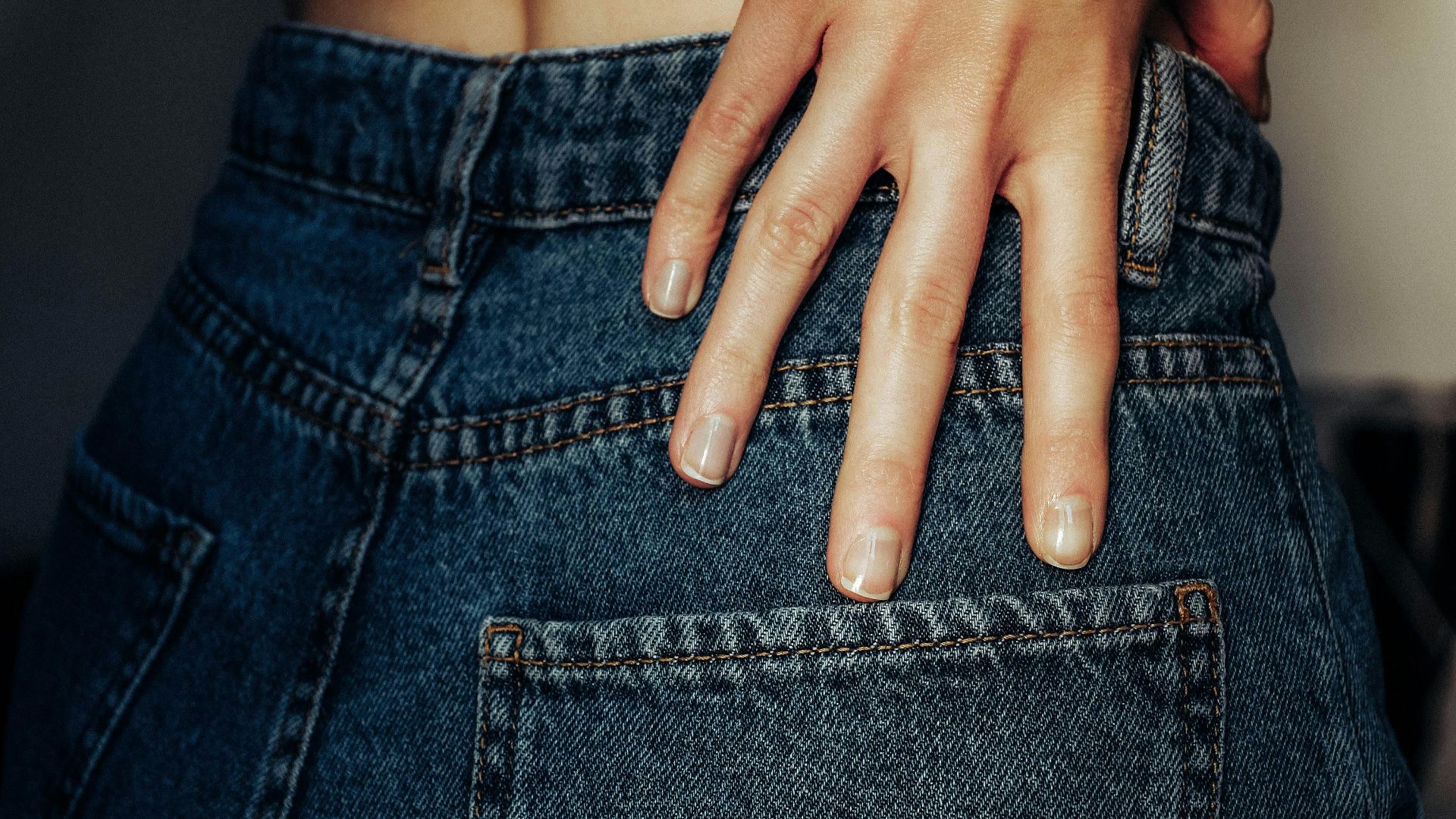
14. Pockets That Add Width
Front pockets on pants can flare open and make hips look wider, even when the pants fit. Back pockets that are large or set far apart can widen the look of the seat. Pocket placement is one of the quiet design choices that changes the read instantly.
15. Sleeve Length That Changes Arm Proportions
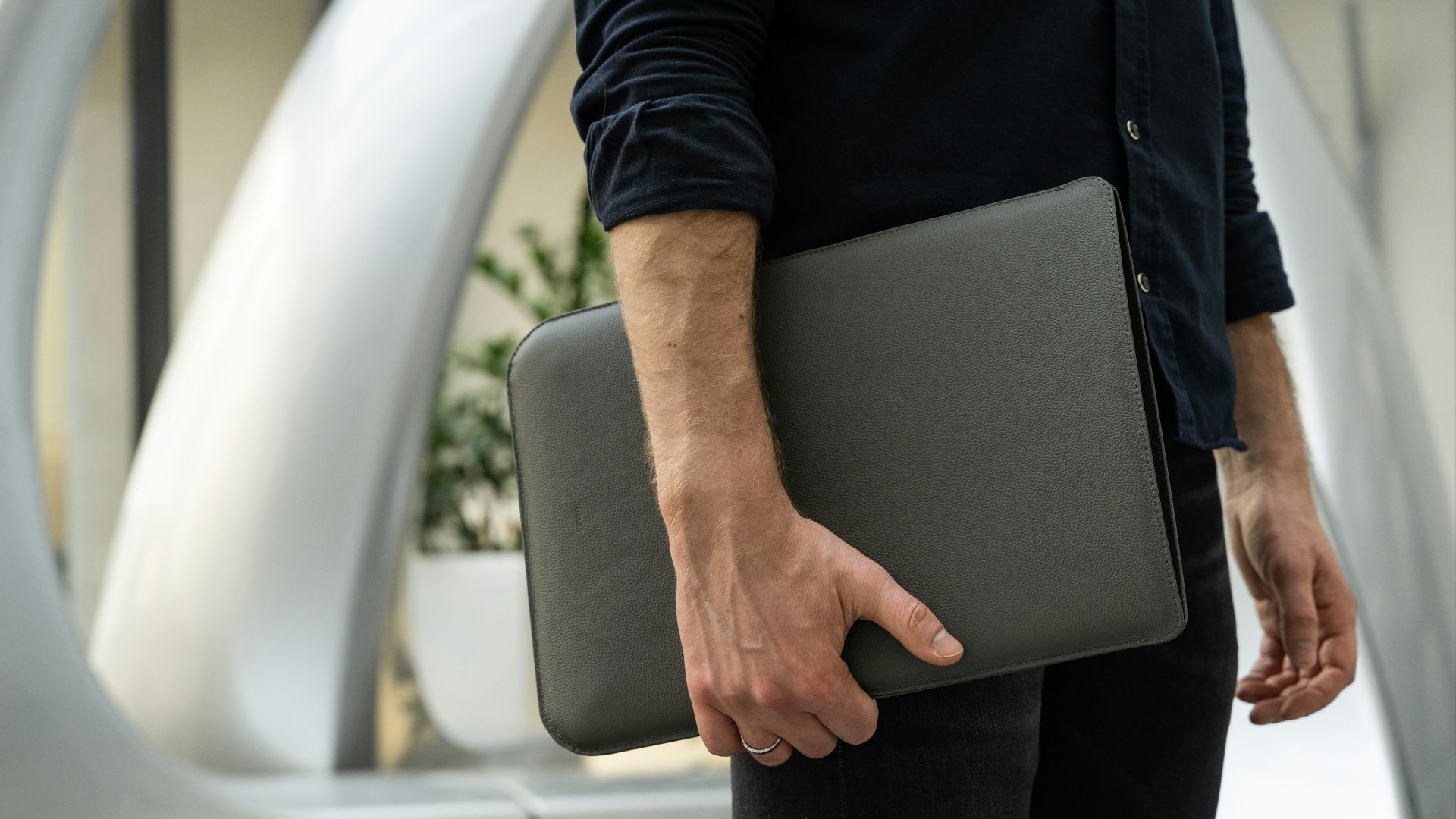
Sleeves that hit at an awkward point can make arms look shorter or broader. A sleeve that ends near the wrist bone tends to elongate the arm line. For short sleeves, a slightly longer cut can look more balanced than one that slices at the widest part.
16. Shoe Shape That Changes The Leg Line
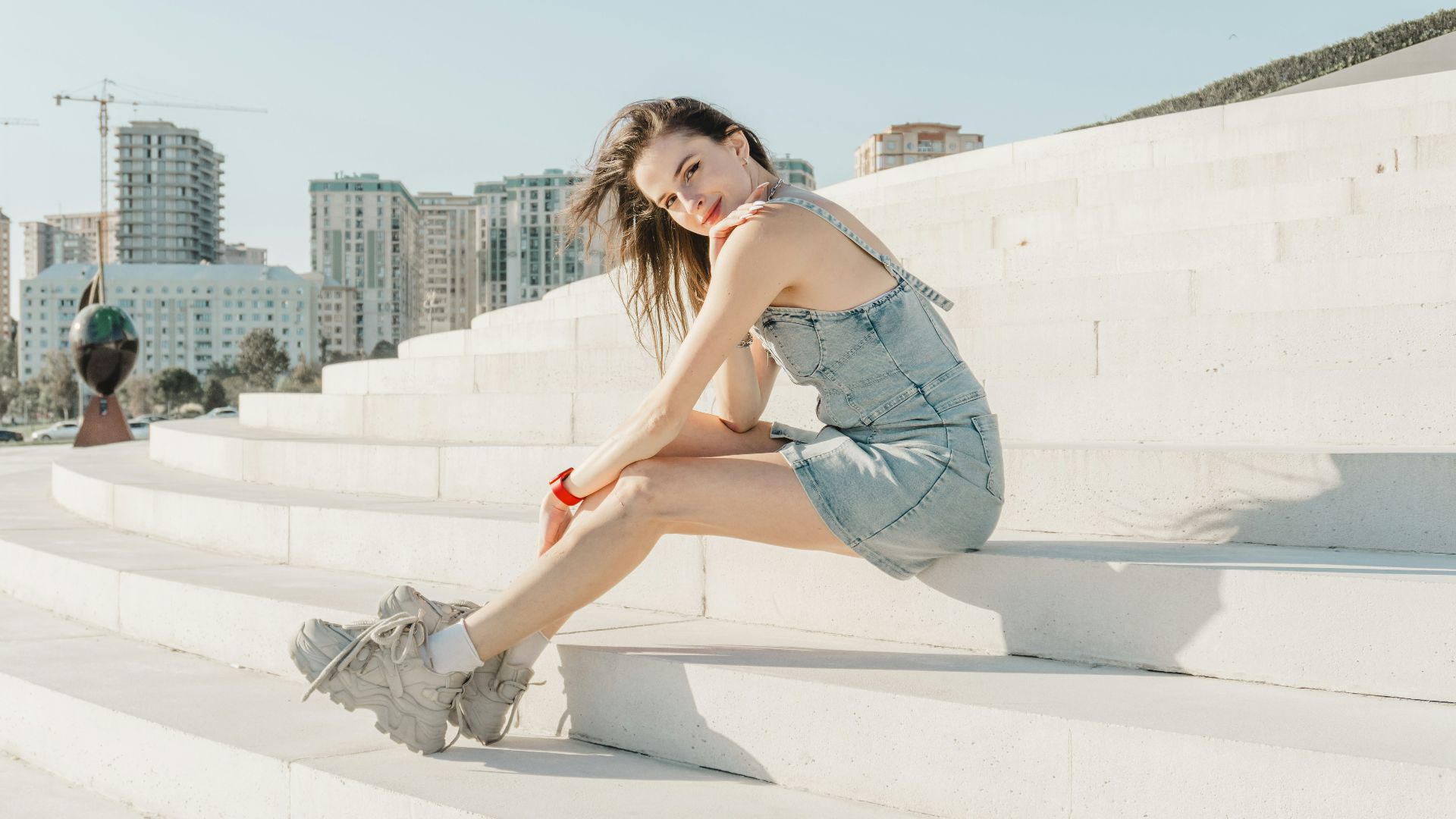
Pointed toes can extend the look of the leg, while chunky, rounded shapes can shorten it. A heavy shoe with a cropped pant can make the ankle area look thicker. A sleeker shoe can keep the bottom half reading longer.
17. Belts That Cut The Silhouette
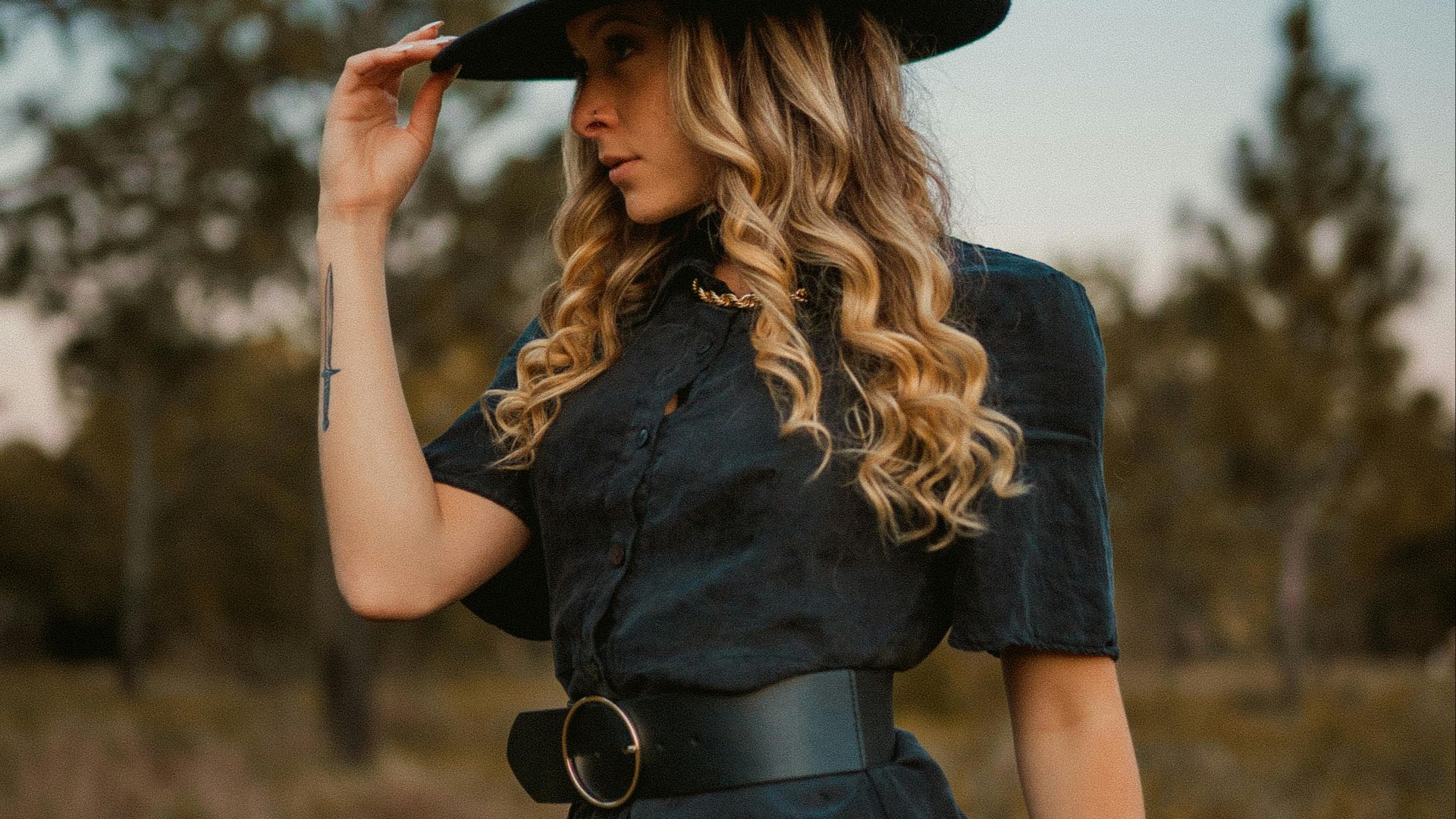
A belt creates a clear line across the body, which can be great if you want to emphasize the waist. If you don’t, the belt can create a visual break that makes the torso look shorter. Wide belts amplify this effect more than thin ones.
18. Length Of A Jacket Or Top
A top that ends at the widest point of the hips can make the hips look broader. A longer top can create a smoother line, while a shorter one can lengthen the legs if it hits above the hip. Small differences in length can change the whole outfit’s proportions.
19. The Scale Of Prints
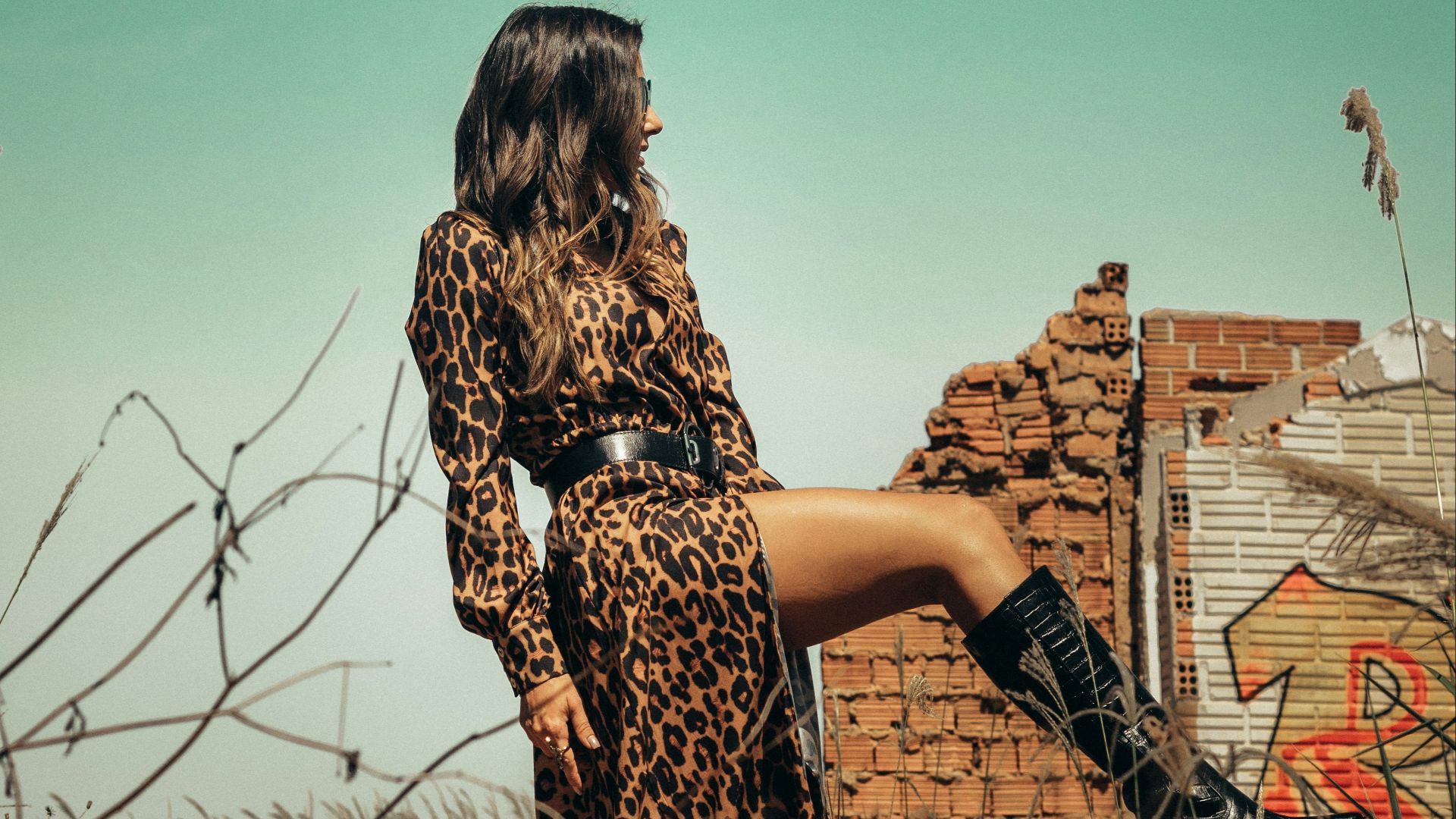
Large prints can dominate the look and make the eye focus on the garment rather than the body’s lines. Smaller prints can blend into a texture and feel less loud. The scale of the print can also affect how busy or calm the silhouette appears.
20. The Fit At The Back And Under The Arms
A garment can look fine from the front and still pull across the back or bunch under the arms, which makes everything look off. Tightness in those areas often leads to wrinkling that signals strain. When the back fits cleanly, the whole outfit looks more intentional.