
You Have A Strong Odor, But It’s Not B.O
Olfactory overload, or the constant absorption of fragranced products, happens more frequently than most people realize, overwhelming the nervous system's ability to process scent information effectively. The average person encounters dozens of artificial fragrances daily, from morning shower products to evening candles, creating a constant bombardment that the human nose never evolved to handle. Research on scent sensitivity has documented connections between excessive fragrance exposure and symptoms ranging from headaches to nausea, particularly among people with heightened olfactory awareness. Here are ten common ways you're probably overloading on scents, followed by ten practical solutions that actually work.
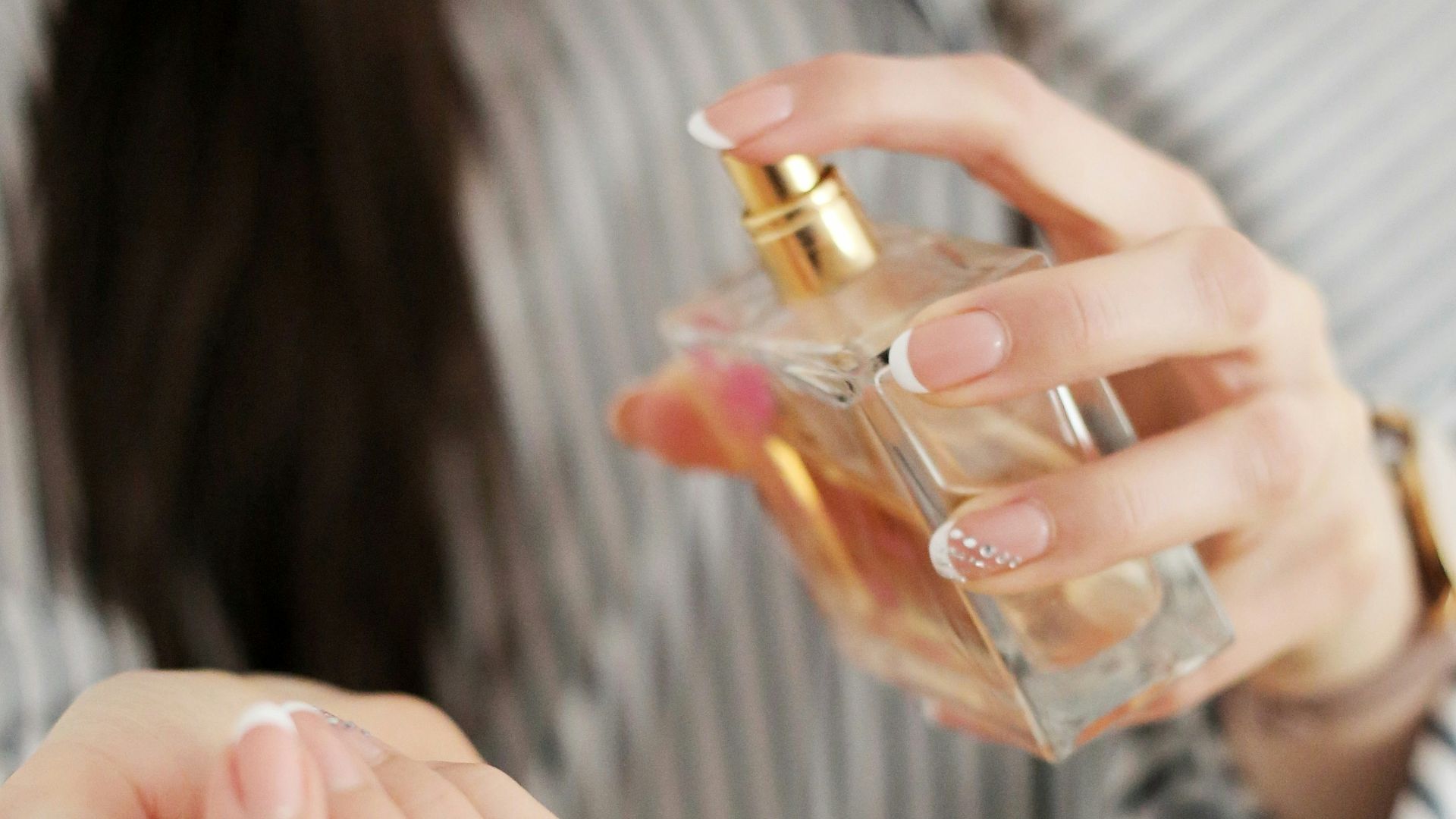
1. Layering Multiple Fragrances
Applying perfume on top of scented lotion while using fragranced hair products creates a smelly disaster. Each product releases volatile compounds throughout the day, and when combined, these scents don't blend harmoniously but instead compete for dominance in ways that can trigger sensory overwhelm, for yourself and others.
2. Running Plug-In Air Fresheners Constantly
Plug-in air fresheners emit fragrance continuously rather than in bursts, building ambient scent saturation that never gives your olfactory system a break. These devices were designed for occasional use in problem areas, yet many homes now feature them in every room, creating a constant low-level exposure.
3. Wearing Heavily Scented Laundry Products
Scented laundry detergent pods and dryer sheets leave residue on fabrics that releases volatile compounds throughout the day as you move and generate body heat. The combination of detergent, fabric softener, and dryer sheets can triple the fragrance load on a single load of laundry.
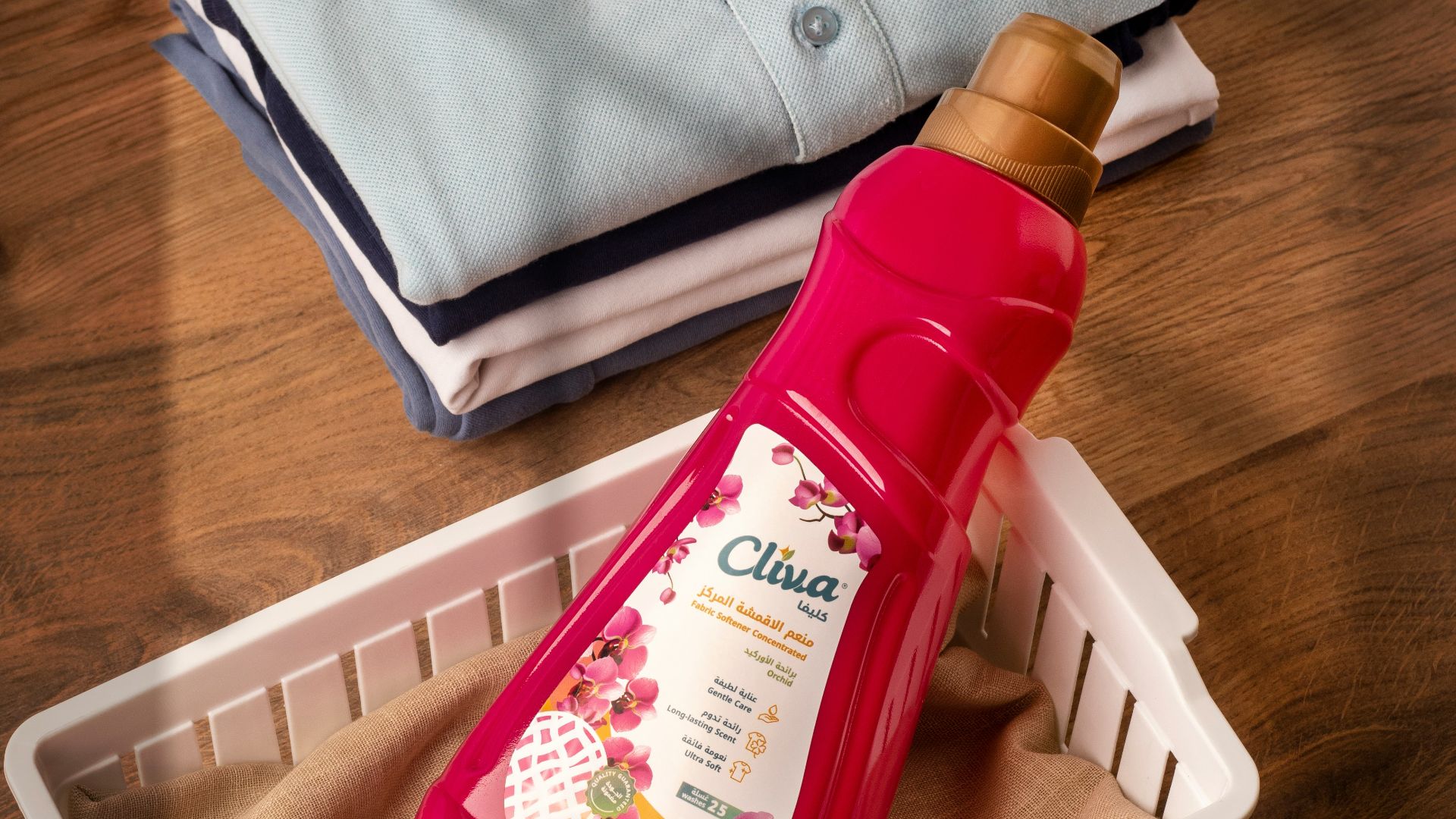 MOHAMMED Al-Sharabi on Unsplash
4. Burning Candles And Running Diffusers In Small Spaces
Multiple candles or essential oil diffusers in confined spaces like bathrooms or bedrooms concentrate fragrance molecules in ways that overwhelm air circulation capacity. Small rooms lack the volume needed to dilute these scents adequately, creating pockets of intense fragrance that linger long after you've stopped noticing them.

5. Using Scented Products For Every Personal Care Step
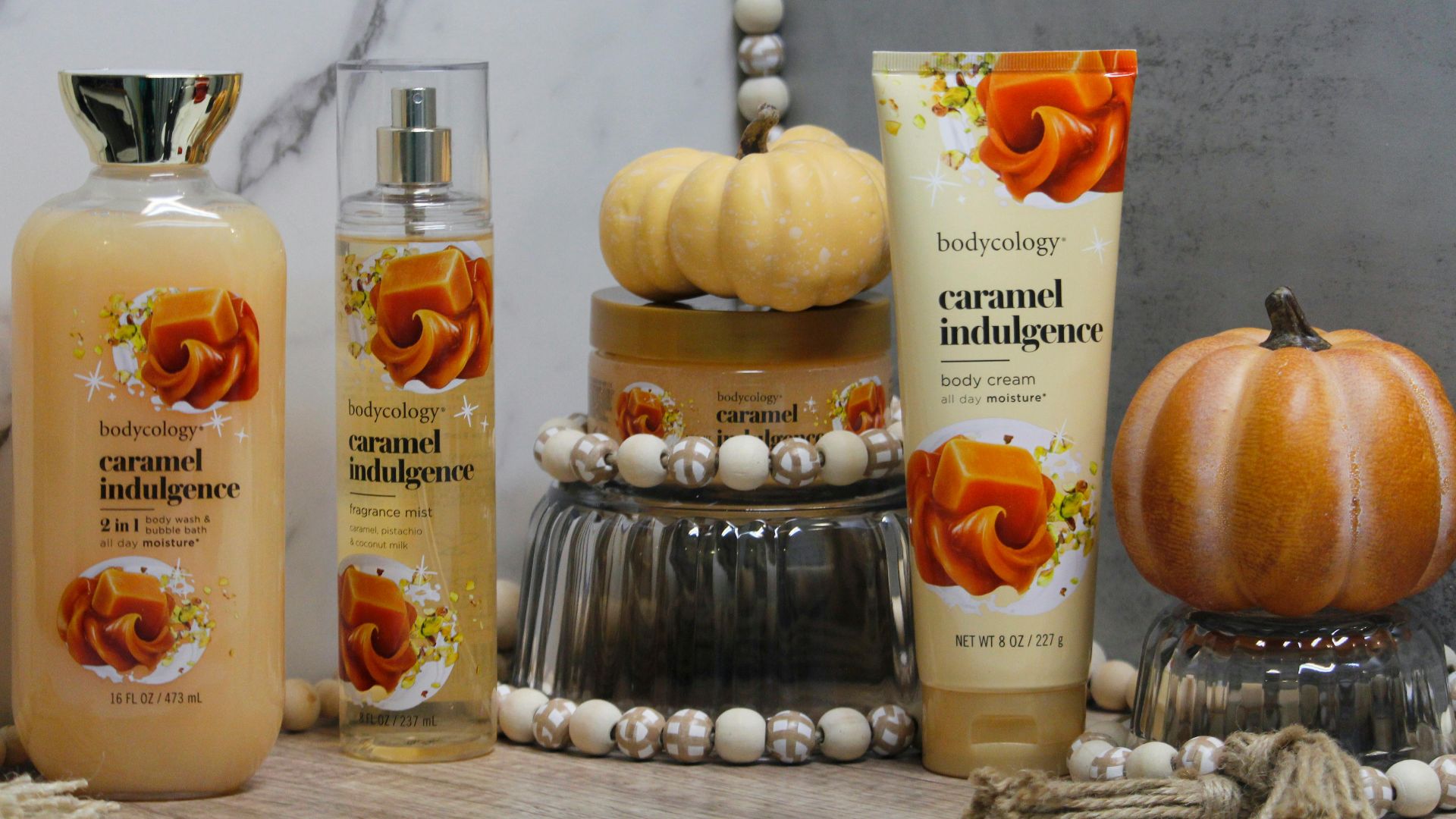
Toothpaste, body wash, shampoo, conditioner, deodorant, sunscreen, and hand lotion all contain fragrance compounds that layer throughout your morning routine. Each product alone might seem mild, yet the cumulative effect of six to eight fragranced items used within thirty minutes creates a substantial olfactory load.
6. Combining Car Fresheners With Commute Exposure
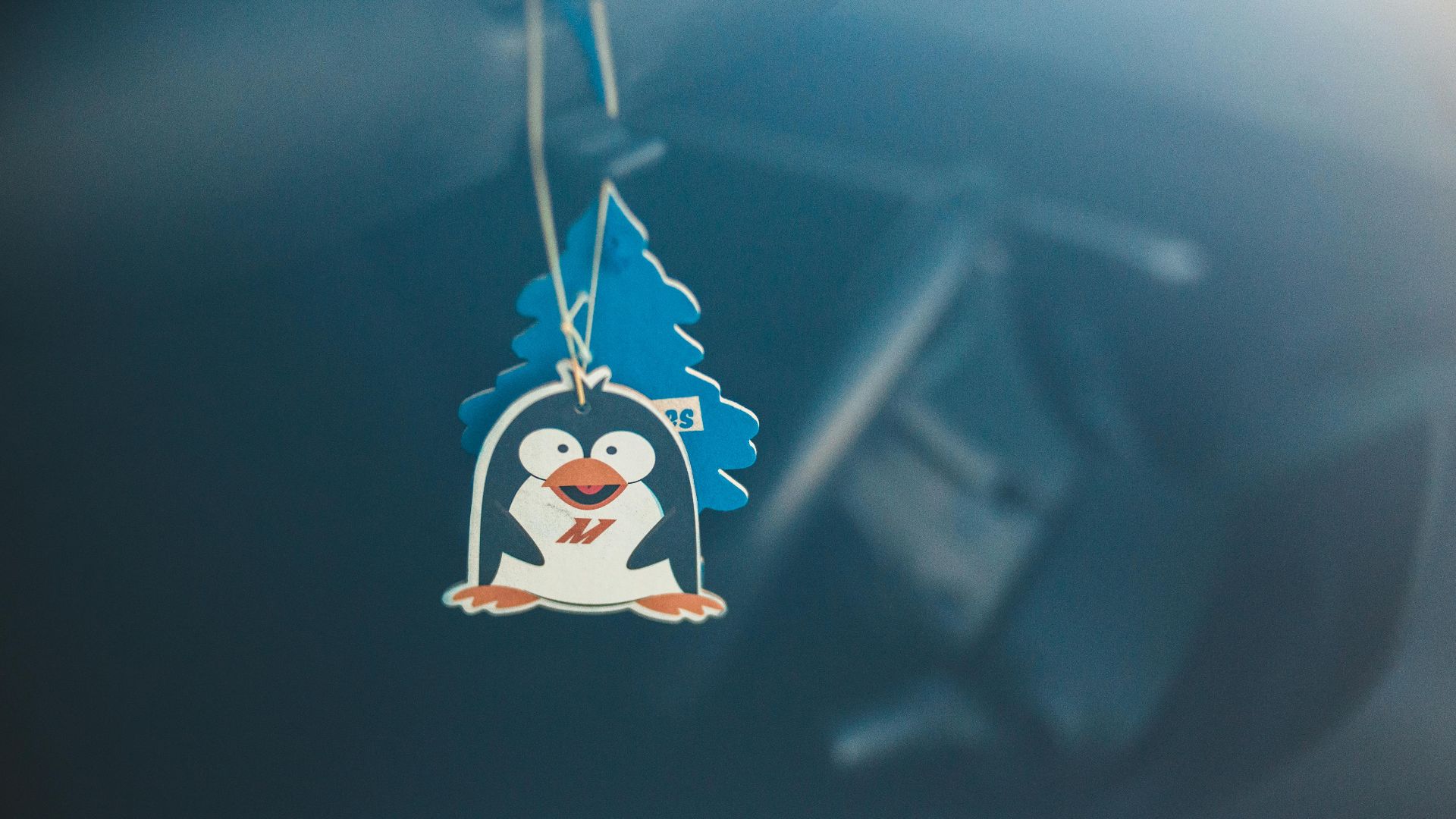
Hanging car fresheners or vent clips traps you in an enclosed space with concentrated fragrance while commuting, and then public transportation adds other passengers' scents to the mix. The confined space of a vehicle intensifies fragrance exposure because air circulation remains limited even with windows open.
7. Navigating Workplace Scent Combinations
Office environments combine colleagues' personal fragrances with cleaning products, lobby air fresheners, and conference room sprays. These fragrances weren't designed to work together, creating combinations that can be particularly triggering for scent-sensitive individuals.

8. Using Scented Cleaning Products Daily
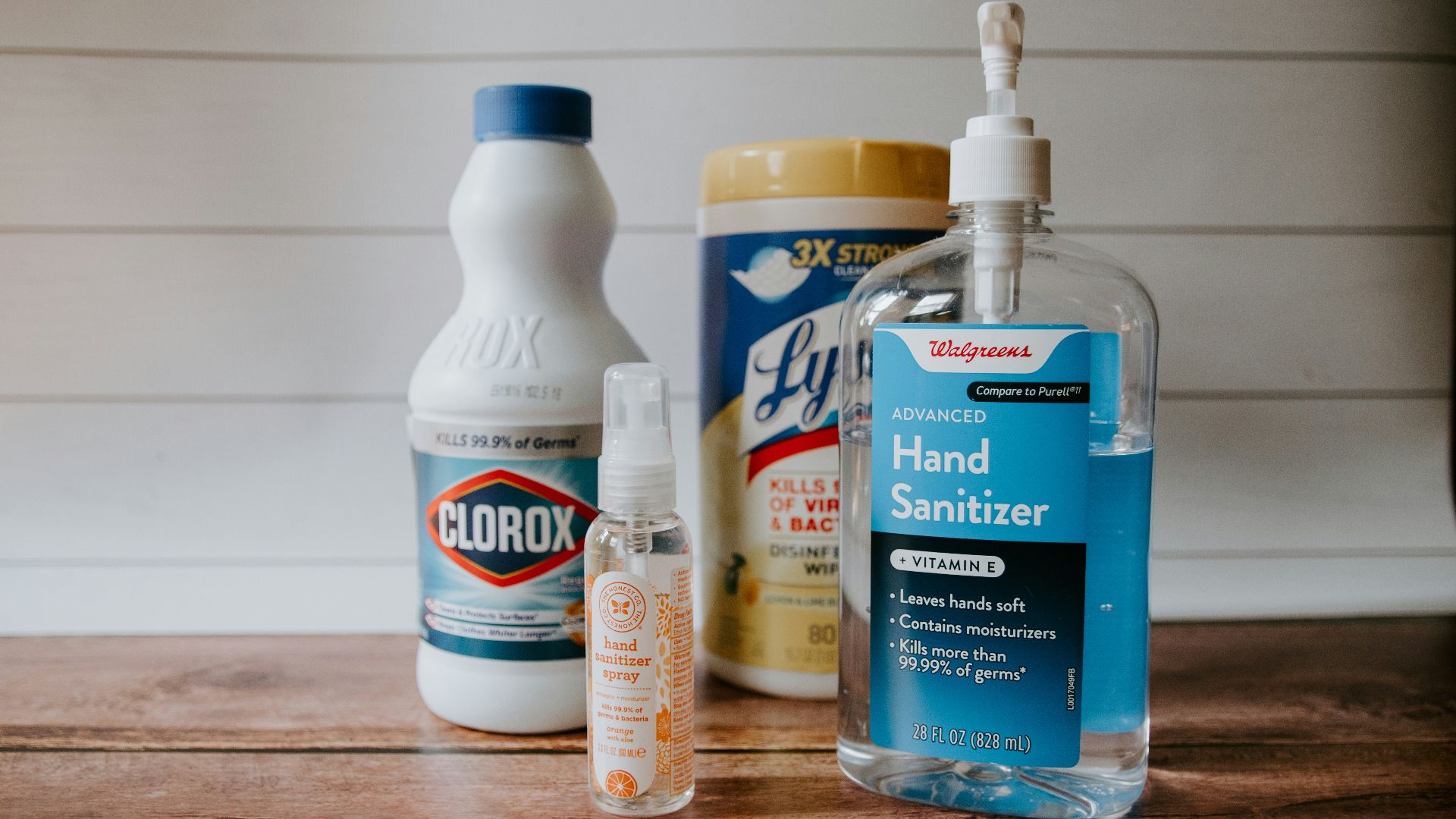
Bathroom sprays, kitchen wipes, floor cleaners, and furniture polish used routinely without adequate ventilation create a persistent fragrance that settles into fabrics and surfaces. These cleaning products often contain stronger fragrance concentrations than personal care items because manufacturers assume they'll be rinsed away or aired out.
9. Overusing Essential Oils For Wellness
The wellness industry has positioned essential oils as natural alternatives without addressing the fact that natural compounds can still trigger sensory overload. Essential oil diffusers, roller bottles, and room sprays applied liberally throughout the day deliver concentrated plant compounds that affect the olfactory system just as powerfully as synthetic fragrances.
10. Spending Time In Heavily Scented Retail Spaces
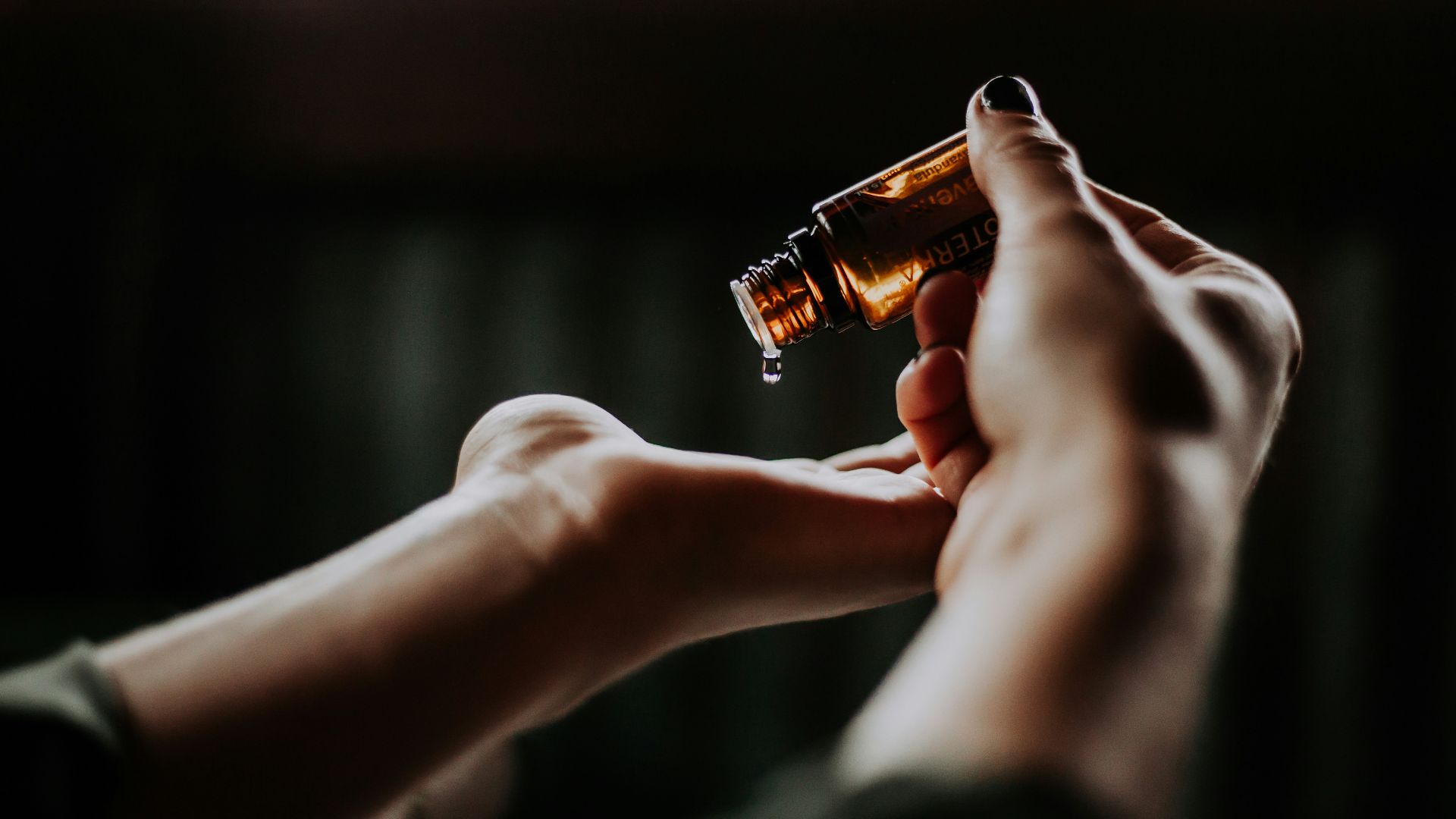
Grocery stores, home goods shops, and bath product retailers feature aisle after aisle of open fragrance samples, scented candles, and perfumed cleaning supplies that create an overwhelming ambient scent. These retail environments concentrate dozens of competing fragrances in enclosed spaces specifically designed to encourage lingering and browsing.
 WeLoveBarcelona.de on Unsplash
1. Switch Your Default To Unscented Products
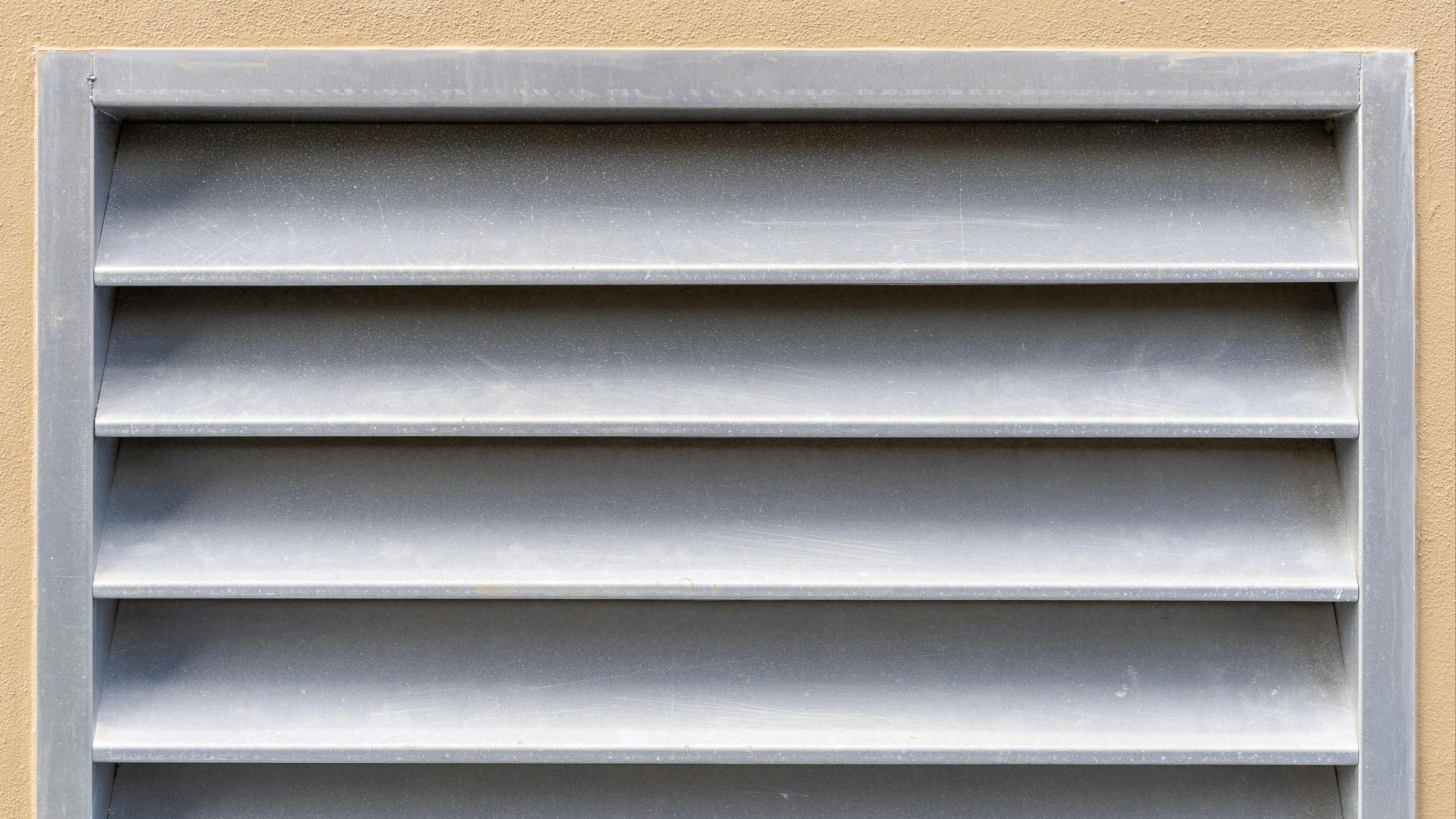
Choose fragrance-free versions of soaps, detergents, lotions, and cleaning supplies as your baseline rather than treating unscented options as specialty items. Most major brands now offer fragrance-free alternatives that perform identically to their scented counterparts without the added chemical load.
2. Ventilate Rooms During And After Scent Use
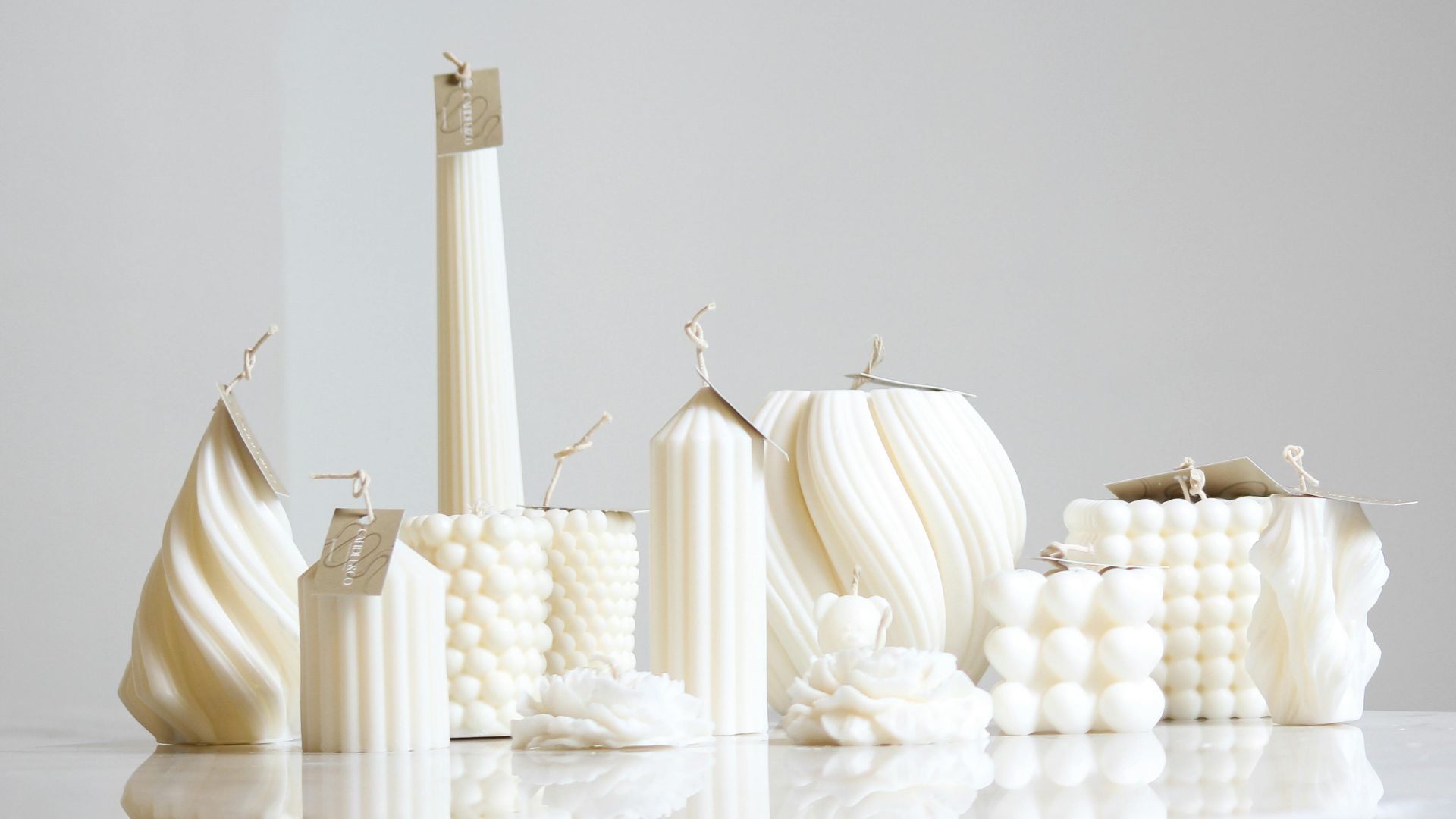
Open windows or run exhaust fans whenever using any fragranced product, then continue ventilation for at least fifteen minutes afterward to clear lingering compounds. Proper air circulation prevents fragrance molecules from settling into fabrics and surfaces where they'll continue releasing scent for hours.
 Connor Scott McManus on Pexels
3. Implement A Single Scent Rule Daily
Limit yourself to one mild fragrance per day, applied sparingly to pulse points rather than sprayed over entire outfits or hair. This restriction forces conscious choices about which scent matters most rather than defaulting to layering everything available. Research on fragrance application has shown that targeted placement delivers scent effectively without requiring full-body application.

4. Designate Fragrance-Free Zones In Your Space
Establish specific rooms or areas as completely scent-free, particularly bedrooms where you spend extended unconscious hours breathing whatever's in the air. These zones provide refuge when fragrance exposure from other areas becomes overwhelming, allowing your olfactory system to rest.
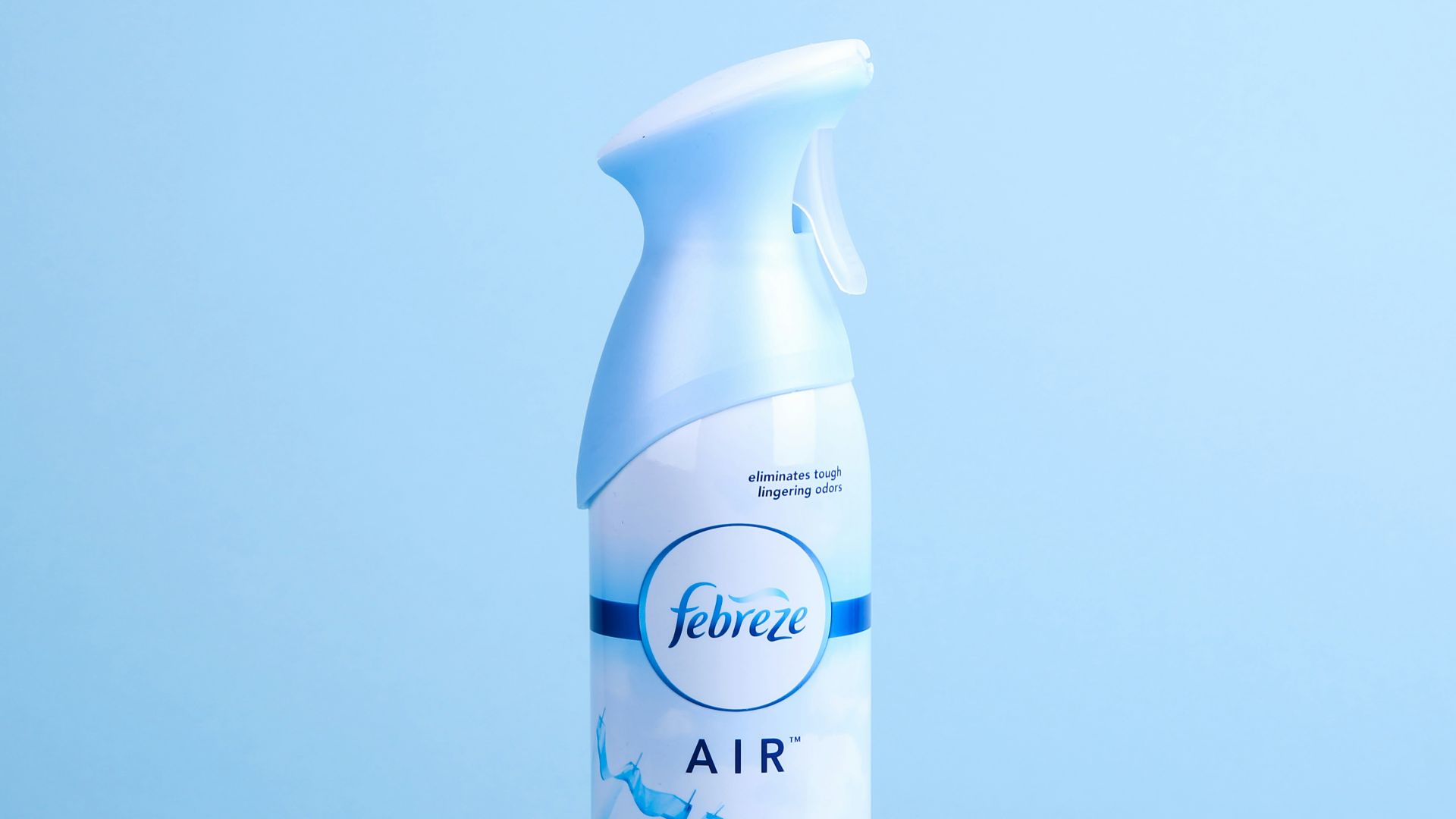
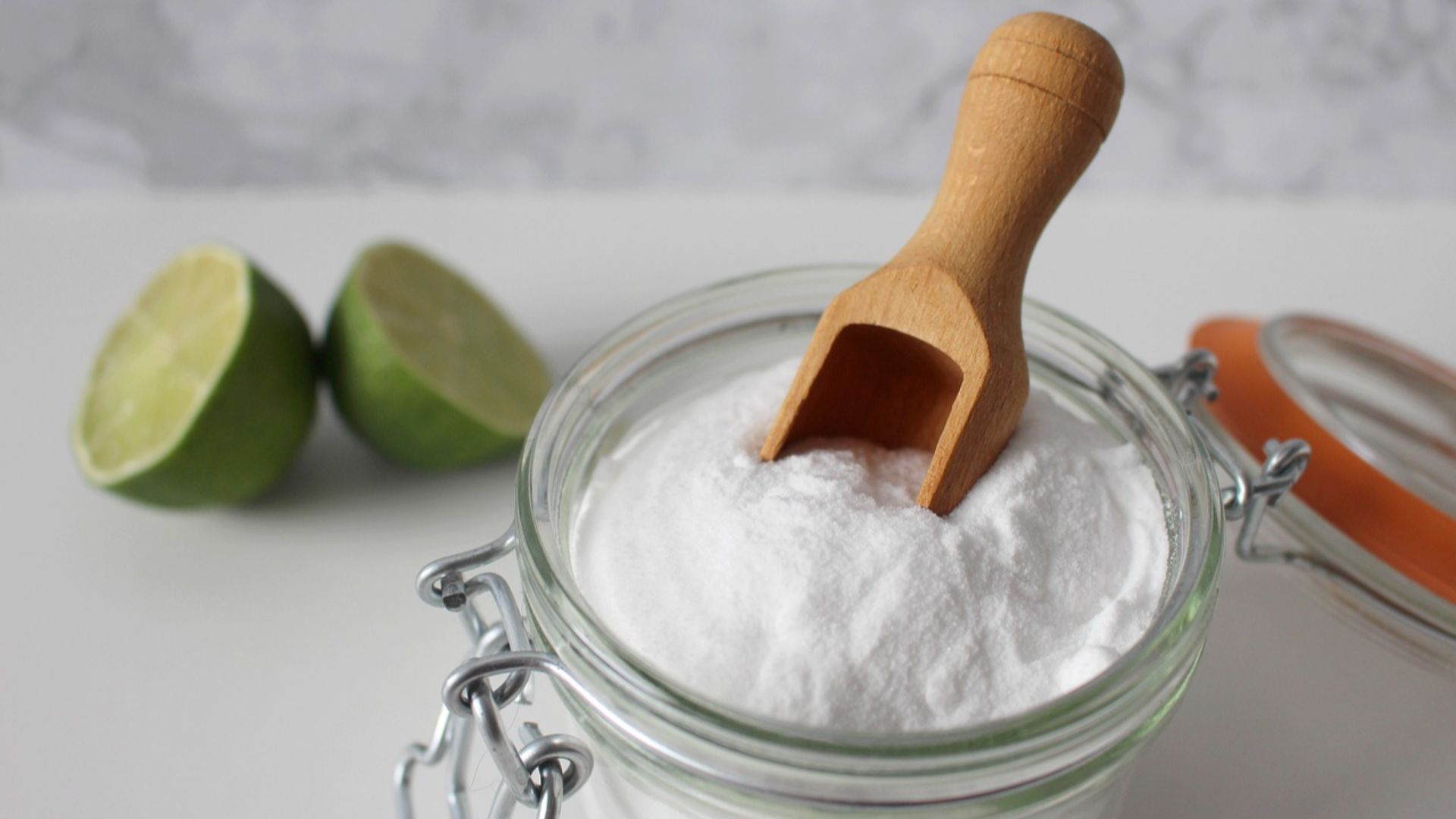
5. Use Natural Odor Absorbers Instead Of Sprays
Keep open boxes of baking soda in problem areas or use white vinegar solutions for freshness rather than reaching for aerosol sprays. These substances neutralize odors chemically rather than masking them with additional fragrance, addressing the actual problem instead of covering it.
6. Choose Hypoallergenic Product Formulations
Select dermatologist-tested products with low volatile organic compound levels, which typically contain minimal or no added fragrance. These formulations were developed for sensitive skin but benefit anyone trying to reduce overall fragrance exposure. The hypoallergenic designation indicates testing specifically for reduced allergic response and irritation potential.
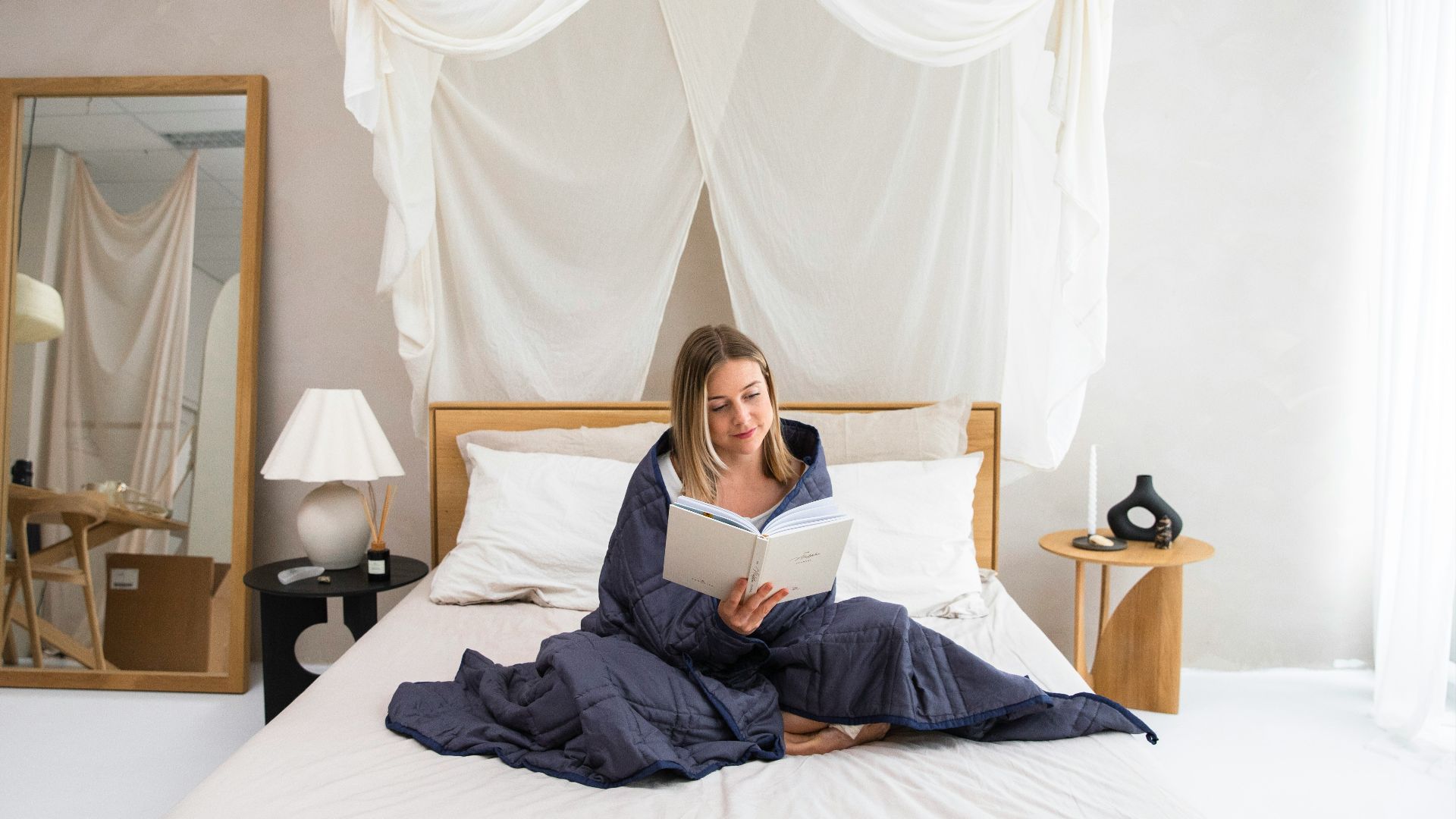
7. Schedule Complete Scent-Free Days
Go entirely neutral two to three days per week, using only unscented products and avoiding all optional fragrances to reset your olfactory sensitivity. These breaks allow your nervous system to recalibrate its baseline response to scent rather than adapting to constant exposure.

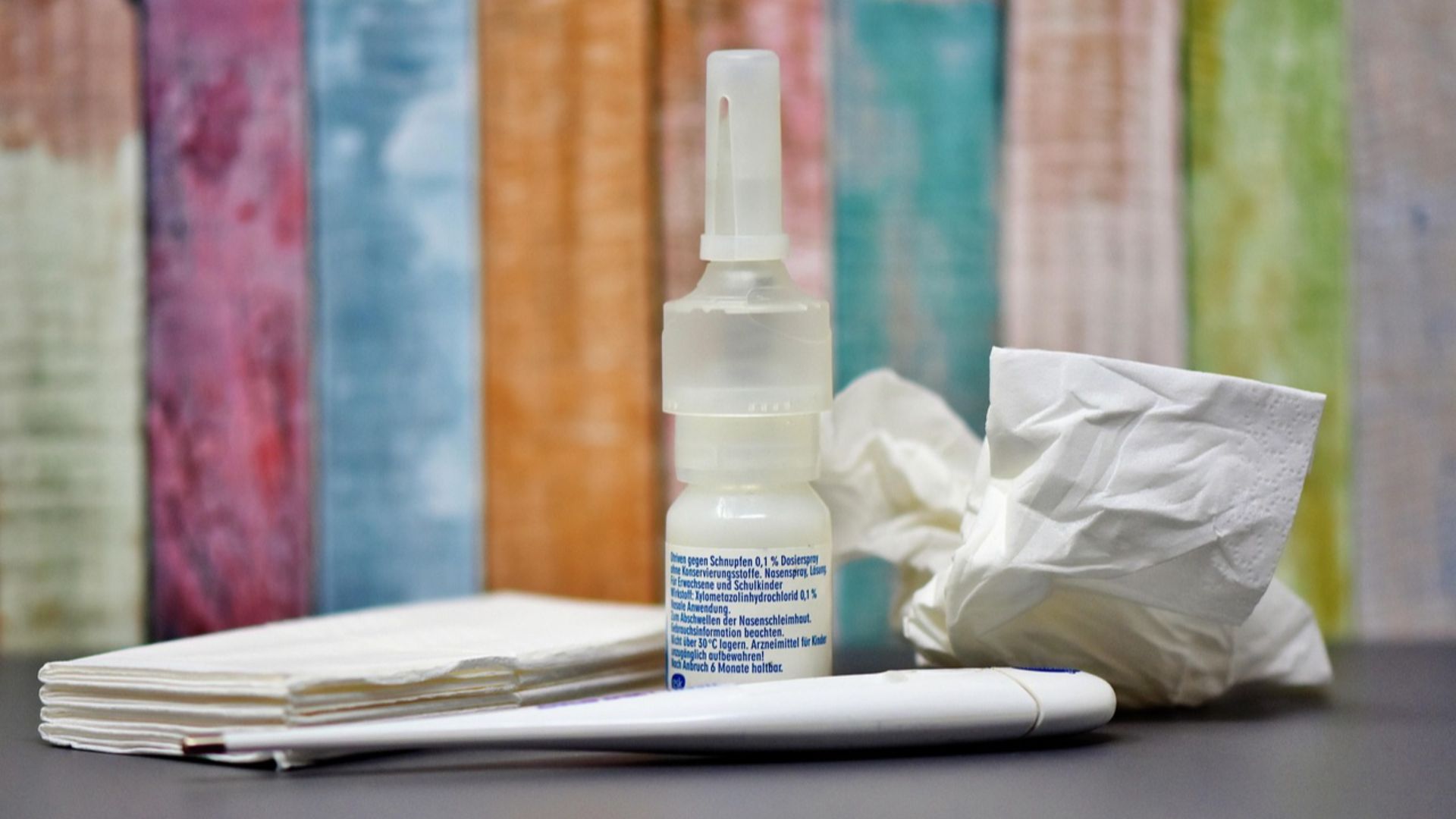
8. Incorporate Nasal Rinse Into Your Routine
Use saline nasal sprays or rinses to clear accumulated fragrance residue and environmental particles from nasal passages. These rinses physically remove compounds that have settled in your nose rather than waiting for your body to process them naturally.
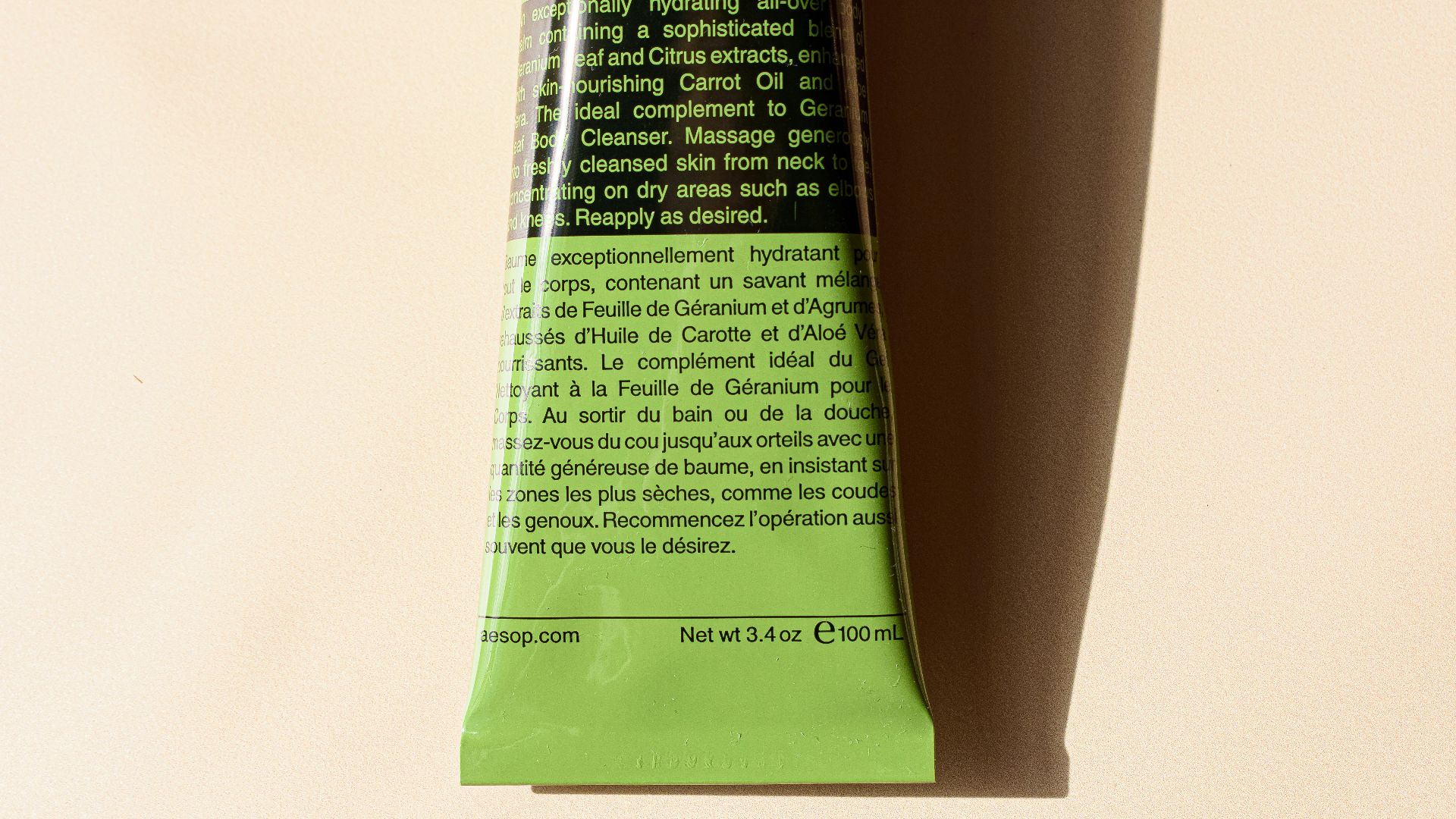
9. Read Product Labels Before Purchasing
Check ingredient lists specifically for the words fragrance or parfum, which indicate added scent compounds, and avoid buying multiple fragranced items simultaneously. Manufacturers aren't required to disclose specific fragrance components, so these umbrella terms can hide dozens of individual compounds.
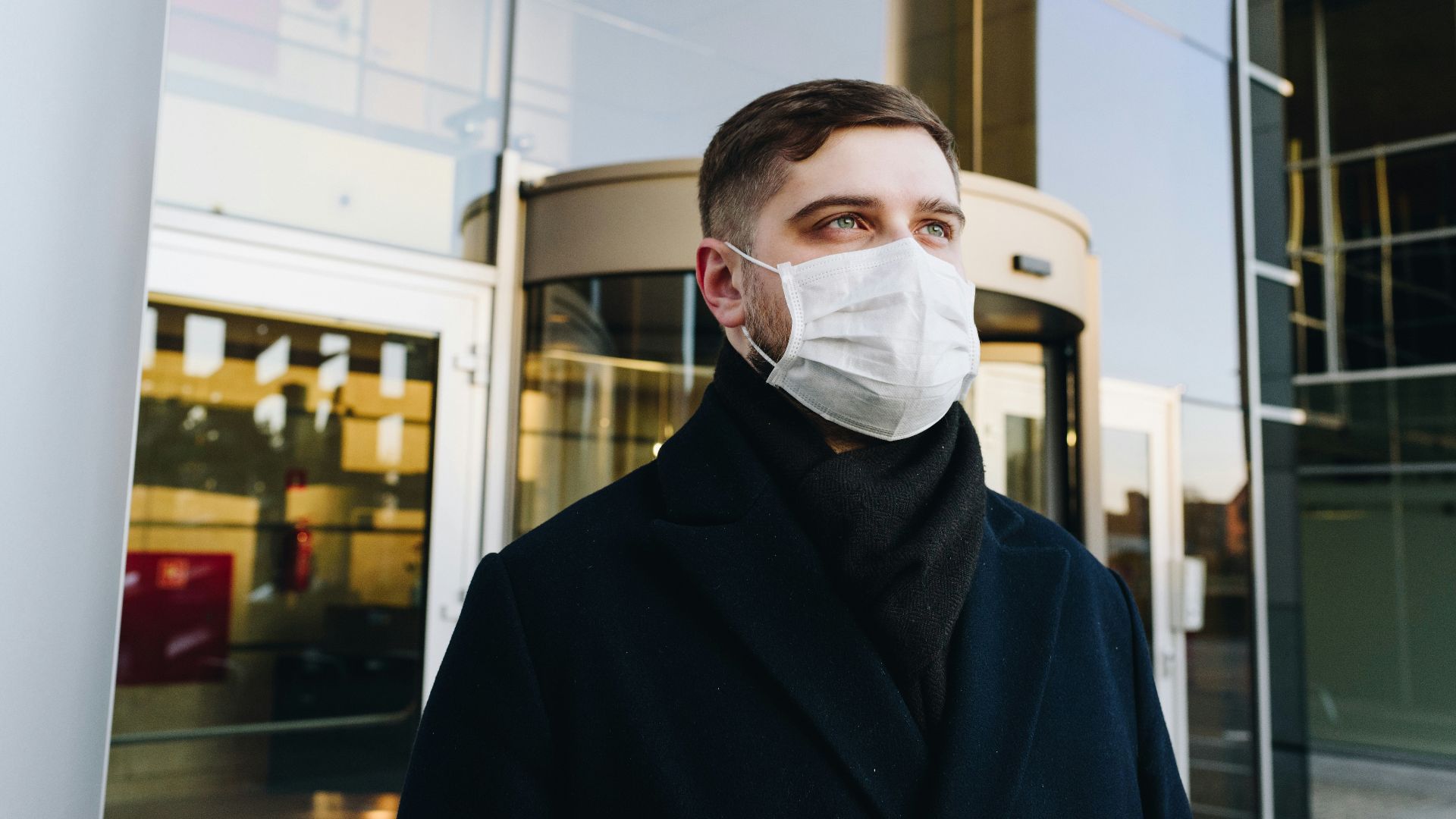
10. Wear Masks In High-Exposure Retail Environments
Use unscented or lightly scented masks when shopping in stores with heavy fragrance loads, particularly bath shops, candle stores, or cleaning product aisles. Masks filter some volatile compounds before they reach your olfactory receptors, reducing immediate exposure during unavoidable shopping trips. This protective measure allows necessary errands without triggering symptoms that can last hours beyond the actual exposure.