
What Actually Shows Up First
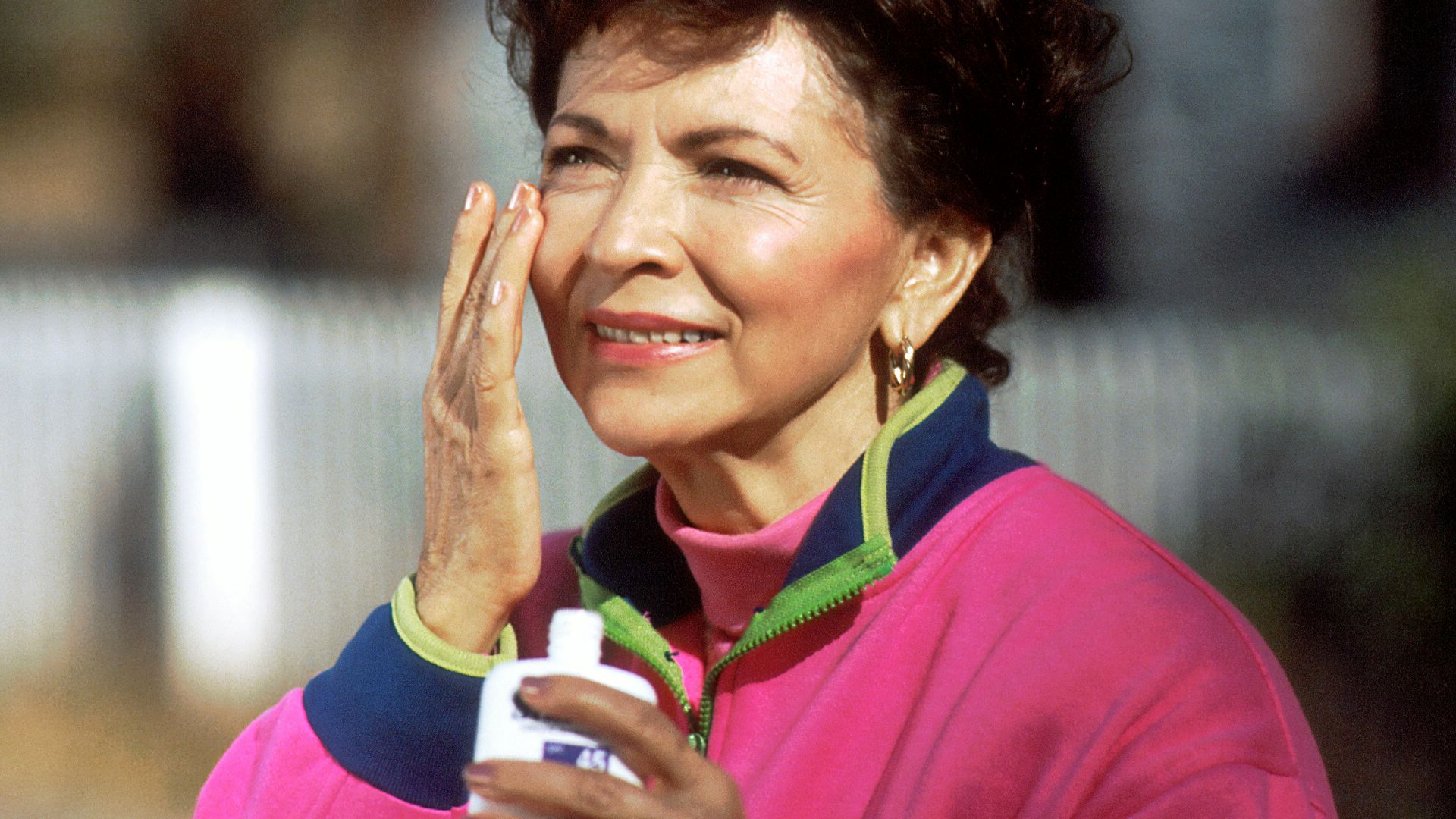
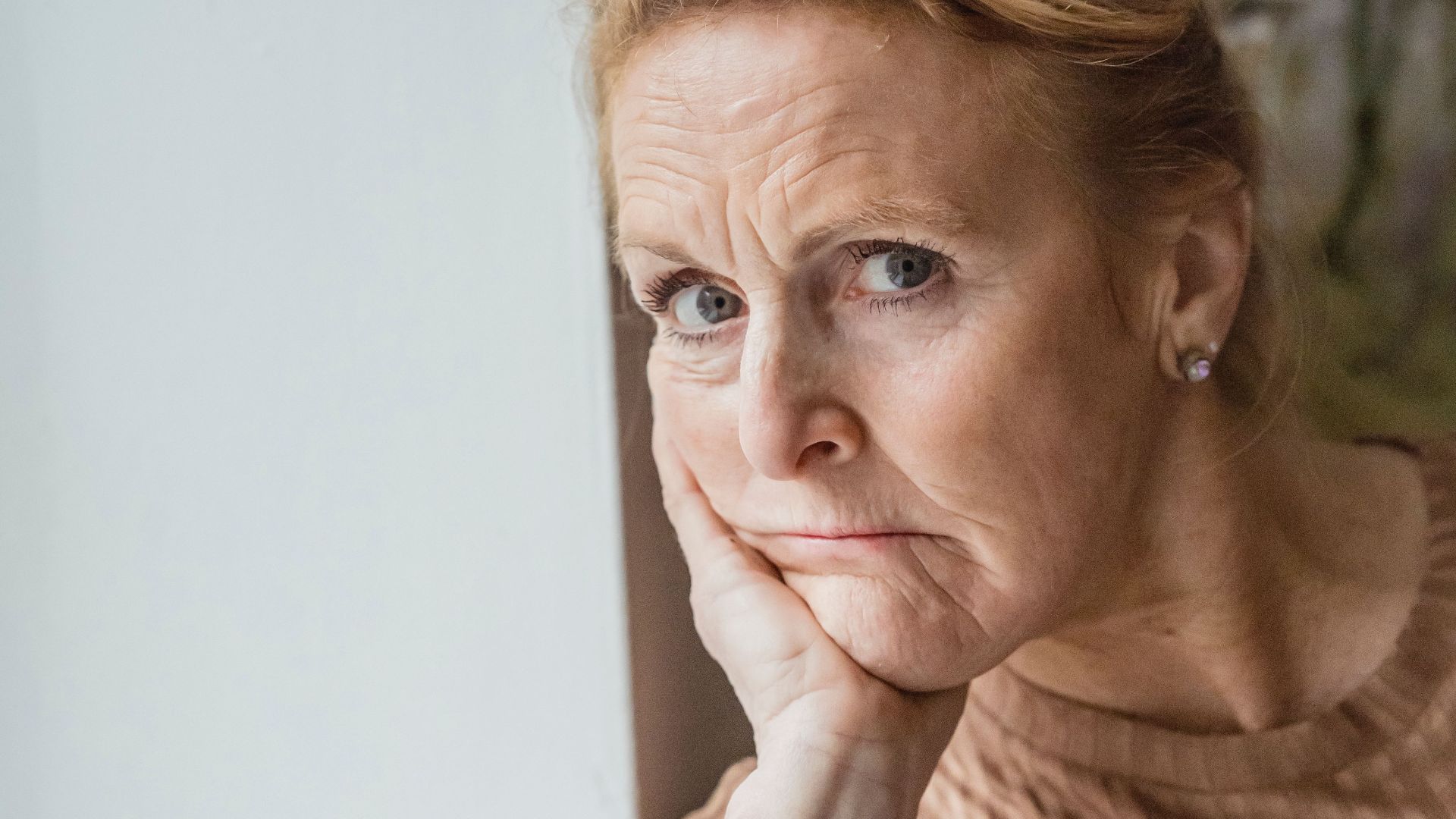
Most people fixate on lines and wrinkles as the main sign of an aging face, but plastic surgeons tend to point somewhere else entirely. A lot of what reads as "older" has less to do with creases and more to do with volume, structure, and habits that reshape the face gradually over years. Two people with the exact same number of wrinkles can look noticeably different in age depending on what's happening underneath the skin. Surgeons see this pattern constantly, and it rarely matches what people expect walking into a consultation. Here's 20 things that tend to age a face faster than any wrinkle ever could.
1. Losing Volume, Not Gaining Lines
Faces don't just wrinkle as they age, they lose fat and structure in the cheeks and temples, which changes the entire shape of the face rather than just the surface texture. That hollowing is often what reads as "tired" or "older" long before any deep line shows up. Surgeons often treat volume loss before they ever touch a wrinkle, because it does more to change how old someone looks.
2. Unprotected Sun Exposure
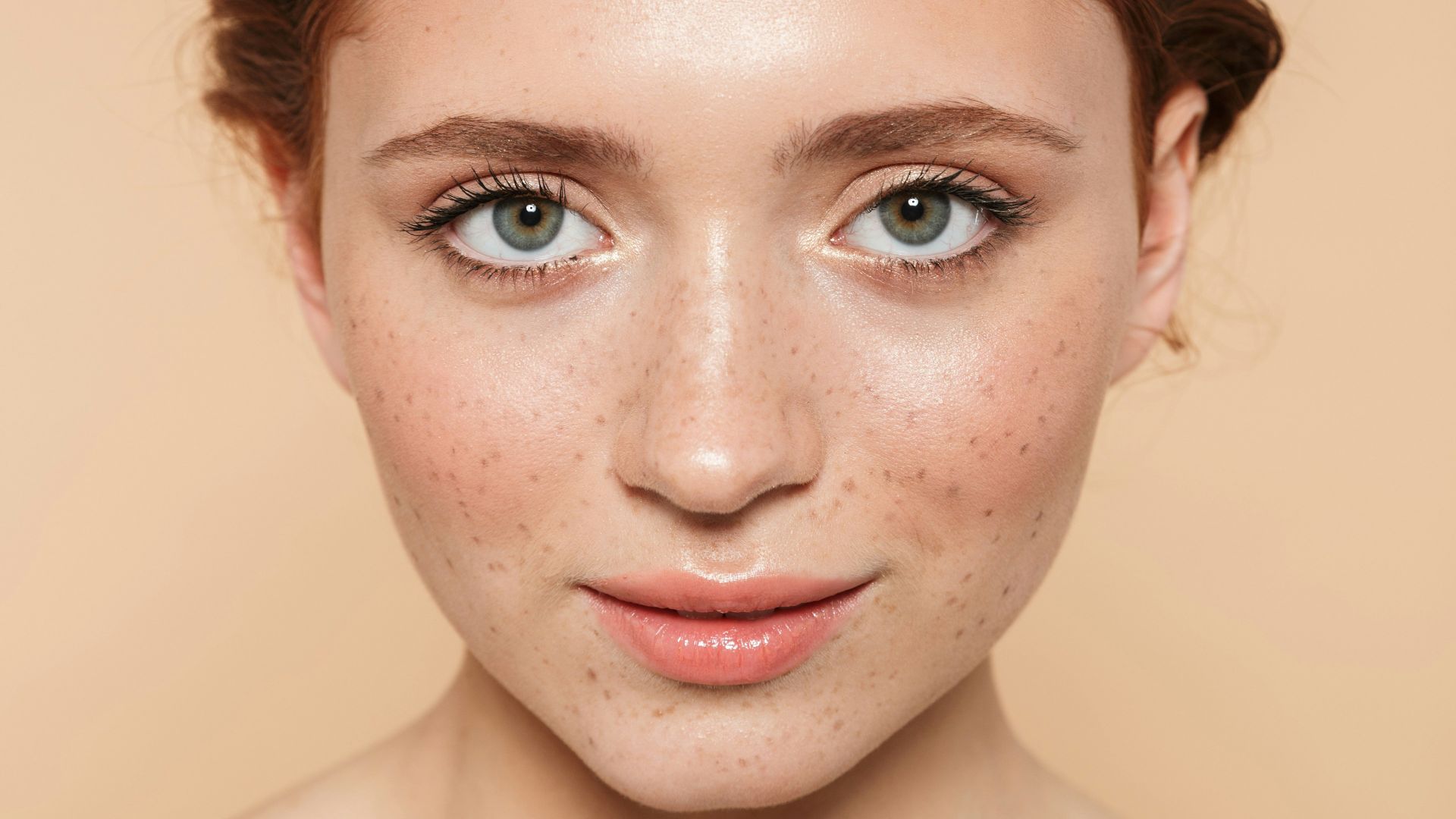
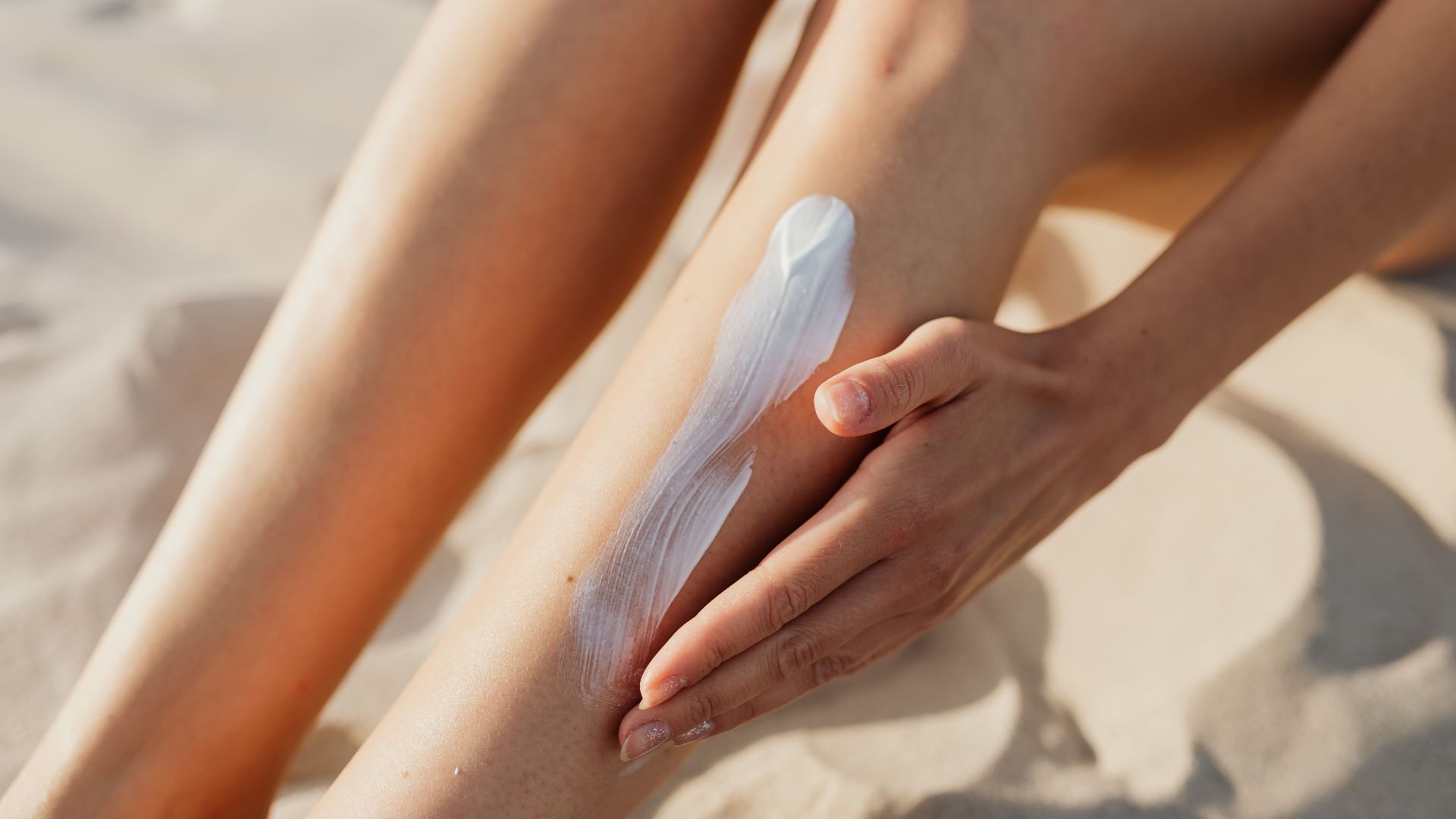
UV damage breaks down collagen and elastin steadily over years, even on cloudy days when it doesn't feel like the sun is doing anything. The damage builds up long before it becomes visible, which is part of why sunscreen gets brought up in nearly every consultation. Surgeons routinely say sun exposure does more long-term damage than any single habit on this list.
 https://kaboompics.com/ on Pexels
3. Smoking
Smoking narrows blood vessels and cuts off circulation to the skin, starving it of oxygen and nutrients it needs to stay firm. It also breaks down collagen directly, on top of the damage from squinting through the smoke itself. Surgeons can often spot a longtime smoker's skin texture before a patient ever mentions the habit.
4. Yo-Yo Dieting
Repeated cycles of weight gain and weight loss stretch the skin out and then leave it to shrink back down, and skin doesn't always bounce back the same way each time. Over years, that constant stretching reduces elasticity in ways a stable weight never would. Surgeons see this pattern show up as sagging that's disproportionate to someone's actual age.

5. Chronic Dehydration
Skin that isn't getting enough water loses plumpness fast, making fine lines look deeper and texture look rougher than it actually is. This isn't about a single dry day, it's about a pattern that builds over months and years. Surgeons often notice dehydrated skin immediately, since it changes how light reflects off the surface.

6. Poor Sleep
Skin repairs itself overnight, producing collagen and clearing out inflammation while you're asleep, so consistently cutting that process short shows up eventually. Poor sleep also raises cortisol, which breaks down collagen over time. Surgeons frequently ask about sleep habits before they ask about skincare products.

7. Teeth Grinding
Grinding or clenching your jaw at night builds up the masseter muscles and can subtly change the shape of the lower face over time. It also contributes to tension lines around the mouth that show up earlier than they otherwise would. Surgeons sometimes treat this with injections aimed at the jaw muscle itself rather than anything on the skin.

8. A High-Sugar Diet
Excess sugar in the bloodstream attaches to collagen fibers through a process called glycation, making them stiffer and less able to repair themselves. Over time, this shows up as skin that looks duller and less resilient than it should for someone's age. Surgeons increasingly bring up diet in consultations for exactly this reason.

9. Regular Alcohol Use
Alcohol dehydrates the skin and dilates blood vessels, which over years can leave behind visible redness and a loss of firmness that's hard to reverse with skincare alone. It also disrupts the sleep needed for skin to repair itself properly. Surgeons often describe this combination as aging the face from multiple directions at once.

10. Squinting Without Sunglasses
Repeated squinting trains the same small muscles around the eyes to contract over and over, and eventually that habit carves in lines that never fully relax. It's a slower version of the same wear pattern that shows up faster in smokers. A cheap pair of sunglasses does more preventive work than most people give it credit for.

11. Sipping Through A Straw
The repeated pursing motion needed to drink through a straw works the same small muscles around the mouth over and over, and that repetition eventually leaves faint vertical lines above the lip. It's a similar wear pattern to squinting, just centered on the mouth instead of the eyes. Surgeons often notice this in people who've used straws consistently for years, whether or not they've ever smoked.

12. Rapid Weight Loss
Losing weight quickly, especially later in life, often leaves skin without enough time to adjust, resulting in visible sagging in the cheeks and jawline. This is different from gradual weight loss, where skin has more of a chance to shrink along with the body. Surgeons see this pattern often enough that it's become a common reason patients come in for a consultation in the first place.
13. Bone Loss In The Jaw
The facial skeleton itself changes with age, with bone density gradually decreasing around the jaw and eye sockets. That structural shift removes the support skin used to rest on, which changes the whole shape of the lower face. Surgeons point to this as one of the least talked-about causes of an aging appearance, since most people assume it's all about skin.

14. Chronic Stress
Long-term stress keeps cortisol elevated, which breaks down collagen and slows the skin's ability to repair itself over time. It also tends to show up in facial tension, particularly around the forehead and jaw, in ways that eventually become permanent. Surgeons often notice stress patterns in a face before a patient ever mentions what's going on in their life.

15. Sleeping On Your Side
Pressing the same side of your face into a pillow night after night can create lines that eventually stop disappearing once you're up and moving around. Over years, that consistent pressure leaves a visible pattern on one side of the face. It's a small, repetitive habit that surgeons say adds up more than people expect.

16. Over-Exfoliating
Scrubbing too aggressively or exfoliating too often strips away the skin's protective barrier, leaving it more vulnerable to irritation and slower to heal. Instead of looking fresher, over-exfoliated skin often ends up looking thinner and more reactive. Surgeons regularly walk back patients who assume more product means more benefit.
17. Mouth Breathing
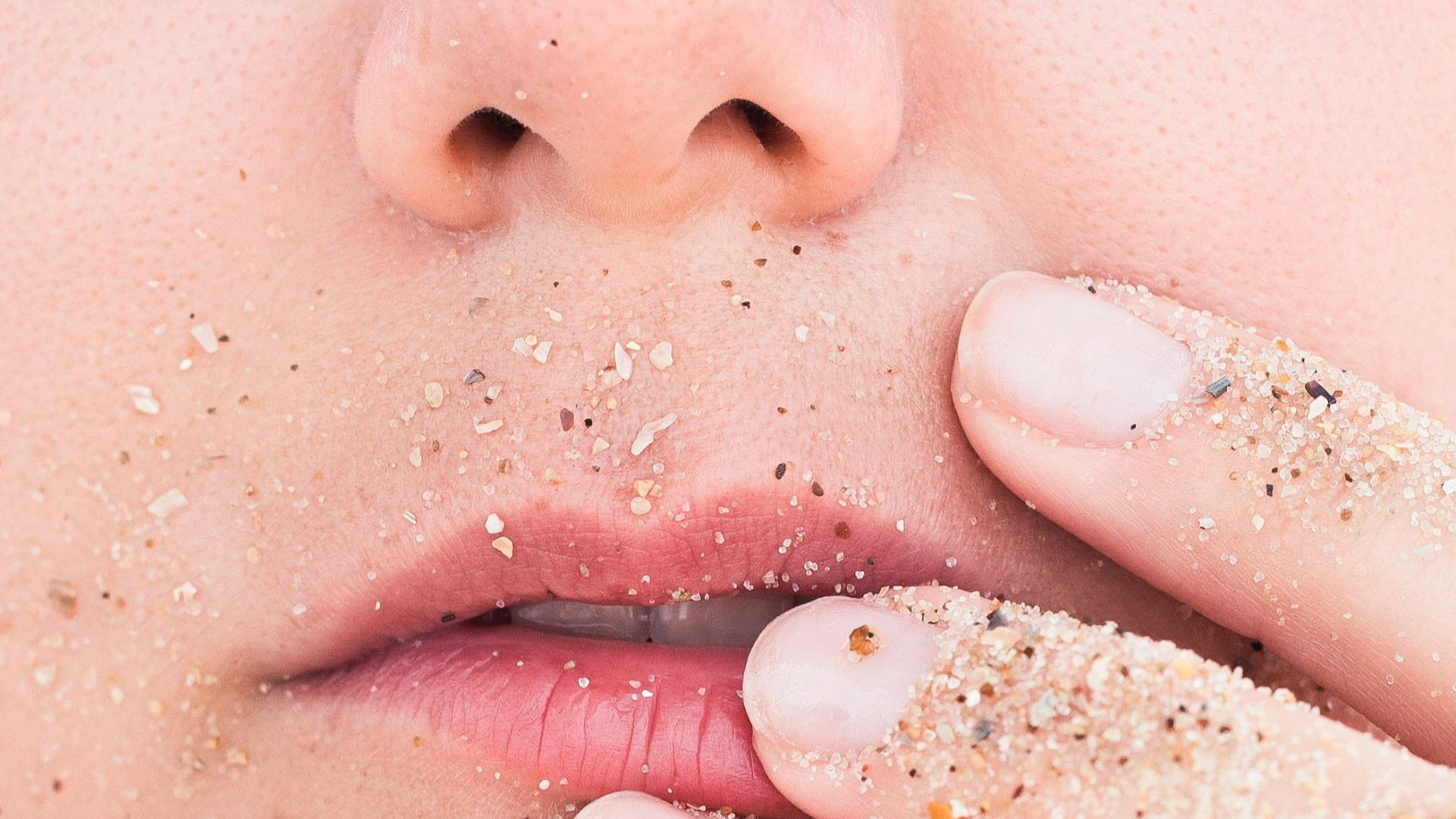
Breathing through the mouth instead of the nose, especially during sleep, can affect facial development over time and contribute to a longer, narrower facial structure. It's more commonly discussed in children's development, but the effects can carry into adulthood as well. Surgeons increasingly treat this as a structural issue rather than a purely cosmetic one.

18. Tech Neck
Looking down at a phone for hours a day pulls at the skin of the neck and jawline repeatedly, and that repetitive motion eventually leaves a visible crease. It's become common enough that surgeons now treat it as its own category of aging, separate from the rest of the face. The neck often ages faster than the face specifically because of this habit.

19. Overdone, Frozen Botox
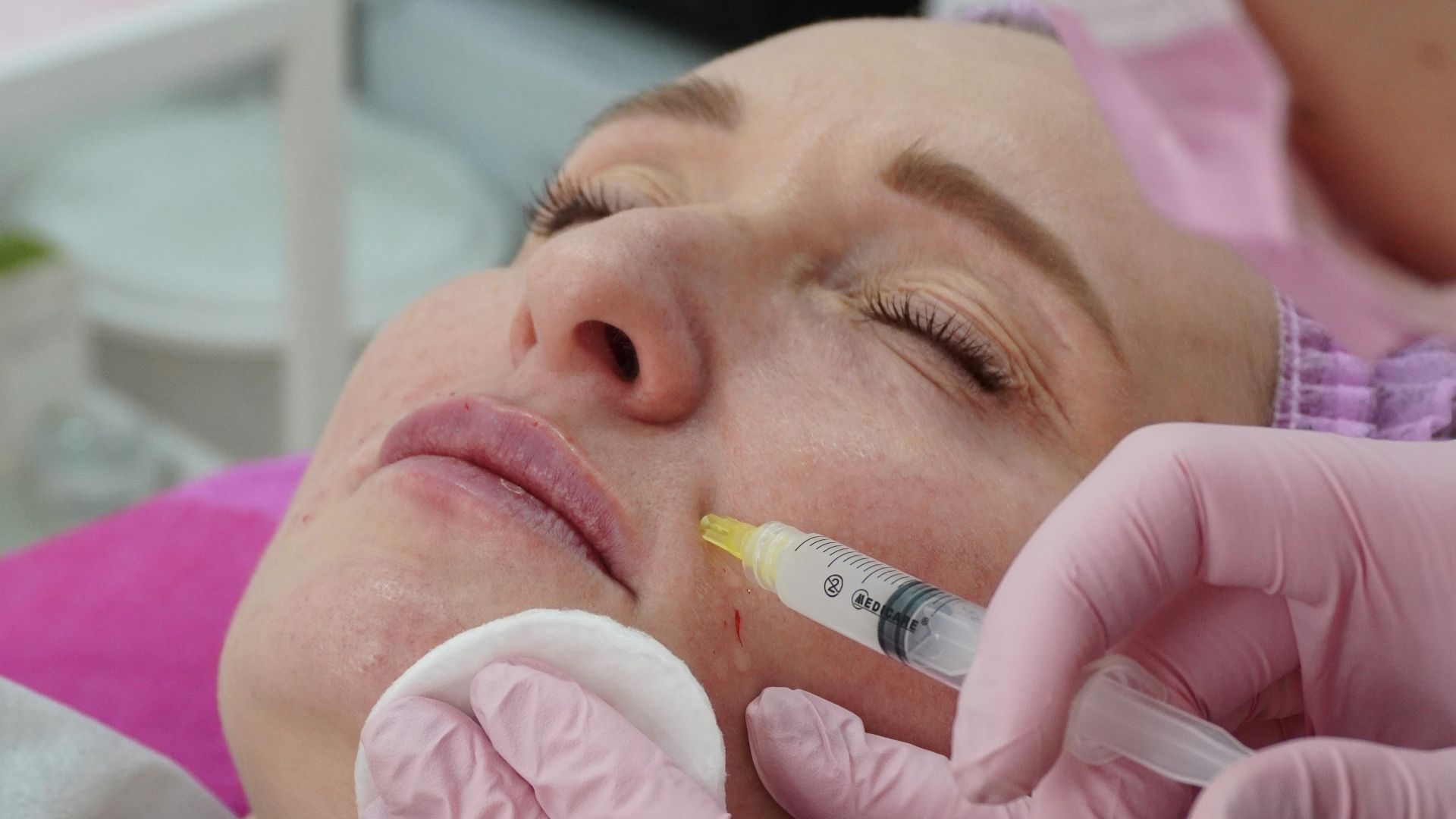
Ironically, too much Botox can end up aging a face rather than smoothing it, since a completely frozen forehead can look unnatural and draw more attention rather than less. Surgeons increasingly advocate for a lighter touch that preserves some natural movement. An overdone result is often easier to spot than the wrinkles it was meant to treat.
20. Neglecting The Neck And Chest
Most people apply skincare religiously to the face and stop right at the jawline, leaving the neck and chest to age at a completely different pace. Over time, that mismatch becomes obvious, since those areas often show damage before the face does. Surgeons routinely say the neck gives away age faster than the face itself when it's been ignored for years.