Tattoo Care Doesn't End After Healing
If you're a tattoo newbie, you might assume that once you get inked, it'll last forever. Yet, while tattoos are permanent, they don't always stay as sharp and vibrant as they did when you first got them done; ink naturally changes as your skin ages and is exposed to everyday wear, after all. And if you're prone to bad habits or not following your artist's recommended aftercare, don't be surprised if your designs start looking worse and worse. To keep your tattoos looking fresh and clean for as long as possible, here's the wrong—and right—way to do it.
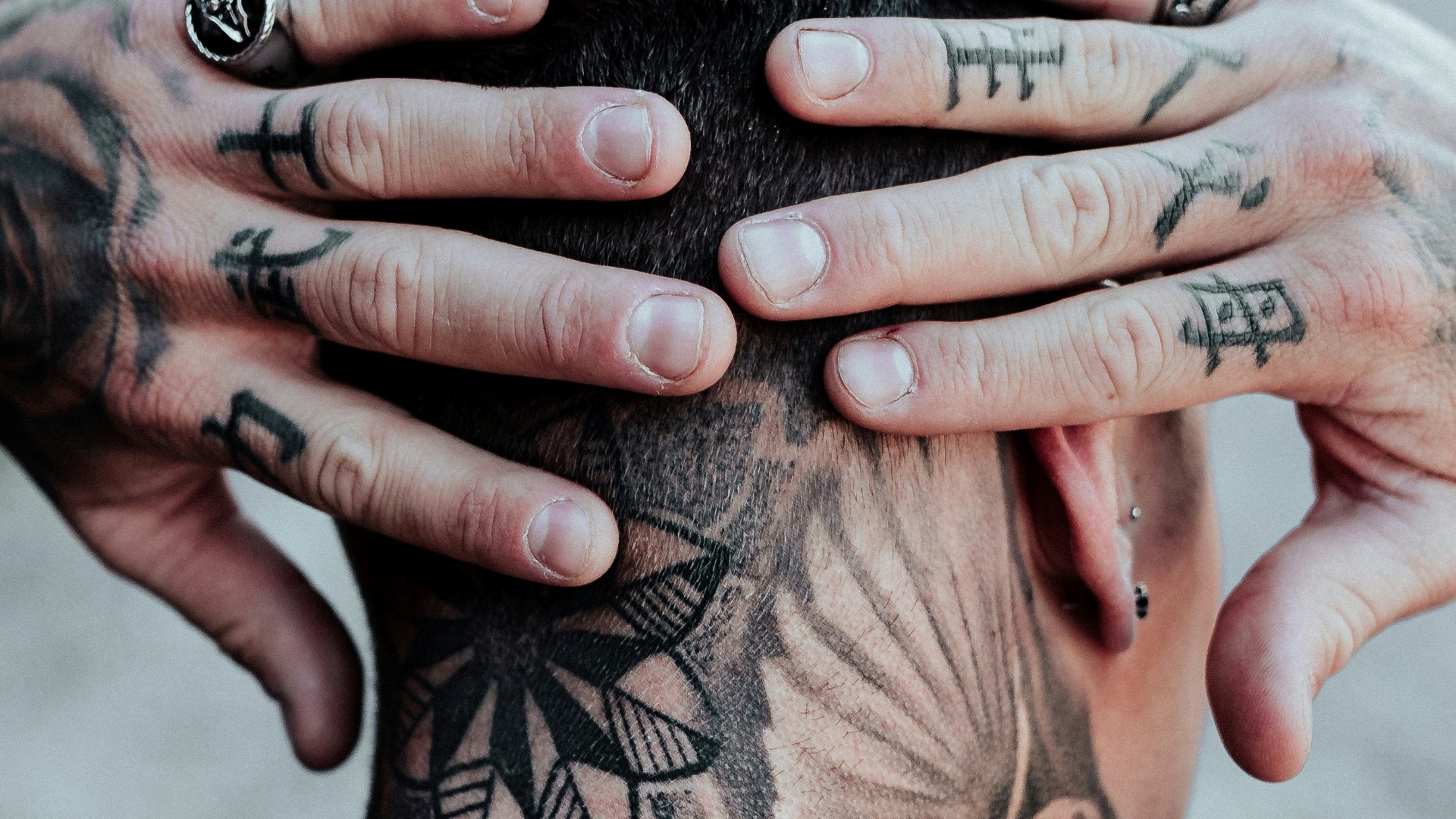
1. Too Much Sun Exposure
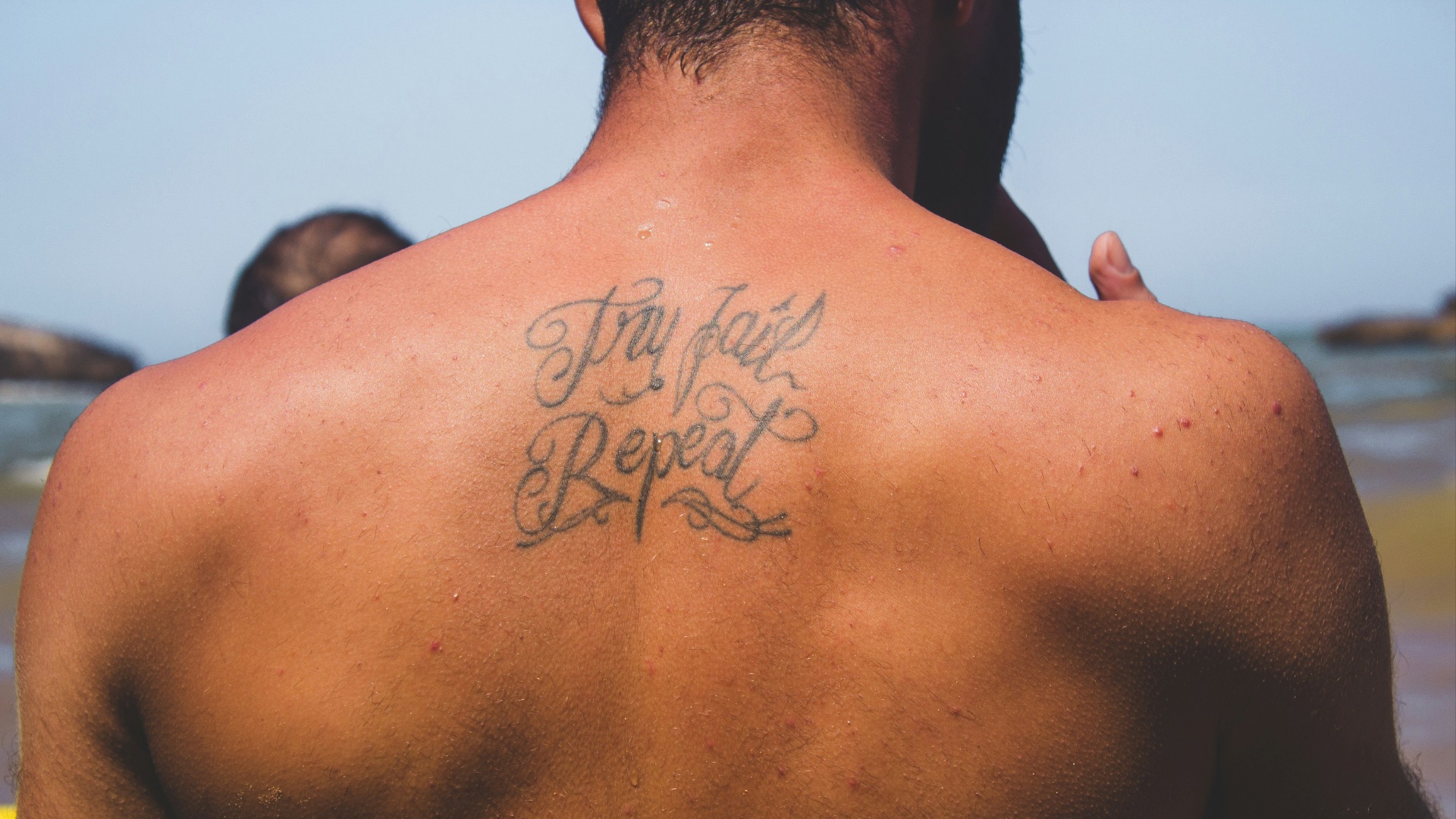
Ultraviolet radiation is one of the biggest threats to tattoo pigment because repeated exposure can gradually break down the appearance of the ink beneath your skin. Tattoos that regularly sit uncovered in strong sunlight may lose vibrancy and definition faster, especially when they contain lighter or brighter colors. Even an older, fully healed tattoo can fade more quickly if you're frequently outside without protecting it.
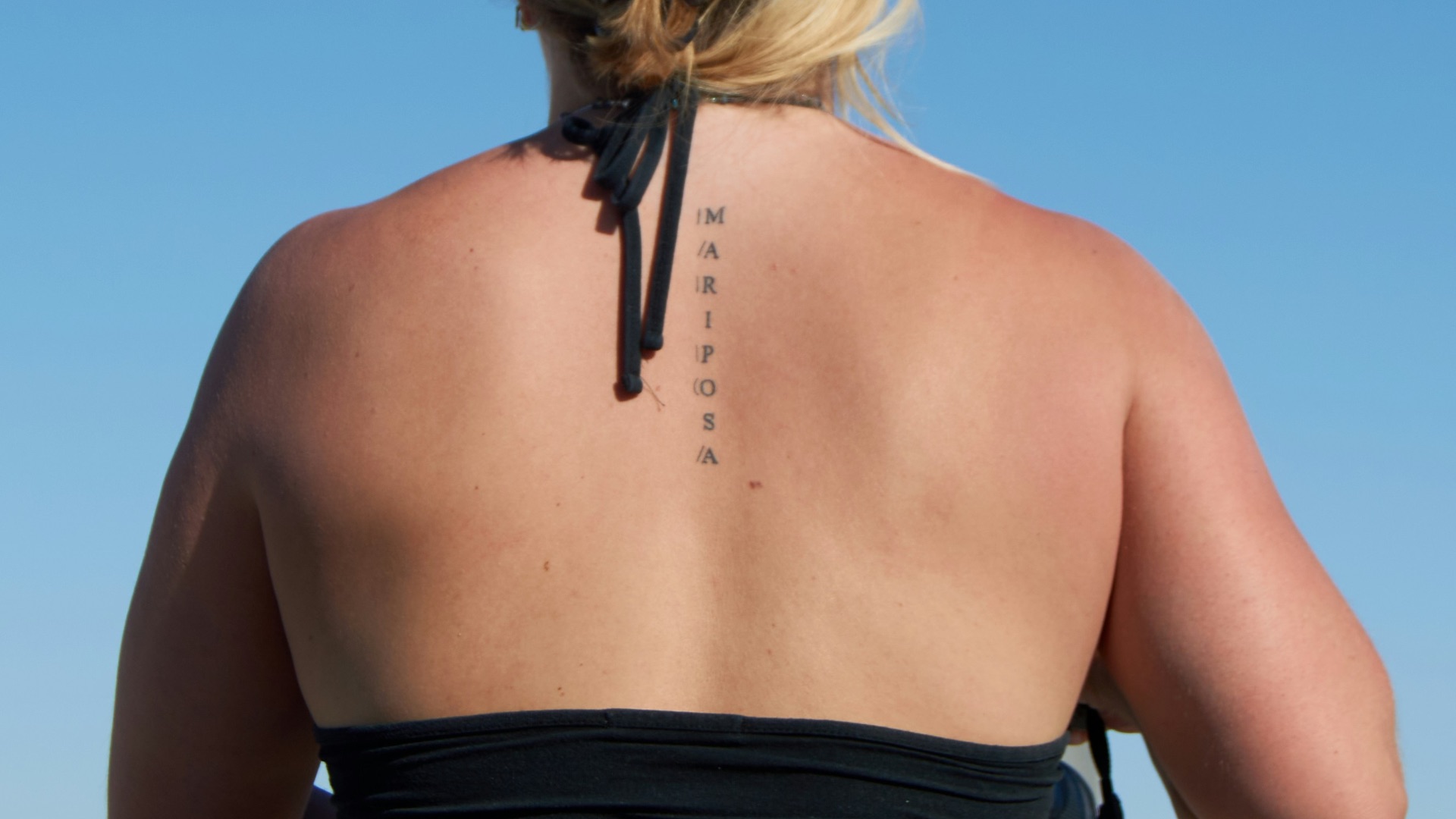
2. Skipping Sunscreen
Leaving a healed tattoo unprotected makes it easier for UV exposure to take a toll over time. This matters even when you aren't spending an entire day at the beach, since routine activities like walking, driving, gardening, or eating outdoors can add up to significant sun exposure. If a tattoo is on an area that's commonly uncovered, repeatedly skipping sunscreen can noticeably shorten the amount of time it looks crisp and saturated.
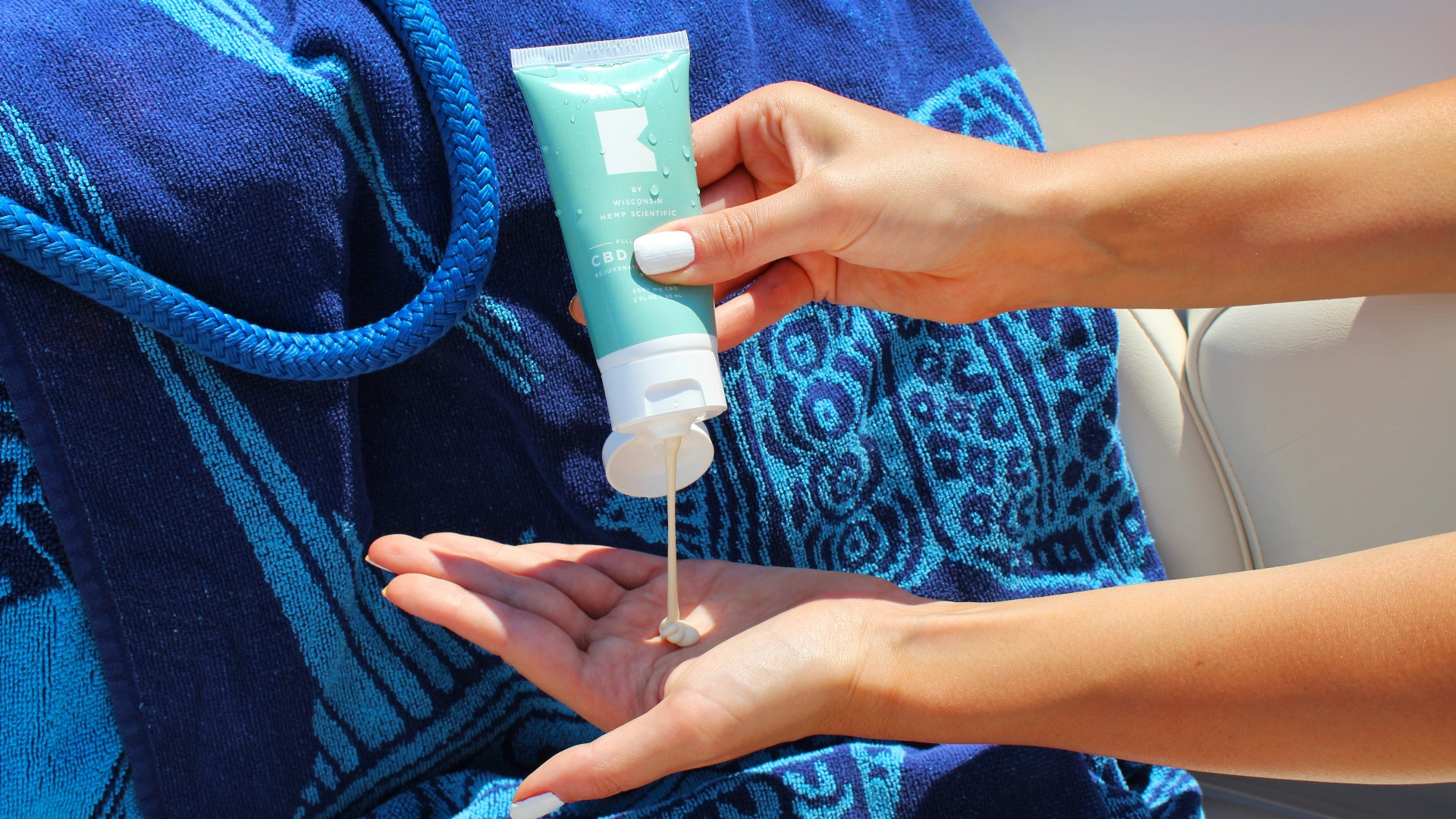 BATCH by Wisconsin Hemp Scientific on Unsplash
3. Picking at Scabs While It Heals
Fresh tattoos commonly flake, peel, or develop light scabbing as the skin repairs itself, and interfering with that process can affect the finished result. Pulling off a scab before it's ready may remove healing tissue and potentially take some pigment with it, leaving a patchy or uneven area behind. It can also increase irritation and make the healing process more difficult than it needs to be.
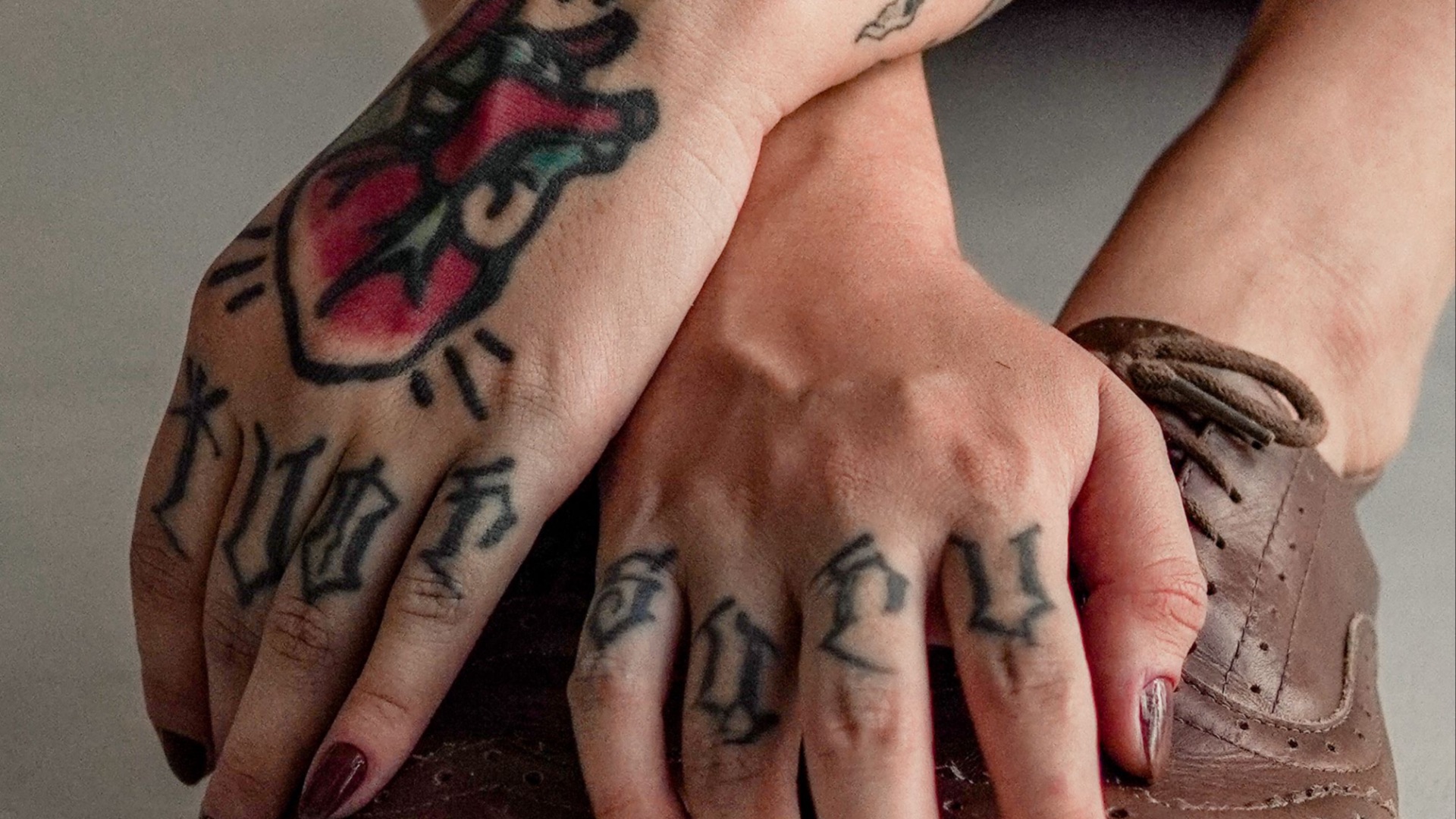
4. Scratching a New Tattoo
The itching that comes with tattoo healing can be frustrating, but scratching the area can damage skin that hasn't fully recovered. Fingernails can tear delicate tissue, disturb scabs, and introduce bacteria into an already vulnerable area. Even if scratching doesn't cause an obvious injury, repeatedly irritating the tattoo can interfere with smooth healing and affect how evenly the ink settles.
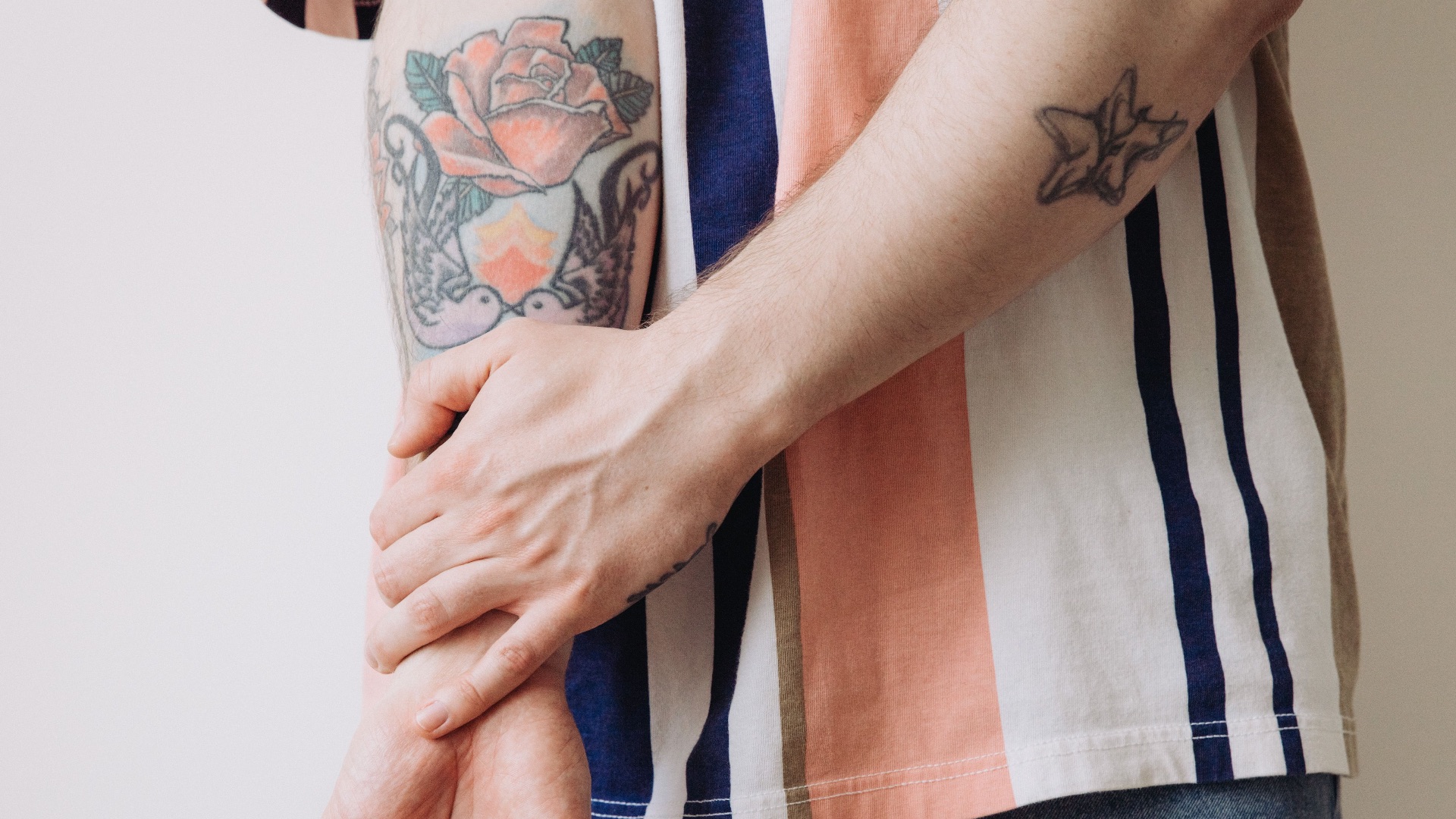
5. Soaking It Before It's Healed
A new tattoo shouldn't spend extended periods submerged in water while the skin barrier is still recovering. Long baths, swimming pools, hot tubs, and similar situations can soften healing skin and expose the area to bacteria or irritating chemicals. Getting the tattoo wet during normal washing is expected, but prolonged soaking can create problems that ultimately affect its appearance.
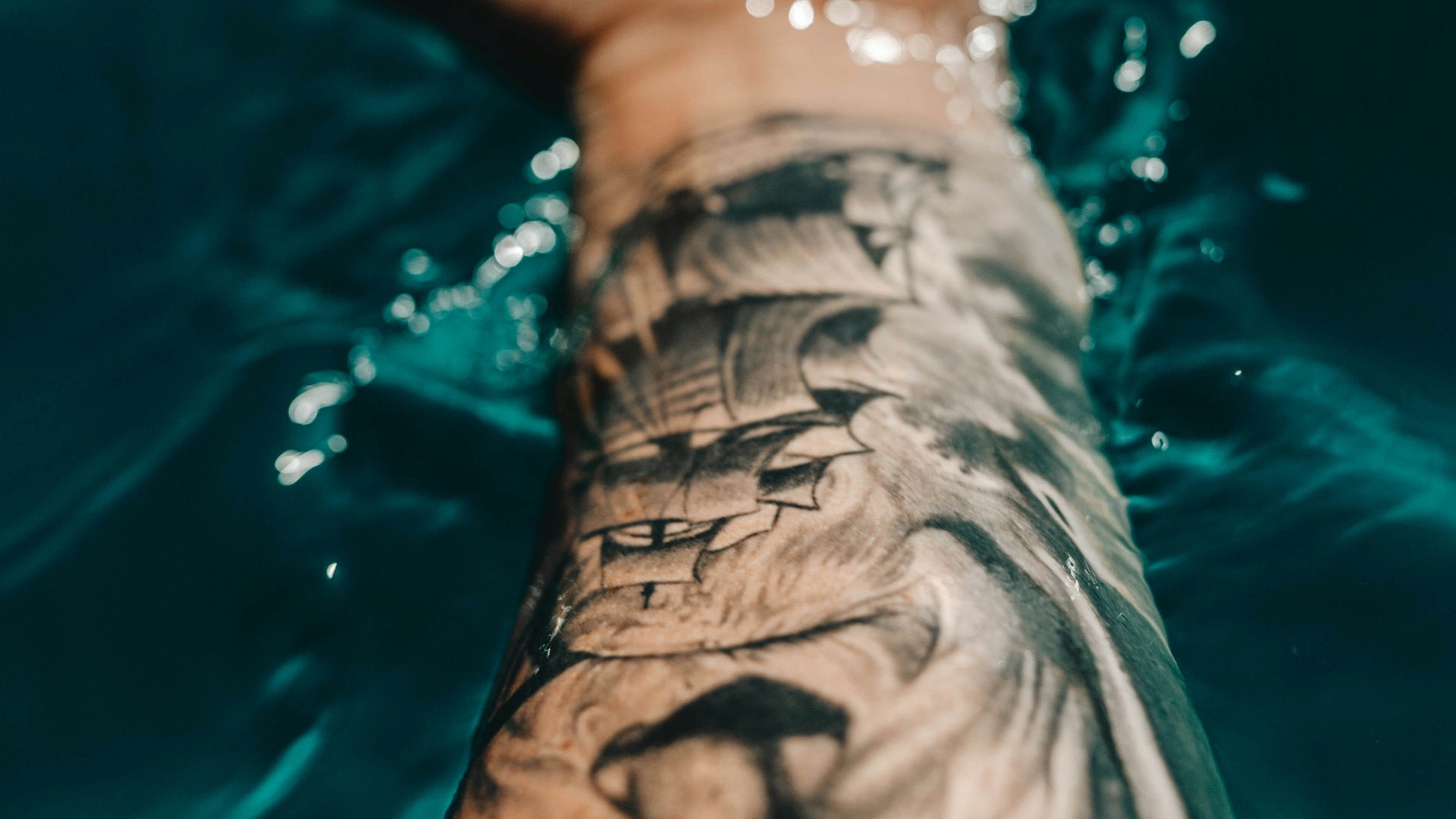
6. Letting Your Skin Become Excessively Dry
Very dry skin can make an otherwise healthy tattoo appear dull, flaky, and less defined. During healing, allowing the area to become severely dry may also increase itching and cracking, which can tempt you to scratch or pick at it. Once the tattoo has healed, chronic dryness won't necessarily remove ink, but it can make the colors look less fresh and the skin's surface appear rougher.
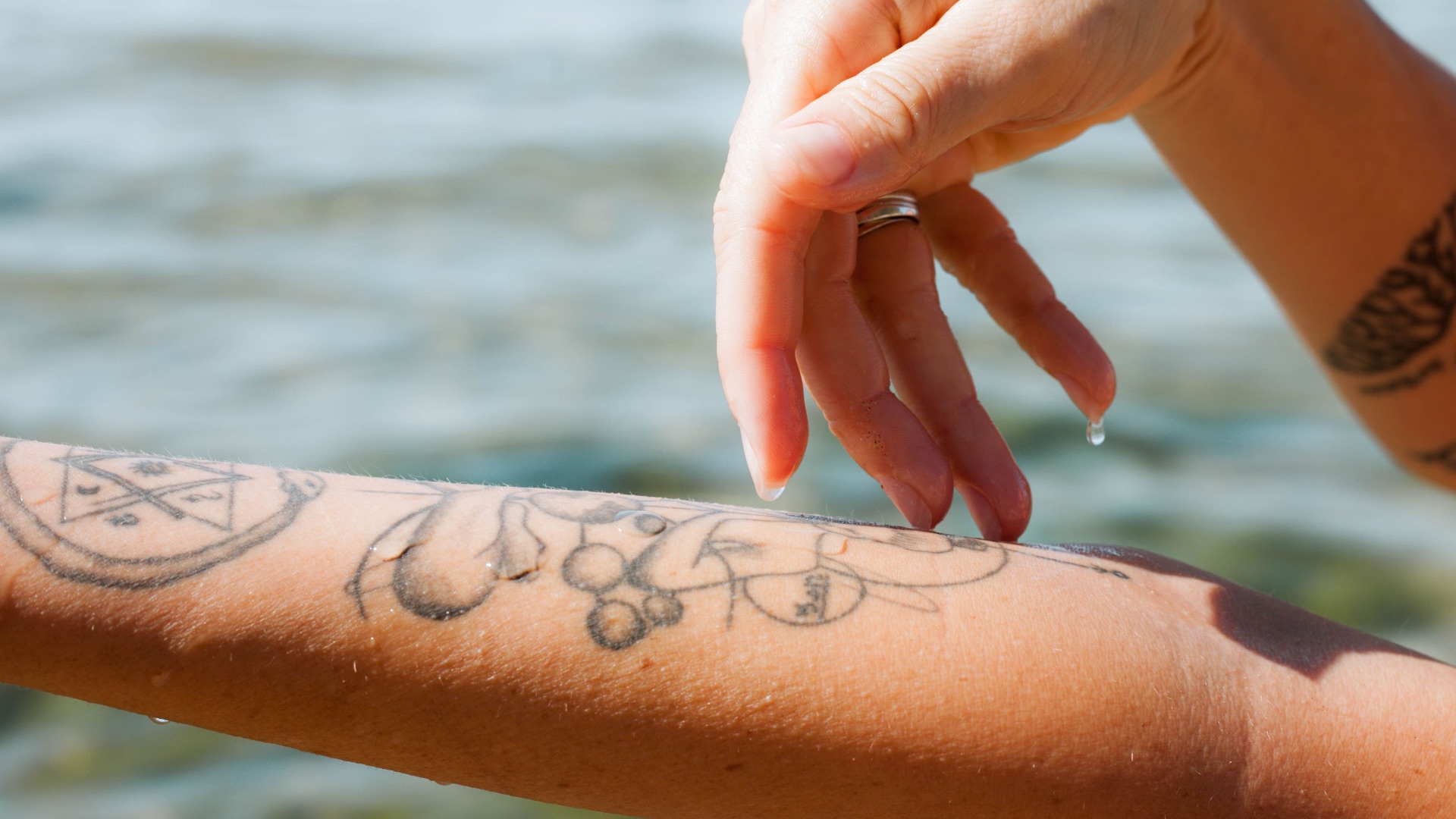
7. Repeated Friction Against the Skin
Some tattoo placements deal with far more rubbing than others, especially areas that frequently come into contact with shoes, waistbands, tight clothing, jewelry, or equipment. Constant friction can irritate the skin and contribute to gradual changes in how a tattoo looks, particularly in high-wear locations. Fresh tattoos are especially vulnerable, so restrictive clothing rubbing directly against one can complicate the healing process.
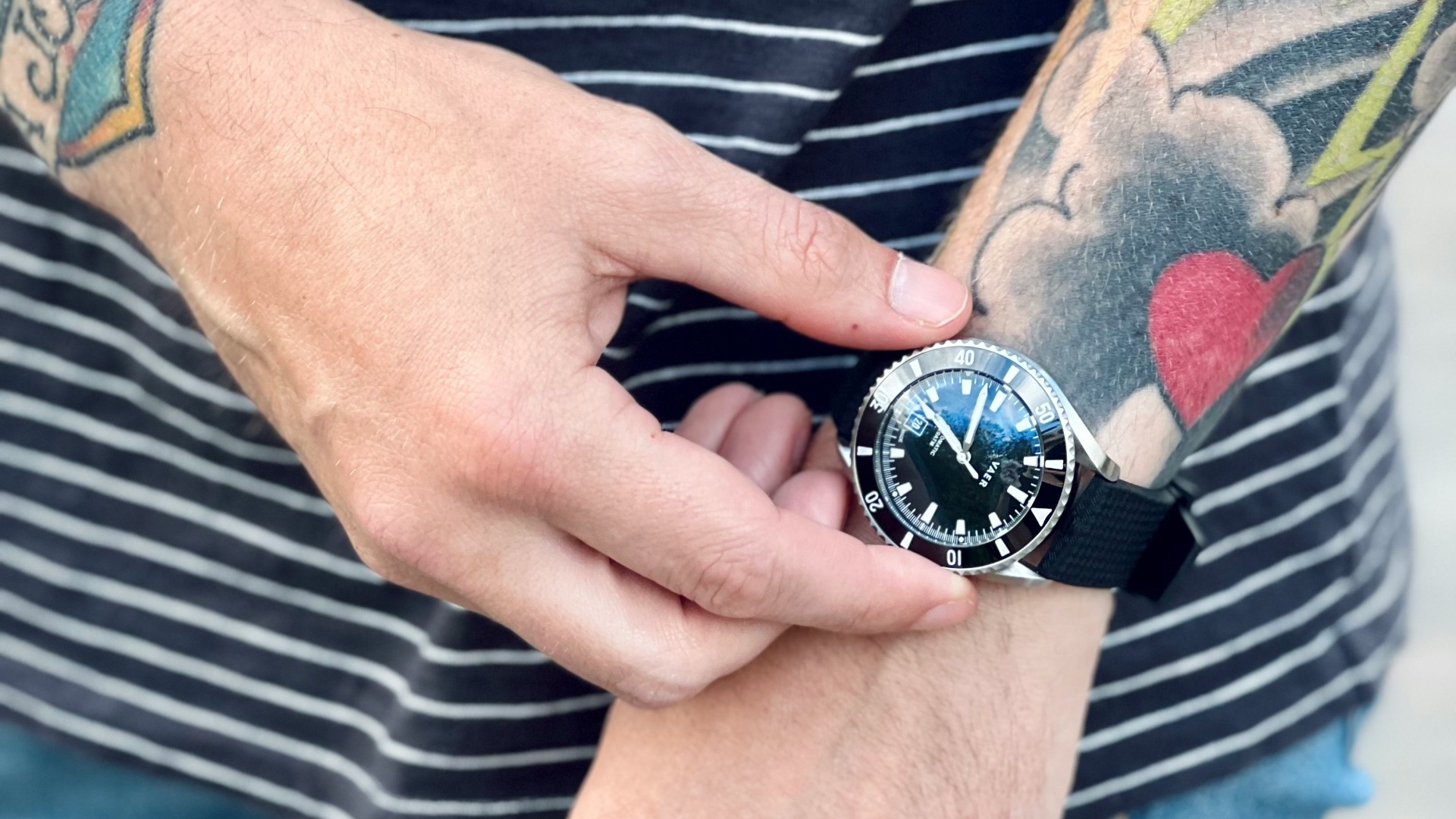
8. Poor Aftercare During the Healing Period
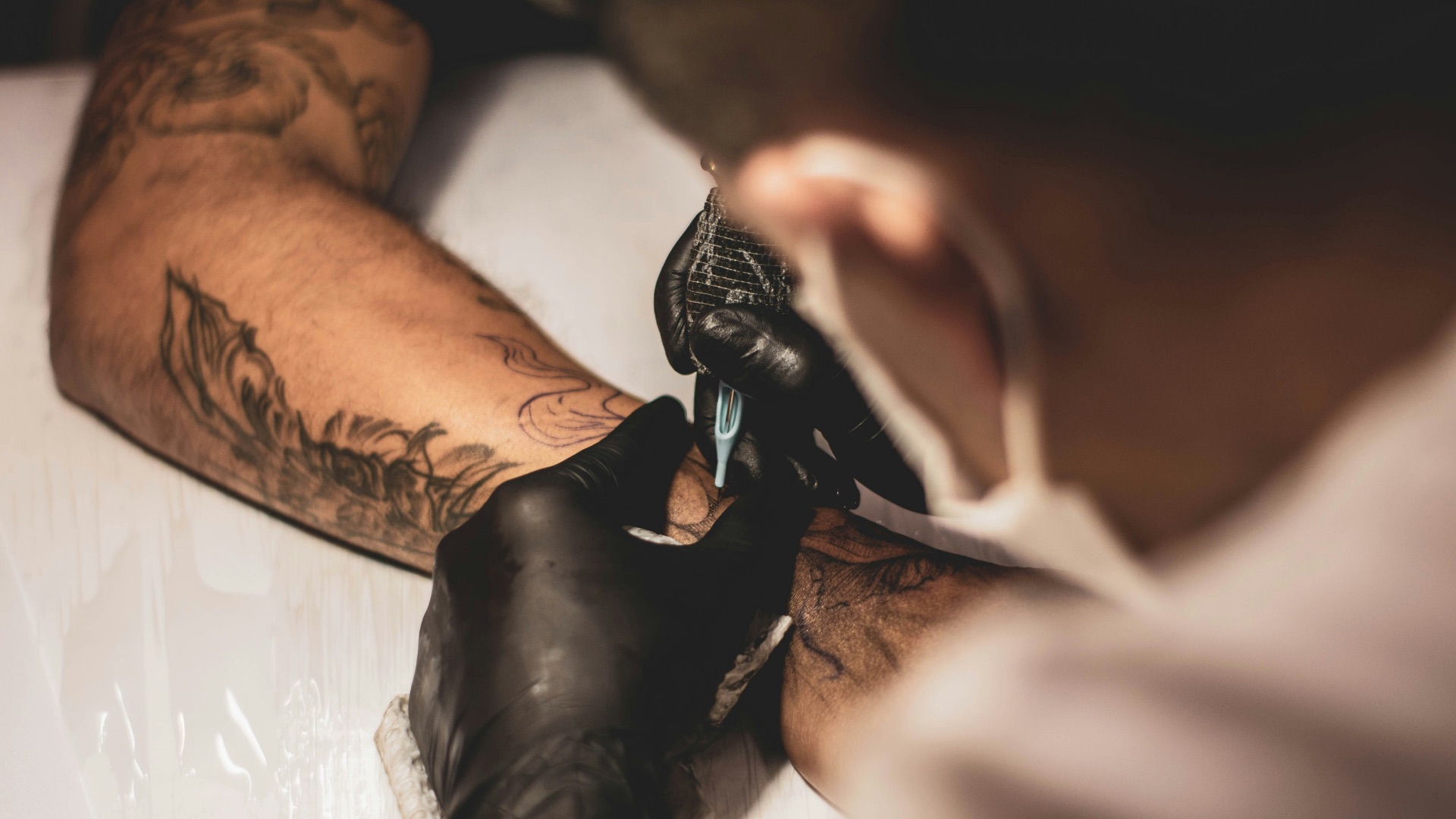
The first several weeks have an outsized influence on how a tattoo ultimately settles into the skin. Ignoring your tattoo artist's aftercare instructions, using unsuitable products, or repeatedly irritating the area can contribute to uneven healing and loss of definition. Since different artists may recommend slightly different routines depending on the tattoo and dressing used, following the instructions you're given is more sensible than experimenting with whatever happens to be available at home.
9. Frequent Skin Trauma in the Tattooed Area
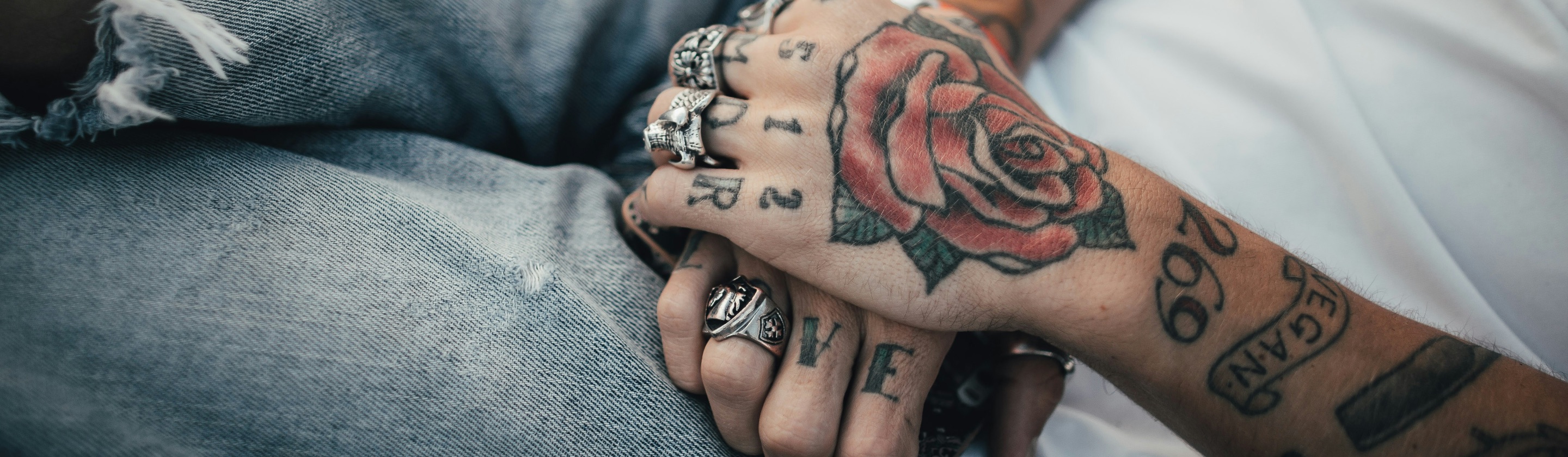
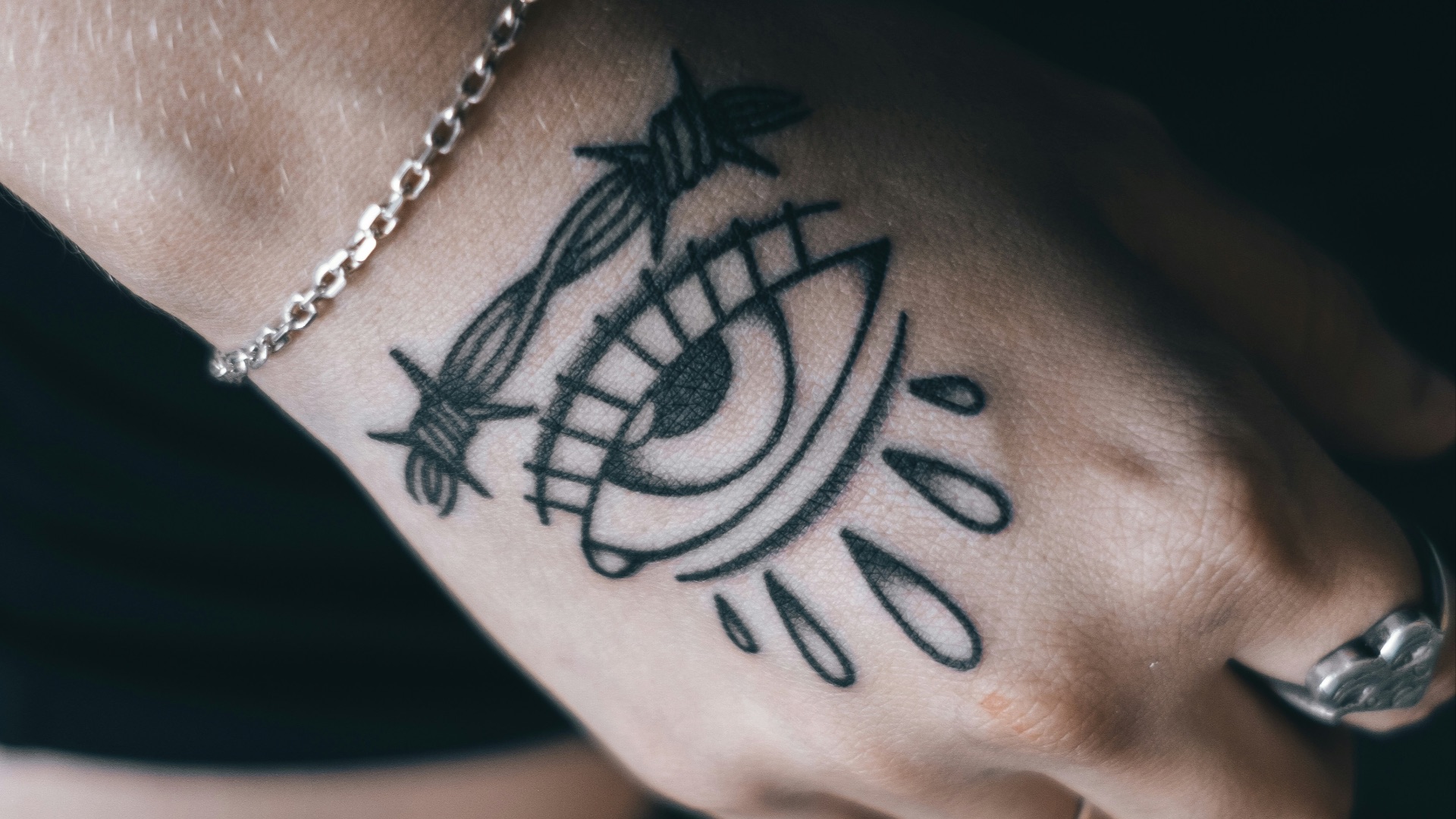
Cuts, abrasions, burns, and other injuries can sometimes alter the appearance of a tattoo if the damage extends deeply enough into the skin. A minor surface scrape usually isn't enough to ruin one, but repeated or significant injuries can create scarring or texture changes that affect the design. Tattoos placed on hands, knees, elbows, and other frequently bumped or scraped areas may encounter this issue more often.
10. Natural Skin Aging
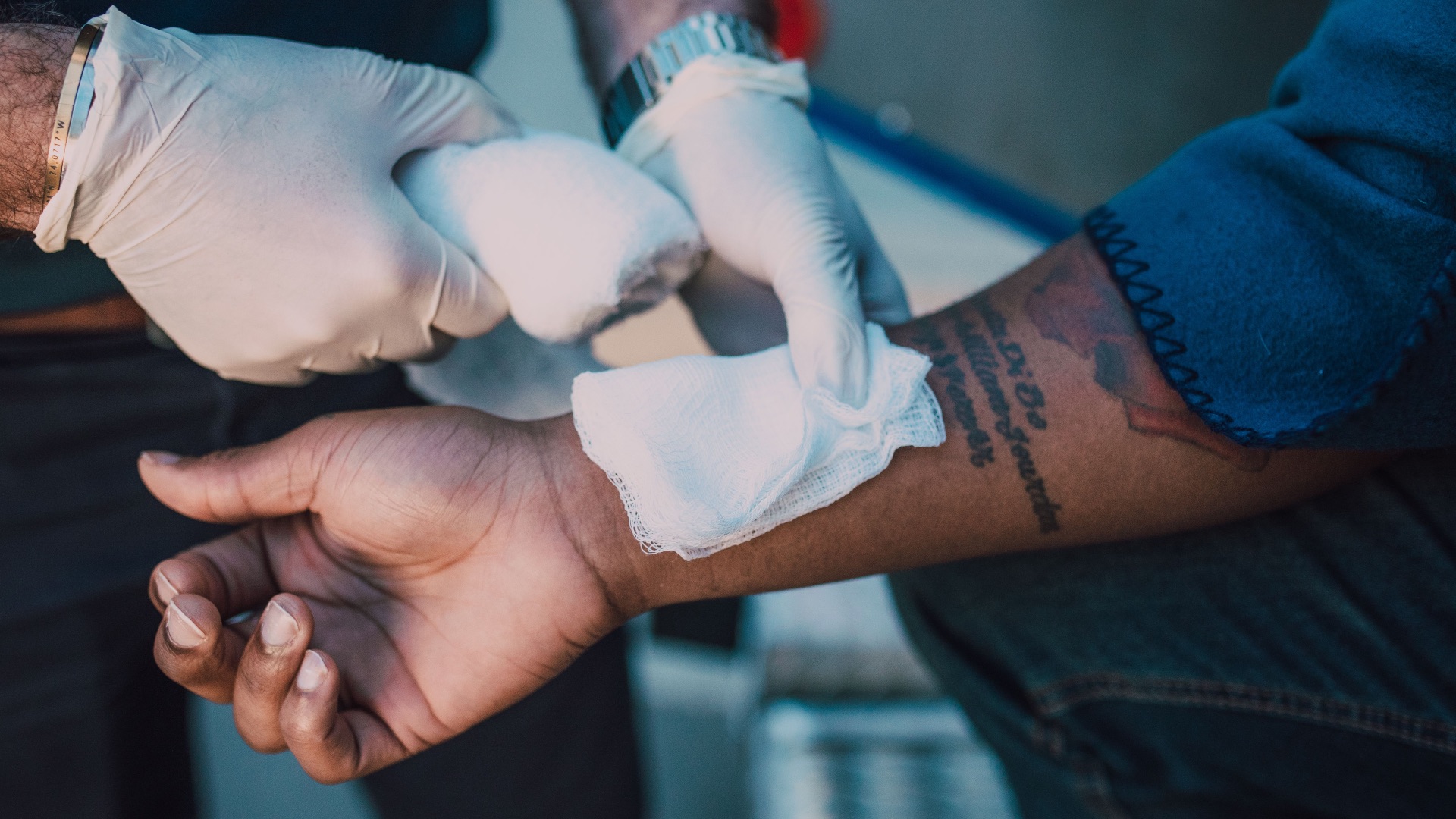
Not every change in a tattoo comes from something you're doing wrong. Skin naturally becomes thinner, less elastic, and differently textured with age, which can gradually change how lines, shading, and colors appear. Tattoos also tend to soften somewhat over the years as pigment and skin change, so even excellent care can't keep a tattoo looking exactly as it did on the day it was finished.
Some fading is unavoidable, but that doesn't mean you have no control over how your tattoo ages. Once you know which habits work against it, the next step is building a simple care routine that protects both the ink and the skin holding it.
1. Apply Broad-Spectrum Sunscreen
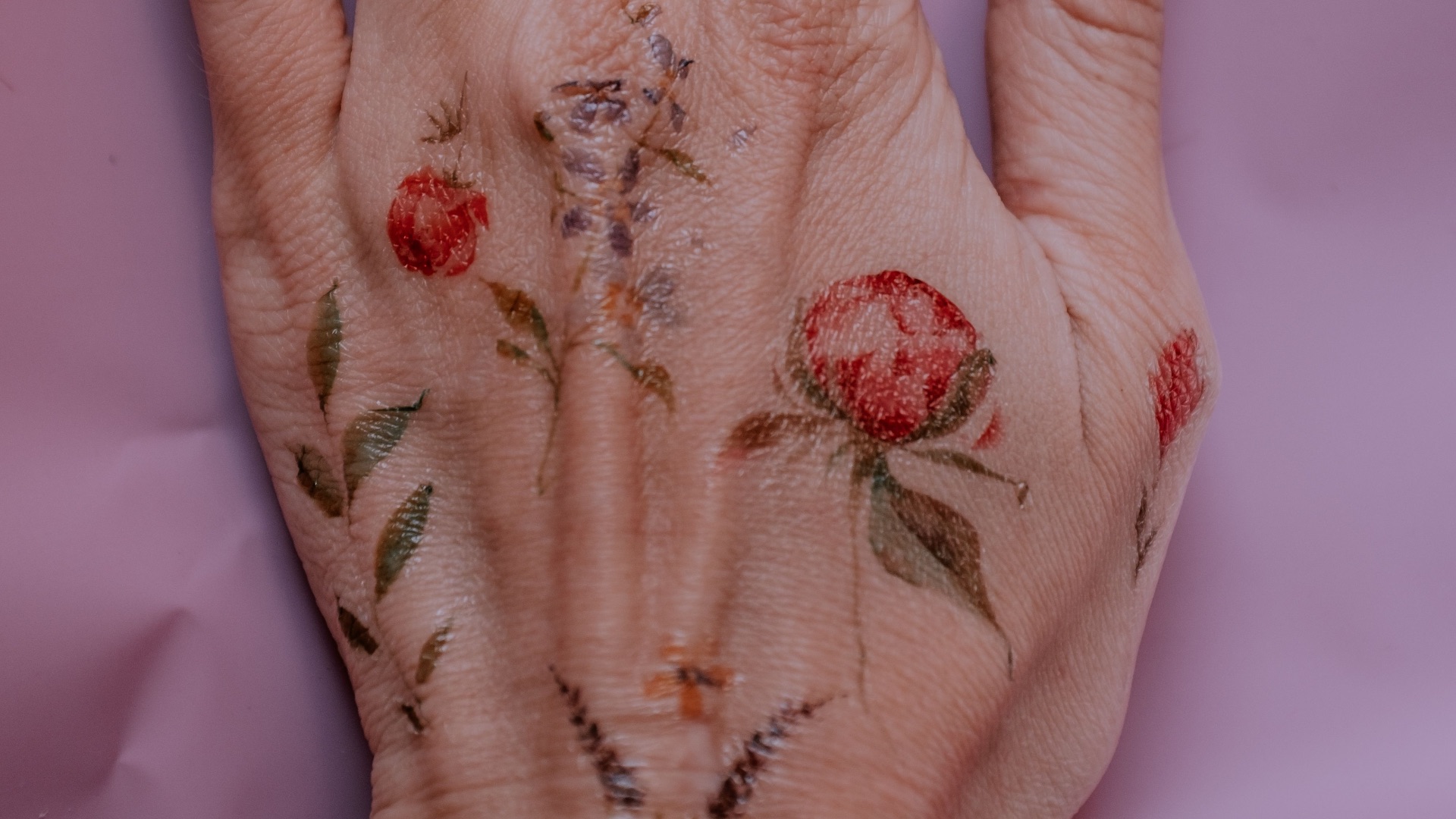
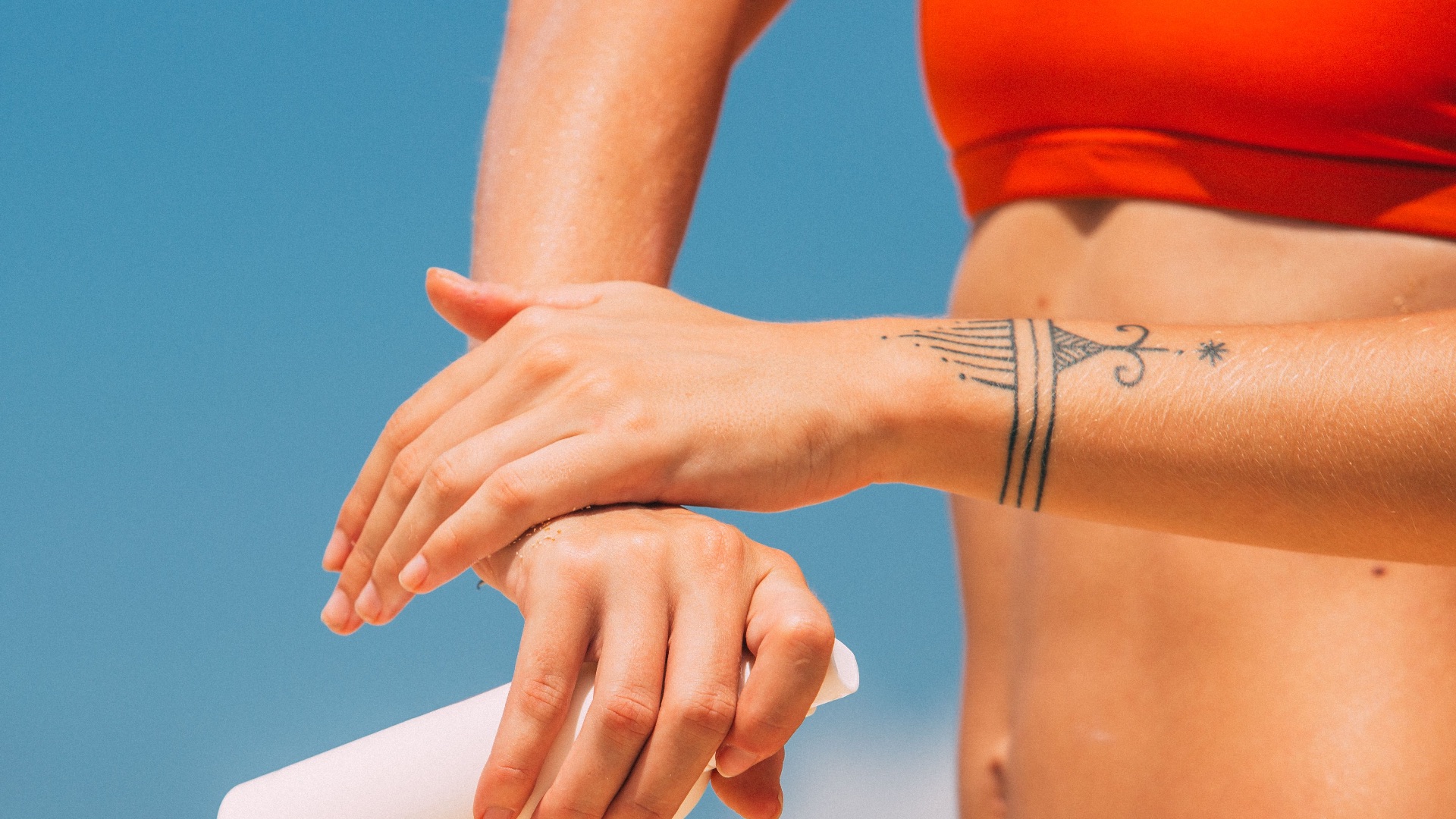
Once your tattoo has completely healed, sunscreen should become one of the most consistent parts of your long-term care routine. Choose a broad-spectrum sunscreen with adequate SPF and apply it to exposed tattooed skin whenever you'll be spending time outside. Reapplication matters during longer periods outdoors, particularly if you're sweating, swimming, or staying in direct sunlight.
2. Cover Your Tattoo During Intense Sun Exposure
Sunscreen helps, but clothing can provide another useful layer of protection when you'll be outside for hours. Lightweight long sleeves, pants, or other coverings can reduce the amount of direct UV exposure reaching a tattoo without requiring constant attention to the area. This can be especially helpful for outdoor work, hiking, festivals, beach days, and other situations where sun exposure is prolonged.
3. Moisturize Healed Skin Regularly
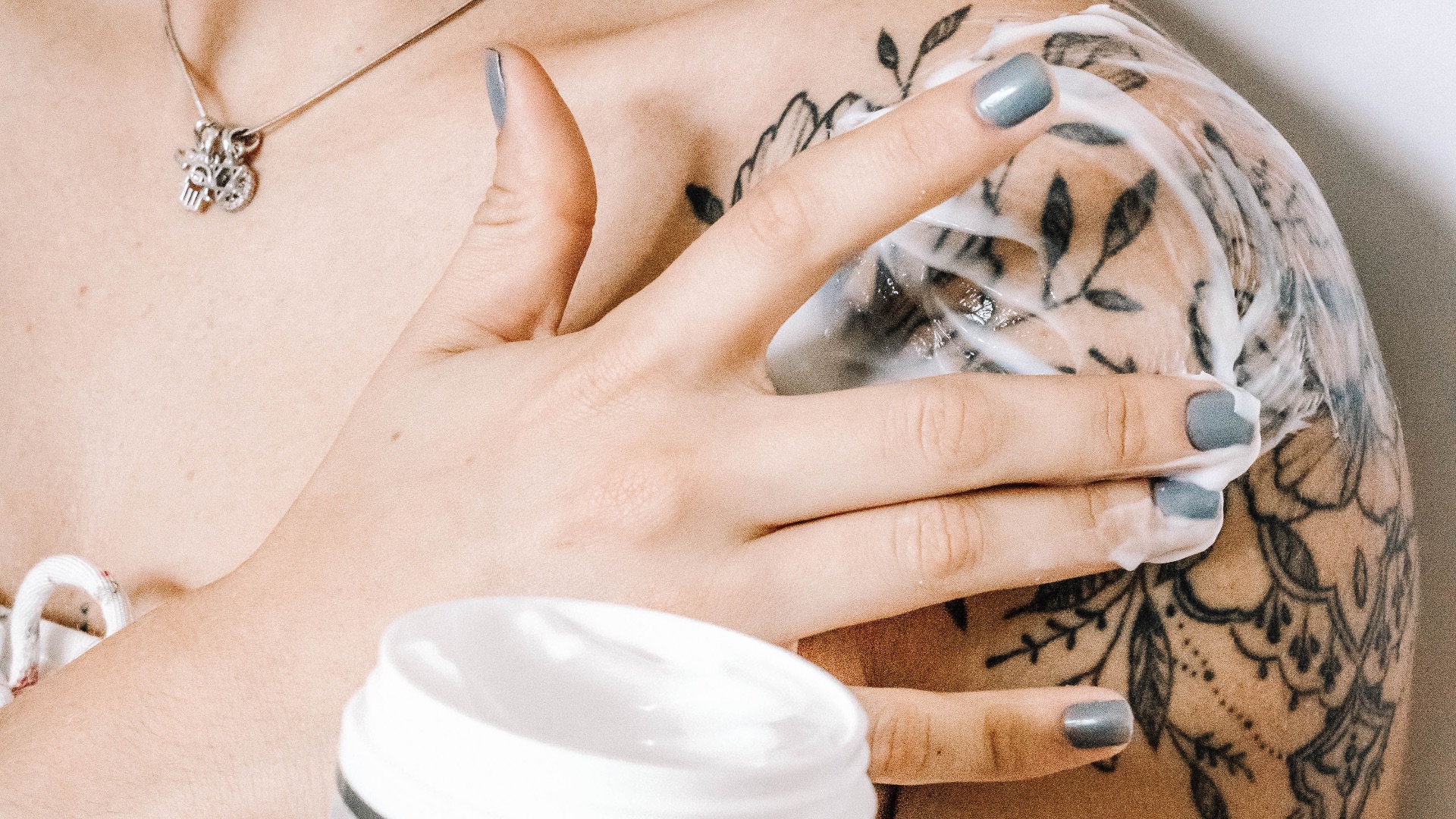
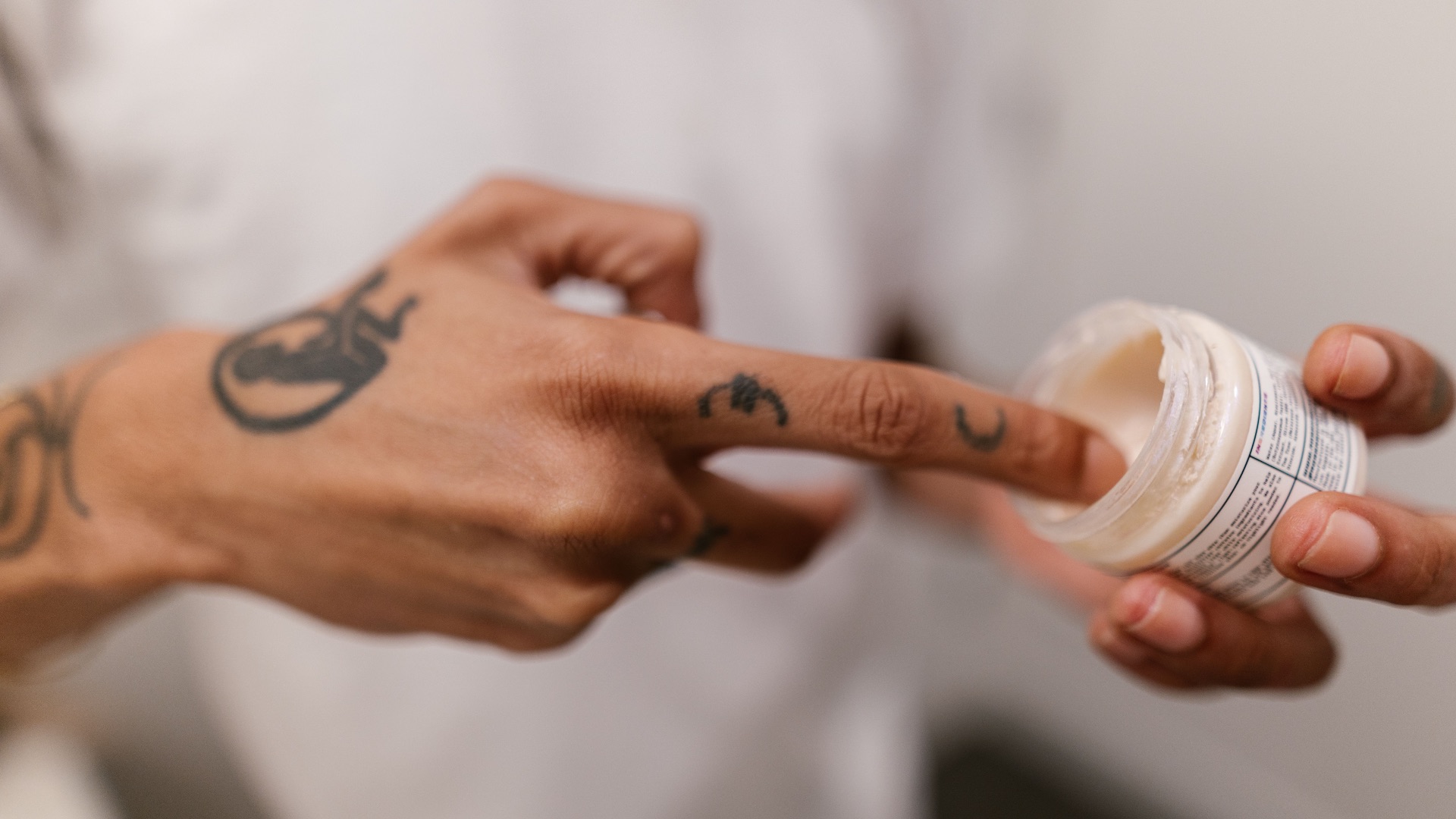
Keeping your skin comfortably moisturized can make tattoo colors and details look more polished because dry, flaky skin tends to make them appear dull. A simple, fragrance-free moisturizer is often enough for everyday use, particularly after showering when your skin may feel tight or dry. You don't need to coat the tattoo constantly; consistent basic skin care is more useful than repeatedly applying heavy layers of product.
4. Follow Your Artist's Healing Instructions
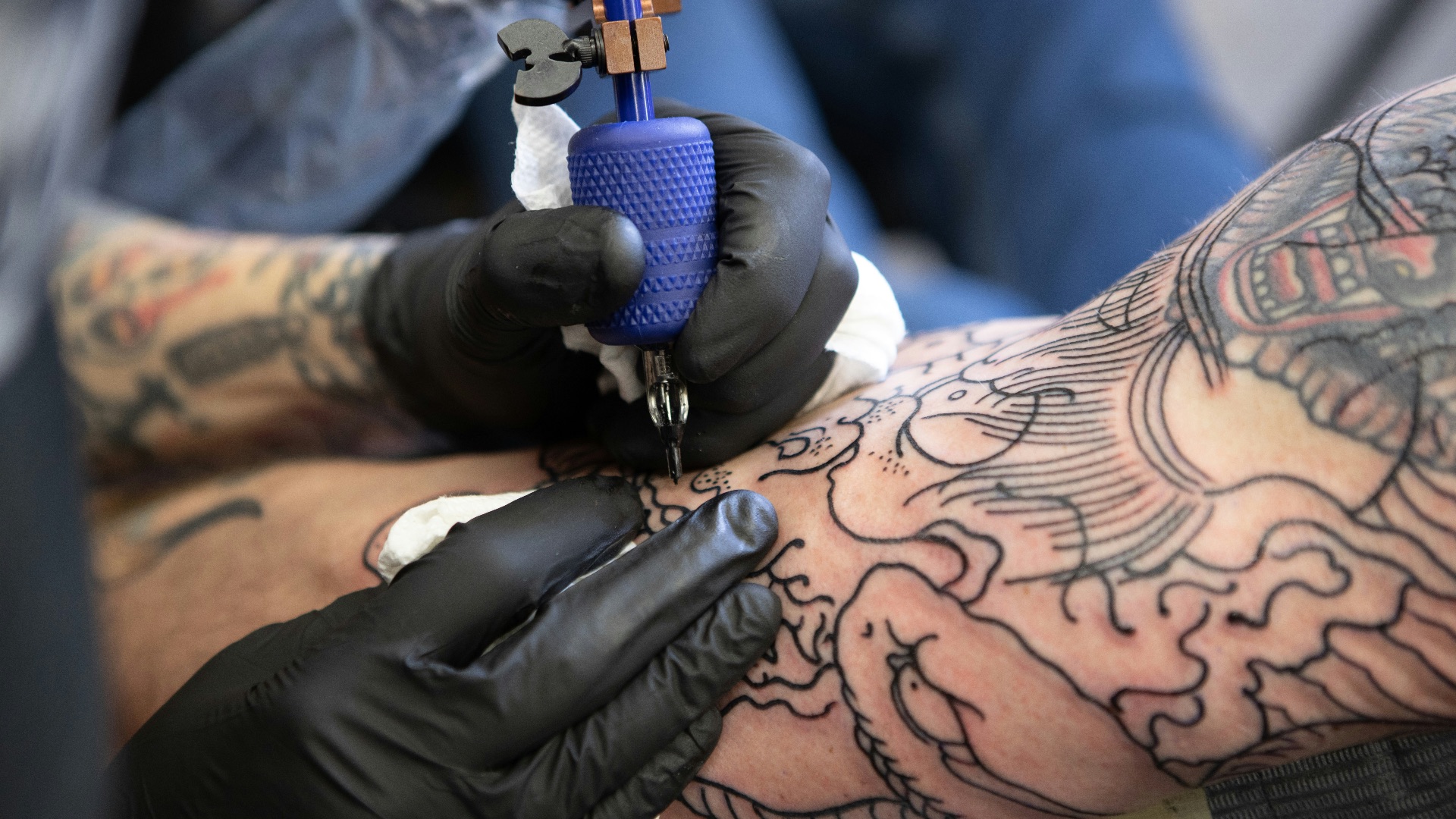
A professional tattoo artist should give you specific guidance about cleaning, dressing, moisturizing, and protecting the tattoo while it heals. Pay close attention to those instructions, since aftercare can vary depending on whether the tattoo is covered with traditional wrapping, an adhesive film, or another type of dressing. When you're uncertain about something during the healing process, contacting the artist is generally better than improvising.
5. Wash a New Tattoo Gently
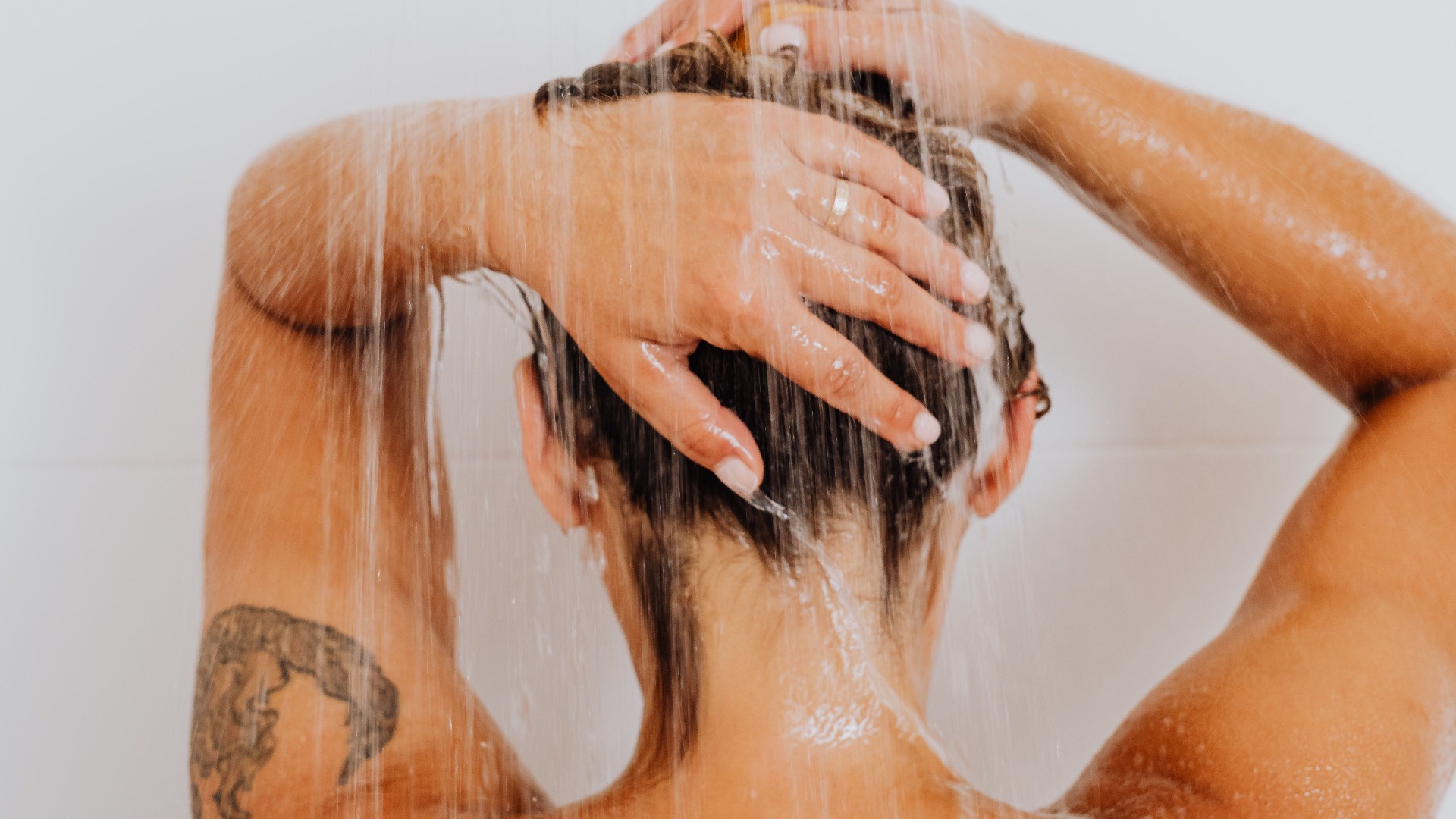
Cleanliness matters during healing, but aggressive scrubbing isn't necessary and can irritate the area. Wash your hands first, then clean the tattoo gently according to your artist's recommendations and avoid rough washcloths, exfoliating tools, or vigorous rubbing. Patting the area dry with something clean is also less irritating than dragging a towel across tender skin.
 https://kaboompics.com/ on Pexels
6. Give It Time to Heal Before Swimming
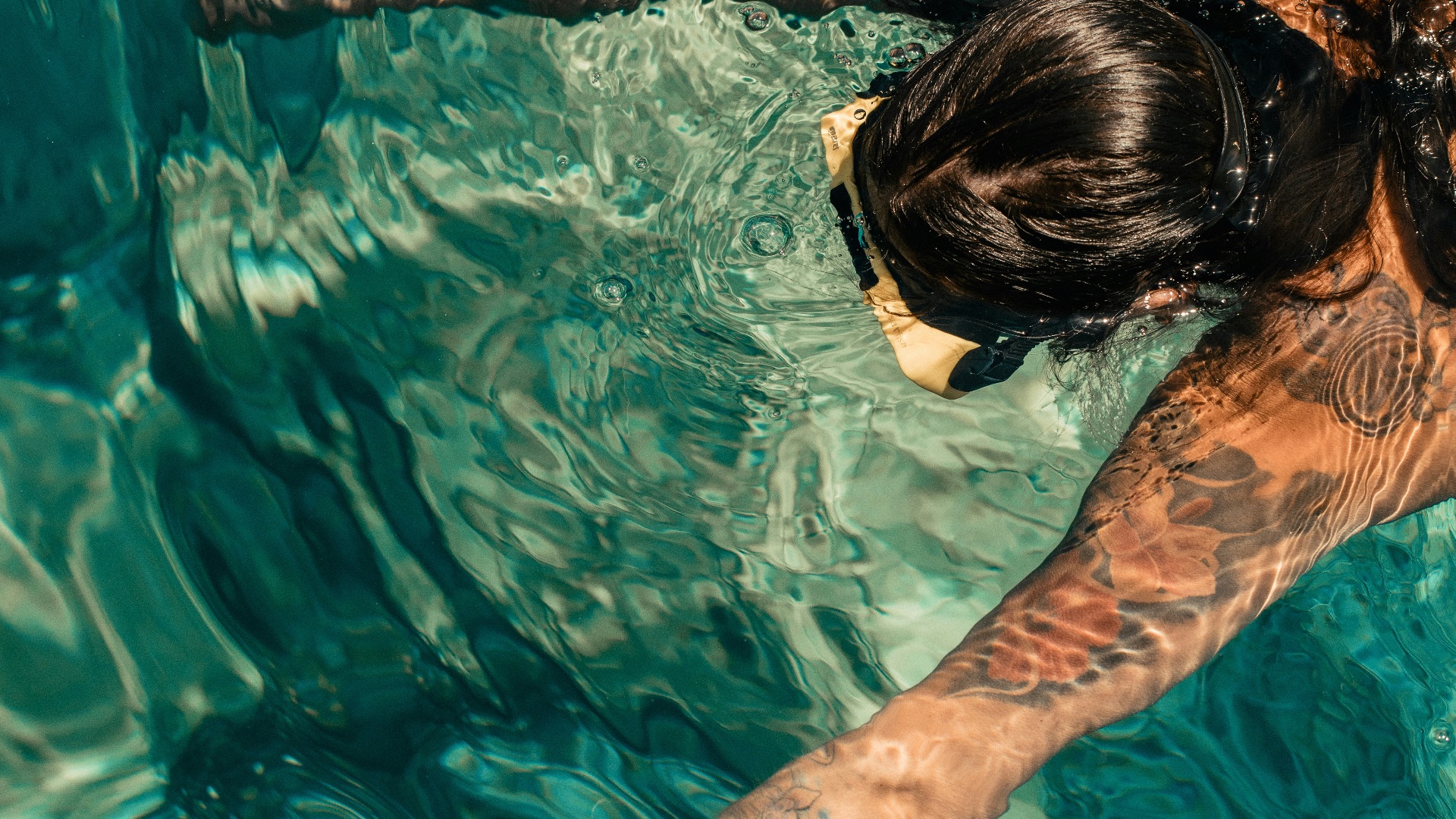
Pools, oceans, lakes, and hot tubs can wait until your tattoo has properly healed. Submerging damaged skin exposes it to microorganisms, chemicals, and prolonged moisture at a point when the protective skin barrier hasn't fully recovered. Waiting until the surface has finished healing reduces unnecessary irritation and gives the tattoo a better chance of settling cleanly.
7. Choose Loose Clothing While It's Fresh
What you wear during the early healing period can make a noticeable difference in how comfortable the tattoo remains. Loose, breathable clothing minimizes rubbing and gives the area room to recover without fabric continually pressing against it. This is particularly useful for tattoos located around waistbands, bra straps, socks, cuffs, or other spots where clothing naturally creates pressure.

8. Resist the Urge to Peel Flaking Skin
Peeling can make a fresh tattoo look uneven or alarming for a few days, but it's usually part of normal healing. Let loose skin and small scabs come away on their own rather than pulling at them, even when they look ready to detach. Giving the skin time to complete that process naturally reduces the chance of creating irritated or patchy areas.
9. Look After Your Skin Overall
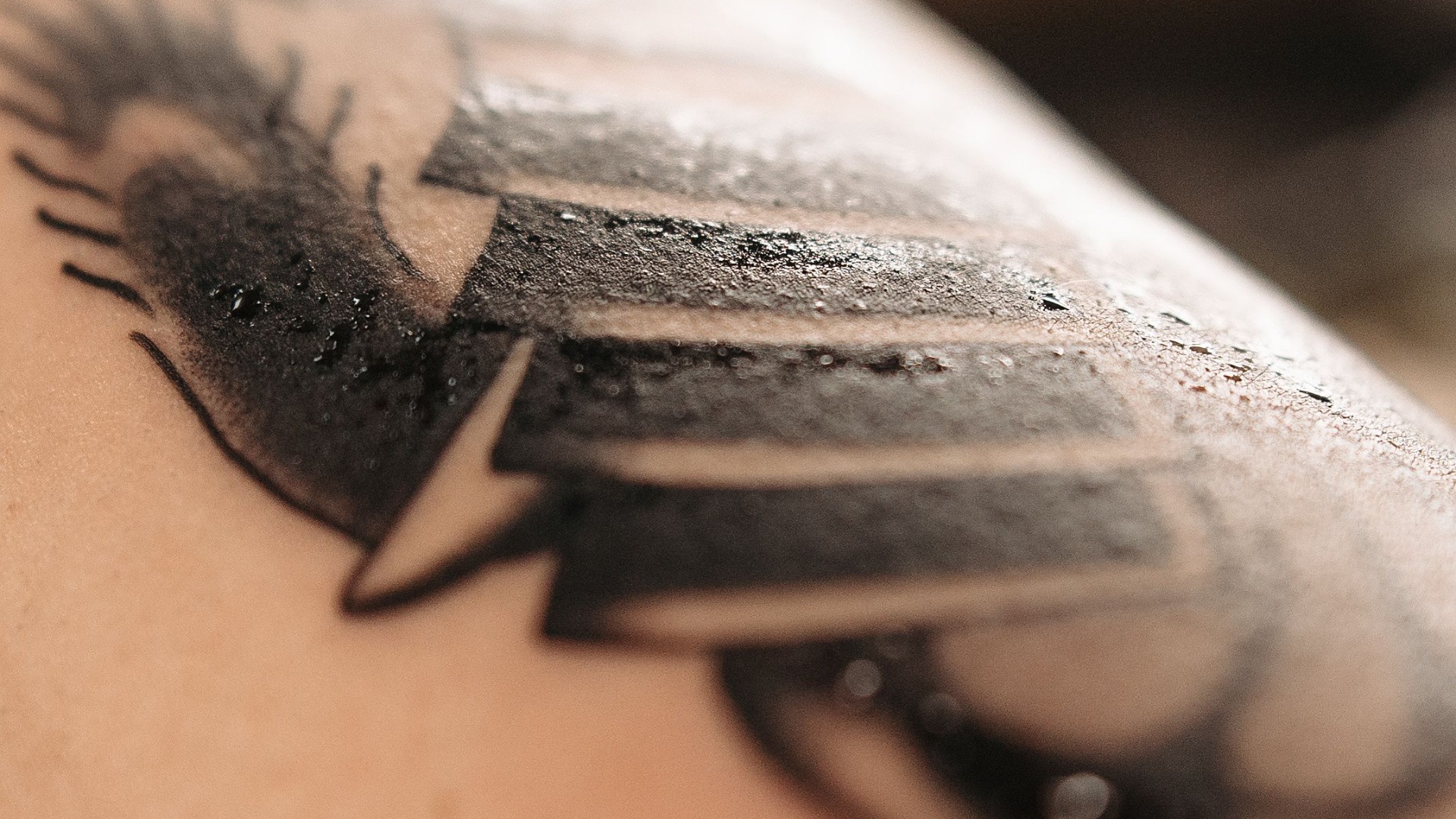
Tattoo care works best when it isn't limited to the tattoo itself. Regular moisturizing, reasonable sun protection, gentle cleansing, and avoiding unnecessary skin damage all help maintain a healthier surface for the artwork underneath. Your tattoo is part of your skin, so habits that support the condition of your skin can also help the design continue looking its best.
10. Get a Professional Touch-Up When Needed
Even carefully maintained tattoos can eventually benefit from a touch-up, particularly if certain colors have softened or small sections healed lighter than expected. A skilled tattoo artist can assess whether refreshing particular lines or areas of pigment would improve the design rather than automatically reworking the entire piece. If you're considering one, wait until the tattoo is fully healed and discuss the timing and approach with an experienced professional.