
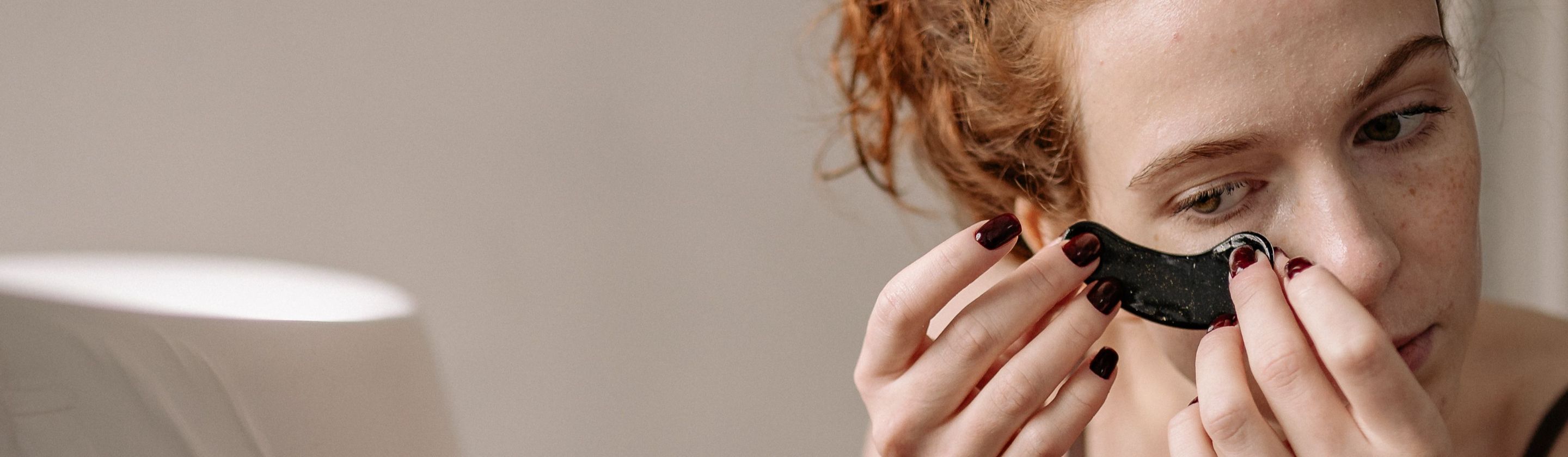
The Internet Has Ruined Your Skincare Routine
Somewhere between beauty blogs, TikTok trends, and that one aunt who swears by toothpaste on pimples, skincare advice has gotten confusing. Dermatologists spend a huge chunk of their appointments just walking back myths patients picked up somewhere online, often from someone with zero medical training and a ring light. Some of these ideas are mostly harmless, just a waste of money on the wrong product. Others actively damage skin while people think they're helping it. Here's 20 skincare myths dermatologists deal with on repeat.
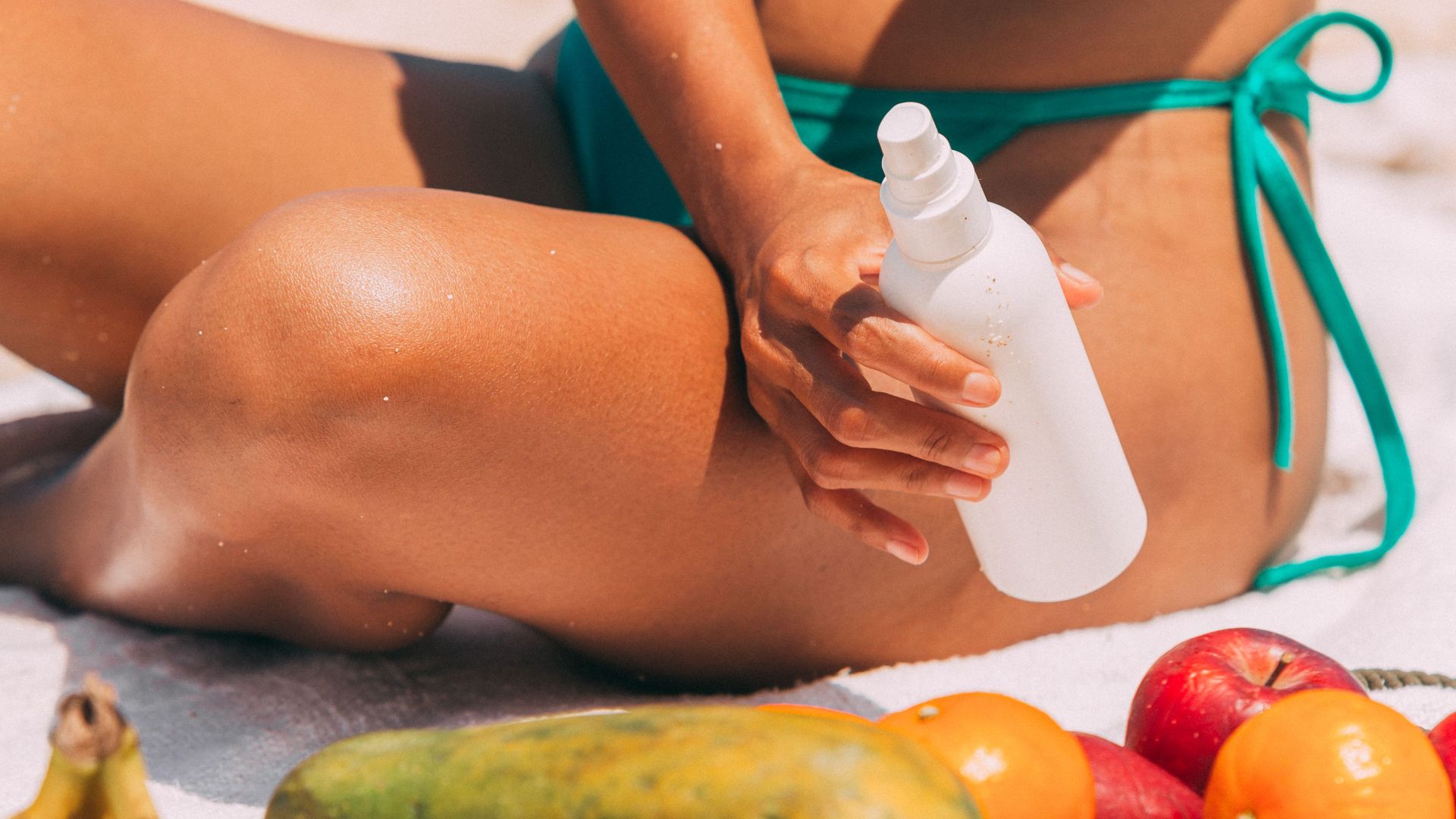
1. Higher SPF Means Way More Protection
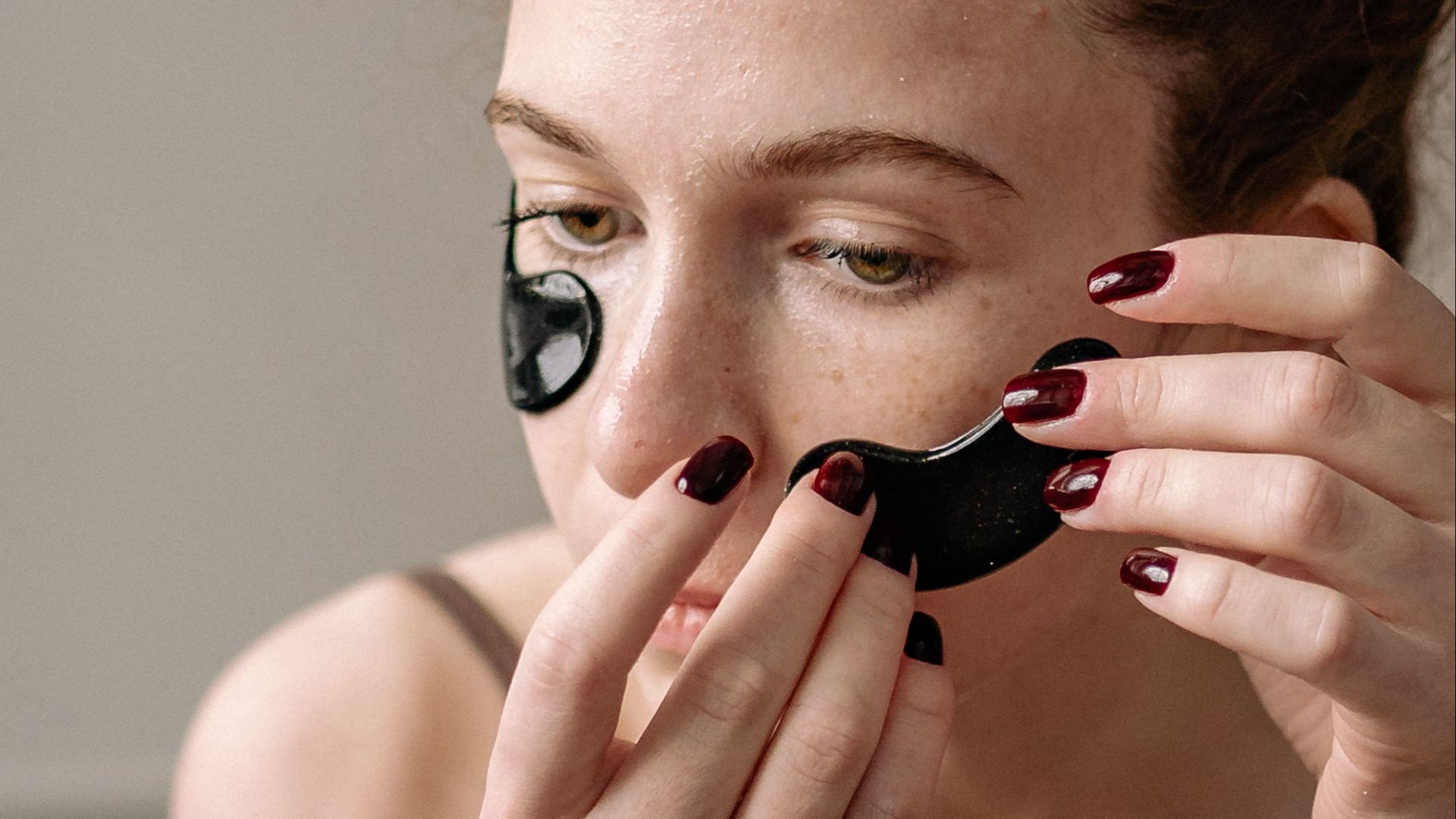
SPF 30 blocks about 97 percent of UVB rays, and SPF 50 only bumps that to roughly 98 percent, a gap most people assume is much bigger than it actually is. The real difference comes down to application amount and how often you reapply, not the number on the bottle. Chasing SPF 100 while skipping reapplication does far less than SPF 30 applied properly every two hours.
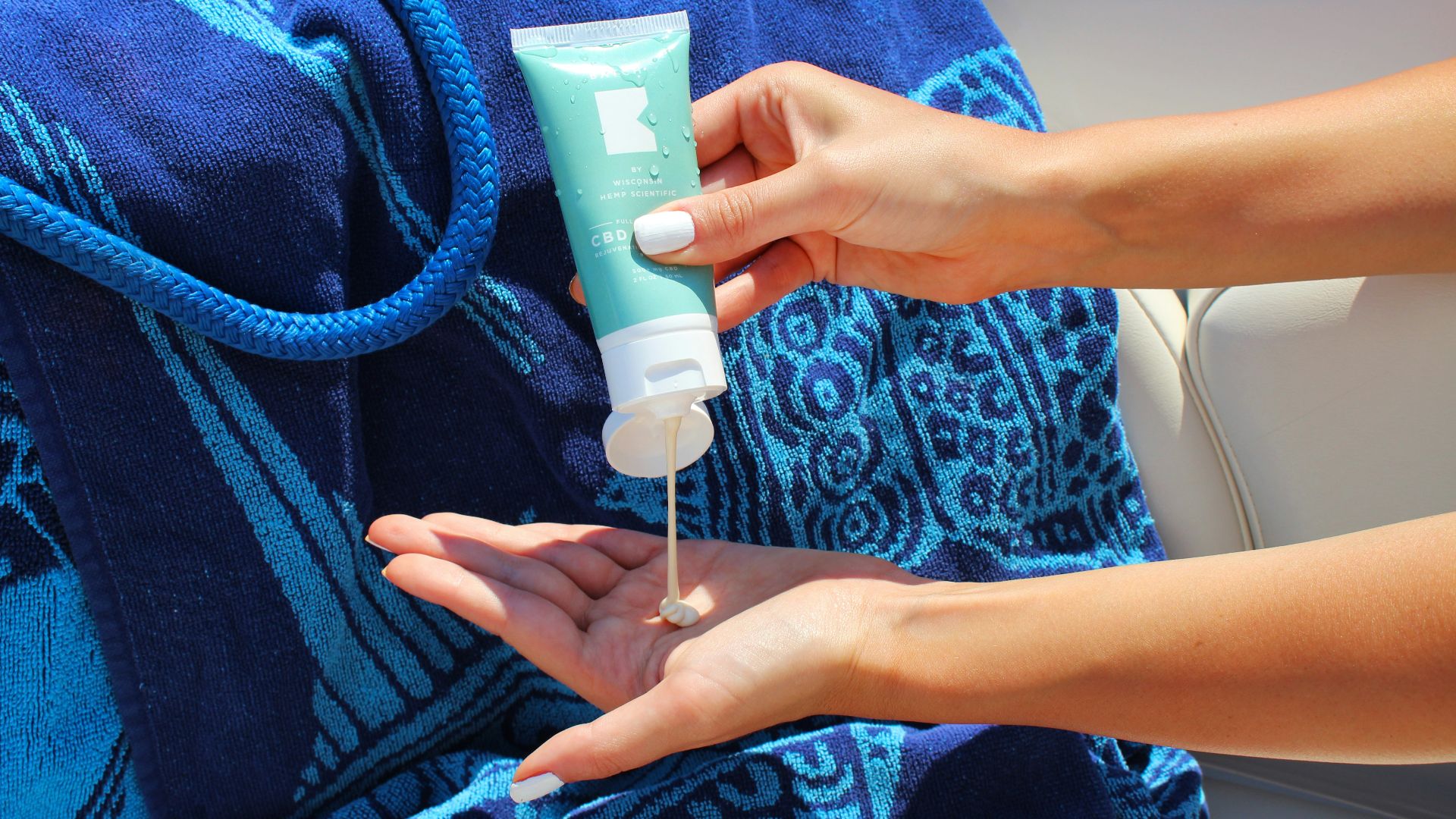 BATCH by Wisconsin Hemp Scientific on Unsplash
2. Pores Open And Close
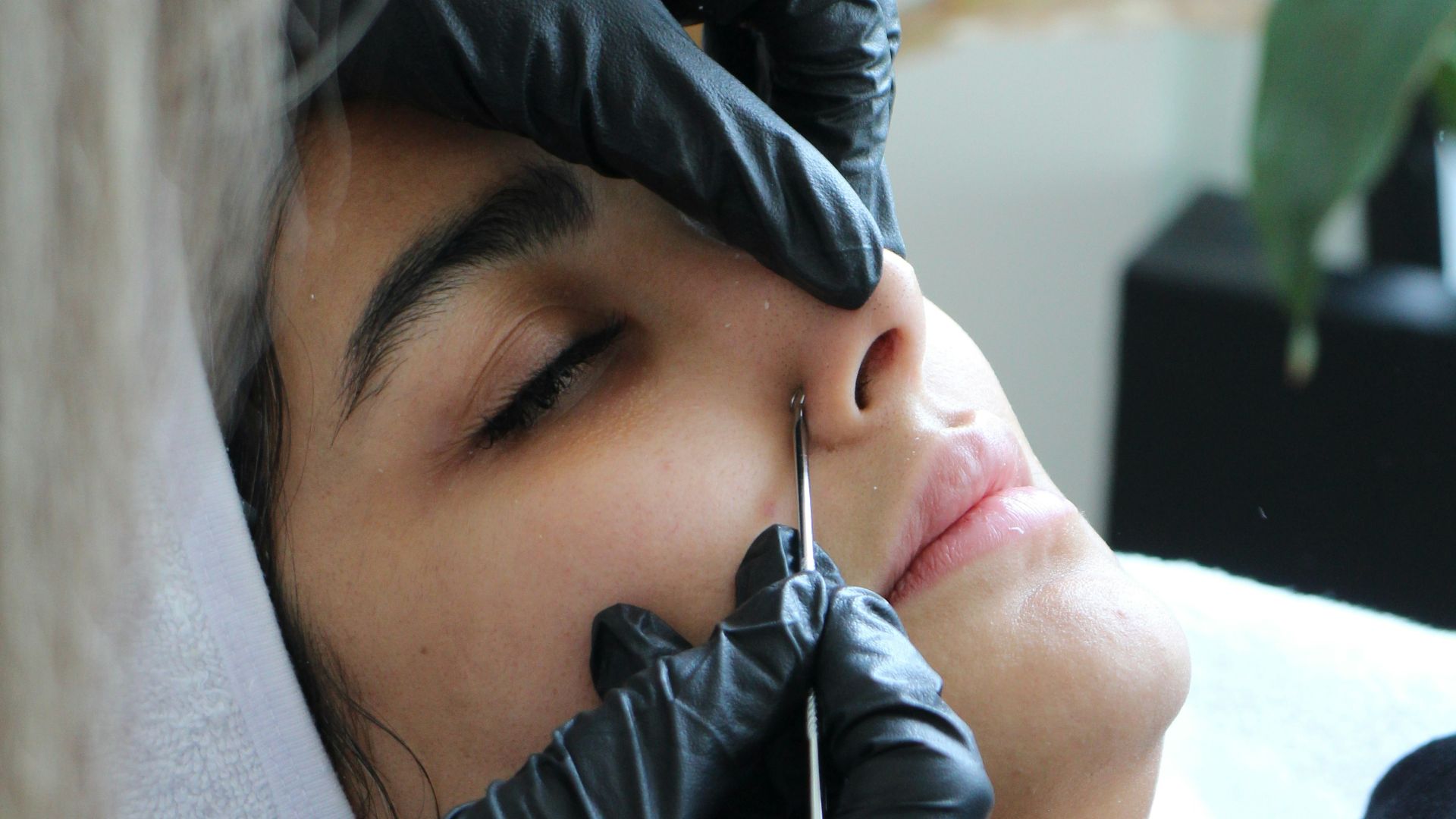
Pores don't have muscles, so there's no mechanism for them to physically open or close based on steam, cold water, or anything else marketed as a pore-tightening trick. What changes is the appearance, oil and debris can make them look larger, and clearing that buildup makes them look smaller. The size itself is mostly determined by genetics and doesn't shift day to day.
3. Products Need To Tingle Or Burn To Work
That stinging sensation usually means your skin barrier is irritated, not that an active ingredient is doing extra work. Dermatologists generally treat burning or tingling as a sign to dial back a product, not a sign of effectiveness. A well-formulated product should do its job without announcing itself through discomfort.

4. Natural Ingredients Are Automatically Safer
Poison ivy is natural. So is arsenic. The natural versus synthetic distinction says nothing about whether an ingredient is effective or safe for your particular skin, and plenty of natural extracts cause more irritation and allergic reactions than their lab-formulated counterparts. Dermatologists care about what an ingredient does on skin, not where it originally came from.
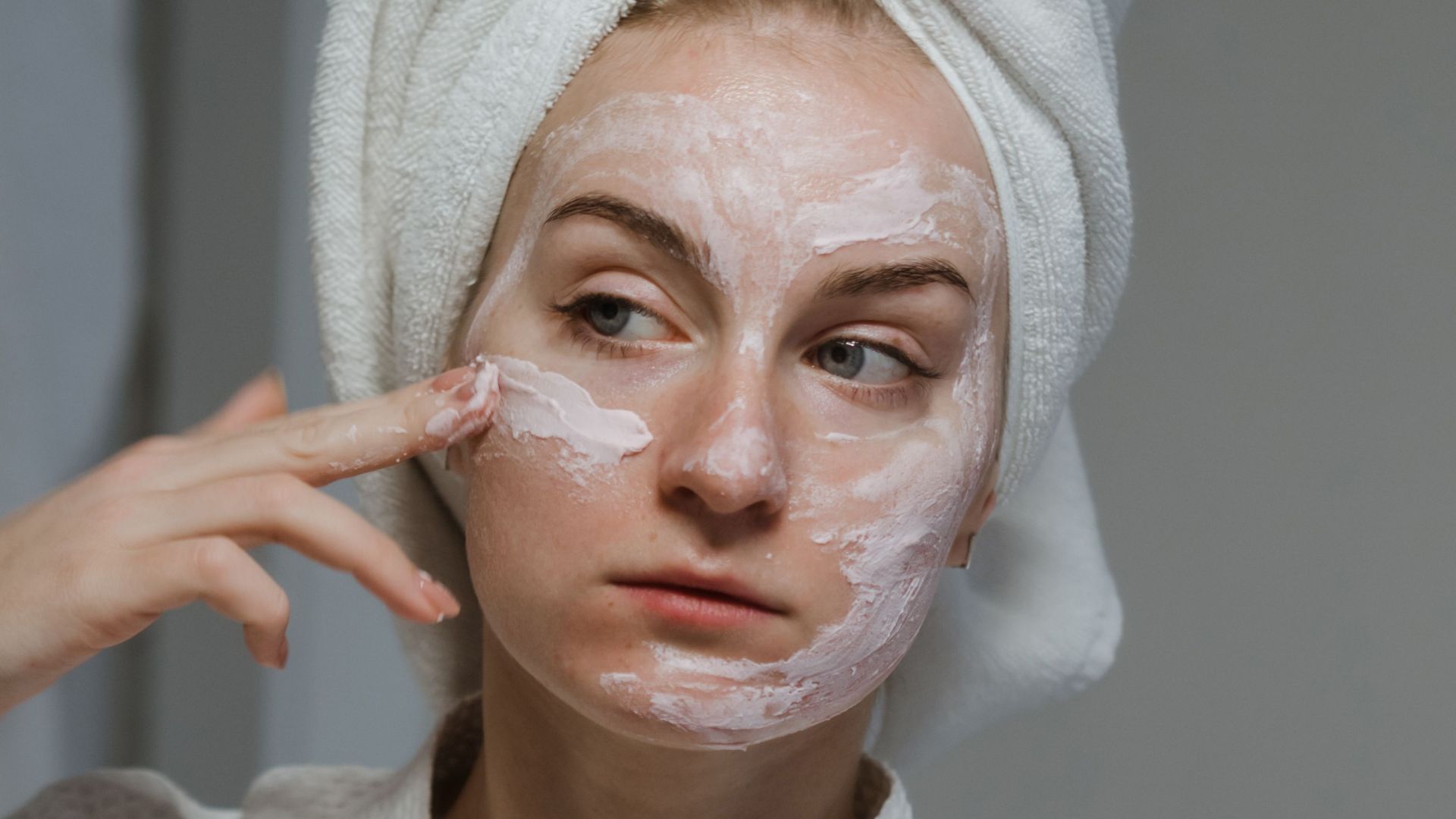
5. Oily Skin Doesn't Need Moisturizer
Skipping moisturizer on oily skin often backfires, since stripping away hydration can trigger your skin to produce even more oil to compensate. The fix isn't avoiding moisturizer, it's choosing a lightweight, oil-free formula that hydrates without adding heaviness. Plenty of oily-skin patients see less shine once they stop skipping this step, not more.
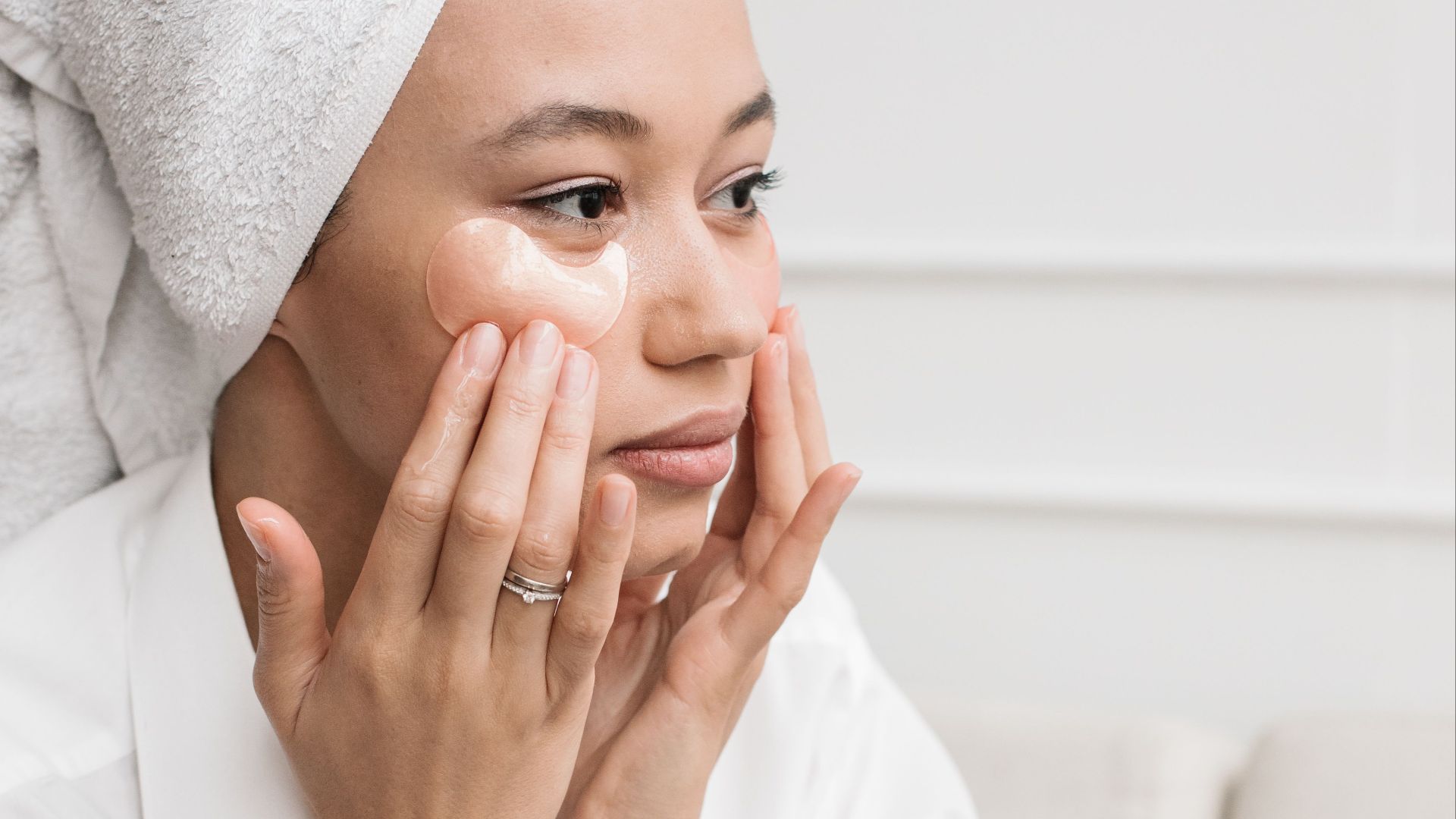
6. Popping A Pimple Speeds Up Healing
Popping a pimple usually pushes bacteria and inflammation deeper into the skin rather than releasing it, which is exactly why popped pimples so often turn into scars or dark marks that stick around for months. The urge makes sense, but the timeline for healing almost always gets longer, not shorter. A spot treatment and patience beat squeezing every time.

7. Sunscreen Is Only For Sunny Days
UV rays pass through clouds, and UVA rays in particular penetrate glass, meaning skin takes damage on overcast days and while sitting near a window indoors. Dermatologists point to cumulative UV exposure, not just direct summer sun, as the main driver of premature aging and skin cancer risk. Daily sunscreen isn't about the weather forecast at all.
8. Expensive Products Work Better
Price often reflects packaging, branding, and marketing budget more than it reflects the actual formulation inside the bottle. Plenty of drugstore products contain the same active ingredients, at the same concentrations, as versions costing five times as much. Dermatologists frequently recommend budget options for exactly this reason, without any noticeable drop in results.
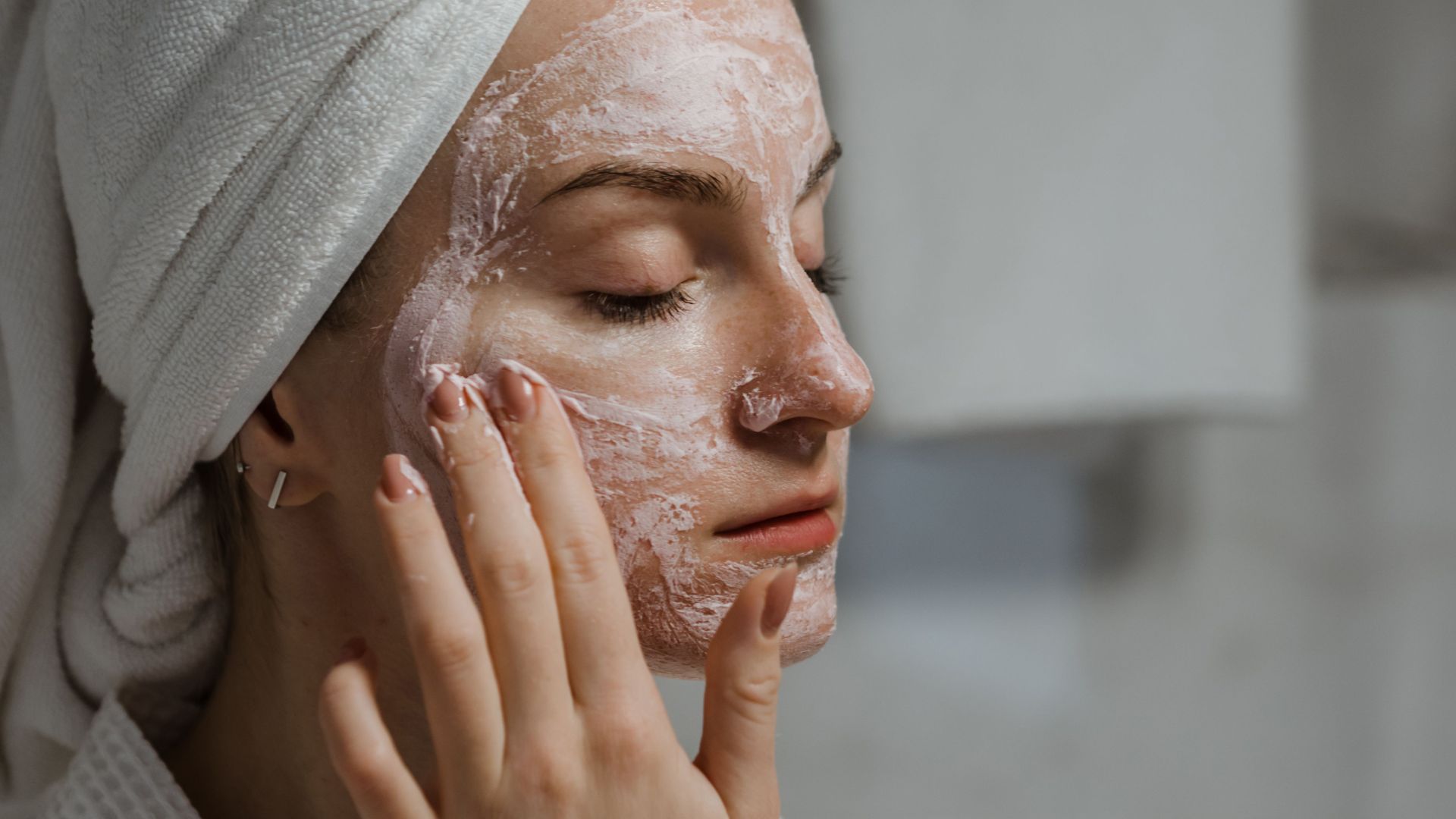
9. Toothpaste Clears Up Acne
Toothpaste contains ingredients like menthol and baking soda that can dry out a pimple temporarily, but it also irritates and damages the surrounding skin barrier in the process. Dermatologists have been fielding this one for decades, and the short-term drying effect rarely outweighs the redness and irritation left behind. A dedicated spot treatment does the same job without the collateral damage.
10. Your Skin Needs Weeks Of Purging Before It Improves
Purging is a real phenomenon with certain active ingredients, but it's often used as an excuse to explain away a product that's simply causing a bad reaction. True purging should resolve within a few weeks and stick to areas you already break out in. If a new product causes irritation in spots you've never had issues before, that's not purging, that's just irritation.
11. Drinking More Water Cures Dry Skin
Hydration matters for overall health, but dry skin is typically a barrier issue, not a symptom of not drinking enough water. Chugging extra glasses of water rarely changes how flaky or tight skin feels, since the skin barrier depends on lipids and topical hydration far more than internal water intake. A good moisturizer does more in a day than a week of extra water bottles.

12. You Should Exfoliate Every Day
Daily exfoliation strips away the skin's protective barrier faster than it can rebuild, leading to redness, sensitivity, and ironically, more breakouts over time. Most dermatologists recommend exfoliating two to three times a week at most, depending on skin type and the strength of the product. Skin needs some of that outer layer intact to actually function properly.

13. A Base Tan Protects You From Sunburn
A tan is visible evidence of DNA damage, not a shield against future damage, and the modest SPF boost a tan provides, roughly SPF 3 to 4, is nowhere near enough to prevent burning. Dermatologists consider this one of the most persistent and dangerous myths still in circulation. There's no such thing as a safe tan, only a slower path to the same damage.

14. Rubbing Alcohol Disinfects Breakouts
Alcohol does kill bacteria on contact, but it also destroys the skin barrier and strips away moisture, often leading to more oil production and worse breakouts down the line. What looks like a quick fix tends to create a longer-term problem. Dermatologists generally steer patients toward gentler antimicrobial ingredients that don't come with that trade-off.

15. You Don't Need Anti-Aging Products Until Wrinkles Show Up
By the time fine lines are visible, a fair amount of collagen breakdown has already happened, which is why dermatologists tend to recommend preventive habits, mainly sunscreen and retinoids, well before any wrinkles appear. Waiting for visible signs means treating damage instead of preventing it. The best anti-aging routine usually starts in your twenties, not your forties.

16. Chocolate And Greasy Food Directly Cause Acne
Diet can influence acne for some people, particularly high-glycemic foods and dairy in certain individuals, but chocolate and greasy food specifically don't have the direct causal link the old myth suggests. Skin oil production is driven mostly by hormones and genetics, not what's on your plate at dinner. Blaming a slice of pizza for a breakout oversimplifies something much more complicated.

17. Alcohol-Based Toner Seals Your Pores Shut
Toner can't seal anything, since pores don't open and close to begin with, and alcohol-based versions typically just strip natural oils and irritate the skin barrier instead. That tight, squeaky-clean feeling people associate with a good toner is often just dehydration. Dermatologists tend to favor alcohol-free toners that balance skin rather than strip it.
18. Retinol Thins Your Skin
Retinol actually does the opposite over time, boosting collagen production and thickening the deeper layers of skin even while making the outer surface more sensitive during the adjustment period. That initial sensitivity gets misread as thinning, when it's really just increased cell turnover. Long-term use is one of the most well-documented ways to improve skin thickness and texture.
19. You Don't Need Sunscreen If You're Staying Indoors All Day
Windows block most UVB rays but let UVA rays through, and UVA is the wavelength most responsible for premature aging and deeper skin damage. Anyone sitting near a window for hours, working from home, driving, riding a train, is still accumulating exposure. Dermatologists recommend daily sunscreen regardless of whether the day involves stepping outside at all.

20. Washing Your Face More Often Prevents Breakouts
Over-washing strips the skin barrier and can trigger a rebound in oil production, often making breakouts worse rather than better. Twice a day is typically the sweet spot dermatologists recommend, morning and night, with extra washing reserved for after sweating heavily. Scrubbing harder or washing more frequently almost never solves acne, and it often makes the underlying irritation worse.