All You Need Is A Little Color-Wheel Savvy
Here's the thing nobody tells you before you grab that box of dye: color doesn't land on a blank canvas. It lands on top of whatever is already going on in your hair, the leftover warmth, the faded pigment, the porous spots that soak up color faster than the rest. Two shades that look perfect side by side on a color chart change once they actually meet your strands. You can end up with a muddy, brassy cautionary tale. The good news is most of this comes down to simple color-wheel logic once you know what to look for. Below are 20 placement ideas, 10 pairings that tend to go sideways and 10 that reliably turn out gorgeous.
1. Blue Over Yellow-Blonde Hair
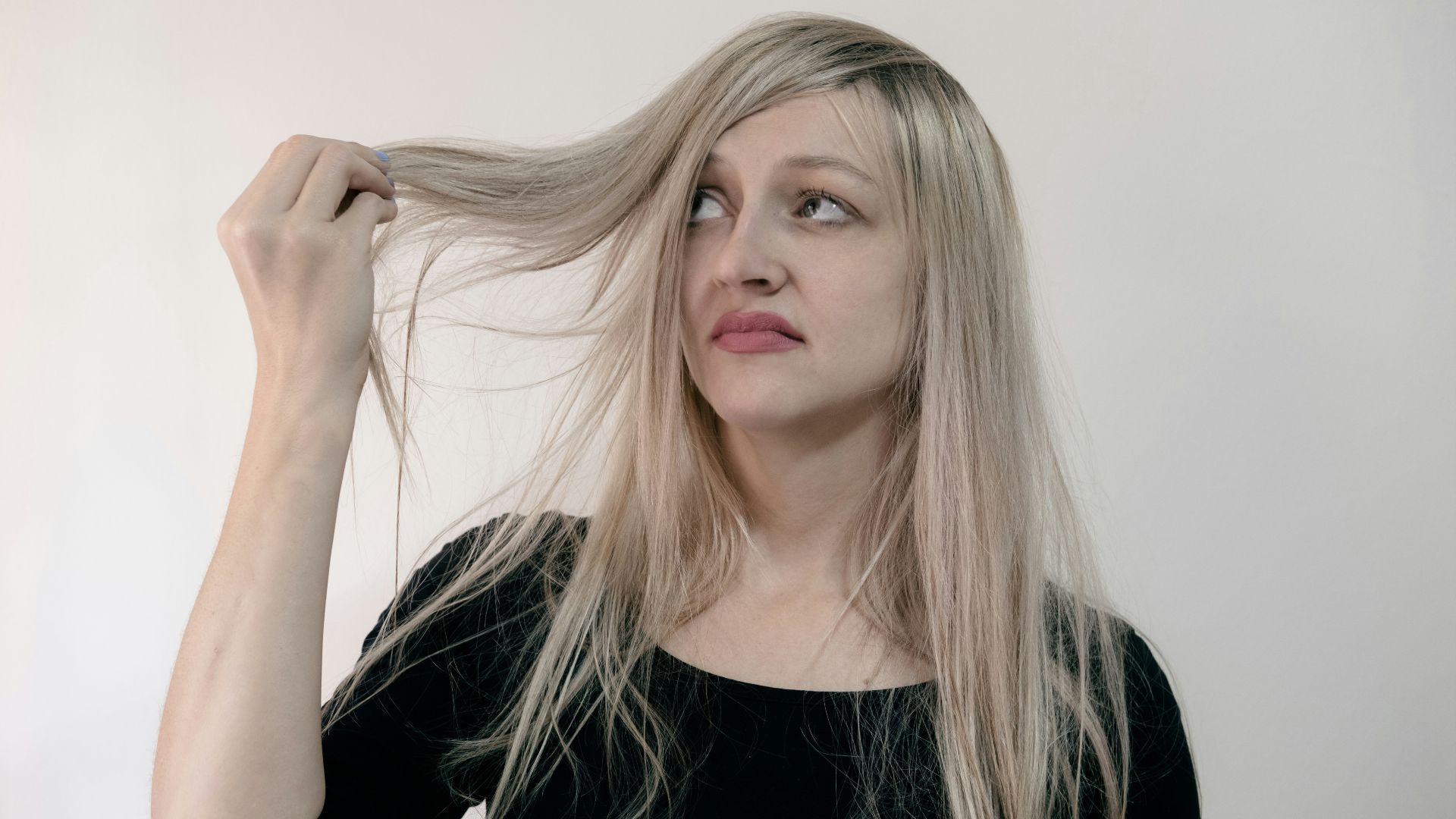
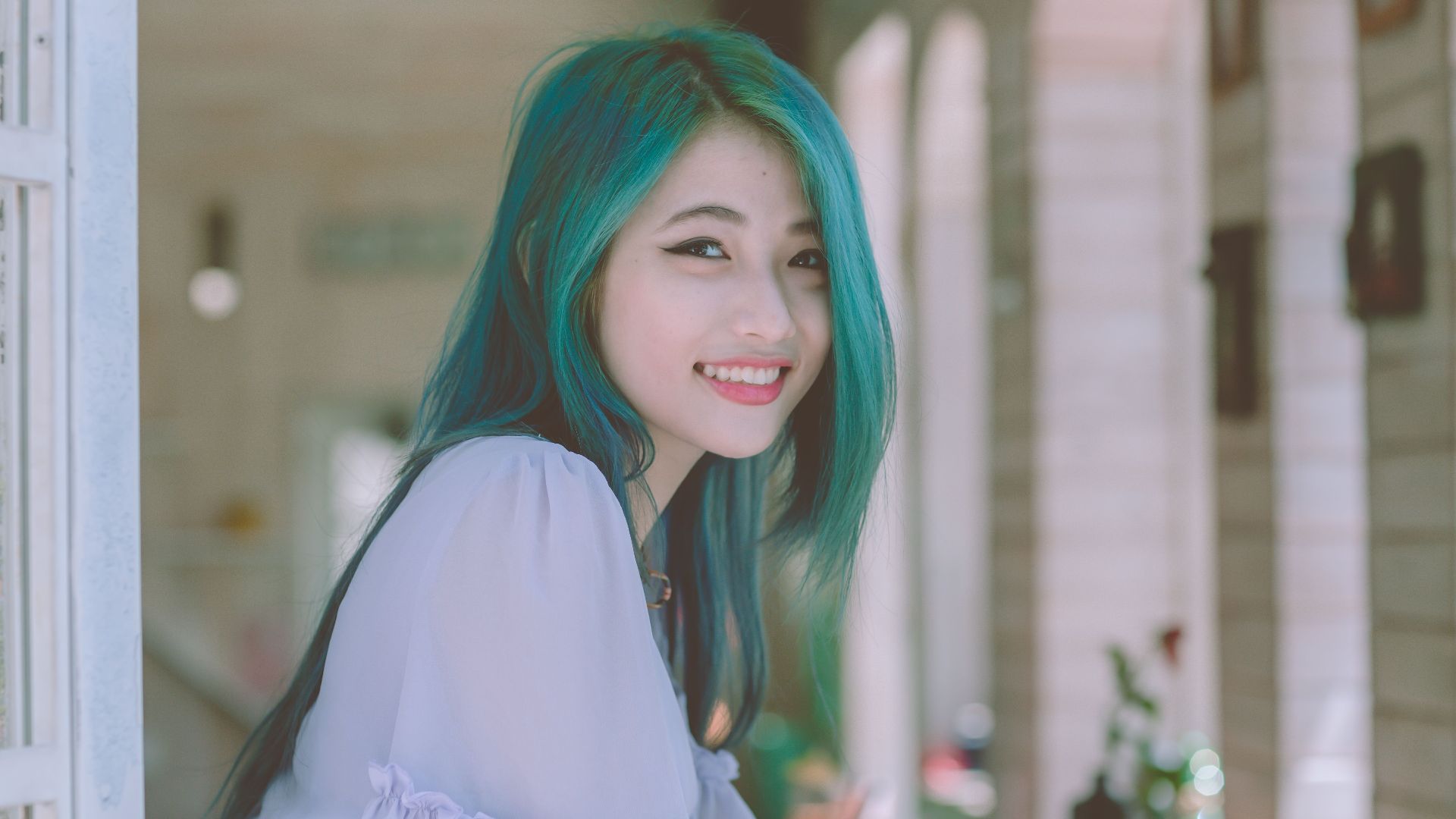
Here's a classic gotcha: blue dye applied over yellow-blonde hair rarely stays blue. The yellow underneath mixes with it and often shifts your color towards teal or green. If you're chasing a beachy, mermaid vibe, that's a happy accident. If you want a crisp cobalt or moody navy, you'll need to strip the yellow out of your base first; otherwise you're fighting the undertone the entire time.
2. Violet Over Strongly Yellow Hair
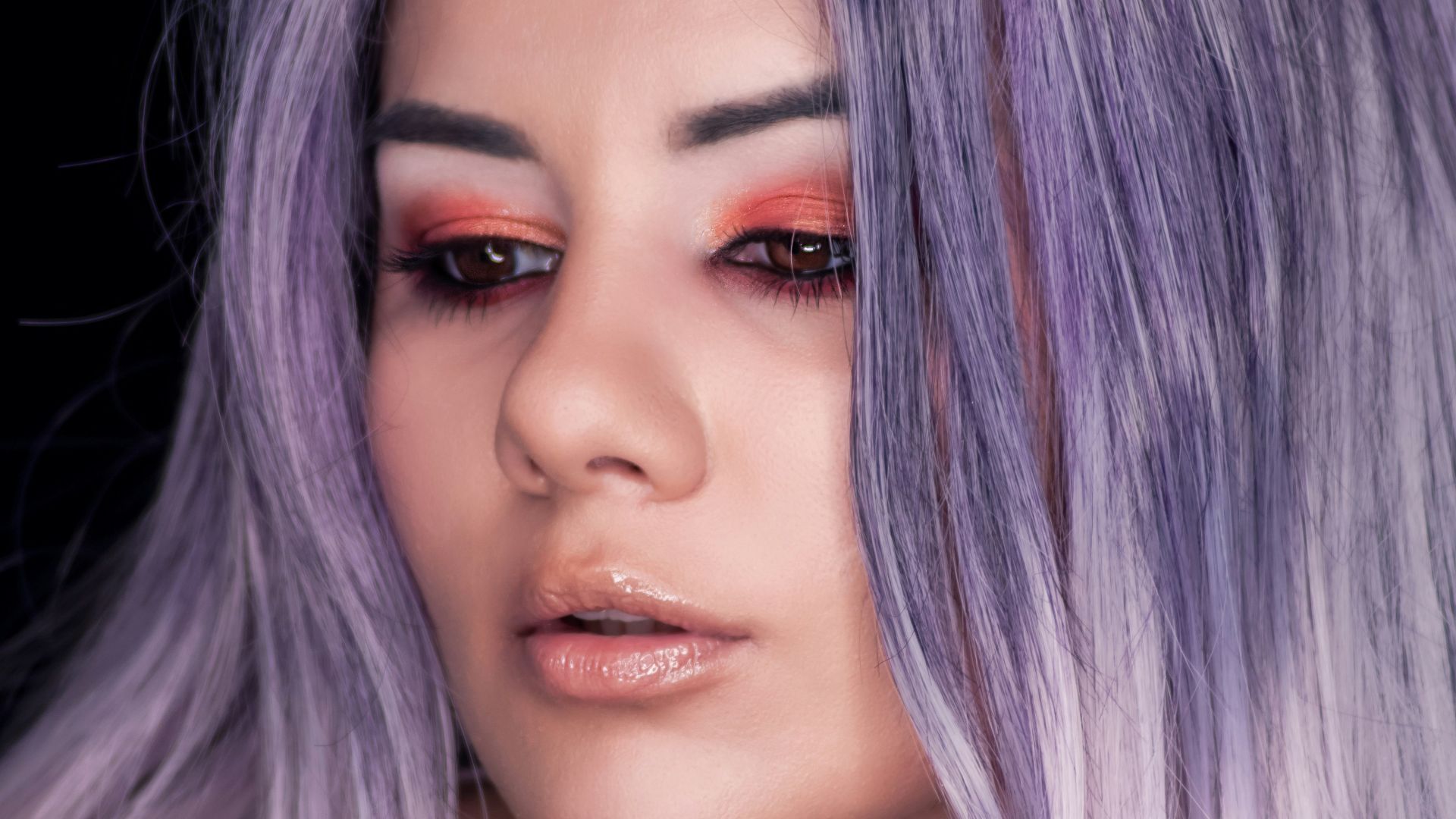
Violet and yellow are color-wheel rivals, which is why toning products use purple to cancel out brassiness. Apply a bold violet over hair that's still holding a lot of yellow, though, and that vibrant purple can flatten into something smoky and washed out. Great for neutralizing, less great for a statement purple.
3. Orange Copper With Blended Blue
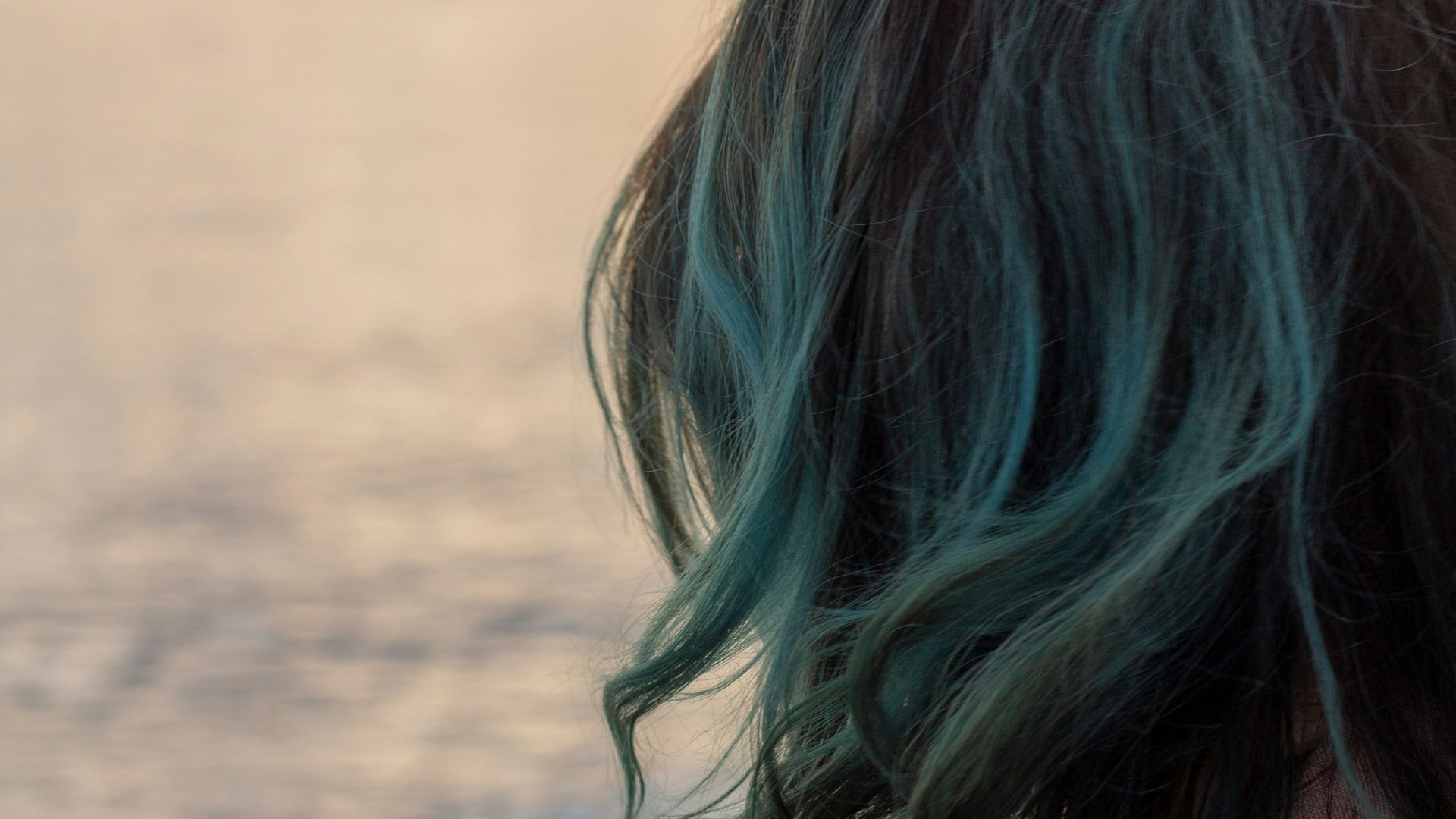
Copper and blue are both stunning on their own merits, but blend them together, and you're asking for trouble. The result tends to look flat and almost grey. Want both? Keep them in their own clearly defined sections so neither one gets muddied by the other.
4. Red and Green
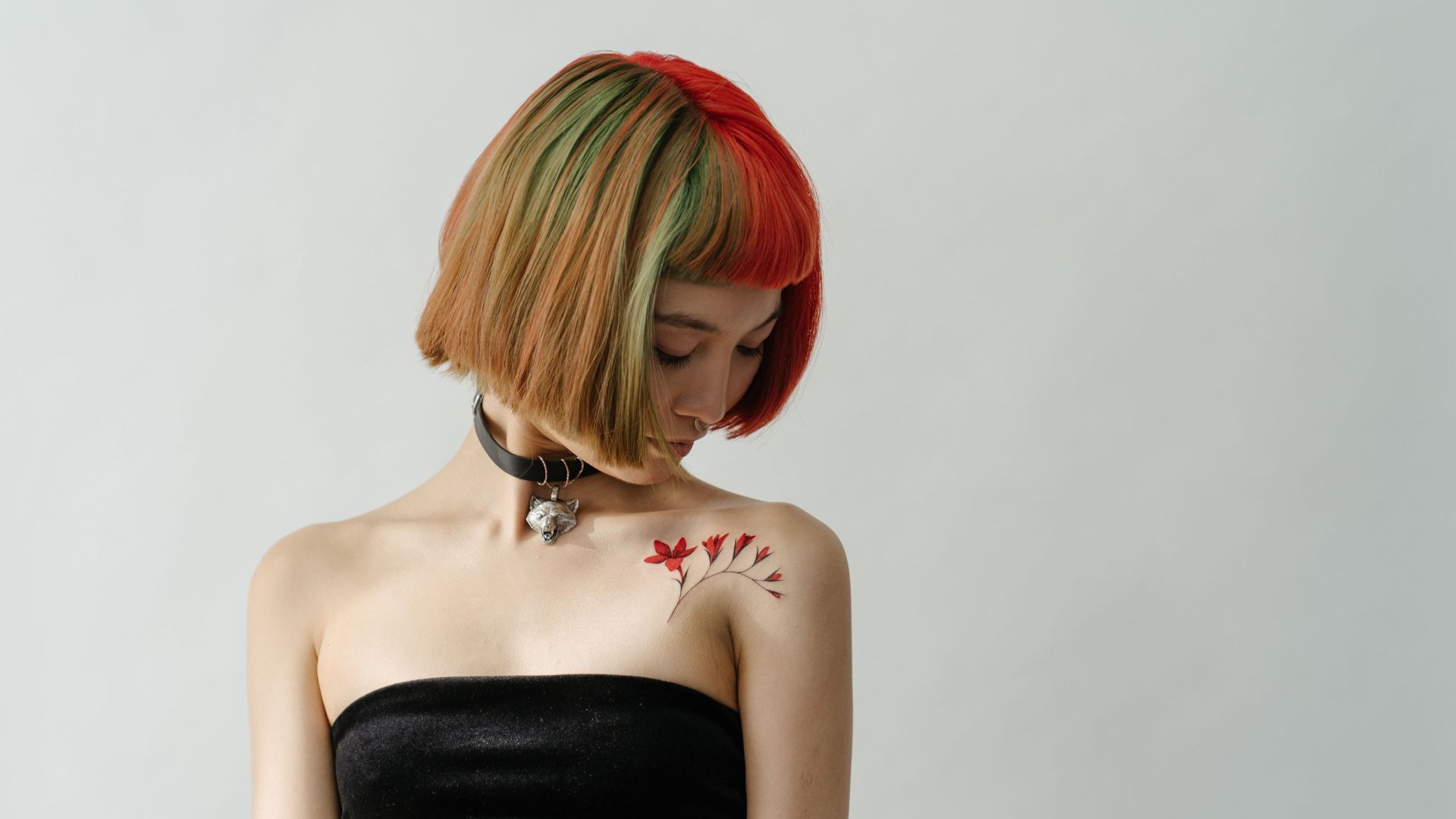
Red and green share the same opposite-on-the-wheel problem. Layer them together, and you'll lose the vibrancy of both. But here's the twist: wearing them in separate, color-blocked panels can look genuinely striking. If you’re looking for your next holiday updo, make sure the two don’t mix.
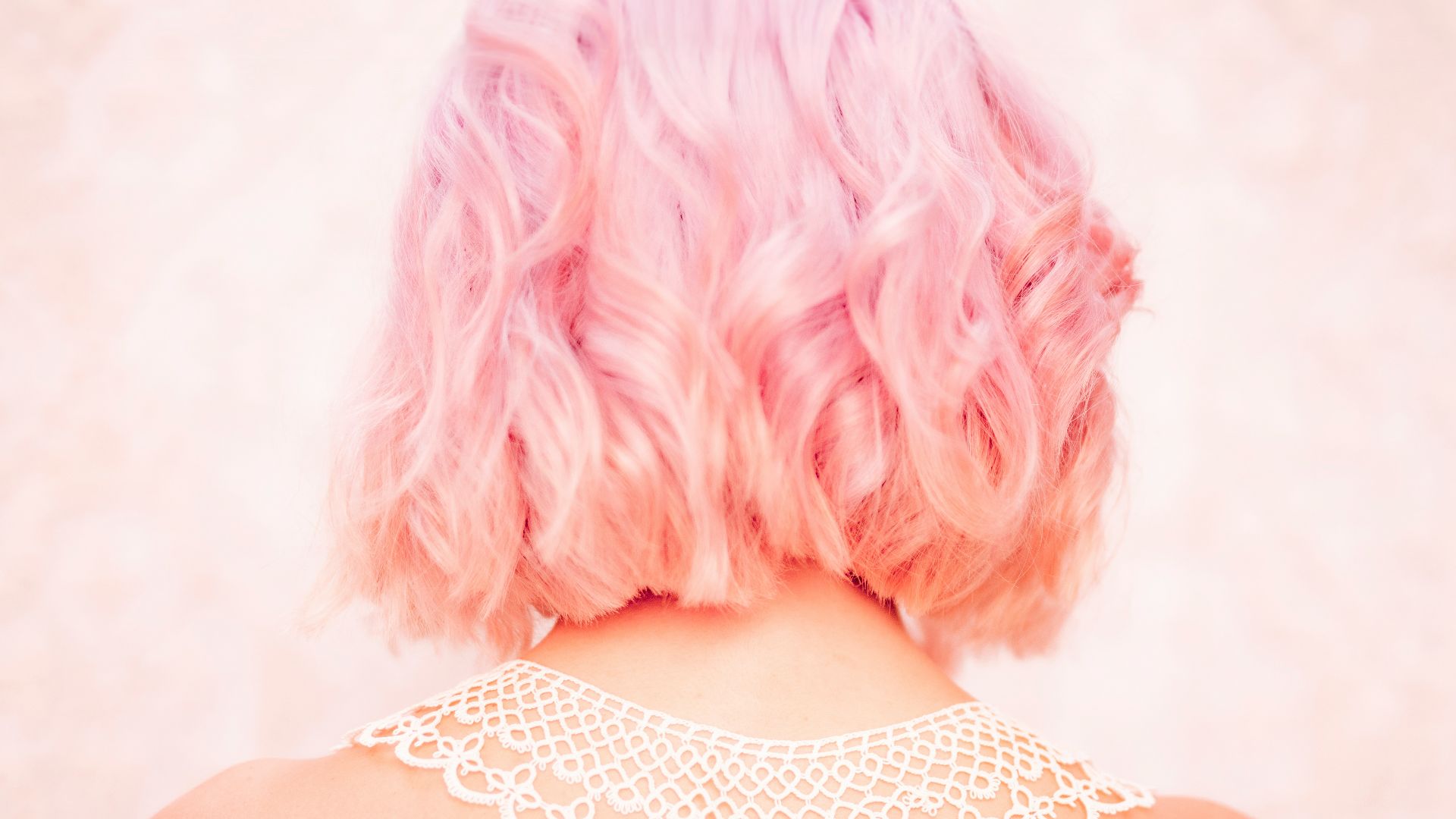
5. Pastel Pink Over Dark Brown
Pastel shades are needy. They want a pale, near-white base to show their true, delicate self. Slap pastel pink onto dark brown hair, and you'll likely end up with a faint warm tint instead of the soft cotton-candy color. The darker you start, the less that pastel has to work with.
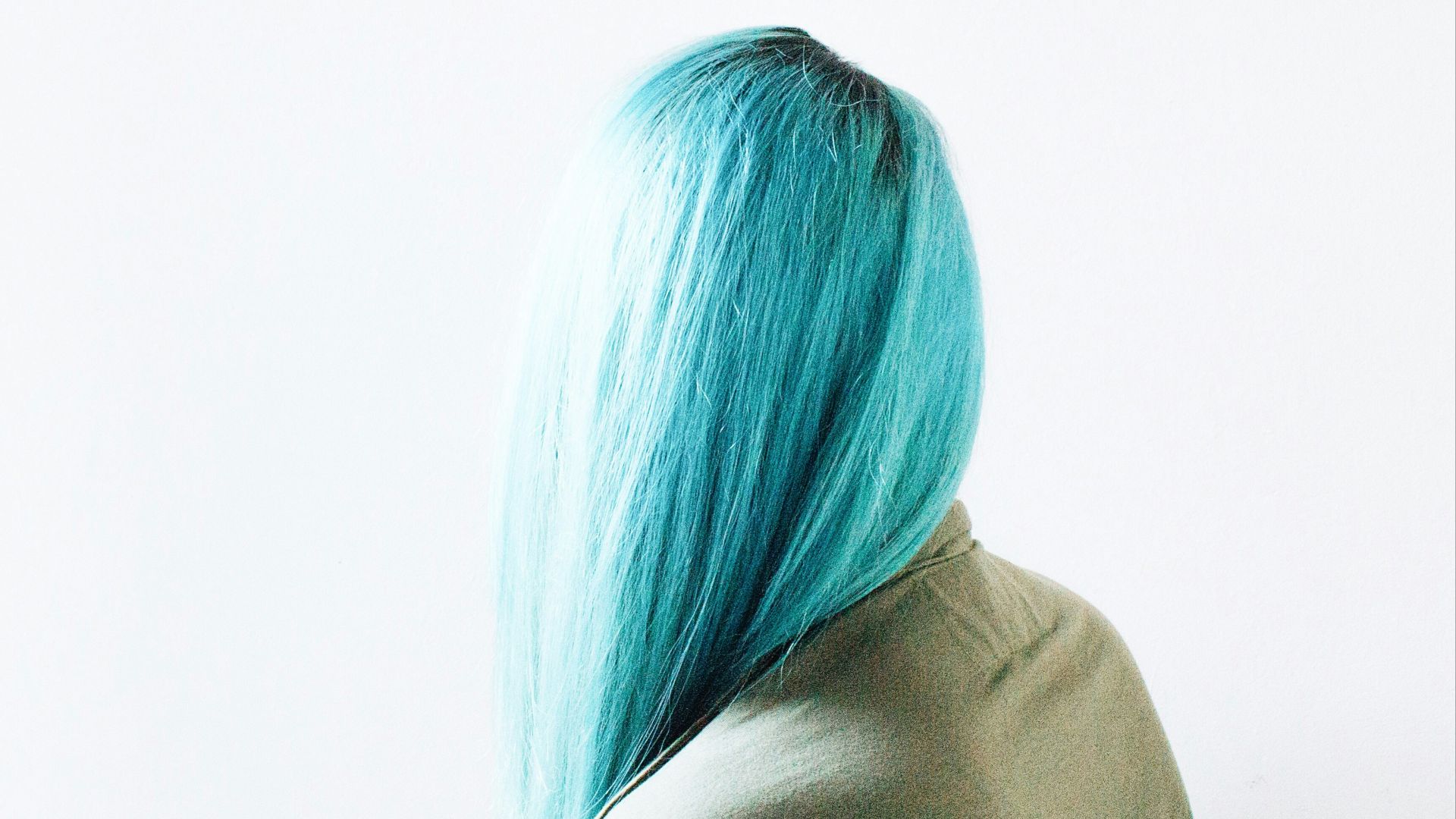
6. Bright Blue Over Brassy Blonde
Brassy blonde is a mix of yellow and orange, and blue dye reacts to this combo differently depending on how strong it is in each section. You might get a clean blue in some spots and a swampy green in the warmer ones, resulting in patchiness rather than the uniform color you were hoping for.
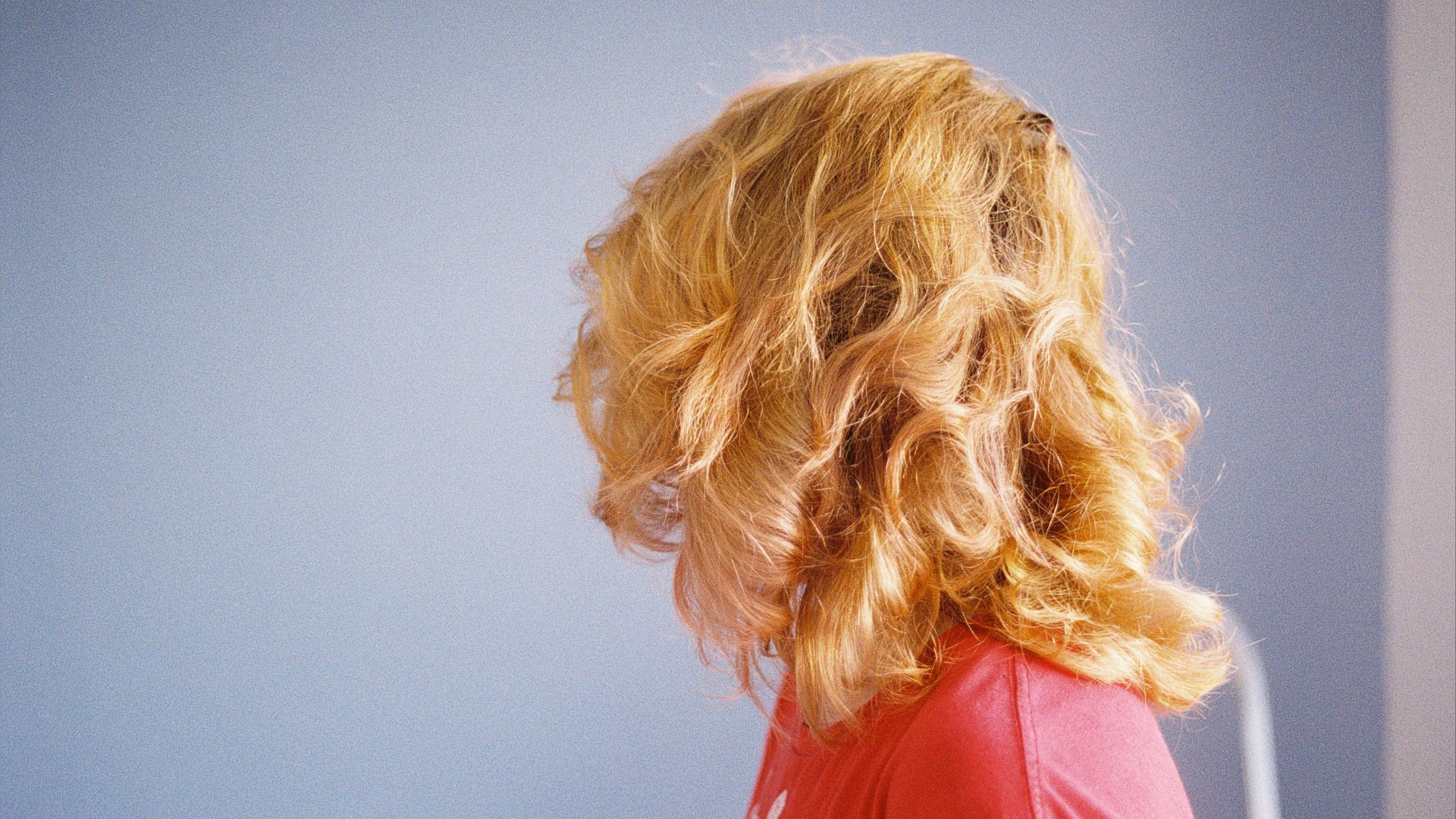
7. Ash Blonde Over Uneven Orange
Ash tones are built to cool things down, but they're not miracle workers. More porous strands grab the ash faster, while other sections stubbornly hang onto their gold or orange, leaving you with a patchwork instead of one seamless look.
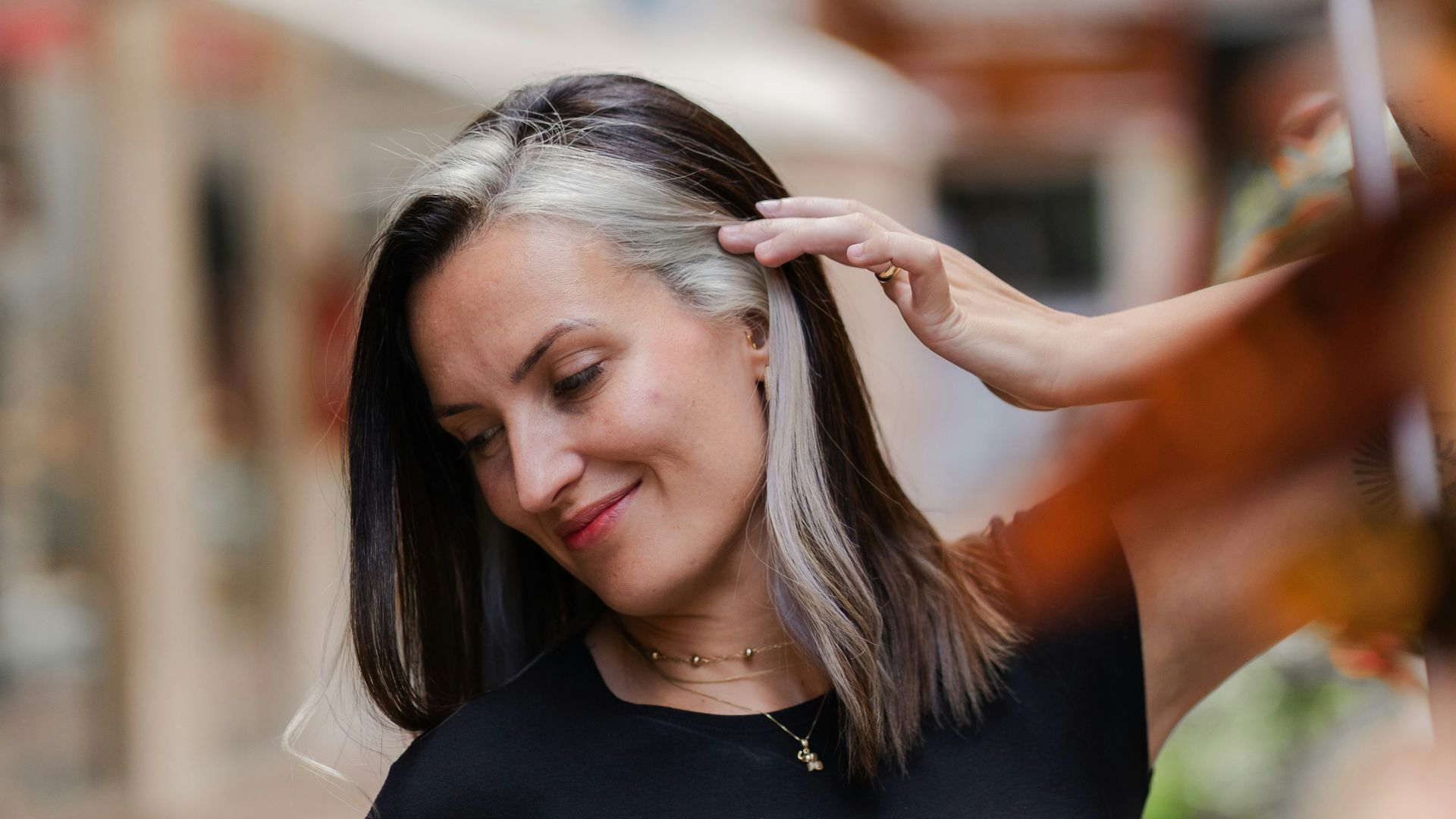
8. Jet Black With At-Home Platinum Pieces
On paper, jet black next to platinum blonde is a jaw-dropping contrast. In practice, at home, it's a high-wire act. Black dye loves to bleed into lighter sections, and bleach doesn't always lift evenly, which can leave your "platinum" looking brassy. High contrast means high stakes, and small slip-ups become impossible to hide.
 Rodrigo Rodrigues | WOLF Λ R T on Unsplash
9. Burgundy Over Faded Green
If you've got leftover green or teal hanging around from a previous color, burgundy isn’t going to play nice with it. The red clashes with what's still there, and instead of that rich wine finish, you might end up with a color that’s duller, browner, or noticeably uneven.
10. Platinum With a Warm Root Smudge
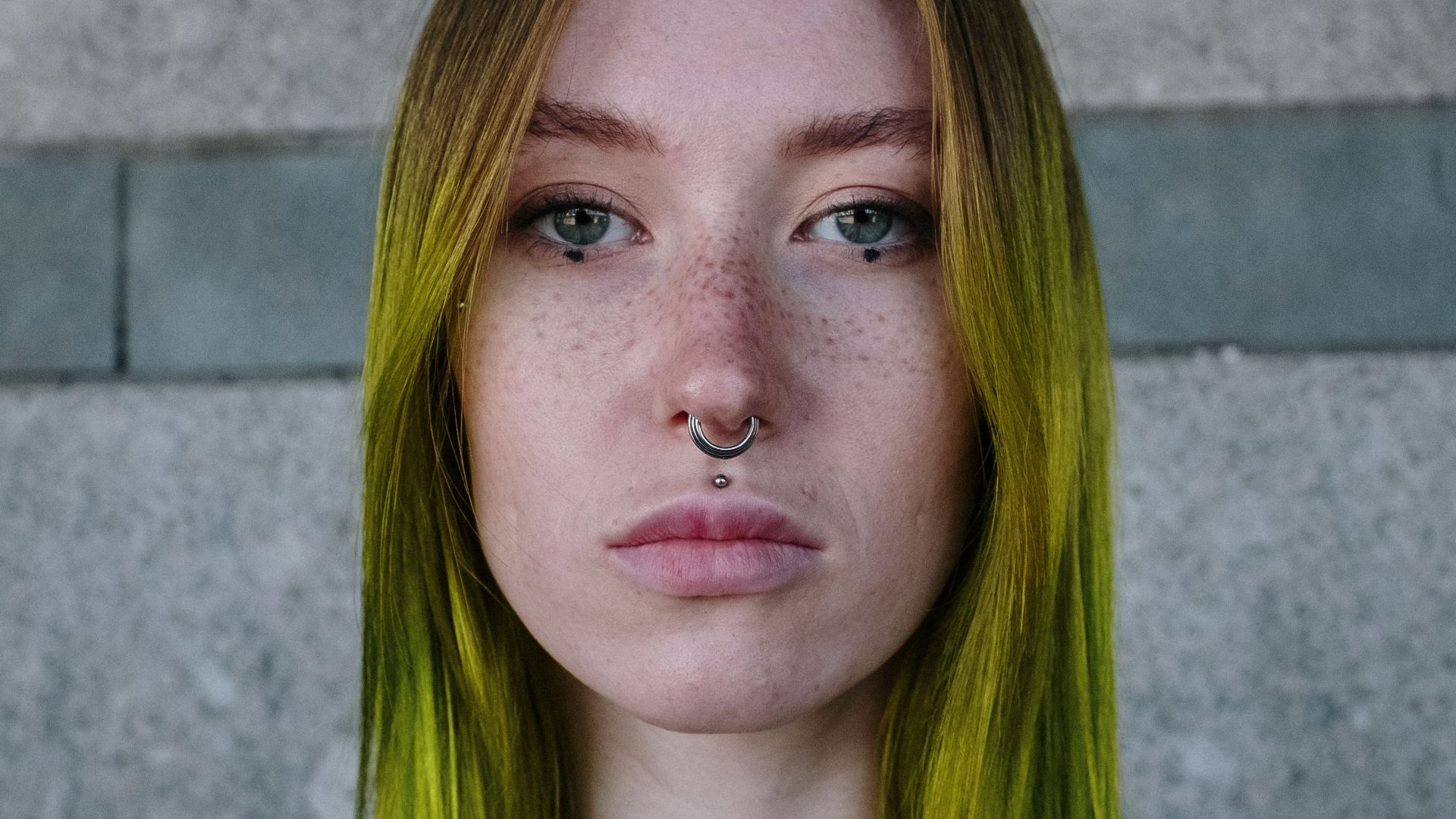
A soft, darker root can elevate a platinum look, but only if that root color stays cool. Let it drift warm or coppery, and the transition from root to ends looks more like regrowth.
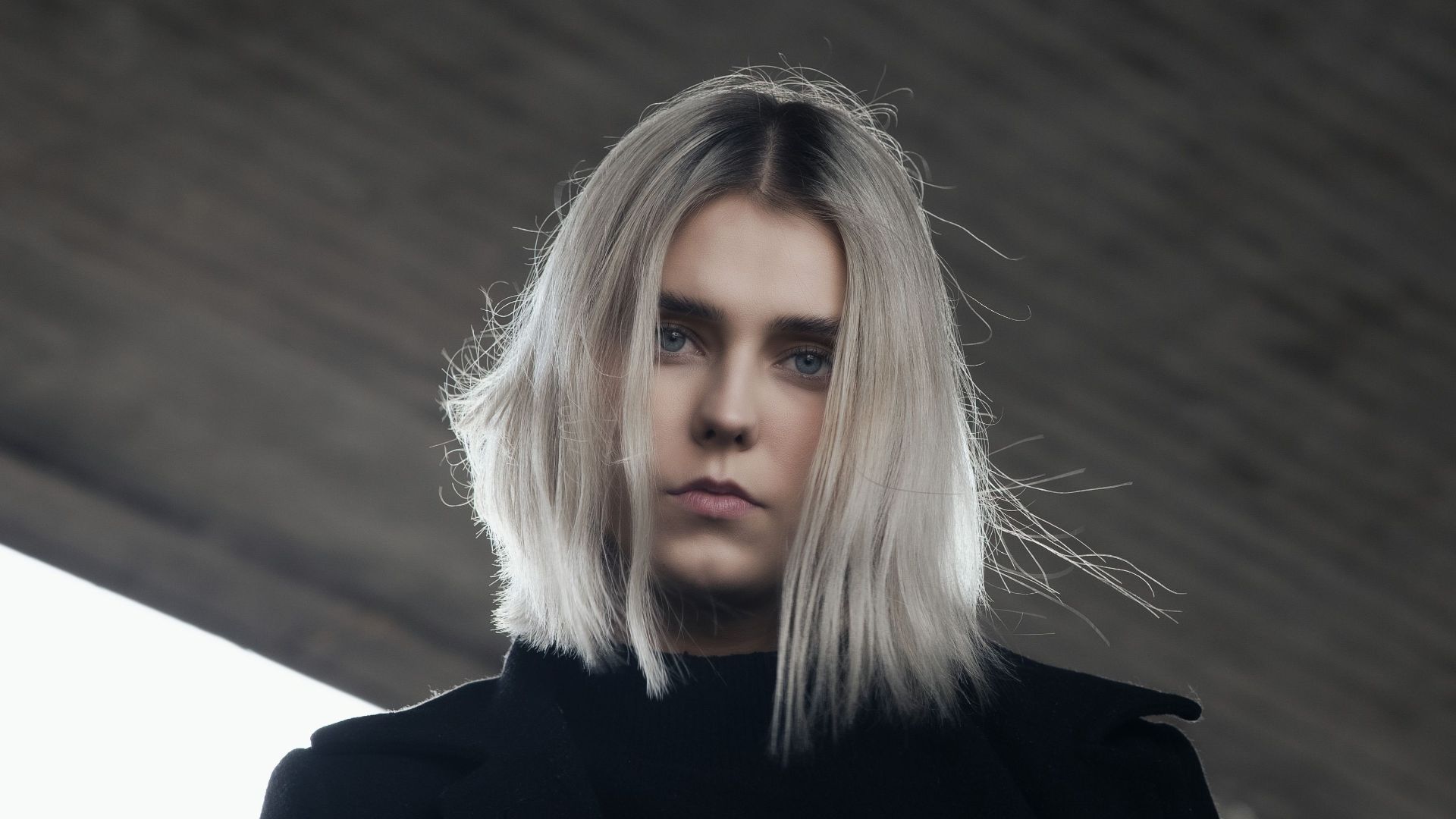
1. Chocolate Brown With Caramel Balayage
This pairing works because caramel complements the chocolate base. Woven through the mid-lengths and ends, caramel adds warmth and movement without turning into harsh stripes. You get all the richness of deep brunette hair with some extra built-in dimension.
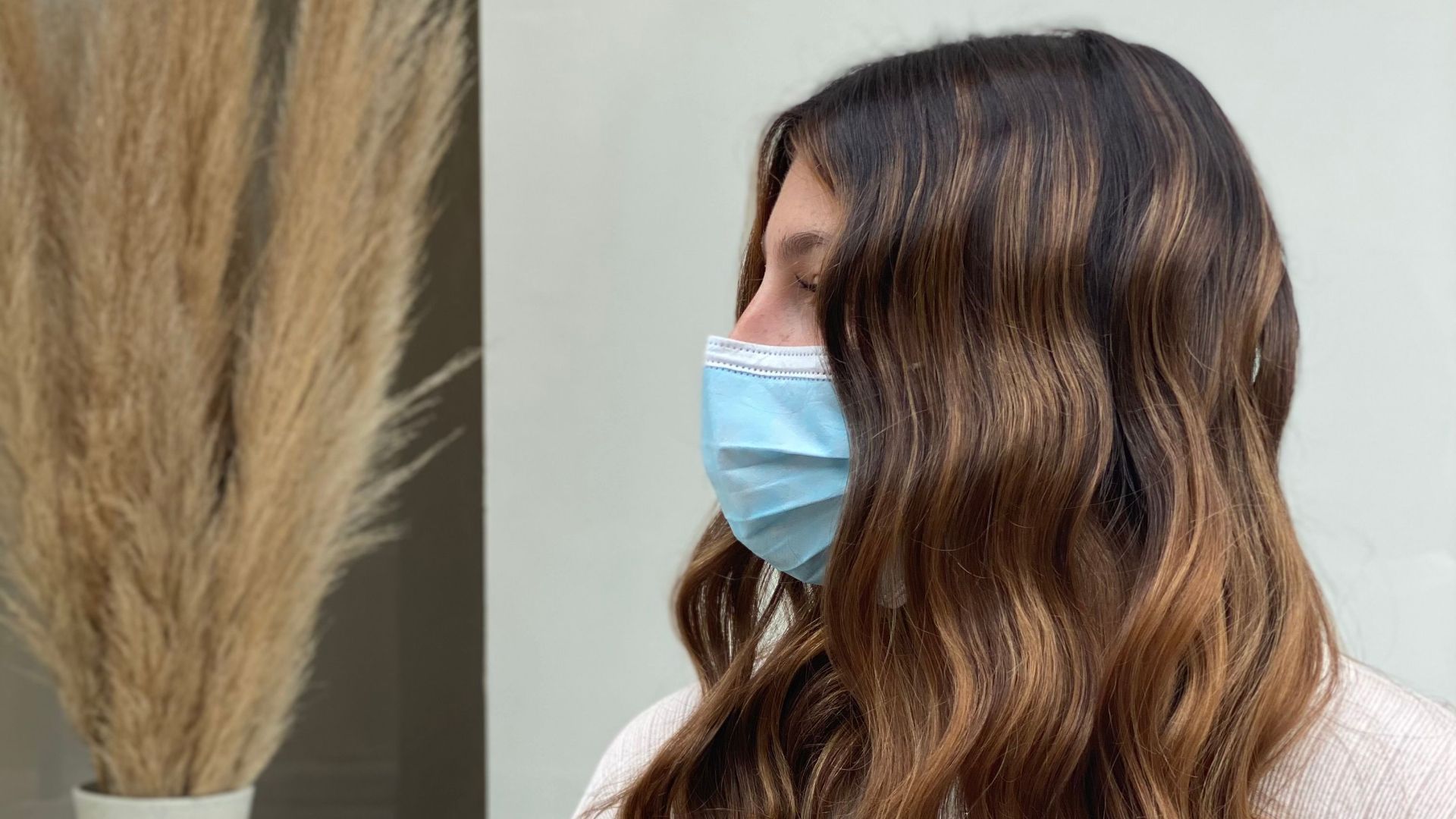
2. Dark Brunette With Ash Highlights
Ash highlights bring a cool, smoky contrast to dark brunette hair without going overly blonde. The trick is toning those lightened pieces cool enough to counter the natural orange warmth that shows up in the lifting process.
 Astra Zilberte-Linde on Pexels
3. Copper With Strawberry Blonde
Copper and strawberry blonde are basically color-family cousins, both leaning warm, red, and golden. Try deeper copper near the roots with lighter strawberry framing your face for a layered, sun-kissed effect.
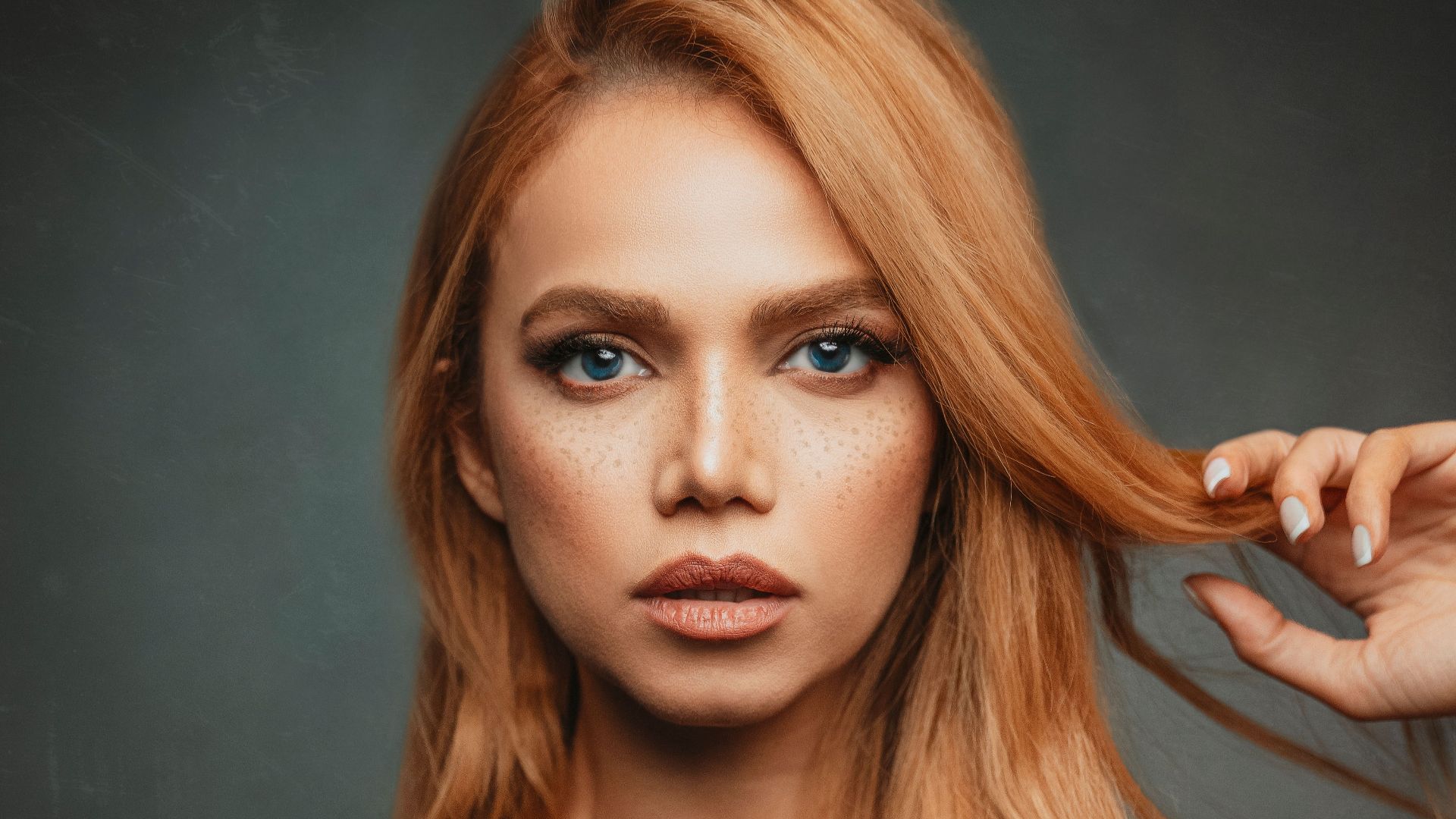
4. Beige Blonde With Honey Highlights
Beige blonde offers a soft, creamy foundation, and honey highlights add warmth in exactly the right places. Together they balance each other out, keeping the blonde bright without tipping into overly yellow territory.
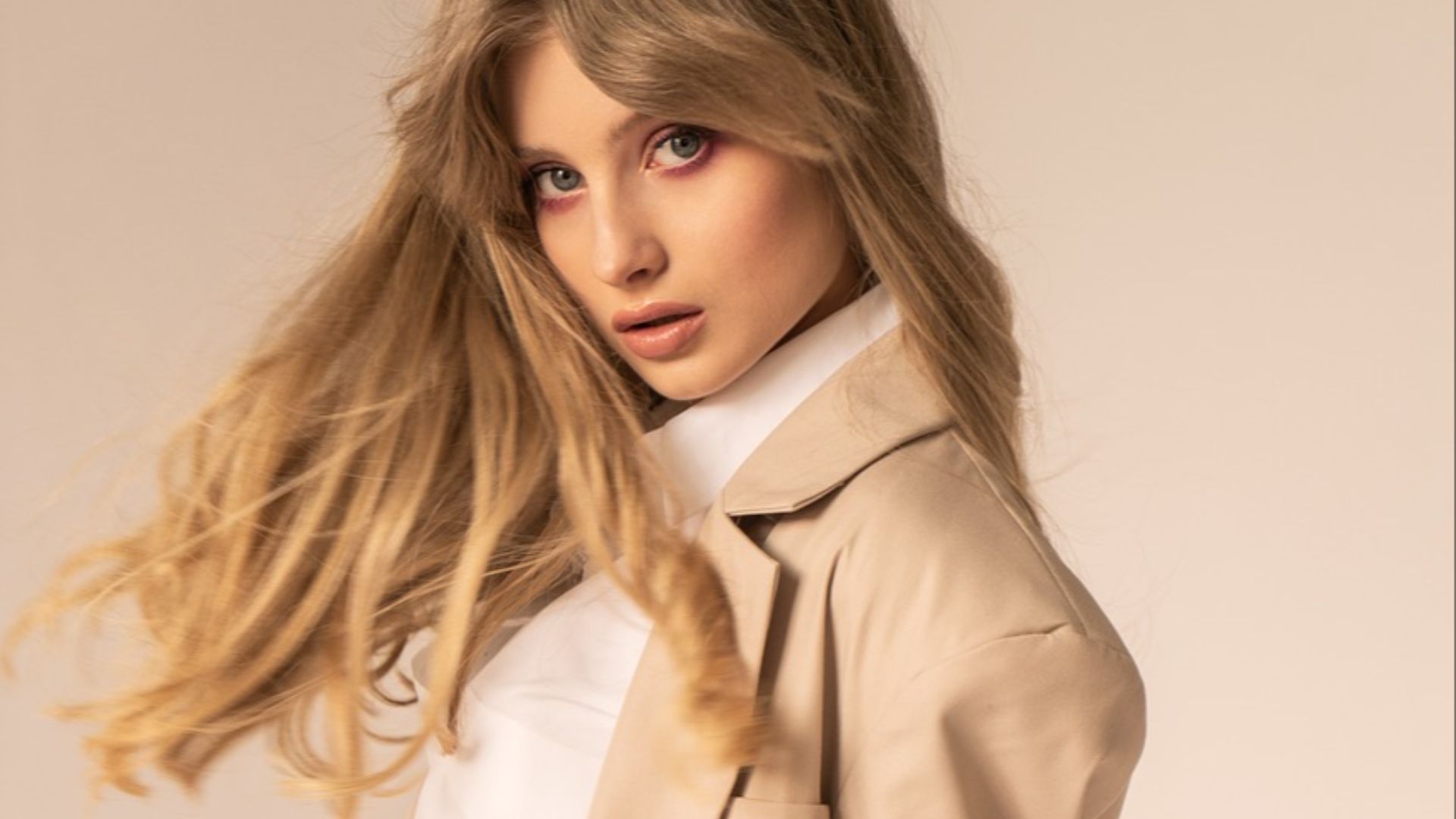
5. Espresso Brown With Chestnut Ribbons
Espresso brown holds down the fort with deep, glossy richness, while ribbons of chestnut add a subtle red-gold lift throughout the lengths. It's a low-commitment way to add movement to dark hair without going full blonde, or even touching highlights in the traditional sense.
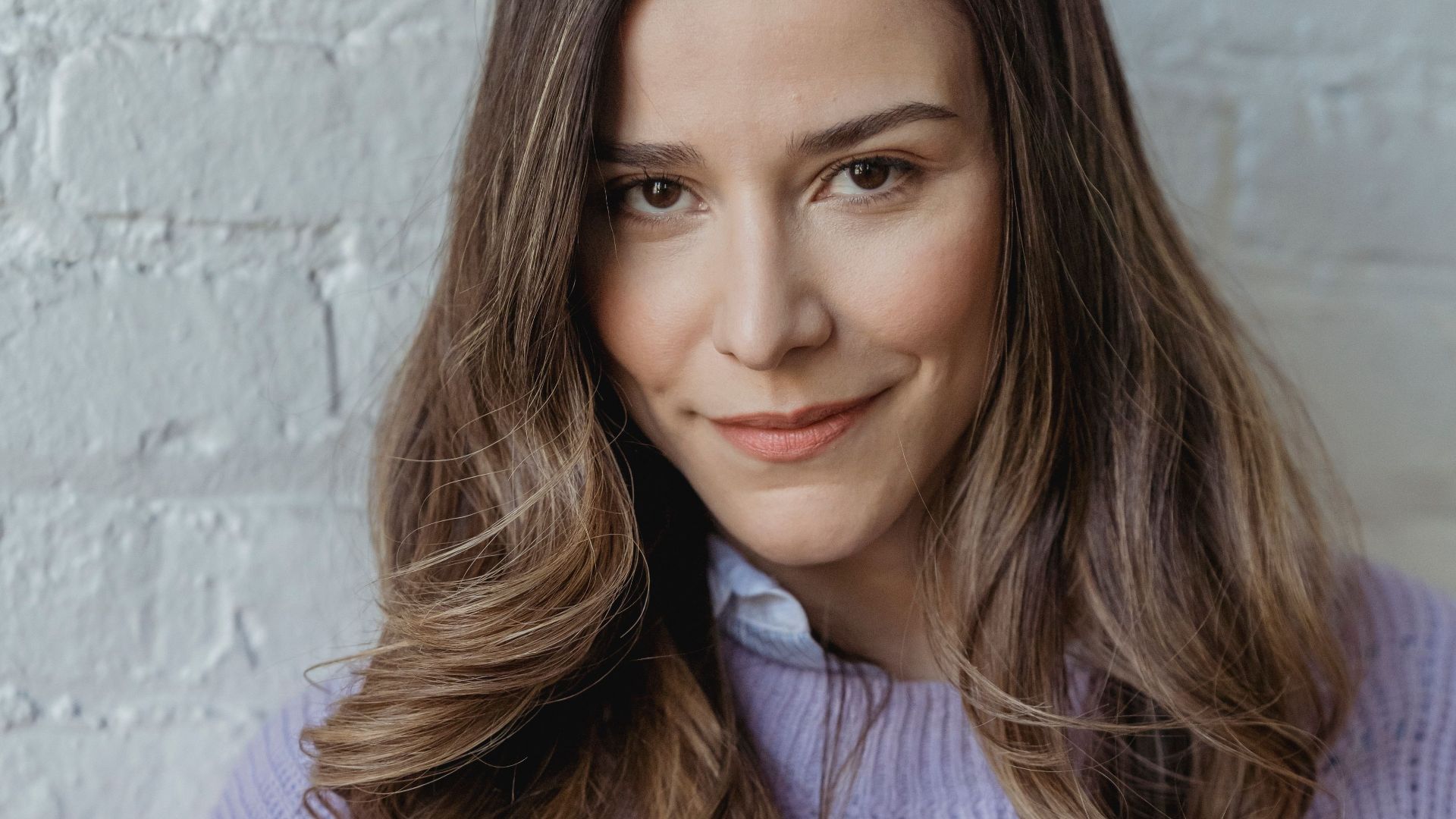
6. Black With Deep Burgundy Panels
Black and burgundy are a power couple. Burgundy adds richness and depth without stealing the show from the darker base. Whether it's an underlayer, a few wide panels, or face-framing pieces, it reads as nearly black indoors and reveals a wine-red glow when you step outside.
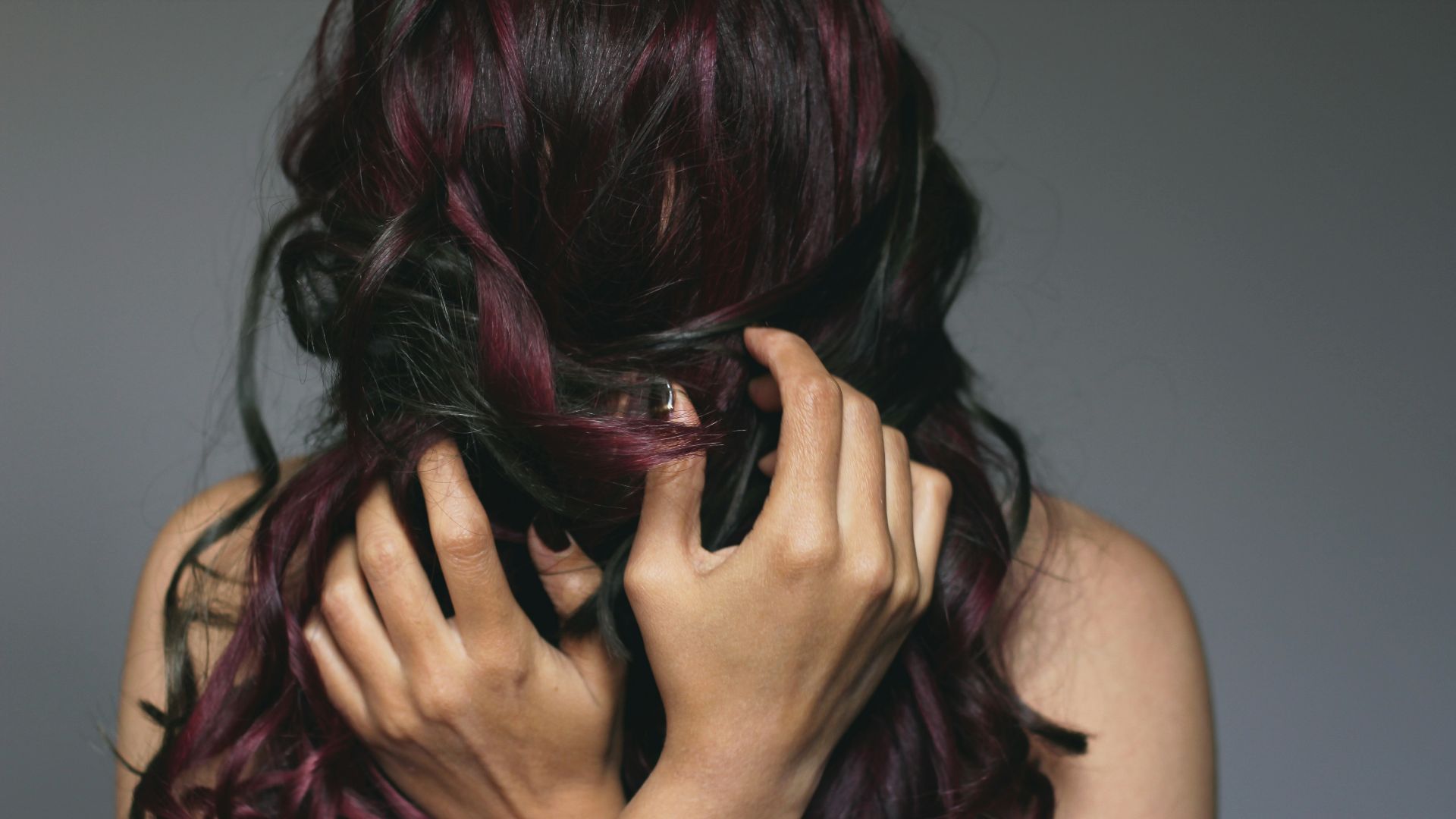 Haanna Homayounfar on Unsplash
7. Medium Brown With Mushroom Brown Highlights
Mushroom brown brings cool, beige-tinted contrast that's a refreshing break from the golden or copper highlights most people default to. Against a medium brown base, it creates subtle dimension while keeping everything close to a natural, believable depth. Understated, but far from boring.
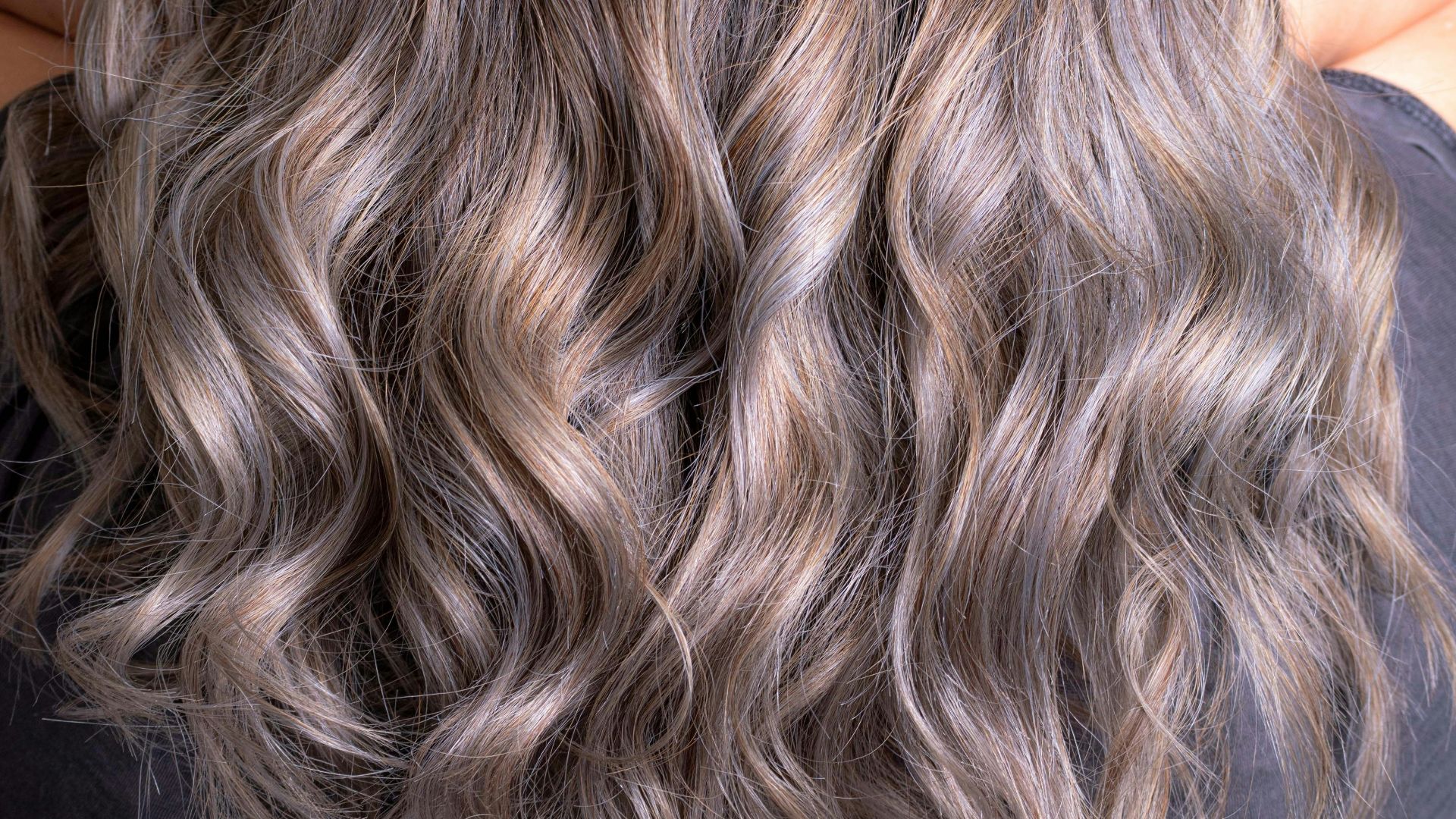
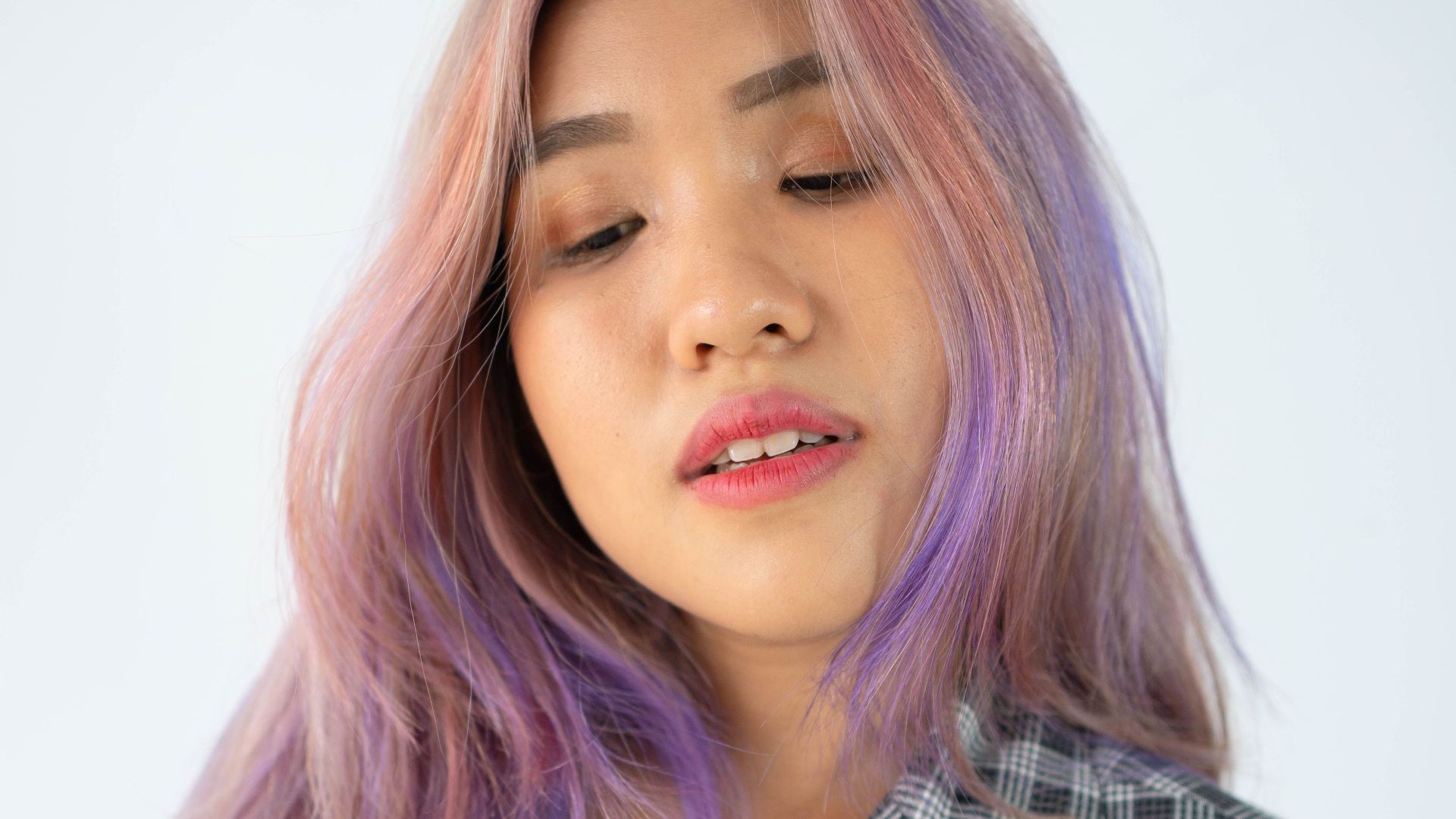
8. Platinum or Silver With Lavender Tips
Silver, platinum, and lavender all live in the same cool-toned neighborhood, which makes them effortless to combine. Keeping the lavender confined to the tips or a few scattered pieces adds a playful pop while letting the platinum stay front and center.
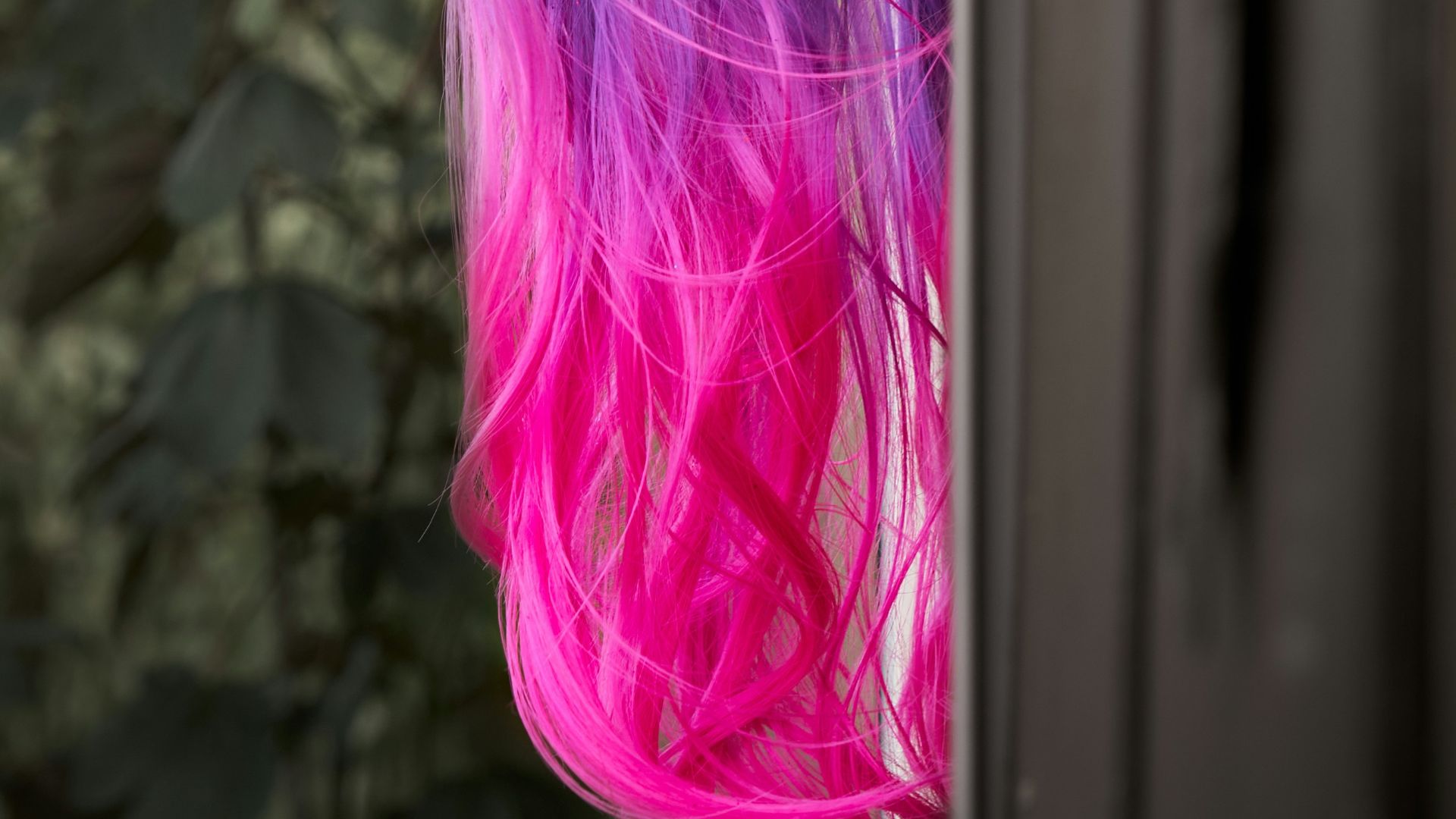
9. Deep Purple With Magenta
Because deep purple and magenta sit close together on the color wheel, they blend beautifully. Root the color in deep purple, then let magenta take over through the lengths for a jewel-toned color melt that feels cohesive from root to tip.
10. Dark Brown With Toffee Face-Framing Highlights
Toffee has enough warmth to brighten dark brown hair without creating that harsh, striped look some highlights bring. Concentrated around the face, it adds dimension exactly where people's eyes go first, while the rest of the color stays rich and grounded.