The Right Pair Makes a Noticeable Difference
Shoes can look perfectly comfortable while quietly placing extra pressure on your toes, heels, arches, or the balls of your feet. Fit, cushioning, heel height, toe-box shape, and support all influence how footwear feels after several hours, which is why a stylish pair that seems fine in the store can become surprisingly uncomfortable later. Fortunately, plenty of attractive options offer a better balance, making it worth knowing the 10 shoes that can secretly hurt your feet and 10 that look good while feeling good.
1. Narrow Pointed-Toe Pumps
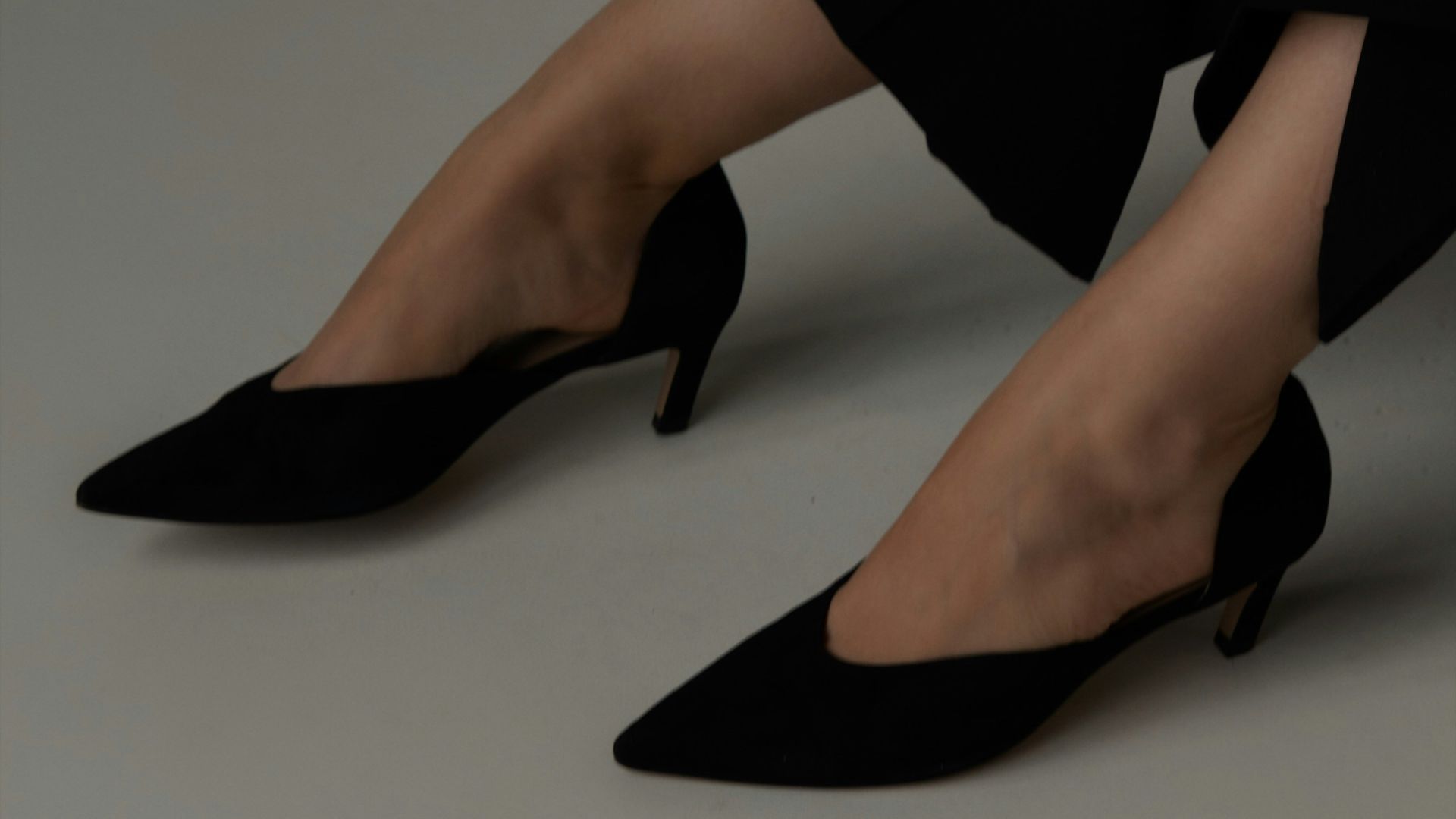
Pointed pumps can create a polished appearance, but a narrow toe box squeezes the toes into less space than they naturally need. Regularly wearing tight, pointed footwear can contribute to corns, calluses, bunion discomfort, and irritated nerves in susceptible feet.
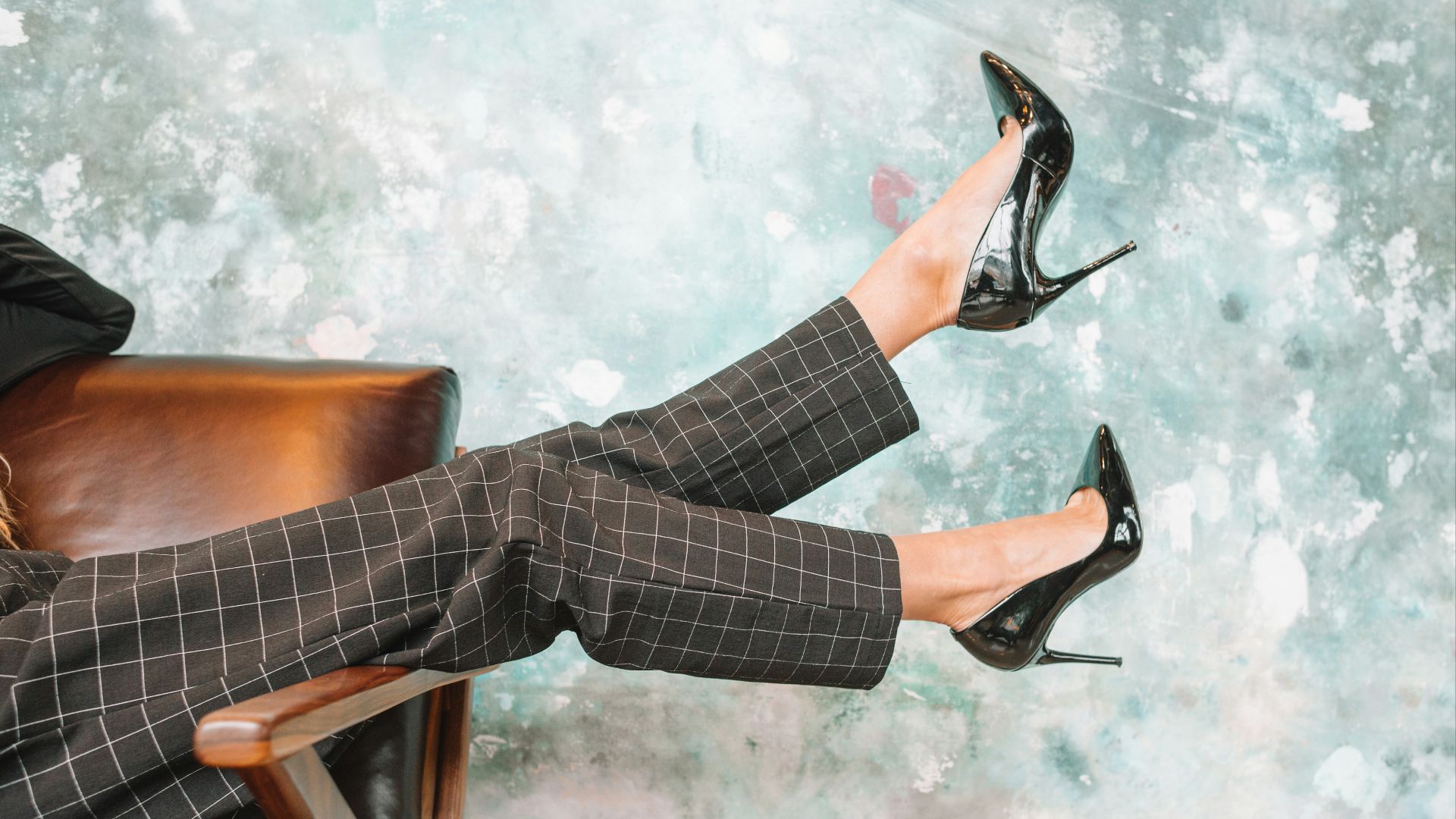
2. Very High Stiletto Heels
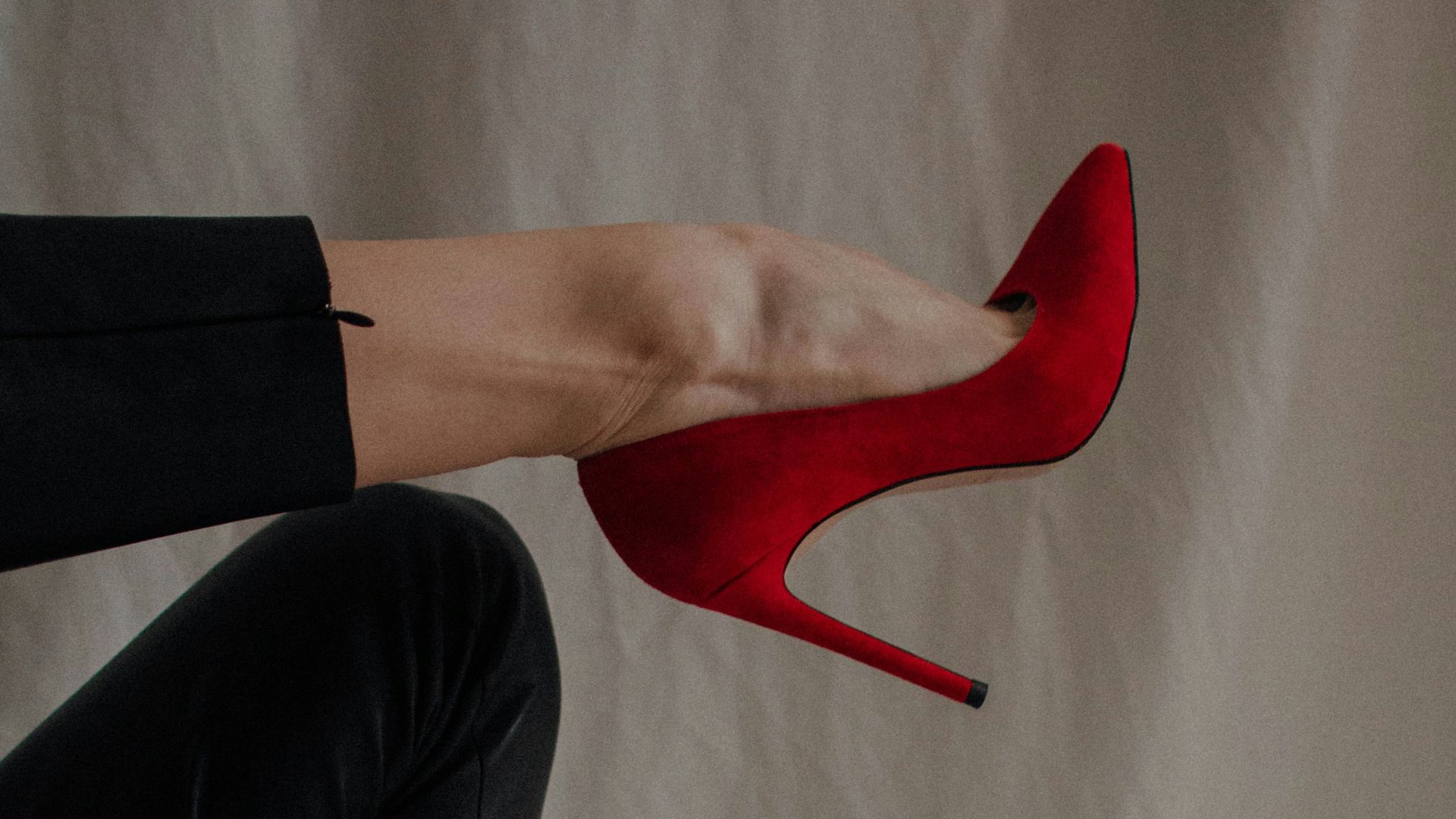
Stilettos dramatically raise the heel, shifting more body weight toward the forefoot and increasing pressure beneath the ball of the foot. Their narrow shape can also crowd the toes, particularly if the shoe tapers sharply at the front.
3. Completely Flat Ballet Shoes
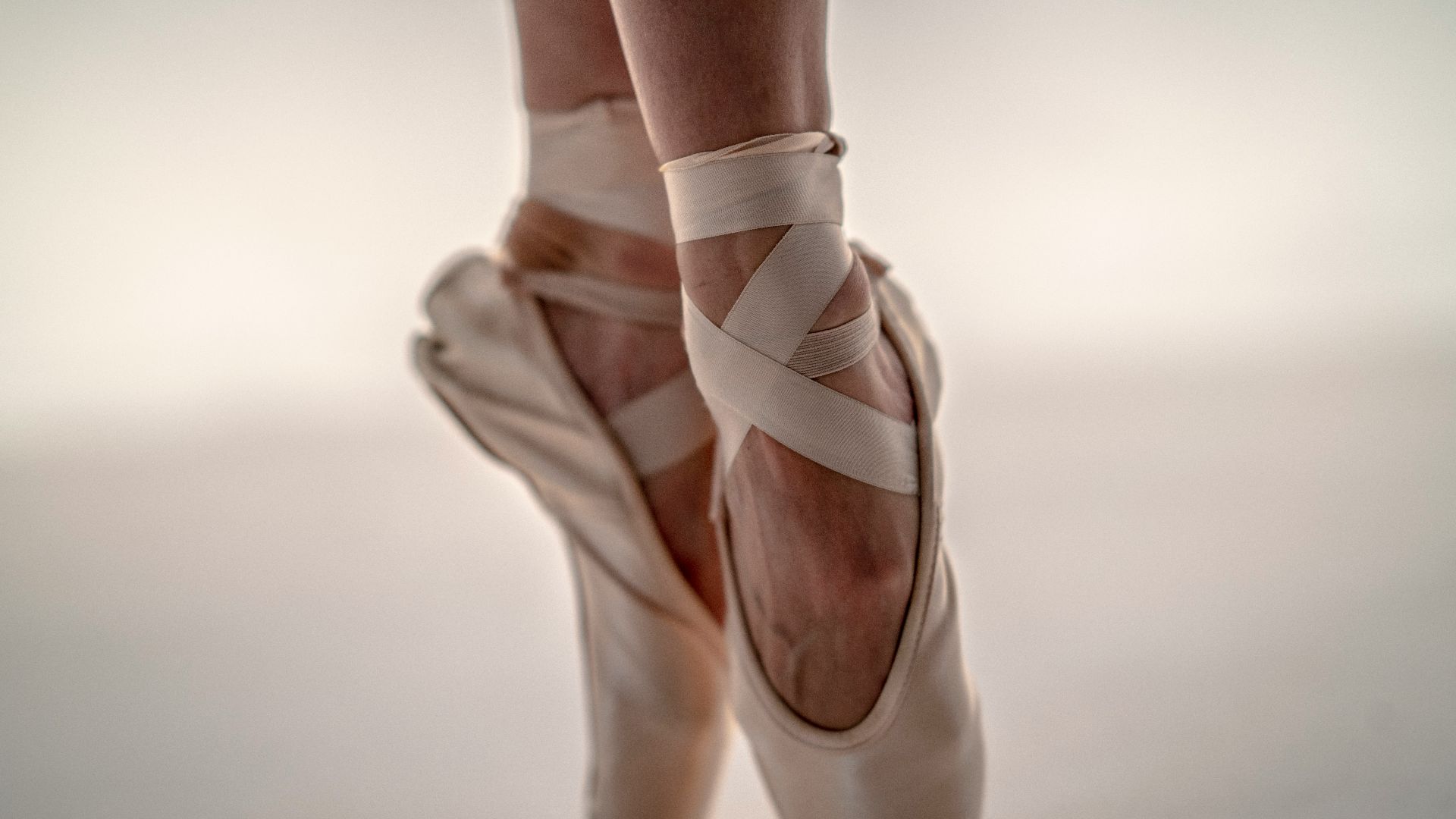
Minimalist ballet flats may feel gentle because they don't have a heel, yet many versions offer little cushioning or structural support. Thin soles provide limited protection from hard surfaces, while loose designs can make your toes work harder to keep the shoe securely in place.
4. Flimsy Flip-Flops
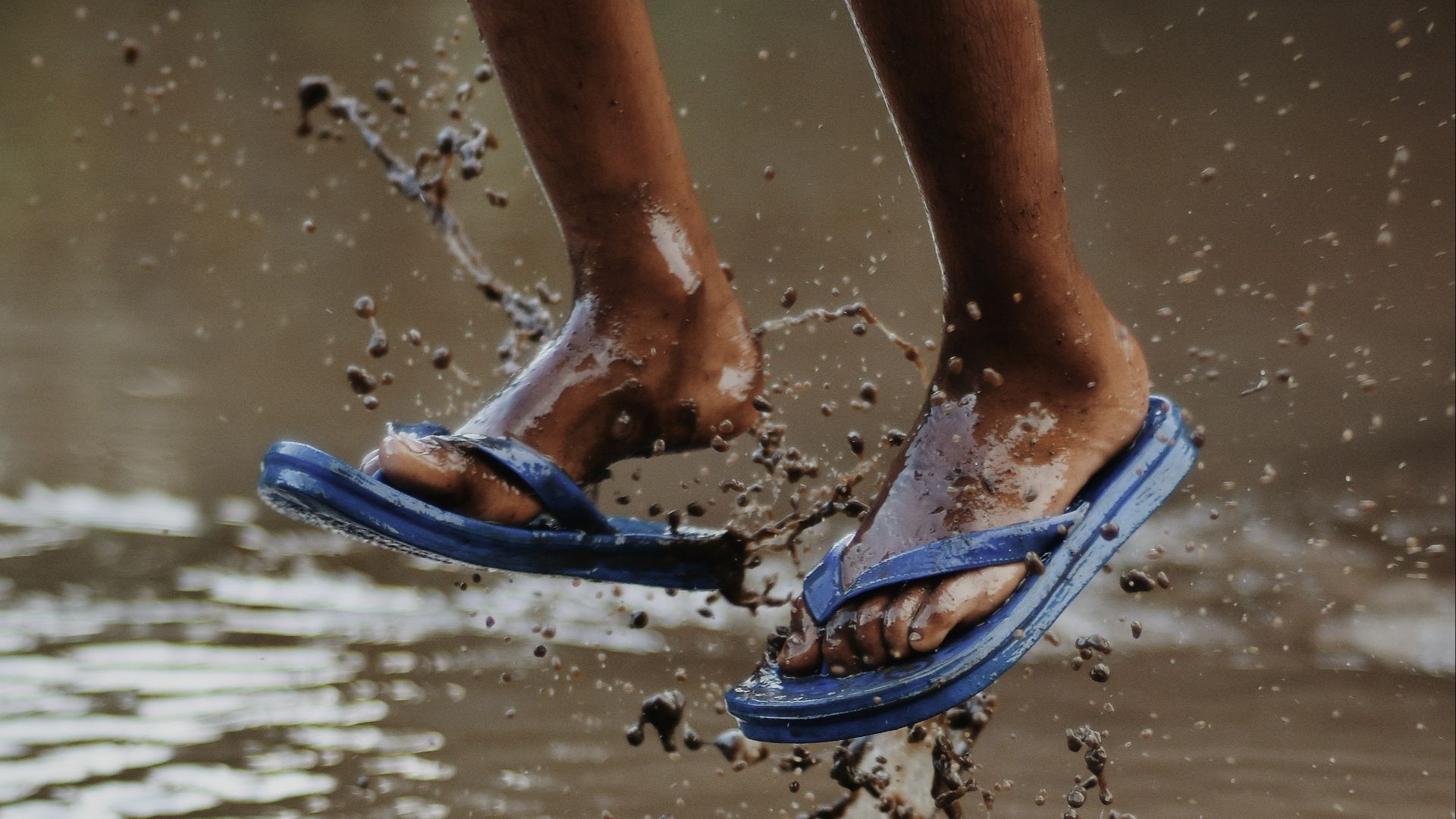
Basic flip-flops are convenient around pools and beaches, but they're not designed for long periods of walking. Many provide limited arch support and shock absorption, while your toes may grip repeatedly to help keep them on.
5. Hard, Thin-Soled Dress Shoes
A sleek dress shoe with a thin, rigid sole may look sophisticated but provide very little cushioning between your foot and the ground. That lack of padding can increase discomfort around the forefoot, especially during prolonged standing or walking on hard surfaces.
6. Shoes That Are Slightly Too Small
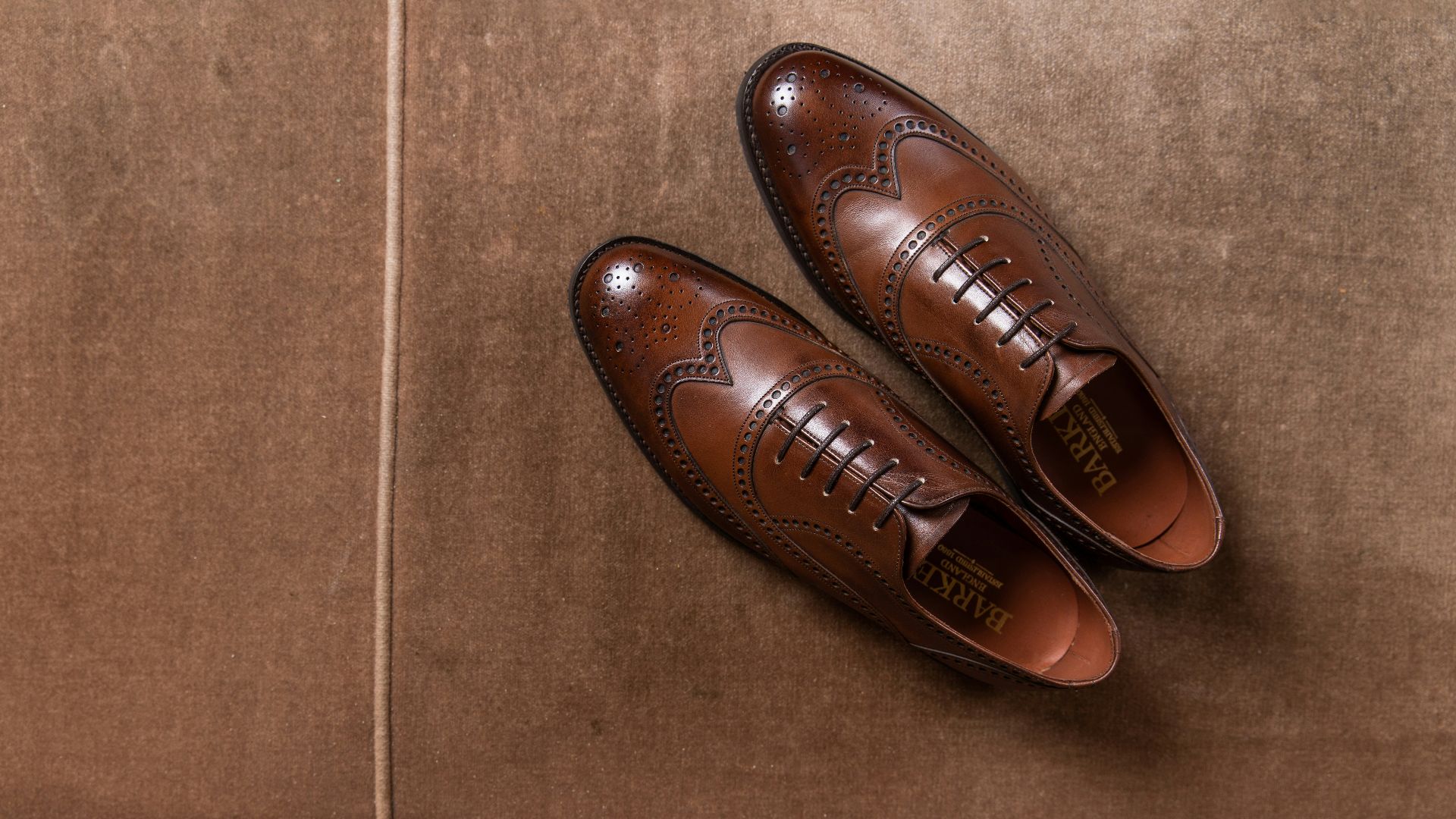
It's tempting to tolerate a snug pair if they're attractive or were only available in one size, but cramped footwear can create persistent pressure and friction. Shoes that are too short or narrow can contribute to blisters, corns, damaged toenails, and aggravated bunion symptoms. Your toes should have enough room to move naturally rather than being pressed tightly together.
7. Backless Mules That Won’t Stay Put
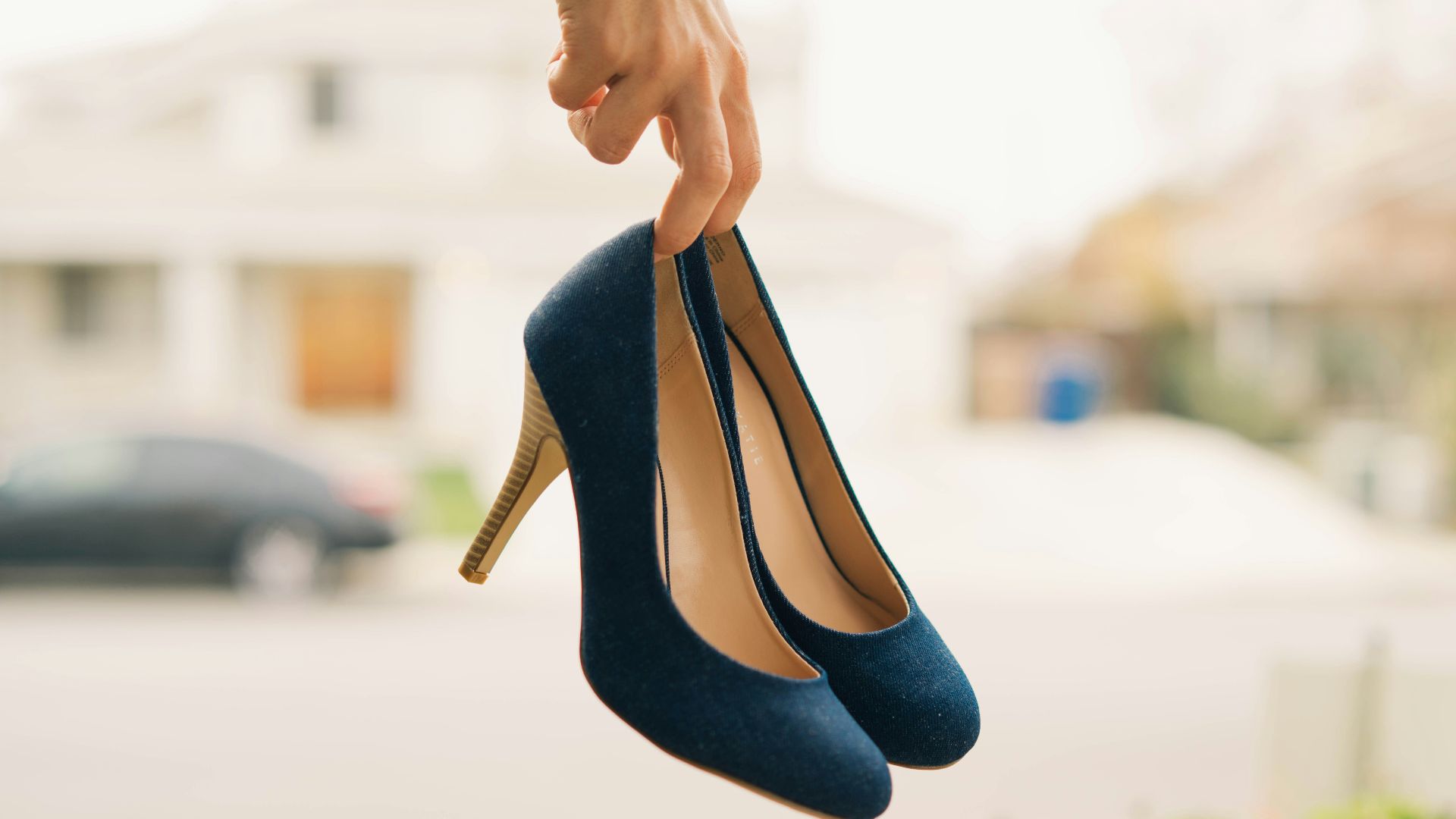
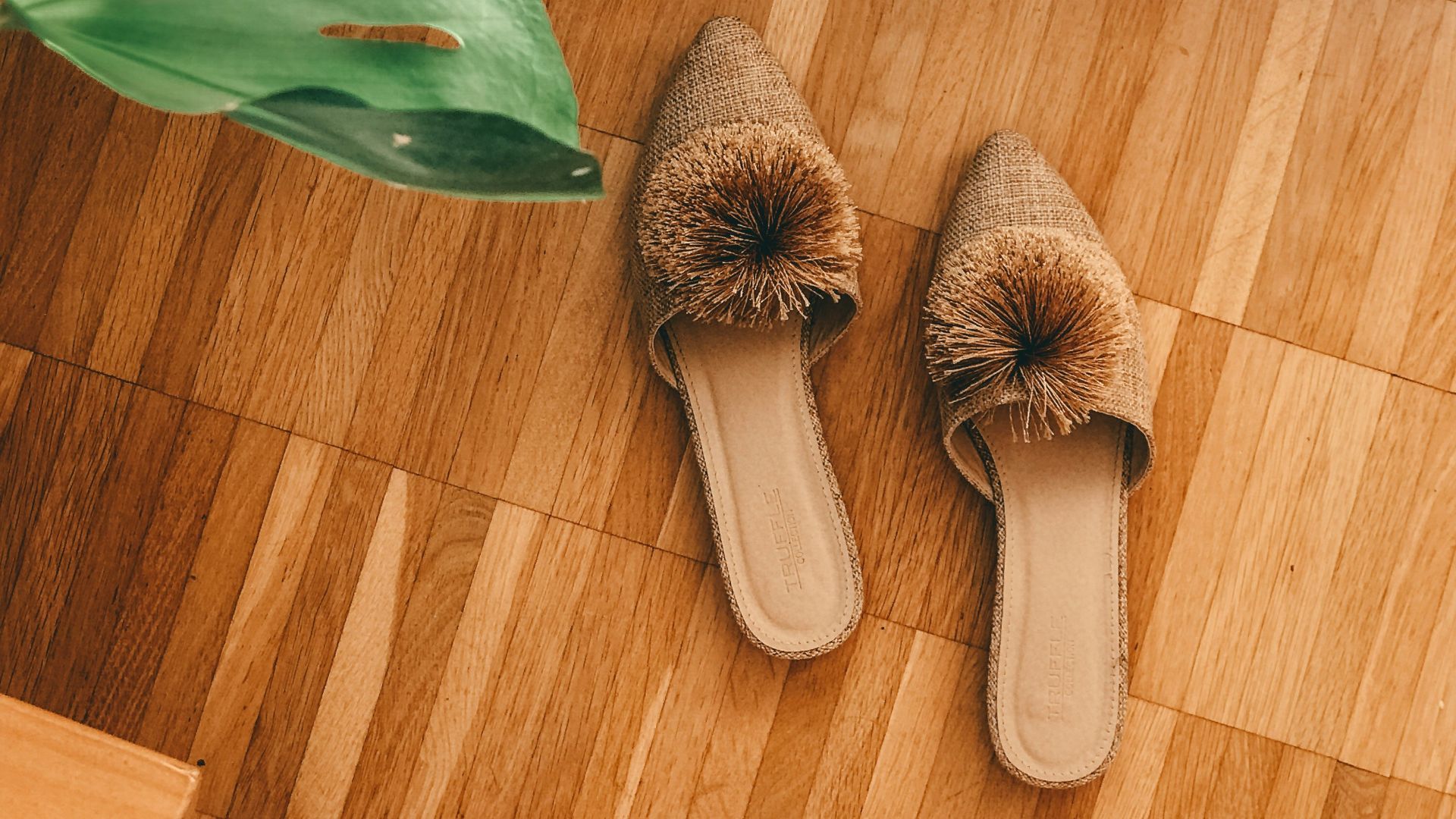
Backless mules can be stylish and easy to slip on, yet a loose pair may force your foot to work harder to keep the shoe in position. Repeated gripping with the toes can become tiring, while an unstable fit may create rubbing as you walk.
 Charlota Blunarova on Unsplash
8. Worn-Out Running Shoes
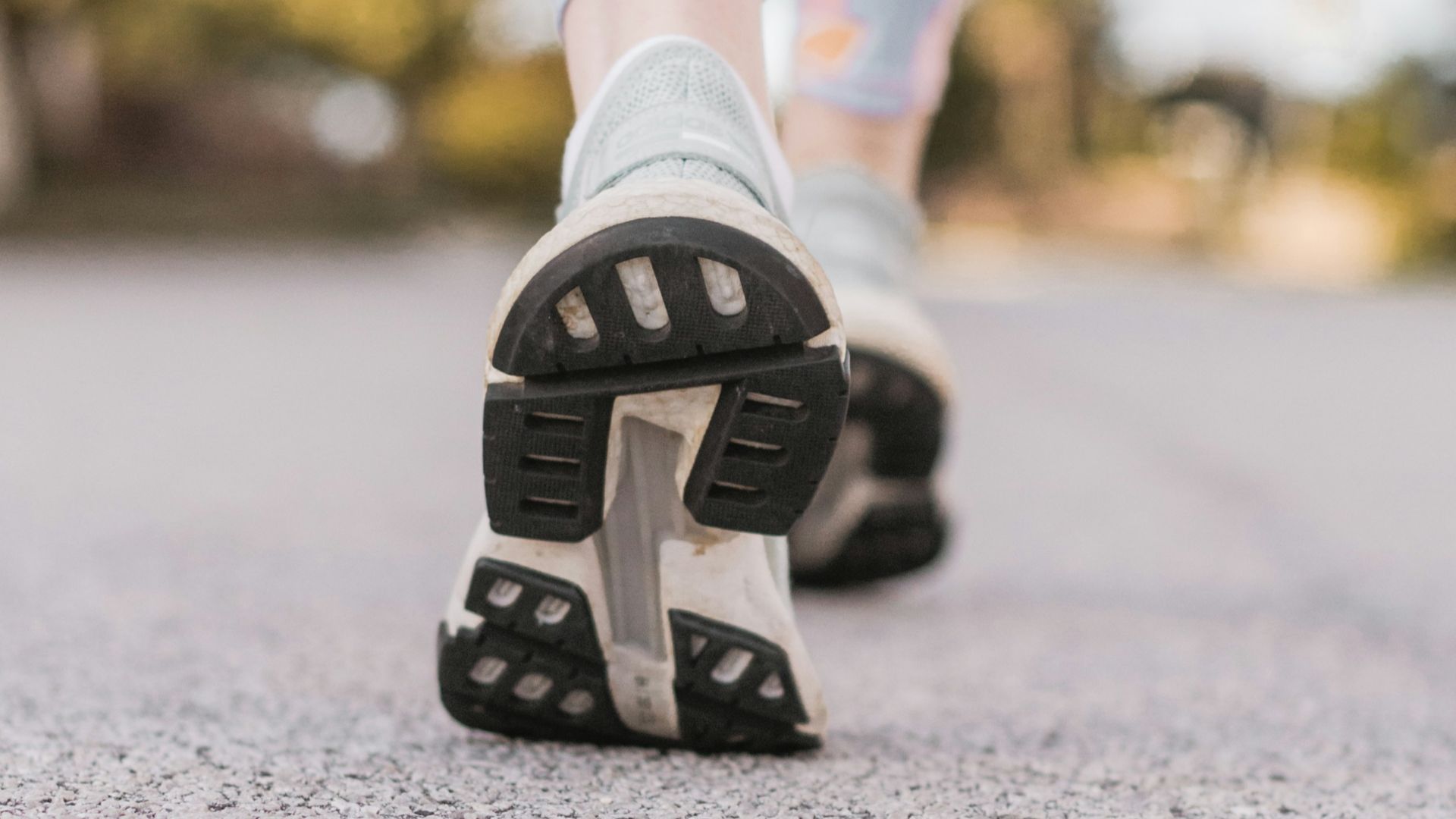
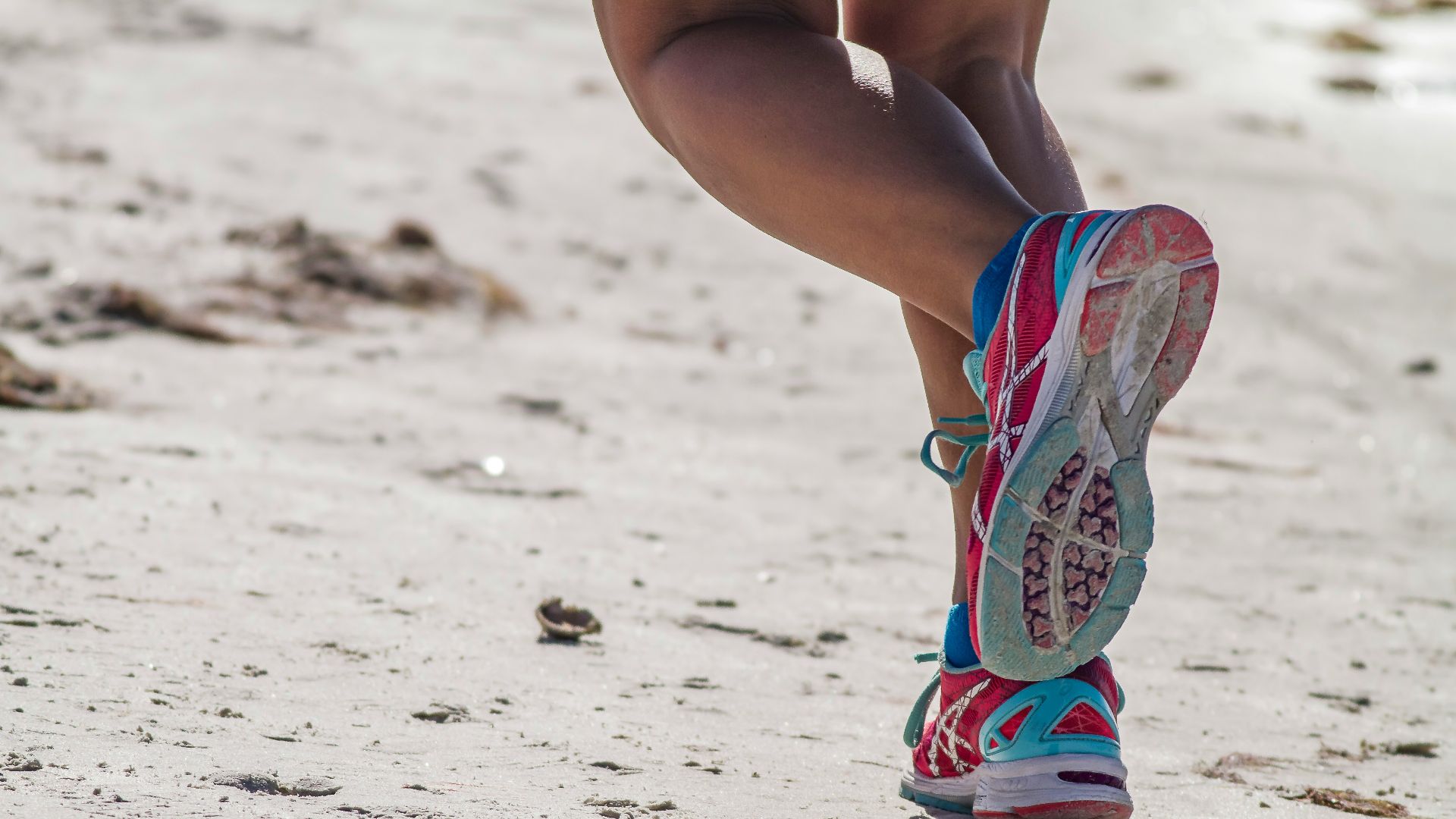
Old running shoes can still look perfectly usable long after their cushioning and support have deteriorated. Continuing to exercise in heavily worn footwear may reduce shock absorption and alter how comfortably the shoe supports your foot during repeated impact. Replacing athletic shoes once they're noticeably worn or no longer feel supportive can help keep training more comfortable.
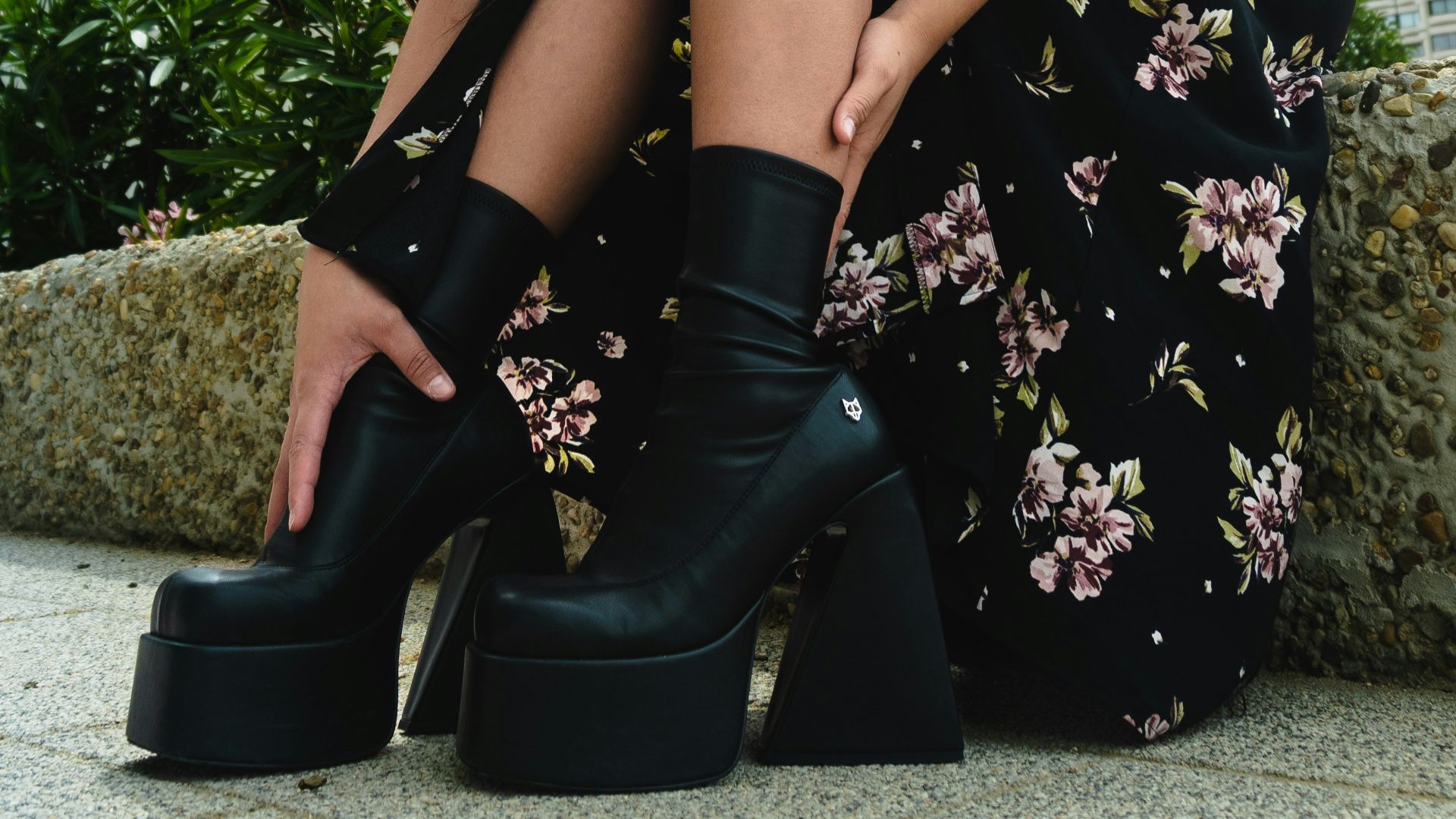
9. Heavy Platform Heels
Platforms can feel more stable than stilettos because of their wider base, but very high versions can still alter your foot position and balance. Thick, rigid soles may also limit natural movement through the foot while walking, particularly if the shoe doesn't flex appropriately.
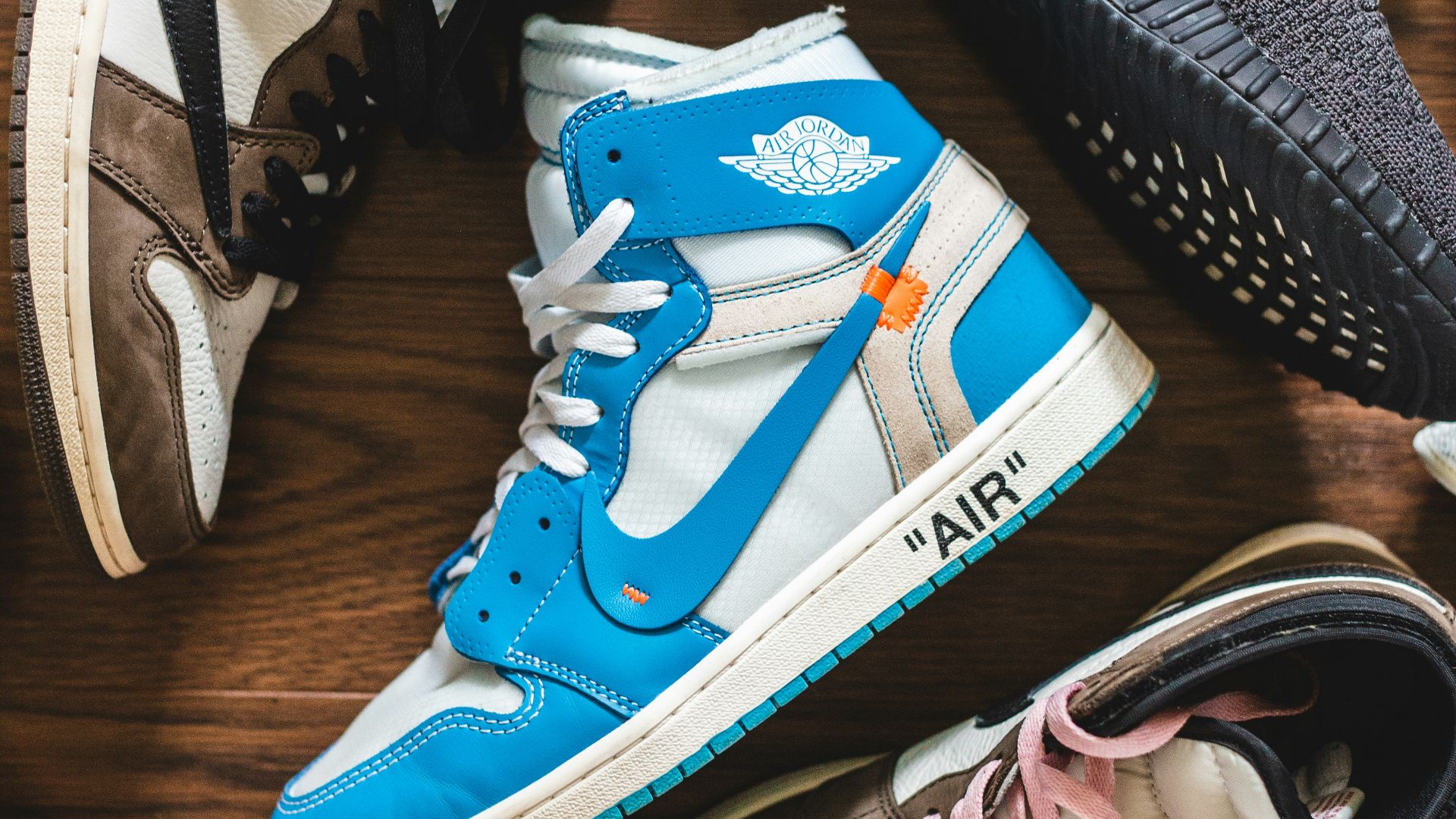
10. Fashion Sneakers With Little Support
Not every shoe that resembles an athletic sneaker is built to provide the same cushioning or support as footwear designed for activity. Some fashion sneakers have extremely flat insoles, narrow shapes, or thin soles that become uncomfortable during long walks.
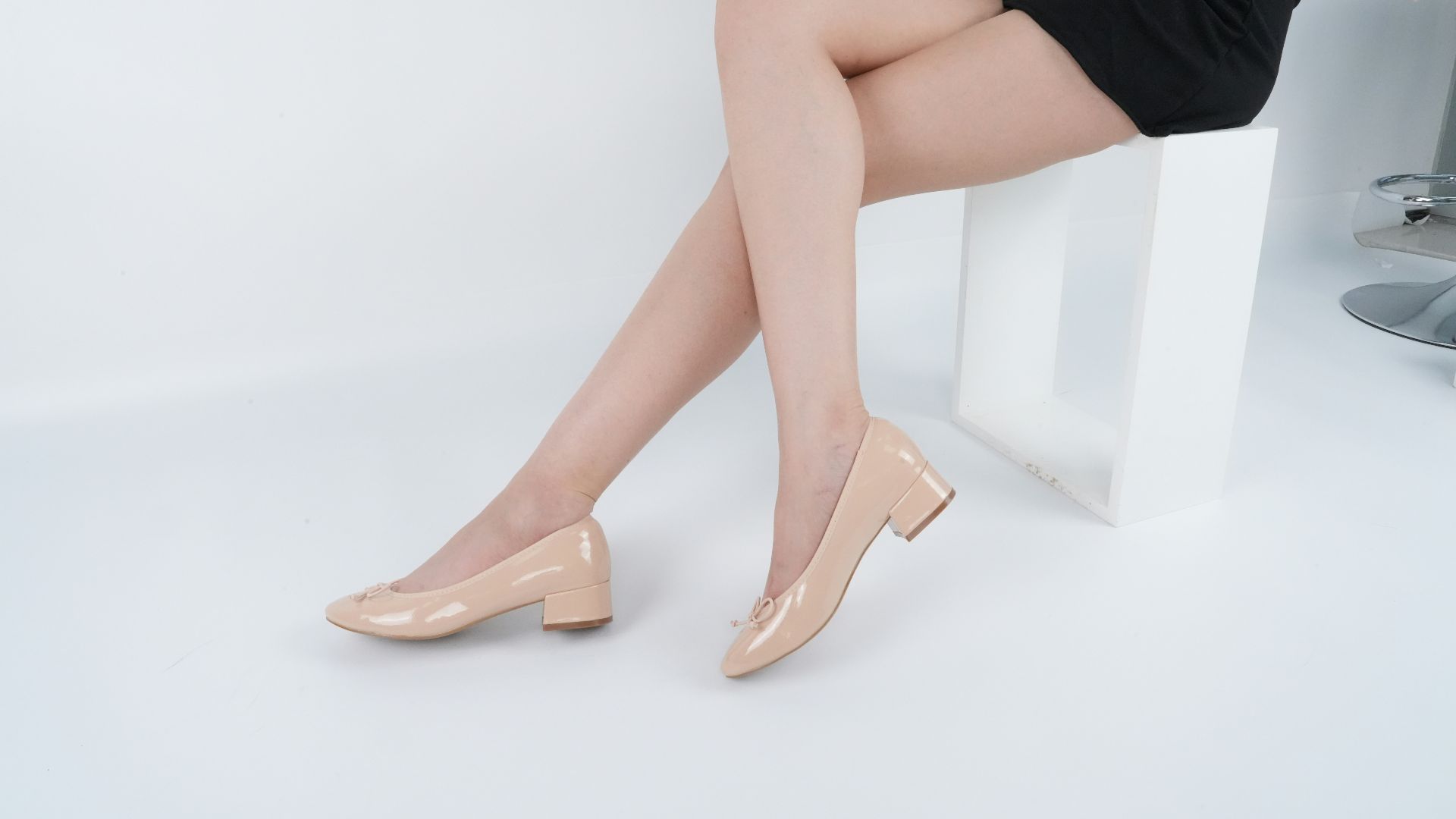
1. Low Block Heels
A low block heel can provide a dressy finish without concentrating pressure as dramatically as a towering stiletto. The broader heel also creates a more stable base while walking. Look for moderate height, adequate cushioning, and enough room around your toes.
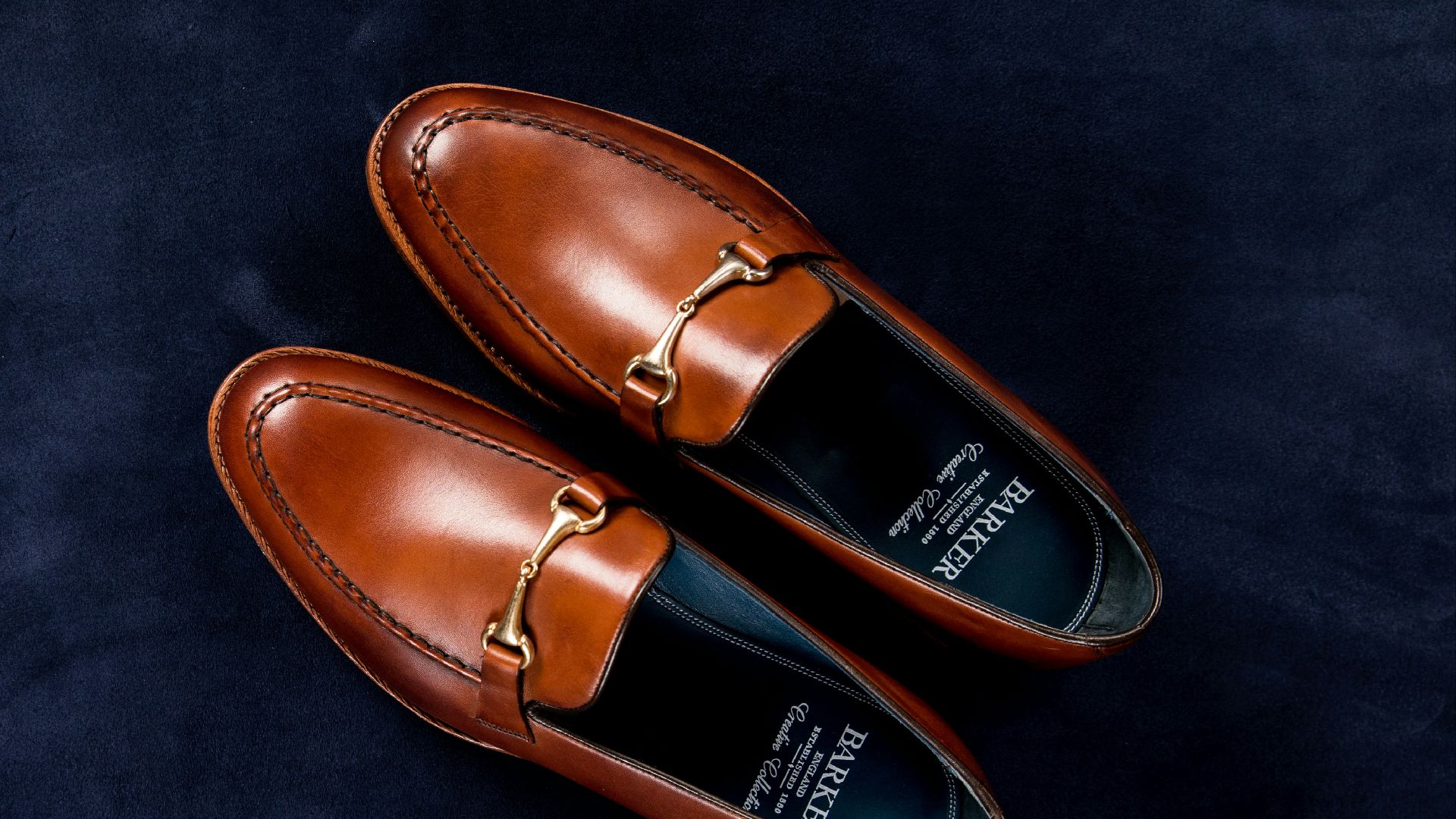
2. Supportive Leather Loafers
Well-fitted loafers can look polished enough for work while remaining comfortable for everyday wear. A cushioned footbed, flexible upper, and secure heel make a considerable difference. Choose a shape that follows your foot rather than squeezing it into an unusually narrow silhouette.
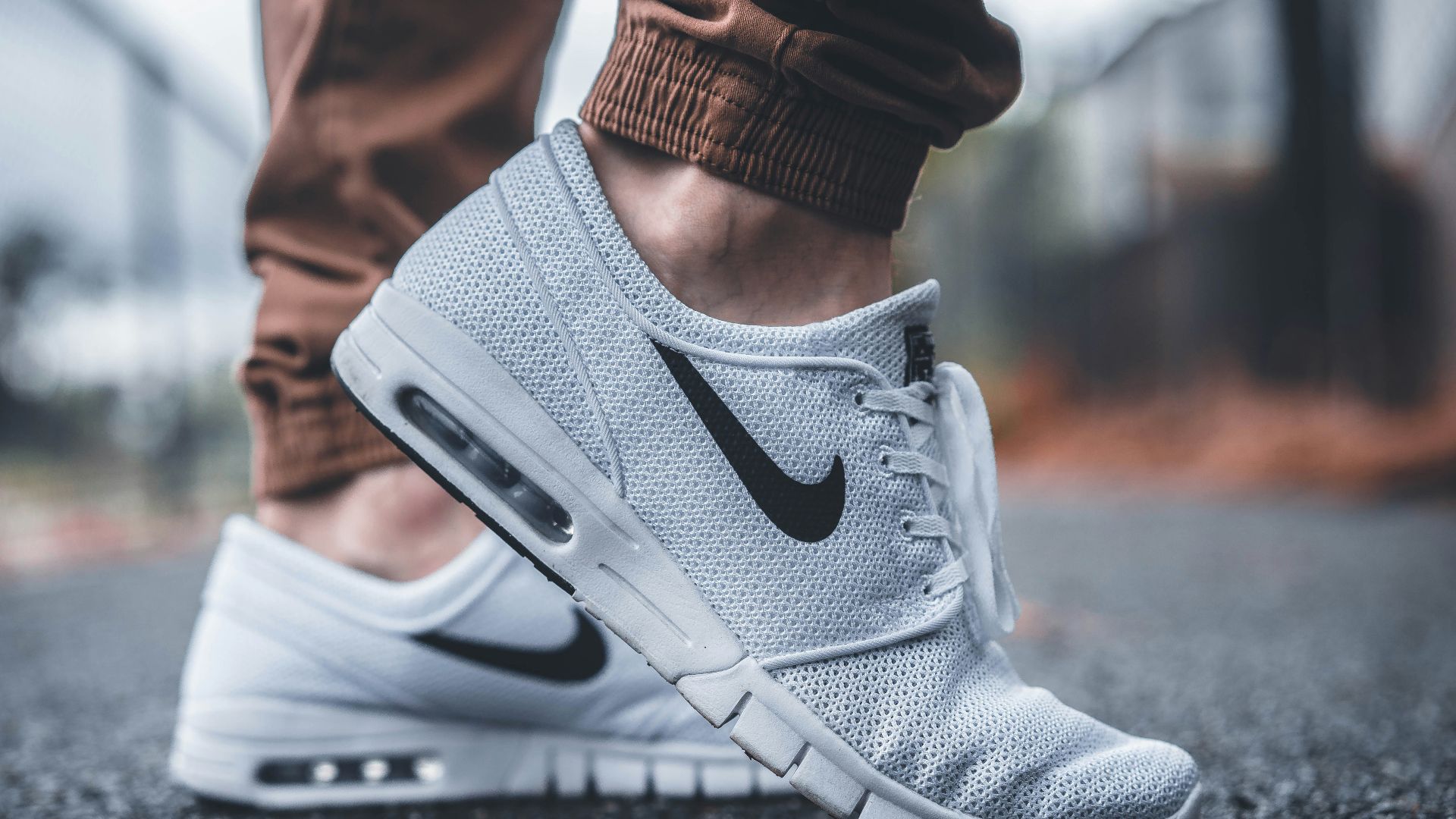
3. Cushioned Fashion Sneakers
Modern sneakers can pair easily with casual outfits while providing useful cushioning for long days. Models with supportive midsoles and properly fitted toe boxes distribute pressure more comfortably.
4. Ankle Boots With Low Heels
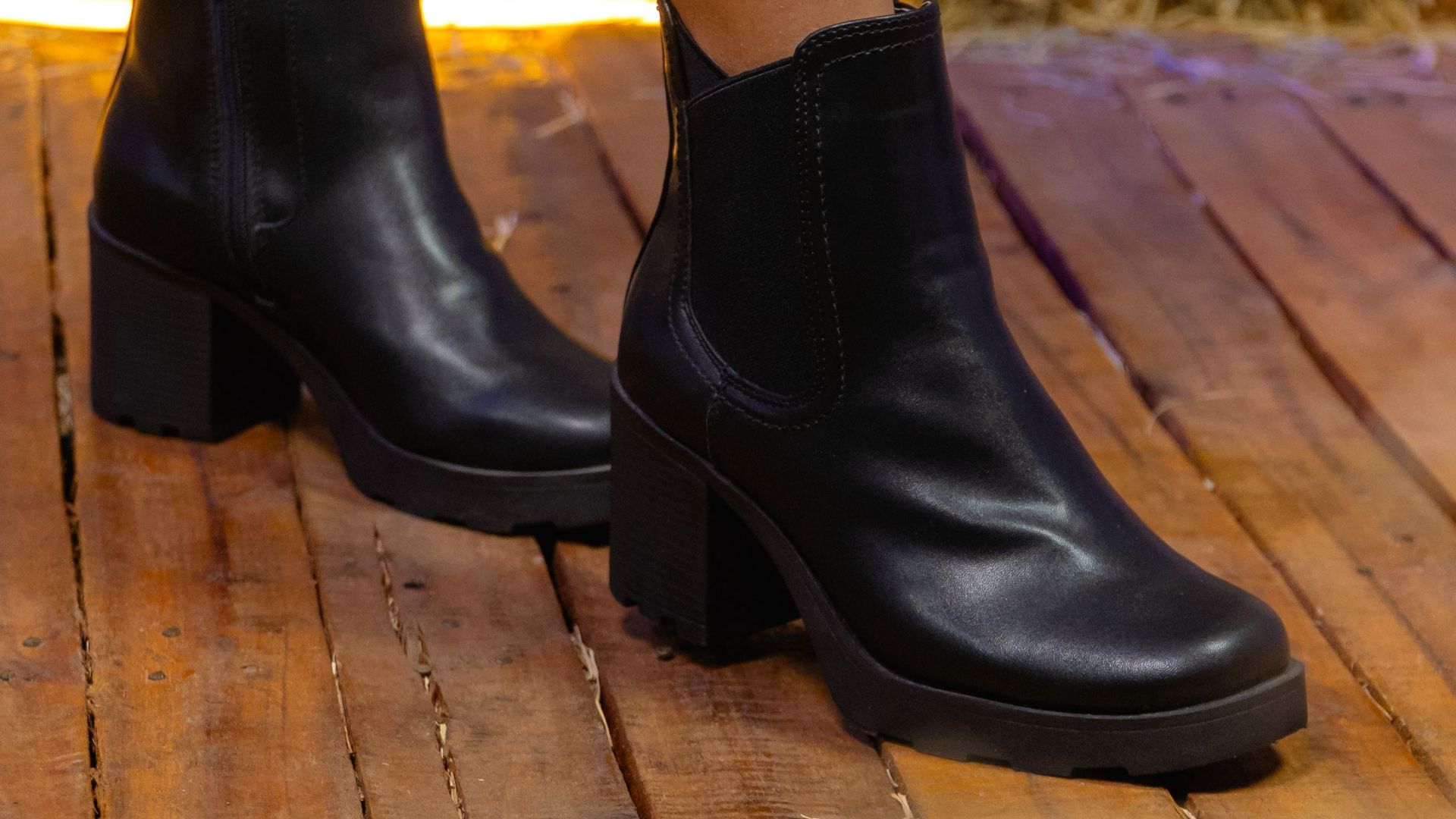
Low-heeled ankle boots offer plenty of style without forcing the foot into an extreme angle. A roomy front and cushioned sole can make them practical for extended wear.
5. Sandals With Adjustable Straps
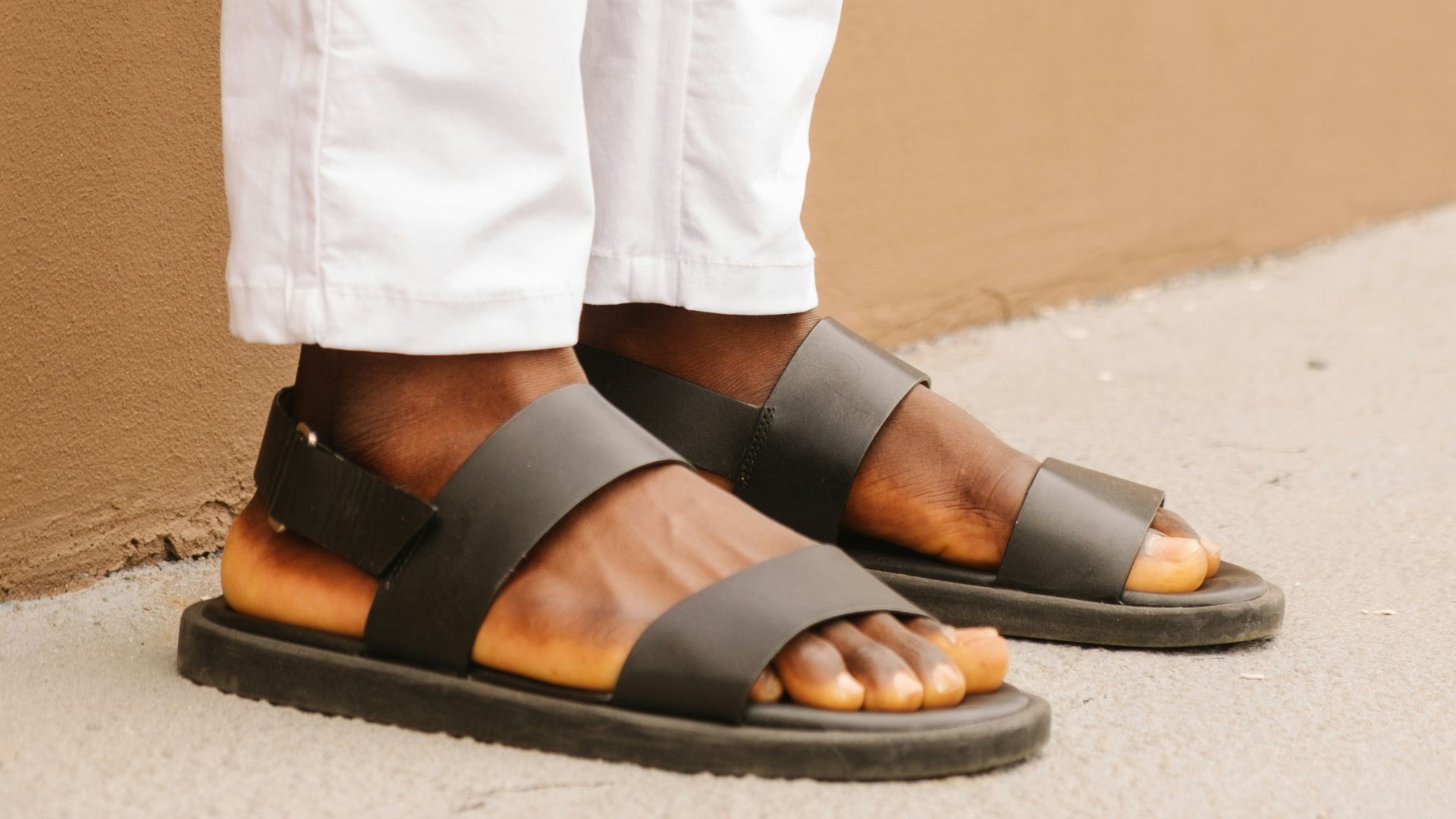
Adjustable sandals let you change the fit around different parts of your foot instead of relying on one fixed shape. Secure straps can reduce the gripping associated with loose slip-on styles.
6. Rounded-Toe Pumps
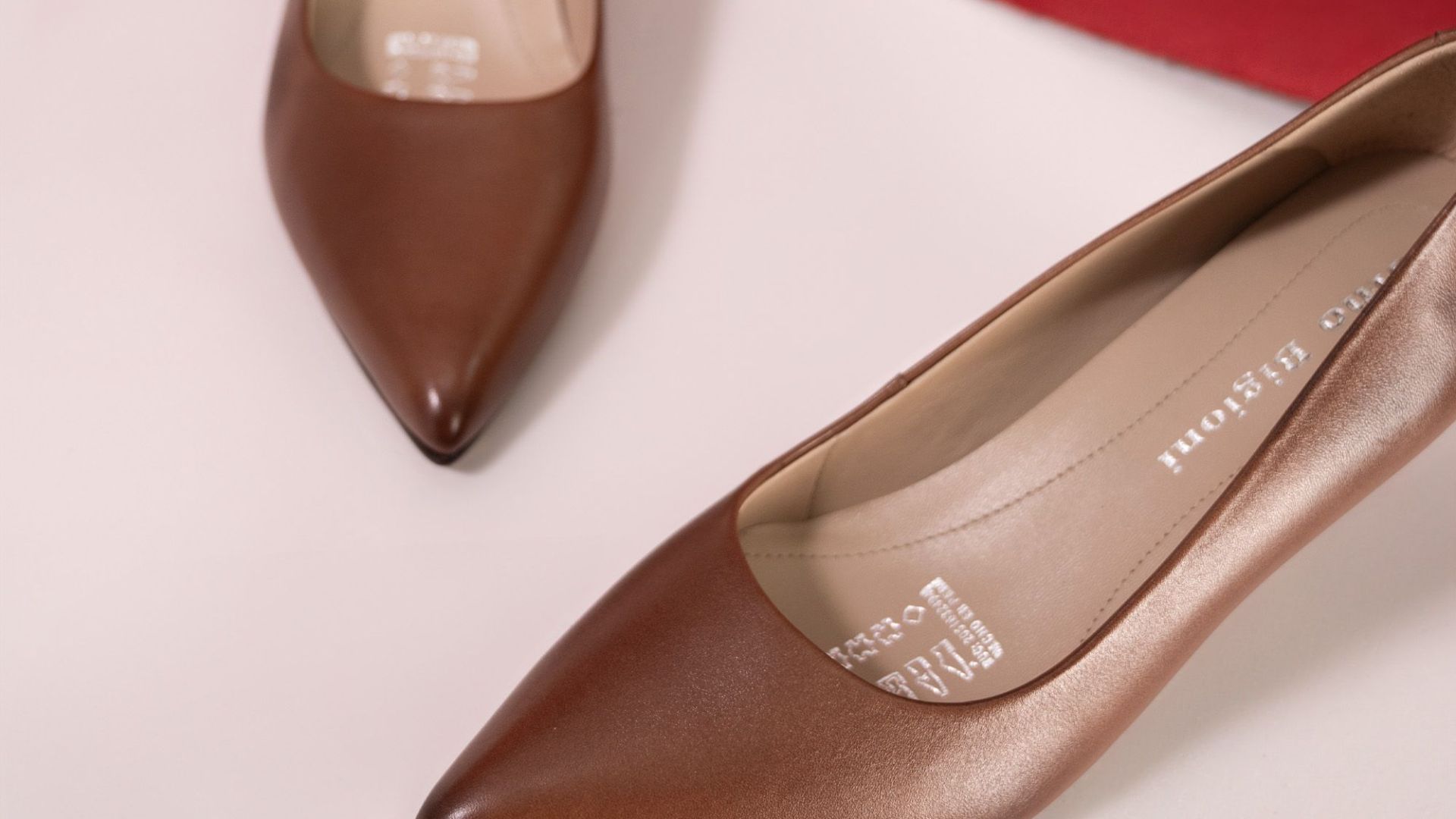
A rounded or almond-shaped pump generally gives the toes more space than an aggressively pointed design. Pairing that shape with a moderate heel can reduce pressure toward the front of the foot.
 José Martin Segura Benites on Pexels
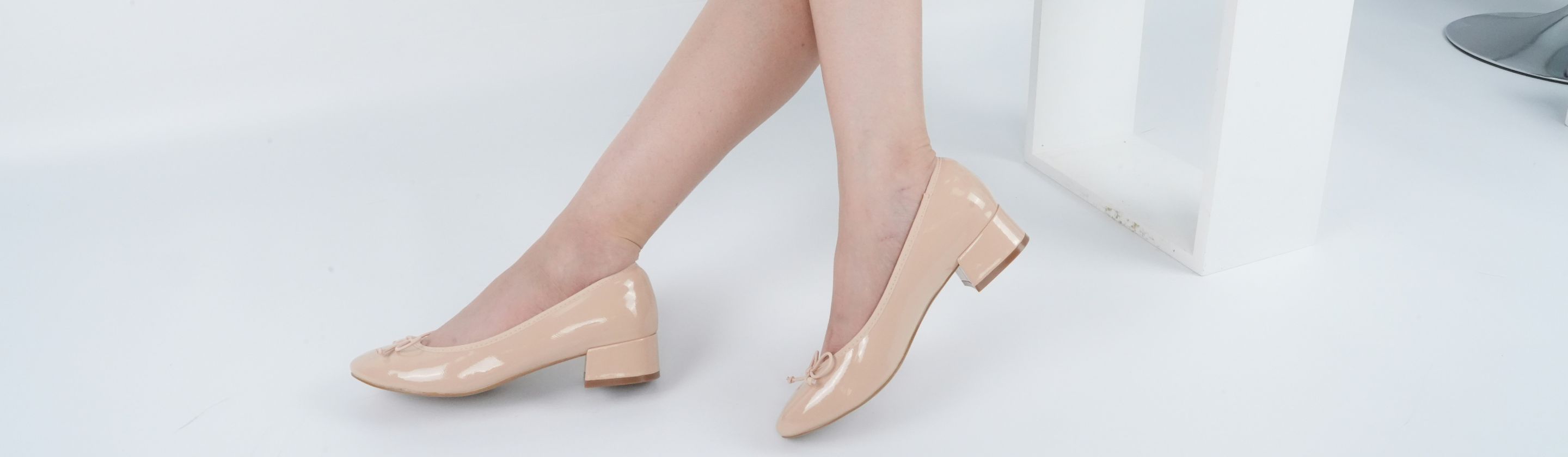
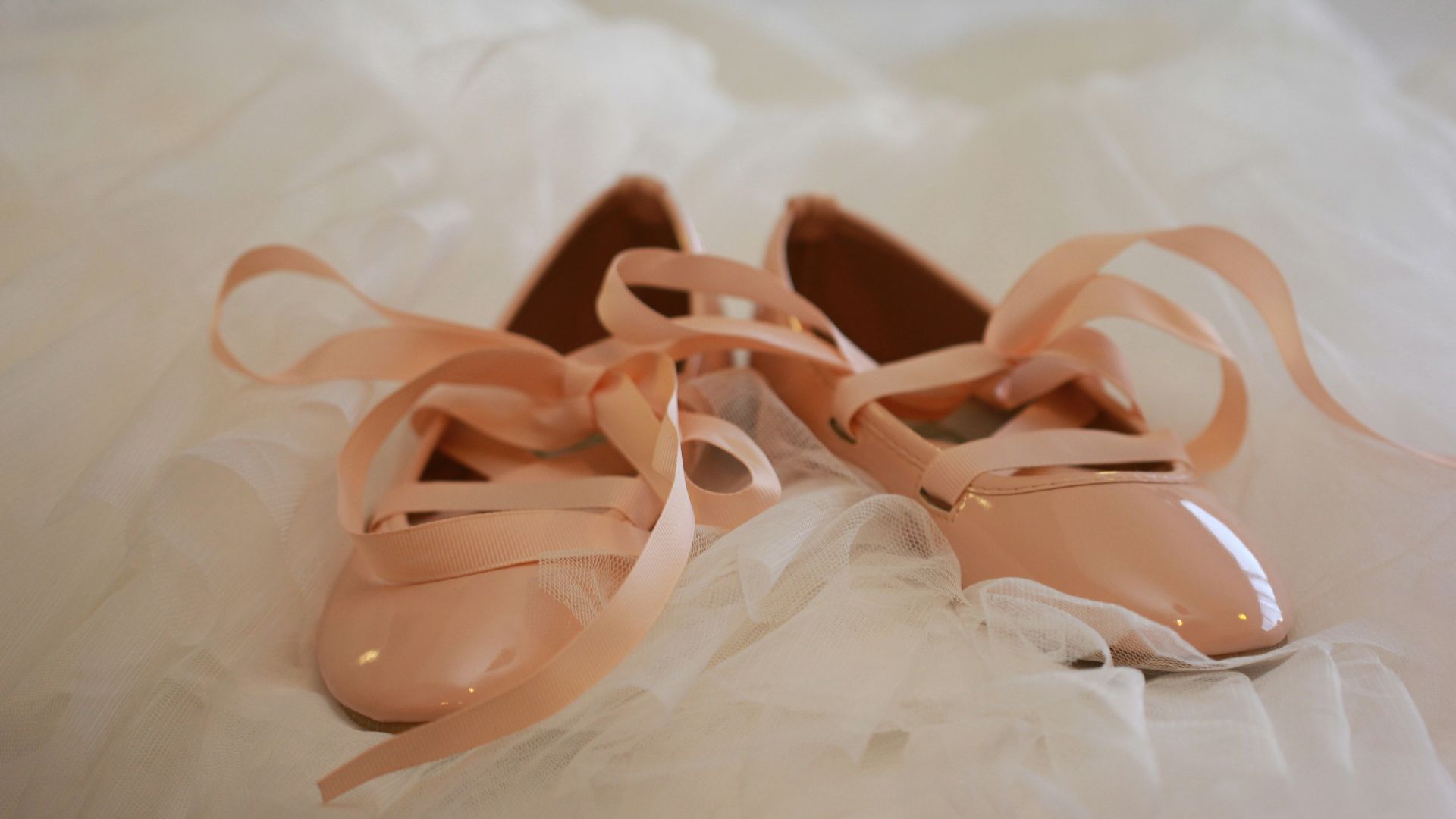
7. Structured Ballet Flats
You don't necessarily have to retire ballet flats if you enjoy their simple, versatile appearance. Versions with thicker soles, cushioning, and a secure fit offer more comfort than extremely flimsy designs.
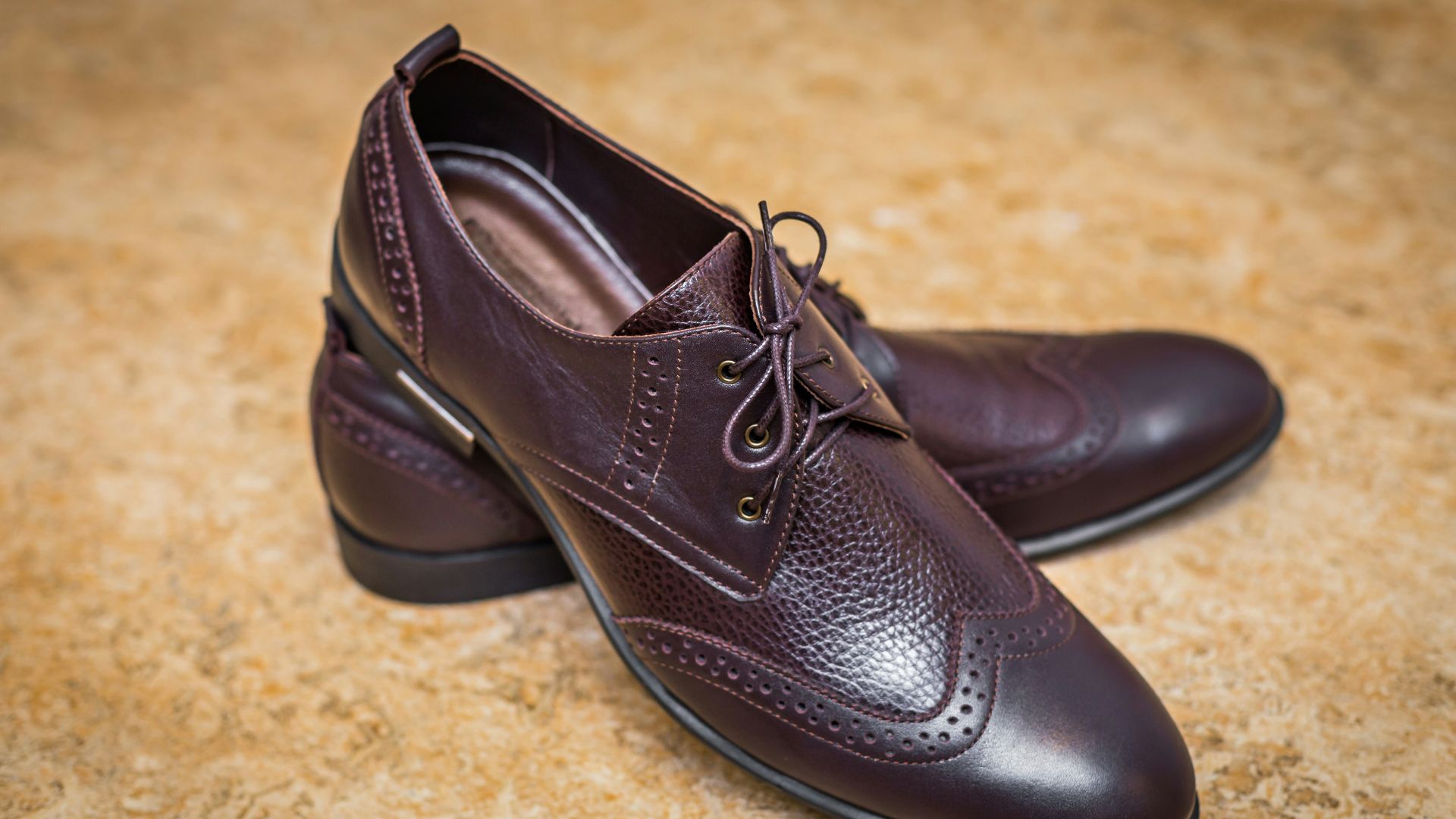
8. Lace-Up Oxford Shoes
Oxfords can provide a sharp, classic appearance while allowing you to adjust the fit with laces. A low heel and supportive sole make them practical for work or walking.
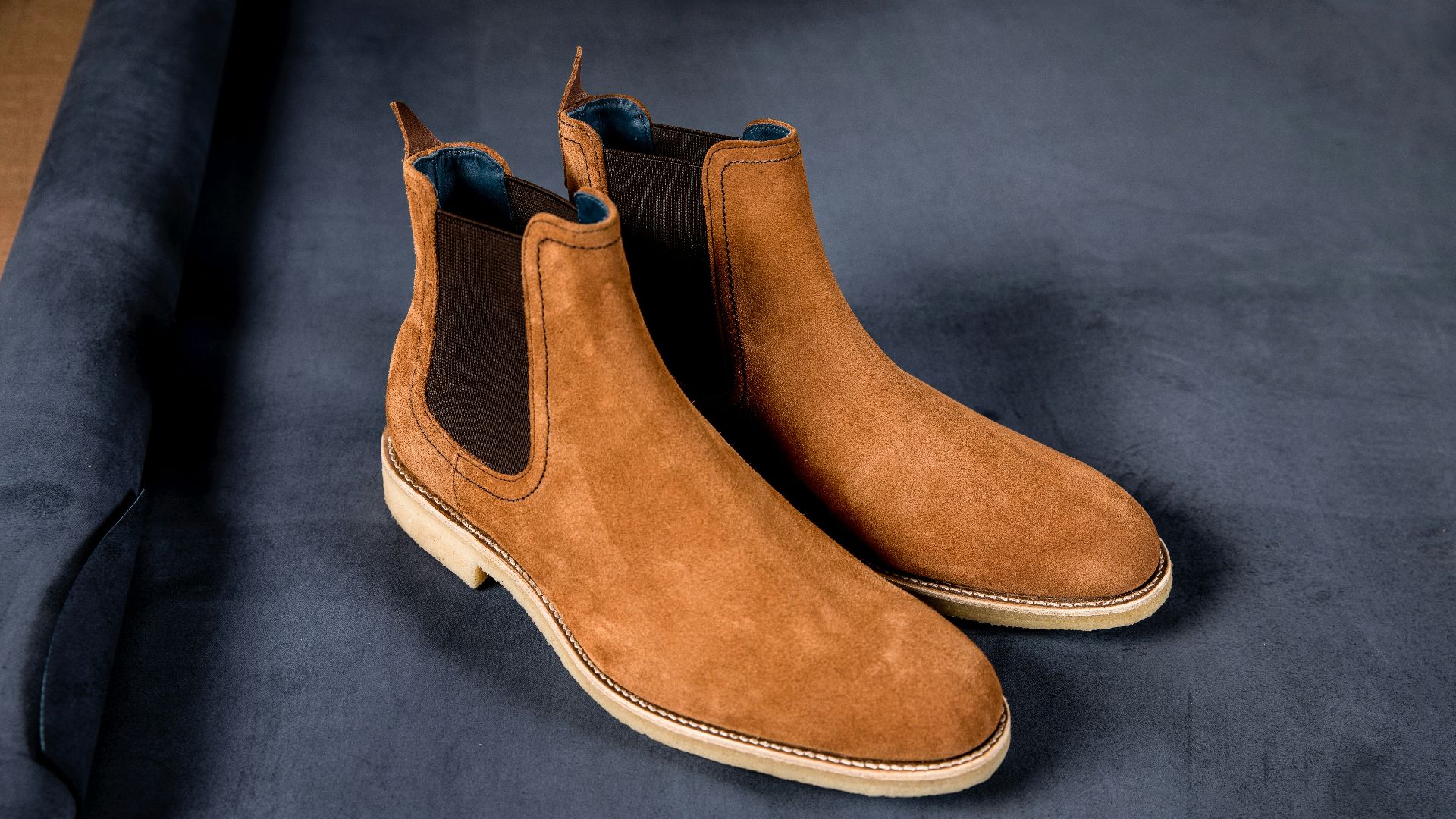
9. Supportive Chelsea Boots
Chelsea boots combine a streamlined appearance with the coverage and stability of a full shoe. Look for cushioning, a modest heel, and enough width through the forefoot.
10. Walking Sneakers With Clean Styling
Walking sneakers don't need to look bulky or overly athletic to provide useful support. Many streamlined designs combine cushioning, flexible soles, and roomy toe boxes with understated styling.