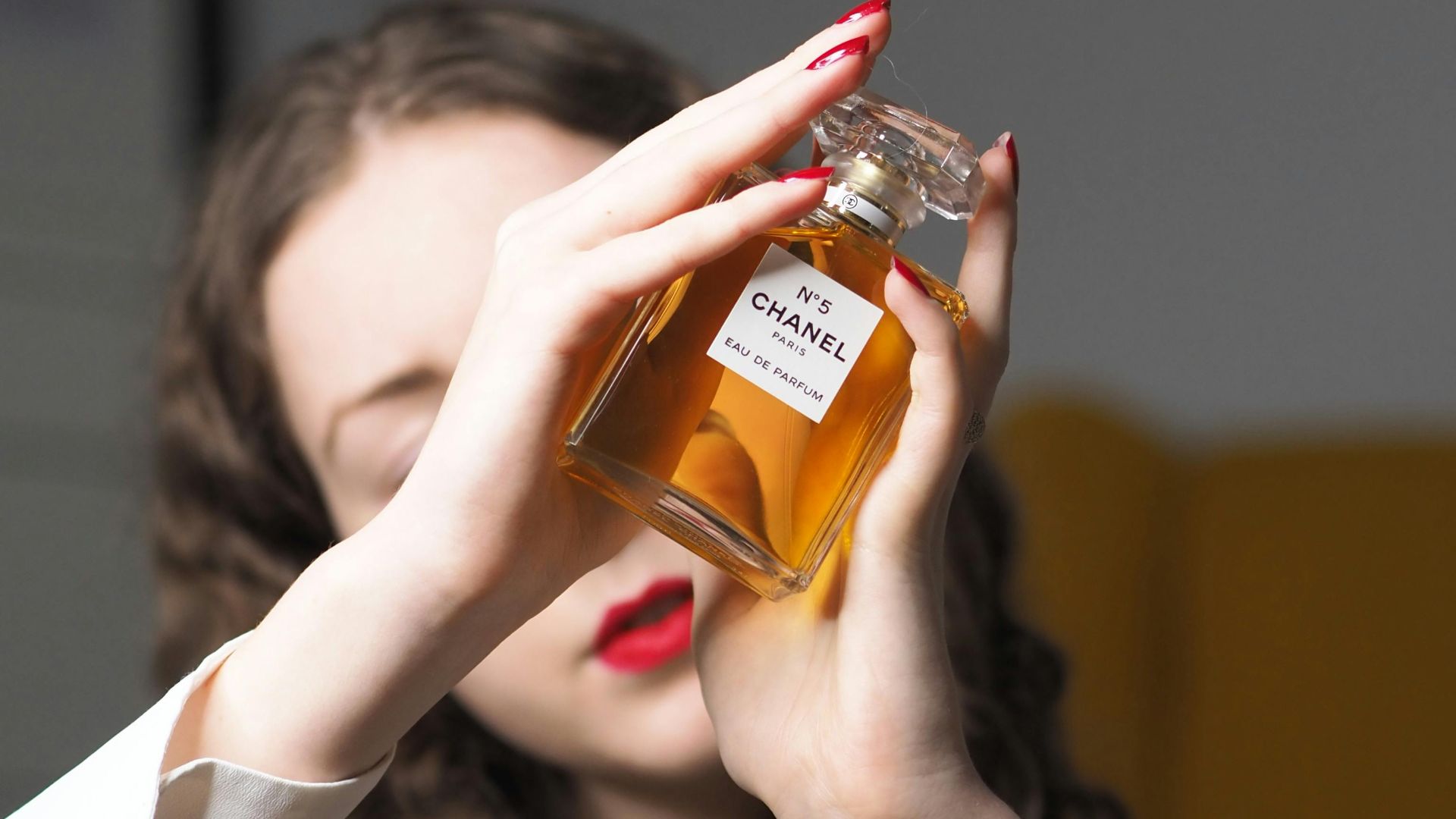

Creating A Scent That Feels Uniquely Yours
Perfume layering is a simple way to create a fragrance that feels personal and distinctive. Instead of relying on a single scent, combining different notes lets you tailor your scent throughout the day. With a bit of understanding and experimentation, you can build a signature scent that evolves naturally on your skin. The key is knowing how different fragrances interact and how to apply them effectively. Here are 20 perfume layering tricks for signature scents.
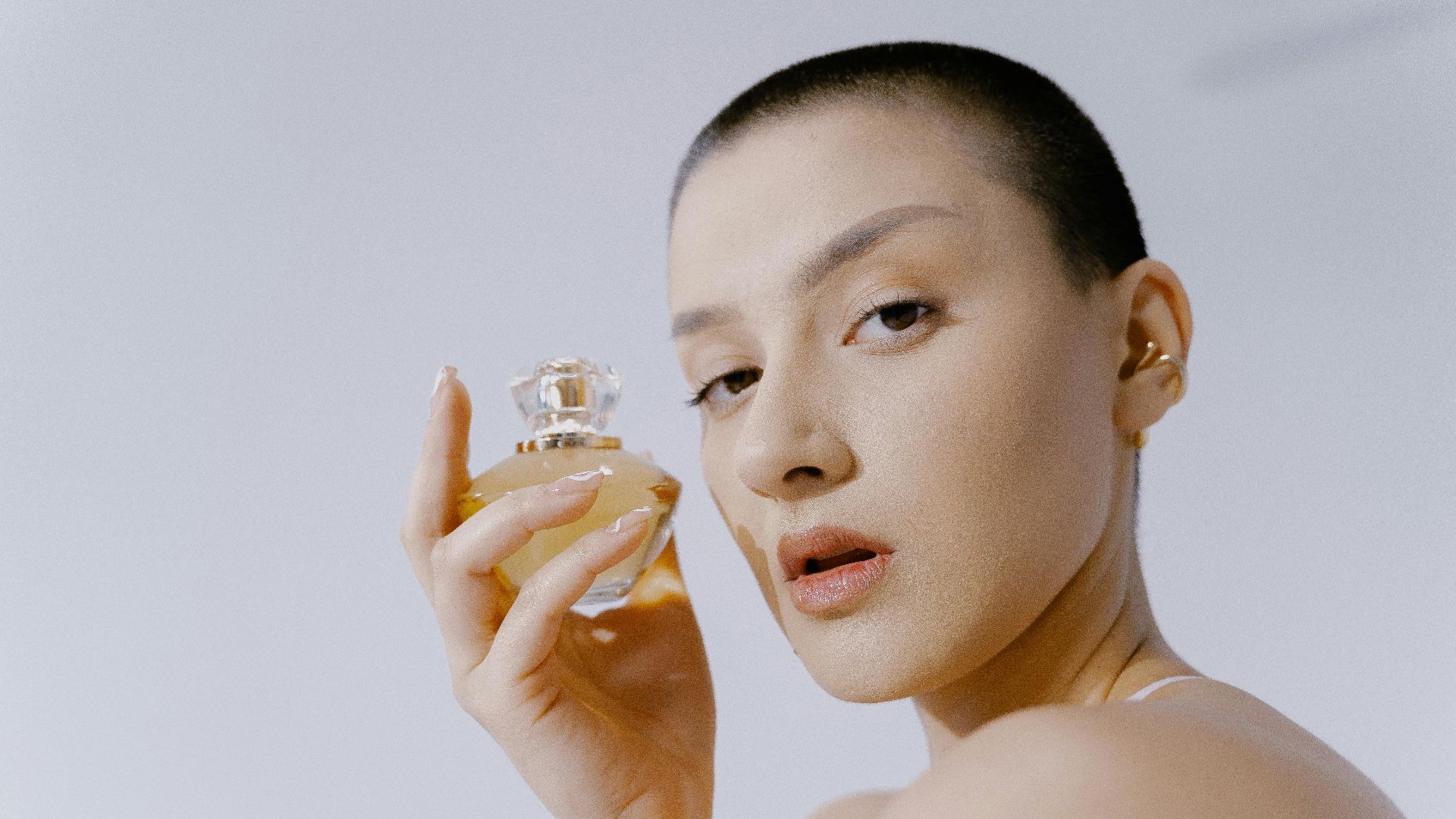
1. Start With A Moisturized Base
Hydrated skin helps fragrance last longer and project more evenly. Applying an unscented lotion before your perfume creates a smooth base that holds scent better. Dry skin tends to absorb fragrance quickly, causing it to fade faster. This simple step makes a noticeable difference in longevity.
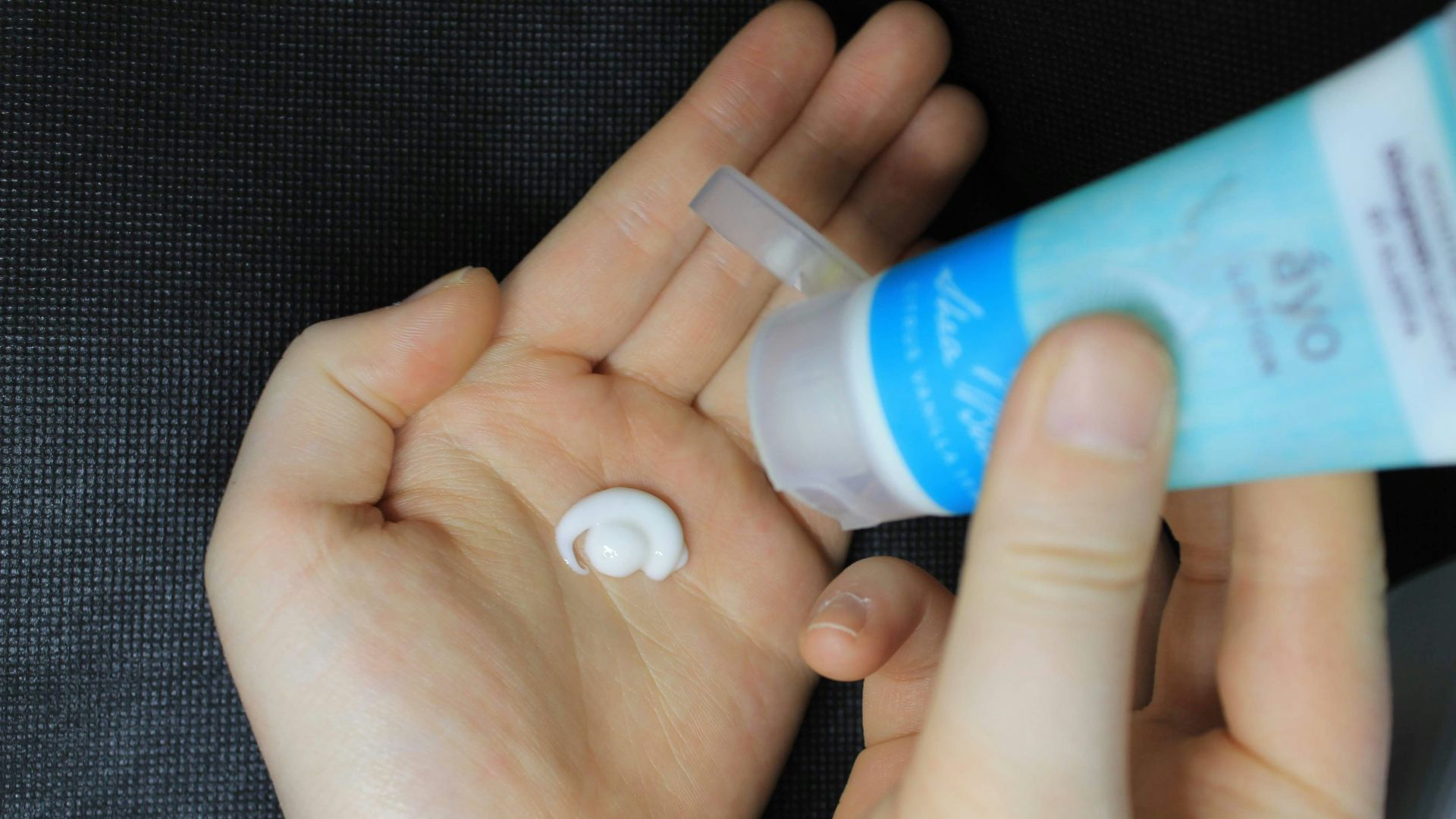
2. Use Matching Body Products
Layering products from the same scent family, such as body wash and lotion, builds a stronger foundation. These products are designed to complement each other without clashing. It creates a more cohesive scent experience from the start. This approach also reduces the need for excessive perfume application.
3. Combine Light And Deep Notes
Blending a fresh, light fragrance with a deeper, richer one creates balance. For example, citrus or floral scents pair well with vanilla, musk, or amber bases. This contrast helps your scent feel more complex and dynamic. It also allows the fragrance to evolve throughout the day.
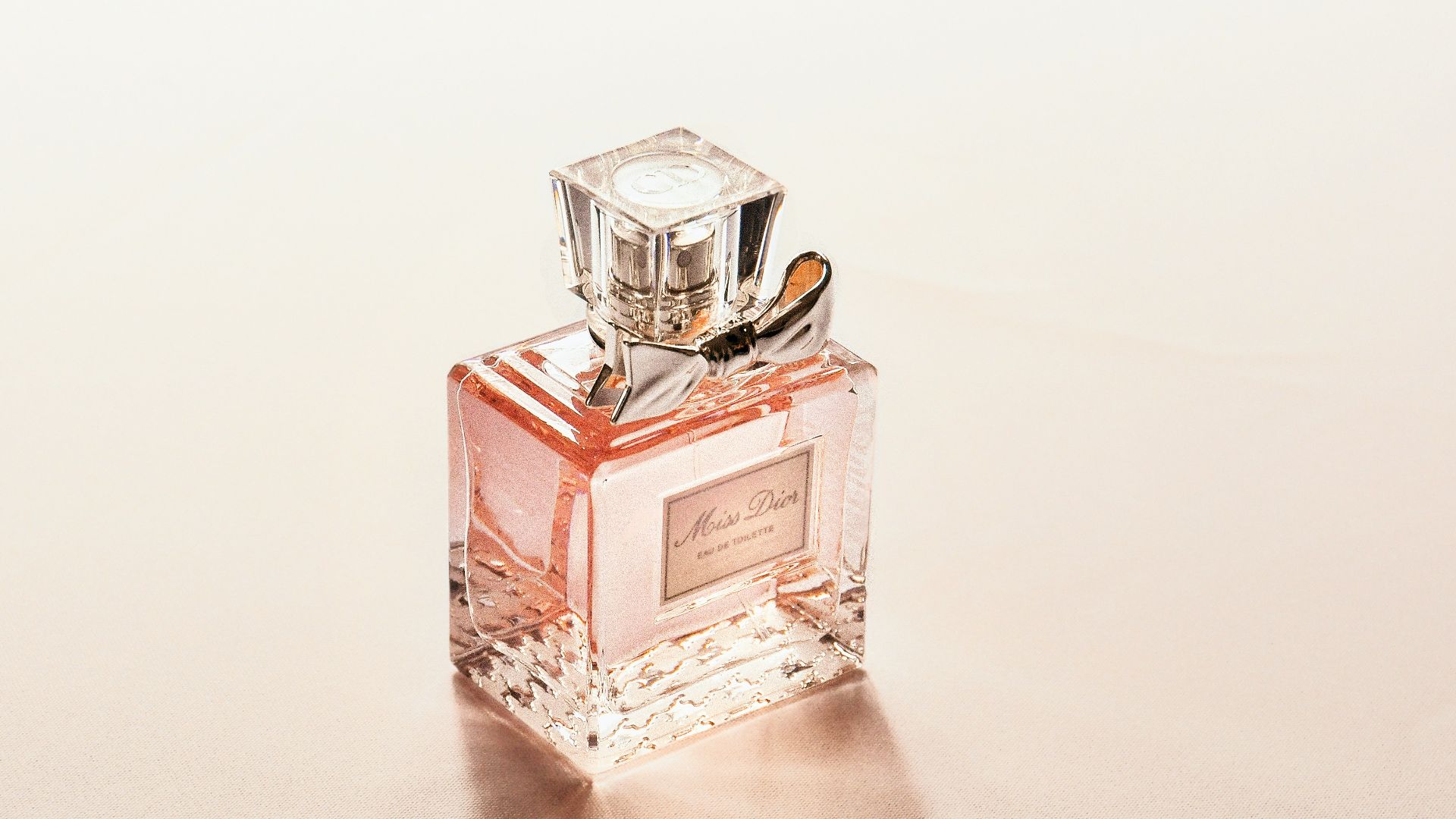
4. Apply Heavier Scents First
When layering, start with the stronger or more intense fragrance. Heavier scents tend to anchor the combination and last longer on the skin. Lighter fragrances can then be added on top without being overwhelmed.
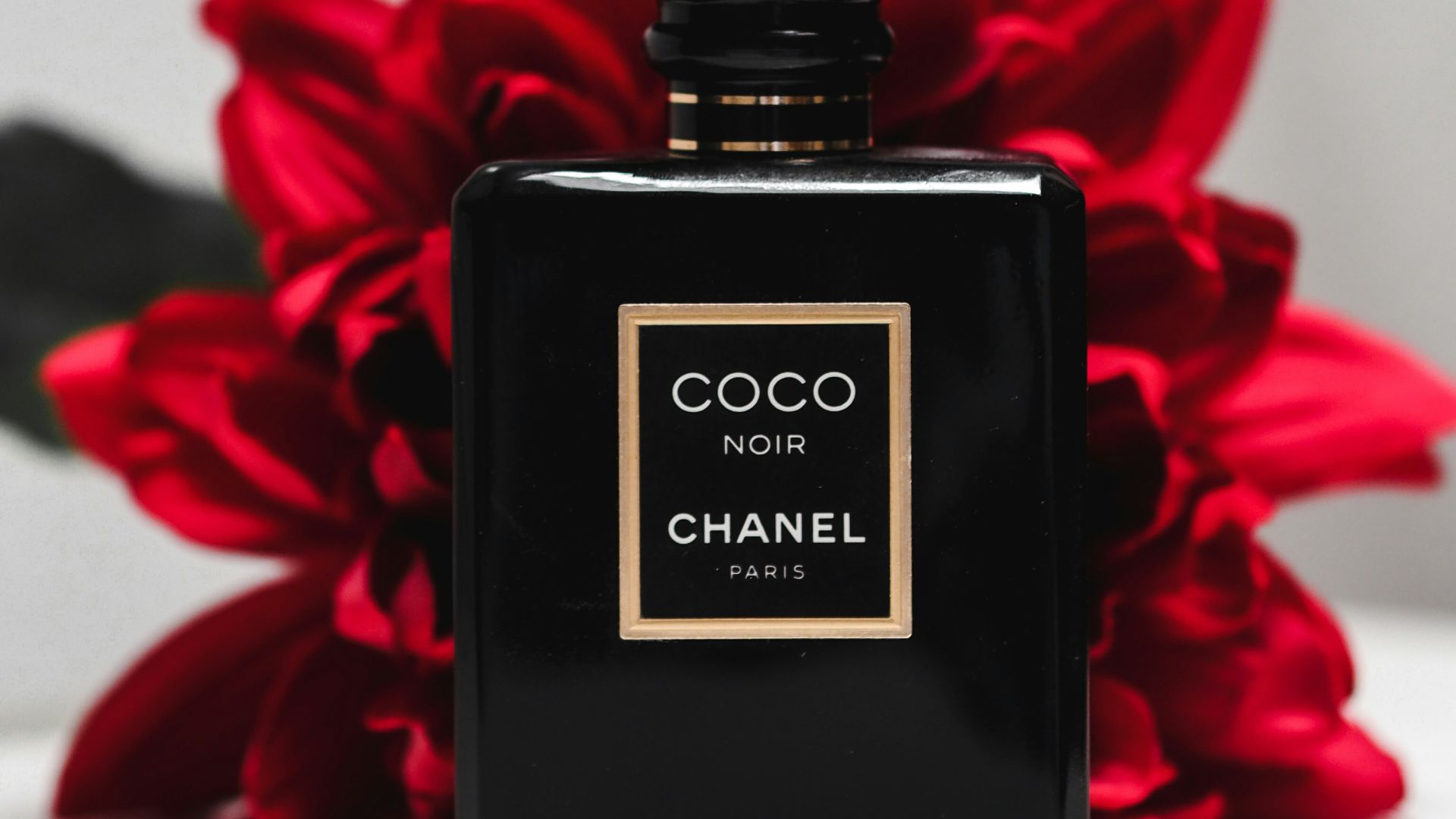
5. Focus On Pulse Points
Applying fragrance to pulse points like the wrists, neck, and behind the ears enhances projection. These areas generate heat, which helps diffuse the scent gradually. Layering different fragrances across pulse points can create a subtle blend. It also prevents the scent from becoming too concentrated in one spot.
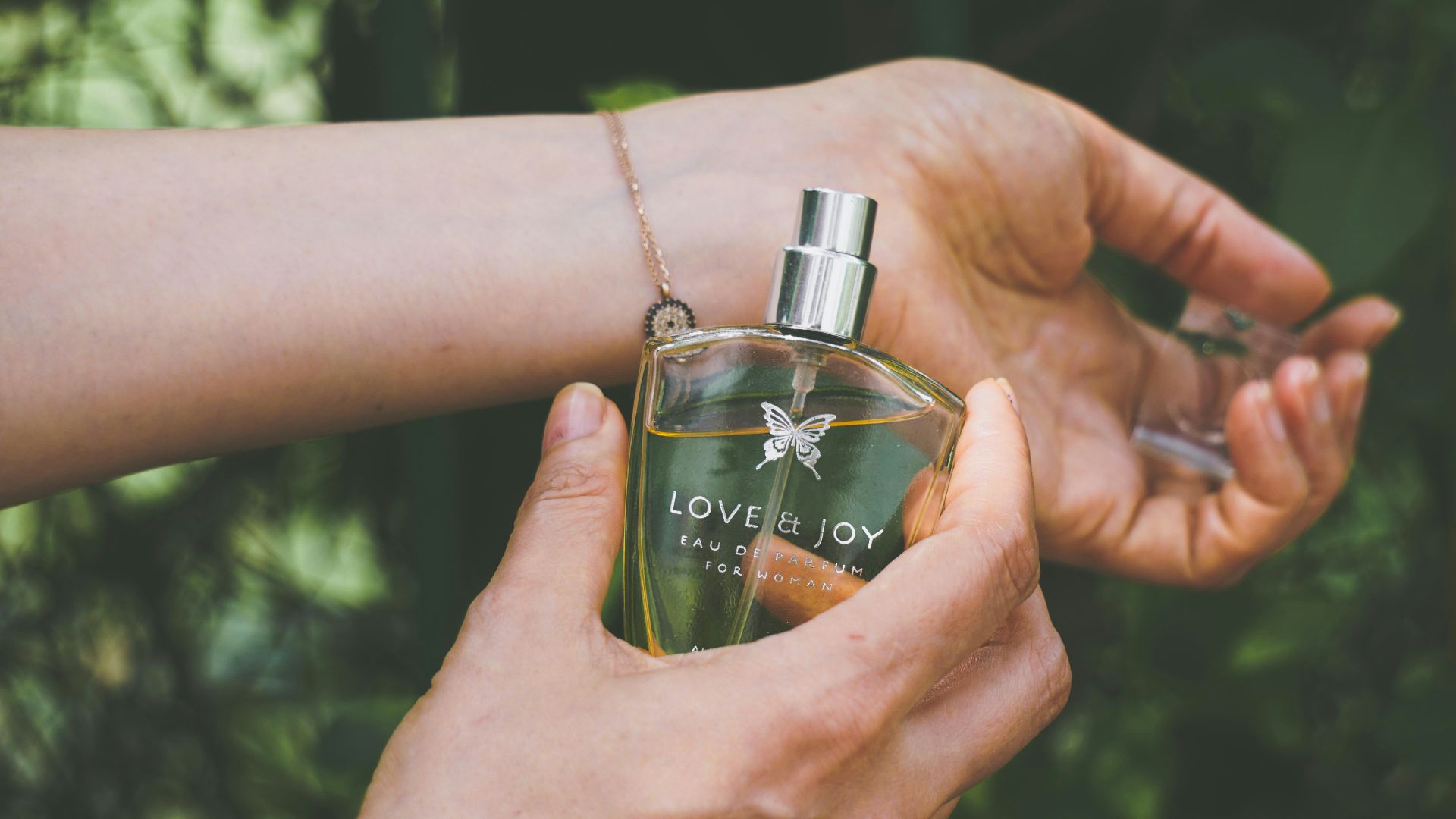
6. Don’t Rub Your Wrists Together
Rubbing fragrance into your skin can break down the top notes. This alters how the scent develops and may reduce its complexity. Instead, let the perfume settle naturally after application. Preserving the structure of the fragrance ensures better layering results.

7. Experiment With Two Scents At A Time
Starting with just two fragrances makes it easier to understand how they interact. Adding too many scents at once can lead to confusion and imbalance. By keeping combinations simple, you can refine your preferences.
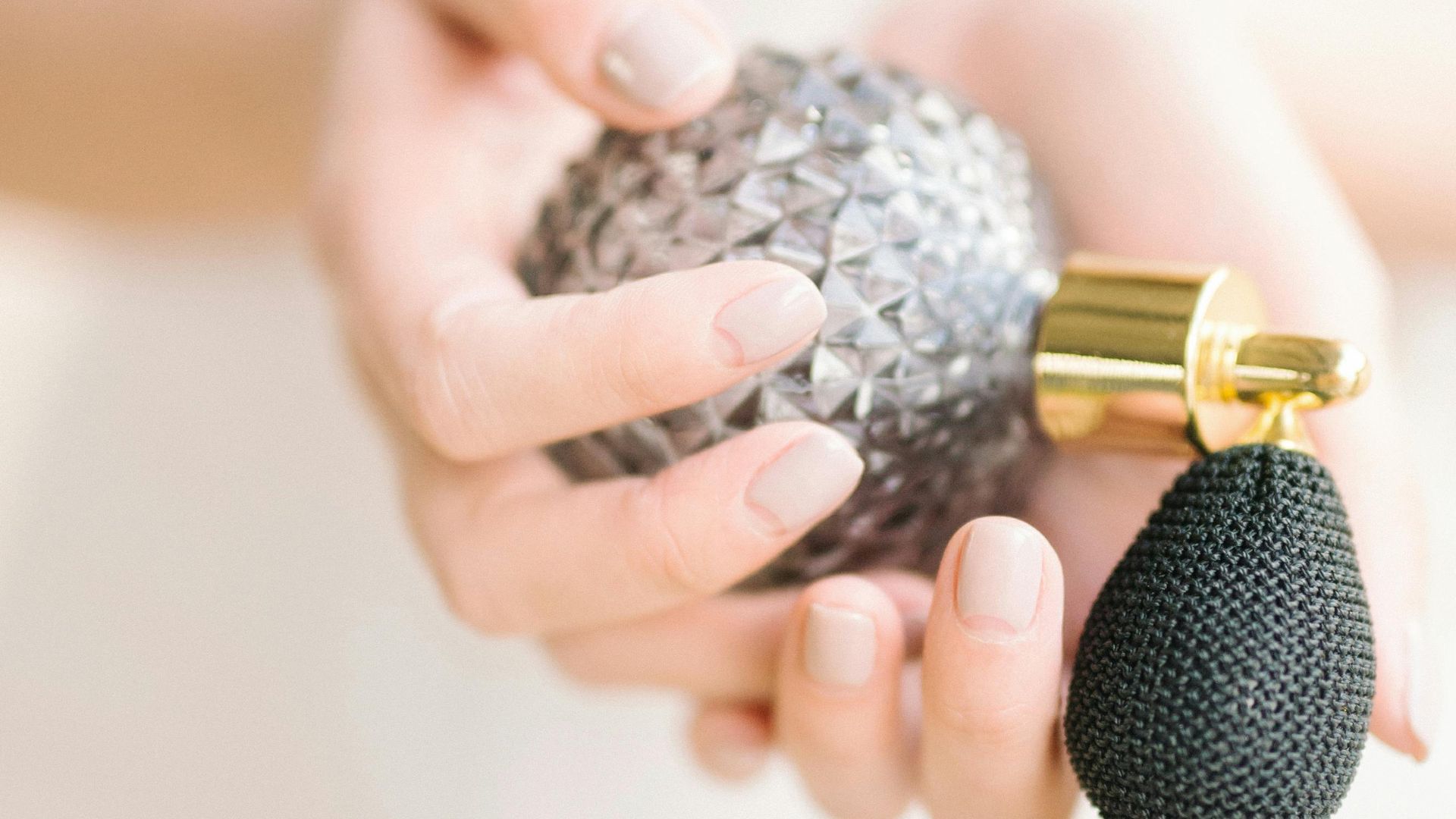
8. Stick To A Common Note
Choosing fragrances that share a common note helps create harmony. For instance, two perfumes with hints of jasmine or sandalwood will blend more smoothly. This prevents the combination from feeling disjointed.

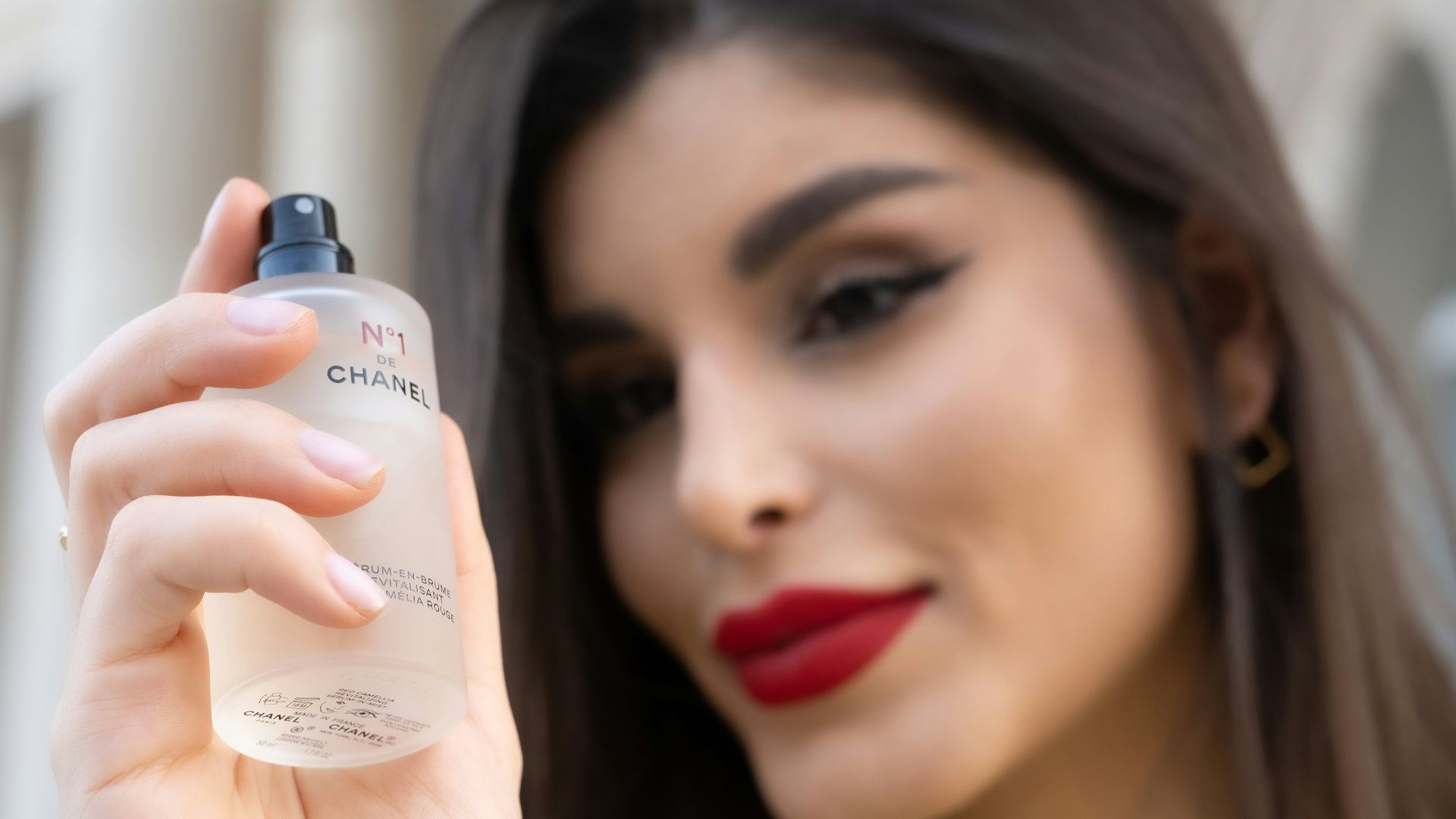
9. Use Hair Mist For Subtle Layers
Hair mists offer a lighter way to introduce additional fragrance. They disperse scent gently as you move, adding another dimension. Since they’re less concentrated, they won’t overpower your main perfume. This creates a more balanced overall effect.
 Abdul Raheem Kannath on Unsplash
10. Layer By Fragrance Families
Understanding fragrance families, such as floral, woody, or oriental, can guide your combinations. Scents within the same family tend to blend naturally. Mixing across families can work as well, but requires more experimentation.

11. Apply Fragrance To Clothing Carefully
Spraying perfume on clothing can help extend its longevity. Fabrics tend to hold scent longer than skin. However, you should test first to avoid staining delicate materials. This technique adds another layer without overwhelming your skin application.
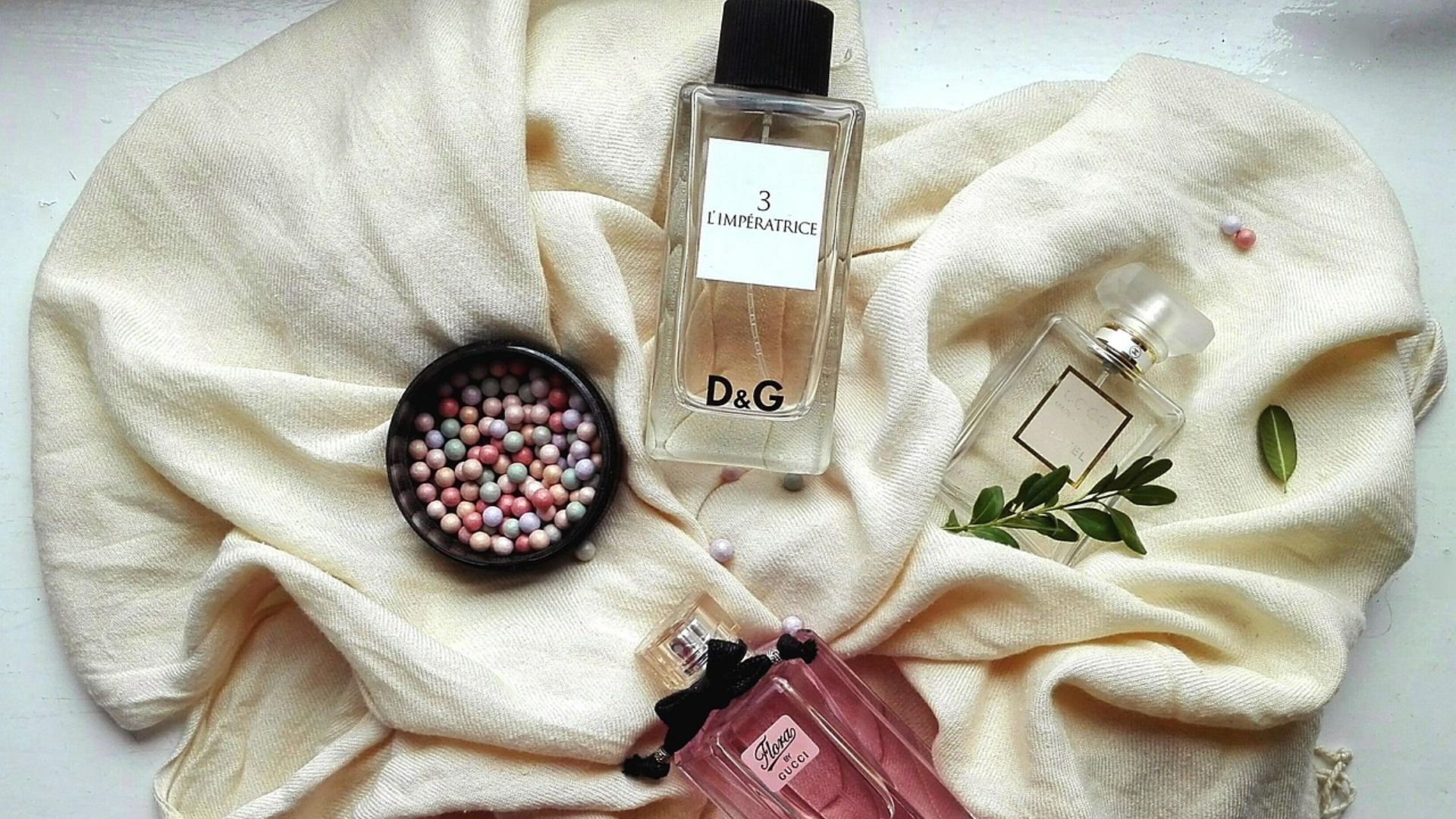
12. Use Oils As A Base
Fragrance oils can serve as a long-lasting base layer. They tend to stay close to the skin and anchor lighter sprays applied on top. Oils also provide a smoother transition between different scents. This method is especially useful for all-day wear.
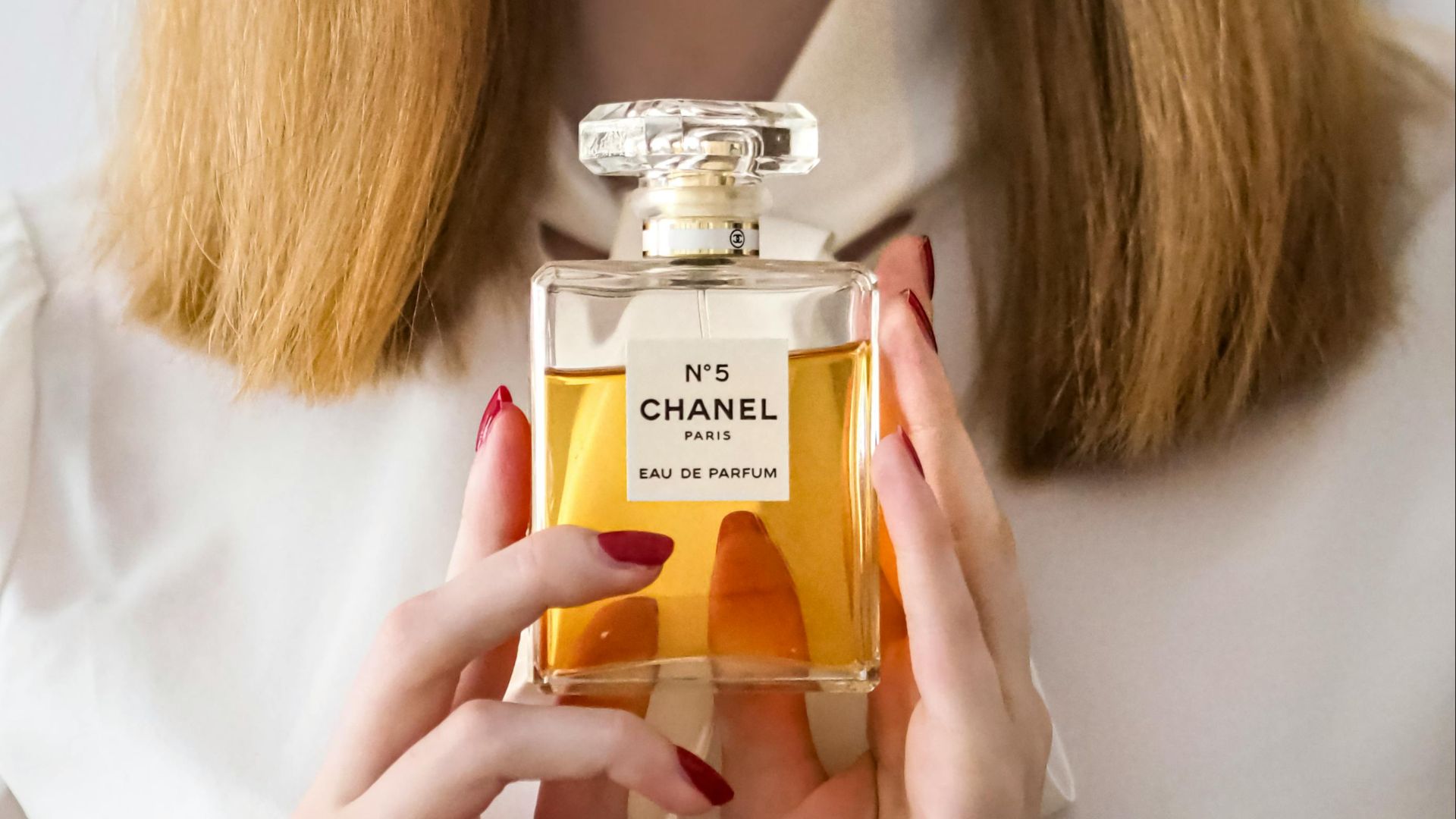
13. Adjust Based On Season
Layering choices can vary depending on the time of year. Lighter combinations work well in warmer weather, while richer blends suit colder months. Heat can intensify fragrance, so balance becomes even more important. Seasonal adjustments help maintain comfort and consistency.

14. Apply In Stages
Allow each layer to settle before adding another. This helps you understand how the scents interact over time. Rushing the process can lead to over-application or imbalance. A gradual approach results in a more refined combination.
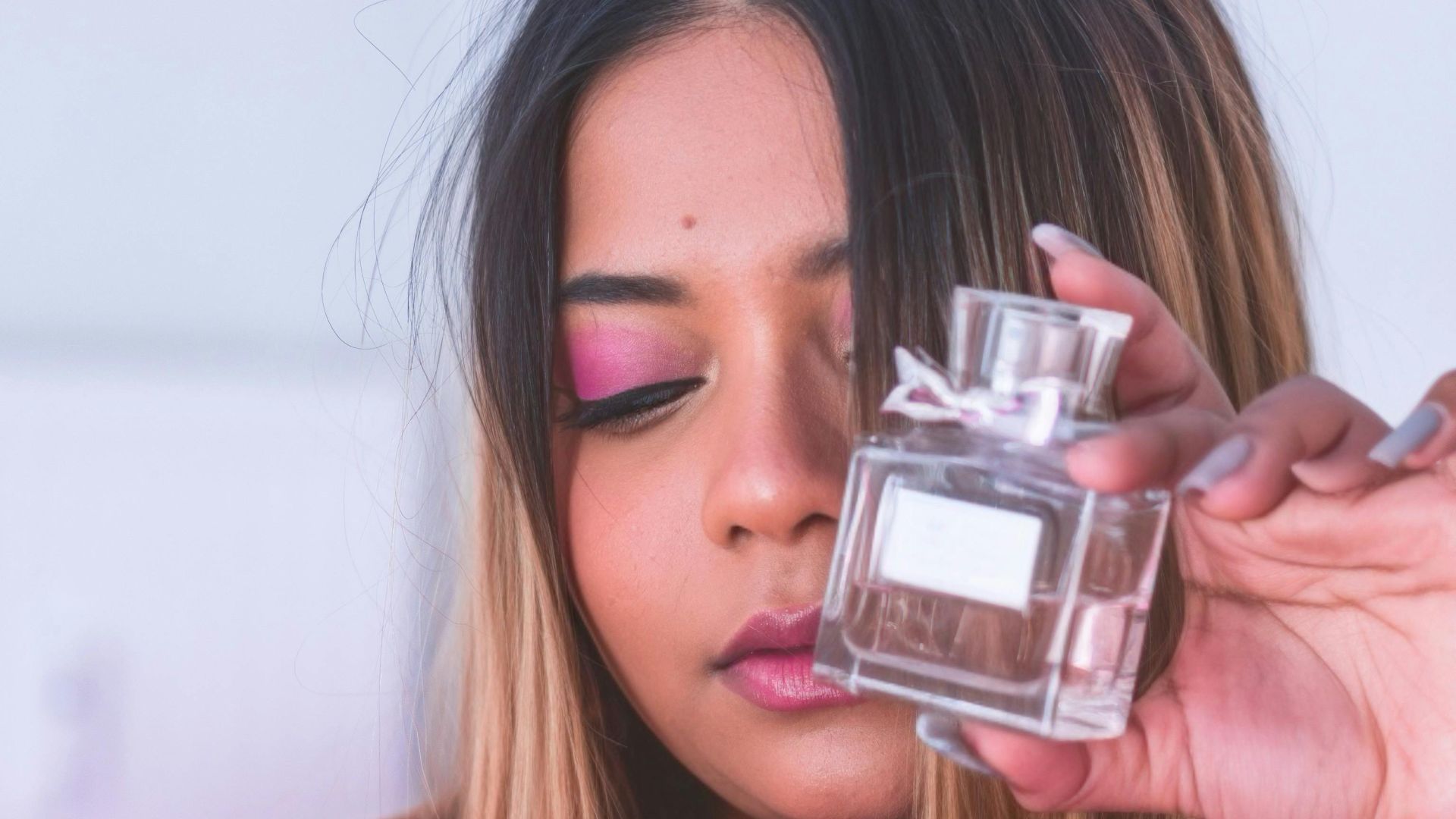
15. Test On Skin, Not Paper
Fragrance behaves differently on skin compared to paper strips. Your body chemistry influences how scents develop and blend. Testing directly on your skin provides a more accurate result. This ensures the final combination works for you personally.
16. Keep Track Of Combinations
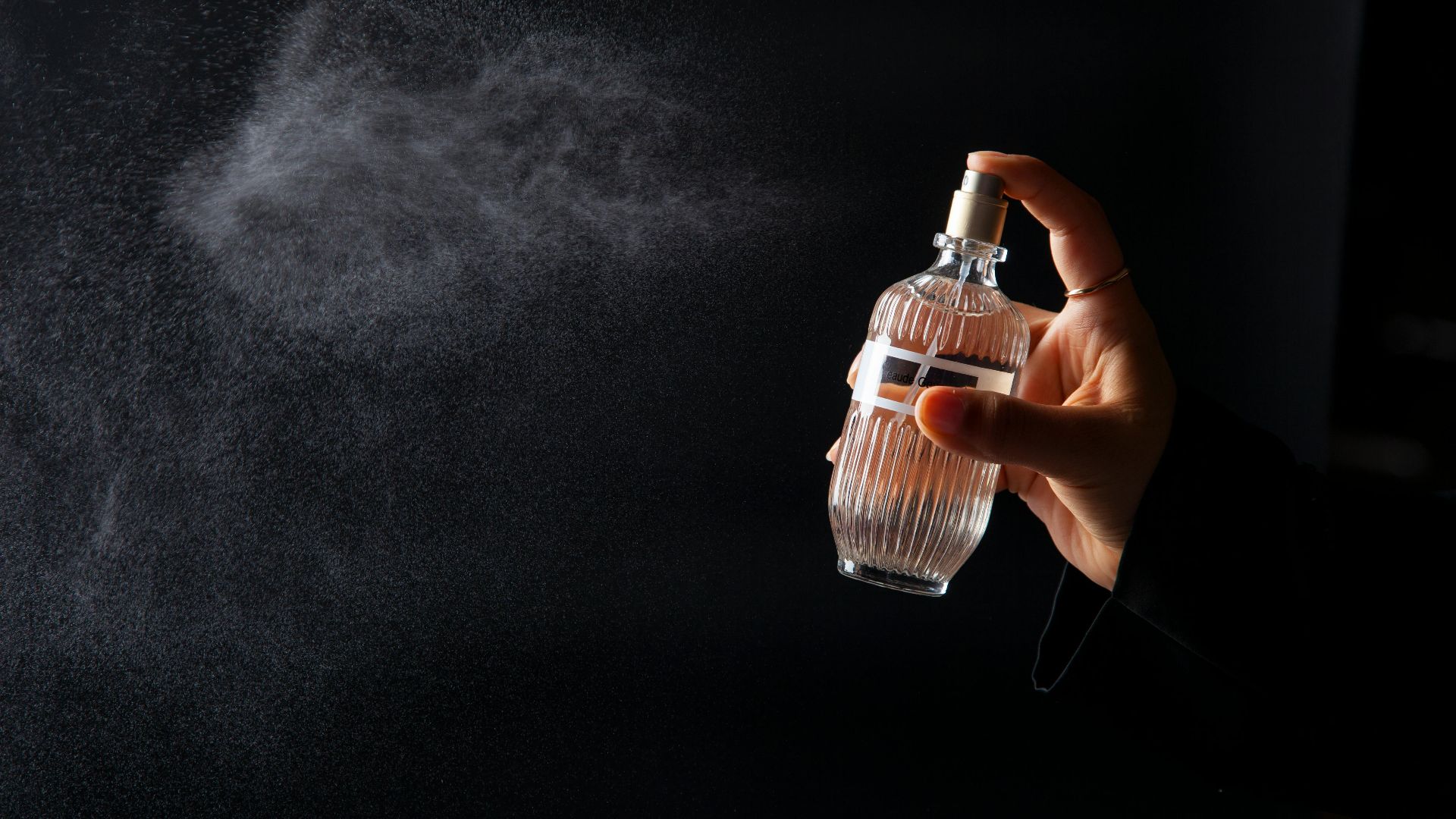
Noting which scents work well together can save time in the future. It also helps you refine your preferences and avoid unsuccessful mixes.
17. Use Unscented Products When Needed
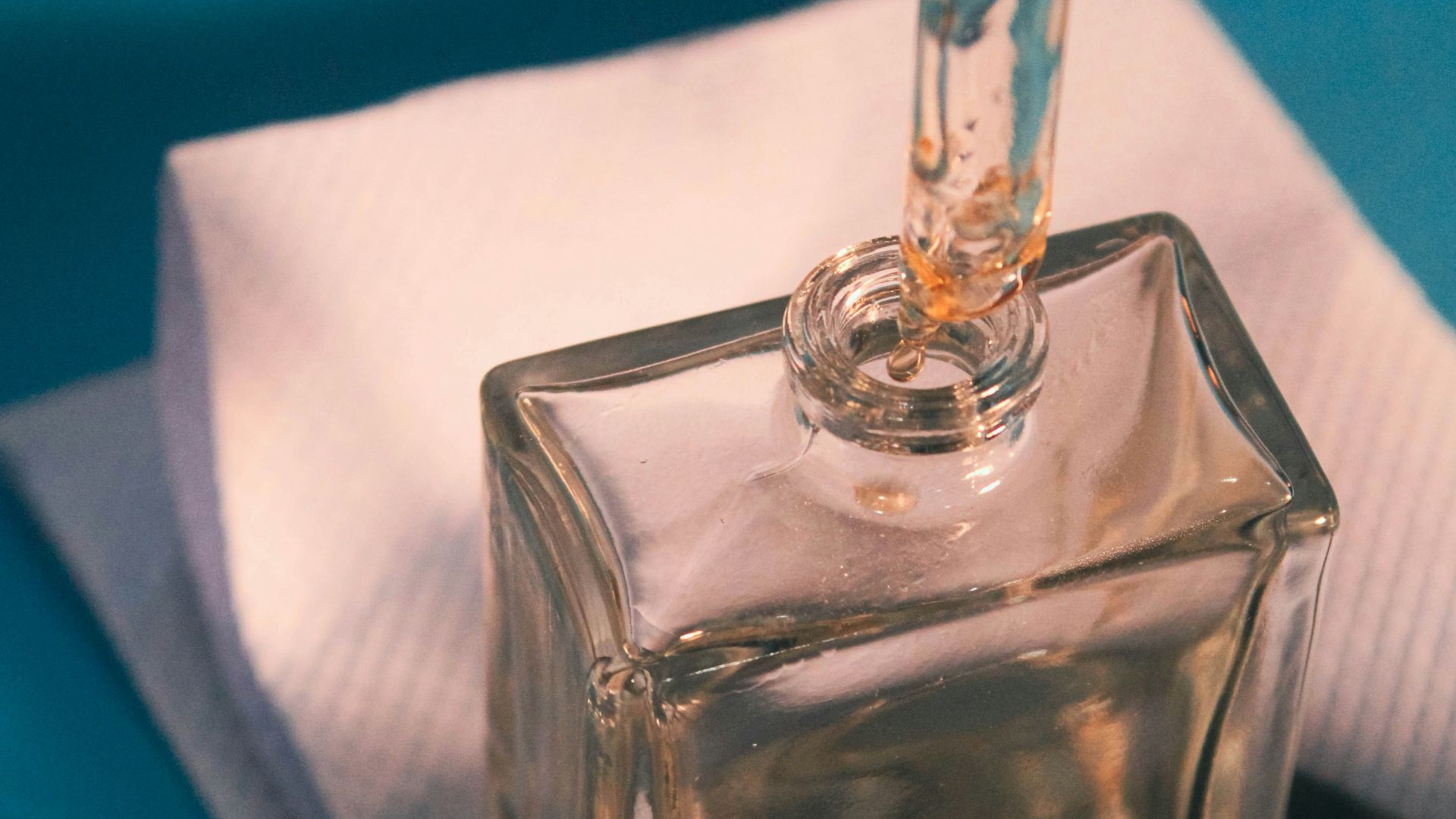
If you’re layering multiple perfumes, unscented lotions or deodorants can prevent interference. Too many competing scents can disrupt the balance you’re trying to achieve. Neutral products give your fragrances room to stand out, and keeps the focus on your chosen combination.
18. Apply Less Than You Think
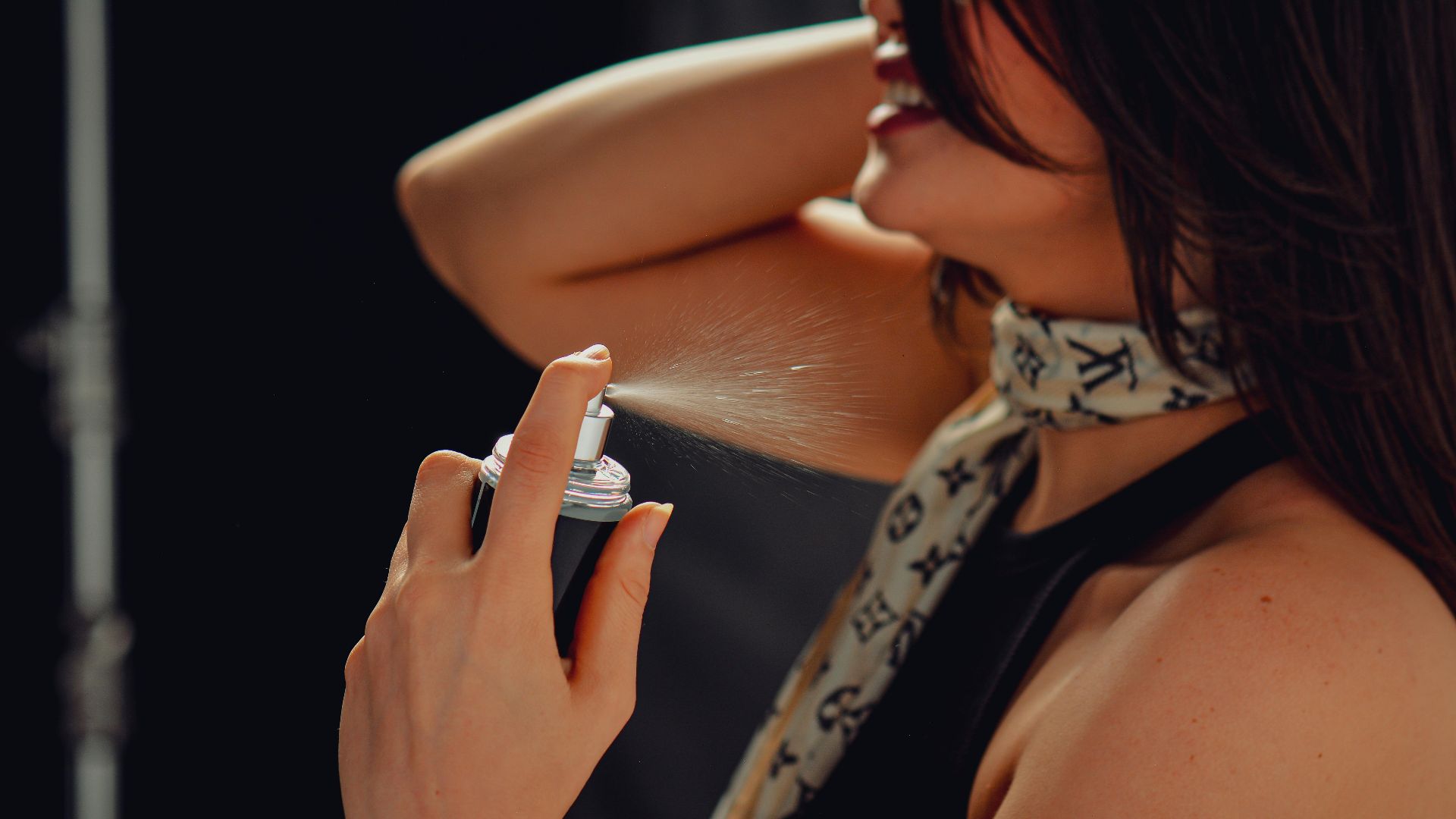
Layering naturally increases the intensity of your overall scent, and using smaller amounts prevents it from becoming overwhelming. You can always add more if needed. Subtlety often creates a more pleasant and refined result.
19. Consider Longevity Of Each Scent
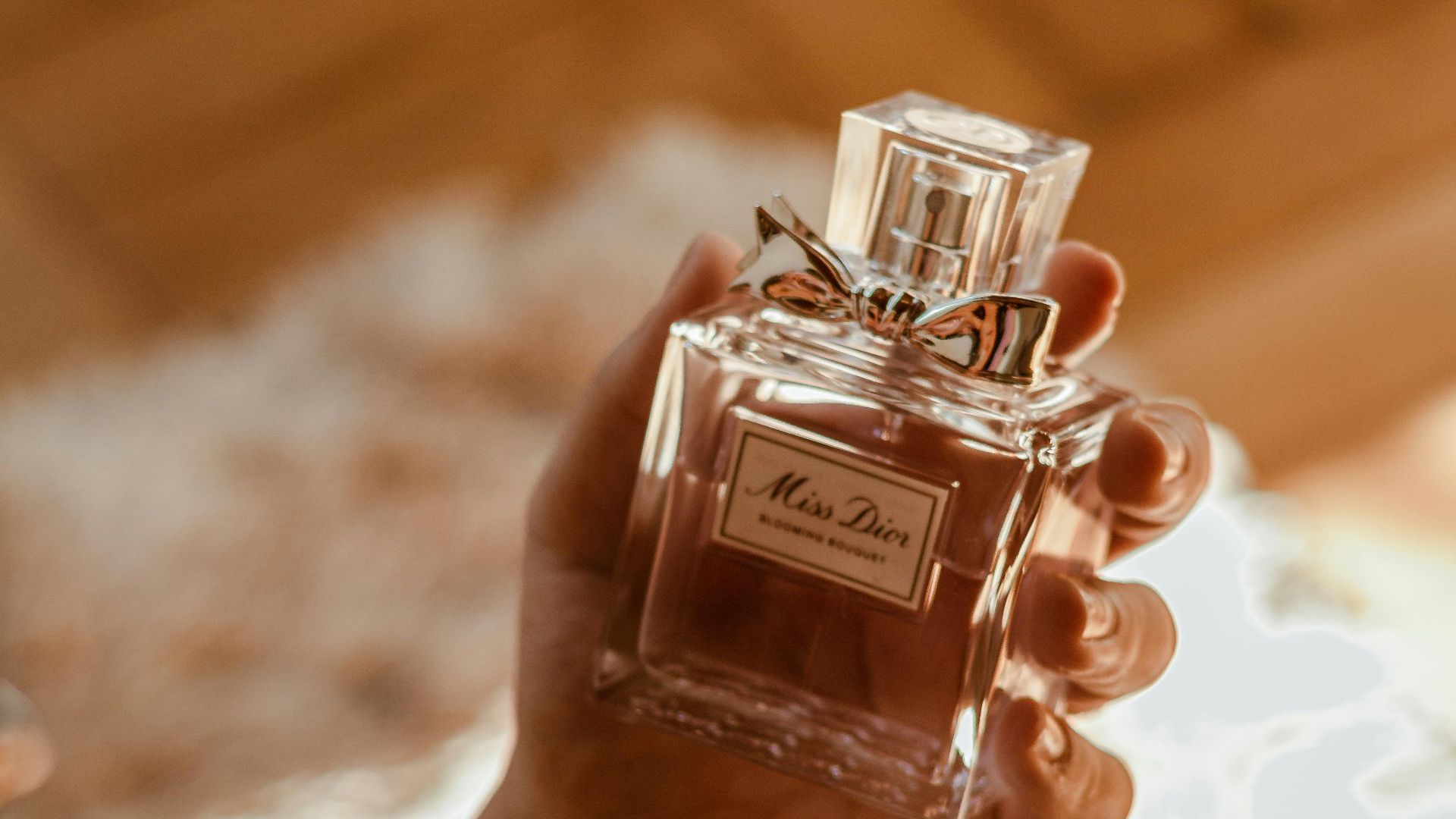
Different fragrances last for varying lengths of time. Pairing a long-lasting base with a shorter-lived top layer creates a more dynamic experience.
20. Trust Your Personal Preference
Ultimately, fragrance is highly personal, and there’s no single correct combination. What matters most is that you enjoy how the scents come together.