When Fashion Rules Were Meant to Be Ignored
Red carpet fashion often follows an unspoken set of expectations, from classic silhouettes to predictable color choices. Still, some gowns have stood out precisely because they rejected those norms and introduced something unexpected. Designers have used these moments to experiment with structure, fabric, and styling in ways that shifted how formalwear is viewed. These 20 gowns didn’t just get attention; they helped redefine what’s acceptable on one of fashion’s most visible stages.
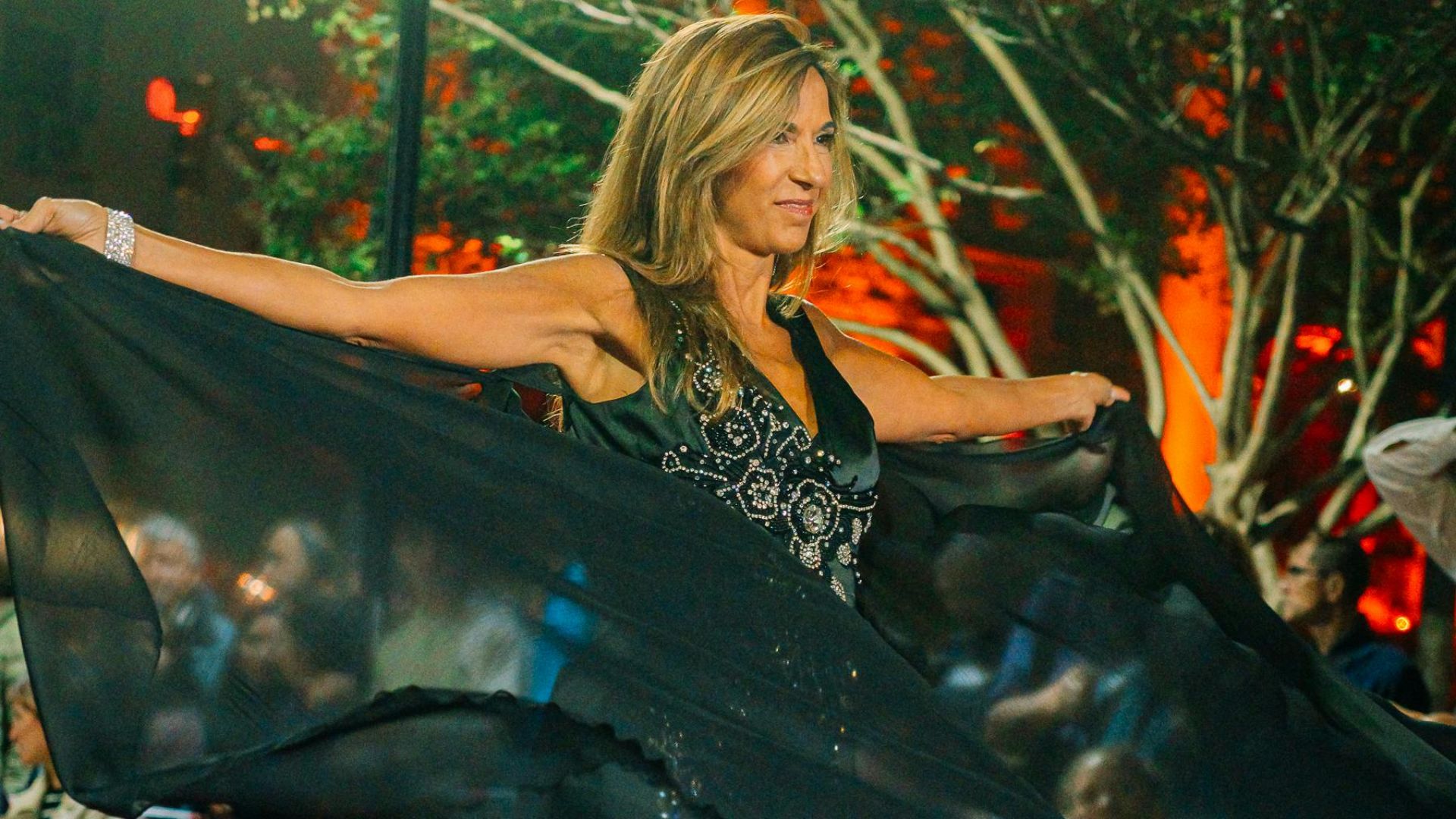
1. Versace Safety Pin Gown (1994)
This black silk gown featured oversized gold safety pins holding together high slits and cutouts, turning hardware into a central design element. It challenged traditional ideas of eveningwear by blending elegance with visible construction. The bold structure made the dress instantly recognizable and widely discussed. It shifted expectations around how revealing formalwear could be while still feeling intentional.
2. Dior Newspaper Print Dress (2000)
Designed with printed text resembling newspaper pages, this gown introduced storytelling directly into fabric. Instead of relying on embellishment, the print itself became the focal point. This approach broke away from solid colors and predictable patterns typically seen on the red carpet. It helped normalize graphic prints in high-fashion eveningwear.
3. Alexander McQueen Spray-Painted Gown (1999)
This gown incorporated live spray painting during its presentation, creating a one-of-a-kind finish. The technique blurred the line between fashion and performance art. It rejected the idea that gowns had to be static or pre-finished before appearing publicly. The design emphasized process as much as the final look.
4. Yves Saint Laurent Le Smoking (1966, Red Carpet Revival)
Although originally introduced earlier, this tailored tuxedo suit made a major red carpet impact by redefining formalwear. It replaced gowns entirely with sharp tailoring and clean lines. The look challenged gender expectations and expanded what formal attire could look like. It paved the way for more non-traditional red carpet choices.
 Jacquelinekato (Pascal Kirchmair) on Wikimedia
5. Jean Paul Gaultier Cone Corset Dress (1990s)
This structured piece featured exaggerated cone-shaped cups that pushed the boundaries of silhouette. It turned lingerie-inspired design into outerwear boldly and unapologetically. The architectural form stood in contrast to softer, more traditional evening gowns. It redefined how structure could dominate a formal look.
 Captain Catan from Frankfurt am Main, Germany on Wikimedia
6. Valentino Green Velvet Gown (2001)
This gown used a deep green velvet fabric instead of the more common black or jewel-toned satin. The rich texture added depth and dimension under camera lighting. Its simplicity allowed fabric choice to take center stage, and helped expand acceptable color palettes for formal events.
7. Iris van Herpen 3D-Printed Gown (2010s)
This gown incorporated 3D printing techniques to create sculptural, futuristic forms. It broke away from traditional sewing methods entirely. The design emphasized innovation and technology in fashion construction. It introduced a new direction for how gowns could be made.
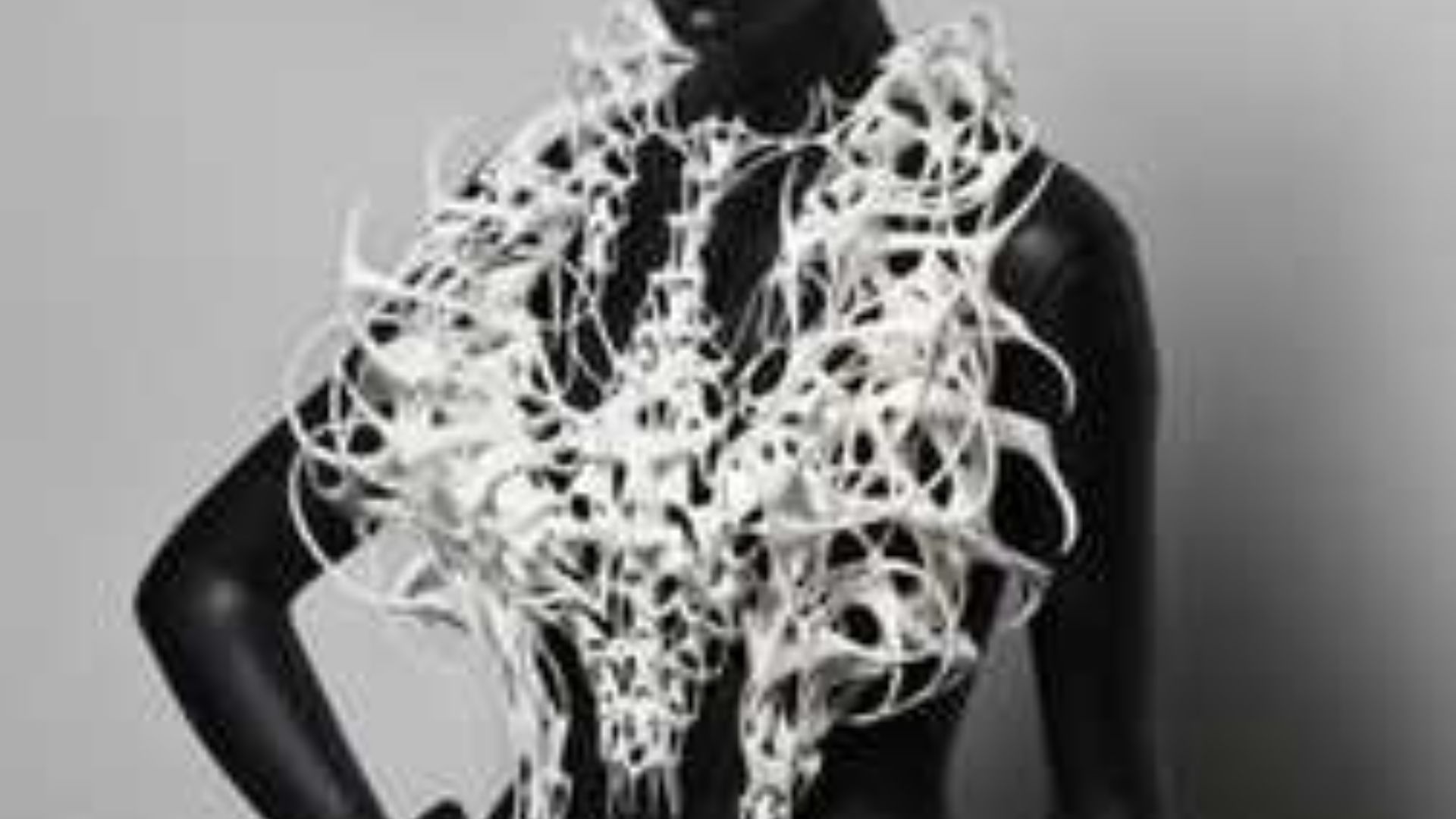 Centraal Museum, Utrecht / Ernst Moritz on Wikimedia
8. Givenchy Sheer Lace Gown (1997)
This design used sheer lace panels to create a layered, almost translucent effect. It challenged expectations around modesty while maintaining intricate craftsmanship. The balance between exposure and detail made it stand out. It contributed to the growing acceptance of sheer elements in formalwear.
 Gunguti Hanchtrag Lauim on Wikimedia
9. Prada Feathered Mini Gown (2010s)
Featuring a shorter hemline and full feather embellishment, this piece moved away from floor-length expectations. The playful texture gave it movement and energy. It challenged the idea that formalwear had to be long and structured. It encouraged more experimental lengths on the red carpet.
10. Galliano Bias-Cut Slip Gown (1990s)
This gown used a simple bias-cut silhouette with minimal structure and soft draping. It rejected heavy embellishment in favor of clean lines and fluid fabric.
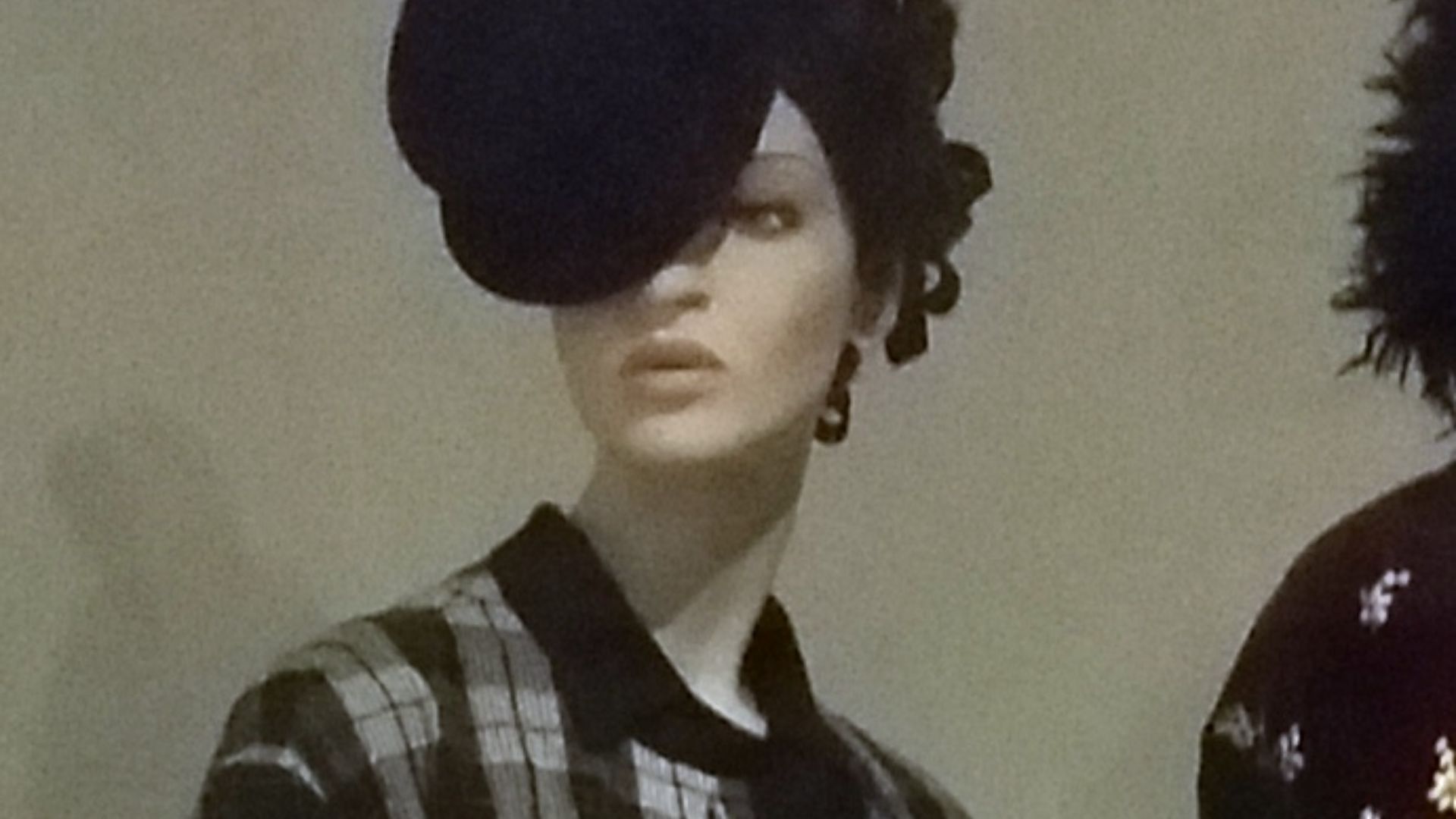 Photograph taken by Mabalu. Outfit designed by John Galliano. on Wikimedia
11. Viktor & Rolf Sculptural Bow Gown (2010s)
This gown featured oversized bows integrated directly into the structure rather than as decoration. The exaggerated shapes created a dramatic silhouette. It pushed proportions beyond traditional limits. The design treated embellishment as architecture rather than detail.
12. Schiaparelli Surrealist Gown (2010s)
Inspired by surrealism, this gown incorporated unexpected elements like sculpted shapes and unusual placements. It rejected symmetry and predictability.
 is Joules from Southern California, USA on Wikimedia
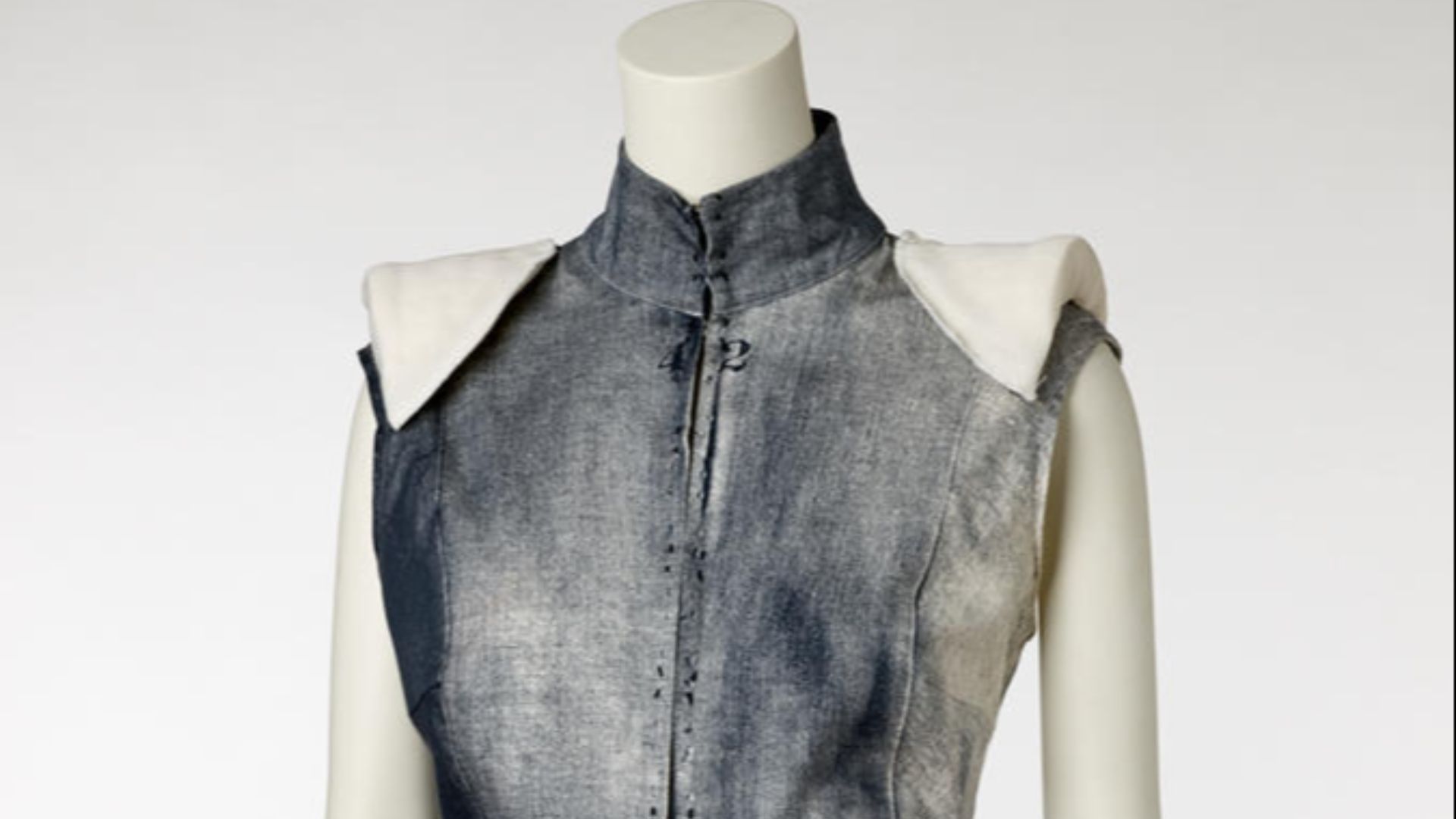
13. Maison Margiela Deconstructed Gown (2010s)
This piece exposed seams, layers, and unfinished edges as part of the design. It challenged the expectation that formalwear should appear polished and seamless. The unfinished look became intentional rather than accidental, redefining craftsmanship through transparency.
 Staff photographer, Rhode Island School of Design Museum of Art on Wikimedia
14. Balenciaga Structured Cocoon Gown (1960s Revival)
This gown featured a rounded, cocoon-like silhouette that moved away from body-hugging shapes. The volume created a new way of thinking about proportion, emphasizing form over fit. This approach influenced modern interpretations of oversized eveningwear.
15. Gucci Metallic Column Gown (2010s)
Made entirely from reflective metallic fabric, this gown emphasized shine over texture or embellishment. It stood out under flash photography in a way traditional fabrics didn’t.
16. Thom Browne Avant-Garde Tailored Gown (2010s)
This design blended tailoring with exaggerated proportions and unexpected construction. It challenged the divide between suits and gowns. The structure created a hybrid look that didn’t fit into one category.
17. Dolce & Gabbana Gold Embellished Gown (2000s)
Covered in heavy gold embroidery, this gown prioritized ornate detail over subtlety. The richness of the design made it visually dominant.
18. Rei Kawakubo Conceptual Layered Gown (2010s)
This gown used layers and unusual shapes to obscure the natural body line. It rejected traditional ideas of flattering silhouettes.
19. Mugler Cutout Illusion Gown (1990s)
This design used strategic cutouts to create the illusion of exposure while maintaining structure. It played with perception and proportion.
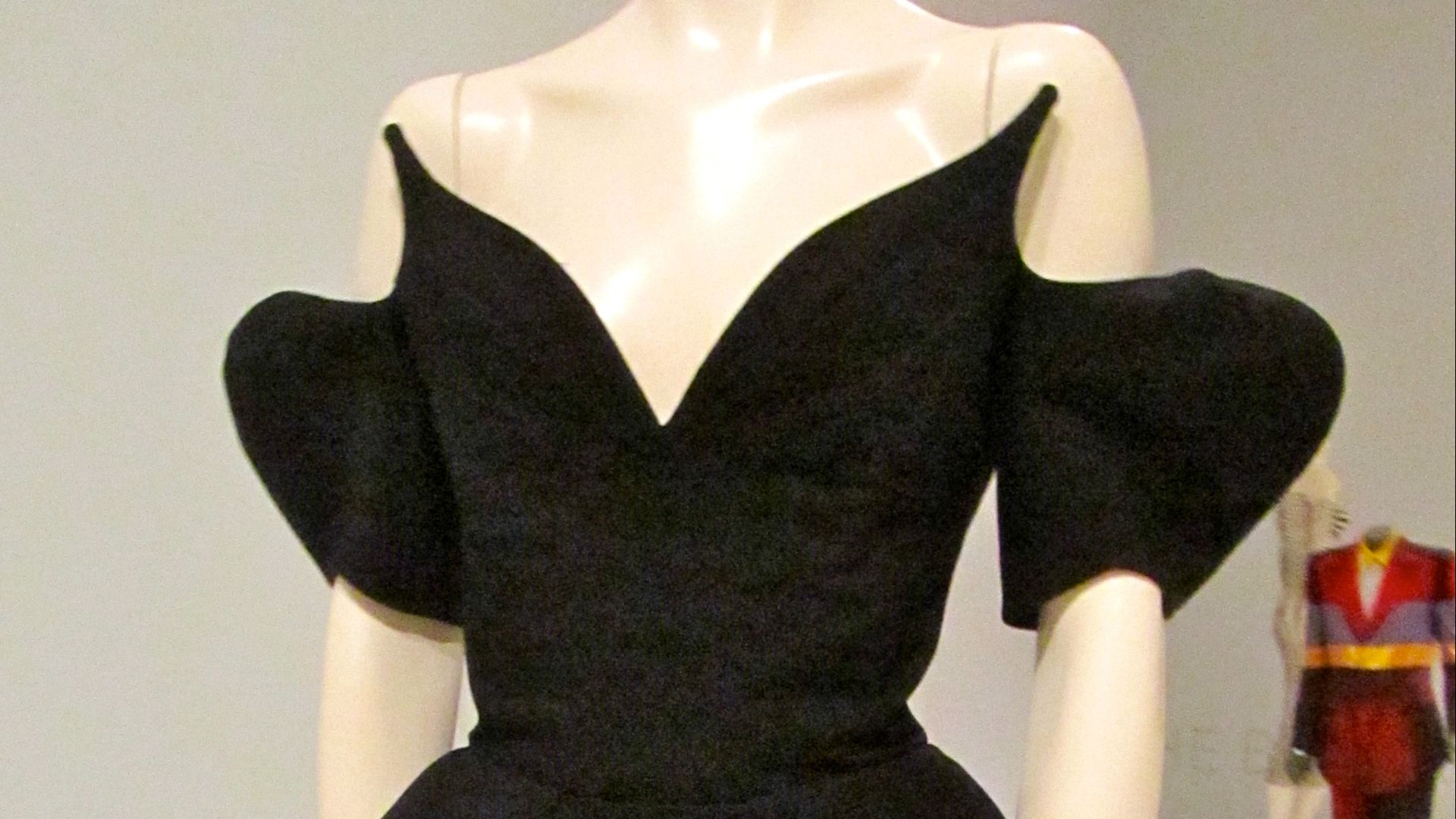
20. Chanel Couture Two-Piece Gown (Modern Era)
This look replaced the traditional single gown with a coordinated two-piece set. It introduced separation into formalwear styling.