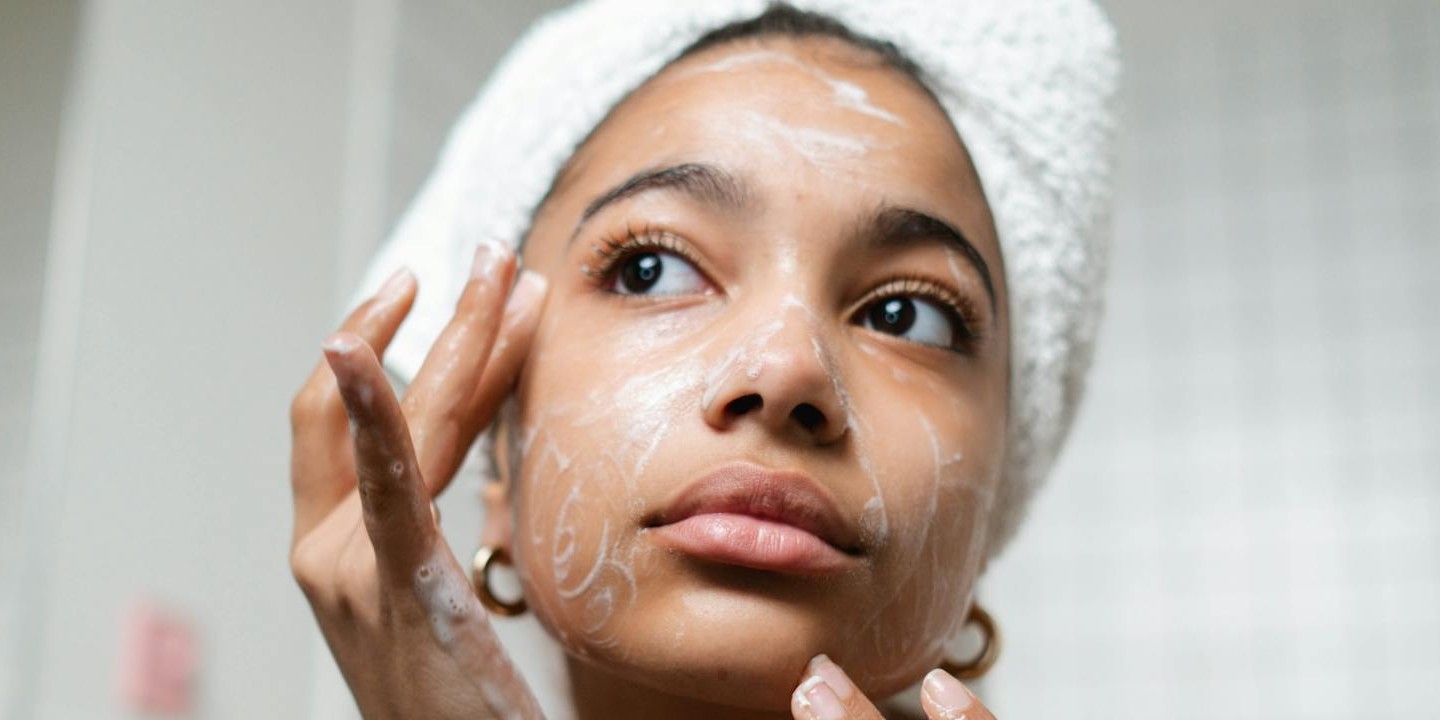

Why Won't Your Lips Stay Soft?
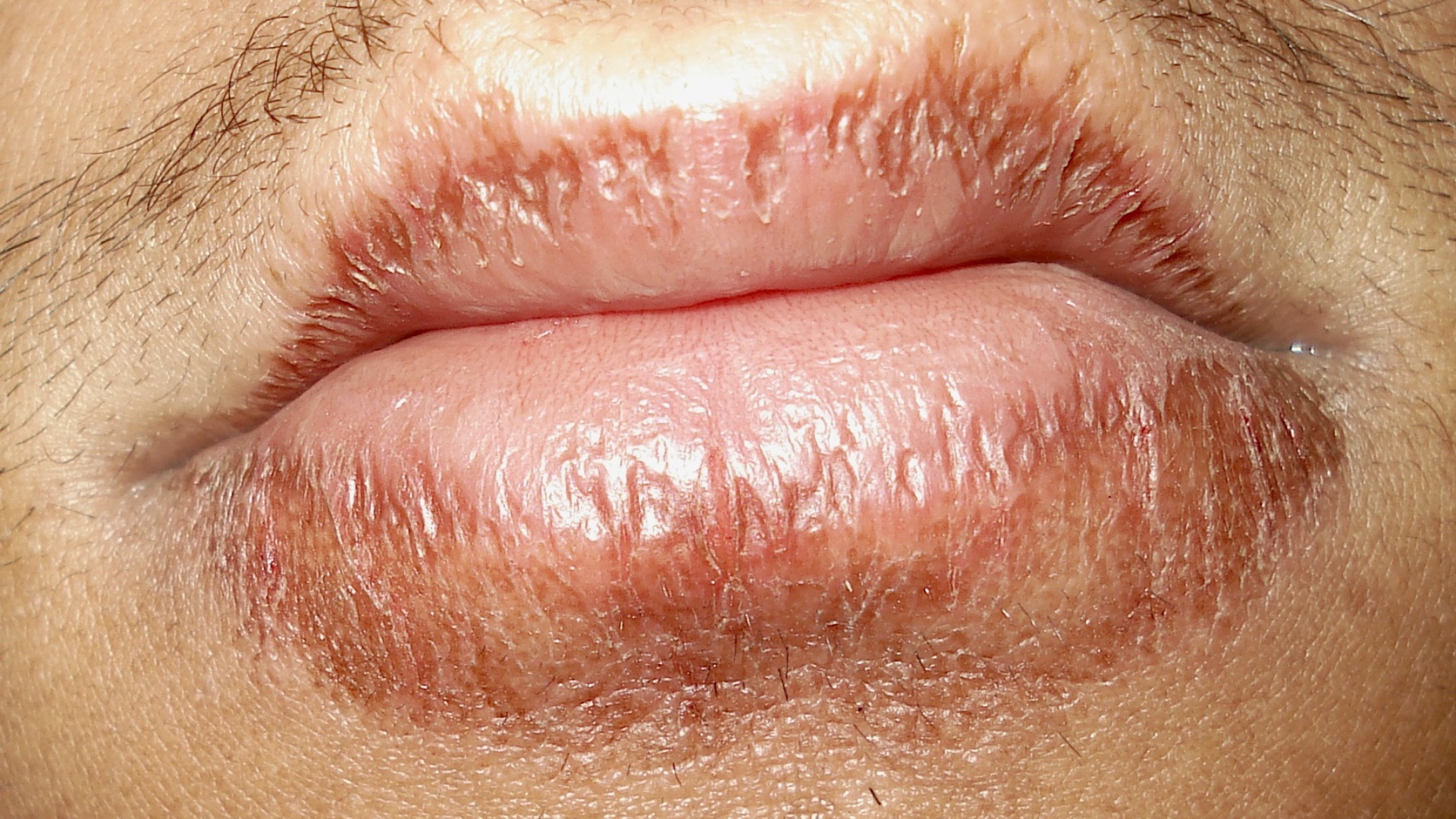
Chapped lips are one of those problems that seem minor until you're constantly reapplying lip balm and wondering why nothing ever seems to work. The truth is, persistent dryness usually comes down to a handful of habits and factors that are easy to overlook but surprisingly impactful. Whether you've been dealing with this issue for years or just noticed it getting worse lately, understanding what's behind it is the first step toward actually fixing it.
1. You're Not Drinking Enough Water
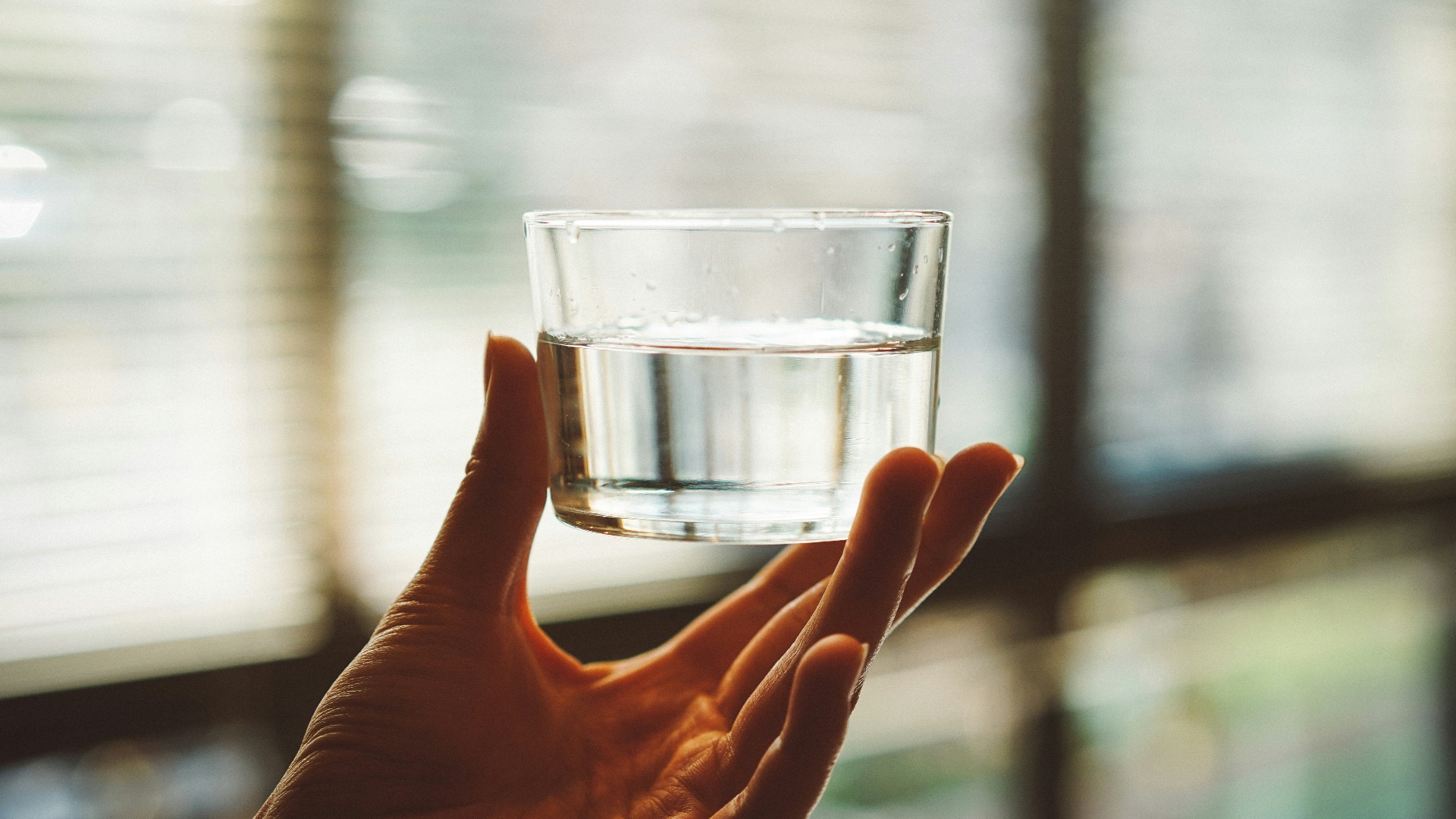
Dehydration is one of the most common culprits behind chronically dry lips, and it's often the last thing people consider. Your lips don't have oil glands the way the rest of your skin does, which means they rely heavily on your body's hydration levels to stay moisturized. If you're not drinking enough water throughout the day, your lips will show it before most other parts of your body do.
2. You Keep Licking Your Lips
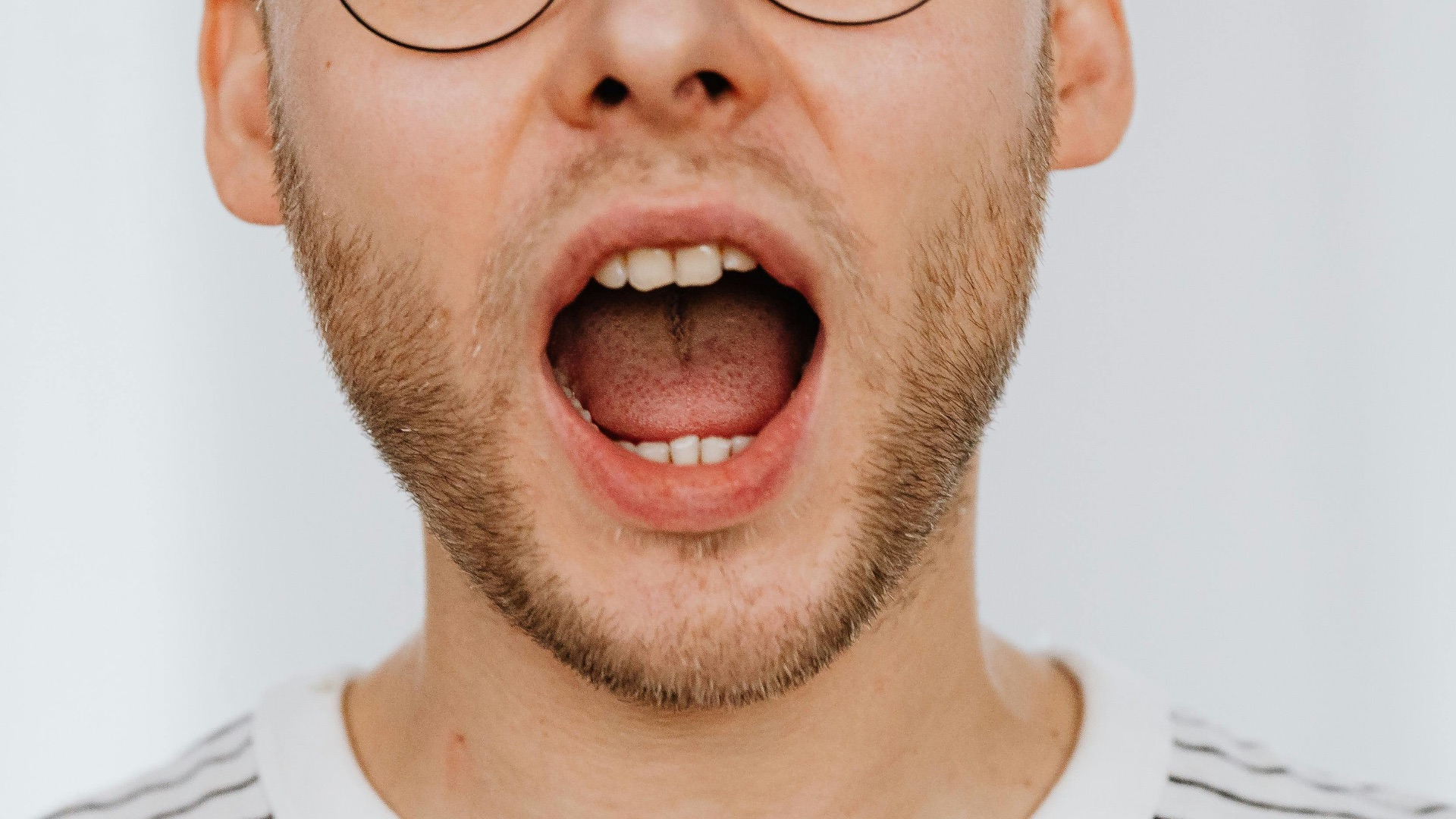
It might feel like licking your lips gives them a quick burst of moisture, but it actually does the opposite. Saliva contains digestive enzymes that break down the skin's protective barrier, and as the moisture evaporates, it takes some of your lips' natural hydration along with it. The more you lick, the drier they get, making it a frustrating cycle that's hard to break once it starts.

3. The Weather Is Working Against You
Cold, dry air in the winter and hot, windy conditions in the summer can both strip moisture from your lips faster than you'd expect. Lips are thin-skinned and particularly vulnerable to environmental exposure, so seasonal changes can have a real impact on how they feel. If you notice your lips getting worse during certain times of the year, the climate around you is very likely playing a significant role.

4. You're Breathing Through Your Mouth
Mouth breathing, whether from a stuffy nose, allergies, or just a habit, constantly exposes your lips to moving air, which dries them out quickly. This is especially common at night, when you might not even realize you're doing it, leading to cracked and uncomfortable lips by morning. If mouth breathing is a regular occurrence for you, addressing any underlying congestion issues can make a noticeable difference.
5. Your Lip Balm Isn't Actually Helping
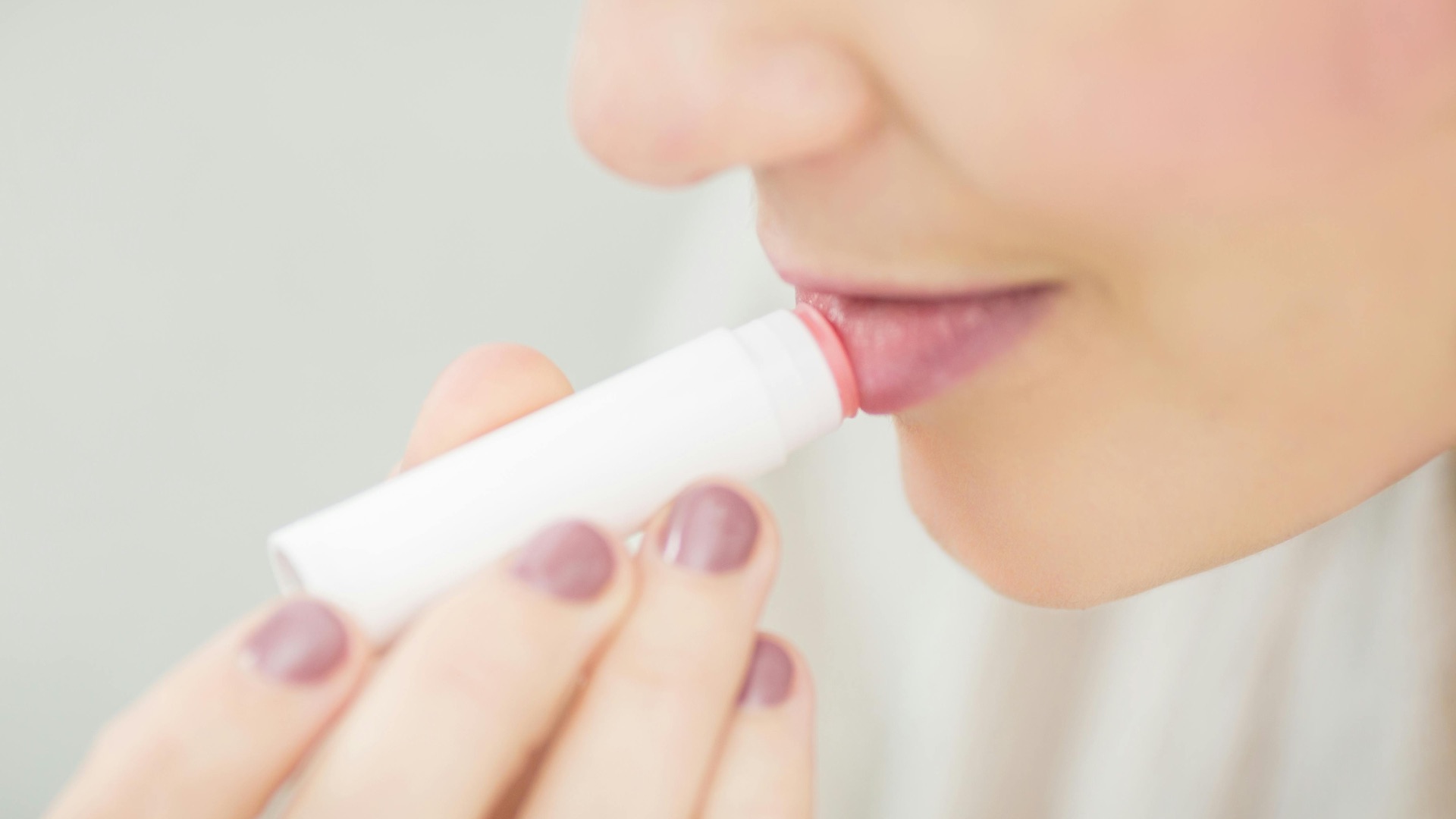
Some lip balms contain ingredients like menthol, camphor, or artificial fragrances that feel soothing at first but actually irritate the skin over time. Products that rely on these ingredients can create a dependency effect where your lips feel fine temporarily, but end up drier than before once the product wears off. Checking the ingredient list on your go-to balm is worth the effort, especially if you've been using the same one for years without real improvement.
6. You Have a Vitamin Deficiency
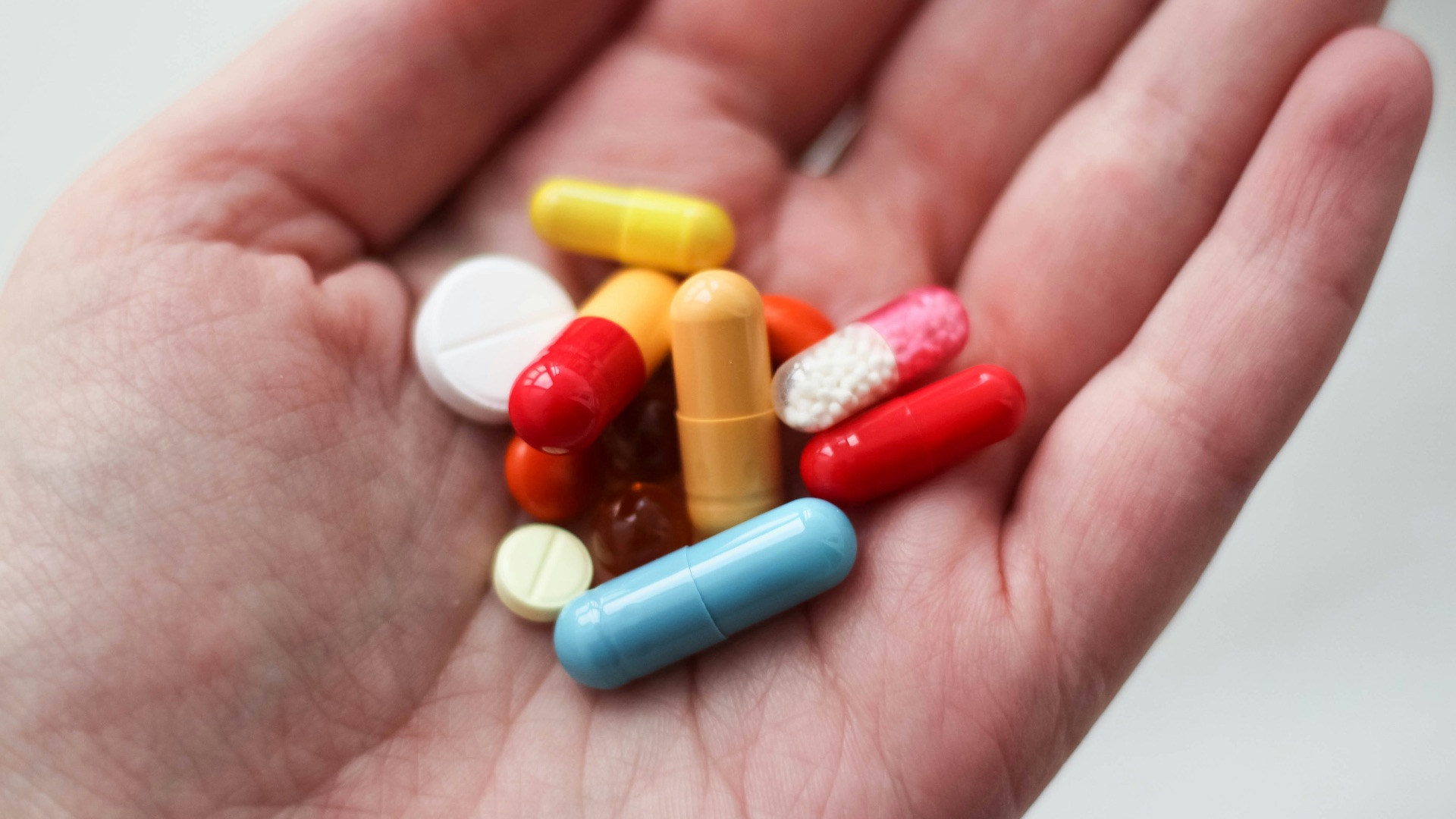
Deficiencies in vitamins B2, B3, B6, or B12 can all contribute to dry, cracked, or inflamed lips, and many people don't realize they're low until symptoms start showing up. Iron deficiency is another common one that often manifests as dryness or soreness around the mouth area. If your chapped lips are accompanied by other symptoms like fatigue or skin issues, it might be worth talking to a doctor about getting your levels checked.
7. You're Spending Too Much Time in the Sun
Getting vitamin D is good, but too much sun exposure can damage the delicate skin of your lips just like it damages the rest of your skin, breaking down moisture and leading to peeling and dryness. Most people remember to apply sunscreen to their face and body but completely forget about their lips, which have very little natural protection against UV rays. Prolonged sun exposure without any SPF protection can leave your lips dry, irritated, and more prone to long-term damage.

8. Certain Medications Are Drying You Out
A wide range of medications, including antihistamines, diuretics, retinoids, and some acne treatments, list dry lips as a side effect. These medications can reduce saliva production, affect hydration levels throughout the body, or directly impact the skin's ability to retain moisture. If your lip dryness started around the same time as a new prescription, that connection is worth discussing with your healthcare provider.
9. You're Allergic to Something You're Using
Contact dermatitis from lip products, toothpaste, or even certain foods can show up as persistent dryness, peeling, or irritation around the mouth. Ingredients like propyl gallate, lanolin, and various dyes are known to trigger reactions in some people, and they're found in a surprising number of everyday products. If your lips seem constantly irritated despite good hydration and gentle products, an allergy or sensitivity could very well be the underlying cause.
10. You Sleep with Your Face Against the Pillow
Pressing your face into your pillow overnight creates friction against your lips, which can disrupt the skin barrier and leave them feeling raw and dry by morning. Rough pillowcase fabrics make this worse, as they absorb moisture and constantly rub against the delicate lip skin throughout the night. Switching to a softer pillowcase material, like silk or satin, can reduce that friction and help your lips hold onto more moisture while you sleep.
Now that you know what's causing the problem, let's take a look at what you need to do to keep your lips soft.
 Vladislav Muslakov on Unsplash
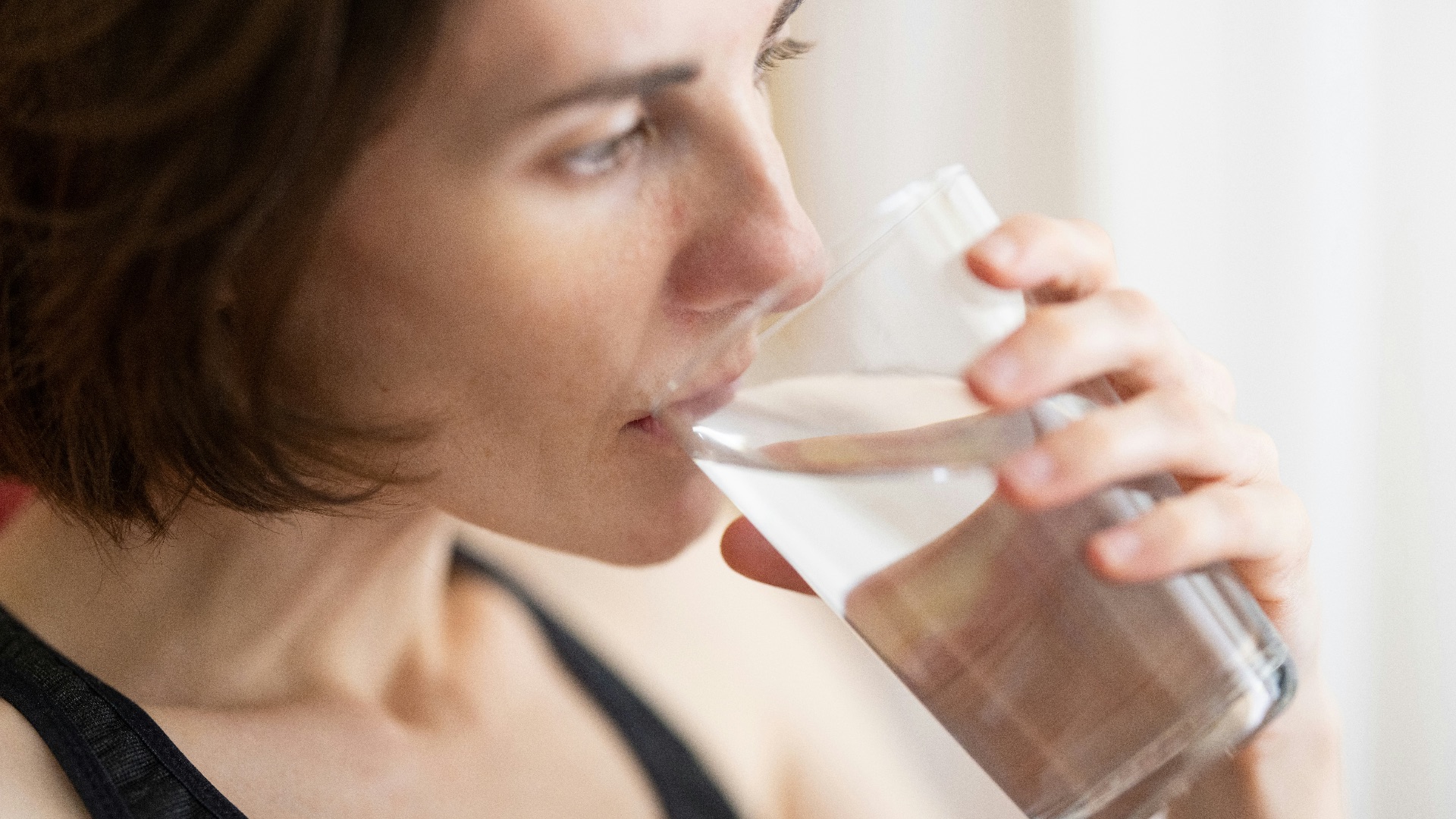
1. Drink More Water Throughout the Day
First things first: drink more water. Since dehydration is such a common driver of chapped lips, increasing your daily water intake is one of the simplest and most effective steps you can take. Aim to sip consistently rather than chugging large amounts at once, as steady hydration is more beneficial for your skin overall. Keeping a water bottle nearby as a visual reminder can make it much easier to stay on track without having to think about it too hard.
2. Switch to a Fragrance-Free Lip Balm
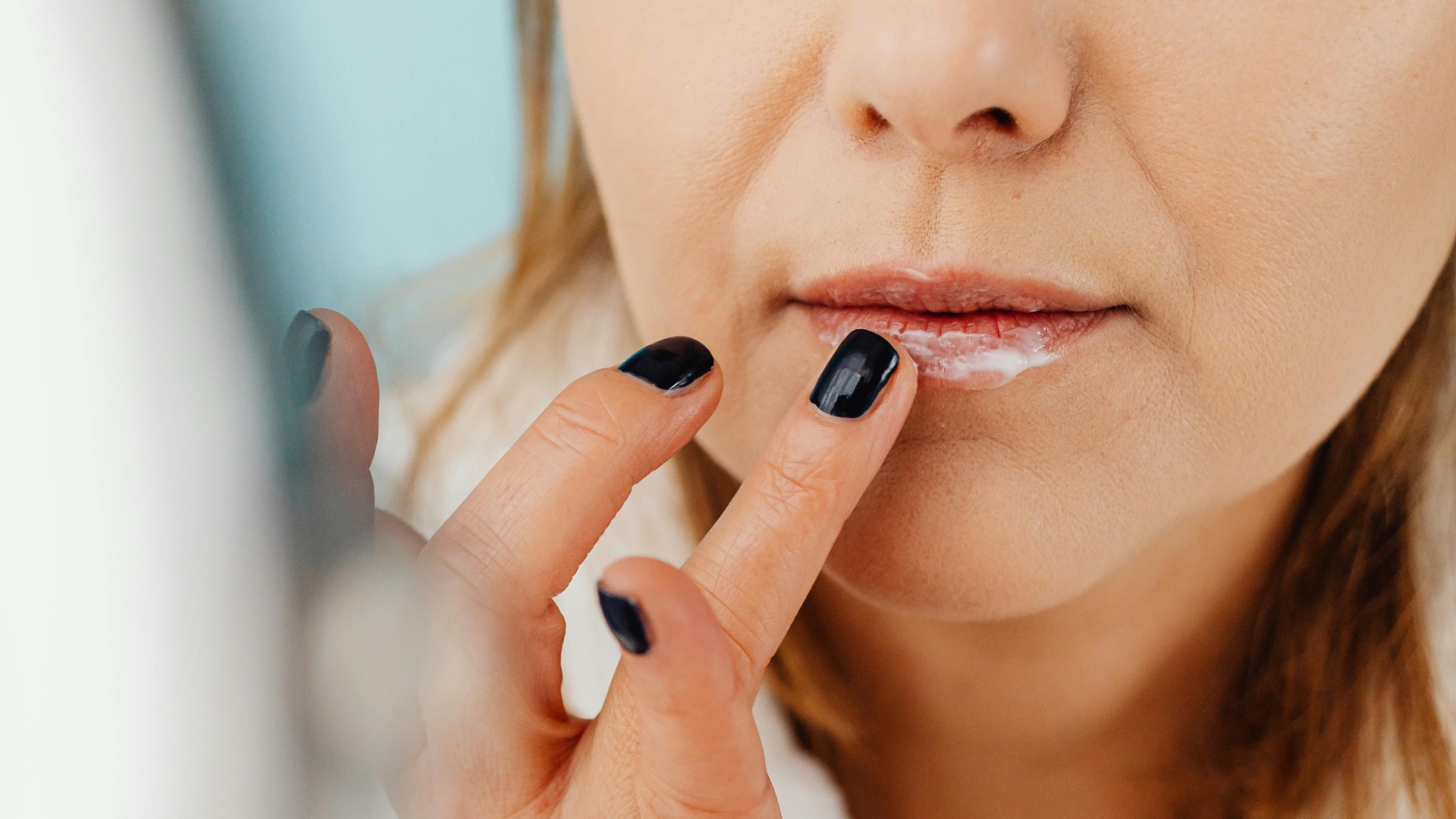
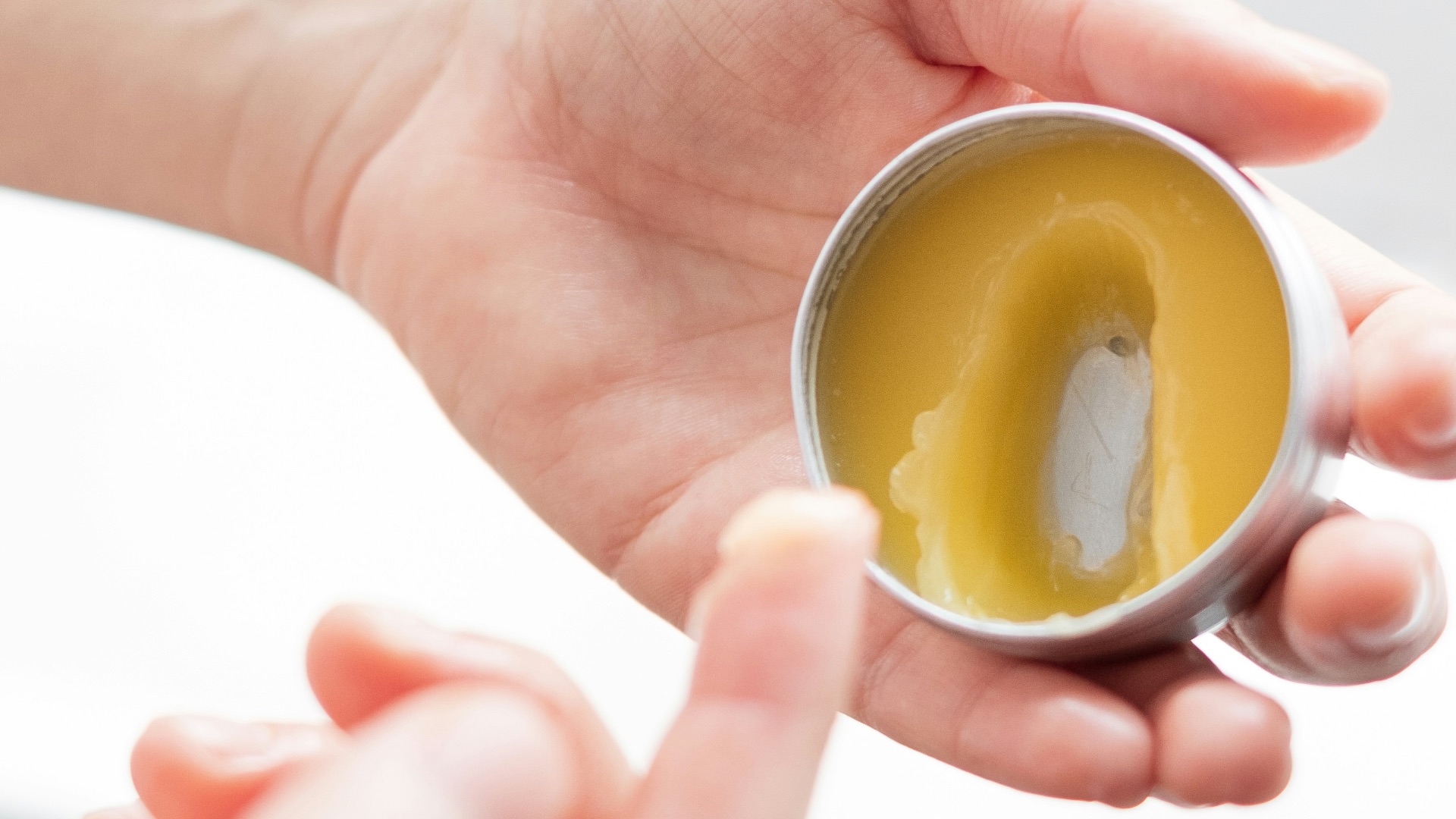
Choosing a lip balm with simple, nourishing ingredients like beeswax, shea butter, petroleum jelly, or ceramides will do far more for your lips than a heavily fragranced or flavored product. Fragrance-free formulas are less likely to cause irritation or allergic reactions, especially if your skin tends to be sensitive. Look for products that are labeled as hypoallergenic and free from menthol or camphor, which can feel refreshing but ultimately make dryness worse.
3. Exfoliate Your Lips Once a Week
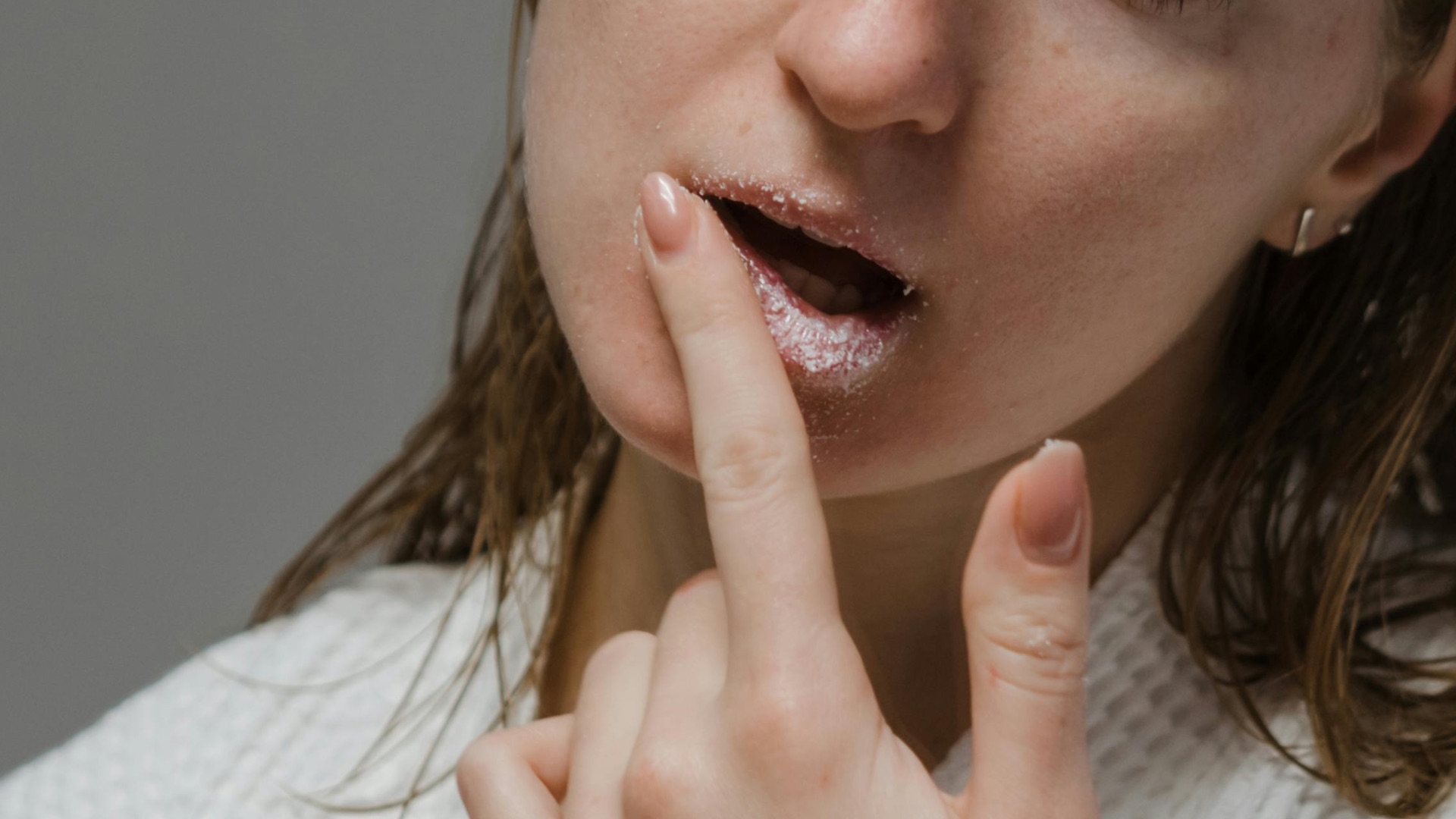
Gently removing dead skin from your lips helps new, healthy skin come through and allows your moisturizing products to absorb more effectively. You can use a soft toothbrush or a dedicated lip scrub made with fine sugar and a nourishing oil like coconut or jojoba oil. Once a week is usually enough; overdoing it can irritate the skin rather than help it, so keep it light and follow up with a good moisturizing balm right after.
4. Apply Lip Balm Before Bed Every Night
Your lips repair and regenerate while you sleep, making nighttime the ideal window to apply a generous layer of a rich, occlusive lip product. Petroleum jelly-based balms or thick lip masks work particularly well overnight because they create a seal that locks in moisture for hours at a time. Building this into your nightly routine means your lips have the whole night to absorb the benefits, so you'll likely wake up noticeably softer.
5. Use an SPF Lip Balm During the Day
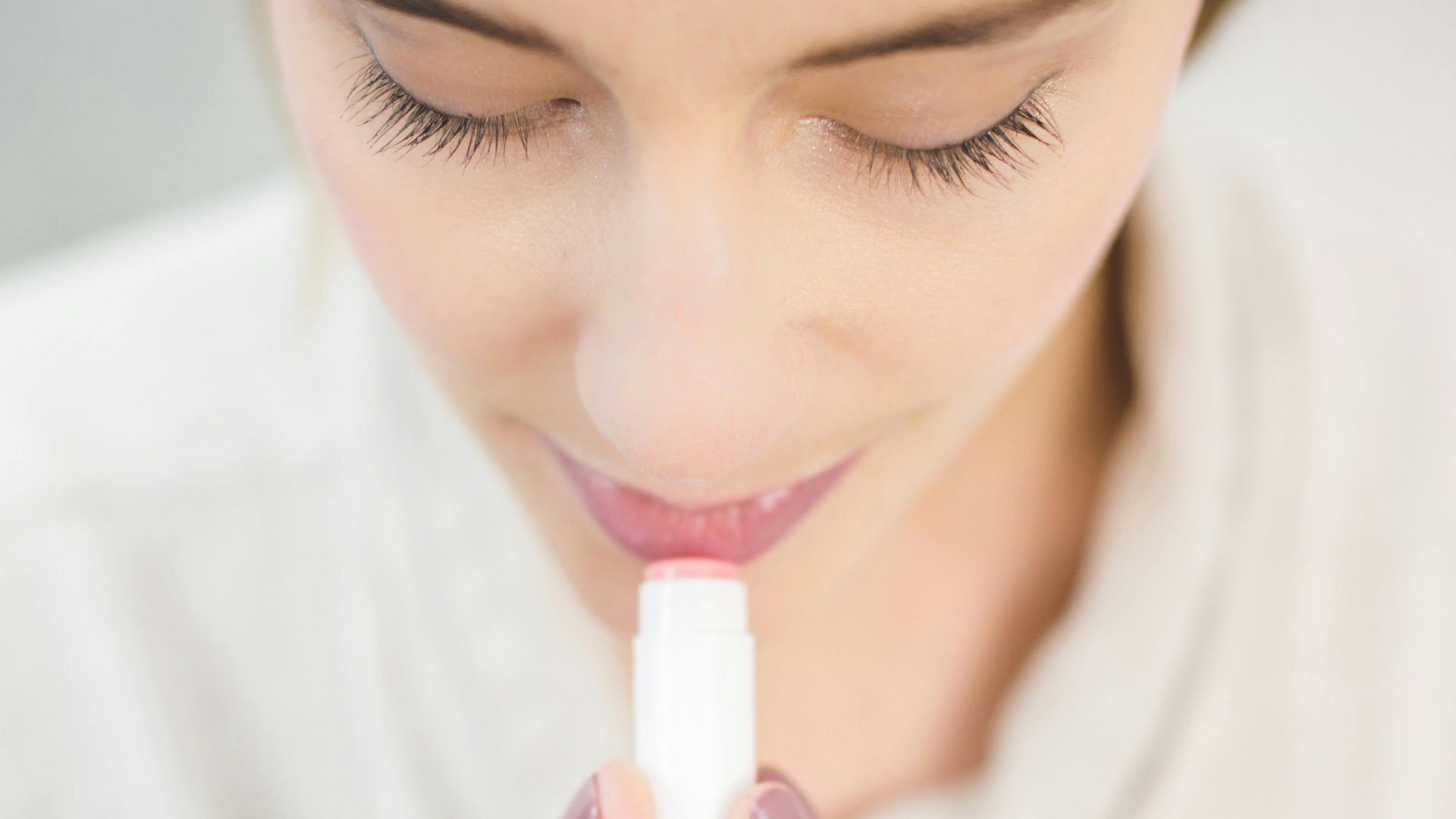
Protecting your lips from UV exposure is just as important as protecting the rest of your face, and it's one of the most overlooked steps in most people's routines. Look for a lip balm that contains at least SPF 30, and reapply it after eating, drinking, or spending extended time outdoors. This not only helps prevent dryness from sun damage but also reduces the risk of long-term issues that come with prolonged UV exposure on such sensitive skin.
6. Stop Licking Your Lips
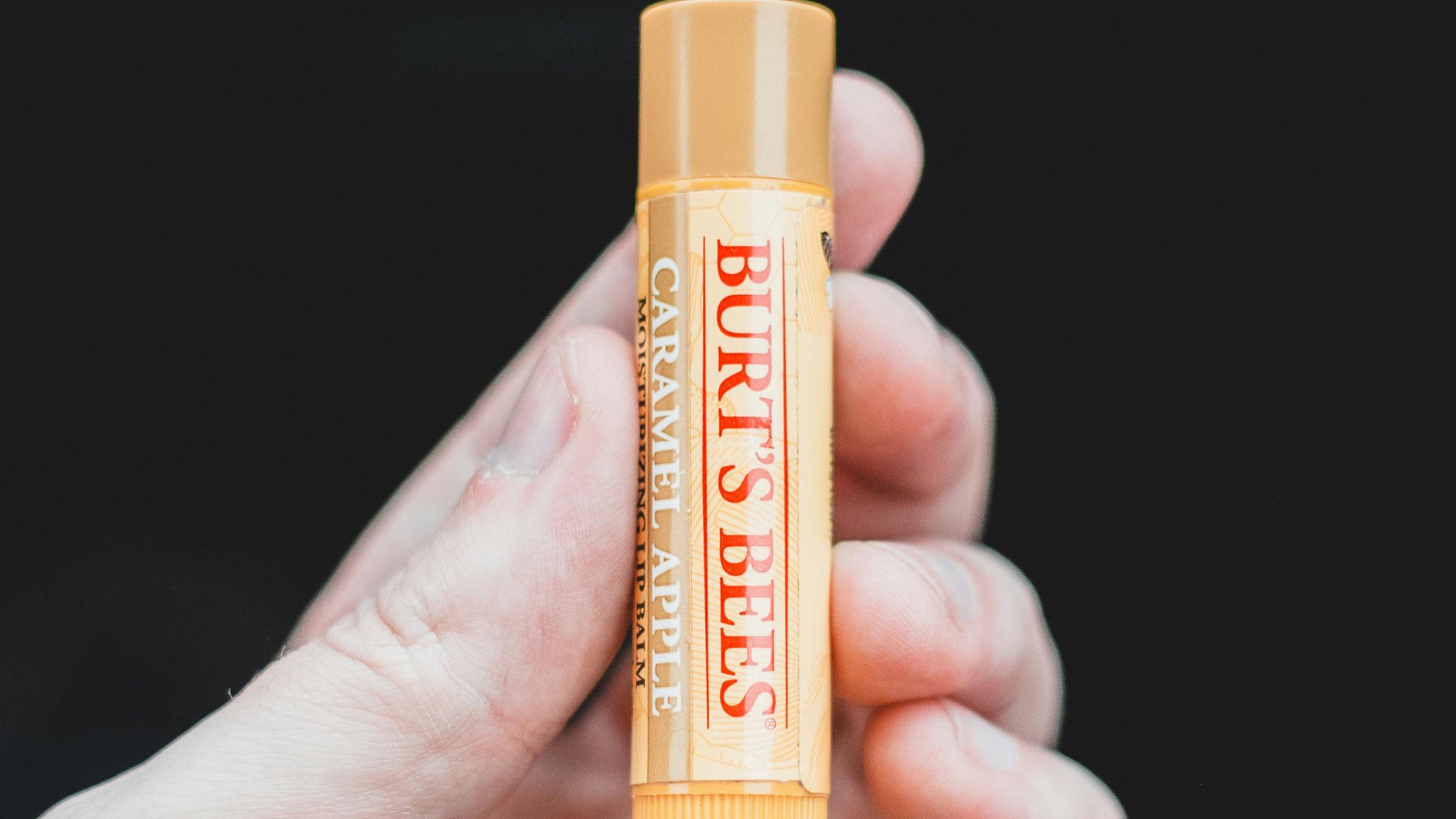
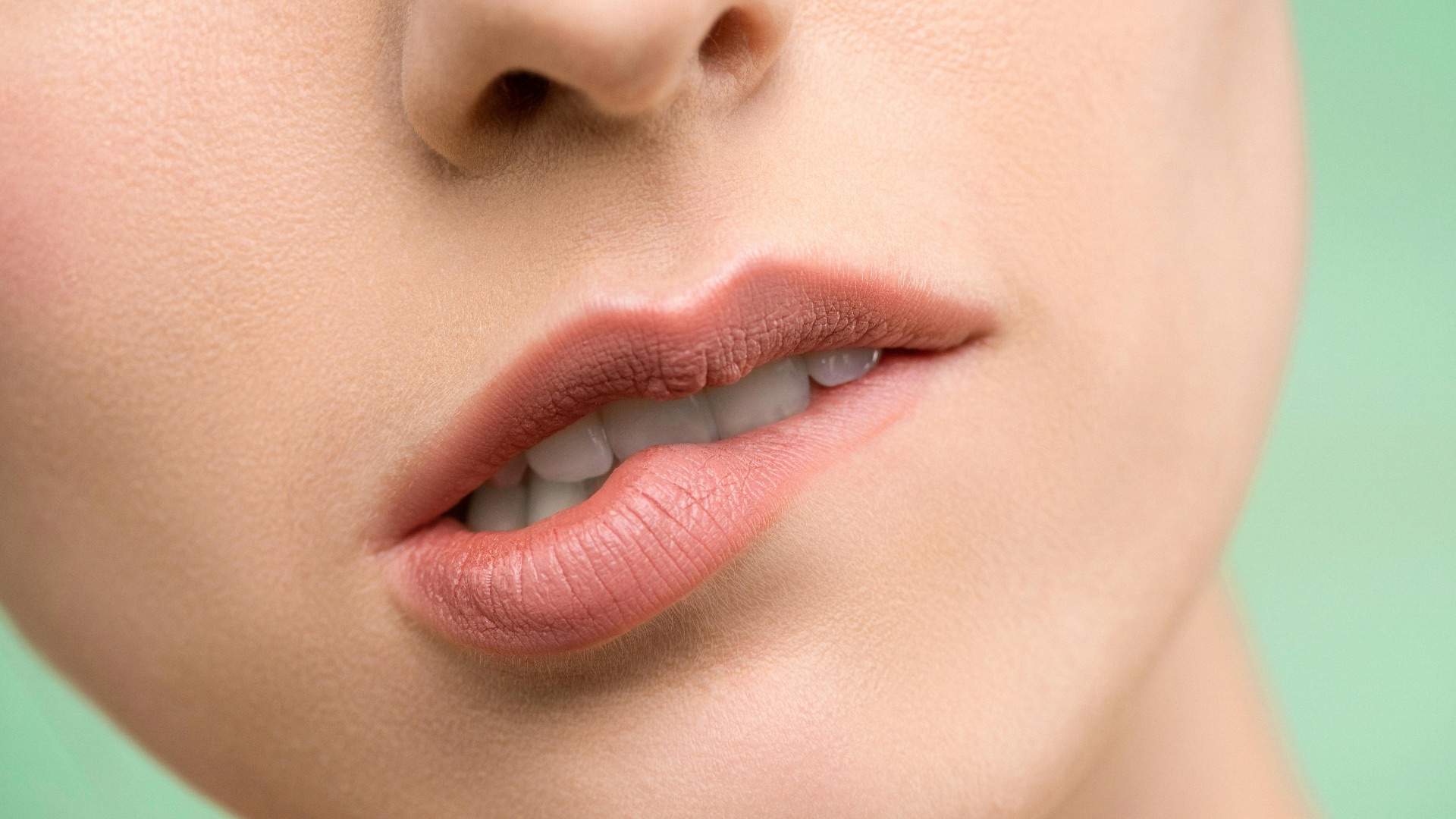
Trust us, breaking the lip-licking habit is one of the best things you can do for long-term lip health, even if it takes some conscious effort at first. Keeping a moisturizing balm within easy reach gives you something to reach for instead, which makes it easier to redirect the habit when it comes up. Over time, as your lips stay more consistently moisturized, the urge to lick them tends to decrease on its own.
7. Run a Humidifier in Your Home
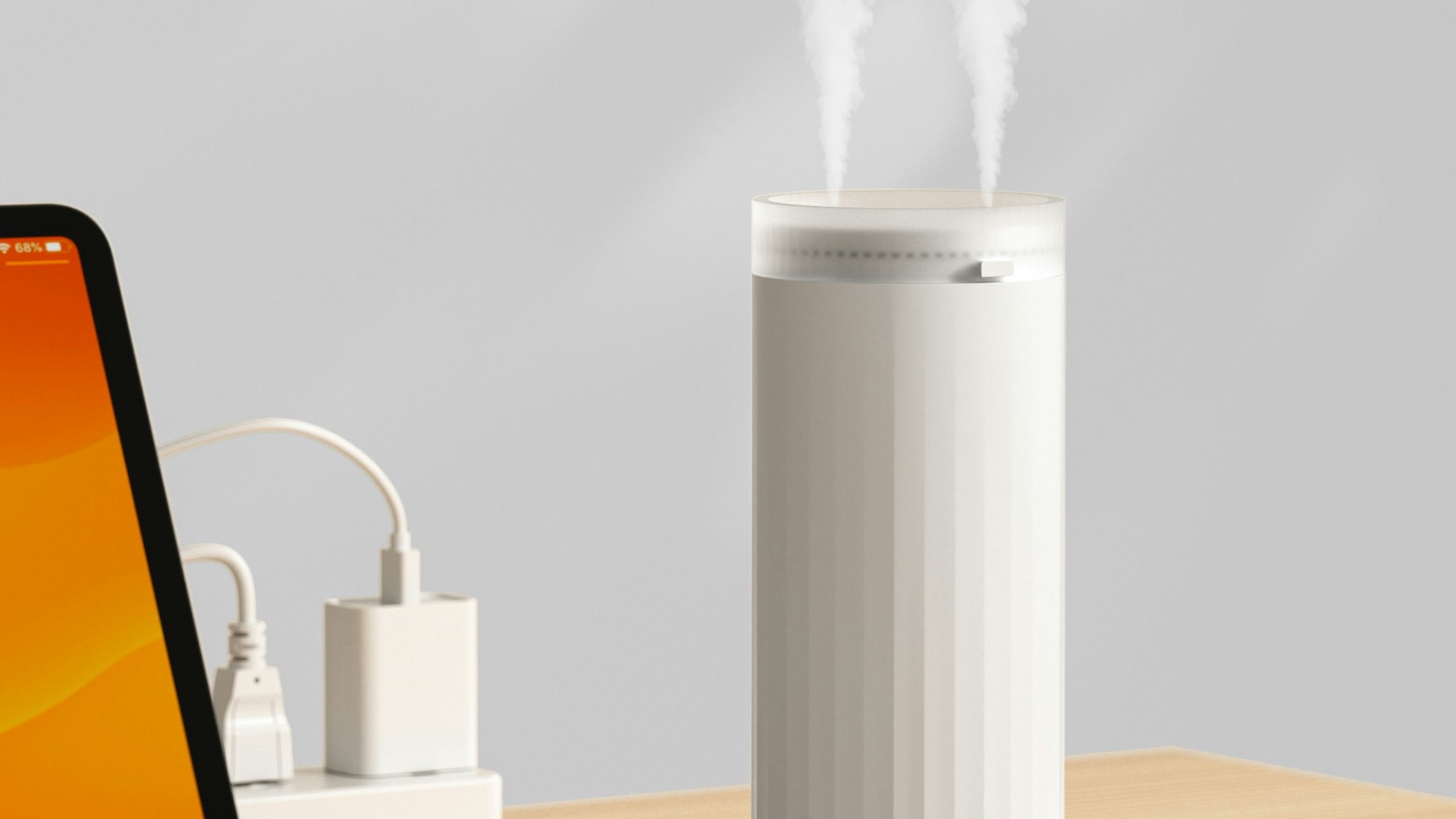
Dry indoor air, especially during winter when heating systems are running constantly, pulls moisture from your skin and lips. A humidifier adds moisture back into the air, which helps your lips and skin stay hydrated without any extra product required. Placing one in your bedroom so it runs while you sleep is a particularly effective setup, since that's when your body is doing its natural repair work.
8. Eat a Nutrient-Rich Diet
Getting enough B vitamins, iron, and zinc through your diet supports healthy skin turnover and can directly improve the condition of your lips over time. Foods like eggs, leafy greens, whole grains, nuts, and lean proteins are all good sources of the nutrients most commonly linked to lip health. If you suspect you're deficient in something, check in with your primary care doctor; sometimes, a daily multivitamin or a targeted supplement can do wonders while you work on building better eating habits.

9. Breathe Through Your Nose
If mouth breathing is something you do frequently, especially at night, taking steps to address the root cause can have a real payoff for your lip health. Nasal strips, saline rinses, or allergy treatments can help open up your airways and make nose breathing easier and more comfortable. Even small improvements in how consistently you breathe through your nose can reduce the constant airflow that dries out your lips while you sleep or rest.

10. Be Consistent with Your Routine
The most effective lip care routine is one you actually stick to, so keeping things simple and realistic matters more than using the fanciest products available. Apply your balm in the morning, reapply as needed throughout the day, and always finish your nighttime routine with a nourishing layer before you fall asleep. Consistency is what delivers lasting results, and once soft lips become your baseline, the habits that maintain them will start to feel completely effortless.