
Anatomy Is Not A Condition
The beauty industry has a way of making perfectly normal features sound like problems that need fixing. Something you've never given a second thought suddenly has its own serum or treatment, complete with promises of smoother skin or a more youthful appearance. Many of these features come down to genetics or simply how faces are built, and plenty of the products marketed for them do little good. Here are 20 perfectly normal facial features the beauty industry wants you to fix.

1. Pores
Pores are hair follicle openings, and they have no muscle wall, so nothing in them is capable of contracting. Their size is set by genetics and by the volume of the oil gland underneath. A product promising to close or permanently shrink them is describing something skin cannot do.
2. The Dots On Your Nose
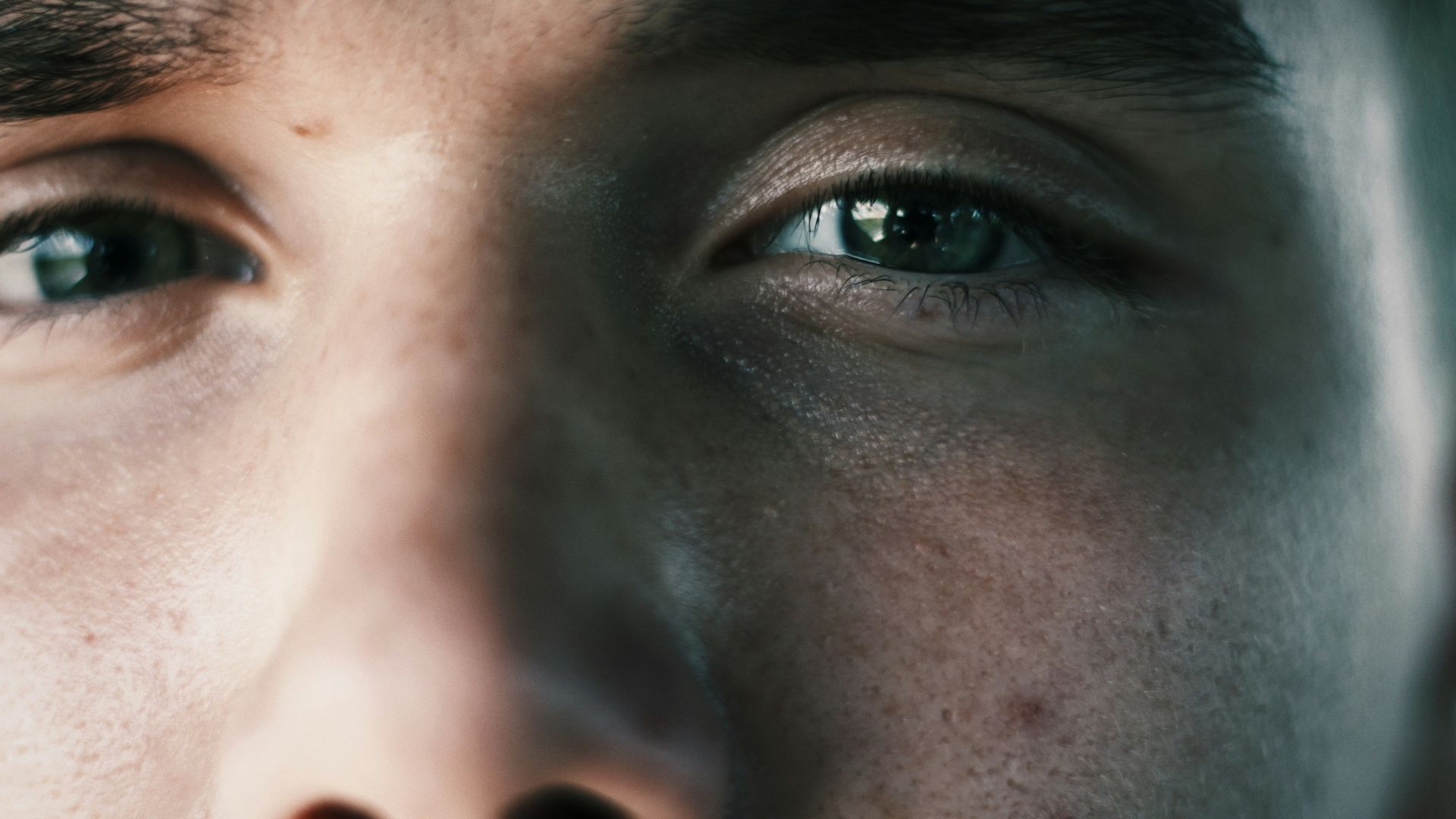
Those uniform gray or tan dots arranged in an even pattern are sebaceous filaments, not blackheads. They are the channels that wick oil to the surface, and they refill within days of being emptied. Pore strips take the tops off them and nothing more.
 Mayara Caroline Mombelli on Pexels
3. Visible Skin Texture
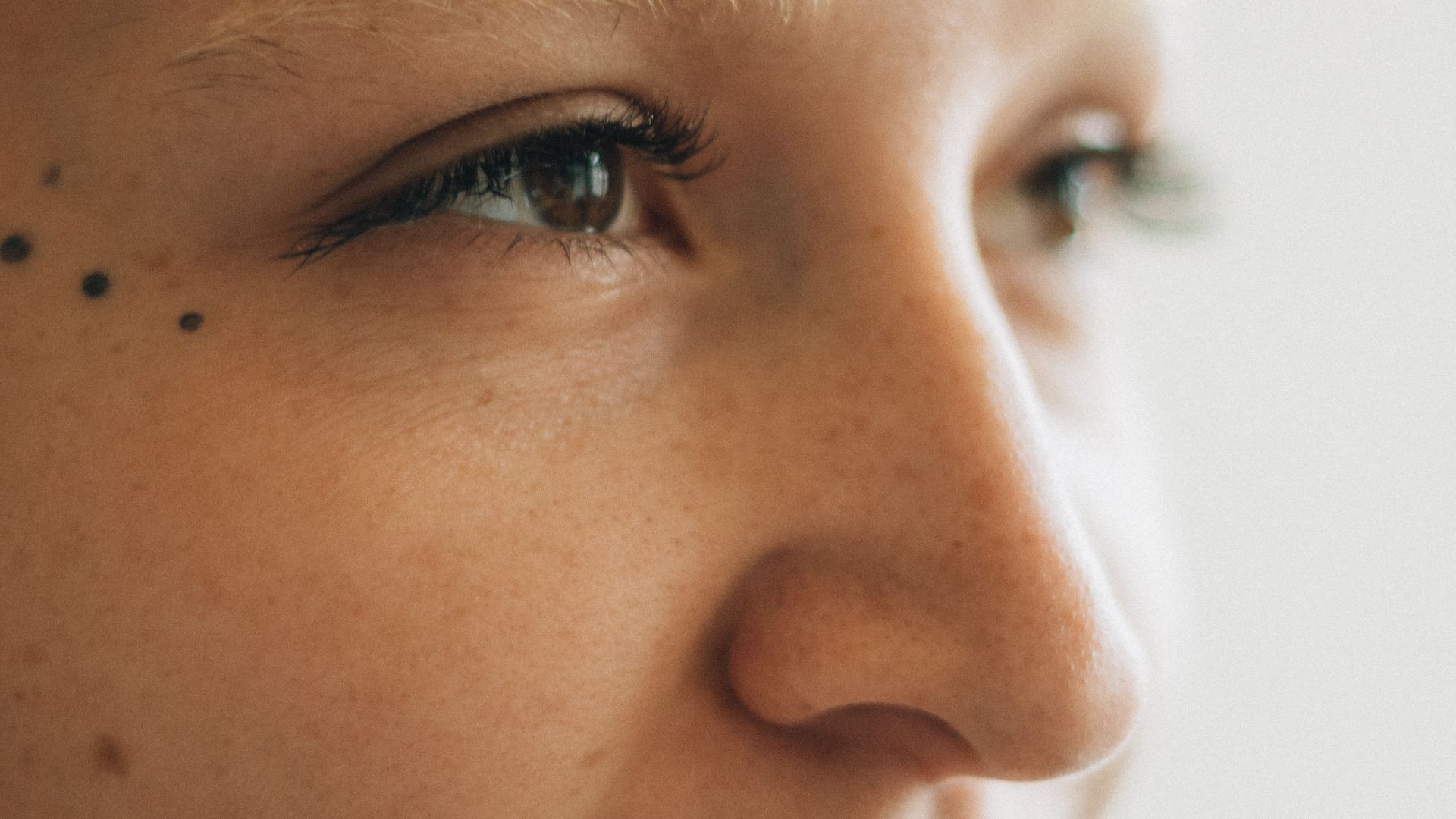
Skin has texture. Pores and the slight unevenness across a cheek are what a surface made of cells looks like in direct light. The glass-skin finish in advertising is a lighting setup followed by a retouching pass.
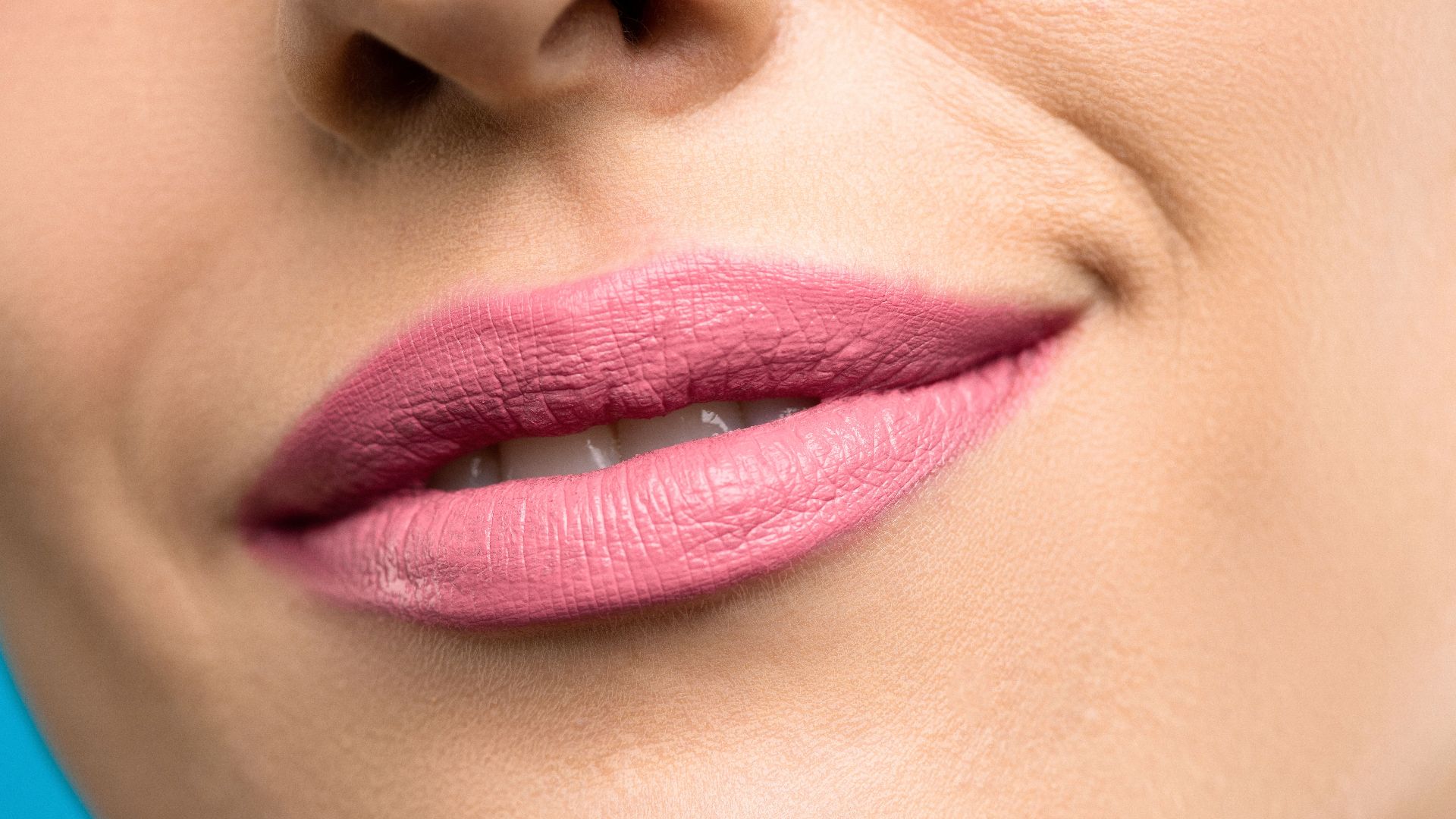
4. Smile Lines
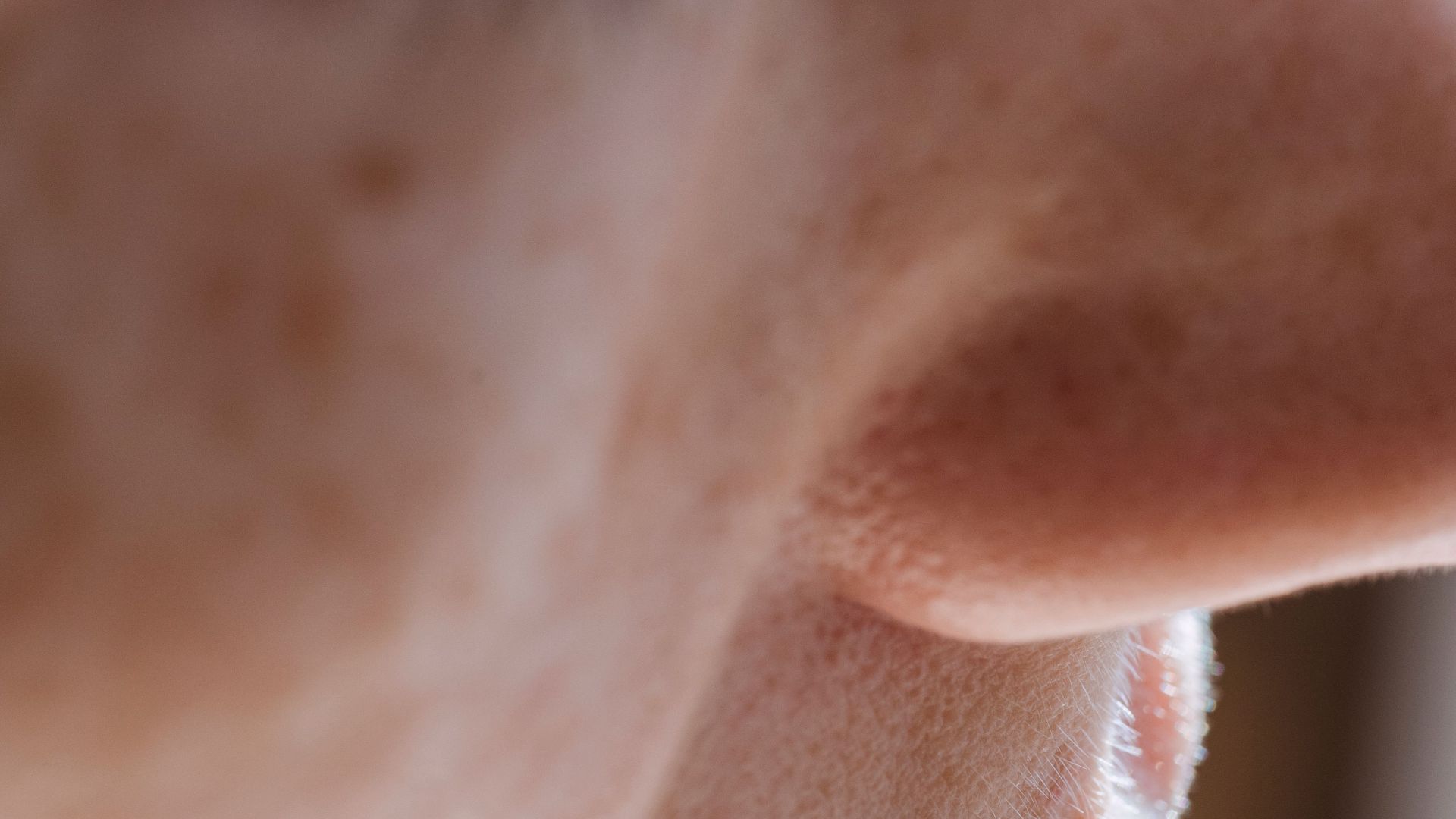
Those lines running from your nose to the corners of your mouth are called nasolabial folds, and even children have them. They're a natural part of how your face is built and become more noticeable when you smile. Despite what anti-aging ads might suggest, their presence doesn't mean anything is wrong with your skin.
5. A Face That Isn't Symmetrical
No human face is symmetrical. The two halves develop on separate timetables and end up with slightly different eye heights and jaw angles. A camera also reverses the asymmetry you have seen in the mirror your whole life, which accounts for a great deal of distress about nothing.

6. Darkness Under The Eyes
The skin beneath the eye is the thinnest on the body, and the blood vessels under it show through. Some faces also have a natural hollow where the lower lid meets the cheek, and the hollow casts a shadow. Both are hereditary and usually visible in childhood photographs.
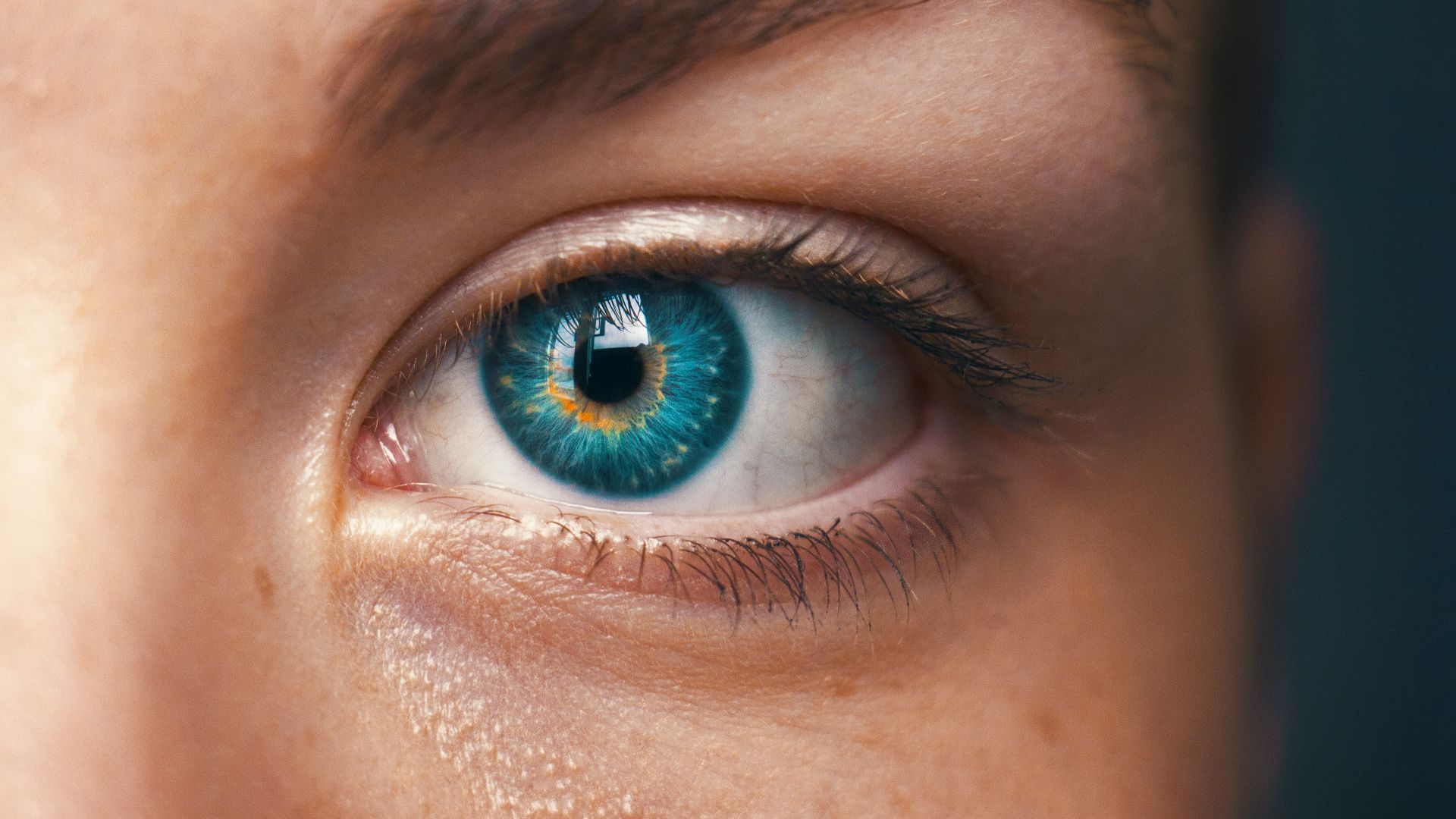
7. Fullness Under The Eyes
The fat pads below the lower lids sit in compartments held in place by thin membranes. Plenty of people have prominent ones at sixteen, long before anything could be blamed on sleep or salt. Creams sold for puffiness do not reach the structure doing the puffing.

8. Lines At The Outer Corner Of The Eye
The muscle that closes your eye is a ring, and it folds the skin at the outer corner every single time it fires. The lines show up when you smile and settle in across decades of smiling. A face that never made them would be a face with a problem.
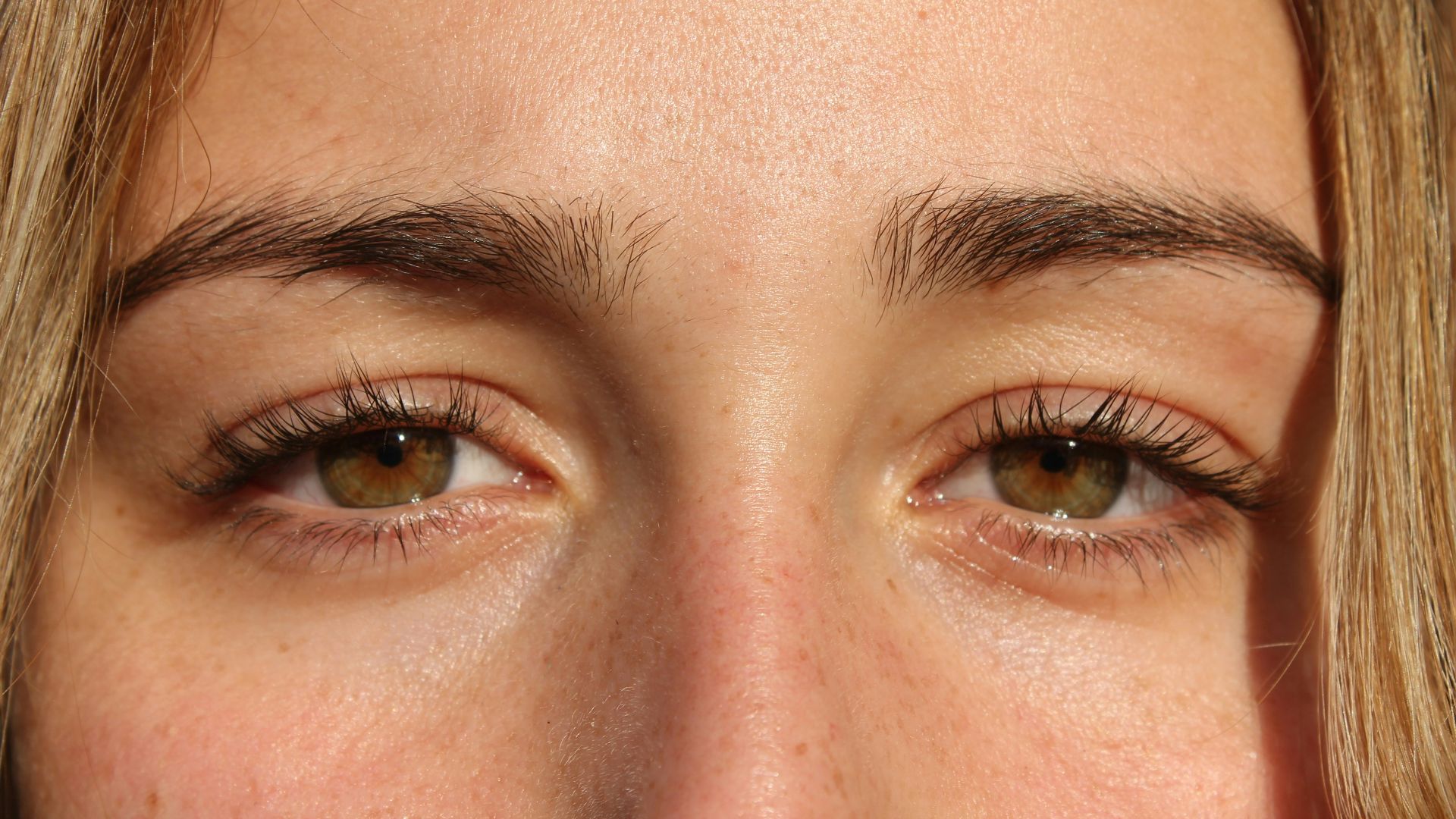
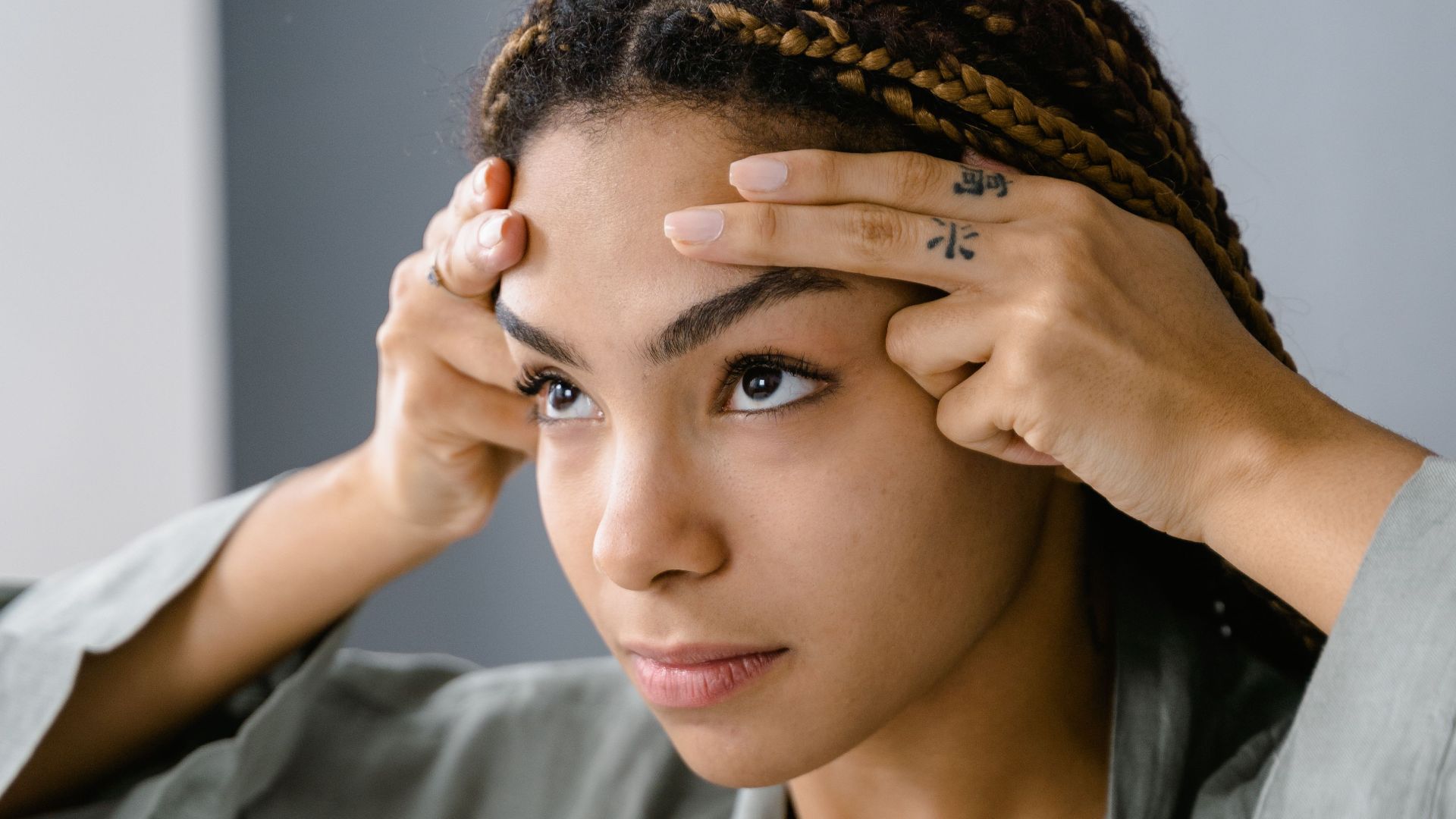
9. Forehead Lines
Raise your eyebrows and you'll probably see a few horizontal lines appear across your forehead. That's completely normal. The muscle responsible for lifting your eyebrows also makes the skin crease when it moves. Those lines can become more noticeable with age, but they're a natural part of making facial expressions.
10. Fine Hair Across The Face
Vellus hair covers nearly the whole face on every person regardless of sex, and it assists with sensation and temperature regulation. It becomes visible in raking side light. That happens to be the lighting used in before-and-after photos for hair removal services.

11. Darker Facial Hair
Coarser hair on the upper lip and chin is common in women and varies with ancestry and hormones. Entire product categories exist to describe it as an aberration. It is a normal distribution with most of the curve left out of the advertising.

12. Freckles
Freckles are clusters of melanin where pigment cells responded to sunlight. They get sold as damage in one aisle and sold as a cosmetic in the next. The same feature is a problem or a product depending on which campaign you are standing in front of.

13. Cheeks That Flush
Facial blood vessels sit close to the surface and dilate easily. Some faces do it far more than others and keep doing it for life. Color-correcting products cover the redness rather than altering anything underneath.
 Alexander Krivitskiy on Pexels
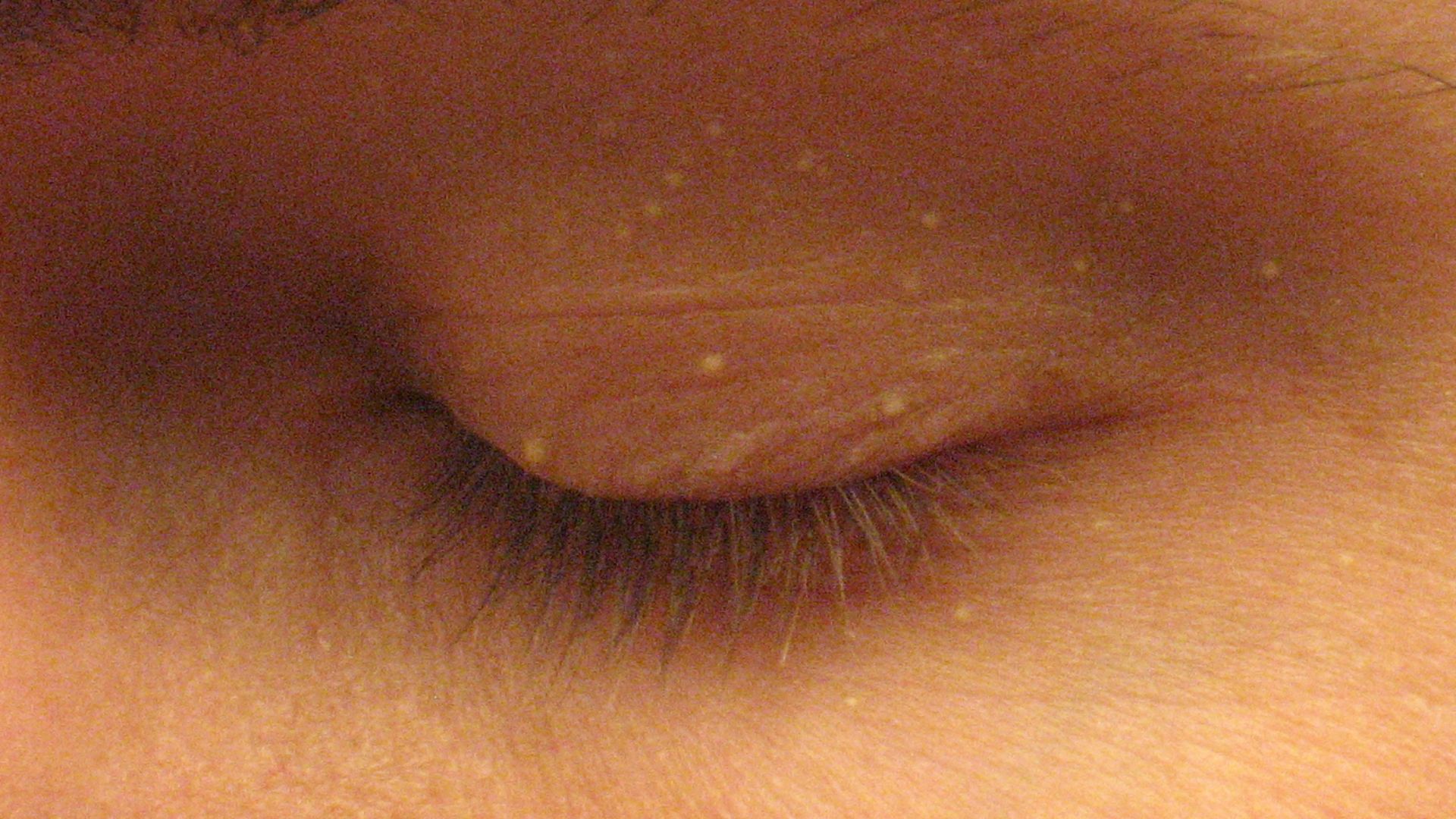
14. Milia
The small firm white bumps that appear near the eyes are milia, keratin trapped beneath the surface. They have no opening, so squeezing achieves nothing except bruising the area around them. Most resolve on their own without any intervention at all.
 Original uploader was Silver442n at en.wikipedia on Wikimedia
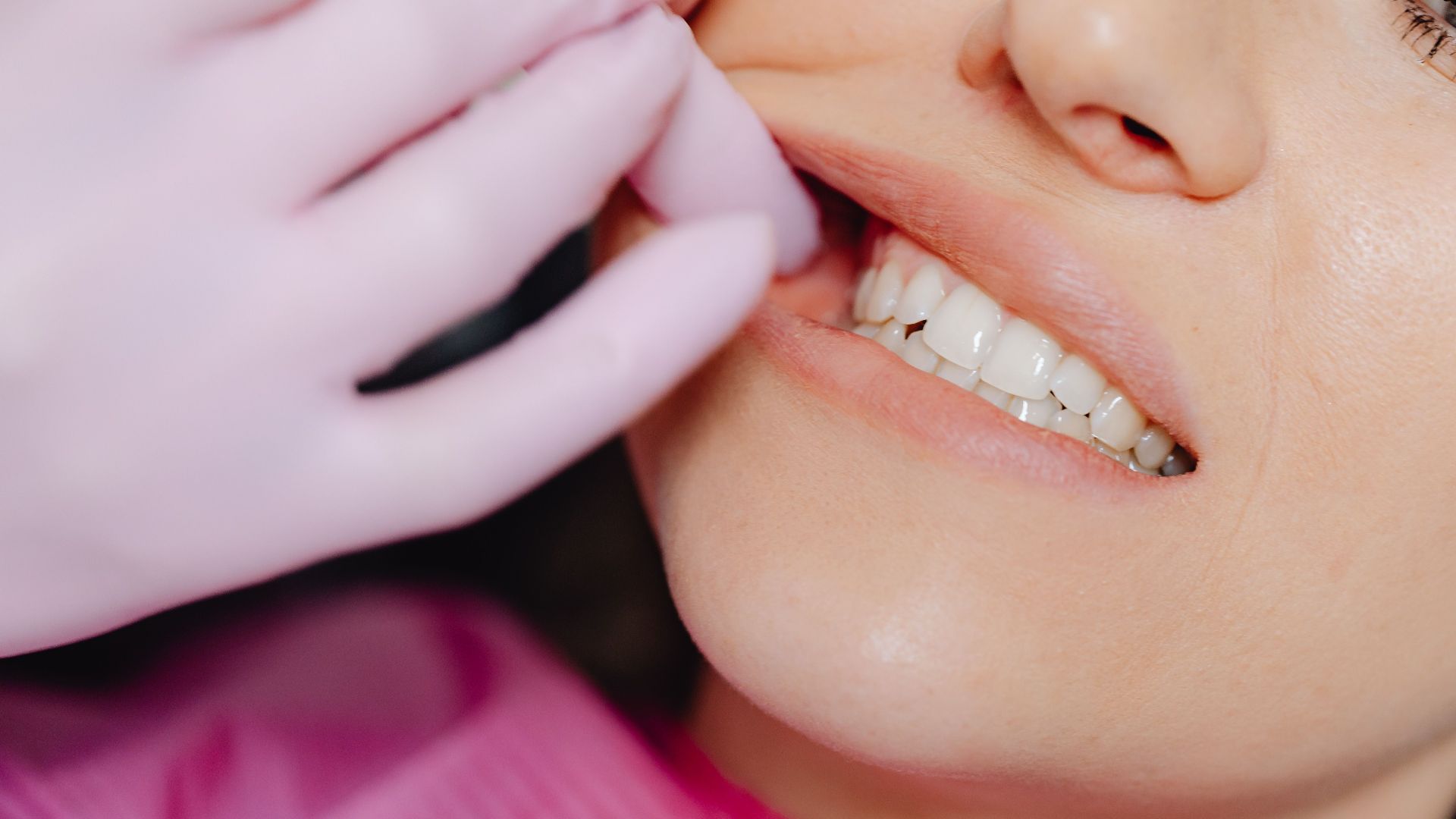
15. Teeth That Aren't White
Enamel is translucent and faintly blue-white, and the dentin beneath it is naturally yellowish. What you see is a blend of the two, so thinner enamel means more visible yellow. Paper-white is not a color teeth come in, which is why whitening has a ceiling.
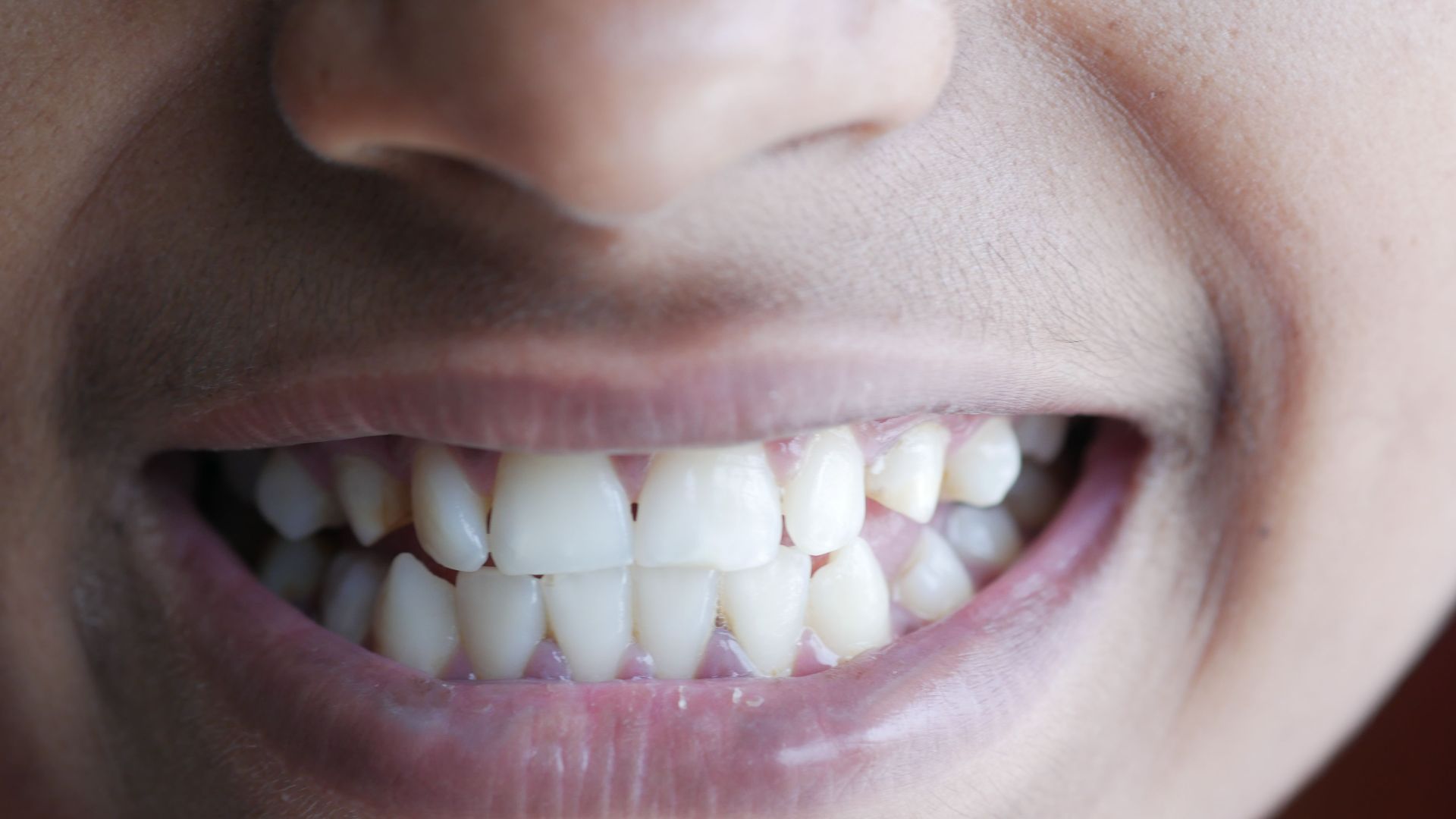
16. Slightly Crowded Front Teeth
Jaw size and tooth size are inherited separately, and they frequently disagree with each other. Mild crowding is the usual result and has no bearing on how a mouth works. The flawlessly aligned teeth in advertising are generally veneers.
 https://kaboompics.com/ on Pexels
17. A Nose With A Bridge Or Some Width
Nose shape varies enormously with ancestry, and the version treated as a reference point in cosmetic marketing is drawn from a narrow slice of humanity. A dorsal hump is an ordinary arrangement of bone and cartilage. Calling it a deviation means picking one population to serve as the baseline.

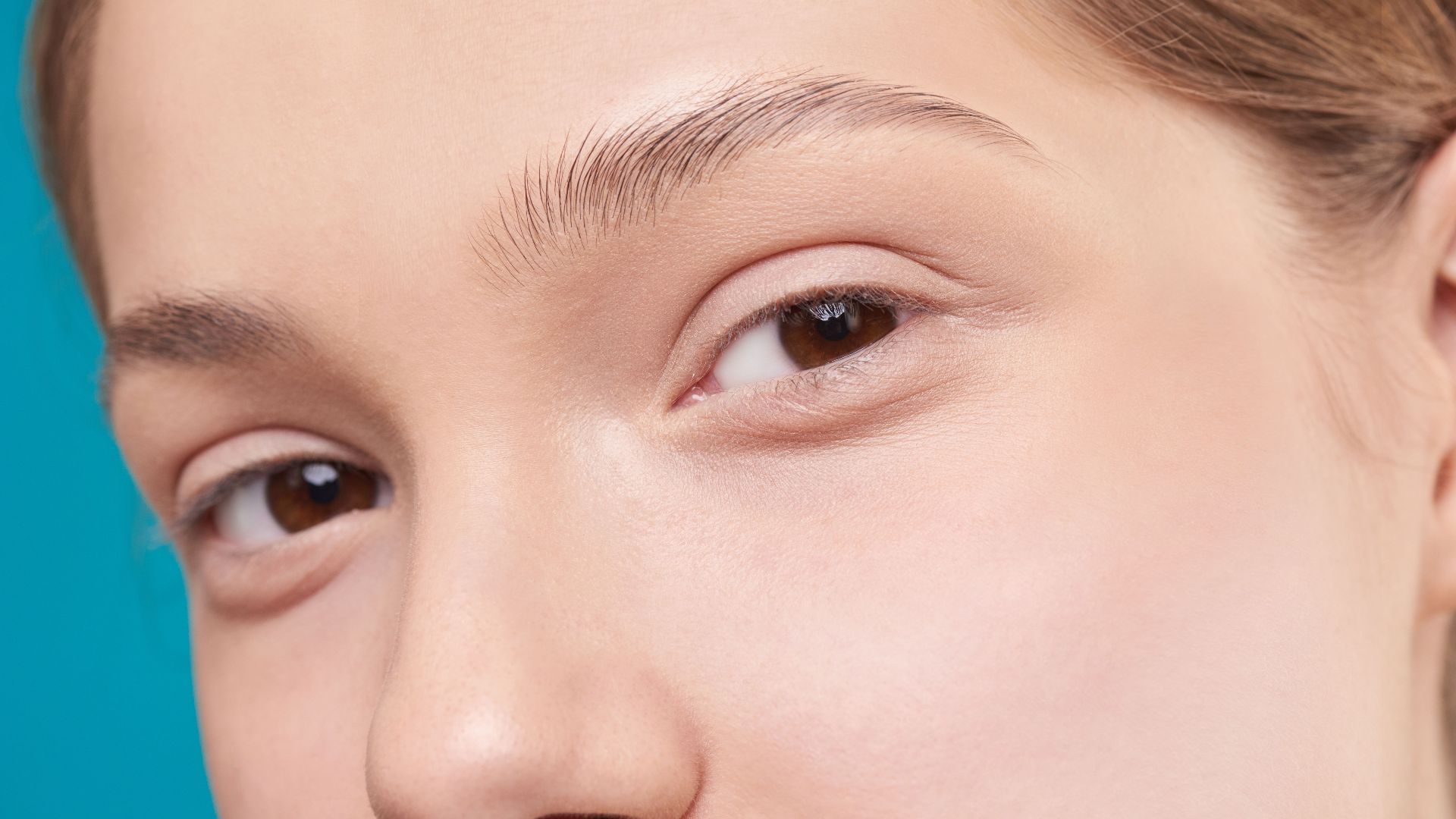
18. Eyelids Without A Visible Crease
An eyelid with no crease is standard anatomy across a very large share of the world's population. Surgery to add one is among the most commonly performed cosmetic procedures on earth. Neither fact turns the original into a defect.
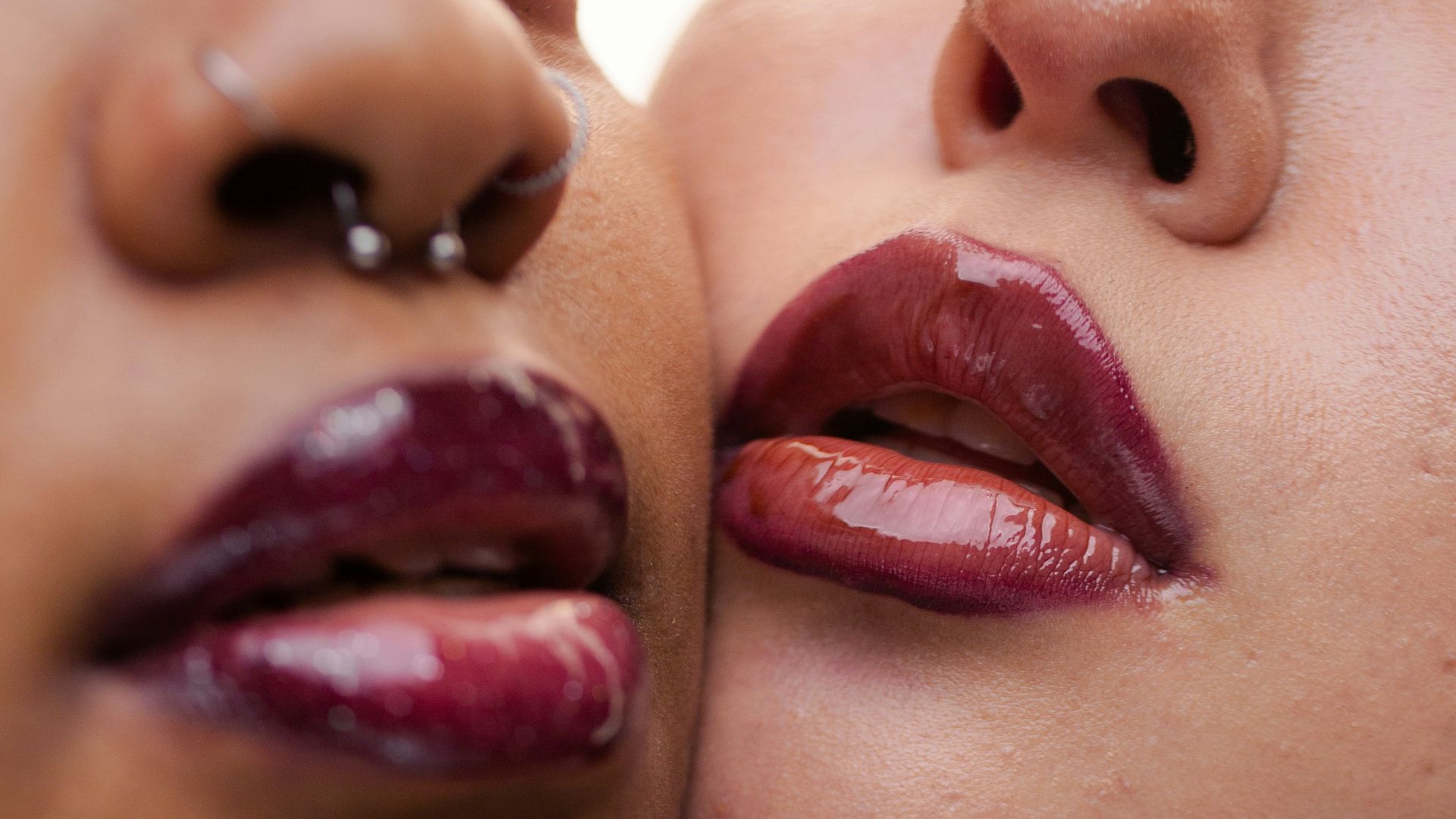
19. Lips The Size They Are
Lip volume is distributed across a range the way any other measurement is. The current reference shape is recent, and it became reachable only because filler exists. Advertising tends to present that sequence in reverse.
20. Full Cheeks
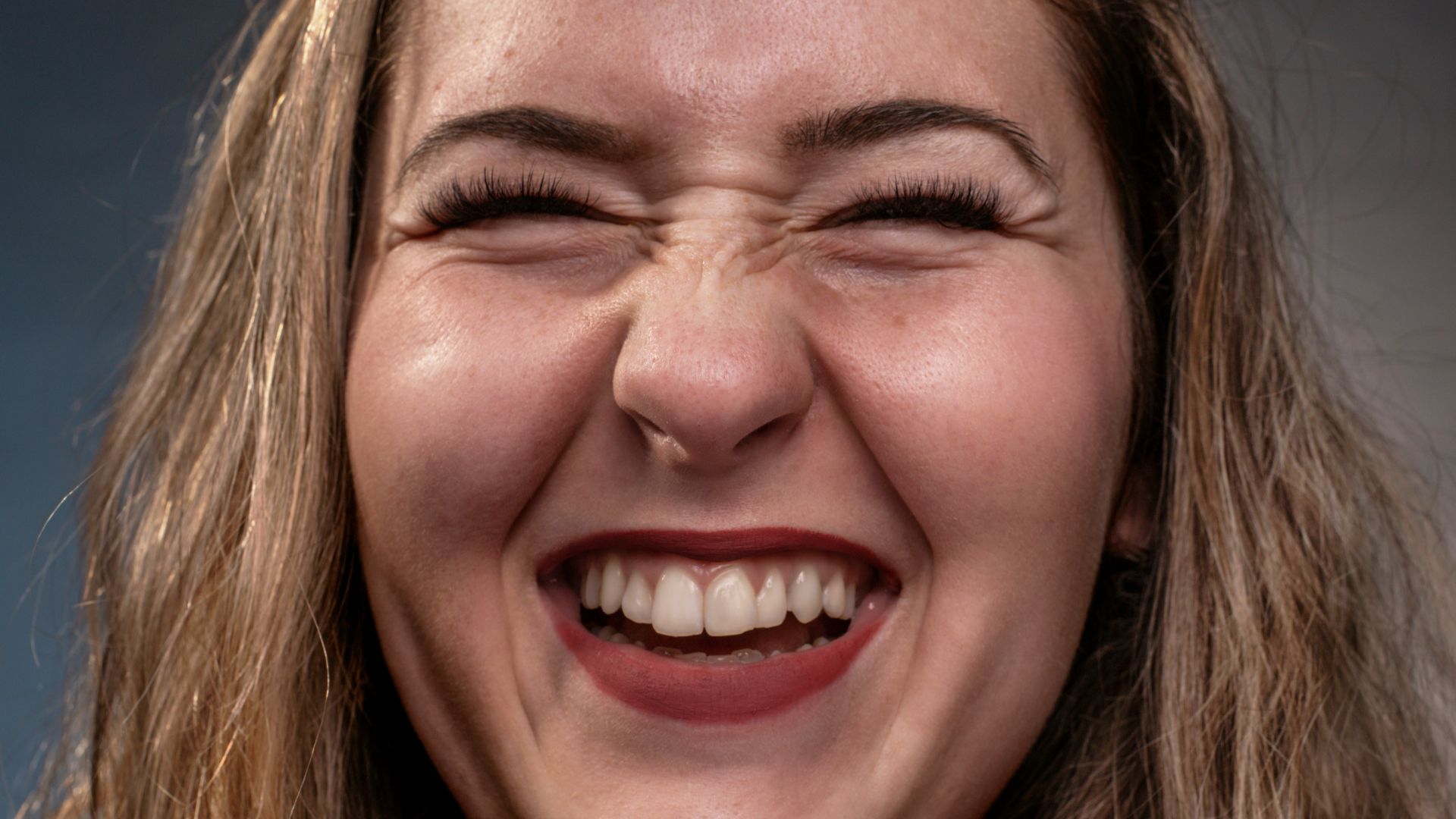
Buccal fat sits in a pad between the facial muscles and gives the middle of the face its shape. It also provides support that tends to become more useful with age rather than less. Fullness in a young face is structure, not excess.
 Camila Quintero Franco on Unsplash