I Spent 8 Years Caring for My Elderly Neighbor—Everyone Turned Against Me
The Neighbor Who Needed Help
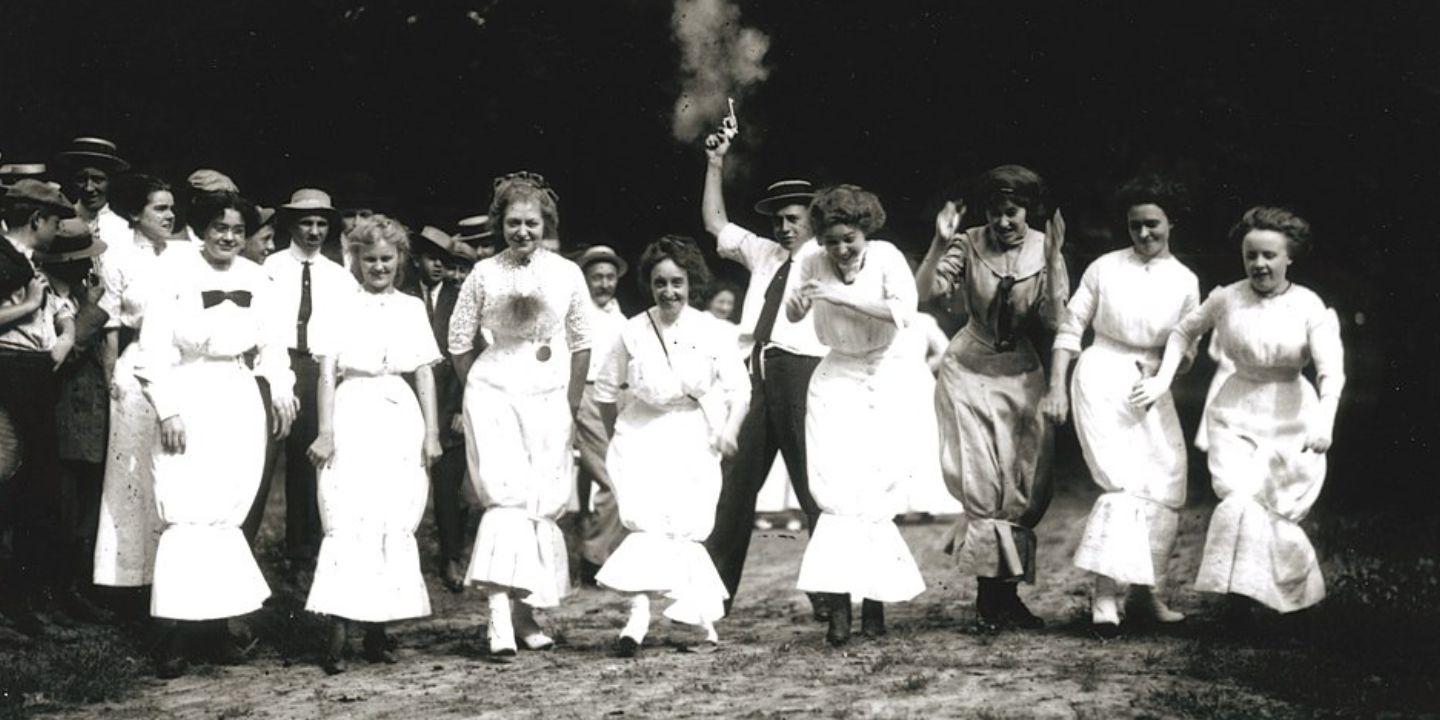
I want to start by telling you something I've told very few people: I never expected kindness to cost me anything. I'm sixty-six years old, and I spent eight years of my life helping my elderly neighbor Martha — groceries, doctor's appointments, middle-of-the-night phone calls when the power went out. I did it because it was the right thing to do, and because Martha was the kind of woman who made you want to show up for her. Then one day, everything I'd done was twisted into something ugly, and I found myself standing in the middle of my own neighborhood feeling like a stranger. But I'm getting ahead of myself. It started simply enough. Martha moved in across the street about twelve years ago, a few years after her husband passed. Her children — a son and a daughter — had both settled out of state, and their visits grew shorter and less frequent as the years went on. I noticed she was struggling with her grocery bags one afternoon, and I walked over and helped her carry them inside. That was it. That was the whole beginning. She made me a cup of tea, we sat at her kitchen table for an hour, and by the time I walked back across the street, something had quietly shifted. I didn't have a name for it then. I just knew that the light in her kitchen window had started to feel like something I was glad to see.
 Image by RM AI
Eight Years of Groceries and Doctor's Appointments
What started as carrying groceries once a week turned into something much larger, though I didn't notice the expansion while it was happening. That's how it works, I think — you add one small thing, then another, and before long you've built an entire second life alongside your own. Within the first year I was driving Martha to her cardiologist every other month. By year three I had a spare key to her house and a standing Tuesday morning routine that included picking up her prescriptions, checking her mail, and staying long enough to make sure she'd eaten something warm. When a pipe burst in her basement one January, I was the one who called the plumber and waited with her while the water was shut off. When a storm knocked out her power for two days, she slept in my guest room. I didn't keep a list of these things. It never occurred to me to. Martha would call and I would go — it was as uncomplicated as that, at least from where I was standing. Her son Eric called occasionally, and her daughter Jennifer sent cards, but the day-to-day reality of Martha's life was something they weren't present for. I didn't judge that, not then. People have their own lives and their own distances to manage. I just filled in where I could. And somewhere along the way, without either of us saying it out loud, I had become the first number Martha dialed whenever anything went wrong.
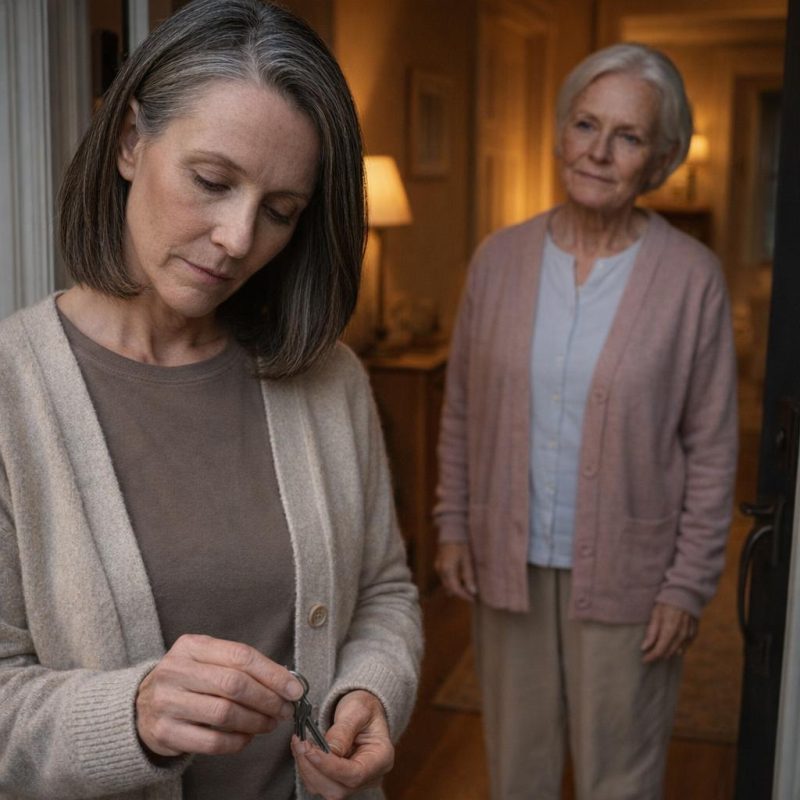 Image by RM AI
The Children Who Were Always Too Busy
Martha talked about her children the way a lot of mothers do — with a kind of determined brightness that didn't quite reach her eyes. Eric was busy with his business, she'd say. Jennifer had the kids and the commute and the house to manage. She said it so consistently, and with such practiced ease, that I think she'd convinced herself it was enough of an explanation. I never pushed back. It wasn't my place, and honestly, I understood the impulse to protect the people you love from your own disappointment. What I did notice, quietly and without saying much, was the way her face changed when a birthday passed without a phone call. She wouldn't mention it directly. She'd just get a little quieter, a little more focused on whatever was in front of her — the crossword, the window, her tea going cold. I'd been through my own version of a shrinking world after my husband passed, and I recognized that particular kind of stillness. It's what happens when you've learned not to expect too much. Martha had her church friends and her neighbor Mrs. Chen and me, and she filled her days with purpose and routine. But there were moments — small, unguarded ones — when I could see the shape of what was missing. She never complained. She never asked for sympathy. She just kept making excuses for them, year after year, with a loyalty that was almost painful to witness.
 Image by RM AI
Becoming the Person She Called
At some point I stopped waiting for Eric or Jennifer to step in, and I stopped feeling any particular way about the fact that they didn't. It wasn't resentment — I want to be clear about that. It was more like a quiet settling, the way you adjust to a room's temperature after you've been in it long enough. Martha needed help, I was there, and that was the whole of it. I'd lost my own husband six years before Martha and I became close, and my children lived in different cities and had full lives of their own. I understood what it meant to navigate a day alone when your body wasn't cooperating the way it used to. I understood the particular indignity of needing to ask for help with things you once did without thinking. Martha had always been generous with me — she'd brought meals to my door during my worst months of grief, sat with me on my porch when I couldn't sleep, listened without trying to fix anything. Helping her felt less like obligation and more like something I owed the friendship. I never thought about what I was giving up or what I might be getting in return. I just showed up, the same way she had shown up for me. And somewhere in the rhythm of all those ordinary days, we had become genuinely necessary to each other — not because no one else was coming, but because we had chosen each other first.
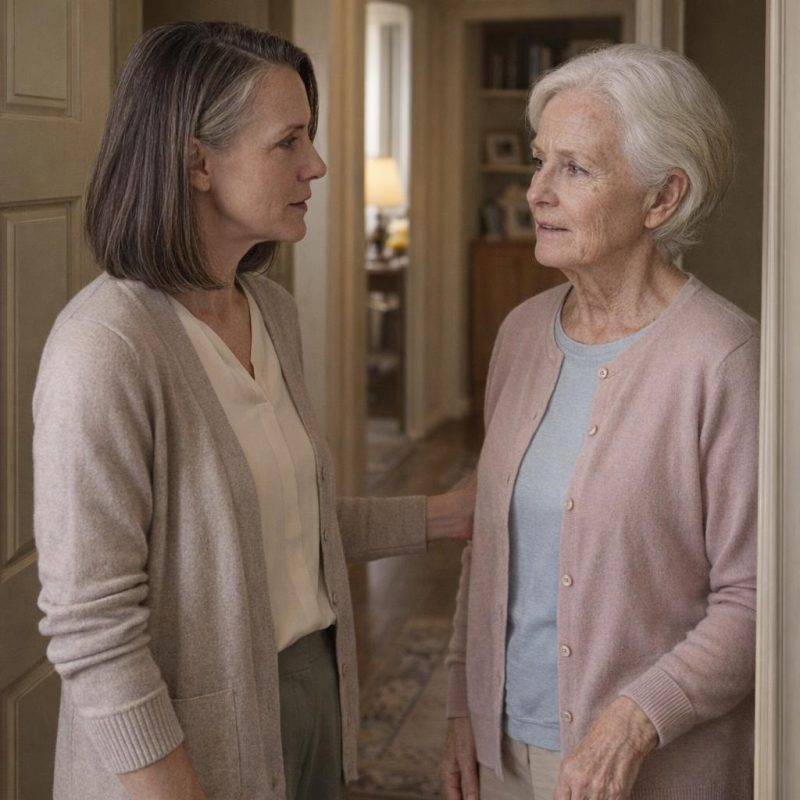 Image by RM AI
Holidays Without Phone Calls
The holidays were the hardest to watch. Martha would spend weeks before Christmas making sure she had cards ready to send, little gifts wrapped and mailed in time, the kind of careful preparation that takes effort when your hands aren't steady. She'd set up a small nativity scene on her mantle and bake the same shortbread cookies she'd been making for forty years. And then Christmas morning would come, and the house would be quiet in a way that felt different from ordinary quiet. I started making a habit of stopping by on Christmas morning with coffee and something from the bakery, just to break up the silence. She always seemed genuinely surprised, like she hadn't expected anyone to think of her. That part never stopped catching me off guard. One year I arrived to find her sitting in her armchair by the window, still in her robe, a small stack of envelopes on the table beside her. She hadn't opened them yet. She was just sitting there, looking out at the street, her hands folded in her lap. She smiled when she saw me and said the cards had come, which was nice. She said it the way you say something is fine when you mean something else entirely. I set down the coffee and sat across from her, and neither of us said anything for a little while. The cards sat unopened on the table between us.
 Image by RM AI
The Bond That Grew in Silence
There's a particular kind of friendship that doesn't announce itself. It just accumulates, the way light does in a room when the afternoon stretches long. Martha and I had that. We'd sit at her kitchen table after I'd brought the groceries in, and she'd tell me about her husband Harold, about the early years of their marriage when they'd lived in a smaller house two towns over, about the garden she used to keep before her knees gave out. I'd tell her about my own life — my children, my late husband, the things I was still figuring out at an age when I'd expected to have more answers. We laughed a lot, actually. People don't always expect that from two older women sitting in a kitchen on a Tuesday afternoon, but we did. She had a dry wit that caught me off guard regularly, and she seemed to enjoy that she could still surprise me. Over the years I learned the whole shape of her life — the losses, the joys, the quiet regrets she carried without complaint. And she learned mine. That kind of knowing takes time and trust, and we had built both without rushing either. One afternoon in her second-to-last good year, she reached across the table and took my hand. Her grip was still firm despite everything. She looked at me steadily and said I was the daughter she should have had.
 Image by RM AI
The Excuses That Never Changed
Martha had a way of defending her children that was almost architectural — she'd build the excuse carefully, layer by layer, until it looked solid from the outside. Eric was in the middle of a difficult quarter at work. Jennifer's youngest had been sick. The timing was just bad. I heard these explanations offered to Mrs. Chen over the back fence, to the women at her church, to anyone who might have noticed the empty driveway on a holiday weekend. And I listened without comment, because what would have been the point? Martha knew what she knew. She didn't need me to confirm it. What I noticed, and kept to myself, was the way her voice changed slightly when she talked about Eric specifically — a careful flatness, like she was reading from a script she'd memorized so well she no longer heard the words. I didn't know what to make of that then. I filed it away without a label. The calls she made to him were always cheerful on her end, full of questions about his work and his life, the kind of one-sided conversation that requires a lot of effort to sustain. One evening I was helping her with dinner when she stepped into the hallway to leave him a message. Her voice was warm and unhurried. She said she just wanted to hear his voice and asked him to call when he had a chance. Three weeks later, I was still watching her check the phone each time I came by, and he still hadn't called back.
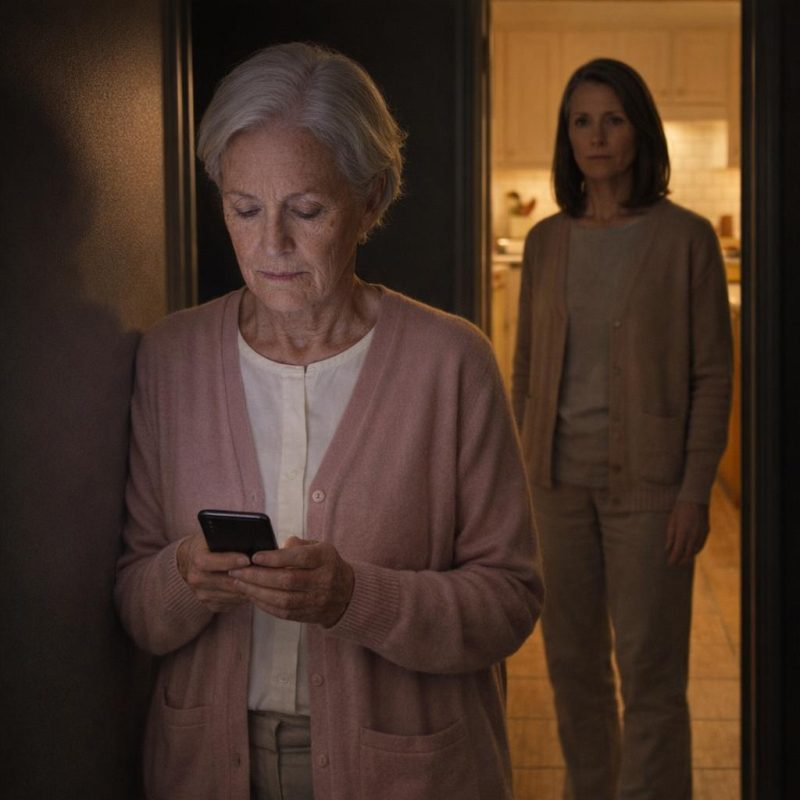 Image by RM AI
Understanding What It Means to Grow Older
I've thought a lot about what it means to grow older, especially in the years since all of this happened. There's a particular kind of invisibility that creeps in — not all at once, but gradually, the way a room dims when the sun moves. You notice it first in small ways: the doctor who talks to your adult child instead of you, the clerk who looks past you to the next person in line, the sense that the world is moving at a speed you're no longer expected to match. I'd felt it myself, in quiet moments, and I didn't like what it suggested about the years ahead. Martha felt it too, I think, though she rarely named it directly. She'd make small jokes about being old news, about taking up space, and I'd laugh with her because that was what she wanted. But underneath the jokes was something real and undefended. She'd built a life, raised children, buried a husband, kept a home for decades — and now the days stretched long and the phone didn't ring as often as it used to. I understood that fear in my bones, not just in my sympathy. That was the thing about what Martha and I had built together — it wasn't charity on my part and it wasn't dependence on hers. We were two women at the same crossroads, looking at the same road ahead, and neither of us wanted to walk it alone.
 Image by RM AI
The Spring Morning That Changed Everything
That particular Tuesday morning in April started the way most of my mornings did back then — coffee first, before anything else, standing at the kitchen window watching the light come up over the back fence. The forsythia along the property line had finally bloomed, that bright almost-aggressive yellow that only lasts a week or two before it fades. I remember thinking I should mention it to Martha, because she loved that bush and always said it was the first real proof that winter was actually finished. I had a few errands to run — the pharmacy, the grocery store, maybe the post office if I got around to it. Nothing urgent. I planned to stop by Martha's in the early afternoon, the way I usually did on Tuesdays, to sit with her for a while and see if she needed anything from the shops. She'd seemed a little tired the last few days, but nothing that worried me. Tired was just part of the rhythm at her age, and she'd always been clear that she didn't want me fussing. I finished my coffee, rinsed the cup, and pulled on my cardigan. The neighborhood was quiet in that particular way it gets on weekday mornings — a few birds, a car somewhere in the distance, the sound of someone's sprinkler clicking on. It was the kind of morning that asks nothing of you. I had no reason to feel anything other than ordinary.
 Image by RM AI
Martha's Quiet Goodbye
It was Mrs. Chen who came to my door, which surprised me — we were friendly but not the kind of neighbors who knocked on each other's doors unannounced. She had her hands clasped in front of her and her face was doing something I hadn't seen it do before, something careful and sorry, and I knew before she said a word that something had happened. She told me Martha had passed away in her sleep the night before. Peaceful, she said. No suffering. I stood there holding the door frame and I heard the words and I understood them and I still couldn't make them land properly. Eight years. Eight years of Tuesday afternoons and grocery lists and doctor's appointments and long conversations over tea that wandered from her late husband to my grown children to the state of the world and back again. Eight years of being needed and of needing in return, in the quiet way that doesn't announce itself. I don't remember what I said to Mrs. Chen. I think I thanked her. I think I closed the door gently. I sat down at the kitchen table and the house was very still around me, and I thought about the forsythia I'd been planning to mention, and how Martha would never see it that year. I didn't cry right away. The grief was too large for that — it sat in my chest like something solid, something that had weight and edges. Martha's house was just across the way, and I knew without looking that it would feel different now, emptied of the particular presence that had made it hers.
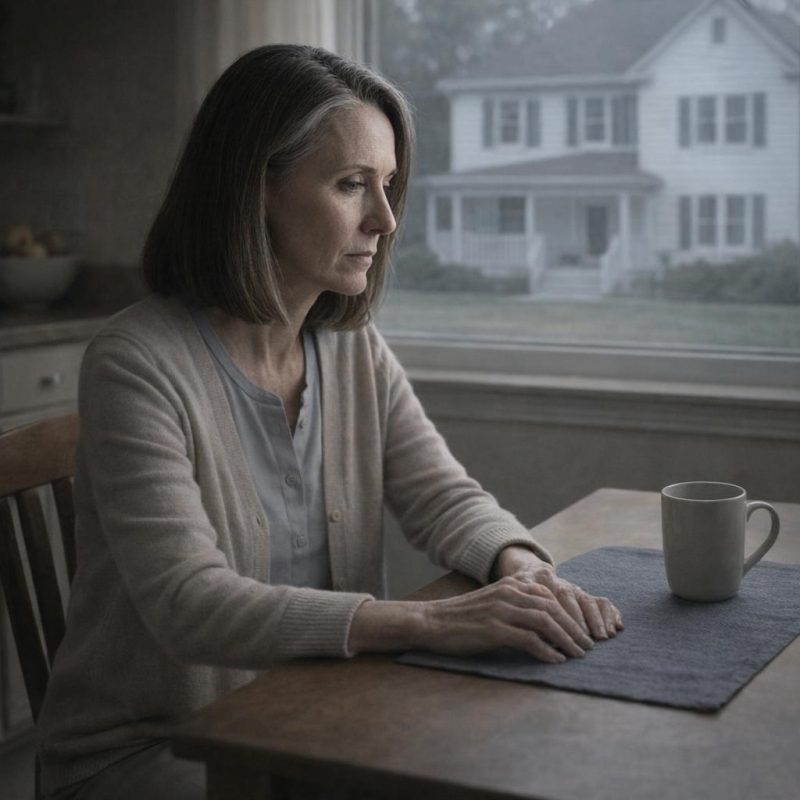 Image by RM AI
The Funeral and the Reception
The funeral was held on a Friday, at the small Episcopal church Martha had attended for most of her adult life. I helped with the reception afterward — it felt like the right thing to do, and honestly it gave me something to do with my hands, which is sometimes the only mercy available in grief. I arranged the food, I made sure the coffee stayed hot, I greeted people I half-recognized from Martha's stories and tried to match names to faces. It was the kind of work that keeps you moving when standing still feels impossible. Eric and Jennifer arrived together, which surprised me slightly — Jennifer lived out of state and I'd only heard Martha mention her in passing over the years, always with a kind of careful neutrality that told its own story. I introduced myself to both of them. Eric shook my hand firmly and said he'd heard my name, and something in the way he said it made me pause for just a moment, though I couldn't have told you why. Jennifer was polite but distracted, her eyes moving around the room as though she was taking inventory. They spoke to the other guests, accepted condolences, said the appropriate things. But watching them move through that room, I kept noticing something I couldn't quite name — a kind of efficiency to their grief, a tidiness that felt at odds with the weight of the day. I told myself people mourn differently. I told myself it wasn't my place to judge. Still, something about the way they carried themselves in that room stayed with me long after the last guest had gone.
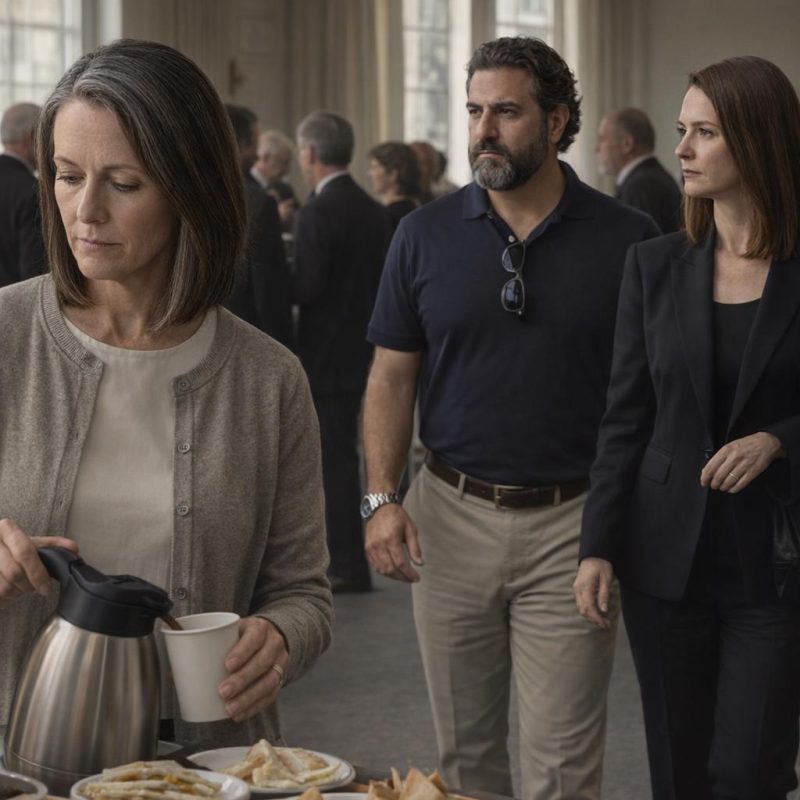 Image by RM AI
Assuming It Was Over
After the funeral, I went back to my life. That sounds simpler than it was — grief doesn't follow a schedule, and there were mornings in those first weeks when I'd reach for my phone to call Martha before I remembered. But the practical shape of my days returned, and I let it. I stopped walking past her house on my errands. I started taking a different route to the pharmacy, not because I was avoiding anything, just because the old route felt like a habit that belonged to a different version of my week. I assumed, without really thinking about it, that my connection to Martha's affairs had ended with her death. I wasn't family. I hadn't been asked to be involved in anything beyond what I'd always done, which was simply being there. The estate would be handled by her children and whoever she'd appointed to manage things, and that was as it should be. I had no expectations. I hadn't done what I did for eight years with any thought of what might come after — that had never been part of it, not even in the back of my mind. Three weeks passed. I settled into a quieter routine, the kind that forms when a significant presence leaves your life and the days rearrange themselves around the absence. One morning I walked out to collect the mail and found a certified letter in my mailbox, return address from a law office I didn't recognize.
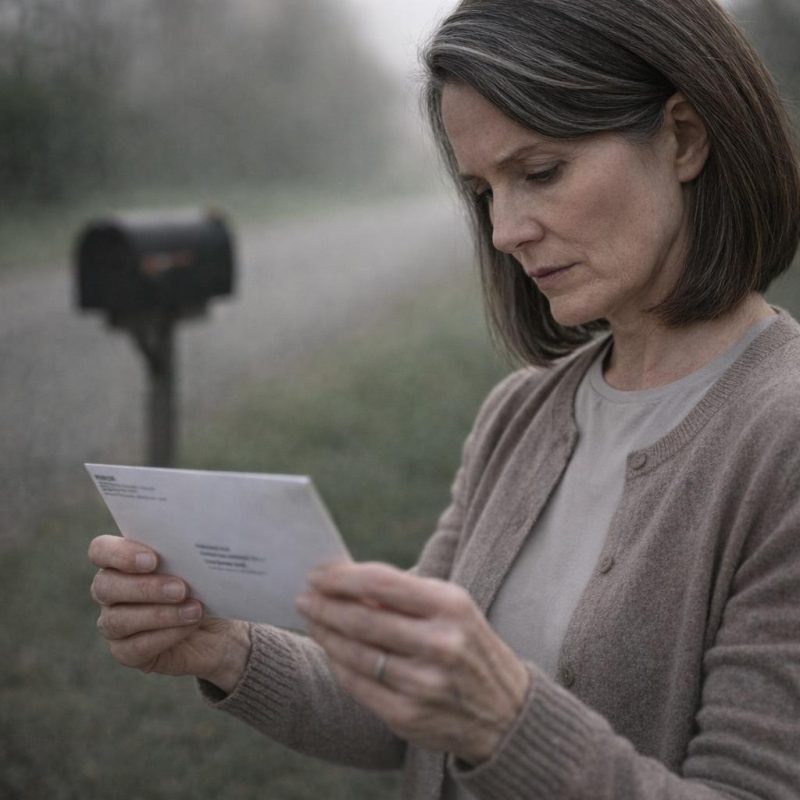 Image by RM AI
The Knock on the Door
I hadn't opened the letter yet — I'd set it on the kitchen counter and told myself I'd deal with it after lunch — when the knock came at my front door. It was a hard knock, not the kind a neighbor makes. I opened the door and Eric was standing on my porch. I hadn't expected to see him again, certainly not like this, and my first instinct was something like concern — I thought maybe something had come up with the estate, some paperwork that needed a signature, something ordinary. But his face stopped that thought immediately. He was standing very straight, shoulders squared, jaw set, and the look he was giving me was not the look of a man who had come with a question. I said his name. I said something about coming inside. He didn't move. He said he wasn't staying, that he just needed me to understand something. His voice was clipped and flat, each word placed down like something being set on a table with deliberate force. I didn't understand what was happening. I stood there in my own doorway, in my own cardigan, on an ordinary Thursday afternoon, and I felt the ground shift slightly beneath the conversation in a way I couldn't account for. I asked him what was wrong. He looked at me for a long moment without answering, and the expression on his face — something between fury and contempt — settled over me like a cold draft, and I took a small step back without meaning to.
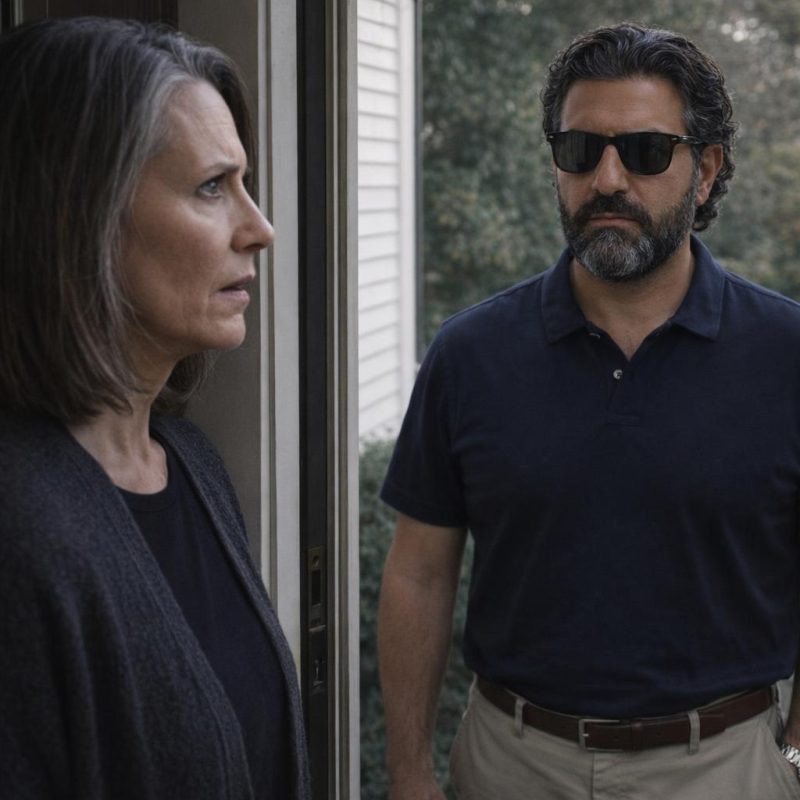 Image by RM AI
The Accusation
He said I had manipulated his mother. He said it plainly, without preamble, the way you state a fact you've already decided is beyond argument. He said I had inserted myself into her life, isolated her from her family, and made myself indispensable in ways that were not innocent. I remember the exact quality of the silence after those words — the way the street sounds continued behind him, a car passing, a bird somewhere, the world entirely unbothered. I asked him what he meant. He said I knew exactly what he meant. He said his mother had changed her will, that there was a bequest in my name, and that he intended to find out how that had happened. I told him I didn't know anything about a will. I told him Martha had never mentioned anything like that to me, not once in eight years. He looked at me the way people look at someone they've already decided is lying. I felt something strange happen in my chest — not quite anger, not quite fear, something that sat between the two and didn't have a clean name. I had spent eight years bringing this man's mother groceries, sitting with her through doctor's appointments, calling her on the nights she couldn't sleep. And now I was standing on my own porch being told that all of it had been a scheme. The accusation was so far from anything I recognized as true that for a moment I simply couldn't locate a response. I just stood there, holding the door, understanding for the first time that I was being blamed for something I had not done.
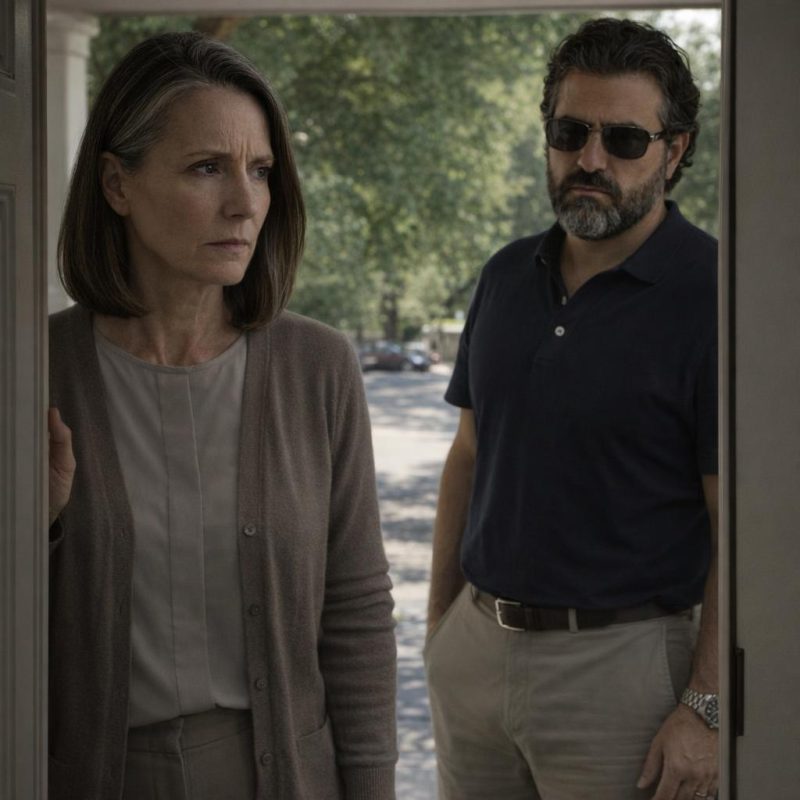 Image by RM AI
The Will Nobody Expected
He told me the amount. I won't say I'd been calm before that moment, but I had at least been functional — I'd been standing upright, forming sentences, trying to reason with him. When he said the number, something shifted. It was substantial. More than substantial. It was the kind of sum that changes the shape of a conversation entirely, the kind that stops your breath and leaves you reaching for words that don't come. I told him again that I hadn't known. I told him Martha had never said a word to me about her will, about any bequest, about any of it. I said it as clearly and directly as I could, because it was the truth and I didn't have anything else to offer him. He shook his head slowly, the way someone does when they've already closed the door on what you're saying. He said that was a very convenient thing not to know. He said that a woman in her eighties, living alone, with one person spending that much time with her — that it didn't take a lawyer to see what had happened. I wanted to tell him what those eight years had actually looked like. I wanted to describe the Tuesday afternoons and the pharmacy runs and the nights I'd sat with his mother when she was frightened and the phone hadn't rung. But he wasn't there to listen. He was there to deliver a verdict. And when he said the number again, slower this time, my stomach dropped straight through the floor.
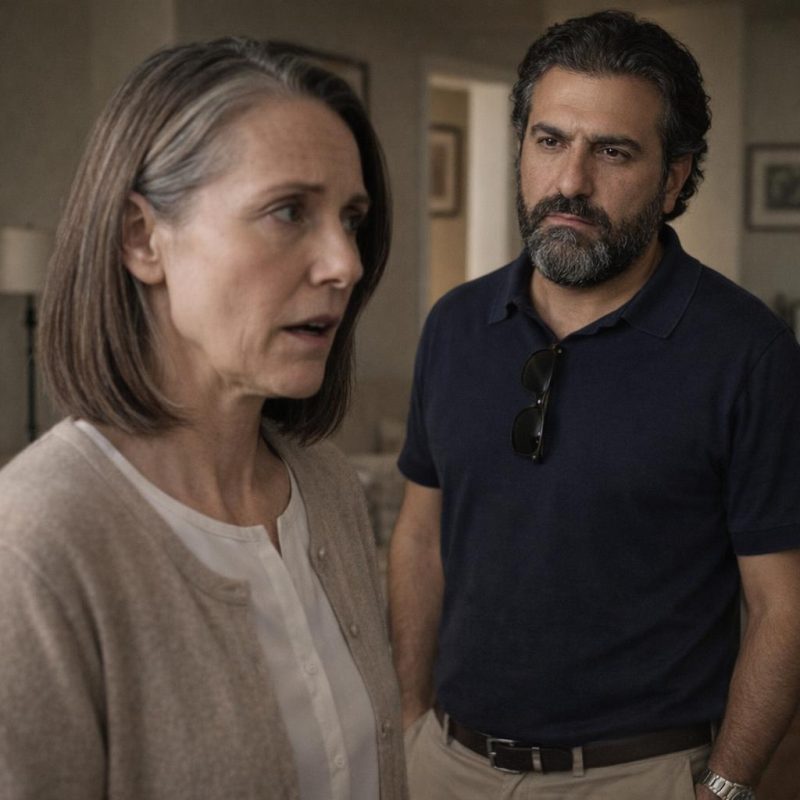 Image by RM AI
The Threat to Contest
He said he was going to contest the will. He said it the way people say things they've rehearsed, evenly and without hesitation, and he laid out what that would mean — lawyers, a challenge, a process that would drag everything into the open. He said that what I had done to his mother, taking advantage of her loneliness, positioning myself as her only real support, was the kind of thing that courts had seen before. I started to speak and he talked over me, not loudly, just steadily, the way you talk over someone when you've decided their words don't count. He said his mother had been vulnerable and I had exploited that vulnerability, and that he had no intention of letting it stand. I felt something crack open in me then — not anger exactly, more like a deep, bewildered hurt, the kind that comes when someone takes the thing you're most proud of and describes it as a crime. Eight years of genuine care, of showing up, of being present when no one else was — and this was the story being written over the top of it. I thought about Martha. I thought about what she would say if she could hear this conversation. Eric straightened his jacket, looked at me one last time, and said that before this was over, the whole neighborhood would know exactly what kind of person I really was.
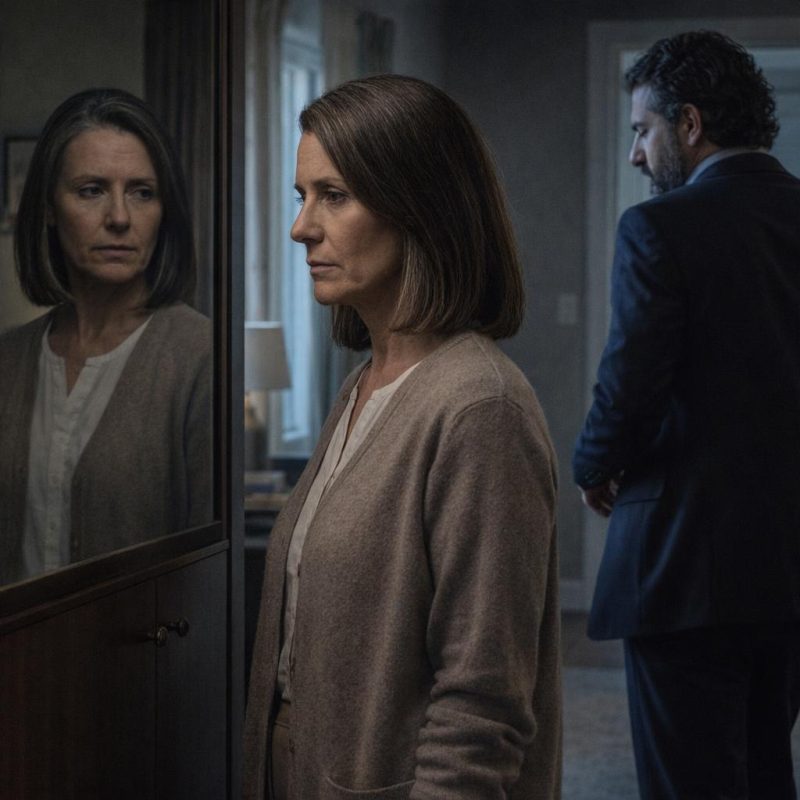 Image by RM AI
The Whispers Begin
It started small, the way those things always do. A wave not returned. A smile that didn't quite land. I told myself I was imagining it — that grief makes you paranoid, that people were just busy, that the world hadn't actually shifted on its axis in the week since Eric had stood in my living room and said what he said. But then I noticed Mrs. Chen. For years she had been the kind of neighbor who called out to me from her garden, who pressed tomatoes into my hands in August and asked after my knees in winter. Now she turned toward her front door the moment she saw me coming up the walk. Not rudely, not dramatically — just quietly, efficiently, like she had somewhere else to be. I told myself that too was nothing. I kept my head up. I kept my pace steady. I did my grocery run on a Tuesday morning the way I always had, moving through the aisles with my list, trying to feel ordinary. I was reaching for a can of soup when I heard two voices around the corner — familiar voices, women I had waved to at block parties for fifteen years. They didn't know I was there. I stood very still and listened as they talked about me, about Martha, about what I had supposedly done to her.
 Image by RM AI
The Neighbors Who Stopped Speaking
I wish I could say I confronted them. I didn't. I stood there behind a shelf of canned goods with my hand still outstretched, and I waited until they moved on, and then I put the soup in my basket and walked to the register and paid and drove home. I sat in my car in the driveway for a long time before I went inside. After that, I started noticing it everywhere. The Hendersons, who had watched my house when I traveled, now looked through me on the sidewalk. The couple at the end of the block who used to stop and chat about their grandchildren crossed to the other side of the street when they saw me coming — not obviously, not with any drama, just a small course correction that said everything. I tried a few times. I said good morning. I raised a hand. Once I stopped and asked after someone's garden, the way I always had, and the answer I got was so brief and so careful that it was worse than silence would have been. Mrs. Chen, who had once talked to me for forty minutes about her daughter's wedding plans, now gave me a nod so small I might have missed it if I hadn't been watching for it. These were people who had seen me carry Martha's groceries, drive her to appointments, sit with her through the long afternoons when she was too tired to do much of anything. They had seen all of it. And now they looked at me like they weren't sure what they'd seen at all. The street I had lived on for over twenty years felt like it belonged to someone else.
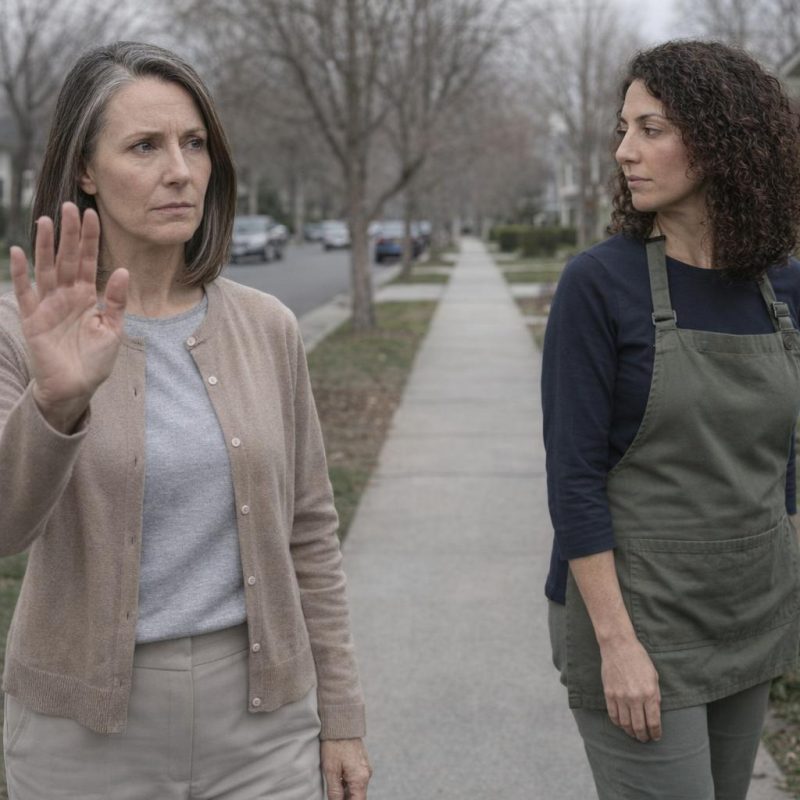 Image by RM AI
Explanations Nobody Wanted to Hear
I tried explaining. Of course I did. I am not the kind of person who can let something like that sit without at least attempting to set it straight. I caught Mrs. Chen at her mailbox one afternoon and I told her, as calmly as I could, that I had known nothing about the will until after Martha passed. That I hadn't asked for anything. That whatever Eric was saying, it wasn't the whole picture. She listened. She nodded in the right places. And then she said, 'I'm sure it's all very complicated,' in a tone that made clear she had already made up her mind. I tried with a few others. The responses were all some version of the same thing — polite, noncommittal, the conversational equivalent of a door closing gently in your face. Even Diane, my closest friend, the one I had called the night Eric left, seemed different when I saw her for coffee that week. She was warm, she was kind, but there was a carefulness to her that hadn't been there before. She chose her words slowly. She didn't ask many questions. I found myself talking too fast, over-explaining, hearing my own voice go thin and defensive in a way that made everything sound worse. The harder I tried to make the truth land, the less weight it seemed to carry. I had spent eight years doing something real and good, and none of that seemed to matter anymore against a story I hadn't even heard in full.
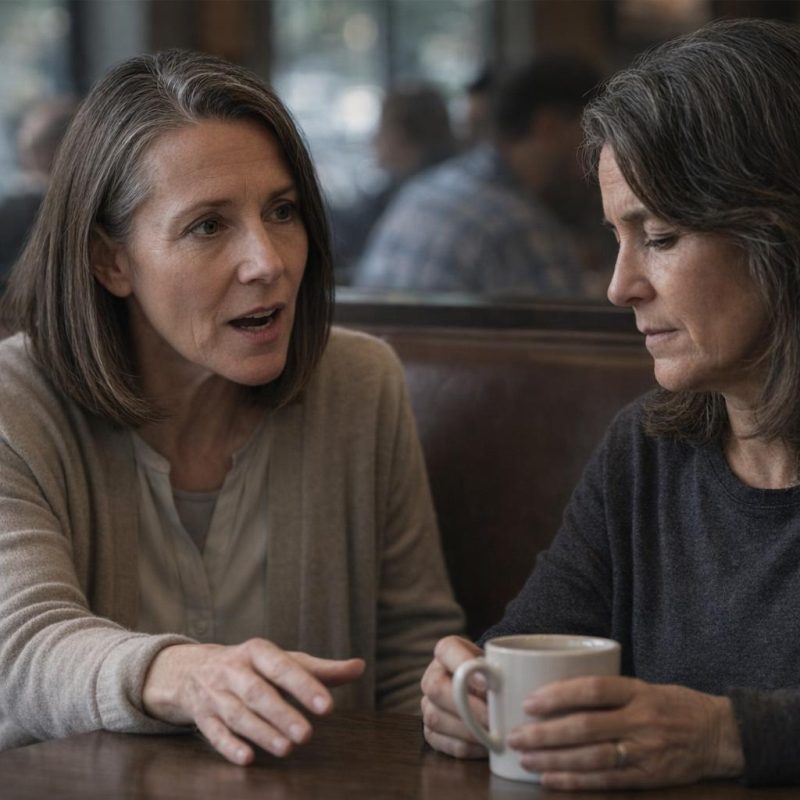 Image by RM AI
The Scheme They All Believed
I started to understand, in those weeks, how a reputation gets dismantled. It doesn't happen all at once. It happens in small retellings, each one a little further from the original, each one a little more certain. The grocery runs I had done for Martha became evidence of access. The doctor's appointments became proof of influence. The afternoons I had spent sitting with her, keeping her company when she was lonely, were now the most damning thing of all — because what kind of person does that, unless they want something? I heard versions of this secondhand, through the careful silences and the half-finished sentences people left hanging in the air around me. I couldn't fight it directly because no one would tell me directly. It was all happening just out of reach, in conversations I wasn't part of, in a story being told about me that I had no way to enter or correct. I stopped going to the places I used to go. I changed the times I ran errands. I started planning my days around the likelihood of running into people, which is an exhausting way to live when you've spent twenty years walking freely through your own neighborhood. One afternoon I was standing at my front window, not doing anything in particular, just standing there, and I watched a neighbor I barely knew stop in front of my house and point at it while talking to a woman I had never seen before.
 Image by RM AI
When Friends Become Strangers
I called Diane twice that week. The first time she answered and we talked for maybe ten minutes — shorter than our usual calls, and I felt her pulling back even through the phone, choosing careful words, not quite landing anywhere. The second time she didn't pick up and texted back later to say she was busy, which was fine, which was completely normal, except that it hadn't felt normal in a long time. I had other friends, women I had known through the years, through book clubs and neighborhood events and the slow accumulation of shared history that builds up when you stay in one place long enough. I reached out to a couple of them. One responded with a brief, pleasant message that said nothing. Another suggested we get together sometime, in the way people say that when they don't mean it. I wasn't angry at any of them. That's the thing I want to be clear about — I wasn't angry. I understood that Eric's story was persuasive, that it had the shape of something believable, and that most people, when faced with a complicated situation involving someone else's grief and money, will choose the path of least involvement. I understood all of that. But understanding something doesn't make it hurt less. I sat in my kitchen one evening with a cup of tea that had gone cold, and the quiet in the house pressed in around me in a way it never had before, filling up all the space where other people used to be.
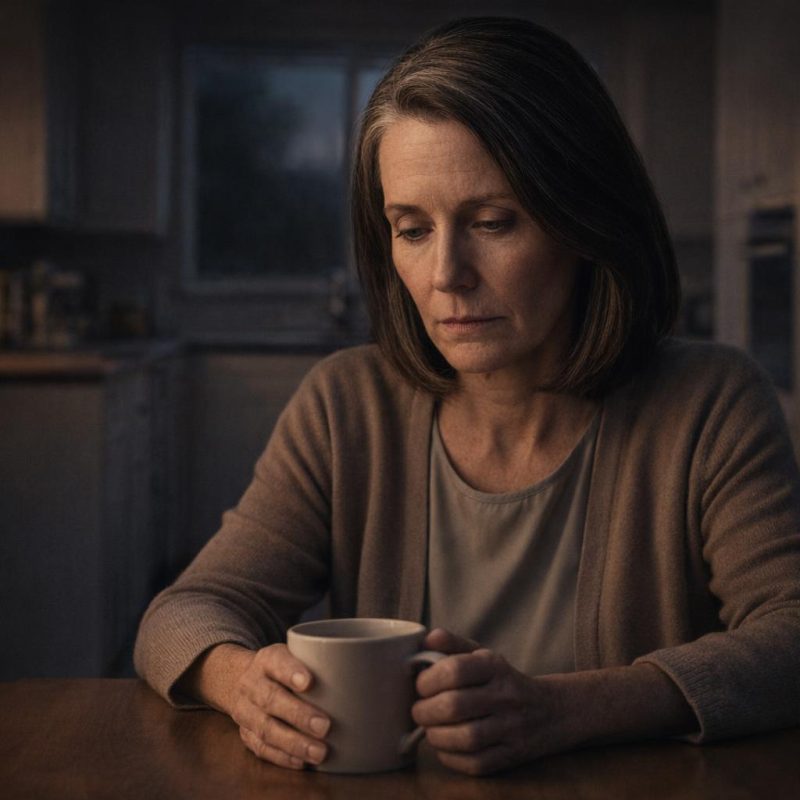 Image by RM AI
The Confusion Defense
It was Mrs. Chen who told me, in one of her brief sidewalk exchanges, what Eric had been saying. She didn't mean it as a kindness exactly — I think she was testing whether I would confirm it. He had been telling people that Martha hadn't been herself in her final years. That she had become confused, easily led, that her judgment couldn't be trusted. That the will was the product of a mind that wasn't fully clear anymore. I stood there on the pavement and felt something hot move through me, because everything I had witnessed told a different story. I had been with Martha through those years. I had watched her read, argue, make decisions, push back on doctors who talked down to her. She had been sharp and entirely herself right up until the last weeks, when her body gave out but her mind stayed present. She had seemed to me like someone who knew exactly what she was doing. But I had no way to prove that to anyone. I had no documents, no recordings, no witnesses who were willing to stand up and say what they had seen. All I had was my own word, and my word had already been discounted. Eric's version was simpler and it explained things in a way that let people feel comfortable, and comfort, I was learning, is a powerful thing. I went home and sat with the weight of a lie I couldn't lift.
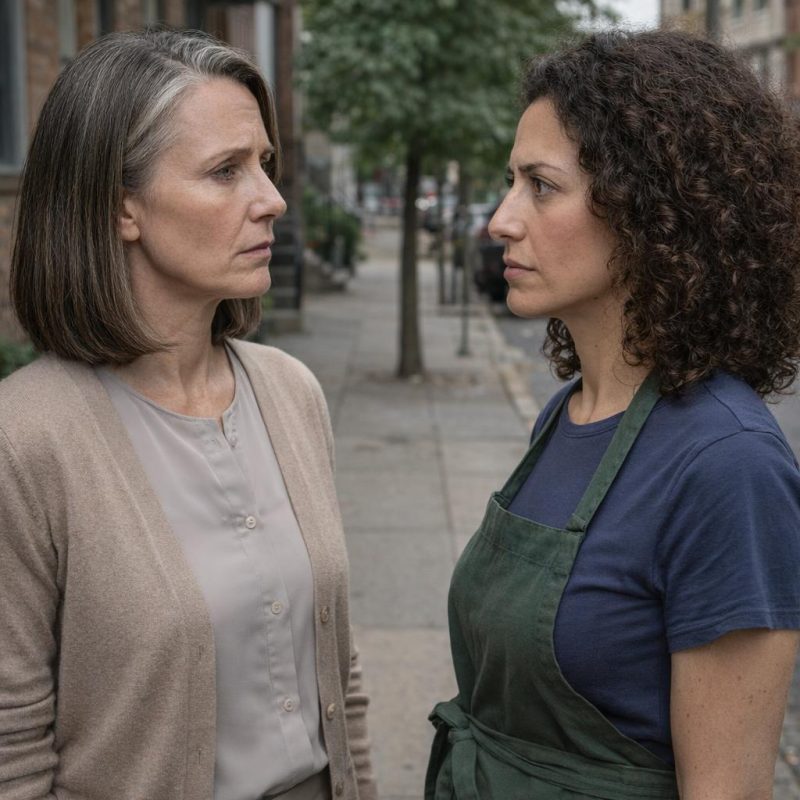 Image by RM AI
A Stranger in Her Own Neighborhood
There is a particular kind of loneliness that comes from being a stranger in a place you know by heart. I had lived on that street for over twenty years. I knew which houses had dogs, which driveways flooded in heavy rain, which families had gone through divorces and job losses and the quiet ordinary griefs that neighborhoods absorb without comment. I had been part of the fabric of that place. And now I moved through it like someone passing through, head down, timing my walks for early morning when fewer people were out, taking the long way to avoid certain blocks. I stopped checking my mailbox at the usual time because the Hendersons had a habit of being outside in the late afternoon and I couldn't bear another exchange that left me feeling smaller than when it started. I started eating dinner earlier so I wouldn't be visible in my kitchen window when the evening foot traffic picked up. These were small adjustments, each one reasonable on its own, but together they added up to a life that had contracted around me without my permission. I thought about the years I had spent building something in that neighborhood — trust, presence, a sense of belonging — and how quickly it had come apart. One afternoon I was sitting on my porch, which I almost never did anymore, and a moving truck pulled up three doors down, and I sat there wondering whether the new neighbors had already heard my name.
 Image by RM AI
Every Outing a Humiliation
Every errand became something I had to prepare for. I would stand at my front door for a moment before leaving, running through the likely routes, the probable faces, the conversations I might have to navigate or avoid. The hardware store was usually safe. The library, early on a weekday, was manageable. The grocery store was the hardest, because it was the place I was most likely to run into people I knew, and the produce section had terrible acoustics for someone trying not to be noticed. I started driving to a store two towns over on the weeks when I had the energy for it, which felt both sensible and humiliating in equal measure. I missed the version of my life where I could walk into a room without calculating the cost. One Thursday I needed to pick up a prescription — something routine, something I had been picking up at the same pharmacy for eleven years. I knew the staff there. I had chatted with them about the weather, about the holidays, about nothing in particular, the way you do with people you see regularly without ever quite becoming friends. I walked in, gave my name at the counter, and waited. When the clerk came back with the bag and looked up at me, her expression shifted — just slightly, just for a moment — and I saw something move across her face that hadn't been there before.
 Image by RM AI
Questioning Everything
There is a particular kind of exhaustion that comes not from what other people say about you, but from the moment you start to wonder if they might be right. I had been so certain. Eight years of certainty — of knowing exactly what I had done and why, of knowing Martha's mind as well as I knew my own kitchen. And then the accusations kept coming, week after week, and something in me began to shift in a way I hadn't expected and couldn't quite stop. I started going back through my memories the way you go back through a document looking for errors. Had I missed something? Had there been a moment when Martha seemed confused and I had told myself it was just tiredness? Had she tried to say something to me once — something I had brushed past because I was busy, or because I hadn't wanted to hear it? I thought about the last year especially, turning over small moments I had barely registered at the time. A hesitation before she signed something. A question she asked twice in the same afternoon. I had attributed all of it to age, to the ordinary fog that comes with being eighty-three. But what if I had been wrong? What if I had been so close to the situation that I had stopped seeing it clearly? I knew, in the part of me that was still steady, that Martha had been sharp and deliberate and entirely herself. But knowing something and feeling it are two different things, and the doubt had found its way in anyway.
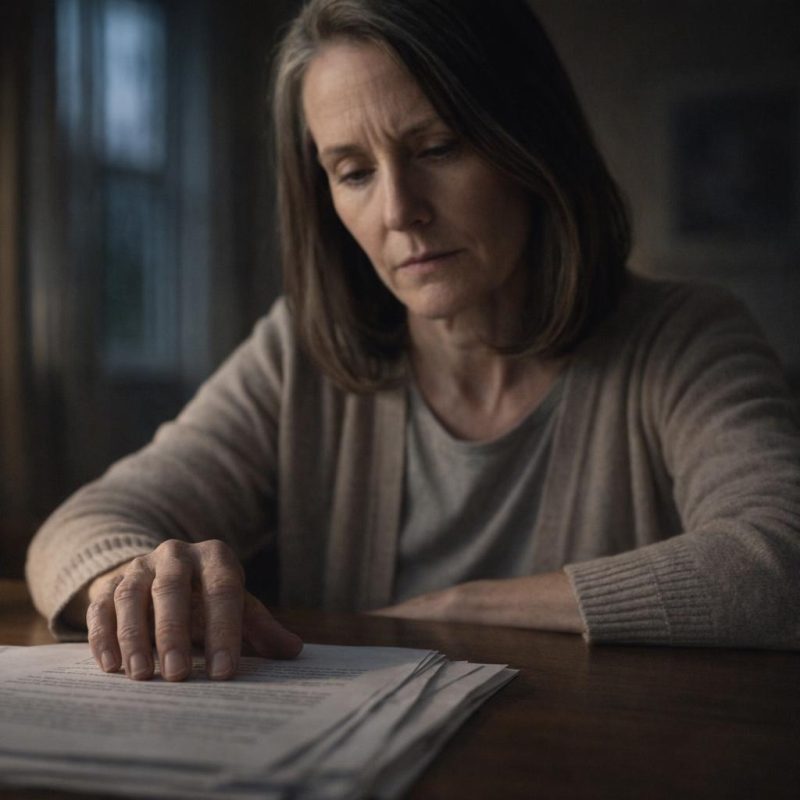 Image by RM AI
The Attorney's Letter
The letter arrived on a Tuesday, in a plain white envelope with a return address I recognized immediately — the law offices of Patterson and Associates. I stood at the mailbox for a moment before I opened it, the way you pause before reading something you already sense will change the shape of your day. It was formal and brief. Mr. Patterson was requesting a meeting with all named beneficiaries of Martha's estate to review the terms of the will and address any outstanding questions. The date was two weeks out. The tone was professional and gave nothing away. I read it twice, then carried it inside and set it on the kitchen table and made myself a cup of tea I didn't drink. I had known this was coming in some form. The estate had to be settled eventually, and that meant a room, and that room would have Eric in it. I thought about what that would look like — sitting across from him in some official setting while he said the things he had been saying to anyone who would listen, except this time with a lawyer present and a paper trail and the weight of legal proceedings behind him. I had no idea what Mr. Patterson planned to present or how the meeting would be structured. I only knew that I would have to sit there and absorb whatever came, and that there would be no easy way through it. The dread of it settled into my chest like something with weight and permanence.
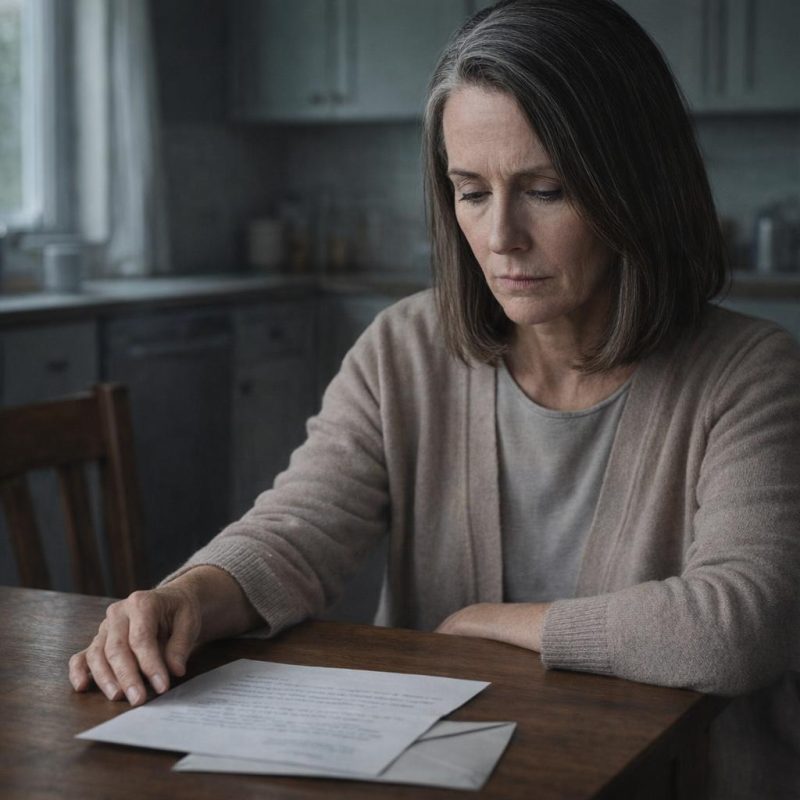 Image by RM AI
Preparing for the Worst
I spent the better part of a week trying to prepare myself, which mostly meant sitting with the discomfort until it became familiar enough to function around. Diane called twice and I told her I was fine, which was not entirely true but was the most useful answer I had. I went over the meeting in my head from every angle I could think of. Eric would be there, and he would be prepared, and he would say things that were designed to sound credible in a formal setting. Jennifer would be there too, quiet and uncomfortable in the way she always seemed to be when family matters surfaced. Mr. Patterson would be professional and neutral. And I would be the woman everyone in that room had already formed an opinion about. I had no illusions about walking out of that meeting with my reputation restored. The best I could hope for was to get through it without falling apart, to sit in that chair and hold myself together while someone laid out the terms of a will that had already cost me more than I could have anticipated. I told myself that Martha had known what she was doing. I told myself that the truth had a way of being stubborn. I told myself a lot of things in those two weeks. The morning before the meeting, I stood in front of my open closet for a long time, trying to figure out what a person accused of elder abuse was supposed to wear.
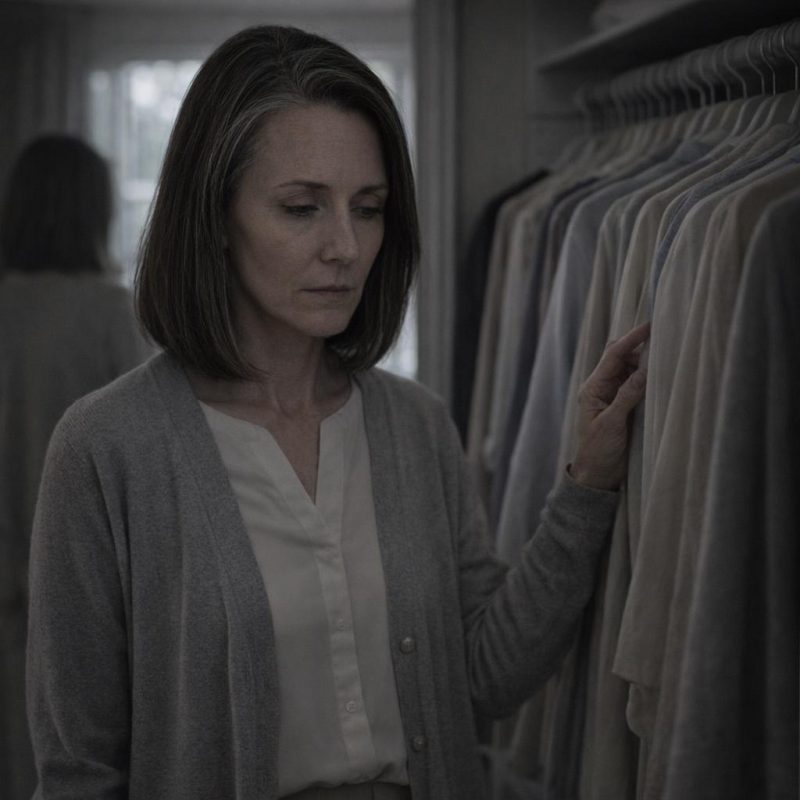 Image by RM AI
The Morning of the Meeting
I was up before six. I made coffee and sat at the kitchen table in the early quiet and watched the light come up through the window the way it does in late autumn, slow and pale and without much warmth. I had laid out my clothes the night before — a gray blazer, a white blouse, sensible shoes — the kind of outfit that said nothing provocative, that asked for nothing, that simply existed. I showered and dressed and stood in front of the mirror for a moment longer than necessary. I looked like myself, which felt both reassuring and beside the point. The drive to Patterson's office was twenty minutes. I left forty-five minutes early and sat in a parking lot two blocks away for a while, engine off, hands in my lap. I thought about Martha. Not about the will or the accusations or any of it — just Martha, the way she used to laugh at her own jokes before she finished telling them, the way she kept a spare key under the ceramic frog by her back door even after I told her it was the first place anyone would look. I thought about what she would say if she could see me sitting in that parking lot, scared of walking into a room. She would have told me to go in. She would have said it plainly, without fuss. I started the car. Some things you simply have to walk through, and the only question is whether you walk through them with your head up or your head down.
 Image by RM AI
The Gathering
The waiting room at Patterson and Associates was the kind of space designed to feel neutral — beige walls, low furniture, a plant in the corner that looked real but probably wasn't. Eric and Jennifer were already there when I arrived. Eric was standing near the window with his arms crossed, and he turned when I walked in with the particular kind of attention that isn't welcome. Jennifer was seated, her hands folded in her lap, and she looked up briefly and then back down at the floor. I took a chair on the opposite side of the room and set my bag on my knees and looked at nothing in particular. Nobody spoke. Mr. Patterson came out a few minutes later, introduced himself to the room with the measured courtesy of someone who had done this many times, and asked us to follow him. The conference room was small — a rectangular table, four chairs, a window that looked out onto a parking structure. We arranged ourselves without discussion, Eric and Jennifer on one side, me on the other, Mr. Patterson at the head. He set a folder on the table and opened it with the unhurried precision of someone who was not going to be rushed by anyone's discomfort. Eric's jaw was tight. Jennifer kept her eyes on the table. I kept my hands still in my lap and breathed as evenly as I could, and the silence in that room carried the particular weight of people who had come in already certain of what they believed.
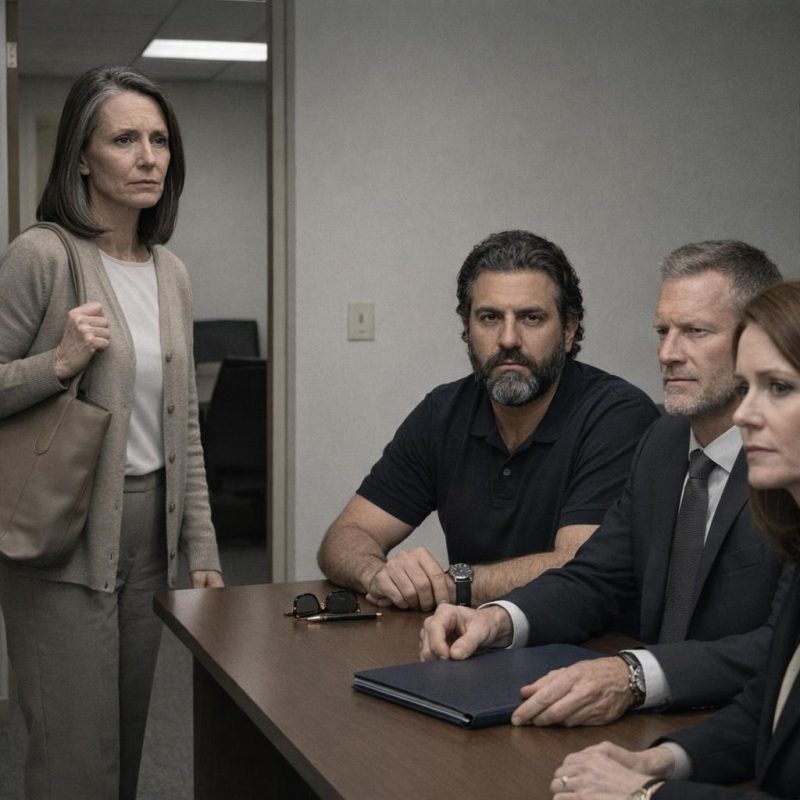 Image by RM AI
The Will Confirmed
Mr. Patterson began with the procedural language — the date the will was executed, the confirmation of Martha's legal competency at the time of signing, the standard language about the estate being in order. His voice was even and unhurried, and he moved through each section with the kind of methodical patience that left no room for interruption. He reviewed the smaller bequests first — a donation to a local library, a sum to a former colleague of Martha's from decades ago, a few personal items designated for specific people. Then he reached the section that had brought us all into that room. He read the bequest to me in the same measured tone he had used for everything else, without emphasis or editorial. The amount was forty thousand dollars, plus the contents of Martha's personal library and her grandmother's writing desk. Forty thousand dollars. I had known there was something — Martha had told me years ago that she intended to leave me something, and I had told her it wasn't necessary, and she had waved her hand at me the way she did when she considered a conversation finished. But hearing the number read aloud in that room, in front of Eric, whose face had gone very still and very hard the moment Mr. Patterson reached my name — the number landed differently than I had expected. Mr. Patterson's voice continued: *to Carol, the sum of forty thousand dollars, in recognition of her years of devoted friendship and care.*
 Image by RM AI
The Children's Smaller Share
Mr. Patterson continued without pausing, moving to the portions designated for Eric and Jennifer. I don't know exactly what they had expected, but the numbers he read were not large ones — not for an estate of Martha's size. Eric received a sum that covered the house contents not otherwise designated and a modest cash bequest. Jennifer received something similar, plus a few pieces of jewelry their mother had specified by name. The bulk of the estate — the house itself, the investment accounts, the remainder of the liquid assets — had been directed elsewhere, to a combination of charitable organizations and a small educational fund Martha had apparently established some years prior. I sat with that information and tried to make it add up in a way that made sense to me. Martha had always been careful with money, always thoughtful about where it went. But the disparity between what her children received and what the rest of the estate represented was significant enough that I found myself doing the arithmetic twice in my head, wondering if I had misheard something. Eric's hands were flat on the table now, very still in the way that things are still before they aren't. Jennifer had gone pale. I had no framework for what I was hearing — no context that explained the shape of it — and the numbers sat in the room between all of us, not quite making sense to anyone.
 Image by RM AI
Eric's Speech
Eric didn't wait long. Before Mr. Patterson had fully closed the folder, Eric leaned forward and began to speak, and once he started he didn't stop for a long time. He was composed — I'll give him that. He had clearly thought about what he wanted to say and in what order, and he delivered it with the kind of controlled precision that sounds, in a formal setting, like reason. He said that his mother had been in cognitive decline for the final years of her life. He said that I had inserted myself into her daily routine in a way that isolated her from her family. He said that Martha had been a woman who didn't like to disappoint people, who was susceptible to emotional pressure, who had been, in his word, vulnerable. He said the word carefully, the way you say a word you've practiced. He said that the will as written did not reflect his mother's true wishes but rather the influence of someone who had positioned herself to benefit. He looked at me once while he said it, briefly, and then back at Mr. Patterson. Jennifer sat very still beside him. I kept my hands in my lap and my face as neutral as I could manage, because there was nothing I could say in that moment that would have helped me, and I knew it. Eric's voice was flat and even as he finished, and he said he intended to contest the will on grounds of undue influence. I watched Mr. Patterson's face through all of it, and his expression did not change once.
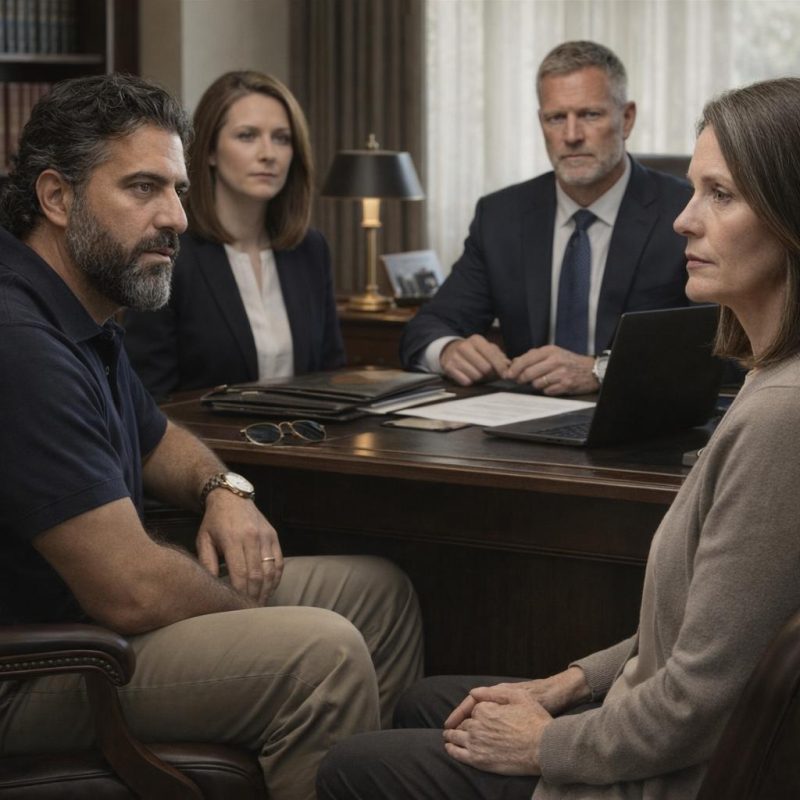 Image by RM AI
The Patient Attorney
When Eric finished, the room went quiet. Not the uncomfortable kind of quiet where someone scrambles to fill the space — the kind that settles in and stays. Mr. Patterson had not interrupted once. He had let Eric say every single word, and while Eric spoke, Mr. Patterson wrote in a small notepad with a pen he held very still, and his face gave away absolutely nothing. No frown, no nod, no flicker of reaction. I had been watching him the way you watch a doctor's expression when they're reading your test results, looking for any signal at all. Eric leaned back slightly when he finished, the way people do when they feel they've made their case. Jennifer exhaled beside him. I kept my hands folded in my lap and waited for Mr. Patterson to respond with something — a question, a rebuttal, a polite acknowledgment that he'd heard the accusations and would now proceed accordingly. Instead, he capped his pen. He set the notepad down with a small, precise movement. He looked at Eric for a moment, then at Jennifer, then briefly at me. And then he said, very calmly, that he appreciated Eric sharing his concerns and that he wanted to make sure everyone had the full picture before any decisions were made. That was all. No argument. No defense of the will. Just that quiet, measured sentence — and something in the stillness of him made me feel, for the first time, like he was the only person in that room who wasn't surprised by any of this.
 Image by RM AI
The Question About Documents
Mr. Patterson opened the folder in front of him with the same unhurried movements he'd used for everything else that morning. He looked down at the papers for a moment, then back up at the three of us. He asked, in a tone that was entirely conversational, whether any of us had had the opportunity to review the supplemental documents Martha had left as part of her estate file. I didn't know what he meant. I looked at him and then, without meaning to, I looked at Eric, because I thought maybe Eric would know — he was the one who had been so certain about everything, who had come in with his prepared speech and his legal language. But Eric's expression had shifted. The smooth confidence he'd carried into the room had developed a small crack in it. He asked what supplemental documents. Jennifer leaned forward slightly and asked the same thing in different words. Mr. Patterson didn't seem surprised that neither of them knew. He just nodded once, as if confirming something to himself, and said that Martha had been quite thorough in her preparations and that the documents were a significant part of understanding her intentions. I had no idea what was coming. I didn't know whether to feel hopeful or more afraid. But something had changed in the shape of the meeting — the direction of it had shifted, almost imperceptibly, and the silence that followed Mr. Patterson's answer settled over all of us like something none of us quite knew how to name.
 Image by RM AI
The Sealed Envelopes
Mr. Patterson reached into the folder and produced a small stack of envelopes. They were plain white, sealed, and each one had a name written on the front in handwriting I recognized immediately — that careful, slightly slanted script Martha had used for birthday cards and grocery lists and the little notes she used to leave on my doorstep when she'd baked something and wanted me to know. My throat tightened before I even understood why. He set them on the table and explained that Martha had prepared these letters herself and had asked him to hold them until the reading of the will, to be distributed at this meeting. Eric stared at the envelopes. Jennifer's hand moved toward the table and then stopped. Mr. Patterson sorted through them with quiet efficiency — one addressed to Eric and Jennifer together, one to someone I didn't recognize, and then he set one down in front of me, and I saw my own name written there in Martha's familiar hand.
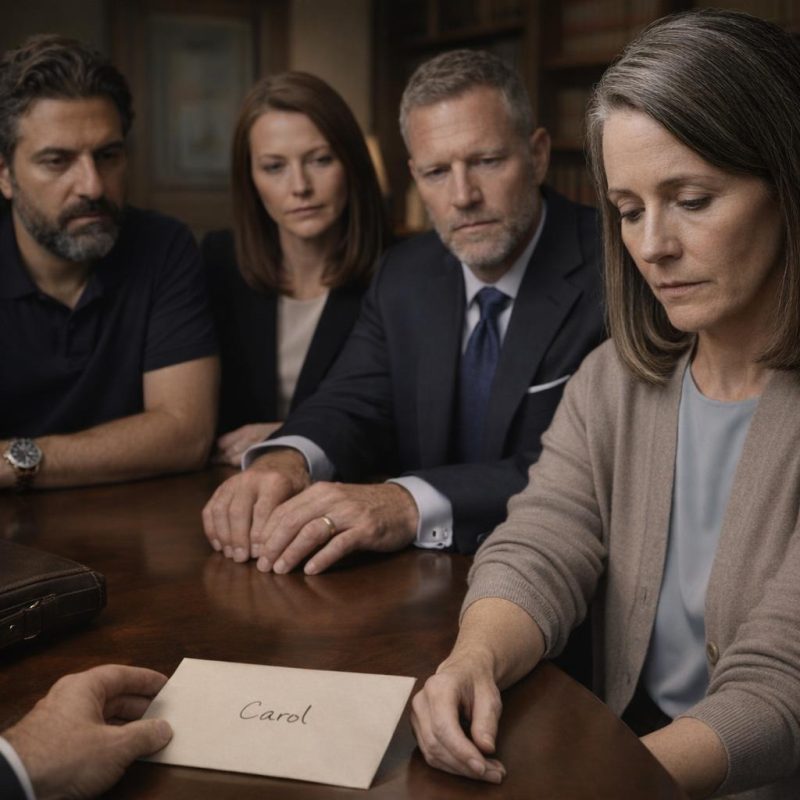 Image by RM AI
The Letters That Explained Everything
Mr. Patterson let us sit with the envelopes for a moment before he spoke again. He explained that Martha had first updated her estate plan several years before her death — not recently, not in the final months when her health was failing, but years earlier, when she was sharp and deliberate and fully herself. He said she had worked with him over multiple sessions to document not just her wishes but her reasoning, and that the letters in front of us were part of that process. She had written them herself, in her own words, and had them notarized and placed in his keeping. Eric started to say something and Mr. Patterson raised one hand — not rudely, just firmly — and said he would answer questions after everyone had heard the full context. The timeline landed on me slowly. Years earlier. Multiple sessions. Notarized. Martha hadn't done this in a panic or under pressure. She had done it carefully, over time, with full knowledge of what she was doing and why. I thought about all the afternoons I had spent at her kitchen table, all the conversations we'd had about her family, about her worries, about the things she didn't say out loud but that I could feel underneath her words. She had been thinking about this for a long time. She had known, somehow, that this moment might come — and she had prepared for it long before any of us were sitting in this room.
 Image by RM AI
The Detail That Changed Everything
Mr. Patterson paused, turned a page in his folder, and said there was one more element of Martha's preparations that he needed to describe before the letters were opened. He said that approximately four years before her death, Martha had arranged to have security cameras installed throughout her home — the living room, the kitchen, the hallway near her bedroom. He said this in the same measured tone he used for everything, as if it were simply the next item on a list. Eric went very still. I felt the air in the room change, though I couldn't have said exactly how. I had been in that house nearly every day for years. I had made her tea in that kitchen. I had helped her to the sofa in that living room. I had walked that hallway more times than I could count. The thought that cameras had been running through all of it — watching, recording — sent something cold moving through me. I tried to keep my face neutral the way I had been doing all morning, but my hands tightened in my lap. Mr. Patterson looked down at his notes and said that Martha had installed the cameras because she had grown worried that someone close to her was not treating her well.
 Image by RM AI
The Fear of Being Caught
My first thought — and I am not proud of it, but it was my first thought — was that it was me. That Martha had suspected me. That all those years of helping her, all those mornings and errands and quiet afternoons, had somehow looked different to her than they had to me. That she had watched me moving through her house and wondered. The idea of it was almost unbearable. I had loved that woman. I had given her eight years of my life without once thinking about what I might get in return, and the thought that she might have spent any part of that time afraid of me — documenting me — made me feel sick in a way I hadn't felt since this whole thing began. I sat very still and waited for Mr. Patterson to continue. He had paused, the way people pause when they know what they're about to say will land hard, and he was looking at his notes rather than at any of us. Eric had gone quiet beside me. Jennifer's hands were flat on the table. The room felt suspended, all of us waiting, and I didn't know if I was about to be cleared or finally, completely undone. The weight of not knowing pressed down on me like something physical, and I sat inside it, unable to move.
 Image by RM AI
The Actual Concern
Mr. Patterson looked up from his notes and said, clearly and without any particular emphasis, that Martha's concerns had not been directed at me. He said my name as he said it and looked at me directly, and I felt something release in my chest that I hadn't realized I'd been holding. But the relief didn't come clean. It arrived tangled up with confusion, because if it wasn't me, then who had Martha been watching? Who had she been worried enough about to install cameras and prepare notarized letters and spend years quietly building a record? I looked at Mr. Patterson and he was already moving on, turning another page, his voice still level and unhurried. I looked at Eric. He had been sitting with his arms crossed since the cameras were mentioned, but something had shifted in his posture — a tightening, a drawing inward, like a person bracing for something they already know is coming. Jennifer was watching her brother rather than Mr. Patterson. I didn't understand yet what I was seeing. I only knew that the shape of the room had changed again, that the story I had walked into this meeting believing — the one where I was the problem, the intruder, the woman who had taken advantage of a lonely old lady — had begun, quietly and without announcement, to come apart at the seams.
 Image by RM AI
The Documented Visits
Mr. Patterson said that over the course of nearly four years, Martha had kept a detailed record of visits from her children. He said the cameras had captured a number of conversations — he used the word conversations carefully, the way you use a word when you mean something stronger — in which financial matters had come up. He said Martha had been distressed by some of these interactions and had documented her distress in writing, in the letters, and in notes she had asked him to keep on file. He described the pattern in plain, factual language: repeated visits, repeated discussions about her accounts and her assets, repeated pressure about decisions she had already made. Jennifer made a small sound beside me, something between a breath and a word that didn't quite form. I watched Eric's face as Mr. Patterson spoke, and the color had drained out of it — not gradually, but all at once, the way a light goes out.
 Image by RM AI
What the Cameras Showed
Mr. Patterson continued in that same measured tone, and I found myself gripping the edge of my chair without quite realizing I'd done it. He said the cameras had captured multiple visits — from both Eric and Jennifer — in which the conversation had turned, repeatedly, to Martha's house. Not in a casual way. He said the word pressure again, and this time he didn't soften it. Martha had documented requests, then demands, that she sell the property and divide the proceeds while she was still alive. He said she had written about these conversations in her own hand, dated each entry, and forwarded copies to his office. Jennifer had gone very still beside me. I could hear her breathing. Eric had stopped moving entirely — no shifting in his seat, no adjusting his jacket, none of the restless authority he'd carried into that room. Mr. Patterson described one visit in particular where Martha had asked for the conversation to stop and it hadn't. He read from a note she had written the following morning, just a few sentences, in her careful looping script. I knew that handwriting. I had seen it on birthday cards and grocery lists and little notes left under my door for eight years. Sitting there listening to her words read aloud in that quiet office, something shifted in my chest — a heaviness I couldn't quite name, the sense of a woman I thought I'd understood becoming, in that moment, someone I was only beginning to see.
 Image by RM AI
The Confidence That Disappeared
There's a particular kind of silence that falls over a person when the ground shifts under them and they know it. I watched it happen to Eric in real time. He had walked into that office like a man who owned the room — shoulders back, voice ready, the whole performance of someone who expected to win. But somewhere between Mr. Patterson's second reference to documented pressure and the mention of Martha's written notes, something went out of him. He stopped interrupting. He stopped leaning forward. His hands, which had been moving constantly since we sat down, went flat on the table and stayed there. Mr. Patterson didn't raise his voice or change his pace. He just kept going, methodical and unhurried, the way someone speaks when they have everything they need and know it. Jennifer had her eyes down. She hadn't looked at her brother in several minutes, and I noticed she had moved her chair a few inches away from his — not dramatically, just enough. I didn't feel triumphant. I want to be honest about that. What I felt was something quieter and harder to name, watching a man who had called me a manipulator and a thief sit in silence while a dead woman's careful words dismantled everything he'd built. Mr. Patterson turned a page. Eric didn't move. The room held that stillness the way a held breath holds — complete, and waiting, and already changed.
 Image by RM AI
The Evidence Martha Gathered
Mr. Patterson set down the folder he'd been reading from and picked up another one, thicker, with a rubber band around it that he removed slowly and set to one side. He said Martha had not acted impulsively or in isolation. He said she had spent years — he paused on that word, years — building a record. There were dated journal entries. There were copies of letters she had sent and received. There were printed bank statements with handwritten annotations in the margins. He said she had kept duplicates of everything in a fireproof box in her bedroom closet, and that she had delivered a full copy to his office in three separate installments over the course of four years, each time asking him to log the date of receipt. I thought about that closet. I had been in Martha's bedroom dozens of times — helping her with laundry, bringing her medication, sitting with her when she couldn't sleep. I had never known what was in that box. She had never told me. Mr. Patterson said Martha had also taken one additional step that she considered essential. He said she had engaged a financial consultant — someone outside her family, outside her social circle — to conduct an independent review of her accounts. He said the consultant's findings had been included in the estate records. Eric's jaw tightened. I watched his hands press harder against the table, and I held very still, waiting to hear what those findings had shown.
 Image by RM AI
The Withdrawals Martha Discovered
Mr. Patterson opened the thicker folder and removed a document that looked like a financial summary — columns of figures, dates running down the left margin. He said the consultant had been asked to look specifically at a pattern Martha had noticed in her accounts. He chose his words carefully here, the way he had throughout, but there was a new weight to them. He said Martha had observed, over a period of roughly three years, a series of withdrawals she had not authorized and could not account for. At first, he said, she had worried it was a scam — some outside party who had obtained her information. She had changed her passwords. She had called her bank. But the withdrawals continued, and when she went back through her records more carefully, she found something that didn't fit the scam theory. He paused. The room was absolutely quiet. He said the withdrawals had been made by someone with legitimate access to her accounts. Jennifer made a sound — not quite a word, just a sharp intake of breath. I looked at Eric. His face had gone the color of old paper, and his eyes were fixed on a point somewhere past Mr. Patterson's shoulder, not moving, not blinking. I didn't know yet whose name was in that report. But looking at Eric in that moment, something cold settled into my chest — someone had been stealing from Martha.
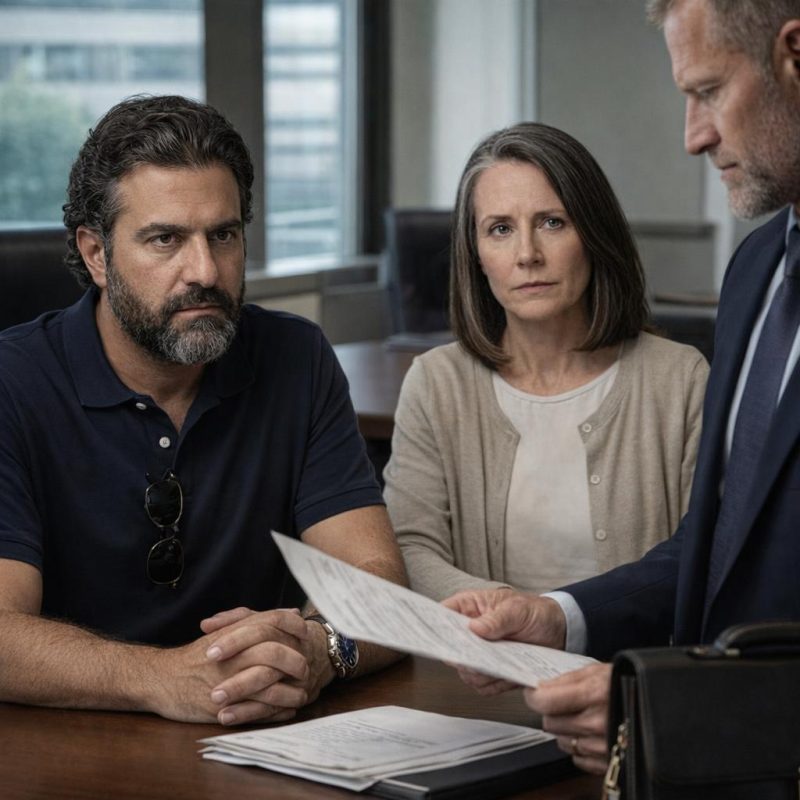 Image by RM AI
The Son Who Stole
Mr. Patterson said the name without preamble. He said Eric had been the authorized account holder on two of Martha's financial accounts — a joint checking account established years earlier for convenience, and a secondary savings account. He said the consultant had identified forty-seven separate withdrawals over a thirty-eight-month period, totaling an amount he then stated plainly, and the number was not small. He said Martha had documented each one after she discovered them. She had printed the statements. She had written the dates in her journal. She had cross-referenced them against Eric's visits. Mr. Patterson said Martha had known for more than two years before she died. She had known, and she had said nothing to Eric, and she had kept building her record. Jennifer had both hands pressed flat against her mouth. I don't think she was aware she'd done it. I sat very still, trying to absorb what I was hearing — that the man who had stood in my driveway and called me a thief, who had told the neighbors I had manipulated a confused old woman, who had made the last year of my life feel like standing trial for something I hadn't done — that man had been taking money from his own mother for years. Martha had known. Martha had watched him do it, and written it all down, and waited. I turned and looked at Eric's face, and what I saw there was not anger anymore — it was the look of someone watching the last door close.
 Image by RM AI
Years of Quiet Documentation
Mr. Patterson said Martha had been, in his professional experience, one of the most methodical clients he had ever worked with. He said she had understood from early on that documentation without corroboration was fragile, so she had built both. The financial records were one layer. The journal entries were another. But there was a third layer, he said, and he wanted us to understand the care she had taken with it. Martha had used the security system — the same one Eric had later pointed to as evidence of my supposed control over her — to record conversations that took place in her home. He said she had been advised of the legal parameters and had stayed within them. He said she had recordings spanning nearly four years. Eric had not moved in several minutes. Jennifer was crying quietly, not dramatically, just tears running down her face that she kept wiping away with the back of her hand. Mr. Patterson said Martha had anticipated that after her death, questions might be raised about her mental state and her intentions. She had anticipated that someone might claim she had been confused, or influenced, or not fully herself. So she had taken steps to make her clarity undeniable. He straightened the papers in front of him and said that among the recordings were several conversations in which Eric had told Martha directly that her accounts were in order — on dates when the consultant's records showed withdrawals had already been made.
 Image by RM AI
The Woman Who Knew
I had known Martha for eight years. I had sat with her through long afternoons and slow mornings, through doctor's appointments and bad nights and the particular loneliness that comes with being old and watching the world move on without you. I had thought I knew her well. Sitting in that office, I understood I had known her warmth, her humor, her stubbornness, her grace — but I had not known the full depth of what she was carrying. She had been living with the knowledge of what Eric was doing, and she had not fallen apart. She had not confronted him in anger or dissolved into helplessness. She had gotten quiet, and careful, and she had built something that would outlast her. Every note she had written, every statement she had printed, every date she had logged — she had done all of it alone, without telling me, without burdening me, without asking for anything except the ordinary companionship I had always been glad to give. I thought about the fireproof box in her closet. I thought about her sitting at her kitchen table with her reading glasses on, annotating bank statements in her careful hand, and then putting them away before I came over for tea. She had protected me from knowing, the same way she had protected herself from being dismissed. Eric sat across the room, silent and diminished. The woman he had underestimated had been three steps ahead of him the entire time, and the quiet weight of that felt, to me, like the truest thing I had learned about her.
 Image by RM AI
Protection, Not Manipulation
Mr. Patterson said there was one more thing he wanted to address before he moved to the specific provisions of the estate. He said Martha had left a written statement — separate from the will itself — explaining her intentions. He read it slowly. In it, Martha said she had structured her estate the way she had not out of confusion, not out of sentiment, and not because anyone had asked her to. She said she had done it because she had spent years watching someone she loved treat her home and her savings as an inheritance he was simply waiting to collect, and she had decided that was not how her life's work would end. She said she had reduced Eric's share of the estate four years earlier, after the consultant confirmed what she had already suspected, and she had not told him because she had not wanted to give him time to challenge it or obscure the record. She said she had left detailed instructions with Mr. Patterson because she had known, with certainty, that there would be a challenge after she was gone. She had known someone else might be blamed. She had tried to make sure that didn't happen. I sat with that for a long moment — the image of Martha at her kitchen table, writing that statement, thinking ahead to a room she would never sit in, trying to protect someone she cared about from a fight she knew was coming. Every choice she had made, I understood now, had been a form of shelter.
 Image by RM AI
The Recordings Martha Left
Mr. Patterson set down the written statement and reached into the folder again. He said Martha had left something else — audio recordings, made over a period of several years, stored with her estate documents and sealed with instructions that they were to be played in the event her will was formally challenged. He said she had been very specific about that condition. I watched Eric's face as Mr. Patterson said it. The color didn't drain so much as shift — something tightening around his jaw, his eyes going flat in a way I hadn't seen before. Jennifer had gone very still beside him. Mr. Patterson explained that the recordings had been made on a small digital device Martha had kept in her kitchen, and that she had dated and labeled each one herself. He said there were eleven of them in total, spanning nearly four years. He asked if anyone had an objection to proceeding. Eric said nothing. Jennifer shook her head almost imperceptibly. I folded my hands in my lap and tried to breathe steadily, because I already knew what was coming and I still wasn't ready for it. Mr. Patterson pressed play — and then I heard her voice.
 Image by RM AI
Martha's Instructions
It was exactly as I remembered it. Clear, unhurried, with that particular cadence she had when she was being deliberate about something — the way she'd sound when she was reading a recipe aloud or explaining something she wanted me to understand correctly. The recording began with Martha stating the date, her full name, and her address. Then she said she was making this record of her own free will, without anyone present, because she wanted there to be no confusion about her state of mind or her intentions. She said she was aware that her decisions regarding her estate might be questioned after her death. She said she had anticipated that. She spoke about her finances with a precision that silenced the room — specific account numbers, specific dates, specific decisions and the reasons behind each one. She described the changes she had made to her will and why she had made them. She talked about what she had observed over several years and what she had concluded from it. Eric had stopped looking at Mr. Patterson entirely. He was staring at the table, jaw set, hands flat on the surface in front of him. And then Martha's voice came through the small speaker, steady and unhurried, and she said: "I am of sound mind. I know exactly what I am doing, and I have known for some time."
 Image by RM AI
Eric's Pressure Captured
Mr. Patterson moved through the recordings methodically, noting the date of each one before he played it. The third recording was the one that changed the air in the room. It opened with Martha's voice, quieter than the others, and then a second voice — Eric's. I recognized it immediately. He was asking her about the house. Not gently. He was telling her what it was worth, what the market was doing, how much longer she expected to stay in it alone at her age. Martha's responses were measured and brief. Eric's were not. At one point he said, and I am not going to soften this, that he had been patient for a long time and that he expected things to be handled fairly when the time came. He used the word "fairly" the way people do when they mean "in my favor." There was another recording where he pushed her to sign something — she said she'd think about it, and he said there wasn't much time to think. Jennifer had her hand pressed flat against her mouth by the third recording. She wasn't looking at her brother. She was looking at the table, and her eyes were wet. Eric sat motionless. He didn't object, didn't speak, didn't move to stop it. The voice coming out of that speaker was his, and there was nothing left to say about it. I sat with the weight of hearing it — the entitlement, the pressure, the patience worn thin — and felt something in me go very quiet.
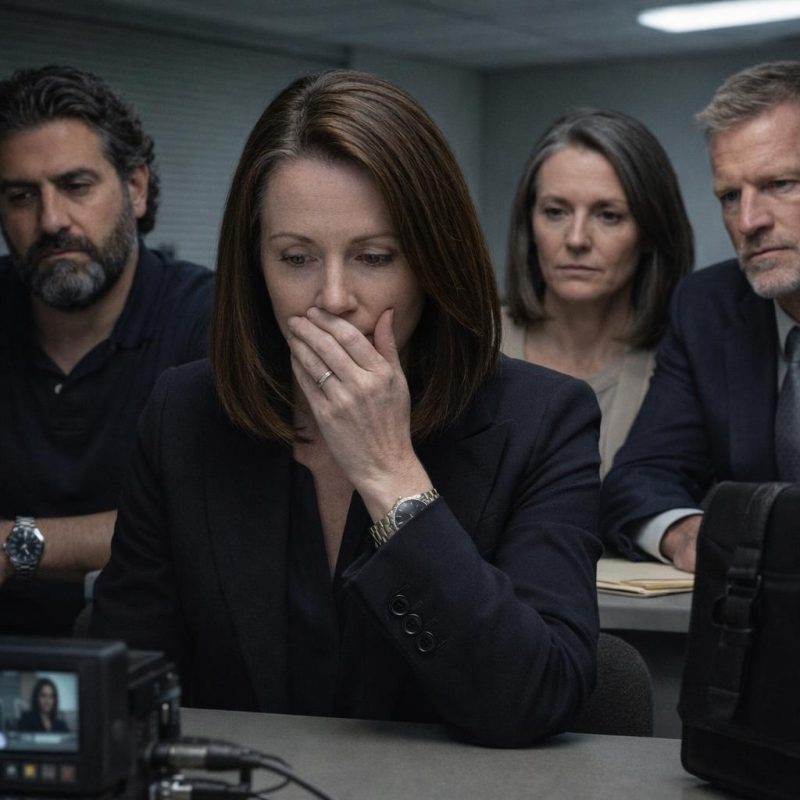 Image by RM AI
Martha's Trust
The recording Mr. Patterson played next was shorter than the others. Martha's voice was calm, almost conversational, as if she were talking to someone sitting across from her at the kitchen table. She said she wanted to address something directly, because she knew it would come up. She said there had been a woman — her neighbor, her friend — who had helped her for years without ever once asking for anything in return. She said this woman had driven her to appointments, sat with her through difficult nights, helped her manage things she could no longer manage alone, and had never made her feel like a burden for needing it. She said she had watched this woman carefully over eight years, the way you watch someone when you're trying to understand their character, and what she had seen was consistent. She said she had never been asked for money, never been pressured, never been made to feel that her friendship came with conditions. She said she trusted this woman completely, and that her decision to include her in the estate was not the result of confusion or manipulation — it was the result of eight years of paying attention. I had to press my fingers against my eyes for a moment. I had spent months defending myself against an accusation I couldn't disprove, and here was Martha, in her own voice, doing it for me. That was the gift of it — that she had thought to do it at all.
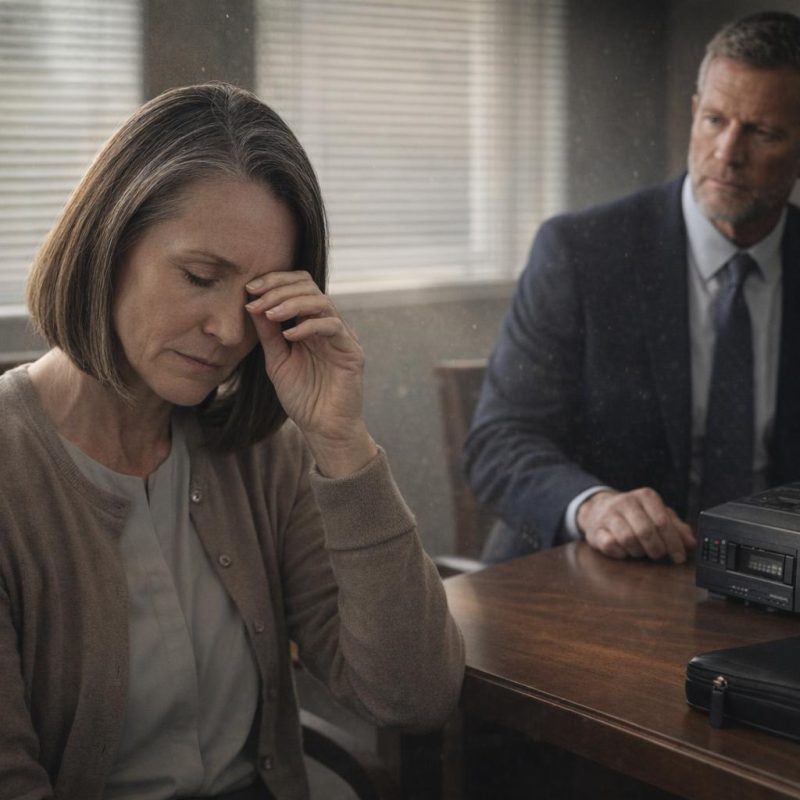 Image by RM AI
The Silence That Followed
When the last recording ended, Mr. Patterson reached over and closed the folder. The room held a silence I hadn't expected — not the tense, charged kind that comes before an argument, but something heavier and more final. Eric hadn't moved in several minutes. He was sitting with his forearms on the table, his eyes fixed on a point somewhere past Mr. Patterson's shoulder, and he looked like a man who had run out of road. Jennifer had her hands in her lap and her head slightly bowed. She wasn't crying anymore, but her face carried something I recognized — the particular exhaustion of someone who has just heard a truth they'd been half-hoping wasn't true. I didn't feel triumphant. I want to be honest about that. I felt tired, and sad, and something that was close to relief but not quite the same thing. I thought about Martha sitting alone in her kitchen with that small recorder, speaking carefully into it, knowing she wouldn't be there to see what happened next. She had done everything she could. She had left the room as tidy as she was able. The silence that settled over us felt like the last word in a very long argument — and no one had anything left to add to it.
 Image by RM AI
Martha's Foresight
Mr. Patterson let the quiet hold for a moment before he spoke again. He said he wanted to acknowledge that what Martha had prepared was unusually thorough — that in his years of practice he had rarely seen an estate documented with such care and such clear intention. He said she had thought about every contingency. I believed him. Sitting there, I could see the full shape of what she had done — not just the will, not just the recordings, but the years of quiet observation, the careful documentation, the instructions left with someone she trusted to carry them out. She had known Eric. She had known what he was capable of, and she had built something he couldn't dismantle. There was a grief in that, too, alongside everything else — the grief of understanding how long she had been carrying this, how much of her careful energy had gone into protecting what she'd built from someone who should have been protecting it with her. Jennifer asked Mr. Patterson a quiet question about the timeline, and he answered her in the same measured tone he'd used all morning. Eric said nothing. I was still thinking about Martha when Mr. Patterson reached into the folder one more time and slid a sealed envelope across the table toward me. My name was written on the front in Martha's handwriting.
 Image by RM AI
The Reduced Inheritance
I held the envelope in both hands and didn't open it yet. Mr. Patterson said he would give me time with it privately, but first he wanted to finish walking through the estate provisions so that everything was on the record. He turned to a section near the back of the document and explained that Martha had formally amended her will three years earlier — not two, not four, but three years ago, in the spring, approximately six weeks after she had received the consultant's final report confirming the unauthorized withdrawals from her accounts. He read the amendment language carefully. The reduction to Eric's share had been precise and documented, with Martha's written rationale attached. Mr. Patterson said the amount removed from Eric's designated portion corresponded, to within a few hundred dollars, to the total sum identified in the consultant's report as having been taken without authorization. He set the page down and looked up. Eric's hands, which had been flat on the table all morning, curled slowly inward. The figure Mr. Patterson had just read aloud — the amount stripped from Eric's inheritance — matched the amount the consultant had documented as stolen.
 Image by RM AI
The Reassignment
Mr. Patterson continued. He said that when Martha had restructured the estate, she had not reduced the overall amount designated for her children as a whole. Jennifer's portion had remained exactly as it had been in the original will — unchanged, untouched. What Martha had done was take the amount she had removed from Eric's share and redirect it. She had moved it deliberately, with documentation, into the bequest she left for me. Mr. Patterson said this clearly and without editorializing, the way he said everything. I sat with it for a moment, turning it over. I had spent months feeling like I had taken something from Martha's family — like my presence in her life had cost her children something that should have been theirs. But that wasn't what had happened. Jennifer hadn't lost a dollar. The family hadn't lost anything. What Martha had done was take back what had been taken from her and put it somewhere she trusted. I hadn't displaced anyone. The money Eric would have accused me of stealing had already been stolen — by him — and Martha had simply moved it out of his reach and into mine. The bequest wasn't taken from her family. It was taken from the thief.
 Image by RM AI
The Collapse
Mr. Patterson laid the documentation on the table in a neat stack and walked Eric through it piece by piece. The altered account transfers. The dates. The amounts. The paper trail that Martha had quietly assembled over the final years of her life, with the help of an attorney who had known her for decades and had followed her instructions to the letter. I watched Eric's face as each page landed. He had come into that office with the posture of a man who expected to win — shoulders back, jaw set, a folder of his own tucked under his arm. By the third document, the folder was on the table and his hands were in his lap. Jennifer sat across from him and said nothing, but at some point she shifted her chair — just slightly, just enough — so that she was no longer quite beside him. She didn't look at him after that. Mr. Patterson confirmed it plainly: the will was valid, the documentation was thorough, and there were no grounds for a legal challenge. He said it the way he said everything — without drama, without satisfaction, just the facts arranged in order. Eric didn't argue. He didn't ask questions. He didn't try to reframe anything or redirect the conversation. He picked up his folder, pushed back his chair, and walked out of the office without saying a word.
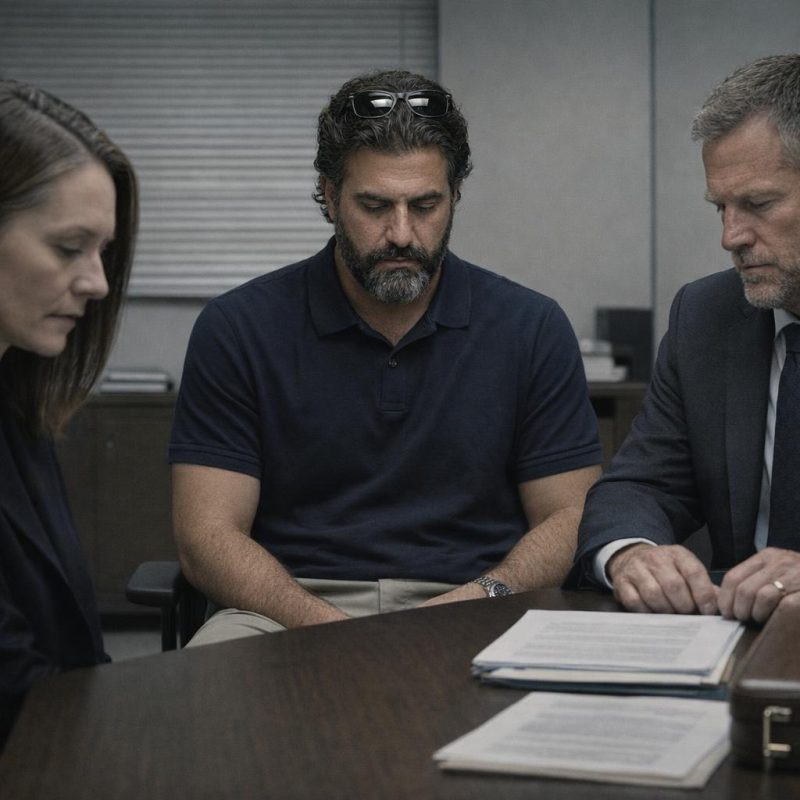 Image by RM AI
The Apologies
Word travels fast in a neighborhood where people have lived side by side for twenty or thirty years. Within a week of the meeting at Mr. Patterson's office, I started noticing the change. The way people made eye contact again when I walked to the mailbox. The way Mrs. Chen appeared at my fence one afternoon with a plate of almond cookies and a look on her face that I recognized immediately — the look of someone who has been carrying something they need to put down. She said she was sorry. She said she had heard things and believed them without asking me, and that she was ashamed of herself for it. I told her I understood, and I meant it. Diane came over that same week and sat at my kitchen table for two hours. She said she had never fully believed it, but she had let the doubt in, and she was sorry for the distance it had created between us. I reached across the table and squeezed her hand. I wasn't going to pretend the months hadn't been lonely, because they had been. But I also wasn't going to hold it over her. The apologies kept coming — a card in the mailbox, a wave that lasted a beat longer than usual, a neighbor stopping me on the sidewalk to say they'd heard what really happened. Each one mattered. Not because I needed to be vindicated in front of everyone, but because there is something quietly profound about being seen clearly again after so long of being misread.
 Image by RM AI
Why They Believed
A few days after Diane's visit, she came back. This time she stayed longer, and we talked the way we used to — honestly, without the careful politeness that had crept in during the worst of it. She told me that when Eric had first started talking, his story had been specific. He had named dates. He had described conversations he claimed to have witnessed. He had used the word 'manipulation' the way people use it when they want to make something ordinary sound sinister — slowly, carefully, with just enough detail to make you wonder. Diane said she had told herself she was just keeping an open mind. I nodded. I understood that. An open mind sounds like fairness, and fairness sounds like the right thing. What she hadn't accounted for, she said, was that keeping an open mind about a lie still gives the lie room to breathe. I didn't say anything for a moment. I looked out the window at Martha's house, quiet now, the garden a little overgrown. I thought about how easy it is to doubt someone who gives freely, because the giving itself looks suspicious to people who can't imagine doing it without wanting something in return. I wasn't angry at Diane. I wasn't angry at any of them, not really. Doubt is easier than faith — it asks less of you, and it protects you from being wrong. I had learned that much from all of this, and I held it without bitterness.
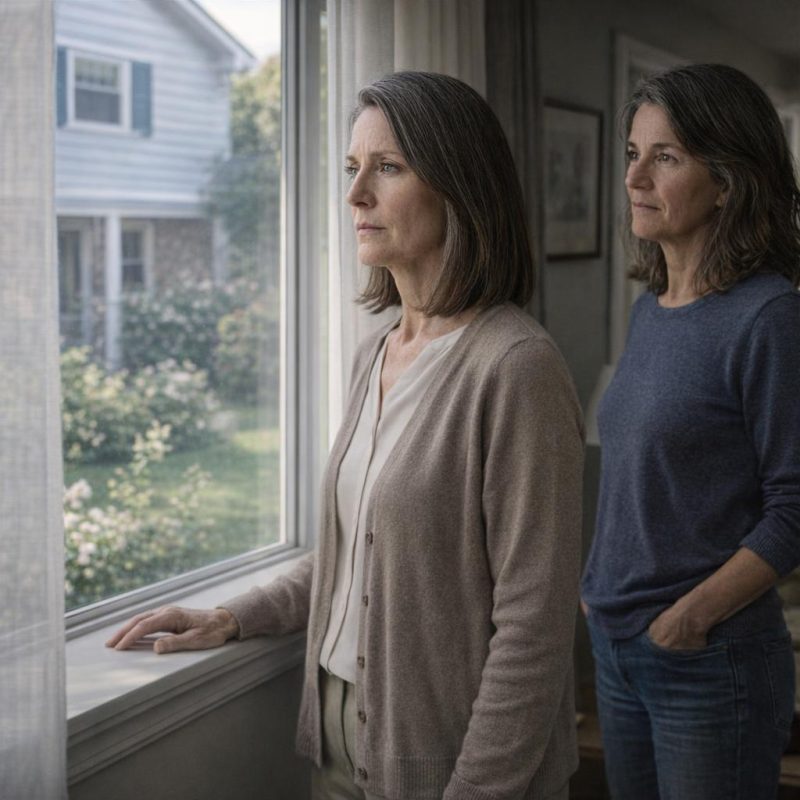 Image by RM AI
What Kindness Means
Martha had left a personal letter with Mr. Patterson, separate from the legal documents, to be given to me after everything was settled. I had been carrying it in my cardigan pocket for three days before I finally sat down at the kitchen table one morning with a cup of tea and read it all the way through. Her handwriting was careful and a little uneven — she had written it in the last year, when her hands had started to tremble — but every word was deliberate. She wrote about the morning I had shown up with soup when she hadn't asked for it. She wrote about the years of small things — the rides to appointments, the evenings watching old films, the way I had never once made her feel like a burden. She said she had watched people disappear from her life as she got older, one by one, and that she had stopped expecting anyone to stay. Then she wrote the line I keep coming back to. She said that kindness is easiest to doubt when someone cannot imagine giving it freely. She wasn't writing about Eric by name. She didn't need to. She was writing about something she had understood for a long time — that the people who look for a motive behind every generous act are usually the ones who have never given without wanting something back. I folded the letter carefully and set it on the table beside my tea. The morning light came through the window and settled across the page.
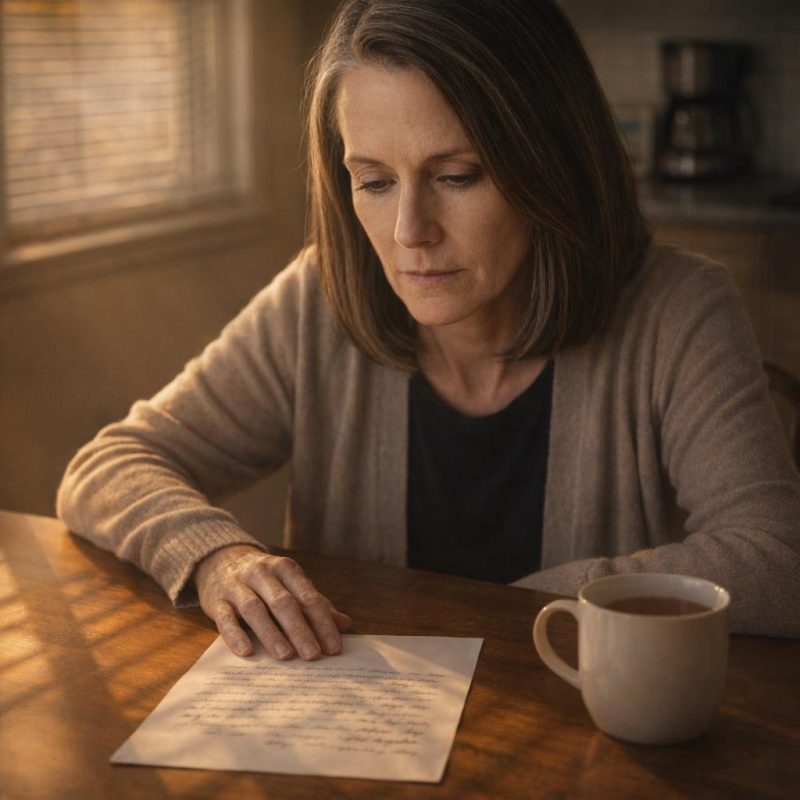 Image by RM AI