
Fix Your Fit
Shopping for bras ranks somewhere between frustrating and soul-crushing for most women. You try on several options, hate them all, then buy one out of desperation. There's a smarter approach! Understanding what your body needs turns chaotic guessing into informed decisions, so let's dive into how to tell you need a new option (and how you can find it).

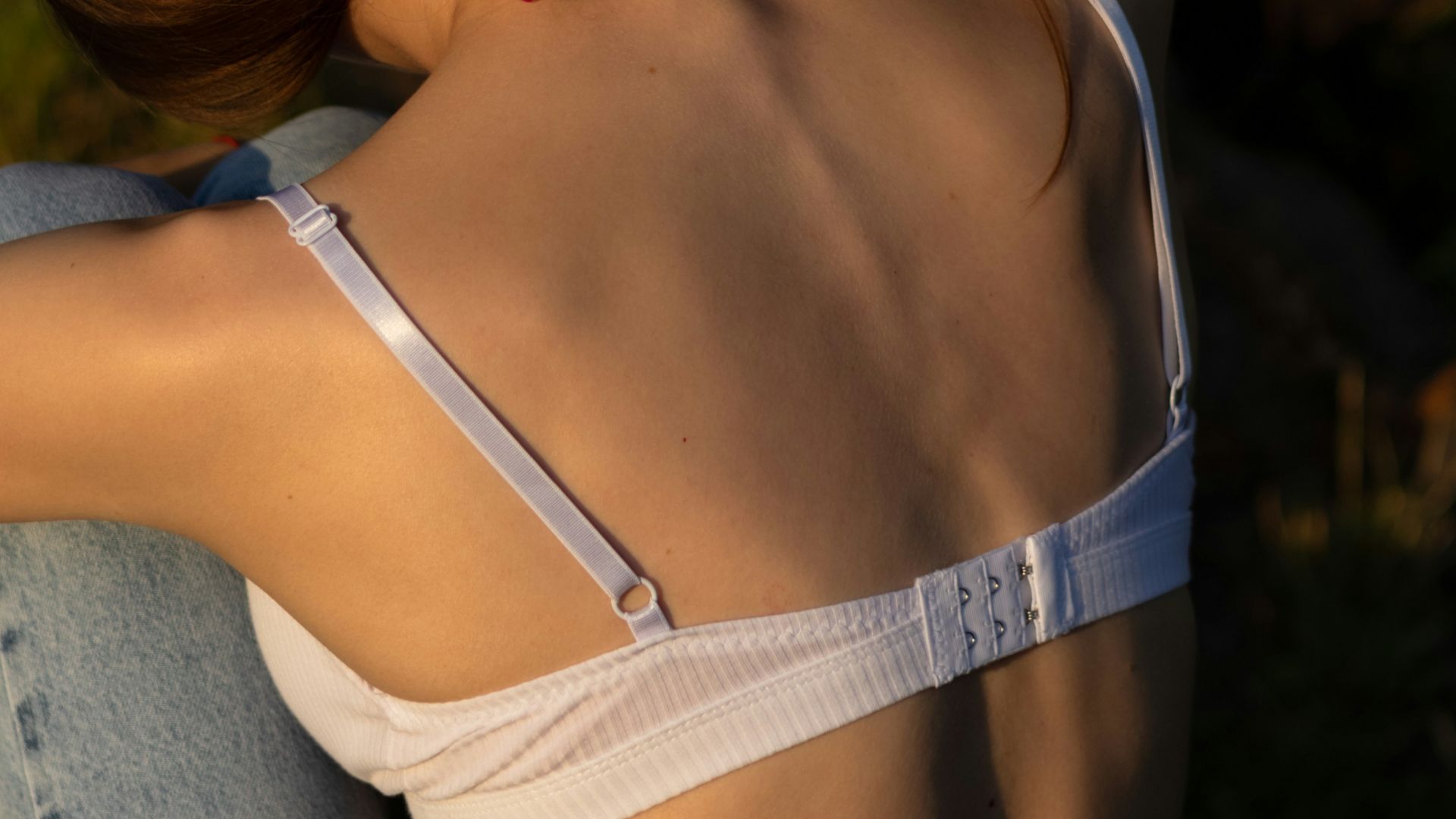
1. Straps Digging Into Shoulders
Those angry red grooves on your shoulders aren't badges of honor—they're distress signals. When straps cut into your skin, it's actually your band crying for help, not your straps working overtime. Those deep impressions can cause shoulder pain and even nerve compression.

2. Band Riding Up Your Back
Picture your bra band creeping up your spine like it's trying to escape. This is a sign that your band size is too generous. The physics are simple: a loose band shifts all that weight onto your straps, creating a cascade of discomfort.
3. Cups Causing Spillage
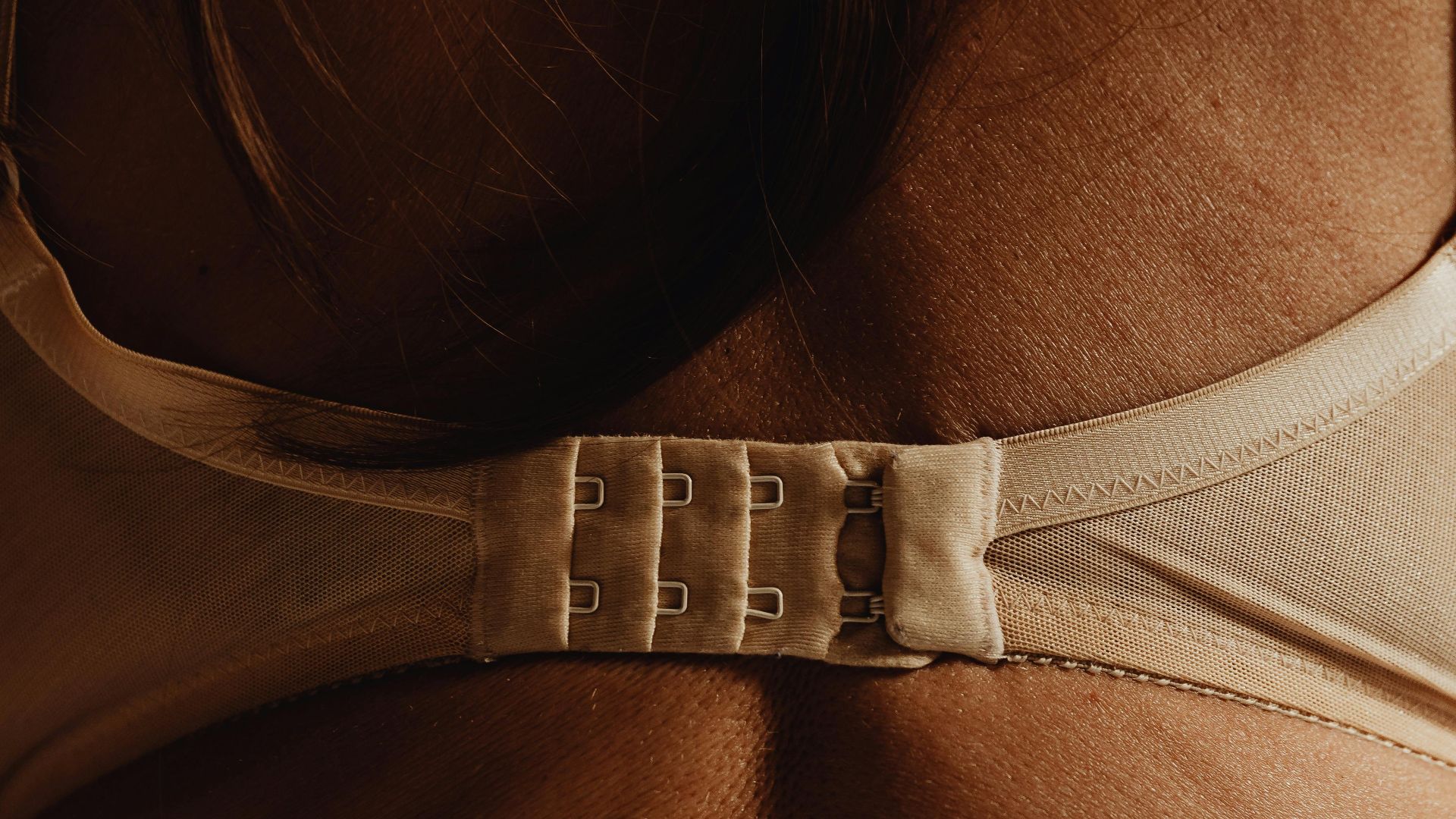
It's that unfortunate double-busting effect where chest tissue spills dramatically over cup edges, creating four distinct mounds instead of two smooth curves. This overflow tends to distort your natural silhouette and completely ruin clothing lines.
4. Gaping or Empty Cups
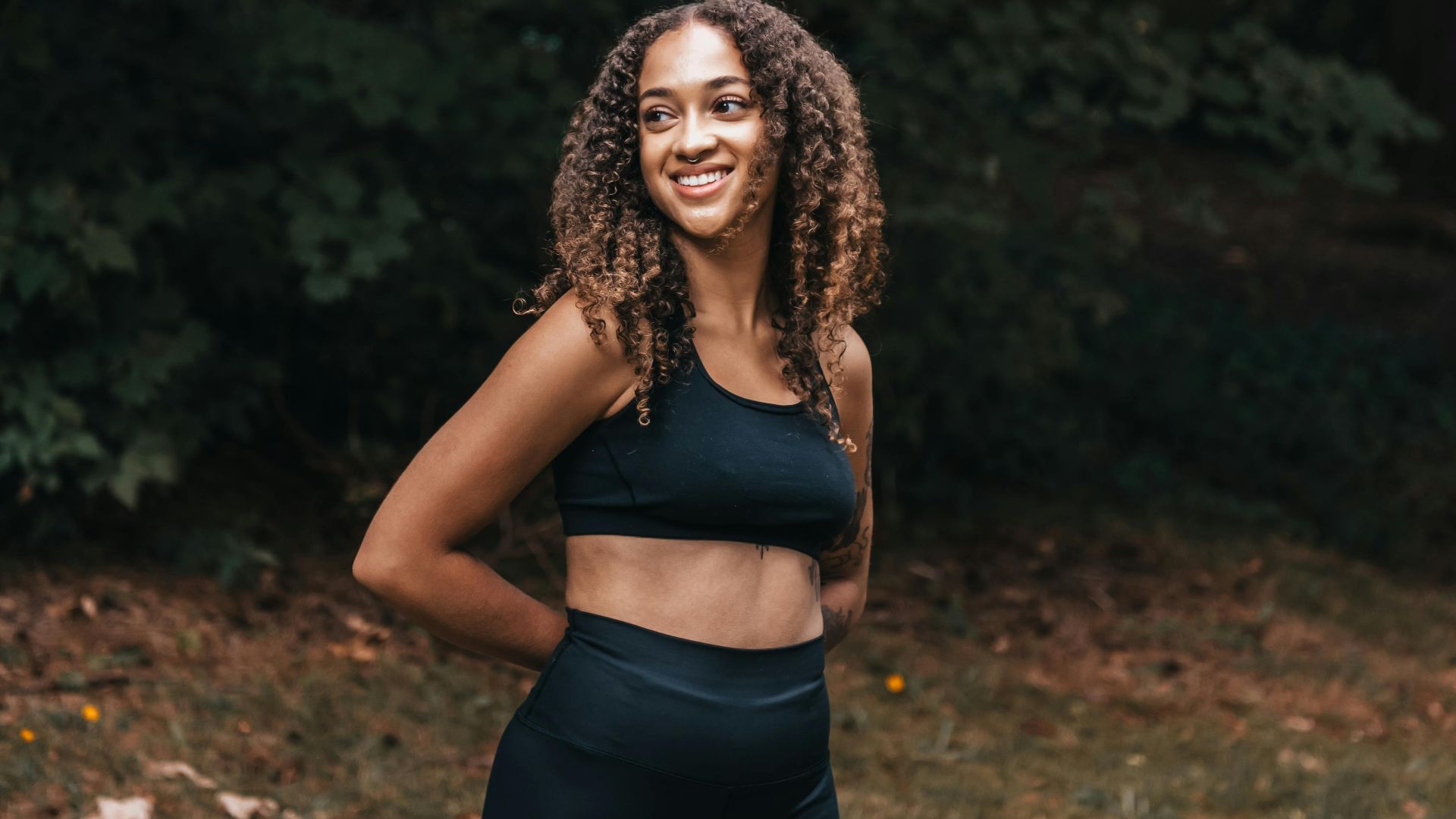
Those sad, wrinkled cups standing away from your chest tell a story—one where volume doesn't match expectation. Often, this gaping happens when you've overtightened your straps in desperation, actually pulling the cups away from your body rather than securing them closer.

5. Underwire Poking
That jabbing sensation is screaming that either your cup or band size has gone rogue. Underwire should rest flat against your ribcage, gently encircling the area without actually touching it. When positioned correctly, you shouldn't feel it at all.

6. Constantly Slipping Straps
If you're constantly hitching up fallen straps, the culprit is usually a band that's too big or straps adjusted too loosely. The sweet spot? Straps should allow exactly one finger to slide underneath comfortably, no more, no less.

7. Pain From Poor Support
Your spine doesn't lie—when your bra fails at its primary job, your entire posture pays the price. Poor support forces your body to compensate, straining muscles in your neck and back to carry weight that should be distributed properly across your torso.

8. Red Marks or Skin Irritation
Think of red marks as your skin's SOS message written in angry welts. Excessive pressure from bands or straps that squeeze too tightly leaves these telltale impressions, and sensitive skin responds with bruising or itching from constant friction.

9. Bulges or Uneven Silhouette
Unflattering bulges often result from bands or cups cutting mercilessly into tissue rather than supporting it. This creates choppy, uneven lines under fitted clothing that have nothing to do with your actual shape.
10. Difficulty Breathing
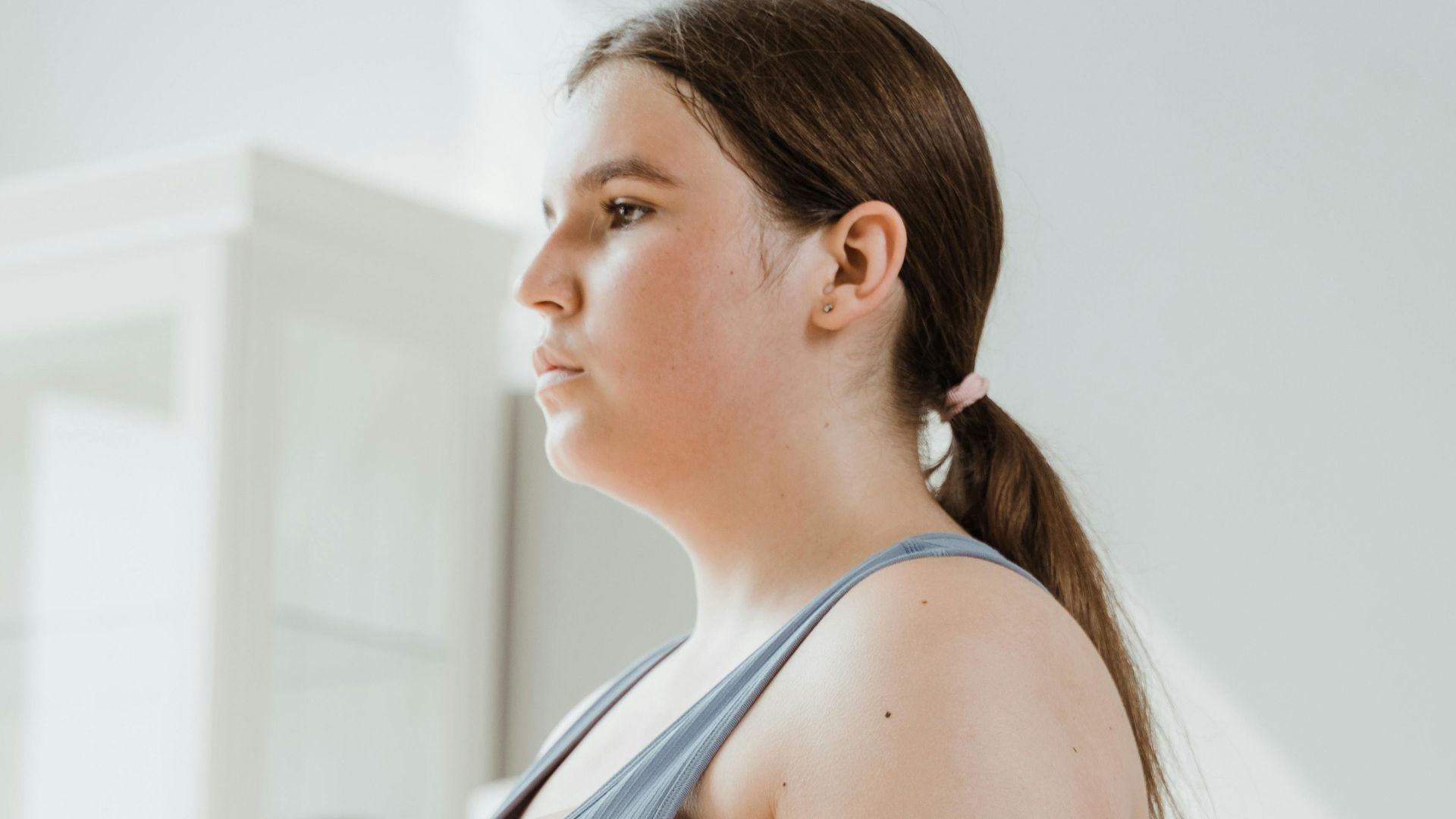
When your band turns into a boa constrictor, restricting ribcage expansion with each inhale, you've crossed from discomfort into medical territory. This shortness of breath—medically termed dyspnea from external compression—happens when bands squeeze too tightly, limiting your lungs' natural movement.

It may look like a nightmare, but bra shopping doesn't have to be painful! Time to find what actually works, and how.
1. Get Professionally Measured
More women wear the wrong bra size than the right one, but professional fittings dramatically reduce this risk. Trained fitters assess your posture and shape alongside raw numbers, understanding that bodies are three-dimensional puzzles, not simple equations.

2. Use Online Bra Size Calculators
Technology meets lingerie in the digital age, where calculators estimate your size using bust and underbust measurements you provide. The catch? These tools often suggest multiple sizes because brand variations make sizing far from universal, meaning your "correct" size depends partly on who's manufacturing.

3. Try Sister Sizes
Sister sizing sounds mystical, but it's pure mathematics—adjusting band and cup proportionally so that 34C becomes essentially equivalent to 32D. This technique rescues shopping trips when your true size is frustratingly out of stock, offering alternatives that maintain overall fit.

4. Test Different Brands
Here's an uncomfortable truth: bra sizing isn't standardized across brands, making your perfect size a moving target depending on the manufacturer. European versus US sizing systems differ fundamentally in cup labeling, adding another layer of confusion to an already complicated process.

5. Rotate Between Styles
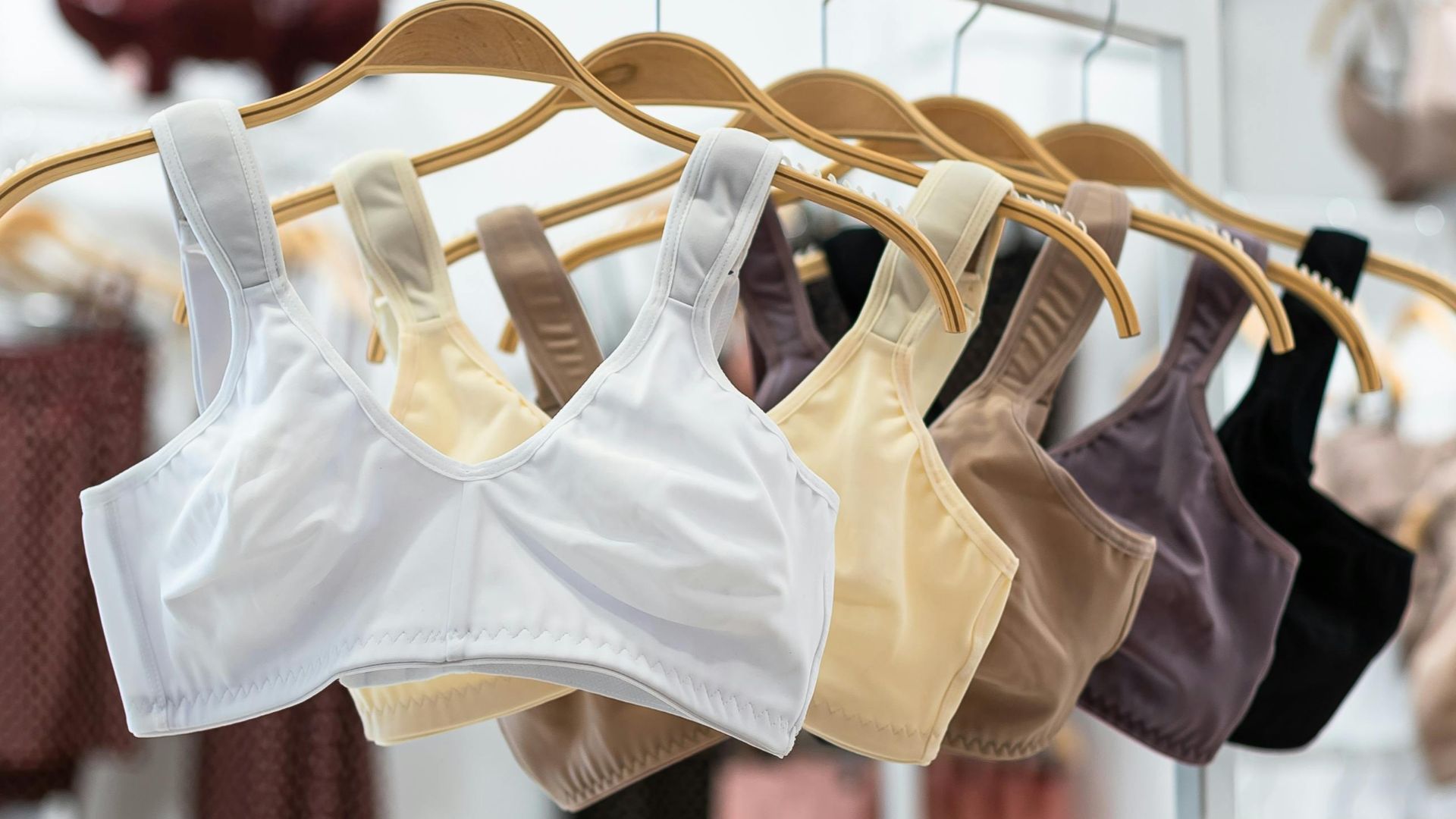
Rotating bras prevents elastic overstretching, extending the lifespan of each piece by giving fibers time to recover between wears. Different styles suit different activities—what supports you through a workday differs drastically from what you need for sports or an evening out.
6. Read Verified Customer Reviews
Before clicking "add to cart," dive into the review section. Real-world fit and comfort insights from actual wearers often reveal truths that product descriptions conveniently omit. Verified reviews carry extra weight because they reduce the risk of fake feedback planted by brands.

7. Evaluate Strap Support
Proper strap tension allows exactly one finger to slide underneath comfortably. Remember: straps balance the equation but shouldn't carry the majority of weight. Racerback straps emerged specifically to solve slipping issues during sports.

8. Choose Bras Based on Outfit Needs
Your wardrobe demands a bra selection. For example, strapless designs prevent visible straps under off-shoulder outfits, while plunge bras accommodate deep necklines without peeking out. Sports bras serve the function of reducing bounce during exercise, protecting delicate tissue from repetitive strain.

9. Prioritize Fabric and Breathability
Cotton and mesh fabrics improve ventilation, letting your skin breathe instead of marinating in trapped moisture. Synthetic fabrics often trap sweat against your skin, creating perfect conditions for irritation, chafing, and unpleasant odors. Breathable materials reduce these risks significantly.
 Maryia Plashchynskaya on Pexels
10. Invest in Adjustable Features
Multi-hook bands offer flexibility in tightness as your body changes or as the elastic naturally relaxes over time. Convertible straps adapt to different outfits, going from traditional to racerback or even strapless configurations depending on what you're wearing.