Comfort That Still Looks Cute
Some boots are gorgeous to look at, but that’s about as far as they should get. There are many boots out there that don’t get the job done like they should, whether it be their lack of support, the height of their heel, or the general fit of the shoe. A good boot should feel supportive and work for just about any kind of weather. To figure out what boots are a yay and which are a nay, read on.
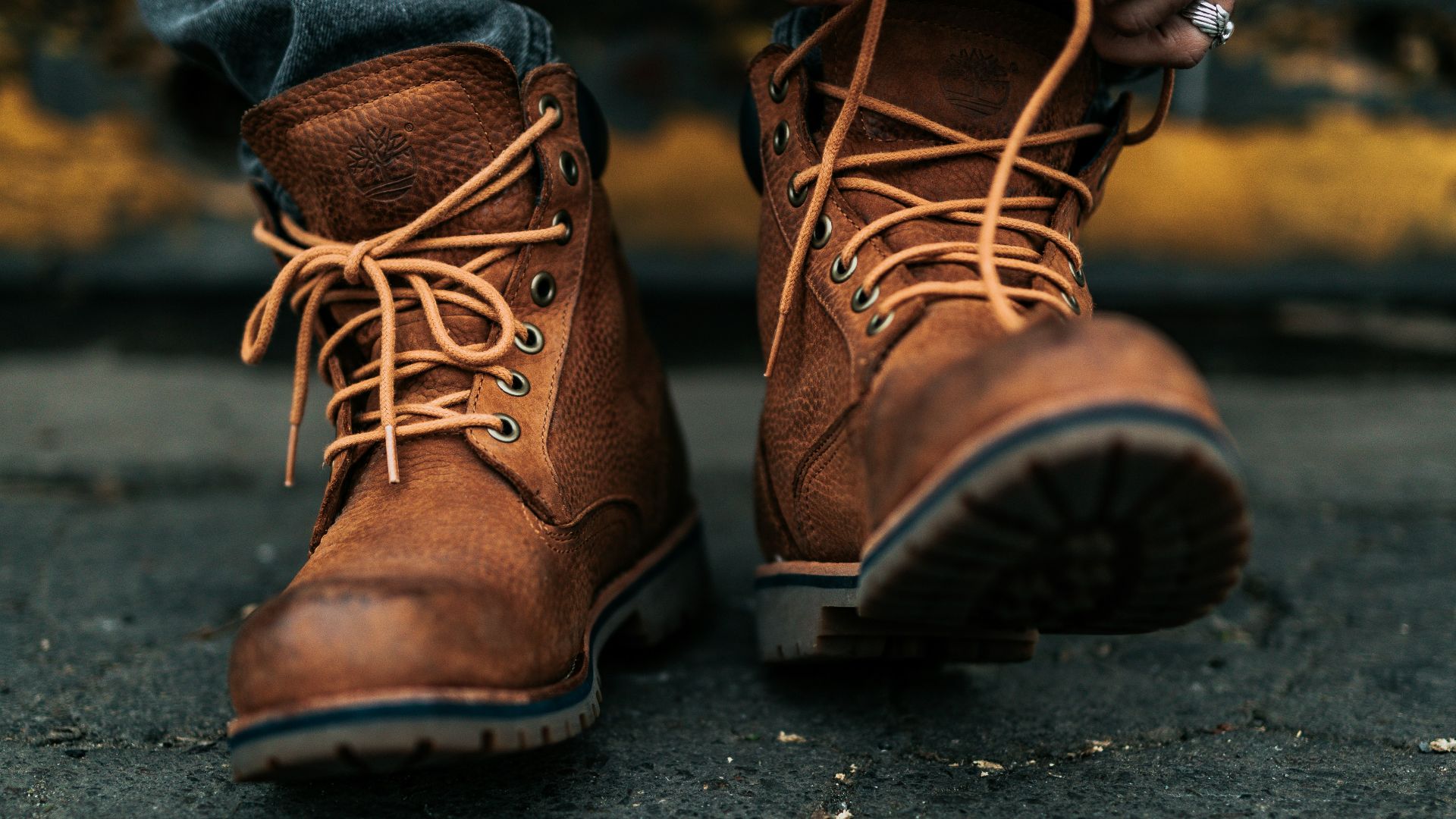
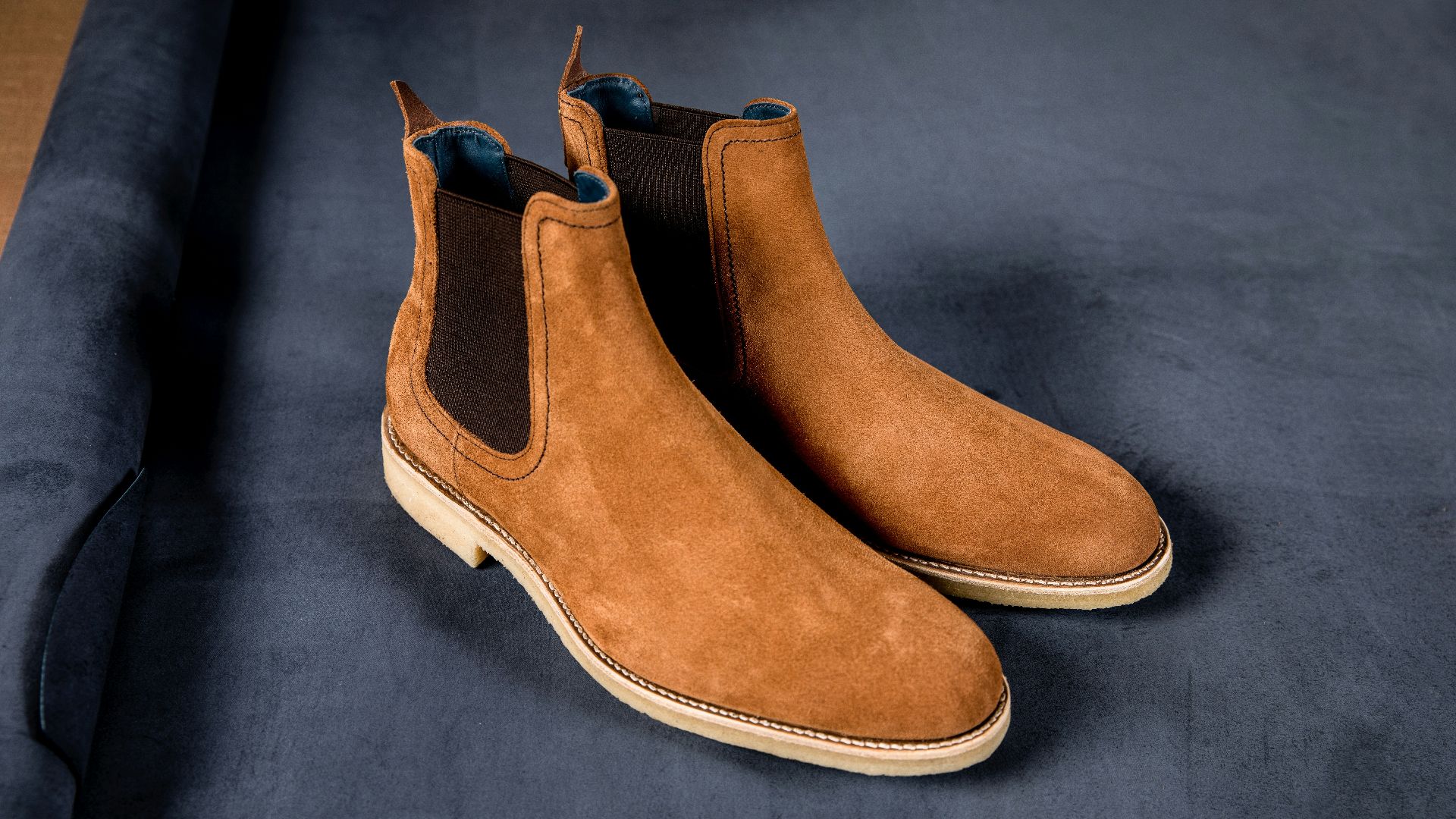
1. Chelsea Boots
Chelsea boots are easy on, easy off, and they don’t make you wrestle with laces at the worst possible time. The elastic sides flex as you walk, which helps reduce rubbing and pressure across the top of your foot. Choose a pair with a cushy footbed and a grippy sole, and you’ll never wear another pair of boots again.
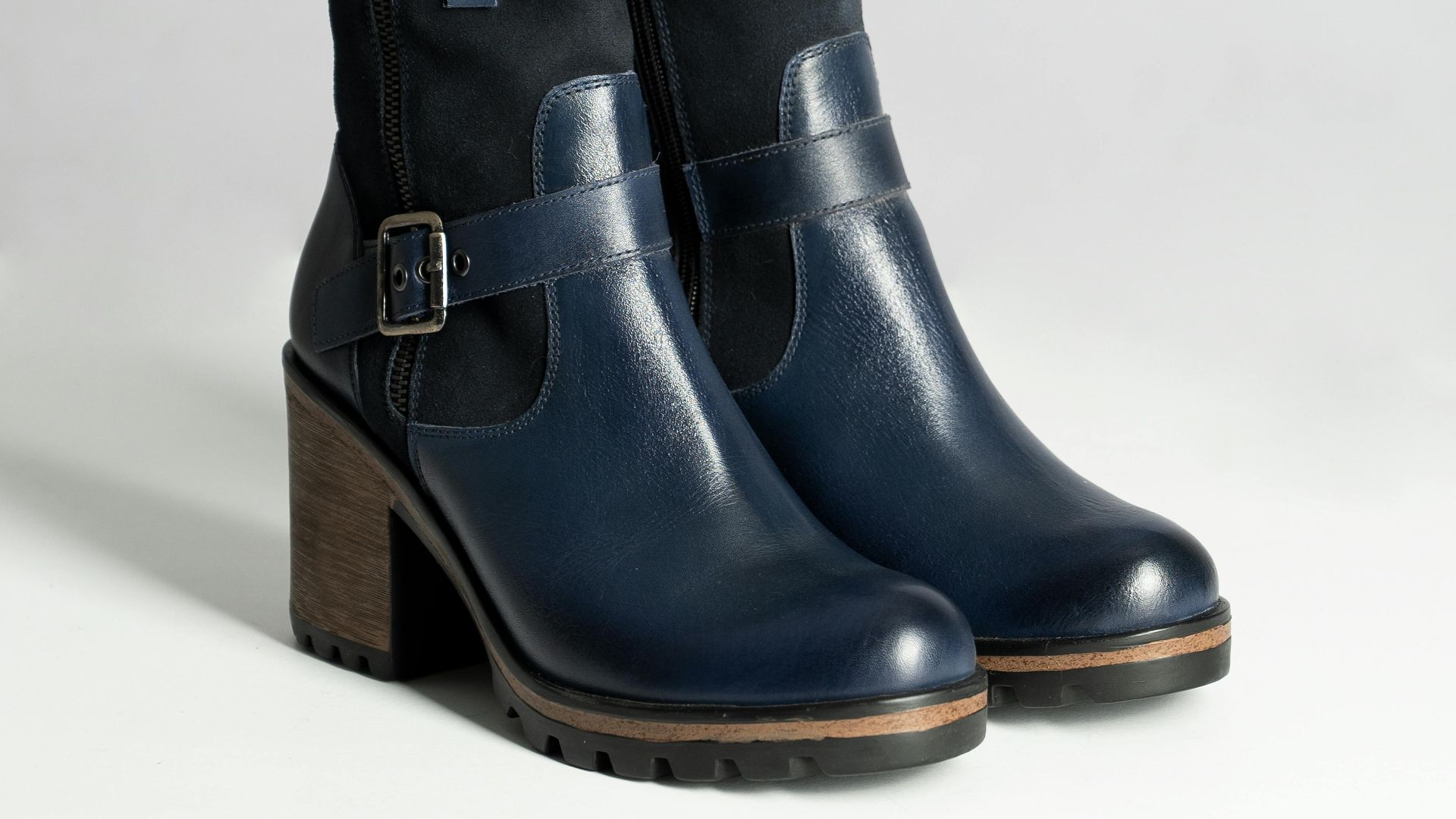
2. Lug-Sole Ankle Boots
If you want comfort with a little attitude, lug soles are your friend. The chunky tread adds traction and often comes with a slightly thicker platform that softens the impact of walking on hard sidewalks. They look bold, but they feel surprisingly steady.
 José Martin Segura Benites on Pexels
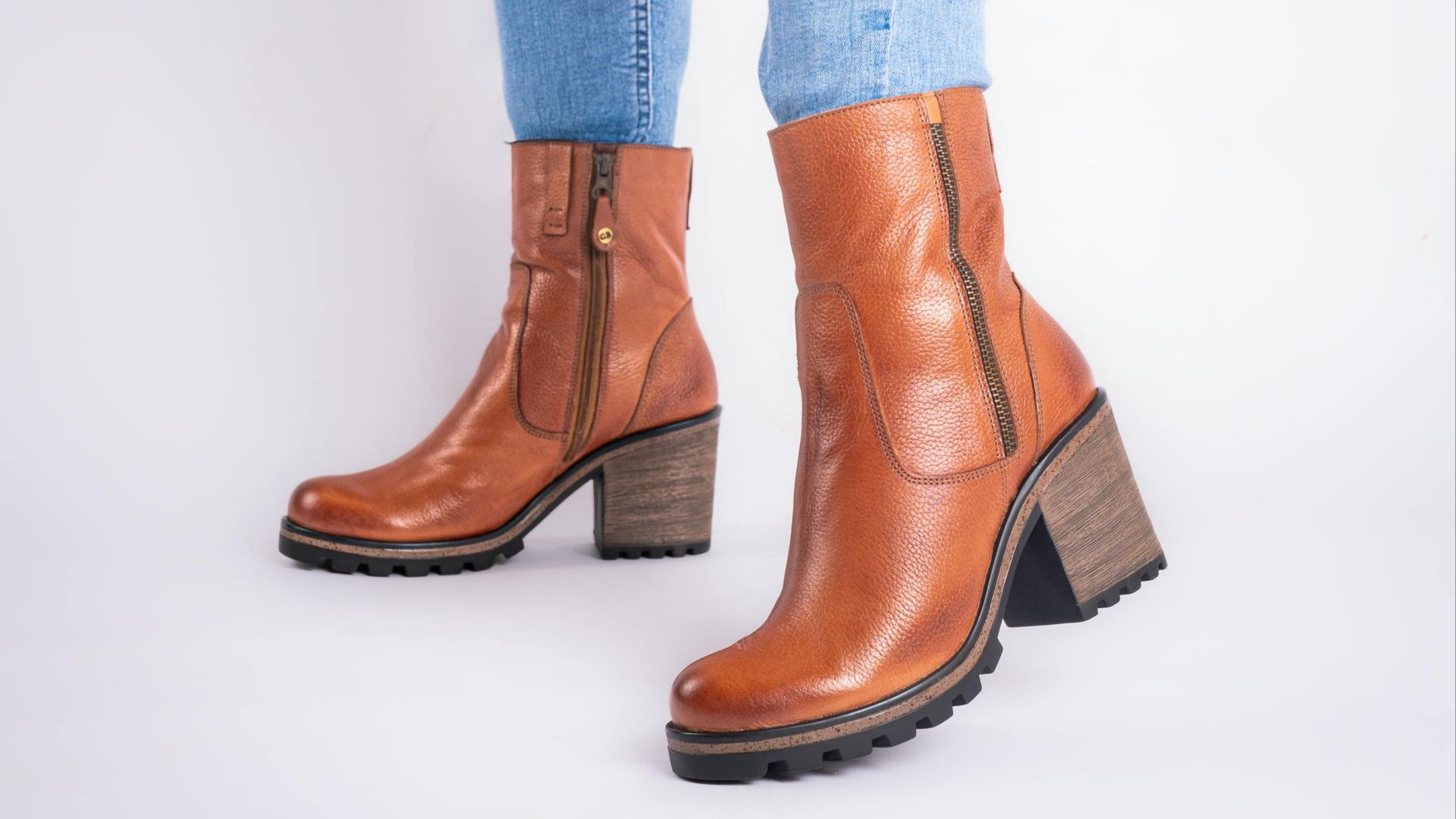
3. Zip-Up Booties
Side zips make booties feel instantly more practical, especially when you’re trying to get out the door in a hurry. A zip closure can also give you a more precise fit around the ankle, so your foot isn’t sliding around inside. Pick a pair with a rounded toe and a flexible outsole for all-day ease.
 José Martin Segura Benites on Pexels
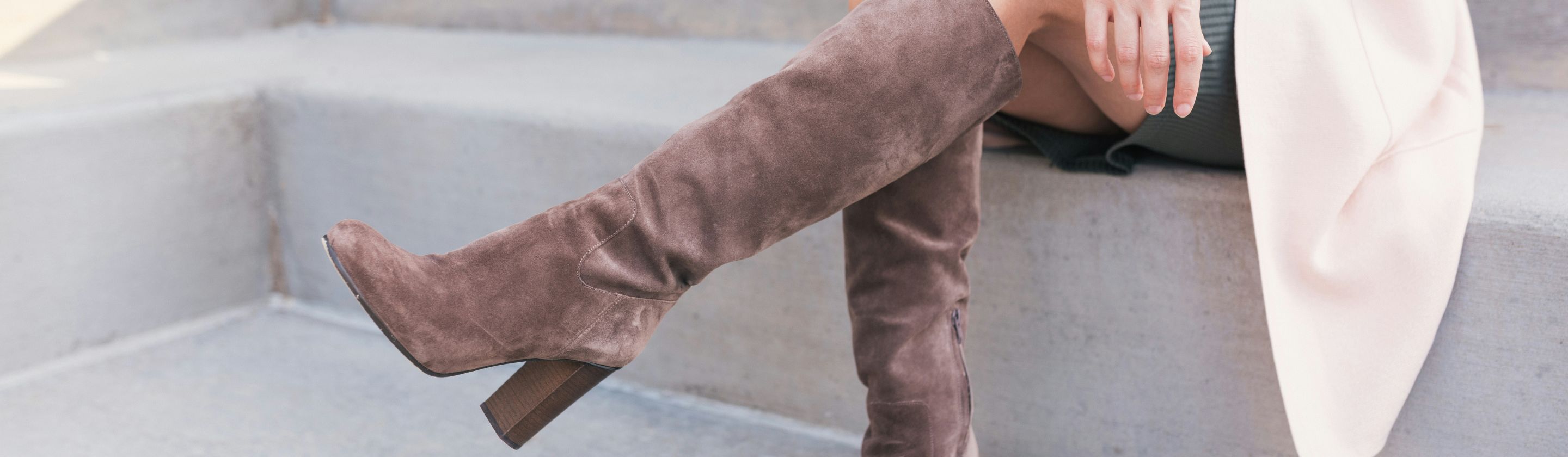
4. Wide-Calf Knee Boots
Knee-high boots can be super comfortable when they actually fit your legs instead of fighting them. Wide-calf options give you breathing room, which means less pinching and fewer weird pressure points. Look for a pair with a lower heel and a soft lining so they feel cozy, not restrictive.
 José Martin Segura Benites on Pexels
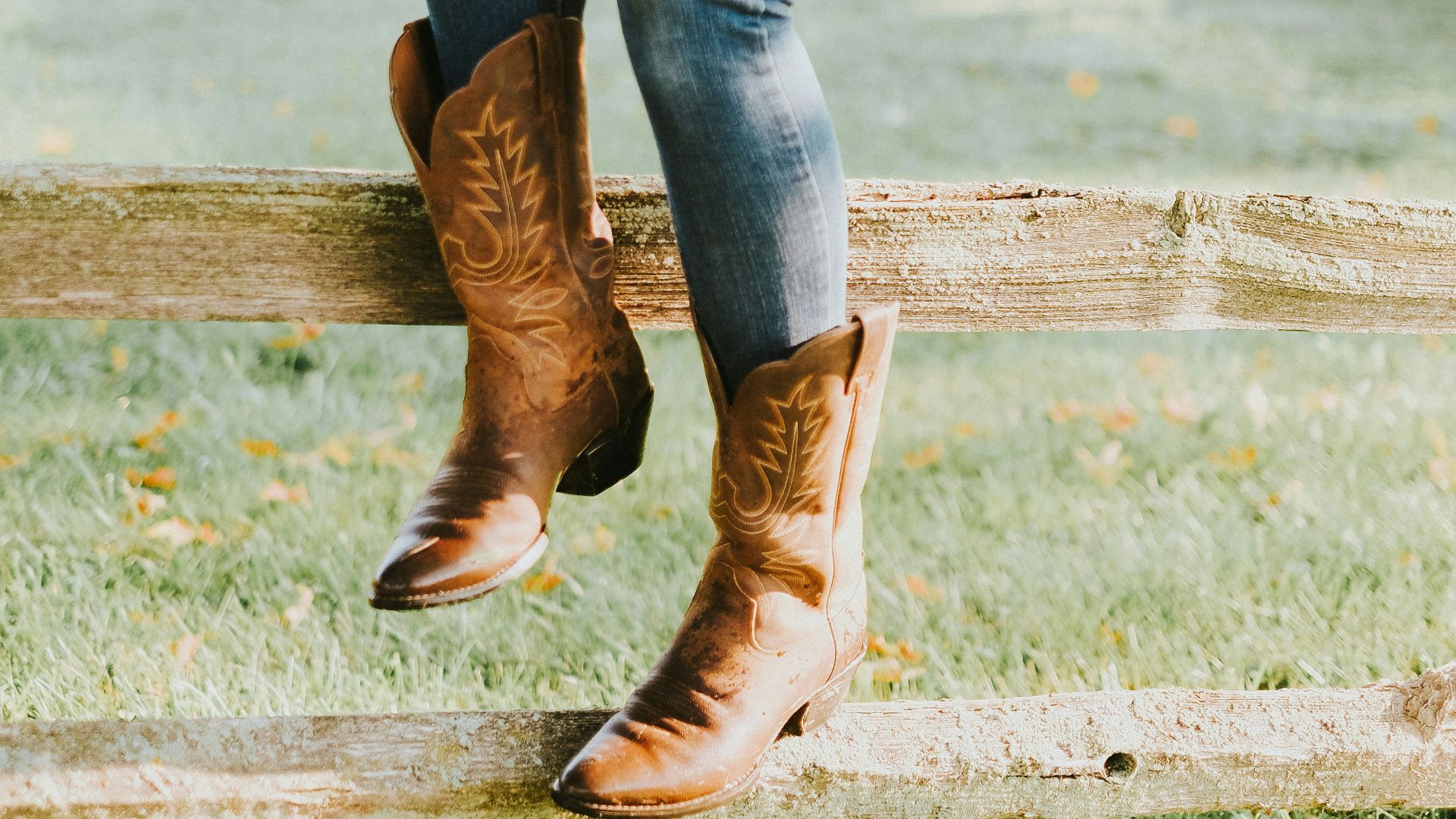
5. Low-Heel Western Boots
Western boots aren’t just cute, they’re often built for walking, which is exactly what you want. A low, stacked heel tends to feel more stable than a skinny heel, and the toe box is usually roomy enough to avoid that cramped feeling. They’re the kind of boots you can wear for hours and not feel a thing.
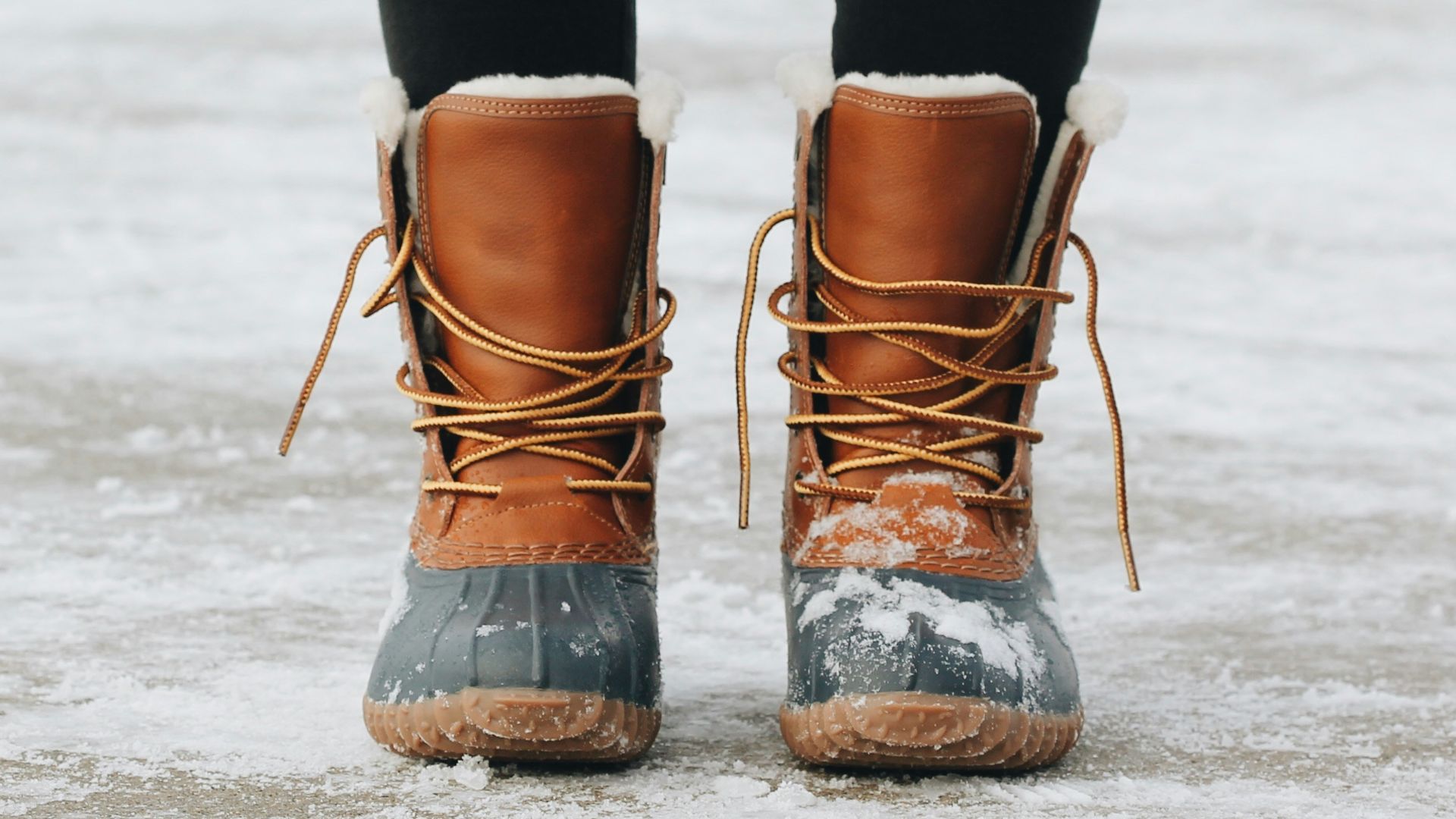
6. Waterproof Snow Boots
Snow boots get a bad rap for being clunky, but the right pair can feel like a warm hug for your feet. Waterproof uppers keep slush out, and insulated linings help you stay comfortable without stacking five pairs of socks. A good tread pattern also keeps you from doing that tiny, nervous ice shuffle.
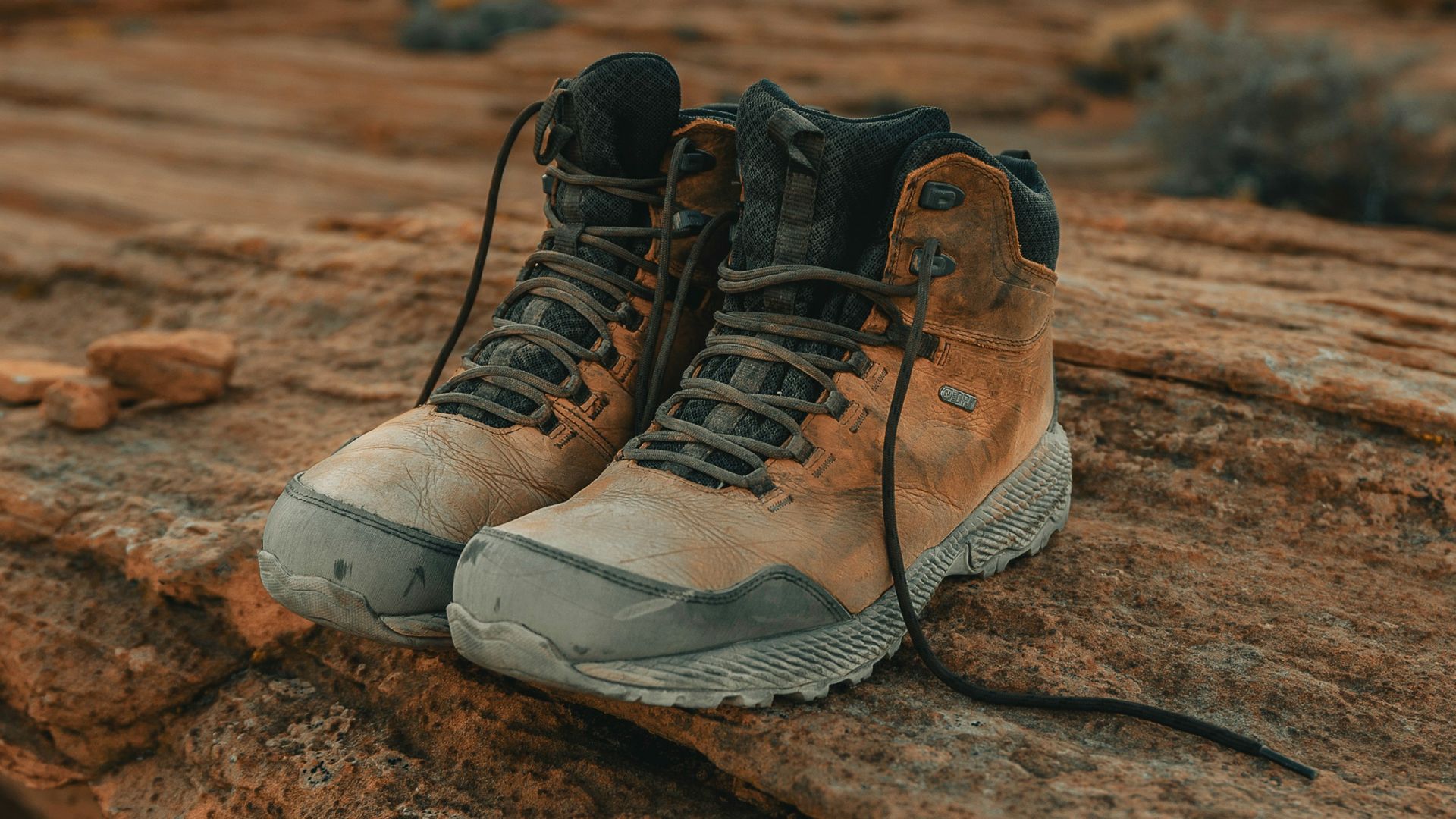
7. Hiking-Inspired Boots
Hiking-style boots are basically comfort engineered into a cute package. Many come with supportive midsoles, ankle padding, and serious traction, which makes them great for long walks and busy days. They pair surprisingly well with casual outfits, especially when you lean into that outdoorsy-chic vibe.
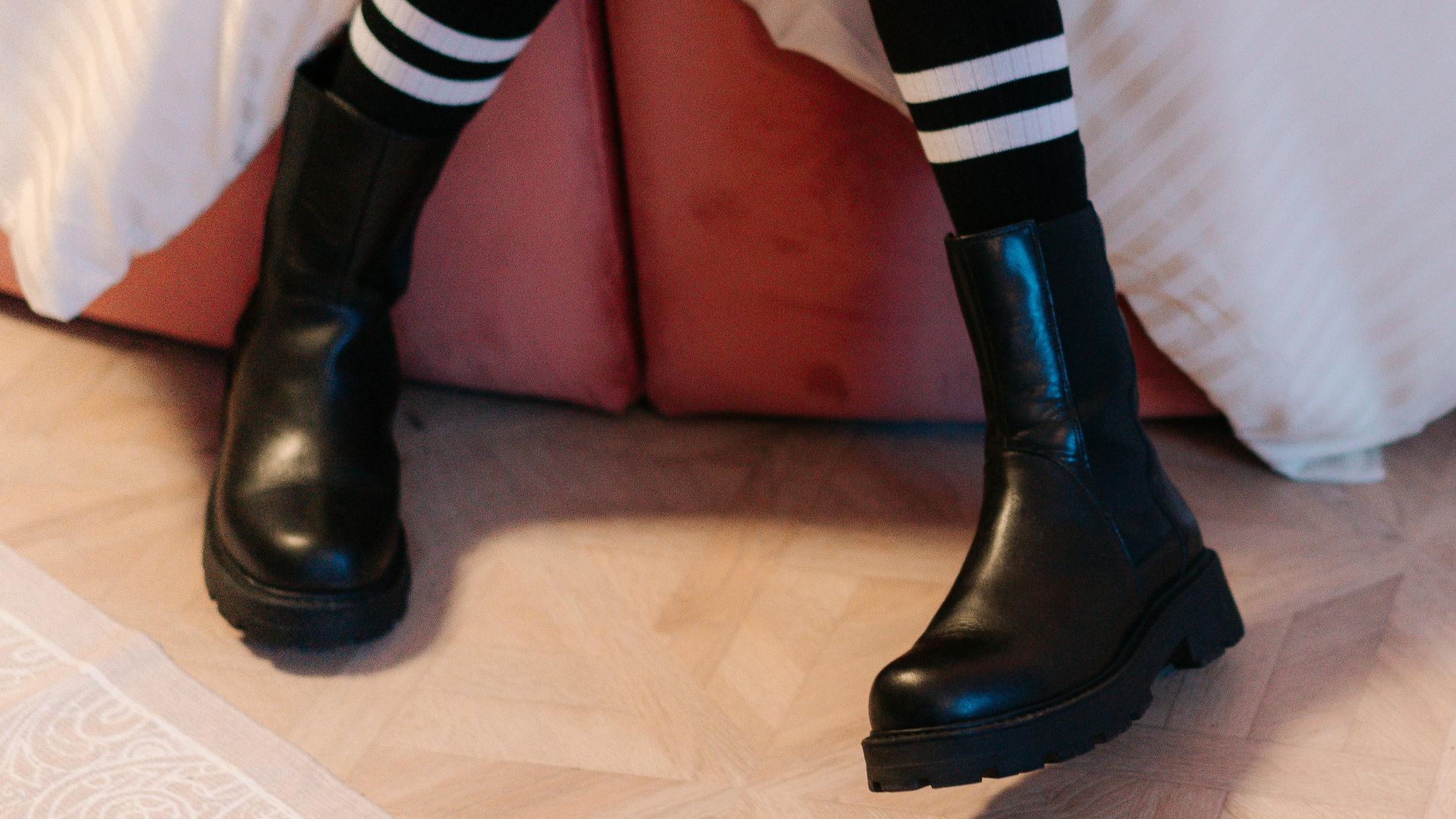
8. Stretch Sock Boots
Sock boots feel snug in the best way, like your boot is gently hugging your ankle instead of rubbing it raw. The stretchy upper can adapt to your shape, which helps reduce pressure points and awkward gapping. Keep the heel low or opt for a block heel, and you’ve got comfort with a sleek silhouette.
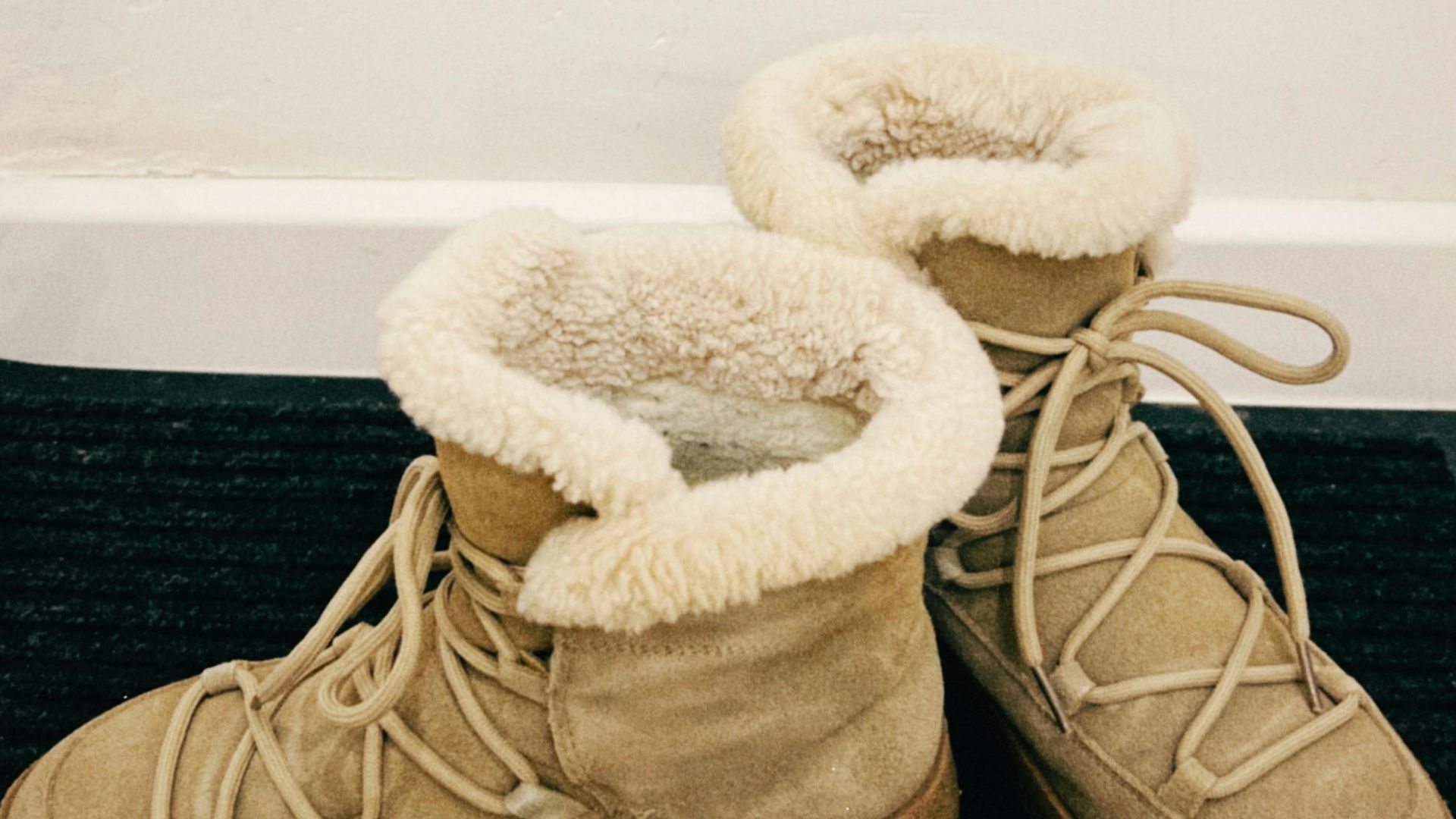
9. Shearling-Lined Boots
When you want comfort that feels a little luxurious, shearling or faux-shearling lining is hard to beat. The soft interior helps prevent blisters while keeping your feet warm, which is a two-for-one win. Just make sure the sole has a solid grip so you feel as cozy as you look.
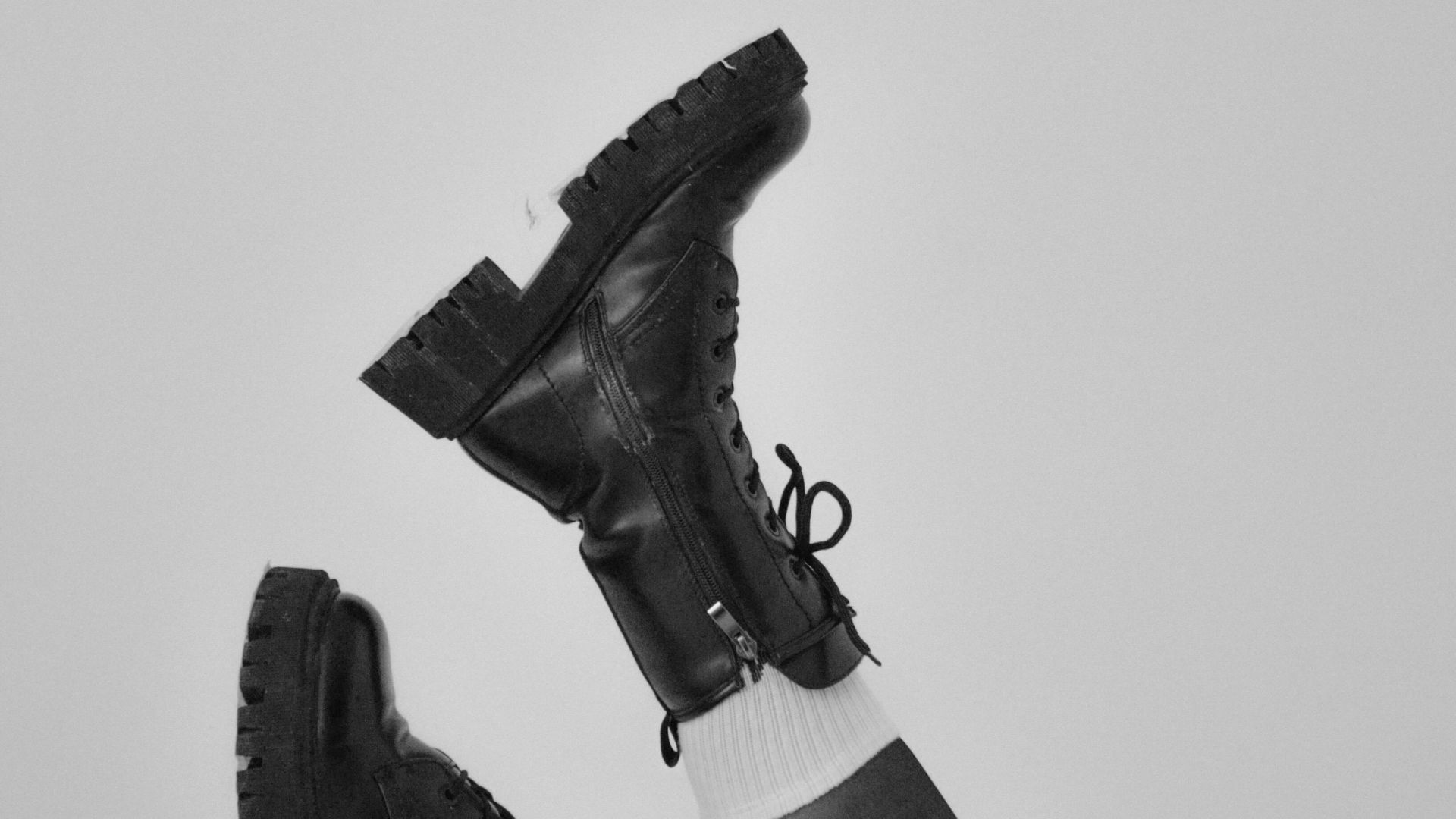
10. Combat Boots
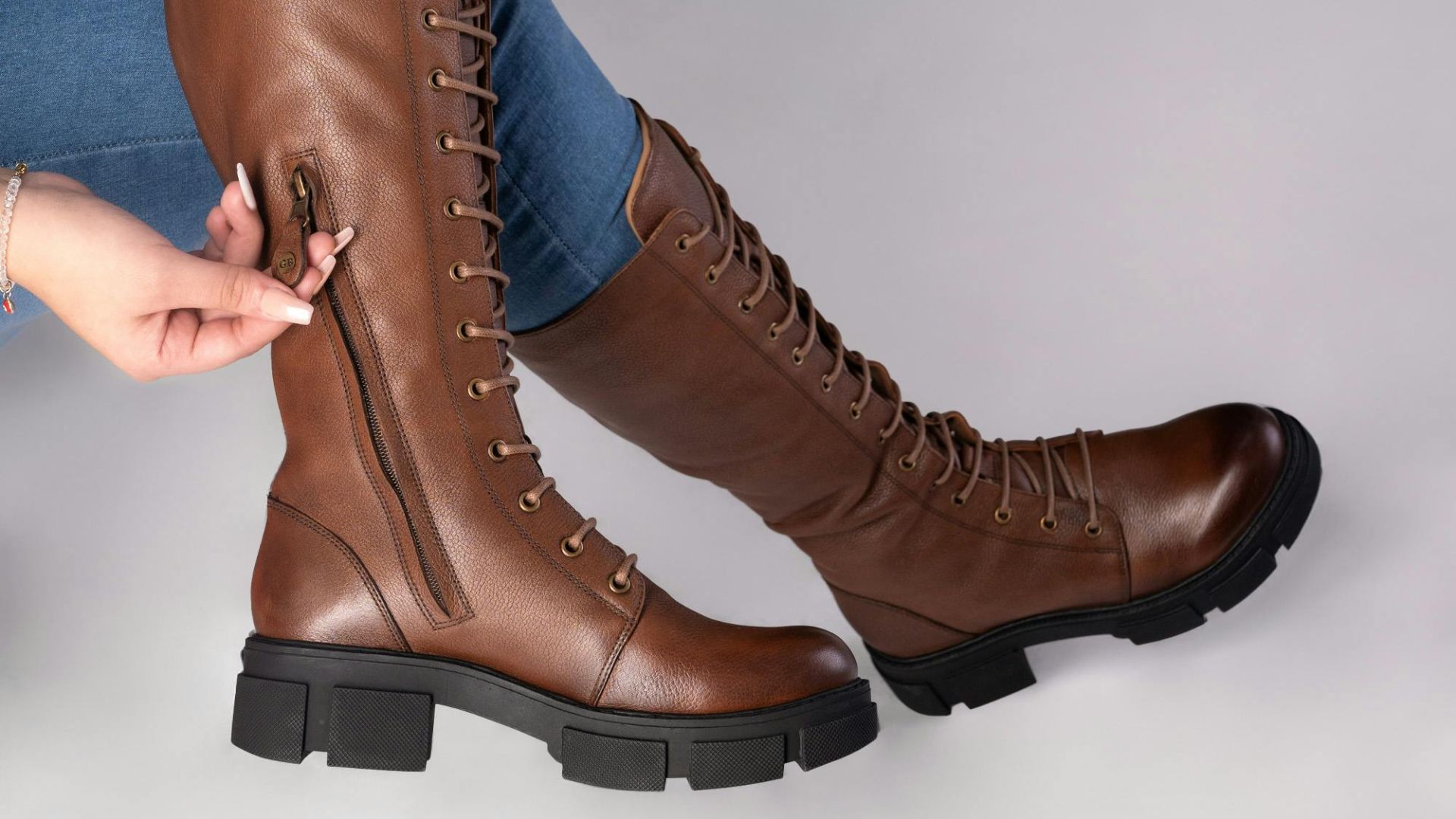
Combat boots are a classic because they’re sturdy, supportive, and can handle a full day of walking. Laces let you adjust the fit, which is great if your feet swell a bit by afternoon or you like extra ankle security. With a cushioned insole and a slightly flexible sole, they’ll feel broken-in fast.
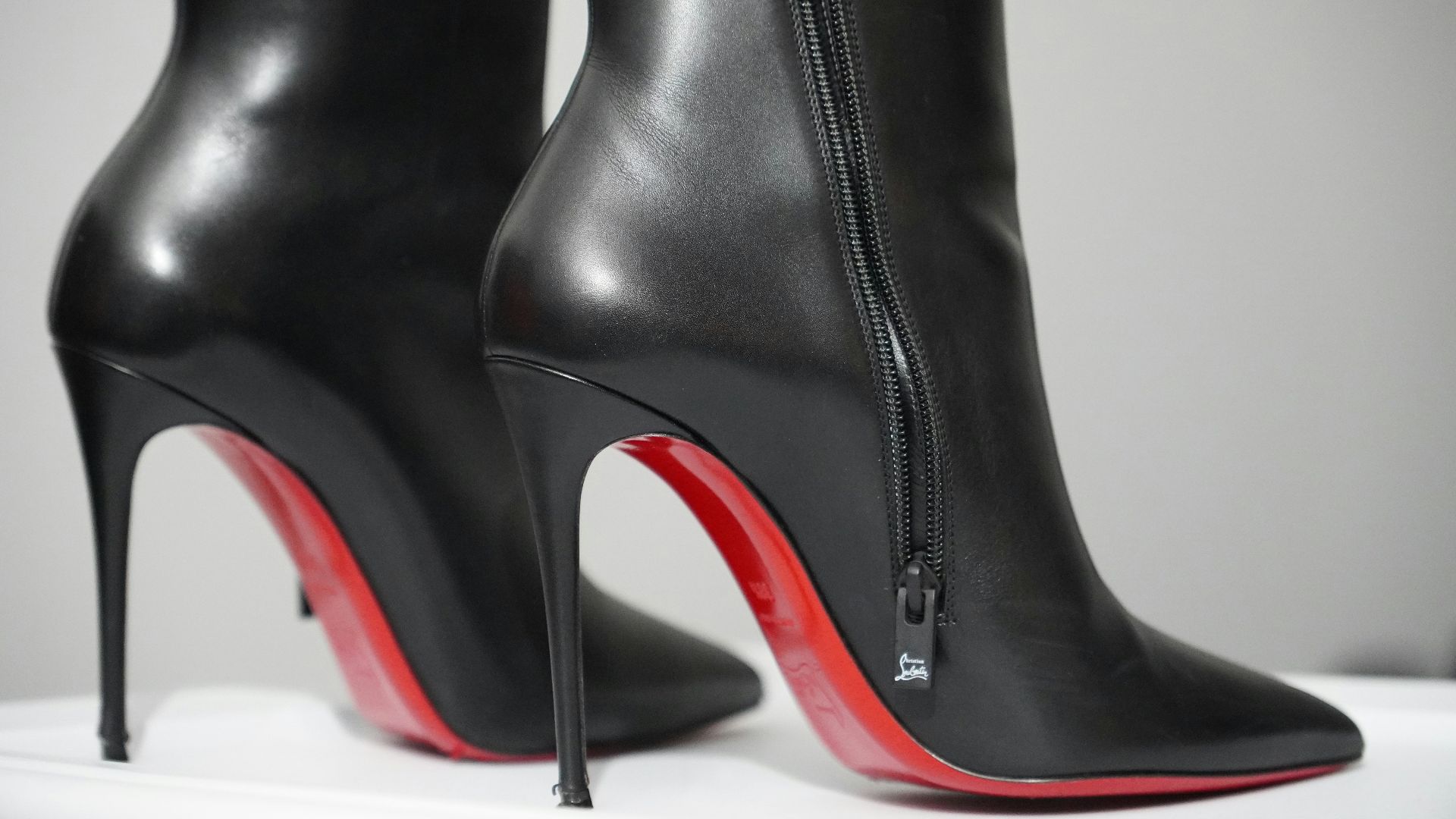
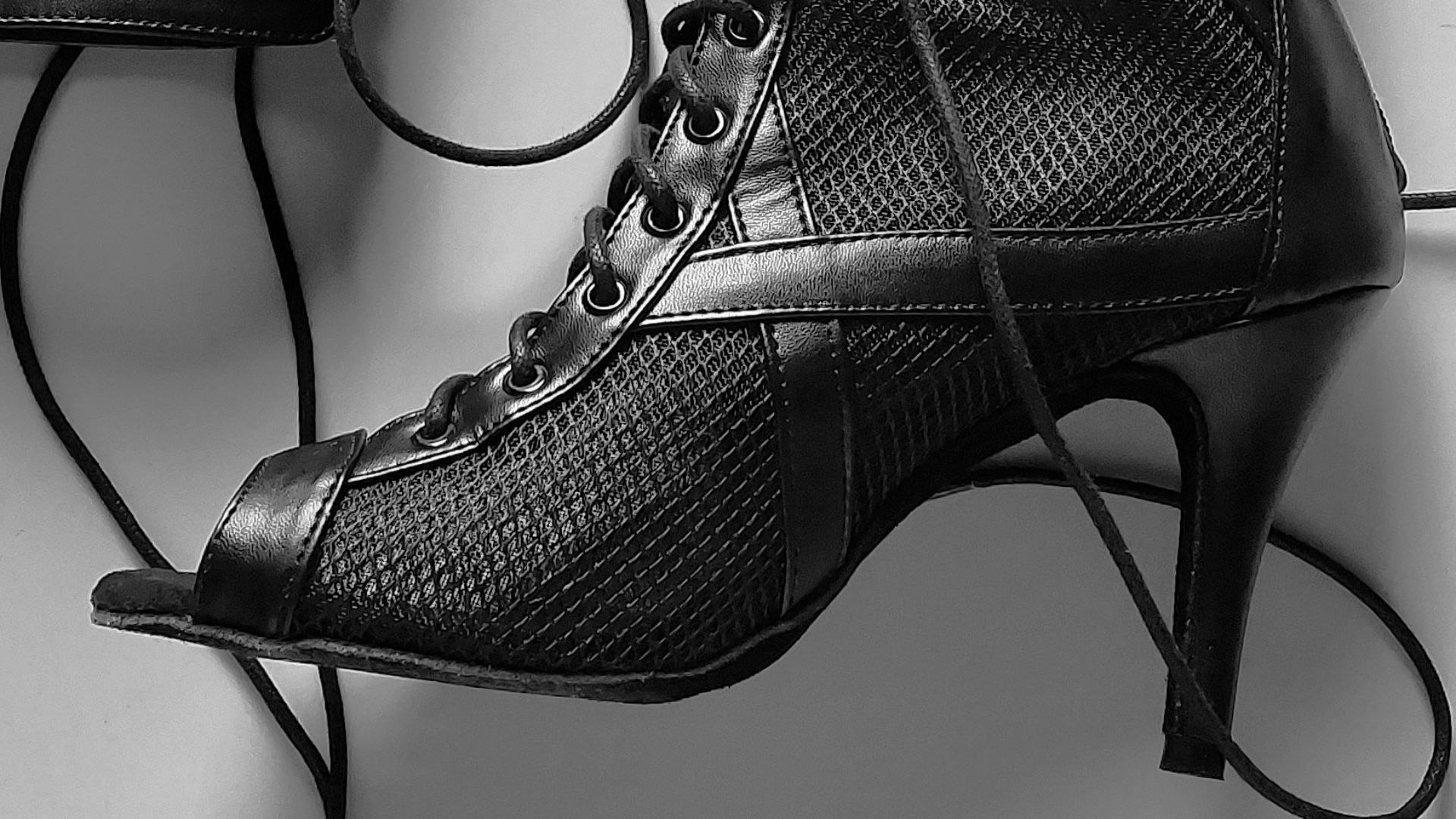
1. Sky-High Stilettos
Stiletto boots can look incredible, but they ask a lot from your arches and ankles. The higher and thinner the heel, the more your foot slides forward and crams into the toe area. If you’re planning to walk more than five minutes, you’ll definitely regret wearing these shoes.
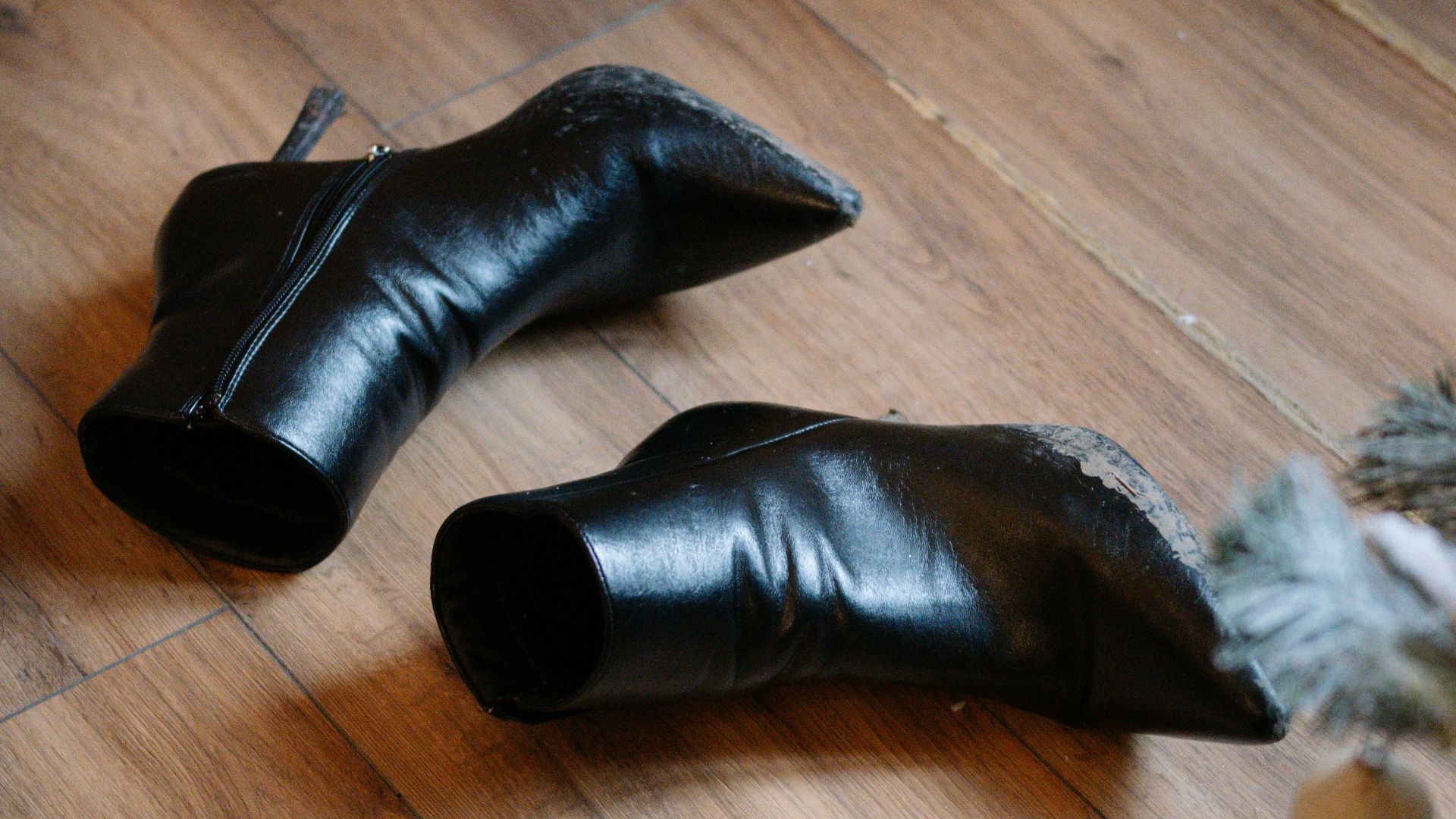
2. Knife-Point Toes
Pointed-toe boots are sleek, but they don’t always play nice with actual toes. That narrow shape can squeeze your forefoot and make your feet feel cramped fast. By the end of the day, even standing still can start to feel irritating.
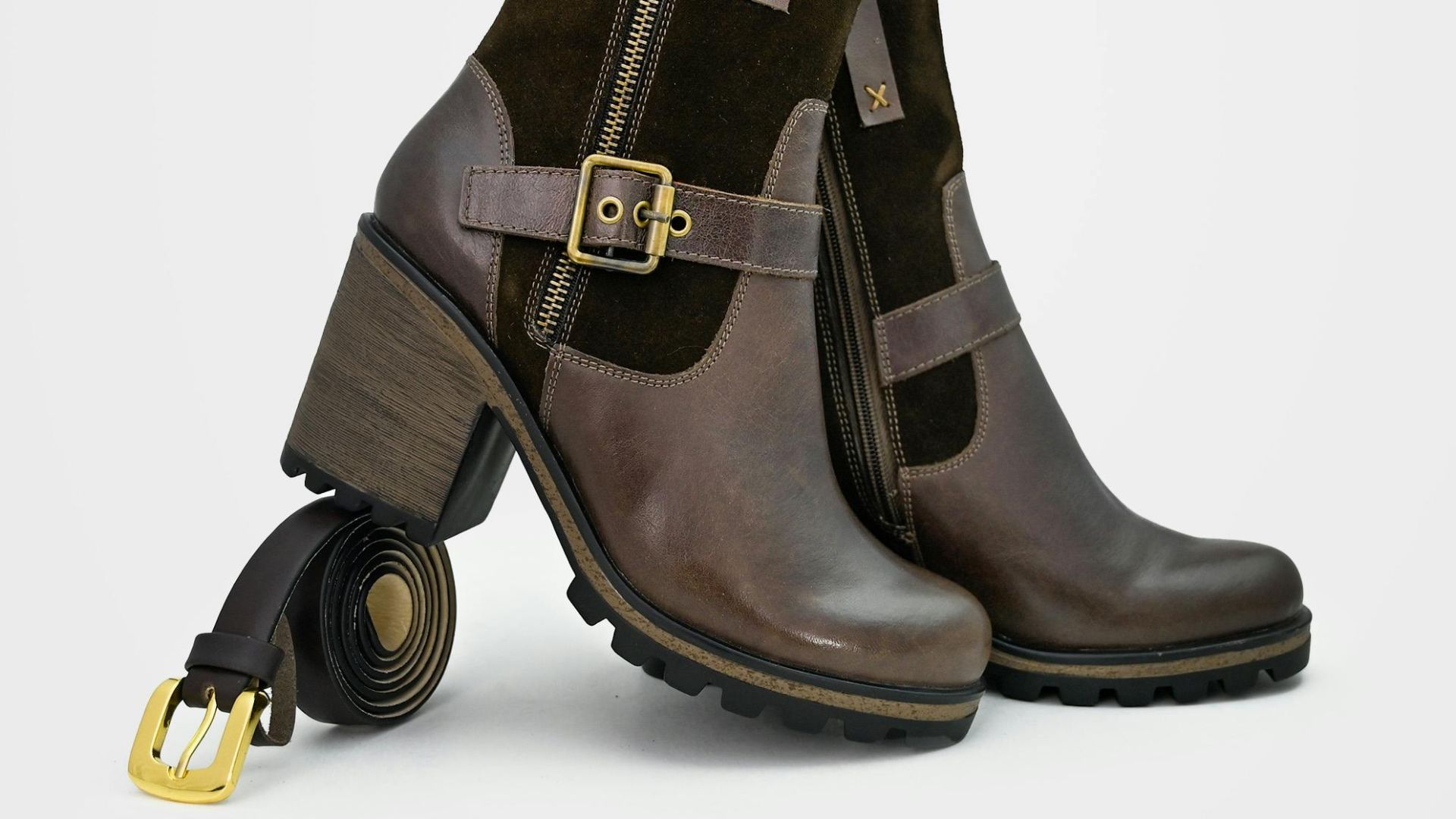
3. Rock-Hard Patent Leather
Patent leather boots have that glossy, polished look, but the material is often stiff and unforgiving. When there’s no give, rubbing turns into blisters faster than you’d expect. They can break in eventually, but your heels might not forgive the process.
 José Martin Segura Benites on Pexels
4. Heavy Platform Boots
Platforms give you height, but the extra weight can make every step feel like a mini workout. A clunky sole also reduces flexibility, so walking can feel awkward and stiff. You may not notice how tired your legs feel until you take these bad boys off.

5. Bare-Bones Insoles
Some boots come with flimsy insoles that feel like they were added as an afterthought. Without cushioning or arch support, your feet take the full impact of hard floors and sidewalks. You can swap in better inserts, but it’s annoying when the boots weren’t comfortable to begin with.
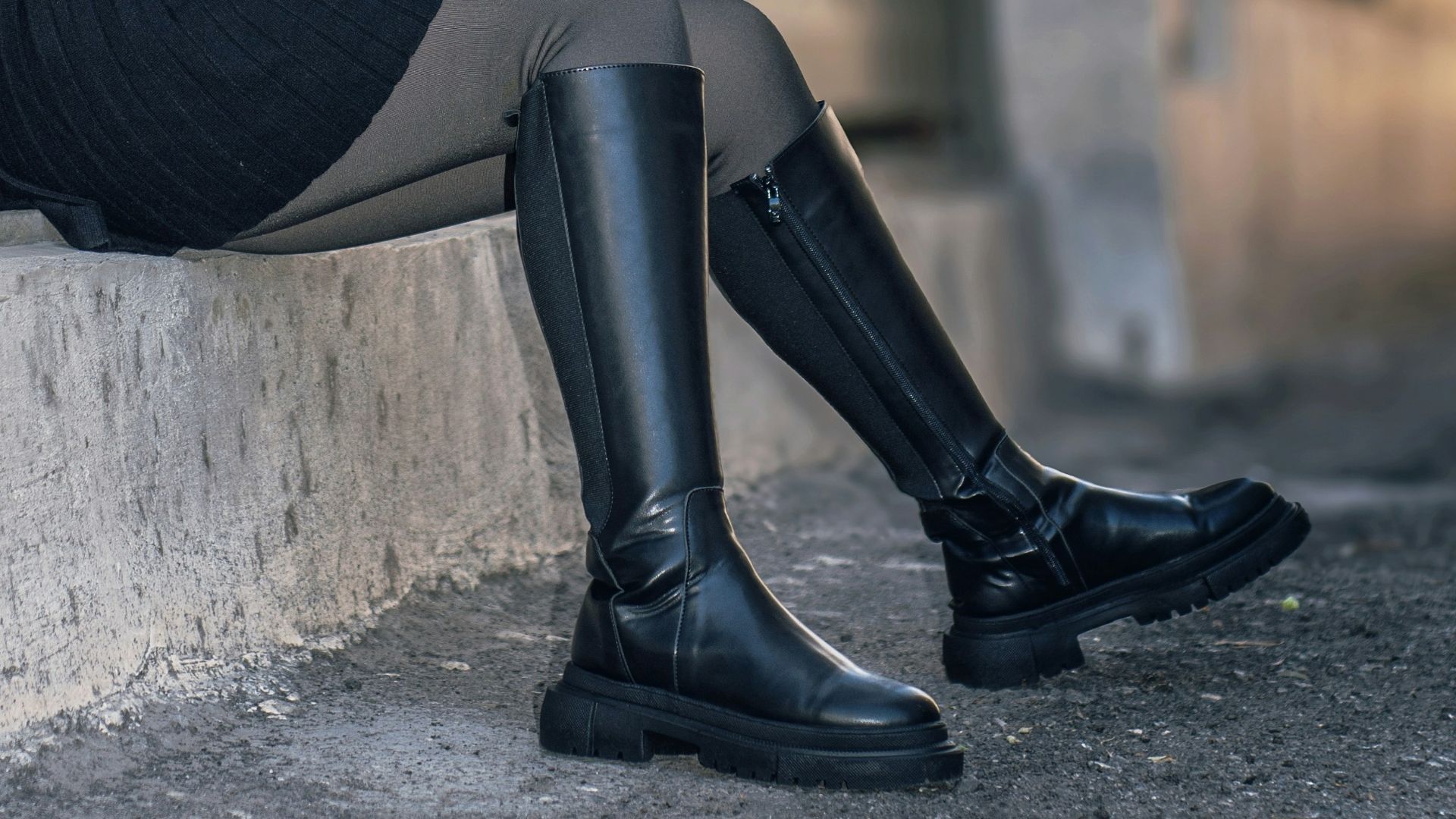
6. Rigid Knee-High Boots
Knee-high boots can be chic, but stiff shafts love to dig into your legs when you sit or walk. If the boot doesn’t flex with your movement, it can feel restrictive and distracting. The worst part is when the top edge rubs against your skin all day, and there’s nothing you can do about it.
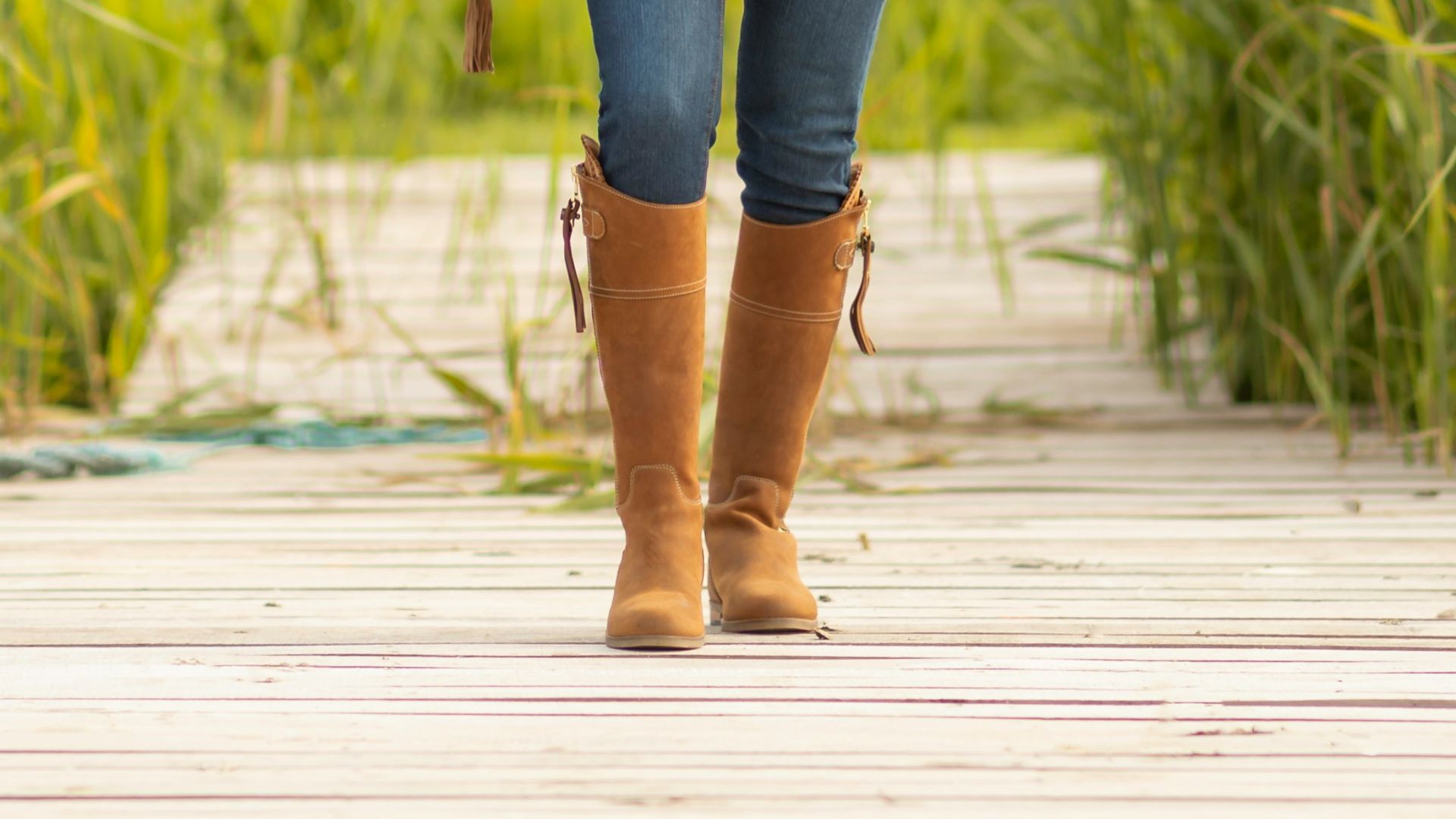
7. Tight Calf Fits
A boot that’s too snug in the calf can cut off comfort and circulation before you even leave the house. You might feel pressure, pinching, or that “please take these off” sensation every time you bend your knee.
8. Slippery Smooth Soles
Boots with slick soles are uncomfortable in a different way because you’re tense the whole time. When there’s no traction, you walk cautiously, which messes with your stride and tires you out. Nobody wants to spend the day shuffling around.
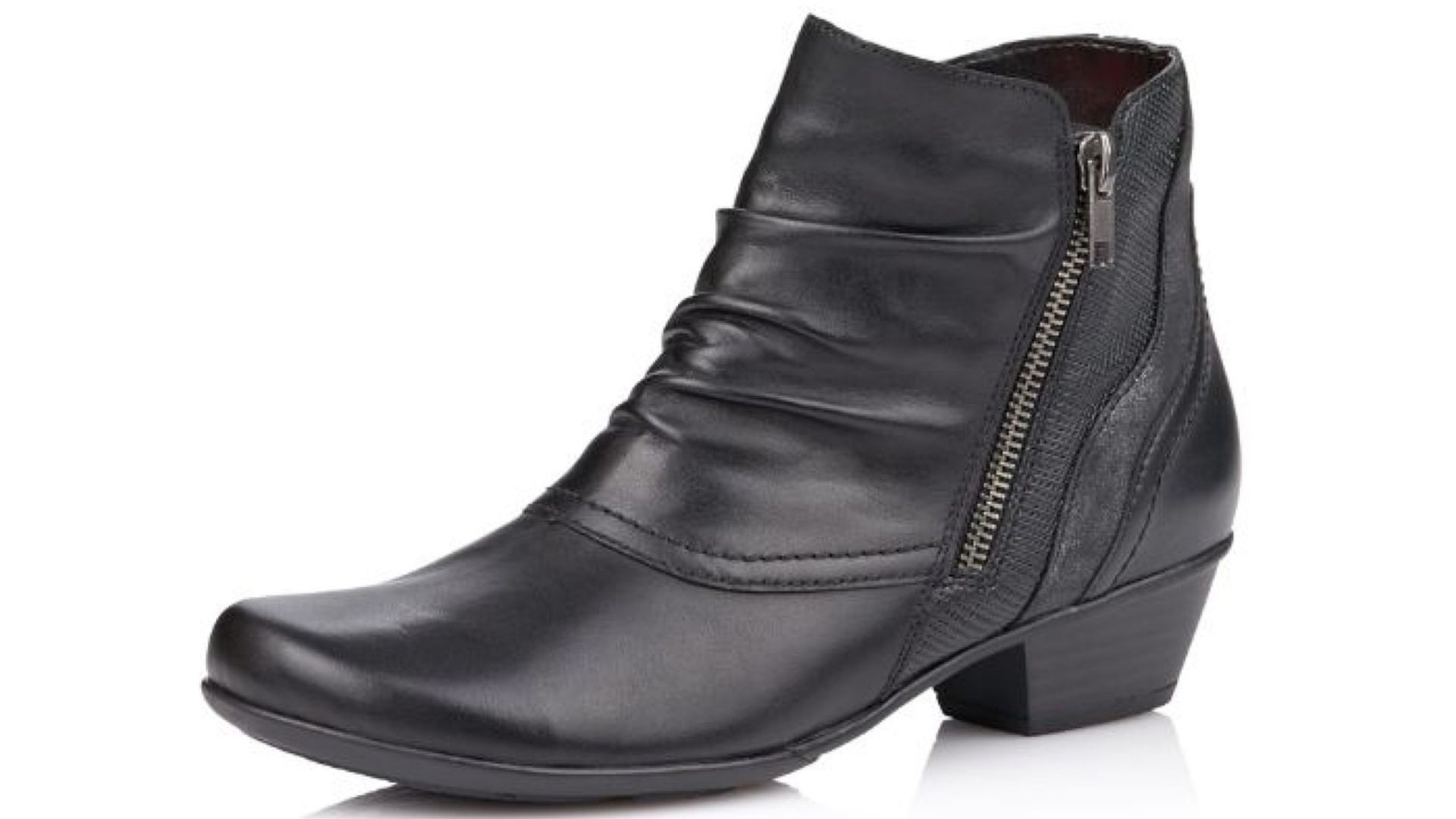
9. Rubbing Side Zippers
Zippers are convenient until the hardware starts scraping your ankle with every step. If the zipper placement hits a sensitive spot, you’ll feel it immediately and think about it constantly. Socks can help, but they’re not always enough to stop irritation.
 José Martin Segura Benites on Pexels
10. Plastic-Lined Boots
Non-breathable linings can make your feet feel hot, sweaty, and generally unhappy. That trapped moisture also increases friction, which means blisters show up faster. The lack of breathability also has the potential to lead to foot infection.