Not With A Bang But A Whimper
Men’s style used to come with a thick stack of unspoken rules, the kind that got passed down like family recipes and enforced by side-eye. Some of those rules were practical, built for a world of hats, soot, and offices where everyone wore wool year-round. Others were pure social signaling, little codes that told strangers what class you belonged to. Over the last few decades, a lot of those rules didn’t get argued about or formally retired, they just faded as workplaces loosened and people started dressing more for comfort than approval. Here are 20 men’s style rules that used to feel mandatory and now mostly live in old photos, formal events, and the occasional nostalgic grandparent.
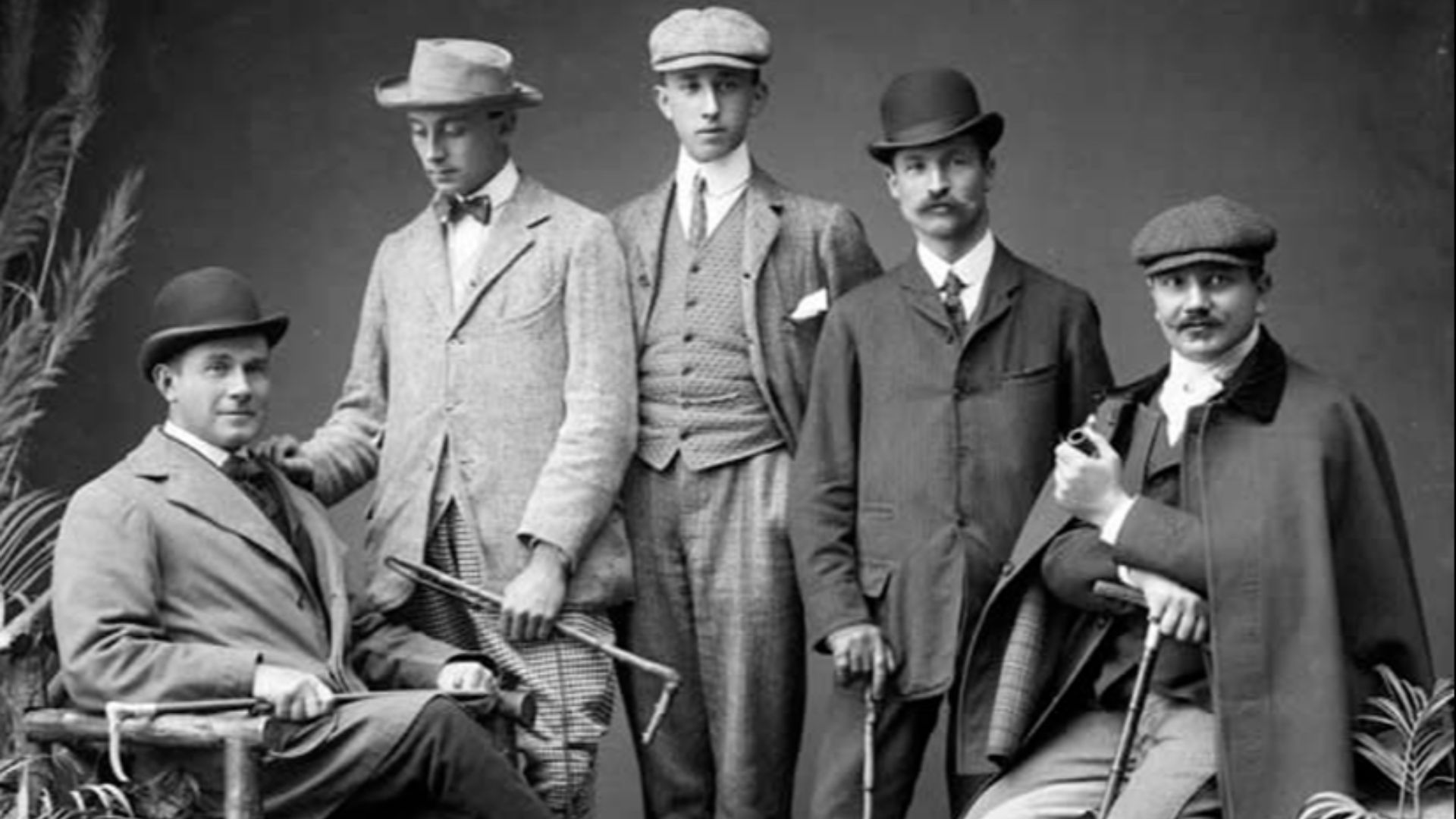 National Library of Ireland on The Commons on Wikimedia
1. Always Wear A Hat Outdoors
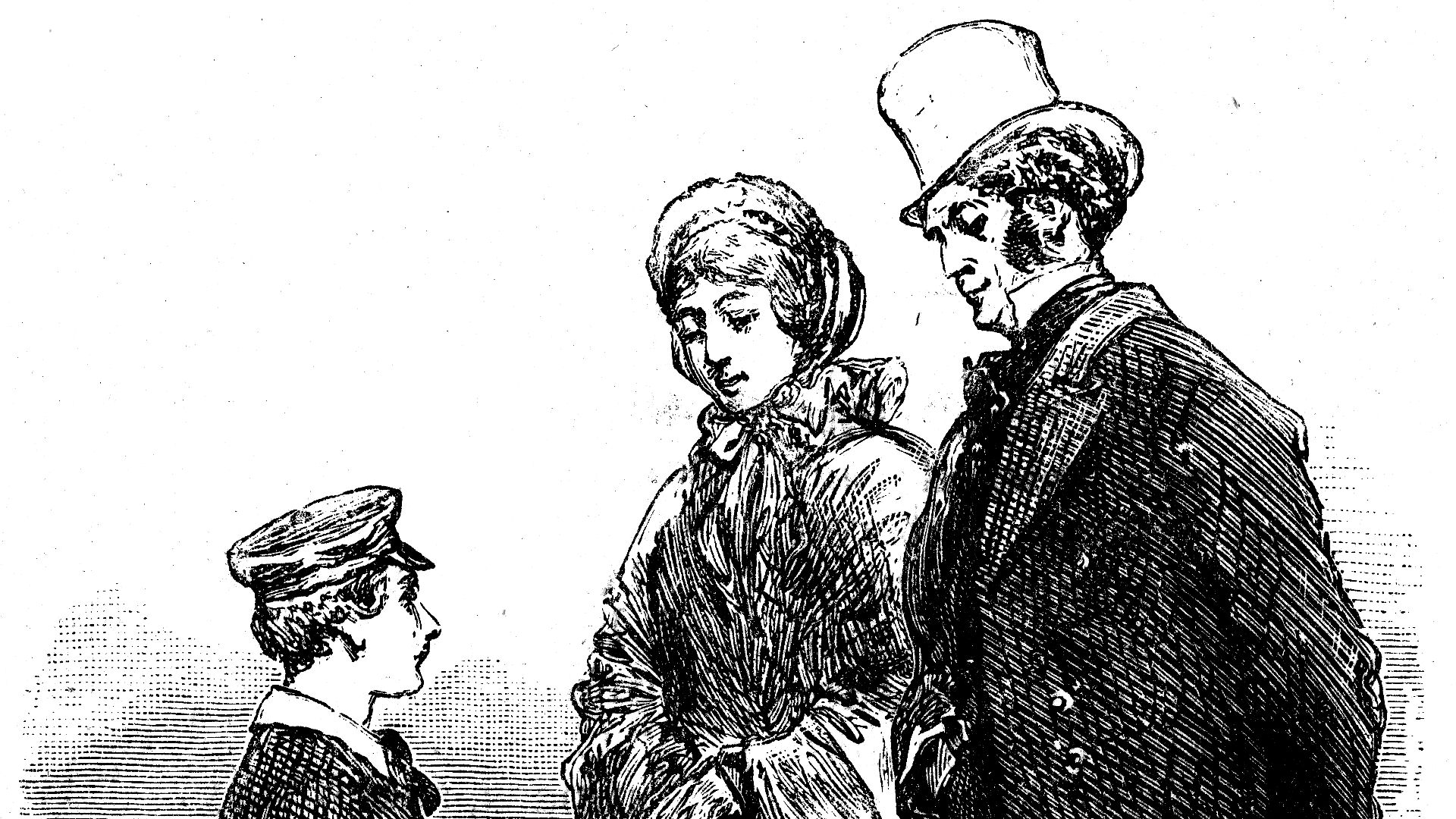
In the late 19th and early 20th centuries, a man stepping outside without a hat could look unfinished, like he forgot the final layer. Bowler hats, fedoras, and straw boaters weren’t quirky accessories, they were standard streetwear. As cars replaced long walks and casual clothing took over, the hat stopped being a default and became a choice.
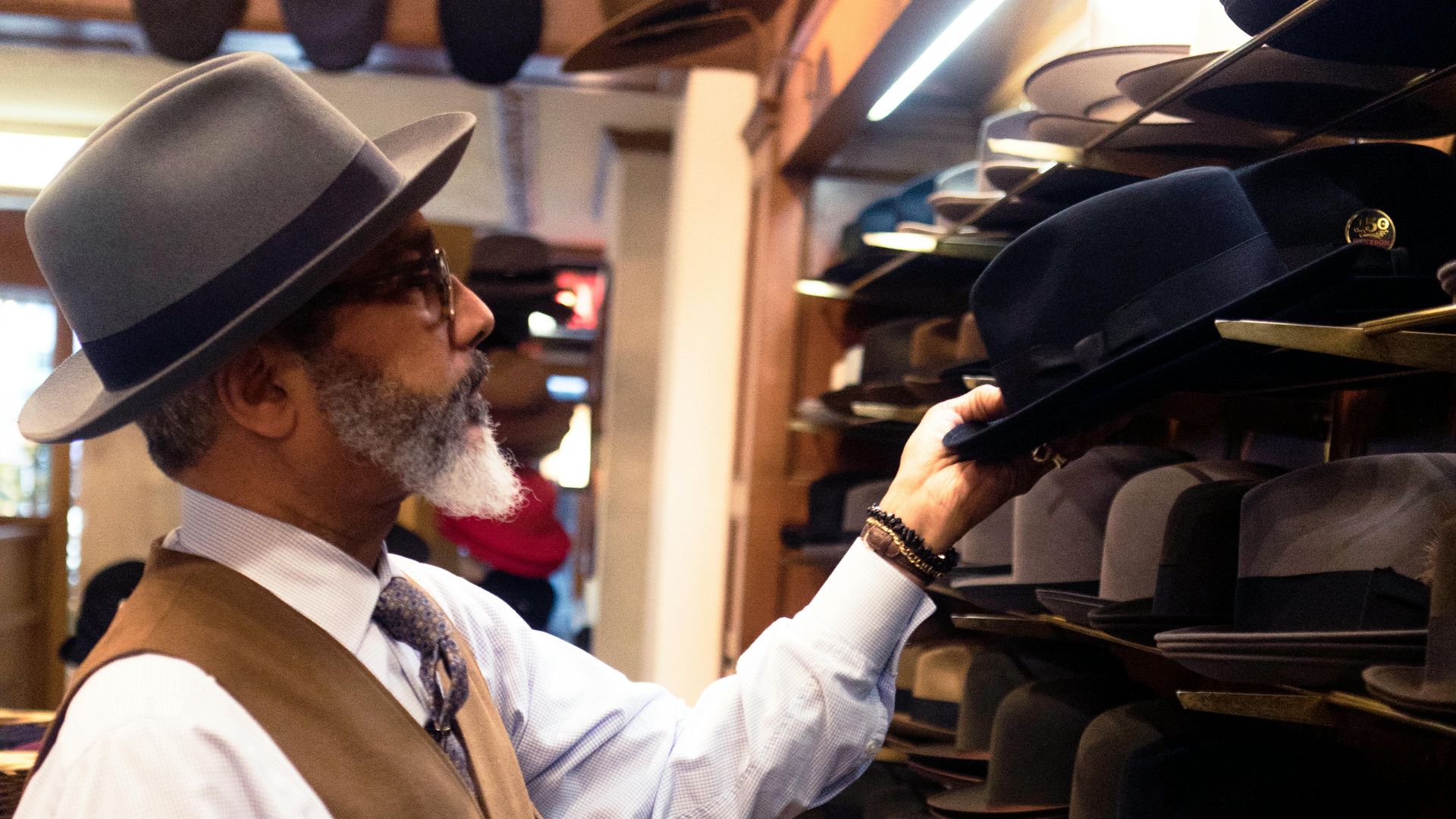
2. Remove Your Hat Indoors
Old etiquette treated hat removal as a basic gesture of respect, and writers like Emily Post spelled it out plainly for men in the early 1900s. The act mattered because hats carried outdoor grime and social status, so taking one off signaled both cleanliness and courtesy. Once hats stopped being daily uniform, the rule lost its muscle.
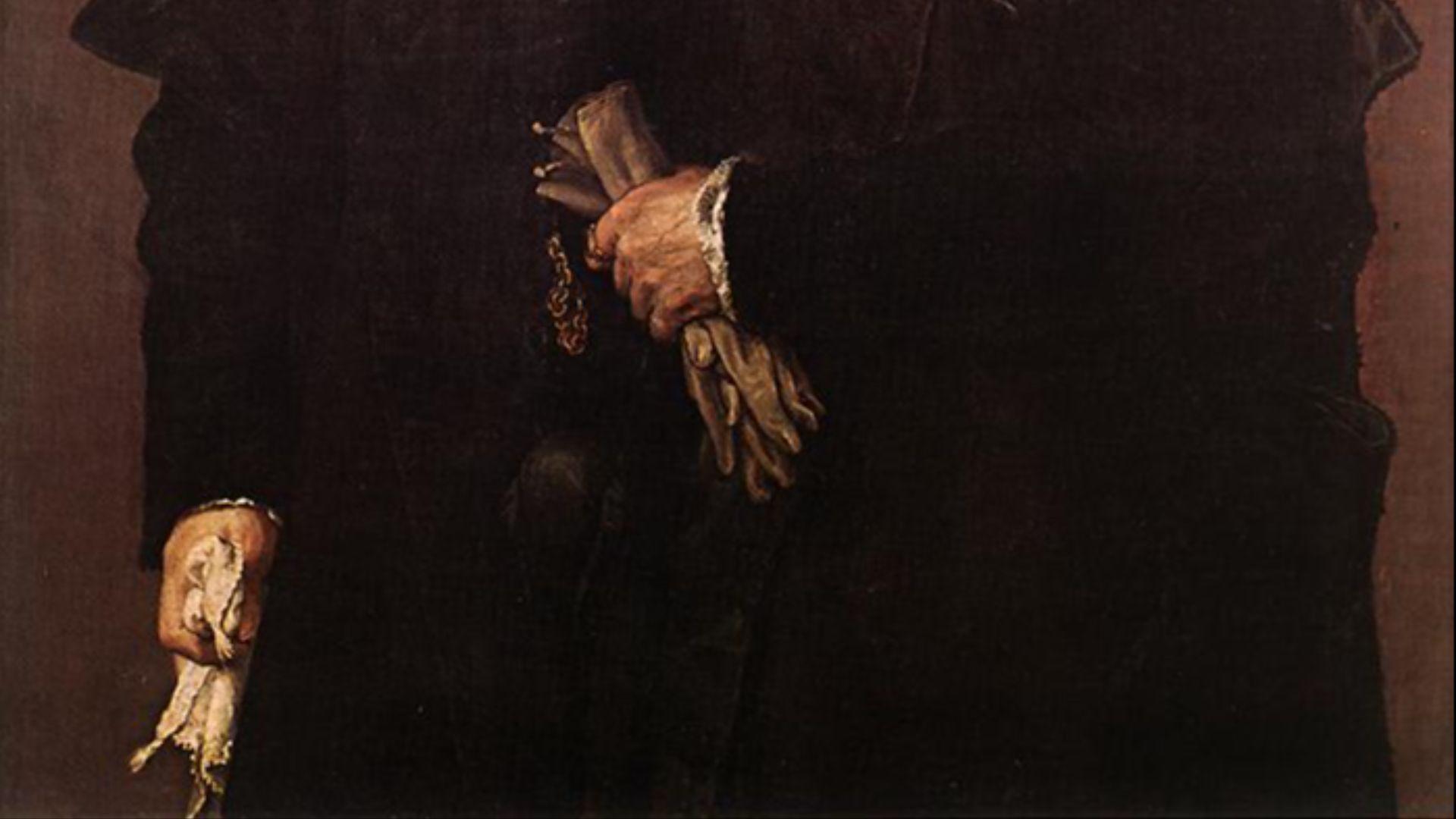
3. Wear Gloves In Public, Then Remove Them To Shake Hands
In Victorian and Edwardian society, gloves were tied to propriety, cleanliness, and social rank, especially in cities where streets were messy and crowded. There were rules about when to keep gloves on, when to take them off, and how to handle introductions without looking careless. Modern life kept the handshake and ditched the glove script, leaving the old ritual behind.
4. Never Show Shirt Sleeves In Public
For a long stretch of Western menswear history, a man in public without a jacket could look like he was undressed or doing manual labor. Shirt sleeves were associated with work and heat and private spaces, not the street or the office. Once offices loosened and summer dress became more casual, rolled sleeves turned into a normal, even intentional look.

5. Wear A Waistcoat As The Middle Layer
The three-piece suit wasn’t a special occasion outfit in many places, it was everyday structure, and the waistcoat helped everything sit neatly. It smoothed the torso, hid suspenders, and gave a finished line even when the jacket came off at lunch. As suits became less frequent, the waistcoat shifted from default to costume.

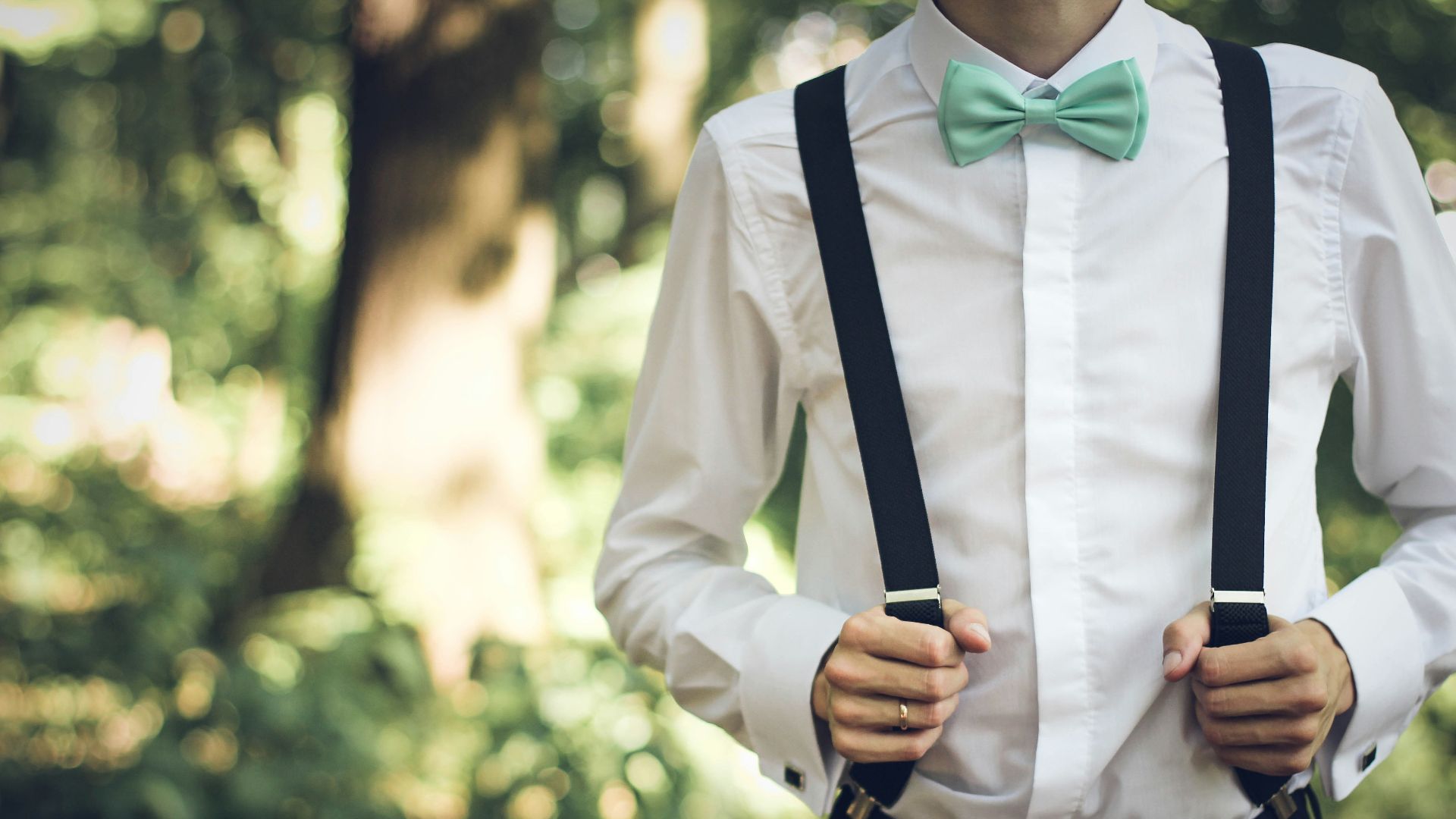
6. Suspenders Stay Hidden, Belts Stay Invisible
Suspenders were historically considered underwear-adjacent, and showing them could read as sloppy or theatrical in the wrong setting. Belts were less common with tailored trousers, and a visible belt buckle could be treated as too casual for proper dress. Modern pants and casual styling made belts normal and made visible suspenders a deliberate statement.
7. Stiff Collars And Starched Shirts Signal Respectability
In the 19th century and into the early 20th, a crisp collar wasn’t just a look, it was a social cue that you had time, resources, and discipline. Starched fronts, collar studs, and detachable collars were part of the uniform in many professional classes. As comfort won and laundering changed, the stiff collar faded into formalwear and period dramas.

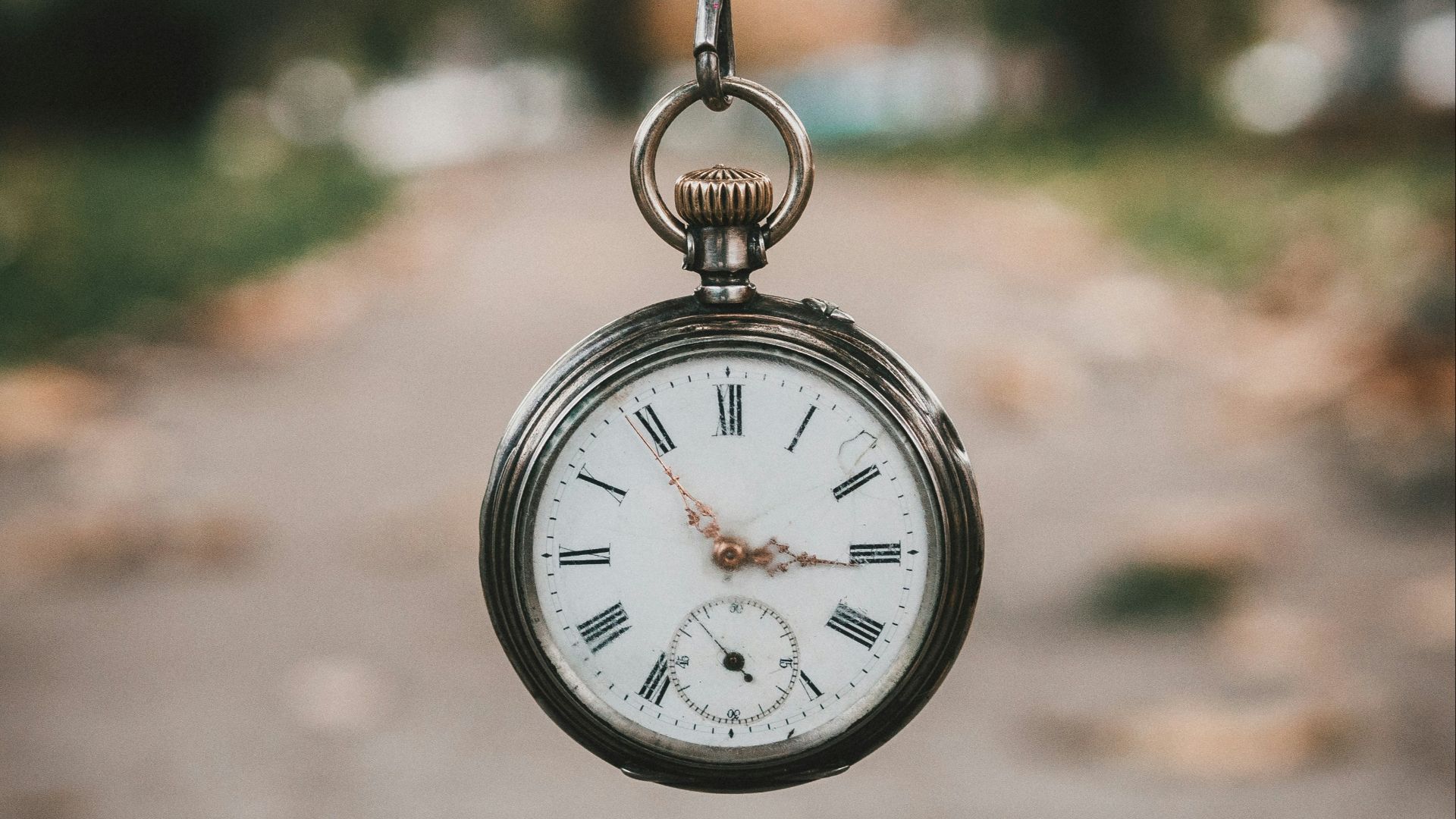
8. A Pocket Watch Belongs On A Chain
Pocket watches had their own choreography, with chains, fobs, and waistcoat pockets carrying signals about taste and class. The whole arrangement was visible enough to matter, which is why men cared about how it hung and where it anchored. Wristwatches made timekeeping less ceremonial, and smartphones finished the job.
9. Match Formality To The Hour
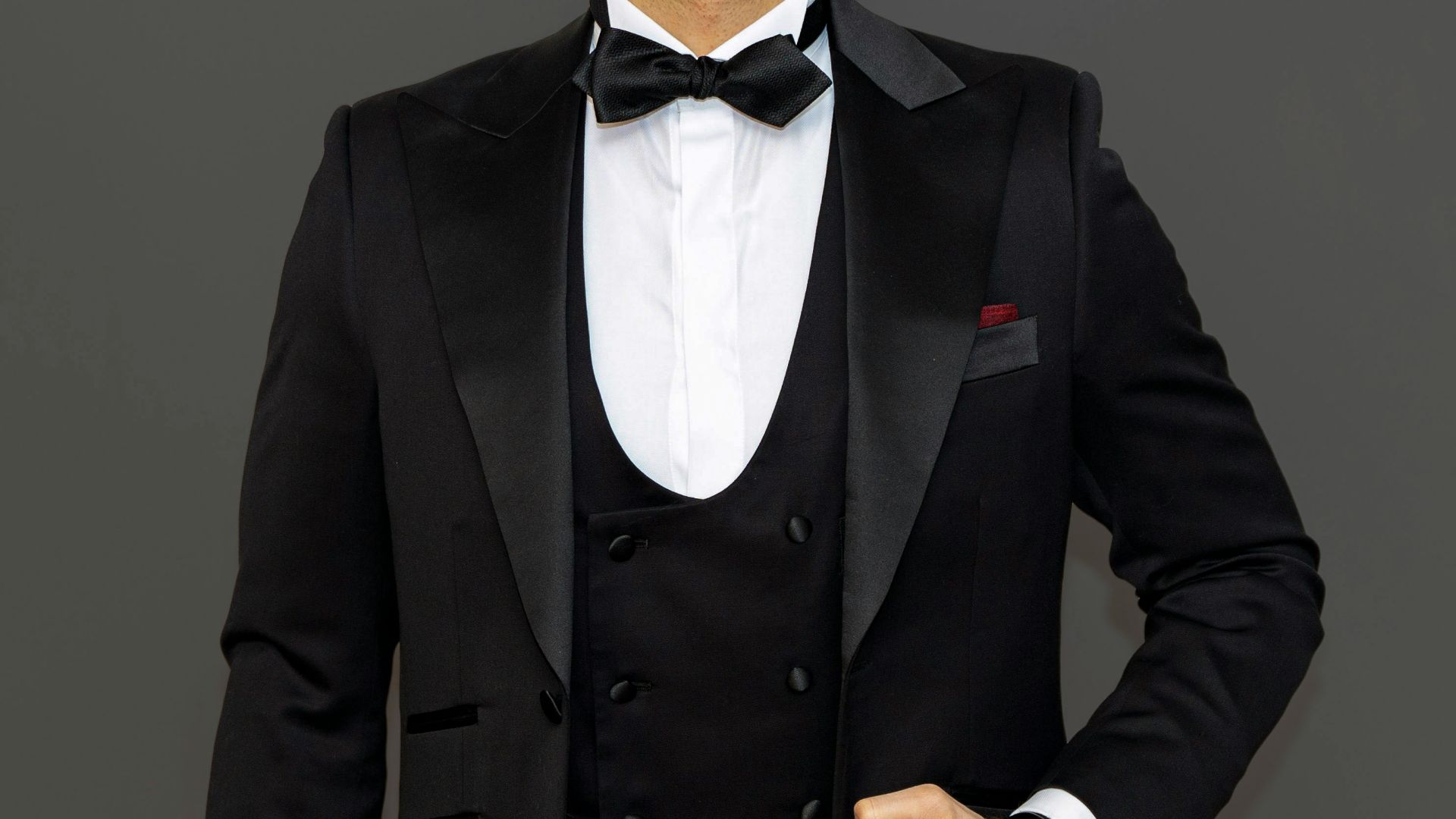
Historical dress codes cared deeply about time, with clear separation between daytime formality and evening formality. White tie belonged to the most formal evenings, black tie was the later, slightly relaxed alternative, and daytime had its own hierarchy of coats and hats. Modern social life blurred the clock, and the strict timetable of clothing mostly dissolved.
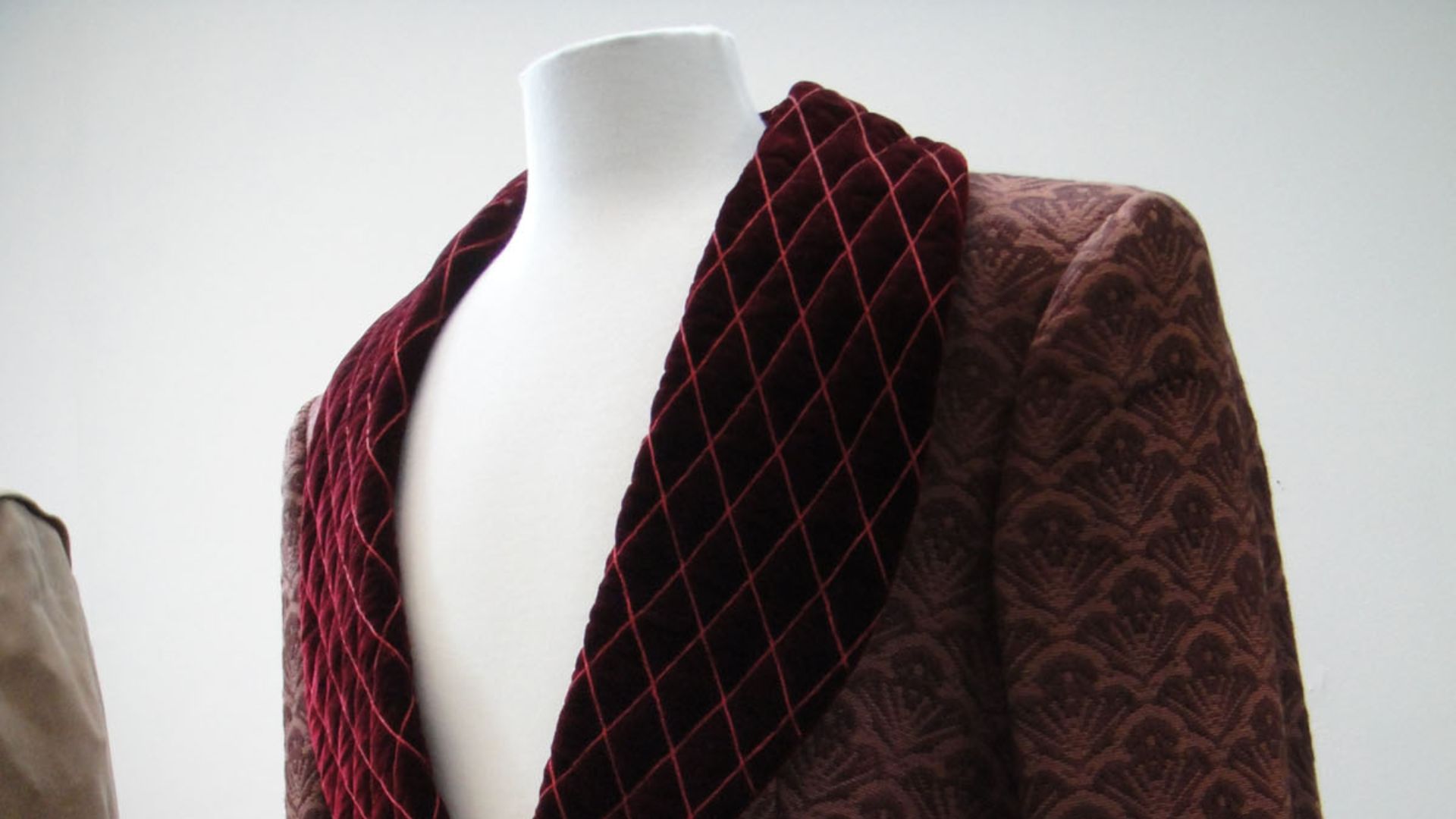
10. Change For Dinner
In many households and social circles, changing clothes for dinner wasn’t pretension, it was routine, especially among the upper and upper-middle classes. The change marked the day’s shift from work to social life, and it showed respect for guests and hosts. As schedules sped up and casual dining spread, the costume change disappeared.
 Filip Rankovic Grobgaard on Unsplash
11. Mourning Wear Has Rules
Victorian mourning culture could be detailed and strict, with expectations around black clothing, subdued accessories, and timeframes that signaled grief publicly. The rules differed by relationship and circumstance, and the social pressure to perform mourning was real. As private grief became more private, the wardrobe codes faded.
12. Black Is For Evening, Brown Is For Day
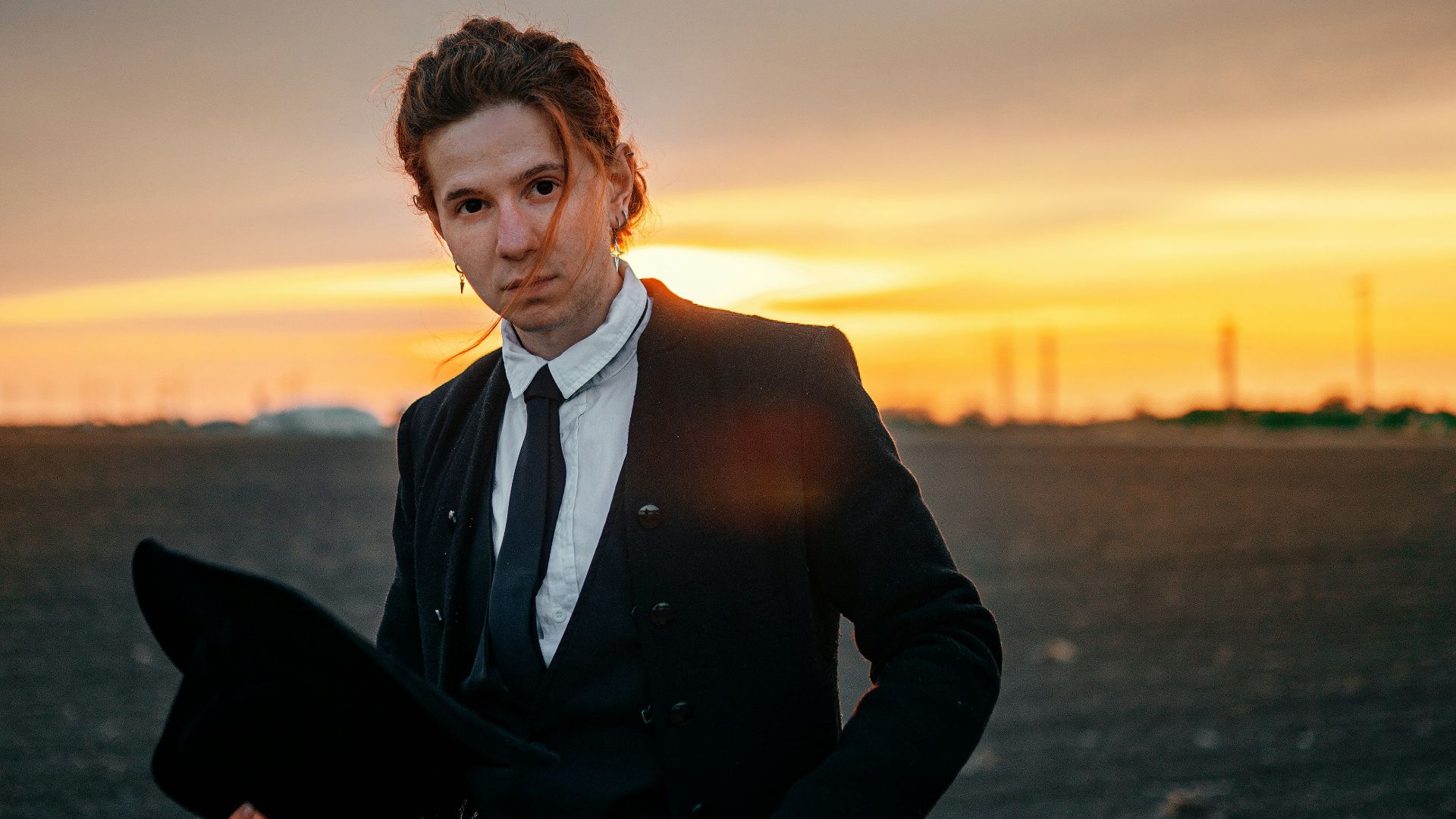
Older menswear traditions often treated black as formal and evening-leaning, with brown and lighter tones tied to daytime and country settings. In cities, the wrong color at the wrong time could be read as inexperienced or socially off-key. Modern mixing, plus fewer formal environments, made the color border porous.
13. No Sportswear In Town
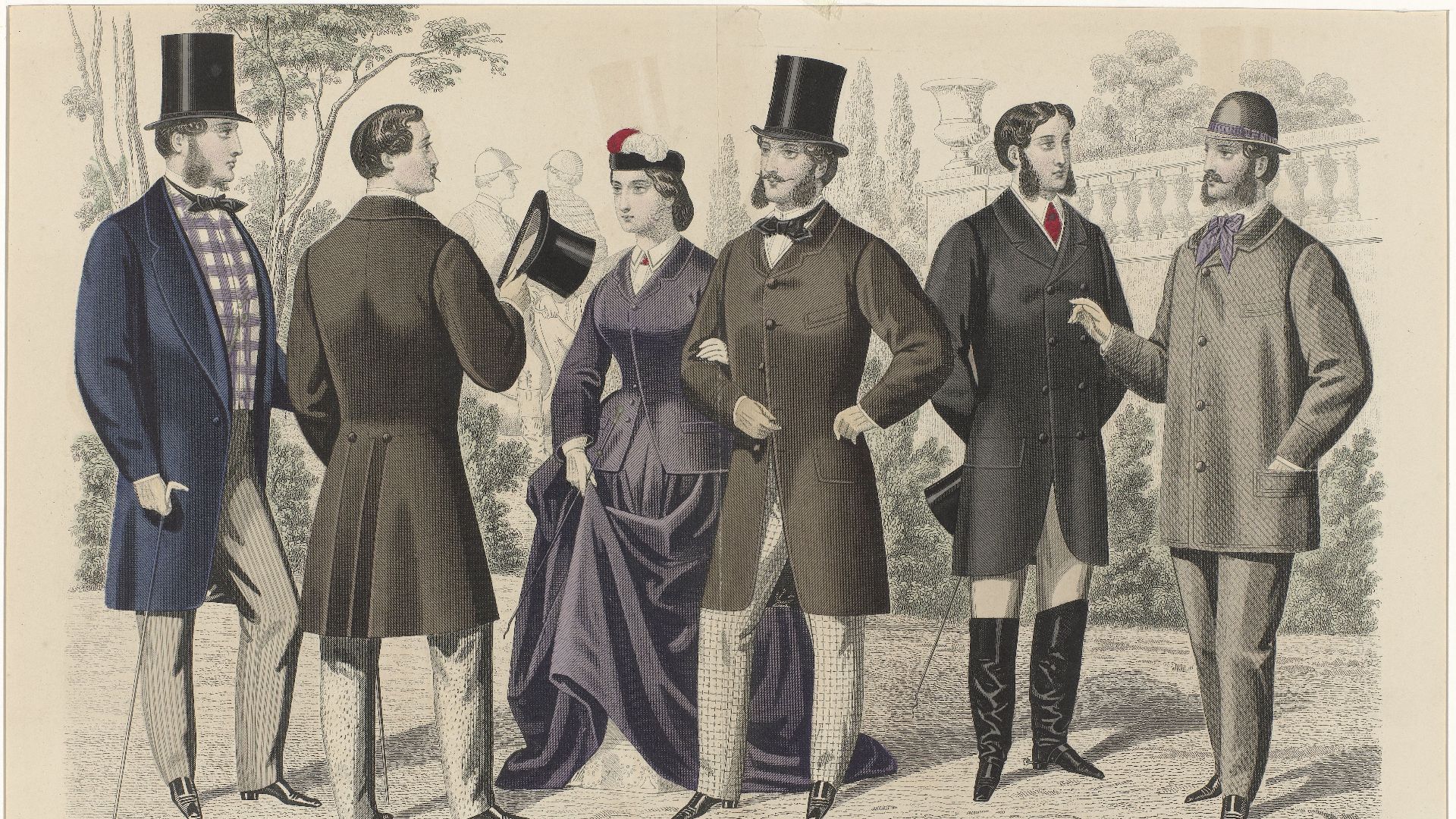
There was a time when clothes designed for sport stayed with sport, and wearing them in the city could look like you missed the point of dressing. Think of riding clothes, tennis gear, and outdoor jackets that once signaled leisure in a very specific way. Over decades, sportswear became everyday wear, and the old boundary collapsed.
14. Wear Spats Or Overshoes To Protect Your Shoes
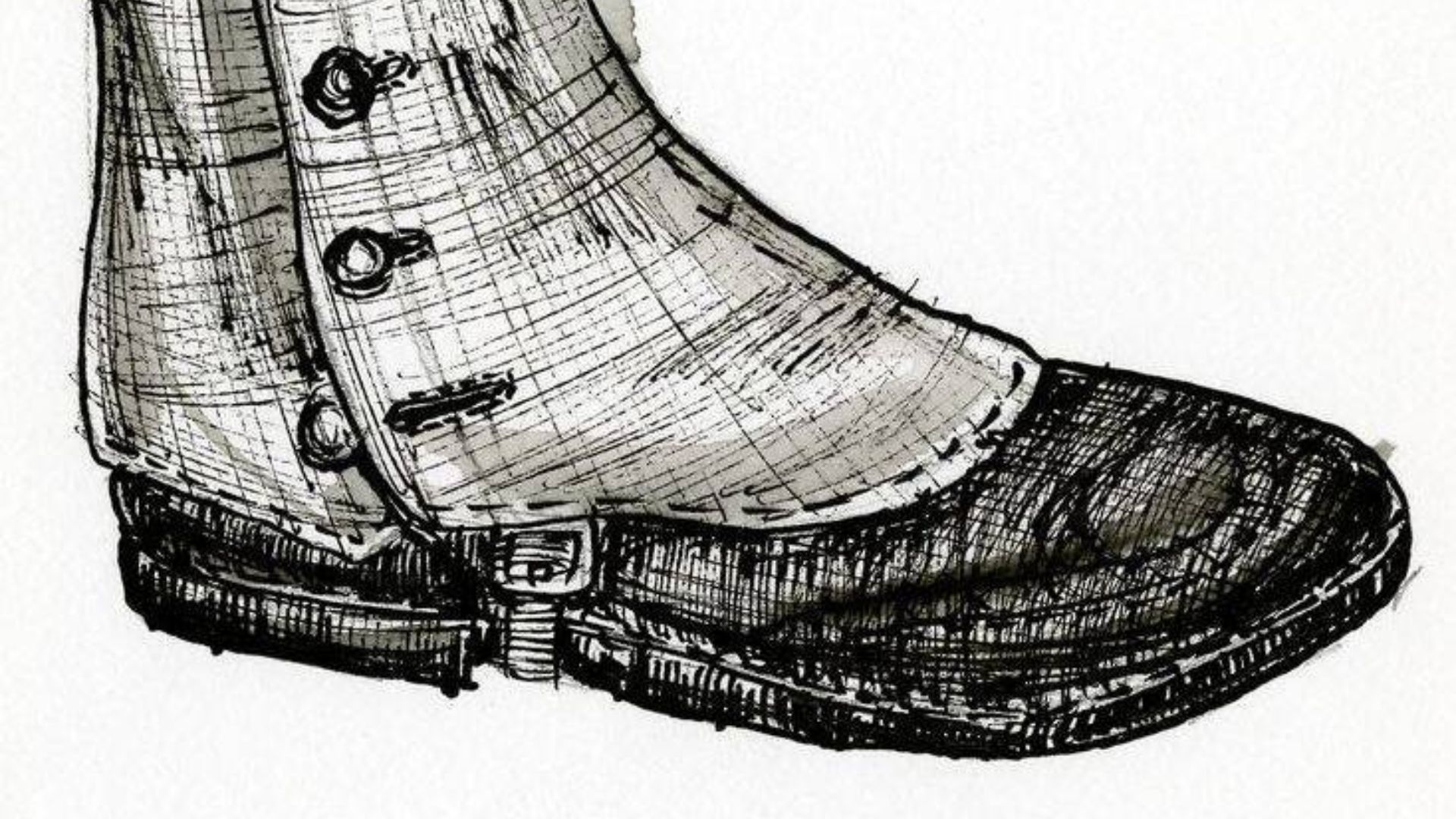
Spats were practical and status-heavy, shielding shoes from street grime while making a man look polished and intentional. They were also a quiet reminder that streets were messy and shoes were worth protecting. Cleaner streets, cars, and simpler footwear made spats feel theatrical rather than necessary.
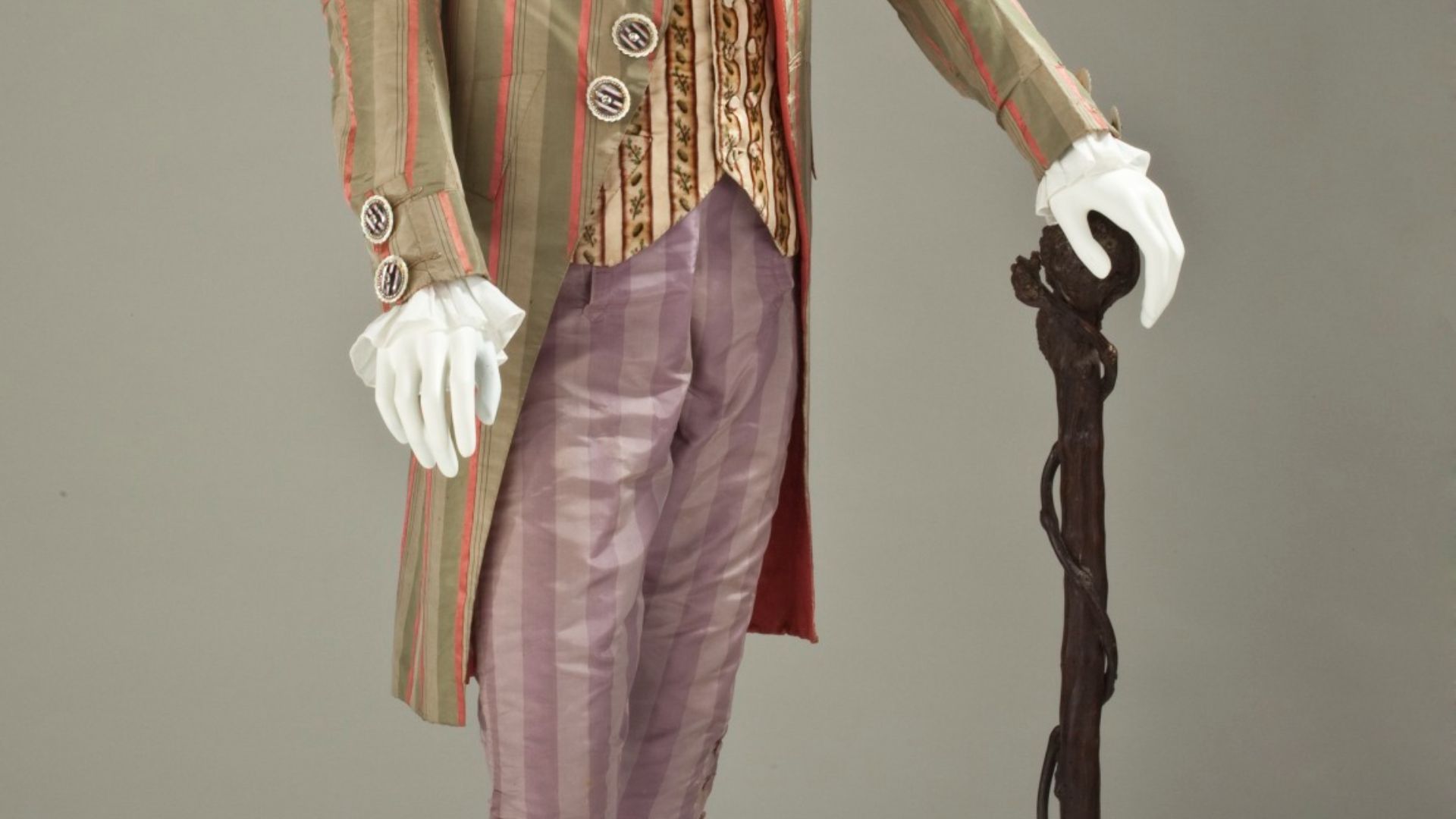
15. A Walking Stick Is Part Of The Look
In certain periods, especially the 18th and 19th centuries, a cane could be both useful and stylish, a tool and a signal. It completed the silhouette the way a hat did, and it gave the hands something to do during long walks and public appearances. As mobility changed and accessories simplified, the cane left everyday fashion.
16. Keep Jewelry Minimal And Purposeful
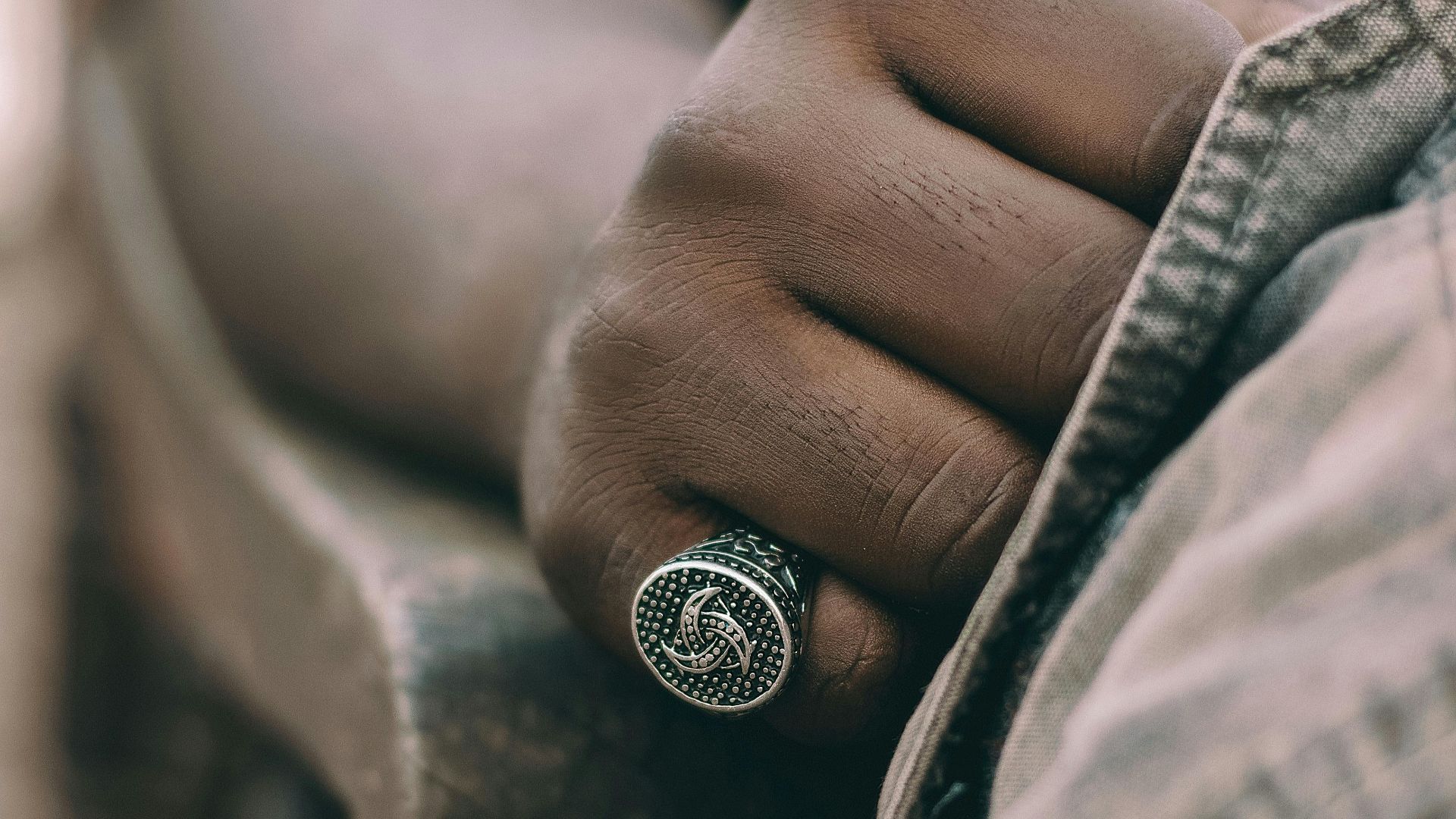
Traditional men’s style often allowed a ring, a watch, cuff links, maybe a tie pin, and it treated anything beyond that as flashy or unserious. The acceptable pieces were tied to function and formality, not self-expression. Modern style loosened those limits, and men now wear jewelry as personal taste rather than a narrow code.
 Bigshow Lamar Campton on Pexels
17. Always Carry A Handkerchief
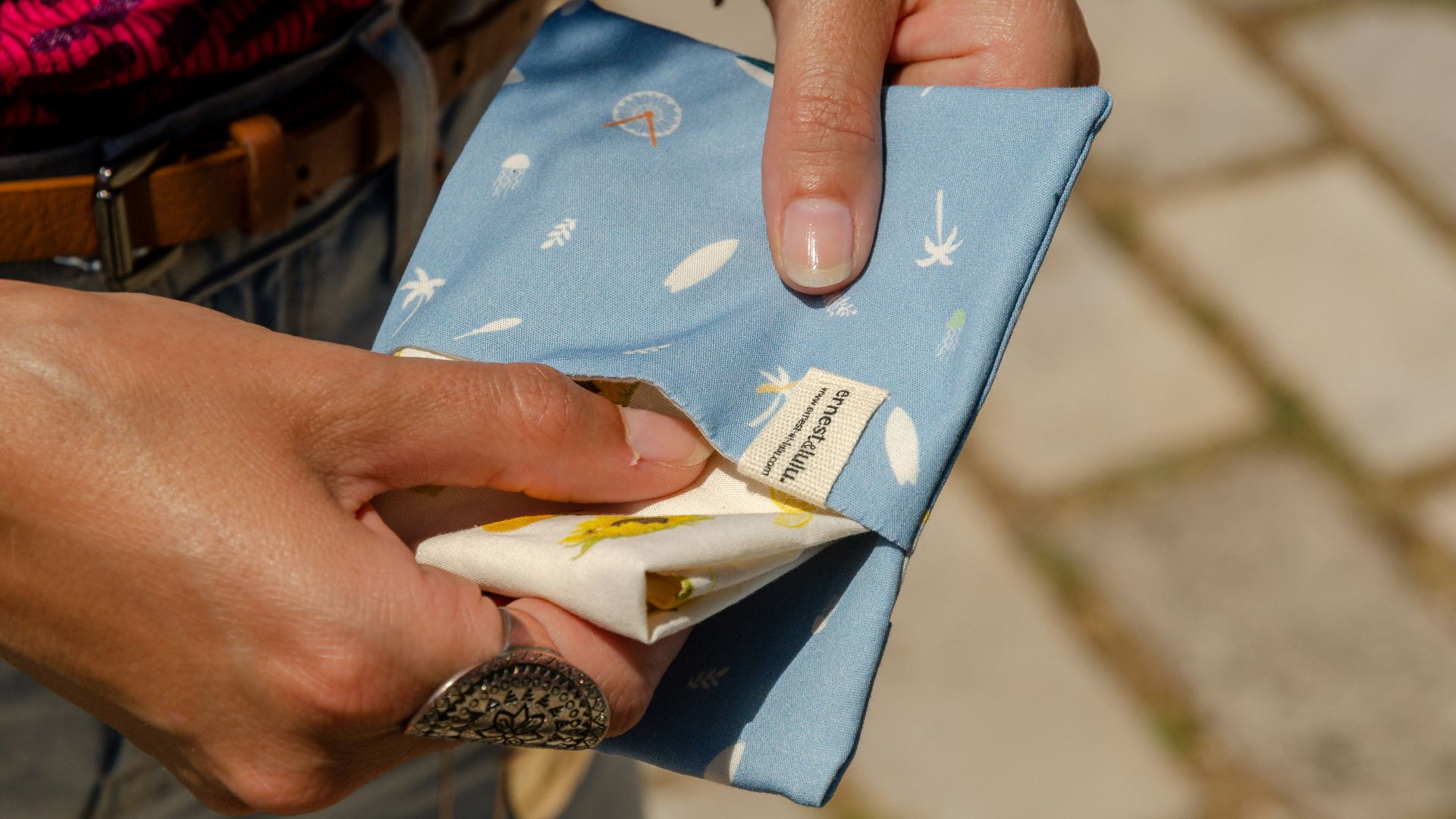
A folded handkerchief used to be practical, not decorative, because life was dustier, colds were common, and tissues weren’t always at hand. It also signaled preparedness, the kind of small competence people noticed. Disposable tissues and casual living made the handkerchief feel old-fashioned, except in formal pocketsquares.
18. Dress For Travel
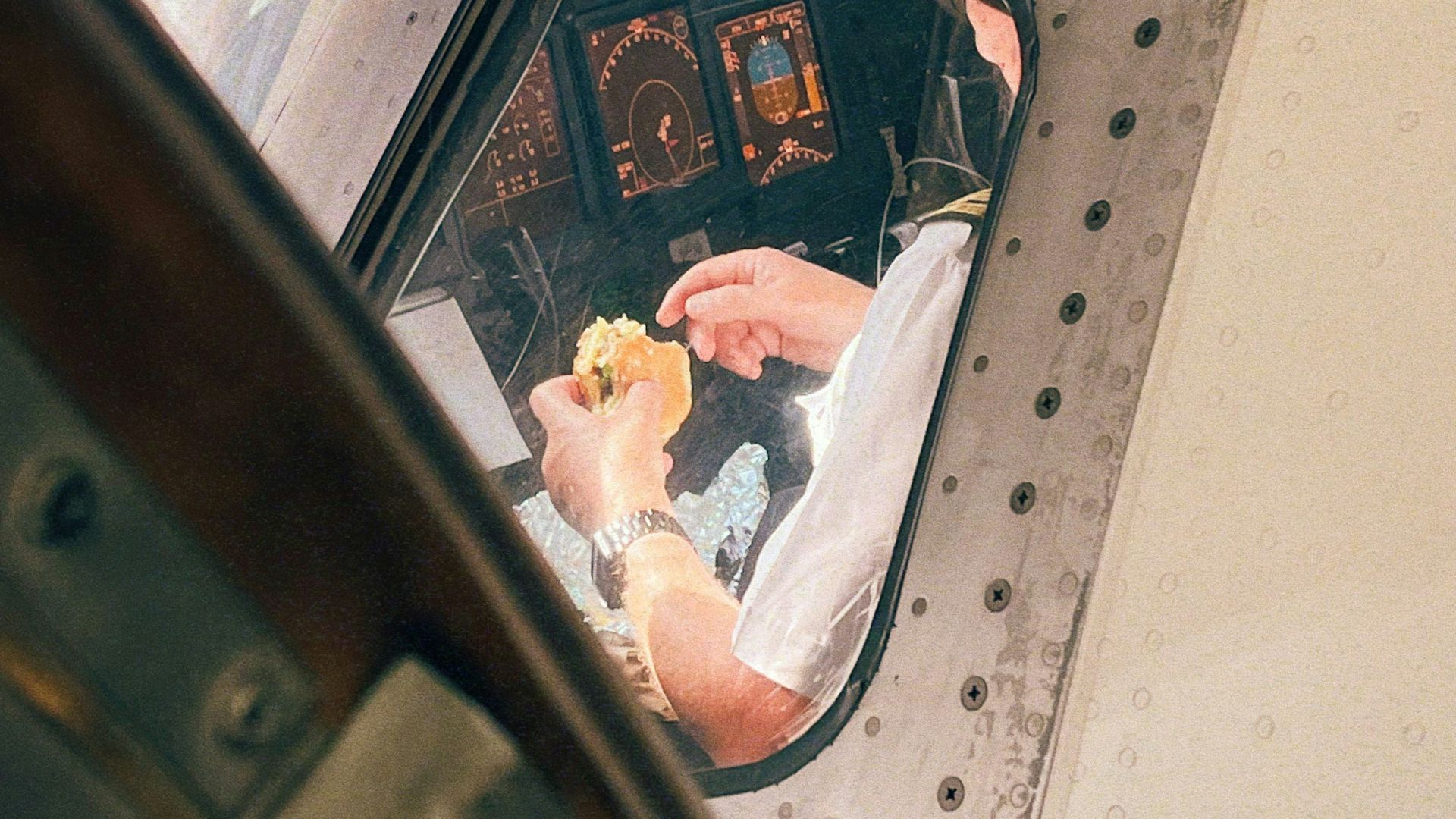
Early air travel and long-distance train travel had a public, aspirational quality, and people dressed accordingly, especially in the mid-20th century. The outfit wasn’t only for comfort, it was part of the event, like going out to dinner in a new city. Once travel became routine and crowded, comfort stopped being a guilty pleasure and became the point.
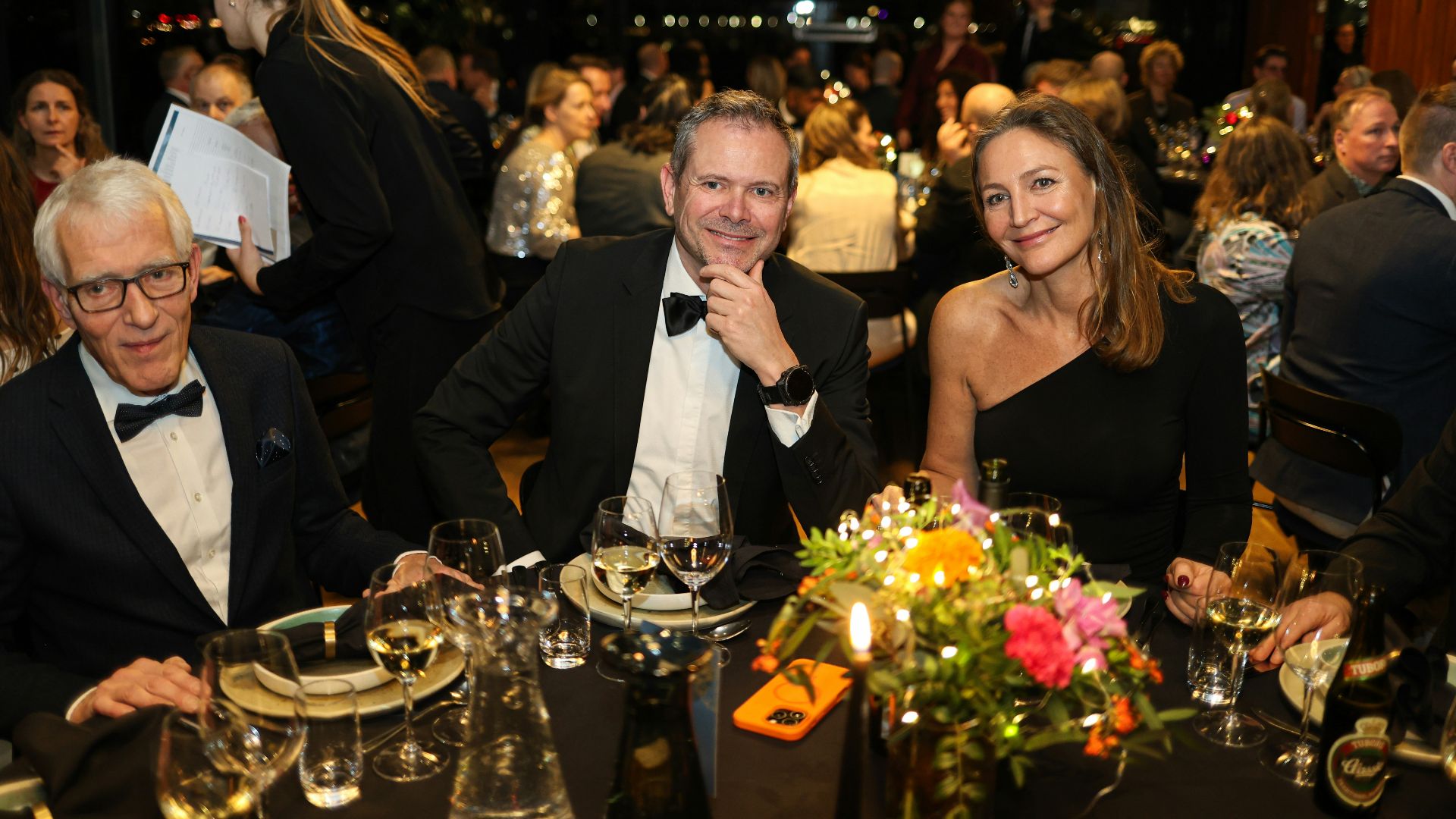
19. Formal Eveningwear Requires Specific Pieces
White tie has long been codified with strict components, from the tailcoat and white bow tie to the specific shirt front and accessories, and black tie has its own rules about the dinner jacket and proper shirt. These codes used to be widely understood among certain social classes, and getting it wrong could be visibly embarrassing. As fewer people attend events that demand this precision, the knowledge itself became niche.
20. Never Look Like You Tried Too Hard
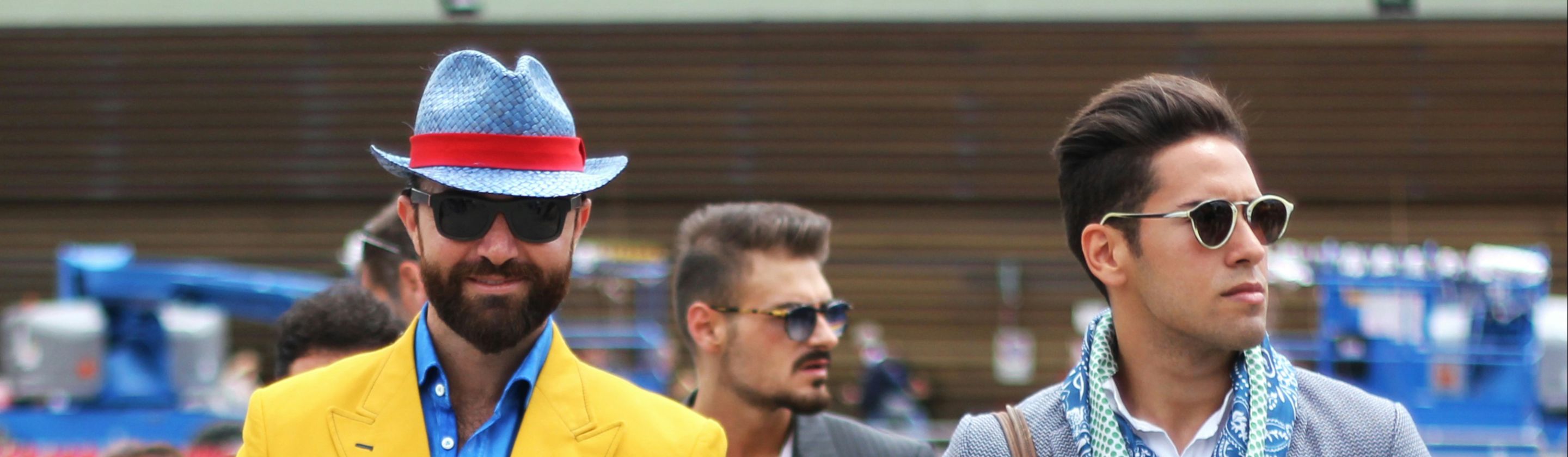
Older menswear culture often prized understatement, especially in the British-influenced traditions associated with tailored clothing. The ideal was ease, even when the ease was carefully constructed through good fabric, correct fit, and restraint. Modern style is more open to visible effort, which quietly retired the old rule that the best-dressed man should look almost accidental.