How Tumblr Shaped Internet Style
Tumblr didn’t just host posts and fandom discourse; it helped spread entire visual identities. The platform made it easy for niche looks to travel fast through reblogs, photo sets, and mood boards, which is why so many aesthetics feel instantly recognizable even now. Some of these styles existed before Tumblr, but the social media site played a major role in packaging them, naming them, and making them mainstream online. If you ever saved images to your blog theme inspiration folder, you’ll probably spot a few favorites here.
1. Soft Grunge
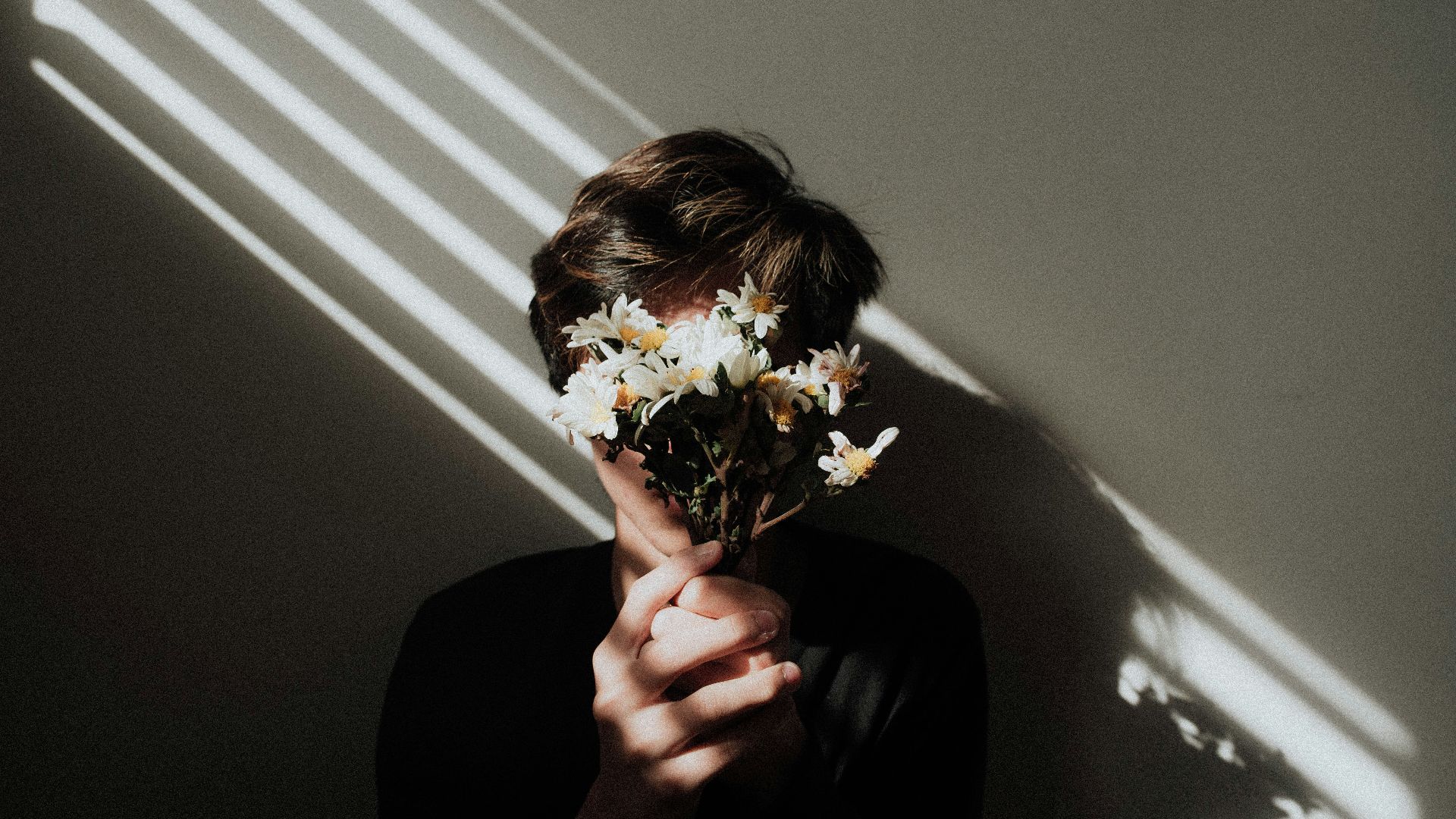
Soft grunge blended dark pieces with a lighter, cuter edge. You’d see oversized flannels, ripped tights, and band tees paired with pastel hair or heart-shaped details. Makeup often leaned smudgy, especially around the eyes, without looking too heavy. The overall vibe was casual, slightly messy, and very photo-friendly, with a lot of aliens, X’s, and grainy selfies.
2. Pastel Goth
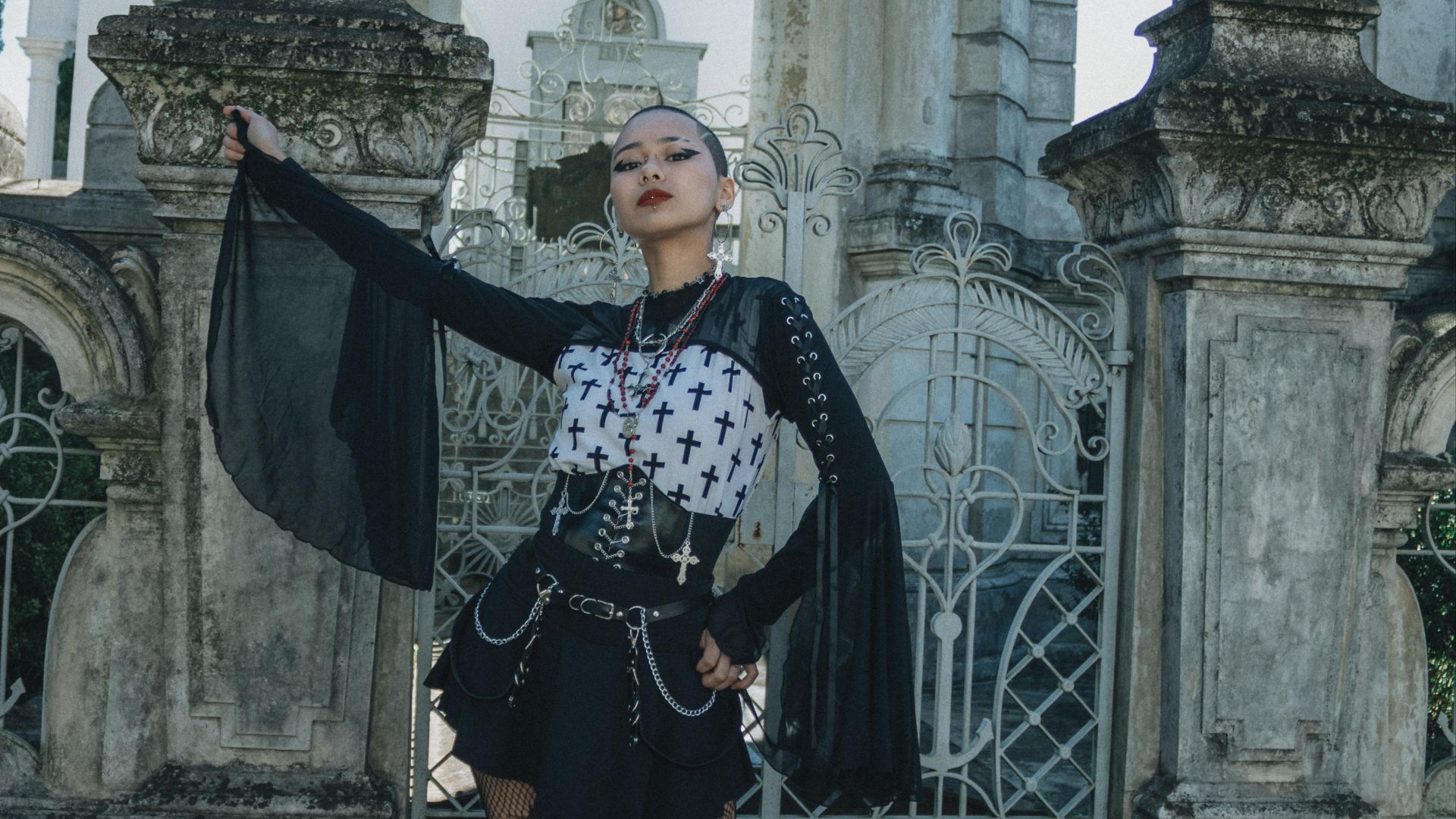
Pastel goth mixed sweeter colors with traditional gothic elements. Think lavender lipstick with black chokers, or baby pink hair with big, chunky boots. It became popular through outfit selfies and curated photo albums that emphasized contrast. If you wanted a dark style without giving up softness, this is the aesthetic that was delivered.
 Mayara Caroline Mombelli on Pexels
3. Indie Sleaze
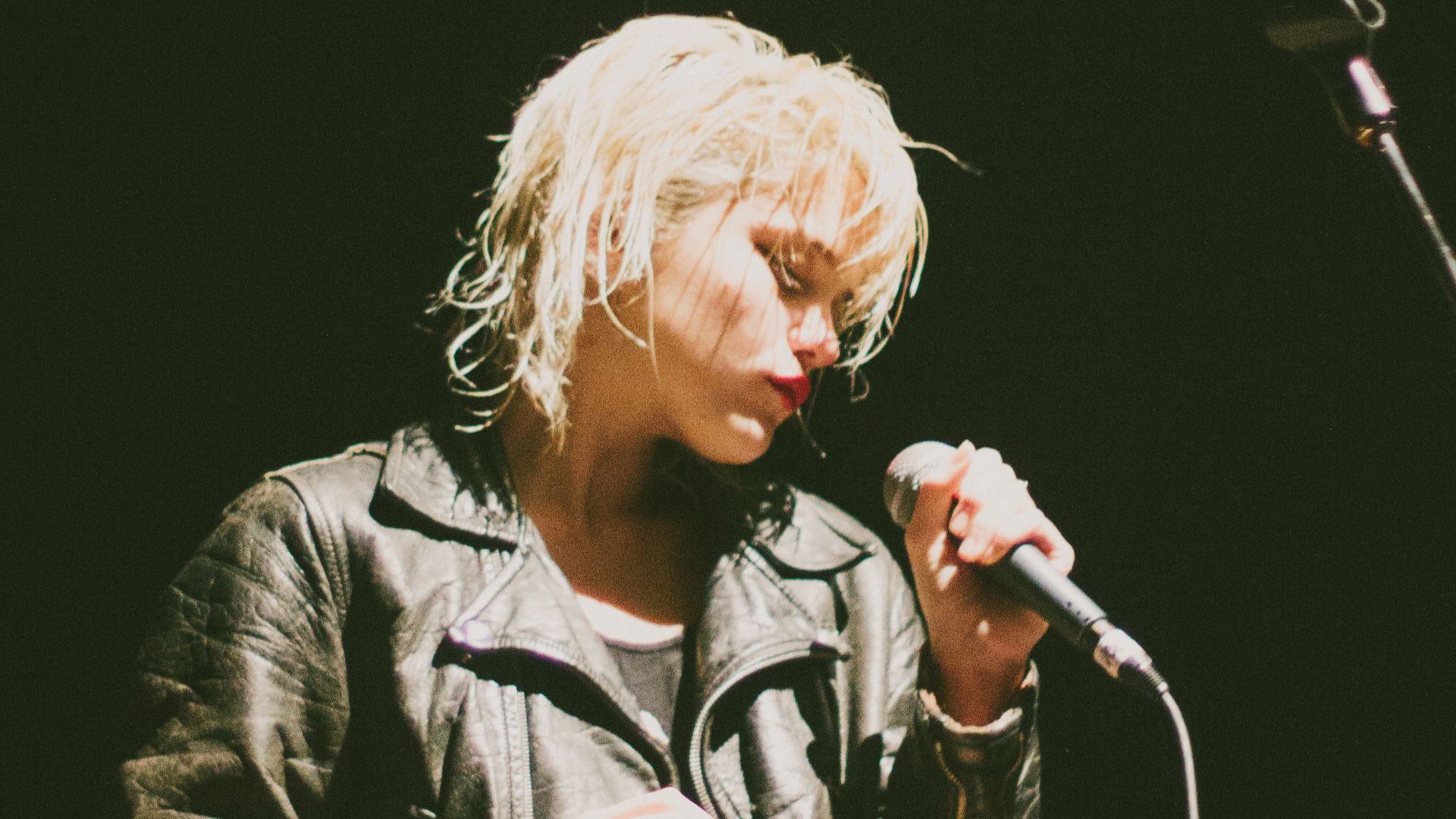
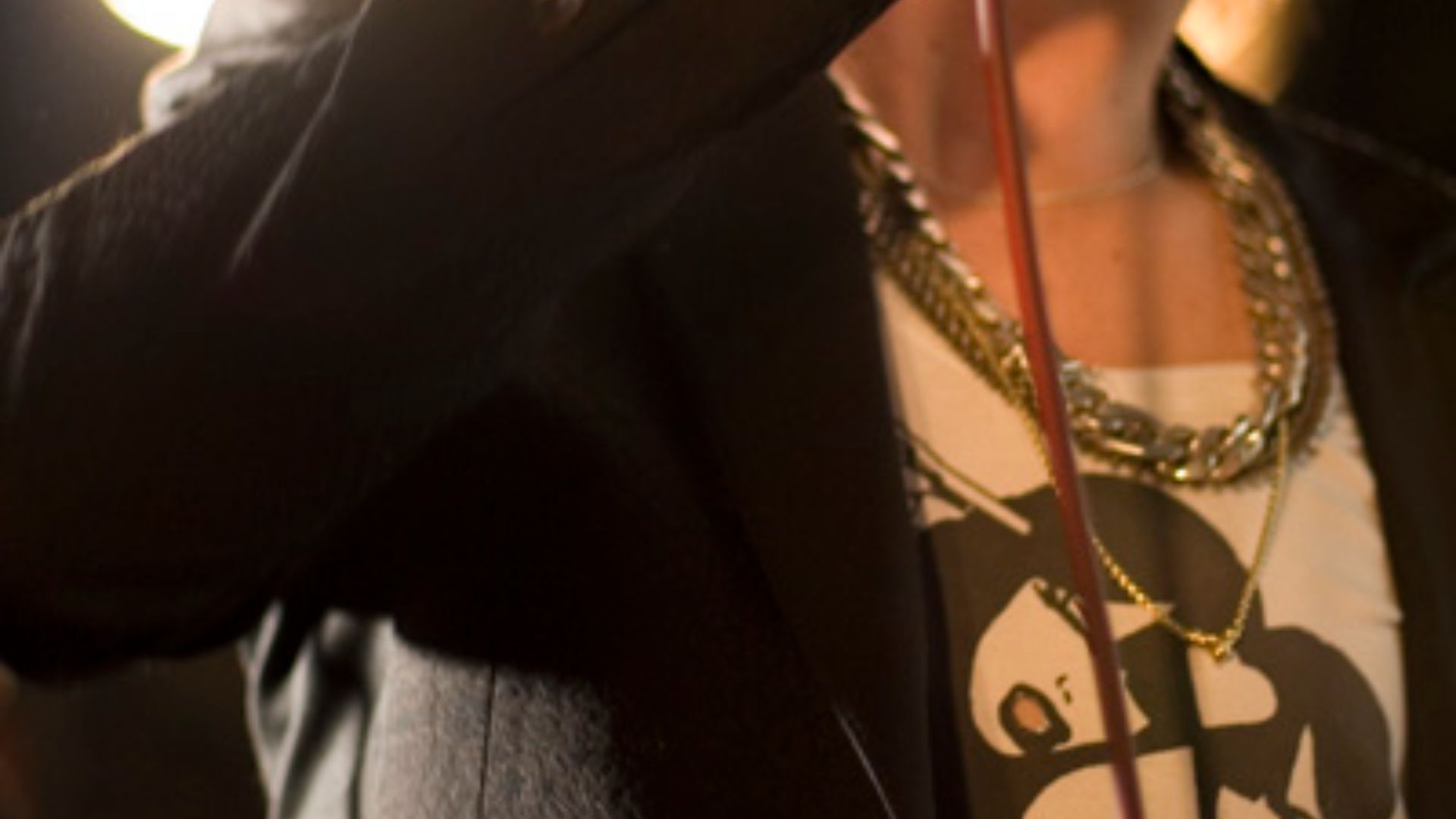
Indie sleaze leaned into a deliberately imperfect, party-worn look. It incorporated messy eyeliner, leather jackets, skinny jeans, and flash photography that made everything look gritty. Tumblr reblogs helped revive the aesthetic long after its original 2000s moment. It felt chaotic on purpose and never tried to look polished.
4. Hipster Minimal
Hipster minimal was focused on clean outfits with just enough personality. Neutral basics, simple silhouettes, and understated accessories showed up constantly in outfit posts. It was often paired with tidy interior shots, coffee photos, and clean typography.
5. Normcore
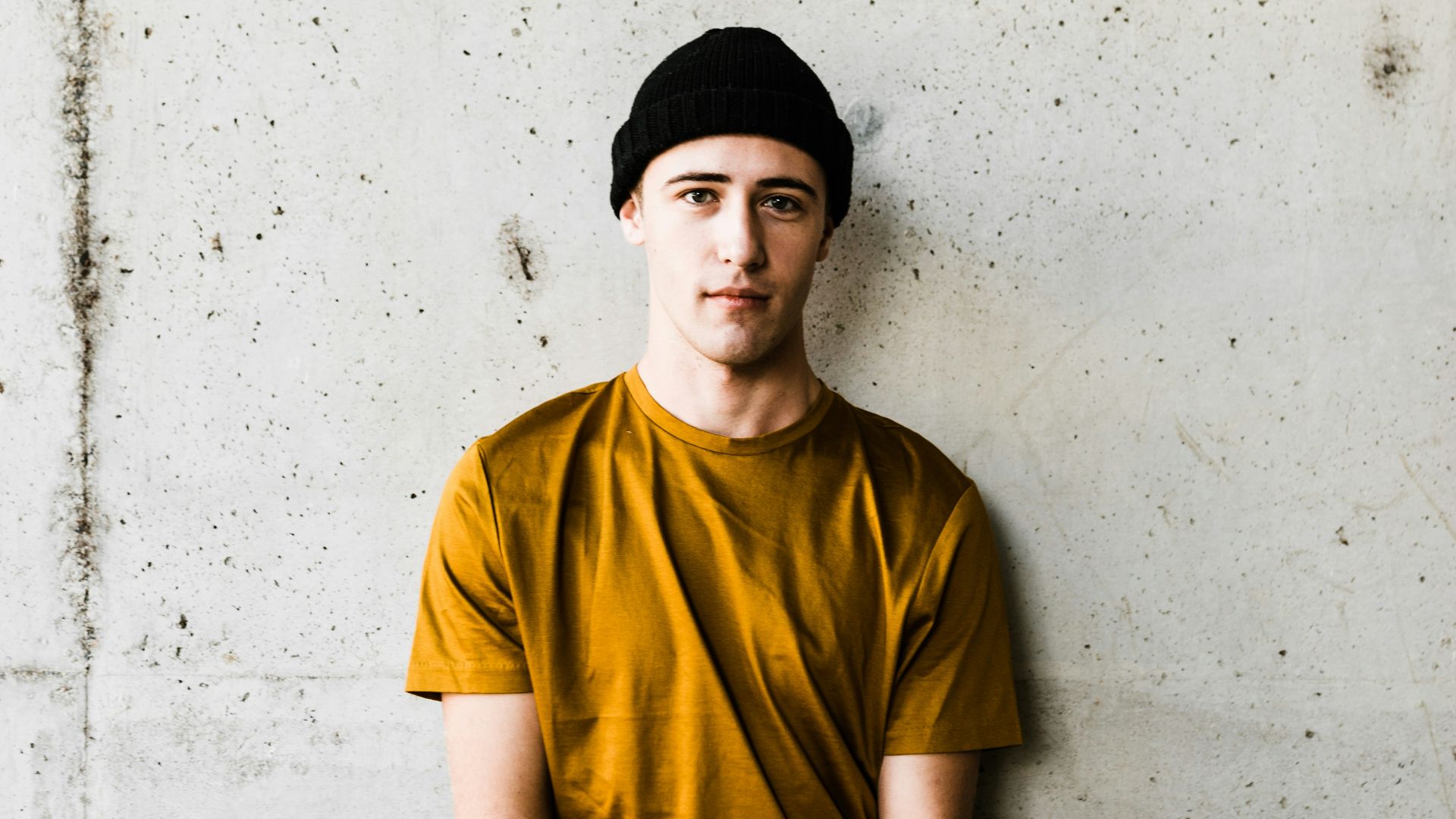
Normcore celebrated dressing plainly and blending in, and Tumblr helped spread the idea that basic jeans, sneakers, and simple sweaters could be a statement. The look was often styled in a self-aware way, with emphasis on comfort and practicality. It made “regular” feel intentional instead of boring.
6. Vaporwave
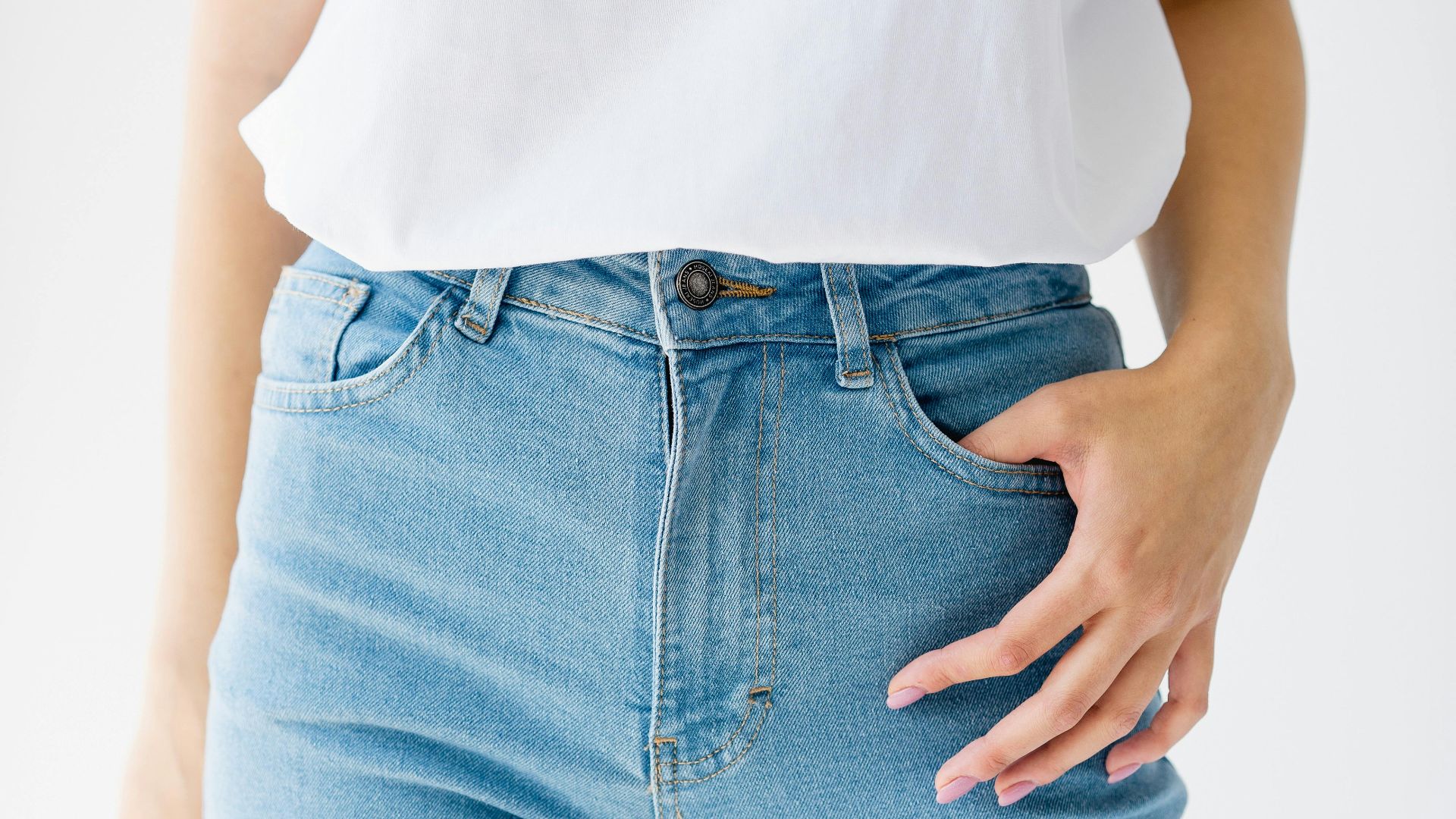
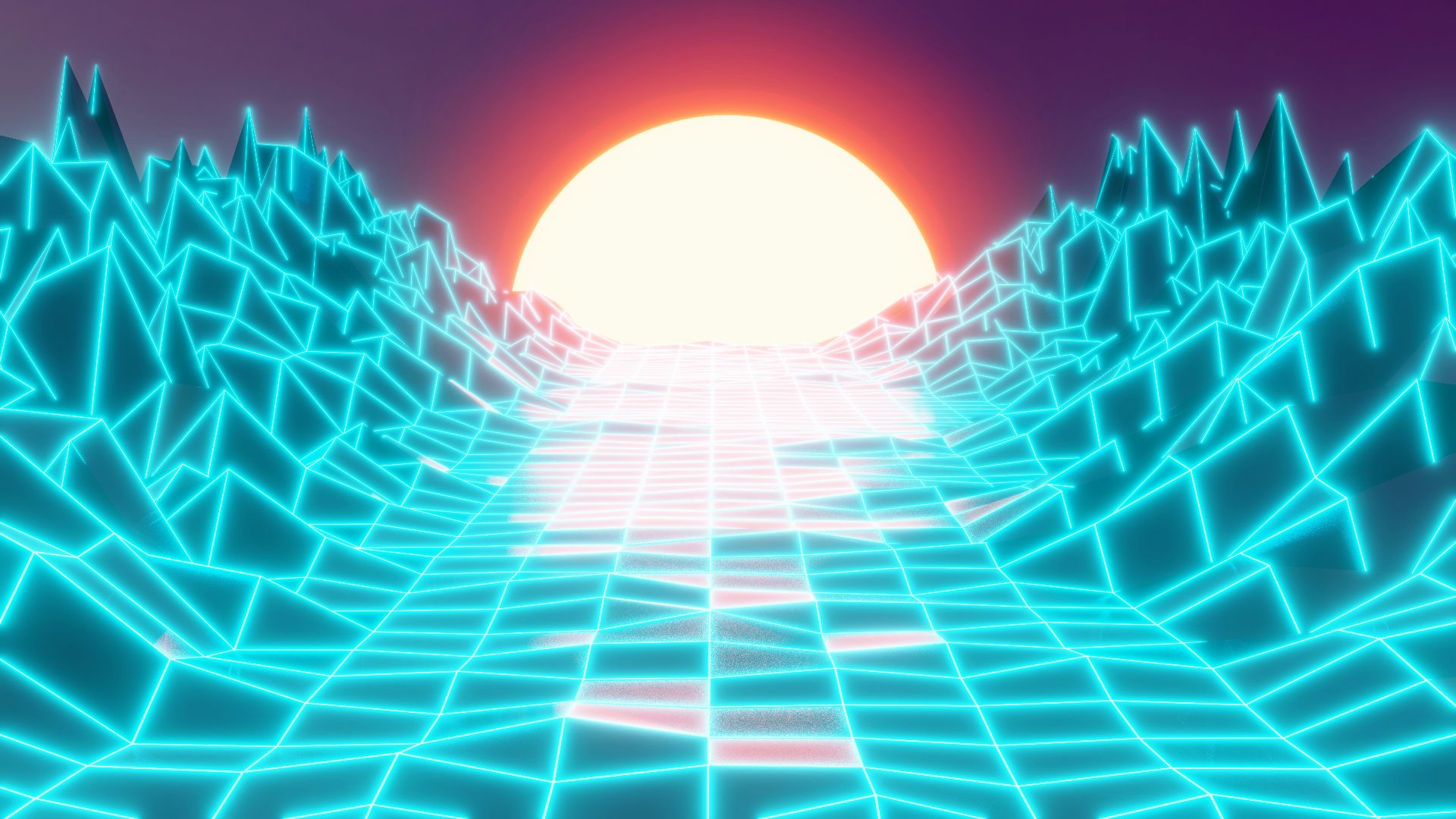
Vaporwave brought neon, glitch effects, and retro tech vibes into mainstream internet visuals. Tumblr users posted Greek statue edits, pink grids, and lo-fi graphics that looked like old computer screens. The aesthetic leaned heavily on specific color palettes and nostalgic imagery, often crossing into music taste and design choices as well.
 Neeqolah Creative Works on Unsplash
7. Seapunk
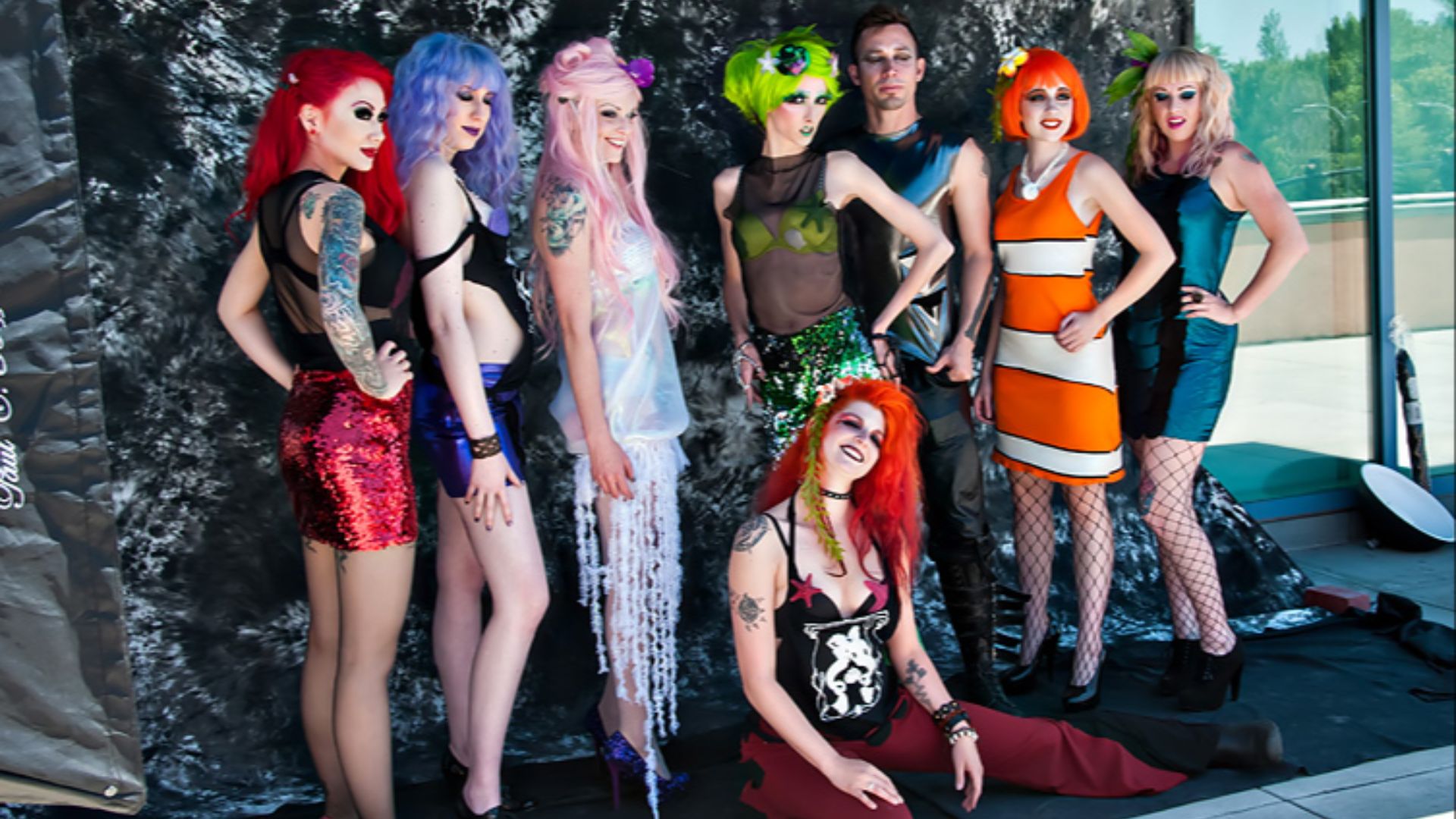
Seapunk was a short-lived but highly specific aesthetic that Tumblr helped spread quickly. It featured sea imagery, teal hair, dolphins, shells, and shiny, futuristic textures. The look was loud, digital, and heavily stylized in edits and gifs. Even when it faded, people still reference it as a peak internet niche.
 Annette Wamser from Elk Grove, USA on Wikimedia
8. Cottagecore
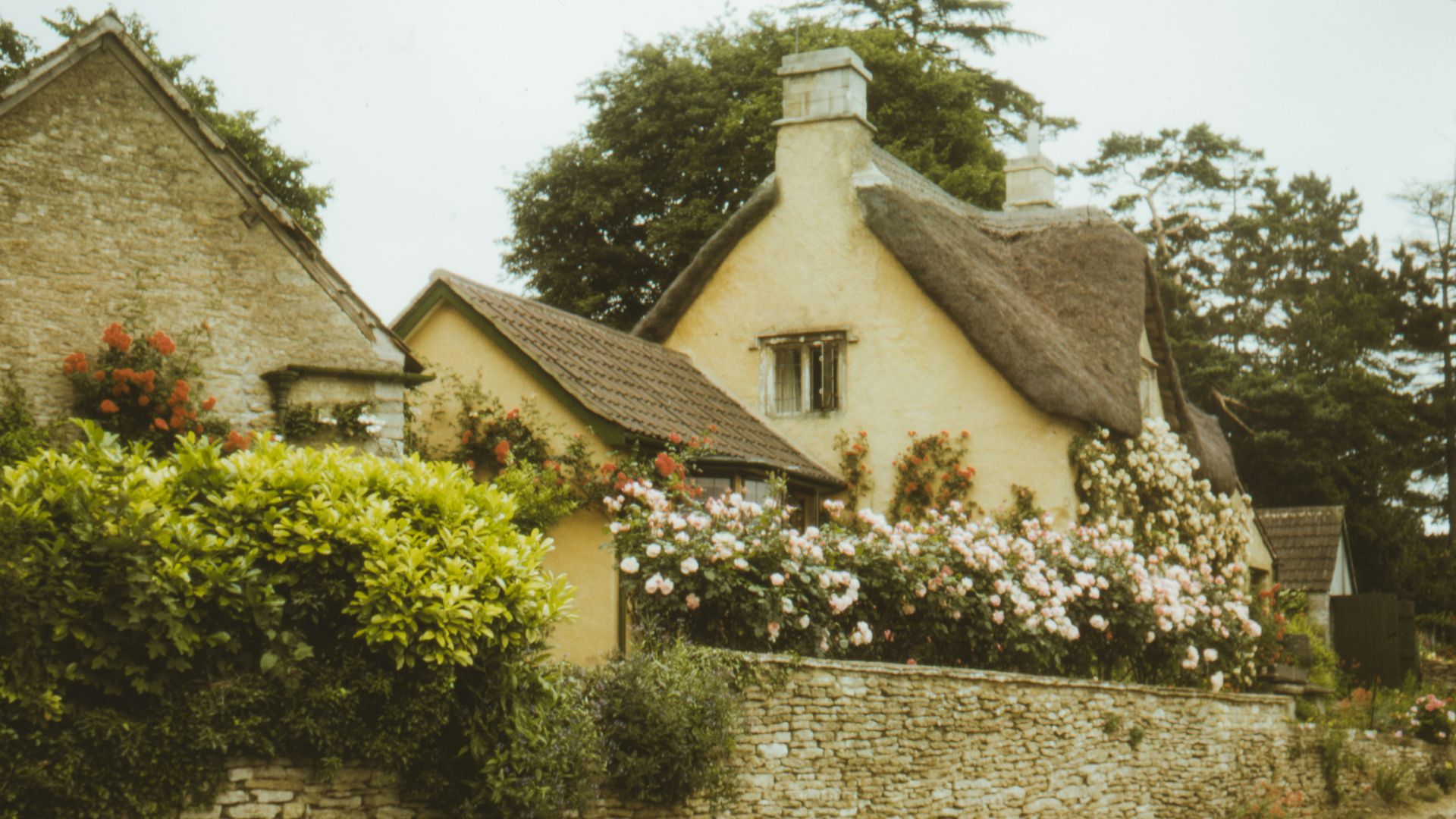
Cottagecore is centered on rural-inspired softness, including floral dresses, baking, and nature imagery. Tumblr helped organize the look through mood boards and themed tags long before it hit other platforms. Styling leaned vintage, cozy, and handmade, with plenty of linen and lace. It is also connected to the wider acceptance of slower living and gentle routines.
9. Dark Academia
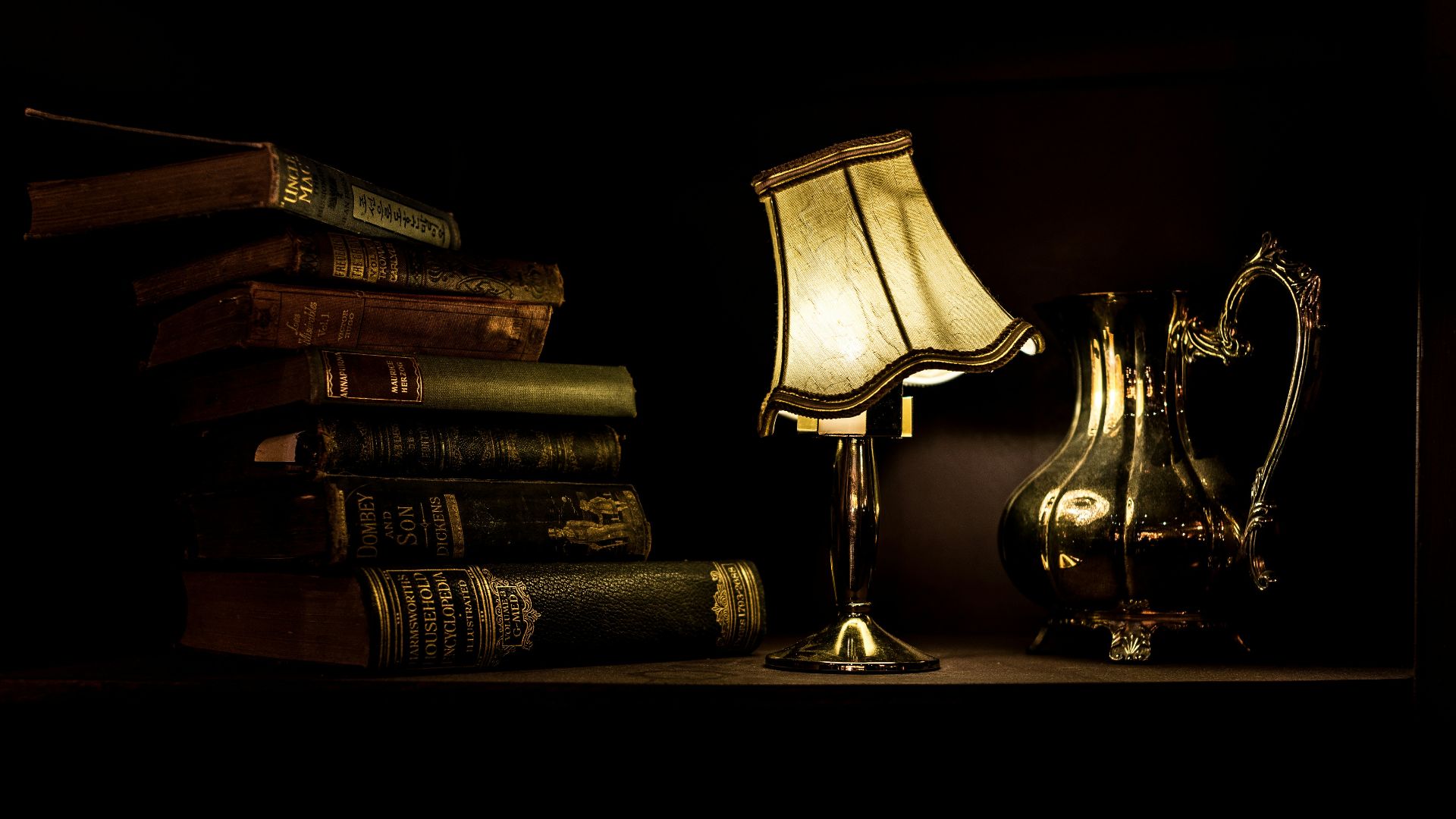
Dark academia focused on classic literature, school uniforms, and muted, scholarly styling. You’d see tweed blazers, turtlenecks, loafers, and lots of brown tones. Tumblr posts leaned into old libraries, fountain pens, and candlelit study setups. It became a full lifestyle mood, not just an outfit formula.
10. Light Academia
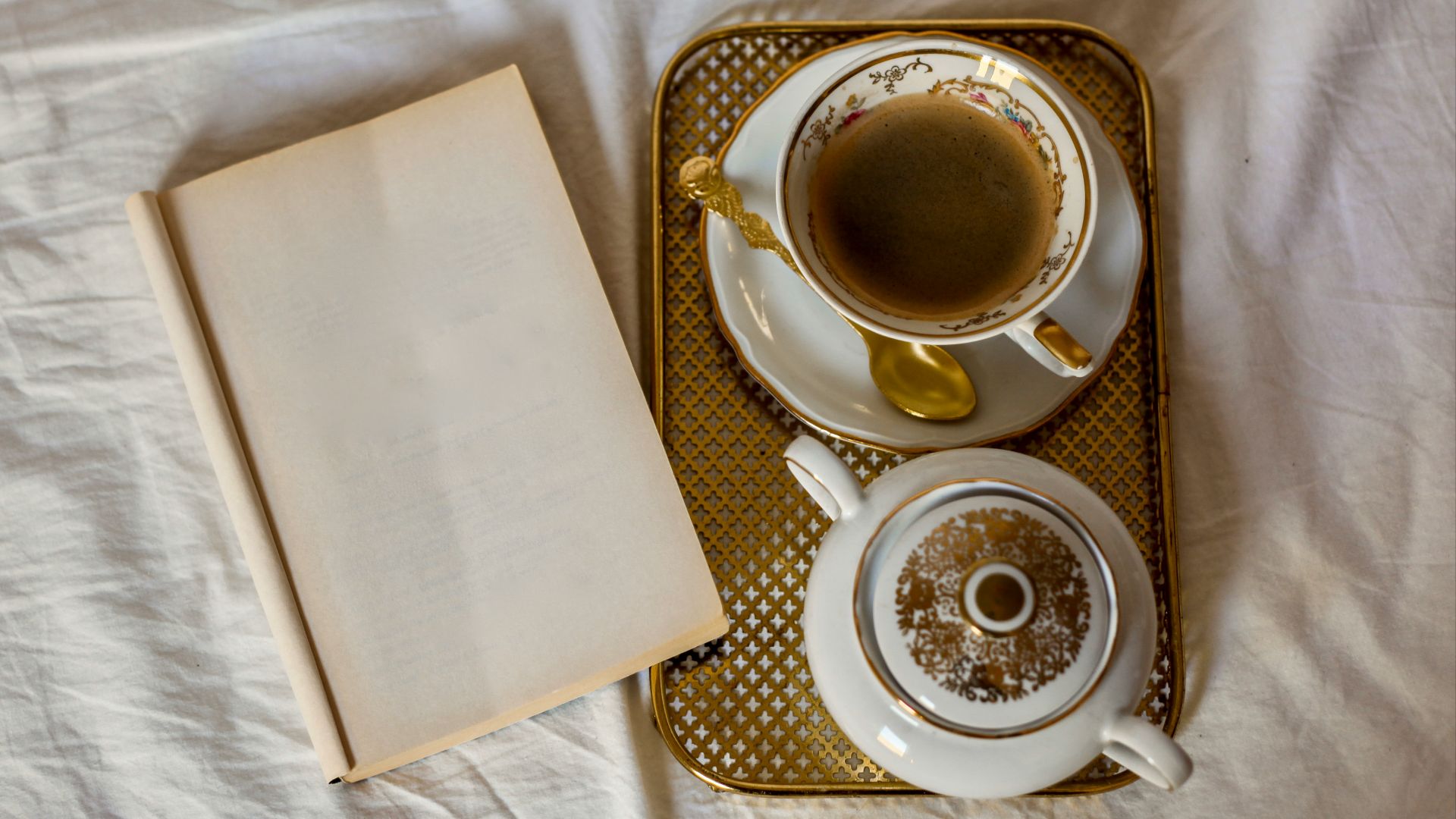
Light academia kept the academic theme but made it brighter and softer. Cream knits, airy button-downs, and warm neutrals showed up often in outfits and interior inspiration. The visuals leaned into sunlit rather than moody. It appealed to people who wanted the same “bookish” identity without the darkness.
11. Kawaii
Kawaii style was pulled heavily from Japanese pop culture and cute design. Tumblr helped spread pastel outfits, character accessories, and playful makeup looks across an international audience. You’d see bows, plush bags, and bright colors paired with a very sweet presentation. It was a look that embraced cuteness to the fullest extent.
12. Harajuku-Inspired
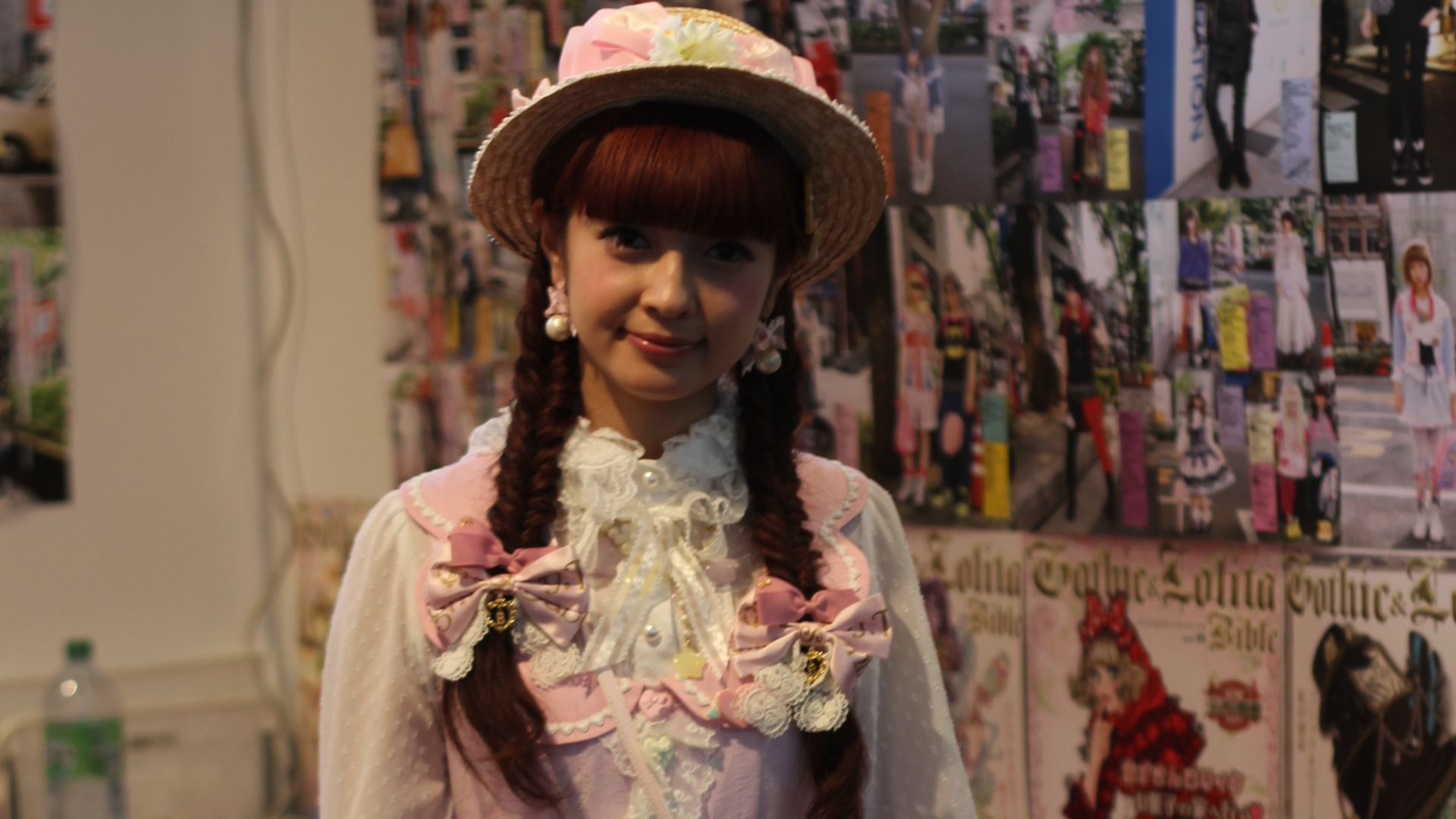
Harajuku-inspired fashion showed up on Tumblr through street style photos and outfit collages. The aesthetic emphasized layering, bold color combinations, and creative accessories. People often mixed patterns in ways that looked chaotic but still intentional. It became a popular reference point for experimental personal style online.
13. Lolita Fashion
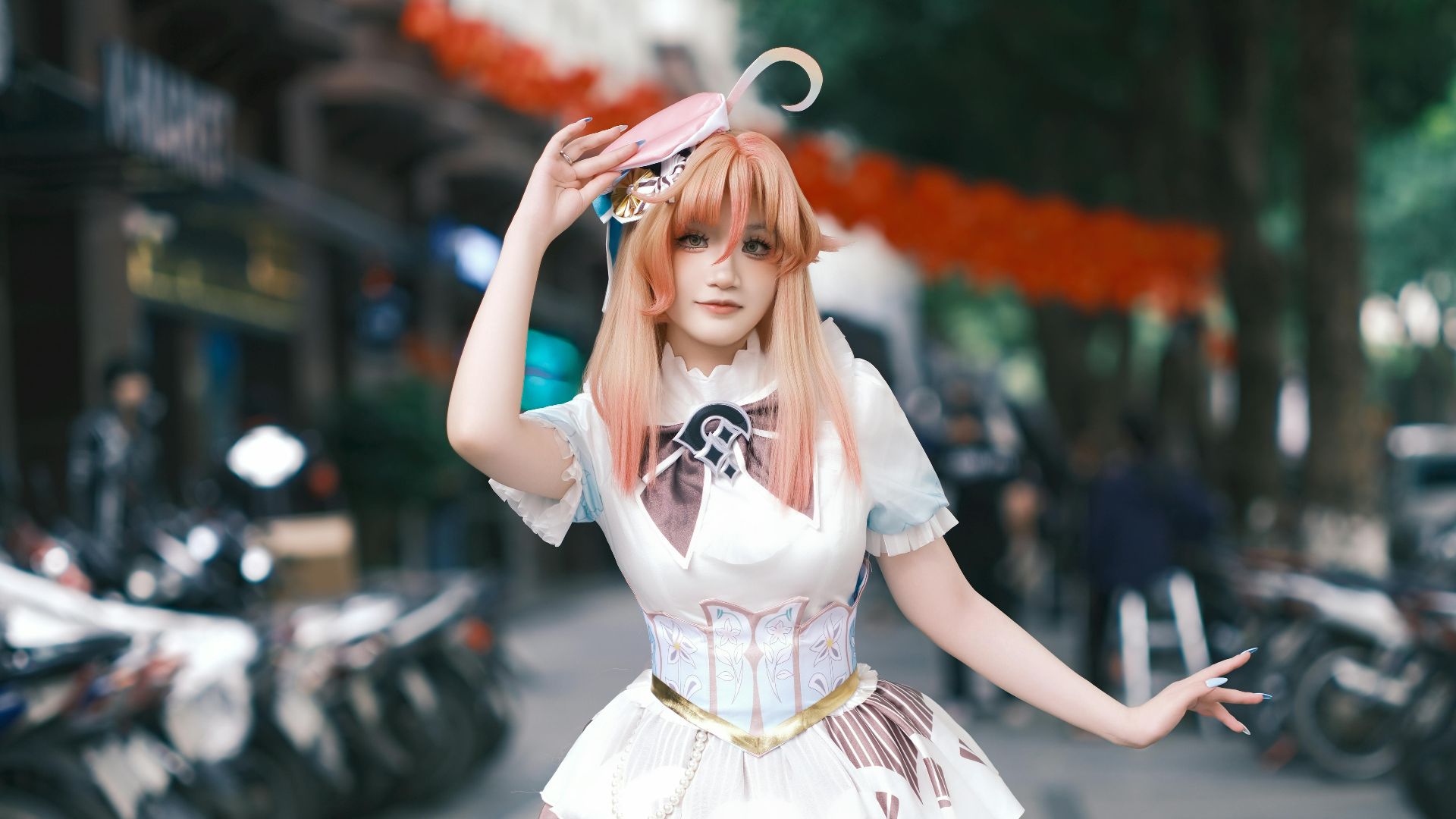
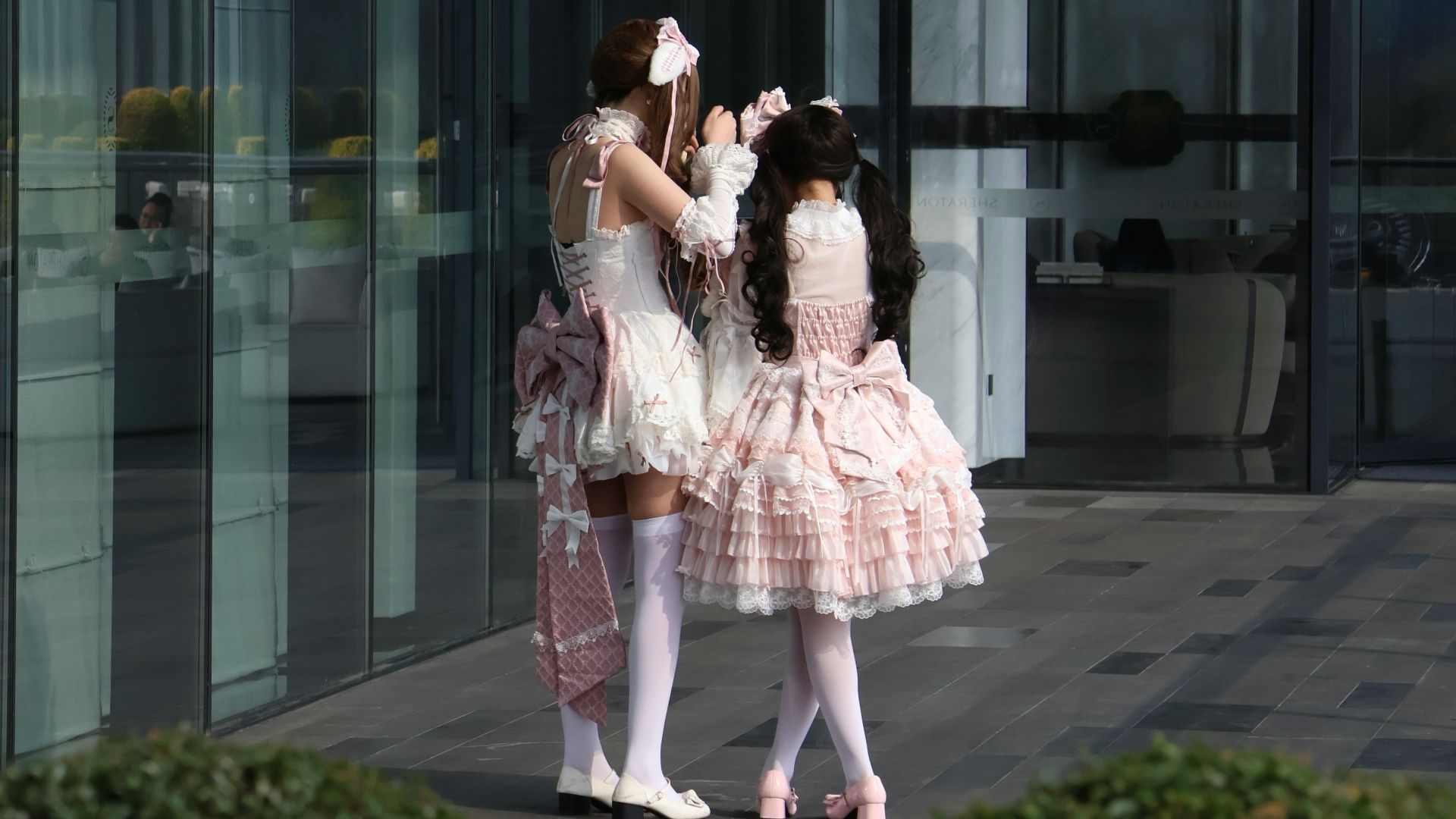
Lolita fashion gained visibility on Tumblr through community posts and style guides. The focus was on structured dresses, petticoats, lace details, and carefully coordinated accessories. Users shared brand references, outfit breakdowns, and etiquette discussions alongside photos. It became less of a trend and more of a dedicated fashion subculture online.
14. Scene
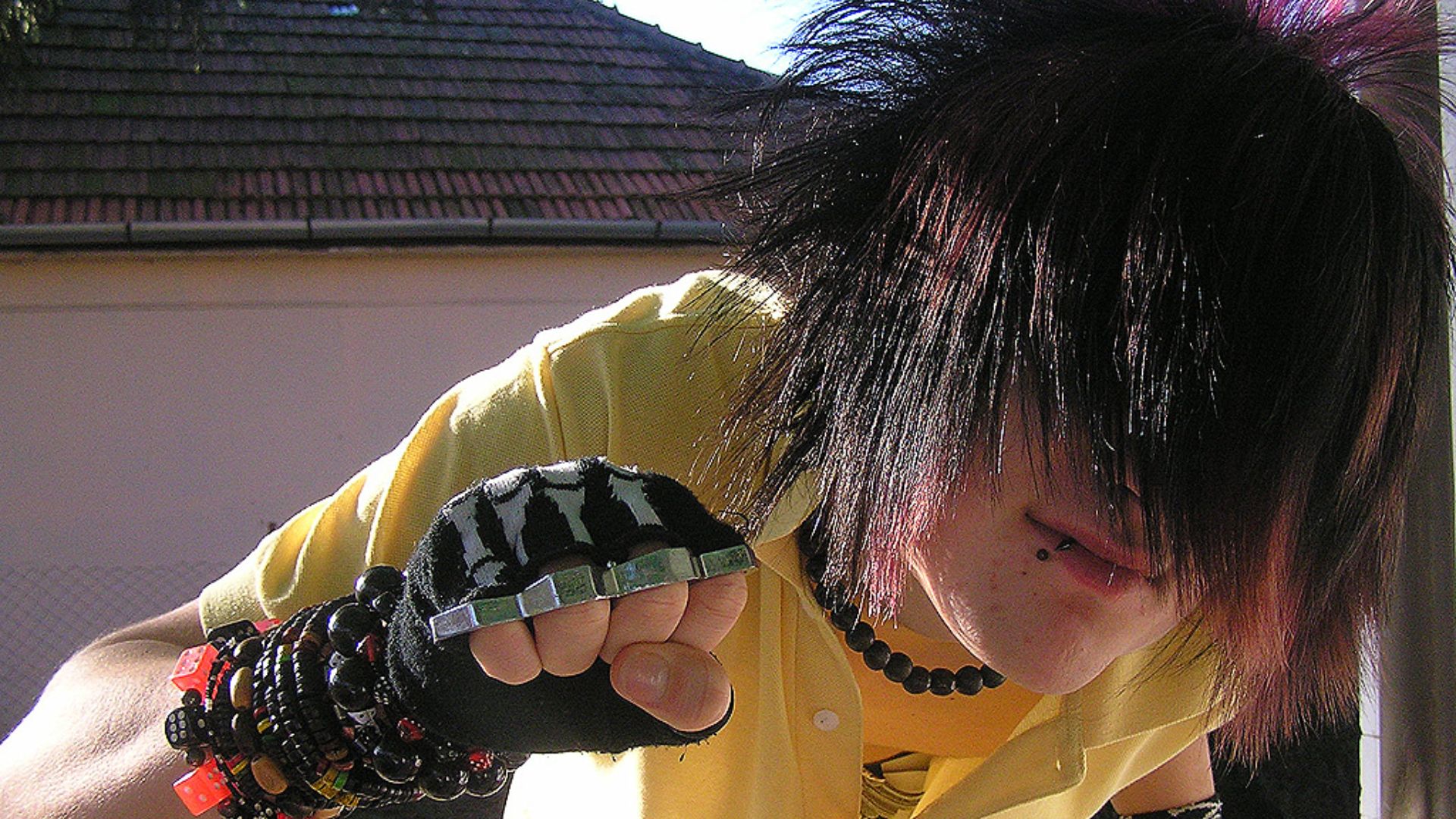
Scene style had bright hair, heavy eyeliner, and graphic tees with loud accessories. Tumblr kept it alive through throwback photos, band fandom posts, and DIY hair and makeup tutorials. The look was colorful and expressive, often paired with big hair and layered cuts. It was dramatic, unapologetic, and easy to spot.
15. Emo Revival
Emo never fully disappeared, but Tumblr helped push an updated version into the spotlight. The look often involved black skinny jeans, worn-in hoodies, red flannels, and band t-shirts from Hot Topic. Makeup leaned toward dark eyeliner and a slightly tired, moody expression in photos. The emo style lasted for well over a decade, proving that it wasn’t just a phase.
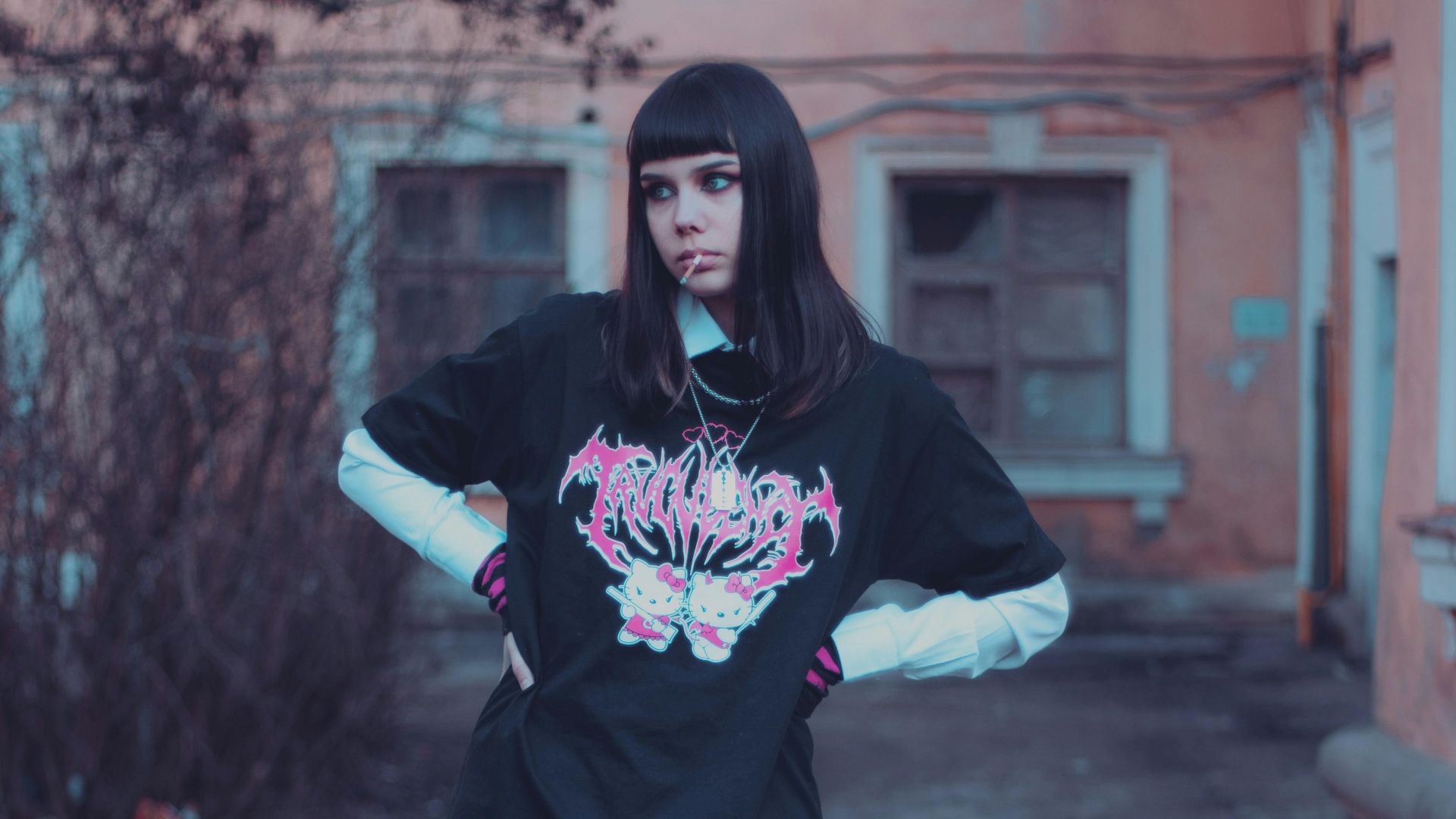
16. Boho Indie
Boho indie mixed flowy pieces with festival-inspired styling. Tumblr was packed with fringe bags, floppy hats, layered necklaces, and soft, sunlit photos. It leaned earthy with a romantic edge, often featuring lace and loose waves. You could dress it up or down, which helped it stick around.
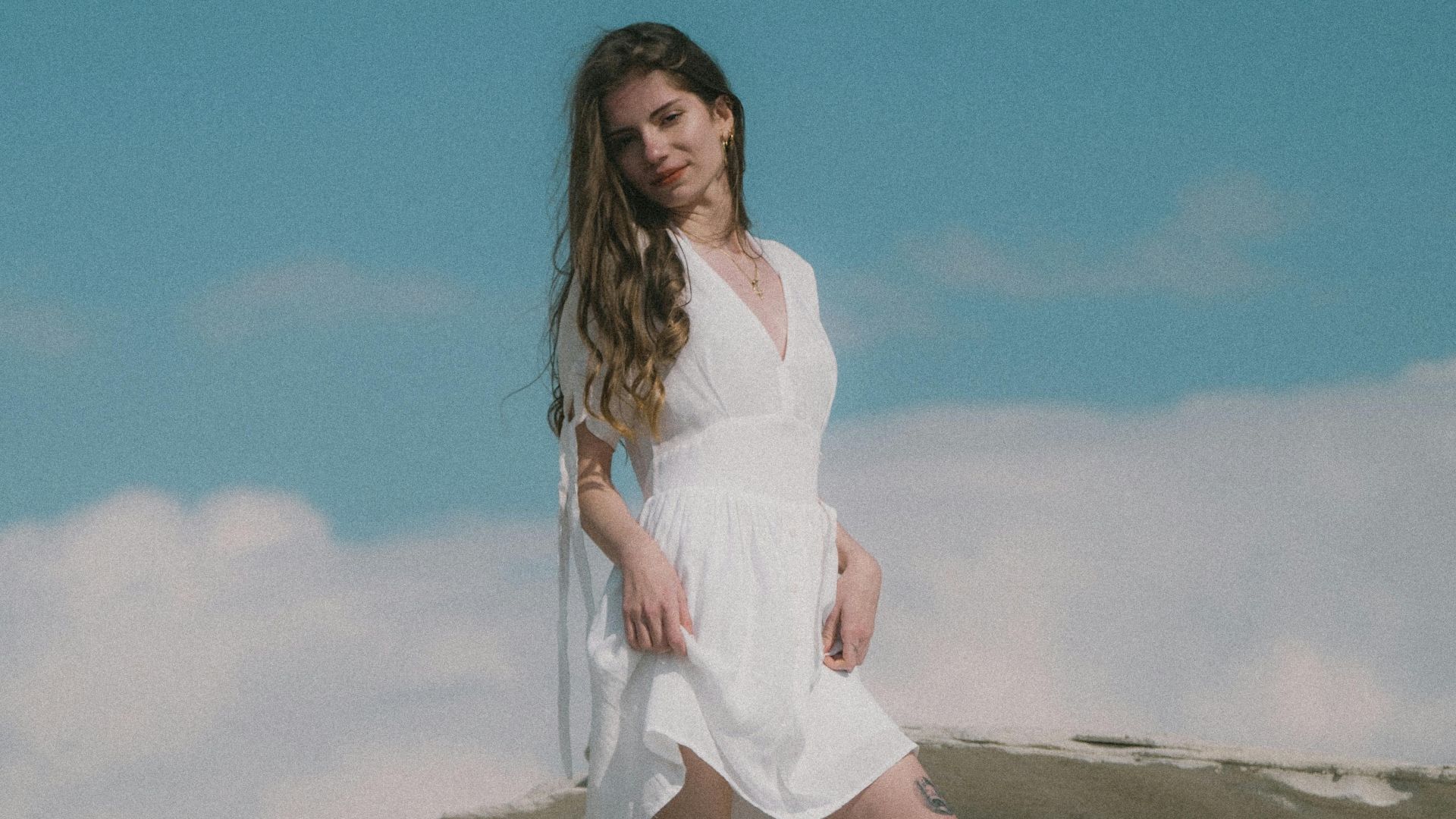
17. Galaxy Print
Galaxy print had a serious moment thanks to Tumblr’s love of bold visuals. Leggings, skater skirts, and oversized sweatshirts with space patterns showed up everywhere. The photos were often edited for extra saturation and contrast. It felt playful, loud, and very tied to early 2010s internet fashion.
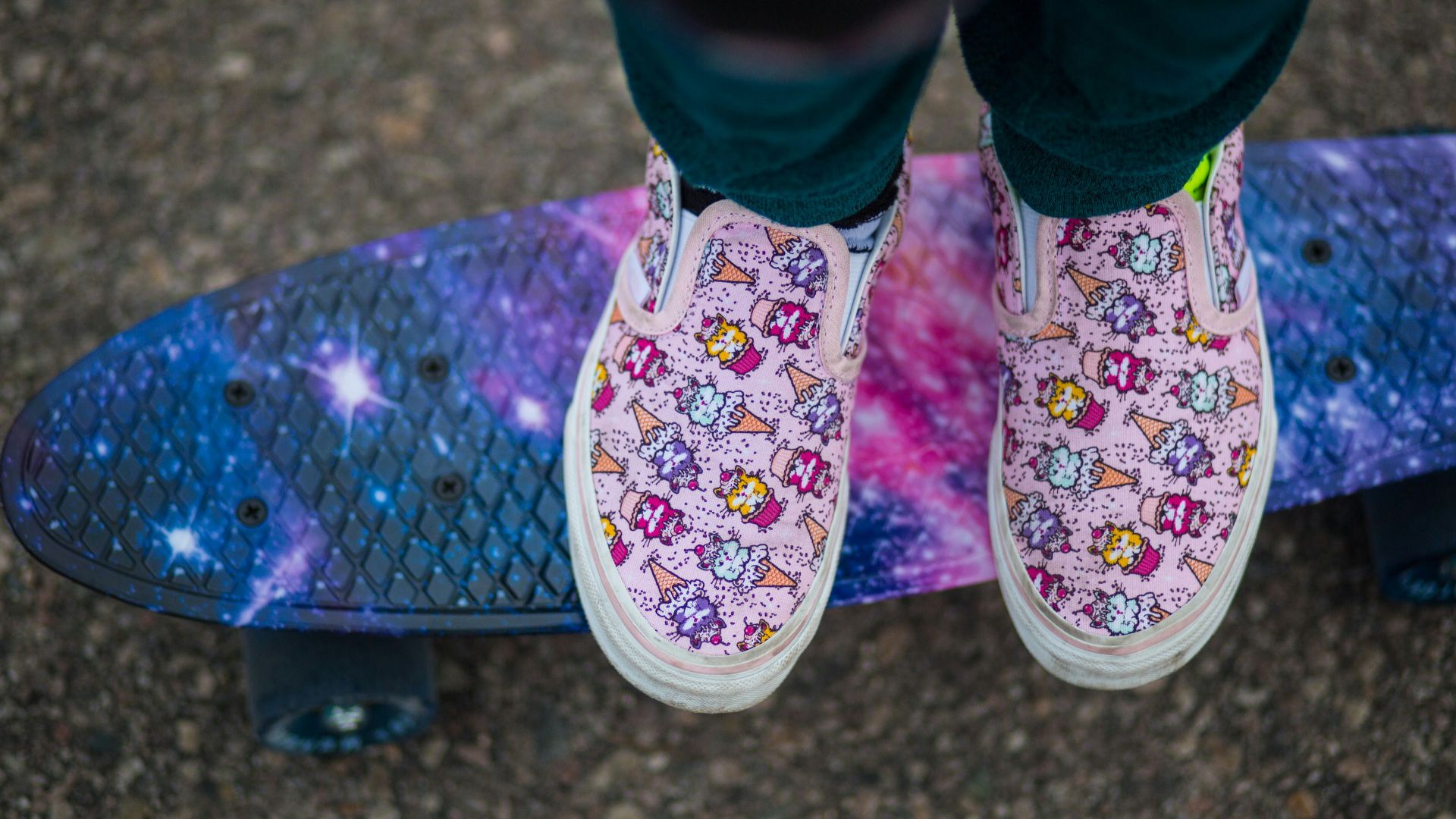
18. Monochrome Black
All-black outfits became a recurring Tumblr staple across multiple subcultures. The styling was clean, often featuring layers, long coats, and boots. People leaned on texture to keep it interesting, like leather, denim, and knits together.
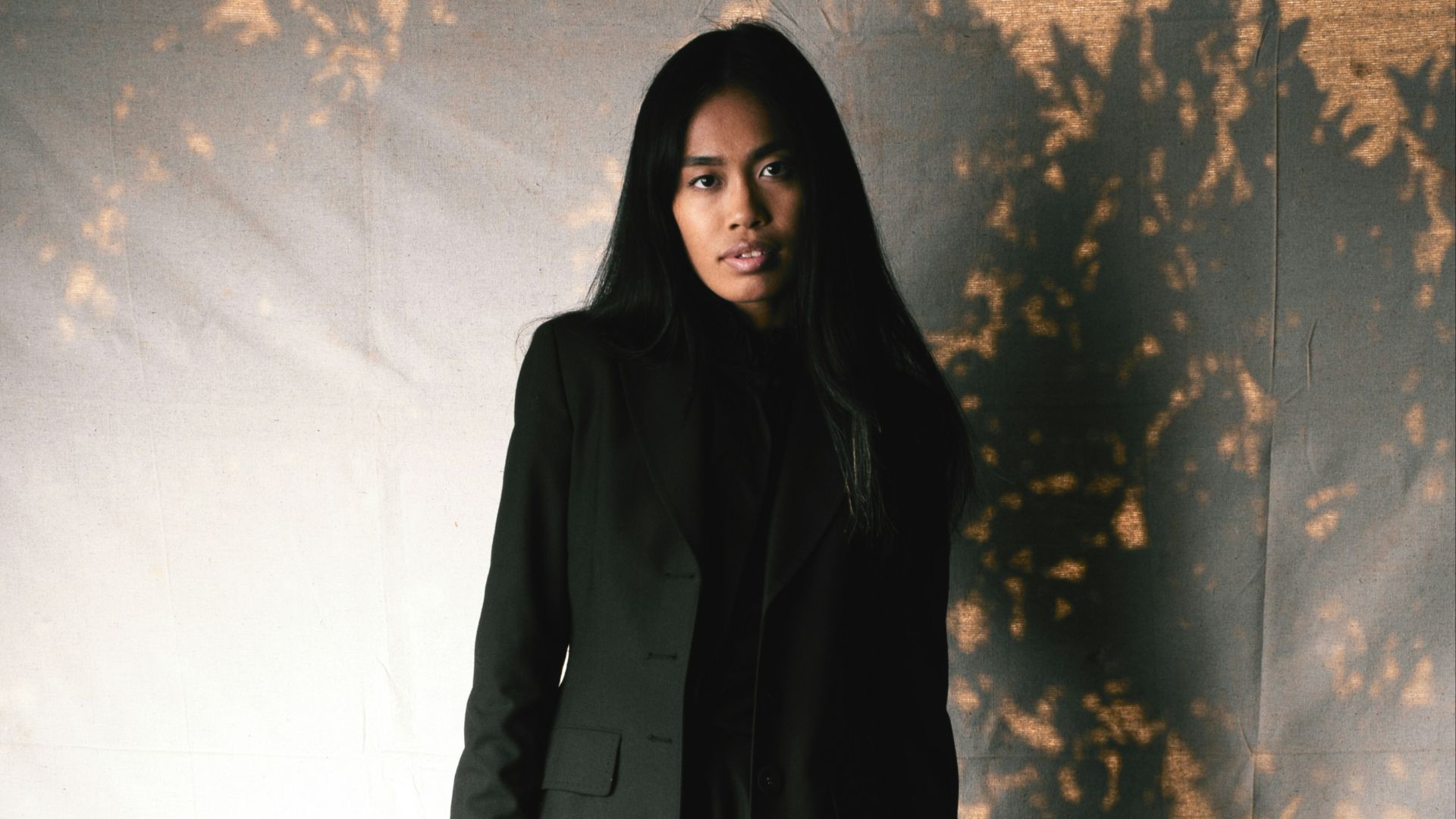
19. Retro 90s
Tumblr helped re-popularize 90s-inspired outfits long before the current wave. You’d see mom jeans, baby tees, chokers, and thrifted jackets in outfit posts. The aesthetic often included film photography and nostalgic references. It appealed to people who wanted a casual style with a strong visual identity.
20. Sad Girl Style
Sad girl style combined minimal outfits with a moody, emotional online tone. Slip dresses, oversized sweaters, straight-leg jeans, and simple jewelry were common. The aesthetic was tied closely to playlists, muted colors, and introspective posting.