
The Hidden Costs of Secondhand Shopping
Thrift stores promise bargains, but they often deliver more trouble than treasure. What looks like a steal can turn into a headache with questionable quality, hygiene risks, and wasted time. Savvy shoppers should skip the bins and racks altogether and opt for ease, even if it costs a bit more. Here are 20 reasons to never shop at thrift stores.

1. Hidden Bed Bugs Waiting to Hitch a Ride
You never know what creepy crawlies lurk in those fabric folds. Bed bugs love secondhand clothes and furniture, hitching rides home to infest your space for months. Professional extermination costs hundreds, turning your $5 find into a nightmare expense. Not to mention, you will have to turn your life upside down to rid yourself of these pests.
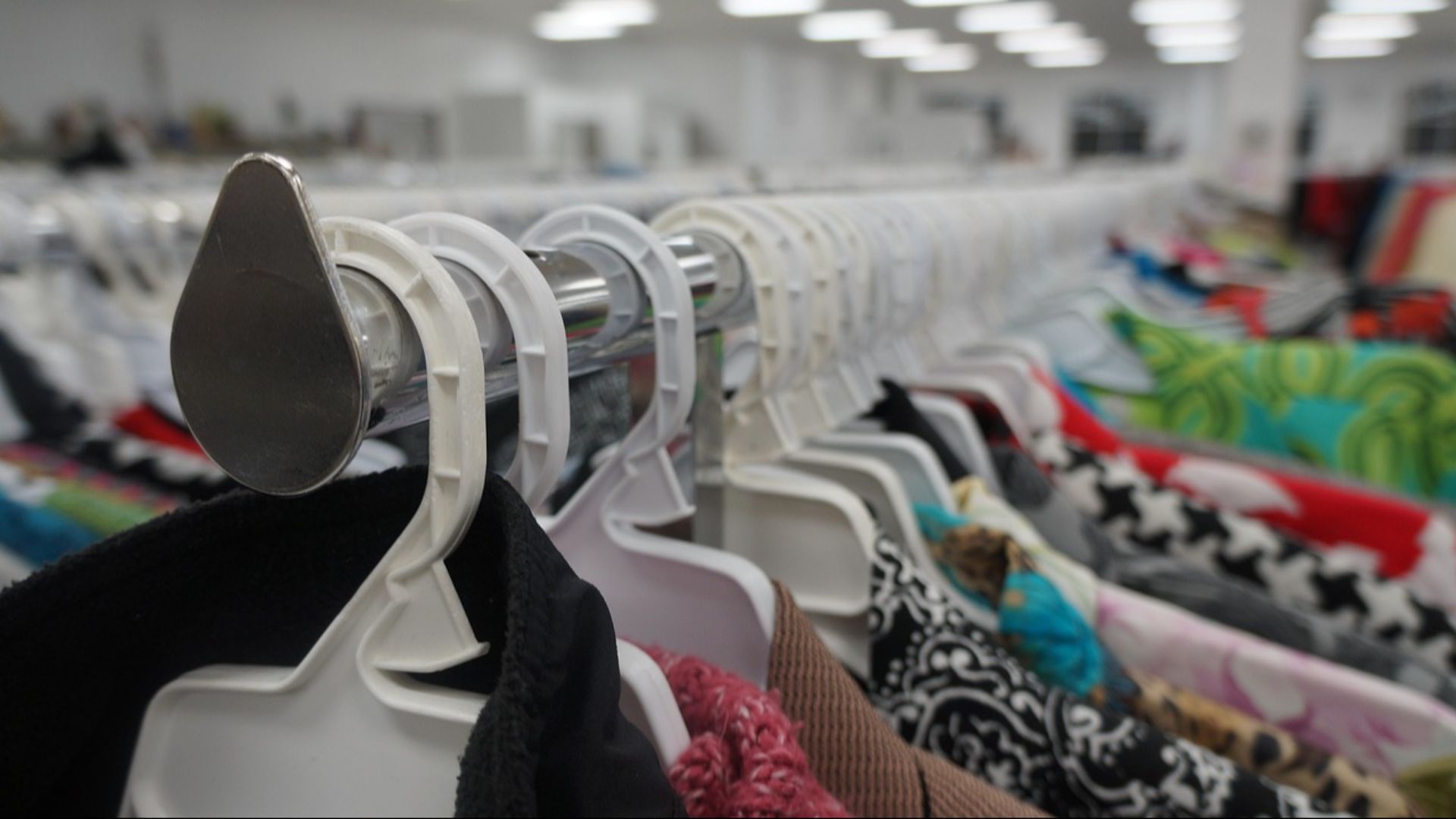
2. Mystery Stains That Never Come Out
Those "barely noticeable" spots on shirts or upholstery? They're usually permanent souvenirs from previous owners' spills or messes. Harsh chemicals won't touch them, leaving you with ruined garments no matter how much you scrub. Dry cleaning bills erase any savings instantly, so it's best to leave these items on the rack.
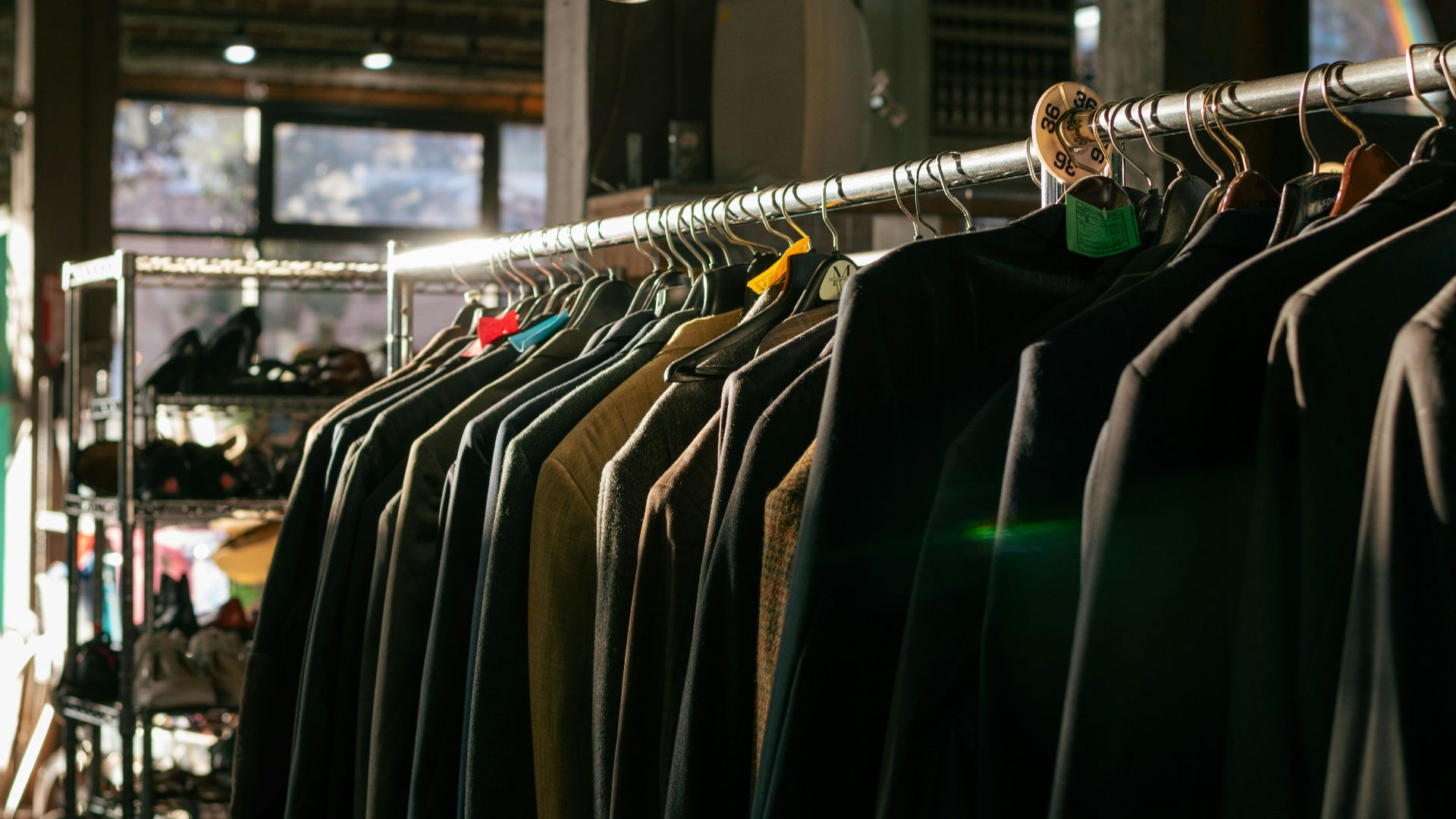
3. Clothes That Fall Apart After One Wash
Thrifted threads often endure dozens of wearings before you get them. Seams split, zippers jam, and colors bleed because they've hit their lifespan limit. You're basically buying someone else's trash masquerading as a deal.
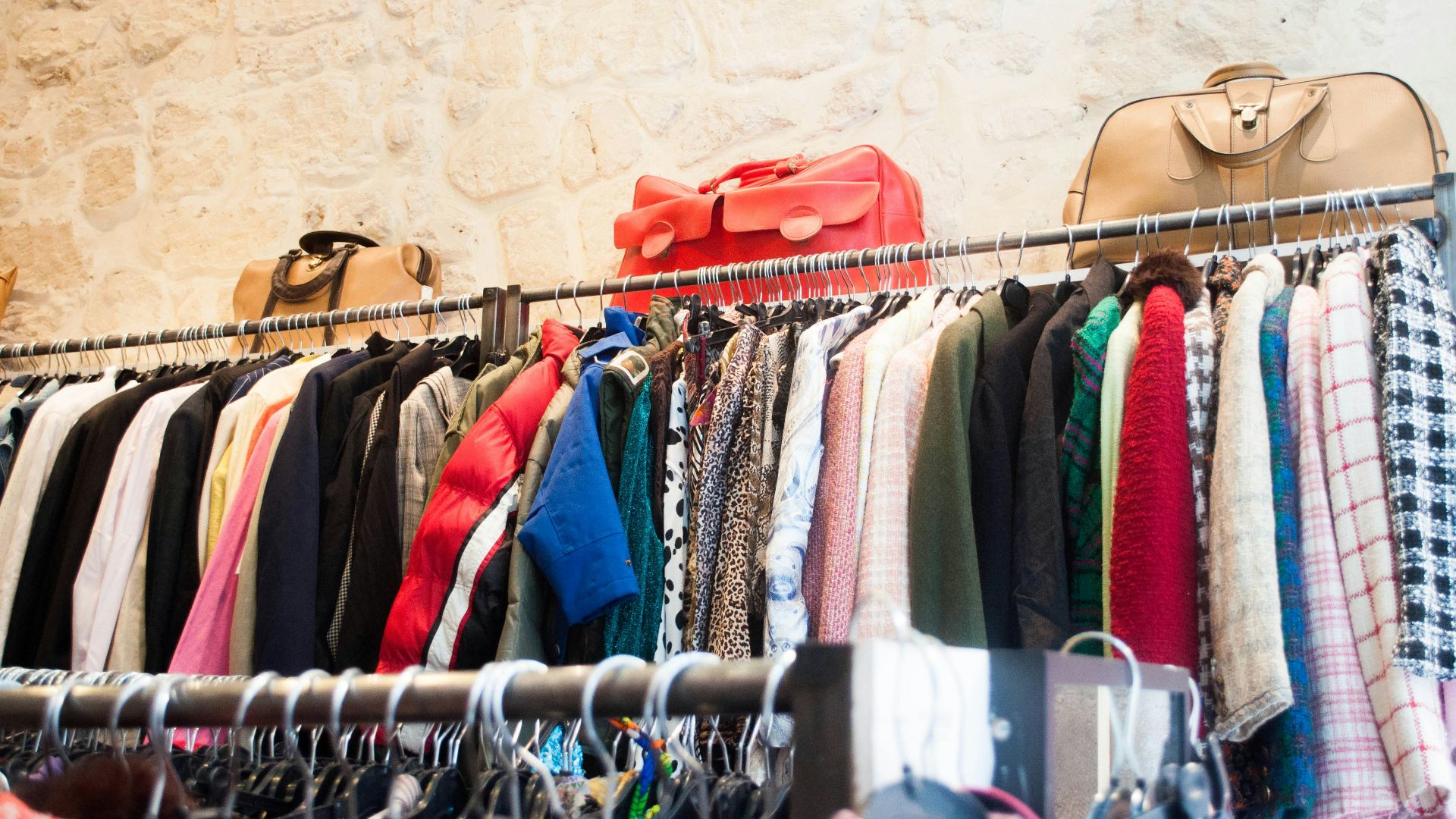
4. Foul Odors Embedded in Fibers
Cigarette smoke, pet accidents, and basement mildew soak deep into fabrics over the years. Airing them out rarely works, as the stench lingers through multiple washes. You'll smell like a hoarder’s closet instead of fresh laundry.
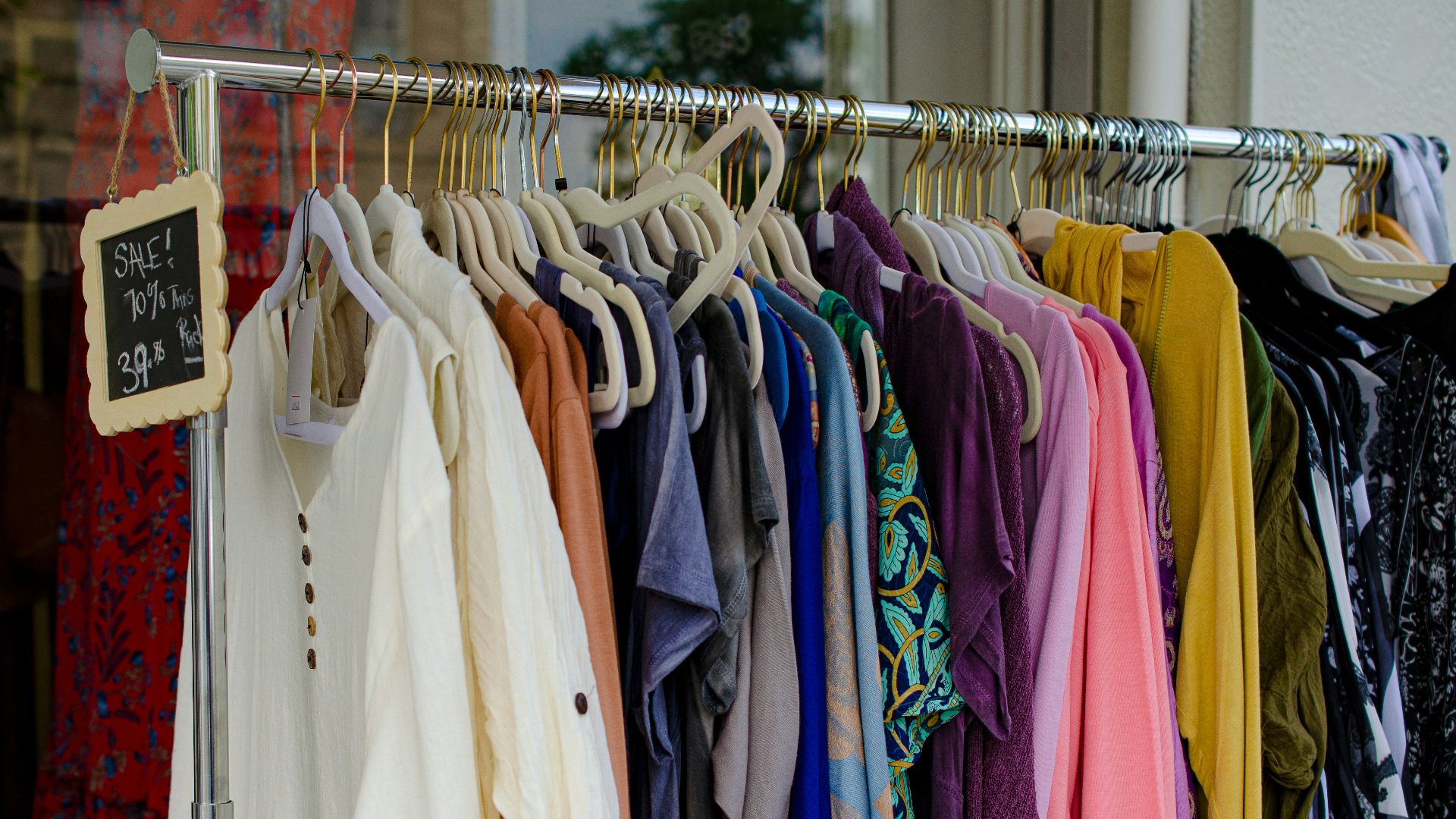
5. Sizing Chaos Across Brands
One store's medium fits like a tent while another's squeezes like a vice. Inconsistent tags and stretched-out waistbands mean endless trying-on frustration. You'll waste hours on clothes that don't actually fit your body, so what's the point?
6. Outdated Styles That Date You Instantly
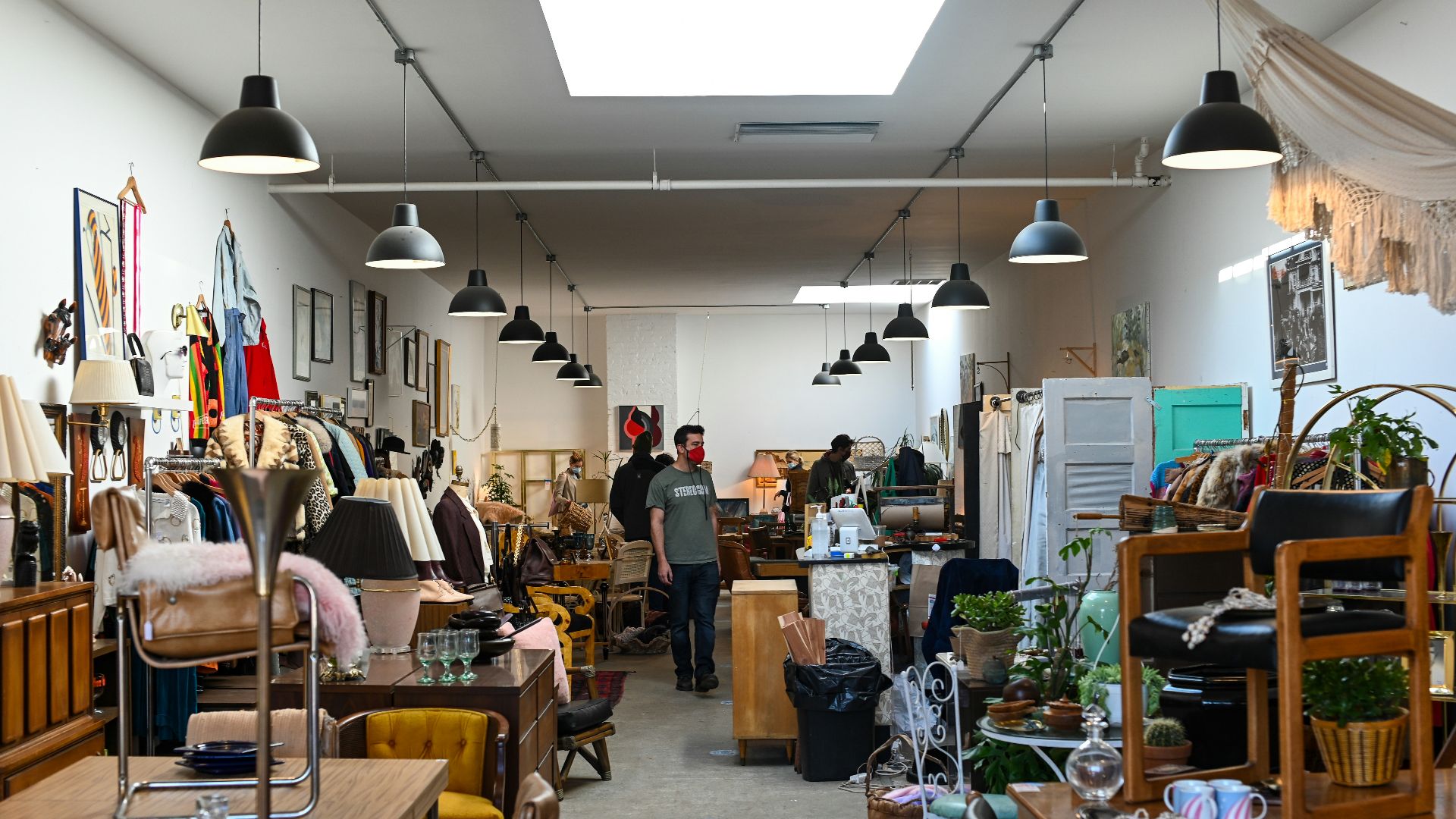
Bell-bottoms and shoulder pads fill racks from decades past. Even "vintage" pieces clash with modern wardrobes, making you look stuck in time and unaware of fashion trends. Fashion-forward folks avoid the time capsule trap altogether and focus on styles that are more timeless.

7. Complicated Return or Exchange Policies
Buy it now and possibly own the regret forever. You can try dropping it off at another thrift store, but then you've only wasted your time and maybe your money. That impulse purchase becomes an expensive lesson in caveat emptor.

8. Endless Hours Digging Through Junk
Treasure hunting means sifting through literal junk for gems. Racks overflow with torn, stained rejects while good stuff hides under piles. Your Saturday vanishes chasing slim odds of finding anything worthwhile. You should value your time more than the goal of finding a hidden treasure that may not even exist.
9. Bacterial Hotbeds From Unknown Wearers
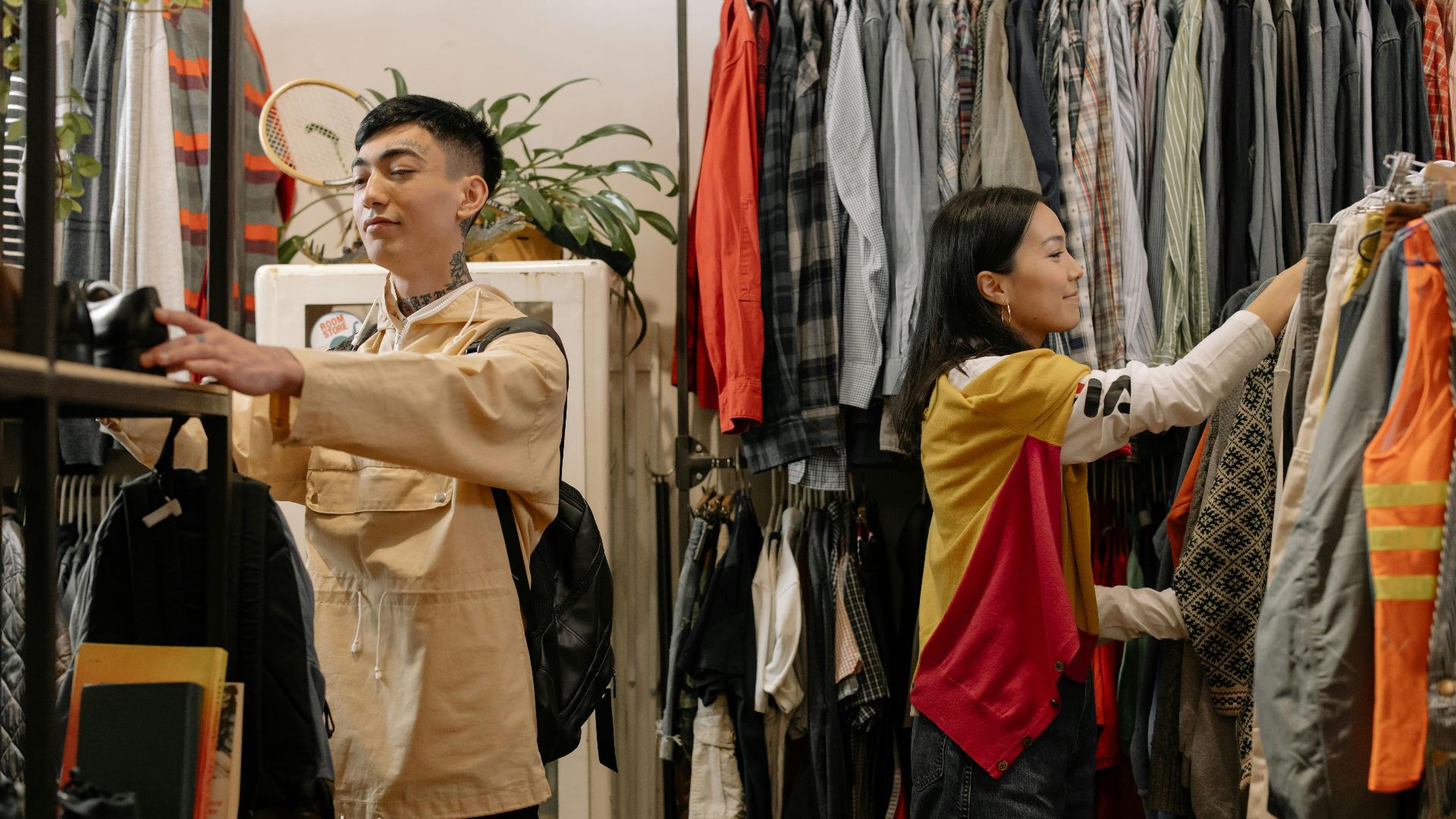
Sweat, skin cells, and bodily fluids cling to every surface. Pathogenic bacteria thrive in thrift store humidity, risking skin infections or worse. Medical bills from mystery rashes outweigh clothing costs every time.
10. Overpriced Name Brands Compared to Outlets
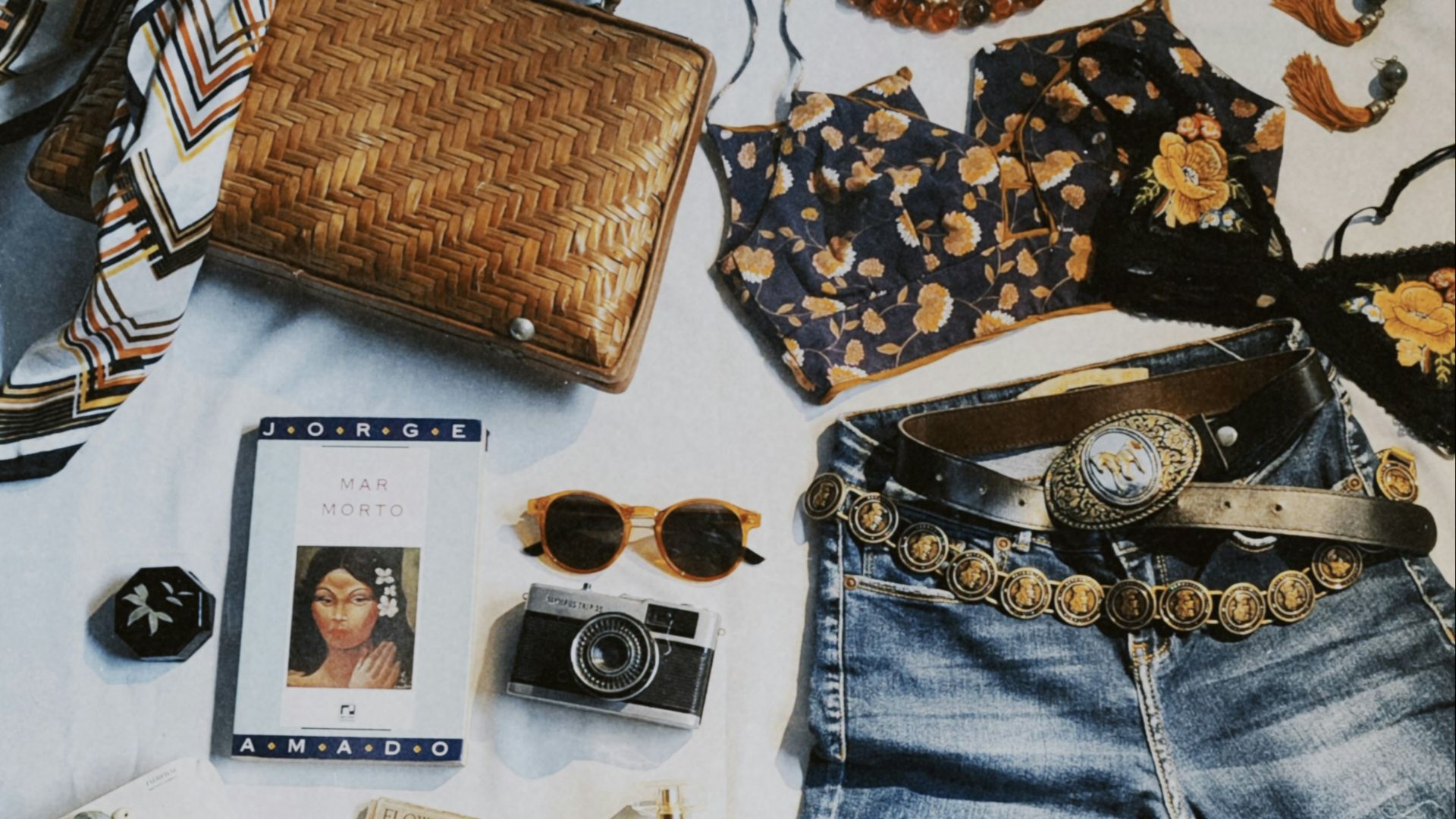
Thrift stores jack up prices on recognizable logos and items while dumping true junk cheaply. Smart shoppers hit clearance racks instead for better value.
11. Furniture Loaded With Structural Weakness
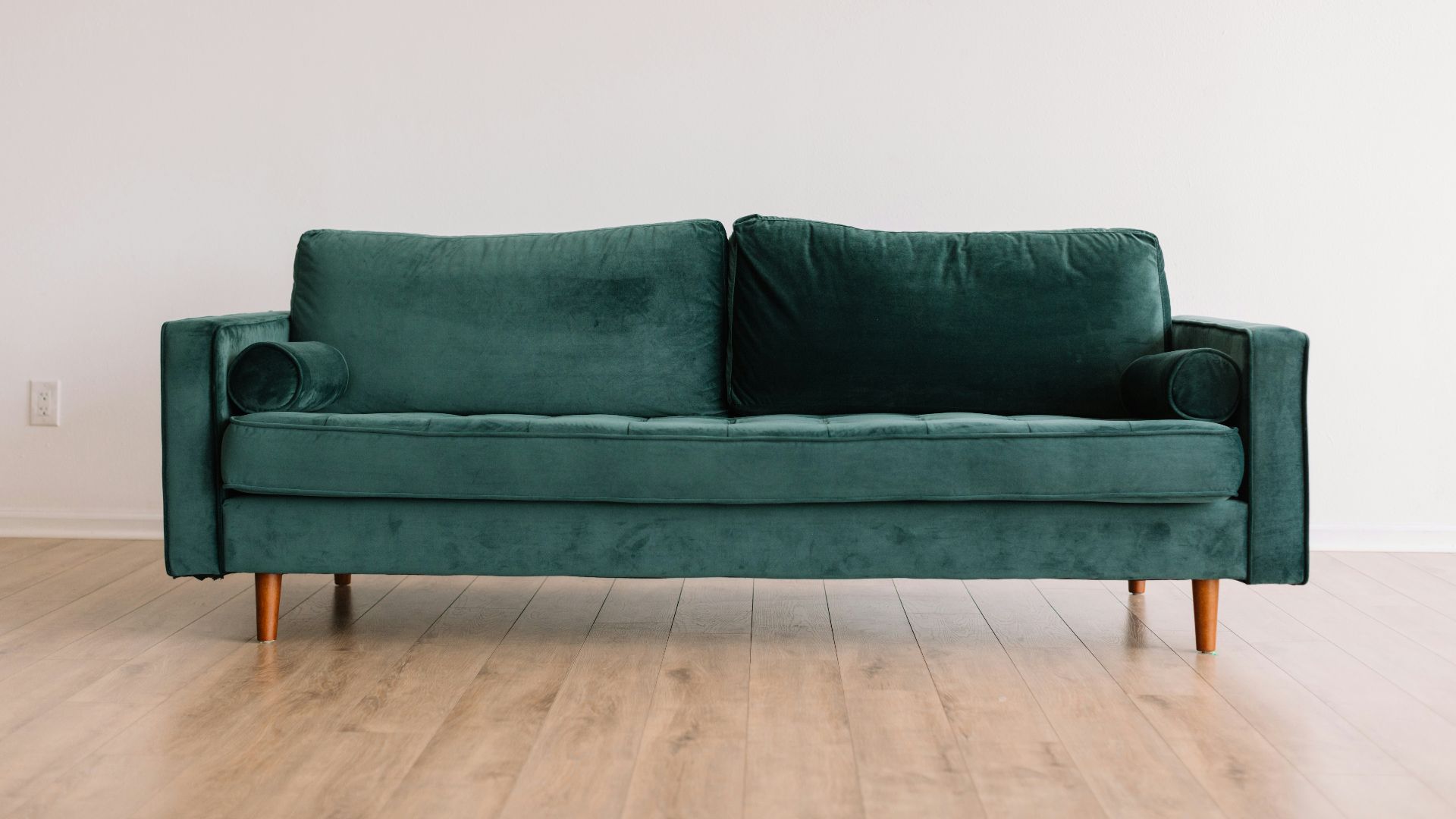
Wobbly chairs and sagging couches hide cracked frames beneath upholstery. One guest can snap a leg or collapse cushions beyond repair. Hauling junk home just to discard it wastes effort and gas. You're better off investing in solid furniture that can last for years.
 Phillip Goldsberry on Unsplash
12. Ethical Uncertainty About Provenance
Stolen goods, landfill rescues, or charity donations mix anonymously in a thrift store. You might unknowingly support crime or waste with your purchase. Clean conscience shopping means buying direct from known ethical retailers.
13. No Warranties or Quality Guarantees
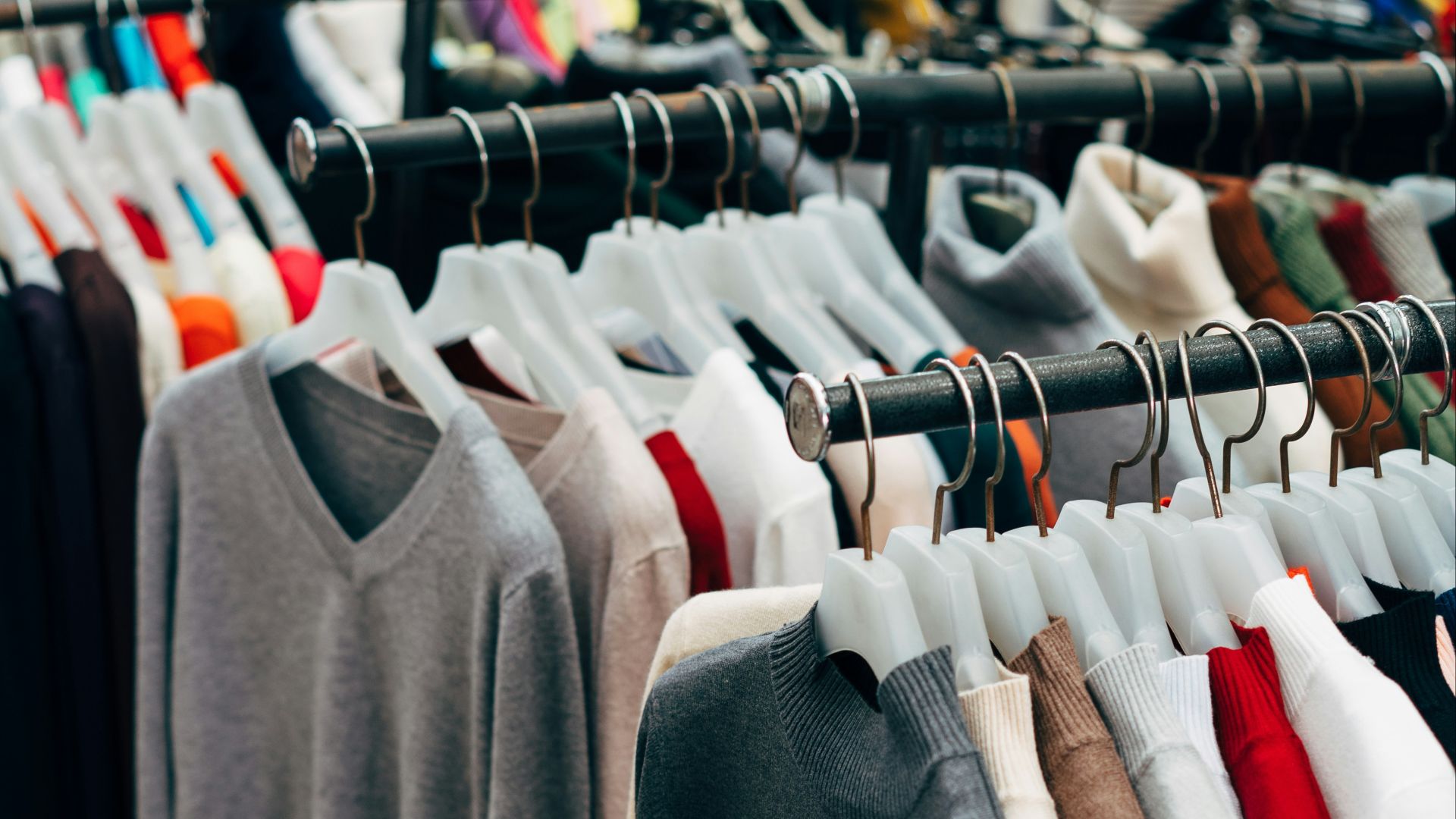
New items come with manufacturer backing, whereas thrifted ones offer zero protection. Broken zippers or peeling finishes mean you're stuck with defects. Risk-averse buyers prefer guaranteed reliability over gambling.
14. Seasonal Gaps Leave You Empty-Handed
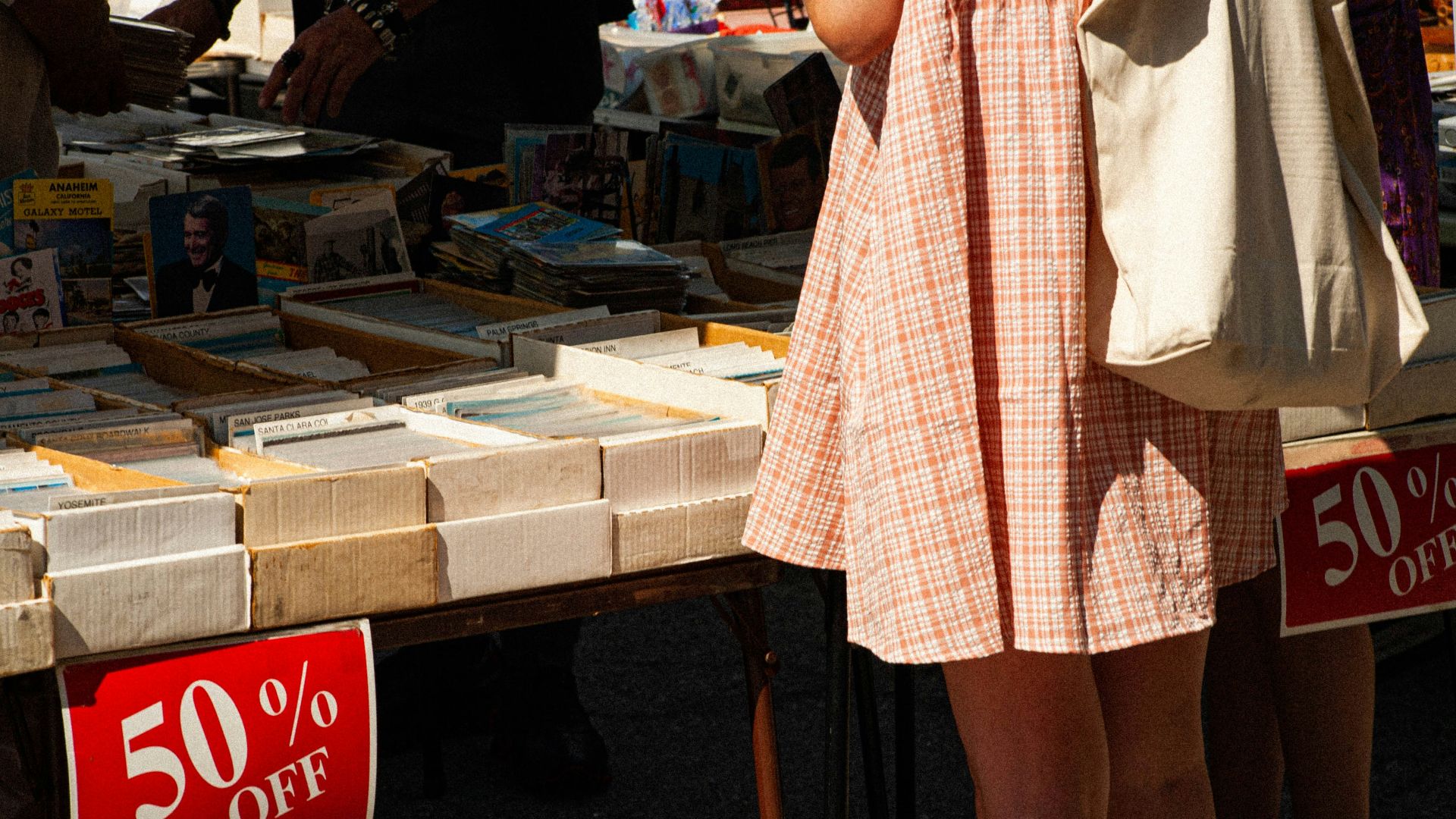
Winter coats vanish by spring and swimsuits disappear in summer. Inventory rotates with donations, not demand, stranding you without options. Predictable retail chains stock what you need when you need it, and it's easier to find deals for off-season items.

15. Checkout Lines That Test Your Patience
Massive hauls from bargain hunters can create 30-minute waits at cramped registers. Volunteers fumble transactions while you stand simmering and time wasted in line kills any supposed savings advantage.
16. Trial-and-Error Washing Ruins Fabrics
Unknown care labels mean guessing dry clean only or a gentle cycle. Shrinkage, color runs, and felting destroy delicate items immediately. Laundry disasters turn potential wins into total losses.
17. Social Stigma Still Lingers for Some
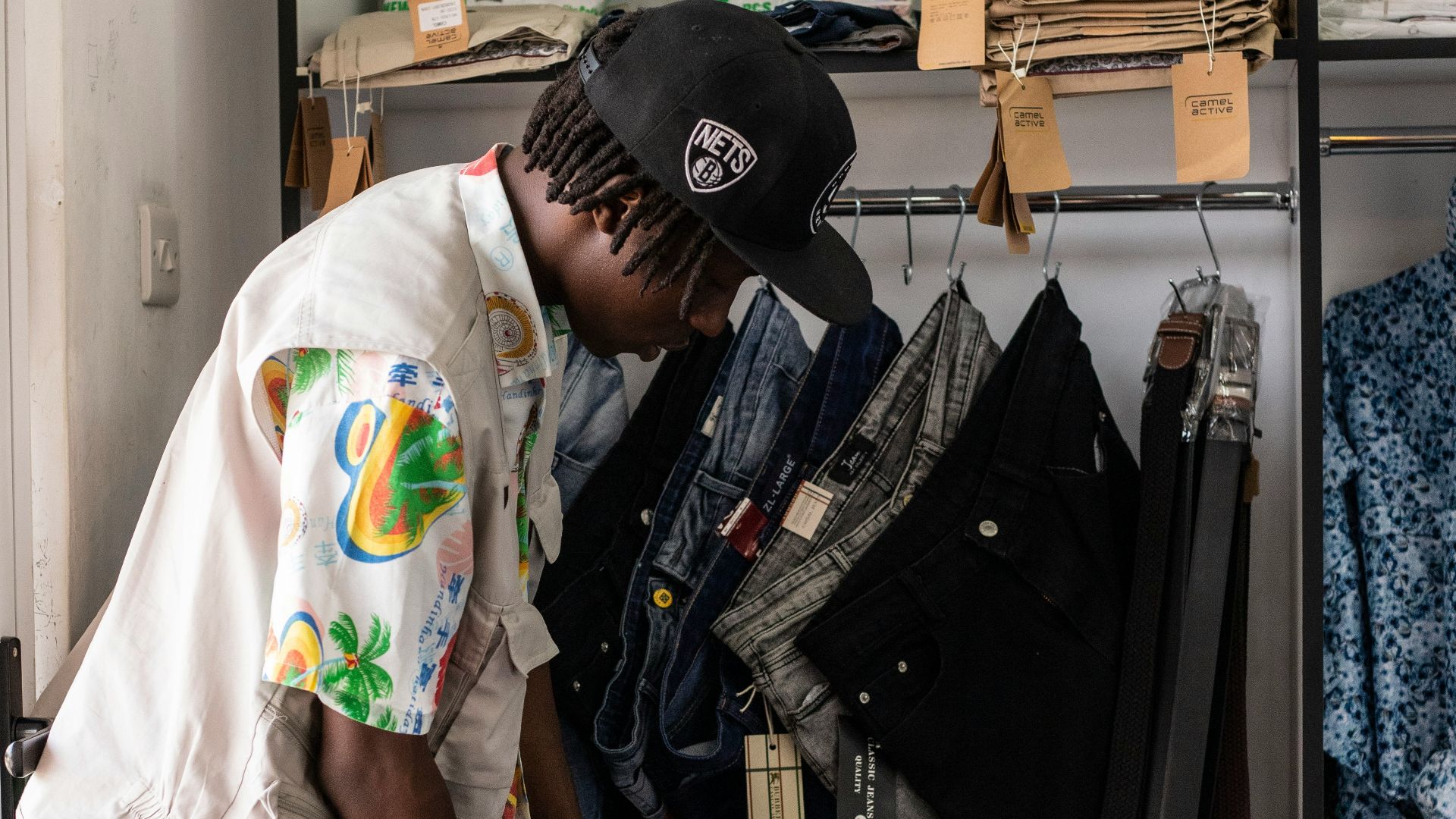
Wearing obvious thrift finds signals desperation to certain crowds. Faded logos and wear marks broadcast "budget" loudly. Image-conscious professionals stick to pristine new pieces for credibility.
18. Hidden Mold Spores in Textiles
Damp storage breeds invisible mold that triggers allergies or asthma. Sneezing fits and itchy eyes follow "bargain" blankets home. Health complications cost far more than thrift retail therapy ever would.
19. Impulse Buys You Never Actually Wear
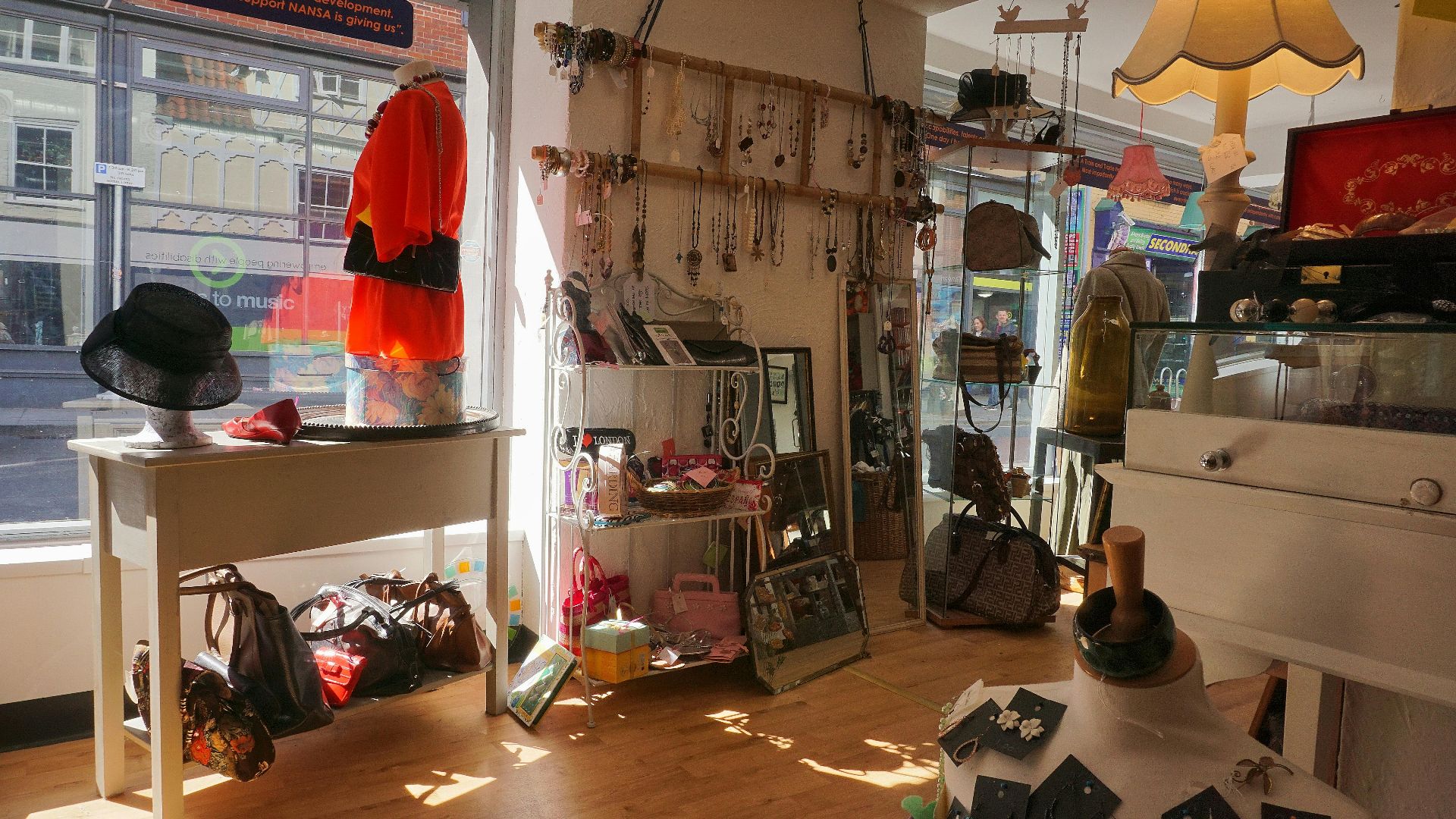
Potential outfits tempt unchecked spending on unusable pieces, leading to closets overflowing with unworn thrifted experiments. Regret piles higher than any monetary loss from disciplined retail. Remember, saving money on something you don't need or want is still a waste of money.
20. Better Online Alternatives Exist
Poshmark, eBay, and Depop offer curated secondhand items with photos, returns, and verified sellers. Thrift store roulette can't compete with detailed listings and buyer protections. Modern platforms deliver quality without the grime.