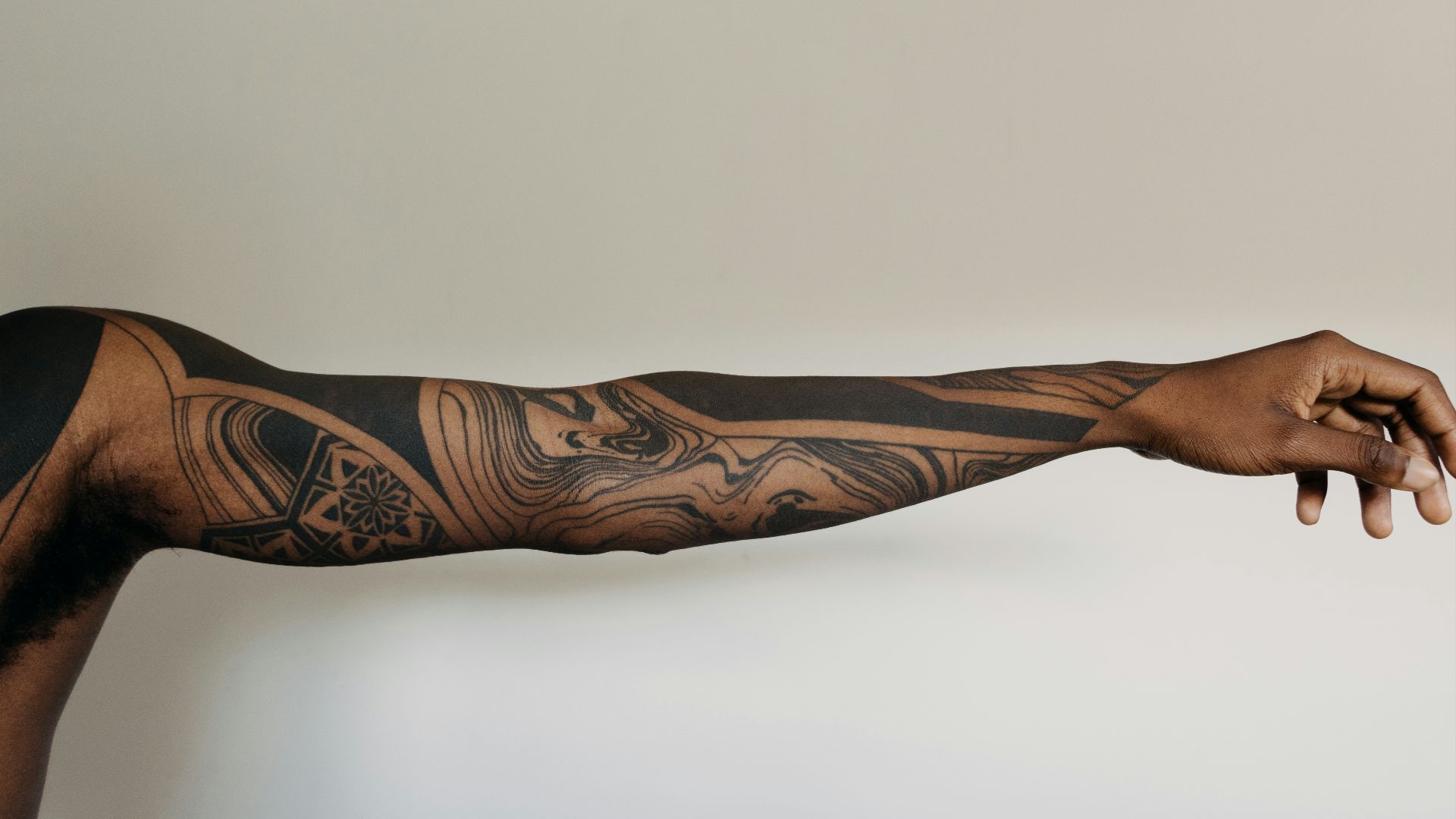

10 Signs You Have An Amazing Tattoo Artist & 10 Signs You Never Should Have Paid Them
A Great Tattoo Experience Starts Before the Needle
An amazing tattoo artist doesn’t just deliver a good-looking piece; they guide you through the process with skill, clarity, and respect. You’ll not only feel taken seriously, but you’ll also feel genuinely cared for in the chair—in a perfect world. Unfortunately, not every artist is made equally, leaving some paying customers stranded or scratching their heads about the experience. Don’t worry, we’re here to break down the signs of a good and bad tat!
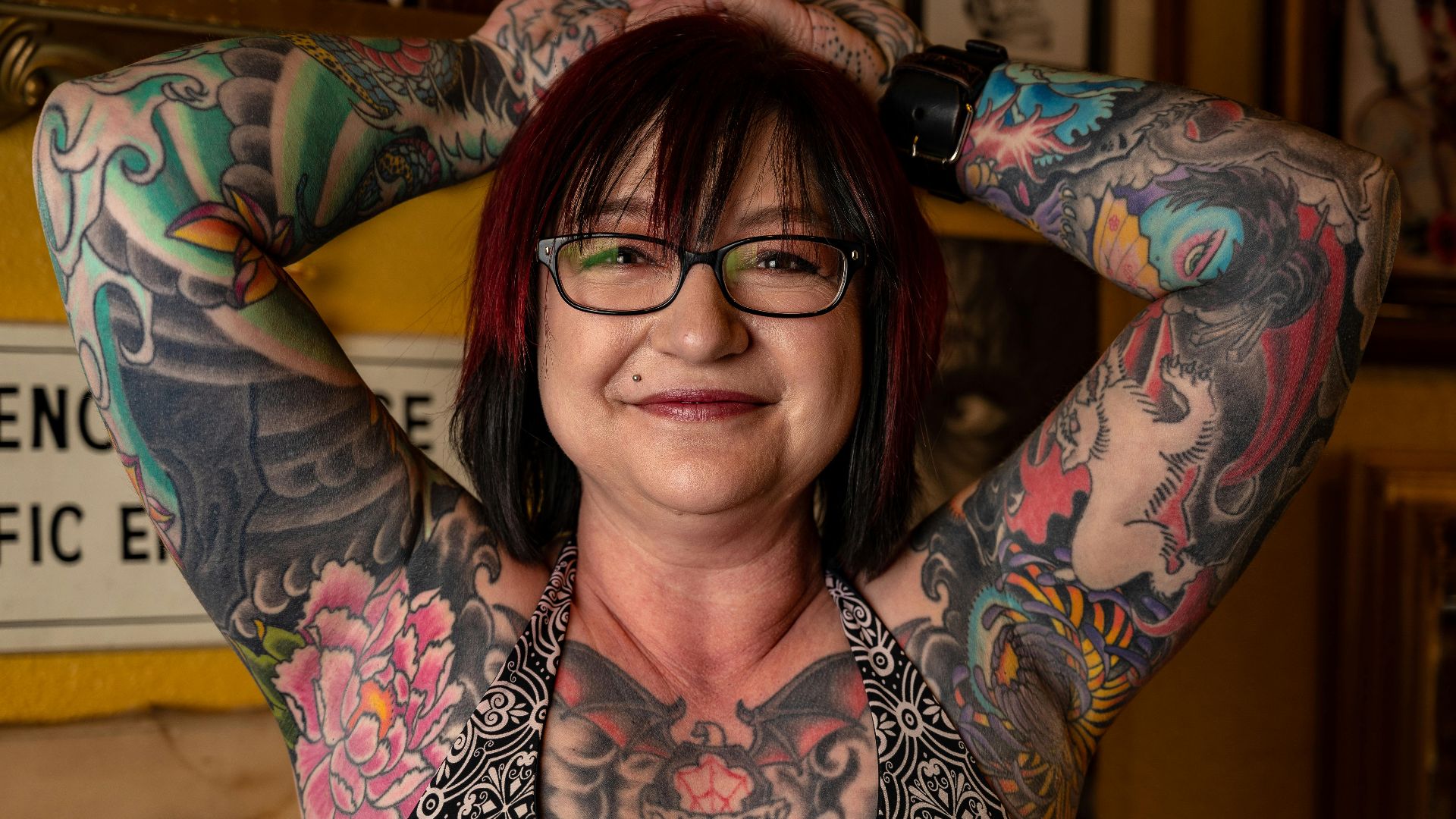
1. They Listen Closely Before Suggestions
Great artists ask thoughtful questions about what you want, where you want it, and how you want it to feel. They don’t rush you into decisions or act like your idea is an inconvenience, either. By the time they respond with recommendations, it’s clear they actually heard you and will work toward your vision.
2. Their Portfolio Looks Consistent
When you scroll through their work, the quality stays high across different pieces and different clients. Clean lines, smooth shading, and solid composition show up again and again, not just once in a while.
3. They’re Honest About What Works and What Doesn’t
Don’t get it twisted: tattoo artists shouldn’t just agree to anything. If your idea won’t age well or won’t translate clearly in skin, they’ll tell you without being rude about it. They’ll also explain the why in a way that helps you make a better call.
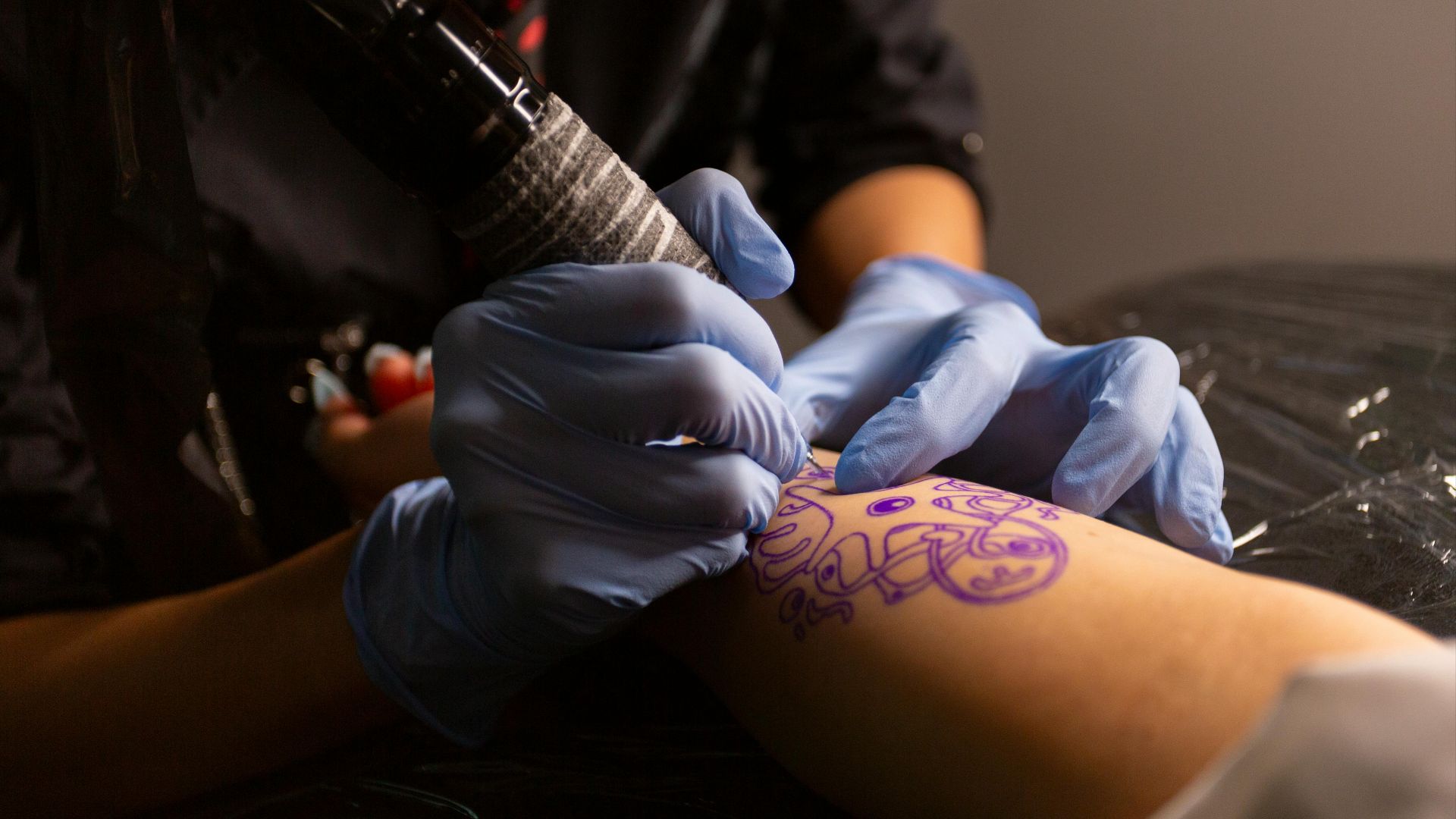
4. A Calm, Organized Consultation
There’s nothing worse than leaving with more questions than answers. But good artists keep placement notes and any adjustments you’ve discussed. That calm structure makes the appointment feel a lot less stressful.
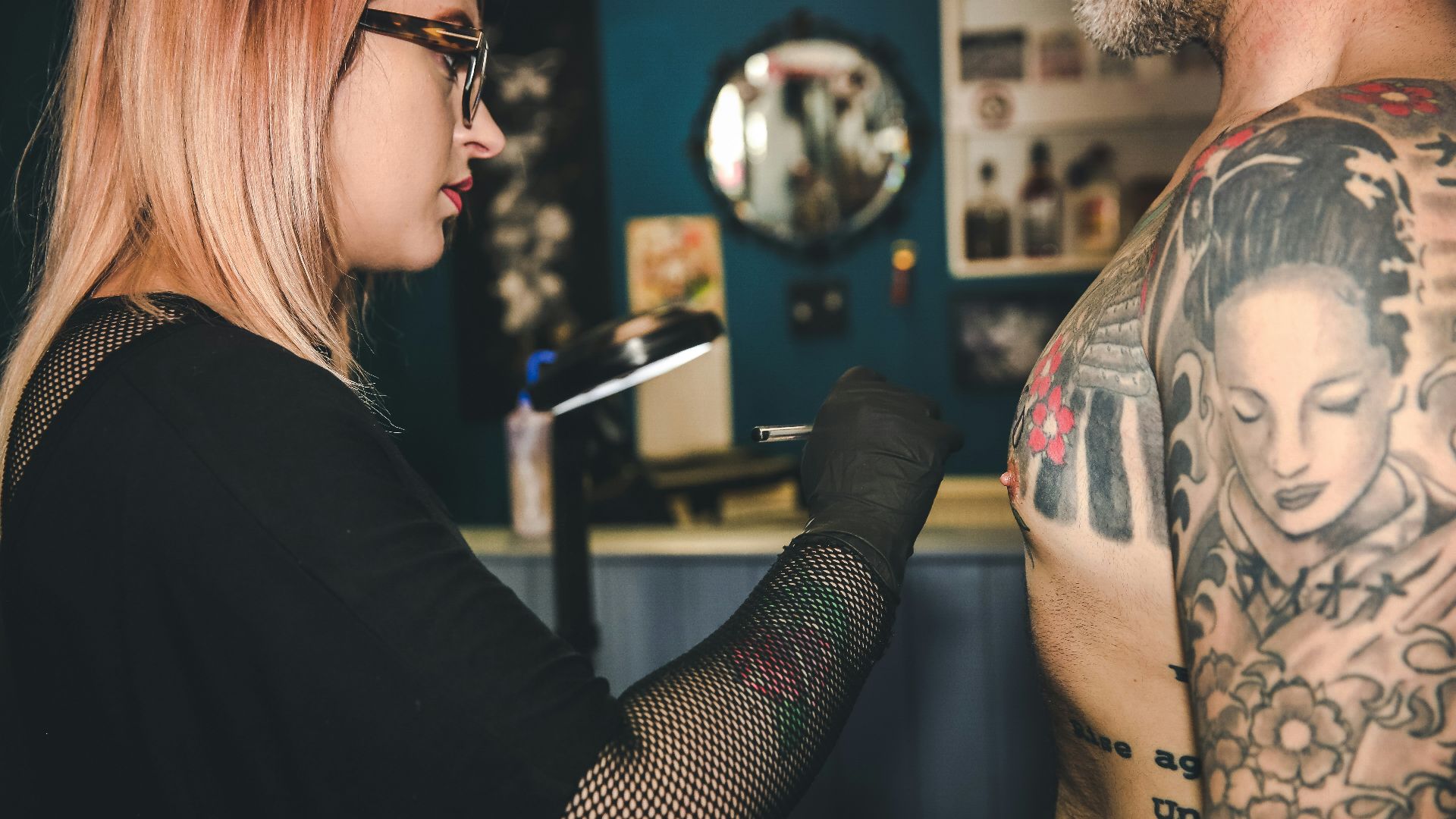
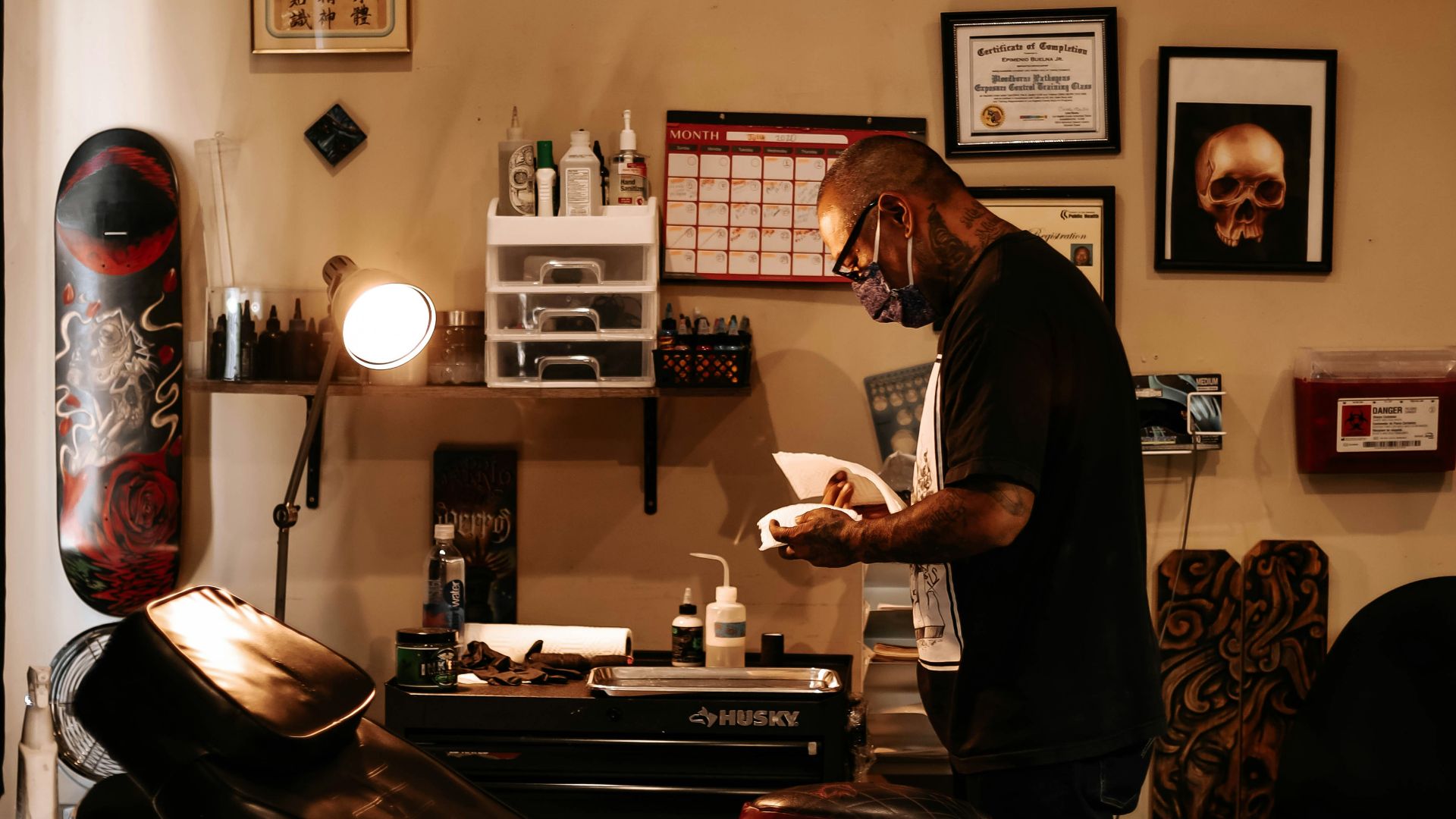
5. They Prioritize Cleanliness
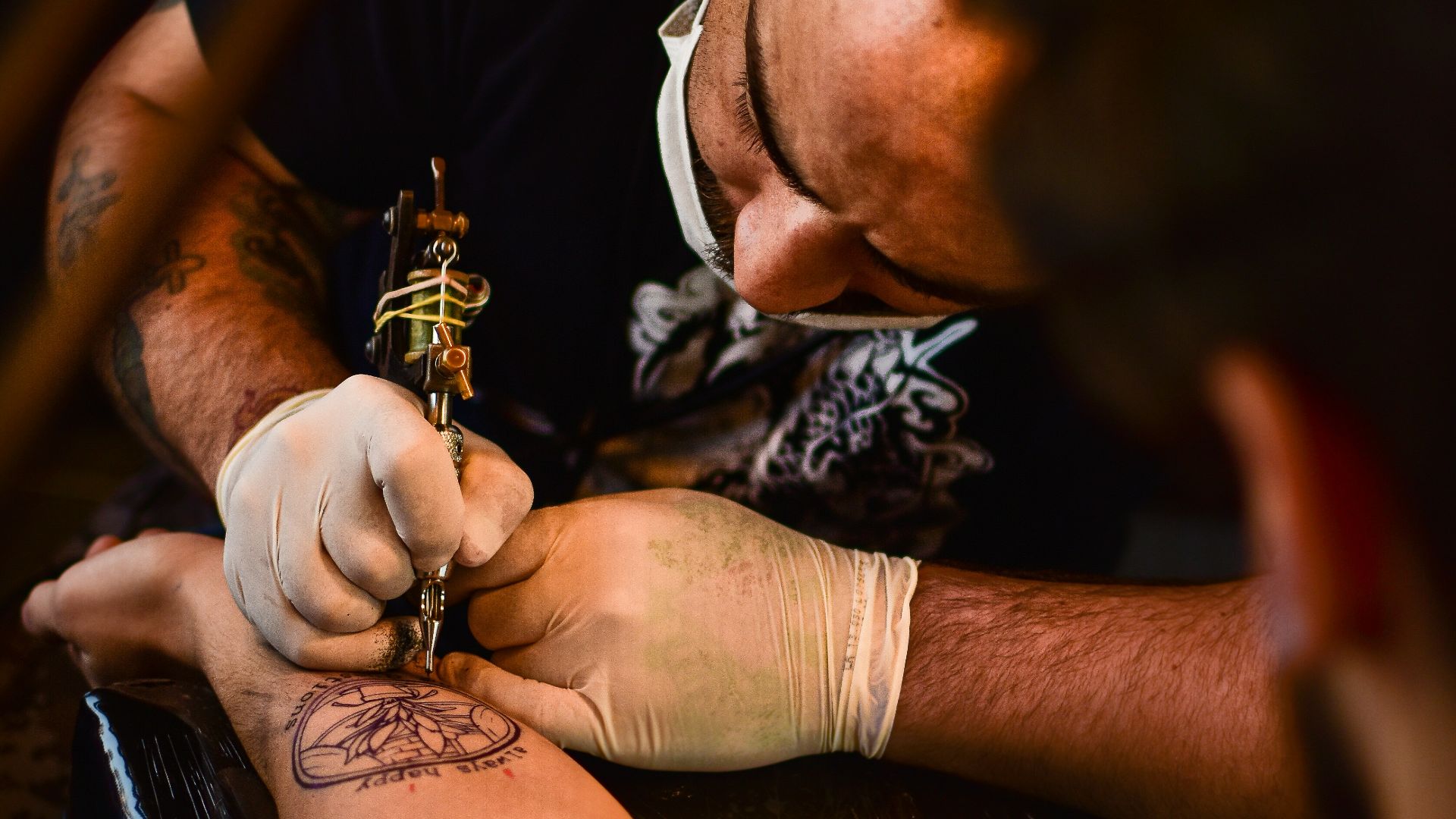
We know this sounds obvious, and though it should be, it isn’t always the case. In a pristine shop, an artist’s station is tidy, their tools are handled properly, and their hygiene practices are clearly standard.

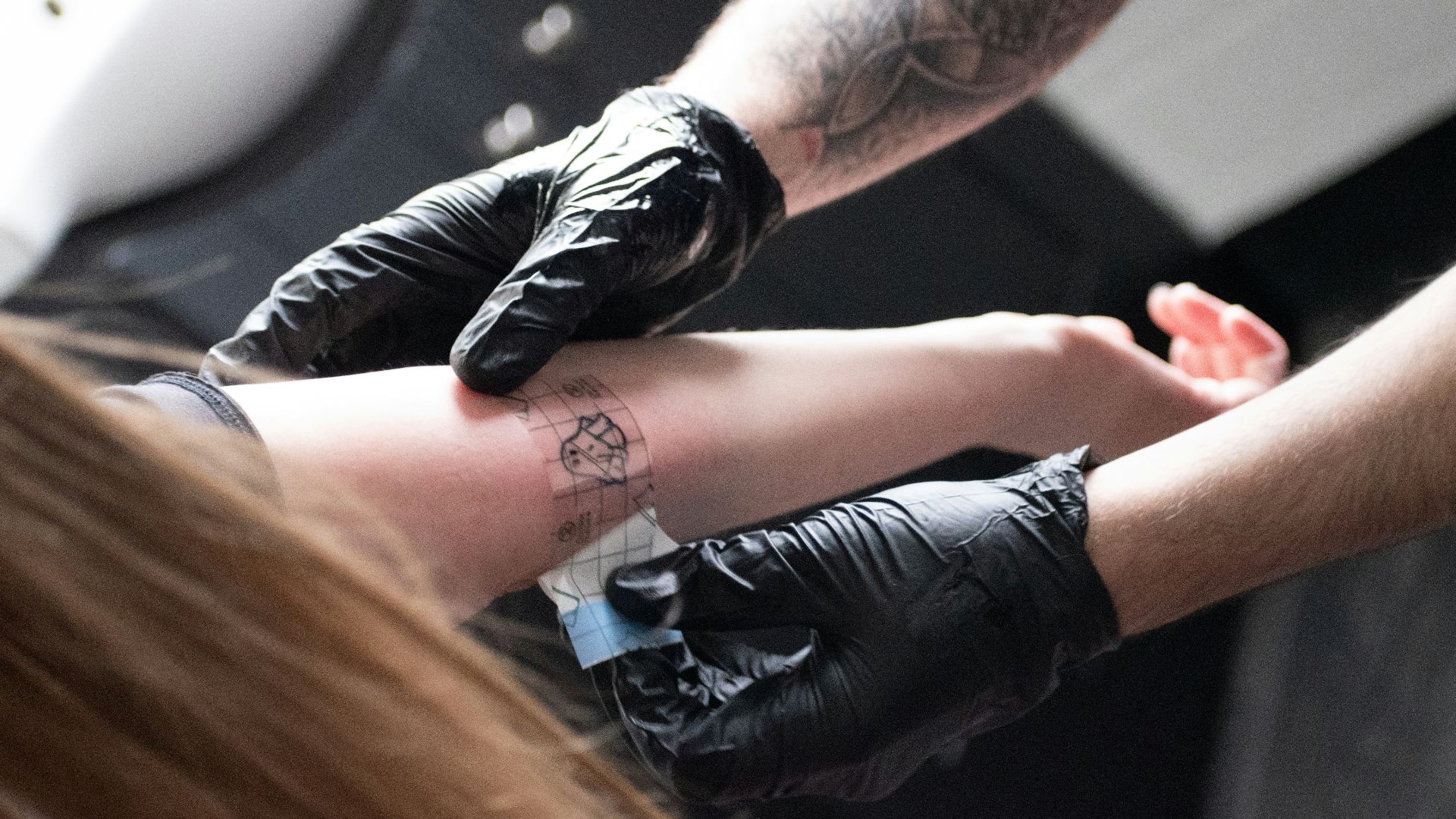
6. The Stencil Placement Gets Real Attention
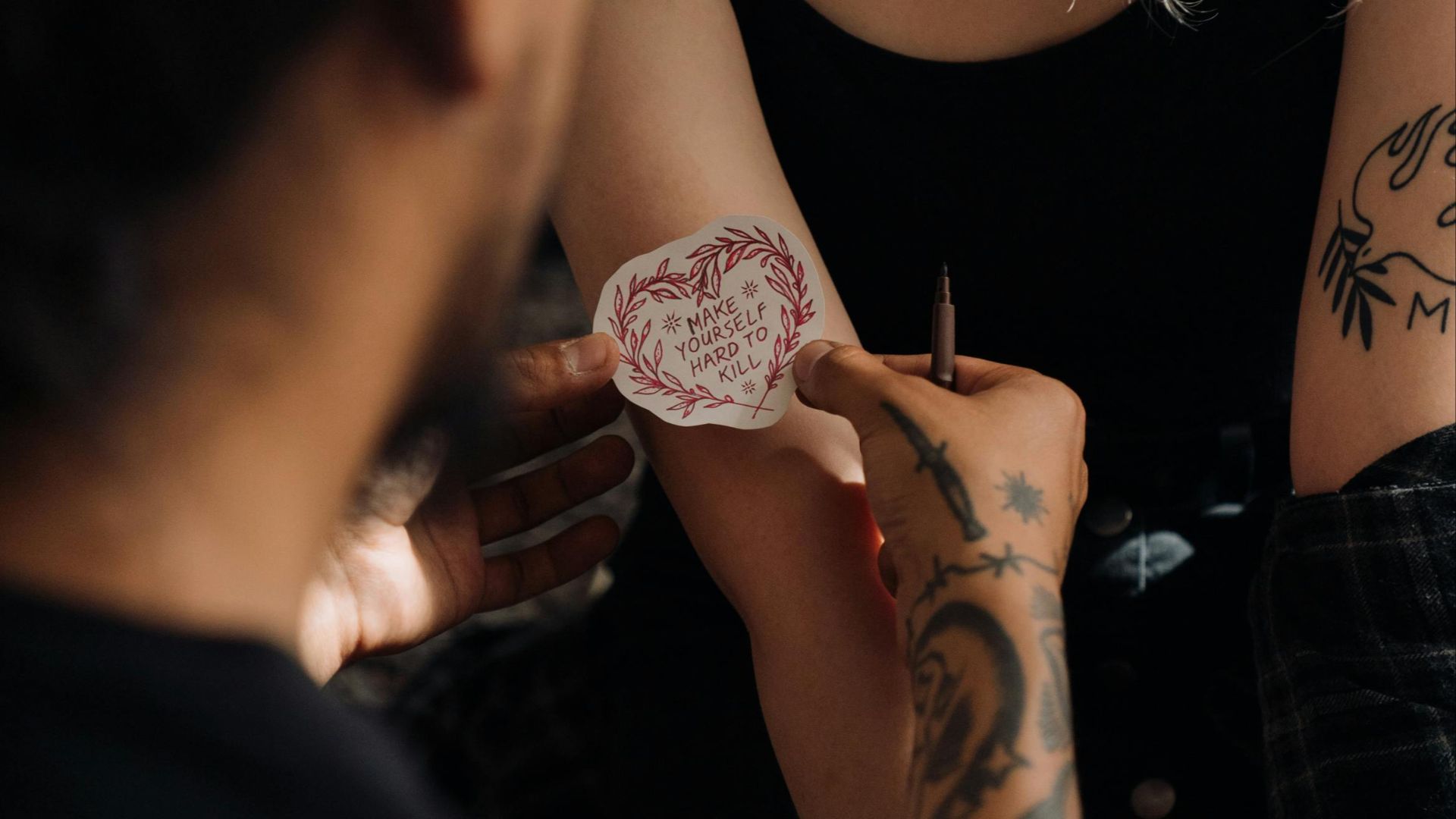
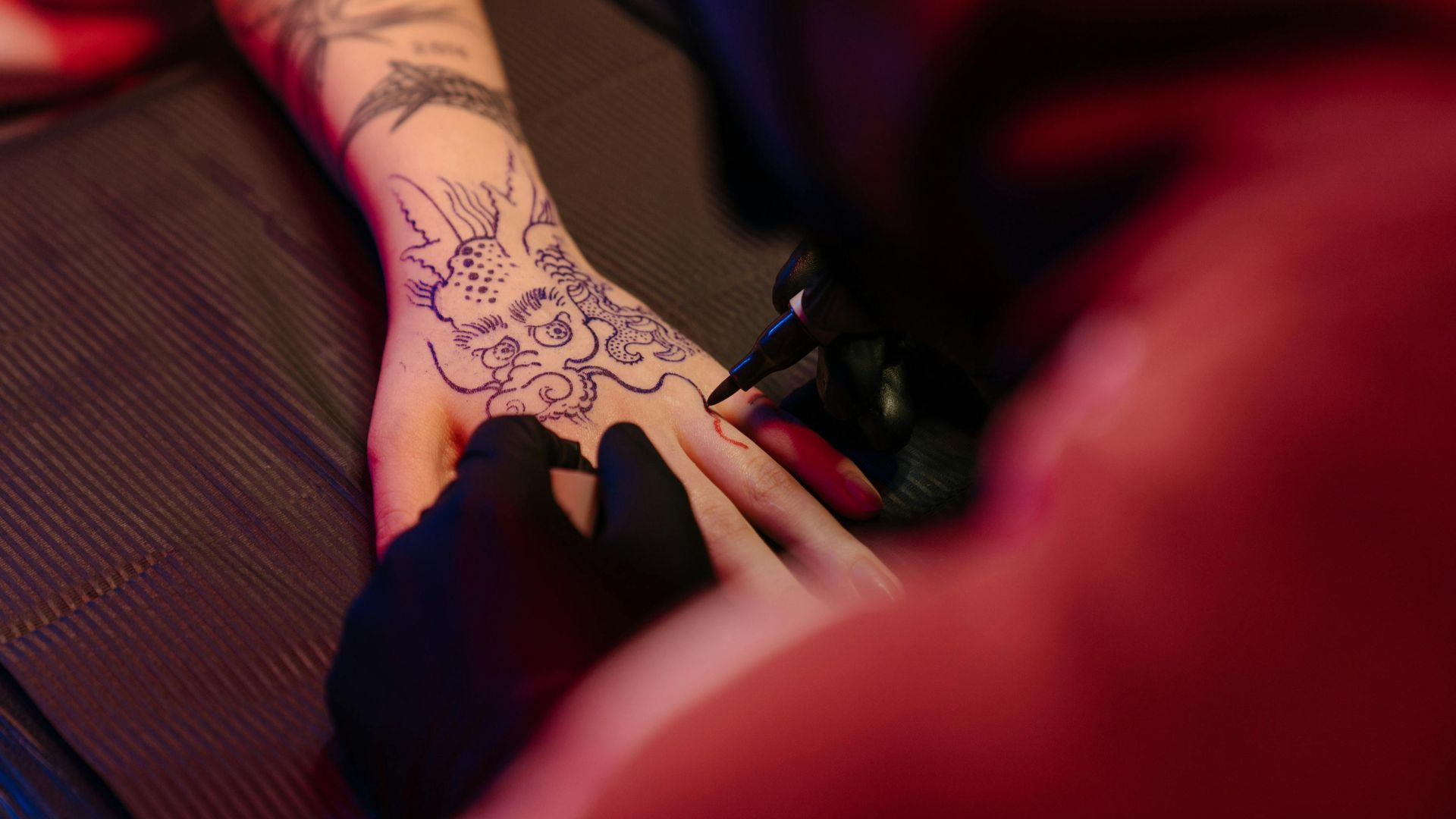
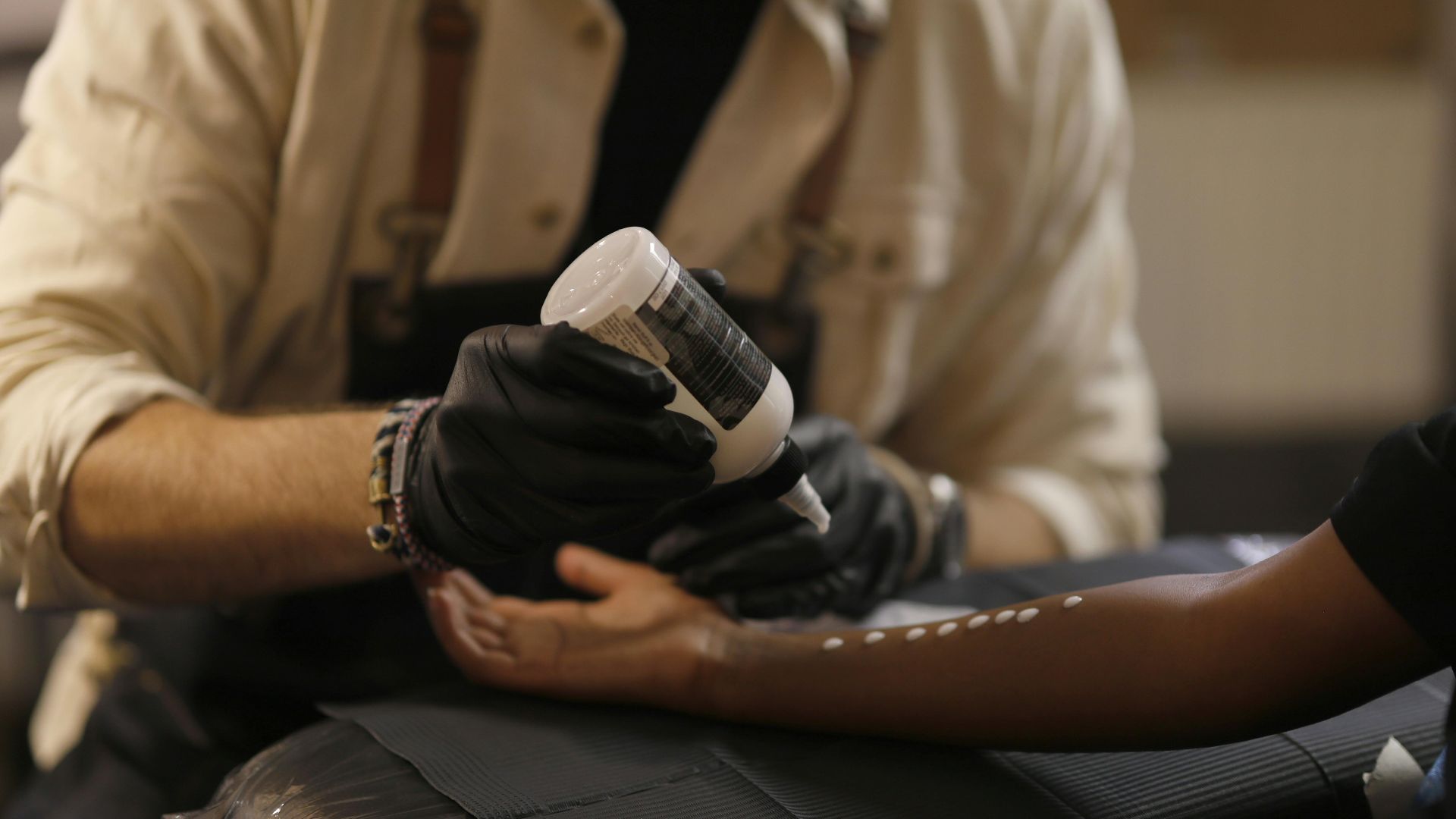
Only bad tattoo artists slap the stencil on and call it done. A good one shows they care about how it sits on your body. They’ll have you move and check angles so the design flows well. And if you want tweaks, they don’t get defensive about redoing it.
 Certified Tattoo Academy on Unsplash
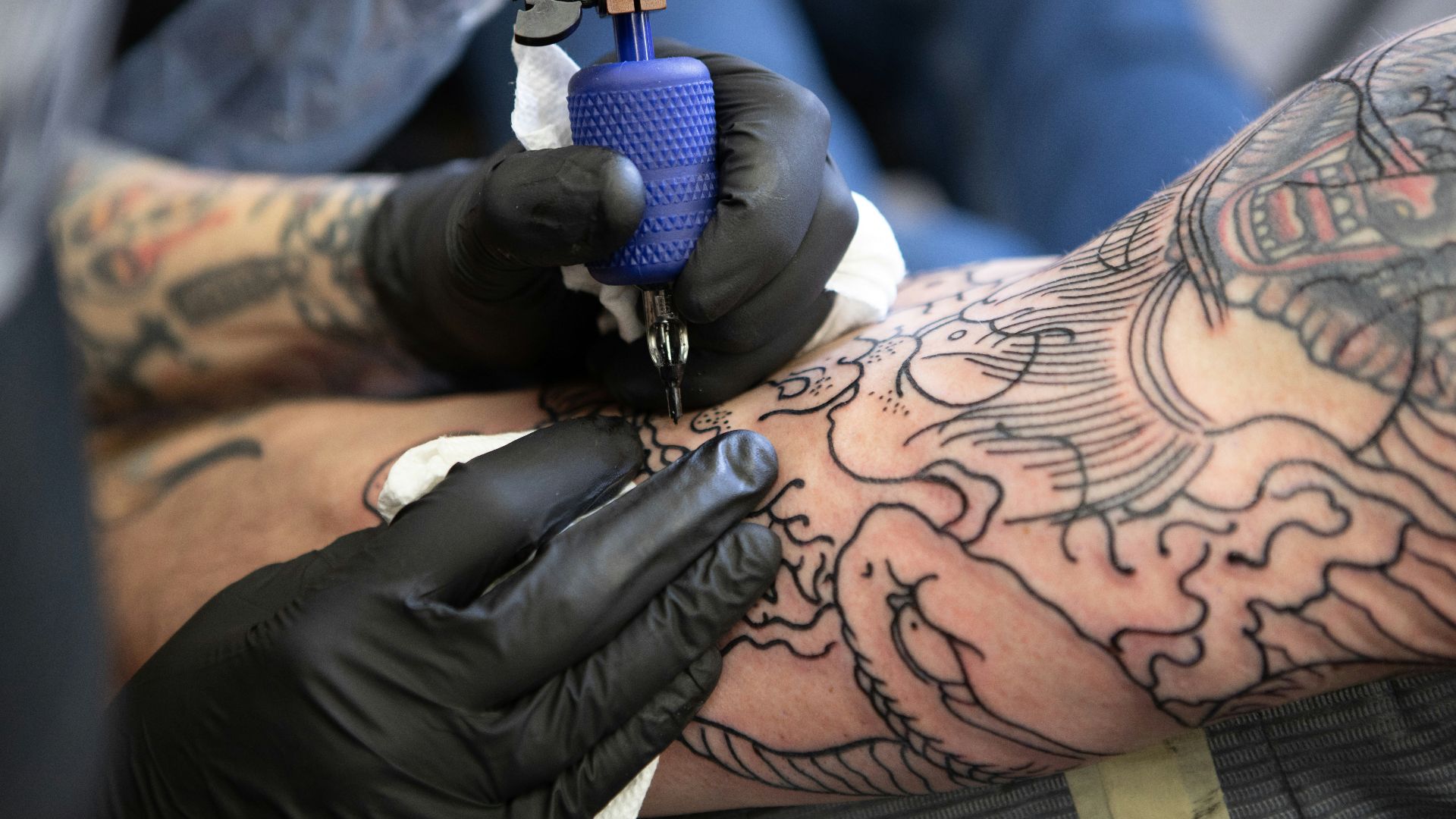
7. Their Linework is Steady and Confident
As they tattoo, the lines look deliberate, even in tricky spots. They don’t rely on going over the same area again and again to “fix” things, either, and that control shows up in the final piece, especially once it heals.
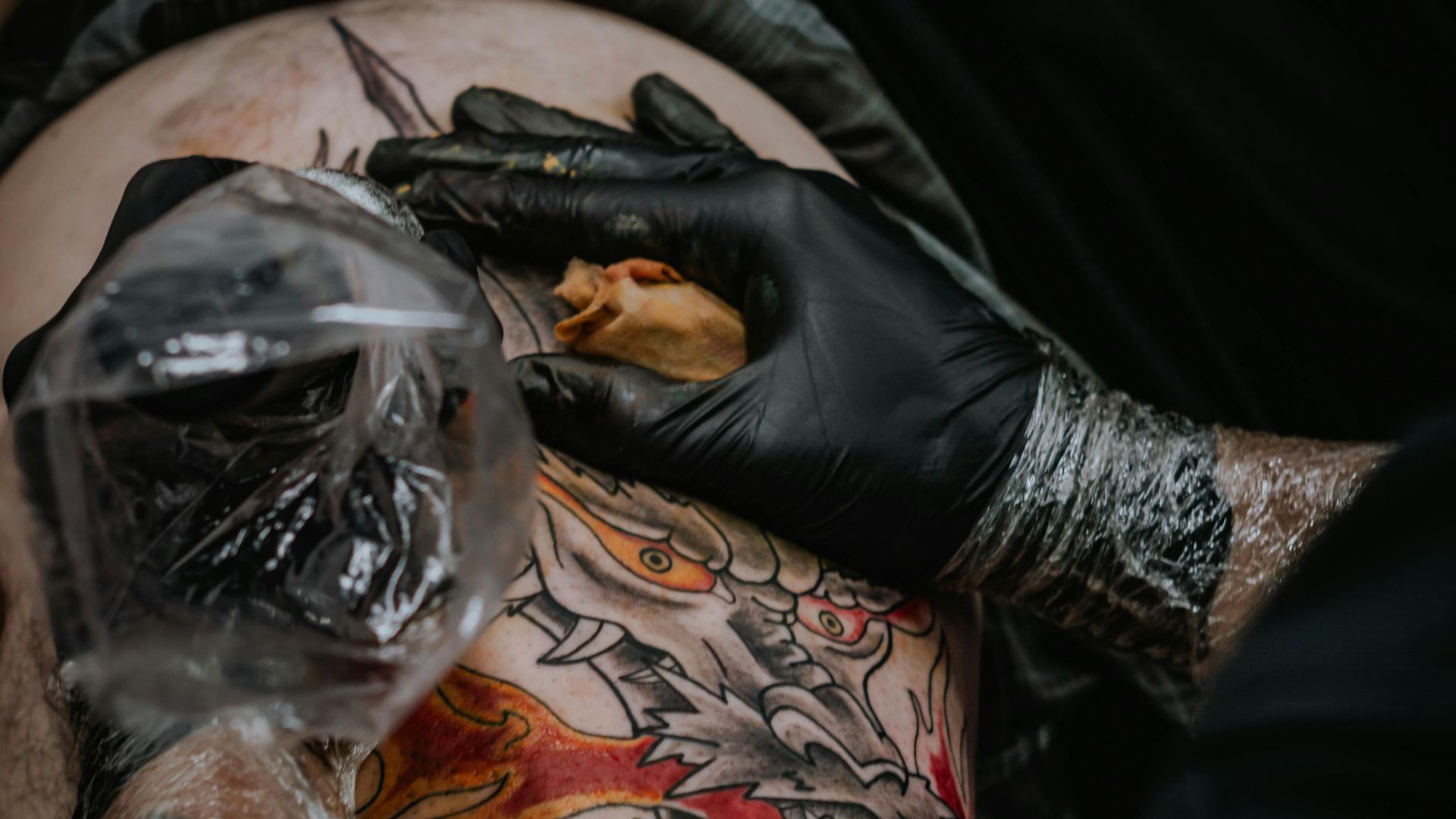
8. They Communicate During the Session
Hey, this isn’t a cab—there’s no such thing as a silent ride! Good artists check in on your comfort and let you know what’s coming next. You won’t feel ignored, but you also won’t feel like you’re being cared for every second.
9. They Give Clear Aftercare Instructions
Aftercare is just as important as the piece itself. In a good shop, you’ll leave knowing exactly what normal healing looks like. They also won’t toss out vague advice and hope you figure it out later. Best of all, if you have questions, they make it easy to reach out.
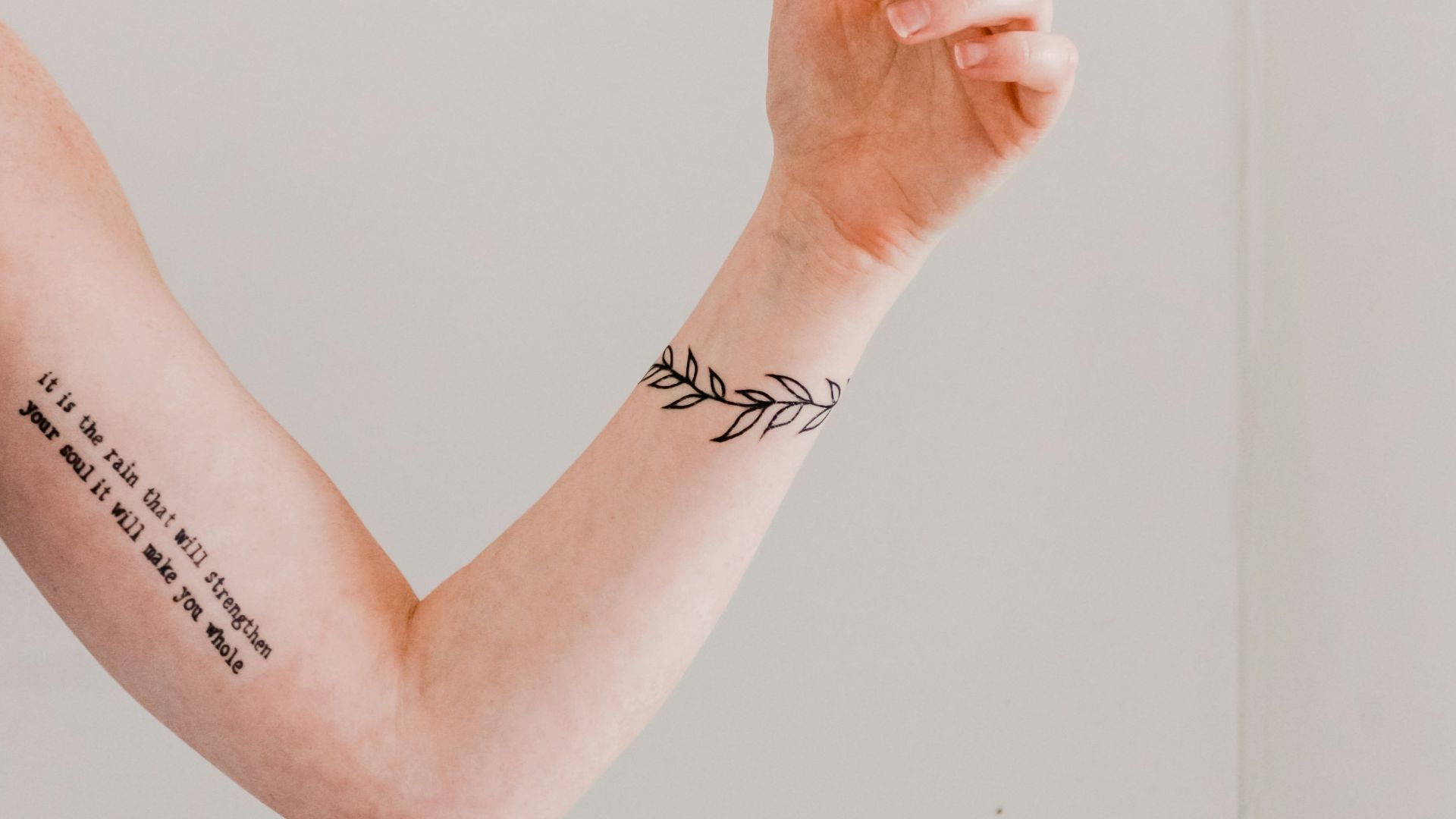
10. Your Healed Tattoo Looks Healthy
Once it’s fully healed, the details still read clearly, and the design still feels balanced on your skin. The mark of a great tattoo is looking at it months later with pride! That’s how you can tell you were in good hands.
Though a good artist transforms the experience, a bad one can turn it stressful quickly. If these next signs sound familiar, step back before you commit to something permanent.
1. They Dodge Basic Questions About Their Process
It’s never good when they get irritated about how they prepare, what products they use, or how they handle revisions. If you can’t get clear explanations upfront, you shouldn’t expect better once you’re in the chair.
2. Their Scheduling is Chaotic
Appointments get moved repeatedly without warning, and messages go unanswered until it’s suddenly urgent for them. Yeah, that’s a no-no! That lack of reliability always spills into the rest of the experience.
3. They Push You Toward a Design You Didn’t Ask For
Whether they like it or not, clients want what they want, and they need to respect that (within reason). But in a lackluster shop, instead of refining your idea, they try to steer you into something that fits their preferences or convenience. Sessions shouldn’t feel like a negotiation.
4. The Studio Environment Feels Off
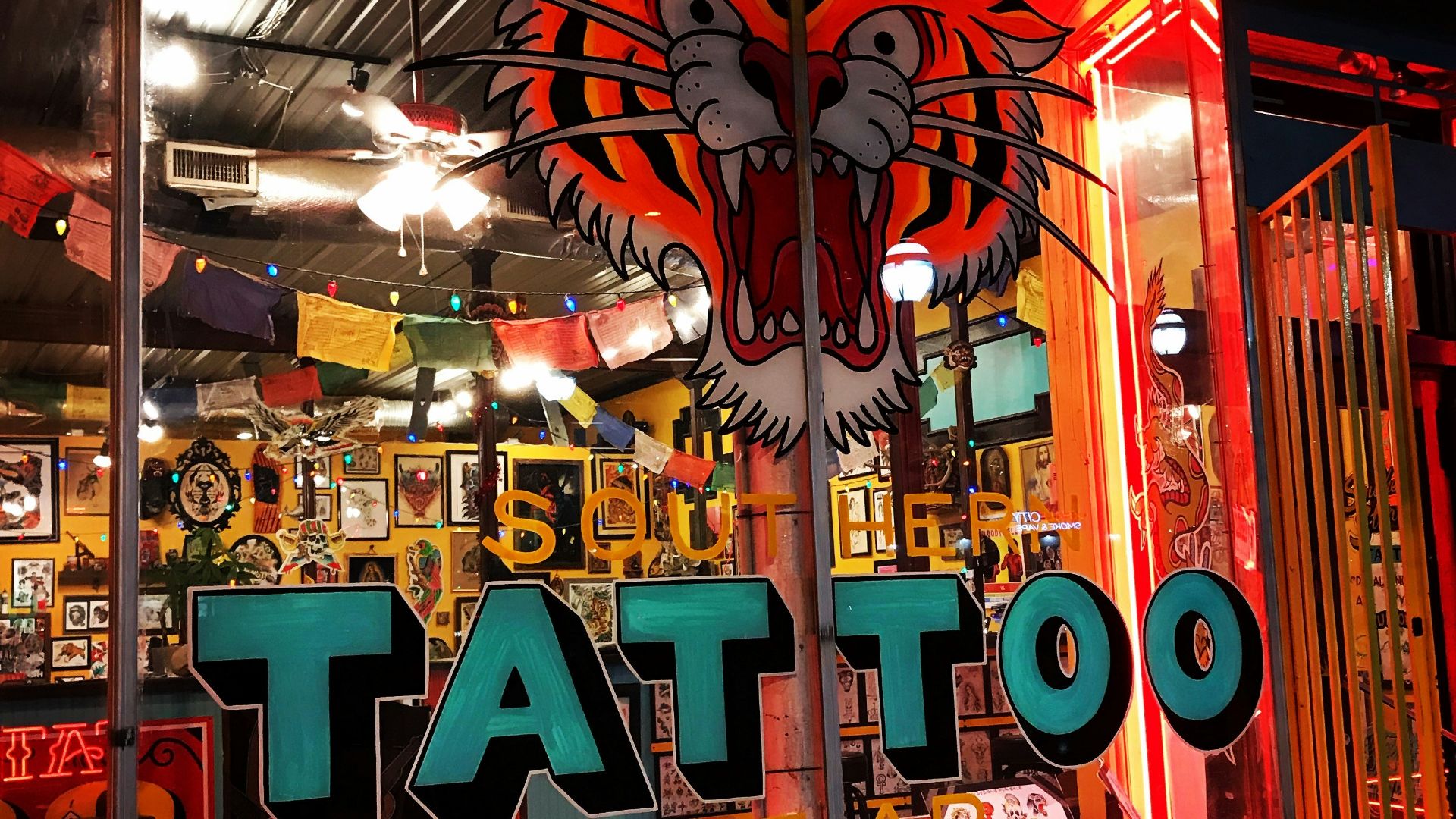
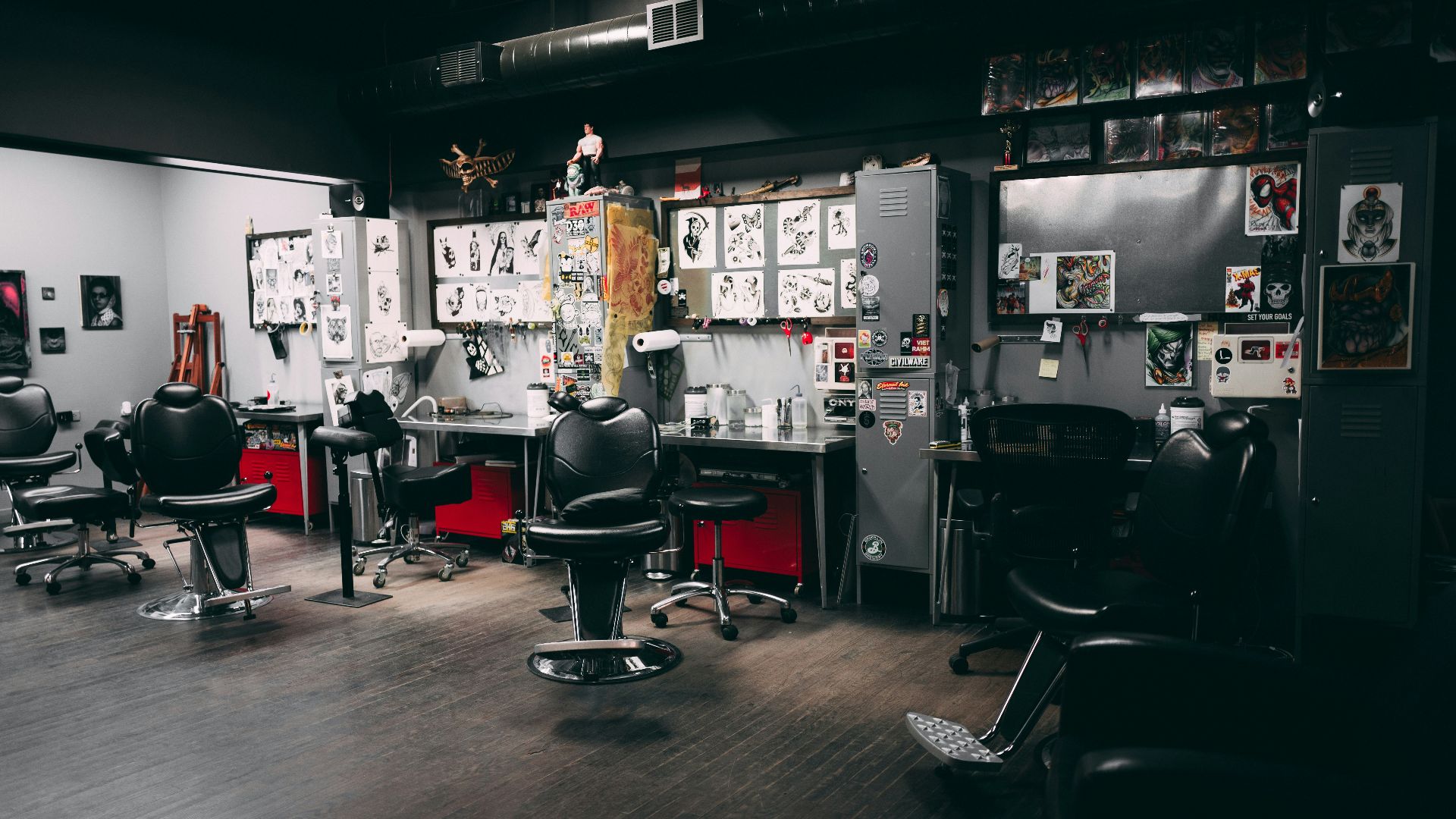
Does the space look neglected? Does the work area seem cluttered? Does the overall setup make you uneasy? Even if you can’t name every detail, your instincts are reacting to real risks. When the environment doesn’t inspire confidence, take that seriously.
5. They Treat Consent Like a Formality
If they place things on your body or make changes without clearly checking for consent, you know you’re in a horrible spot. Respect isn’t up for debate, and you shouldn’t feel talked over when you ask to pause or reconsider placement.
6. They Blame You When Results Don’t Match
It’s one thing to talk a big game—it’s another to prove it. But in bad shops, when something goes wrong, they suddenly act like you caused it by moving or “having difficult skin.” That kind of deflection is a warning sign, not an excuse.
7. Their Online Presence Raises Questions
If photos are heavily filtered or posted without any healed results in sight, you should dig deeper. Comments asking for details might even get deleted or met with snippy replies. If transparency is ever missing in public, it’s missing in the studio, too.

8. They Pressure You Financially
Tattoos are expensive enough without them rattling a tip cup in your face. Money conversations can be straightforward, so it’s concerning when they’re handled like a trap. Pay attention to how they handle the sensitive stuff.
9. They Ignore Your Comfort Until It Becomes a Problem
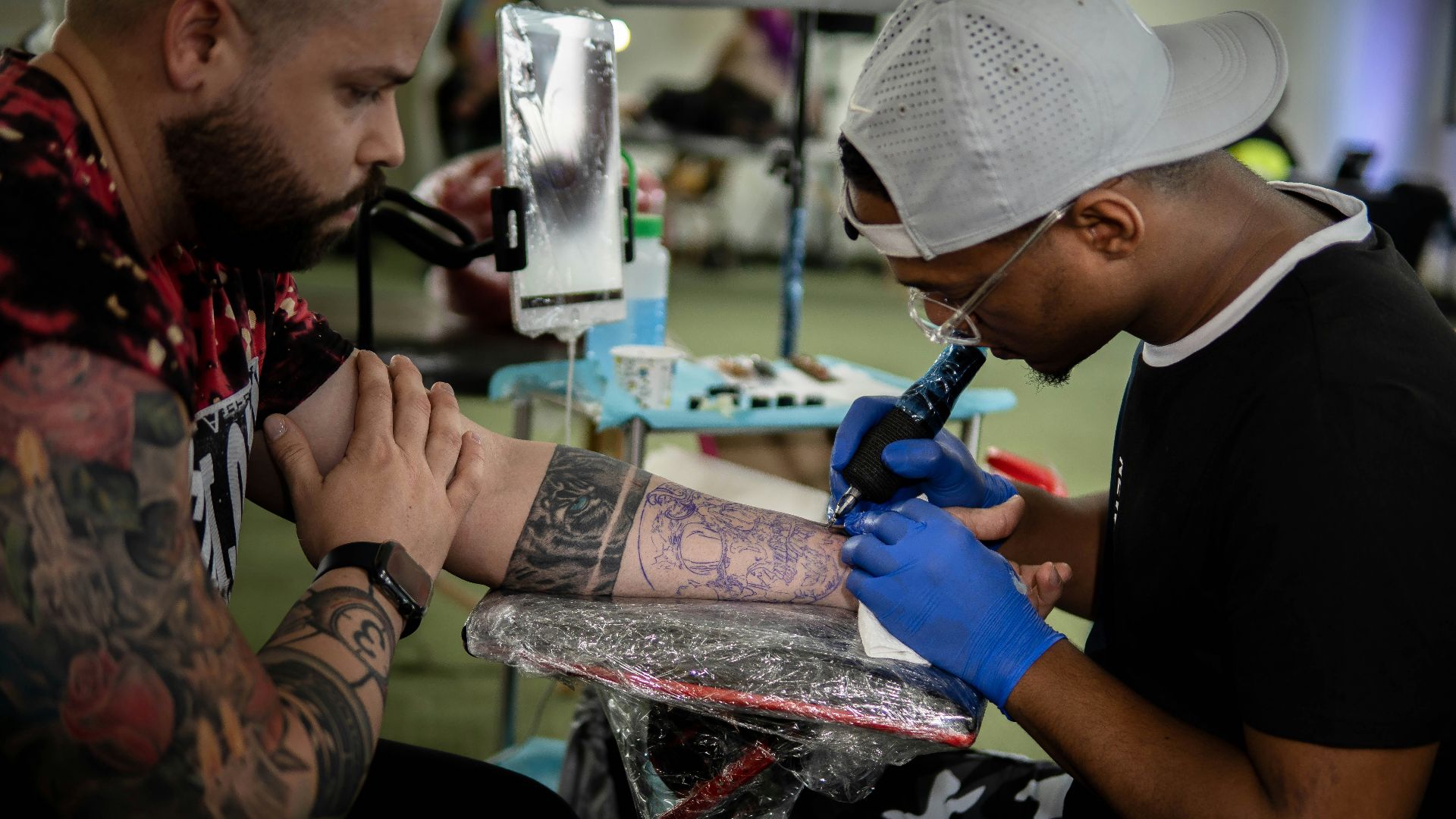
We all know tattoos hurt, but if you’re visibly struggling, they shouldn’t keep going without offering breaks. When you speak up, they shouldn’t brush you off either. A professional can keep things moving without making you feel small.
10. Aftercare Guidance is Messy
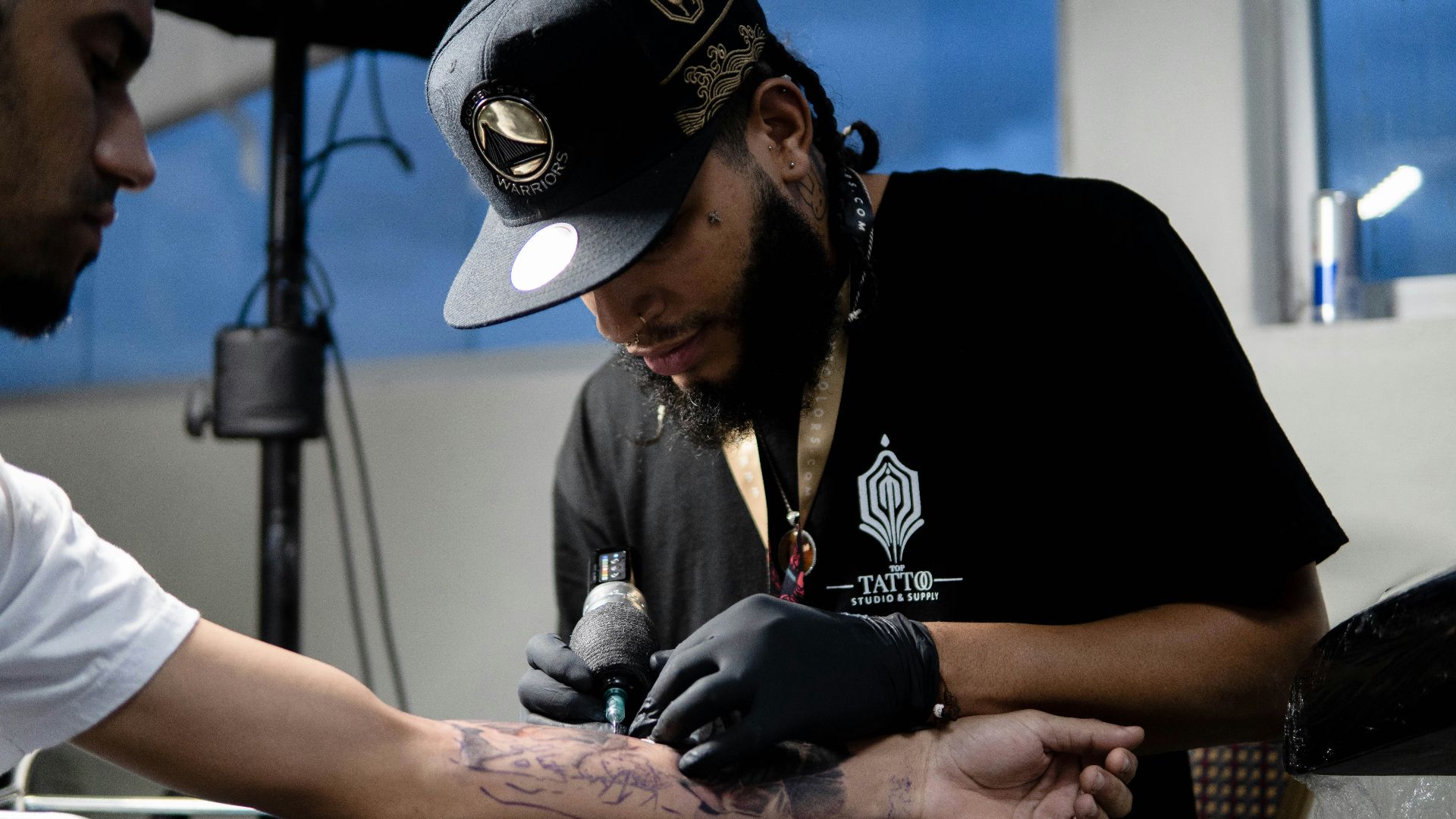
It’s never good to leave with confusing instructions. If you try to follow up, your artist shouldn’t disappear or act annoyed that you asked. If someone won’t support the healing phase, they weren’t fully committed to the tattoo in the first place.