Bras and Heels: 20 Feminine Items Originally Made For Men
High Heels for Men?
You might be surprised to learn that many staples of the modern woman's wardrobe actually got their start in the men's department. It’s a fun reminder that clothing doesn't have a permanent gender, and what you’re wearing right now might have looked very different on your great-great-great-grandfather. With that in mind, here are 20 items made originally for men.
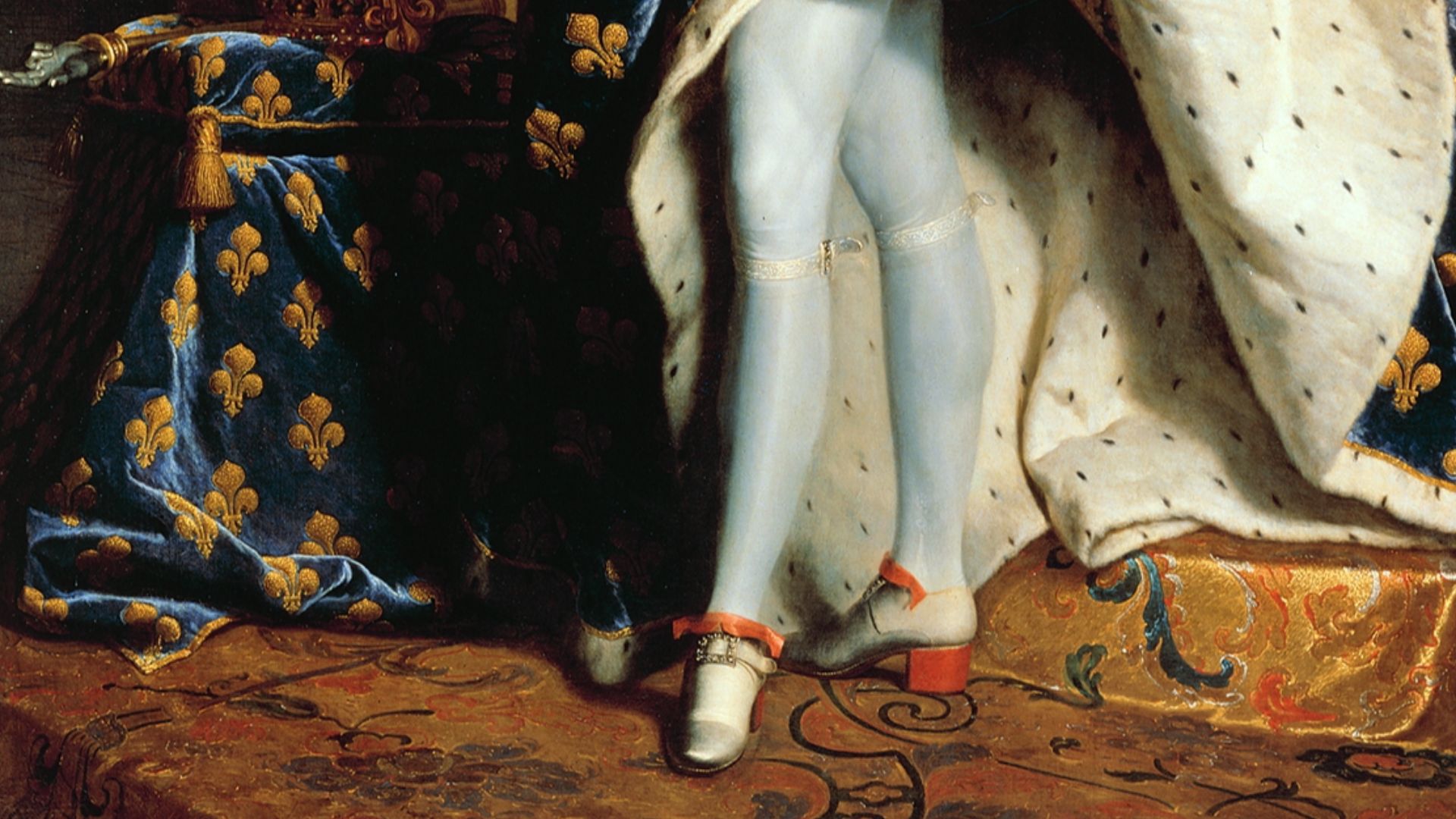
1. High-Heeled Shoes
The extra height allowed their feet to lock into the stirrups when they shot their bows. When heels hit European markets, men were wearing them to look taller in court. King Louis XVI famously wore red heels to show that only he could afford them.
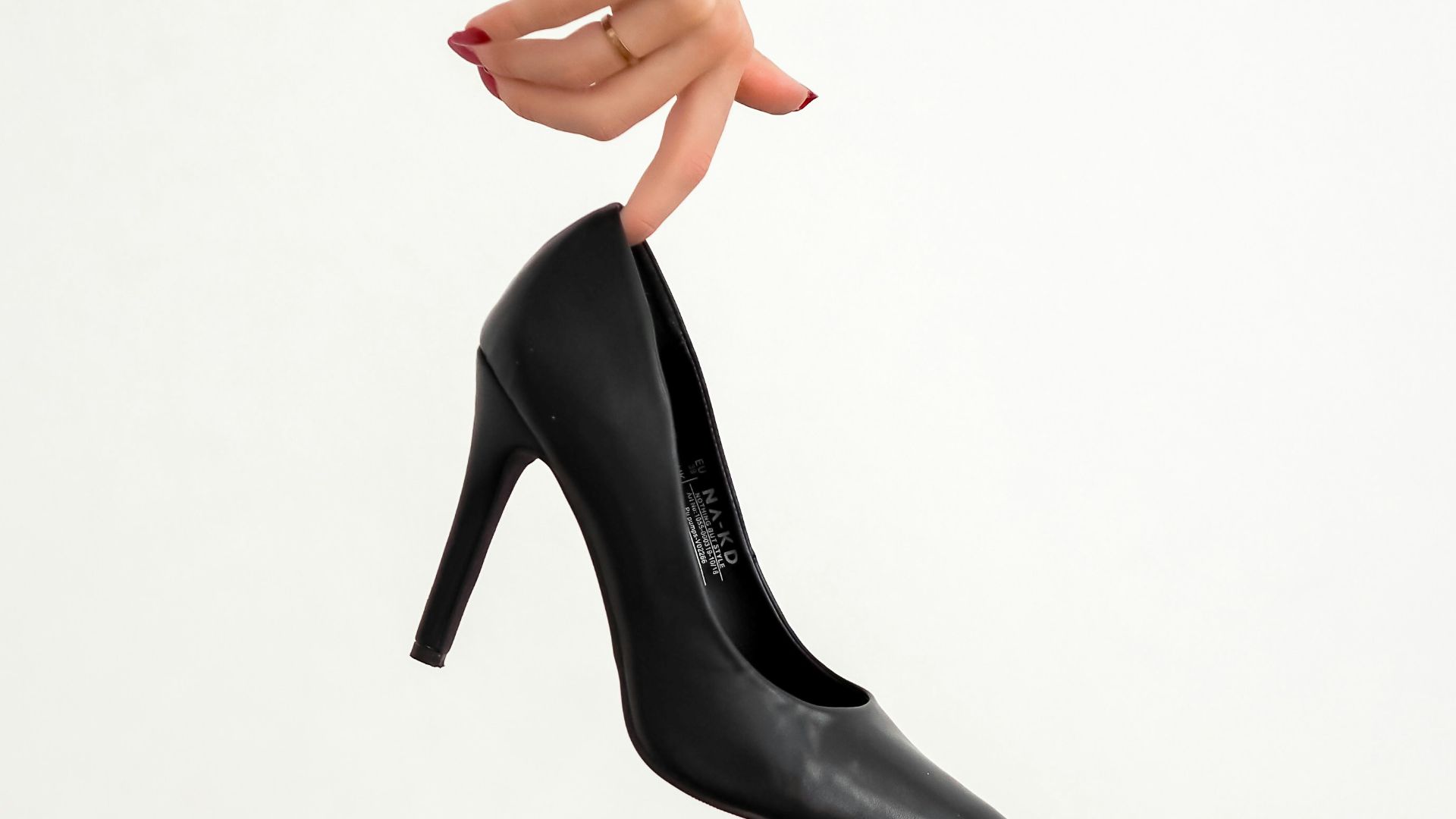
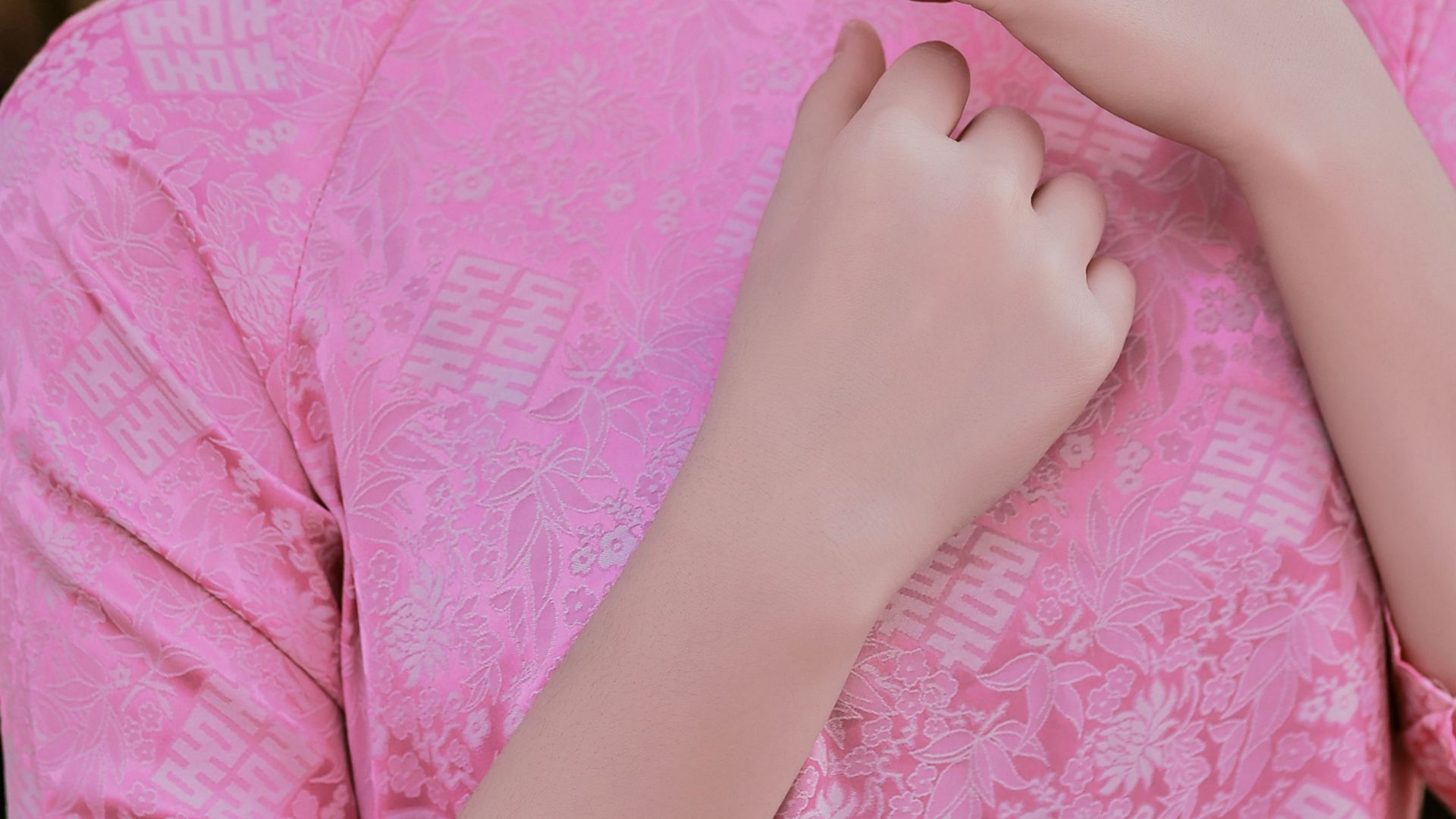
2. Pink Clothing
Pink used to be seen as a “decidedly masculine” hue for centuries because it was considered a lighter, less aggressive version of red military attire. Manuals written during the 19th century even advised parents to dress baby boys in pink because it would augment their masculinity. Girls were to be dressed in the “delicate” and “dainty” color blue instead.
3. Silk Stockings
Men needed to wear silky tubes around their legs in the Medieval and Renaissance periods to flaunt their masculine calves at parties. Riding horses and dancing at balls were a huge part of a man’s life back then, so they needed the pricey material to show up in the town. Women’s gowns were floor-length, so no one could see their legs, so stockings remained a man’s trend.
 Ambitious Studio* | Rick Barrett on Unsplash
4. Crop Tops
If you look back at the 1970s and 80s, you'll see football players and gym-goers wearing cut-off shirts to keep their bodies cool during intense workouts. Men actually started this trend to bypass gym dress codes while still showing off their abdominal muscles. It was a common sight in action movies.
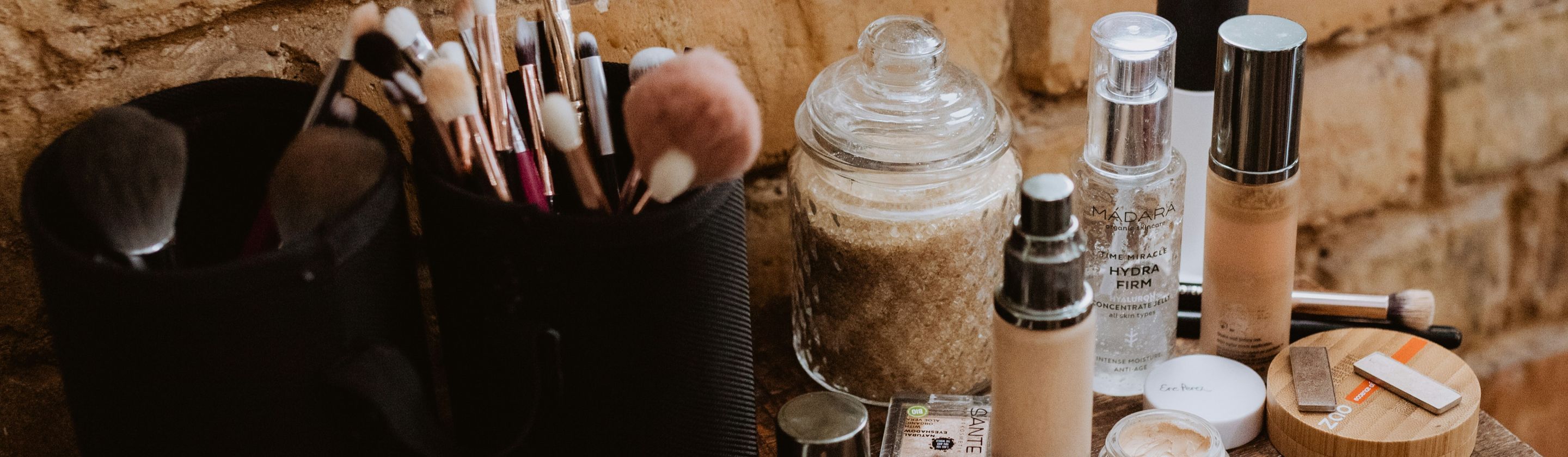
5. Makeup and Eyeliner
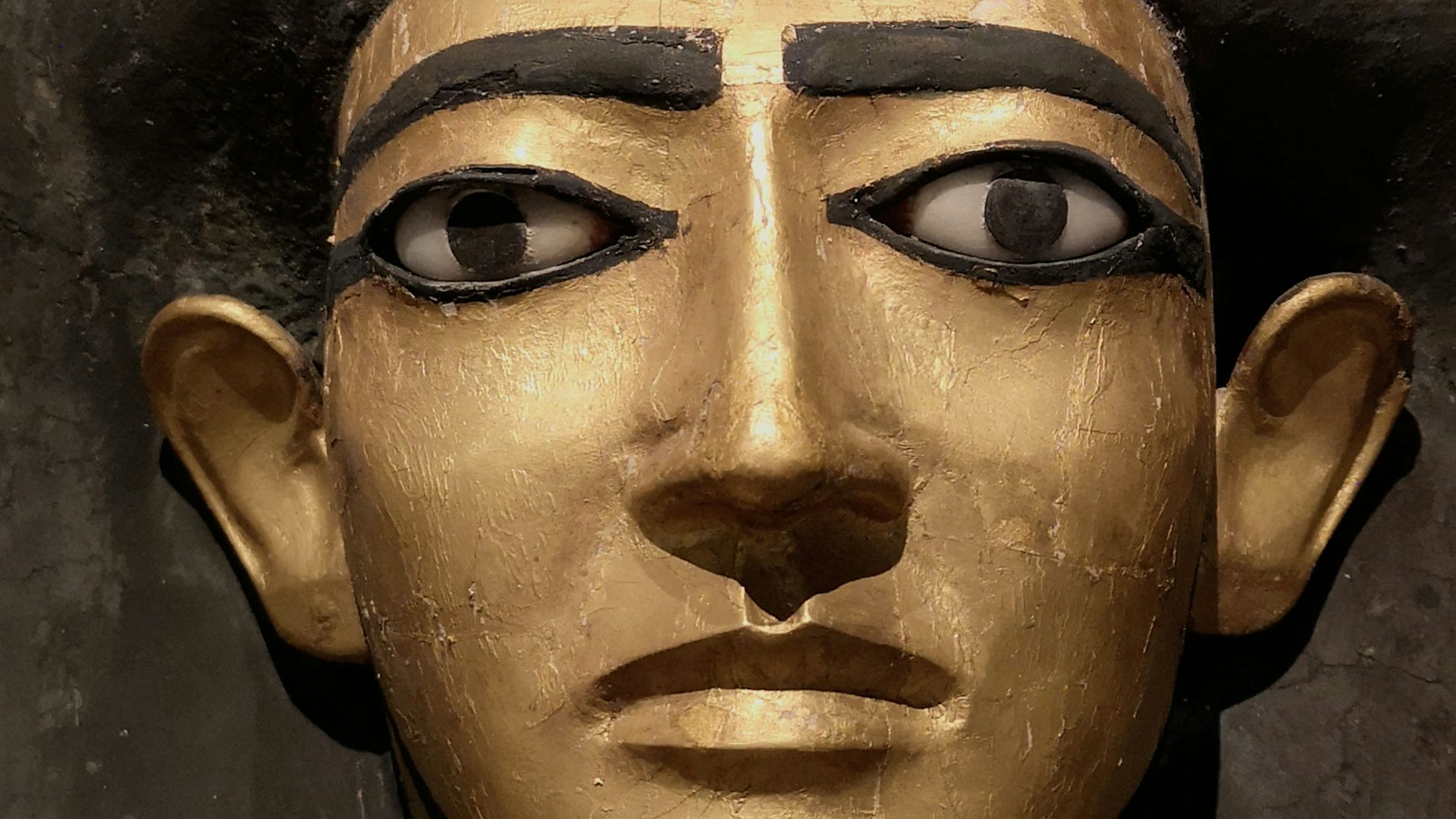
Ancient Egyptian men regularly used kohl to line their eyes as a way to protect their skin from the harsh desert sun and ward off infections. Throughout history, various cultures saw men wearing face powders and rouge to signify their noble status. While the West eventually moved toward a more "natural" look for men, the history of cosmetics is rooted deeply in the vanity and practicality of men.
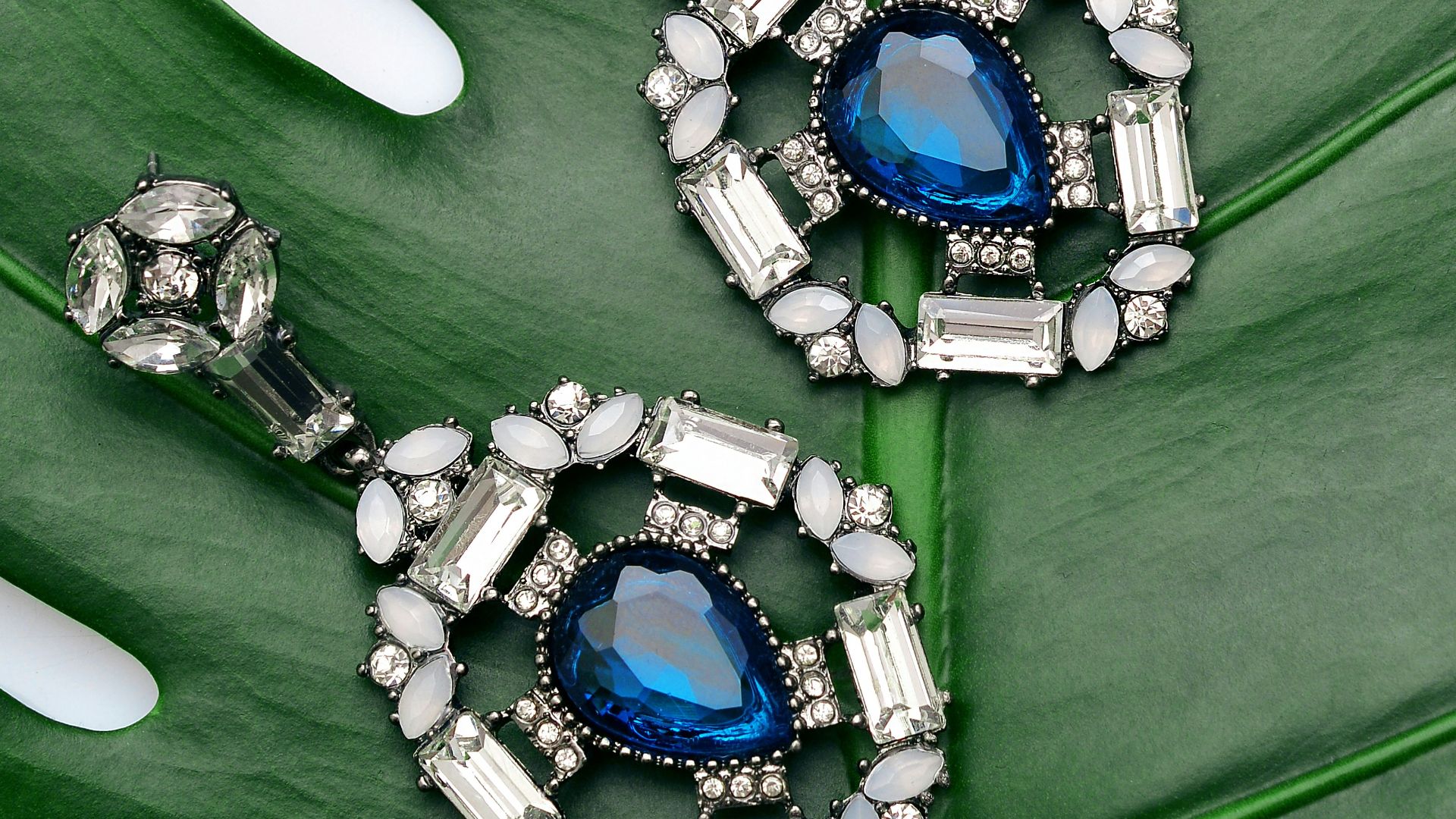
6. Jewelry and Handbags
Before pants came with pockets, men needed small bags tied to their waists to store their coins. These “purses” were an essential part of the working man’s life in the Middle Ages because there needed to be somewhere to put belongings. When pockets were added to men’s clothing, these bags became more decorative.
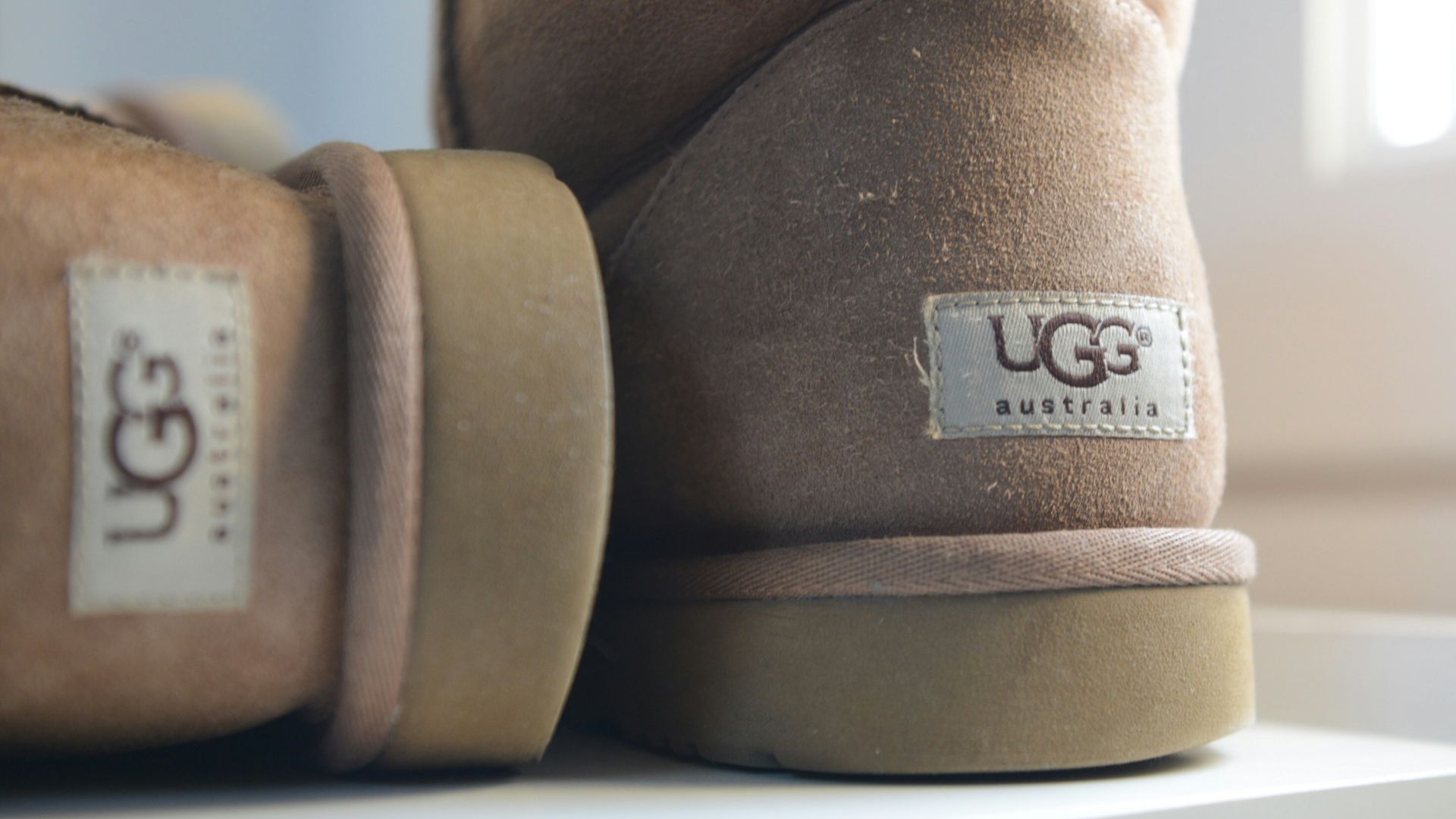
7. Ugg Boots
Designed specifically for Australian men, first on the surf and ski slopes, Uggs were never meant to be seen as cute, feminine footwear. These easy-care boots became a huge hit with women when celebrities started sporting the house shoes outside of the house.
8. Thong Undergarments
The earliest versions of this revealing garment were actually loincloths worn by male hunters and warriors in ancient cultures for maximum mobility. These minimalist designs allowed men to move freely through the brush. Eventually, the design was adapted for the stage and beach.

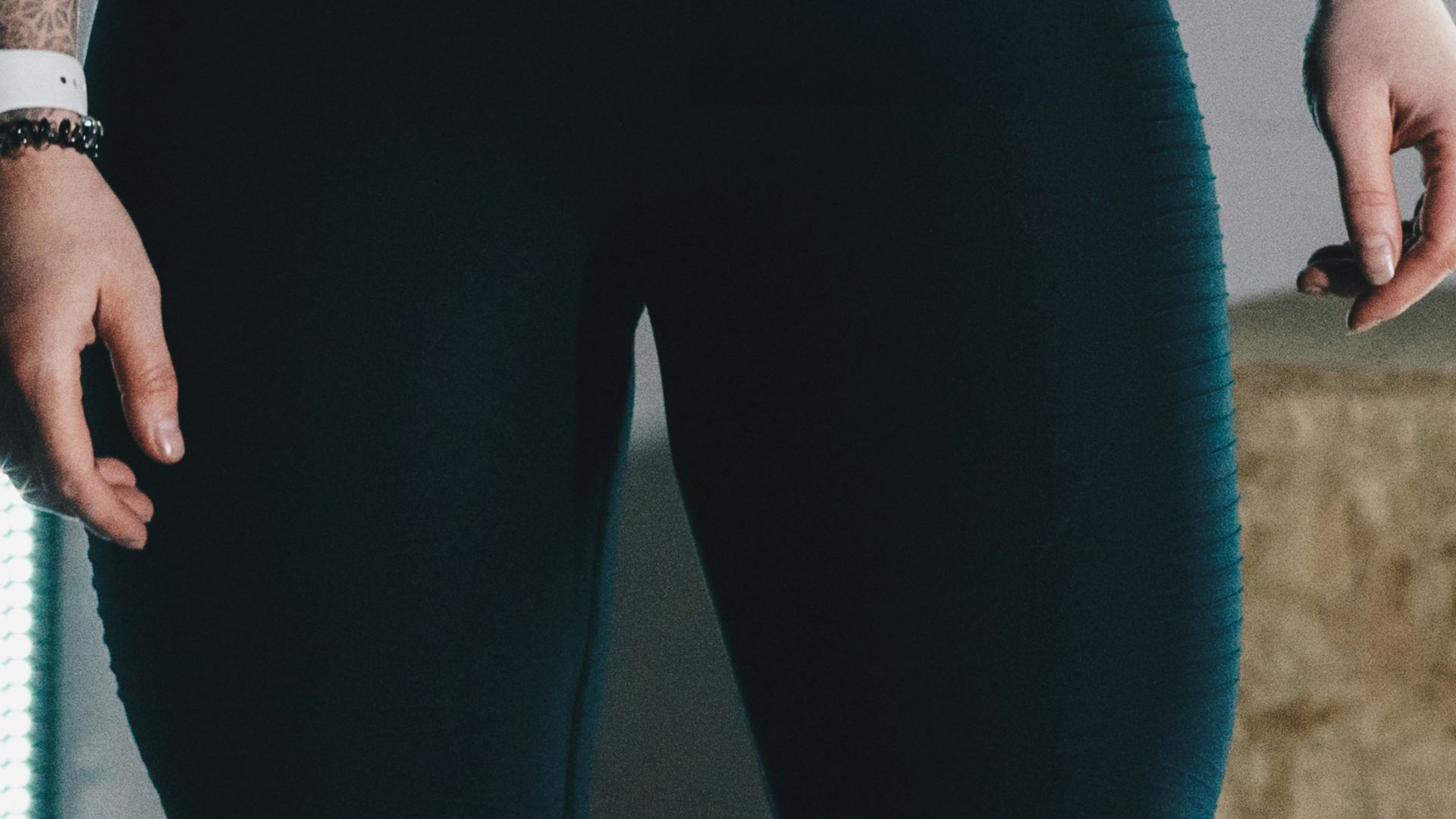
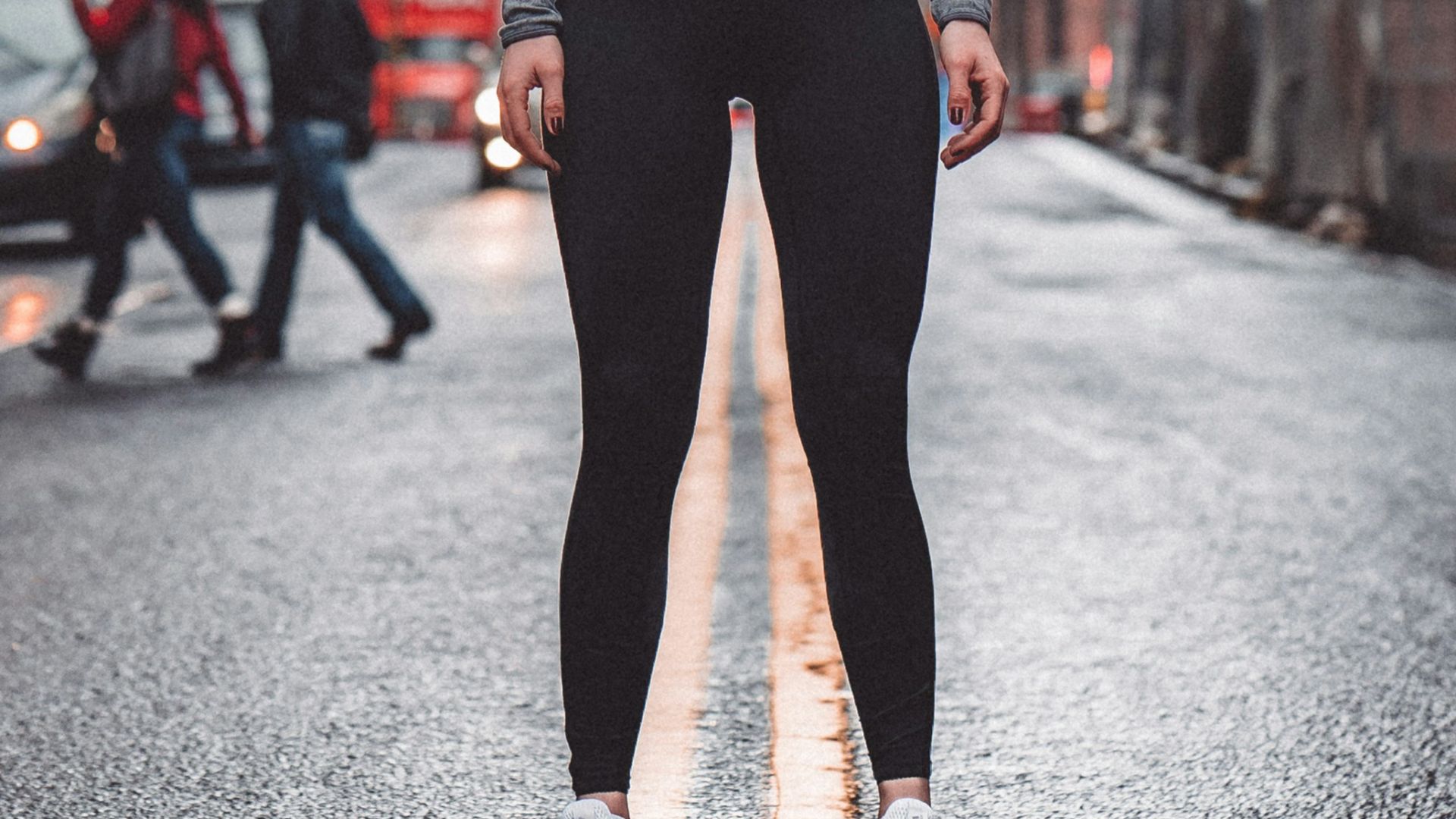
9. Yoga Pants and Leggings
Men in the 14th century wore "hose," which were essentially two separate leggings tied to a waistband, to provide protection and warmth while they worked or fought. These garments were often made of wool or leather and were designed to fit tightly. While men eventually transitioned to looser trousers, the tight-fitting leggings lived on in the worlds of dance.
10. The Brassiere (Early Concepts)
While the modern bra is certainly feminine, the earliest "chest-flattening" garments were used by male athletes and soldiers to provide support during high-impact activities. Some historical researchers point out that men in certain cultures used wraps to keep their torsos stable while engaging in gruelling physical labor or combat. Eventually, these supporting structures were redesigned to enhance the female silhouette.
11. Skirts and Tunics
Almost every ancient civilization featured men in some form of a skirt, whether it was the Greek fustanella, the Roman tunic, or the Scottish kilt. These garments were favored because they offered incredible freedom of movement and were much easier to construct than pants.
12. Lace and Ruffles
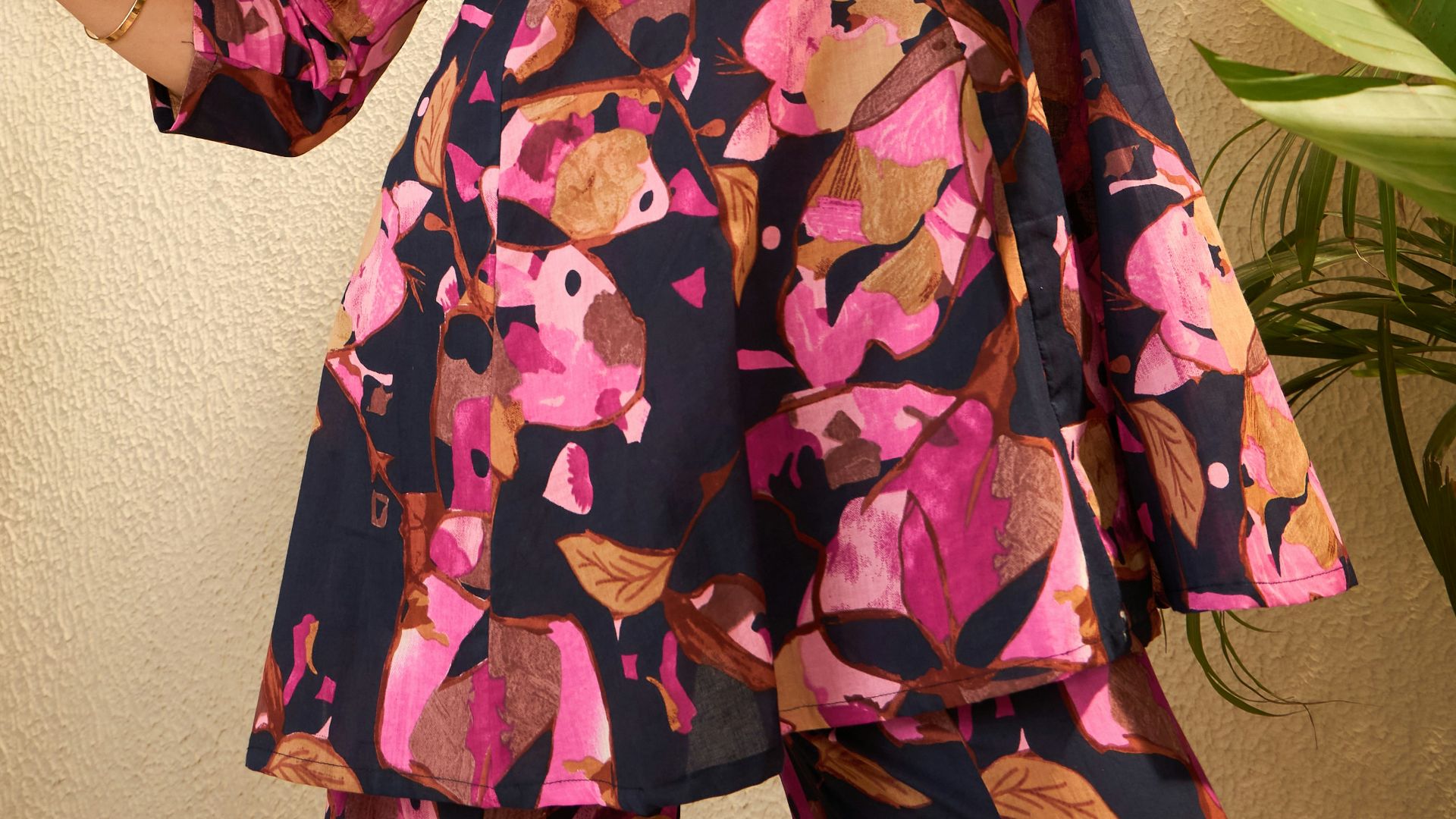
In France, King Louis loved puffing up his collar so much that he wore multiple layers of lace at once. Even a simple lace collar was a major status symbol in the 17th century because it showed you didn’t have to labor for a living. Many men wore lace until it became popular with women.
13. Wigs
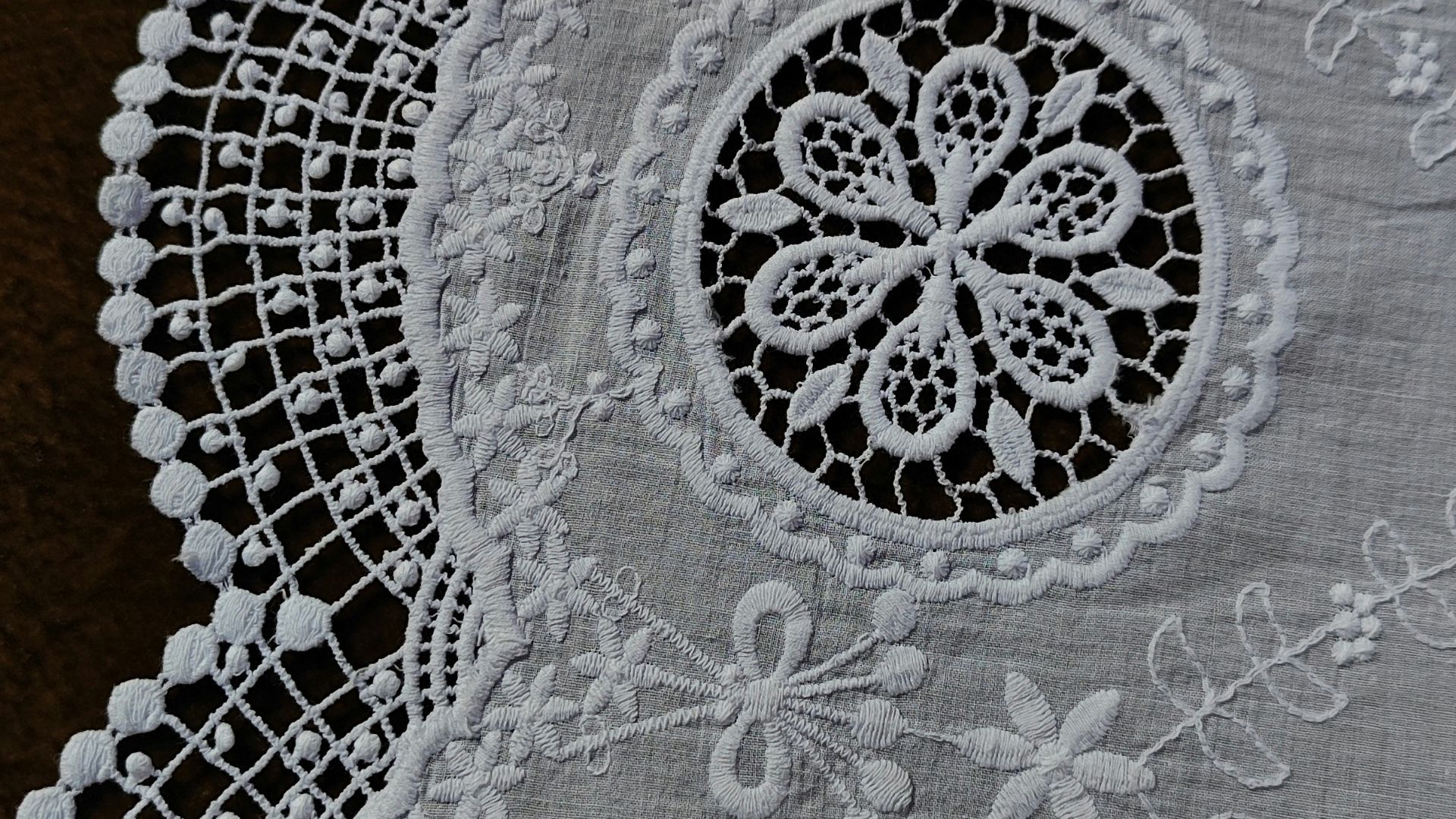
High-society men in the 1700s wouldn't dream of being seen in public without their elaborate, powdered wigs. These hairpieces were initially used to cover up hair loss caused by diseases or to maintain a clean appearance when bathing was a rare luxury. Eventually, the trend for massive, towering wigs became popular among women.
14. Corsets
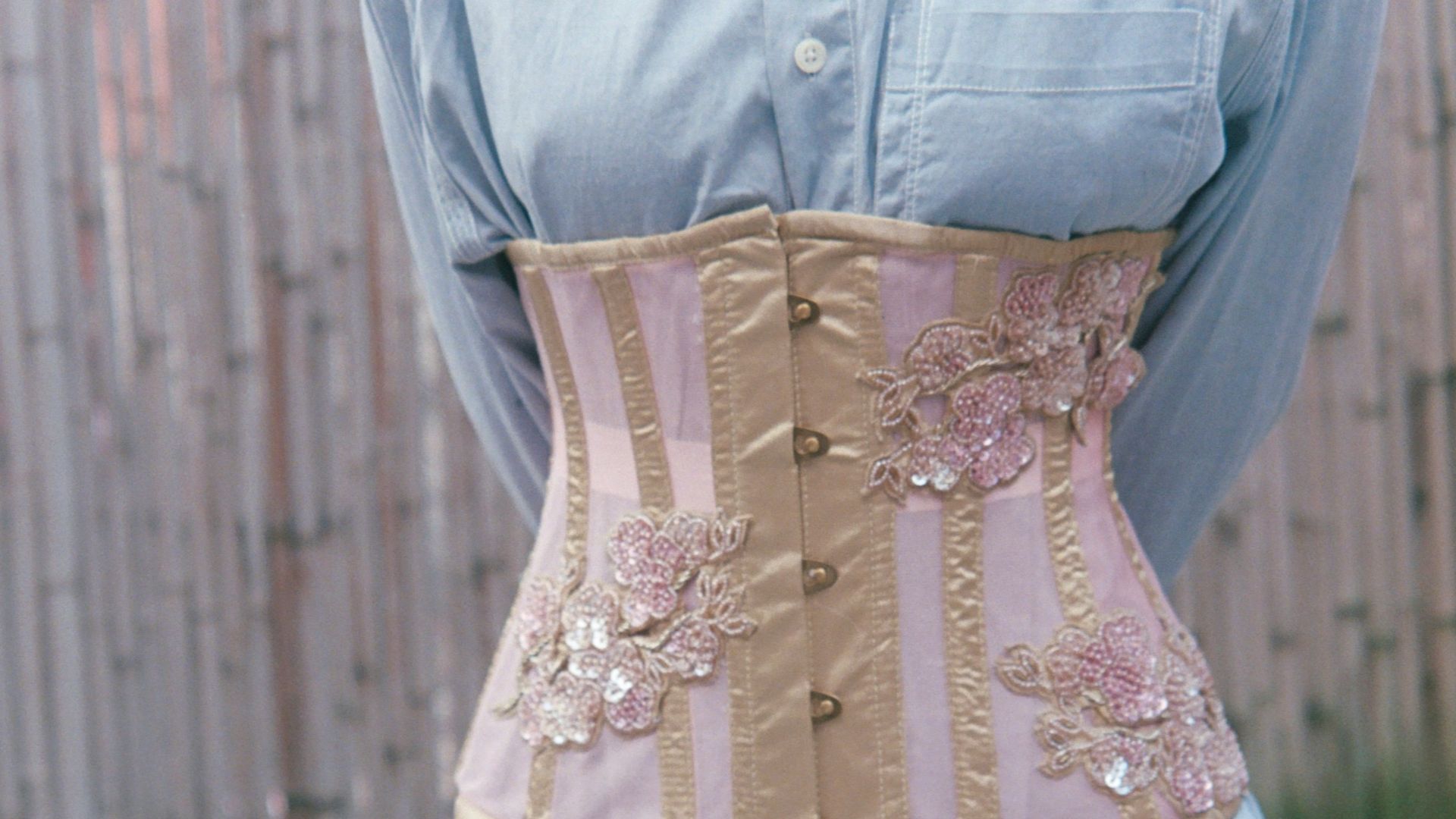
Most people associate corsets with the Victorian era, but "stays" and torso-shaping garments were also used by men to achieve a disciplined, military posture. Officers in the army often wore them under their uniforms to keep their backs straight and their stomachs flat, which helped their expensive coats fit perfectly.
15. The Color Blue
While it seems like blue has always been for boys, the color was historically associated with the Virgin Mary and was considered a soft, feminine shade. In many European traditions, girls were dressed in blue because it represented purity and calmness. It took several decades of department store marketing in the early 1900s to shift this paradigm.

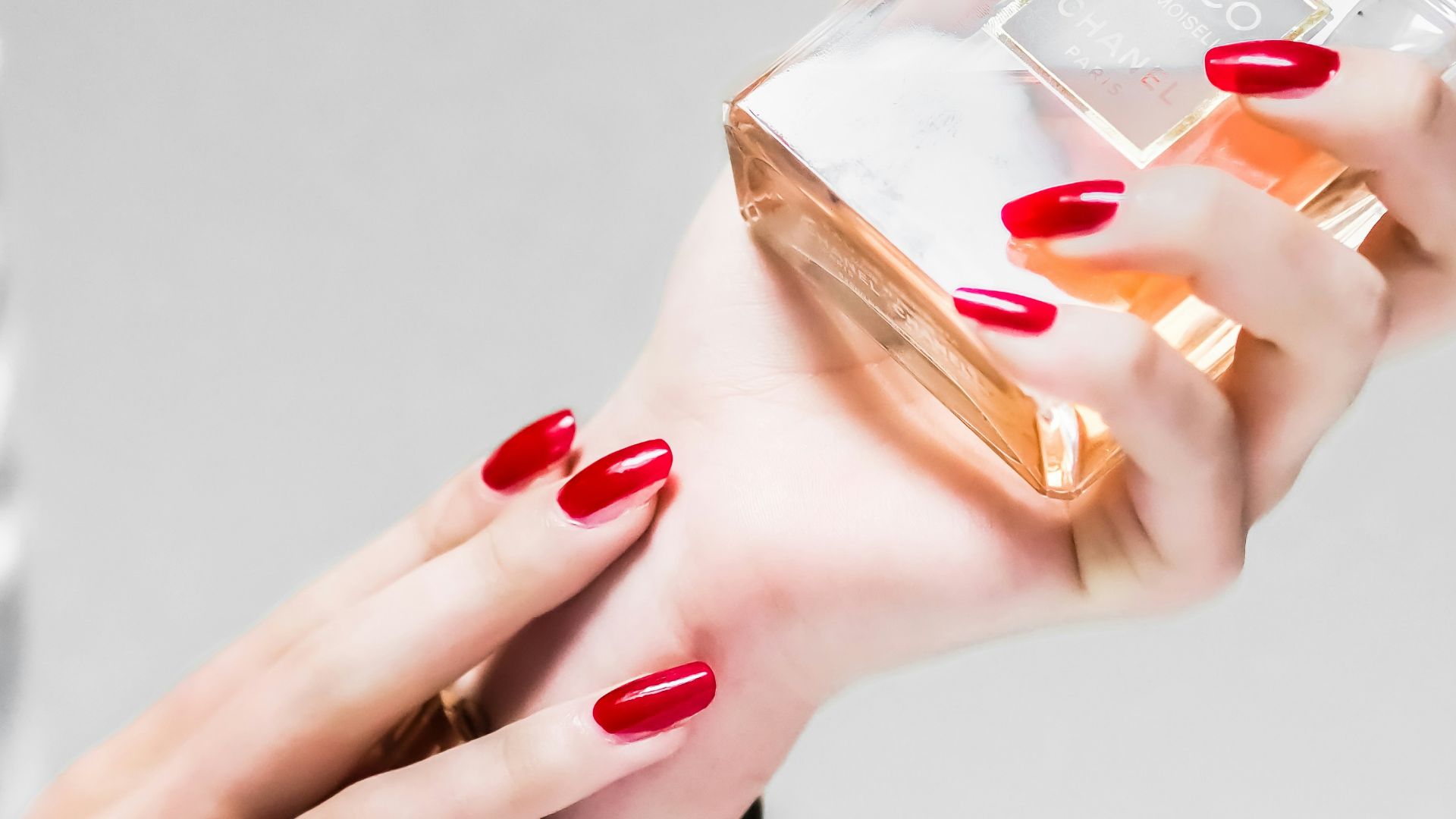
16. Perfume
Men used perfumes to appear rich and powerful during early civilization. When Louis XIV took the throne of France, he took his love for fragrances everywhere he went. Eventually, colognes were produced for men while aromatic florals were assigned to women.
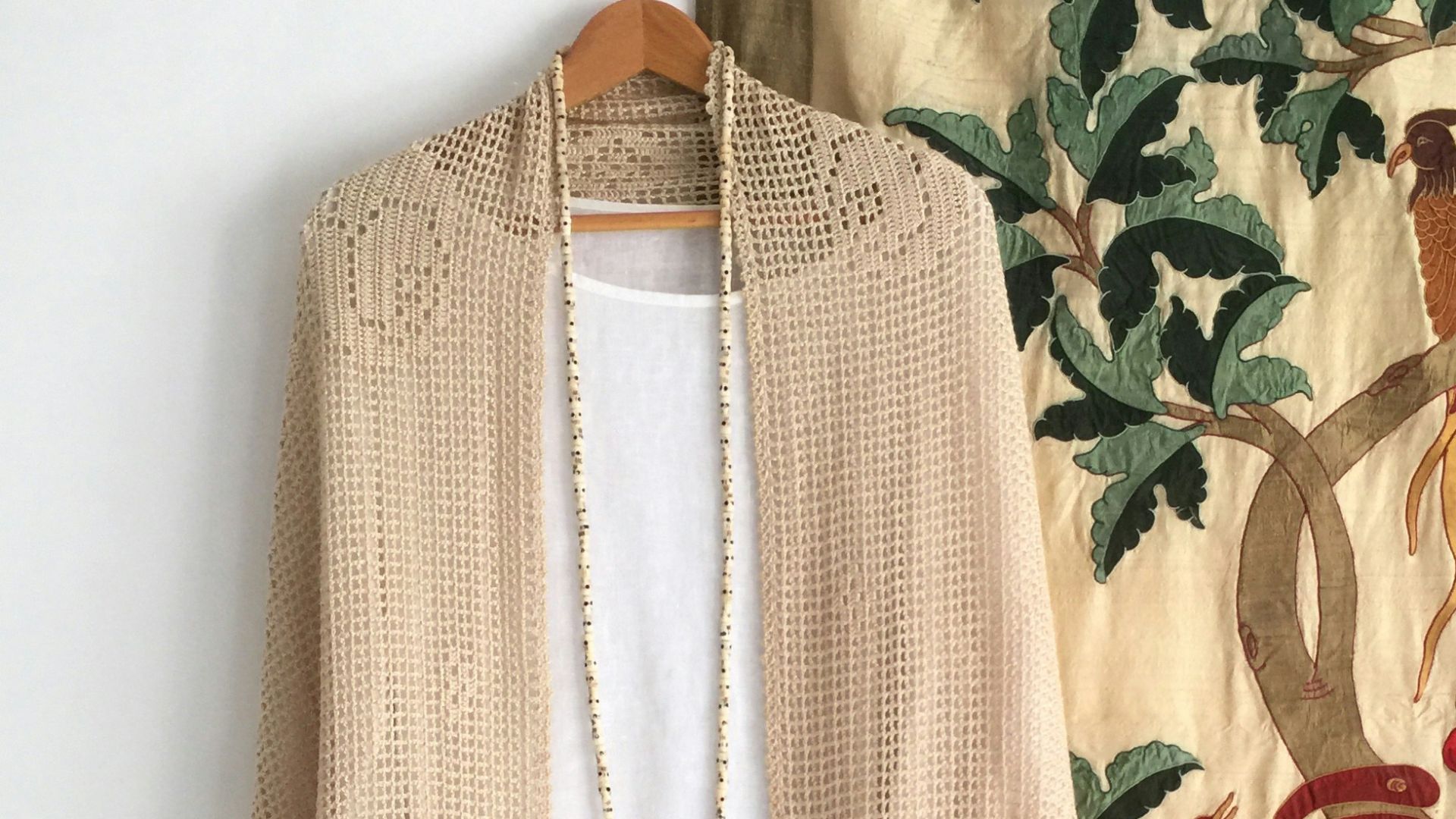
17. Shawls
Large rectangles of fabric were used to keep warm by both men and women. The shawl started off as a menswear item in Persia and India before Europeans adopted it from the British army. Women took over the shawl market, and it became known as a feminine accessory from then on out.
 Stefania Jane Marino on Unsplash
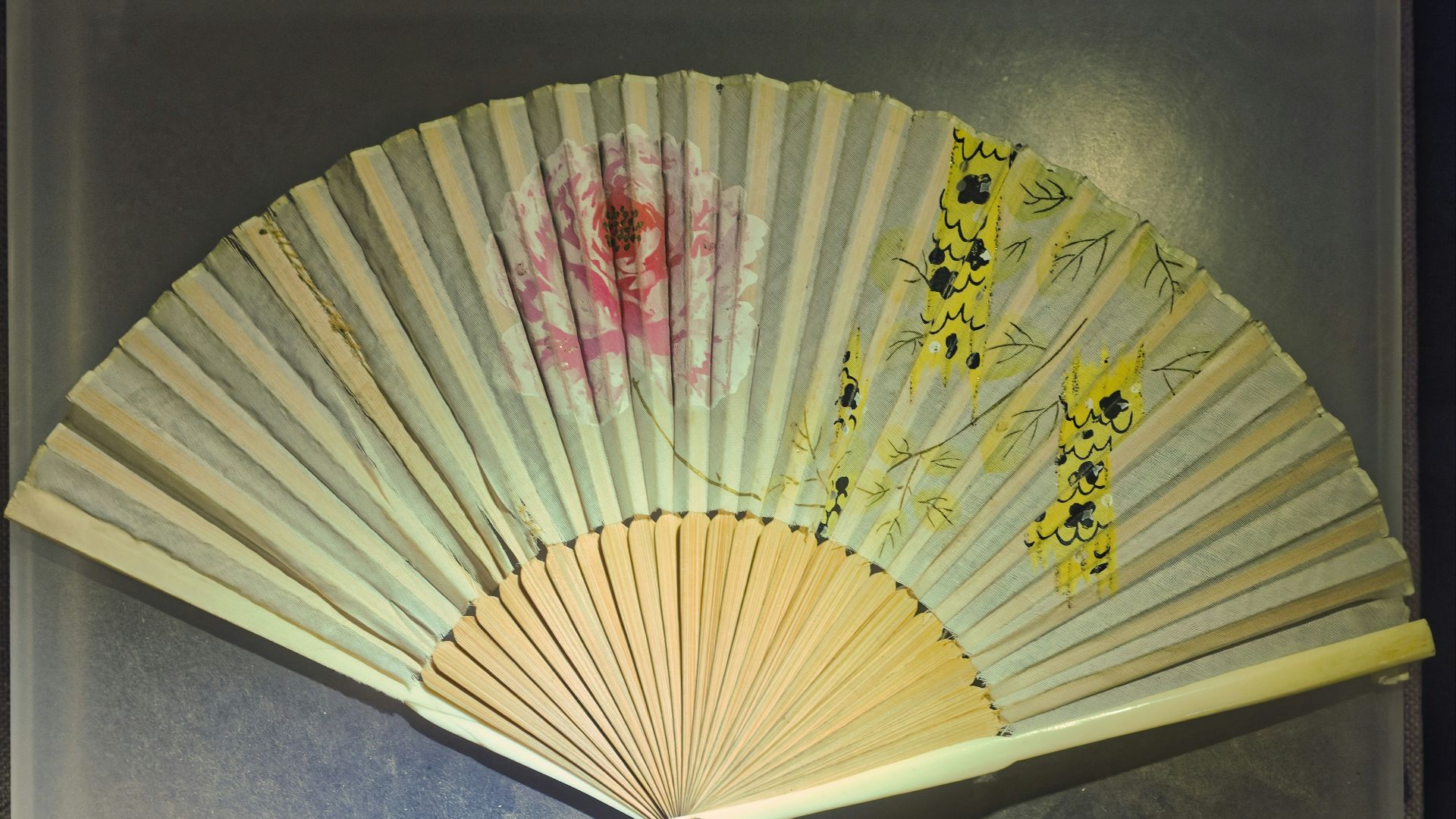
18. Decorative Fans
Fans used to be both a cooling device and a conversation tool for men. Some samurai warriors in Japan would even use fans as defense mechanisms in secret conflicts. But as time passed, fans grew more decorative and were assigned to the lady’s repertoire of fashion.
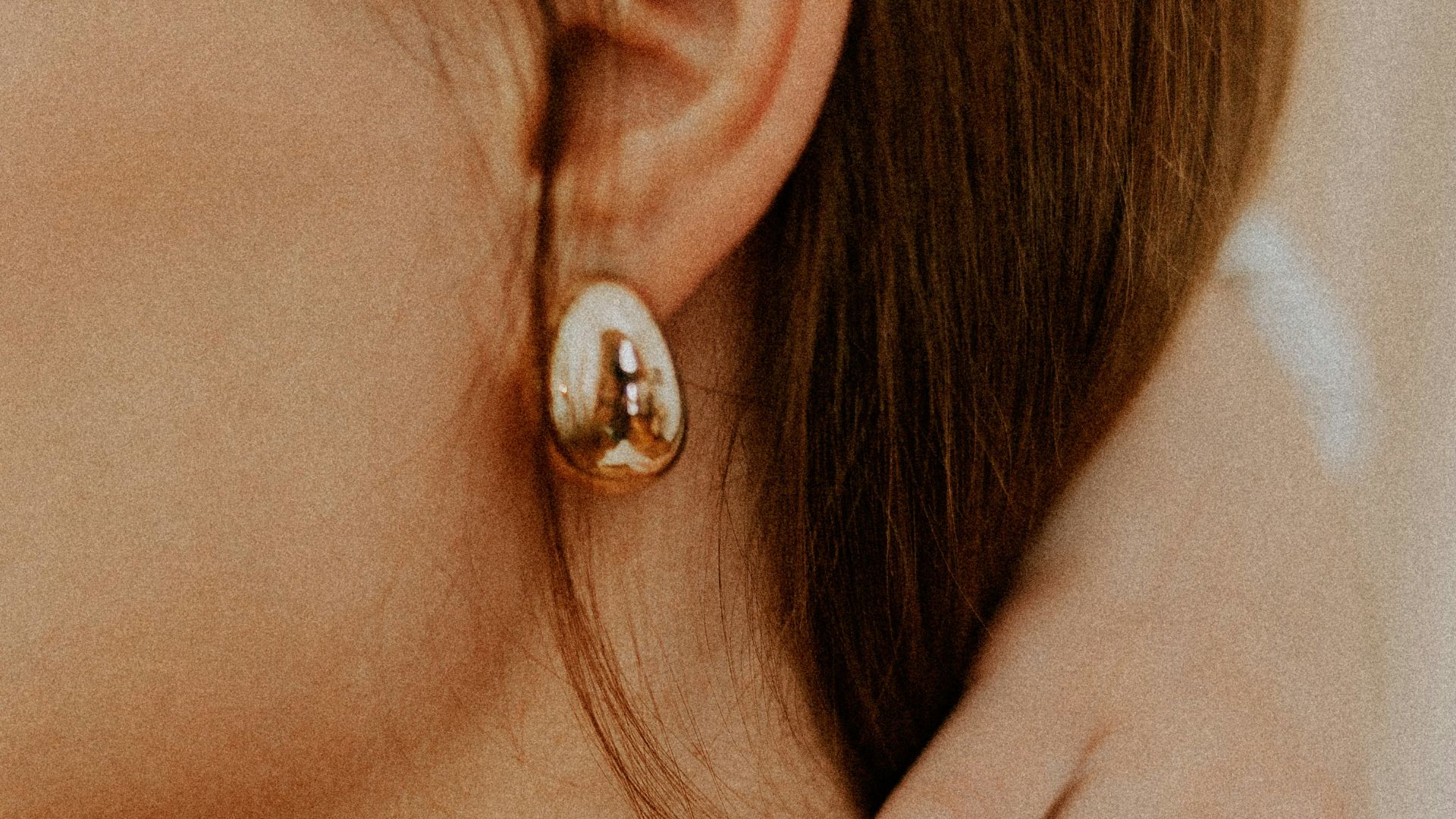
19. Earrings
Earrings actually symbolized strength and status among warriors centuries ago. Men in gangs today still wear one gold earring to intimidate their foes, but it started off as a way of paying for funeral expenses if someone drowned at sea. When men stopped wearing jewelry, earrings were reserved for the women’s market.
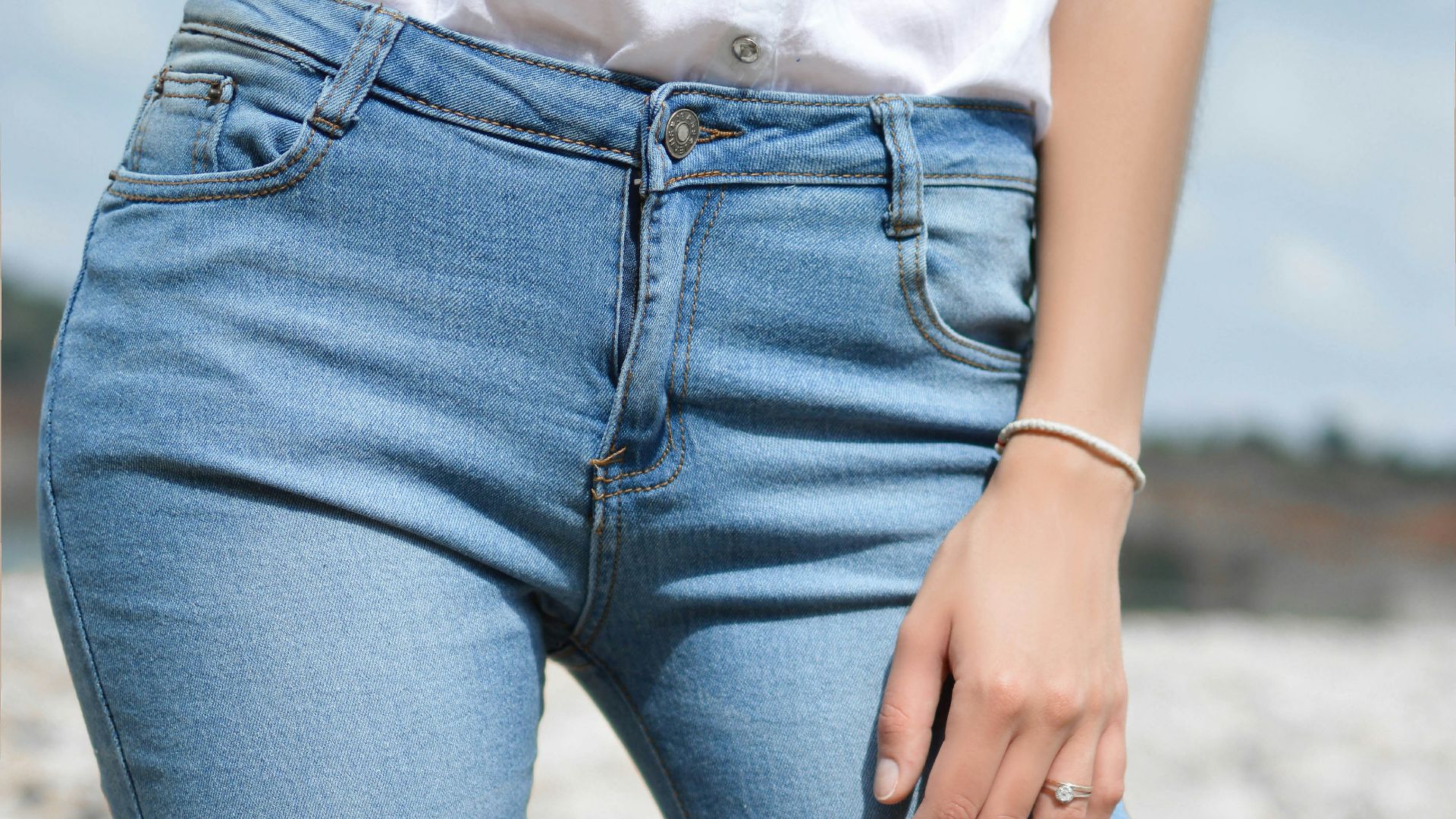
20. Skinny Jeans
Skinny jeans were first seen on royals and aristocrats who couldn’t even button their pants without help. Just like Uggs, celebrities have a lot to do with why women are donning skinny jeans today.