How Social Media Personalities Reshaped the Fashion Industry
Fashion trends have always evolved alongside changes in media, culture, and technology, but the rise of influencers has accelerated that process in ways few people could have predicted. Through platforms like Instagram, TikTok, YouTube, and Pinterest, influencers have become powerful trendsetters who can introduce new styles, revive old ones, and shape consumer preferences almost overnight. Their impact extends far beyond promoting products, affecting how trends emerge, spread, and ultimately become part of everyday fashion. Here are 20 ways influencers have changed fashion trends.

1. Influencers Accelerated Trend Cycles
Fashion trends once took months or even years to gain widespread popularity. Influencers can now introduce a look to millions of people within a single day through photos, videos, and livestreams. This rapid exposure has dramatically shortened the time it takes for trends to move from niche communities into mainstream fashion.
2. They Made Fashion More Accessible
Traditional fashion media often focused on luxury brands and exclusive events. Influencers frequently show how trends can be adapted to different budgets and lifestyles, making fashion feel more approachable. As a result, many consumers feel they can participate in trends without spending a fortune.
3. They Popularized Everyday Style Inspiration
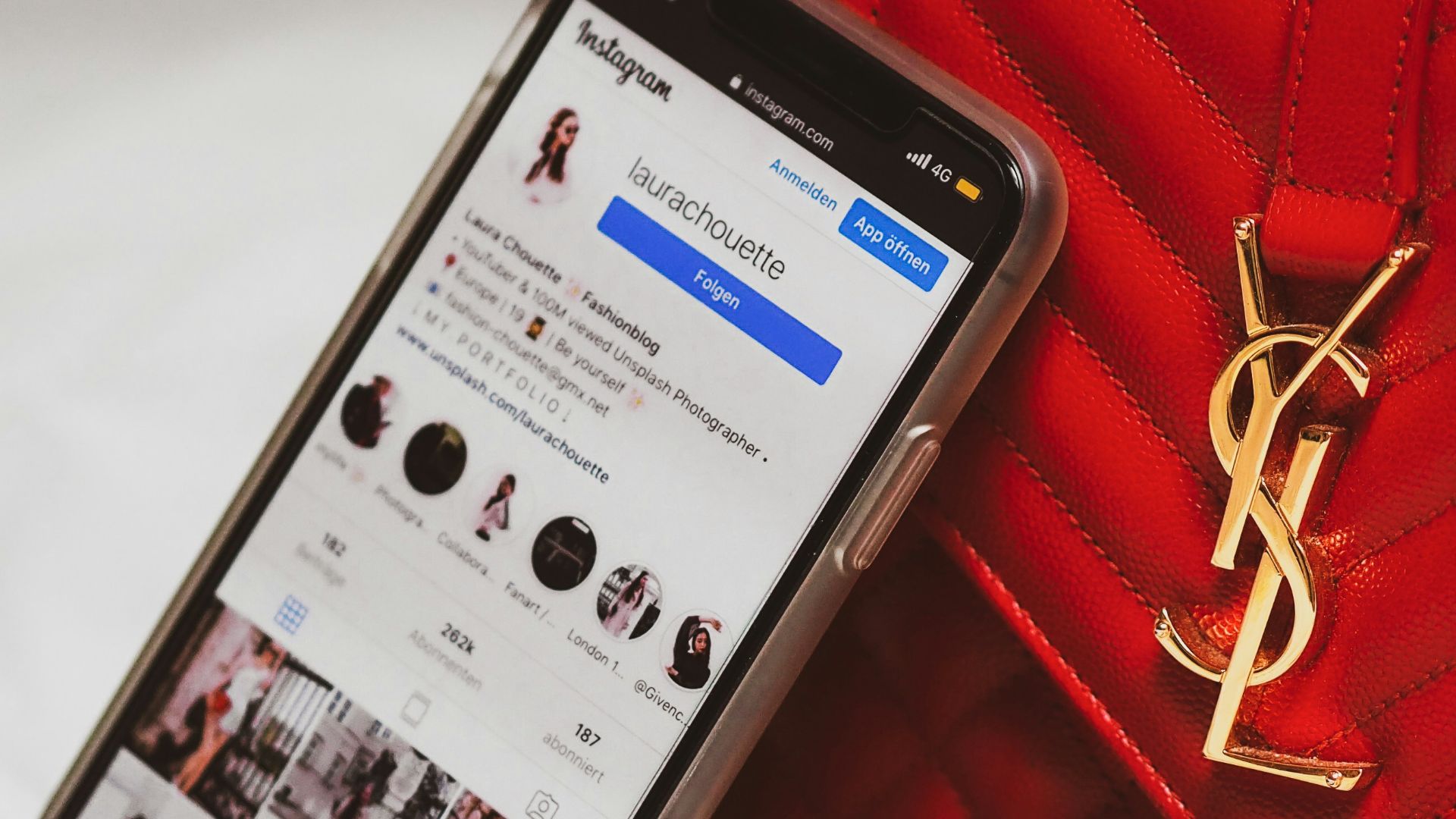
Instead of relying solely on runway collections, people now look to influencers for outfit ideas. Many creators showcase clothing in realistic settings such as workplaces, schools, or casual outings. This practical approach helps followers understand how trends fit into daily life.
4. They Helped Small Brands Reach Larger Audiences
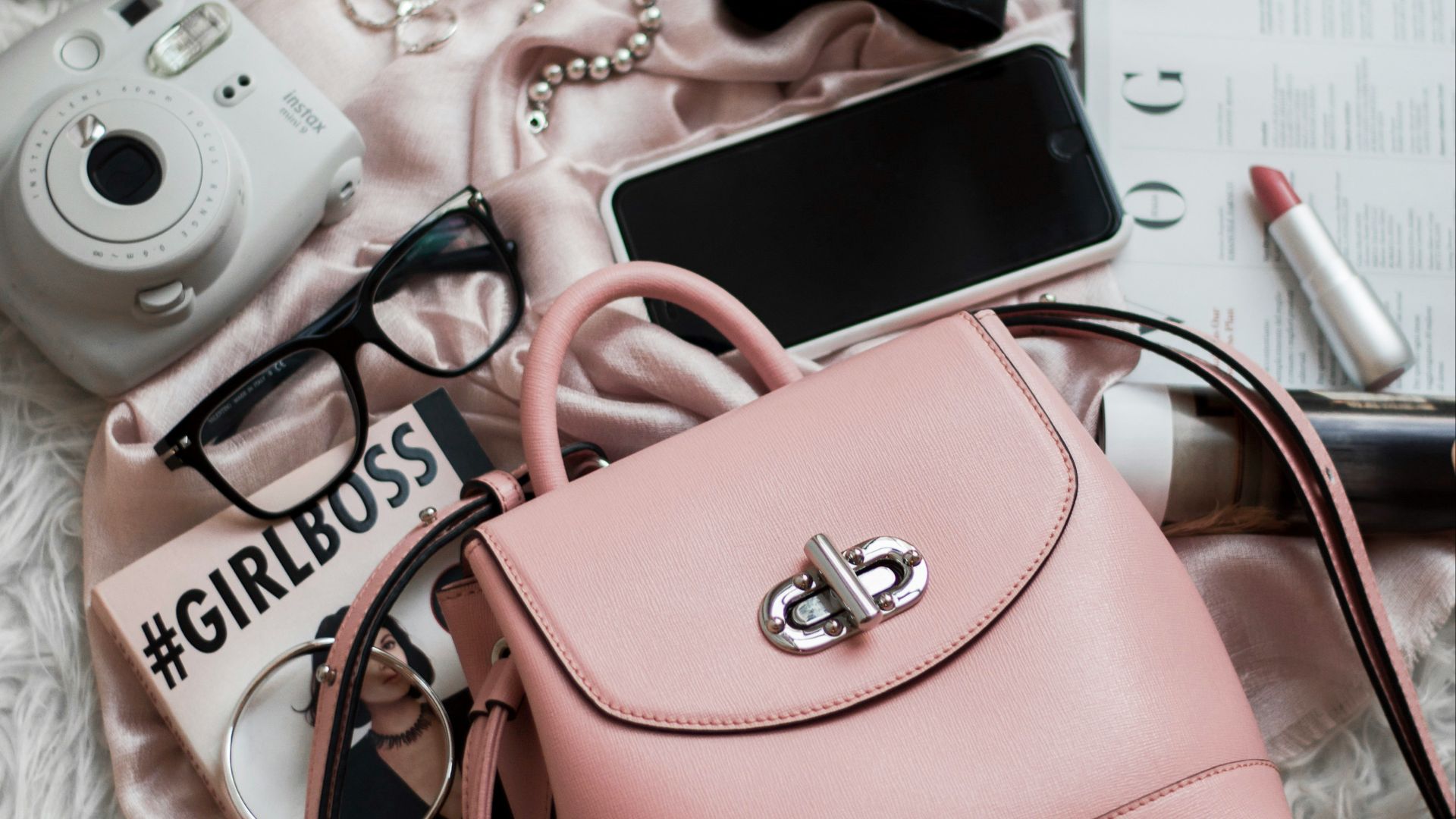
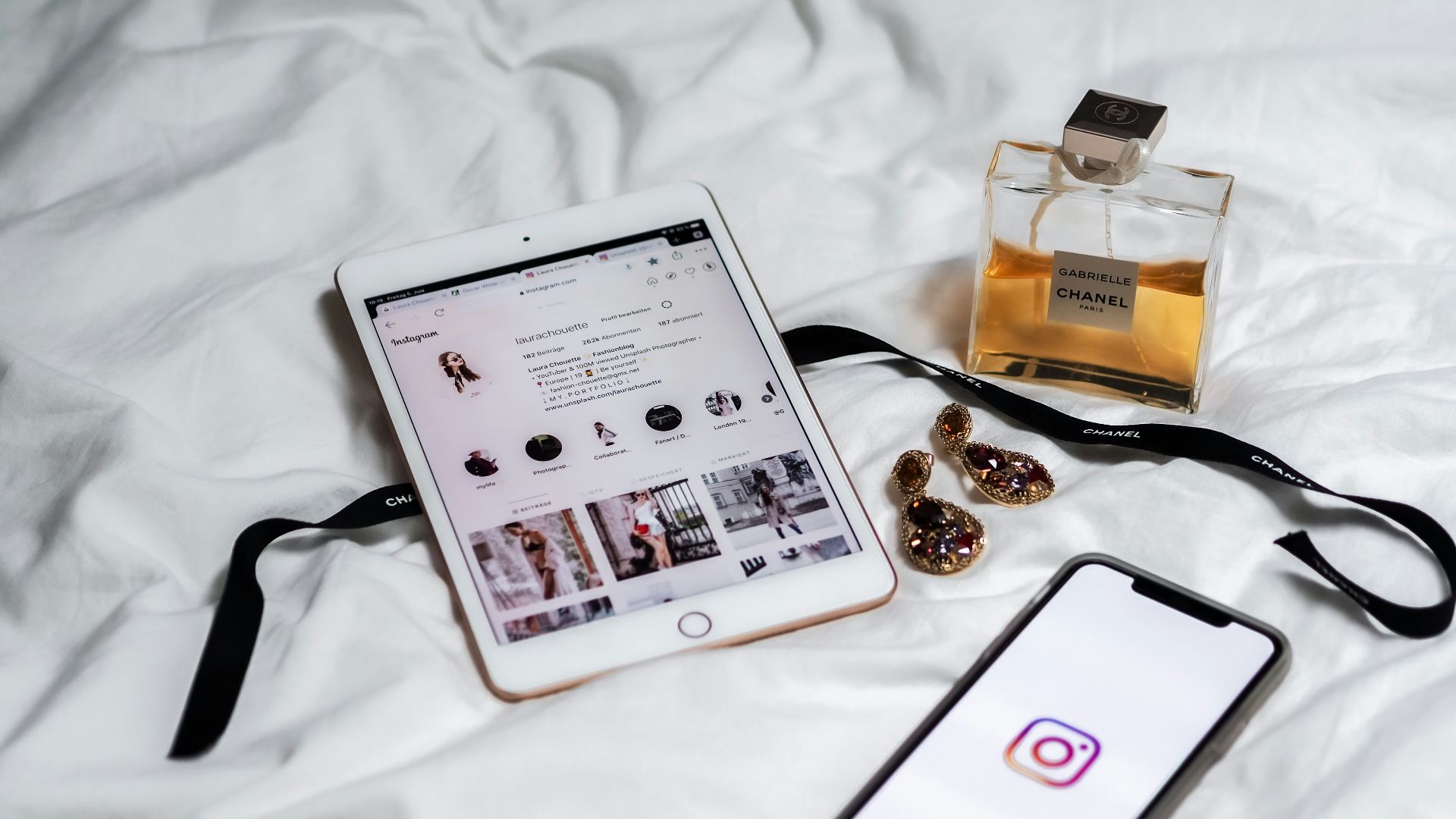
Independent fashion labels once struggled to compete with established companies that had massive advertising budgets. Influencers provide smaller brands with a direct path to potential customers through targeted audiences. A single successful partnership can significantly increase awareness and sales.
5. They Revived Vintage Fashion
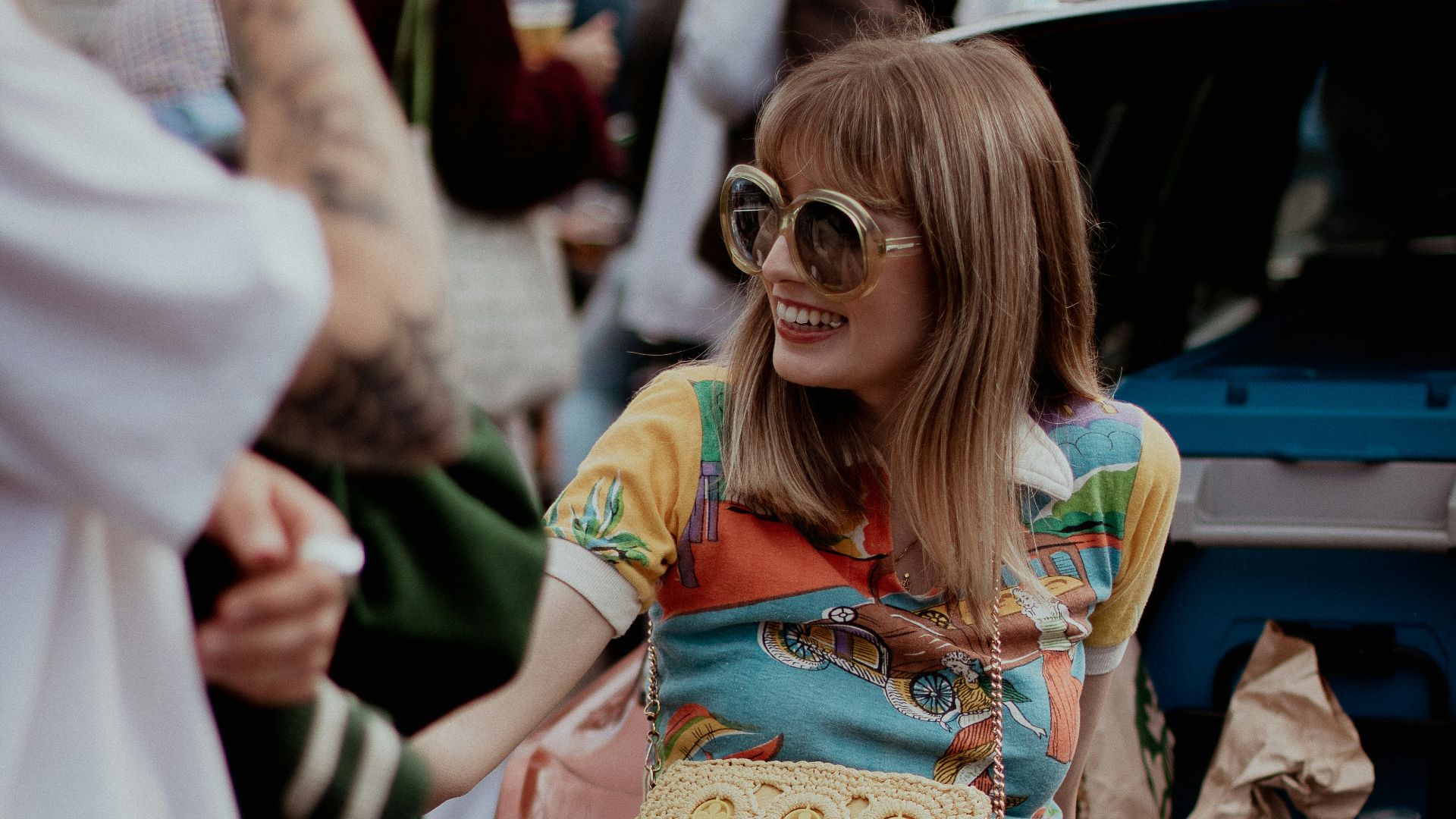
Many influencers regularly incorporate vintage clothing into their wardrobes and content. Their enthusiasm for secondhand pieces has introduced younger audiences to styles from previous decades. This renewed interest has contributed to the growth of vintage stores and online resale platforms.
6. They Encouraged Personal Style Exploration
Influencers often emphasize self-expression rather than strict fashion rules. Followers are exposed to a wide range of aesthetics, from minimalist looks to highly creative outfits. This variety encourages people to experiment with styles that reflect their own personalities.
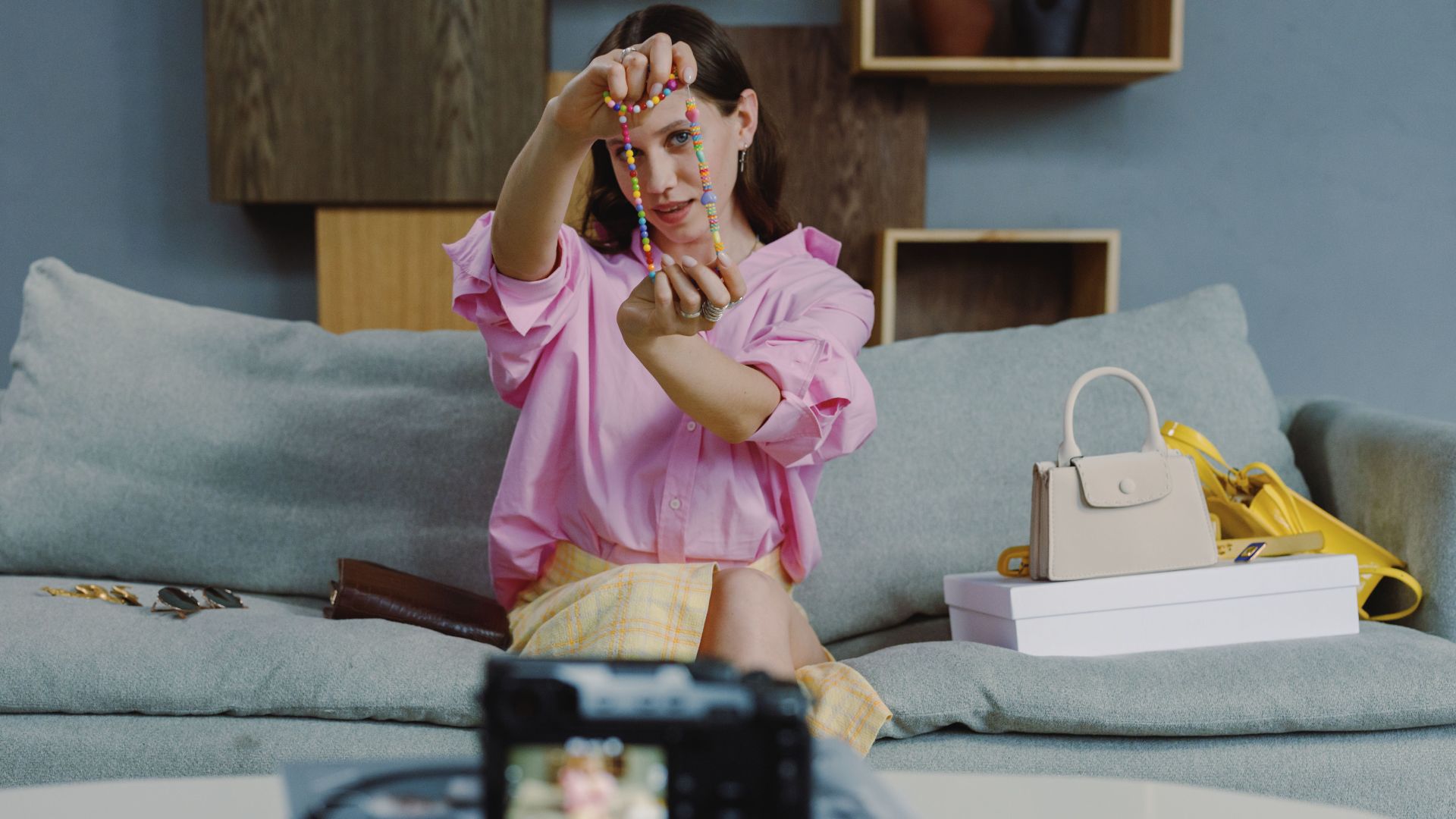
7. They Increased the Popularity of Streetwear
Streetwear existed long before social media, but influencers helped bring it to a broader audience. Sneakers, oversized silhouettes, and casual luxury pieces gained greater visibility through online fashion content. Today, streetwear remains one of the most influential segments of the industry.
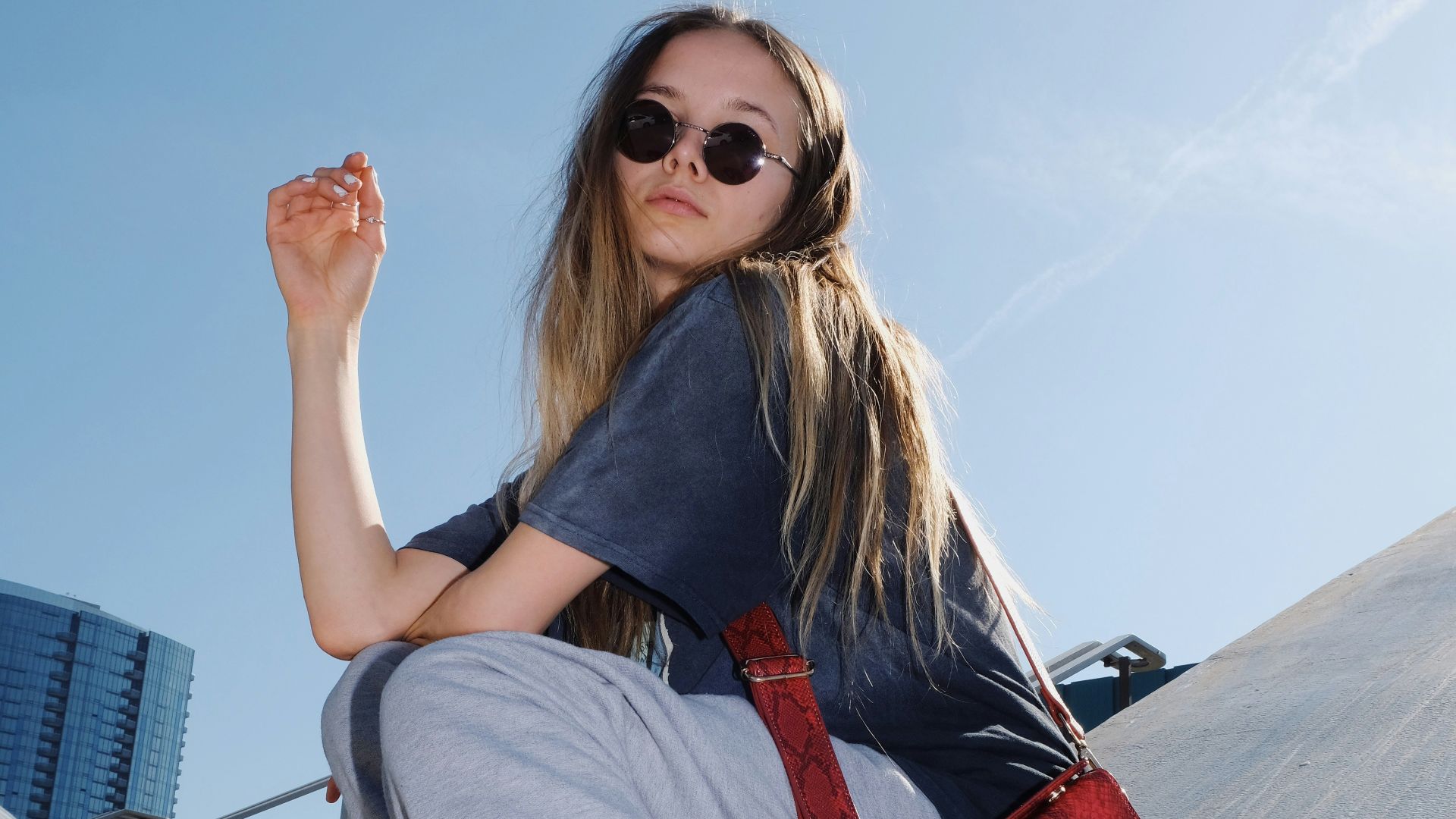
8. They Created Demand for Limited Releases
When influencers showcase exclusive items, followers often rush to purchase them before they sell out. Brands have responded by producing limited-edition collections and special collaborations. These releases generate excitement and create a sense of urgency among consumers.
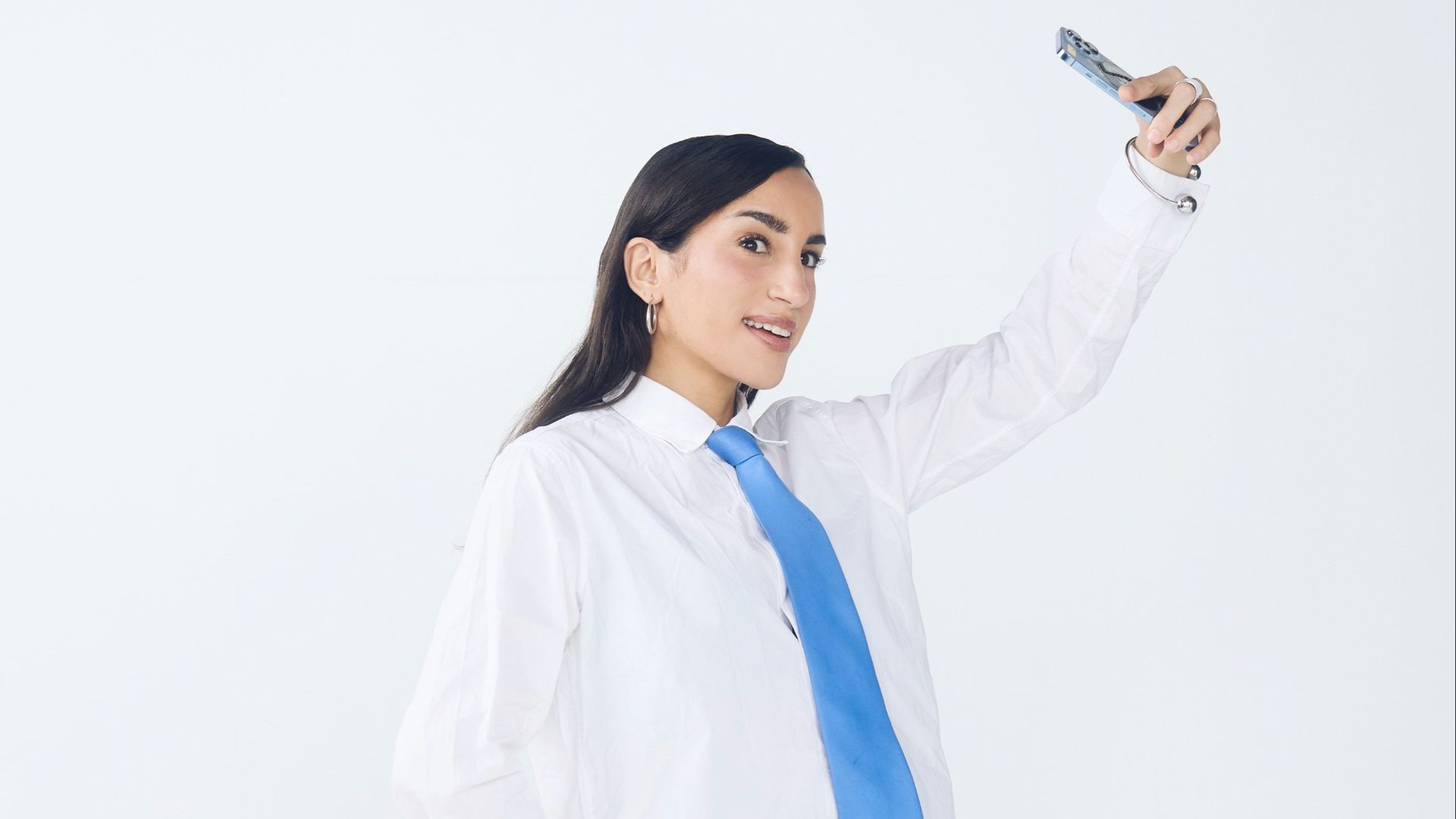
9. They Expanded Global Fashion Exchange
Fashion trends are no longer confined by geographic boundaries. Influencers from different countries share local styles with international audiences every day. This exchange has helped spread fashion ideas across cultures more quickly than ever before.
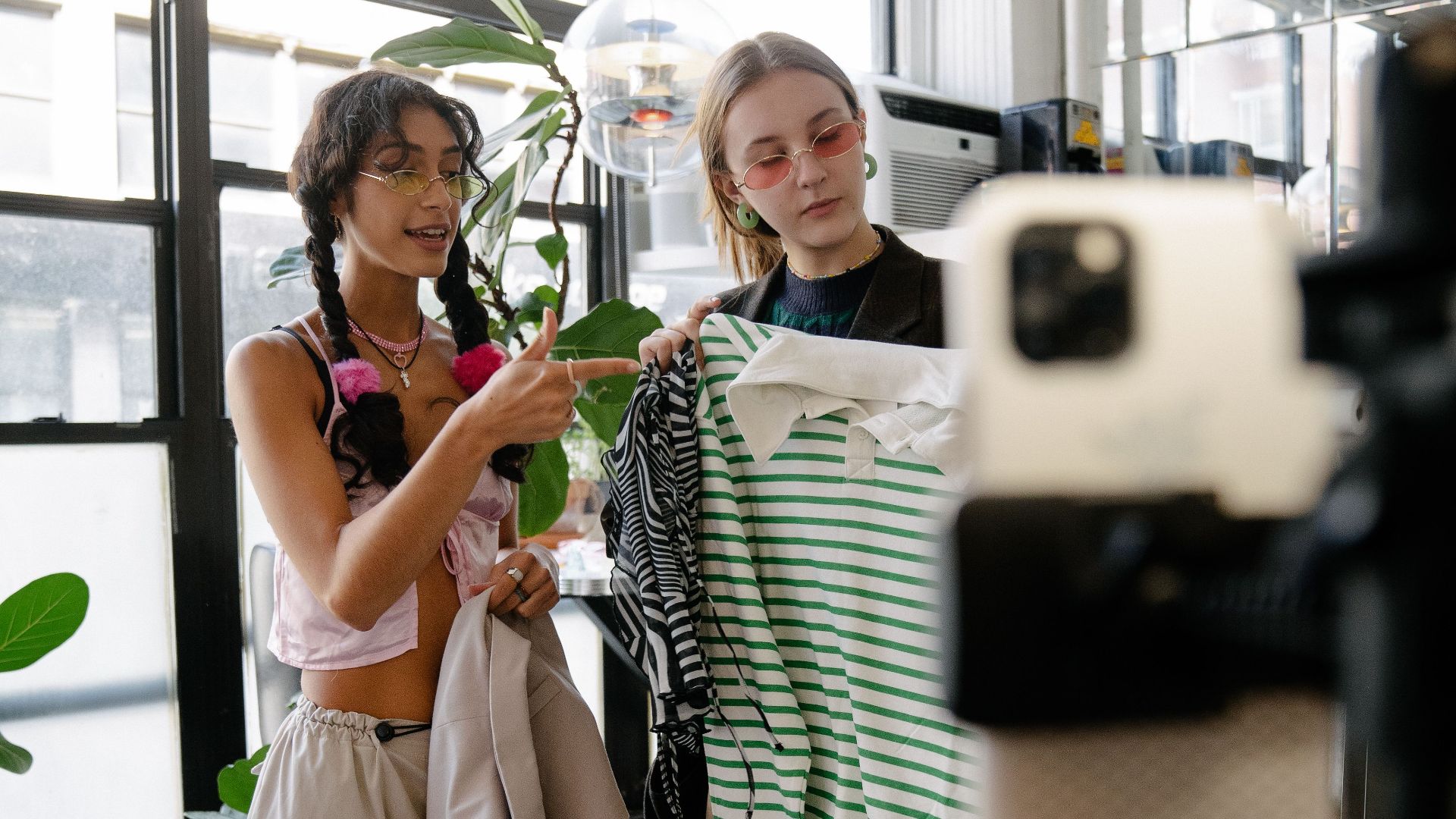
10. They Made Fashion Reviews More Influential
Consumers increasingly rely on influencer reviews before purchasing clothing or accessories. Creators often discuss quality, fit, comfort, and value based on personal experience. These insights can strongly influence buying decisions and shape perceptions of brands.
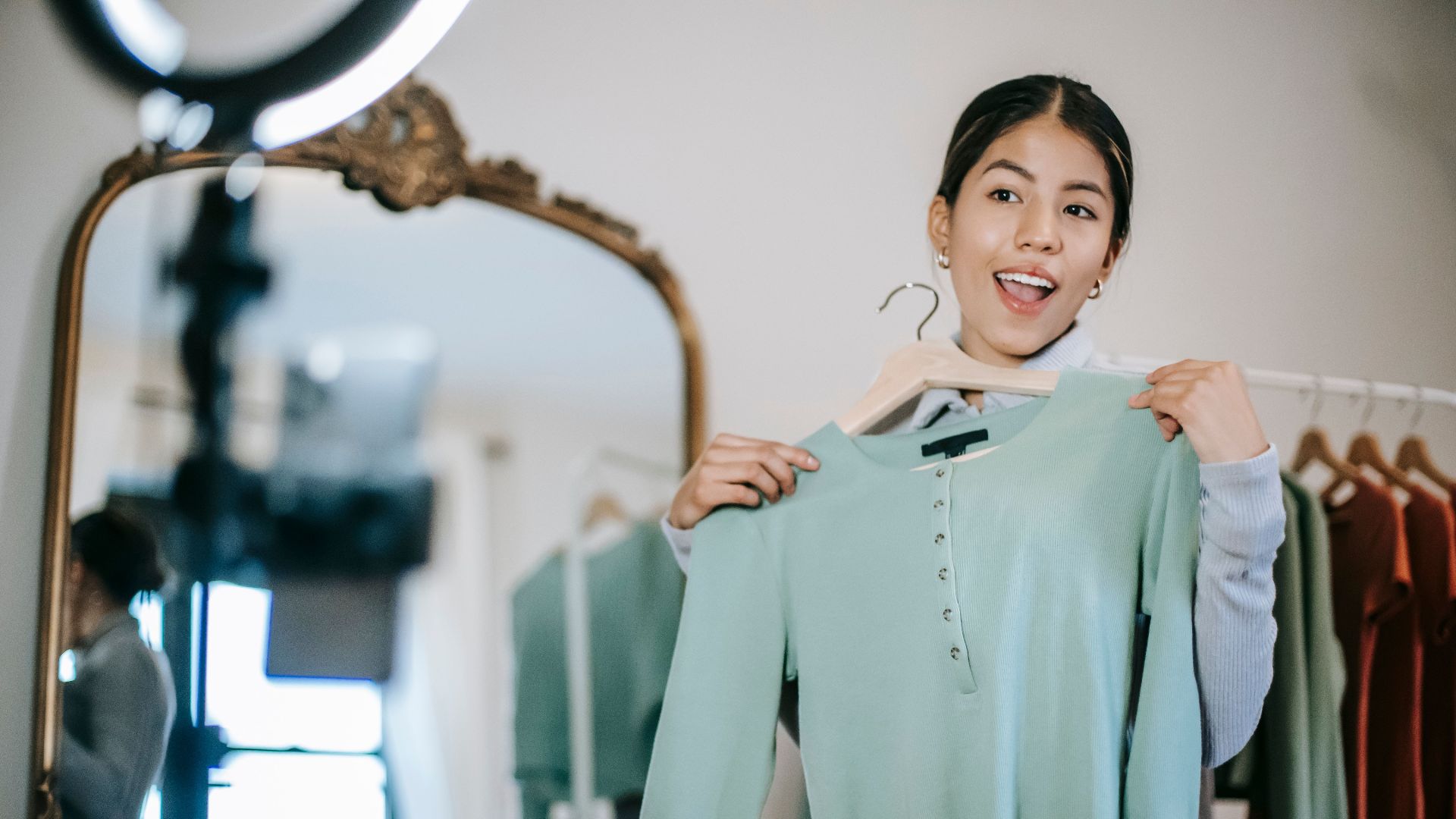
11. They Promoted Sustainable Fashion Awareness
Many influencers use their platforms to discuss environmental concerns within the fashion industry. Topics such as recycling, ethical production, and reducing waste receive greater visibility through their content. While awareness alone doesn't solve every issue, it has encouraged broader conversations about sustainability.
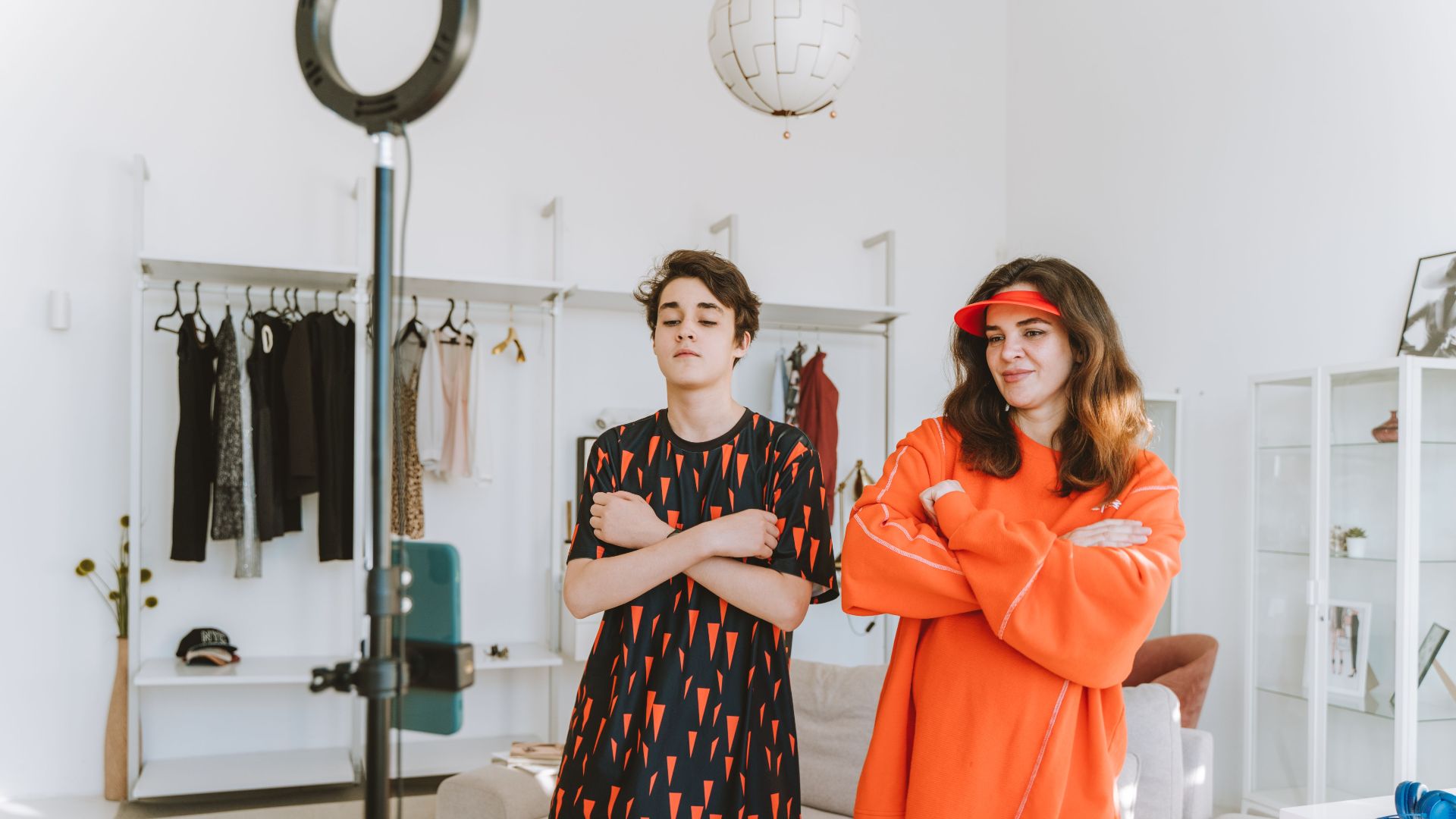
12. They Popularized Thrift Shopping
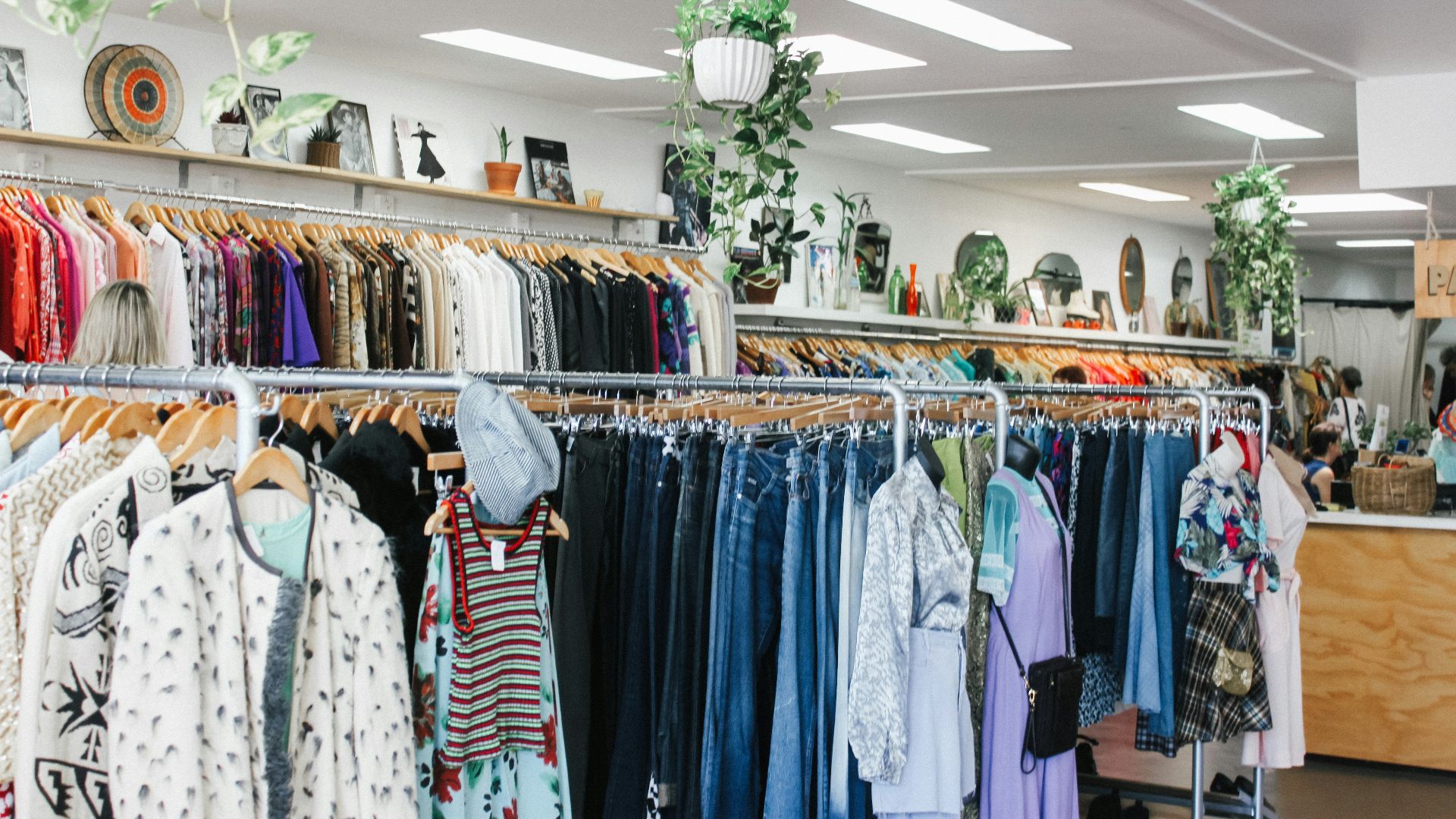
Thrifting has become significantly more mainstream thanks to influencer content. Many creators highlight unique secondhand finds and demonstrate how they can be styled effectively. This trend has encouraged consumers to consider alternatives to buying brand-new clothing.
13. They Influenced Brand Marketing Strategies
Fashion companies increasingly allocate marketing budgets toward influencer partnerships. Rather than relying entirely on traditional advertisements, brands often collaborate with creators who have established trust with their audiences. This shift has changed how fashion products are promoted worldwide.
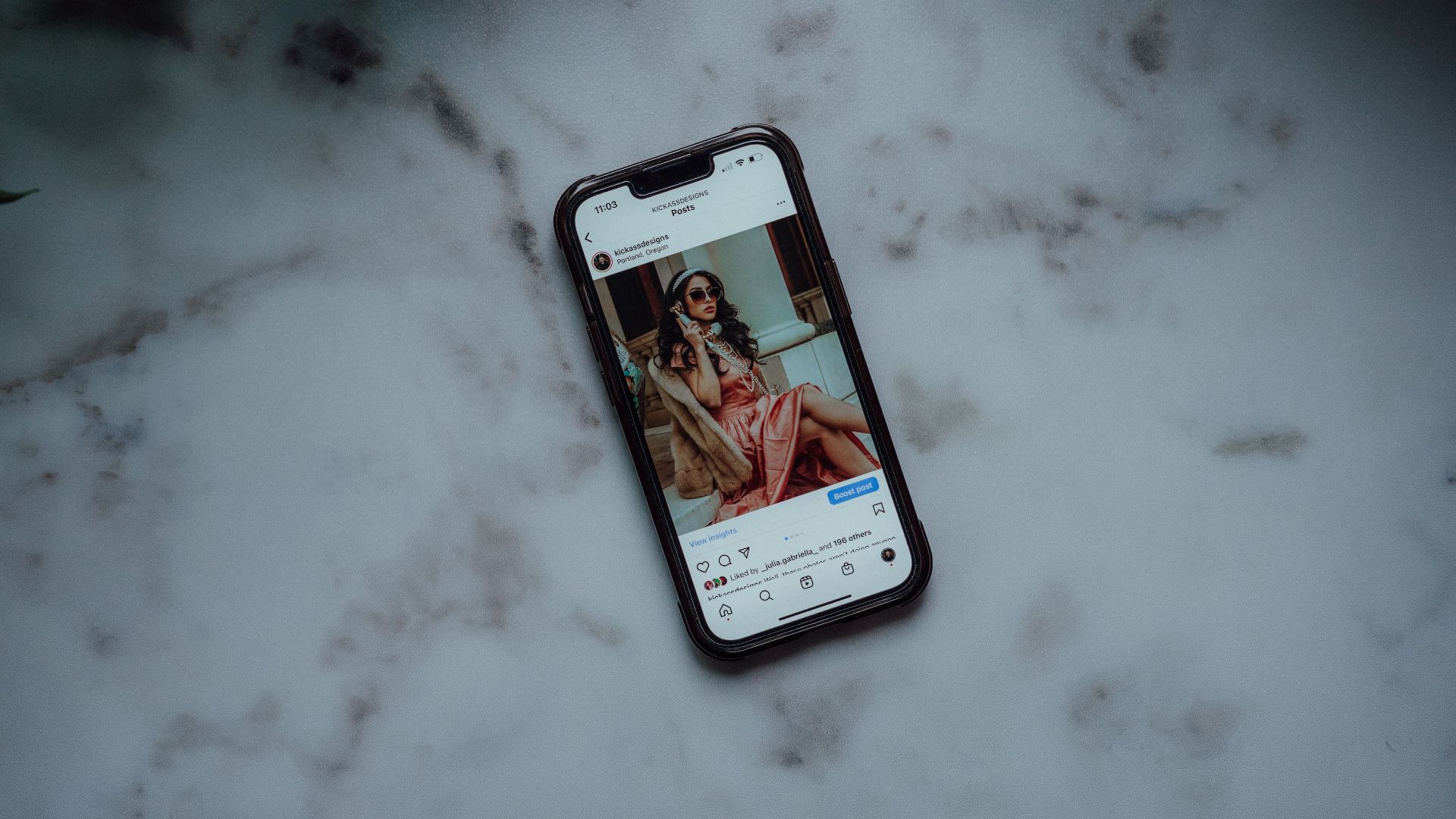
14. They Increased Representation in Fashion
Influencers come from a wide variety of backgrounds, body types, and age groups. Their visibility has helped broaden the range of people represented in fashion discussions and campaigns. Many consumers now see styles modeled by individuals who better reflect their own experiences.
15. They Popularized Fashion Challenges
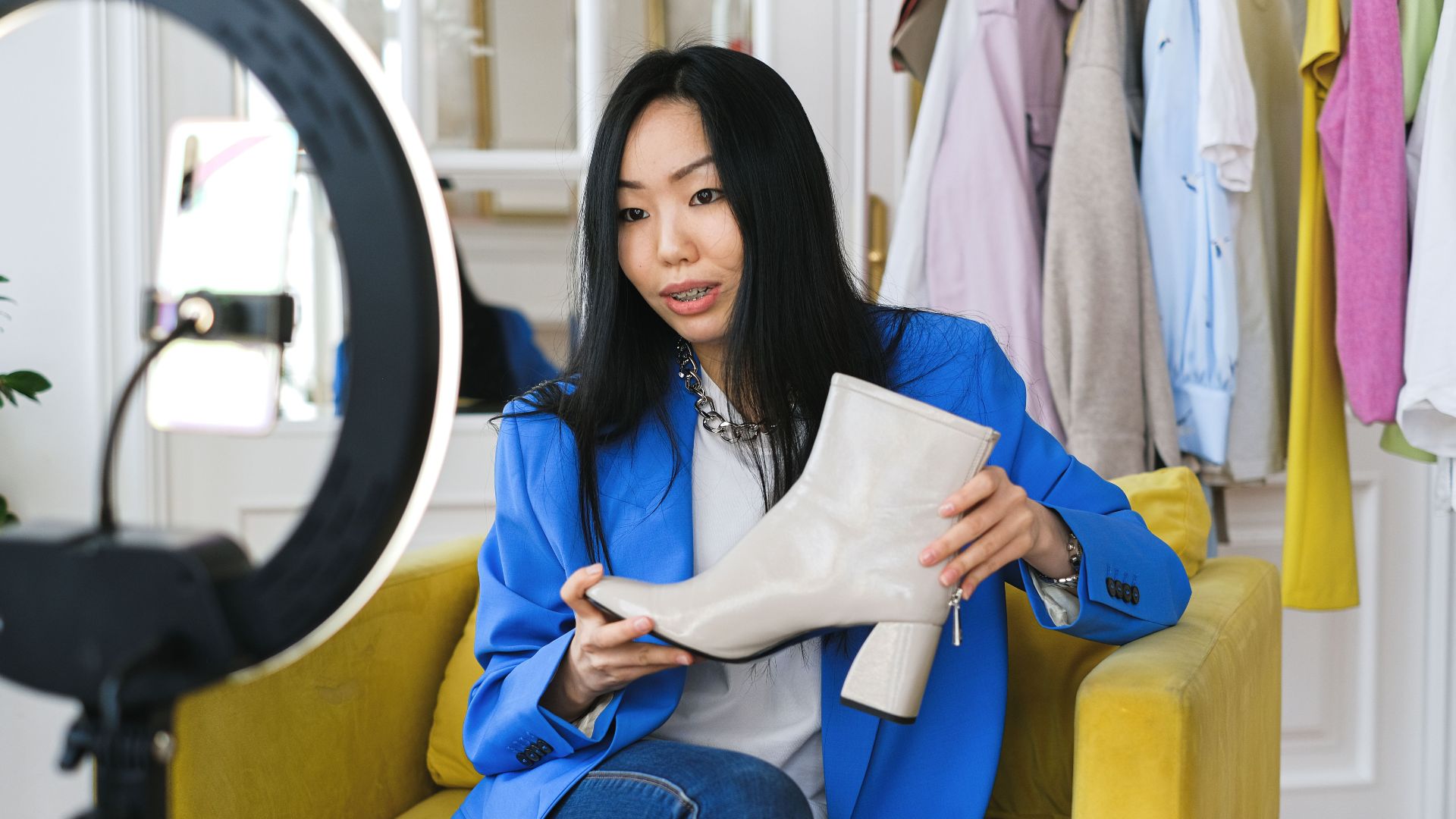
Social media challenges encourage users to participate directly in trends. Influencers often launch styling challenges that inspire followers to recreate outfits or experiment with specific themes.
16. They Made Fashion More Interactive
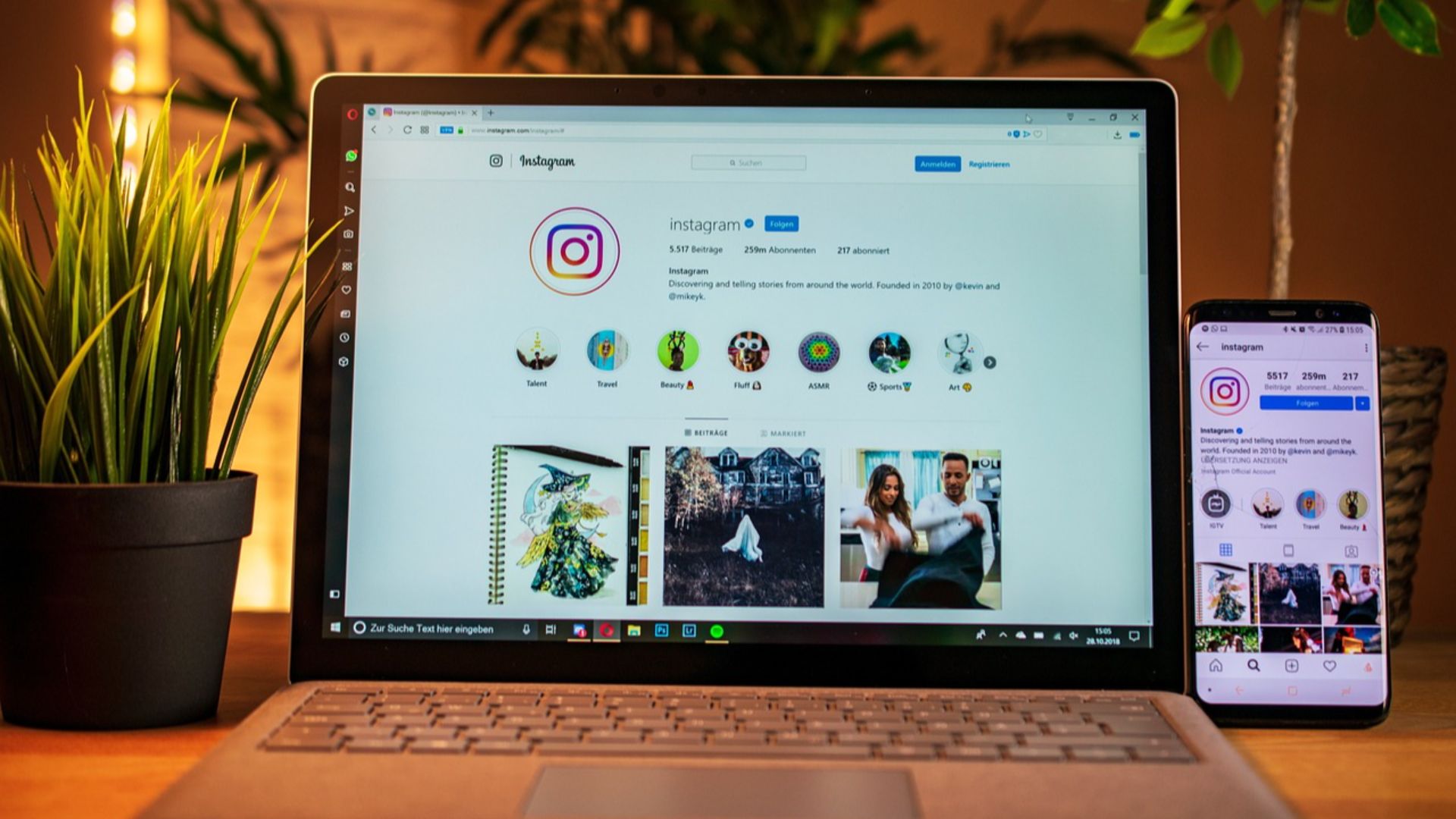
Traditional fashion media generally involved one-way communication. Influencers can respond to comments, answer questions, and engage directly with followers about clothing choices. This interaction creates a stronger connection between trendsetters and their audiences.
17. They Helped Launch New Fashion Aesthetics
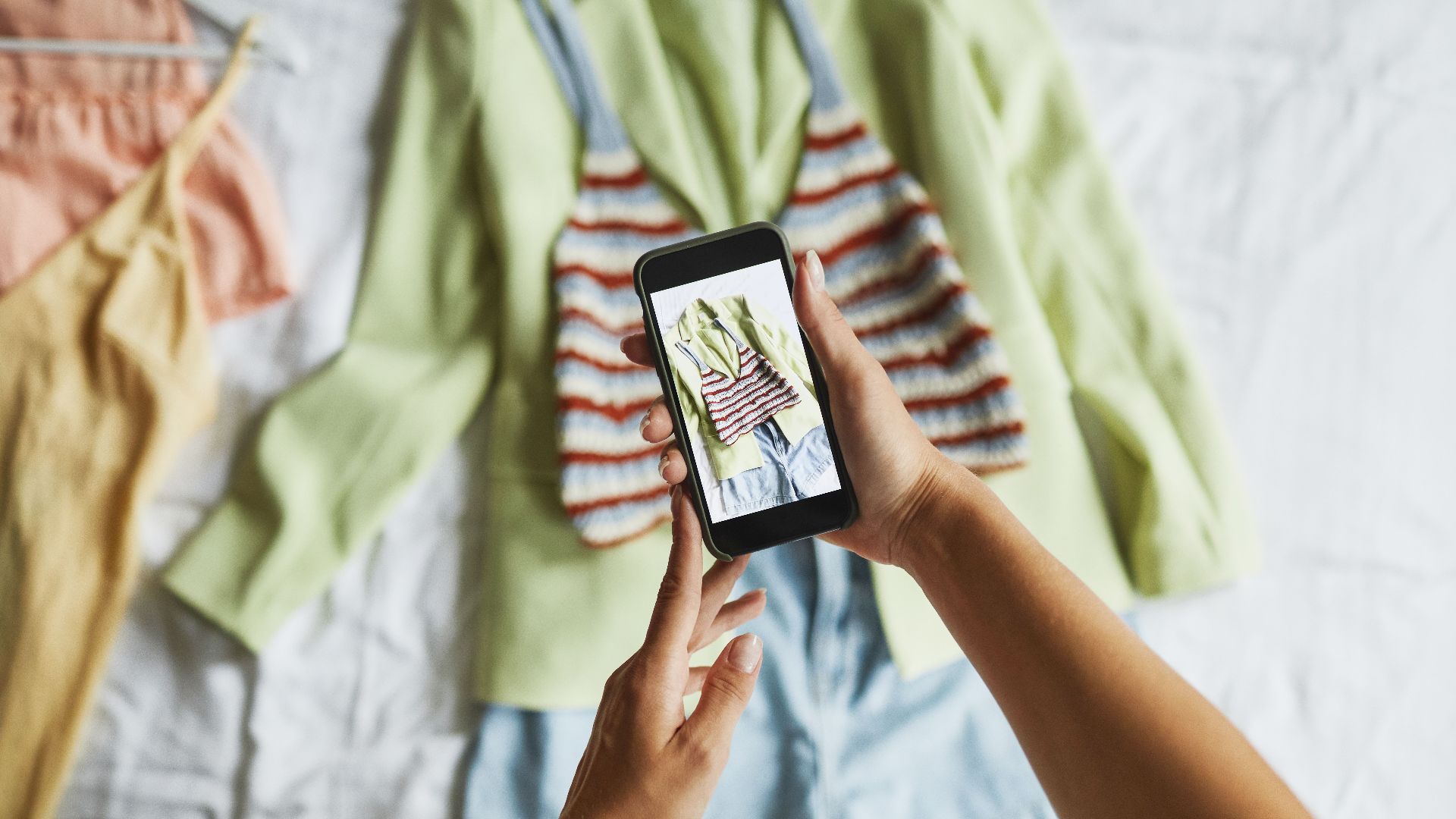
Many modern fashion aesthetics gained popularity through influencer communities online. Styles such as cottagecore, clean-girl fashion, and dark academia received widespread attention through social media content.
18. They Encouraged Fashion Collaborations
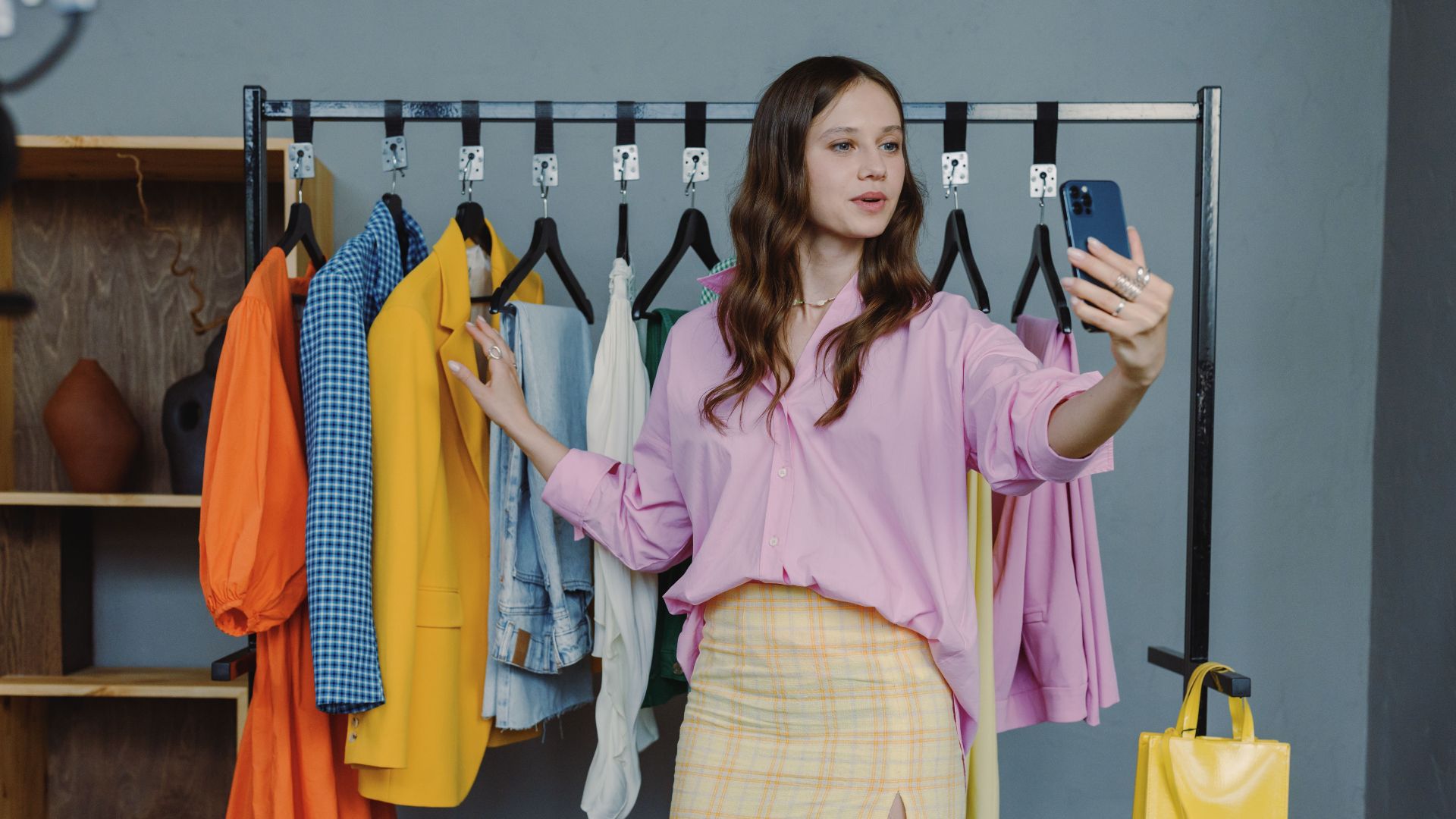
Brands frequently partner with influencers to design collections or limited-edition products. These collaborations often attract loyal followers who feel connected to the creator's personal style.
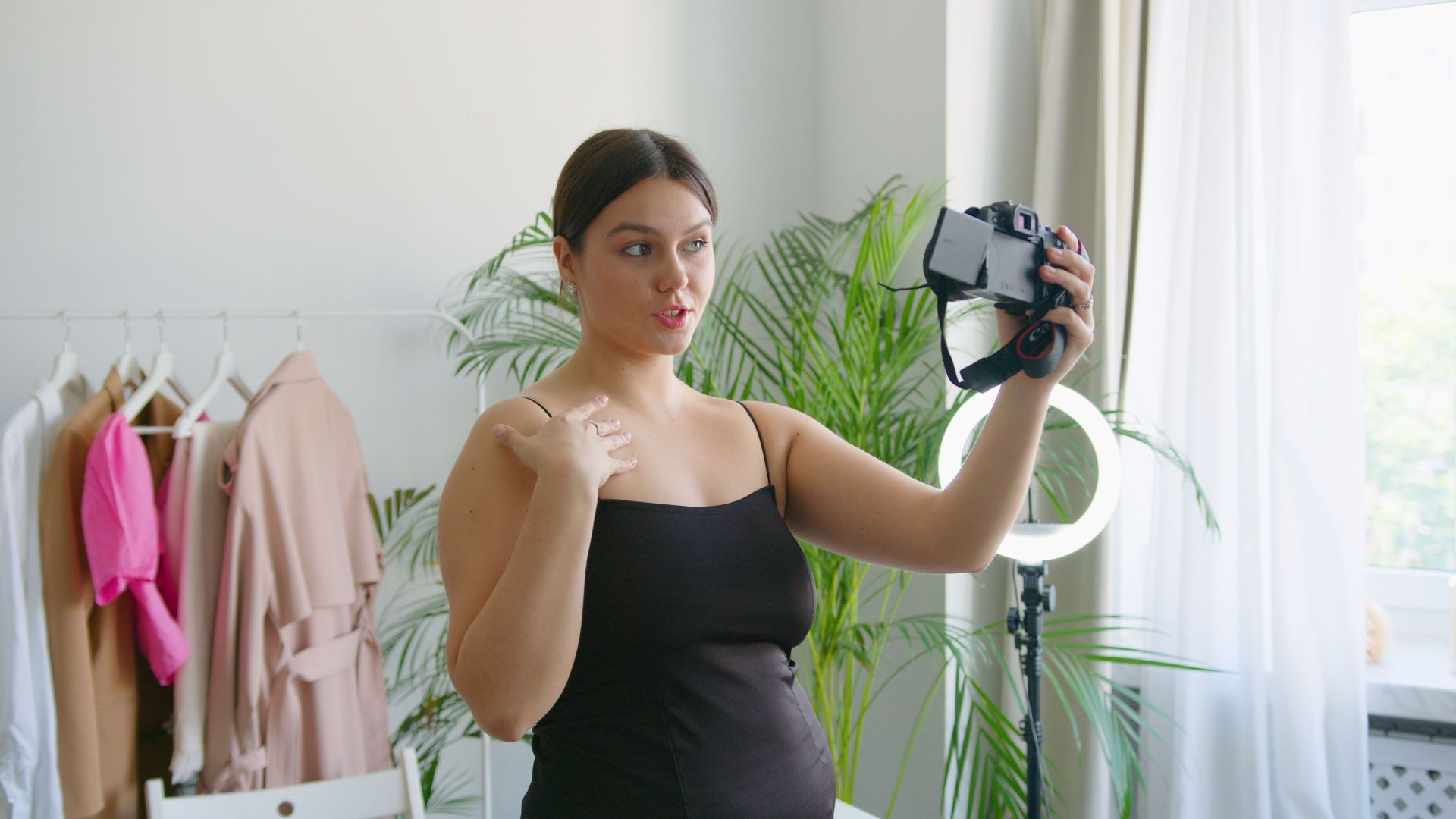
19. They Changed Consumer Shopping Habits
People increasingly discover products through social media rather than traditional retail advertising. Influencer recommendations often lead consumers directly to specific items through integrated shopping features.
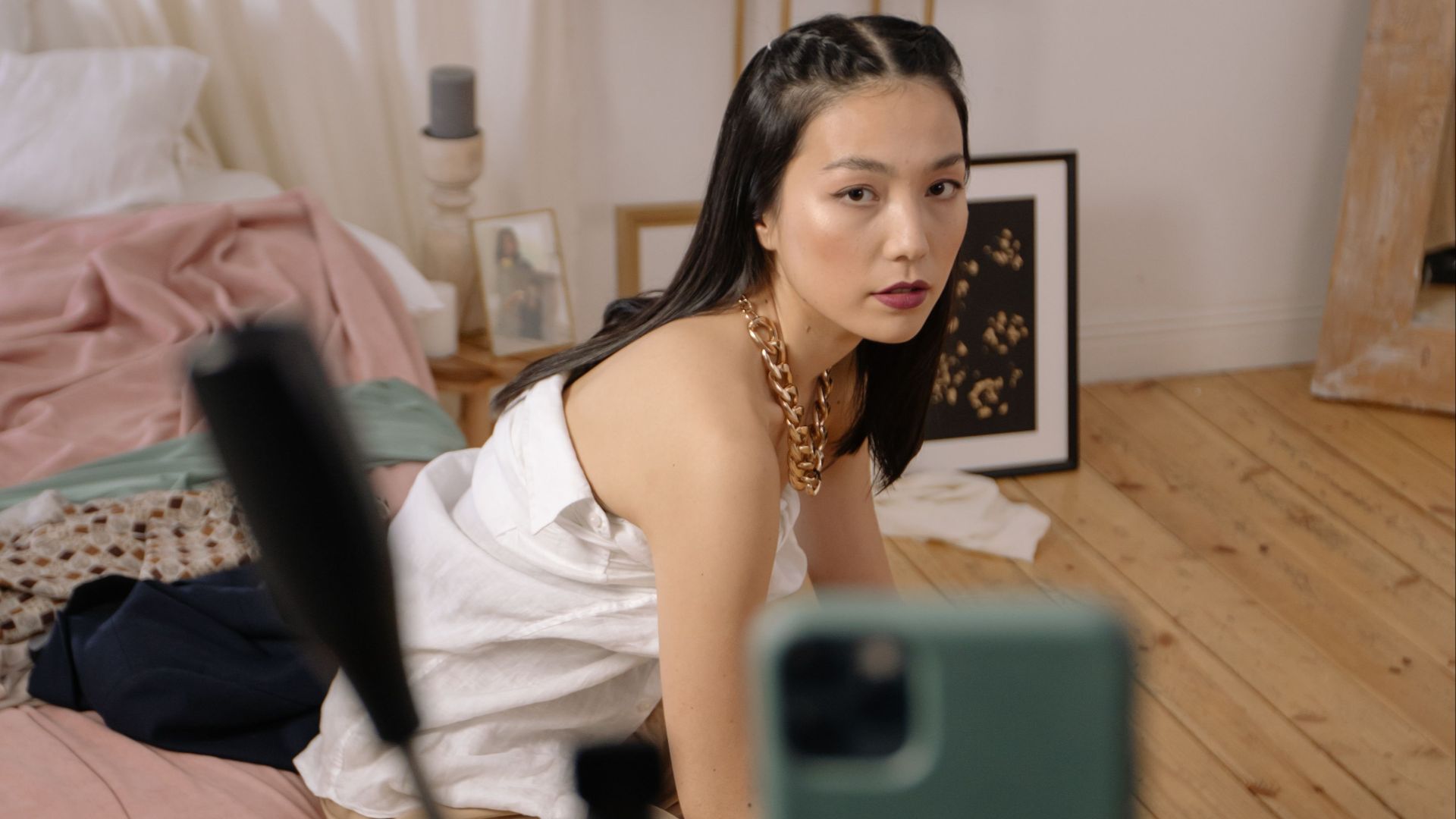
20. They Reshaped Trend Forecasting
Fashion companies closely monitor influencer activity when identifying emerging trends. Viral content, audience engagement, and consumer reactions provide valuable insights into shifting preferences.