Everything Old Eventually Becomes New Again
Fashion is often described as forward-looking, but many of today's most popular styles have roots that stretch back decades or even centuries. Designers regularly revisit older looks, adapting them for modern tastes while preserving the elements that made them appealing in the first place. A look through pre-1950 fashion history reveals just how often trends disappear for a time before returning to wardrobes in a fresh new form. Here are 20 pre-1950 style trends that prove fashion is cyclical.
1. High-Waisted Pants
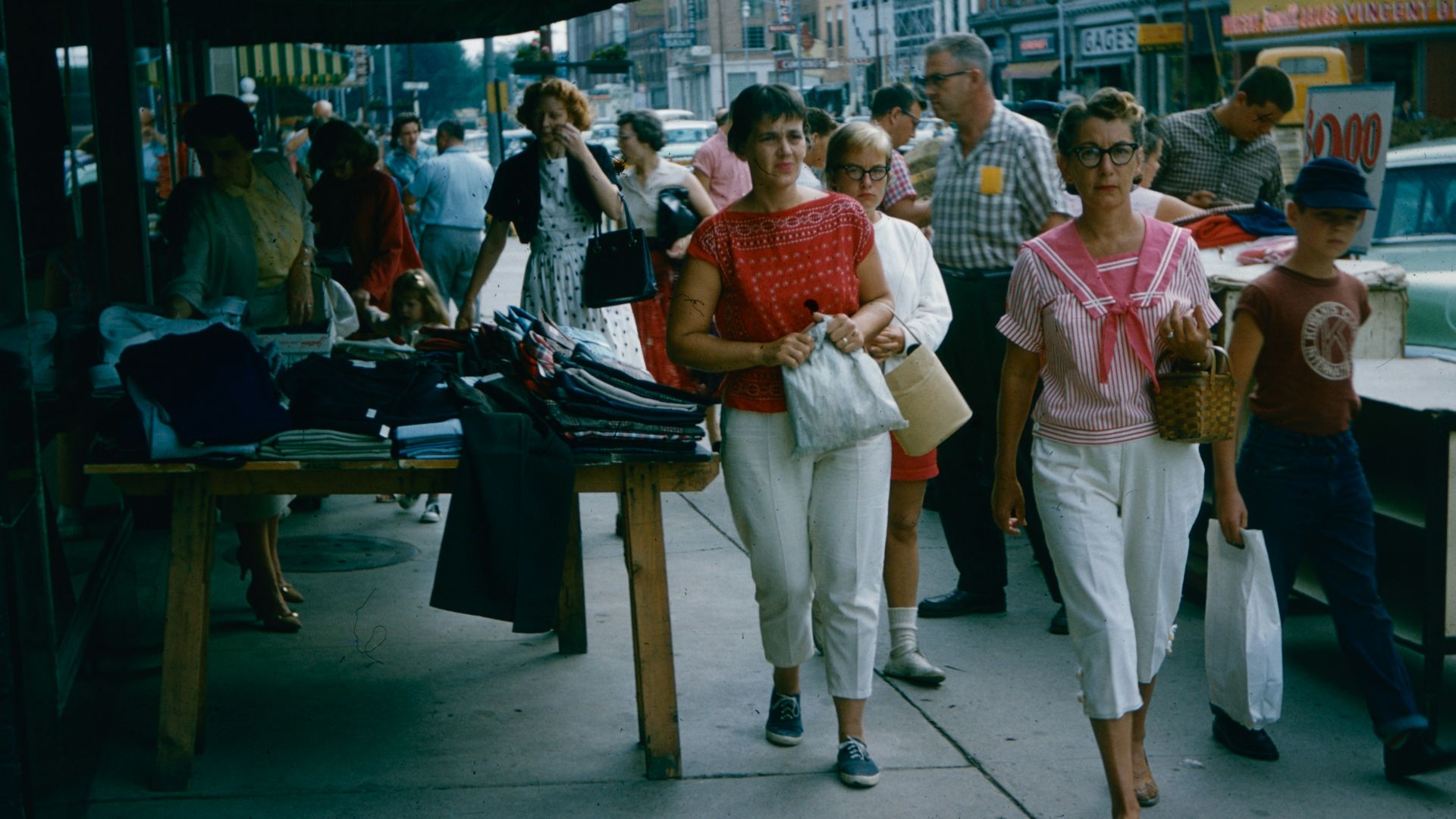
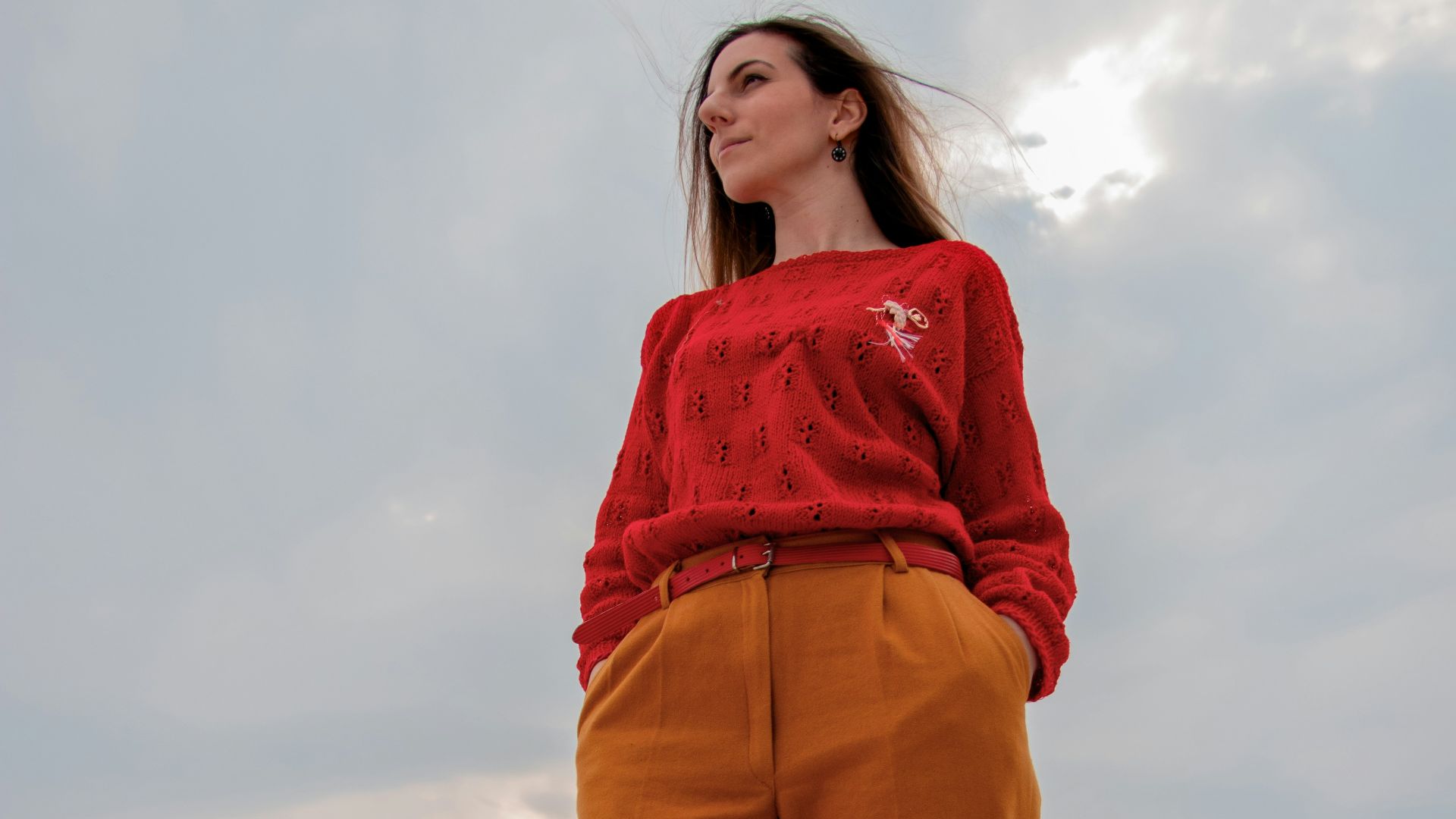
High-waisted trousers were common for both men and women throughout the 1930s and 1940s. The elevated waistline created a polished silhouette and emphasized proportion. Today, high-waisted jeans and tailored pants have once again become wardrobe staples.
2. Wide-Leg Trousers
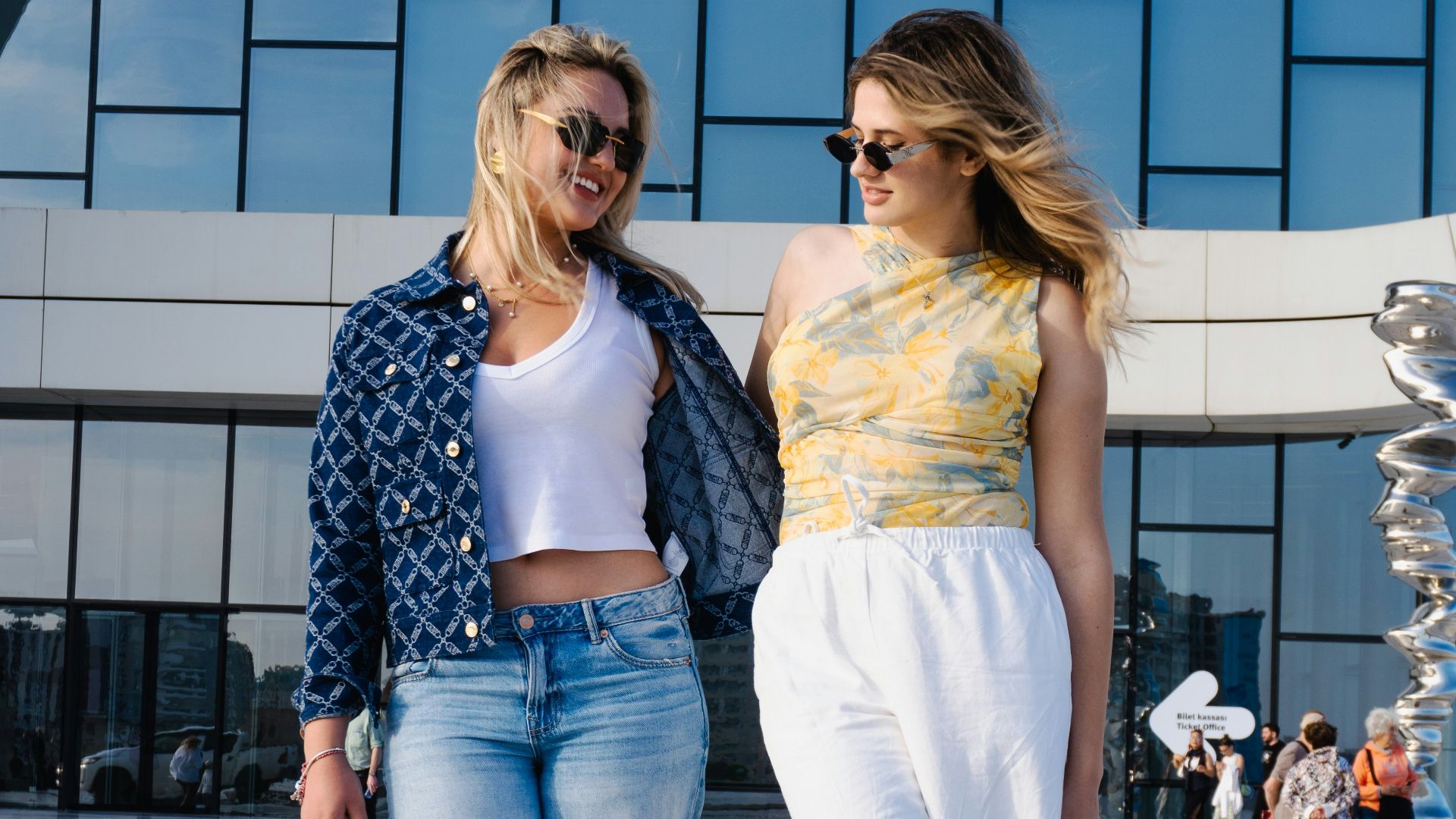
Long before modern palazzo pants and relaxed-fit slacks became popular, wide-leg trousers were widely worn during the 1920s and 1930s. They offered comfort and freedom of movement while maintaining an elegant appearance. Contemporary fashion has embraced the same balance of style and practicality.
3. Oversized Blazers
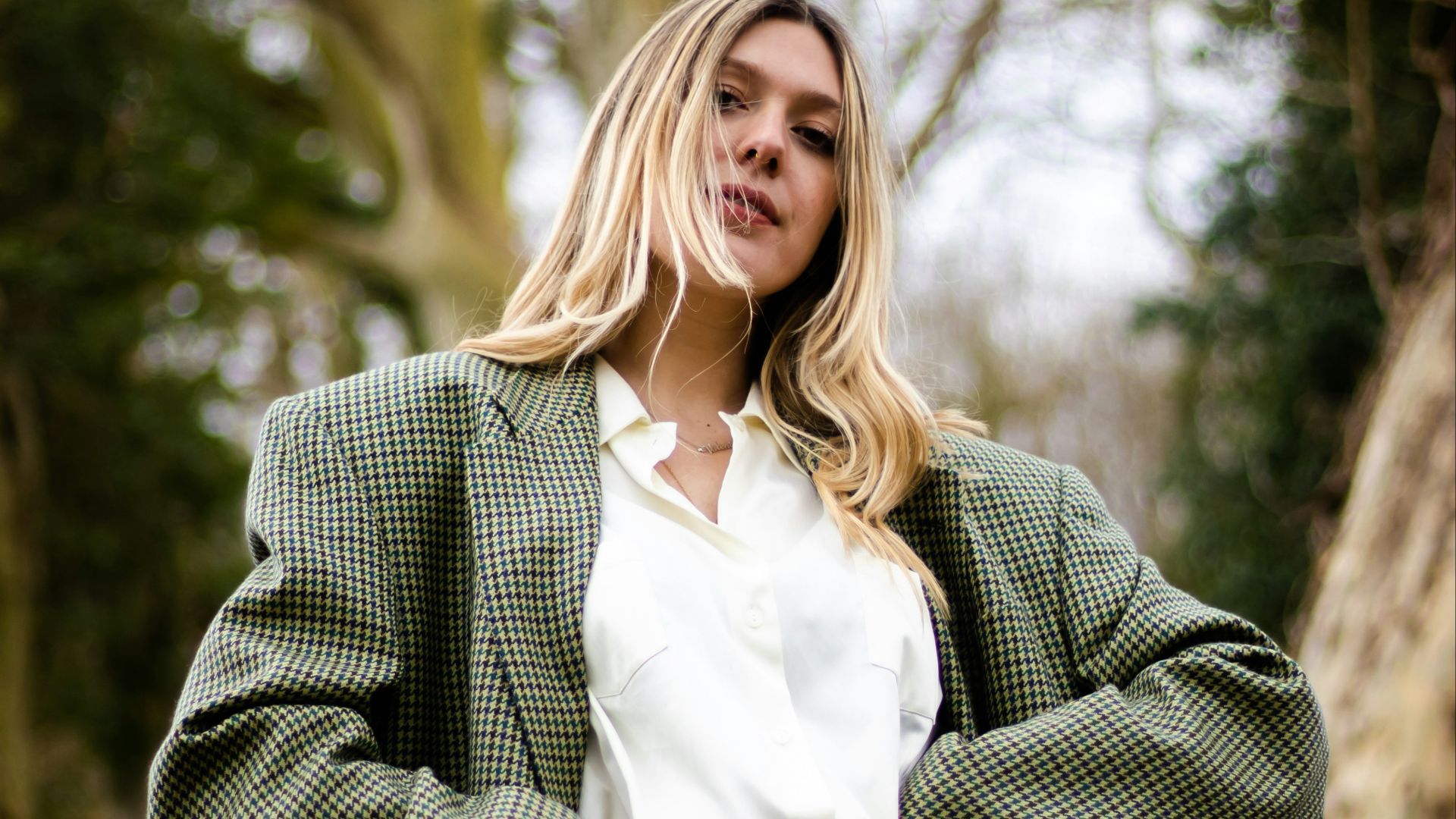
Structured jackets with broad shoulders gained popularity during the 1940s, partly because of wartime influences on clothing design. The look projected confidence and sophistication. Modern oversized blazers draw heavily from those earlier silhouettes while incorporating softer fabrics and styling.
4. Slip Dresses
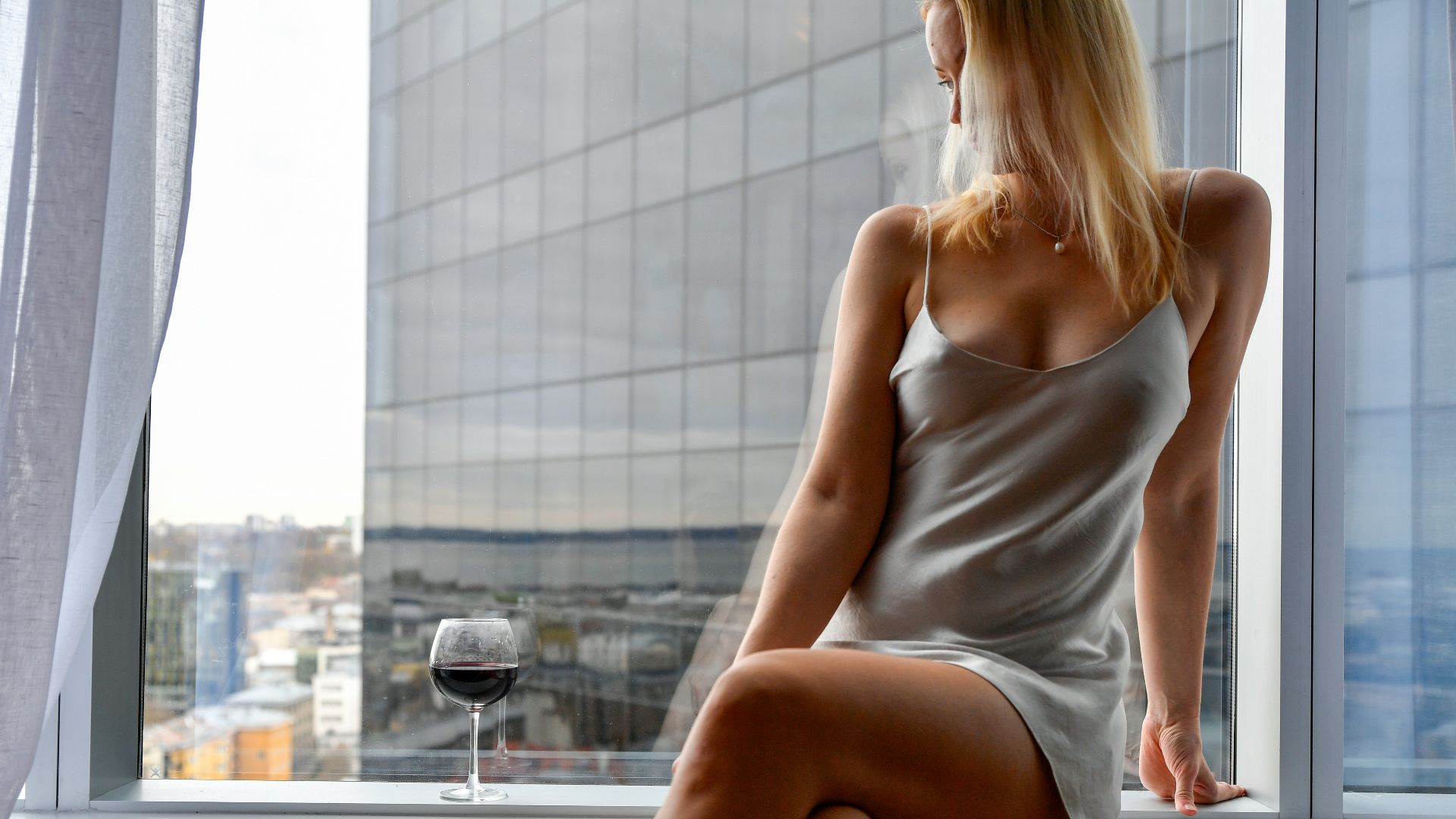
The sleek, minimal slip dress that became famous in the 1990s actually resembles lingerie-inspired garments worn decades earlier. By the 1930s, bias-cut dresses created a similarly fluid and body-skimming effect. Today's versions continue to celebrate simple lines and understated elegance.
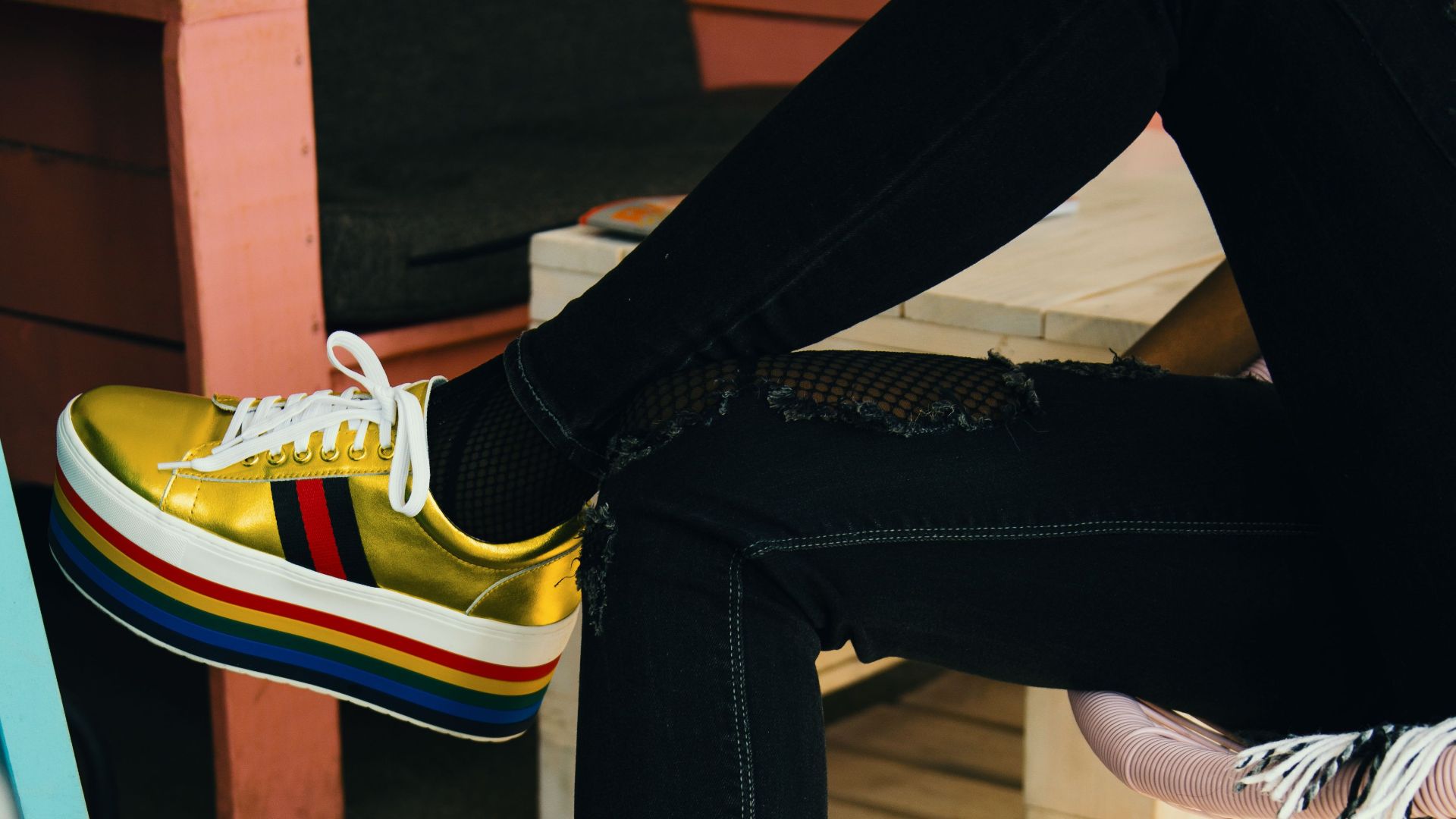
5. Platform Shoes
Platform footwear is often associated with the 1970s, but elevated shoes appeared long before then. Variations were worn in the 1930s and 1940s, particularly during periods when material shortages encouraged creative design solutions. Modern platforms show that dramatic height never truly goes out of style.
6. Matching Two-Piece Sets
Coordinated tops and skirts or jackets and trousers were popular throughout the first half of the twentieth century. These matching ensembles made dressing easier while creating a refined appearance. Today's matching sets offer the same convenience with updated cuts and fabrics.
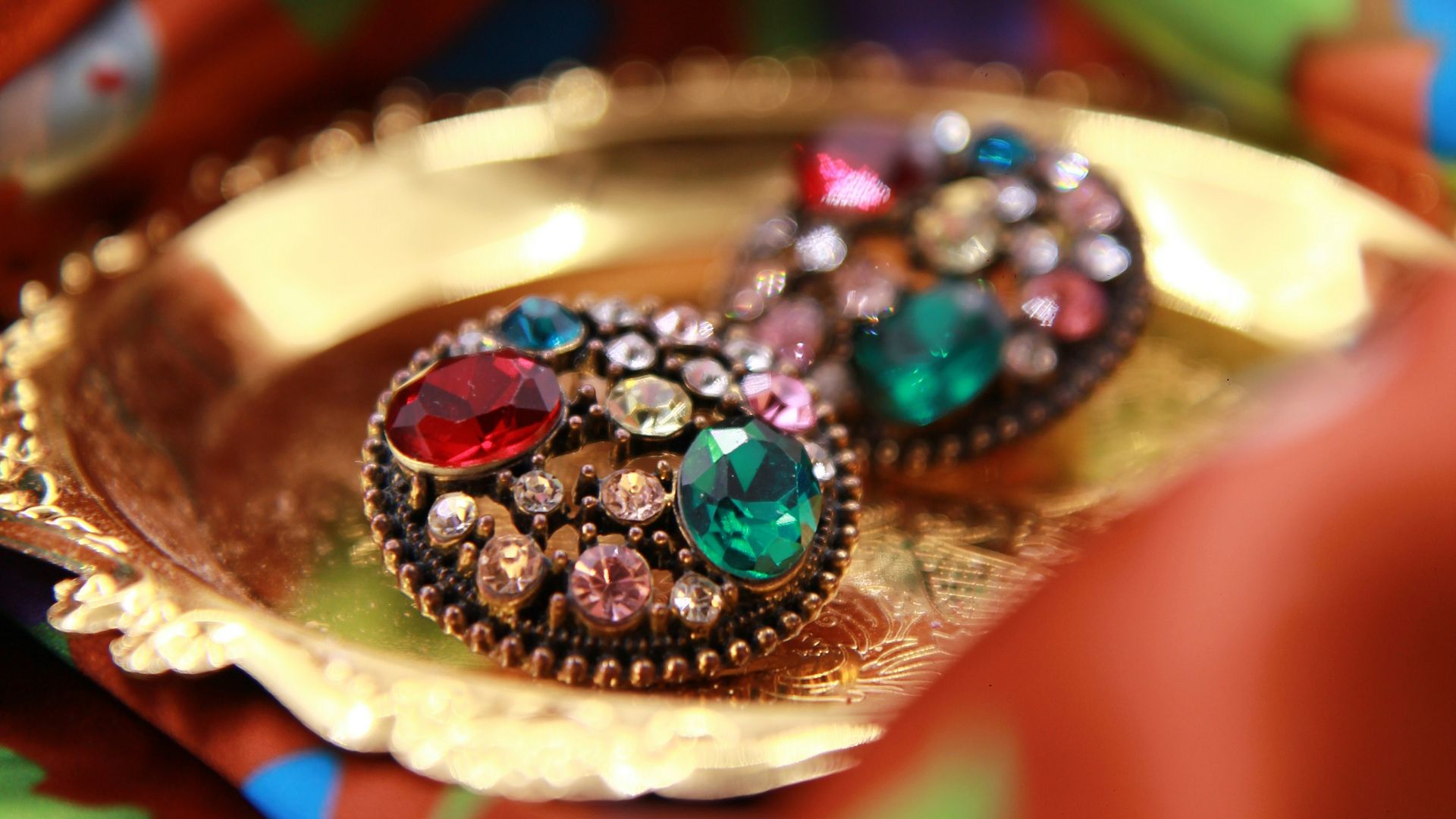
7. Statement Brooches
Large decorative brooches were essential accessories during the 1930s and 1940s. They allowed wearers to personalize otherwise simple garments and often served as focal points. Their recent resurgence shows that bold accessories still have the power to transform an outfit.
 Anastasia Anastasia on Unsplash
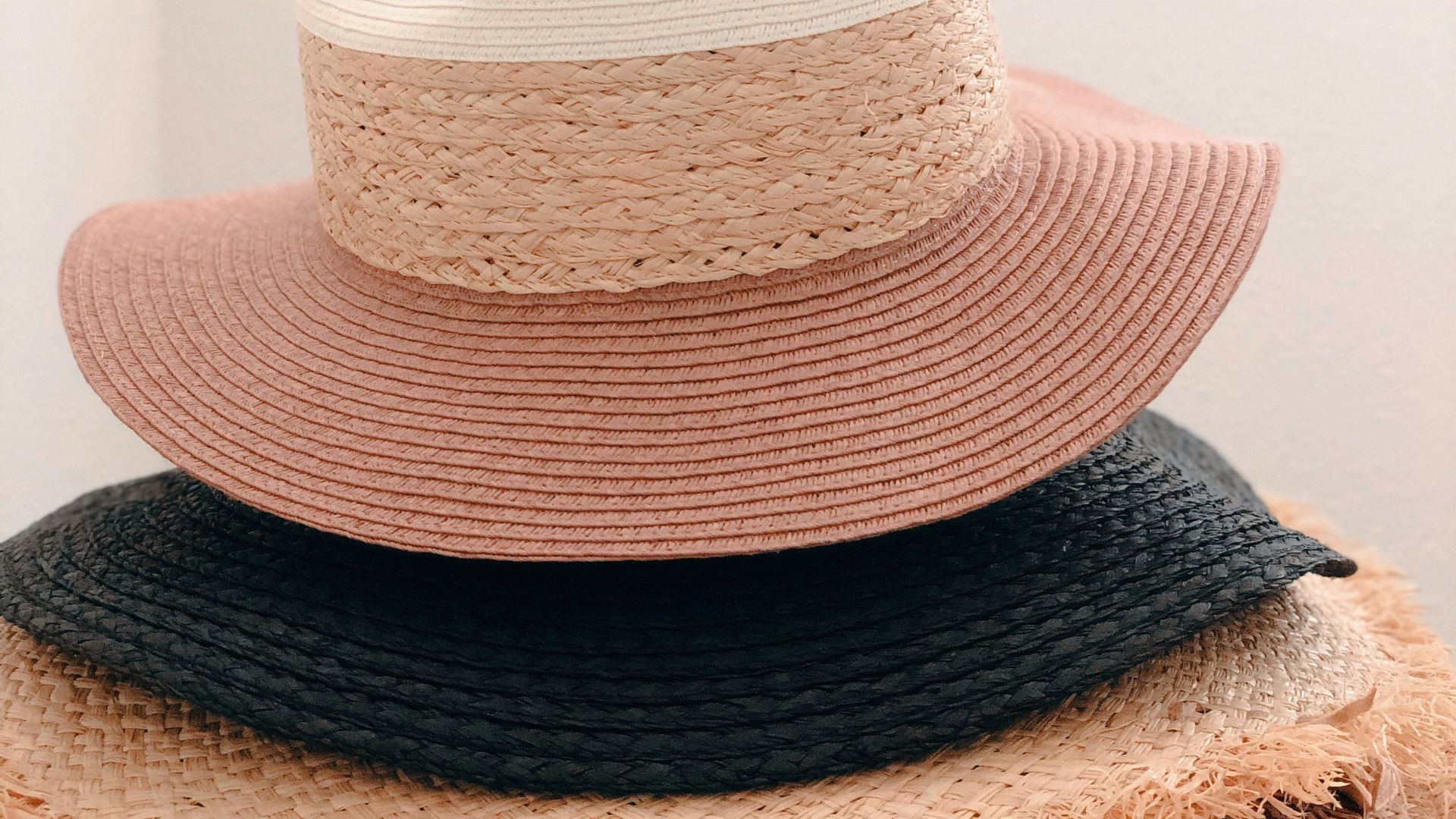
8. Wide-Brim Hats
Dramatic hats were a defining feature of women's fashion during the early twentieth century. They added elegance and often reflected the wearer's personality. Modern fashion periodically revives wide-brim styles as both practical and stylish accessories.
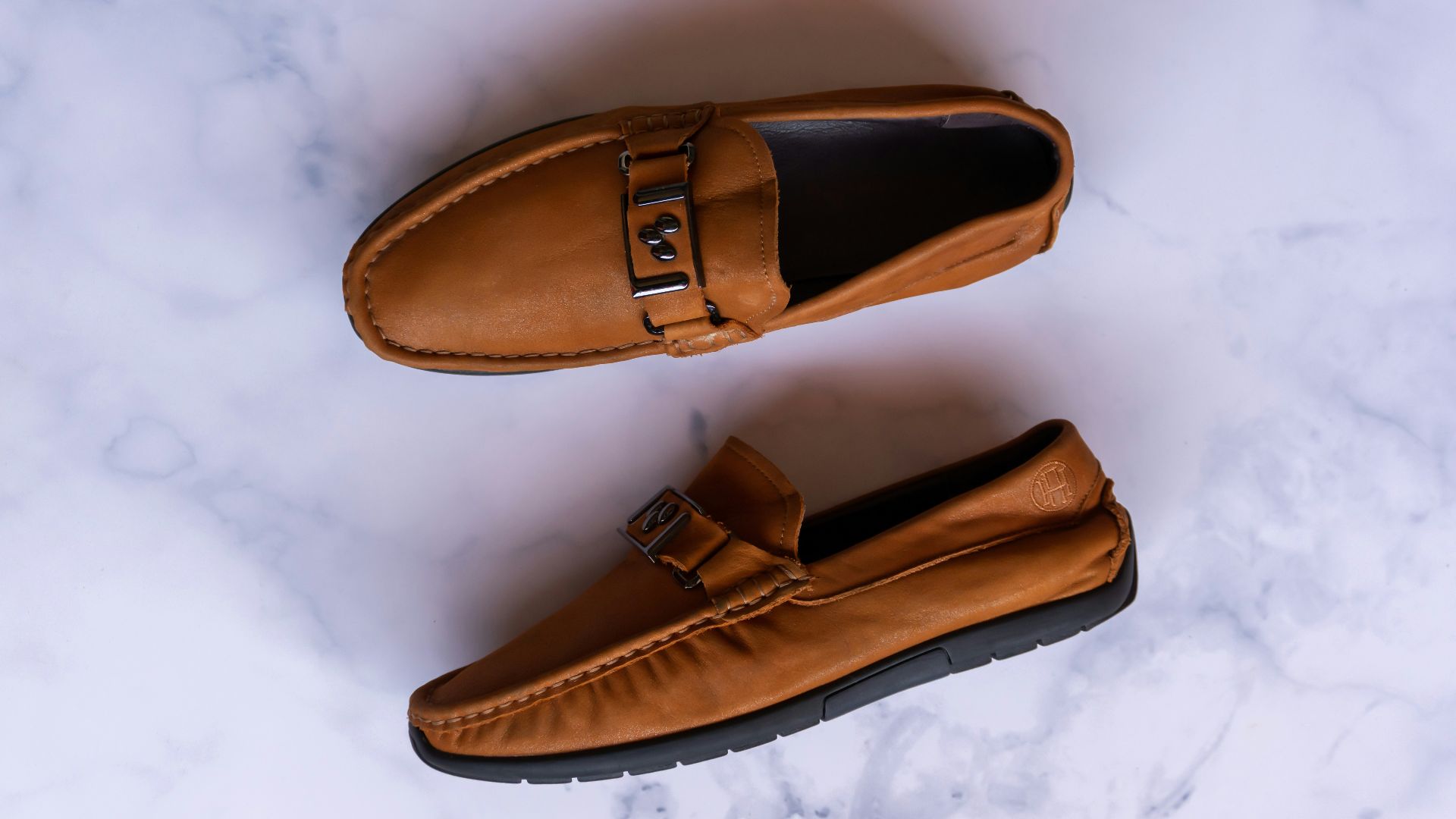
9. Loafers
Loafers became popular in the 1930s as comfortable yet polished footwear. Their simple design made them suitable for a variety of occasions. Decades later, they remain a versatile choice that frequently returns to the forefront of fashion.
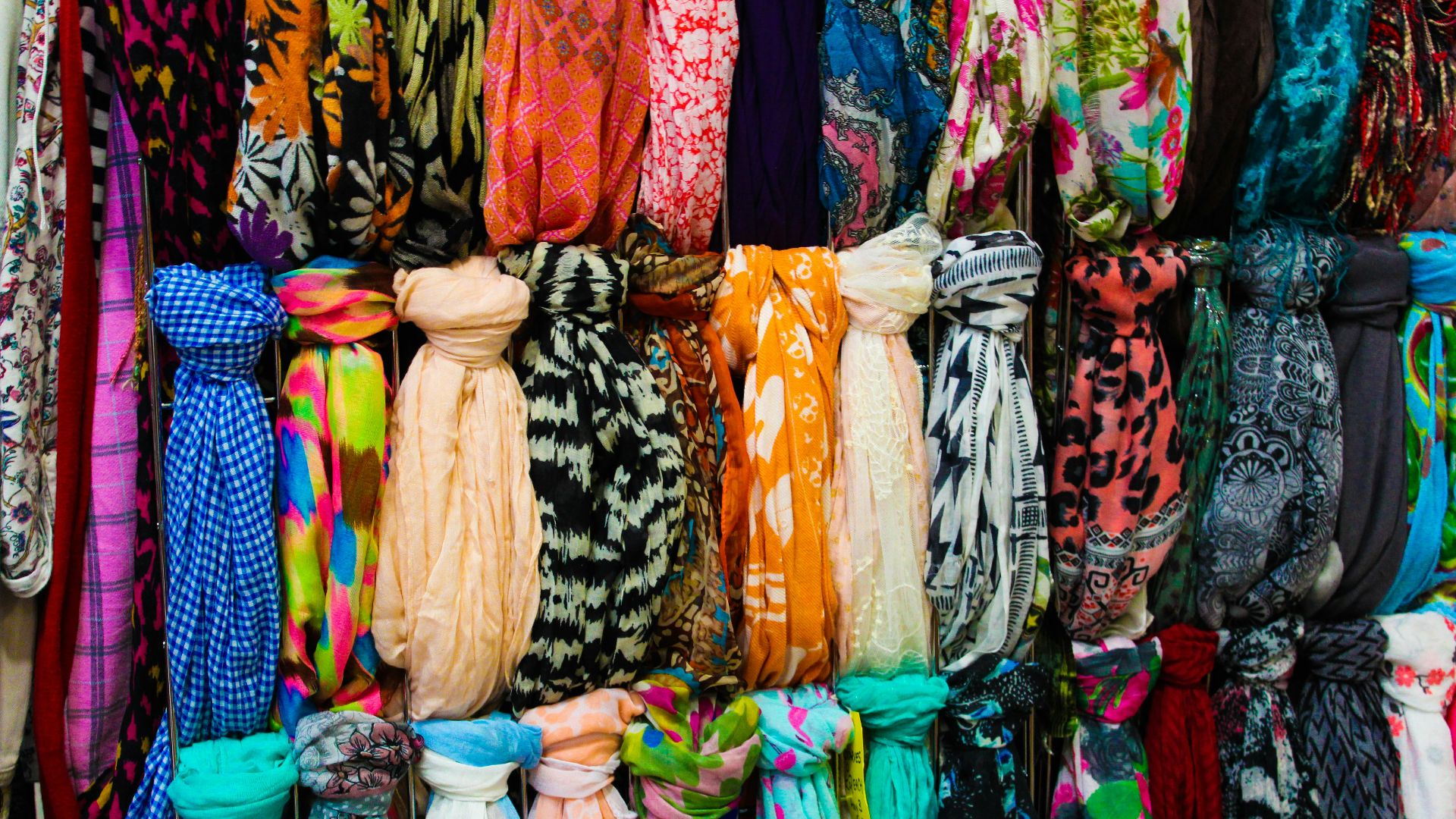
10. Silk Scarves
Scarves have long been used to add color and sophistication to an outfit. During the 1930s and 1940s, they were commonly tied around the neck, hair, or handbag. Modern fashion enthusiasts continue to use silk scarves in many of the same ways.
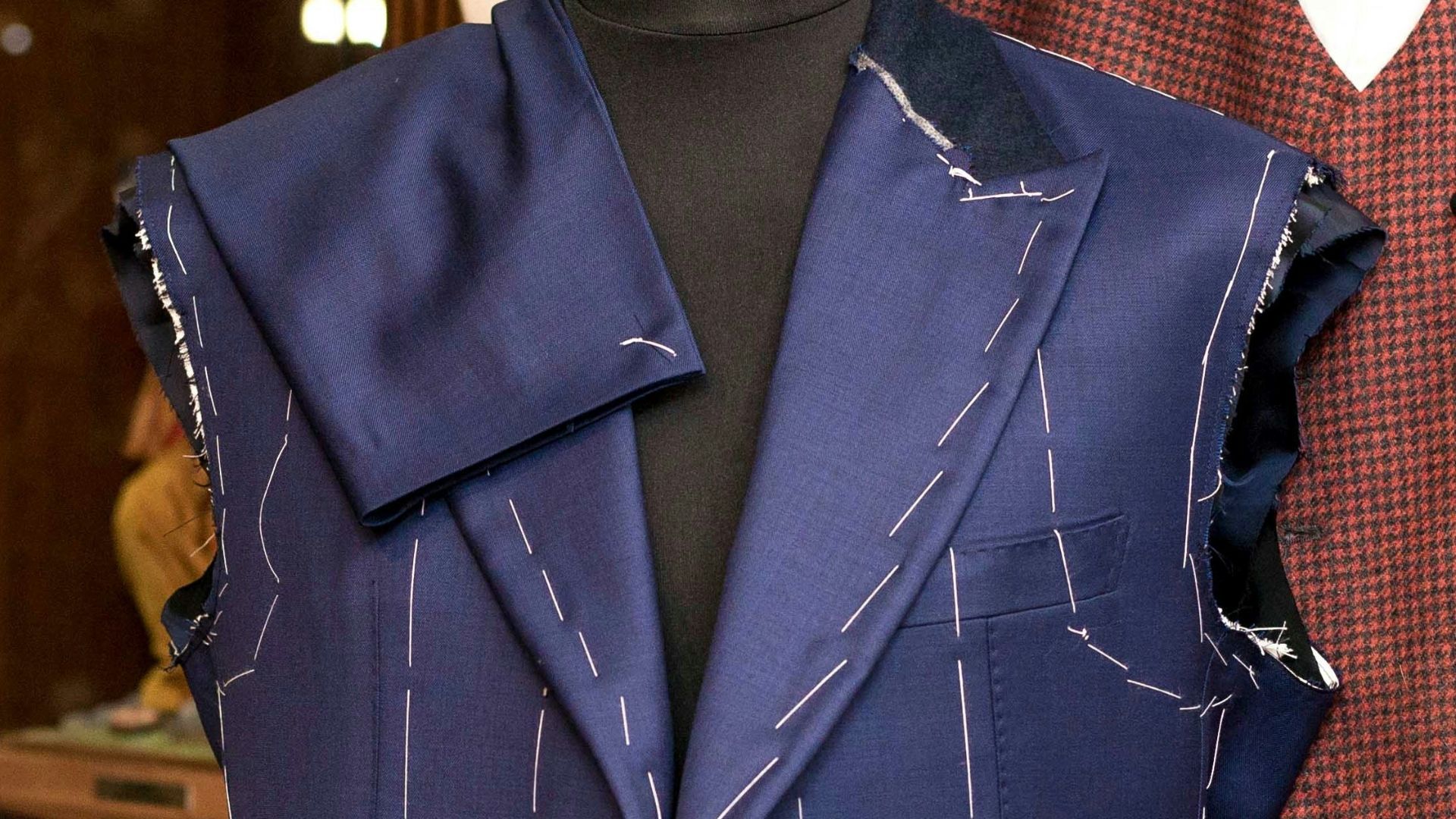
11. Tailored Waistcoats
Waistcoats were a common component of both men's and women's wardrobes before 1950. Their structured shape added visual interest while creating a polished appearance. Recent fashion cycles have brought tailored vests back as standalone statement pieces.
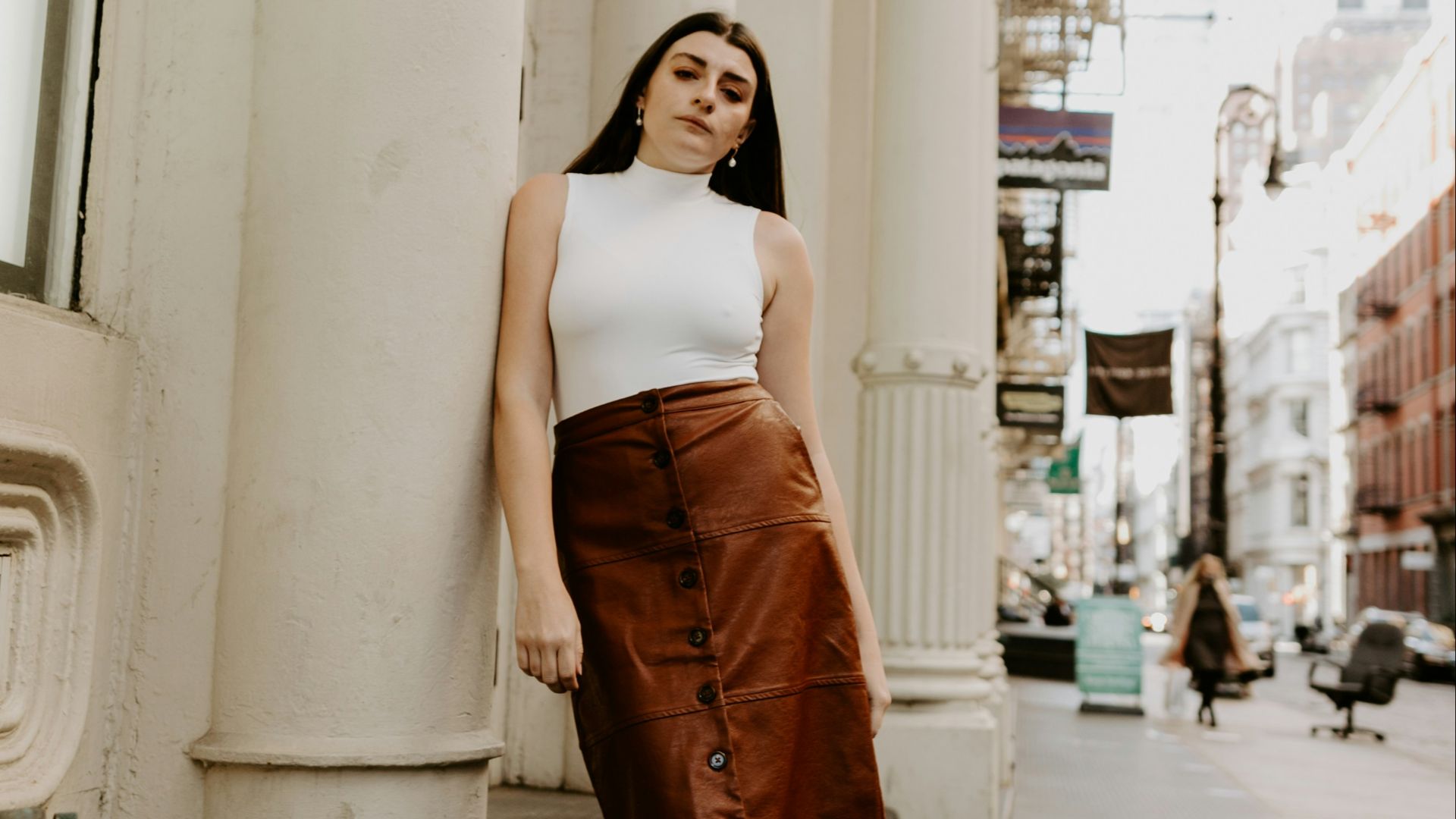
12. Full Midi Skirts
Full skirts that fell below the knee became especially popular during the 1940s and remained influential afterward. They offered movement and elegance without sacrificing practicality. Today's midi skirts often echo those same proportions and styling principles.
 The AW Creative Digital Marketing on Unsplash
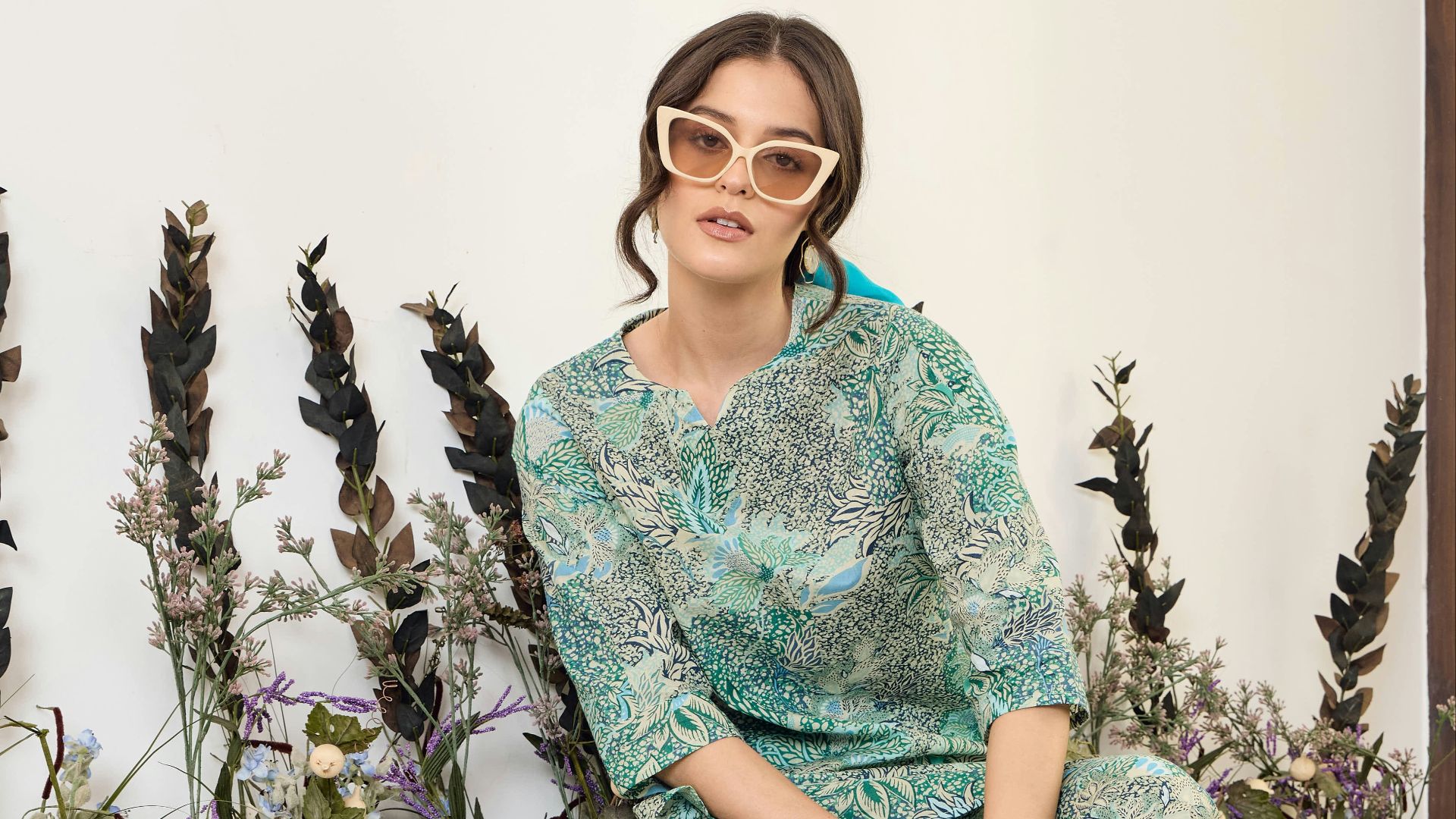
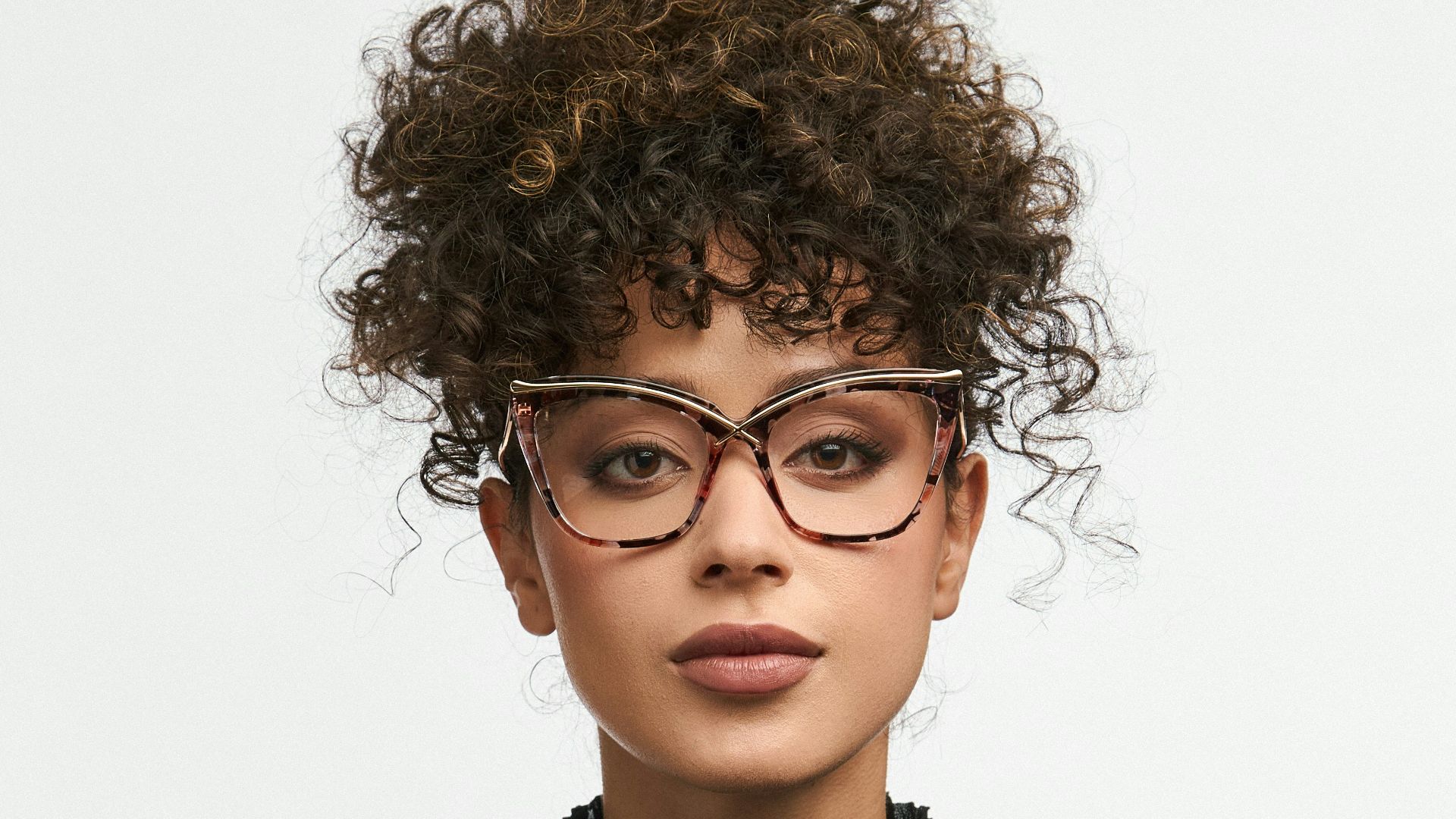
13. Cat-Eye Eyewear
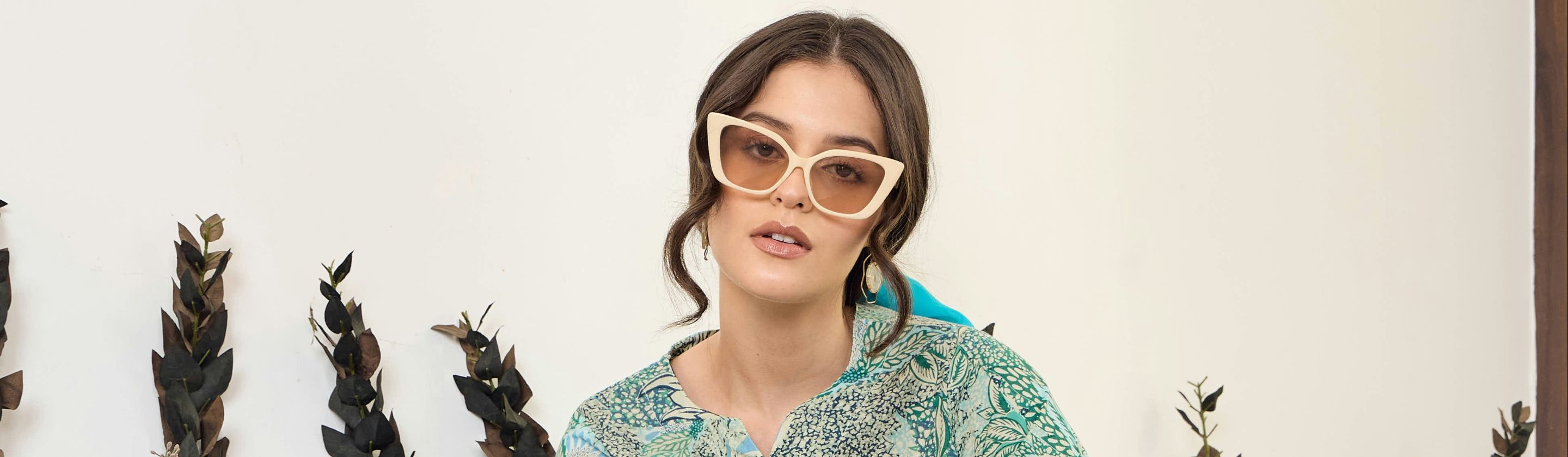
Eyeglasses with upswept outer corners emerged in the 1930s and gained popularity throughout the following decades. The distinctive shape added personality and flair to an everyday necessity. Modern eyewear brands continue to reinterpret the classic cat-eye silhouette.
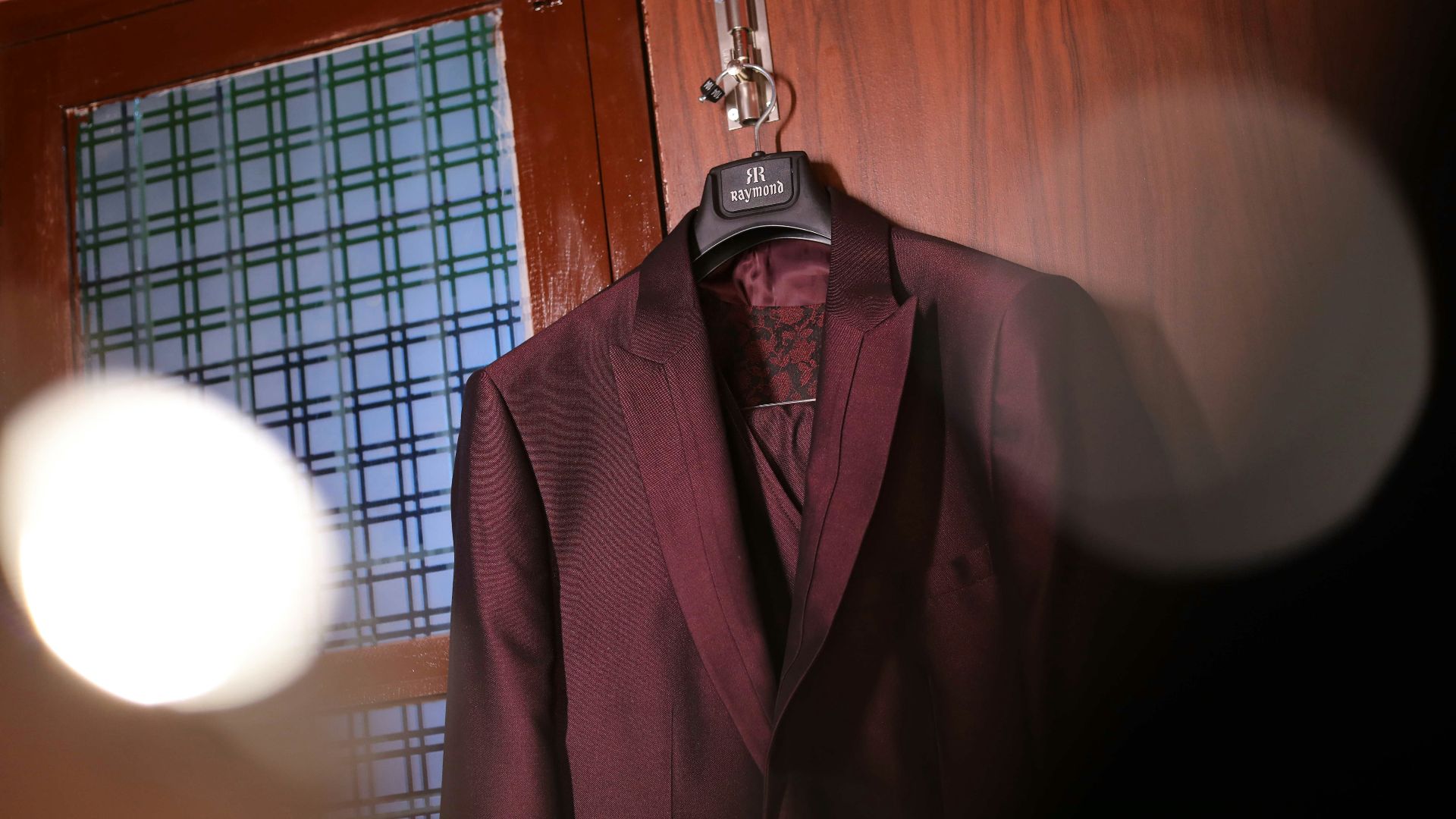
14. Monochromatic Dressing
Wearing a single color from head to toe isn't a modern invention. Fashionable dressers in earlier decades often used coordinated shades to create a streamlined and sophisticated look. The approach remains popular because of its timeless simplicity.
 Vetrivel Viswanathar on Unsplash
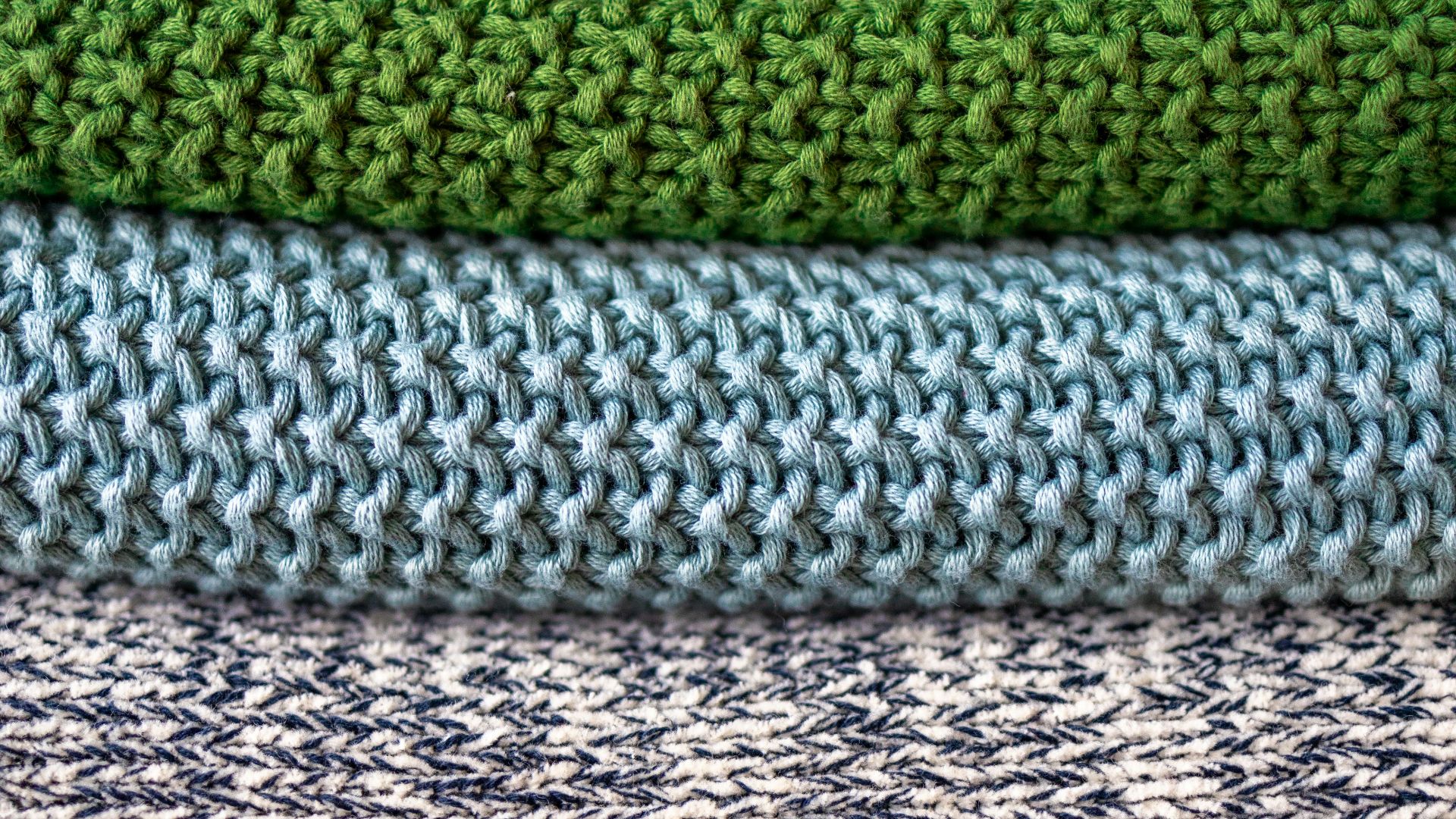
15. Chunky Knit Sweaters
Heavily textured knitwear was widely worn during the first half of the twentieth century, particularly in cooler climates. These sweaters combined warmth with durability and visual appeal. Contemporary versions continue to offer the same practical benefits.
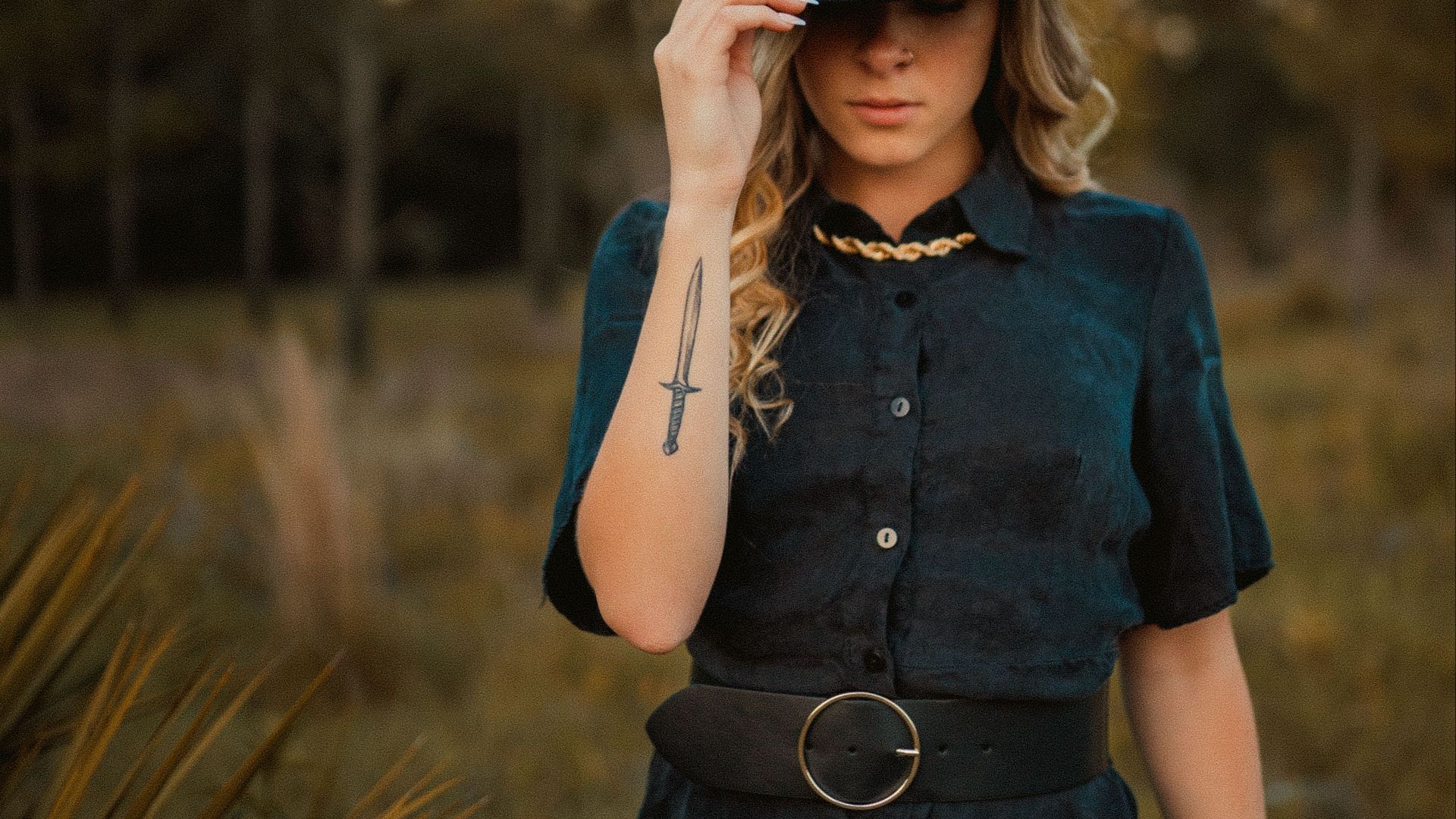
16. Wide Belts
Broad belts were frequently used before 1950 to define the waist and add structure to dresses and coats. They served both functional and decorative purposes. Modern designers regularly reintroduce wide belts to create shape and visual contrast.
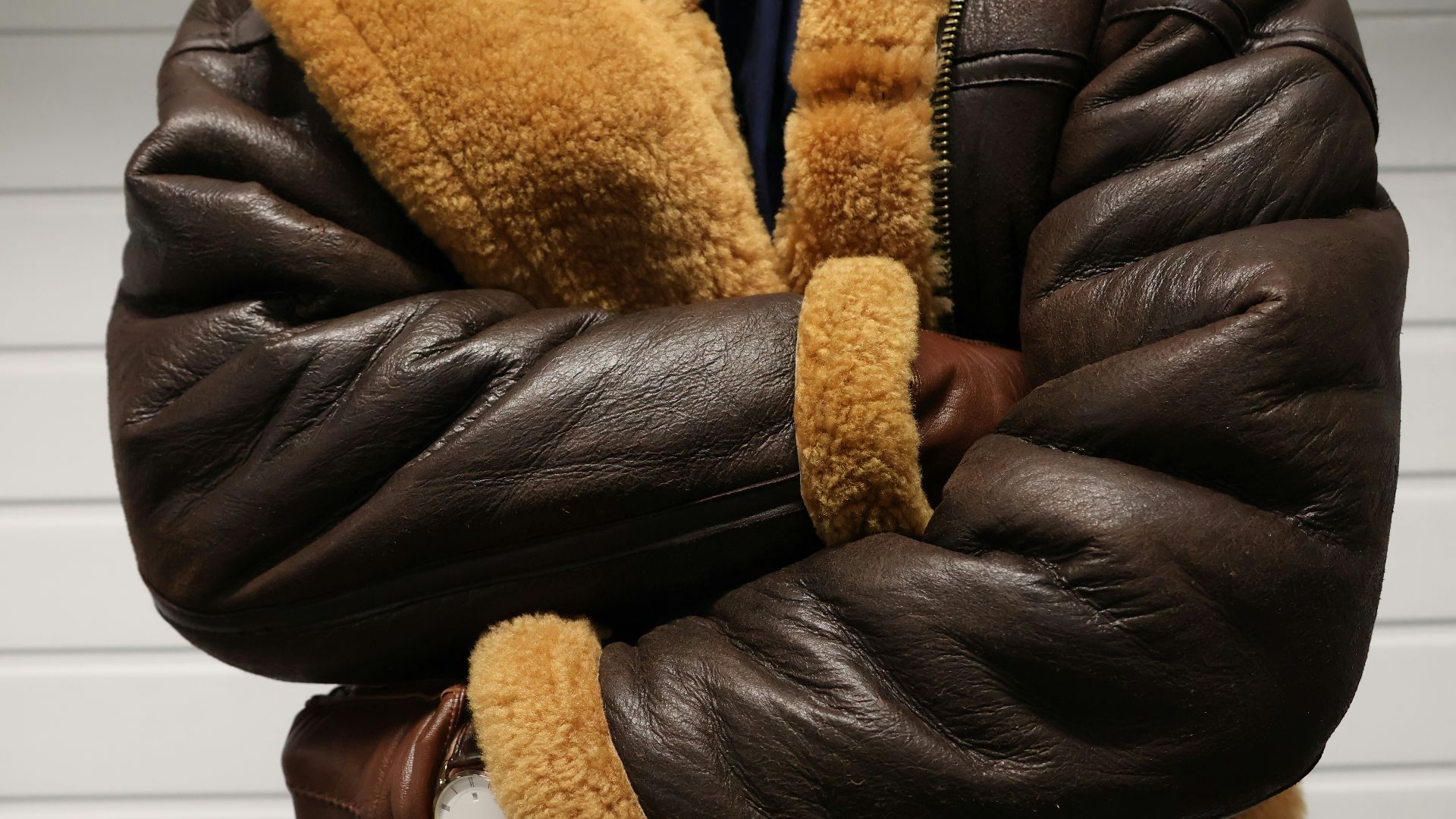
17. Leather Bomber Jackets
Bomber jackets originated from military aviation clothing during the early twentieth century. Their durable construction and practical design eventually made them popular beyond military settings. Today's bomber jackets retain many of the same features that made the originals successful.
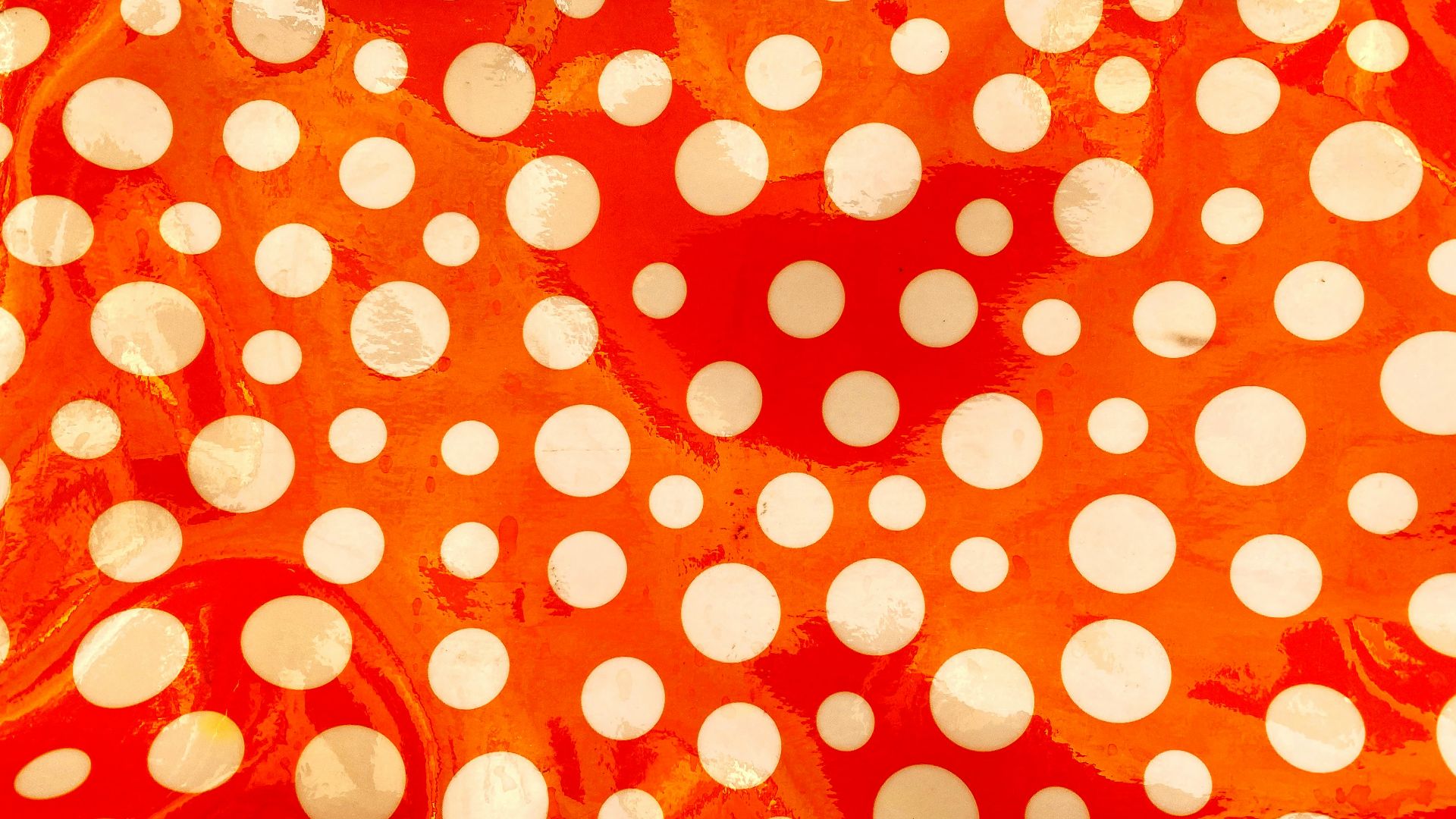
18. Polka Dot Prints
Polka dots enjoyed widespread popularity throughout the 1920s, 1930s, and 1940s. The playful pattern appeared on everything from dresses to accessories. Modern fashion continues to embrace polka dots whenever designers seek a classic yet cheerful look.
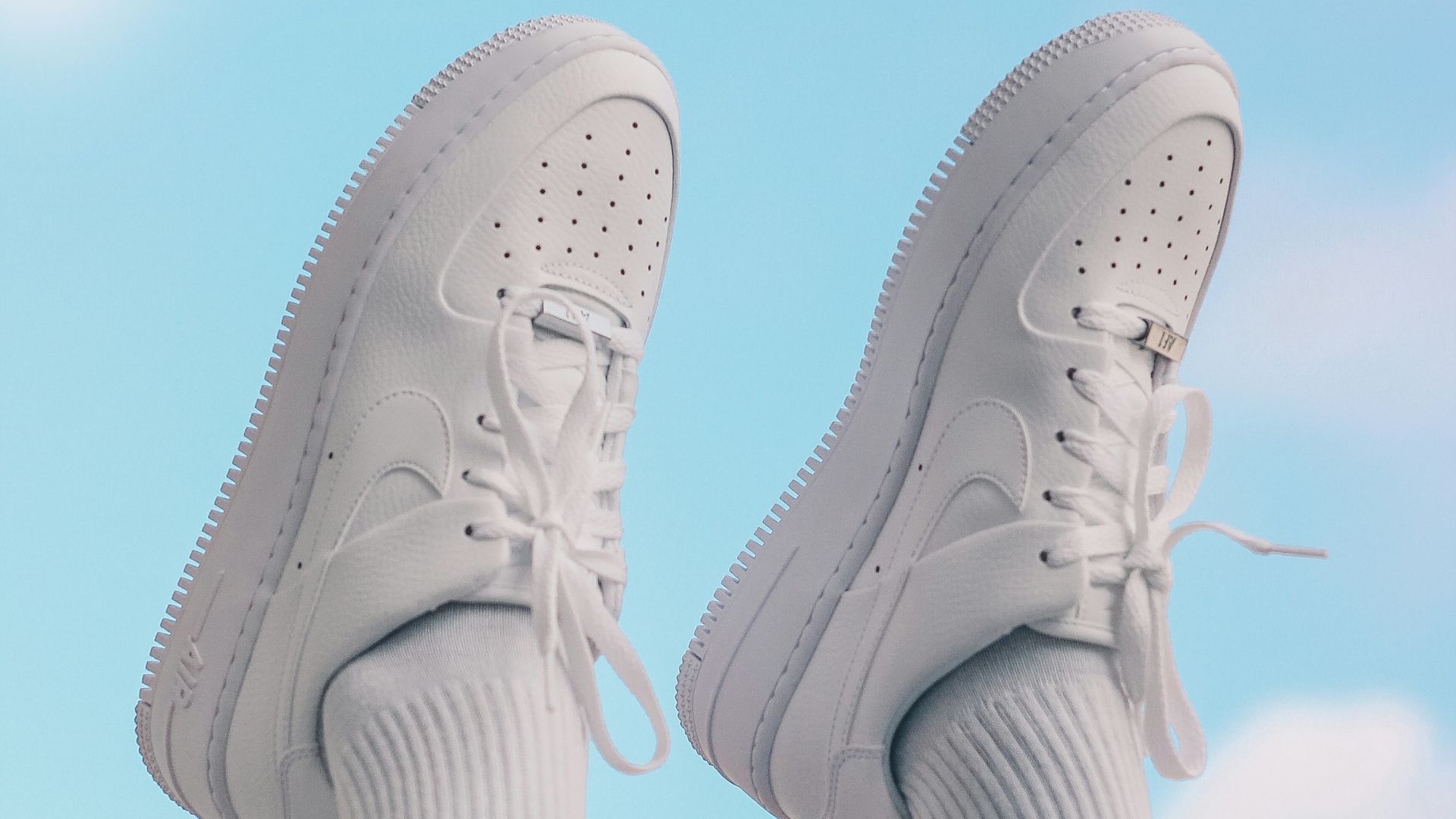
19. White Sneakers
Simple white athletic shoes existed well before the second half of the twentieth century. Originally designed for sports and casual activities, they gradually became everyday footwear. Their current popularity demonstrates how enduring clean, versatile designs can be.
 Maria Fernanda Pissioli on Unsplash
20. Relaxed Linen Clothing
Linen garments were widely appreciated before 1950 because they were breathable and comfortable in warm weather. Loose-fitting linen trousers, shirts, and dresses were practical choices for everyday wear. Their modern revival reflects a growing appreciation for comfort and natural fabrics.