
10 Skincare and Makeup Mistakes People with Oily Skin Make & 10 Those with Dry Skin Do
10 Skincare and Makeup Mistakes People with Oily Skin Make & 10 Those with Dry Skin Do
How Your Skin Type Can Change Everything
If you're oily-skinned, you probably can't live without your matte products. If you're dry-skinned, you likely can't go two seconds without moisturizer. And yet, that's still not enough; in fact, you could be making mistakes with your skin you don't even know you're making. Whether you're using too many active ingredients at once or avoiding washing your face and exfoliating altogether, you could be doing more harm than good in your routine. Here are 20 mistakes you definitely don't want to be committing if you have oily or dry skin.
1. Skipping Moisturizer Because Skin Already Feels Greasy
A lot of people with oily skin assume moisturizer will only make them shinier, so they leave it out completely. The problem is that dehydrated skin can feel tight underneath while still producing plenty of oil on the surface. A lightweight, oil-free, or gel-based moisturizer can help keep your skin comfortable without adding heaviness. When your skin barrier is supported, your makeup also tends to sit more evenly.
2. Using Harsh Cleansers That Strip the Skin
It’s tempting to reach for the strongest foaming cleanser possible when your face feels oily by midday. However, cleansers that leave your skin squeaky clean can disrupt the skin barrier and make your face feel irritated or overly tight. That stripped feeling isn’t a sign that the product is working better. A gentle cleanser that removes oil without leaving your skin uncomfortable is usually a much smarter choice.

3. Over-Powdering Throughout the Day
Powder can be helpful, but layering it over oil again and again can make makeup look thick and textured. Instead of constantly adding more product, it’s better to blot first so you’re removing excess oil before setting anything down. A light dusting of powder in targeted areas can control shine without making your base look heavy. This keeps your makeup looking fresher for longer.
4. Avoiding Sunscreen
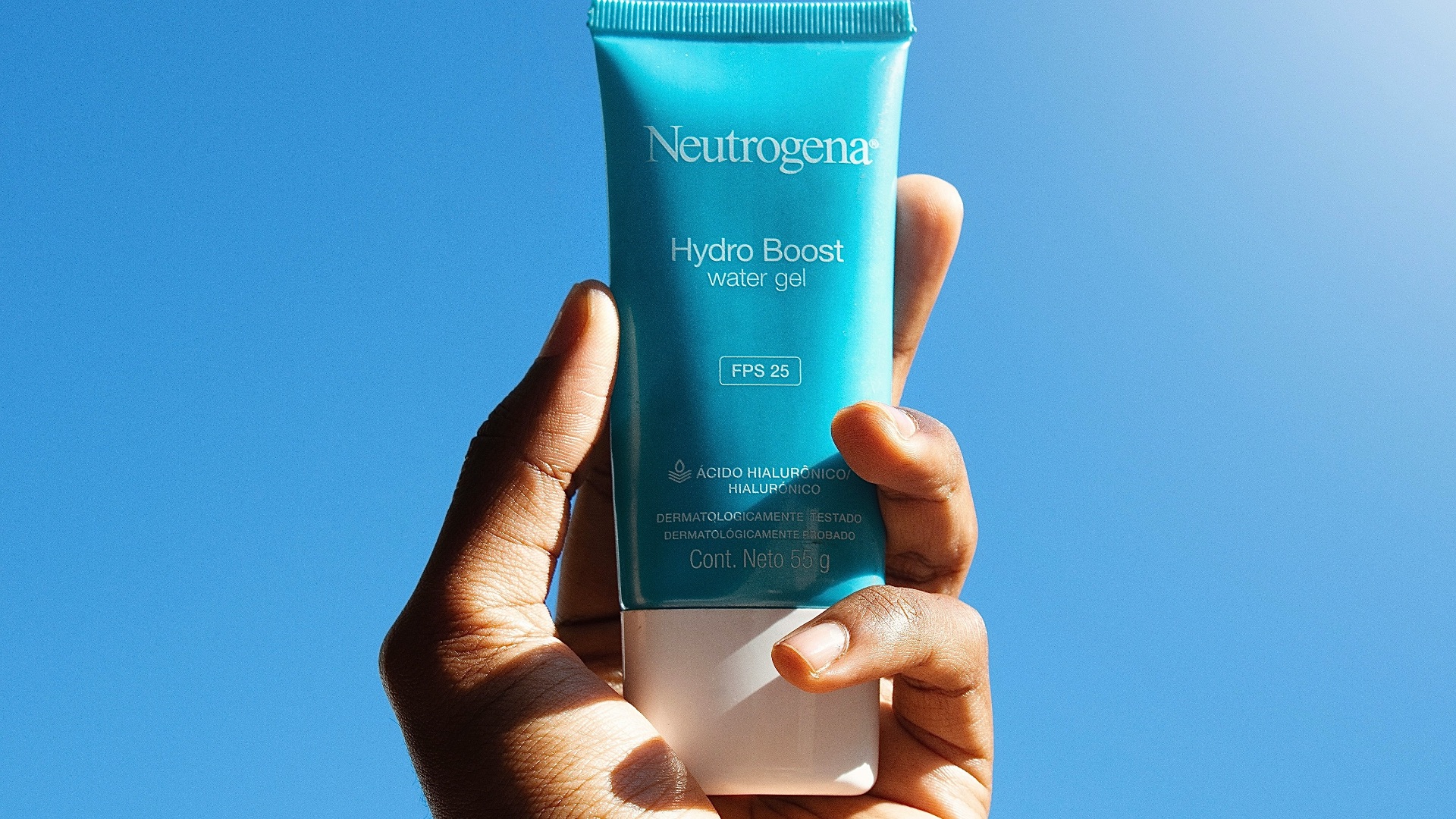
Many people with oily skin have had at least one bad sunscreen experience, so they start skipping it altogether. But that can leave the skin more vulnerable to sun damage, uneven tone, and premature signs of aging. The key is finding a sunscreen with a lightweight, non-greasy, or matte finish rather than giving up on sunscreen entirely. There are plenty of formulas now that work well under makeup and don’t feel thick on the skin.
5. Using Matte Products Everywhere
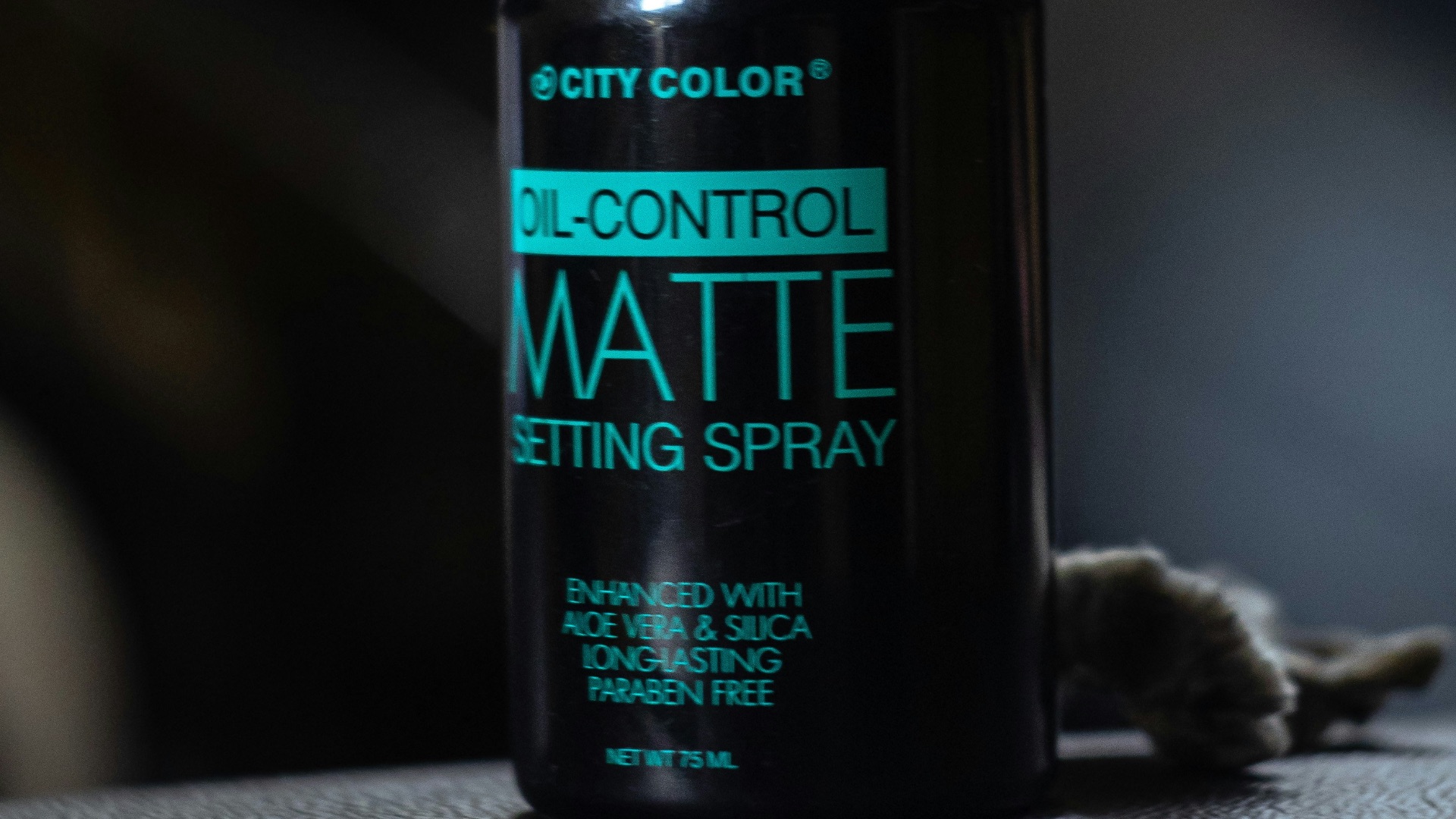
Matte foundation, matte primer, matte powder, and matte setting spray can sound like the perfect combination for oily skin. In reality, using too many mattifying products at once can make the skin look flat, dry in certain areas, or more textured than it actually is. You may get better results by mattifying only the areas that need it, such as the T-zone. Letting a little natural dimension show through can make your makeup look more polished.
6. Washing the Face Too Often
When oil shows up quickly, washing your face multiple times a day can feel like the obvious solution. Unfortunately, frequent cleansing can leave the skin irritated and can interfere with its natural balance. Most people do well with cleansing in the morning and evening, then using blotting papers or a light refresh during the day if needed. Your routine should manage oil without making your skin feel like it’s being reset every few hours.

7. Choosing the Wrong Foundation Formula
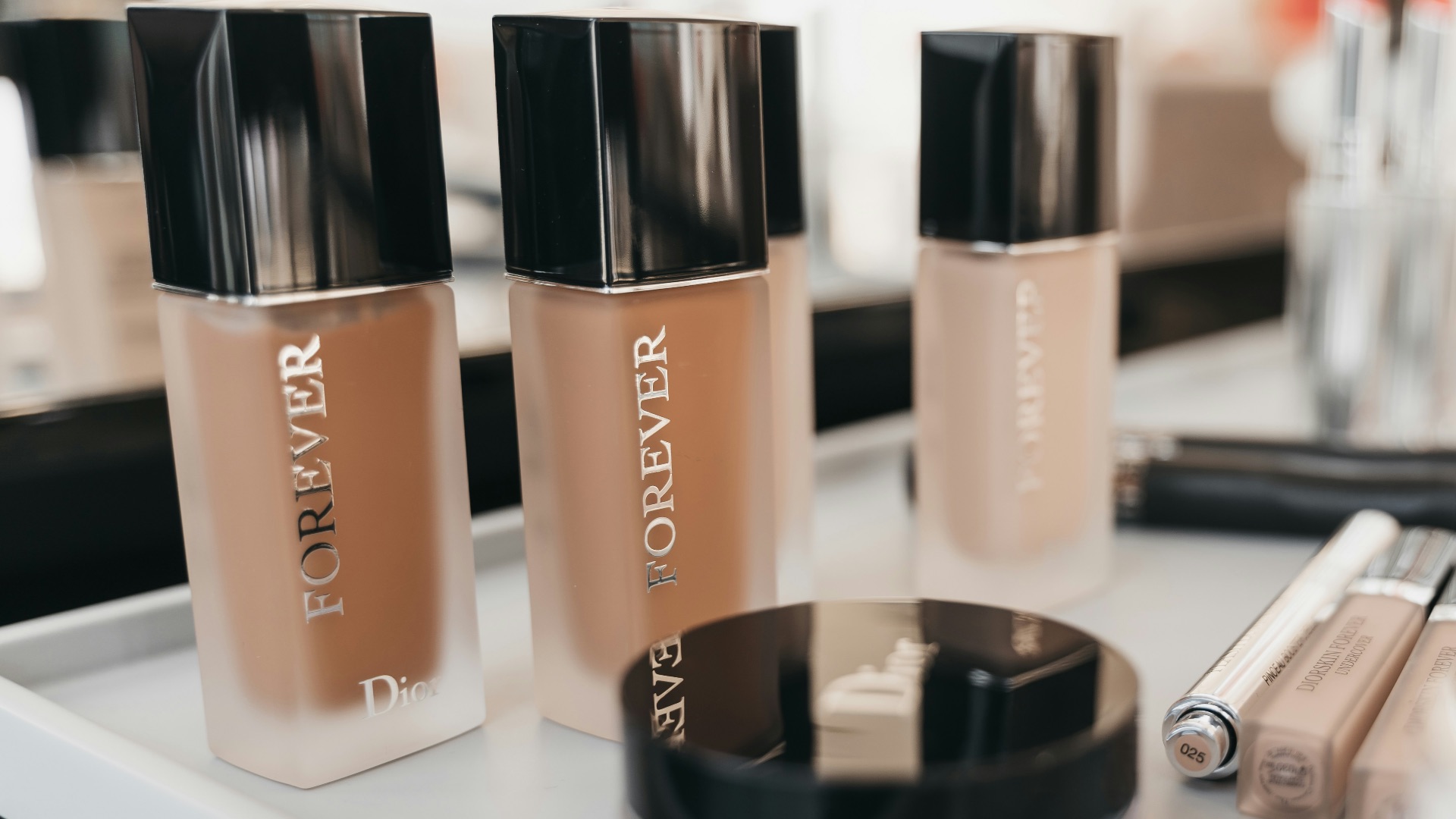
Some foundations break down quickly on oily skin, especially if they’re too creamy, too dewy, or not designed for long wear. That doesn’t mean you need the driest matte foundation you can find. Look for formulas labeled long-wearing, oil-free, or soft matte, and pay attention to how they perform after several hours rather than just how they look when first applied. The right formula should stay smooth instead of separating around the nose, forehead, and chin.
8. Forgetting to Prep the Skin Before Makeup
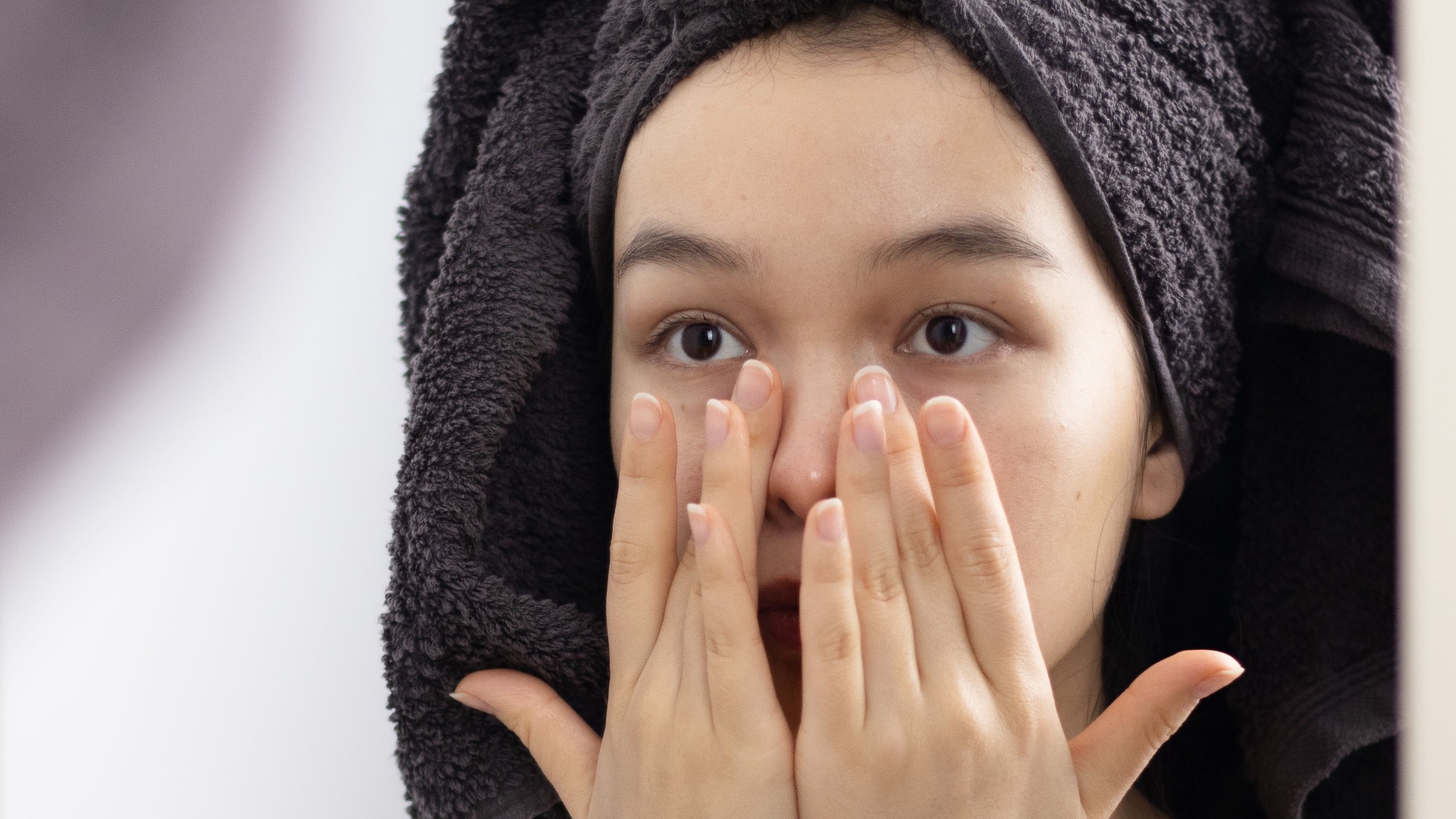
Oily skin still needs thoughtful prep before foundation. If you apply makeup directly over unbalanced skin, it may cling in some spots and slide off in others. A simple routine with cleanser, lightweight moisturizer, sunscreen, and a targeted primer can make a noticeable difference. Good prep helps your makeup last without relying on heavy layers afterward.
9. Using Too Many Active Ingredients at Once
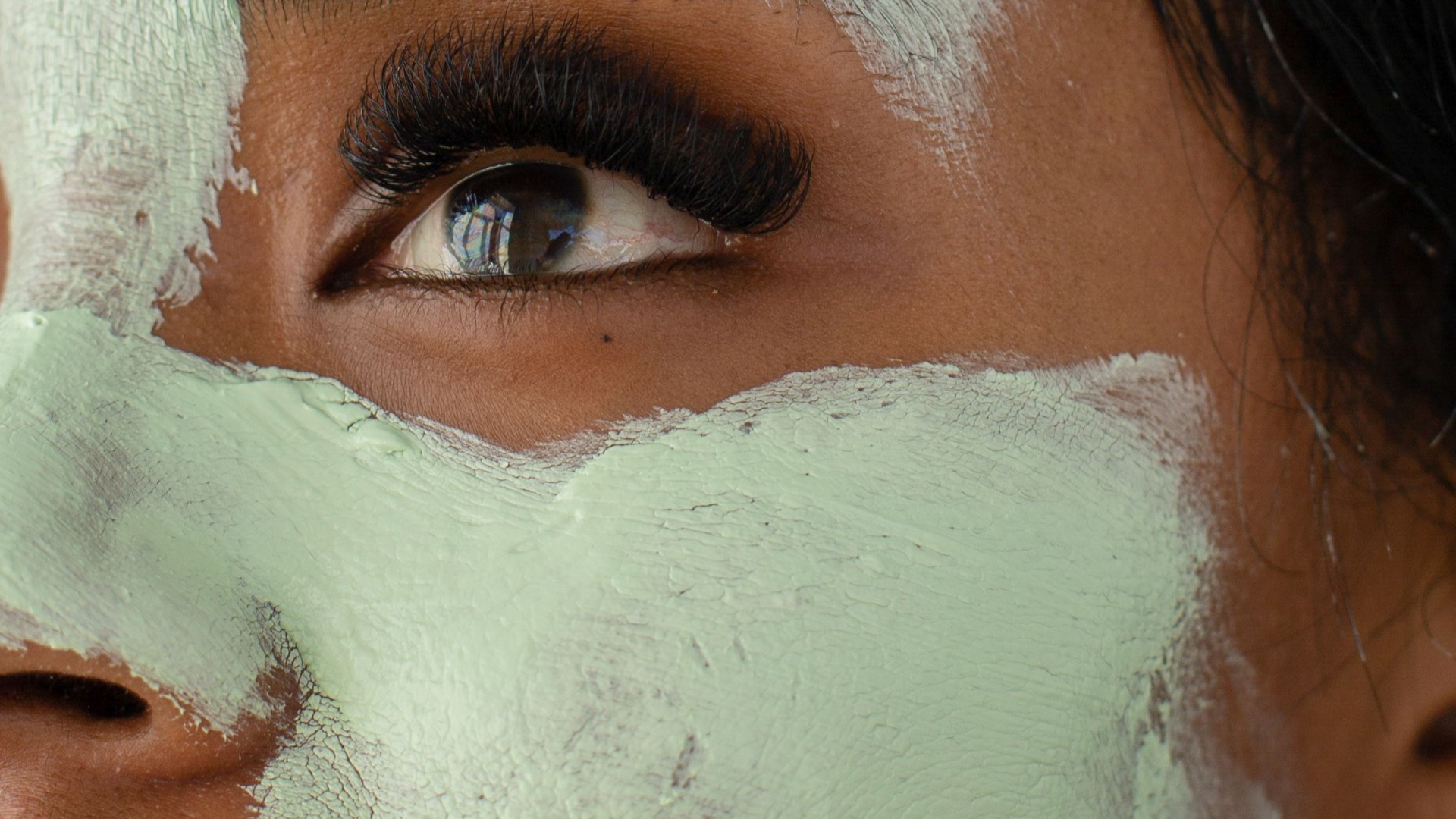
People with oily or acne-prone skin often stack exfoliating acids, retinoids, clay masks, and spot treatments in hopes of getting faster results. That approach can lead to irritation, dryness, redness, and more visible texture. Active ingredients can be helpful, but they need to be introduced carefully and used consistently rather than aggressively. A calmer routine is often more effective than one that pushes the skin too hard.
10. Assuming Oiliness Means Skin Is Hydrated
Oily skin can still be dehydrated, sensitive, or compromised. Shine on the surface doesn’t always mean your skin has enough water or that your barrier is in good shape. If your skin feels tight after cleansing, stings when products are applied, or gets flaky under makeup, it may need more hydration and support. Paying attention to comfort is just as important as controlling shine.
While oily skin routines often focus on reducing shine, dry skin routines usually center on reducing texture; the mistakes may look different, but the pattern is similar. Let's take a closer look.

1. Skipping Exfoliation Completely
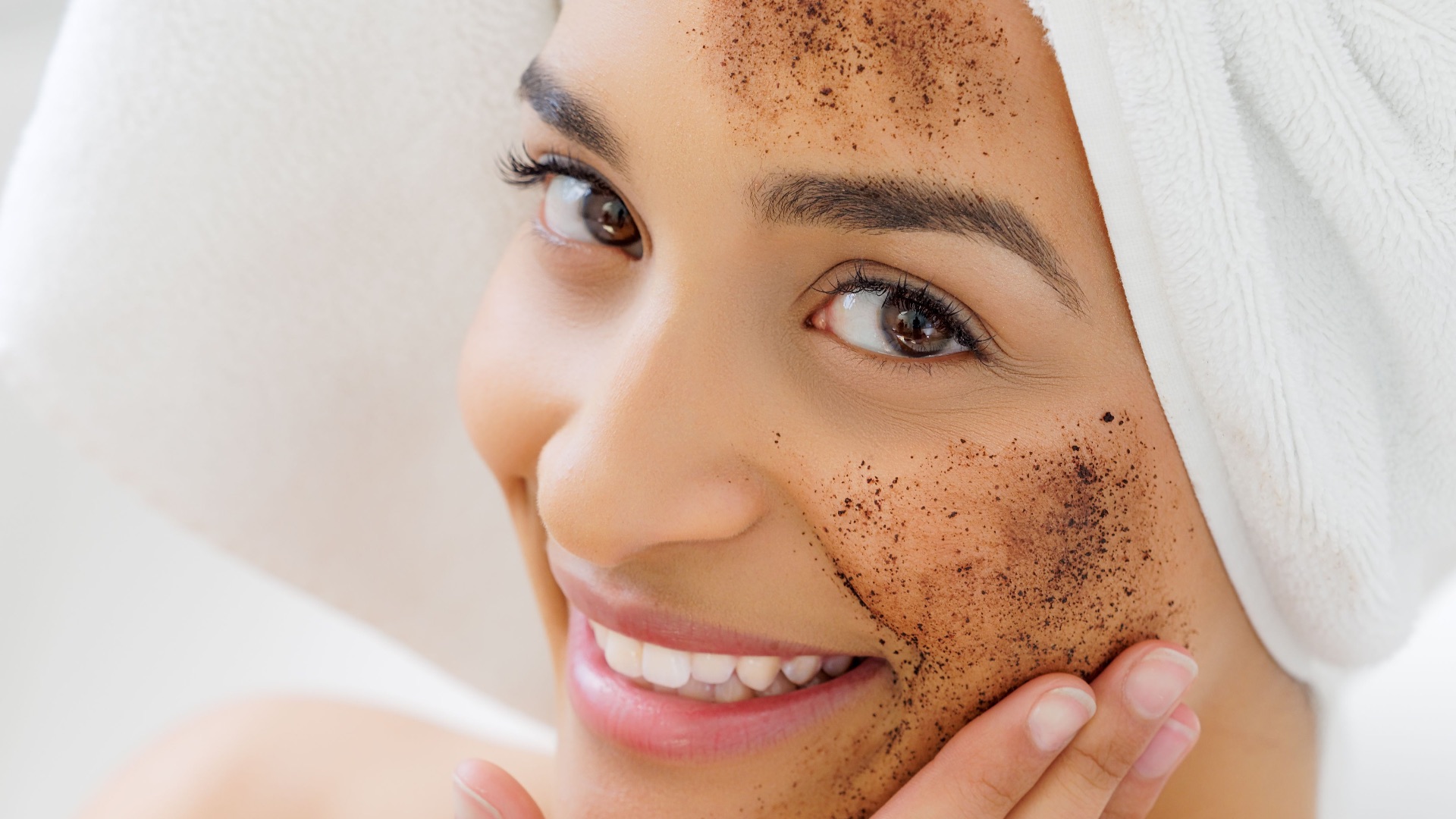
Dry skin can be sensitive, so it makes sense that some people avoid exfoliation altogether. Still, dead skin buildup can make moisturizer less effective and cause makeup to look uneven or patchy. Gentle exfoliation, used sparingly, can help smooth the surface without irritating the skin. The goal isn’t to scrub aggressively, but to keep flakes from building up.
2. Using the Wrong Cleanser
A cleanser that works well for oily skin may be too harsh for dry skin. If your face feels tight, itchy, or uncomfortable right after washing, your cleanser may be removing too much of your skin’s natural moisture. Cream, milk, balm, or gentle non-foaming cleansers are often better options. Cleansing should leave your skin clean, not uncomfortable.

3. Applying Makeup Before Moisturizer Sets
Dry skin usually needs more prep time before makeup. If you apply foundation immediately after moisturizer, products can pill, slide, or sit unevenly on top of the skin. Giving skincare a few minutes to absorb can help create a smoother base. This small pause can make foundation look more natural and less patchy.
4. Choosing Matte Foundation Without Enough Prep
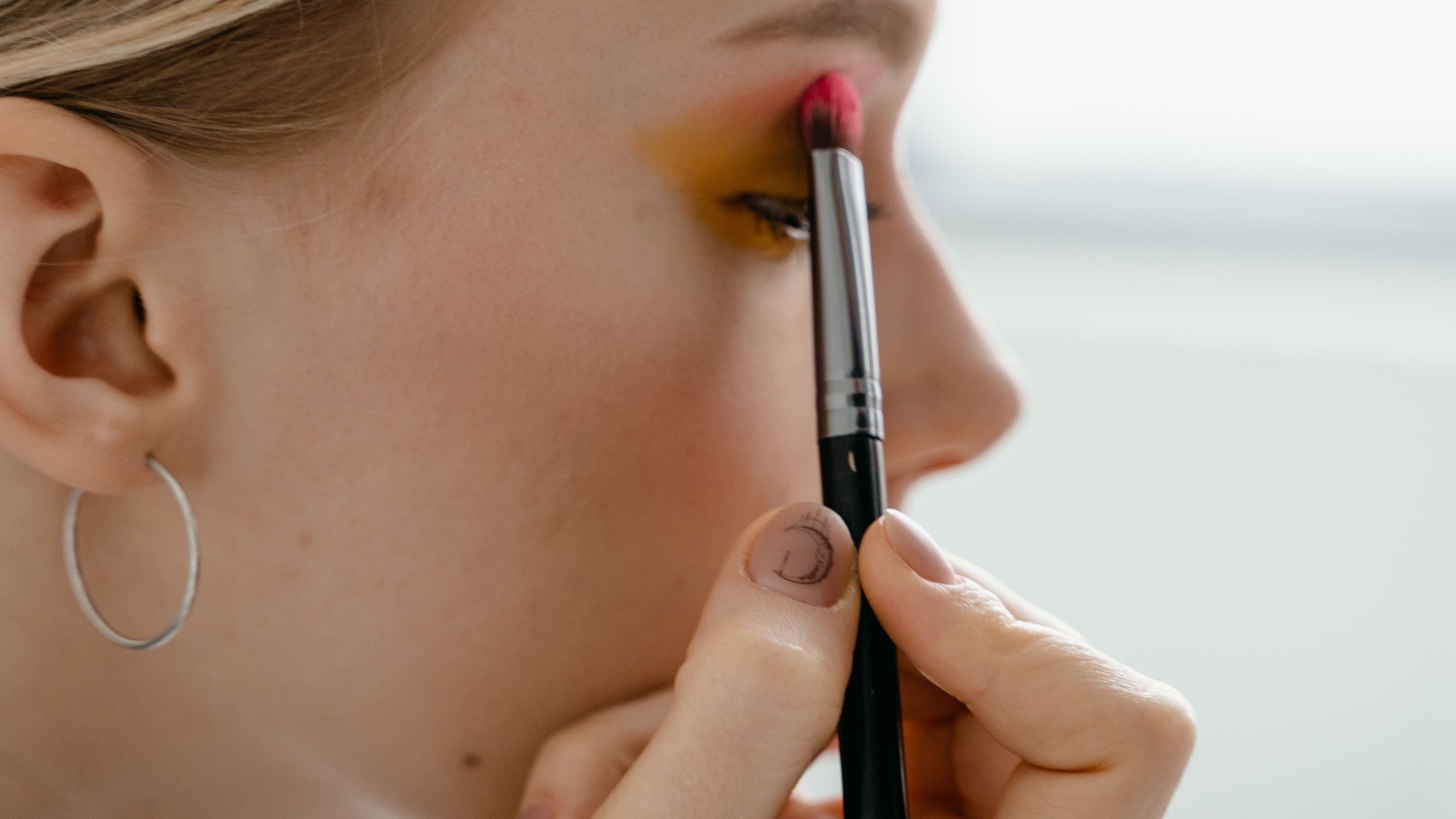
Matte and long-wear foundations can emphasize dryness if the skin isn’t well hydrated underneath. They may settle around flaky areas or make fine lines look more noticeable. If you like the staying power of these formulas, pair them with a nourishing moisturizer and a hydrating primer. Dry skin can wear long-lasting makeup, but it needs the right support first.
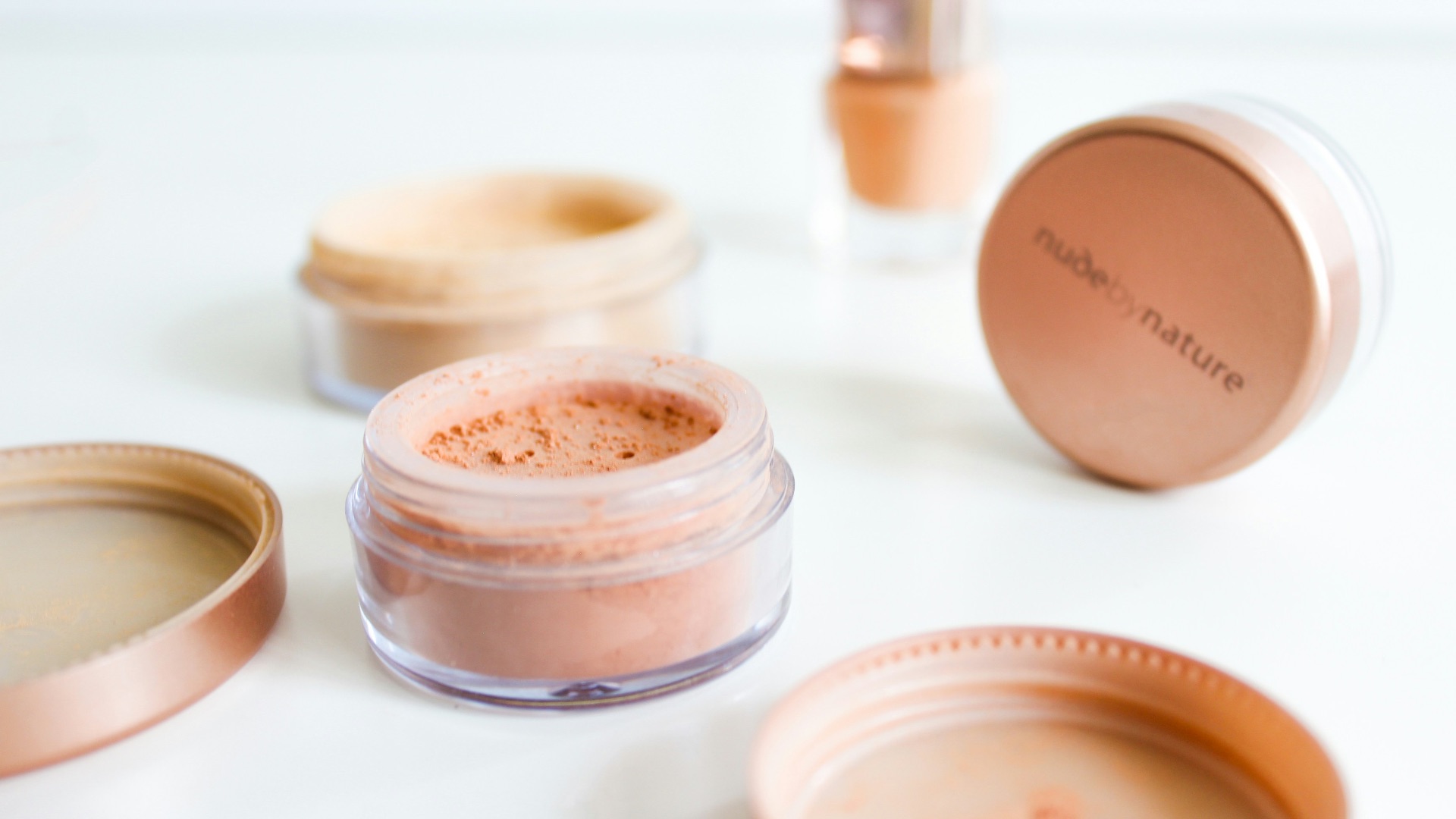
5. Using Too Much Powder to Set Makeup
Powder can help makeup last, but dry skin usually needs it in smaller amounts. Applying it all over the face can make the complexion look dull, textured, or powdery. It’s often better to set only the areas where makeup tends to crease or move, such as around the nose or under the eyes. A lighter hand keeps the skin looking smoother and more comfortable.
 Gabrielle Henderson on Unsplash
6. Ignoring Hydrating Ingredients
Dry skin needs more than a rich texture; it also benefits from ingredients that help attract and hold water. Products with ingredients like glycerin, hyaluronic acid, ceramides, and squalane can make the skin feel more supported. If your routine only uses heavy creams without enough hydration underneath, your skin may still feel tight. Layering hydration and moisture usually works better than relying on one thick product.
7. Applying Concealer Over Dry Under-Eyes
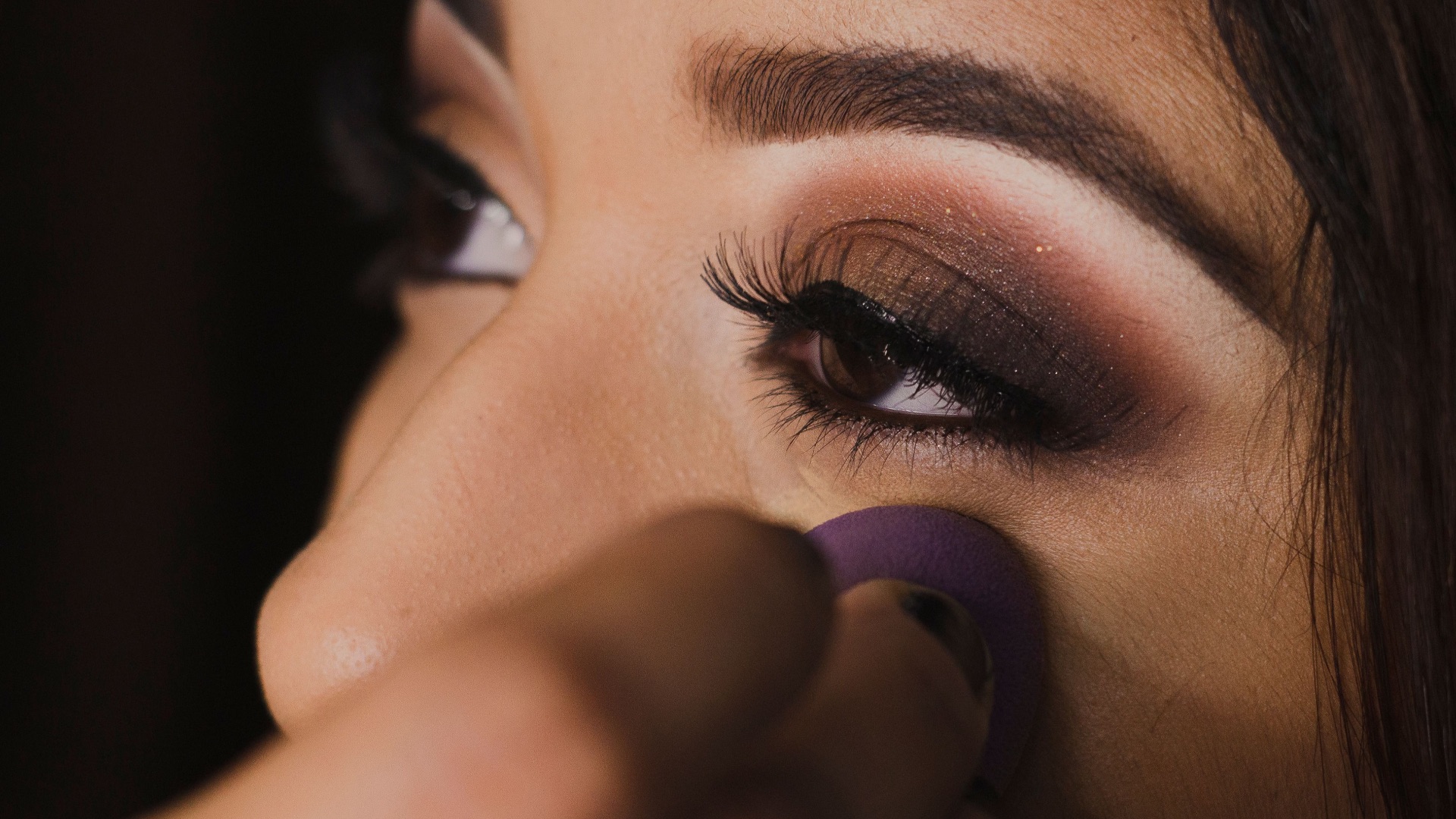
The under-eye area can look cakey fast when it’s dry. Putting concealer directly onto unprepped skin can make lines and texture more visible, even if the concealer itself is good. A small amount of eye cream or lightweight moisturizer can help the area look smoother before makeup. Let it settle first so the concealer doesn’t slip around.
8. Overusing Hot Water
Hot water can feel comforting, but it can make dry skin feel worse. It may leave the face feeling tighter and more irritated, especially if you already struggle with flaking or sensitivity. Lukewarm water is usually a better choice for cleansing. You don’t need cold water, but you also don’t want heat that leaves your skin feeling stressed.
9. Forgetting to Adjust the Routine Seasonally
Dry skin often changes with the weather, indoor heating, humidity, and air conditioning. A moisturizer that feels perfect in summer may not be enough during colder months. It’s helpful to adjust your routine when your skin starts feeling tighter or makeup begins clinging to dry patches. Your skin’s needs can shift, and your products should be allowed to shift with them.

10. Expecting Makeup to Fix Skin Texture
Makeup can even out tone and add polish, but it can’t fully hide dryness that hasn’t been addressed underneath. When the skin is flaky or dehydrated, foundation may draw more attention to those areas instead of covering them. A consistent skincare routine is what makes makeup look better on dry skin. The smoother and more comfortable your skin feels before makeup, the better the final result will usually be.