How a Plastic Doll Became Fashion's Most Influential Muse
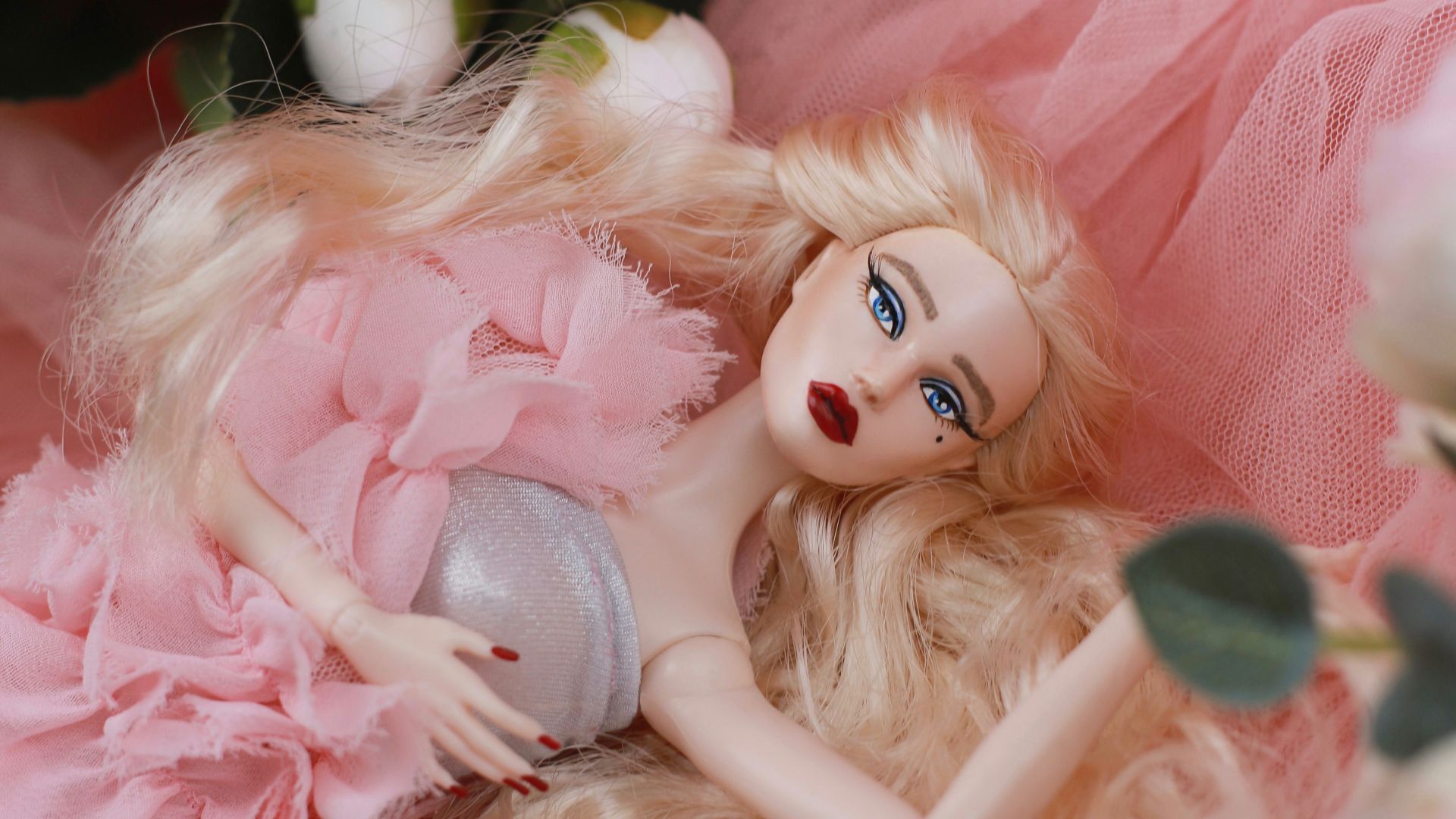
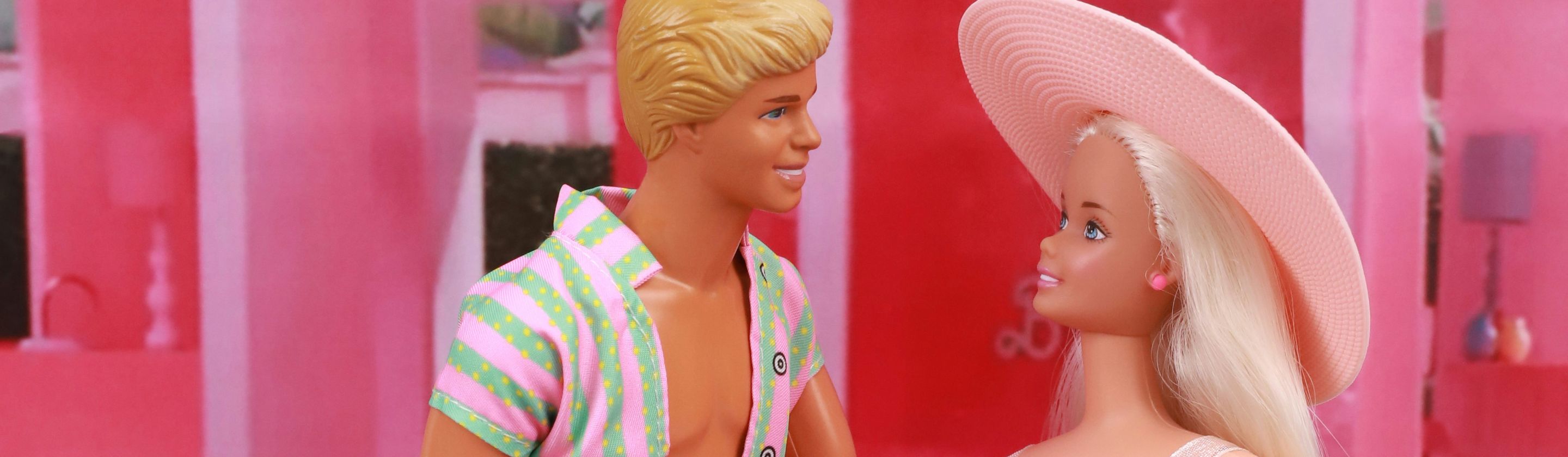
When Ruth Handler introduced Barbie at the 1959 New York Toy Fair, buyers were skeptical that American girls would want a doll with breasts. They were catastrophically wrong. Barbie became a $1.7 billion annual business for Mattel and, more surprisingly, a legitimate force in the fashion industry. Real designers started creating for her, runway trends trickled down to her plastic wardrobe, and generations of kids absorbed ideas about style through her endlessly changing closets. Love her or hate her, here are twenty ways Barbie has impacted fashion forever.
1. She Made Fashion Accessible to Children
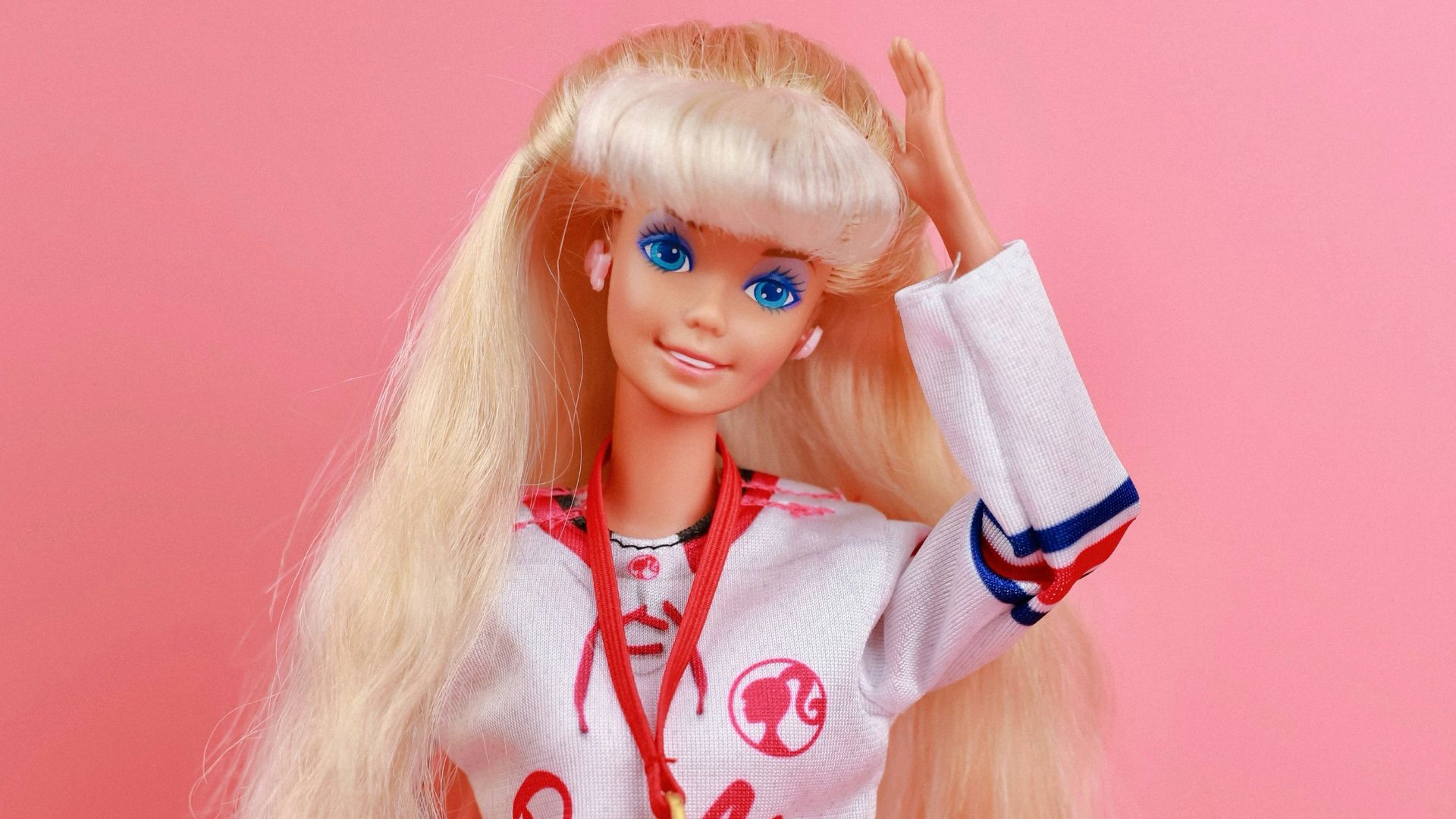
Before Barbie, dolls were babies. Barbie arrived as an adult with a wardrobe that required coordination and choice. The original 1959 collection included a wedding dress, a tennis outfit, and evening wear. Kids suddenly had to think about what outfit suited which occasion, learning the social codes of fashion.
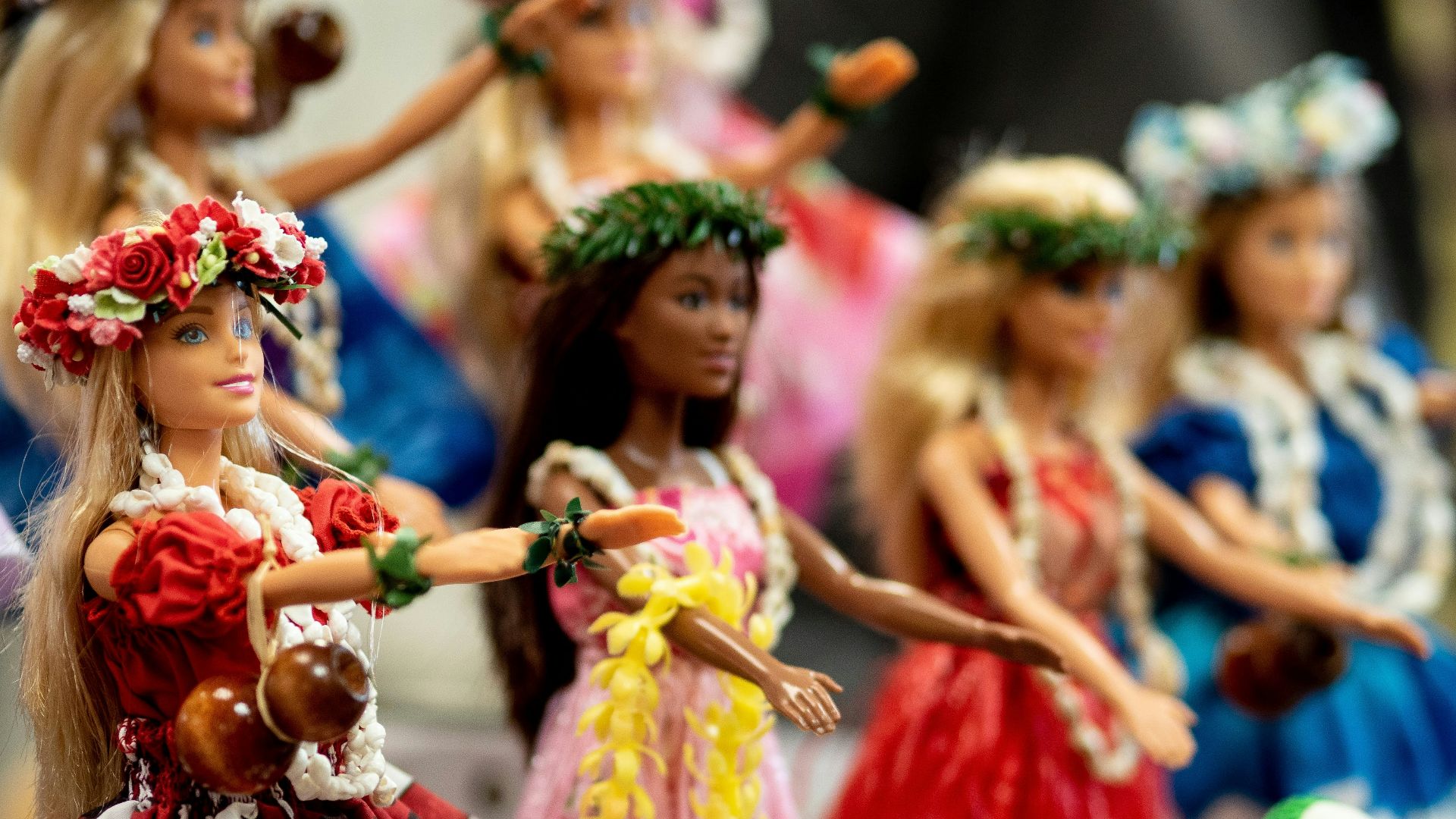
2. She Normalized Designer Collaborations
In 1985, Oscar de la Renta designed an entire Barbie collection. This would've seemed absurd a generation earlier, yet it established a template that fashion now takes for granted. Since then, designers from Christian Dior to Versace to Bob Mackie have dressed Barbie, treating her outfits as seriously as for an actual celebrity.
3. She Introduced the Concept of Extensive Wardrobes
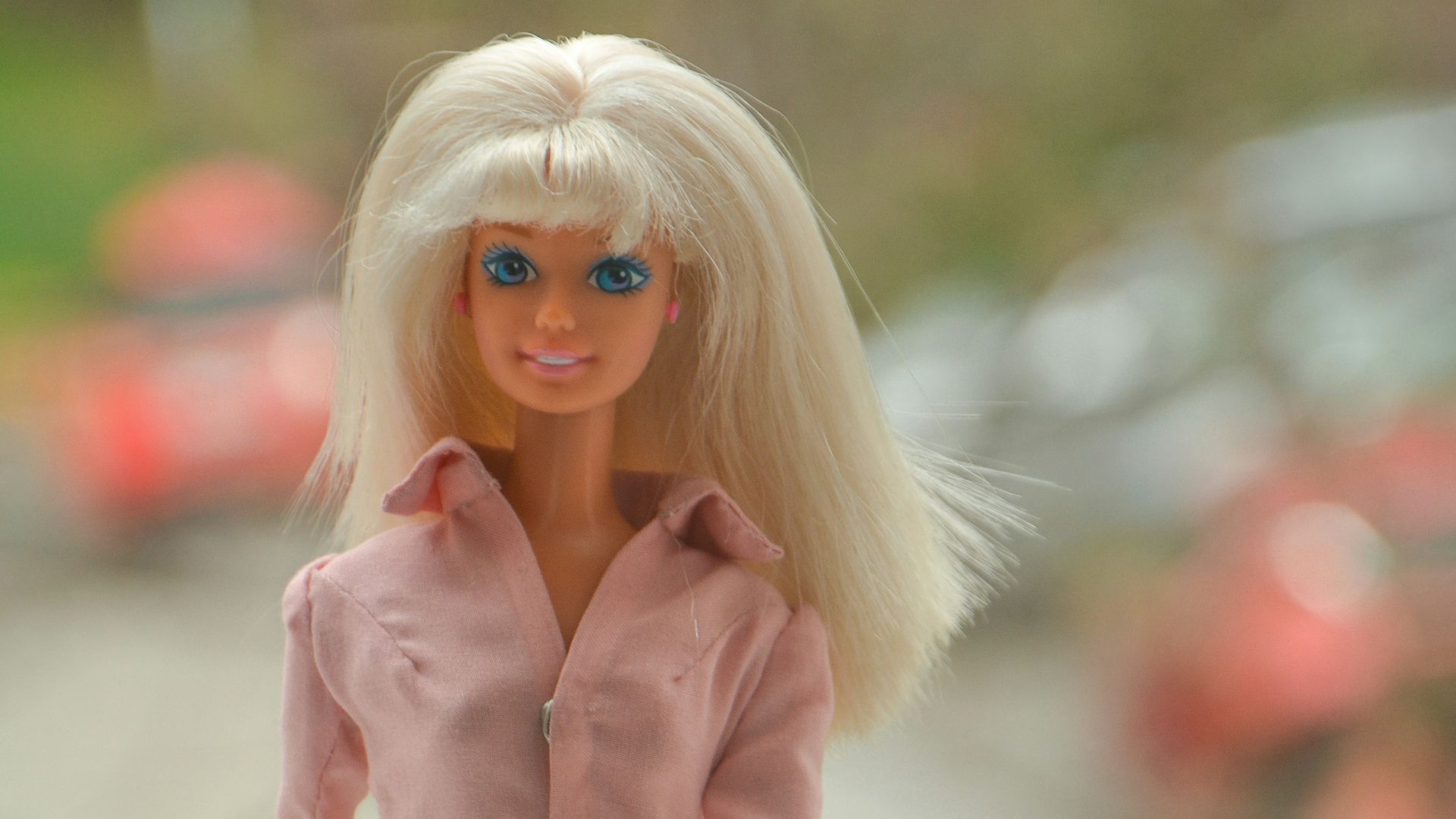
Barbie launched with 22 different outfits available separately from the doll. This taught kids that fashion wasn't about a single look but about accumulation and mixing. You could buy "Busy Gal" (a suit and hat for the career woman), "Roman Holiday" (tourist chic), or "Solo in the Spotlight" (evening glamour).
4. She Made High Fashion Trends Digestible
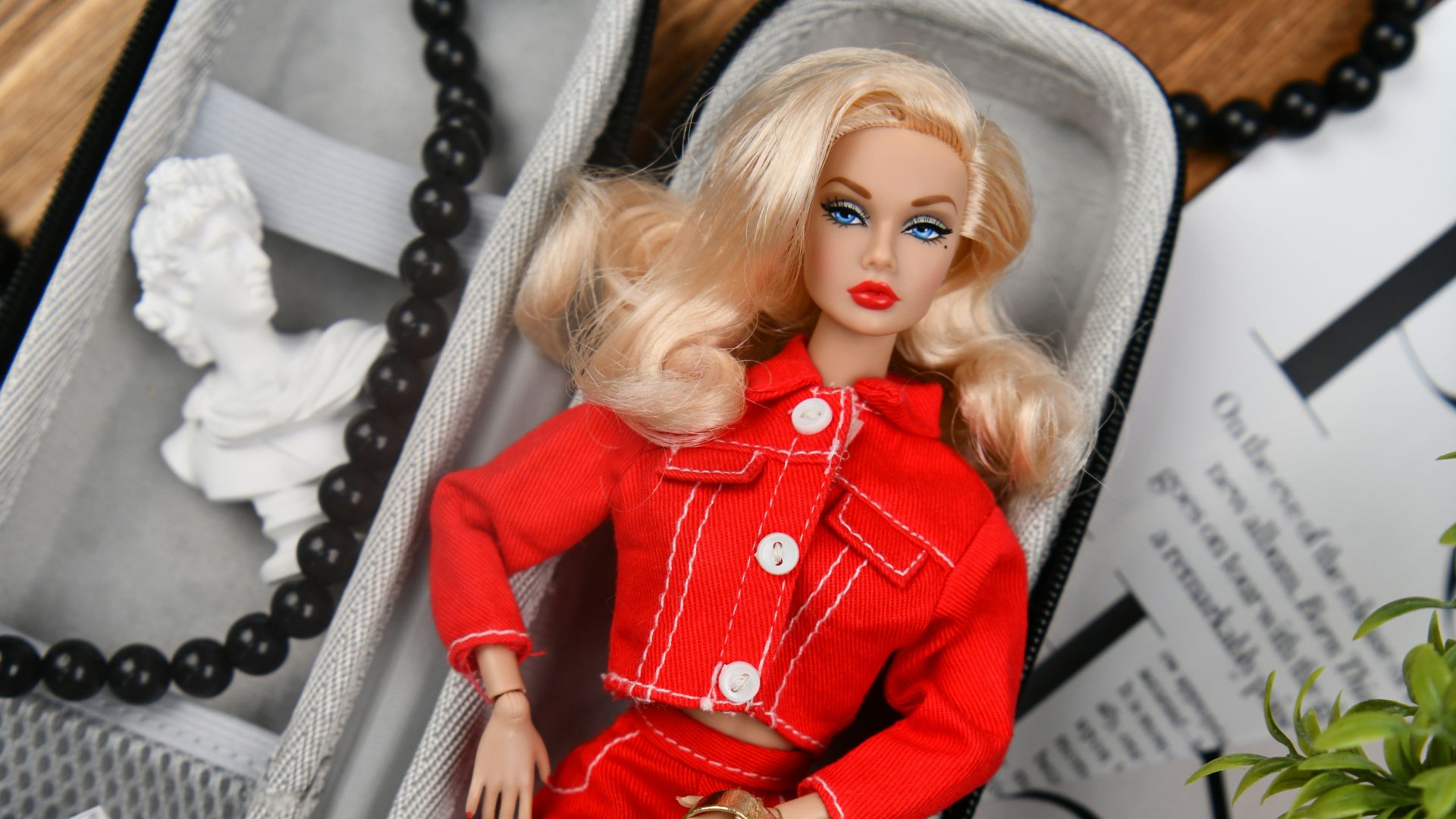
When Mary Quant's miniskirts dominated London in 1966, Barbie got a mod collection the same year. When disco happened, Barbie wore satin and sequins. The doll's fashion team operated like a real fashion house, attending runway shows, reading European magazines, and translating haute couture into miniature scale.
5. She Pioneered Fashion as Identity Expression
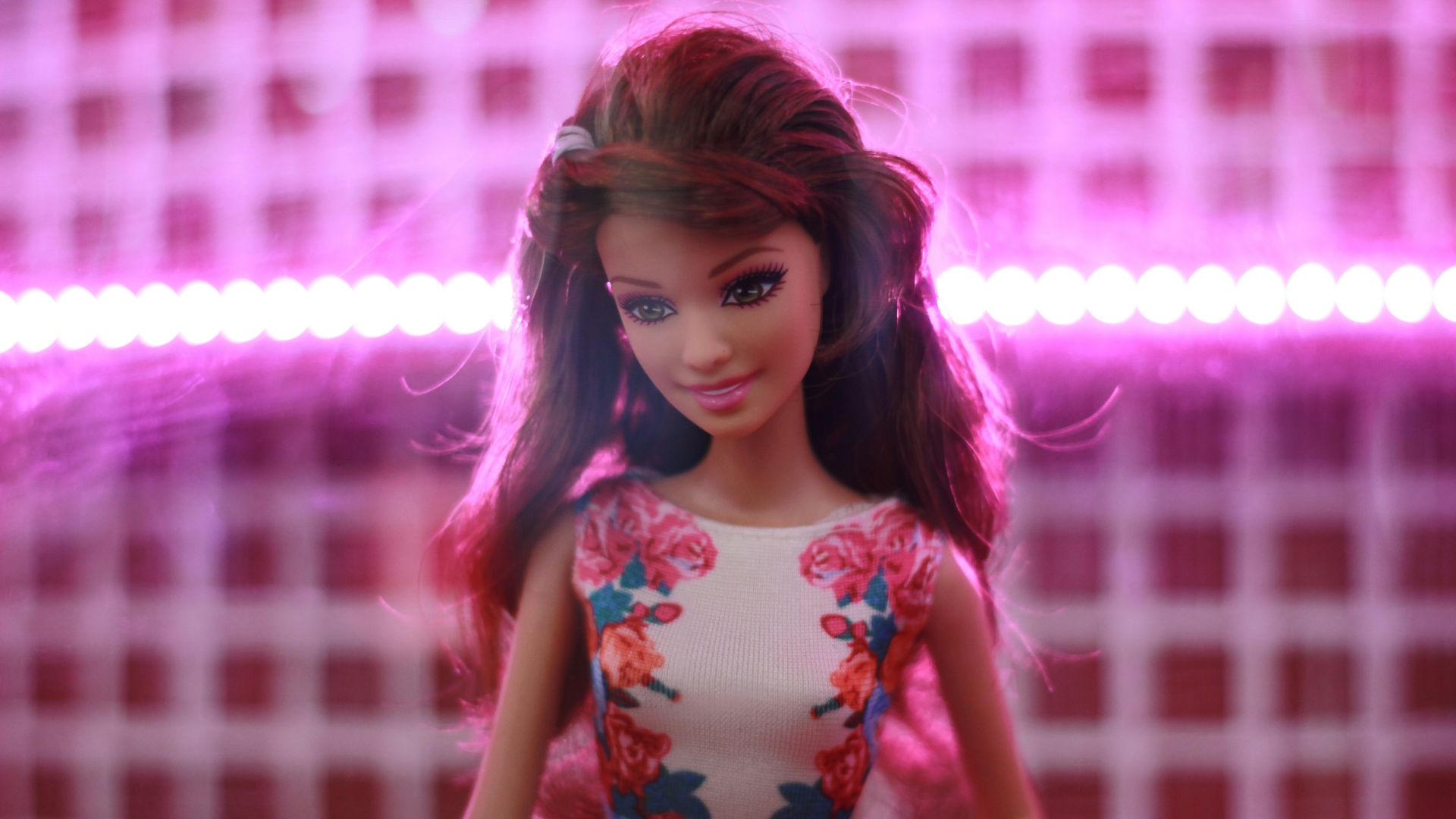
The secondary market for vintage Barbie clothing is massive. A mint condition "Gay Parisienne" outfit from 1959 sold for $1,016 in 2021. People collect these outfits not as toys but as miniature fashion archives.
6. She Normalized Body-Conscious Clothing
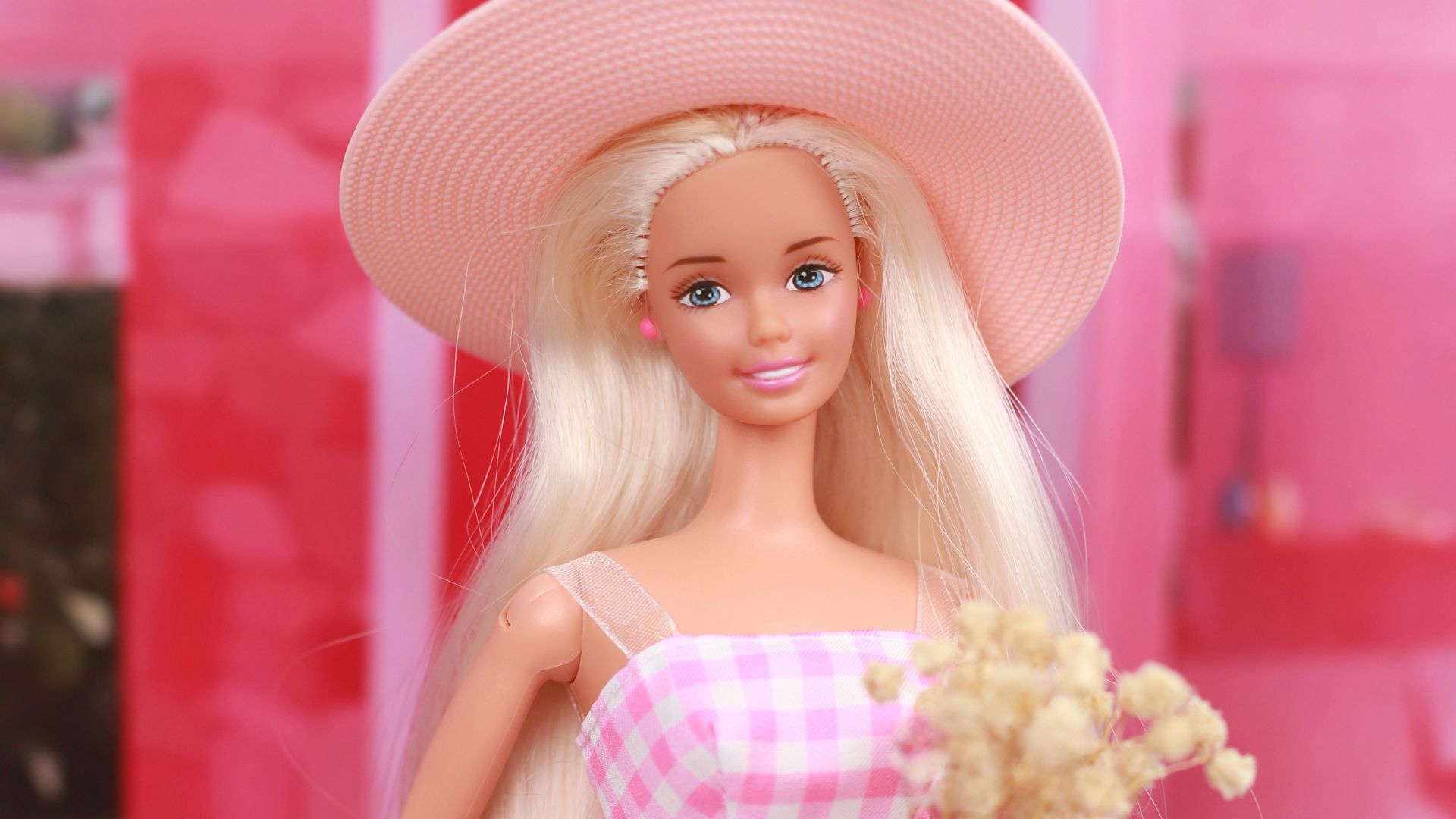
Researchers at the University of South Australia calculated that if she were human-sized, her measurements would be 36-18-33 with a BMI of 16.2. Whatever you think of those proportions, Barbie's clothing was designed to emphasize them. This aesthetic, for better or worse, became the way girls learned to think about how clothes should fit.
7. She Made Pink a Fashion Statement
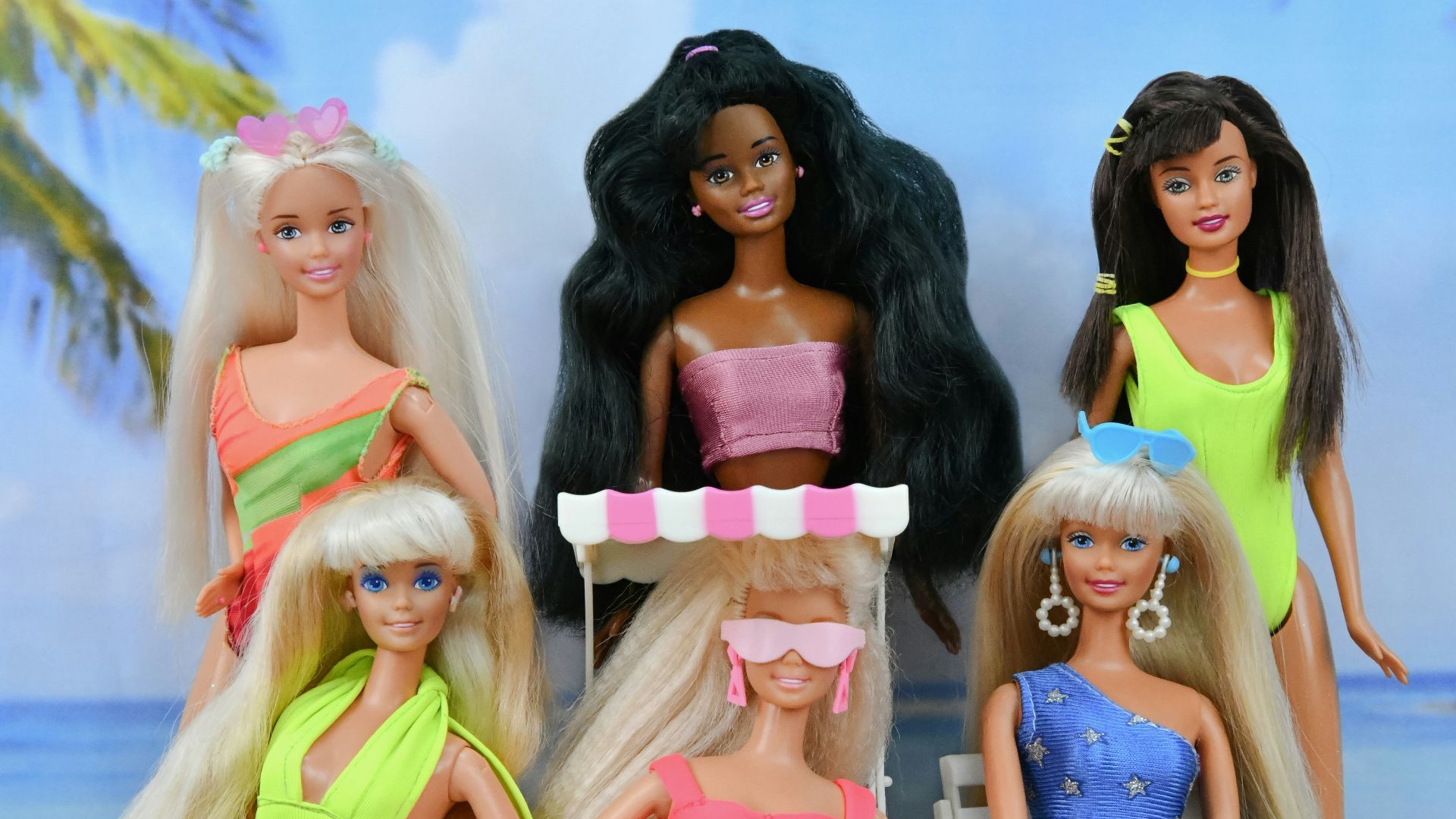
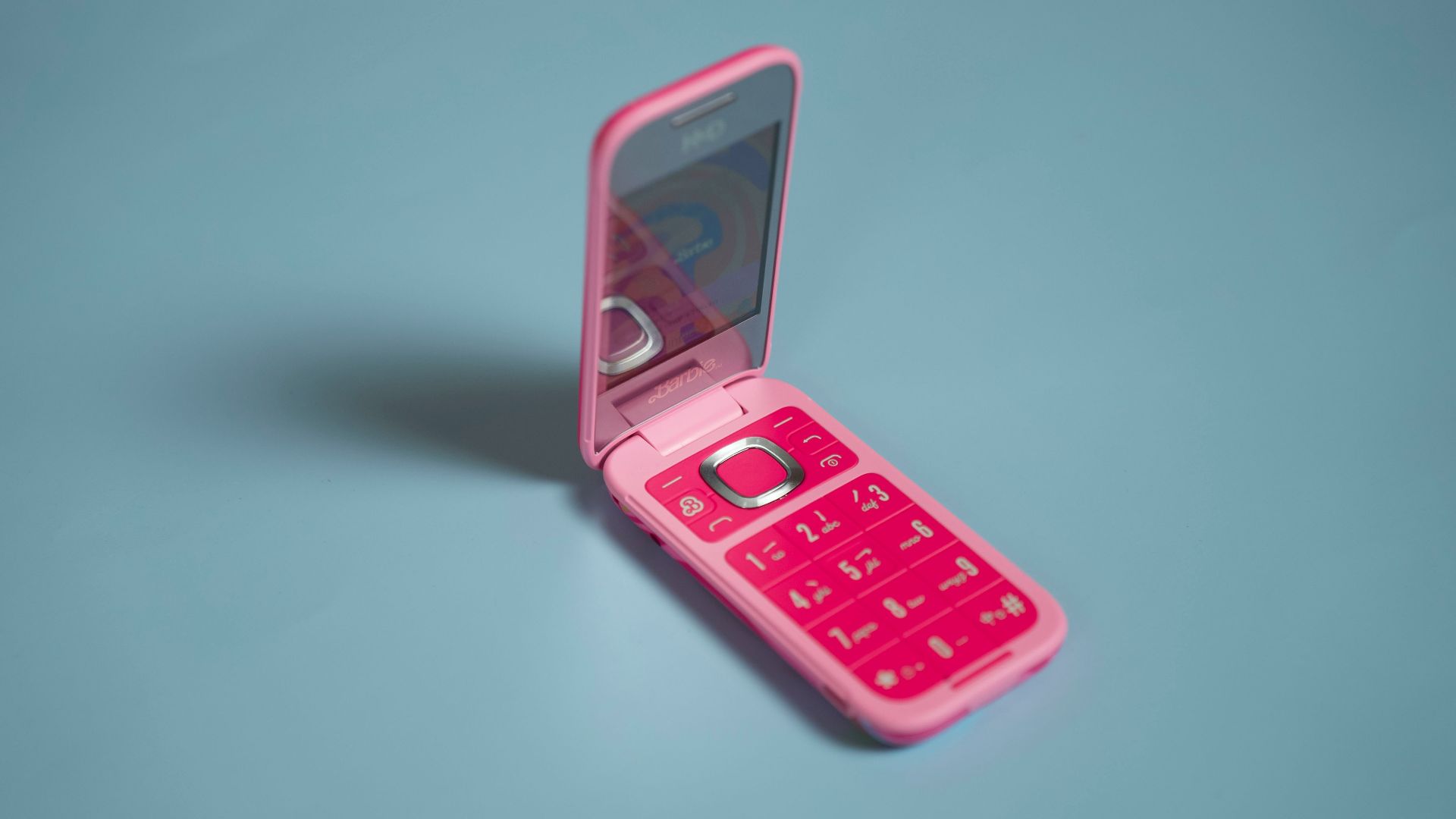
Before Barbie, pink was one color among many. After six decades of pink packaging, the color became synonymous with feminine fashion culture. When the 2023 Barbie movie released, retailers couldn't keep pink clothing in stock.
8. She Introduced Career-Specific Fashion Vocabularies
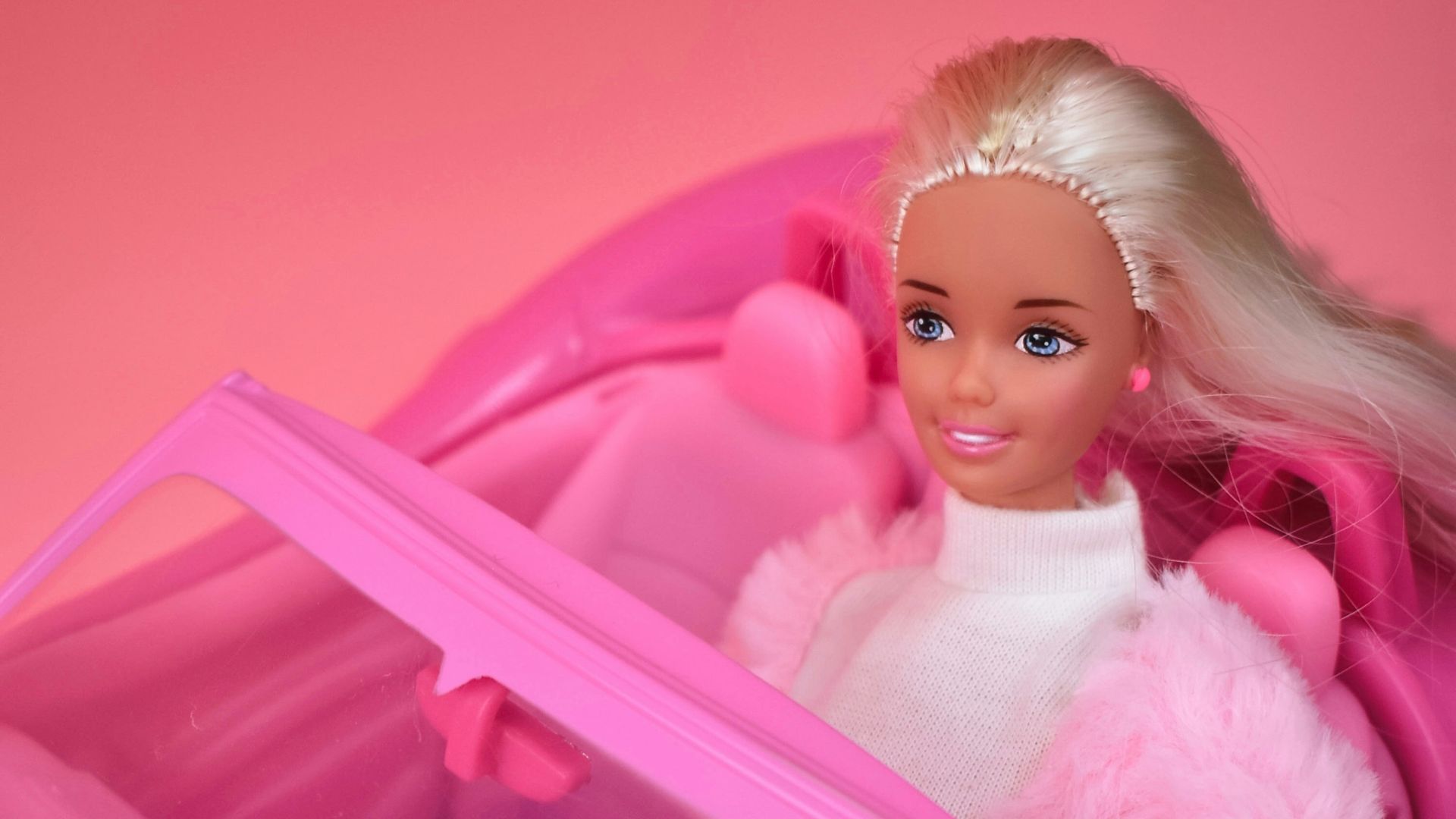
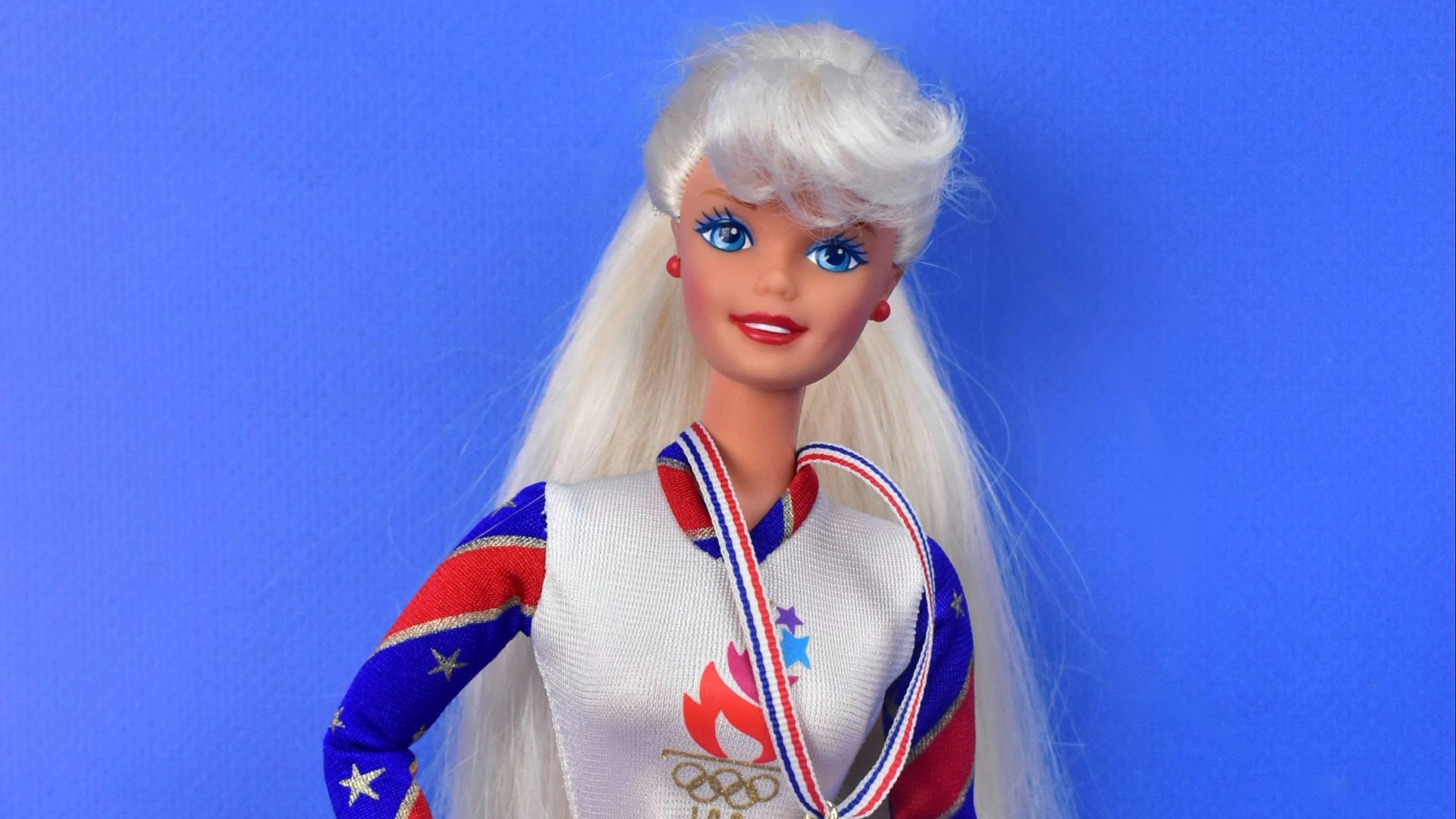
Astronaut Barbie wore a silver spacesuit four years before the actual moon landing. Doctor Barbie wore scrubs and a white coat when only a fraction of American physicians were women. Each career iteration came with appropriate attire, teaching kids that different professions had different dress codes.
9. She Validated Fashion as a Legitimate Interest
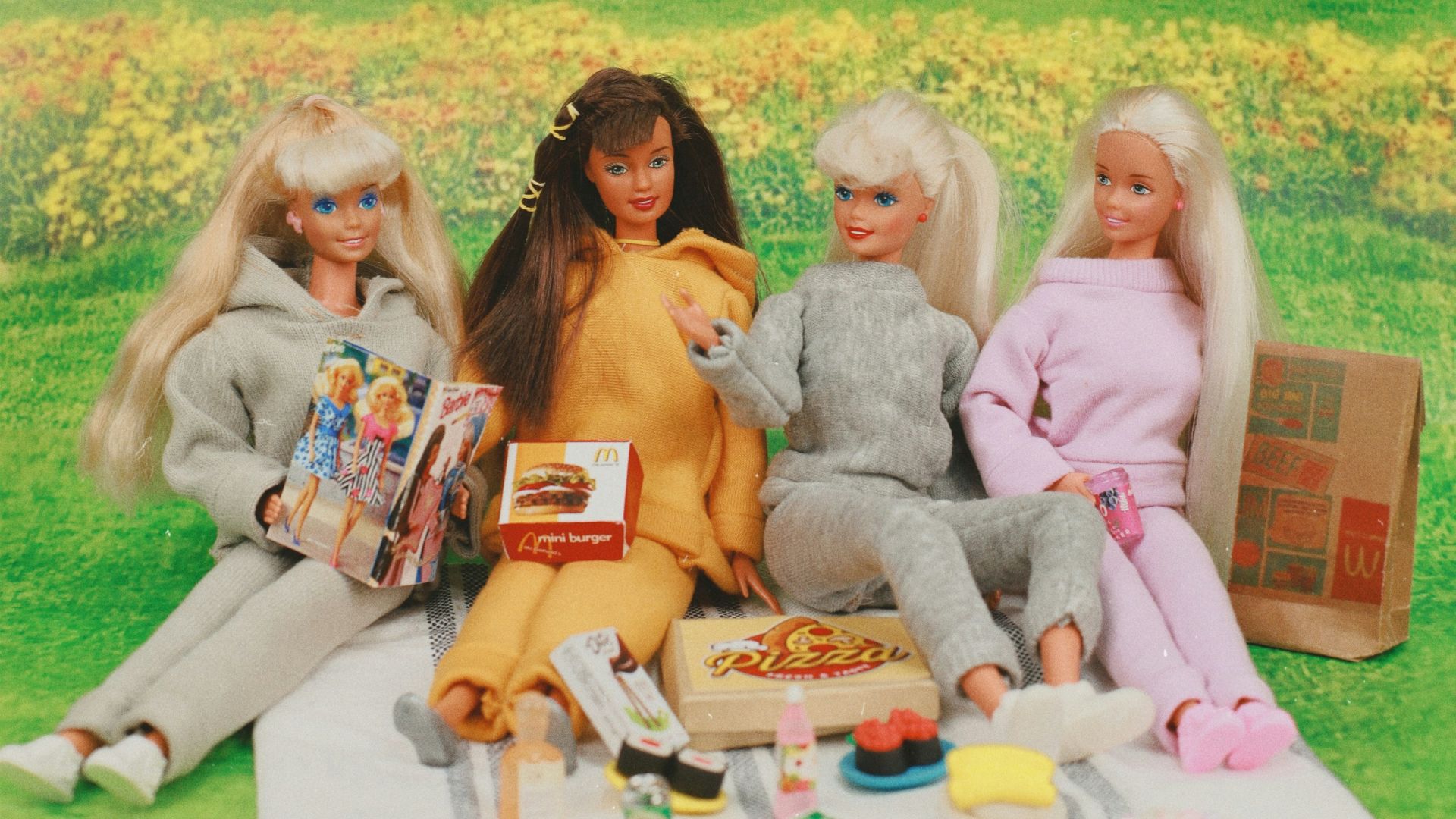
Barbie’s entire existence validated the idea that caring about coordinating outfits and following trends was not only acceptable but interesting. For kids who grew up dressing Barbie, fashion was creative problem-solving with fabric and color. Some kids who went on to become fashion designers cited Barbie as their first influence.
10. She Created a Template for Branded Fashion Lines
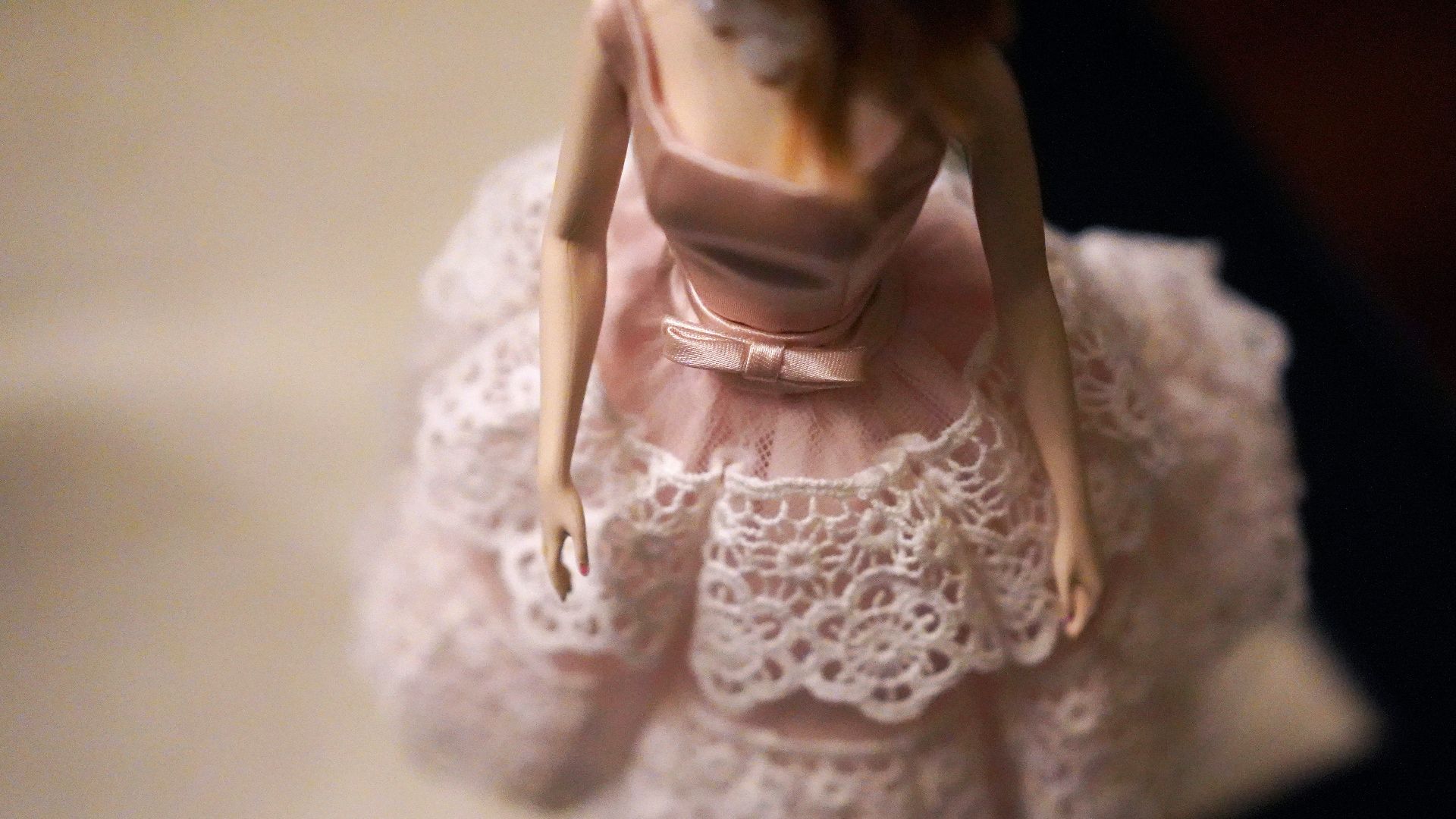
Walk into any Target and you'll find celebrity fashion lines, influencer collaborations, and branded collections everywhere. Barbie pioneered this model. The Barbie Fashion Model Collection launched in 2000 as a high-end line for adult collectors, with dolls wearing reproductions of vintage style.
11. She Made Fashion Narratives Visual and Immediate
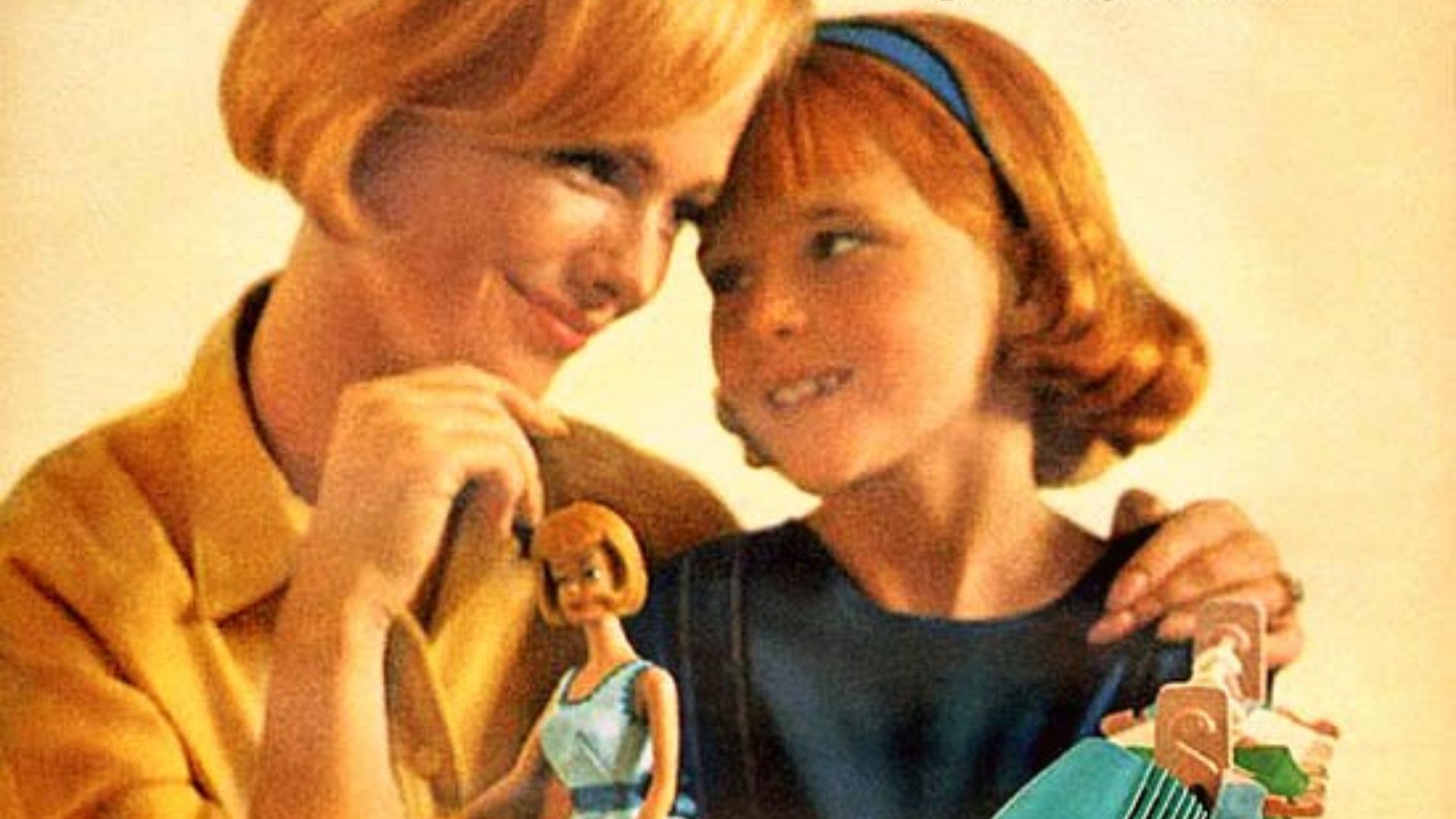
Barbie commercials from the 1960s onward didn't just show the doll, they showed transformations. One minute she was in casual wear, the next she was in evening glamour. Barbie commercials were essentially the original fashion content we now take for granted on social media.
12. She Introduced Accessories as Essential Fashion Items
Early Barbie outfits came with meticulously detailed gloves, hats, purses, and shoes. Accessorizing taught that fashion wasn't just about the dress, it was about the total look. Fashion magazines would echo this message for decades, and Barbie said it first to kids with miniature plastic handbags.
13. She Reflected and Reinforced Changing Hemlines
When skirts got shorter in the 1960s, so did Barbie's. When maxi dresses returned in the 1970s, Barbie wore those too. The doll served as a real-time barometer of fashion's evolution, which meant multiple generations literally held fashion history in their hands.
14. She Made Matching Sets a Cultural Expectation
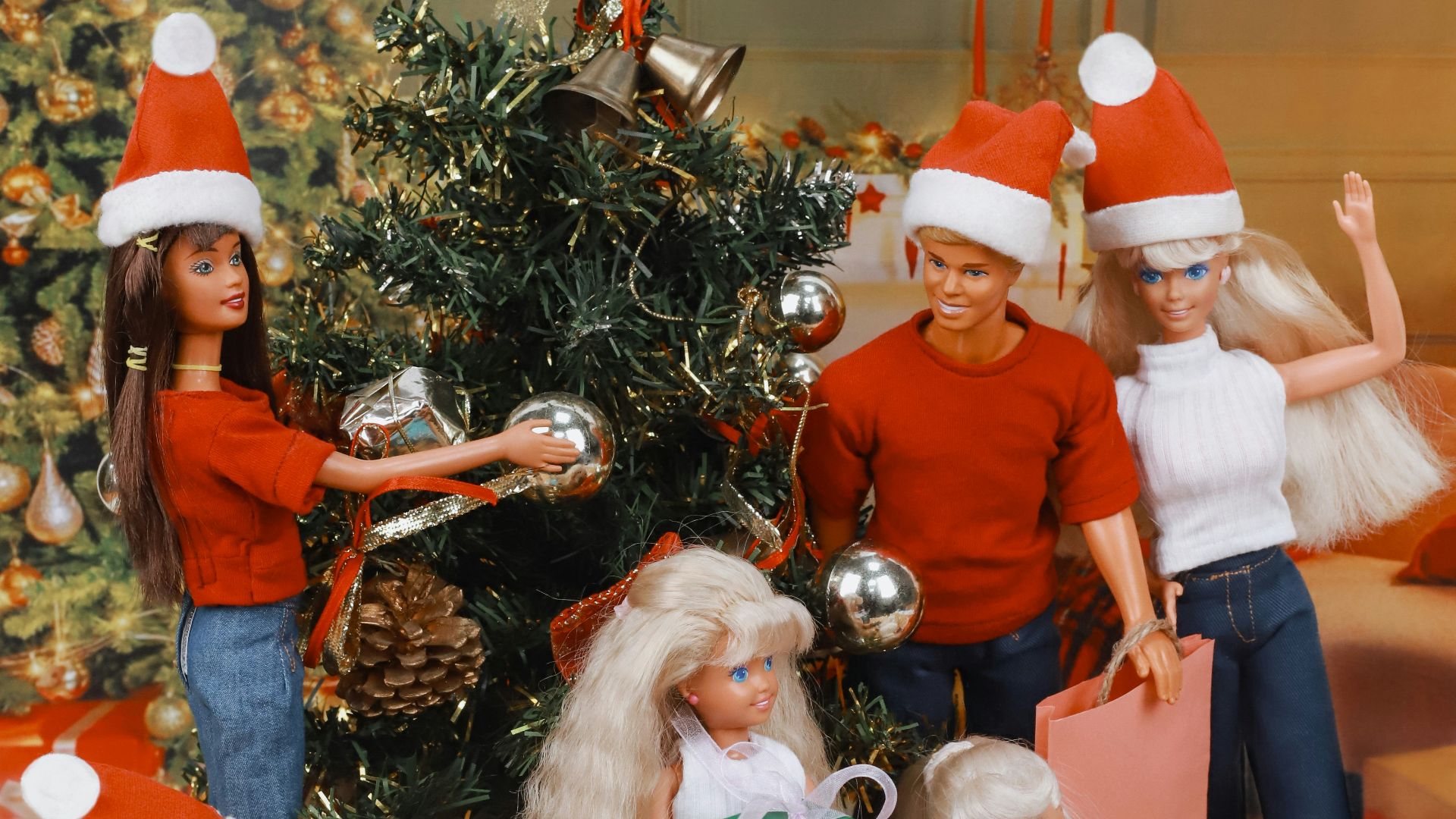
Barbie's outfits were coordinated. Her shoes matched the dress, her hat matched the shoes, and her gloves perfectly complemented everything. This matching aesthetic defined feminine dressing for decades and created expectations about coordination that fashion still grapples with.
15. She Legitimized Fashion Dolls as Adult Collectibles
Before Barbie, dolls were children's toys, period. The collector market for Barbie created a category where adults could engage with fashion through dolls without embarrassment. These weren't toys, they were collectible fashion objects.
16. She Taught Proportion and Scale in Fashion Design
Designing clothing in miniature requires understanding how fabric drapes, how seams work, and how proportions translate. This is actual fashion design education, and some fashion designers have openly discussed starting their careers by sewing for Barbie.
17. She Made Themed Dressing a Fashion Concept
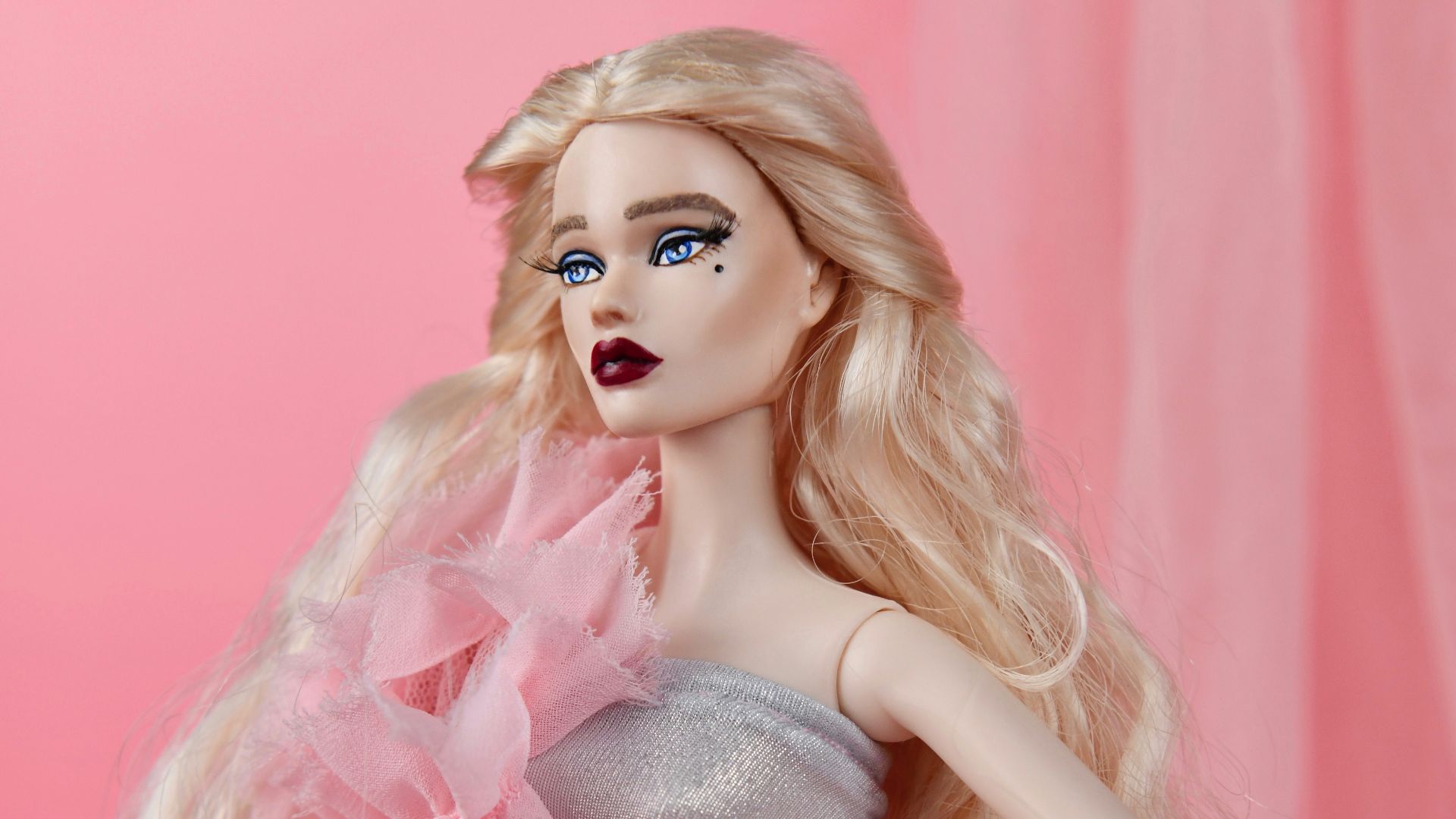
Holiday Barbie launched in 1988 and became an annual tradition, with each year featuring elaborate themed gowns. The idea that special occasions required specific fashion choices reinforced the concept of event dressing that governs everything from prom culture to red carpet fashion.
18. She Proved Fashion Could Drive Product Sales
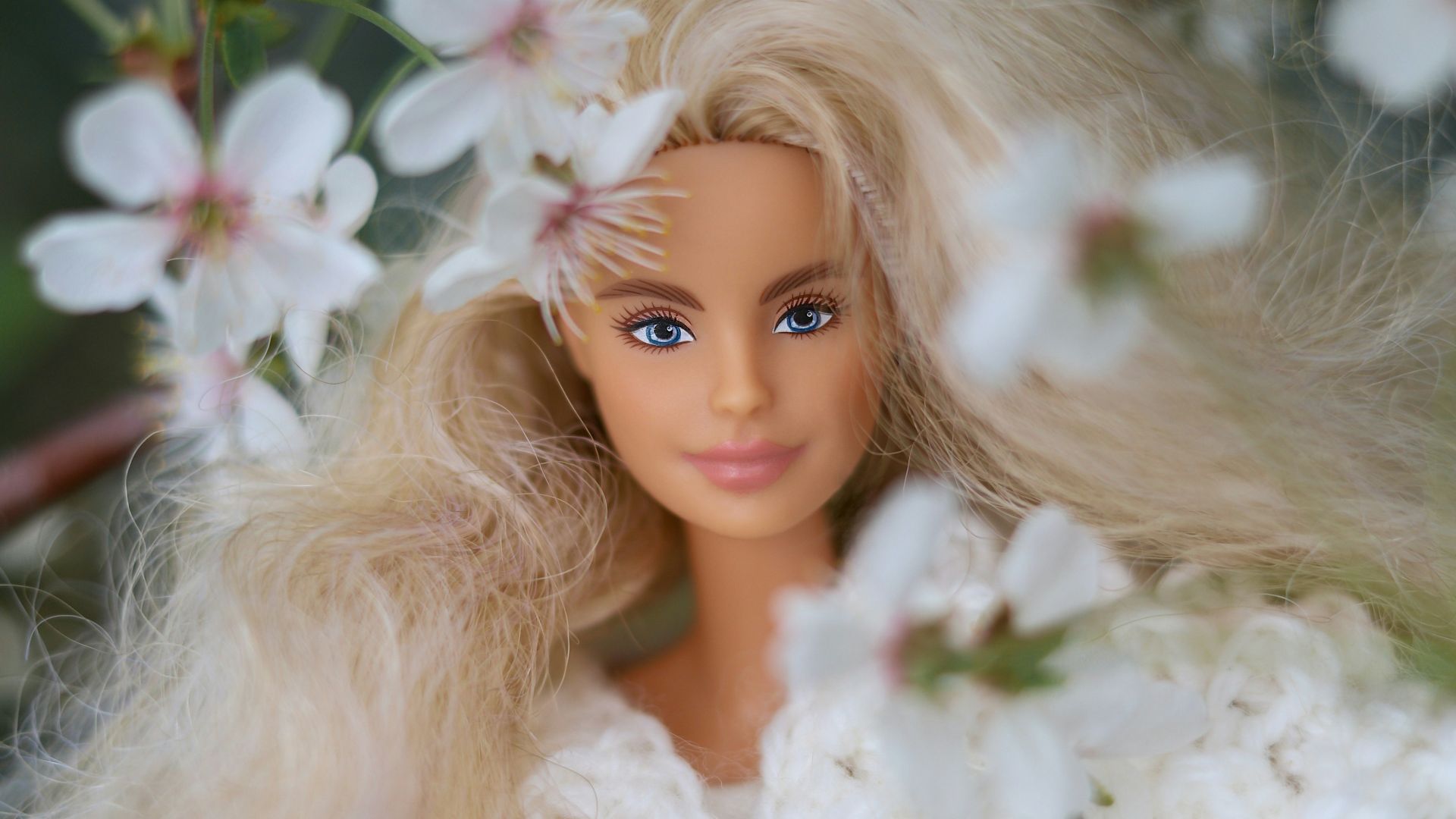
Mattel figured out early that new clothes sold more dolls. This insight became fundamental to how the entire fashion industry operates. Fast fashion brands launching new collections every few weeks aren't innovating, they're following the Barbie model of novelty-driven consumption.
19. She Created Cross-Generational Fashion Conversations
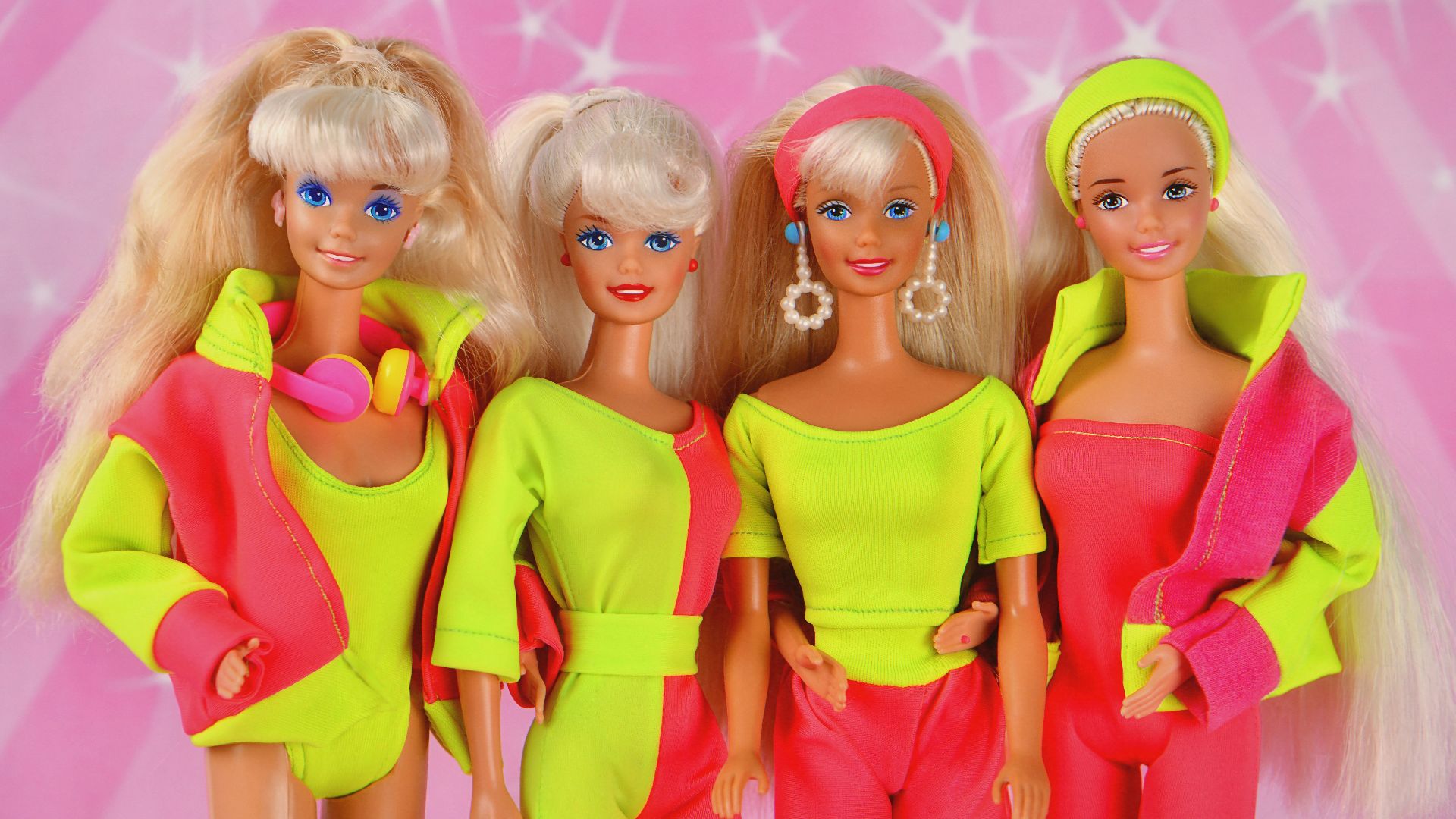
Grandmothers who played with vintage Barbies can discuss fashion with granddaughters who have Fashionista Barbies with diverse body types and modern styles. The doll provides a shared reference point across decades, a way to talk about how fashion changes and how it stays the same.
20. She Made Fashion Unapologetically Maximalist
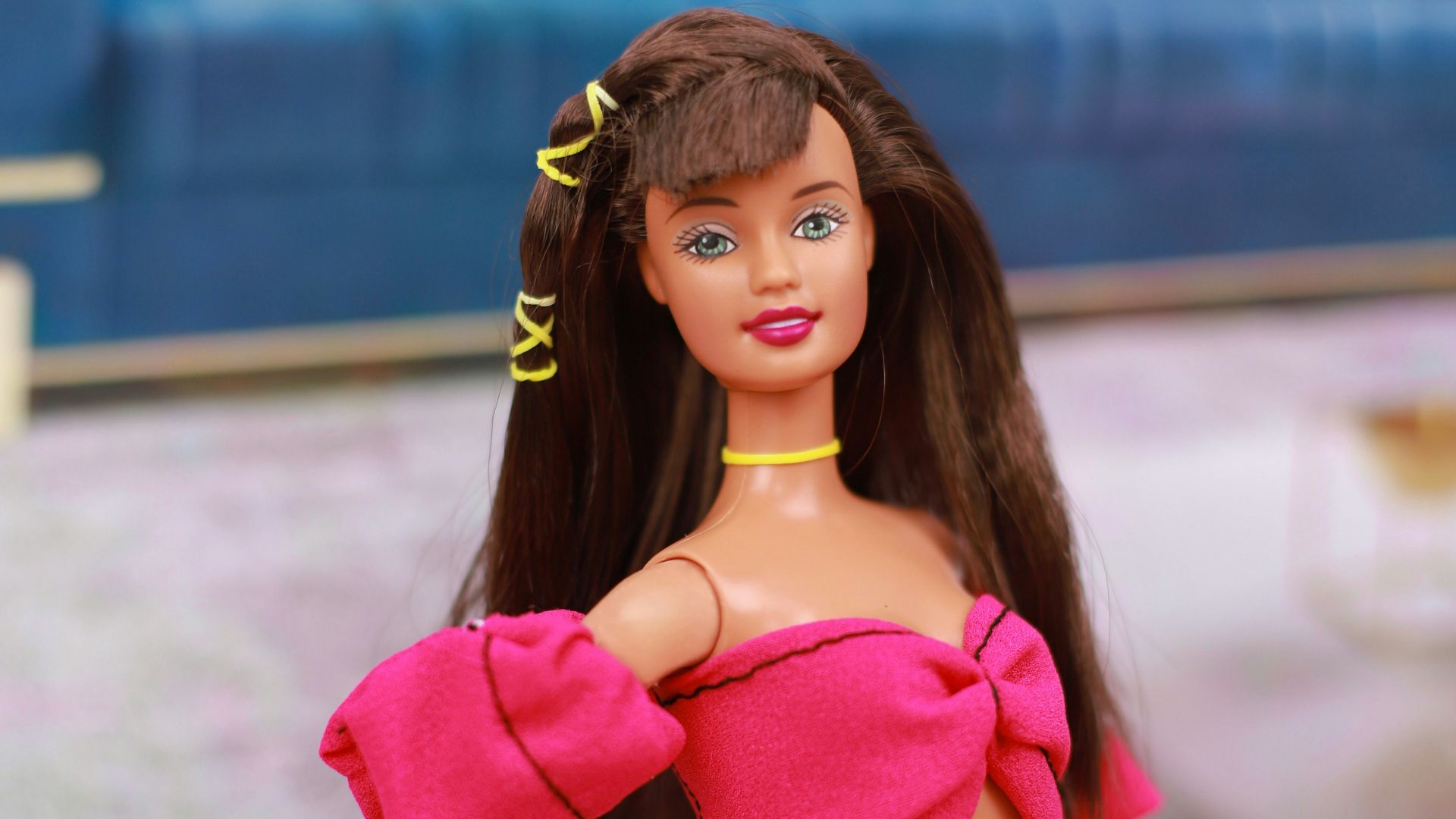
Barbie's fashion was never minimalist or practical but embraced pure glamor. In a fashion landscape that often valorizes understated elegance, Barbie championed excess and fantasy. This maximalist ethos reminds us that clothing can be pure fun.